Are you ready to stand out in your next interview? Understanding and preparing for Evidence-Based Psychosocial Interventions interview questions is a game-changer. In this blog, we’ve compiled key questions and expert advice to help you showcase your skills with confidence and precision. Let’s get started on your journey to acing the interview.
Questions Asked in Evidence-Based Psychosocial Interventions Interview
Q 1. Define Evidence-Based Practice (EBP) in the context of psychosocial interventions.
Evidence-Based Practice (EBP) in psychosocial interventions means integrating the best available research evidence with clinical expertise and client values to guide the selection and implementation of interventions. It’s not just about using ‘popular’ therapies; it’s about using therapies proven effective through rigorous scientific study. This ensures clients receive treatments with the highest probability of success, leading to better outcomes and improved mental health.
Q 2. Explain the steps involved in selecting an appropriate evidence-based psychosocial intervention for a client.
Selecting an appropriate evidence-based psychosocial intervention involves a systematic process:
- Assessment: Thoroughly assess the client’s presenting problem, including its severity, duration, and impact on their life. This involves gathering information through interviews, questionnaires, and potentially psychological testing.
- Diagnosis: Based on the assessment, formulate a diagnosis (if applicable) according to established diagnostic criteria, such as those in the DSM-5 or ICD-11. This helps to categorize the problem and identify potential treatment targets.
- Literature Review: Research interventions proven effective for the diagnosed condition or presenting problem. Look for studies with large sample sizes, strong methodologies, and clear evidence of efficacy.
- Consider Client Factors: Evaluate the client’s preferences, values, and cultural background. The best evidence-based treatment might not be suitable if it doesn’t align with the client’s personal circumstances or beliefs. For example, a client who strongly values religious faith might find a secular therapy less helpful than one that integrates spiritual aspects.
- Intervention Selection: Choose the intervention that best fits the client’s needs, diagnosis, and preferences based on the available evidence. This often involves considering the practicality and feasibility of implementing the chosen intervention.
- Treatment Monitoring & Evaluation: Regularly monitor the client’s progress and adjust the intervention as needed. Use outcome measures to track the effectiveness of the treatment and make data-driven adjustments. This ensures the chosen intervention remains appropriate and effective for the client.
Q 3. Compare and contrast Cognitive Behavioral Therapy (CBT) and Dialectical Behavior Therapy (DBT).
Both Cognitive Behavioral Therapy (CBT) and Dialectical Behavior Therapy (DBT) are evidence-based treatments, but they address different needs and utilize distinct approaches:
- CBT focuses on identifying and changing maladaptive thought patterns and behaviors. It’s often used for anxiety disorders, depression, and phobias. The process involves identifying negative or unhelpful thoughts, challenging their validity, and replacing them with more realistic and adaptive ones. For example, a client with social anxiety might learn to challenge thoughts like “Everyone will judge me negatively” with more balanced perspectives.
- DBT is a comprehensive therapy specifically designed for individuals with borderline personality disorder (BPD) and other emotional dysregulation issues. It emphasizes acceptance of difficult emotions alongside skills training in mindfulness, distress tolerance, emotion regulation, and interpersonal effectiveness. For example, a client struggling with intense anger might learn distress tolerance skills to cope with the anger without acting impulsively.
Key Differences: While both are effective, CBT primarily targets cognitive restructuring, while DBT incorporates a broader range of skills to manage intense emotions and improve interpersonal relationships. DBT emphasizes acceptance of emotions as a critical first step, while CBT may prioritize immediate cognitive change.
Q 4. Describe the core principles of Acceptance and Commitment Therapy (ACT).
Acceptance and Commitment Therapy (ACT) centers on six core principles:
- Psychological Flexibility: The overarching goal is to increase the ability to act in accordance with one’s values even in the presence of difficult thoughts and emotions.
- Acceptance: Learning to accept difficult thoughts, feelings, and sensations without trying to control or avoid them.
- Cognitive Defusion: Developing the ability to observe thoughts without being swept away by them. This involves viewing thoughts as mere mental events rather than absolute truths.
- Present Moment Awareness (Mindfulness): Paying attention to the present experience without judgment.
- Self as Context: Recognizing that thoughts and feelings are events, not the self. This involves observing one’s internal experiences without identifying completely with them.
- Values: Identifying and clarifying one’s personal values to guide behavior and goal setting.
ACT helps individuals to live a more meaningful life by focusing on what truly matters to them, even in the face of life’s inevitable challenges. For instance, a client struggling with chronic pain might learn to accept the pain as a part of their experience, while still pursuing activities aligned with their values, like spending time with family or pursuing hobbies.
Q 5. What are the limitations of relying solely on evidence-based interventions?
Relying solely on evidence-based interventions has limitations:
- Lack of Individualization: EBPs, while effective on average, may not be optimal for every individual. Client characteristics, preferences, and unique circumstances need to be considered. A ‘one-size-fits-all’ approach can be detrimental.
- Oversimplification: Human experience is complex. Reducing individuals to diagnostic categories and applying standardized treatments can overlook the nuances of individual struggles.
- Limited Applicability: Not all problems have well-established evidence-based treatments. For rare or emerging issues, practitioners may need to draw on clinical judgment and less robust research.
- Ignoring Contextual Factors: Interventions are not always effective if they do not consider the social, cultural, and environmental context of the client’s life. Ignoring these factors can significantly hinder treatment success.
- Ethical Considerations: Focusing solely on empirically supported treatments might lead to a neglect of other important aspects of care such as building rapport and addressing client autonomy.
Q 6. How do you assess client suitability for a specific evidence-based intervention?
Assessing client suitability involves a multi-faceted approach:
- Diagnostic Alignment: Does the client’s diagnosis or presenting problem align with the target population of the intervention?
- Symptom Severity: Is the intervention appropriate for the client’s level of symptom severity? Some interventions are better suited for milder conditions, while others are designed for more severe cases.
- Comorbidity: Does the client have co-occurring disorders that might complicate the treatment process or require a modified approach?
- Motivation & Engagement: Is the client motivated to participate in the intervention and willing to commit to the required effort? Engagement is crucial for success.
- Cognitive Abilities: Does the client have the cognitive capacity to understand and participate in the intervention?
- Cultural Considerations: Is the intervention culturally appropriate and sensitive to the client’s background and values? A culturally sensitive approach ensures the intervention resonates with and respects the client’s cultural norms and preferences.
- Resource Availability: Are the necessary resources (e.g., time, financial resources) available to provide the intervention effectively?
Often, this assessment involves a comprehensive clinical interview, psychological testing if needed, and careful review of the client’s history.
Q 7. Explain the role of therapeutic alliance in the effectiveness of evidence-based interventions.
The therapeutic alliance – the collaborative relationship between the therapist and client – is a crucial factor in the effectiveness of any intervention, including evidence-based ones. It’s the cornerstone of successful treatment. A strong therapeutic alliance promotes:
- Increased Engagement: Clients are more likely to participate actively in treatment when they feel understood, respected, and supported by their therapist.
- Improved Adherence: A positive relationship encourages clients to adhere to the treatment plan, increasing the likelihood of positive outcomes.
- Enhanced Self-Disclosure: Clients are more likely to openly share their thoughts and feelings with a therapist they trust, allowing for a deeper exploration of issues.
- Greater Motivation: A supportive therapist can inspire hope and motivate clients to work towards their goals.
- Better Coping Skills: The relationship provides a safe and supportive space for practicing new coping mechanisms and skills taught in therapy.
Think of the therapeutic alliance as the fertile ground in which the seeds of the evidence-based intervention are planted. Without it, even the most effective interventions may fail to produce the desired results. It is a crucial element in bridging the gap between research findings and individual client experience.
Q 8. Discuss the ethical considerations in using evidence-based psychosocial interventions.
Ethical considerations in using evidence-based psychosocial interventions are paramount. We must prioritize client autonomy, beneficence, non-maleficence, and justice. Autonomy means respecting the client’s right to self-determination and informed consent. They need to understand the intervention, its potential benefits and risks, and have the freedom to choose whether or not to participate. Beneficence involves acting in the client’s best interest, striving to maximize benefits and minimize harm. Non-maleficence means avoiding actions that could cause harm. Justice ensures fairness and equitable access to effective interventions, regardless of background or socioeconomic status.
For example, if a client expresses discomfort with a specific aspect of an intervention, we ethically must adjust the approach or even choose an alternative intervention, respecting their autonomy. Another example is ensuring culturally sensitive approaches are used, avoiding cultural bias and promoting justice. We also have an ethical obligation to maintain confidentiality and protect client data. Careful consideration of potential dual relationships and conflicts of interest is also critical to maintaining ethical practice.
Q 9. How do you measure the effectiveness of an evidence-based intervention?
Measuring the effectiveness of an evidence-based intervention involves rigorous methods, often employing a randomized controlled trial (RCT) design as the gold standard. In an RCT, participants are randomly assigned to either the intervention group or a control group (receiving a placebo or standard care). This randomization helps to minimize bias. Outcomes are then measured using validated assessment tools before and after the intervention. These assessments might include standardized questionnaires, clinical interviews, or behavioral observations. Statistical analysis then compares the changes in outcome measures between the two groups to determine if the intervention significantly improved the outcome.
Beyond RCTs, other designs, such as pre-post designs or quasi-experimental designs, might be used depending on the feasibility and research question. Effect sizes are calculated to quantify the magnitude of the intervention’s impact. We also look at factors such as treatment fidelity (how well the intervention was implemented as designed) and the generalizability of the findings to real-world settings. It’s crucial to understand that ‘effectiveness’ is rarely a binary result; instead we look at statistical significance and clinical significance (meaningful change in client functioning).
Q 10. Describe a situation where you had to adapt an evidence-based intervention to meet a client’s specific needs.
I once worked with a client diagnosed with PTSD who found the typical exposure therapy protocol too overwhelming. The evidence-based intervention involved gradually exposing her to trauma-related memories and situations. However, she experienced significant anxiety and avoidance even when we attempted a very slow, gradual process. To adapt, I incorporated elements of mindfulness-based stress reduction into the treatment plan. This allowed her to develop coping skills to manage her anxiety before gradually working through the exposure exercises. We also shortened the sessions initially, providing more breaks and focusing on building rapport and trust. By adapting the intervention in a way that respected her limits, we were able to successfully implement exposure therapy and achieve positive outcomes. It’s important to remember that flexibility within a structured framework is key to successful adaptation.
Q 11. What are some common challenges in implementing evidence-based interventions in real-world settings?
Implementing evidence-based interventions in real-world settings presents several challenges. Resource limitations, such as insufficient funding, time constraints, and a lack of trained personnel are frequently encountered. Client factors such as motivation, comorbid conditions, and other barriers to treatment can hinder progress. Organizational factors, such as lack of administrative support, inadequate supervision, and incompatible organizational culture can also create roadblocks. Moreover, ensuring treatment fidelity across practitioners can be challenging; differences in training, experience, and adherence to protocols can result in inconsistent implementation.
Overcoming these challenges requires strong administrative support, adequate training and supervision for clinicians, and collaborative efforts with stakeholders, along with creative problem-solving to adapt interventions as needed while retaining core components. Addressing client-specific barriers through motivational interviewing or other methods is often crucial.
Q 12. How do you stay current with the latest research on evidence-based psychosocial interventions?
Staying current with the latest research involves actively engaging with relevant professional organizations, such as the American Psychological Association (APA). I regularly review peer-reviewed journals like Journal of Consulting and Clinical Psychology and Behavior Therapy. Attending conferences and workshops, and participating in continuing education programs are essential. I also utilize online databases like PubMed and PsycINFO to search for relevant studies. Networking with colleagues and attending journal clubs provide valuable opportunities for discussion and learning about the latest findings. Critical appraisal of research is vital, to ensure that findings are both scientifically sound and clinically relevant. It’s a continuous process, crucial to providing the most effective and up-to-date care.
Q 13. Explain the concept of fidelity in the delivery of evidence-based interventions.
Fidelity in the delivery of evidence-based interventions refers to the accuracy and consistency with which the intervention is implemented as it was originally designed and tested in research. High fidelity means the intervention is delivered as intended, using the specified techniques, procedures, and dosage. This ensures that the intervention’s effectiveness, as demonstrated in research, can be replicated in practice. Monitoring fidelity is important to evaluate the quality of the implementation and to understand how the effectiveness of the intervention may vary depending on fidelity.
Measuring fidelity might involve direct observation of sessions, adherence checklists, or client self-reports. Low fidelity can compromise the effectiveness of the intervention and can lead to inaccurate conclusions about its efficacy in real-world settings. Maintaining fidelity, while allowing for necessary adaptations based on client needs (as discussed in question 3), is a key element of ethical and effective practice.
Q 14. What are some common barriers to accessing and utilizing evidence-based interventions?
Barriers to accessing and utilizing evidence-based interventions are multifaceted. Financial constraints often limit access to mental health services, particularly for individuals with limited insurance coverage or those who are uninsured. Geographic location can present challenges, as evidence-based interventions may not be readily available in all areas, especially rural communities. Lack of awareness among both clients and clinicians about available interventions poses another barrier. Even when interventions are available, waitlists and long appointment scheduling can delay treatment. Stigma associated with mental health issues can deter individuals from seeking help. Cultural factors, such as language barriers or differing cultural beliefs about mental health, can also impact access and utilization.
Addressing these barriers necessitates increased funding for mental health services, improved access to treatment in underserved areas, expanding telehealth options, and raising public awareness about the availability and effectiveness of evidence-based interventions. Culturally sensitive care and increased diversity among mental health professionals are equally essential steps to overcome these barriers and provide equitable access to mental health care for all.
Q 15. How do you address cultural considerations when selecting and implementing evidence-based interventions?
Addressing cultural considerations is paramount when selecting and implementing evidence-based interventions. It’s not enough to simply choose a treatment shown effective in one population and apply it universally. We must understand that culture profoundly shapes individuals’ experiences, beliefs, and behaviors, influencing their response to therapy. Ignoring cultural factors can lead to misdiagnosis, treatment failure, and even harm.
My approach involves several key steps:
- Assessment: I begin with a thorough cultural assessment, exploring the client’s ethnic background, values, beliefs, communication styles, and family structures. This includes active listening and using culturally sensitive assessment tools.
- Intervention Selection: I select interventions that align with the client’s cultural context. For example, family-based interventions might be highly effective for clients from collectivistic cultures, whereas individual-focused therapies may be more suitable for those from individualistic cultures. I also consider culturally relevant adaptations or modifications to interventions.
- Therapeutic Relationship: Building a strong therapeutic alliance that respects and values the client’s cultural background is crucial. This involves demonstrating cultural humility, acknowledging power imbalances, and actively working to understand the client’s perspective.
- Collaboration: When appropriate, I collaborate with community leaders, cultural experts, or other professionals who have expertise in the client’s culture to ensure culturally sensitive and effective treatment.
For example, working with a client from a specific religious background, I would want to be aware of their beliefs and practices to prevent conflict or misinterpretations during therapy. Similarly, understanding nonverbal communication nuances of a particular culture could improve rapport and trust.
Career Expert Tips:
- Ace those interviews! Prepare effectively by reviewing the Top 50 Most Common Interview Questions on ResumeGemini.
- Navigate your job search with confidence! Explore a wide range of Career Tips on ResumeGemini. Learn about common challenges and recommendations to overcome them.
- Craft the perfect resume! Master the Art of Resume Writing with ResumeGemini’s guide. Showcase your unique qualifications and achievements effectively.
- Don’t miss out on holiday savings! Build your dream resume with ResumeGemini’s ATS optimized templates.
Q 16. Discuss the importance of outcome measurement in evidence-based practice.
Outcome measurement is the cornerstone of evidence-based practice. It allows us to determine if our interventions are actually effective and whether they’re producing the desired changes for our clients. Without robust outcome measurement, we’re essentially practicing in the dark, unable to know whether our work is beneficial or even causing harm.
The importance of outcome measurement includes:
- Accountability: Demonstrates effectiveness and justifies the use of resources.
- Improvement: Identifies areas for improvement in treatment and program development.
- Research: Contributes to the overall body of knowledge about effective interventions.
- Client Satisfaction: Helps determine if the client is meeting their goals and are satisfied with the intervention.
Imagine trying to build a house without measuring anything – you’d likely end up with a structurally unsound and unusable building. Similarly, without outcome measurement, our interventions lack the necessary foundation for true effectiveness and improvement.
Q 17. What are some common outcome measures used to evaluate the effectiveness of psychosocial interventions?
Numerous outcome measures exist to evaluate psychosocial interventions, each chosen based on the specific intervention and client’s needs. These measures can be broadly categorized into:
- Self-Report Measures: These are questionnaires or scales completed by the client, assessing their symptoms, functioning, and well-being. Examples include the Beck Depression Inventory (BDI), the Generalized Anxiety Disorder 7-item scale (GAD-7), and the PTSD Checklist for DSM-5 (PCL-5).
- Observer-Rated Measures: These are scales completed by clinicians or other observers who rate the client’s behavior and functioning. Examples include the Clinical Global Impression (CGI) scale and the Yale-Brown Obsessive Compulsive Scale (Y-BOCS).
- Performance-Based Measures: These assess the client’s abilities in specific areas, such as cognitive function or social skills. Examples include tests of attention and concentration or role-playing exercises.
- Physiological Measures: These involve assessing biological indicators related to mental health, such as heart rate variability or cortisol levels.
The selection of measures depends on the specific problem being addressed. For example, if treating depression, the BDI would be a relevant self-report measure, while for assessing social anxiety, observation during a social interaction would be valuable.
Q 18. How do you handle situations where an evidence-based intervention is not effective for a client?
When an evidence-based intervention proves ineffective for a client, it’s crucial to avoid rigidly adhering to a treatment protocol. This situation requires a flexible and collaborative approach.
My steps would involve:
- Reassessment: Conduct a thorough reassessment of the client’s situation, including their diagnosis, presenting problems, and response to the initial intervention. This may involve reevaluating the initial diagnosis or considering co-occurring disorders.
- Treatment Modification: Adapt the existing intervention, adjusting the frequency, intensity, or specific techniques. This might involve incorporating different therapeutic modalities or techniques.
- Alternative Intervention: If the treatment proves entirely ineffective, consider switching to an alternative evidence-based intervention tailored to the client’s needs and response. This requires a careful review of the literature and considering factors such as the client’s cultural background and preferences.
- Referral: In some cases, referral to a specialist or another professional may be necessary. For example, if a client is experiencing severe symptoms that require medication, a referral to a psychiatrist would be appropriate.
- Ongoing Monitoring: Continuous monitoring and reassessment are crucial to track progress and make necessary adjustments along the way.
It’s essential to remember that therapeutic success is a collaborative process. Open communication with the client, acknowledging any challenges, and working together to find a more effective approach builds trust and enhances the likelihood of positive outcomes.
Q 19. Describe your experience with implementing different types of evidence-based interventions.
Throughout my career, I’ve had extensive experience implementing various evidence-based interventions. My experience includes:
- Cognitive Behavioral Therapy (CBT): I’ve used CBT extensively for treating anxiety disorders, depression, and trauma, adapting techniques based on individual client needs. For example, I’ve used exposure therapy for specific phobias and cognitive restructuring for negative thought patterns.
- Dialectical Behavior Therapy (DBT): I have experience using DBT, particularly with clients struggling with borderline personality disorder and emotional dysregulation. This includes teaching mindfulness skills and distress tolerance techniques.
- Acceptance and Commitment Therapy (ACT): I’ve utilized ACT to help clients accept difficult emotions and thoughts, and to focus on living a meaningful life aligned with their values. This approach has proven highly effective for clients dealing with chronic pain and life transitions.
- Trauma-Focused Interventions: My work has also included utilizing trauma-informed care and specific trauma-focused interventions like Eye Movement Desensitization and Reprocessing (EMDR) to help clients process traumatic experiences.
Each intervention requires a thorough understanding of its theoretical foundations and the appropriate application to different clinical presentations. I consistently seek to update my knowledge and skills through continuing education and supervision to ensure I’m providing the best possible evidence-based care.
Q 20. What are the key components of a successful treatment plan based on evidence-based interventions?
A successful treatment plan based on evidence-based interventions involves several key components:
- Clear Goals and Objectives: These should be collaboratively established with the client, specifying measurable and achievable outcomes. For example, instead of a broad goal like “reduce anxiety,” a more specific goal might be “reduce anxiety scores on the GAD-7 by 50% within 8 weeks.”
- Evidence-Based Interventions: The chosen intervention should be supported by empirical evidence, tailored to the client’s specific needs and diagnosis.
- Treatment Plan Rationale: The plan needs to clearly explain the rationale for selecting the specific intervention, justifying its use based on the client’s presentation and the available research.
- Regular Monitoring and Evaluation: Ongoing monitoring of progress is crucial, allowing for adjustments to the treatment plan based on the client’s response. This often involves utilizing outcome measures at regular intervals.
- Collaboration and Communication: Effective communication and collaboration between the client and therapist are essential. This fosters a strong therapeutic alliance and enables open discussions about progress and any challenges.
- Flexibility and Adaptability: A rigid treatment plan is unlikely to be successful. Flexibility is key, allowing for adjustments based on the client’s evolving needs and responses to treatment.
A successful treatment plan is not a static document; it is a dynamic tool that evolves alongside the client’s progress and needs.
Q 21. How do you document your use of evidence-based interventions in client records?
Documentation of evidence-based interventions in client records is crucial for ethical, legal, and clinical reasons. My documentation follows a clear and concise format, typically including:
- Client Demographics and Presenting Problems: Basic client information and a detailed description of the presenting concerns.
- Diagnosis: A clear and concise diagnosis based on DSM-5 or ICD-11 criteria.
- Intervention Selection: Justification for choosing the specific evidence-based intervention, citing relevant research or literature. This might include specific techniques used, for example, “Cognitive restructuring techniques used to address negative automatic thoughts” or “Exposure therapy for social anxiety with a gradual approach to feared stimuli.”
- Session Summaries: A summary of each session, noting progress, challenges, and any adjustments to the treatment plan. This includes the specific techniques utilized and the client’s response to them.
- Outcome Measures: Documentation of any outcome measures used, including the scores and the dates of administration. This provides objective data on treatment effectiveness.
- Treatment Plan Modifications: Record of any changes made to the treatment plan, providing justification for the adjustments.
My approach prioritizes clarity, accuracy, and a focus on measurable outcomes. This ensures that the record provides a clear and comprehensive picture of the client’s treatment journey, facilitates communication with other healthcare professionals, and contributes to the overall body of knowledge on evidence-based practice.
Q 22. What is your understanding of the role of technology in delivering evidence-based interventions?
Technology plays a transformative role in delivering evidence-based psychosocial interventions, enhancing accessibility, affordability, and engagement. Think of it as expanding the reach of a therapist’s office beyond physical walls.
- Increased Accessibility: Telehealth platforms allow individuals in remote areas or with mobility issues to access treatment. This is particularly crucial for underserved populations.
- Personalized Interventions: Apps and digital tools can deliver tailored interventions, adjusting based on individual progress and needs, offering a level of personalization often difficult to achieve in traditional settings. For instance, a CBT app can provide customized exercises and reminders based on a user’s self-reported mood and progress.
- Data-Driven Outcomes: Technology facilitates the collection of rich data on client progress, allowing for more objective assessment and more efficient treatment adjustments. This can be incredibly useful in tracking symptom reduction or identifying patterns in behavior changes.
- Enhanced Engagement: Interactive games, virtual reality experiences, and gamified elements can increase client engagement and motivation, making therapy more enjoyable and sustainable.
However, it’s crucial to remember that technology is a tool; it doesn’t replace the human element of therapeutic relationships. Ethical considerations regarding data privacy and security must always be paramount.
Q 23. Explain the concept of treatment integrity in the context of evidence-based practice.
Treatment integrity refers to the accurate and consistent implementation of an evidence-based intervention as it was designed in research studies. It’s like following a recipe exactly to ensure you get the desired outcome. If you deviate too much from the recipe, you might not get the same results.
In evidence-based practice, high treatment integrity is essential because it ensures that the intervention’s effectiveness is accurately reflected. Poor treatment integrity can lead to inaccurate conclusions about an intervention’s efficacy, potentially hindering its widespread adoption or leading to ineffective treatment for clients.
Measuring treatment integrity involves carefully monitoring the therapist’s adherence to the intervention’s protocols. This might include observing therapy sessions, reviewing session notes, or utilizing self-report measures. For example, in a study testing Cognitive Behavioral Therapy (CBT) for anxiety, treatment integrity could be measured by assessing the therapist’s use of specific CBT techniques, like cognitive restructuring or exposure therapy, as outlined in the intervention manual.
Q 24. Describe a time you had to modify an intervention due to unforeseen client circumstances.
I once worked with a client undergoing Dialectical Behavior Therapy (DBT) for borderline personality disorder. The client experienced a sudden family crisis involving a serious illness of a close family member. The original DBT plan focused heavily on emotion regulation skills and interpersonal effectiveness.
Given the acute stress and the client’s understandably altered emotional state, rigidly adhering to the planned modules felt inappropriate and potentially harmful. I collaboratively adjusted the focus, prioritizing coping skills for managing grief and stress while acknowledging the challenges to her usual emotional regulation processes. We temporarily shifted the emphasis towards crisis management and emotional support, integrating these adjustments within the overall DBT framework. Regular check-ins and flexible session scheduling were crucial in navigating this period. Once the crisis subsided, we gradually reintroduced the original DBT modules, adapting them based on the client’s unique experience and progress.
Q 25. How would you explain the rationale behind using a specific evidence-based intervention to a client?
Explaining the rationale behind using a specific evidence-based intervention requires clear, empathetic communication. It’s important to avoid jargon and speak in a language the client understands.
For example, if using Cognitive Behavioral Therapy (CBT) for depression, I might explain: “Research shows that CBT is a highly effective treatment for depression. It works by helping you identify and change negative thought patterns and behaviors that contribute to your sadness and low energy. We will work together to develop practical strategies to manage your symptoms, so you can feel better equipped to cope with challenges and lead a more fulfilling life.” I would then elaborate on the specific techniques to be used, illustrating how they address the client’s unique presenting problems.
It’s equally crucial to emphasize client autonomy. I would always ensure the client understands that they are active participants in the process and have the right to choose whether or not to engage in the therapy and how we move through it.
Q 26. How do you incorporate feedback from clients into your treatment approach?
Client feedback is central to effective treatment. I regularly incorporate feedback through various methods:
- Session Feedback: At the end of each session, I ask clients about their experience – what was helpful, what wasn’t, and what they felt they gained.
- Rating Scales: Standardized rating scales for symptoms or satisfaction assess progress objectively and provide quantifiable feedback.
- Regular Check-ins: Structured check-ins throughout therapy address any questions or concerns the client might have and allow for adjustments in the treatment plan.
- Open Dialogue: I encourage open communication throughout the therapeutic process so that clients feel comfortable sharing their perspectives.
I use this feedback to modify techniques, adjust the pace of therapy, or even explore alternative strategies if the initial approach isn’t working. For example, if a client finds a specific technique overwhelming or unhelpful, we collaboratively explore alternative methods to achieve the same therapeutic goals.
Q 27. What is your experience with working collaboratively with other professionals when delivering evidence-based interventions?
Collaboration is essential in delivering evidence-based interventions. I regularly collaborate with psychiatrists, primary care physicians, and other therapists to provide holistic care. Effective collaboration requires clear communication, shared goals, and mutual respect for each professional’s expertise.
For instance, when working with a client with both depression and anxiety, I might collaborate with a psychiatrist regarding medication management, ensuring that the medication aligns with the therapeutic approach. Regular consultation and shared case notes help coordinate care and optimize outcomes. Effective teamwork ensures that the client receives comprehensive, coordinated care and addresses all aspects of their well-being.
Q 28. Discuss your understanding of the ethical implications of using technology in delivering evidence-based psychosocial interventions.
The ethical implications of using technology in delivering evidence-based psychosocial interventions are significant and require careful consideration:
- Confidentiality and Data Security: Protecting client data is paramount. Utilizing HIPAA-compliant platforms and adhering to strict data privacy protocols is crucial. Clients need to be informed about how their data is being used and stored.
- Accessibility and Equity: Ensuring equitable access to technology and digital literacy support is essential to prevent exacerbating existing health disparities. Not everyone has equal access to reliable internet or the technological skills necessary to participate in telehealth services.
- Informed Consent: Clients must provide informed consent for the use of technology in their treatment. This involves clearly explaining the benefits and risks, including potential limitations in confidentiality and the need for technological proficiency.
- Therapist Competence: Therapists need adequate training and supervision in using technology ethically and effectively. This includes understanding the limitations of technology, ensuring client safety, and managing potential technical issues.
- Maintaining the Therapeutic Alliance: Technology should enhance, not replace, the human connection that forms the cornerstone of successful therapy. Therapists need to be mindful of the nuances of communication in online settings and ensure they maintain a strong therapeutic alliance despite the distance.
Addressing these ethical considerations is crucial to ensure responsible and effective use of technology in mental health care.
Key Topics to Learn for Evidence-Based Psychosocial Interventions Interview
- Theoretical Foundations: Understand the core principles and models underpinning evidence-based psychosocial interventions. This includes exploring different therapeutic approaches and their underlying philosophies (e.g., Cognitive Behavioral Therapy (CBT), Dialectical Behavior Therapy (DBT), Acceptance and Commitment Therapy (ACT)).
- Intervention Selection & Implementation: Develop a strong understanding of how to select the most appropriate intervention based on client needs and presenting problems. Practice applying specific techniques and strategies within different therapeutic modalities.
- Assessment & Measurement: Master the skills necessary to conduct thorough assessments, utilizing standardized measures and clinical judgment to inform treatment planning and monitor progress. Familiarize yourself with relevant assessment tools and their limitations.
- Ethical Considerations: Demonstrate a deep understanding of ethical principles and their application within the context of psychosocial interventions. This includes informed consent, confidentiality, and boundary setting.
- Cultural Competence & Diversity: Explore how cultural factors influence the selection and implementation of interventions. Be prepared to discuss culturally sensitive approaches and adapt interventions to meet diverse client needs.
- Case Conceptualization & Treatment Planning: Develop your ability to formulate comprehensive case conceptualizations and create individualized treatment plans based on assessment findings and evidence-based practices.
- Outcome Evaluation & Research: Understand the importance of evaluating treatment outcomes and interpreting research findings related to the effectiveness of different psychosocial interventions. Familiarize yourself with common outcome measures.
- Collaboration & Teamwork: Discuss the importance of effective collaboration with other professionals (e.g., physicians, social workers, psychiatrists) within a multidisciplinary team setting.
Next Steps
Mastering Evidence-Based Psychosocial Interventions is crucial for career advancement in this rapidly evolving field. A strong understanding of these principles will significantly enhance your job prospects and allow you to provide effective and compassionate care. To make the most of your job search, focus on creating an ATS-friendly resume that showcases your skills and experience effectively. ResumeGemini is a trusted resource to help you build a professional and impactful resume that highlights your expertise in Evidence-Based Psychosocial Interventions. Examples of resumes tailored to this field are available through ResumeGemini, providing valuable guidance as you craft your own.
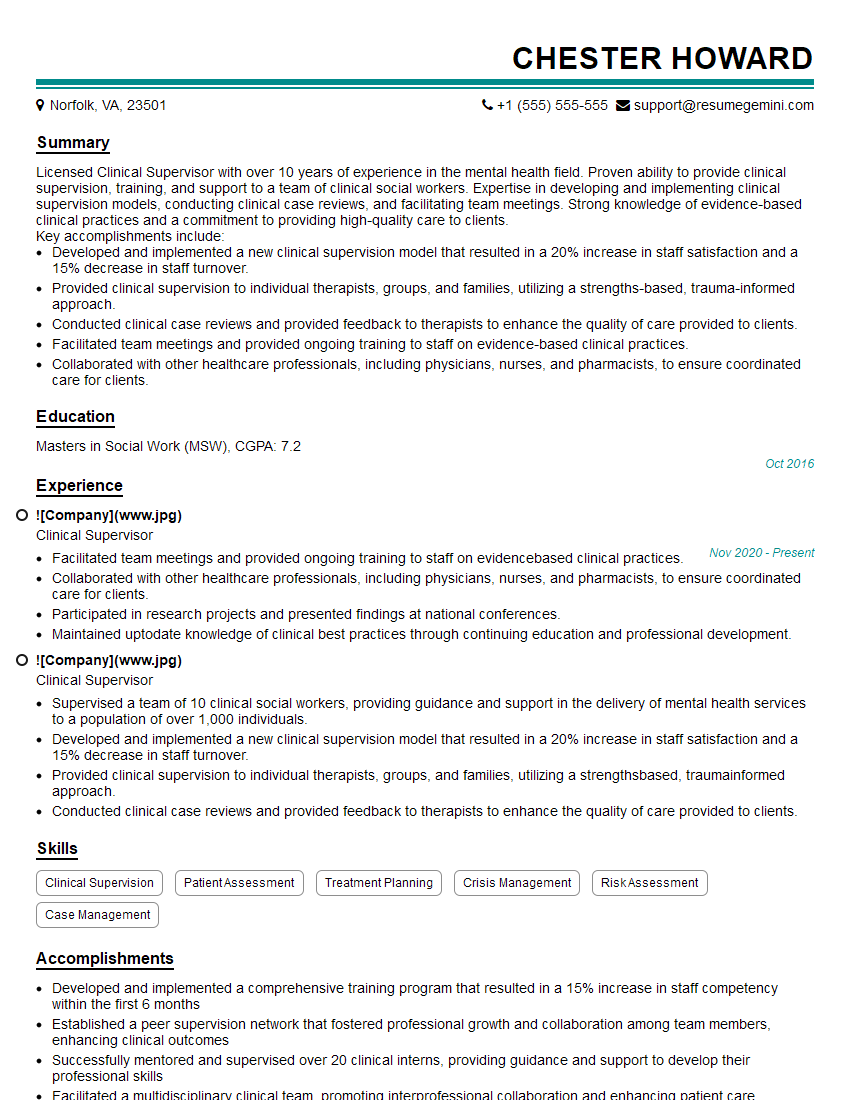
Clinical Supervisor Resume Sample
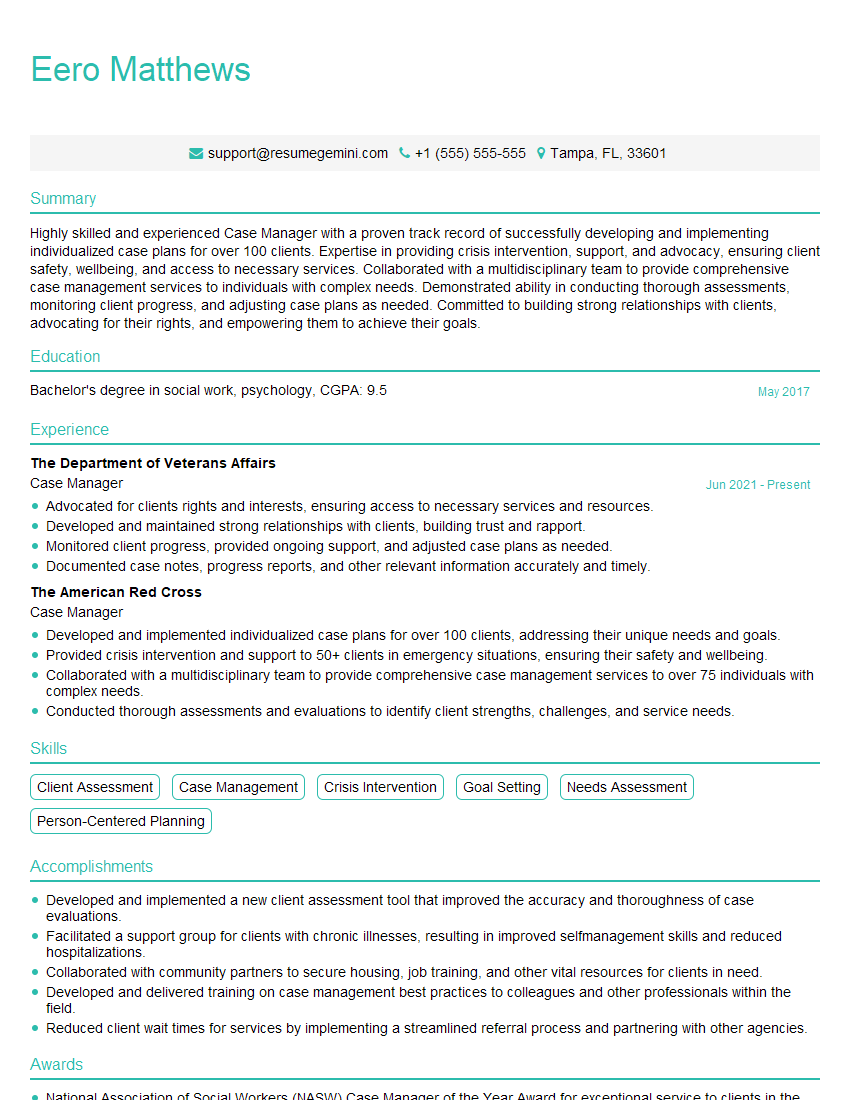
Case Manager Resume Sample
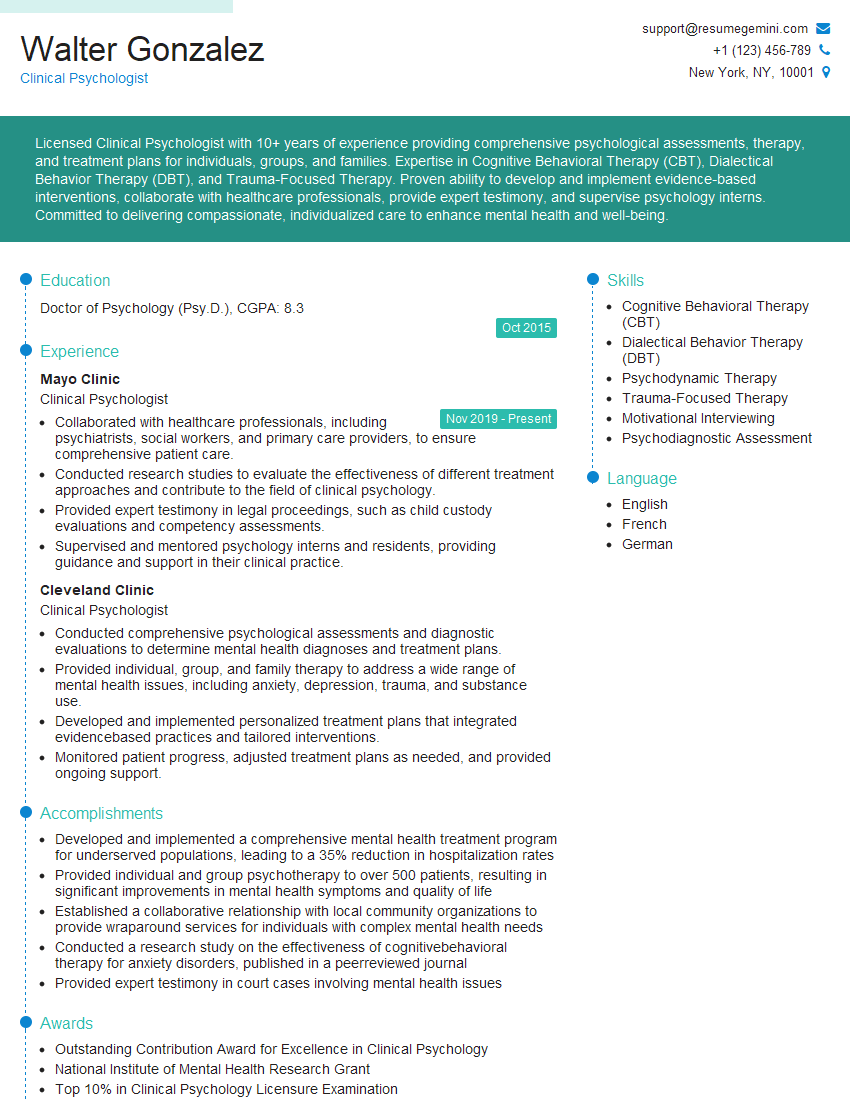
Clinical Psychologist Resume Sample
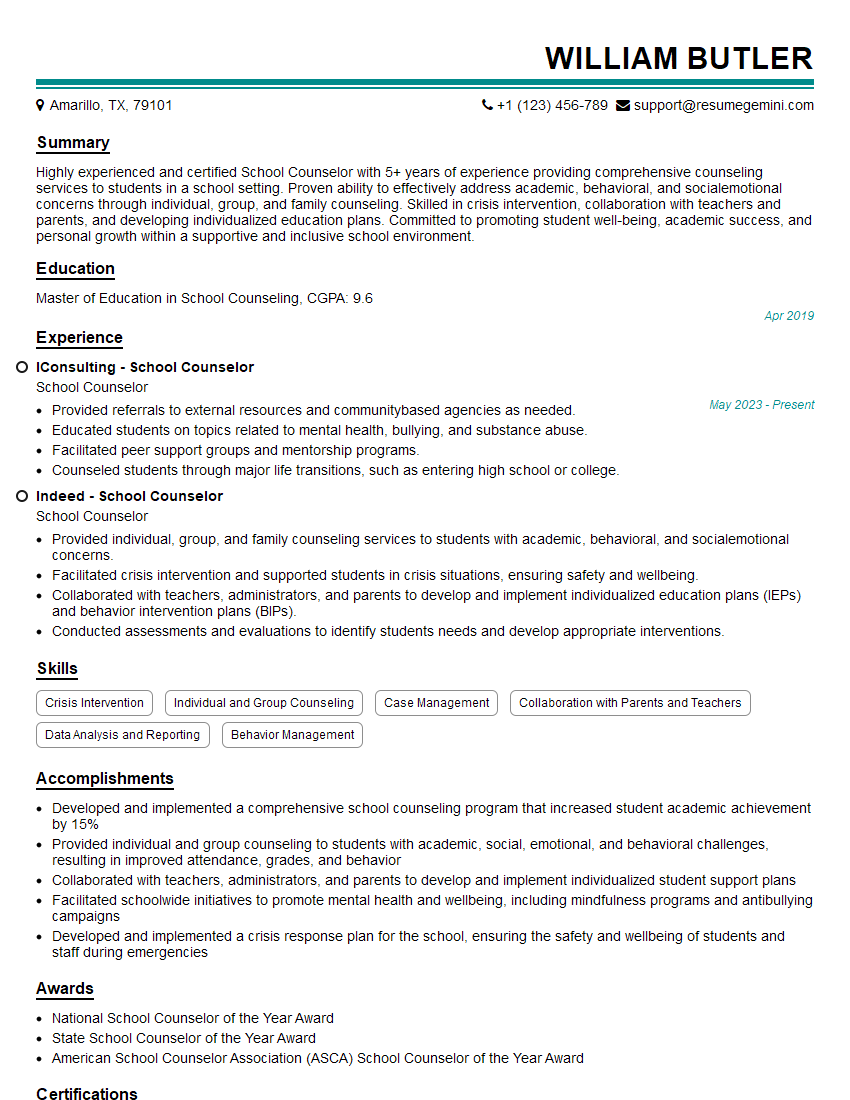
School Counselor Resume Sample
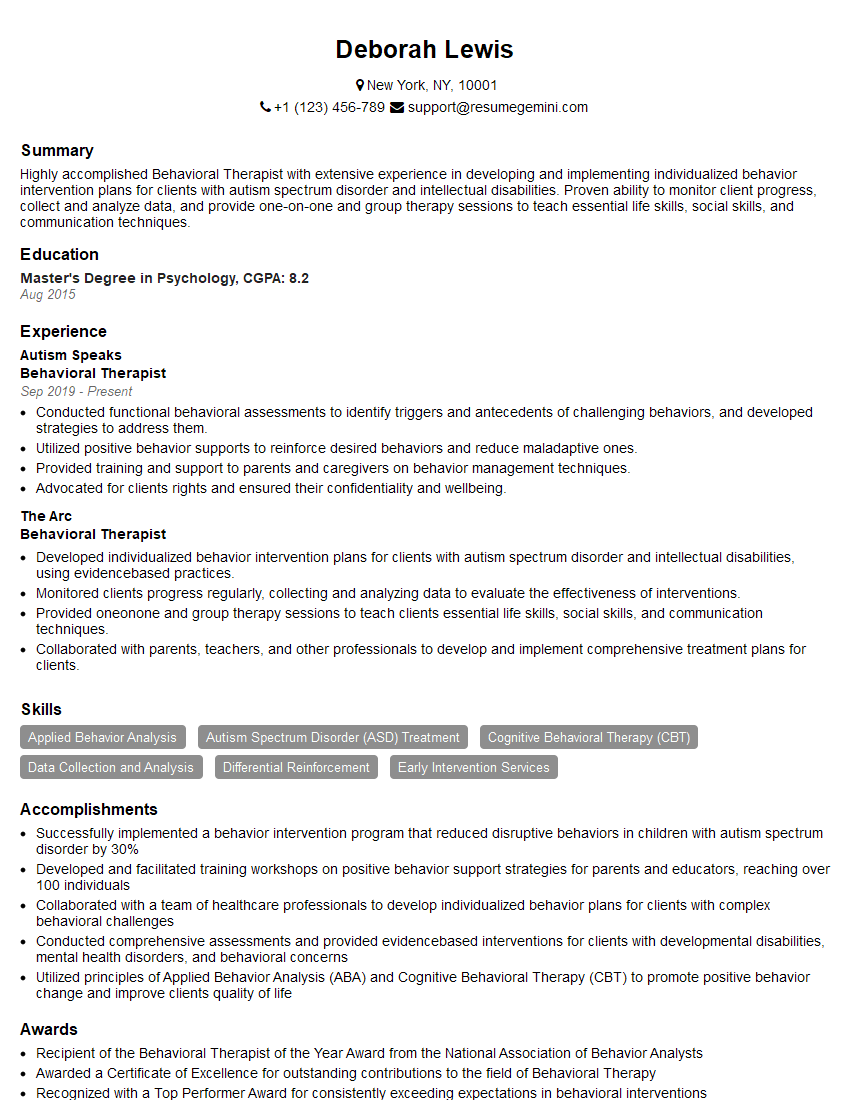
Behavioral Therapist Resume Sample
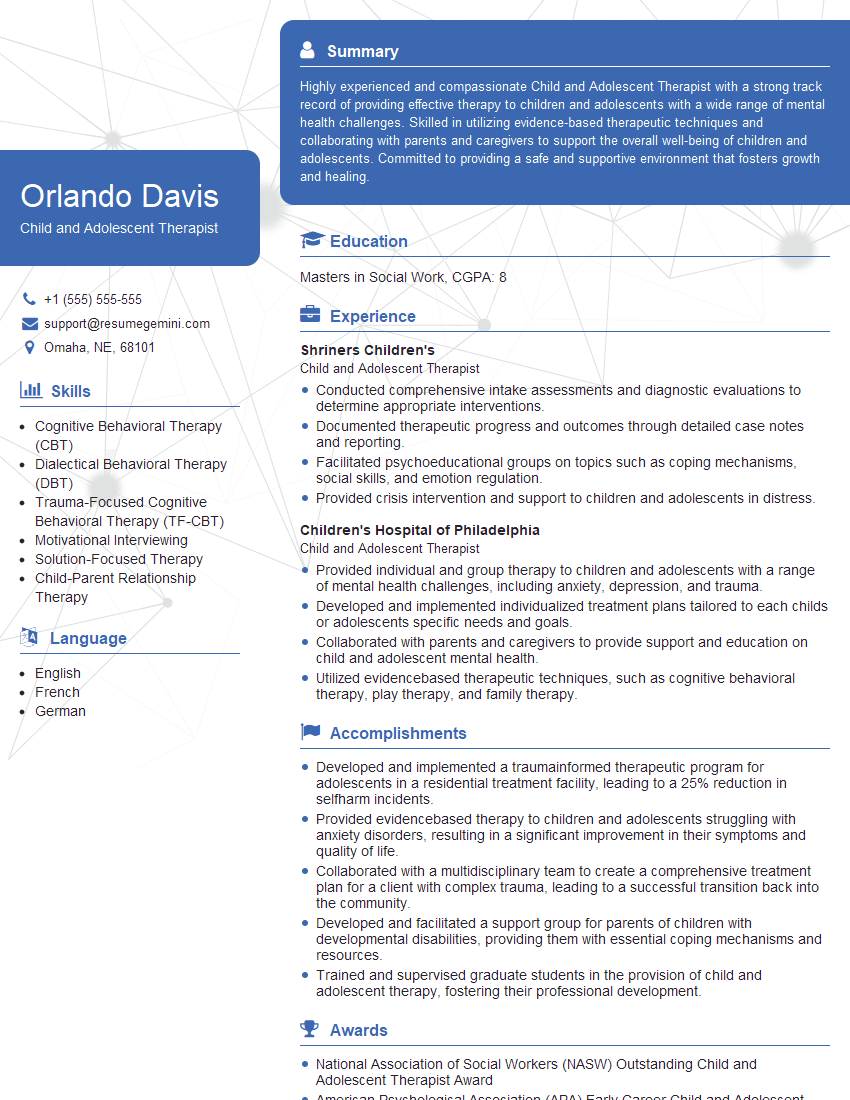
Child and Adolescent Therapist Resume Sample
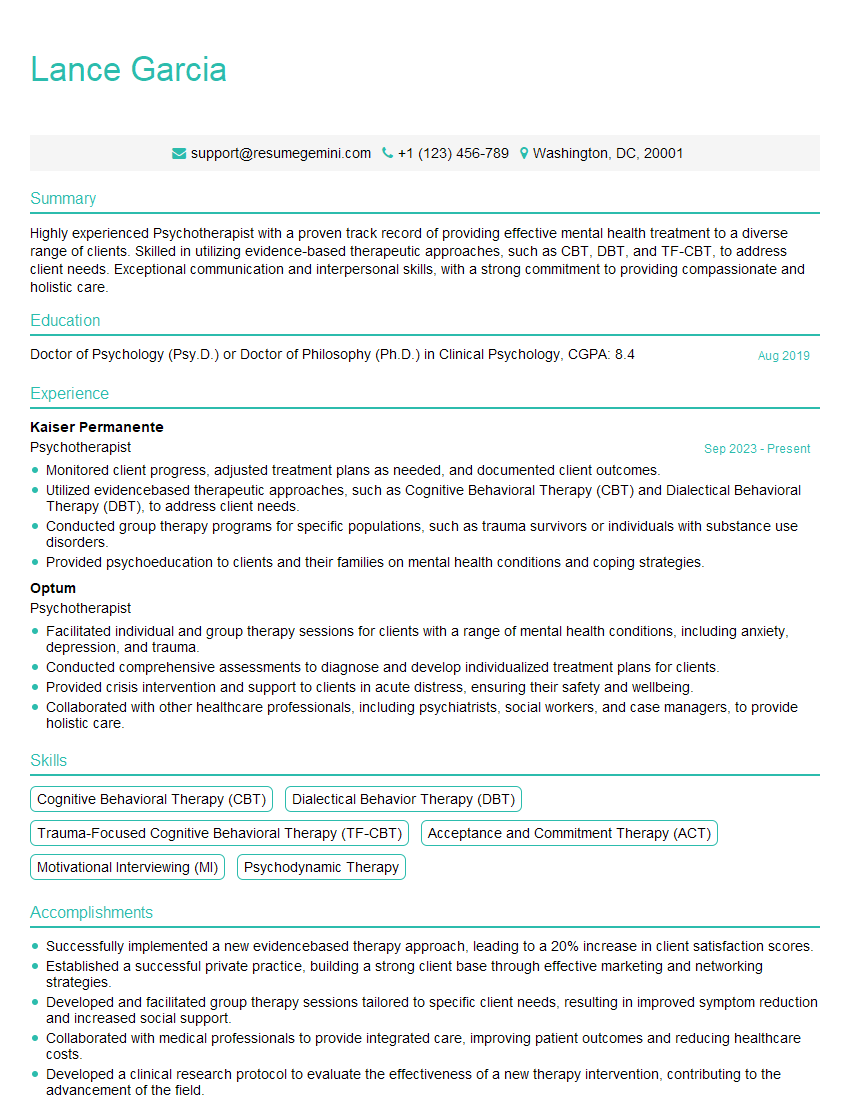
Psychotherapist Resume Sample

Mental Health Counselor Resume Sample

Rehabilitation Counselor Resume Sample
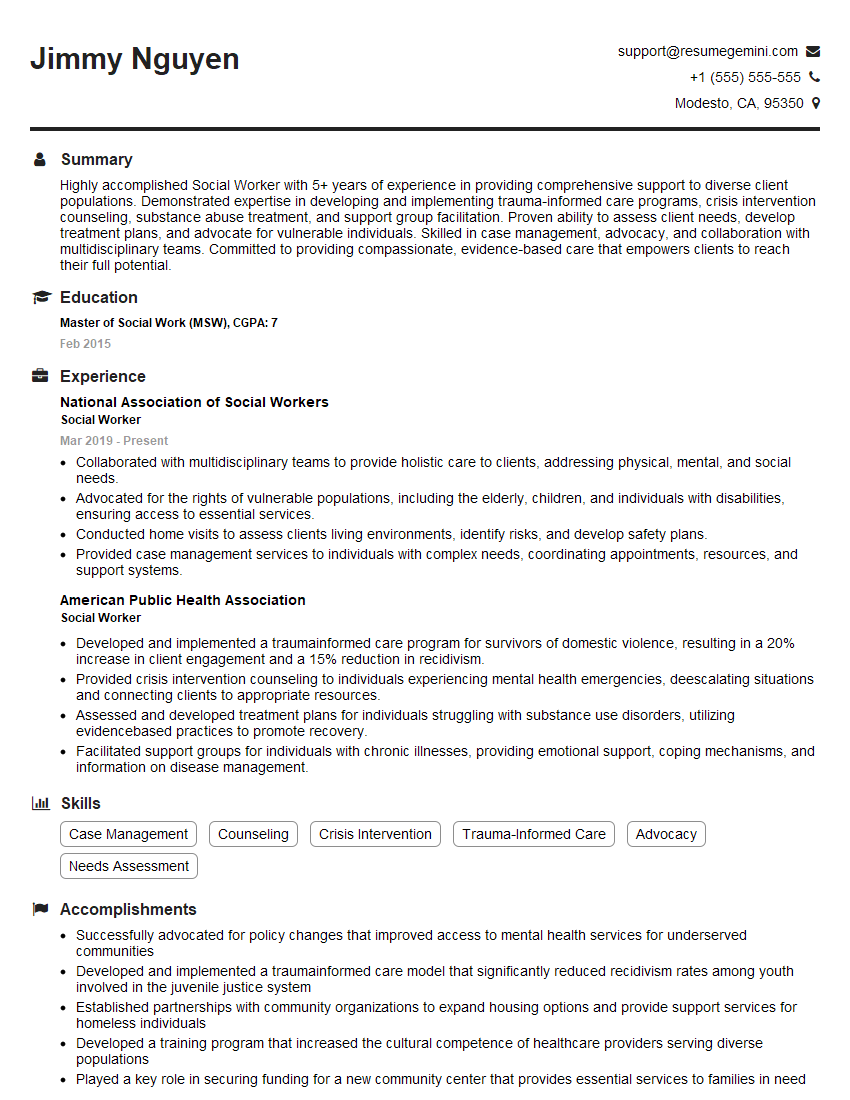
Social Worker Resume Sample
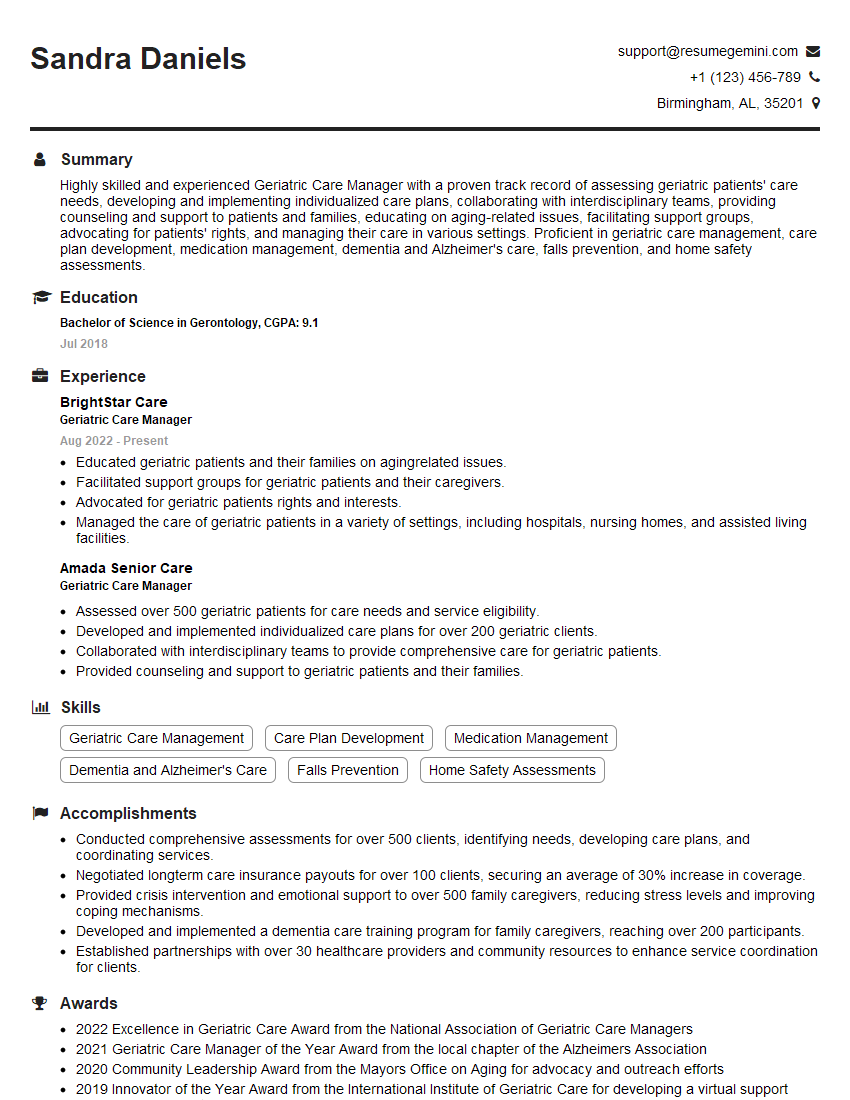
Geriatric Care Manager Resume Sample
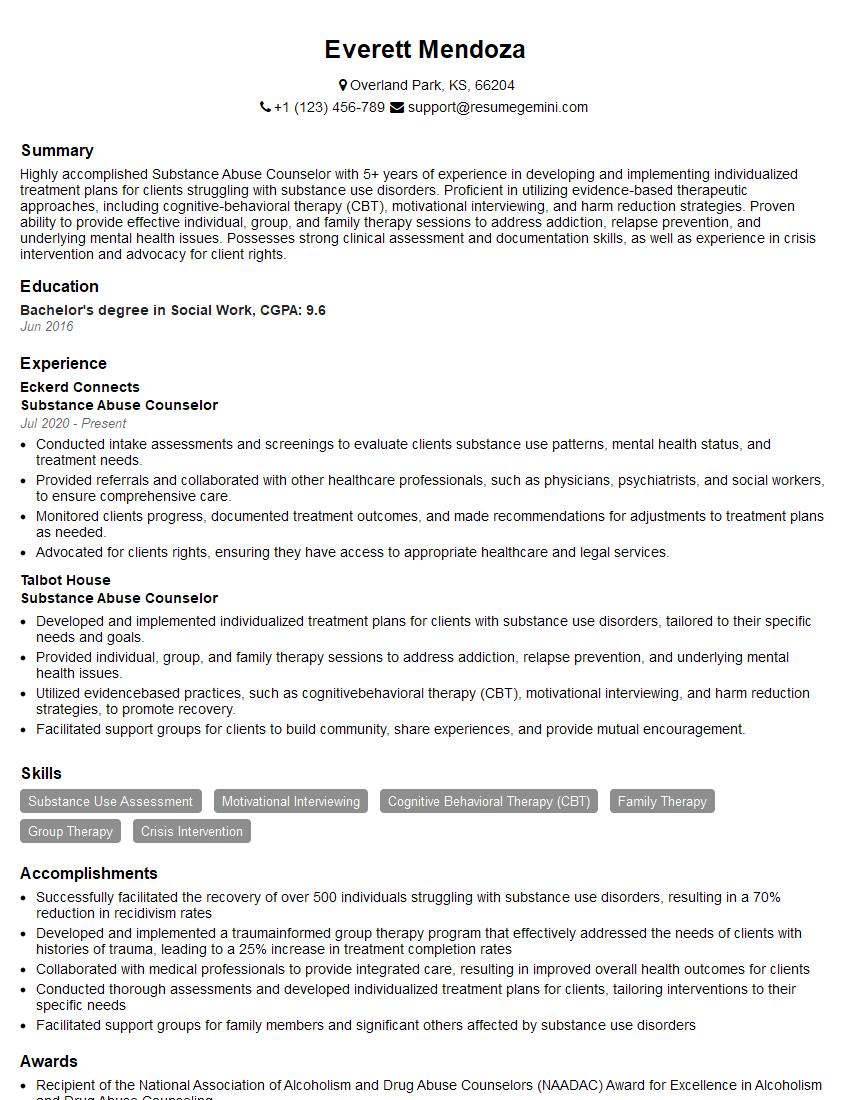
Substance Abuse Counselor Resume Sample
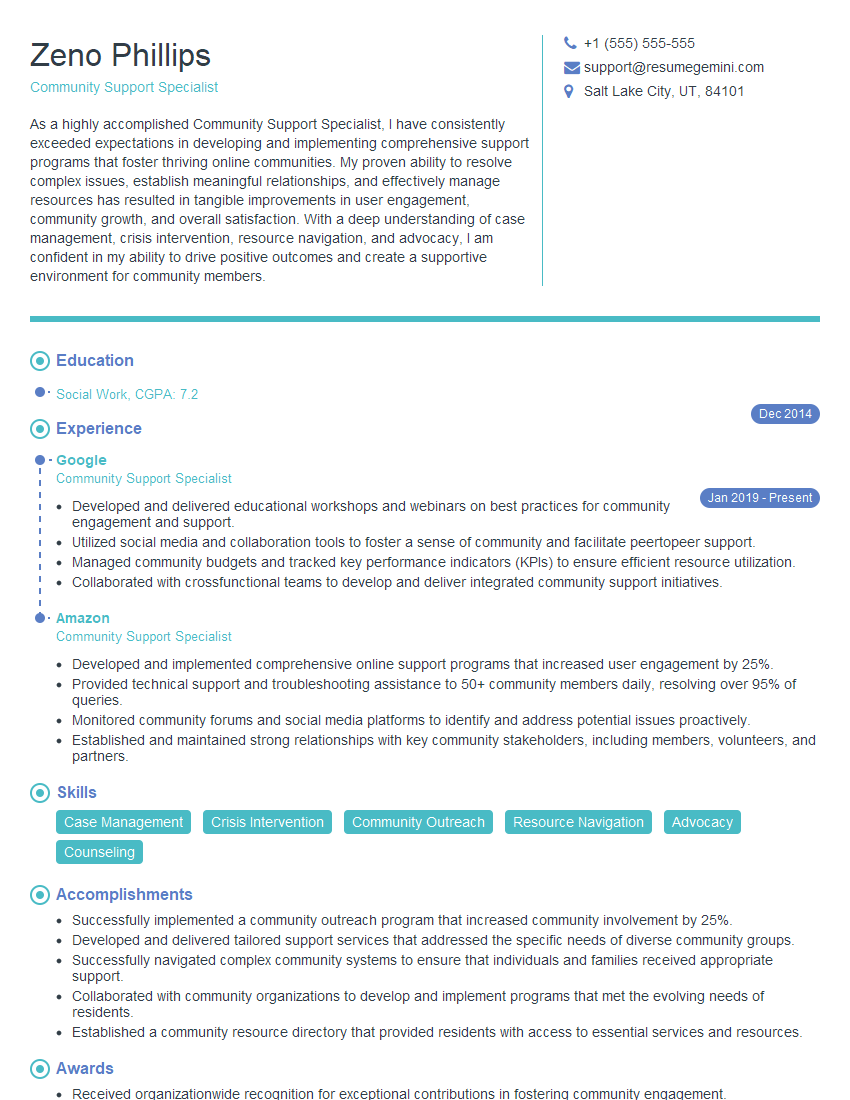
Community Support Specialist Resume Sample
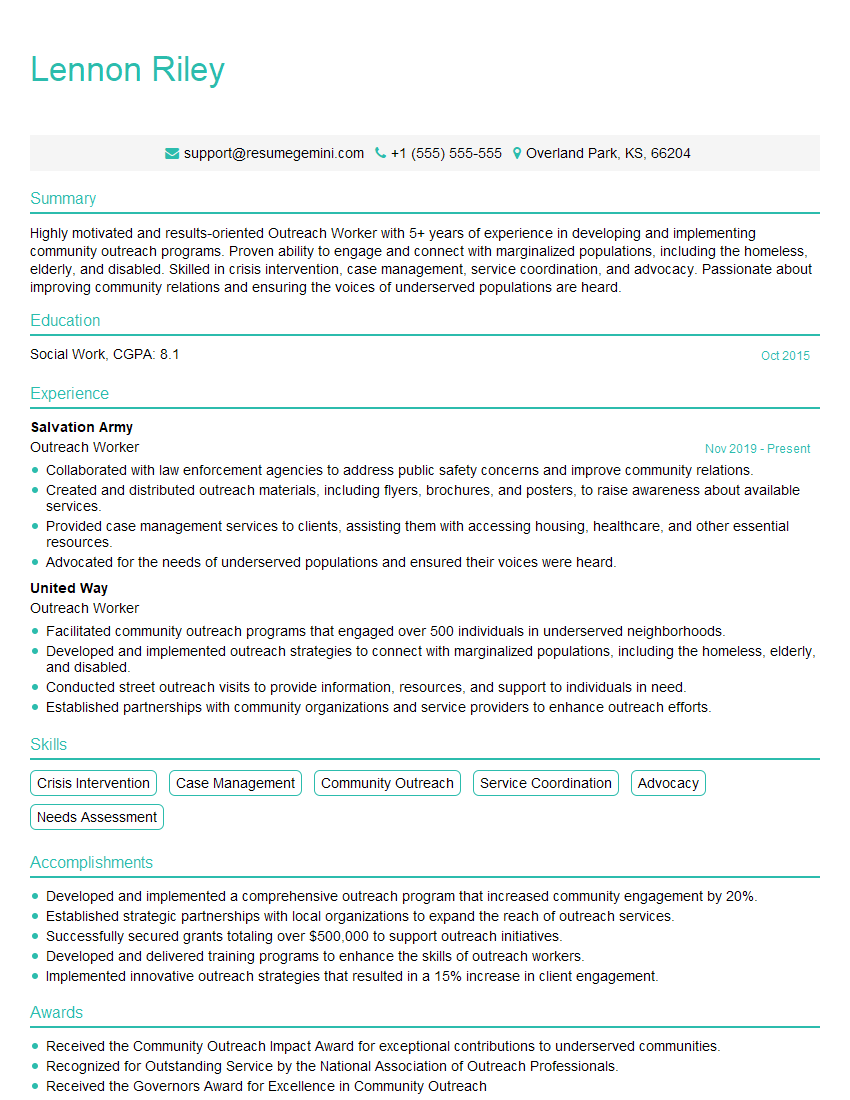
Outreach Worker Resume Sample
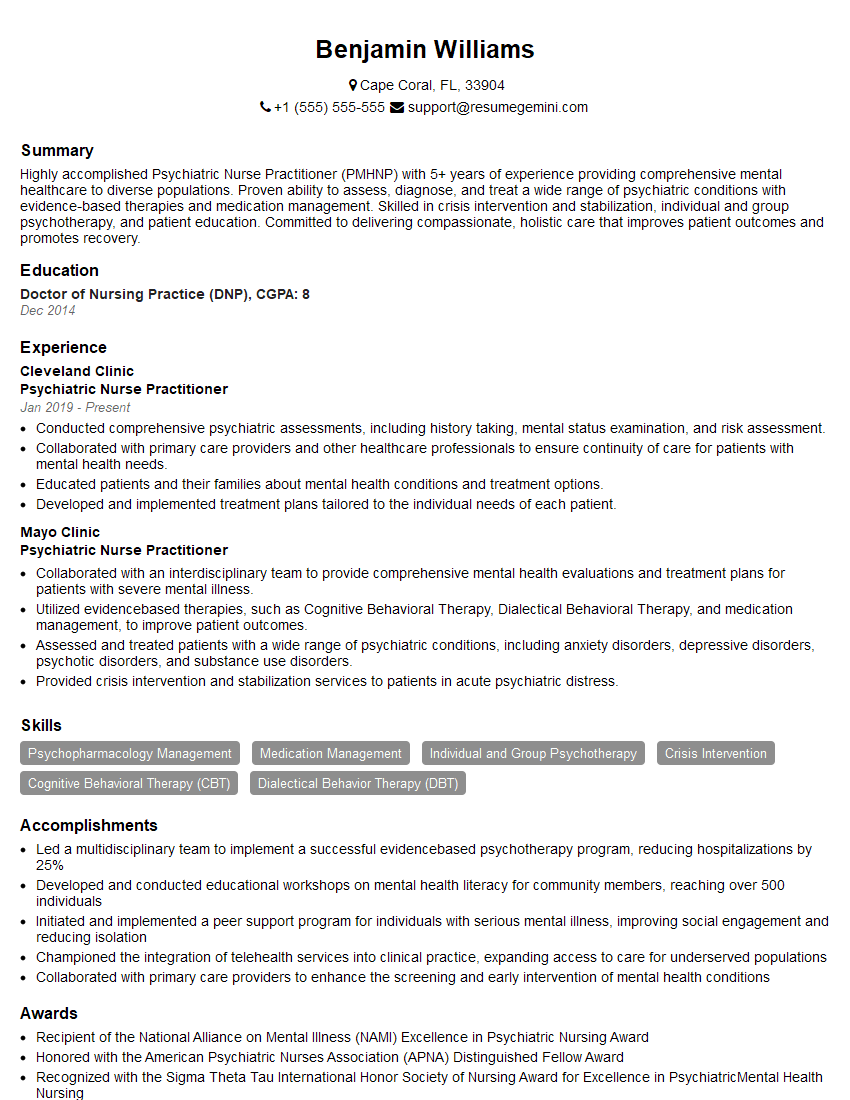
Psychiatric Nurse Practitioner Resume Sample
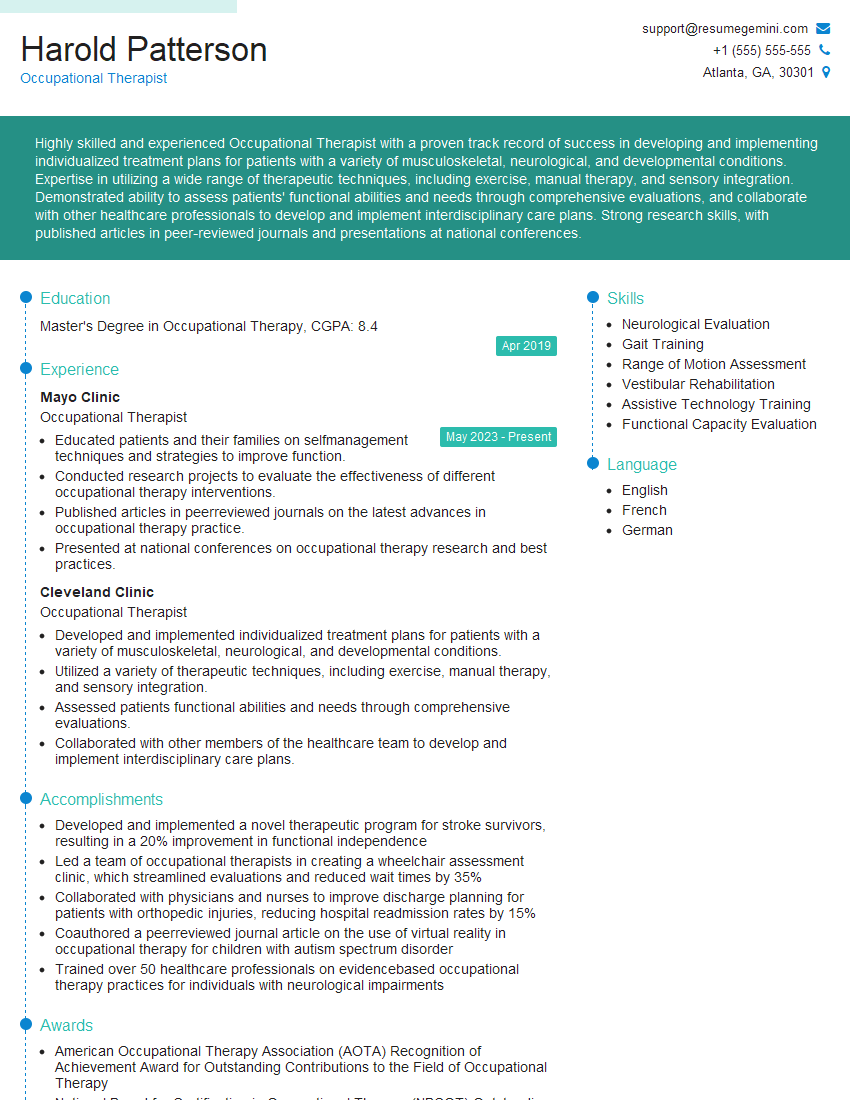
Occupational Therapist Resume Sample
- Clinical Supervisor
- Case Manager
- Clinical Psychologist
- School Counselor
- Behavioral Therapist
- Child and Adolescent Therapist
- Psychotherapist
- Mental Health Counselor
- Rehabilitation Counselor
- Social Worker
- Geriatric Care Manager
- Substance Abuse Counselor
- Community Support Specialist
- Outreach Worker
- Psychiatric Nurse Practitioner
- Occupational Therapist
Explore more articles
Users Rating of Our Blogs
Share Your Experience
We value your feedback! Please rate our content and share your thoughts (optional).
What Readers Say About Our Blog
To the interviewgemini.com Webmaster.
Very helpful and content specific questions to help prepare me for my interview!
Thank you
To the interviewgemini.com Webmaster.
This was kind of a unique content I found around the specialized skills. Very helpful questions and good detailed answers.
Very Helpful blog, thank you Interviewgemini team.