Cracking a skill-specific interview, like one for Experience in conducting parent training and education, requires understanding the nuances of the role. In this blog, we present the questions you’re most likely to encounter, along with insights into how to answer them effectively. Let’s ensure you’re ready to make a strong impression.
Questions Asked in Experience in conducting parent training and education Interview
Q 1. Describe your experience designing and delivering parent training programs.
Designing and delivering effective parent training programs requires a multifaceted approach. It starts with a thorough needs assessment to identify the specific challenges parents are facing and their desired learning outcomes. For example, are we addressing parenting skills for toddlers, adolescents, or children with special needs? Once the needs are defined, I develop a curriculum that incorporates evidence-based strategies and best practices. This includes selecting appropriate teaching methods, creating engaging activities, and developing relevant handouts and resources. I’ve designed programs focusing on positive discipline, effective communication, managing challenging behaviors, and promoting child development. A recent program I developed centered on fostering resilience in children facing adversity, incorporating interactive workshops, role-playing exercises, and guest speakers from related fields. The delivery then involves adapting the program to different settings, whether it’s a group workshop, individual sessions, or online learning modules, ensuring accessibility for all participants.
Q 2. What methodologies do you utilize to engage parents in training sessions?
Engaging parents requires a blend of interactive and participatory methodologies. I avoid passive lectures and instead utilize active learning techniques. This includes:
- Interactive discussions: Encouraging open dialogue and sharing of experiences among parents fosters a sense of community and shared learning.
- Role-playing: Practicing parenting scenarios helps parents develop skills in a safe and supportive environment. For instance, we might role-play how to respond to a child’s tantrum.
- Case studies: Analyzing real-life examples allows parents to apply concepts learned in the training to their own situations.
- Group activities: Collaborative exercises promote teamwork and problem-solving skills. I’ve found brainstorming sessions to be highly effective.
- Visual aids and multimedia: Incorporating videos, presentations, and other visual materials cater to diverse learning styles.
Furthermore, I tailor the activities to the age of the children involved. The strategies for engaging parents of toddlers will differ significantly from those used for teenagers.
Q 3. How do you adapt your teaching style to accommodate diverse learning styles and cultural backgrounds among parents?
Adapting my teaching style to diverse learners is crucial. I use a multi-sensory approach, incorporating various methods to appeal to visual, auditory, and kinesthetic learners. This includes visual aids, group discussions, and hands-on activities. I am sensitive to cultural differences and tailor my language and examples to reflect the cultural backgrounds of the participants. For instance, I avoid using culturally insensitive examples and adapt communication styles to show respect for different communication norms. I also ensure materials are available in multiple languages if needed. I actively solicit feedback from participants to understand their learning preferences and adjust my approach accordingly. A recent program had a significant Hispanic population, and I incorporated bilingual materials and ensured the activities resonated with their cultural values and communication styles.
Q 4. Explain your approach to assessing the effectiveness of parent training programs.
Assessing program effectiveness is an ongoing process, not a single event. I use a combination of methods, including:
- Pre- and post-tests: Measuring changes in parents’ knowledge and attitudes regarding parenting skills. These tests may include both quantitative and qualitative components.
- Surveys and feedback forms: Gathering parents’ opinions on the program’s content, delivery, and usefulness. I encourage honest feedback, even criticism, to help identify areas for improvement.
- Observations: Assessing parents’ interactions with their children during role-playing exercises or other activities. This helps gauge the practical application of the learned skills.
- Follow-up interviews: Conducting interviews with parents after the program concludes to gauge the long-term impact and sustainability of their acquired skills.
The data collected helps me refine future programs and demonstrate the program’s impact to stakeholders.
Q 5. How do you address challenging behaviors from parents during training sessions?
Addressing challenging behaviors requires a calm and empathetic approach. I strive to create a safe and respectful environment where parents feel comfortable expressing their concerns. If a parent exhibits disruptive behavior, I address it privately and respectfully, focusing on understanding the underlying reasons for the behavior. It’s important to remember that parents often exhibit challenging behaviors due to stress, anxiety, or lack of support. I might offer resources such as individual counseling or support groups. In some cases, it might be necessary to involve other professionals or stakeholders if the behavior is severely disruptive or poses a risk to others.
Q 6. What strategies do you use to maintain confidentiality and ethical practices in parent training?
Maintaining confidentiality and ethical practices is paramount. I always obtain informed consent from parents before collecting any data. All information shared during training sessions remains strictly confidential, unless there’s a legal or ethical obligation to disclose it, such as suspicion of child abuse or neglect. I clearly outline my confidentiality policy at the start of each program and adhere strictly to ethical guidelines set by my professional organization. I regularly review and update my procedures to ensure compliance with all relevant regulations and best practices. This includes secure storage of participant information and responsible disposal of documents containing sensitive data.
Q 7. Describe your experience working with parents facing specific challenges, such as substance abuse or domestic violence.
Working with parents facing substance abuse or domestic violence requires a sensitive and collaborative approach. I work closely with other professionals such as social workers, counselors, and substance abuse specialists to provide comprehensive support. I don’t provide direct treatment for these issues but rather equip parents with the skills and resources to navigate their challenges and create safer environments for their children. I focus on empowerment and help parents connect to appropriate support systems. It’s vital to prioritize the safety and well-being of the children involved. Collaboration and referral to specialized services are crucial in these situations.
Q 8. How do you build rapport and trust with parents?
Building rapport and trust with parents is foundational to effective parent training. It’s about creating a safe and non-judgmental space where parents feel comfortable sharing their experiences and challenges without fear of criticism. I achieve this through several key strategies:
- Active Listening: I pay close attention to what parents are saying, both verbally and nonverbally. I reflect back what I hear to ensure understanding and show I value their perspective. For instance, if a parent expresses frustration with their child’s bedtime routine, I might say, “So it sounds like you’re feeling overwhelmed by the struggle to get your child to bed on time.”
- Empathy and Validation: I acknowledge and validate parents’ feelings, even if I don’t necessarily agree with their approaches. Parenting is challenging, and acknowledging their struggles helps them feel understood. A simple phrase like, “That sounds incredibly difficult,” can go a long way.
- Respectful Communication: I use respectful and encouraging language, avoiding judgmental tones or language that might make parents feel defensive. I focus on collaboration, framing our work together as a partnership.
- Building a Shared Understanding: I start by understanding the parents’ goals and expectations for their children. This helps tailor the training to their specific needs and ensures they feel heard and valued. I might ask, “What are your hopes for your child in the next year?”
- Demonstrating Competence: Parents are more likely to trust an expert who clearly understands their challenges and offers practical solutions. My knowledge and experience in evidence-based parenting strategies build their confidence in my ability to help.
Q 9. How do you incorporate evidence-based practices into your parent training sessions?
Incorporating evidence-based practices is crucial for ensuring the effectiveness of parent training. This means grounding our sessions in research-supported strategies with demonstrable positive outcomes. For example:
- Positive Behavior Support (PBS): We explore techniques like functional behavioral assessment (FBA) to understand the reasons behind challenging behaviors and develop positive strategies to address them, rather than solely focusing on punishment. This might involve teaching parents to identify triggers and implement proactive strategies to prevent problem behaviors.
- Attachment-Based Parenting: We discuss the importance of secure attachment and how parents can foster it through sensitive and responsive caregiving. This includes techniques like providing consistent emotional support, responding promptly to their child’s needs, and creating a secure and predictable environment.
- Parent-Child Interaction Therapy (PCIT): This structured approach teaches parents specific techniques to improve their interactions with their children, focusing on strengthening positive connections and improving communication.
- Cognitive Behavioral Therapy (CBT) principles: We might incorporate CBT elements, teaching parents to identify and challenge negative thought patterns related to parenting and develop more adaptive coping mechanisms. This could involve techniques like cognitive restructuring and problem-solving.
I regularly review current research and adapt my training materials accordingly to ensure they are up-to-date and reflect the latest scientific findings. I also track the outcomes of our training to assess its effectiveness and make further improvements.
Q 10. What are some common misconceptions about parenting that you address in your training?
Many common misconceptions about parenting can hinder parents from effectively supporting their children’s development. Some of these I frequently address include:
- The “Perfect Parent” Myth: Many parents believe they need to be perfect to raise well-adjusted children. I emphasize that mistakes are inevitable and that learning from them is crucial. We discuss the importance of self-compassion and forgiveness in parenting.
- Discipline as Punishment: Many associate discipline solely with punishment. I help parents understand discipline as guidance and teaching, emphasizing positive reinforcement and setting clear expectations. We explore effective strategies that build cooperation and respect.
- One-Size-Fits-All Approaches: The idea that a single parenting style works for every child and family is untrue. We explore various parenting styles and the importance of adapting approaches to suit the child’s temperament, age, and unique needs.
- Ignoring Emotions: Many parents believe that children should simply “get over” their feelings. I highlight the significance of emotional validation and helping children learn healthy emotional regulation strategies.
- Parenting as a Solo Effort: Many believe parenting is a solo endeavor. I emphasize the importance of seeking support from family, friends, or professionals, and the benefits of co-parenting, where applicable.
Q 11. Describe a situation where you had to modify a parent training program due to unforeseen circumstances.
During a parent training program focused on managing childhood anxiety, a significant snowstorm caused power outages and widespread school closures. Many parents couldn’t attend the scheduled in-person sessions. Instead of cancelling, we rapidly transitioned to a virtual format. We used a video conferencing platform and shared supplementary materials online. While some initial technical difficulties arose, we quickly resolved them and were able to successfully complete the program remotely. This unexpected situation forced a rapid adaptation, highlighting the value of flexibility and resourcefulness in parent training.
Q 12. How do you collaborate with other professionals, such as teachers or social workers, to support families?
Collaboration with other professionals is essential for comprehensive family support. I regularly collaborate with teachers, social workers, and therapists to ensure a cohesive approach. This often involves:
- Regular Communication: I maintain open communication with teachers to understand the child’s behavior and academic performance in the school setting. This helps ensure consistency between home and school environments.
- Case Conferences: I participate in case conferences with other professionals to discuss the family’s needs and collaboratively develop a support plan that considers all aspects of the child’s life.
- Information Sharing: I share relevant information and resources with other professionals, such as behavioral strategies, coping mechanisms, and available community services.
- Joint Sessions: In some cases, I might conduct joint sessions with therapists or social workers to offer integrated support to the family, especially if the child has multiple needs.
- Referral and Linkage: If a family requires specialized support beyond the scope of my training, I connect them with appropriate resources, such as mental health services or specialized educational programs.
Q 13. How do you measure the long-term impact of your parent training programs?
Measuring the long-term impact of parent training requires a multifaceted approach. We employ various methods to assess sustained improvements:
- Follow-up Surveys and Interviews: We conduct regular follow-up surveys and interviews with parents to assess the ongoing application of learned skills and the persistence of positive changes in parent-child interactions and child behavior.
- Behavioral Assessments: We might use standardized behavioral rating scales to track changes in children’s behavior over time, both at home and at school.
- Qualitative Data Collection: Collecting qualitative data like open-ended feedback from parents offers rich insights into their experiences and the long-term impact of the training on their parenting journey.
- Collaboration with other Professionals: We maintain communication with teachers and other professionals involved with the family to obtain additional perspectives on the child’s progress and wellbeing.
- Longitudinal Studies: In some cases, we engage in longitudinal studies, following families over extended periods to track long-term effects of the training on various outcomes such as child adjustment, family functioning, and parental wellbeing.
Q 14. What resources do you recommend to parents after completing the training?
Upon completion of the parent training, I provide parents with a range of resources to support their continued growth and learning:
- Handouts and Worksheets: I provide summaries of key concepts and practical strategies discussed during the training.
- Recommended Reading List: I suggest age-appropriate books and articles on parenting topics relevant to the participants’ needs and interests.
- Online Resources: I recommend reputable websites and online communities offering additional support and resources on parenting and child development.
- Community Resources: I provide information about local support groups, parenting classes, and other relevant community services.
- Follow-up Support: I offer opportunities for ongoing support and check-ins to address any questions or concerns that may arise after the completion of the training program.
Q 15. Describe your experience developing curriculum for parent training programs.
Developing curriculum for parent training requires a deep understanding of both parenting challenges and effective teaching methodologies. My approach involves a multi-stage process. First, I conduct thorough needs assessments, surveying parents and community stakeholders to identify key areas needing attention. This might involve focusing on specific developmental stages (e.g., toddler tantrums, adolescent rebellion), parenting styles, or community-specific concerns like access to resources.
Next, I design the curriculum using evidence-based practices, incorporating strategies supported by research in child development and psychology. For example, a module on effective discipline might incorporate positive reinforcement techniques, while a module on communication would emphasize active listening and clear, concise language. The curriculum is structured to be modular, allowing for flexibility depending on the needs of the group. I always include interactive elements like role-playing, group discussions, and case studies to ensure active participation and application of learned skills. Finally, I pilot test the curriculum with a small group before wider implementation, gathering feedback to refine the materials and ensure effectiveness.
For example, in a recent program focusing on supporting children with ADHD, I incorporated modules on understanding ADHD symptoms, strategies for managing challenging behaviors, effective communication techniques tailored for children with ADHD, and resources available in the community. The feedback from the pilot program helped me refine the length of each module and the types of activities that best facilitated learning and engagement.
Career Expert Tips:
- Ace those interviews! Prepare effectively by reviewing the Top 50 Most Common Interview Questions on ResumeGemini.
- Navigate your job search with confidence! Explore a wide range of Career Tips on ResumeGemini. Learn about common challenges and recommendations to overcome them.
- Craft the perfect resume! Master the Art of Resume Writing with ResumeGemini’s guide. Showcase your unique qualifications and achievements effectively.
- Don’t miss out on holiday savings! Build your dream resume with ResumeGemini’s ATS optimized templates.
Q 16. What is your understanding of different parenting styles and how do you address them in your training?
Understanding parenting styles is crucial in parent training. The four main styles – authoritative, authoritarian, permissive, and uninvolved – each have distinct characteristics and impact child development differently. Authoritative parents are high in both responsiveness and demandingness, fostering independence while providing clear guidelines. Authoritarian parents are high in demandingness but low in responsiveness, often leading to anxiety in children. Permissive parents are high in responsiveness but low in demandingness, potentially leading to children lacking self-discipline. Uninvolved parents are low in both responsiveness and demandingness, resulting in neglectful parenting.
In my training, I address these different styles by first helping parents identify their own style through self-assessment tools and open discussion. I then facilitate a non-judgmental exploration of the strengths and weaknesses of each approach, emphasizing the long-term impacts on children’s social-emotional development and academic success. Instead of directly critiquing a parent’s style, I focus on equipping them with the skills and knowledge to adjust their approach to be more effective and supportive. This might involve teaching strategies for effective communication, setting clear and consistent boundaries, and fostering positive parent-child relationships, regardless of their initial parenting style.
For instance, a parent who identifies as authoritarian might benefit from learning techniques for active listening and validating their child’s feelings. A permissive parent could learn to set appropriate limits and expectations while still maintaining a warm and loving relationship. The goal is to help each parent find a parenting style that best suits their child’s needs and their family’s unique circumstances.
Q 17. How do you create a safe and supportive learning environment for parents?
Creating a safe and supportive learning environment is paramount in parent training. This involves establishing ground rules of respect, confidentiality, and active listening from the outset. I actively foster a sense of community by encouraging peer support and sharing of experiences. The training space should be physically comfortable and welcoming, free from distractions.
I begin each session by explicitly stating the importance of creating a judgment-free zone where parents feel comfortable sharing their challenges and successes without fear of criticism. I actively model respectful communication and create opportunities for parents to practice these skills with each other, such as through role-playing exercises. Furthermore, I am mindful of cultural sensitivities and ensure the training is inclusive and accessible to all participants. This includes considering language barriers, child care arrangements, and potential transportation challenges.
For example, I might use icebreaker activities to help parents get to know each other and build rapport before diving into the training content. I also make sure to incorporate plenty of breaks, allowing parents to recharge and connect with each other. Throughout the session, I actively listen to parents’ concerns and validate their experiences, making them feel heard and understood.
Q 18. Explain your experience in using technology to enhance parent training (e.g., online resources, apps).
Technology plays a significant role in enhancing parent training. I utilize online resources, such as educational websites and videos, to supplement in-person sessions and provide parents with access to materials beyond the classroom. This makes the information more accessible, especially for parents with busy schedules or limited transportation options.
I also incorporate interactive apps and online platforms that allow for continued learning and support between sessions. For example, I might use an app to provide reminders about key concepts, offer quizzes to reinforce learning, or facilitate communication amongst participants. Online forums or groups can create a virtual support network where parents can share experiences, ask questions, and encourage each other. These technologies are also vital for tracking progress and providing personalized feedback to parents. For instance, I may use an online platform to gather pre- and post-training assessments to measure the effectiveness of the program.
During the pandemic, I successfully transitioned my in-person parent training program to a fully online format. Using Zoom, we created interactive sessions that included breakout rooms for smaller group discussions, polls for quick feedback, and shared online documents for easy access to the training materials. This allowed for continued participation, even during times of social distancing and lockdown.
Q 19. How do you handle parents who are resistant to participating in training?
Resistance to participation can stem from various factors, including mistrust, lack of time, or perceived irrelevance. My approach is to build trust and rapport by actively listening to parents’ concerns and validating their experiences. I emphasize the benefits of the training in terms that are meaningful to them, such as improved parent-child relationships or enhanced coping skills.
I address resistance by offering flexible scheduling options, providing transportation assistance if needed, and creating a comfortable and welcoming learning environment. I also actively incorporate their input in designing the training sessions to make them more relevant to their needs. Instead of forcing participation, I aim to make the training attractive and accessible. I might also offer individual consultations to address specific concerns or provide personalized support.
For example, I had a parent who was initially hesitant because of past negative experiences with similar programs. I scheduled a one-on-one meeting to address her concerns and tailor the program to her specific needs. This personalized approach built trust and encouraged her to participate, leading to positive outcomes for both her and her child.
Q 20. How do you tailor your approach to parents from different socioeconomic backgrounds?
Tailoring my approach to parents from different socioeconomic backgrounds requires cultural sensitivity and awareness. This involves understanding the unique challenges and resources available to different communities. For instance, parents facing financial hardship might need access to affordable childcare, transportation assistance, or community resources. Parents from diverse cultural backgrounds may require training materials that are culturally relevant and linguistically accessible.
My approach involves using culturally sensitive language, materials, and examples. I utilize culturally appropriate teaching methods and incorporate diverse perspectives in the training curriculum. I also ensure that the training location and timing are accessible to all participants. Furthermore, I actively seek out community resources and partnerships to connect parents with relevant support services that address their specific needs. This might include connecting parents with food banks, job training programs, or affordable healthcare providers.
In one program, I collaborated with a local community center to provide training sessions in a location convenient for parents in low-income neighborhoods. We also provided free childcare during the sessions, and the curriculum incorporated local resources and examples relevant to their community.
Q 21. What are your views on the role of fathers in parenting?
Fathers play an invaluable role in parenting. Their involvement is crucial for children’s well-being and development. Equitable parental roles contribute to positive outcomes across various aspects of a child’s life. A father’s presence provides a different perspective and dynamic in the family.
My approach recognizes and values the distinct contributions that fathers bring to parenting. I actively promote fathers’ participation in training programs and aim to create inclusive environments where fathers feel comfortable sharing their experiences and concerns. I adapt the training to address the specific needs and concerns of fathers, such as strategies for effective father-child bonding, handling discipline effectively, and supporting mothers in the shared responsibilities. My training materials intentionally address the challenges and opportunities unique to fathers’ roles and responsibilities. I strive to dispel stereotypes and misconceptions surrounding fatherhood, emphasizing the importance of active and nurturing fatherly involvement in children’s lives.
In my experience, providing specific training modules tailored to fathers, focusing on their unique roles and perspectives, can significantly improve their engagement and ultimately benefit their children. For example, a session on effective play can highlight ways fathers can engage in active play that is developmentally appropriate.
Q 22. How do you address questions or concerns from parents about specific parenting challenges?
Addressing parents’ concerns about specific parenting challenges requires a multi-faceted approach that prioritizes empathy, active listening, and evidence-based strategies. I begin by creating a safe and non-judgmental space where parents feel comfortable sharing their experiences without fear of criticism.
I use active listening techniques to fully understand their perspective and the nuances of their situation. This involves reflecting back what they’ve said to ensure I understand correctly and asking clarifying questions. For example, if a parent expresses frustration with their child’s defiance, I’d ask open-ended questions like, “Can you tell me more about the situations where this defiance occurs?” or “What have you tried so far to address this behavior?”
Once I have a clear understanding of the challenge, I draw upon my knowledge of various parenting techniques and child development principles to offer solutions tailored to their specific needs. This might involve discussing positive reinforcement strategies, setting clear and consistent boundaries, or exploring the root cause of the behavior. I always provide parents with practical tools and strategies they can implement immediately. Finally, I emphasize the importance of self-care for parents, as their well-being is crucial to effective parenting.
For instance, if a parent is struggling with a child’s sleep problems, I might introduce strategies like establishing a consistent bedtime routine, creating a calming bedtime environment, or addressing potential underlying anxieties.
Q 23. Describe your experience evaluating the needs of a community to determine the appropriate content of a parent training program.
Evaluating community needs for parent training requires a comprehensive approach involving data collection, stakeholder engagement, and needs assessment. I begin by gathering demographic data on the community, such as family structures, socioeconomic backgrounds, and prevalent challenges faced by parents. This information helps paint a picture of the overall context.
Next, I engage with key stakeholders, including parents, educators, community leaders, and healthcare professionals, through surveys, focus groups, and interviews. These discussions are vital to understanding the specific concerns and priorities of the community. I might ask questions like, “What are your biggest parenting challenges?”, “What kind of support would be most helpful to you?”, or “What topics would you like to see covered in a parent training program?”
The data collected is then analyzed to identify common themes and unmet needs. This informs the development of a training program that directly addresses the community’s specific concerns. For instance, if substance abuse is a significant issue within a community, the parent training program might incorporate modules on substance abuse prevention and family support. If many parents are concerned about their children’s academic performance, the training could include strategies for effective home-school collaboration.
For example, in one community, focus groups revealed a significant need for information on early childhood development and effective discipline strategies. The resulting parent training program heavily emphasized these areas, leading to high parent engagement and positive feedback.
Q 24. What are some common challenges you’ve encountered in parent training and how did you overcome them?
One common challenge in parent training is managing diverse learning styles and needs within a single group. Some parents are visual learners, others are auditory, and some respond best to hands-on activities. To overcome this, I incorporate a variety of teaching methods, including presentations, group discussions, role-playing, and interactive exercises. This ensures all parents can engage effectively with the material.
Another common challenge is overcoming parental resistance to change. Sometimes, parents may be resistant to adopting new strategies or may struggle to implement them consistently. I address this by emphasizing the importance of self-compassion and incremental progress. I help them identify small, manageable steps they can take towards their goals. I also provide ongoing support and encouragement to reinforce their progress.
Finally, scheduling conflicts and low attendance can be problematic. To mitigate this, I offer flexible scheduling options, such as evening or weekend sessions, and provide reminders and follow-up communication to encourage attendance. I also create a sense of community among the participants to foster a supportive and encouraging environment. Making the program convenient and promoting a sense of belonging significantly improves attendance and engagement.
Q 25. How do you promote positive parenting practices?
Promoting positive parenting practices involves teaching parents skills and strategies that foster healthy child development and strong parent-child relationships. I emphasize the importance of creating a warm and responsive environment where children feel safe, loved, and understood. This includes teaching parents about the importance of positive reinforcement, setting clear and consistent expectations, and providing children with opportunities for age-appropriate autonomy.
I also teach parents effective communication skills, such as active listening, empathy, and conflict resolution. These skills are crucial for building strong relationships and resolving disagreements constructively. I help parents understand their children’s developmental stages and needs, allowing them to respond appropriately to their behaviors. This includes understanding the reasons behind a child’s behavior, rather than just reacting to it.
Furthermore, I emphasize the importance of modeling positive behaviors. Children learn by observing their parents, so parents need to practice the same skills they are teaching their children. Ultimately, positive parenting is about creating a strong, nurturing environment where children thrive and develop into well-adjusted adults.
Q 26. How familiar are you with relevant legislation and regulations related to child protection and family services?
I am very familiar with relevant legislation and regulations concerning child protection and family services. My understanding encompasses mandatory reporting requirements for child abuse and neglect, and the procedures involved in making such reports. I am knowledgeable about the different agencies and organizations involved in child protection, and the roles and responsibilities of each. This includes familiarity with state and local laws and regulations that vary by jurisdiction.
My training includes understanding the legal definitions of child abuse and neglect, the different forms of abuse (physical, emotional, sexual, and neglect), and the indicators of potential abuse. I understand the importance of maintaining confidentiality while adhering to mandatory reporting laws, which is a delicate balance. I am also aware of the legal protections afforded to families involved in the child protection system, and the process of navigating these systems.
I regularly update my knowledge of legislation through professional development activities, including workshops and conferences, and by reviewing relevant publications and legal updates. Adherence to these regulations is crucial to ensuring the safety and well-being of children and to conducting my work ethically and professionally.
Q 27. What professional development activities have you undertaken to enhance your skills in parent training?
I continually engage in professional development activities to stay updated on best practices in parent training and child development. This includes attending workshops and conferences focused on topics such as positive parenting, child behavior management, and trauma-informed care. I regularly participate in continuing education courses offered by professional organizations, such as the National Association of School Psychologists and the American Psychological Association.
I actively seek out opportunities to learn from experts in the field through webinars, online courses, and mentorship programs. This allows me to access the most up-to-date research and evidence-based strategies. I also actively read professional journals and books on parenting and child development, keeping abreast of the latest research and innovative practices. I frequently review and revise my training materials to reflect the latest research and best practices, making sure they are relevant, effective and engaging.
Specifically, I have recently completed a training on utilizing technology in parent training, which has significantly enhanced my ability to deliver effective and accessible workshops. This included incorporating technology-based assessment and feedback strategies to provide parents with more personalized support.
Q 28. Describe a time you had to adapt your communication style to effectively communicate with a diverse group of parents.
In one instance, I facilitated a parent training program for a highly diverse group of parents with varying levels of education, cultural backgrounds, and English proficiency. Initially, I used a predominantly lecture-style approach, which proved ineffective for many of the parents. I noticed a considerable difference in engagement and comprehension amongst the group.
To adapt, I incorporated a more participatory and culturally sensitive approach. I used visual aids extensively, such as pictures and diagrams, to complement my verbal explanations. I simplified my language and avoided jargon, focusing on clear and concise communication. I also translated key concepts into several languages, with the help of bilingual volunteers.
I encouraged active participation by incorporating small group discussions and role-playing activities that allowed parents to share their experiences and learn from each other. This inclusive approach fostered a sense of community and improved engagement, resulting in a more impactful and positive learning experience for all participants. The feedback demonstrated a significant improvement in comprehension and application of the learned skills after this adjustment, demonstrating the importance of adapting to cultural and linguistic diversity in parent training.
Key Topics to Learn for Experience in conducting Parent Training and Education Interview
- Understanding Child Development: Knowledge of developmental milestones and common challenges at various age groups. This includes understanding the impact of developmental delays and how to support parents in navigating these challenges.
- Effective Communication and Presentation Skills: Demonstrating the ability to clearly and engagingly present information to diverse parental groups, adapting your style to different learning preferences and cultural backgrounds.
- Curriculum Design and Implementation: Experience in creating and delivering parent training programs that are informative, practical, and engaging. This includes selecting appropriate methodologies and materials.
- Parent Engagement Strategies: Developing and implementing strategies to actively involve parents in the learning process and foster a collaborative partnership between home and school/program.
- Needs Assessment and Program Evaluation: The ability to assess the needs of parent groups, design relevant programs, and evaluate the effectiveness of the training delivered. This includes using data to inform future program development.
- Addressing Difficult Conversations and Behavioral Challenges: Strategies for handling challenging behaviors and sensitive topics with parents, maintaining empathy and providing supportive guidance. This includes conflict resolution skills.
- Collaboration and Teamwork: Experience working with other professionals (teachers, social workers, therapists) to support parents and children. Highlighting successful collaborations and contributions to a team environment.
- Cultural Sensitivity and Inclusivity: Demonstrating awareness and sensitivity to diverse cultural backgrounds and family structures, adapting your approach to meet the needs of all families.
- Utilizing Technology in Parent Training: Familiarity with different technological tools and platforms to enhance parent training (e.g., online resources, webinars, virtual meetings).
- Legal and Ethical Considerations: Understanding confidentiality, privacy regulations, and professional boundaries within the context of parent training.
Next Steps
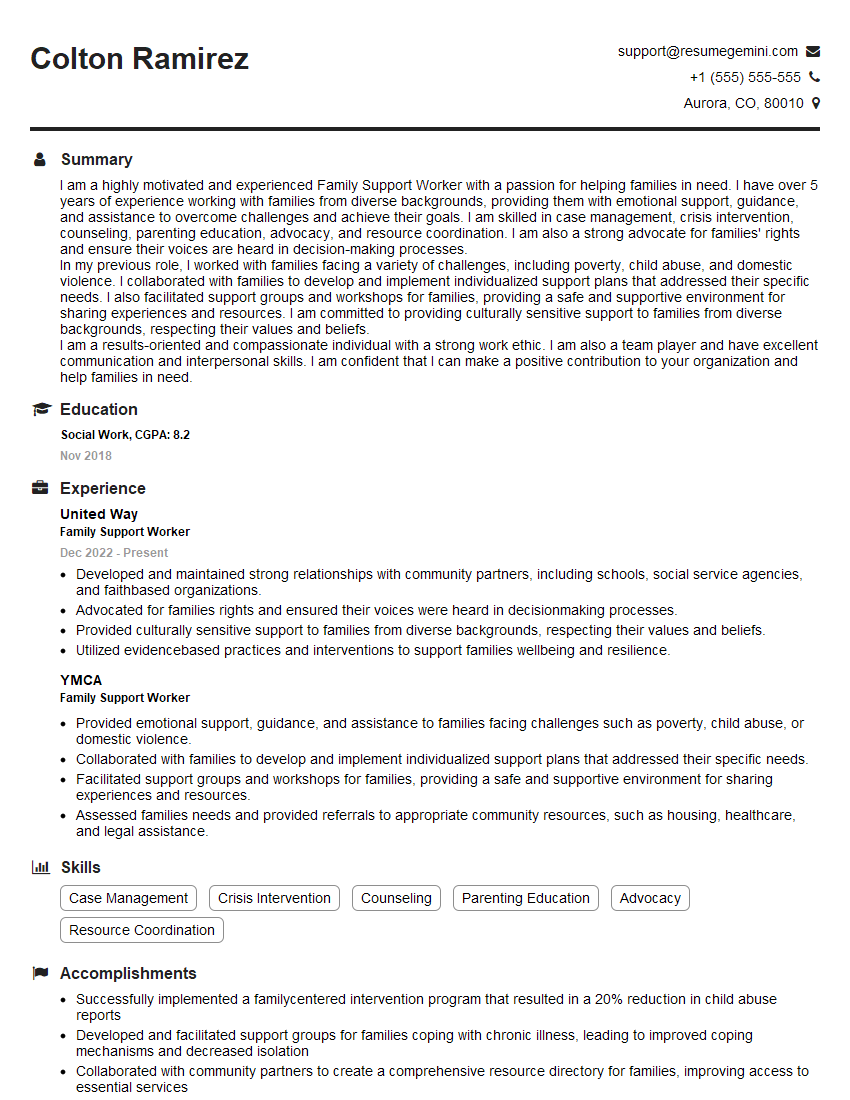
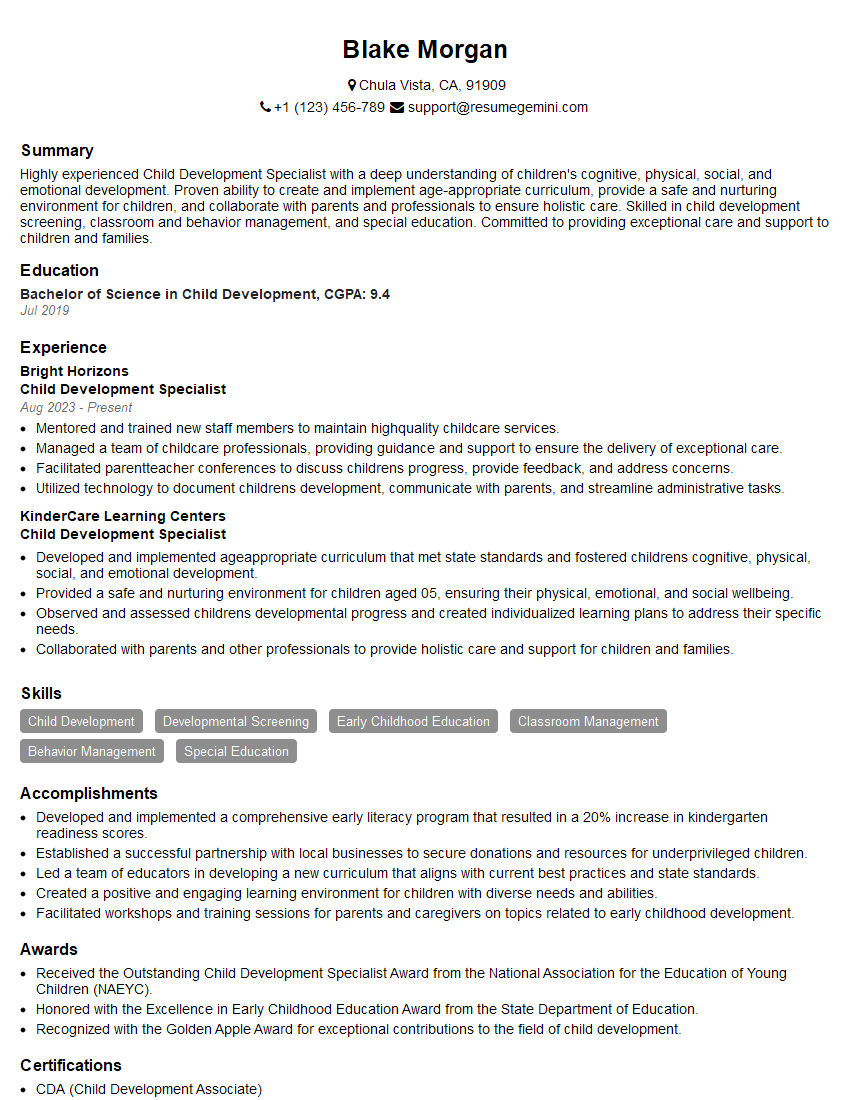
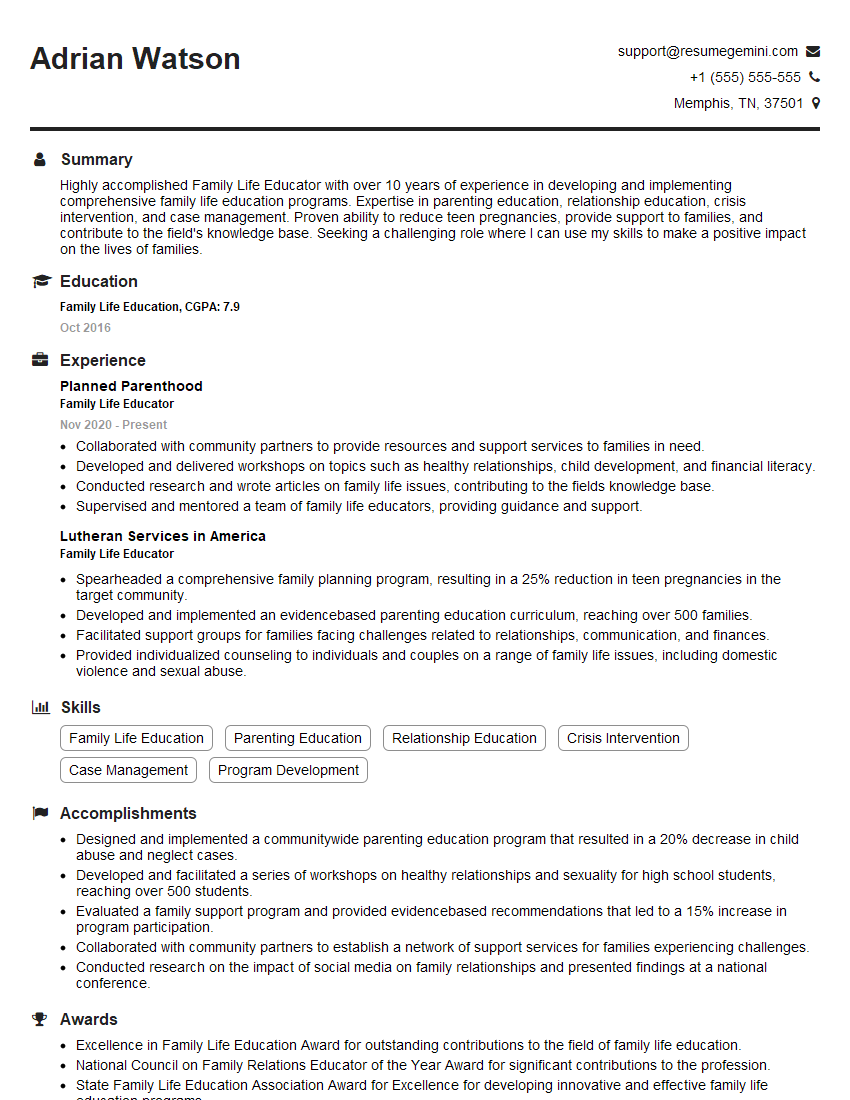
Mastering the art of parent training and education significantly enhances your career prospects in fields such as early childhood education, social work, and family support services. Creating an ATS-friendly resume is crucial for maximizing your job search success. ResumeGemini is a trusted resource that can help you build a compelling and effective resume, showcasing your skills and experience in the best possible light. Examples of resumes tailored to Experience in conducting parent training and education are available to guide you. Invest time in crafting a strong resume – it’s your first impression on potential employers.
Explore more articles
Users Rating of Our Blogs
Share Your Experience
We value your feedback! Please rate our content and share your thoughts (optional).
What Readers Say About Our Blog
To the interviewgemini.com Webmaster.
Very helpful and content specific questions to help prepare me for my interview!
Thank you
To the interviewgemini.com Webmaster.
This was kind of a unique content I found around the specialized skills. Very helpful questions and good detailed answers.
Very Helpful blog, thank you Interviewgemini team.