The thought of an interview can be nerve-wracking, but the right preparation can make all the difference. Explore this comprehensive guide to Experience in managing complex epilepsy cases interview questions and gain the confidence you need to showcase your abilities and secure the role.
Questions Asked in Experience in managing complex epilepsy cases Interview
Q 1. Describe your experience managing patients with refractory epilepsy.
Managing refractory epilepsy, meaning seizures that don’t respond to at least two properly chosen and dosed anti-epileptic drugs (AEDs), requires a multidisciplinary approach and a high degree of personalized care. It’s like solving a complex puzzle, where each patient presents a unique set of challenges. My experience involves a thorough review of the patient’s history, including seizure types, frequency, triggers, and response to previous treatments. This is followed by a comprehensive neurological examination and advanced imaging studies, such as high-resolution MRI and potentially EEG monitoring.
Based on this information, I develop an individualized treatment plan. This may involve exploring additional AED options, considering adjunctive therapies like vagus nerve stimulation (VNS) or responsive neurostimulation (RNS), and referring the patient for epilepsy surgery evaluation if appropriate. For instance, I had a patient with multiple daily seizures resistant to several AEDs. After a thorough workup, we identified a focal area in the temporal lobe amenable to surgical resection. Post-surgery, the patient experienced a significant reduction in seizure frequency, highlighting the importance of a tailored approach.
Ongoing monitoring and adjustments to the treatment plan are crucial, as the patient’s needs may change over time. This includes regular follow-up appointments, detailed seizure diaries, and adjustments to medications based on clinical response and potential side effects. Communication with the patient and their family is paramount, ensuring they understand their condition and are actively involved in their care.
Q 2. Explain the diagnostic process for differentiating between different epilepsy syndromes.
Differentiating between epilepsy syndromes is crucial for effective treatment and prognosis. It’s like distinguishing between different types of cars – each needs a specific approach to repair. The diagnostic process begins with a detailed history of the patient’s seizures, including their onset, frequency, duration, and associated symptoms. A thorough neurological examination follows, assessing cognitive function, reflexes, and motor skills.
Electroencephalography (EEG) is a cornerstone of diagnosis, providing insights into brain electrical activity. We can identify characteristic patterns associated with various syndromes. Neuroimaging, primarily MRI, helps identify structural abnormalities that might contribute to seizures. In some cases, video-EEG monitoring is necessary for prolonged observation of seizures and correlation with EEG activity. This is particularly valuable in patients with atypical or infrequent seizures.
For example, distinguishing between temporal lobe epilepsy (TLE) and frontal lobe epilepsy relies on the pattern of seizures, EEG findings, and MRI results. TLE is often characterized by complex partial seizures with auras and postictal confusion, whereas frontal lobe epilepsy may present with more motor manifestations and less postictal confusion. Careful integration of all these data points is essential for accurate diagnosis and subsequent personalized treatment.
Q 3. What are the key considerations when selecting an anti-epileptic drug (AED) for a patient?
Selecting the right AED is a critical decision, like choosing the right tool for a job. Several key factors are considered. The type and location of seizures are paramount; different AEDs are more effective for various seizure types (e.g., focal, generalized, absence). The patient’s age, comorbidities, other medications, and pregnancy status greatly influence AED choice due to potential interactions and side effects.
Tolerance and efficacy vary considerably between individuals. For instance, some patients might respond well to levetiracetam, while others might experience intolerable side effects. Conversely, a drug effective for one patient may be ineffective for another. The goal is to achieve seizure control with minimal side effects. A thorough understanding of each AED’s mechanism of action, pharmacokinetics, and potential adverse events is essential for informed decision-making.
Patient preference and compliance also play crucial roles. If a patient struggles with the side effects of a particular AED, their adherence might suffer, undermining its effectiveness. We often discuss treatment options with patients to arrive at a shared decision that maximizes efficacy while minimizing inconvenience and potential risks.
Q 4. How do you monitor treatment efficacy and adjust AED regimens?
Monitoring treatment efficacy involves a multifaceted approach focused on reducing seizure frequency and improving the patient’s quality of life. Regular follow-up appointments are essential, along with detailed seizure diaries maintained by the patient or their caregiver, meticulously documenting seizure frequency, duration, type, and any associated symptoms. This data forms the foundation for assessing treatment success.
Therapeutic drug monitoring (TDM) measures AED levels in the blood, ensuring the drug is within the therapeutic range. However, TDM isn’t universally applicable; some AEDs do not correlate linearly with therapeutic effectiveness. Neuropsychological testing may be used periodically to assess cognitive function and detect any potential side effects.
Adjusting AED regimens involves a cautious approach. If seizures are not adequately controlled, dosage may be increased gradually. If side effects are significant, the dose may be reduced or the medication changed. Introducing additional AEDs is considered when monotherapy fails. Each adjustment requires close monitoring and careful observation of its effects. The process is iterative, continuously refining treatment to optimize seizure control and minimize adverse effects.
Q 5. Discuss your experience with vagus nerve stimulation (VNS) or responsive neurostimulation (RNS).
Vagus nerve stimulation (VNS) and responsive neurostimulation (RNS) are effective adjunctive therapies for refractory epilepsy. They’re like ‘smart’ pacemakers for the brain, modulating neuronal activity to prevent seizures. VNS involves implanting a device that delivers intermittent electrical stimulation to the vagus nerve. This stimulation influences brain activity, reducing seizure frequency in many patients.
RNS is a more sophisticated approach involving an implanted device that detects abnormal brain activity and delivers targeted stimulation only when necessary. It’s like having a highly precise ‘early warning system’ and intervention. Both VNS and RNS require careful patient selection and surgical implantation. Post-implantation monitoring involves programming adjustments to optimize stimulation parameters based on seizure frequency and side effects.
My experience with both devices demonstrates their efficacy in select patients. I had a patient with poorly controlled focal seizures who saw a remarkable reduction in seizure frequency after VNS implantation. Careful programming was key to minimizing adverse effects like hoarseness and cough, commonly associated with VNS. The selection process, including detailed discussion of risks and benefits, is critical to ensuring patient satisfaction and successful outcomes.
Q 6. Explain your approach to managing status epilepticus.
Managing status epilepticus, a prolonged seizure lasting longer than 5 minutes or a series of seizures without recovery of consciousness, is a neurological emergency – a true life-threatening situation. Immediate action is required to prevent irreversible brain damage. The ABCs (airway, breathing, circulation) are the top priority, ensuring the patient’s vital functions are stable.
Treatment involves administering intravenous benzodiazepines, such as lorazepam or diazepam, which are fast-acting anticonvulsants. If seizures persist, subsequent treatment may involve intravenous fosphenytoin or valproate, followed by other anticonvulsants if necessary. Continuous EEG monitoring is critical to assess seizure activity and guide treatment adjustments. While treating the seizures, we also investigate the underlying cause, which could range from infection to medication withdrawal.
For instance, I managed a case of status epilepticus caused by an infection. Prompt administration of intravenous benzodiazepines halted the seizures, while concurrent antibiotic treatment addressed the underlying infection. The patient’s rapid recovery underscores the urgency of intervention and the importance of identifying and addressing underlying causes. Without prompt, aggressive intervention, status epilepticus can lead to brain damage and death.
Q 7. How do you assess the risk of sudden unexpected death in epilepsy (SUDEP)?
Assessing the risk of sudden unexpected death in epilepsy (SUDEP) is crucial for patient safety and long-term management. SUDEP is a devastating complication where individuals with epilepsy die suddenly and unexpectedly, often during sleep. Although the exact cause remains elusive, several factors increase the risk.
Factors include seizure severity and frequency, history of generalized tonic-clonic seizures, and poor seizure control. Other risk factors may include young age, male gender, certain AEDs, and underlying cardiac abnormalities. A careful assessment of these risk factors allows for stratification of the patient’s risk level. This assessment involves review of the patient’s history, detailed seizure diary, neurological examination, and possibly cardiac investigations.
For patients deemed high-risk, strategies for mitigation are crucial. These may include optimizing seizure control with appropriate AEDs, avoidance of alcohol and sleep deprivation, and educating patients and their caregivers about SUDEP risk and the importance of consistent medication adherence. While we can’t eliminate the risk completely, proactive measures are vital to reduce it and improve patient outcomes. Open communication about the risk, providing education and support, is integral to shared decision making and patient empowerment.
Q 8. Describe your experience with epilepsy surgery and pre-surgical evaluation.
My experience with epilepsy surgery encompasses the entire presurgical evaluation process and the surgical procedures themselves. Pre-surgical evaluation is crucial and involves a multidisciplinary team approach. It begins with a thorough review of the patient’s history, including seizure type, frequency, and response to medications. We then conduct a comprehensive neurological examination, neuropsychological testing to assess cognitive function, and advanced imaging studies such as high-resolution MRI and potentially fMRI or PET scans to precisely locate the seizure focus. Video-EEG monitoring, often lasting several days, is essential to capture seizures and correlate them with the brain regions identified on imaging. This helps us determine the suitability of the patient for surgery and plan the surgical approach. Surgical procedures range from minimally invasive laser ablation to more extensive resections, depending on the location and extent of the epileptogenic zone. Post-surgical care involves close monitoring for complications and gradual weaning off anti-epileptic drugs (AEDs) under careful observation. For instance, I recently managed a patient with temporal lobe epilepsy whose pre-surgical workup revealed a clear epileptogenic focus in the right hippocampus. Successful resection led to a significant reduction in seizure frequency and improved quality of life.
Q 9. How do you counsel patients and families about epilepsy and its management?
Counseling patients and their families is a cornerstone of epilepsy management. It’s a process that requires empathy, patience, and clear communication. I begin by providing a comprehensive explanation of the patient’s specific epilepsy syndrome, its causes (if known), and the prognosis. We discuss the various treatment options, including AEDs, surgery, diet therapy, and lifestyle modifications, emphasizing the importance of shared decision-making. It’s crucial to address their concerns and misconceptions, often related to driving restrictions, employment, relationships, and the long-term implications of the condition. For example, I’ve had conversations with families about the impact of epilepsy on a child’s education, explaining strategies to work with schools and ensure appropriate support. We also discuss the importance of adherence to the treatment plan, emphasizing the potential consequences of non-compliance. Regular follow-up appointments allow for ongoing support, adjustment of medications, and monitoring for adverse effects. Ultimately, the goal is to empower patients and their families to actively participate in managing the condition and improving their quality of life.
Q 10. What are the common side effects of AEDs and how do you manage them?
Anti-epileptic drugs (AEDs) are effective for many people with epilepsy, but they can have various side effects. Common side effects include dizziness, drowsiness, nausea, weight gain, and cognitive impairment (e.g., difficulty concentrating, memory problems). Less common but more serious side effects can include liver damage, blood disorders, and skin rashes. Managing these side effects requires careful monitoring and proactive intervention. This might involve adjusting the dosage, changing the AED, or adding medications to counteract specific side effects. For example, if a patient experiences significant drowsiness, we might try a different AED with a less sedating profile or adjust the timing of medication administration. If weight gain is a concern, dietary advice and exercise recommendations might be helpful. Close monitoring of blood work is vital to detect any serious adverse effects early on. Open communication with patients about potential side effects and strategies for managing them is essential to ensure adherence to the treatment plan and maximize the benefits of AED therapy. We often work collaboratively with other specialists, such as psychiatrists or gastroenterologists, to address specific side effects effectively.
Q 11. Explain your approach to managing epilepsy in pregnant women.
Managing epilepsy in pregnant women requires a nuanced approach that prioritizes both maternal and fetal well-being. The decision regarding AEDs during pregnancy needs careful consideration of the risks and benefits, as some AEDs can have teratogenic effects. We aim for the simplest effective regimen, often involving a single AED at the lowest effective dose. Folic acid supplementation is crucial, and regular monitoring of the mother’s health and fetal development through ultrasound and other tests is critical. We collaborate closely with obstetricians and perinatologists throughout the pregnancy, and delivery is usually planned in a hospital setting where immediate neonatal care is available. A multidisciplinary approach ensures a safe pregnancy and minimizes risks to the baby. Postpartum, we may need to adjust AED dosages and monitor the baby closely for any adverse effects. Each case is unique, requiring individualized management strategies tailored to the mother’s epilepsy syndrome, the specific AED used, and the stage of pregnancy.
Q 12. How do you assess and manage comorbidities associated with epilepsy?
Epilepsy is frequently associated with comorbidities, including depression, anxiety, sleep disorders, cognitive impairments, and autism spectrum disorders. Assessing and managing these comorbidities is crucial to improving the patient’s overall quality of life. Our approach involves a comprehensive evaluation using standardized questionnaires and neuropsychological testing to identify and quantify these comorbidities. We often collaborate with other specialists, such as psychiatrists, psychologists, and sleep specialists, to provide appropriate treatment. For example, if a patient is diagnosed with depression, we might refer them to a psychiatrist for medication management or psychotherapy. Addressing comorbidities not only improves the patient’s mental health but can also positively impact seizure control and overall well-being. A holistic approach, addressing both the epilepsy and associated conditions, leads to better patient outcomes.
Q 13. Discuss your experience with ketogenic diet therapy.
The ketogenic diet is a high-fat, low-carbohydrate diet that has been shown to be effective in reducing seizure frequency in some children and adults with epilepsy, particularly those with drug-resistant epilepsy. My experience with this therapy includes guiding families through the process of implementing the diet, monitoring for nutritional deficiencies, and managing potential side effects such as constipation, kidney stones, and slowed growth. We work closely with dietitians and other specialists to ensure appropriate nutrient intake and monitor the patient’s response to the diet. Regular monitoring of blood ketone levels, electrolytes, and growth parameters are necessary. While the ketogenic diet can be effective, it requires significant lifestyle changes and long-term commitment from the patient and their family. Not all patients are suitable candidates, and careful consideration of the risks and benefits is crucial before initiating this therapy. The success of the ketogenic diet depends on strict adherence and careful monitoring.
Q 14. How do you interpret an EEG?
Interpreting an EEG involves analyzing the electrical activity of the brain recorded through electrodes placed on the scalp. I look for patterns of activity that are characteristic of various brain states and conditions. Normal EEG shows a mixture of alpha, beta, theta, and delta waves, each with characteristic frequencies and amplitudes. Abnormal findings could include epileptiform discharges, such as spikes and sharp waves, which are suggestive of epilepsy. Other abnormalities might indicate other neurological conditions like sleep disorders or encephalopathies. The interpretation also considers the patient’s clinical presentation and other diagnostic findings. For example, detecting focal spikes in a specific brain region might help pinpoint the location of a seizure focus. The analysis is not simply about identifying individual abnormalities but also involves assessing their frequency, duration, location, and pattern. This is a complex process requiring expertise in neurophysiology and clinical correlation. An EEG report usually includes a description of the findings and a clinical interpretation, helping clinicians make informed diagnostic and treatment decisions. Often, a visual inspection of the raw EEG tracing is invaluable alongside quantitative analysis and comparison with previous records to understand change in a patient’s neurological state.
Q 15. What are the different types of seizures and how do you differentiate them?
Seizures are classified based on their origin and clinical presentation. They are broadly categorized as focal (partial) or generalized. Focal seizures originate in a specific area of the brain, while generalized seizures involve the entire brain from the onset.
- Focal Seizures: These can be further divided into focal aware (patient remains conscious) and focal impaired awareness (patient loses consciousness or awareness). Symptoms vary widely depending on the affected brain region and can include localized motor movements, sensory changes (tingling, numbness), changes in emotion or behavior, or autonomic symptoms (sweating, changes in heart rate).
- Generalized Seizures: These involve the entire brain from the start. Types include tonic-clonic seizures (formerly known as grand mal), characterized by loss of consciousness, stiffening of the body (tonic phase), followed by rhythmic jerking (clonic phase); absence seizures (formerly known as petit mal), brief lapses in awareness with minimal or no motor symptoms; myoclonic seizures, brief, shock-like jerks of muscles; atonic seizures, sudden loss of muscle tone, causing falls; and tonic seizures, sustained muscle contractions.
Differentiating seizure types relies heavily on a detailed patient history, witness accounts, and sometimes video-EEG monitoring. The location of onset, presence or absence of awareness, and the specific motor and sensory manifestations are key to making an accurate diagnosis. For example, a patient describing a sudden jerking of one arm followed by confusion would suggest a focal impaired awareness seizure, whereas a patient experiencing a sudden loss of consciousness followed by generalized tonic-clonic movements would indicate a generalized tonic-clonic seizure.
Career Expert Tips:
- Ace those interviews! Prepare effectively by reviewing the Top 50 Most Common Interview Questions on ResumeGemini.
- Navigate your job search with confidence! Explore a wide range of Career Tips on ResumeGemini. Learn about common challenges and recommendations to overcome them.
- Craft the perfect resume! Master the Art of Resume Writing with ResumeGemini’s guide. Showcase your unique qualifications and achievements effectively.
- Don’t miss out on holiday savings! Build your dream resume with ResumeGemini’s ATS optimized templates.
Q 16. Describe your experience with non-pharmacological treatments for epilepsy.
Non-pharmacological treatments play a significant role in epilepsy management, particularly as adjunctive therapies or in cases where medication is ineffective or poorly tolerated. My experience encompasses several approaches:
- Ketogenic Diet: I’ve successfully used the ketogenic diet, a high-fat, low-carbohydrate diet, in children and some adults with drug-resistant epilepsy. It alters brain metabolism, potentially reducing seizure frequency. Careful monitoring of nutritional status and electrolyte balance is crucial.
- Vagal Nerve Stimulation (VNS): I’ve implanted VNS devices in patients with chronic, poorly controlled epilepsy. The device delivers electrical impulses to the vagus nerve, which can modulate brain activity and reduce seizure frequency. Patient selection is crucial, and programming the device requires close collaboration with a neurologist specializing in epilepsy surgery.
- Responsive Neurostimulation (RNS): This involves surgically implanting a device that detects and responds to abnormal brain activity associated with impending seizures. It delivers targeted electrical stimulation to interrupt the seizure before it fully develops. This is a more sophisticated and targeted approach than VNS.
- Surgery: For patients with focal epilepsy where the seizure focus is localized and surgically resectable, I collaborate with neurosurgeons to evaluate candidacy for epilepsy surgery. This can be highly effective in achieving seizure freedom.
The choice of non-pharmacological treatment depends on several factors including seizure type, patient age, comorbidities, and the patient’s willingness to participate in these often intensive therapies.
Q 17. How do you incorporate patient preferences into treatment plans?
Patient preferences are paramount in epilepsy management. Treatment decisions are not made in isolation but are collaborative. My approach involves a thorough discussion with the patient and their family (when appropriate) about the various treatment options, weighing their benefits, risks, and potential side effects. This includes explaining the potential impact on lifestyle, employment, and social life.
For instance, some patients may prioritize minimizing side effects even if it means less complete seizure control, while others may be willing to tolerate more side effects to achieve greater seizure reduction. I use shared decision-making models to ensure the plan aligns with the patient’s values and goals. This may involve creating a decision aid with pros and cons, answering their questions openly and honestly, and ultimately respecting their autonomy in making informed choices. Regular follow-up appointments provide opportunities to adjust the treatment plan based on evolving needs and preferences.
Q 18. How do you manage medication interactions with AEDs?
Managing medication interactions with antiepileptic drugs (AEDs) is crucial due to their potential for drug-drug interactions. Many AEDs are metabolized by the liver via the cytochrome P450 enzyme system. Interactions can lead to either increased AED levels (increased risk of side effects) or decreased levels (reduced efficacy).
My approach involves:
- Comprehensive medication review: A thorough review of all medications, including over-the-counter drugs and herbal remedies, is essential at each visit. This includes checking for potential interactions using reputable drug interaction databases.
- Therapeutic drug monitoring (TDM): In some cases, TDM is used to measure AED blood levels and ensure they are within the therapeutic range. This is especially important for drugs with a narrow therapeutic index.
- Dose adjustments: Based on the medication review and TDM results, I adjust AED doses as needed to optimize efficacy and minimize the risk of adverse effects or interactions.
- Patient education: Patients are educated about the importance of adhering to prescribed medication regimens and reporting any new medications or supplements to their healthcare provider.
For example, I would be cautious about prescribing certain antibiotics alongside AEDs because some can significantly alter the metabolism of AEDs. Regular monitoring and dose adjustments are crucial in these cases.
Q 19. Explain your approach to managing patients with drug-resistant epilepsy.
Managing drug-resistant epilepsy requires a multidisciplinary approach. It involves a systematic evaluation of seizure type, frequency, and response to previous medications, as well as a careful assessment of potential causes of treatment failure (e.g., poor adherence, drug interactions, inadequate medication doses).
My strategy includes:
- Trial of different AEDs: We explore various AEDs from different classes to find the optimal combination for individual patients. Often, this involves a process of trial and error.
- Adjunctive therapies: This could include the non-pharmacological treatments discussed earlier, such as ketogenic diet, VNS, or RNS.
- Surgical evaluation: If there’s a clear focal seizure origin identifiable, surgical resection of the epileptogenic zone is often considered.
- Referral to epilepsy centers: In complex cases, referral to specialized epilepsy centers with expertise in advanced diagnostic techniques and treatment strategies is crucial. This could include centers offering novel therapies like laser ablation or responsive neurostimulation.
- Regular follow-up and monitoring: Close monitoring of seizure frequency, side effects, and quality of life is essential throughout the treatment process.
Drug-resistant epilepsy is a challenging condition, and managing it often involves prolonged periods of trial and error, requiring patience, persistence, and close collaboration between the patient, neurologist, and other specialists involved in their care.
Q 20. What are the ethical considerations in managing complex epilepsy cases?
Ethical considerations in managing complex epilepsy cases are multifaceted. They encompass:
- Informed consent: Patients must be fully informed about the benefits, risks, and alternatives to proposed treatments before making decisions about their care. This includes discussing the potential long-term effects of medications and surgeries.
- Autonomy: Respecting patient autonomy is crucial, even when their choices may seem contrary to medical advice. Shared decision-making is essential in establishing treatment plans.
- Beneficence and non-maleficence: The overarching ethical principles of beneficence (acting in the patient’s best interest) and non-maleficence (avoiding harm) guide all treatment decisions. This involves carefully weighing the potential benefits and risks of any intervention.
- Justice and equity: Ensuring equitable access to high-quality epilepsy care, regardless of socioeconomic status or geographic location, is crucial. This includes advocating for policy changes that promote access to necessary resources and treatments.
- Confidentiality: Maintaining patient confidentiality is paramount. Sharing patient information must only occur with appropriate consent and within legal and ethical guidelines.
Ethical dilemmas can arise, for instance, when deciding between aggressive treatment options with significant side effects and a more conservative approach with less potential for benefit. Careful consideration and open communication with patients and their families are vital in navigating these complex situations.
Q 21. Describe a challenging epilepsy case you’ve managed and your approach to resolving it.
One particularly challenging case involved a young adult with medically refractory epilepsy presenting with frequent, complex partial seizures, often evolving into secondary generalized tonic-clonic seizures. He had tried numerous AED regimens with limited success, experiencing significant cognitive side effects from some. His seizures impacted his ability to work and maintain social relationships.
My approach involved a comprehensive workup including detailed video-EEG monitoring to precisely localize the seizure focus. This revealed a complex epileptogenic zone involving multiple brain regions. Given the failure of medical management and the localization data, we discussed the possibility of epilepsy surgery. Extensive neuropsychological testing was conducted to assess the risks of surgery to cognitive function. After careful consideration and discussion with the patient and his family, he underwent a tailored surgical resection. Post-surgery, he experienced a significant reduction in seizure frequency, achieving almost complete seizure freedom. He was able to return to work and his quality of life dramatically improved. This case highlighted the importance of a multidisciplinary approach, thorough diagnostic evaluation, and open communication with patients in managing complex cases of drug-resistant epilepsy. The close collaboration between neurology, neurosurgery, and neuropsychology was instrumental in achieving a positive outcome.
Q 22. How do you stay up-to-date on the latest advances in epilepsy treatment?
Staying current in the rapidly evolving field of epilepsy treatment requires a multifaceted approach. I regularly attend national and international conferences, such as those hosted by the American Epilepsy Society (AES) and the International League Against Epilepsy (ILAE), to learn about the latest research findings and treatment strategies presented by leading experts. I also actively participate in continuing medical education (CME) programs specifically focused on epilepsy. Furthermore, I meticulously review peer-reviewed journals like Neurology, Epilepsia, and Annals of Neurology, focusing on articles about new anti-seizure medications (ASMs), surgical techniques, neuromodulation therapies, and advancements in diagnostic tools.
Beyond formal channels, I actively engage with online professional networks and communities. This includes participating in online forums and subscribing to relevant newsletters that deliver updates on breakthroughs and clinical trials. This constant engagement allows me to remain at the forefront of epilepsy management and provide my patients with the most effective and up-to-date care.
Q 23. What are your strategies for improving patient adherence to treatment?
Improving patient adherence to treatment is crucial for successful epilepsy management. My strategies focus on building strong therapeutic relationships based on trust and open communication. I start by ensuring patients understand their diagnosis, treatment plan, and the potential consequences of non-compliance. I use clear, non-medical language and tailor my explanations to their individual educational levels and learning styles.
I involve patients actively in the decision-making process, considering their preferences and concerns when choosing medications or therapies. We create a shared understanding of their treatment goals, and collaboratively set realistic expectations. For example, I might work with a patient to develop a medication schedule that fits their daily routine, addressing potential logistical barriers. We also discuss the importance of regular follow-up appointments for monitoring treatment effectiveness and identifying any potential side effects early on.
Furthermore, I utilize various support tools such as medication organizers, reminder apps, and written instructions to improve medication adherence. In cases of significant challenges with adherence, I involve family members or caregivers in the management process. Finally, if needed, I refer patients to social workers or support groups to address any underlying psychosocial factors that may be impacting their treatment compliance.
Q 24. How do you collaborate with other healthcare professionals in managing epilepsy patients?
Effective epilepsy management requires a collaborative, multidisciplinary approach. I regularly consult with neuropsychologists to assess cognitive function and address potential learning disabilities often associated with epilepsy. Collaboration with psychiatrists is essential to address comorbid psychiatric conditions, such as anxiety and depression, which are common in individuals with epilepsy.
Working closely with neurosurgeons is vital for patients who are candidates for epilepsy surgery. This collaboration involves detailed discussions regarding the patient’s seizure characteristics, brain imaging results, and surgical options. Furthermore, collaboration with nurses plays a crucial role in monitoring patient progress, managing medications, and providing crucial patient education. I also work closely with social workers who help patients navigate the challenges of living with epilepsy. This includes providing support for obtaining disability benefits or connecting patients to community resources.
Open communication and regular team meetings are essential to ensure seamless coordination of care and the best possible outcomes for my patients. For instance, we may use shared electronic health records to facilitate efficient information exchange among the healthcare team.
Q 25. Describe your experience using telemetry in the diagnosis and management of epilepsy.
Telemetry plays a critical role in the diagnosis and management of epilepsy, particularly in cases where seizures are infrequent or difficult to characterize clinically. Video-EEG telemetry involves continuous monitoring of brain electrical activity (EEG) alongside video recordings of the patient’s behavior. This allows us to observe seizure onset, evolution, and the patient’s clinical manifestations.
For instance, a patient experiencing unexplained loss of consciousness could undergo telemetry to identify whether this is due to a seizure, a syncopal episode, or another neurological event. The information gleaned from telemetry is invaluable in determining seizure type, localizing the seizure focus in the brain, and guiding treatment strategies. It is frequently used to differentiate between epileptic seizures and non-epileptic events (psychogenic non-epileptic seizures or PNES).
In the management of epilepsy, telemetry can be used to monitor the effectiveness of treatment, to identify side effects of medications, or to detect breakthrough seizures. It allows us to adjust treatment plans based on objective data and make informed decisions regarding medication adjustments or other interventions.
Q 26. What are the long-term implications of epilepsy for patients?
The long-term implications of epilepsy can vary significantly depending on factors such as seizure frequency, severity, type of epilepsy, and the presence of comorbid conditions. Some individuals with well-controlled epilepsy may experience minimal long-term effects, living relatively normal lives.
However, uncontrolled seizures can lead to a range of potential complications including cognitive impairment (difficulty with memory, attention, or executive functions), behavioral changes (irritability, anxiety, depression), and sleep disturbances. Repeated seizures can also result in injury from falls or other accidents. In some cases, status epilepticus (a prolonged seizure or series of seizures) can lead to serious brain damage.
Furthermore, long-term use of anti-seizure medications can carry side effects such as weight gain, fatigue, cognitive impairment, or bone problems. It’s vital to regularly monitor patients for these potential effects, adjusting medication or implementing management strategies as needed. Addressing the psychosocial impact of epilepsy, including potential stigma and societal limitations, is also essential for long-term well-being.
Q 27. How do you assess the psychosocial impact of epilepsy on patients and their families?
Assessing the psychosocial impact of epilepsy requires a holistic approach, going beyond the purely medical aspects of the condition. I utilize several strategies to thoroughly understand the effects on both patients and their families.
I conduct detailed interviews with both the patient and their family members (when appropriate), using validated questionnaires and scales (e.g., quality of life scales specific to epilepsy) to assess mood, anxiety, depression, social functioning, and the impact on daily life. I inquire about their coping mechanisms, support systems, and any challenges they face in school, work, or relationships. For example, a young adult might struggle with social isolation due to their epilepsy, while an older adult might worry about driving safety.
Understanding the family dynamic is also crucial, as epilepsy can place significant stress on family relationships. I aim to provide guidance and support to family members, addressing their concerns and providing them with information and resources to manage the challenges epilepsy presents. This might include family therapy or educational sessions on managing seizures and medication side effects.
Q 28. Explain your understanding of the latest research in epilepsy genetics and its implications for treatment.
Advances in epilepsy genetics have significantly enhanced our understanding of the disease’s underlying causes and are leading to more targeted and personalized treatment strategies. Researchers have identified numerous genes associated with different forms of epilepsy, providing insights into the complex genetic architecture of the disease.
For instance, mutations in genes encoding ion channels have been linked to various epilepsy syndromes. This understanding is allowing us to develop new drugs targeting these specific channels, potentially leading to more effective and less toxic treatments. Genetic testing can also help in diagnosing specific types of epilepsy, guiding treatment choices, and predicting prognosis. This is particularly relevant for patients with suspected genetic epilepsy syndromes, where early diagnosis and appropriate intervention are crucial.
However, it’s important to acknowledge that the field is still evolving, and genetic testing is not always definitive. Many cases of epilepsy have a complex interplay of genetic and environmental factors. While genetic information is becoming increasingly important, it is only one piece of the puzzle in formulating a comprehensive and personalized treatment plan. Ongoing research will continue to unravel the complexities of epilepsy genetics, leading to further advancements in diagnosis, treatment, and prevention.
Key Topics to Learn for Experience in Managing Complex Epilepsy Cases Interview
- Differential Diagnosis and Seizure Classification: Understanding the nuances of various seizure types (focal, generalized, absence, etc.) and accurately differentiating them based on clinical presentation and EEG findings.
- Medication Management: Developing and implementing effective treatment plans, including monotherapy, polytherapy, and adjustments based on patient response and side effects. This includes knowledge of various anti-epileptic drugs (AEDs), their mechanisms of action, and potential drug interactions.
- Monitoring and Assessment: Utilizing appropriate tools and techniques to monitor treatment efficacy and identify potential complications. This includes regular patient assessments, EEG monitoring, and interpretation of laboratory results.
- Surgical Considerations: Understanding the role of epilepsy surgery in managing medically refractory cases, including pre-surgical evaluation, surgical techniques, and post-surgical management.
- Neuropsychological Assessment and Management: Recognizing the cognitive and behavioral consequences of epilepsy and incorporating appropriate interventions into the treatment plan. This includes collaborating with neuropsychologists and other specialists.
- Patient and Family Education: Developing effective communication strategies to educate patients and their families about epilepsy, treatment options, and coping strategies. This also includes recognizing and addressing the emotional and social impacts of the condition.
- Ethical Considerations and Decision-Making: Navigating complex ethical dilemmas related to treatment decisions, informed consent, and quality of life considerations for patients with severe epilepsy.
- Emerging Therapies and Research: Staying abreast of the latest advancements in epilepsy treatment and research, including new AEDs, neurostimulation techniques, and gene therapies.
Next Steps
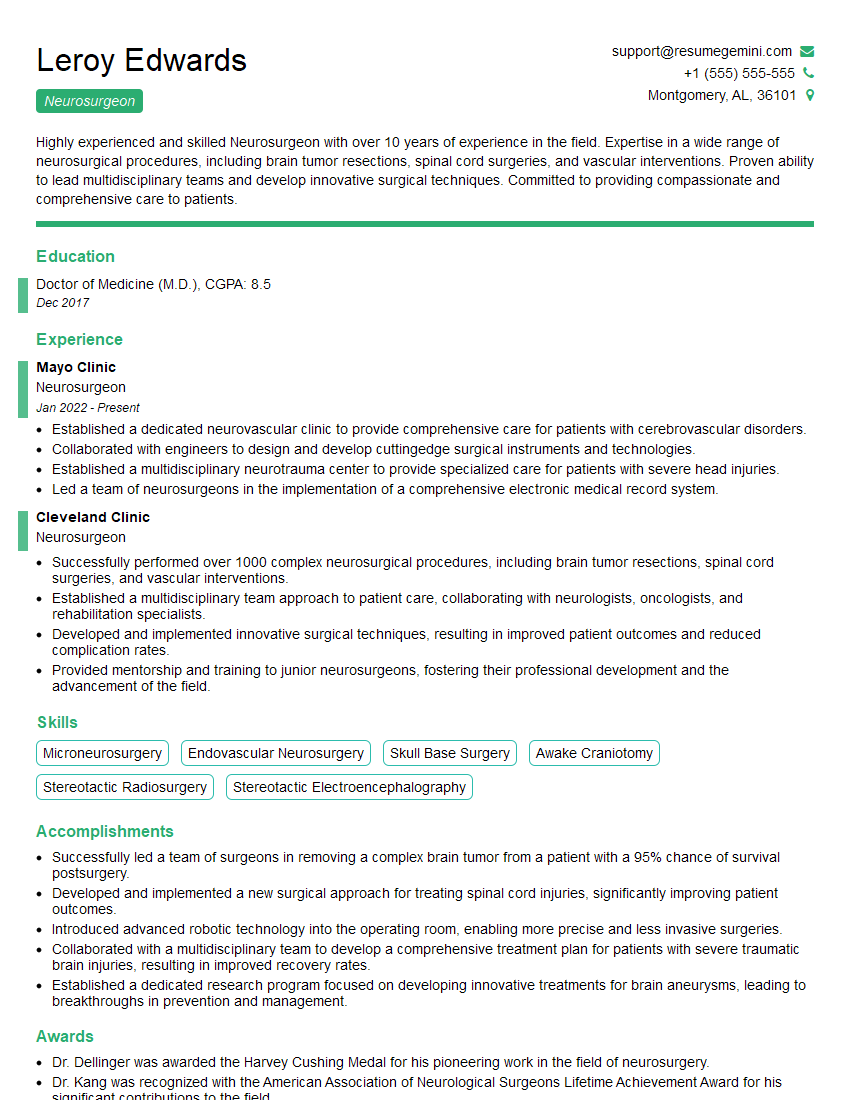
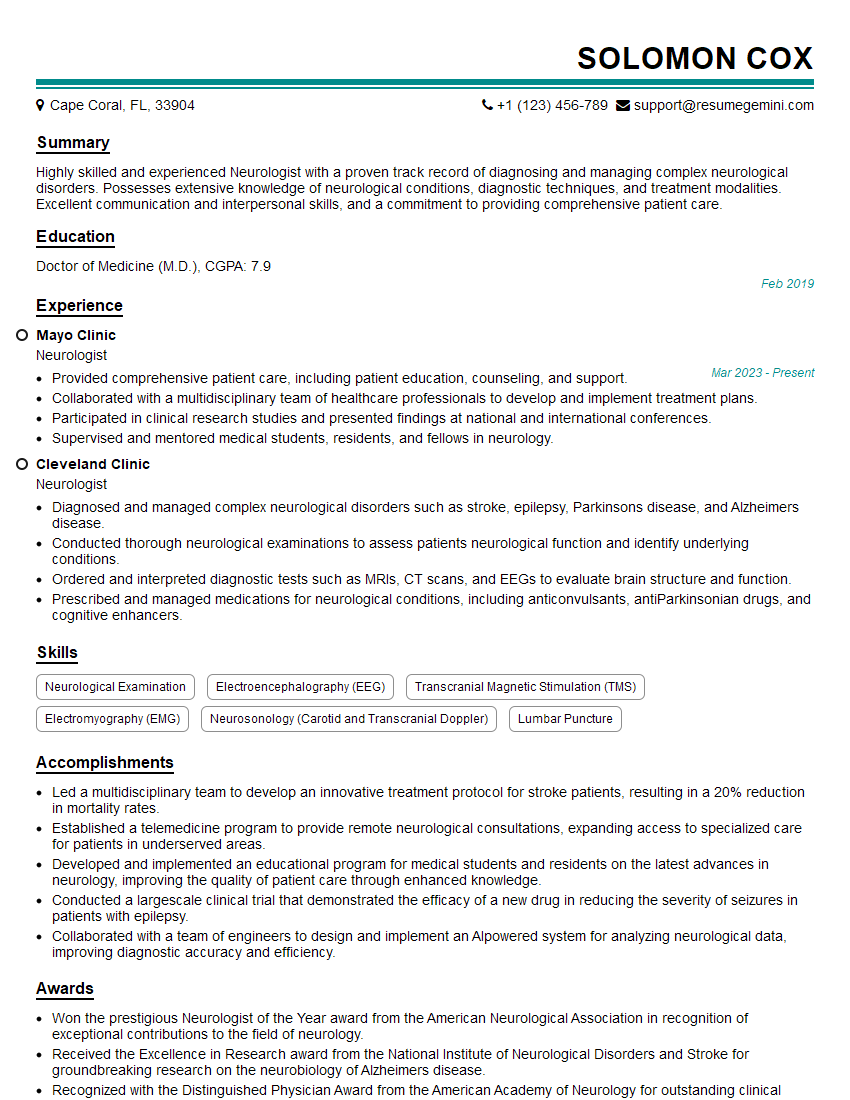
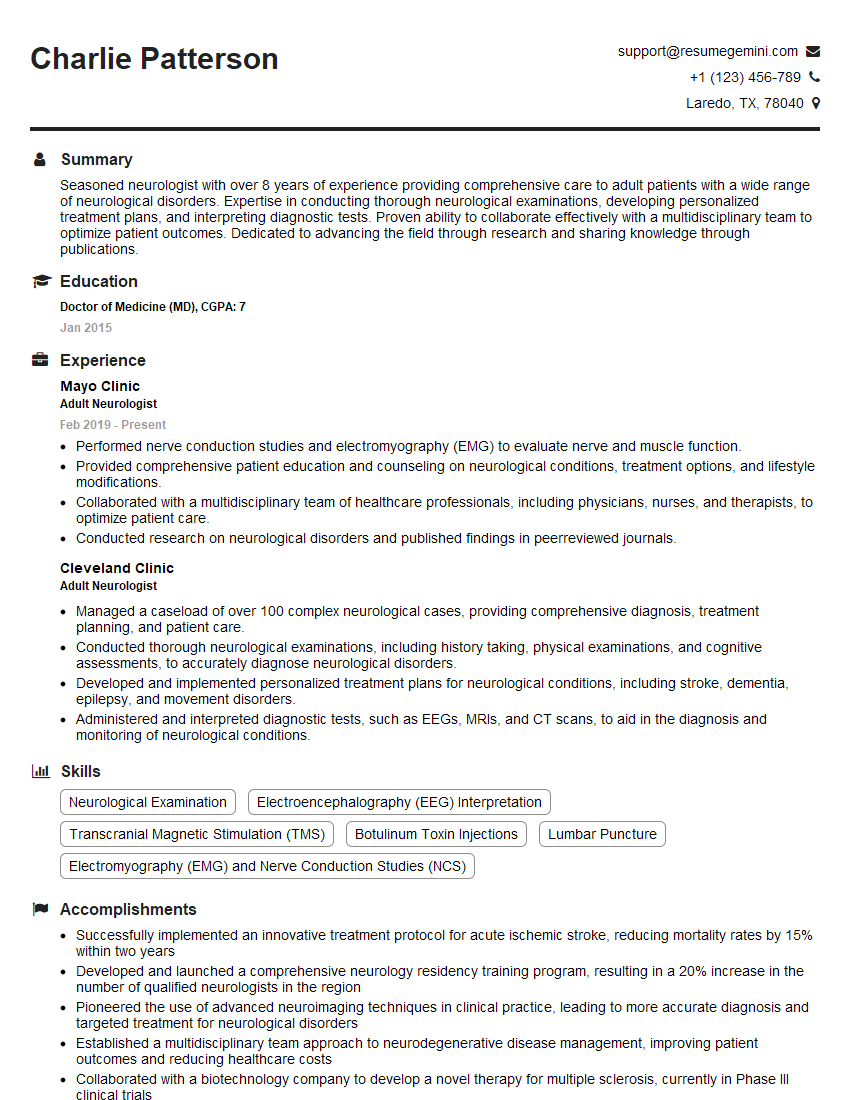
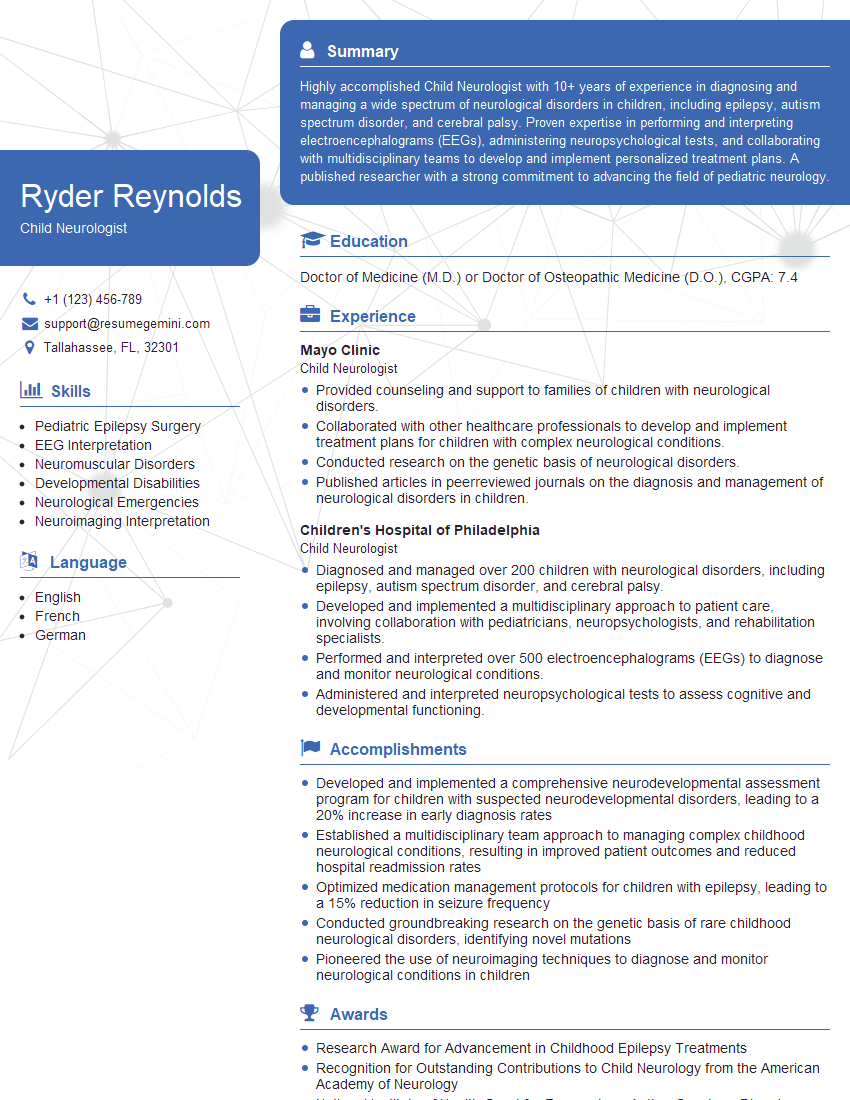
Mastering the complexities of managing epilepsy cases significantly enhances your career prospects in neurology and related fields. Demonstrating this expertise on your resume is crucial for attracting the attention of potential employers. An ATS-friendly resume is key to ensuring your qualifications are effectively conveyed to hiring managers. ResumeGemini is a trusted resource to help you craft a compelling and impactful resume tailored to showcase your skills and experience. Examples of resumes tailored to highlight experience in managing complex epilepsy cases are available to further assist you in this process.
Explore more articles
Users Rating of Our Blogs
Share Your Experience
We value your feedback! Please rate our content and share your thoughts (optional).
What Readers Say About Our Blog
To the interviewgemini.com Webmaster.
Very helpful and content specific questions to help prepare me for my interview!
Thank you
To the interviewgemini.com Webmaster.
This was kind of a unique content I found around the specialized skills. Very helpful questions and good detailed answers.
Very Helpful blog, thank you Interviewgemini team.