Interviews are opportunities to demonstrate your expertise, and this guide is here to help you shine. Explore the essential Experience in working with children from diverse backgrounds interview questions that employers frequently ask, paired with strategies for crafting responses that set you apart from the competition.
Questions Asked in Experience in working with children from diverse backgrounds Interview
Q 1. Describe your experience working with children from different cultural backgrounds.
Throughout my career, I’ve had the privilege of working with children from a wide array of cultural backgrounds, including Hispanic, Asian, African American, and Caucasian communities, as well as children from immigrant families. This experience has enriched my understanding of the diverse ways children learn and express themselves. For instance, in one school, I worked with a significant population of students whose first language wasn’t English. This required me to adapt my communication style and incorporate visual aids more frequently. In another setting, I worked with children from various religious backgrounds, which necessitated sensitivity and awareness of cultural practices during holidays and celebrations.
I’ve learned to recognize that cultural background profoundly influences a child’s learning style, communication preferences, and social interactions. Understanding these nuances is fundamental to creating an effective and inclusive learning environment.
Q 2. How do you adapt your teaching methods to meet the needs of diverse learners?
Adapting teaching methods to meet diverse learner needs requires a multifaceted approach. I believe in differentiating instruction, which means tailoring my teaching strategies to accommodate individual learning styles and abilities. This involves using various teaching methods – visual aids, hands-on activities, group work, and individualized projects. For example, a visual learner might benefit from diagrams and charts, while a kinesthetic learner might thrive through role-playing activities.
I also incorporate culturally relevant pedagogy, which integrates students’ cultural backgrounds and experiences into the curriculum. This can involve using diverse literature, incorporating diverse perspectives into discussions, and allowing students to share their cultural knowledge with the class. For example, if a significant number of students celebrate Diwali, we might integrate stories and crafts related to Diwali into our curriculum.
Regular assessment and communication with parents are crucial. I regularly assess student progress through diverse methods – formal tests, informal observations, and student self-assessments – to identify areas needing further support.
Q 3. Explain your approach to addressing cultural differences in classroom management.
Addressing cultural differences in classroom management necessitates building rapport and trust with students from diverse backgrounds. I begin by establishing clear expectations and classroom rules, ensuring these are communicated in a way that is understandable and culturally sensitive. For instance, direct eye contact, while considered polite in some cultures, can be disrespectful in others. Understanding this allows me to adjust my communication style accordingly.
I actively seek to understand the cultural contexts influencing student behavior. Instead of immediately resorting to disciplinary actions, I try to understand the root cause of the behavior. Is it a misunderstanding of classroom rules? A cultural difference in expression? Addressing the underlying issue, rather than simply punishing the behavior, often leads to more effective solutions.
Consistent, fair, and culturally responsive discipline is key. I always strive to ensure my responses are proportionate to the situation and take into account the child’s cultural background.
Q 4. How would you handle a situation where a child’s cultural practices conflict with school rules?
Handling situations where a child’s cultural practices conflict with school rules requires a delicate balance of upholding school policy while respecting the child’s cultural background. My approach involves open communication and collaboration with the child, their parents, and school administration. I’d first try to understand the cultural significance of the practice and explore alternative solutions that respect both the school’s rules and the child’s cultural identity.
For example, if a student’s religious practice necessitates prayer during school hours, I’d work with the parents and administration to find an appropriate and discreet space for the student to pray without disrupting the class. In cases where a compromise isn’t immediately possible, I’d involve the school administration to find a solution that aligns with school policies and promotes mutual understanding and respect.
Q 5. What strategies do you use to create an inclusive and welcoming classroom environment for all children?
Creating an inclusive and welcoming classroom involves several strategies. Firstly, I start by actively making my classroom a reflection of the diversity of my students. This includes displaying artwork, literature, and artifacts from various cultures. I use inclusive language, ensuring all students feel seen and represented.
Secondly, I foster a sense of belonging by incorporating students’ cultural experiences into our classroom activities. This includes encouraging students to share their cultural traditions, perspectives, and languages. I build community through cooperative learning activities, where students work together and learn from each other’s diverse backgrounds and experiences. Thirdly, I ensure equitable access to resources and opportunities for all students, regardless of their cultural background.
Q 6. Describe a time you had to modify your curriculum to be more culturally relevant.
In a previous class with a large population of students with a strong interest in mythology, I modified our reading curriculum to include myths and legends from various cultures. Instead of focusing solely on Greek mythology, we explored stories from around the world – Native American folklore, African folktales, and Asian myths. This allowed students to connect with the material on a deeper level and to appreciate the universal themes found in diverse cultural narratives. We also incorporated creative projects, allowing students to illustrate their favorite myths or even create their own, using elements from their own cultural traditions. The change significantly boosted student engagement and enriched their understanding of storytelling as a cultural practice.
Q 7. How do you ensure equitable access to resources and opportunities for all students?
Ensuring equitable access to resources and opportunities requires proactive measures. I regularly assess my classroom to identify any potential biases in resource allocation or learning opportunities. This includes carefully examining materials to ensure they represent diverse perspectives. For example, I make sure that reading material features characters and stories from different racial and ethnic backgrounds. I make sure that all students have equal access to advanced learning opportunities, extracurricular activities, and school resources, regardless of their background. If a student needs additional support, I work closely with the school’s support services to ensure they receive the necessary resources.
Open communication with parents is crucial in ensuring equitable access. I regularly communicate with parents about their child’s progress and any support they might need. This includes collaborating with parents to identify culturally relevant ways to support their child’s learning.
Q 8. How do you foster cross-cultural understanding and respect among children?
Fostering cross-cultural understanding and respect among children requires a multifaceted approach that begins with creating a classroom environment that celebrates diversity. This involves actively incorporating diverse perspectives into the curriculum, using materials that reflect the children’s backgrounds, and encouraging them to share their own unique experiences and traditions.
- Curriculum Integration: I incorporate stories, music, art, and historical figures from various cultures into lessons. For example, instead of only focusing on European fairy tales, we might explore folktales from Africa, Asia, and Latin America.
- Classroom Decor and Resources: I ensure the classroom reflects the diverse backgrounds of the students. This includes using multilingual posters, showcasing artwork from different cultures, and making sure library books represent a wide range of experiences.
- Open Dialogue and Sharing: I create a safe space for children to share their cultural traditions and perspectives without fear of judgment. This can be through show-and-tell sessions, class discussions, or even cooking projects featuring diverse cuisines.
- Conflict Resolution: I teach children conflict resolution strategies that emphasize empathy and understanding, helping them navigate disagreements stemming from cultural differences.
For example, in one classroom, we celebrated Diwali by having the children make diyas (oil lamps) and share stories about the festival, enriching everyone’s understanding of Indian culture. This active inclusion helps break down stereotypes and build mutual respect.
Q 9. What resources do you utilize to learn more about diverse cultural practices and perspectives?
Staying current on diverse cultural practices and perspectives is crucial. I utilize a variety of resources to expand my knowledge base, including:
- Books and Journals: I regularly read books and academic journals focused on child development, multicultural education, and specific cultural groups represented in my classroom.
- Online Resources and Databases: I utilize online databases like JSTOR and ERIC, along with reputable websites providing information on different cultures and traditions. I am particularly careful to choose sources that represent diverse voices and perspectives, avoiding potentially biased information.
- Workshops and Professional Development: I actively participate in professional development workshops and conferences that focus on culturally responsive teaching and working with diverse learners.
- Community Engagement: I engage with families and community members from diverse backgrounds, learning from their firsthand experiences and insights.
- Cultural Organizations and Centers: I often collaborate with local cultural organizations and centers to access authentic information and resources.
Continuous learning ensures that my teaching practices remain inclusive and relevant to the children’s needs and backgrounds.
Q 10. Describe your experience working with children who are English Language Learners (ELLs).
Working with English Language Learners (ELLs) requires a patient and adaptable approach that focuses on creating a supportive and encouraging learning environment. My experience involves understanding that language acquisition takes time and individual approaches work best.
- Differentiated Instruction: I differentiate instruction by providing visual aids, manipulatives, and simplified language. I also offer various ways for them to demonstrate their understanding.
- Collaborative Learning: Pairing ELLs with native English speakers provides opportunities for language development through peer interaction and support.
- Bilingual Resources: I utilize bilingual books, materials, and technology to support their language acquisition in both their native language and English.
- Communication with Families: I maintain open communication with families to understand their child’s linguistic background and cultural context, tailoring my approach accordingly. Sometimes, using translation services or family members as interpreters is necessary.
- Patience and Understanding: I emphasize patience and understanding, recognizing that language acquisition is a gradual process, celebrating small successes along the way.
For instance, I once worked with a student who spoke primarily Spanish. By incorporating Spanish vocabulary into my lessons and utilizing picture dictionaries, I was able to make the learning experience more accessible and engaging, ultimately fostering their confidence and academic progress.
Q 11. How do you support children with disabilities in an inclusive setting?
Supporting children with disabilities in an inclusive setting means ensuring that all children have equal access to learning and opportunities, regardless of their abilities or challenges. I approach this through the following strategies:
- Individualized Education Programs (IEPs): I actively participate in the development and implementation of IEPs, collaborating with special education teachers, therapists, and parents to create individualized learning plans tailored to each child’s unique needs.
- Adaptive Materials and Techniques: I utilize adaptive materials and techniques to make the curriculum accessible to all children. This may involve using assistive technology, modifying assignments, or providing alternative learning methods.
- Universal Design for Learning (UDL): I apply UDL principles to create flexible learning environments that cater to diverse learning styles and abilities. This involves offering multiple means of representation, action and expression, and engagement.
- Collaboration and Communication: I maintain open and consistent communication with parents, special education staff, and other professionals involved in the child’s education and care. This ensures a coordinated and comprehensive support system.
- Inclusive Classroom Culture: I foster an inclusive classroom culture where all students feel valued, respected, and supported. This involves promoting empathy, acceptance, and understanding among all students.
For example, I adapted a science experiment by providing a child with visual impairments with tactile materials and verbal descriptions, ensuring their full participation in the activity.
Q 12. How do you identify and address potential biases in your own teaching practices?
Identifying and addressing potential biases in my own teaching practices is a continuous process of self-reflection and improvement. I actively engage in strategies like:
- Self-Reflection: I regularly reflect on my teaching practices, considering whether my actions, words, and materials might unintentionally perpetuate biases. I ask myself questions like: ‘Are my examples representative of the diverse population in my classroom?’, ‘Am I providing equal opportunities for all students?’, ‘Do my classroom rules and expectations apply fairly to everyone?’.
- Seeking Feedback: I actively seek feedback from colleagues, mentors, and parents to identify potential blind spots in my teaching practices. I actively solicit feedback on my classroom interactions and curriculum design.
- Professional Development: I participate in professional development opportunities focused on equity, diversity, and inclusion, gaining strategies for identifying and mitigating bias.
- Culturally Responsive Teaching Practices: I employ culturally responsive teaching practices that value the diverse backgrounds and experiences of my students, ensuring that my lessons are relevant and engaging for everyone.
- Bias Awareness Training: I participate in workshops and training sessions focused on unconscious bias and its impact on teaching and learning.
This continuous self-assessment allows me to adjust my approach, create a more equitable learning environment, and ensure that all students feel valued and supported.
Q 13. How do you communicate effectively with parents from diverse backgrounds?
Communicating effectively with parents from diverse backgrounds requires cultural sensitivity, understanding, and a proactive approach. My strategies include:
- Language Access: I ensure access to translation services or interpreters, recognizing that language barriers can hinder effective communication.
- Cultural Considerations: I take into account different communication styles and cultural norms. Some cultures may favor indirect communication or prioritize family involvement in education differently.
- Open Communication Channels: I provide multiple ways for parents to communicate with me, such as email, phone calls, text messages, and parent-teacher conferences. I am flexible with meeting times and formats to accommodate their schedules and preferences.
- Building Relationships: I build positive relationships with parents through regular communication and personalized interactions. Showing genuine interest in their child’s well-being and academic progress fosters trust and collaboration.
- Community Resources: I connect parents with community resources that might be helpful, such as healthcare services, social support programs, or language assistance.
For example, I once worked with a family that preferred communicating primarily in their native language. By using a translator during parent-teacher conferences, I was able to build a strong rapport with the family and effectively collaborate on their child’s education.
Q 14. Describe a time you had to advocate for a child from a marginalized community.
I once advocated for a student from a low-income, immigrant family who was struggling academically and facing significant challenges at home. His family lacked resources and faced language barriers, hindering their ability to fully participate in school activities and support their son’s education.
I noticed he was consistently arriving to school hungry and lacked necessary school supplies. I first worked with the school’s social worker to connect the family with available resources, including food banks and assistance programs for low-income families. I also collaborated with the school’s ESL teacher to ensure he received appropriate language support. Furthermore, I worked with the school administration to obtain funding for after-school tutoring and additional support services.
By advocating for this student, I not only improved his academic performance but also empowered his family to become more actively involved in his education. This experience highlighted the importance of going beyond the classroom to address systemic inequalities and create a truly equitable learning environment for all children.
Q 15. How do you promote social-emotional learning in a culturally responsive manner?
Promoting social-emotional learning (SEL) in a culturally responsive manner means understanding that children’s emotional development is deeply intertwined with their cultural backgrounds. It’s not a one-size-fits-all approach. Instead, we need to create a classroom environment where all children feel safe, respected, and valued for who they are. This involves:
- Building Relationships: Taking the time to get to know each child individually, learning about their family and cultural traditions. This helps me understand their behaviors and communication styles.
- Using Culturally Relevant Examples: Incorporating stories, games, and activities that reflect the diverse cultural experiences of my students. For example, if I’m teaching about empathy, I might use stories from different cultures that highlight the importance of understanding others’ perspectives.
- Teaching SEL Skills Explicitly: This includes things like self-awareness, self-management, social awareness, relationship skills, and responsible decision-making. However, I adapt the teaching methods to suit different learning styles and cultural norms.
- Creating a Safe and Inclusive Classroom: Establishing clear classroom rules and expectations that promote respect and understanding. This includes addressing any instances of bullying or discrimination immediately and effectively.
- Partnering with Families: Working closely with parents and families to understand their perspectives on SEL and to ensure consistency between home and school environments. This may involve parent workshops or home visits that respect differing communication styles.
For example, in one class, I noticed a child from a collectivist culture consistently avoiding individual praise. Understanding this cultural context, I shifted to praising group efforts, which greatly improved his engagement and self-esteem.
Career Expert Tips:
- Ace those interviews! Prepare effectively by reviewing the Top 50 Most Common Interview Questions on ResumeGemini.
- Navigate your job search with confidence! Explore a wide range of Career Tips on ResumeGemini. Learn about common challenges and recommendations to overcome them.
- Craft the perfect resume! Master the Art of Resume Writing with ResumeGemini’s guide. Showcase your unique qualifications and achievements effectively.
- Don’t miss out on holiday savings! Build your dream resume with ResumeGemini’s ATS optimized templates.
Q 16. What are some common challenges faced when working with diverse children and how have you overcome them?
Working with diverse children presents unique challenges. Language barriers, differing cultural norms around communication and behavior, and varying levels of prior educational experiences can all impact learning.
- Language Barriers: I address language barriers by utilizing visual aids, incorporating bilingual materials when possible, and collaborating with interpreters or bilingual staff. I also ensure that verbal instructions are clear, concise, and reinforced with non-verbal cues.
- Differing Cultural Norms: Misunderstandings due to differing cultural norms are tackled by proactively learning about the cultural backgrounds of my students, promoting open communication, and clarifying expectations. For instance, some cultures may emphasize quiet attentiveness in learning environments while others might encourage more collaborative and expressive learning.
- Varying Educational Experiences: Addressing this requires flexible and differentiated instruction that caters to different learning levels and styles. I use pre-assessments to understand each child’s starting point and adapt my teaching accordingly. This may involve providing extra support to students who need it, or challenging those who are ahead.
For example, one student struggled with direct eye contact, which is viewed negatively in their culture. Instead of forcing it, I focused on other cues like attentive listening and participation to gauge engagement. This demonstrated respect for their cultural background while maintaining positive learning engagement.
Q 17. How do you assess a child’s learning style within a culturally sensitive framework?
Assessing a child’s learning style within a culturally sensitive framework requires going beyond standardized tests. It involves observing their behavior, communication style, and interactions within the classroom.
- Observation: I carefully observe how children learn best – through visual, auditory, or kinesthetic methods. I pay attention to their preferences in group work vs. individual work, their responses to different teaching techniques, and their overall engagement levels.
- Informal Assessments: Using informal methods such as drawings, storytelling, role-playing, or projects allows children to showcase their learning in ways that align with their cultural backgrounds and comfort levels.
- Considering Cultural Context: I acknowledge that a child’s learning style can be influenced by their cultural upbringing. For instance, some cultures may prioritize collaborative learning over individual achievement.
- Collaboration with Families: I actively involve families in the assessment process, seeking their insights into their child’s learning preferences and challenges. This provides a more holistic view of the child’s learning profile.
For instance, a student who initially appeared quiet and withdrawn in traditional classroom settings flourished when given opportunities for hands-on activities and collaborative projects, reflecting a kinesthetic learning style influenced by their cultural emphasis on experiential learning.
Q 18. How do you incorporate culturally relevant materials and activities into your lesson plans?
Incorporating culturally relevant materials and activities is crucial for creating an inclusive learning environment. This involves:
- Diverse Literature: I select books and stories that represent a wide range of cultural backgrounds, perspectives, and experiences. This helps children see themselves and others reflected in the curriculum.
- Multicultural Themes: I weave multicultural themes into lesson plans across subjects, celebrating holidays and traditions from different cultures.
- Authentic Resources: I utilize authentic materials such as artifacts, music, art, and food from various cultures to provide enriching learning experiences.
- Community Involvement: I invite community members from diverse backgrounds to share their expertise and experiences with the class. This could be a guest speaker, a cooking demonstration, or a storytelling session.
- Student Input: I encourage student participation in selecting and creating culturally relevant materials. This empowers them and makes them feel valued.
For example, during a lesson on fractions, I used examples relevant to different cultures – sharing traditional food portions or dividing resources in a game reflecting a specific cultural practice.
Q 19. How do you build rapport and trust with children from different cultural backgrounds?
Building rapport and trust with children from diverse backgrounds requires empathy, patience, and cultural sensitivity. Key strategies include:
- Active Listening: I pay close attention to both verbal and nonverbal cues to understand their needs and perspectives.
- Respectful Communication: I adapt my communication style to suit individual needs, being mindful of language barriers and cultural differences in communication styles.
- Showcasing Cultural Awareness: Demonstrating an understanding and appreciation for their cultural backgrounds. This might involve using greetings in their native language or incorporating elements of their culture into classroom activities.
- Building Relationships Through Shared Activities: I participate in activities that promote understanding and build connections, such as games, art projects, or shared meals.
- Creating a Safe and Inclusive Space: I ensure that my classroom is a place where all children feel safe to express themselves without fear of judgment or discrimination.
For instance, learning a few basic phrases in a student’s native language and using them casually showed respect and fostered a sense of connection.
Q 20. How do you differentiate instruction to meet the needs of diverse learners?
Differentiated instruction is essential to meet the needs of diverse learners. This involves adapting teaching methods, materials, and assessment based on individual learning styles, needs, and cultural backgrounds.
- Flexible Grouping: I use a variety of grouping strategies (individual, small group, whole class) to cater to different learning preferences. This allows for personalized attention and collaborative learning opportunities.
- Varied Instructional Methods: I use diverse teaching methods like lectures, discussions, hands-on activities, and technology to engage different learners. This might include visual aids for visual learners or kinesthetic activities for those who learn by doing.
- Tiered Assignments: I create assignments with varying levels of complexity to challenge students at their appropriate level. This ensures that all students are appropriately challenged and supported.
- Multiple Assessment Methods: I use a range of assessment methods (written tests, projects, presentations, performances) to accurately reflect each child’s understanding. This accommodates different learning styles and cultural expressions of knowledge.
- Use of Technology: I utilize technology strategically, for example, language translation apps or culturally relevant digital resources.
For example, providing both written and oral assessments for a student who struggles with literacy but excels in verbal communication allowed for a more accurate reflection of their understanding.
Q 21. How do you engage parents and families in a way that respects their cultural backgrounds?
Engaging parents and families respectfully requires understanding and valuing their cultural backgrounds. Effective strategies include:
- Culturally Responsive Communication: I adapt my communication style to respect different communication preferences and language barriers. This may involve using translators, sending home information in multiple languages, or scheduling meetings at convenient times.
- Building Relationships: I establish open communication and build trust by demonstrating respect for their cultural values and beliefs. This includes actively listening to their concerns and perspectives.
- Family Involvement: I involve families in meaningful ways that respect their time and resources. This may involve inviting them to participate in classroom activities, sharing classroom updates through different channels (email, phone calls, newsletters), and hosting culturally sensitive events.
- Collaboration: I work collaboratively with families to create learning plans that meet their child’s needs and align with their cultural values. This could involve home-school agreements and joint goal setting.
- Respectful Feedback: I provide constructive feedback in a way that is sensitive to cultural norms and avoids making judgments about family practices.
For instance, instead of simply sending home a standardized progress report, I held individual parent-teacher conferences where I presented progress using culturally relevant examples and utilized a translator when necessary.
Q 22. Describe your understanding of cultural competency in education.
Cultural competency in education is the ability of educators to understand and appreciate the diverse cultural backgrounds of their students, and to use this understanding to create a learning environment that is respectful, inclusive, and equitable for all. It’s not just about tolerance; it’s about actively seeking to understand and integrate different perspectives into teaching practices and classroom management.
This involves ongoing self-reflection on one’s own biases and assumptions, actively seeking knowledge about different cultures, and adapting teaching methods to be culturally responsive. For example, understanding that a student’s quiet demeanor might stem from cultural norms around respect for authority figures, rather than a lack of engagement, is crucial for effective teaching. It also means recognizing that learning styles and communication preferences vary across cultures and adapting accordingly.
Q 23. What are some key considerations for creating a safe and inclusive learning environment for all children?
Creating a safe and inclusive learning environment requires a multi-pronged approach. Key considerations include:
- Physical Safety: Ensuring a clean, well-maintained space free from hazards and bullying.
- Emotional Safety: Fostering a classroom culture of respect, empathy, and kindness. This involves establishing clear expectations for behavior, actively addressing bullying or harassment, and creating opportunities for students to express their emotions in healthy ways.
- Psychological Safety: Creating an environment where students feel comfortable taking risks, making mistakes, and asking questions without fear of judgment or ridicule. This involves valuing diverse perspectives and creating a sense of belonging for all students.
- Accessibility: Ensuring that the physical space, curriculum, and teaching methods are accessible to all students, regardless of their abilities or disabilities.
- Equity: Recognizing and addressing systemic biases that might disadvantage certain groups of students. This involves providing equitable access to resources and opportunities and actively working to close achievement gaps.
For instance, I once worked with a student who was initially withdrawn. By creating a classroom where she felt safe to participate at her own pace, and by incorporating elements from her culture into our activities, I was able to foster her confidence and engagement.
Q 24. How do you navigate potential language barriers when communicating with children and their families?
Navigating language barriers requires a proactive and multifaceted approach. It starts with recognizing that communication is more than just words; it’s about nonverbal cues, tone, and context.
- Utilize Translation Services: Employing professional interpreters or translators for important meetings or communications with families.
- Use Visual Aids: Pictures, diagrams, and other visual materials can help bridge communication gaps, especially with younger children.
- Leverage Technology: Translation apps can be helpful for quick translations, but remember they are not a substitute for human interaction and might not capture nuances.
- Collaborate with Bilingual Staff/Volunteers: Enlist the help of colleagues or volunteers who speak the family’s language.
- Learn Basic Phrases: Learning a few basic phrases in the languages spoken by your students and their families can demonstrate respect and build rapport.
- Observe Nonverbal Cues: Pay attention to body language and facial expressions, which can provide valuable clues about understanding.
I once relied on a picture dictionary and hand gestures to explain a complex science concept to a non-English speaking student, and the success of that interaction made me realize the power of creative communication strategies.
Q 25. Explain your understanding of implicit bias and how it impacts education.
Implicit bias refers to unconscious attitudes or stereotypes that affect our understanding, actions, and decisions. In education, implicit bias can manifest in various ways, often unintentionally disadvantaging students from marginalized groups.
For example, a teacher might unconsciously have higher expectations for students from privileged backgrounds or may interpret a student’s behavior differently based on their race or ethnicity. This can lead to disparities in classroom interactions, grading, and disciplinary actions. Recognizing and mitigating implicit bias requires ongoing self-reflection, professional development, and a commitment to creating equitable practices. Strategies include using structured assessment methods, employing blind grading techniques whenever possible, and regularly reviewing classroom practices for potential biases.
For example, I’ve participated in workshops focused on recognizing my own implicit biases, and this helped me to be more aware of my own assumptions and adjust my teaching accordingly. We need to create a space for constant self-reflection in this area.
Q 26. How do you promote a sense of belonging for children from all backgrounds?
Promoting a sense of belonging involves creating a classroom environment where every student feels valued, respected, and included. This is achieved through several strategies:
- Culturally Responsive Teaching: Integrating diverse perspectives and experiences into the curriculum, selecting diverse reading materials, and showcasing diverse role models.
- Building Relationships: Taking the time to get to know each student individually, learning about their interests and backgrounds.
- Creating Opportunities for Collaboration: Designing activities that encourage students to work together and learn from each other.
- Celebrating Diversity: Highlighting and celebrating the unique cultures and traditions of students.
- Providing Equitable Access to Resources: Ensuring that all students have equal access to resources and opportunities, regardless of their background.
For instance, I once incorporated a project where students shared their family traditions, resulting in a vibrant classroom display and a deeper understanding and appreciation amongst classmates.
Q 27. How do you address cultural misunderstandings or conflicts among children?
Addressing cultural misunderstandings or conflicts requires a calm, empathetic, and culturally sensitive approach. The key is to:
- Listen Actively: Give each child an opportunity to share their perspective, without interruption or judgment.
- Facilitate Dialogue: Create a safe space for children to discuss their differences and work towards understanding.
- Emphasize Shared Values: Highlight common ground and shared goals, such as kindness, respect, and fairness.
- Educate and Explain: Provide age-appropriate explanations of different cultural practices or beliefs.
- Seek Mediation if Needed: Involve a school counselor or other trained professional if the conflict is difficult to resolve.
I remember mediating a conflict between two students from different cultural backgrounds who had different understandings of personal space. By patiently guiding them through a discussion of their perspectives, we were able to find a common understanding and solution.
Q 28. What are your strategies for celebrating cultural diversity in the classroom?
Celebrating cultural diversity in the classroom should be an ongoing process, not just a one-time event. This can be done through:
- Classroom Displays: Showcasing students’ artwork, writing, and cultural artifacts.
- Thematic Units: Integrating cultural themes into curriculum units, such as studying different historical figures or literary works from diverse cultures.
- Guest Speakers: Inviting members of the community from diverse backgrounds to share their experiences and expertise.
- Cultural Events: Organizing celebrations or events that showcase the traditions and customs of different cultures.
- Food: Occasionally incorporating foods from different cultures into classroom activities (with consideration for allergies and dietary restrictions).
- Music and Dance: Incorporating music and dance from different cultures into classroom activities.
For example, we once held a ‘Multicultural Day’ where students shared traditional foods, costumes, and performances, which was an incredibly enriching experience for everyone involved.
Key Topics to Learn for Experience in working with children from diverse backgrounds Interview
- Understanding Cultural Differences: Explore the impact of diverse cultural backgrounds on children’s behavior, learning styles, and communication patterns. Consider how cultural norms influence family dynamics and parental involvement.
- Culturally Responsive Teaching Practices: Learn about adapting teaching methods and classroom environments to effectively engage children from diverse backgrounds. This includes understanding different learning preferences and incorporating diverse perspectives into curriculum.
- Addressing Bias and Promoting Inclusivity: Examine your own biases and explore strategies for creating an inclusive classroom where all children feel valued, respected, and safe. Develop techniques for recognizing and addressing potential biases in your interactions and assessments.
- Effective Communication with Families from Diverse Backgrounds: Learn effective strategies for communicating with families from different cultural and linguistic backgrounds, overcoming communication barriers and building strong parent-teacher relationships.
- Working with Interpreters and Translators: Understand the importance and best practices for utilizing interpreters and translators when communicating with families and children who speak different languages.
- Navigating Challenges Related to Diversity: Discuss practical approaches to resolving conflicts, addressing misunderstandings, and navigating sensitive situations that may arise in a diverse classroom setting. Consider scenarios involving differing cultural values and expectations.
- Advocating for Children from Diverse Backgrounds: Develop strategies for advocating for the needs of children from diverse backgrounds, ensuring equitable access to resources and opportunities, and promoting social justice.
Next Steps
Mastering experience in working with children from diverse backgrounds significantly enhances your candidacy for roles requiring cultural sensitivity and inclusivity. It demonstrates valuable skills highly sought after by employers in education, childcare, and related fields, leading to enhanced career growth and opportunities. To maximize your job prospects, crafting an ATS-friendly resume is crucial. ResumeGemini offers a trusted platform to build a professional resume that highlights your qualifications effectively. ResumeGemini provides examples of resumes tailored to showcase experience in working with children from diverse backgrounds, ensuring your application stands out. Take advantage of these resources to create a compelling resume that reflects your unique skills and experiences.
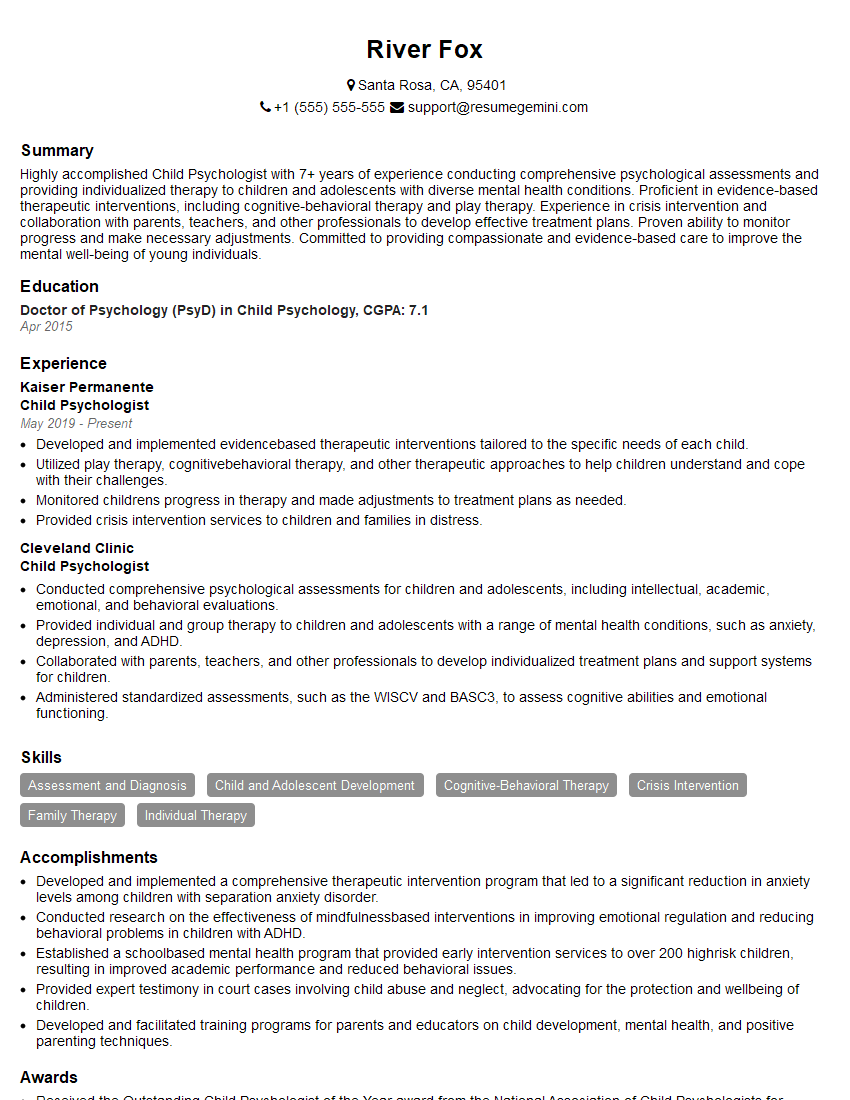
Child Psychologist Resume Sample
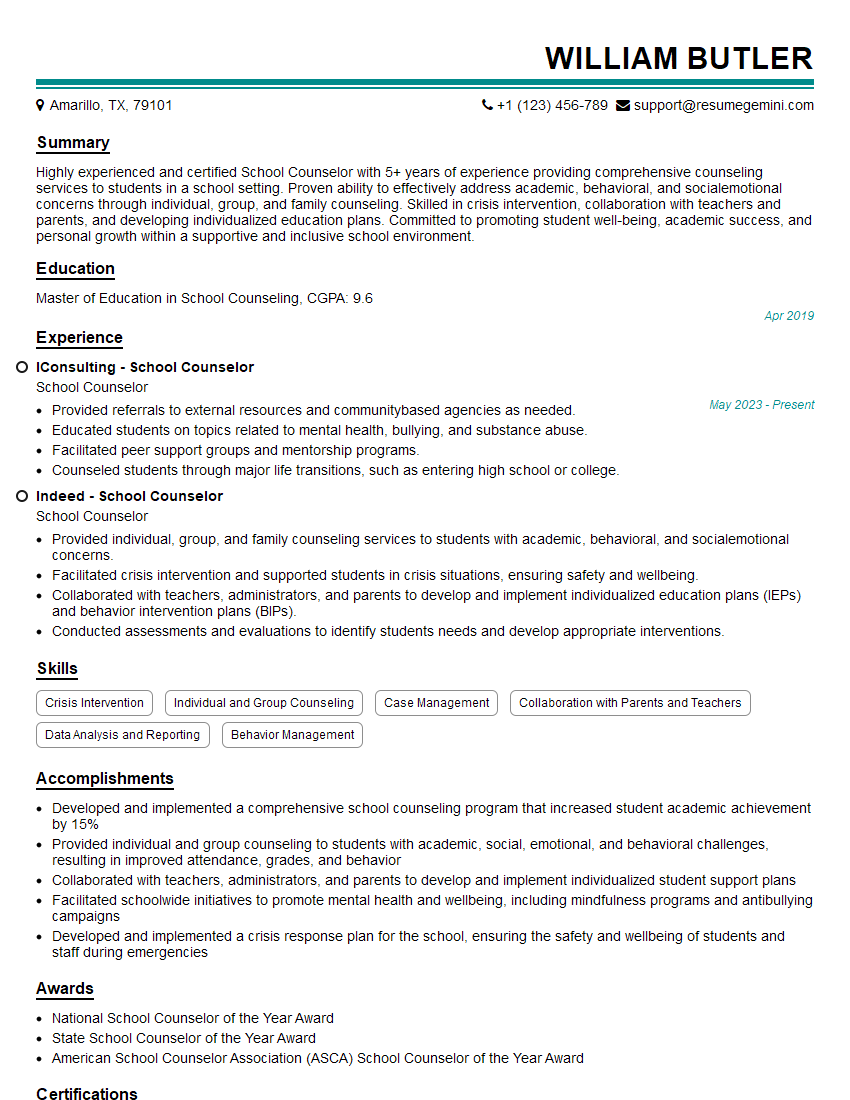
School Counselor Resume Sample
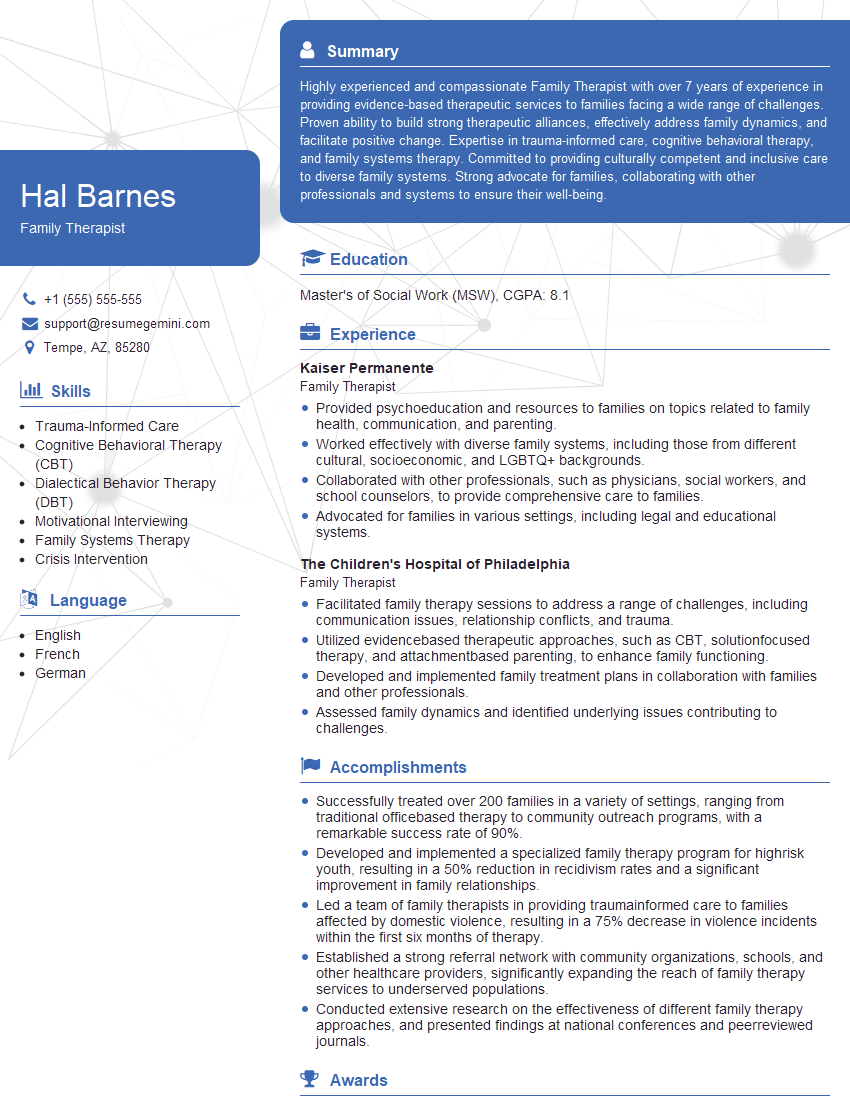
Family Therapist Resume Sample
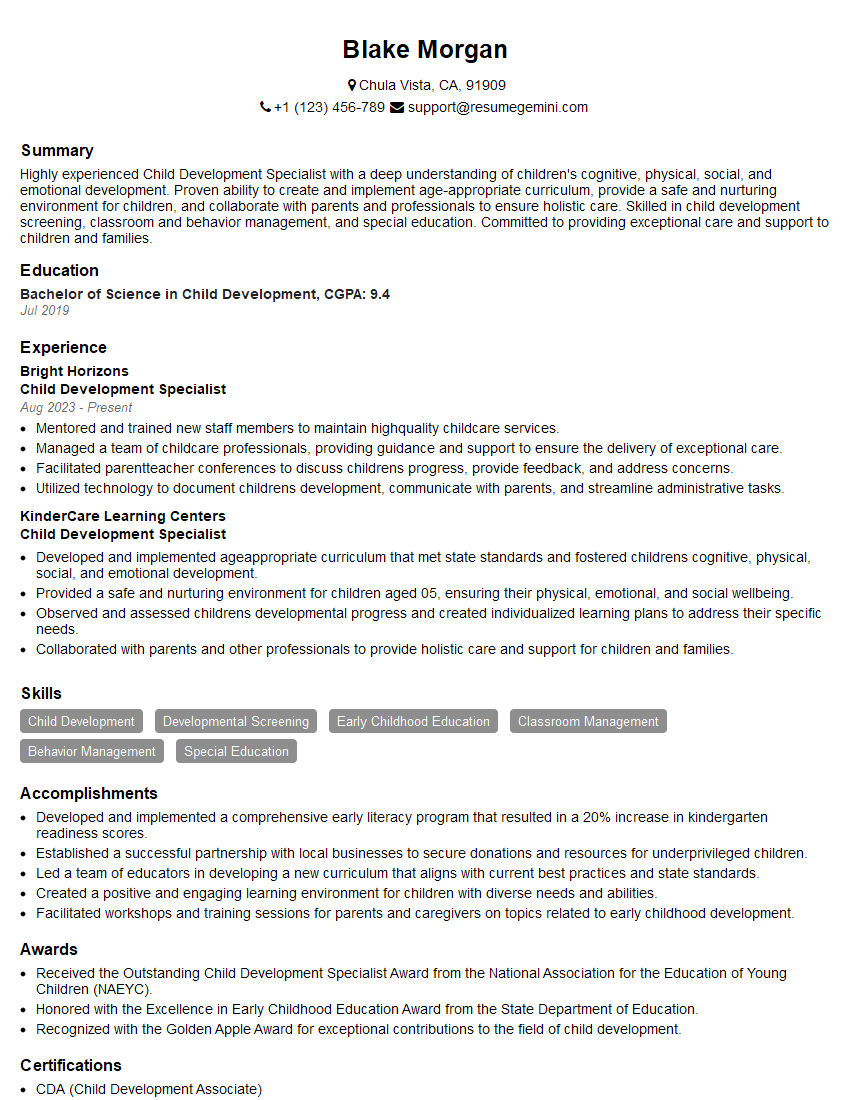
Child Development Specialist Resume Sample
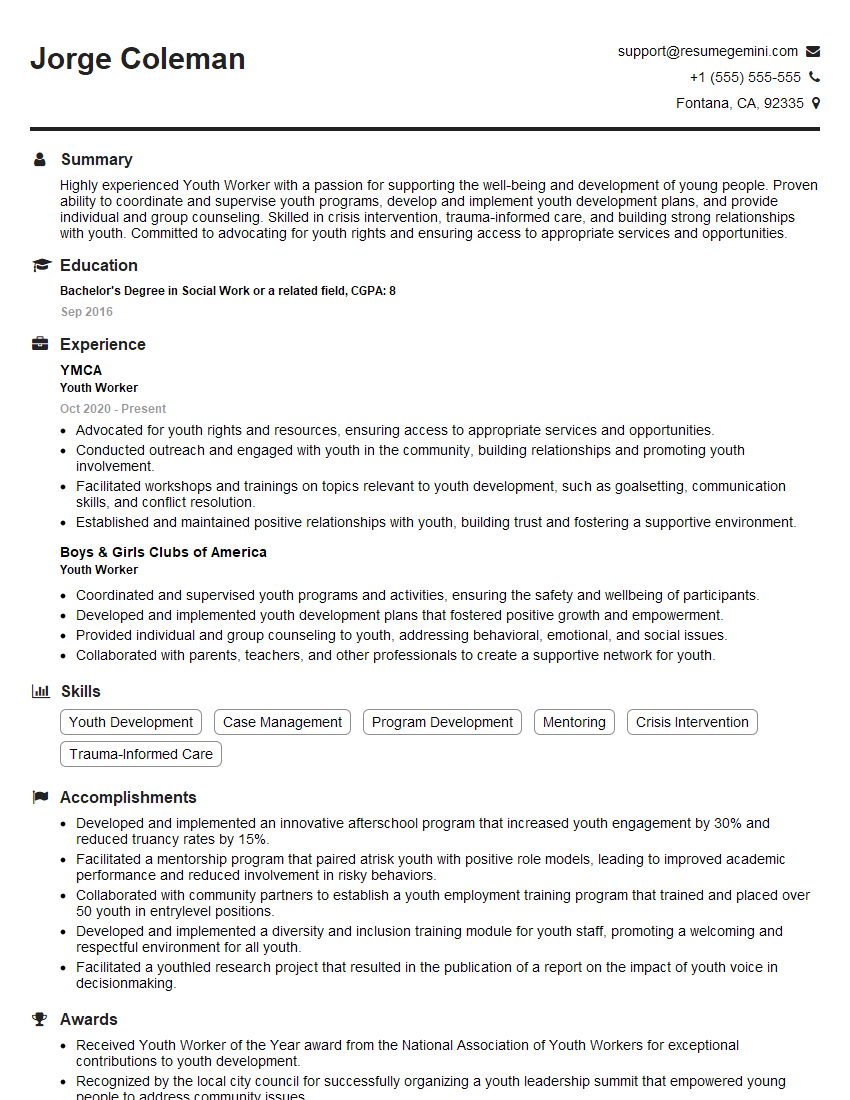
Youth Worker Resume Sample
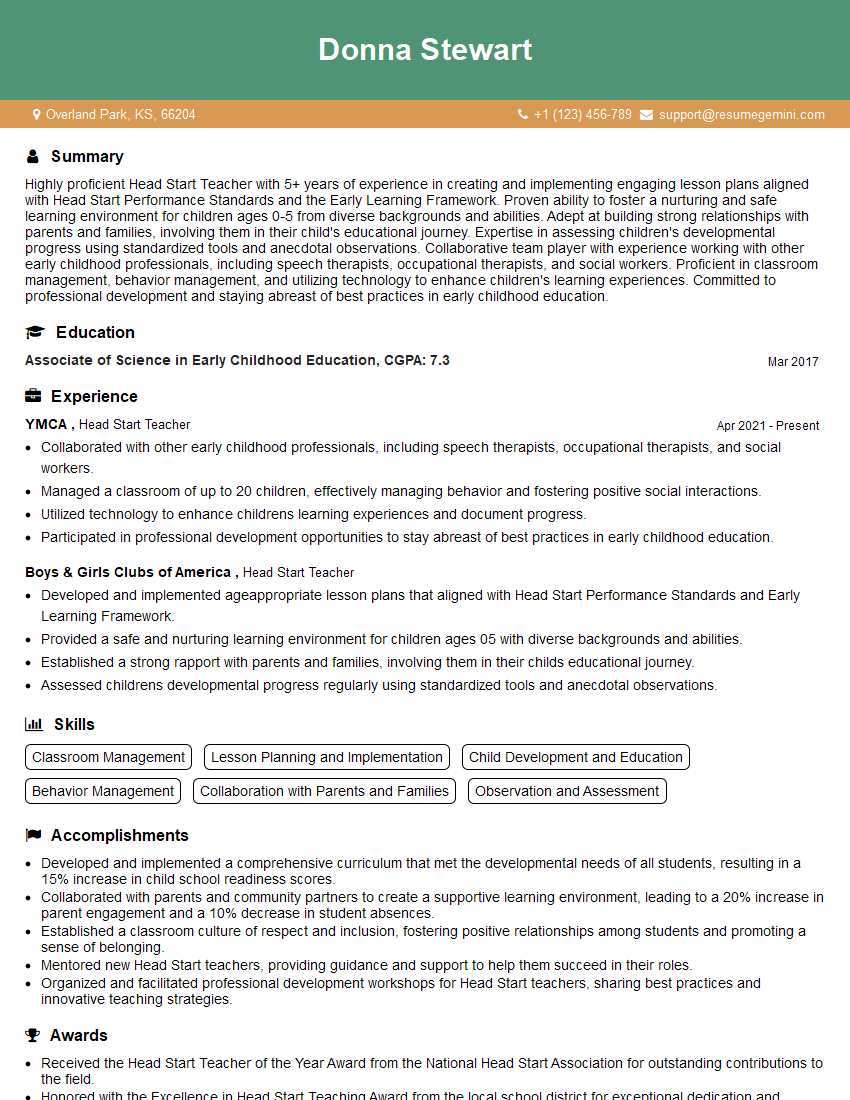
Head Start Teacher Resume Sample
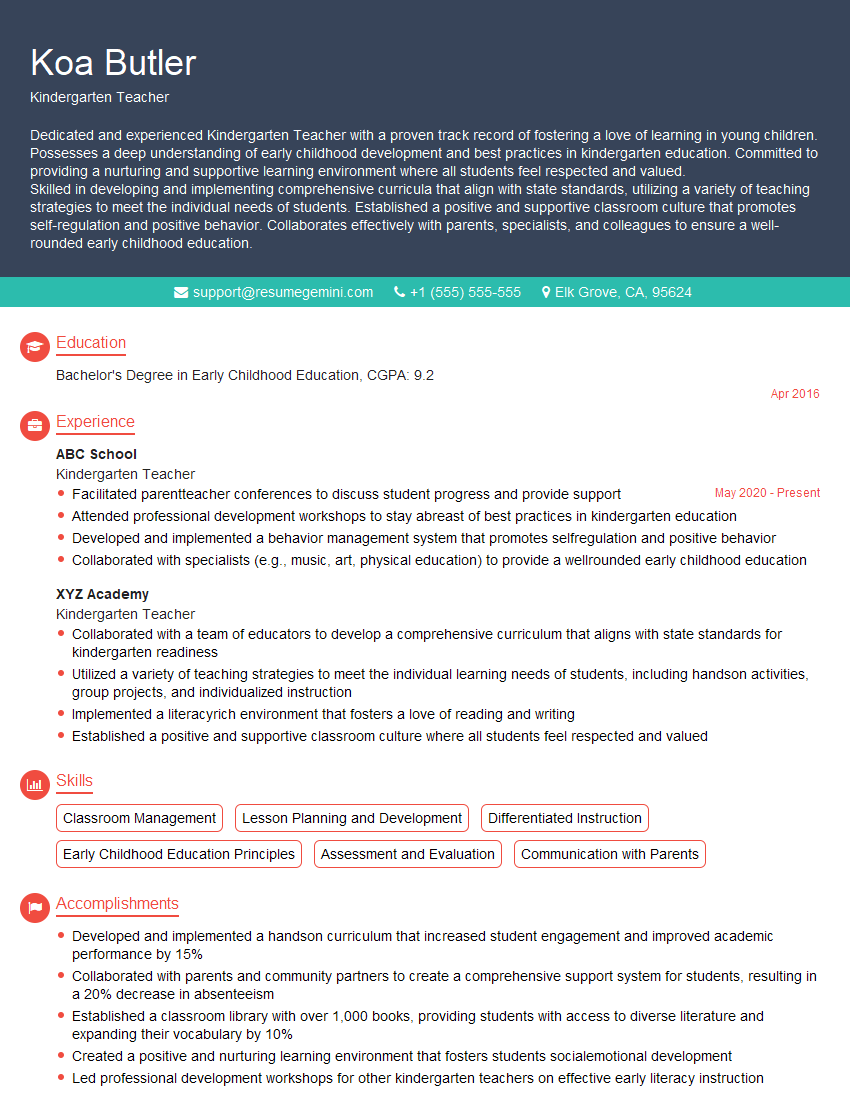
Kindergarten Teacher Resume Sample
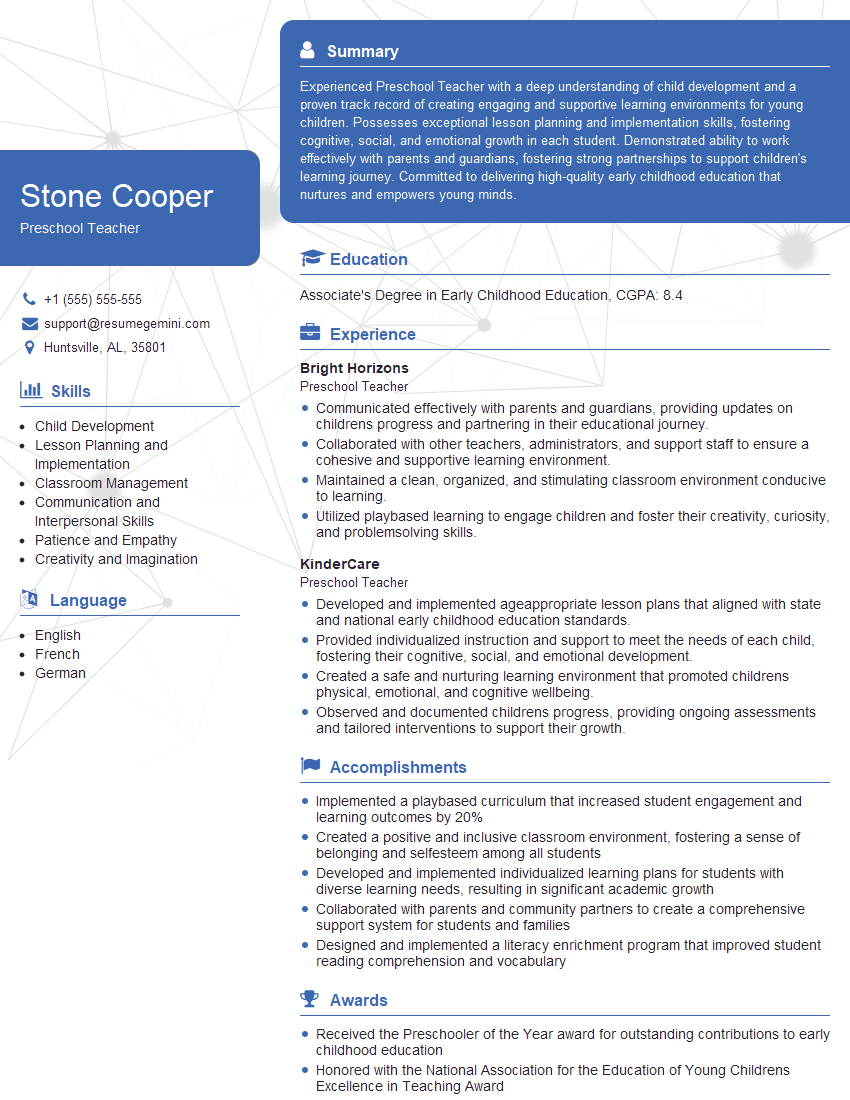
Preschool Teacher Resume Sample
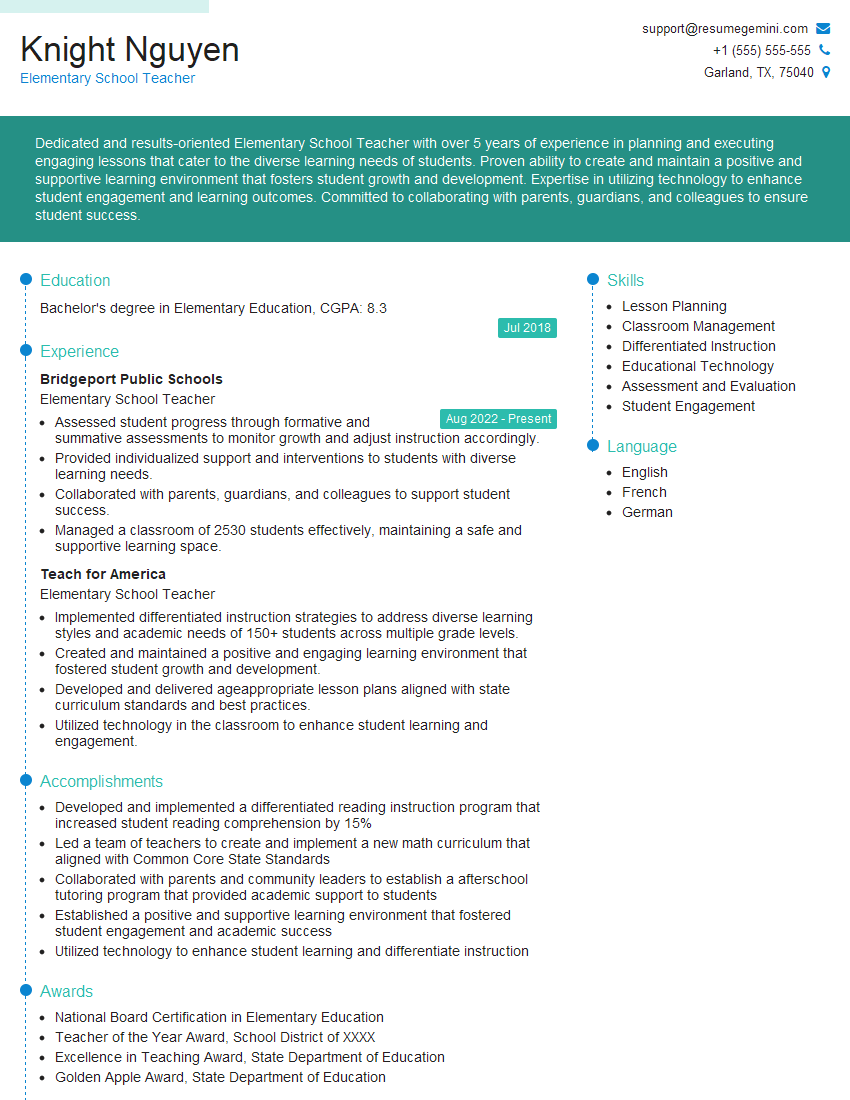
Elementary School Teacher Resume Sample
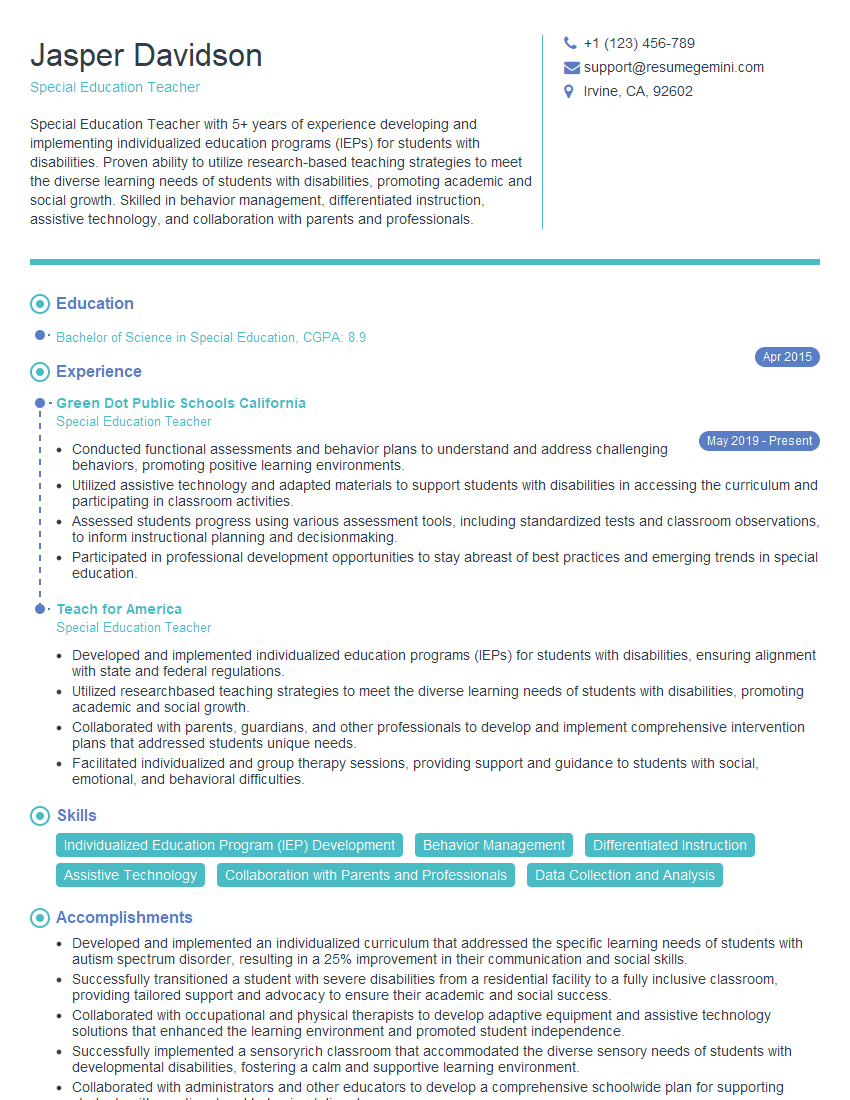
Special Education Teacher Resume Sample
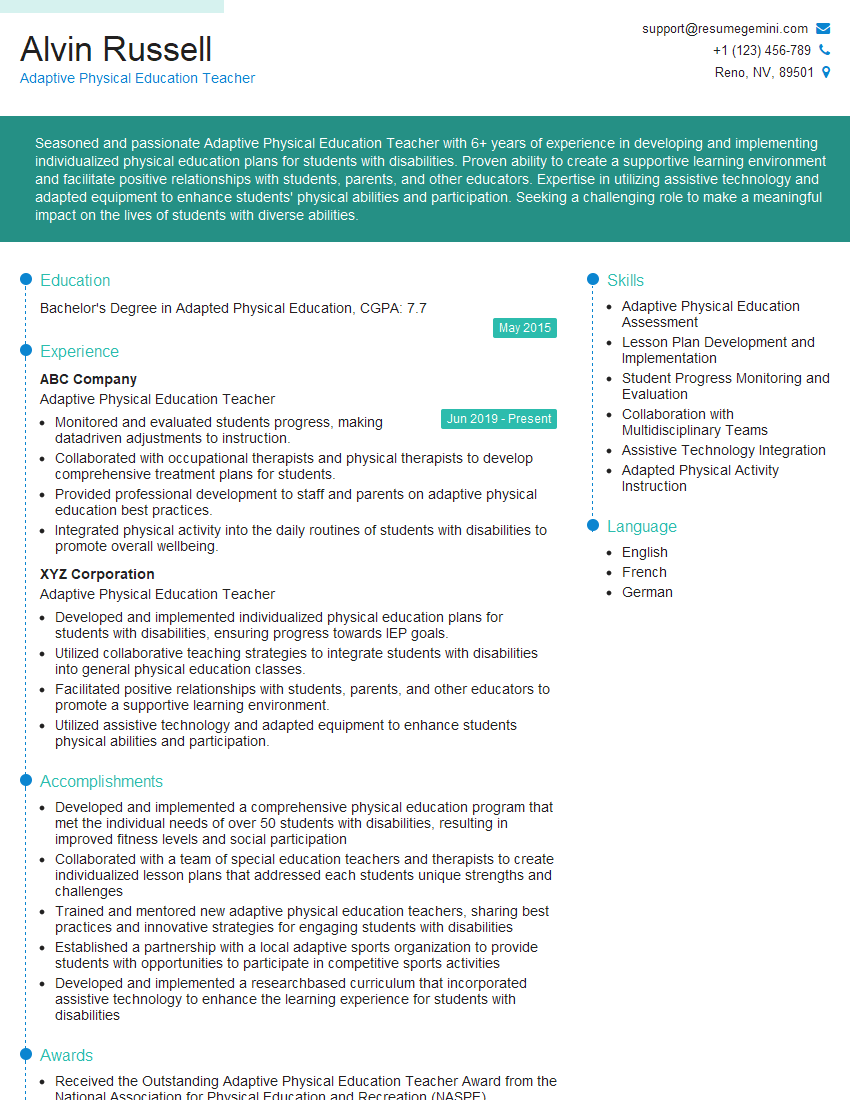
Adaptive Physical Education Teacher Resume Sample
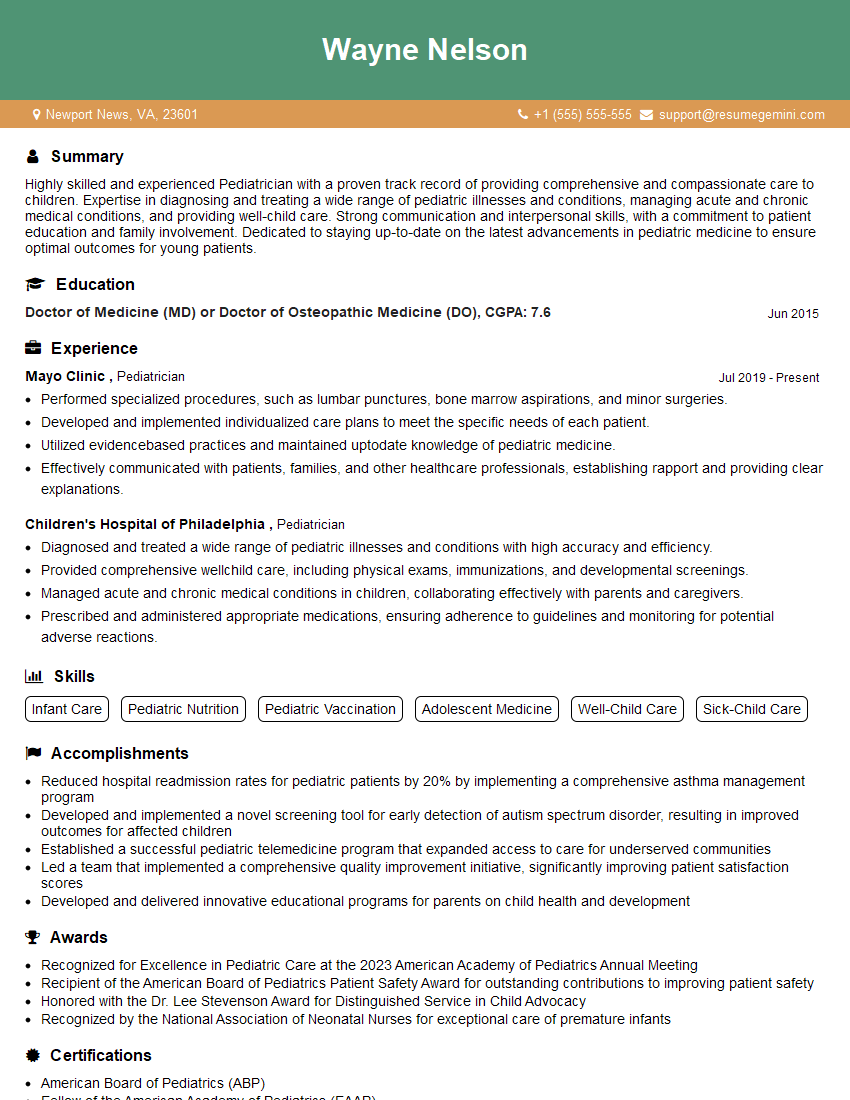
Pediatrician Resume Sample
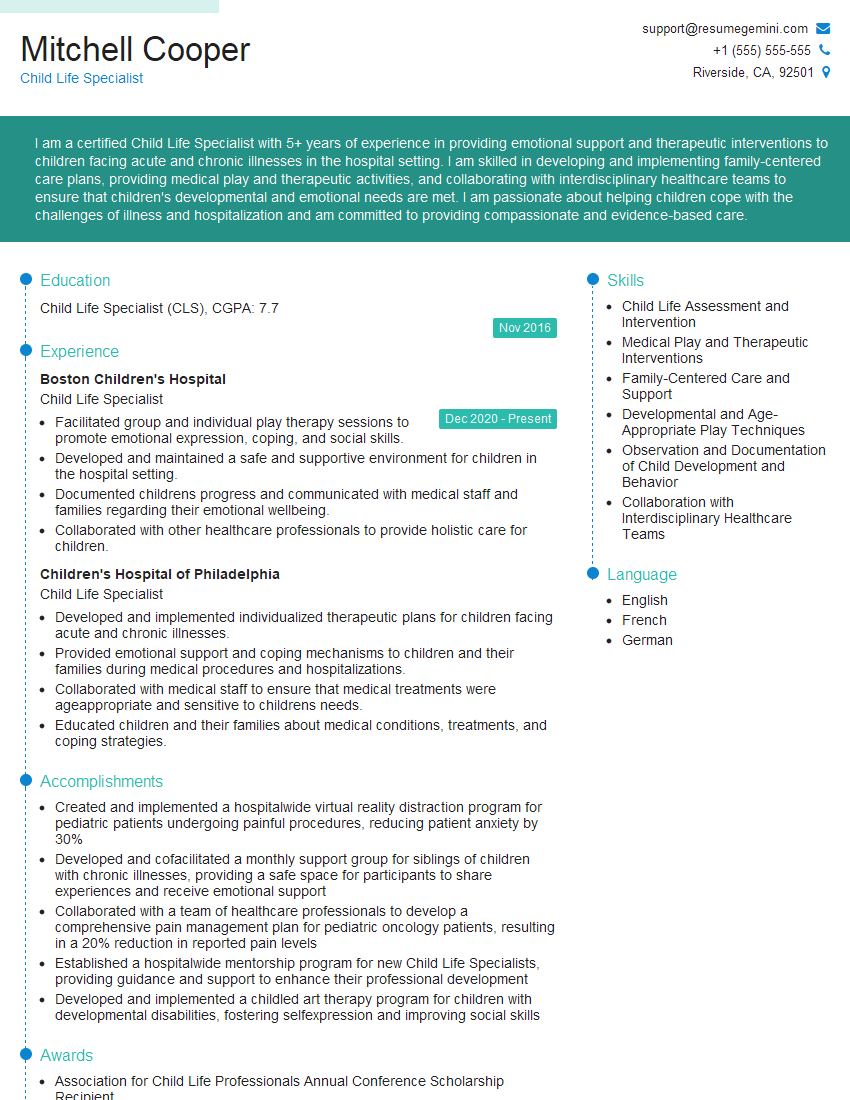
Child Life Specialist Resume Sample
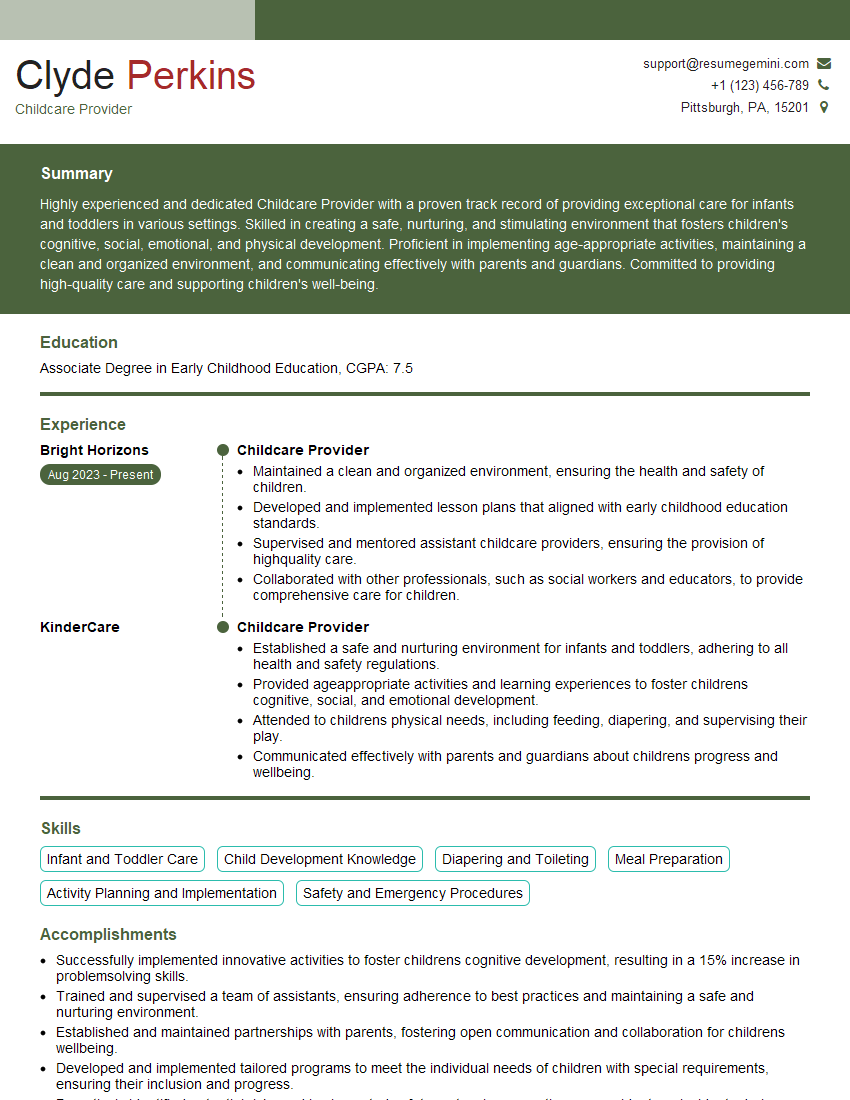
Childcare Provider Resume Sample
Explore more articles
Users Rating of Our Blogs
Share Your Experience
We value your feedback! Please rate our content and share your thoughts (optional).
What Readers Say About Our Blog
To the interviewgemini.com Webmaster.
Very helpful and content specific questions to help prepare me for my interview!
Thank you
To the interviewgemini.com Webmaster.
This was kind of a unique content I found around the specialized skills. Very helpful questions and good detailed answers.
Very Helpful blog, thank you Interviewgemini team.