Every successful interview starts with knowing what to expect. In this blog, we’ll take you through the top Experience in working with children with medical conditions interview questions, breaking them down with expert tips to help you deliver impactful answers. Step into your next interview fully prepared and ready to succeed.
Questions Asked in Experience in working with children with medical conditions Interview
Q 1. Describe your experience managing a child’s medication regimen.
Managing a child’s medication regimen requires meticulous attention to detail and a child-centered approach. It begins with a thorough understanding of the prescribed medication – its purpose, dosage, frequency, potential side effects, and administration methods. I always verify the prescription with the parent or guardian and clearly document all medication administration.
For example, with a child requiring multiple medications, I create a visual schedule, perhaps using a colorful chart or even a fun sticker system to track doses. This helps the child understand the routine and fosters compliance. I also educate the child and their parents about potential side effects and what to look out for, emphasizing the importance of reporting any unusual symptoms immediately. If the child has difficulty swallowing pills, I work with the parents to explore alternative methods like liquid medication or crushing pills (if medically appropriate), always confirming these options with the prescribing physician.
Furthermore, I prioritize open communication. I regularly check in with both the child and the parents to assess medication effectiveness and any challenges with administration. This ongoing dialogue ensures timely intervention if problems arise and builds trust and collaboration.
Q 2. How would you explain a complex medical procedure to a child?
Explaining a complex medical procedure to a child necessitates tailoring the explanation to their age and developmental level. I avoid using medical jargon and instead use simple, age-appropriate language and analogies. For younger children, I might use a story or a picture book to illustrate the process. For older children, I encourage questions and provide honest, yet reassuring answers. I always focus on the positive aspects of the procedure – how it will help them get better and improve their quality of life.
For instance, if a child needs an MRI, I might explain it as a ‘special machine that takes pictures of the inside of your body, like a superhero X-ray, to help the doctors see what’s going on.’ I would also describe what the child will experience, such as the loud noises and the need to lie still, emphasizing the importance of cooperation. I might even let them see pictures or videos of the equipment and the procedure beforehand to reduce anxiety.
Crucially, I involve the parents or guardians in this process. They can provide comfort and reinforce the information. I make sure they have a clear understanding of the procedure as well and are prepared to answer any further questions the child might have after I’ve left.
Q 3. Explain your approach to communicating with parents of children with medical conditions.
My approach to communicating with parents is based on building a strong therapeutic alliance built on mutual respect, trust, and open communication. I actively listen to their concerns, validate their feelings, and answer their questions thoroughly and patiently. I provide them with clear, concise information about their child’s medical condition, treatment plan, and prognosis, making sure they understand the implications and potential risks involved. I also empower parents by actively involving them in decision-making and respecting their perspectives.
For example, I might use a collaborative approach when discussing treatment options, weighing the pros and cons with the parents, and encouraging them to actively participate in their child’s care. Regular updates and follow-up communications are vital. This ensures that parents feel informed and supported throughout the process. I always make myself available for their questions or concerns, be it through phone calls, emails, or scheduled meetings. Involving parents in the process enhances collaboration and ensures optimal patient outcomes.
Q 4. What strategies do you use to build rapport with children facing medical challenges?
Building rapport with children facing medical challenges requires patience, empathy, and a child-centered approach. I begin by introducing myself in a friendly and approachable manner. I take time to get to know each child individually, respecting their personalities and preferences. I try to create a safe and comfortable environment, avoiding medical jargon and using age-appropriate language. Engaging in playful activities or light conversation can help break the ice and build trust.
For example, I might start by asking about their favorite toys, games, or hobbies before discussing medical matters. I use positive reinforcement and praise their cooperation and bravery throughout their treatment. Simple gestures like reading a story together, playing a game, or offering a small treat can significantly enhance the child’s comfort and willingness to cooperate. Humor and playfulness are often effective tools, particularly with younger children, making interactions less daunting.
Q 5. How do you adapt your communication style based on a child’s age and developmental level?
Adapting my communication style is crucial for effective interaction with children of different ages and developmental levels. For infants and toddlers, I rely heavily on nonverbal communication – maintaining eye contact, using gentle touch, and speaking in a soothing tone. With preschoolers, I use simple language, stories, and play to explain medical procedures or concepts. For school-age children, I employ more direct communication, explaining things in a clear and concise manner, encouraging questions and active participation.
For adolescents, I adopt a more mature and respectful approach, recognizing their growing independence and involving them in decision-making processes. I may also adjust the information I share according to the child’s understanding and comprehension abilities. For example, I would explain the concept of diabetes differently to a 5-year-old than to a 15-year-old. The 5-year-old may only need to know that they need medicine to stay healthy, while the 15-year-old may be capable of understanding the complex metabolic processes.
Q 6. Describe a time you had to handle a medical emergency involving a child.
During my career, I encountered a situation where a child experiencing an anaphylactic reaction. The child, a 7-year-old, suddenly started exhibiting symptoms including difficulty breathing, swelling of the face and throat, and hives. Following established emergency protocols, I immediately initiated the emergency response plan. I administered epinephrine as per the standing orders, while simultaneously contacting emergency medical services and the child’s parents.
While providing support to the child and monitoring their vital signs, I ensured that the airway remained open and maintained a calm demeanor to reduce the child’s anxiety. The parents arrived shortly thereafter, visibly distressed but relieved that immediate actions were already underway. Once paramedics arrived, I provided a detailed handover of the situation, including the administered medication and the child’s response. The child received prompt medical attention, and the situation resolved without lasting complications. This experience underscored the critical importance of preparedness, rapid assessment, and team collaboration in managing pediatric medical emergencies.
Q 7. How do you ensure the safety and well-being of children with medical needs in your care?
Ensuring the safety and well-being of children with medical needs involves a multi-faceted approach. It starts with a thorough risk assessment tailored to each child’s unique condition and needs. This includes identifying potential hazards, developing safety protocols, and implementing appropriate preventative measures. I maintain meticulous records of their health status, medication administration, and any incidents. Strict adherence to infection control guidelines is also paramount. Regular monitoring of vital signs and careful observation of the child’s overall condition are key.
I establish clear communication channels with parents, healthcare providers, and other relevant personnel, ensuring seamless coordination of care. In addition to direct care, I provide education and support to parents and families to empower them to manage their child’s needs effectively. The environment needs to be adapted to the individual child’s needs, considering aspects like accessibility and safety features. A strong emphasis on proactive safety measures and the creation of a secure and supportive environment are essential for optimum outcomes. Ongoing professional development keeps my skills and knowledge current and allows for best practices in child safety.
Q 8. What are some common emotional and behavioral responses to illness in children?
Children’s emotional and behavioral responses to illness are highly varied and depend on factors like age, developmental stage, the nature of the illness, and their coping mechanisms. Common responses include:
- Anxiety and Fear: Uncertainty about procedures, pain, and the unknown can cause significant anxiety. For example, a young child might become clingy to parents before a hospital visit.
- Regression: Children might regress to earlier developmental stages, such as bedwetting or thumb-sucking, as a coping mechanism for stress. A previously potty-trained five-year-old might start having accidents after a surgery.
- Anger and Irritability: Frustration with limitations imposed by illness, pain, and loss of control can lead to outbursts of anger. A teenager with a chronic illness might lash out at family members due to feelings of helplessness.
- Depression and Withdrawal: Prolonged illness can lead to feelings of sadness, hopelessness, and isolation. A child might withdraw from friends and activities they once enjoyed.
- Somatic Complaints: Children may experience physical symptoms like headaches or stomach aches as a manifestation of underlying emotional distress.
Understanding these responses is crucial for providing appropriate support and interventions.
Q 9. How do you incorporate play therapy into the care of children with medical conditions?
Play therapy is an invaluable tool in working with children with medical conditions. It provides a safe and non-threatening way for children to express their emotions, process their experiences, and develop coping skills. I incorporate play therapy by:
- Using Therapeutic Toys and Games: Medical play, using dolls or puppets to represent medical procedures or hospital settings, can help children understand and manage their fears. For instance, a child facing surgery might benefit from playing doctor with a doll, practicing the process in a less anxiety-provoking environment.
- Creative Arts: Drawing, painting, and storytelling allow children to express their feelings indirectly, providing insights into their inner world. A child might draw a picture depicting their feelings about their illness, providing a non-verbal outlet for difficult emotions.
- Sand Tray Therapy: This method utilizes sand, figurines, and miniature objects to create symbolic representations of their inner world and the challenges they face. This approach can be very effective for children who struggle with verbal communication.
- Narrative Therapy: Collaboratively creating stories about the child’s illness experience enables them to actively participate in their recovery and regain a sense of control. We work together to create stories about the child’s bravery and resilience in facing challenges.
The key is to adapt the play therapy techniques to the child’s age, developmental level, and specific medical situation.
Q 10. How do you identify and address the unique needs of children with different medical diagnoses?
Identifying and addressing the unique needs of children with different medical diagnoses requires a comprehensive and individualized approach. This includes:
- Thorough Assessment: Understanding the child’s medical condition, its impact on their physical and cognitive functioning, and the associated treatments is essential. This involves collaboration with the medical team and family.
- Developmental Considerations: Developmental milestones and age-appropriate expectations must be taken into account. A five-year-old with cancer will have different needs than a teenage diabetic.
- Individualized Care Plans: Goals and interventions should be tailored to the child’s specific needs, considering their physical limitations, emotional state, and cognitive abilities. This involves careful goal-setting and regular monitoring of progress.
- Collaboration with Specialists: Working in conjunction with specialists such as occupational therapists, physical therapists, and speech-language pathologists is crucial to provide holistic care. A multi-disciplinary approach ensures that all needs are met.
For example, a child with cerebral palsy will require different support than a child with cystic fibrosis, requiring different types of therapeutic interventions and adaptive strategies.
Q 11. Describe your experience working with children with chronic illnesses.
I have extensive experience working with children with chronic illnesses, ranging from diabetes and cystic fibrosis to cancer and autoimmune disorders. My work with these children has highlighted the importance of long-term support and adapting care to their evolving needs. I have witnessed the incredible resilience of these children and the crucial role of family support in managing chronic illness. For example, I worked with a young girl with cystic fibrosis for several years. Her treatment regime was demanding, but through play therapy and creative arts, we helped her navigate the emotional challenges. We created a collaborative care plan, involving her family and medical team, to ensure her emotional and physical wellbeing. The family’s participation was pivotal; they became actively involved in managing her medications, while I helped her cope emotionally through play and expressive arts.
Q 12. How do you involve families in the care planning process for children with medical conditions?
Family involvement is paramount in the care of children with medical conditions. I ensure active participation by:
- Open Communication: Regular communication with parents and caregivers is essential. I ensure they are fully informed about the child’s condition and treatment plan.
- Shared Decision-Making: I actively involve families in the care planning process. This ensures that decisions are made in the child’s best interests and that the family feels supported and empowered.
- Education and Support: I provide education and resources to help families understand the child’s condition, treatment options, and coping strategies. This is done via pamphlets, online resources, and through one-on-one conversations.
- Collaborative Goal Setting: Working together, we establish realistic and achievable goals, ensuring that everyone is working towards the same objectives. We create a shared vision for the child’s well-being.
For instance, with a child diagnosed with autism, I would work closely with parents to understand their concerns, develop strategies that work within their family dynamic, and provide education on effective communication and behavioral management techniques.
Q 13. What are some ethical considerations when working with children and their families?
Ethical considerations are central to my work with children and families. Key areas include:
- Confidentiality: Maintaining the child’s privacy and respecting their confidentiality is paramount. Information is shared only with those directly involved in their care and with informed consent.
- Informed Consent: Parents or legal guardians must be fully informed and give consent before any intervention is initiated. This includes explaining the benefits, risks, and alternatives to the proposed treatment.
- Child’s Best Interests: All decisions must prioritize the child’s best interests, recognizing their autonomy and developmental stage where appropriate. This is especially important with adolescents who may have differing views from their parents.
- Cultural Sensitivity: I am mindful of cultural differences and beliefs that may impact the family’s understanding and acceptance of the illness and treatment. I tailor my approach to respect their cultural values.
- Avoiding Bias: I am committed to avoiding any personal biases or prejudices that might influence my professional judgment.
Ethical dilemmas often arise, requiring careful reflection and consultation with colleagues or supervisors.
Q 14. How do you handle conflict resolution when working with children and their families?
Conflict resolution is a regular aspect of my work. My approach emphasizes:
- Active Listening: I prioritize active listening to understand each party’s perspective and concerns. This helps to create a safe space for open communication.
- Empathy and Validation: I show empathy and validate the feelings of all involved parties, demonstrating that I understand their concerns and frustrations.
- Mediation and Facilitation: I act as a mediator, facilitating communication and helping find common ground. I help them find solutions together.
- Collaboration and Compromise: I encourage collaboration and compromise, working towards solutions that are acceptable to all parties involved. It’s about finding a win-win situation where everyone feels heard and respected.
- Setting Boundaries: In some instances, I might need to establish clear boundaries to ensure the child’s safety and well-being.
For example, if a parent and child are in conflict about a treatment plan, I would facilitate a conversation between them, ensuring each voice is heard and helping them reach a mutually agreed-upon decision that is in the child’s best interest. If the conflict escalates beyond my ability to resolve, I would involve appropriate professionals like social workers or child protective services.
Q 15. Explain your understanding of child development and its relevance to healthcare.
Child development is a complex process encompassing physical, cognitive, social, and emotional growth. Understanding this process is crucial in healthcare because it provides a framework for assessing a child’s health status, identifying developmental delays or risks, and tailoring interventions appropriately. For example, a child’s developmental stage significantly impacts how they perceive and react to illness, treatment, and hospitalization. A toddler will respond very differently to a painful procedure than a teenager. We must adjust our communication and approach accordingly.
A deeper understanding allows for more effective communication with both the child and their family. It helps to predict potential challenges and proactively address them. Knowing the typical milestones for a given age helps to identify developmental delays that might be linked to a medical condition or its treatment. For example, a child undergoing long-term chemotherapy might experience cognitive delays. Early detection allows for timely interventions to mitigate these effects.
Career Expert Tips:
- Ace those interviews! Prepare effectively by reviewing the Top 50 Most Common Interview Questions on ResumeGemini.
- Navigate your job search with confidence! Explore a wide range of Career Tips on ResumeGemini. Learn about common challenges and recommendations to overcome them.
- Craft the perfect resume! Master the Art of Resume Writing with ResumeGemini’s guide. Showcase your unique qualifications and achievements effectively.
- Don’t miss out on holiday savings! Build your dream resume with ResumeGemini’s ATS optimized templates.
Q 16. How do you promote a sense of normalcy and independence for children with medical needs?
Promoting normalcy and independence for children with medical needs is paramount for their well-being. It involves creating an environment that balances their medical needs with age-appropriate activities and responsibilities. For example, allowing a child with diabetes to participate in their favorite sports, adapting activities to suit their physical limitations, or giving them age-appropriate choices in their treatment plan.
We can achieve this through individualized care plans that incorporate the child’s interests and preferences, encouraging their participation in decision-making to the extent appropriate for their age and understanding. It also means fostering a supportive and understanding environment within the family and the healthcare team. For instance, involving the child in age-appropriate medical discussions empowers them and reduces feelings of helplessness. Building their self-esteem is very important to their independence. Supporting their school attendance as much as possible, and providing them access to peer groups are key.
Q 17. What are some resources you would utilize to support a child’s medical care?
Supporting a child’s medical care involves utilizing a range of resources, including the child’s primary care physician, specialists, nurses, social workers, therapists (physical, occupational, speech), and support groups.
- Primary Care Physician: Provides ongoing health supervision.
- Specialists: Address specific medical conditions (e.g., cardiologist, oncologist).
- Nurses: Provide direct care and education.
- Social Workers: Offer psychosocial support to the family.
- Therapists: Address physical, occupational, or speech challenges.
- Support Groups: Connect families with others facing similar challenges.
- Educational resources: Reliable websites, books, and articles which offer detailed and up to date information on various conditions.
Furthermore, depending on the child’s condition and the family’s needs, we might involve educational institutions (for support in accommodating the child’s needs) and local community organizations to help alleviate stressors.
Q 18. How do you assess a child’s understanding of their medical condition?
Assessing a child’s understanding of their medical condition requires a sensitive and age-appropriate approach. We should consider developmental stage and communication skills.
For younger children (preschool), we might use play therapy or storytelling to gauge their understanding. For older children, we might use open-ended questions and observation of their behavior to assess their knowledge and emotional response to their illness. For teenagers, we can employ more direct conversation and explore their feelings about the condition and treatment.
Visual aids like diagrams, dolls, or age-appropriate books can be extremely helpful. Observing the child’s interactions with medical equipment or procedures also provides valuable insight. It’s crucial to allow the child to express their feelings and concerns without judgment. The method used will depend on the child’s cognitive abilities, age and the complexity of the medical condition.
Q 19. Describe your experience with pain management in children.
Pain management in children is a complex area requiring a multi-modal approach. It’s crucial to remember that children experience pain differently than adults, both physically and emotionally. We must always consider the child’s developmental age, communication ability, and the nature of their pain.
The approach often involves a combination of pharmacological and non-pharmacological methods. Pharmacological methods might include analgesics (such as acetaminophen or ibuprofen), opioids (in appropriate cases and with careful monitoring), and regional anesthesia. Non-pharmacological methods might include distraction techniques, relaxation exercises, guided imagery, and complementary therapies (e.g., massage, music therapy).
A key element is using a reliable pain scale appropriate for the child’s age and developmental level. For example, the FACES Pain Scale for younger children, and numerical rating scales for older children and teenagers. Regularly assessing the child’s pain levels and adjusting treatment plans accordingly is paramount. We must also carefully monitor for side effects from medications.
Q 20. How do you advocate for children with medical needs within a healthcare setting?
Advocating for children with medical needs within a healthcare setting involves several strategies, including effective communication, collaboration, and documentation. This begins with clearly communicating the child’s needs and preferences to the healthcare team. Active participation in care planning, ensuring the child’s voice is heard, is essential.
Collaboration with other healthcare professionals, parents, and caregivers is critical. Building strong relationships to ensure coordinated and holistic care is paramount. Thoroughly documenting the child’s medical history, treatment plans, progress, and any concerns is vital to facilitating appropriate care and ensuring continuity of care.
If there are disagreements or concerns about the quality of care, it’s important to use appropriate channels to address them, whether that’s internally within the healthcare setting, or via external organizations if necessary. Ensuring the family understands their rights and resources is also part of the advocacy process.
Q 21. What are some common misconceptions about children’s medical conditions?
Several misconceptions surround children’s medical conditions. One common misconception is that children are resilient and bounce back quickly from illness or injury. While children possess remarkable resilience, this shouldn’t diminish the seriousness of their conditions or the need for appropriate medical care. Ignoring the long-term effects of a medical condition on a child’s development can be detrimental.
Another misconception is that children don’t experience pain or anxiety the same way adults do. Children, particularly infants and young children, often have difficulty expressing pain, and their pain is often undertreated. Similarly, their anxiety about medical procedures can be significant, and appropriate coping strategies and interventions are needed.
Finally, there’s a misconception that a child’s medical condition is solely the parent’s or caregiver’s responsibility. While family involvement is crucial, a supportive healthcare team is essential for optimal care. Collaborative efforts between healthcare professionals, families, and the child themselves contribute to the most effective outcomes.
Q 22. How do you maintain patient confidentiality while involving family members?
Maintaining patient confidentiality while involving family members requires a delicate balance. It’s crucial to remember that children, even minors, have rights to privacy. However, family involvement is often essential for effective care. My approach starts with clearly explaining the limits of confidentiality at the outset. I’ll explain that while I’ll protect the child’s privacy to the extent possible by law, information may need to be shared with the family for their caregiving and decision-making responsibilities. For example, if a child discloses self-harm ideation, I would need to share this with parents or guardians for their safety.
I use specific strategies to protect confidentiality. First, I only share information relevant to the family’s involvement in the child’s care. Second, I encourage open communication within the family to foster collaboration. If the family has internal conflicts, I try to facilitate respectful communication among family members without violating anyone’s confidence. Finally, I always document all communications with the family, including the information shared and the context. This practice aids transparency and helps resolve any misunderstandings.
Q 23. How do you support a child’s emotional and psychological well-being during treatment?
Supporting a child’s emotional and psychological well-being during treatment is paramount. It goes beyond simply treating the medical condition; it’s about acknowledging the child’s experience as a whole. I use a combination of techniques tailored to the individual child’s age, developmental stage, and personality. This might include play therapy for younger children, where therapeutic activities help them process their feelings, or cognitive behavioral therapy (CBT) for older children, helping them develop coping skills to manage anxiety and stress.
Building a trusting relationship is key. I make sure the child feels comfortable and safe talking to me, actively listening to their concerns, and validating their feelings. I make the healthcare environment as child-friendly as possible. If the child is hospitalized, I would encourage visits from friends or pets (within the hospital’s guidelines) and incorporate age-appropriate entertainment. Involving the family is crucial here, as consistent support and understanding from home will significantly impact the child’s emotional well-being.
Q 24. Describe your approach to working collaboratively with a multidisciplinary healthcare team.
Collaboration is central to effective pediatric care. I believe in a multidisciplinary approach that leverages the expertise of various professionals. My approach involves active communication, regular meetings, and a shared understanding of goals. For example, I might work closely with a child’s psychologist to understand any behavioral issues stemming from their medical condition. Regular case conferences with the medical team, including doctors, nurses, and social workers, ensure everyone is informed and coordinated in their approach. We utilize collaborative tools, including shared electronic medical records, to enhance communication and documentation.
Furthermore, I embrace shared decision-making, ensuring that all relevant viewpoints are considered and that the child’s and family’s preferences are respected. Open communication is essential, addressing any disagreements or concerns promptly and respectfully, focusing on finding solutions that are in the best interest of the child. For instance, if there are disagreements on a treatment plan, we would hold a meeting to discuss all perspectives and options before reaching a consensus.
Q 25. How do you handle situations where a child’s family disagrees with medical recommendations?
Disagreements between families and medical recommendations are challenging but common. My approach involves careful listening and empathy. I start by understanding the family’s concerns, beliefs, and values, while ensuring they understand the medical rationale behind the recommendations. I would present information in a clear, non-judgmental way, using age-appropriate language, to address their concerns and answer their questions.
If a compromise is not immediately possible, I would involve other members of the healthcare team, such as social workers or ethicists, to explore different perspectives and support the family’s decision-making process. Sometimes, a second opinion or referral to another specialist might be helpful. It is crucial to remember that the ultimate goal is to make informed decisions that prioritize the child’s well-being and respect the family’s autonomy. Legal counsel might be involved depending on the nature of the conflict.
Q 26. What strategies do you use to prevent medical errors when caring for children?
Preventing medical errors in pediatric care requires a multi-layered approach. First and foremost, meticulous attention to detail is crucial. This involves verifying all medication orders, double-checking dosages, and ensuring proper identification of patients before administering any treatment. Implementing standardized procedures and checklists can minimize the risk of human error.
Secondly, fostering a culture of safety within the healthcare team is essential. This means encouraging open communication, reporting near misses and errors without fear of reprisal, and actively participating in continuing education and training on medical safety protocols. Regular audits and reviews of patient care processes are equally critical in identifying areas for improvement. Technology can also play a vital role, with electronic medication administration records, barcode scanning, and clinical decision support systems all designed to reduce errors.
Q 27. How would you assess the effectiveness of an intervention plan for a child with a medical condition?
Assessing the effectiveness of an intervention plan requires a multi-faceted approach that goes beyond simply observing immediate changes. I use a combination of quantitative and qualitative measures. Quantitative measures might include monitoring specific physiological parameters (such as weight gain or blood pressure) or using standardized assessment tools to track the child’s progress. For example, I would track a child’s pain levels on a visual analog scale after implementing a new pain management plan.
Qualitative measures are equally important. This could involve regular discussions with the child and family about their experiences with the intervention. Observing the child’s behavior and interactions, tracking their mood and engagement in activities, and considering any reported side effects are crucial elements. Regular review meetings with the healthcare team allow us to discuss the data collected and make adjustments to the plan as needed. If the intervention isn’t producing the desired results, I would re-evaluate the plan, potentially adjusting the approach or trying a different intervention altogether.
Q 28. What are your professional development goals related to working with children with medical conditions?
My professional development goals are focused on enhancing my expertise in pediatric care and improving patient outcomes. I aim to deepen my knowledge of specific medical conditions common in children, particularly those related to [mention specific area of interest, e.g., developmental delays or chronic pain]. I plan to pursue advanced training in evidenced-based interventions tailored for children with complex medical needs, such as [mention specific training e.g., trauma-informed care or palliative care].
Furthermore, I am committed to staying abreast of the latest advancements in pediatric healthcare through continuing education courses, professional conferences, and networking opportunities. Finally, I strive to improve my communication and collaborative skills to better serve children, families, and the healthcare team. I envision myself as a resource and leader within my field, continually seeking ways to improve patient care and positively impact the lives of children with medical conditions.
Key Topics to Learn for Experience in working with children with medical conditions Interview
- Understanding Child Development & Medical Conditions: Gain a strong understanding of typical child development milestones and how various medical conditions (e.g., asthma, diabetes, autism spectrum disorder, ADHD) can impact these milestones. Consider the diverse range of conditions and their varying levels of severity.
- Adapting Care & Activities: Learn how to adapt care plans, activities, and communication strategies to meet the unique needs of children with diverse medical conditions. Discuss practical examples of how you’ve modified approaches based on individual needs.
- Communication & Collaboration: Master effective communication with children, parents/guardians, and medical professionals. Practice explaining complex medical information in age-appropriate ways. Highlight experiences collaborating with multidisciplinary teams.
- Safety & Emergency Procedures: Demonstrate a thorough understanding of safety protocols, including recognizing and responding to medical emergencies relevant to the specific conditions you’ve worked with. Be prepared to discuss your emergency response training and experience.
- Emotional & Behavioral Support: Discuss your approach to supporting the emotional and behavioral needs of children with medical conditions, including strategies for managing anxiety, frustration, and pain. Consider the impact of chronic illness on a child’s emotional well-being.
- Ethical Considerations & Confidentiality: Showcase your awareness and adherence to ethical guidelines related to working with children, especially concerning confidentiality and maintaining professional boundaries.
- Legal Frameworks & Regulations: Familiarize yourself with relevant legal frameworks and regulations related to working with children with medical conditions in your specific context (e.g., HIPAA, child protection laws).
Next Steps
Mastering the nuances of working with children with medical conditions is crucial for career advancement in this field. It demonstrates your commitment to providing compassionate and effective care. To significantly boost your job prospects, build an ATS-friendly resume that highlights your relevant skills and experiences. ResumeGemini is a trusted resource to help you create a professional and impactful resume that stands out. Examples of resumes tailored to “Experience in working with children with medical conditions” are available to guide you. Invest the time in crafting a compelling resume – it’s your first impression with potential employers.
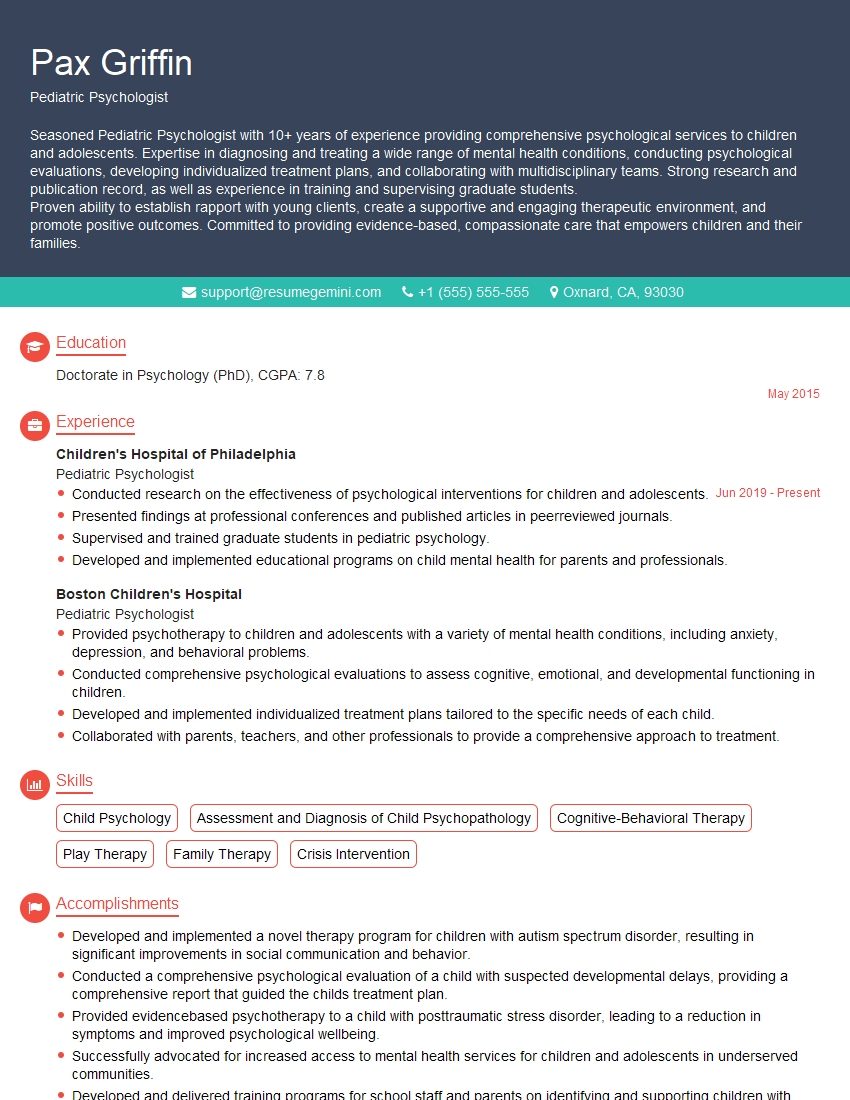
Pediatric Psychologist Resume Sample
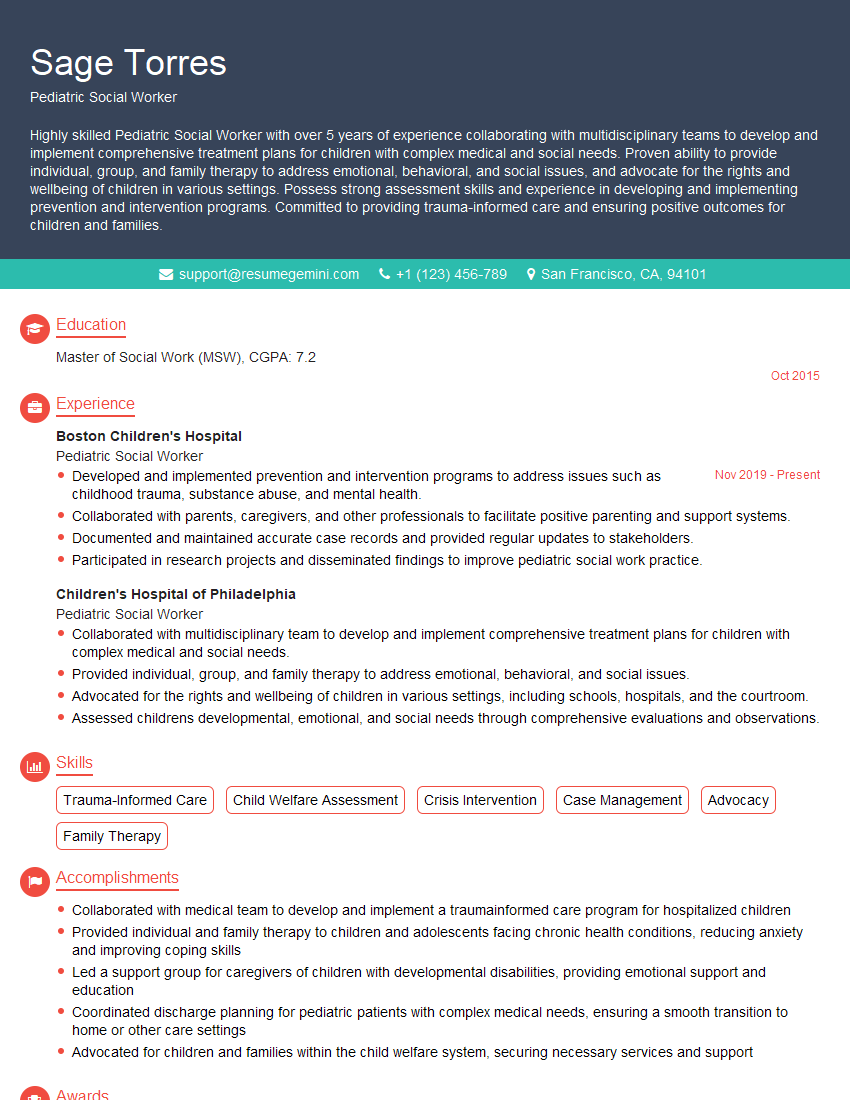
Pediatric Social Worker Resume Sample
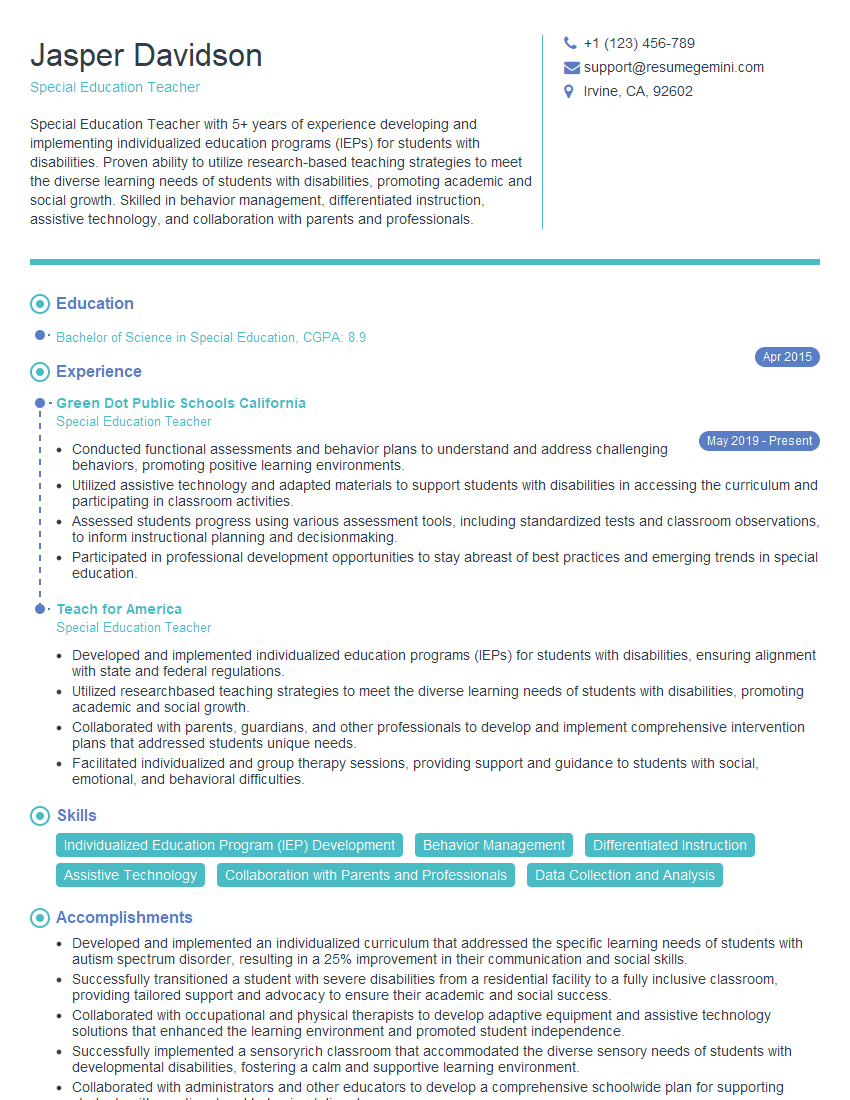
Special Education Teacher Resume Sample
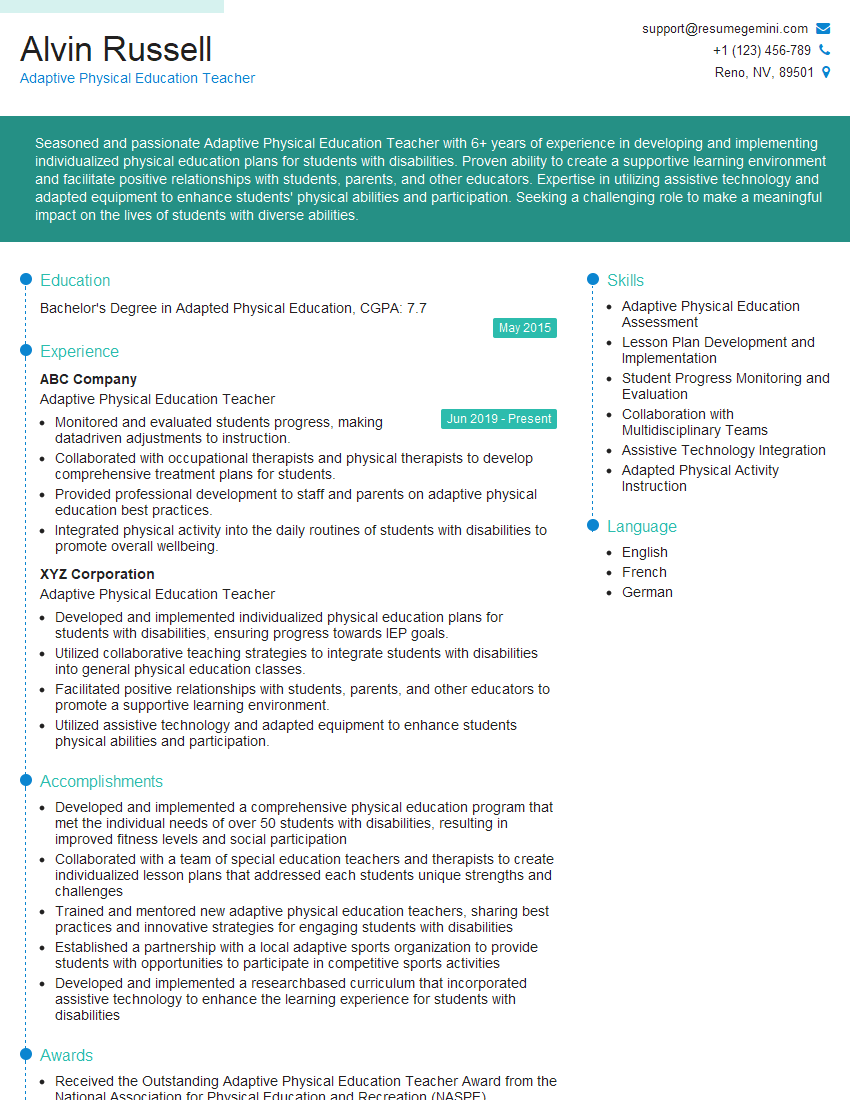
Adaptive Physical Education Teacher Resume Sample
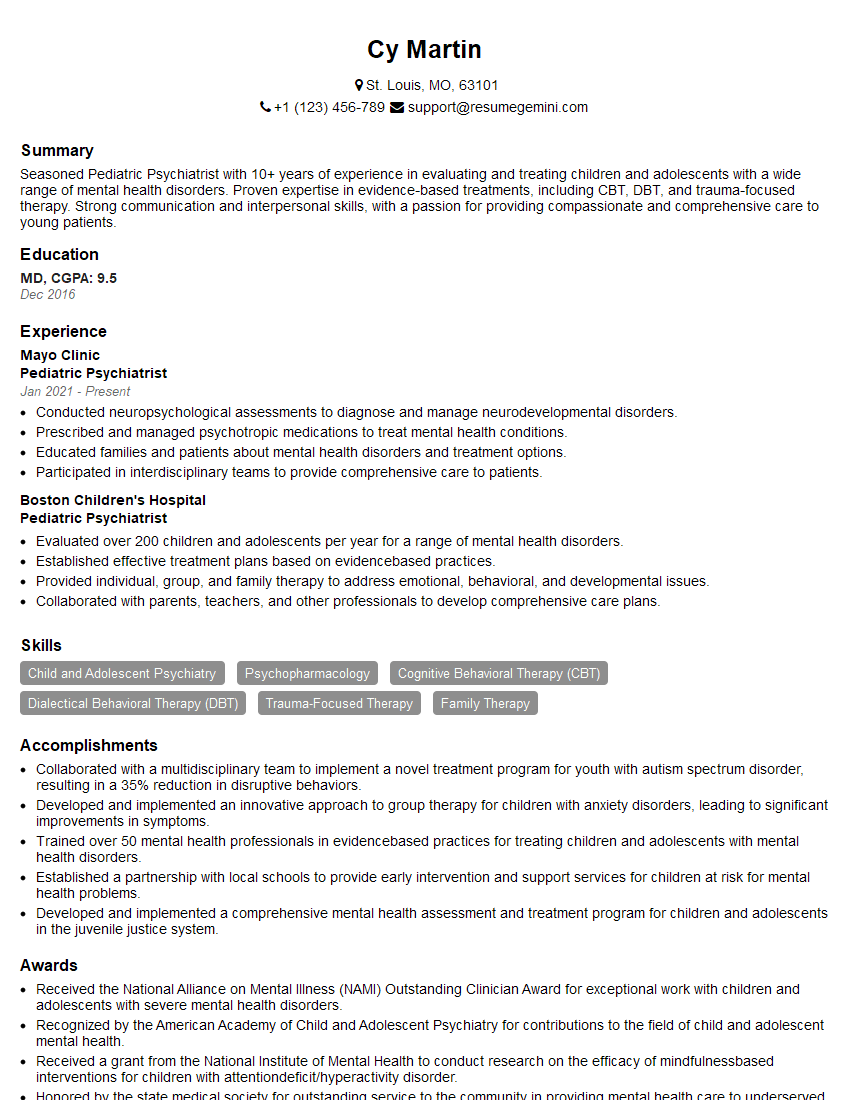
Pediatric Psychiatrist Resume Sample
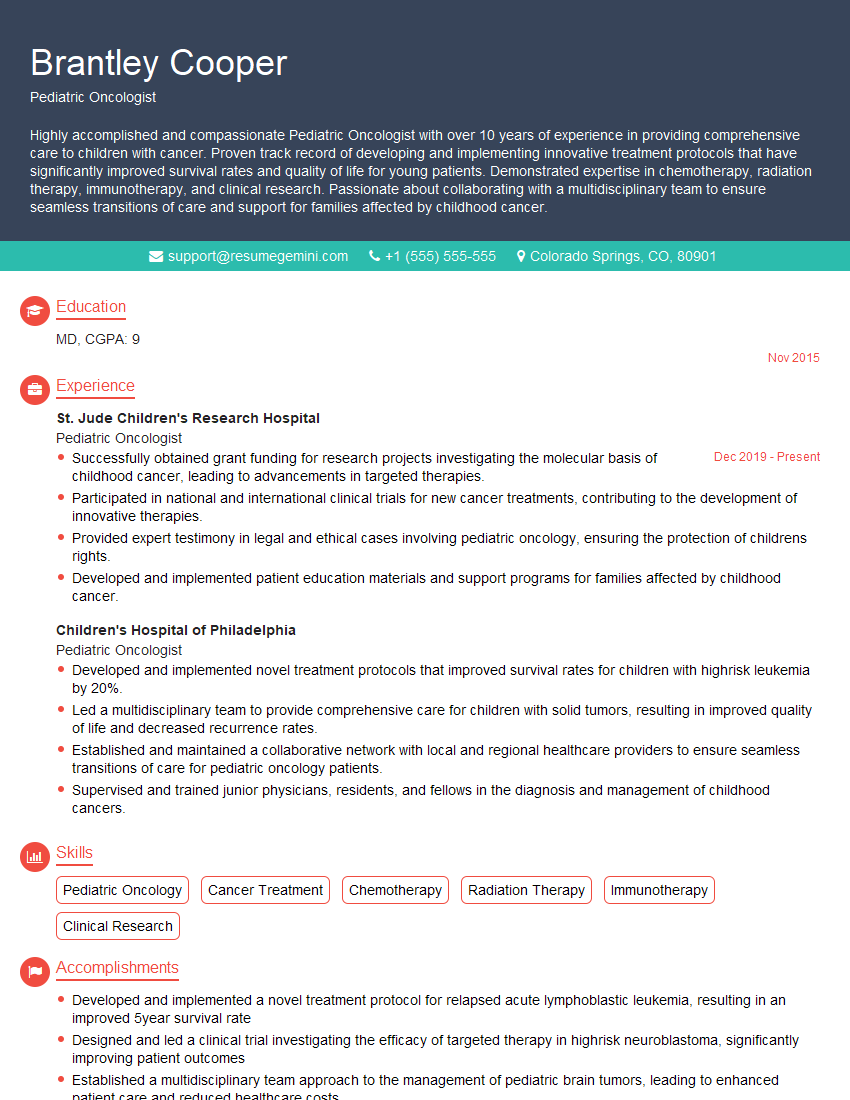
Pediatric Oncologist Resume Sample
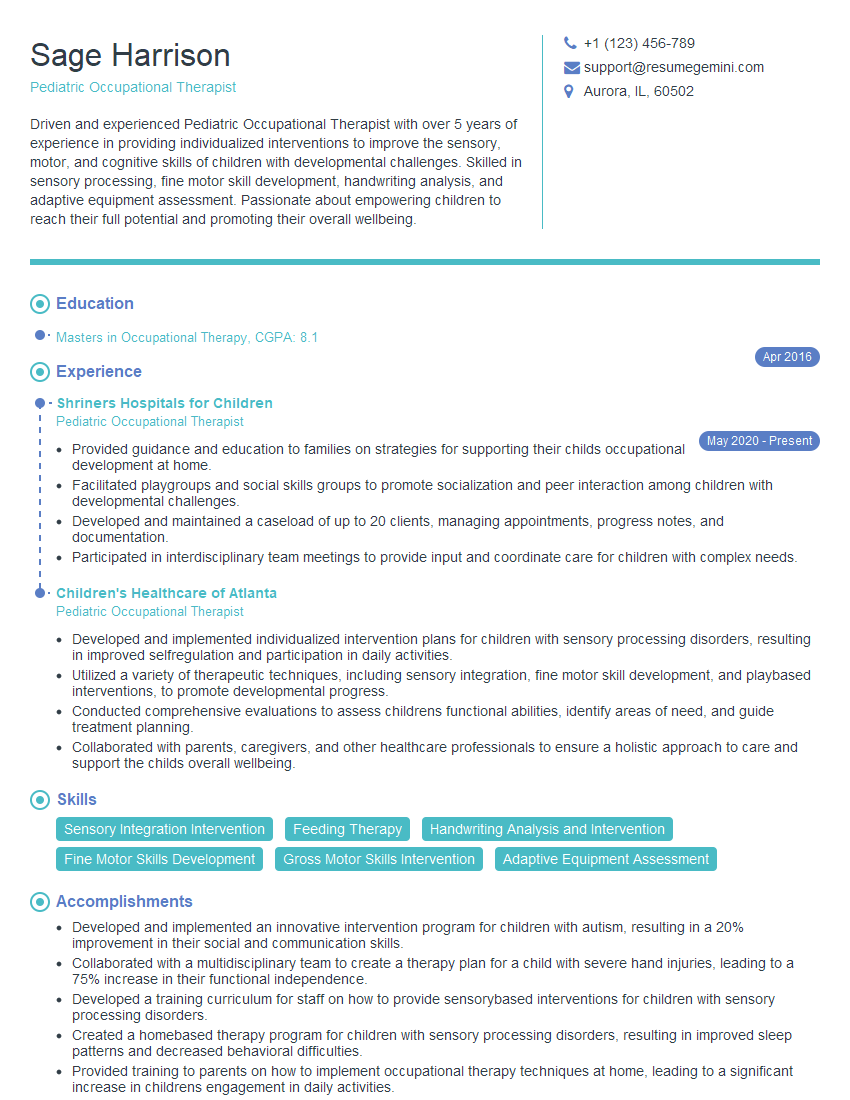
Pediatric Occupational Therapist Resume Sample
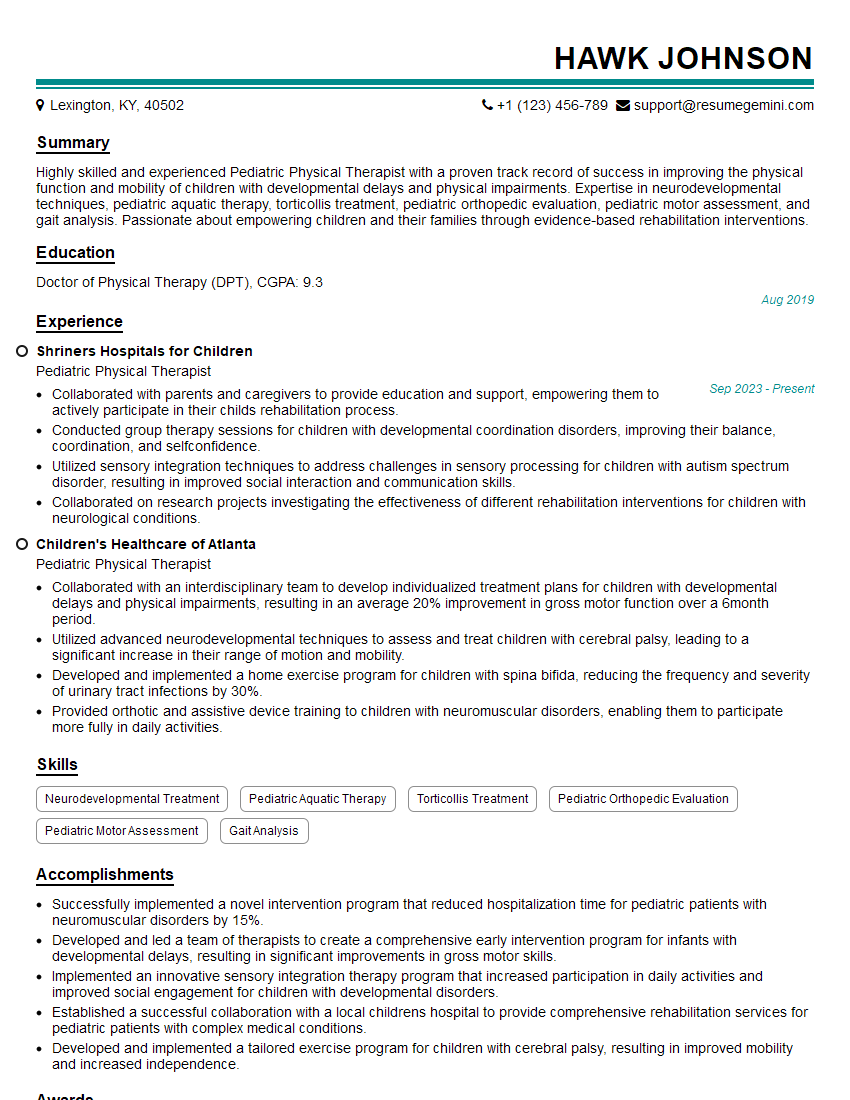
Pediatric Physical Therapist Resume Sample
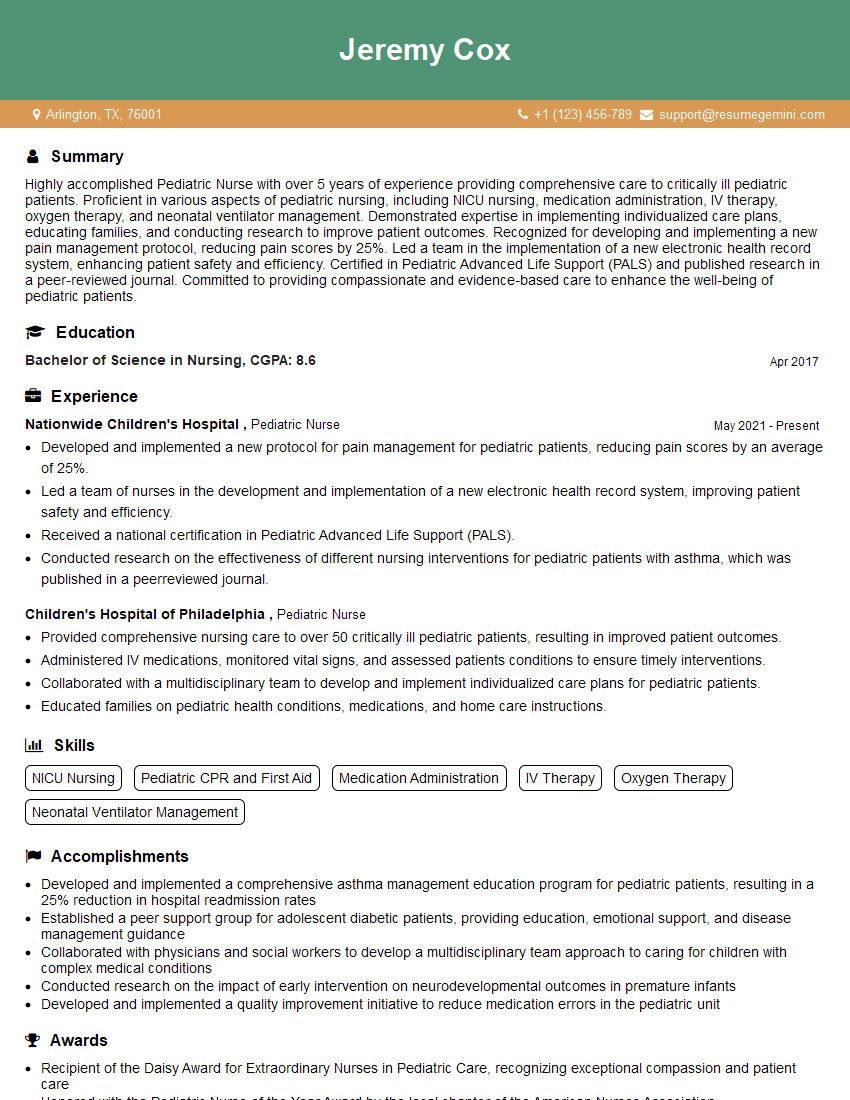
Pediatric Nurse Resume Sample
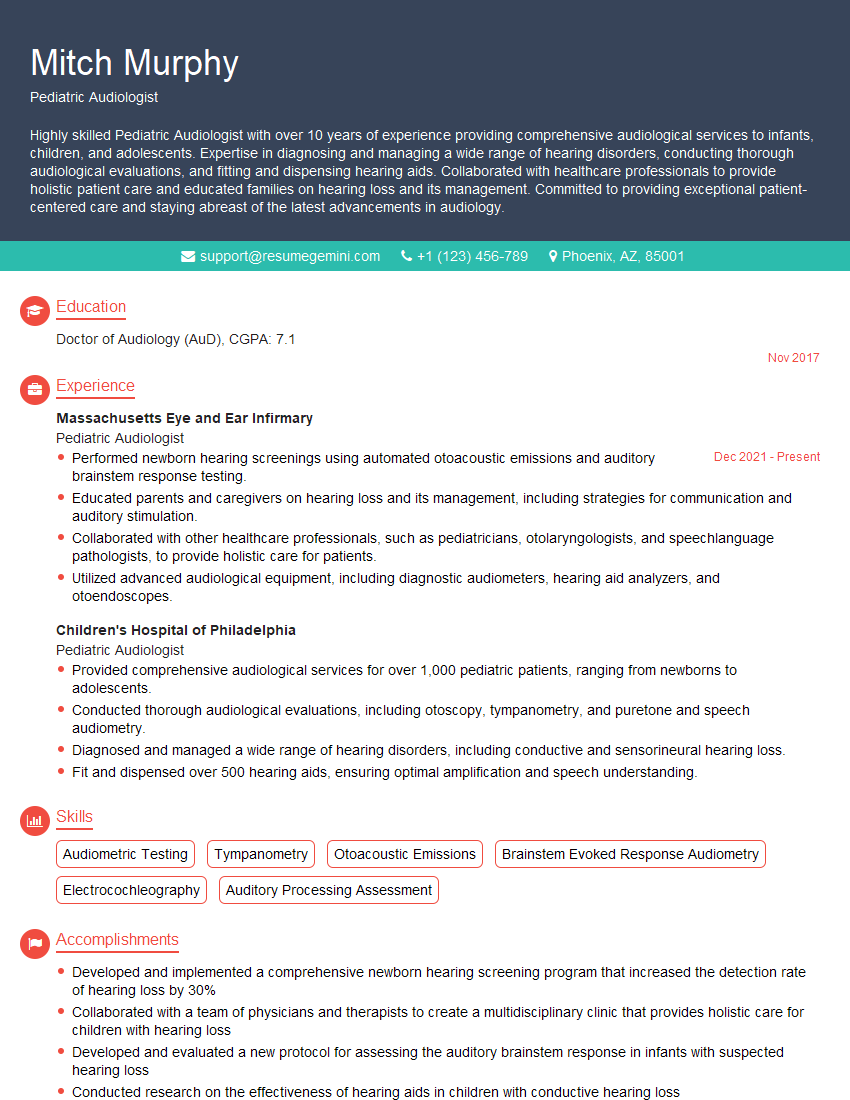
Pediatric Audiologist Resume Sample
Explore more articles
Users Rating of Our Blogs
Share Your Experience
We value your feedback! Please rate our content and share your thoughts (optional).
What Readers Say About Our Blog
To the interviewgemini.com Webmaster.
Very helpful and content specific questions to help prepare me for my interview!
Thank you
To the interviewgemini.com Webmaster.
This was kind of a unique content I found around the specialized skills. Very helpful questions and good detailed answers.
Very Helpful blog, thank you Interviewgemini team.