Interviews are more than just a Q&A session—they’re a chance to prove your worth. This blog dives into essential Experience with Different Types of Veneers interview questions and expert tips to help you align your answers with what hiring managers are looking for. Start preparing to shine!
Questions Asked in Experience with Different Types of Veneers Interview
Q 1. What are the different types of dental veneers?
Dental veneers are thin shells that are bonded to the front surfaces of teeth to improve their appearance. There are primarily two main types: porcelain veneers and composite veneers. While these are the most common, variations exist within each type based on the specific material composition and manufacturing techniques. For example, porcelain veneers can be further categorized by their layering techniques and the type of porcelain used (e.g., feldspathic, leucite-reinforced). Similarly, composite veneers can differ in their shade, opacity, and the specific resin system employed.
Q 2. Describe the fabrication process of porcelain veneers.
The fabrication of porcelain veneers is a multi-step process involving meticulous craftsmanship and precision. It begins with the dentist preparing the tooth surface, taking impressions, and sending these to a dental laboratory. The lab technician then creates a wax model based on the impression and designs the veneer shape and shade to match the patient’s needs and the surrounding teeth. This wax model is then used to create a mold, into which porcelain is layered and baked in a kiln at high temperatures to achieve the desired strength and translucency. The process may involve several firings and adjustments to perfect the color, shape, and fit. Finally, the finished veneer is polished and glazed before being sent back to the dentist for placement.
Q 3. Explain the differences between porcelain and composite veneers.
Porcelain and composite veneers differ significantly in their material composition, fabrication methods, and clinical properties. Porcelain veneers are made from a ceramic material that is highly resistant to staining and wear, offering superior aesthetics and longevity. They are fabricated in a dental laboratory, resulting in a more precise and consistent fit. Composite veneers, on the other hand, are made from a resin-based material that is directly applied and sculpted by the dentist in a single appointment. This direct approach is less time-consuming and typically less expensive than porcelain. However, composite veneers are more prone to staining and wear, and their longevity is generally shorter than porcelain veneers. Think of it like this: porcelain is like a finely crafted piece of art, while composite is more like a skilled painting. Both can be beautiful, but they require different techniques and have different lifespans.
Q 4. What are the advantages and disadvantages of each veneer type?
Porcelain Veneers:
- Advantages: Highly lifelike appearance, stain-resistant, durable, long-lasting.
- Disadvantages: More expensive, requires more tooth preparation, irreversible.
Composite Veneers:
- Advantages: Less expensive, less tooth preparation required, can often be completed in one appointment.
- Disadvantages: More prone to staining and chipping, shorter lifespan, less lifelike appearance compared to porcelain.
Q 5. How do you select the appropriate veneer type for a patient?
Selecting the appropriate veneer type is a collaborative decision between the dentist and patient. Several factors influence this decision, including the patient’s budget, the extent of tooth damage, desired longevity, and overall aesthetic goals. For patients with significant discoloration or structural damage, porcelain veneers are often preferred due to their durability and lifelike appearance. For patients with minor cosmetic concerns and a limited budget, composite veneers can be a viable option. A detailed discussion of the pros and cons of each type, along with an examination of the patient’s teeth, is crucial for making an informed decision.
Q 6. Describe the process of preparing a tooth for veneer placement.
Preparing a tooth for veneer placement involves removing a small amount of tooth enamel from the facial surface. The amount of enamel removed depends on the veneer thickness and the tooth’s natural shape. This preparation creates space for the veneer to bond properly and achieve a natural-looking result. The process typically involves using a high-speed dental handpiece with diamond burs to precisely remove enamel. Following preparation, the tooth surface is carefully cleaned and etched to improve the bond strength between the tooth and the veneer. A temporary restoration might be used to protect the prepared tooth until the permanent veneer is placed.
Q 7. What are the common complications associated with veneer placement?
While veneer placement is generally a safe and effective procedure, potential complications include: sensitivity, chipping or fracturing of the veneer, gum irritation, debonding (veneer coming loose), and discoloration. Careful planning and execution of the procedure, along with meticulous aftercare instructions, can significantly minimize the risk of these complications. Regular check-ups and professional cleaning are vital to maintain the health and longevity of the veneers.
Q 8. How do you manage veneer-related emergencies?
Veneer emergencies, while infrequent with proper care, require swift action. A dislodged veneer is the most common. First, I would attempt to gently re-seat the veneer using temporary dental cement. If this is unsuccessful, or if there’s significant damage, I instruct the patient to avoid chewing on that side and schedule an immediate appointment. For significant fractures, I might recommend an interim restoration to protect the underlying tooth until permanent repair. In cases of severe trauma causing damage to the tooth itself, I prioritize assessing and managing the underlying dental injury, addressing the veneer repair only once the tooth is stable. Think of it like a broken window in a house – you need to secure the house (tooth) before focusing on repairing the window (veneer).
Q 9. What are the long-term maintenance requirements for different veneer types?
Long-term veneer maintenance varies depending on the material. Porcelain veneers, being highly resistant to staining, generally require less intensive care. Regular brushing with fluoride toothpaste and flossing are crucial. Patients should avoid habits like teeth grinding (bruxism) – we often recommend a mouthguard for these cases – and limit consumption of highly pigmented substances like coffee, tea, and red wine. Composite veneers, being more porous, are slightly more prone to staining and may require more frequent professional cleaning and polishing to maintain their aesthetic appeal. Annual checkups are vital for all veneer types to monitor bonding integrity and address any minor issues before they become major problems. It’s like maintaining a car; regular service prevents major breakdowns.
Q 10. Explain the importance of proper shade matching in veneer preparation.
Proper shade matching is paramount for achieving natural-looking veneers. An incorrect shade can result in a noticeable mismatch, compromising the aesthetic outcome. We use shade guides and digital imaging technology to ensure precise color selection. This process considers not only the color but also the value (lightness/darkness), chroma (intensity of color), and hue (dominant color) of the surrounding teeth. We take multiple photos under different lighting conditions and sometimes even create mock-ups to verify the shade choice. Failure to match the shade perfectly can lead to a cosmetic outcome that is far from ideal and may require remaking the veneer.
Q 11. How do you address a fractured veneer?
Addressing a fractured veneer depends on the extent of the damage. Small chips can sometimes be repaired using composite resin, seamlessly blending with the existing veneer. For more extensive fractures, the entire veneer might need to be replaced. Before proceeding, we meticulously examine the underlying tooth structure to ensure no damage has occurred. We determine whether rebonding the existing fragment is possible or if a new veneer is necessary. A fractured veneer needs prompt attention to prevent further damage and to maintain the integrity of the overall restoration.
Q 12. What are the ethical considerations when recommending veneers to patients?
Ethical considerations are crucial when recommending veneers. Transparency is key. I explain the procedure, its limitations, potential risks (e.g., sensitivity, chipping), and alternative treatment options thoroughly. I make sure the patient fully understands the commitment involved – including costs, maintenance, and the need for potential future replacements. I would never recommend veneers solely for cosmetic enhancement without addressing any underlying dental issues. Ultimately, the decision should always be the patient’s, based on informed consent. It is our duty to provide truthful and comprehensive information, even if that means the patient decides against veneers.
Q 13. Discuss the role of CAD/CAM technology in veneer fabrication.
CAD/CAM (Computer-Aided Design/Computer-Aided Manufacturing) technology has revolutionized veneer fabrication. It allows for precise design and milling of veneers, reducing fabrication time and enhancing accuracy. Using digital scans of the patient’s teeth, I can design veneers virtually, ensuring a perfect fit and shape. The design is then sent to a milling machine, which creates the veneer from a block of ceramic. This digital workflow minimizes human error, leading to superior outcomes and a streamlined process. This technology offers improved accuracy, efficiency, and a more predictable outcome compared to traditional methods.
Q 14. How do you manage patient expectations regarding veneer outcomes?
Managing patient expectations is vital for a positive experience. I explain the procedure in detail, showing before-and-after photos of similar cases, and openly discussing potential challenges. I emphasize that although veneers significantly improve aesthetics, they’re not a ‘magic bullet’ and have limitations. I thoroughly explain the process, including preparation time, potential discomfort, and post-procedure care. Realistic expectations lead to higher patient satisfaction and reduce the chance of disappointment. Open communication is crucial – I encourage them to ask questions and voice concerns at every stage.
Q 15. Describe your experience with different bonding agents used in veneer placement.
My experience encompasses a wide range of bonding agents, each with its own strengths and weaknesses. The selection depends heavily on the veneer material and the specific clinical situation. For example, with porcelain veneers, I frequently use resin-based bonding agents, which offer excellent bond strength and aesthetics. These agents typically consist of several components: a primer (often containing silane) to enhance the bond between the porcelain and resin, a bonding agent to create a micro-mechanical bond to the prepared tooth structure, and a resin cement for final placement. I’ve also used self-adhesive resin cements, which simplify the bonding procedure by combining the primer and bonding agent into a single step. However, careful attention to moisture control and meticulous technique is critical with these to achieve optimal results. For instance, I’ve found that even with self-adhesive cements, using a light etching of the tooth structure can significantly enhance bond strength in certain cases. In contrast, some newer bonding systems incorporate chemical bonding components alongside micromechanical retention. The selection is always tailored to optimize both adhesion and aesthetic outcomes while considering potential factors like sensitivity, caries risk, and patient-specific conditions.
Career Expert Tips:
- Ace those interviews! Prepare effectively by reviewing the Top 50 Most Common Interview Questions on ResumeGemini.
- Navigate your job search with confidence! Explore a wide range of Career Tips on ResumeGemini. Learn about common challenges and recommendations to overcome them.
- Craft the perfect resume! Master the Art of Resume Writing with ResumeGemini’s guide. Showcase your unique qualifications and achievements effectively.
- Don’t miss out on holiday savings! Build your dream resume with ResumeGemini’s ATS optimized templates.
Q 16. What are the key factors to consider when selecting a veneer material?
Choosing the right veneer material is paramount for achieving both aesthetic and functional success. Key factors include:
- Material Properties: Porcelain veneers are known for their strength, translucency, and stain resistance, mimicking the natural appearance of teeth exceptionally well. However, they require more tooth reduction. Composite veneers, on the other hand, are less invasive, requiring minimal preparation, but they are more susceptible to staining and wear over time. Lithium disilicate is another emerging material. It offers high strength and translucency similar to porcelain but has less chipping problems.
- Patient Needs & Expectations: The patient’s lifestyle, dietary habits (e.g., bruxism), and aesthetic goals significantly influence material selection. A patient with bruxism might be better suited for a stronger material like porcelain or lithium disilicate. A highly-aesthetically driven patient may prefer porcelain’s superior esthetics.
- Budget: Costs vary significantly between materials, with porcelain generally being more expensive than composite.
- Technical Considerations: The dentist’s skill and experience with different materials will also play a crucial role in material selection. Some materials may require advanced techniques and skill levels.
Q 17. How do you assess the suitability of a patient for veneer treatment?
Assessing a patient’s suitability for veneers involves a thorough evaluation considering several factors. First, I assess the health of their teeth and gums. Sufficient tooth structure is essential; patients with significant decay, gum disease, or insufficient enamel may not be suitable candidates. Next, I evaluate their overall oral hygiene. Poor hygiene habits can increase the risk of veneer failure and complications. A comprehensive dental exam, including x-rays, helps determine any underlying issues like cracked teeth or root canal needs. Psychological factors are also considered; patient expectations must be realistic. I would discuss the procedure in detail, addressing potential risks and limitations, and ensure the patient’s understanding and expectations are aligned. Finally, it’s crucial to evaluate the patient’s bite to prevent veneer chipping and ensure adequate wear protection on the opposing teeth.
Q 18. What are the potential contraindications for veneer placement?
Several contraindications exist for veneer placement. These include:
- Insufficient tooth structure: Severe tooth decay, erosion, or fractures may prevent adequate veneer retention.
- Bruxism (teeth grinding): Excessive grinding forces can lead to veneer fracture or chipping.
- Poor oral hygiene: Patients with inadequate oral hygiene are at increased risk of gum disease, which can compromise veneer longevity.
- Unrealistic patient expectations: Clear communication about limitations and realistic outcomes is crucial to avoid dissatisfaction.
- Active gum disease: Treatment of periodontal disease is required before veneer placement to ensure healthy tissues.
- Significant clenching habits. Veneers are prone to chipping or cracking under high force.
Careful evaluation of each factor is necessary before proceeding with veneer placement.
Q 19. Describe your experience with different veneer preparation techniques.
Veneer preparation techniques vary based on the chosen material and the dentist’s preference. For porcelain veneers, I typically employ conservative preparation techniques aiming for minimal tooth reduction. This involves removing only the enamel needed for proper veneer thickness and bonding. For instance, I might use a diamond bur to create a slight bevel at the incisal edge for better esthetics and strength. Preparation with composite veneers is generally even less invasive, often involving only surface etching and the application of a bonding agent. Precise preparation is critical for optimal aesthetics and fit; I use high-speed handpieces with various burs and a combination of manual and automated techniques to achieve the desired result. Post-preparation, precise impressions are taken using appropriate impression materials to ensure the laboratory technician has the necessary information to create the veneers.
Q 20. How do you ensure the longevity and durability of placed veneers?
Ensuring the longevity and durability of veneers requires a multifaceted approach starting with meticulous preparation and bonding. Precise fit is paramount to prevent debonding. Proper cementation techniques are used to ensure a strong bond between the veneer and the tooth. Post-cementing, I provide the patient with detailed instructions on oral hygiene, including brushing, flossing, and the use of fluoride mouthwash. Regular check-ups are essential to monitor for any signs of wear, chipping, or debonding. Patients with bruxism or clenching habits may benefit from a night guard to protect their veneers from excessive forces. Following these steps minimizes the risk of veneer failure, increasing their longevity.
Q 21. What are the common causes of veneer failure?
Veneer failure can stem from various causes:
- Poor bonding: Inadequate preparation, improper cementation, or moisture contamination can lead to debonding.
- Fracture or chipping: This can result from excessive forces due to bruxism, trauma, or inherent material weakness.
- Inadequate preparation: Insufficient tooth reduction can lead to poor fit and subsequent debonding.
- Poor oral hygiene: Accumulation of plaque and calculus increases the risk of gum disease and subsequent veneer failure.
- Pre-existing conditions: Untreated caries or gum disease weakens the underlying tooth structure, impairing veneer retention.
- Material degradation: Over time, materials can degrade due to wear and tear, leading to eventual failure.
Addressing these factors during the treatment planning stage helps mitigate the risk of future complications.
Q 22. Explain the process of diagnosing and treating veneer debonding.
Diagnosing veneer debonding begins with a thorough clinical examination. I look for the location and extent of the debond, assessing the remaining adhesive and the condition of both the veneer and the underlying tooth structure. Radiographs may be necessary to rule out any underlying caries or fracture. Treatment depends on the severity. For minor debonding with intact adhesive remnants, I might re-cement the veneer using a bonding agent. However, for significant debonding or damage to either the veneer or the tooth, a more extensive repair or even veneer replacement might be necessary. For example, I recently treated a patient with a small portion of a porcelain veneer that had debonded. Careful cleaning of the area and the veneer, followed by re-cementing with a resin cement, resulted in a successful repair. In contrast, another patient experienced a complete debonding with substantial damage to the veneer edge. In that case, a new veneer was fabricated to achieve the best aesthetic and functional result.
Q 23. How do you handle patient complaints or concerns regarding veneer placement?
Patient concerns are paramount. I address complaints regarding veneer placement with empathy and thorough explanation. If a patient expresses dissatisfaction with the aesthetics, for instance, I review the pre-treatment planning and discuss their expectations. Sometimes, subtle adjustments like polishing or minor modifications to the veneer margin can alleviate the issue. If the concern is related to function (e.g., a veneer feels too high or interferes with the bite), I would adjust the occlusion to ensure comfort and prevent damage to the underlying tooth or adjacent teeth. Open communication is key; I strive to create a collaborative environment where patients feel heard and understood. I once had a patient who felt her veneers were too bright after placement. Through a careful discussion, we identified that she preferred a slightly more natural shade. We worked together to achieve her desired outcome by applying a custom staining technique.
Q 24. What are your preferred methods for taking accurate impressions for veneers?
Accuracy in impressions is crucial for successful veneer fabrication. My preferred method involves using a combination of polyether impression material and custom trays. These trays provide better adaptation to the teeth, minimizing distortion and ensuring a precise reproduction of the preparation margins. Before taking the impression, I meticulously clean the teeth to remove any debris that could interfere with the accuracy of the impression. Using a light-bodied polyether first allows for detail capture, followed by a heavier-bodied material to ensure dimensional stability. This two-step approach minimizes voids and ensures a very accurate impression, reducing the chance of remakes and delays.
Q 25. Describe your experience working with different dental laboratories.
I have extensive experience collaborating with several dental laboratories, each with its own strengths and specialties. I select a laboratory based on the complexity of the case and the specific requirements of the veneer. For example, for highly esthetic cases requiring intricate details, I often choose a lab known for its artistic skill and attention to detail. For cases involving complex restorations or specific materials, I may choose a lab with advanced technological capabilities. Maintaining strong communication with the laboratory is vital. Regular communication ensures clear expectations and allows for addressing any questions or concerns promptly. This leads to high-quality veneers and improved patient satisfaction.
Q 26. How do you stay current with the latest advancements in veneer technology?
Staying current in veneer technology is essential. I achieve this through continuous professional development. I regularly attend continuing education courses and conferences focusing on advancements in materials, techniques, and digital dentistry. I also actively participate in professional organizations, review relevant dental journals, and engage with online communities of dental professionals. For example, I recently participated in a course that explored the use of CAD/CAM technology in veneer fabrication, which allows for increased precision and efficiency. This has already had a positive impact on my practice, allowing us to offer same-day veneers in certain situations.
Q 27. Describe your experience with different types of cementation techniques.
I am proficient in various cementation techniques, selecting the method that best suits the specific case. Resin cements offer excellent bond strength and aesthetic properties, making them my preferred choice for many situations. For cases requiring higher bond strength or those involving challenging preparations, I might employ self-adhesive resin cements. Proper cementation involves meticulous cleaning and etching of the tooth surface, careful application of the cement, and precise seating of the veneer to ensure a complete and bubble-free bond. I meticulously follow the manufacturer’s instructions and use techniques like light curing to guarantee optimal bond strength and longevity.
Q 28. What is your approach to managing difficult or complex veneer cases?
Managing complex veneer cases requires a methodical and comprehensive approach. This begins with a thorough diagnosis and treatment planning, involving detailed assessments of the patient’s needs, the condition of the teeth, and the desired aesthetic outcome. I often collaborate with specialists, such as periodontists or endodontists, when dealing with complex cases. For instance, if a patient has severe periodontal disease, addressing these issues before veneer placement is crucial for long-term success. In cases involving extensive tooth preparation or significant restorative needs, I utilize digital technologies like CBCT imaging for precise planning and fabrication. Thorough communication with the patient and the laboratory is essential throughout the process. Detailed instructions and communication are vital to overcome potential complexities and achieve the desired result.
Key Topics to Learn for Experience with Different Types of Veneers Interview
- Types of Veneers: Understanding the characteristics, applications, and limitations of various veneer materials (e.g., porcelain, composite, ceramic). This includes knowing the differences in fabrication methods and longevity.
- Case Selection & Planning: Developing a strong understanding of when different veneer types are appropriate. This includes patient consultation, diagnosis of dental issues, and treatment planning based on individual needs and aesthetic goals.
- Preparation Techniques: Mastering the proper tooth preparation techniques for each veneer type to ensure optimal bonding and longevity. Understanding the importance of minimally invasive techniques.
- Bonding Procedures: Thorough knowledge of the different bonding agents and techniques used for each veneer type, including cement selection and application for strong, long-lasting results.
- Shade Selection & Matching: Developing a keen eye for shade selection and matching techniques to achieve natural-looking results. Understanding the use of shade guides and digital tools.
- Troubleshooting & Problem Solving: Anticipating and addressing potential problems during the process, such as chipping, staining, or debonding. Knowing how to diagnose and rectify these issues.
- Post-operative Care & Maintenance: Educating patients on proper post-operative care and long-term maintenance to ensure the longevity of their veneers.
- Ethical Considerations: Understanding the ethical implications of recommending and applying veneers, including informed consent and patient autonomy.
Next Steps
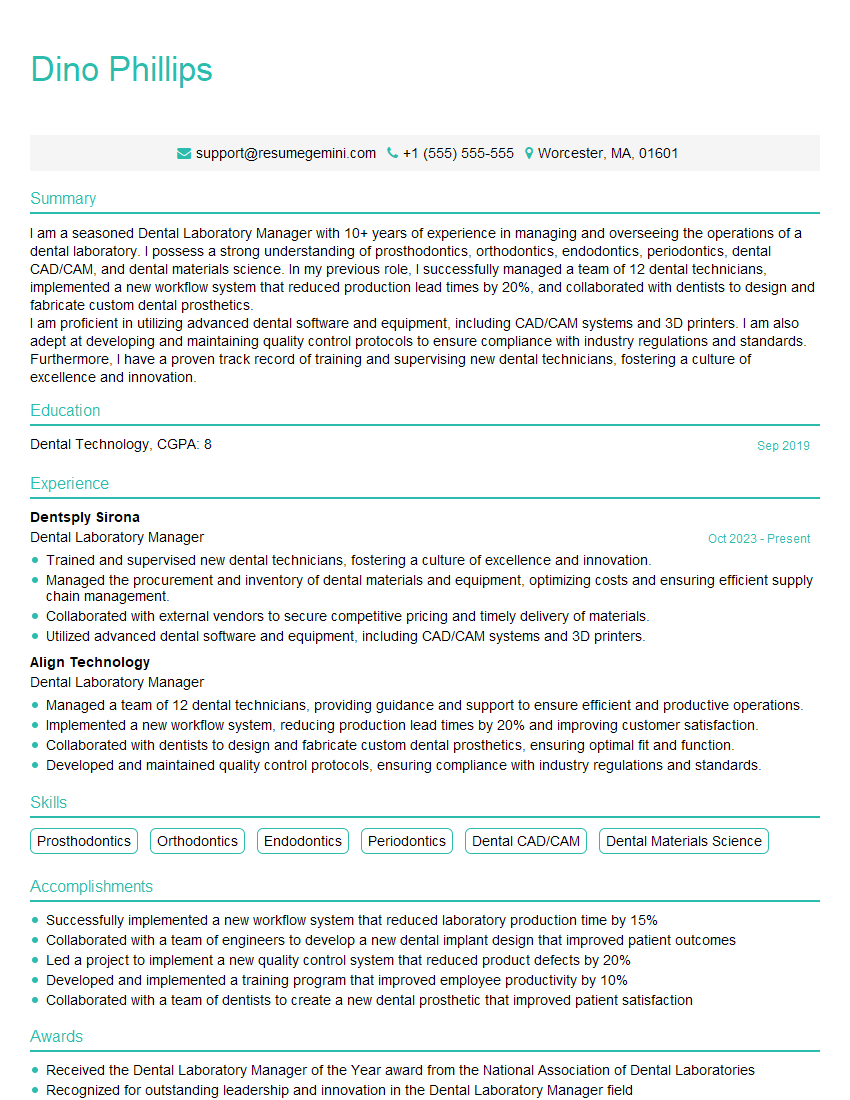
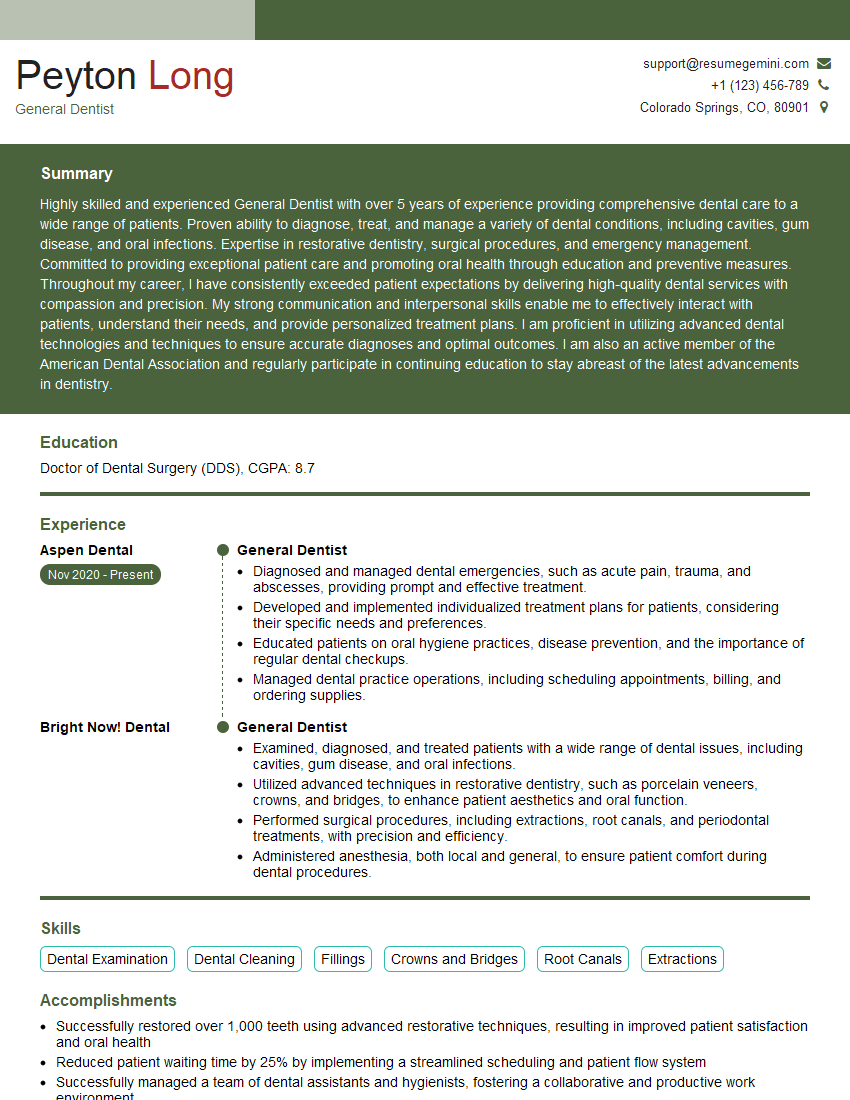
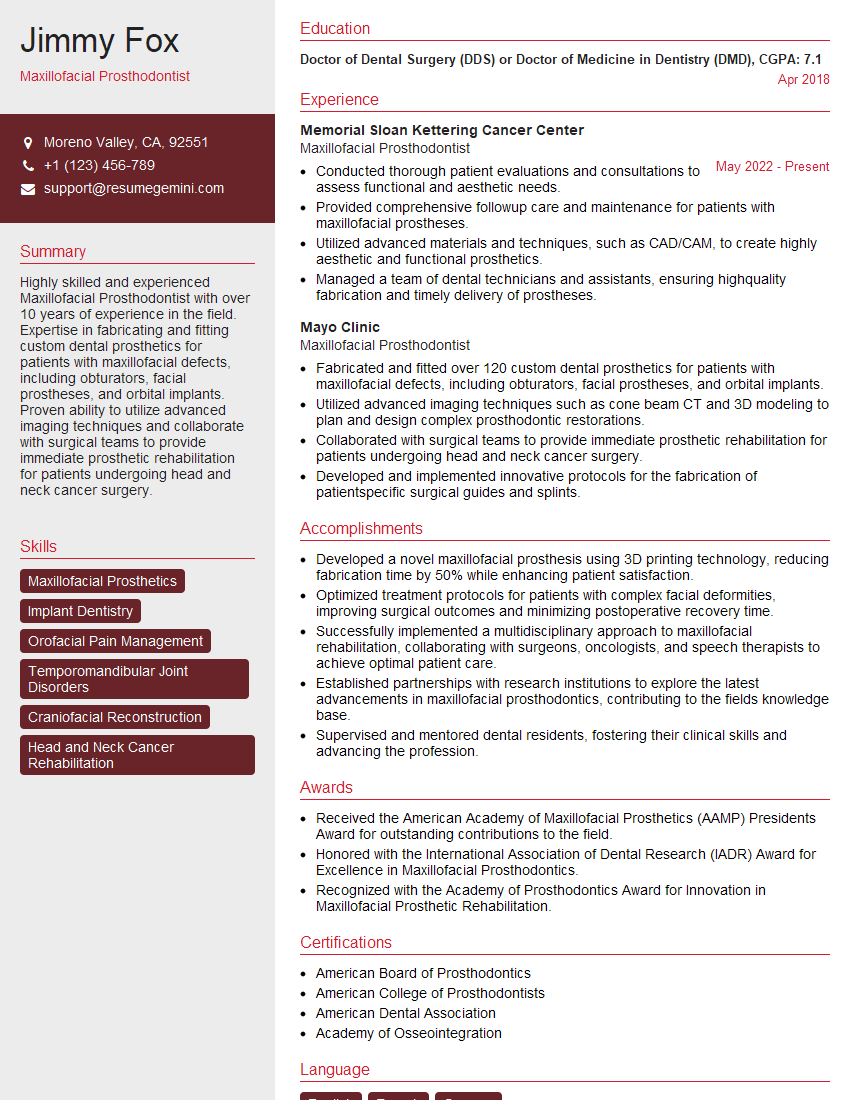
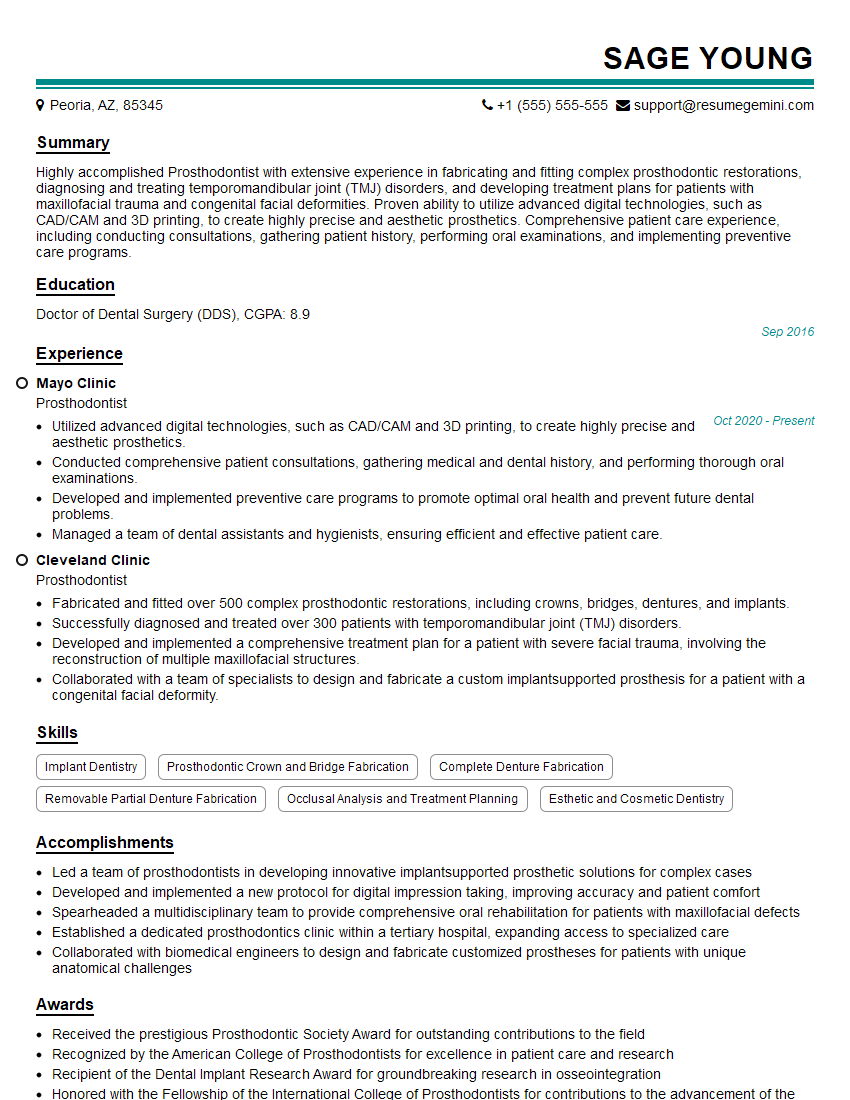
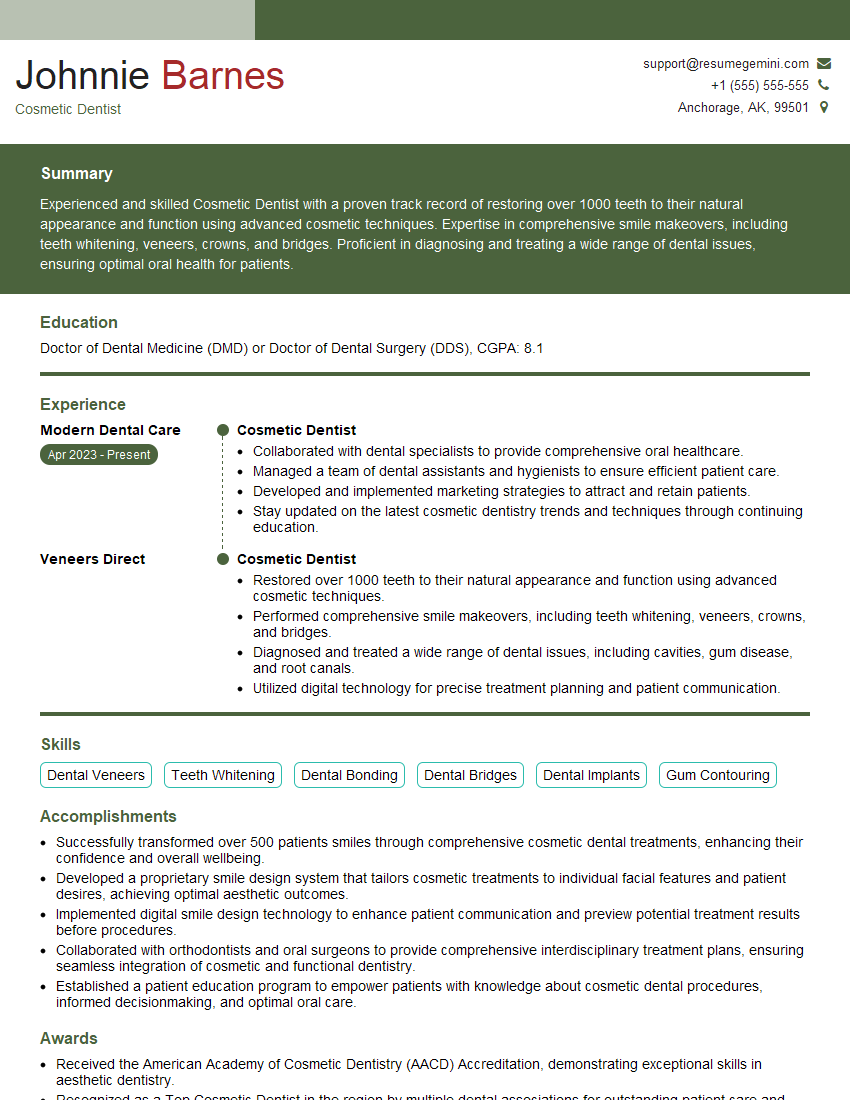
Mastering your knowledge of different veneer types and their applications is crucial for career advancement in the dental field. Demonstrating expertise in this area will significantly enhance your job prospects and open doors to exciting opportunities. To maximize your chances of landing your dream job, crafting a strong, ATS-friendly resume is paramount. ResumeGemini is a trusted resource that can help you build a professional and effective resume tailored to highlight your skills and experience. Examples of resumes specifically designed to showcase experience with different types of veneers are available to help guide your resume creation process. Take the next step towards your career goals – create a compelling resume that showcases your expertise!
Explore more articles
Users Rating of Our Blogs
Share Your Experience
We value your feedback! Please rate our content and share your thoughts (optional).
What Readers Say About Our Blog
To the interviewgemini.com Webmaster.
Very helpful and content specific questions to help prepare me for my interview!
Thank you
To the interviewgemini.com Webmaster.
This was kind of a unique content I found around the specialized skills. Very helpful questions and good detailed answers.
Very Helpful blog, thank you Interviewgemini team.