Unlock your full potential by mastering the most common Experience working with diverse teams interview questions. This blog offers a deep dive into the critical topics, ensuring you’re not only prepared to answer but to excel. With these insights, you’ll approach your interview with clarity and confidence.
Questions Asked in Experience working with diverse teams Interview
Q 1. Describe your experience fostering a culture of inclusion within a team.
Fostering a culture of inclusion isn’t a one-time action; it’s a continuous process of building trust, respect, and understanding within a team. It starts with actively creating a safe space where everyone feels comfortable being themselves and contributing their unique perspectives. This involves establishing clear expectations of respectful communication and behavior, and consistently reinforcing these expectations through both words and actions.
- Open Communication: Regularly checking in with team members individually to gauge their experience and identify any areas where they feel excluded or unsupported. This includes using anonymous feedback mechanisms to encourage honesty.
- Representation and Role Modeling: Ensuring that the team reflects the diversity of the larger organization and broader community. This includes actively seeking out and promoting diverse talent.
- Inclusive Language and Practices: Using inclusive language and avoiding jargon or idioms that might exclude certain individuals. Adapting meeting formats to accommodate diverse learning styles and communication preferences.
- Celebrating Differences: Actively celebrating team members’ diverse backgrounds, perspectives, and experiences through team-building activities and events that recognize and appreciate this diversity.
For example, in my previous role, we implemented a ‘diversity and inclusion’ training program, followed by monthly team discussions focused on promoting inclusive behaviors. We also established a mentorship program to support the growth of underrepresented team members.
Q 2. How have you addressed communication barriers within a diverse team?
Communication barriers in diverse teams often stem from differences in language, cultural norms, and communication styles. Addressing these requires proactive strategies focusing on clarity, empathy, and active listening.
- Clear and Concise Communication: Using clear, concise language, avoiding jargon and technical terms that might not be universally understood. Providing written summaries of key discussions or decisions.
- Active Listening and Clarification: Encouraging active listening and providing opportunities for team members to clarify points of confusion. Regularly summarizing and paraphrasing to ensure mutual understanding.
- Multiple Communication Channels: Using a variety of communication channels, including email, instant messaging, and video conferencing, to cater to different communication preferences and ensure everyone has access to information.
- Cultural Sensitivity Training: Providing cultural sensitivity training to help team members understand and appreciate cultural differences in communication styles.
- Translation Services (if needed): Offering translation services when necessary to ensure effective communication across language barriers.
In one project, we used a project management tool with built-in translation features, and held regular check-in meetings using video conferencing with interpreters available as needed. This ensured everyone understood project updates and contributed effectively.
Q 3. Explain a time you had to manage conflict arising from cultural differences.
Conflict arising from cultural differences requires a delicate balance of empathy, understanding, and clear communication. It’s crucial to avoid judgment and approach the situation with a focus on finding a mutually acceptable solution.
In one instance, a disagreement arose between team members from different cultural backgrounds regarding project timelines. One team member, accustomed to a more flexible approach, clashed with another who preferred stricter deadlines. I addressed this by:
- Facilitating Open Dialogue: Creating a safe space for both team members to express their perspectives without interruption or judgment.
- Understanding Cultural Contexts: Exploring the underlying cultural factors contributing to the conflict, acknowledging the validity of each perspective.
- Finding Common Ground: Collaboratively working with the team members to identify common goals and find a compromise that respects both their cultural preferences and the project’s overall requirements.
- Mediation (if needed): If necessary, providing mediation to help facilitate a constructive dialogue and resolution.
The solution involved adjusting the project timeline to incorporate elements of both approaches – a more structured framework with built-in flexibility to accommodate unforeseen circumstances. This resulted in a stronger team dynamic built on mutual respect and understanding.
Q 4. What strategies do you employ to ensure equitable opportunities for all team members?
Ensuring equitable opportunities for all team members is crucial for building a high-performing and inclusive team. This requires proactive measures to address potential biases and create a level playing field.
- Fair Performance Evaluation: Implementing clear, objective performance evaluation criteria that are applied consistently across all team members, regardless of background.
- Equal Access to Resources and Opportunities: Ensuring all team members have equal access to resources, training opportunities, and mentorship programs.
- Transparency and Openness: Maintaining transparency in decision-making processes, clearly outlining criteria for promotion and opportunities.
- Addressing Microaggressions: Addressing microaggressions and other forms of subtle discrimination promptly and effectively.
- Mentorship and Sponsorship: Providing mentorship and sponsorship opportunities to support the professional development and advancement of underrepresented team members.
For example, in my past team, we implemented a blind resume screening process for promotions to mitigate unconscious bias in candidate selection.
Q 5. How do you leverage the diverse perspectives of team members to enhance problem-solving?
Diverse perspectives are a significant asset in problem-solving. Leveraging these requires creating an environment where everyone feels comfortable sharing their ideas and challenging assumptions.
- Structured Brainstorming Sessions: Employing structured brainstorming sessions that encourage diverse viewpoints and actively solicit input from all team members. Techniques like ‘brainwriting’ can help ensure everyone contributes equally.
- Challenging Assumptions: Encouraging team members to challenge assumptions and consider alternative perspectives, recognizing that different backgrounds bring different experiences and insights.
- Perspective-Taking Exercises: Using perspective-taking exercises to help team members understand and appreciate the viewpoints of others. Role-playing scenarios can be particularly useful.
- Debriefing and Reflection: Conducting debriefing sessions after problem-solving exercises to reflect on the process, identify what worked well, and areas for improvement.
In one project, a diverse team faced a challenging technical issue. By actively incorporating everyone’s perspectives – including those from different engineering backgrounds – we discovered a novel solution that none of us had considered individually.
Q 6. Describe a successful project where you led a diverse team.
In a recent project involving the development of a new software application, I led a diverse team of designers, developers, and marketing specialists. The success of the project stemmed directly from our diverse skill sets and perspectives.
- Clear Goals and Roles: Establishing clear project goals and individual roles, ensuring everyone understood their responsibilities and how they contributed to the overall project.
- Collaborative Work Environment: Creating a collaborative work environment where team members felt comfortable sharing their ideas, providing feedback, and supporting each other.
- Regular Communication and Feedback: Maintaining open and consistent communication throughout the project lifecycle, providing regular feedback and addressing challenges promptly.
- Conflict Resolution: Effectively resolving conflicts that arose, prioritizing respectful communication and finding mutually acceptable solutions.
- Celebration of Success: Recognizing and celebrating team accomplishments, reinforcing the value of collaboration and teamwork.
The project was completed on time and under budget, exceeding initial expectations due to the team’s diverse skillsets and the inclusive environment we cultivated. The diverse team ensured we developed a user-friendly app catering to a broad range of customers.
Q 7. How do you identify and address unconscious bias in your decision-making processes?
Unconscious bias can significantly impact decision-making, leading to unfair or inequitable outcomes. Addressing this requires self-awareness, critical reflection, and proactive strategies.
- Self-Reflection: Regularly reflecting on my own biases and assumptions, acknowledging my own limitations and areas for improvement. This involves considering how my background and experiences might shape my perspectives.
- Data-Driven Decision Making: Relying on objective data and evidence as much as possible when making decisions, minimizing reliance on subjective judgments or gut feelings.
- Seeking Diverse Perspectives: Actively seeking out diverse perspectives before making decisions, ensuring that different viewpoints are considered and incorporated into the process.
- Bias Awareness Training: Regularly participating in bias awareness training to learn about common biases and develop strategies for mitigating their impact.
- Structured Decision-Making Processes: Using structured decision-making processes that include explicit criteria and guidelines to help reduce the influence of unconscious bias.
For instance, I consistently use checklists and rubrics when evaluating employee performance to minimize the influence of personal biases and ensure fairness in appraisals.
Q 8. What metrics do you use to measure the effectiveness of diversity and inclusion initiatives?
Measuring the effectiveness of diversity and inclusion (D&I) initiatives requires a multifaceted approach, moving beyond simple headcounts. We need to track both quantitative and qualitative data to gain a holistic understanding of progress.
- Quantitative Metrics: These provide numerical insights into representation. Examples include:
- Representation rates across different demographics (gender, race, ethnicity, sexual orientation, disability, etc.) at all levels of the organization.
- Employee turnover rates disaggregated by demographic groups – high turnover in specific groups can signal inclusion issues.
- Promotion rates for underrepresented groups.
- Salary equity analysis across demographics.
- Participation rates in D&I programs and initiatives.
- Qualitative Metrics: These capture employee experiences and perceptions. Examples include:
- Employee surveys measuring perceptions of inclusion, belonging, and psychological safety.
- Focus groups and interviews to gather in-depth insights into employee experiences.
- Feedback from employee resource groups (ERGs).
- Analysis of employee comments and suggestions through various channels.
- Tracking of employee complaints related to discrimination or harassment.
By combining quantitative and qualitative data, we can build a comprehensive picture of D&I effectiveness, identify areas for improvement, and track the impact of our initiatives over time. Simply achieving representation targets isn’t enough; we must also ensure employees feel included, valued, and respected.
Q 9. How do you adapt your communication style to effectively engage individuals from diverse backgrounds?
Adapting communication style to engage diverse backgrounds is crucial for effective teamwork. It’s about being mindful and flexible, not about conforming to stereotypes. I focus on these key aspects:
- Active Listening: Paying close attention to both verbal and non-verbal cues, ensuring I understand the message, not just the words.
- Clear and Concise Language: Avoiding jargon, acronyms, and overly complex sentences. I strive for clarity for everyone, regardless of their background or level of English proficiency.
- Visual Aids: Using visuals like charts, diagrams, and presentations to support communication, especially when discussing complex information.
- Cultural Sensitivity: Being aware of cultural differences in communication styles, such as direct vs. indirect communication, formality levels, and non-verbal cues. For instance, in some cultures direct eye contact can be seen as aggressive, whereas in others, it denotes attentiveness.
- Openness to Feedback: Encouraging feedback from team members to ensure my communication style is inclusive and effective. I openly ask for feedback and am receptive to suggestions for improvements.
For example, when working with a team where some members have English as a second language, I might use shorter sentences, pause more frequently, and confirm understanding more often. I’d also prioritize using visual aids. The goal is not to change the message but to enhance its delivery to promote understanding for all.
Q 10. Share an example of how you’ve built trust and rapport within a diverse team.
Building trust and rapport within a diverse team involves demonstrating genuine care and respect. In a previous project involving engineers from various cultural backgrounds, initial communication was challenging due to language barriers and differing work styles. To build trust, I initiated the following:
- Team-building activities: We started with informal team lunches and social events to encourage casual interaction outside of work tasks, allowing team members to get to know each other on a personal level.
- Regular Check-ins: I implemented regular one-on-one meetings with each team member to understand their individual needs, challenges, and perspectives. This created a safe space for open communication.
- Open Dialogue and Feedback: I fostered a culture of open feedback where everyone felt comfortable expressing their opinions and concerns without fear of judgment.
- Recognition and Appreciation: I actively acknowledged and celebrated individual and team achievements, emphasizing collaboration and teamwork.
By creating a space of mutual respect and understanding, we were able to overcome communication barriers and build a strong, cohesive team that delivered exceptional results. This demonstrated the power of investing time and effort in cultivating strong interpersonal relationships within a diverse team.
Q 11. How do you handle situations where team members hold differing perspectives on workplace practices?
Differing perspectives on workplace practices are inevitable in diverse teams, and they can be a source of innovation if managed effectively. My approach focuses on:
- Active Listening and Understanding: First, I encourage each team member to fully explain their perspective, ensuring I understand their reasoning and concerns.
- Facilitation, Not Dictation: Rather than imposing a solution, I facilitate a discussion where team members can explore their differing viewpoints and potential compromises.
- Finding Common Ground: I highlight shared goals and objectives, focusing on areas of agreement to build consensus.
- Data-Driven Decisions: Where possible, I use data to support decisions, providing objective evidence to inform the discussion.
- Mediation, if Necessary: If a stalemate occurs, I act as a mediator to guide the discussion towards a mutually acceptable solution, ensuring fairness and respect for all perspectives.
For instance, if team members disagree on project timelines, I’d facilitate a discussion exploring the reasons for their differing opinions, possibly identifying resource constraints or misaligned expectations. We’d collaboratively reassess timelines based on the shared information and work towards a consensus that considers everyone’s input.
Q 12. Explain your experience mentoring or supporting individuals from underrepresented groups.
I have extensive experience mentoring and supporting individuals from underrepresented groups. My approach is based on empowerment and creating opportunities for growth.
- Identifying and Addressing Barriers: I work to identify and address any systemic or individual barriers that may be hindering their progress, whether these are related to bias, lack of access to resources or opportunities, or other challenges.
- Providing Guidance and Support: I offer guidance on career development, networking opportunities, and skill enhancement, tailoring my support to their individual needs and aspirations.
- Advocacy and Sponsorship: I actively advocate for their advancement, highlighting their achievements and potential to senior management.
- Creating Inclusive Environments: I strive to create inclusive environments where they feel valued, respected, and empowered to contribute their unique skills and perspectives.
For example, I mentored a junior engineer from a minority background who lacked confidence in networking. I paired her with senior colleagues, encouraged her to attend industry events, provided feedback on her resume and interview skills, and advocated for her promotion when her performance exceeded expectations. My goal is to empower them to succeed, fostering their growth and confidence.
Q 13. How do you ensure that all team members feel valued and respected?
Ensuring all team members feel valued and respected is fundamental to creating a positive and productive work environment. My strategies include:
- Fair and Equitable Treatment: I ensure all team members receive fair and equitable treatment, with equal opportunities for growth and advancement, irrespective of their background.
- Open Communication and Feedback: I foster open communication where everyone feels comfortable expressing their ideas and concerns without fear of judgment or retribution.
- Recognition and Appreciation: I regularly acknowledge and appreciate individual and team contributions, highlighting both successes and efforts.
- Inclusion in Decision-Making: I ensure all team members have a voice and are actively involved in decision-making processes that affect them.
- Addressing Microaggressions and Bias: I actively address any instances of microaggressions, biases, or discriminatory behaviors, creating a zero-tolerance environment.
- Promoting Work-Life Balance: I support initiatives that promote a healthy work-life balance for all team members.
By consistently demonstrating respect and valuing diverse perspectives, I aim to create an inclusive environment where every team member feels empowered to contribute their best work and be their authentic selves.
Q 14. Describe a situation where you had to navigate differing communication styles within a team.
In a previous project, I encountered a team with members from different cultural backgrounds who had significantly different communication styles. Some were highly direct and action-oriented, while others preferred more indirect communication and a more collaborative approach to decision-making. This led to misunderstandings and delays.
To navigate this, I took the following steps:
- Clarified Communication Preferences: I held a team meeting to discuss communication styles, emphasizing the value of understanding individual differences. We explored different communication styles and identified ways to improve clarity.
- Established Clear Communication Protocols: We developed clear protocols for communication, including preferred methods of contact, response times, and meeting formats.
- Emphasized Active Listening: I reinforced the importance of active listening and paying attention to both verbal and non-verbal cues to ensure messages are understood.
- Provided Training: We undertook brief training sessions to enhance intercultural communication skills, focusing on building awareness and understanding of different styles.
By acknowledging and addressing these differences proactively, we improved team communication and collaboration, which ultimately led to increased project efficiency and stronger team cohesion.
Q 15. What strategies have you implemented to promote diversity in recruitment and hiring?
Promoting diversity in recruitment and hiring requires a multifaceted approach. It’s not enough to simply post job descriptions widely; we need to actively seek out diverse candidates. My strategies involve:
- Blind resume screening: Removing identifying information like names and addresses from resumes to mitigate unconscious bias during the initial screening process.
- Diverse sourcing strategies: Partnering with organizations focused on underrepresented groups, attending industry events targeted at diverse communities, and utilizing job boards and platforms known for attracting a broader range of applicants.
- Structured interviews: Using standardized interview questions and scoring rubrics for all candidates ensures a fair and objective evaluation process, reducing the impact of personal biases.
- Bias training for hiring managers: Educating hiring managers on recognizing and mitigating their own unconscious biases is crucial for building a truly diverse workforce. This includes training on inclusive language and understanding diverse work styles.
- Diverse interview panels: Including individuals from different backgrounds and departments on interview panels offers multiple perspectives and reduces the likelihood of bias.
For example, in a previous role, we implemented blind resume screening and saw a 20% increase in the number of women and minority candidates invited for interviews.
Career Expert Tips:
- Ace those interviews! Prepare effectively by reviewing the Top 50 Most Common Interview Questions on ResumeGemini.
- Navigate your job search with confidence! Explore a wide range of Career Tips on ResumeGemini. Learn about common challenges and recommendations to overcome them.
- Craft the perfect resume! Master the Art of Resume Writing with ResumeGemini’s guide. Showcase your unique qualifications and achievements effectively.
- Don’t miss out on holiday savings! Build your dream resume with ResumeGemini’s ATS optimized templates.
Q 16. How do you create inclusive team environments where everyone feels comfortable sharing their ideas?
Creating an inclusive team environment starts with fostering a culture of psychological safety where everyone feels comfortable expressing themselves without fear of judgment or retribution. This requires deliberate actions:
- Establishing clear expectations of respect and inclusivity: This should be explicitly stated in team guidelines and reinforced through consistent modeling by leadership.
- Creating opportunities for open communication: Regularly scheduled team meetings, informal check-ins, and anonymous feedback mechanisms provide avenues for sharing ideas and concerns.
- Active listening and valuing diverse perspectives: Ensuring everyone feels heard and that their contributions are respected is paramount. This involves actively soliciting input from all team members, even those who may be quieter.
- Implementing inclusive decision-making processes: Utilizing techniques like brainstorming sessions, where all ideas are valued before evaluation, and employing consensus-building approaches can promote inclusivity.
- Celebrating diversity: Recognizing and appreciating the unique contributions of each team member strengthens team cohesion and reinforces the value of diversity.
In one project, we used a collaborative online platform that allowed for asynchronous communication, ensuring team members across time zones could contribute equally, regardless of their communication style.
Q 17. How have you used data or analytics to inform your diversity and inclusion strategies?
Data and analytics are indispensable tools for tracking progress and identifying areas for improvement in diversity and inclusion initiatives. I’ve used data to:
- Track representation at each stage of the hiring process: Analyzing application rates, interview rates, and offer rates for different demographic groups helps pinpoint bottlenecks and areas where bias may be occurring. This allows for targeted interventions.
- Measure employee satisfaction and engagement by demographic group: Surveys and feedback mechanisms allow us to identify disparities in experiences and address specific concerns.
- Monitor employee turnover rates by demographic group: High turnover rates among specific groups may indicate issues related to inclusion or retention, requiring investigation and remediation.
- Analyze promotion and advancement data: This helps identify any potential disparities in career progression opportunities for diverse employees.
For example, by analyzing promotion data, we discovered a disparity in the advancement of women into leadership roles. This led us to implement mentorship programs and targeted leadership development initiatives specifically for women.
Q 18. Describe a time you had to advocate for a team member experiencing discrimination or bias.
In a previous role, a team member experienced subtle but persistent microaggressions from a colleague. These comments, while seemingly innocuous, created a hostile work environment. My response involved:
- Private conversation with the affected team member: I listened empathetically, validated their feelings, and ensured they felt supported and safe.
- Meeting with the colleague exhibiting the biased behavior: I addressed the behavior directly, explaining its impact and referencing the company’s diversity and inclusion policy. I focused on education and behavioral change rather than punishment.
- Follow-up with both individuals: I checked in with both the affected team member and the colleague to ensure the issue was resolved and that the workplace remained respectful.
- Documentation: I kept detailed records of the incident and the resolution process, in line with company policy.
The situation improved significantly following these steps. The colleague showed remorse and made a conscious effort to modify their behavior. This experience underscored the importance of prompt and decisive action in addressing discrimination.
Q 19. How do you ensure effective communication and collaboration across different time zones and cultures?
Effective communication and collaboration across diverse time zones and cultures requires careful planning and the use of appropriate tools and strategies:
- Asynchronous communication tools: Utilizing platforms like Slack, Microsoft Teams, or project management software that enable communication at any time allows team members in different time zones to contribute effectively.
- Clearly defined communication protocols: Establishing clear expectations for response times, communication channels, and meeting schedules minimizes confusion and ensures timely responses.
- Culturally sensitive communication: Being mindful of cultural differences in communication styles, such as directness, formality, and nonverbal cues, is critical for building trust and rapport.
- Regular virtual team meetings: Scheduling regular meetings, even if brief, can help maintain team cohesion and facilitate collaboration.
- Translation and interpretation services: Providing access to translation and interpretation services when needed ensures everyone can fully participate.
For a global project, we used a project management tool with integrated translation features and scheduled overlapping meeting times to accommodate different time zones. This minimized communication barriers and fostered seamless collaboration.
Q 20. How do you facilitate difficult conversations about diversity and inclusion within a team setting?
Facilitating difficult conversations about diversity and inclusion requires creating a safe and respectful space where open dialogue can occur. Key strategies include:
- Setting ground rules: Establishing clear expectations for respectful communication, active listening, and constructive feedback is crucial.
- Starting with shared goals: Framing the conversation around shared goals, such as creating a more inclusive workplace, helps to foster collaboration and minimize defensiveness.
- Using data and evidence: Presenting data related to diversity and inclusion can provide a neutral starting point for discussion and highlight areas for improvement.
- Active listening and empathy: Creating space for everyone to share their perspectives, even if they differ, promotes understanding and builds trust.
- Focusing on solutions: Shifting the focus from blame to solutions helps to move the conversation forward and fosters a collaborative approach to problem-solving.
In one instance, I facilitated a workshop using a structured approach, starting with individual reflections on personal experiences with bias, moving towards group discussions and concluding with the creation of actionable strategies for improvement.
Q 21. What training or development have you undertaken related to diversity and inclusion?
My commitment to diversity and inclusion is ongoing. I’ve completed several training programs and workshops, including:
- Unconscious Bias Training: This training helped me to recognize and understand my own unconscious biases and develop strategies for mitigating their impact on my decision-making.
- Inclusive Leadership Training: This program focused on developing inclusive leadership skills, such as fostering psychological safety, building diverse teams, and promoting equitable opportunities.
- Cultural Sensitivity Training: This training provided insights into diverse cultural norms, communication styles, and perspectives, enhancing my ability to work effectively with individuals from diverse backgrounds.
- Diversity & Inclusion in the Workplace: This training provided an overview of diversity, equity, and inclusion concepts, covering relevant legislation, best practices and practical strategies.
I also regularly seek out opportunities to expand my knowledge and understanding through attending conferences, reading industry publications, and engaging in professional development opportunities related to diversity and inclusion.
Q 22. How do you proactively address microaggressions and promote respectful interactions within the workplace?
Addressing microaggressions proactively requires a multi-pronged approach focusing on education, intervention, and creating a culture of accountability. It’s not enough to simply react; we need to prevent them from happening in the first place.
- Education and Awareness: I would initiate workshops and training sessions on unconscious bias and microaggressions, emphasizing their impact and providing practical strategies for identifying and addressing them. These sessions would be interactive and encourage open dialogue.
- Bystander Intervention Training: Empowering team members to safely intervene when they witness a microaggression is crucial. This training would equip them with techniques to de-escalate situations and support the targeted individual. It’s about creating a culture where speaking up is not only encouraged but also supported.
- Clear Reporting Mechanisms: Establishing a confidential and accessible reporting system allows individuals to report incidents without fear of reprisal. These reports should be followed up on promptly and investigated thoroughly. The focus should be on restorative justice where possible – focusing on education and reconciliation rather than just punishment.
- Accountability and Consequences: While education is key, there must be consequences for repeated or egregious offenses. This could range from coaching and mentoring to disciplinary actions, depending on the severity and context. Consistency is critical.
For example, if I observed someone consistently interrupting a female colleague during meetings, I would directly address it by acknowledging their contributions but highlighting the pattern of interruption. I would explain how this impacts team dynamics and productivity and reiterate the importance of inclusive communication.
Q 23. Explain your approach to managing performance reviews and providing feedback fairly across a diverse team.
Fair and effective performance reviews within a diverse team require a structured approach that considers individual contributions, cultural nuances, and personal development goals. I employ a system that focuses on objective measures and provides constructive feedback tailored to each individual.
- Establish Clear Expectations: From the outset, I establish clear performance goals and expectations for each team member, ensuring these are aligned with overall team objectives and company values. This clarity minimizes bias in evaluations.
- Regular Check-ins: I conduct regular one-on-one meetings throughout the review period to provide ongoing feedback, address concerns, and monitor progress. This prevents surprises during the formal review and allows for adjustments along the way.
- 360-Degree Feedback: When appropriate, incorporating 360-degree feedback can provide a more holistic view of an employee’s performance by gathering input from peers, supervisors, and subordinates. This helps mitigate individual biases.
- Culturally Sensitive Feedback: I’m mindful of cultural differences in communication styles and feedback delivery. What might be considered constructive in one culture might be perceived negatively in another. I adapt my approach to ensure the feedback is received positively and understood accurately. I might, for example, use a more indirect approach for team members from cultures that prioritize harmony.
- Focus on Development: Performance reviews are not just about evaluating past performance; they are opportunities for growth and development. I focus on providing actionable feedback and identifying areas for improvement, linking them to professional development opportunities.
For example, I might use a competency-based framework to assess performance, ensuring objective measures are used for each team member, regardless of background or communication style.
Q 24. How do you ensure diversity and inclusion are reflected in team goals and objectives?
Ensuring diversity and inclusion are reflected in team goals and objectives requires a conscious and proactive approach. It’s not enough to simply state the importance of diversity; it needs to be woven into the fabric of the team’s work.
- Inclusive Goal Setting: Involve the entire team in setting goals and objectives. Actively seek out diverse perspectives and ensure everyone feels heard and valued in the process. This ensures everyone feels a sense of ownership and commitment to the team’s success.
- Diverse Metrics: When defining success, utilize metrics that reflect the diverse needs and perspectives of the team and the wider community the team serves. This ensures the team isn’t just measuring a narrow slice of success.
- Representation in Tasks: Ensure that opportunities for leadership roles, challenging projects, and high-visibility assignments are distributed fairly across the team, irrespective of background. Avoid concentrating opportunities within specific demographics.
- Addressing Bias in Measurement: Be aware of potential biases in how we measure success. For example, a team focused on innovation might inadvertently favor extroverts. Consciously seek out and include diverse voices and perspectives in measuring progress.
For instance, if the team’s goal is to improve customer satisfaction, we would ensure that diverse customer segments are represented in our data collection and analysis. We wouldn’t just focus on one particular demographic.
Q 25. What measures do you put in place to encourage employee resource groups or similar initiatives?
Encouraging the formation and growth of Employee Resource Groups (ERGs) or similar initiatives requires active support and a commitment to fostering a culture of inclusion. It’s about providing the resources and space for these groups to thrive.
- Allocate Resources: Provide dedicated resources such as meeting space, funding for events, and administrative support to help ERGs operate effectively. This demonstrates a tangible commitment to their success.
- Leadership Sponsorship: Secure executive-level sponsorship for ERGs, providing them with visibility and support within the organization. This helps elevate the importance of these groups within the company culture.
- Promote Participation: Actively promote participation in ERGs through internal communications, highlighting their benefits and value to the organization. This helps overcome barriers to participation.
- Inclusive Leadership Training: Include training for managers and leaders on how to support and engage effectively with ERGs. This enhances understanding and ensures alignment between the ERGs and overall organizational goals.
- Regular Check-ins and Feedback: Regularly check in with ERG leaders to understand their needs, challenges, and successes, and provide ongoing support and guidance. This creates a feedback loop allowing for adjustments and improvements.
For example, I’d actively promote participation in an ERG focused on promoting women in tech, ensuring it’s seen as a valuable resource for professional development and networking.
Q 26. Describe your understanding of intersectionality and its implications for workplace inclusivity.
Intersectionality recognizes that individuals hold multiple intersecting identities (e.g., race, gender, sexual orientation, class) that create unique experiences of discrimination and privilege. Ignoring these intersections limits our understanding of inclusivity.
In the workplace, this means recognizing that a single diversity initiative might not address the needs of everyone. For instance, a program focused on gender equality may not address the specific challenges faced by women of color, who may experience unique forms of bias at the intersection of gender and race.
To promote inclusivity, we need to analyze policies and practices through an intersectional lens, ensuring that they don’t inadvertently disadvantage specific groups. We must go beyond simply counting numbers and actively consider the lived experiences of our diverse workforce.
For example, reviewing promotion criteria to ensure it doesn’t favor individuals with certain backgrounds, or examining compensation data to identify disparities between groups, paying particular attention to the intersection of multiple identities.
Q 27. How do you remain sensitive to the various cultural norms surrounding feedback and recognition?
Sensitivity to cultural norms surrounding feedback and recognition is paramount for building trust and fostering a positive team environment. Understanding that feedback is not universally perceived the same way is critical.
- Research and Understanding: Before delivering feedback, I invest time in understanding the cultural background of the individual. Researching common cultural communication styles will greatly improve delivery of feedback.
- Direct vs. Indirect Feedback: Some cultures value direct feedback, while others prefer a more indirect and nuanced approach. I tailor my approach accordingly, ensuring the message is clear and respects the individual’s preferences.
- Public vs. Private Recognition: The preference for public versus private recognition varies across cultures. I am mindful of these differences and ensure that recognition is delivered in a manner that feels comfortable and appropriate for the individual.
- Language and Tone: I pay close attention to my language and tone, avoiding idioms or slang that may not be understood or interpreted correctly. Clarity and simplicity are key.
- Seek Clarification: After delivering feedback, I actively seek clarification to ensure the message has been understood and received as intended. This establishes a two-way dialogue.
For instance, when providing feedback to someone from a collectivist culture, I would emphasize the team’s collaborative effort rather than focusing solely on individual performance.
Q 28. How do you ensure that your team’s decision-making processes are inclusive and equitable?
Inclusive and equitable decision-making requires careful consideration of various perspectives and a commitment to fairness. My approach emphasizes collaboration, transparency, and equal participation.
- Diverse Decision-Making Teams: I ensure that decision-making teams are diverse and representative of the broader team. This helps bring diverse perspectives and experiences to the table.
- Structured Decision-Making Processes: I use structured decision-making processes, such as brainstorming sessions, structured discussions, and voting procedures, to ensure everyone has an equal opportunity to participate and contribute their ideas.
- Transparency and Open Communication: I foster a culture of open communication where everyone feels comfortable sharing their opinions and concerns, regardless of their seniority or background.
- Active Listening and Respectful Dialogue: I encourage active listening and respectful dialogue, ensuring that everyone feels heard and valued, even if their views differ from the majority.
- Challenge Bias: I proactively challenge biases that may arise during the decision-making process, ensuring that decisions are based on merit and objective criteria, not on personal preferences or stereotypes.
For example, I might use a nominal group technique to ensure everyone has a chance to contribute ideas before group discussion, preventing dominant personalities from overshadowing quieter voices.
Key Topics to Learn for Experience working with diverse teams Interview
- Understanding Cultural Nuances: Learn to recognize and appreciate the impact of different cultural backgrounds on communication styles, work ethics, and problem-solving approaches. Consider how cultural differences might influence team dynamics.
- Effective Communication Strategies: Explore practical techniques for clear and concise communication across diverse groups. This includes active listening, adapting your communication style, and being mindful of potential language barriers.
- Conflict Resolution & Mediation: Develop strategies for proactively addressing and resolving conflicts that may arise from differing perspectives and communication styles within a diverse team. Practice techniques for constructive feedback and mediation.
- Leveraging Diverse Perspectives: Discuss how to foster an inclusive environment where everyone feels comfortable sharing their ideas and perspectives. Highlight your experience in valuing diverse viewpoints to achieve better outcomes.
- Inclusive Teamwork & Collaboration: Showcase examples where you’ve successfully collaborated with diverse teams, highlighting your contributions to team cohesion and achieving shared goals. Focus on building consensus and creating a supportive atmosphere.
- Promoting Diversity & Inclusion: Describe your understanding of diversity and inclusion initiatives and how you’ve actively participated in or supported them within previous work environments. Demonstrate your commitment to creating equitable and inclusive teams.
Next Steps
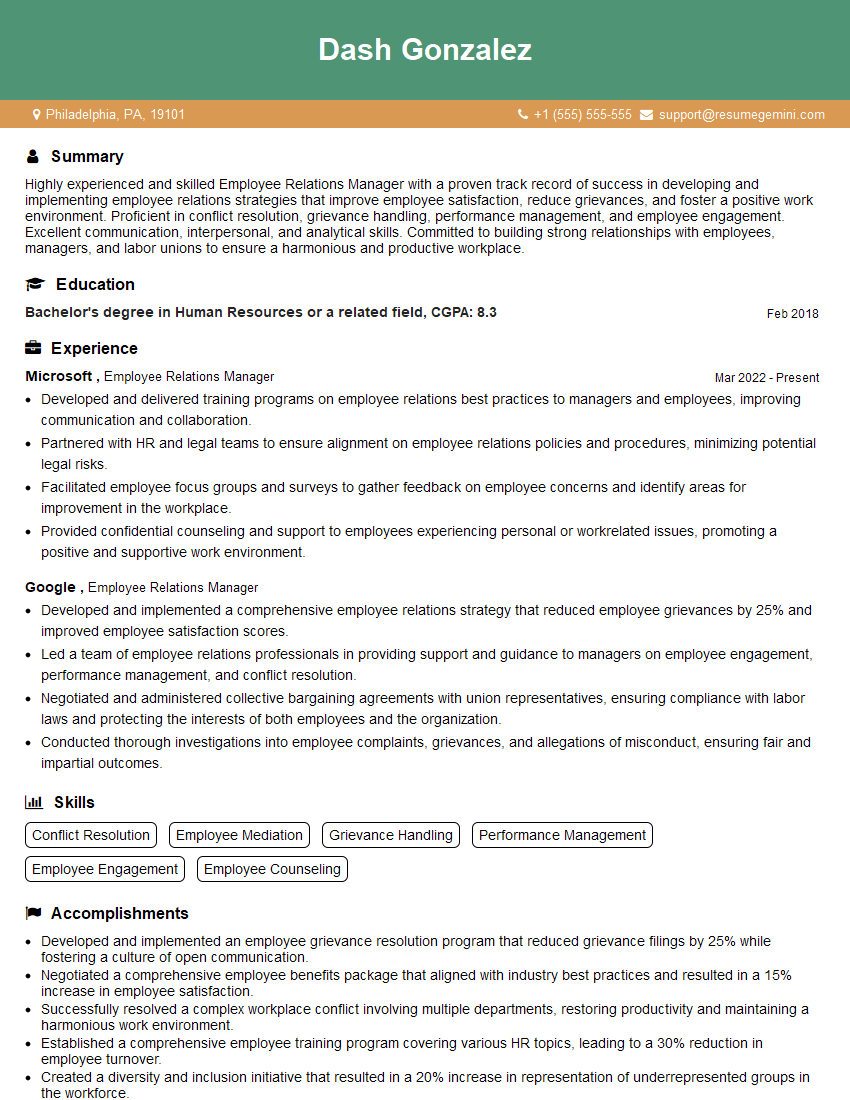
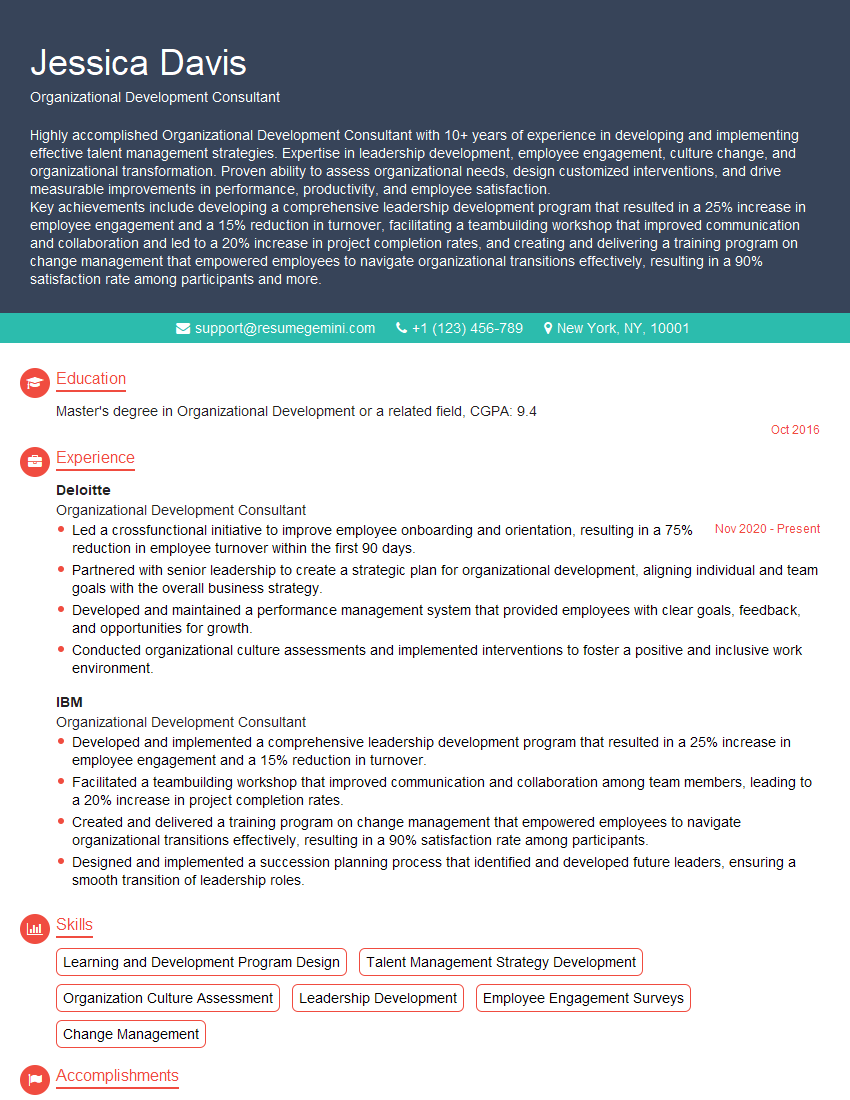
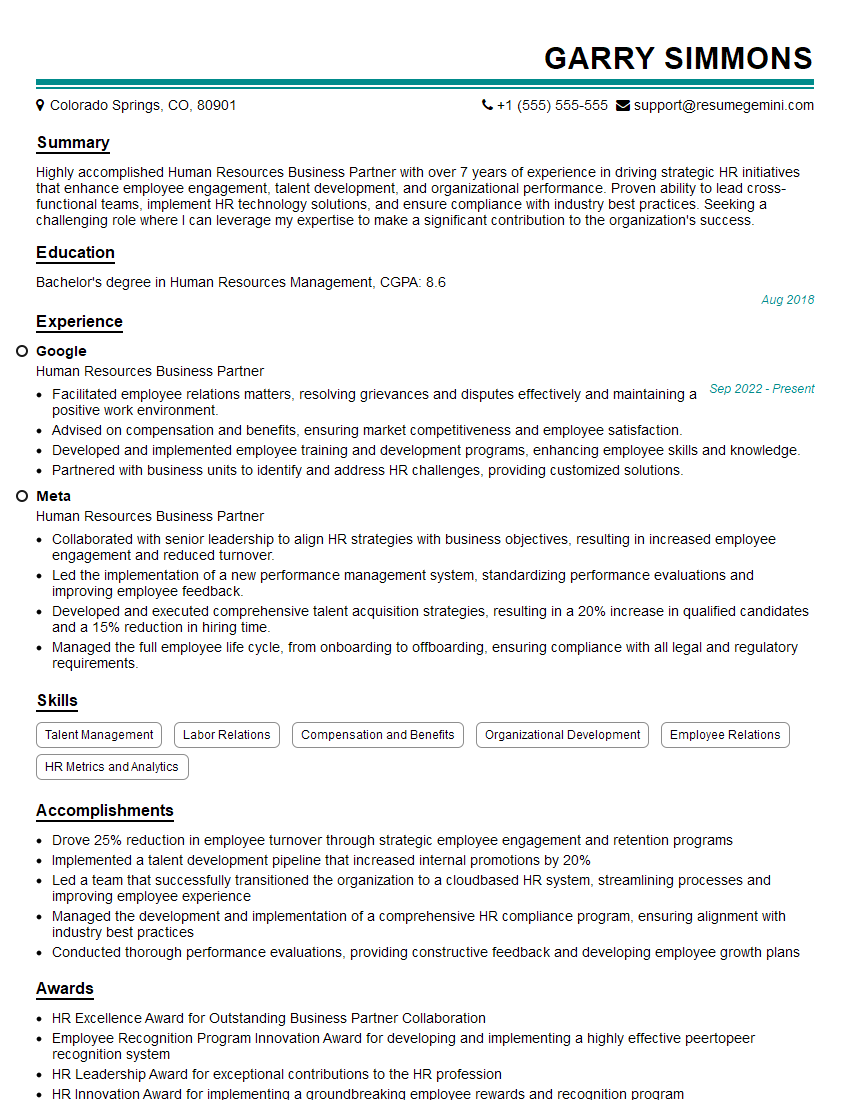
Mastering the art of working effectively with diverse teams is crucial for career advancement. It demonstrates adaptability, strong interpersonal skills, and a commitment to creating inclusive and high-performing work environments – qualities highly valued by employers. To significantly boost your job prospects, crafting an ATS-friendly resume that clearly highlights these skills is essential. ResumeGemini is a trusted resource to help you build a professional and impactful resume. We provide examples of resumes tailored to showcase experience working with diverse teams, helping you present your skills effectively and land your dream job.
Explore more articles
Users Rating of Our Blogs
Share Your Experience
We value your feedback! Please rate our content and share your thoughts (optional).
What Readers Say About Our Blog
To the interviewgemini.com Webmaster.
Very helpful and content specific questions to help prepare me for my interview!
Thank you
To the interviewgemini.com Webmaster.
This was kind of a unique content I found around the specialized skills. Very helpful questions and good detailed answers.
Very Helpful blog, thank you Interviewgemini team.