Every successful interview starts with knowing what to expect. In this blog, we’ll take you through the top External Fixation interview questions, breaking them down with expert tips to help you deliver impactful answers. Step into your next interview fully prepared and ready to succeed.
Questions Asked in External Fixation Interview
Q 1. Describe the indications for external fixation.
External fixation is a surgical technique used to stabilize fractures, particularly complex ones that may not heal properly with other methods. It’s indicated when there’s significant bone damage, soft tissue injury, or infection that makes internal fixation (plates and screws) risky or unsuitable.
- Polytrauma: Multiple fractures, often seen in high-energy accidents, frequently benefit from external fixation to provide stabilization for multiple bone segments simultaneously.
- Open fractures (compound fractures): Where the bone protrudes through the skin, increasing the risk of infection, external fixation allows for wound management while maintaining bone alignment.
- Segmental bone loss: When a significant portion of the bone is missing, external fixation can provide temporary stability while bone grafts or other reconstructive procedures are performed.
- Infection: In cases of bone infection (osteomyelitis), external fixation allows for debridement (surgical removal of infected tissue) and facilitates wound care, while keeping the bone immobilized.
- Fractures in compromised patients: Patients with significant medical comorbidities (e.g., diabetes, vascular disease) who may not tolerate lengthy surgical procedures might benefit from external fixation due to its less invasive nature.
- Ilizarov technique for limb lengthening or deformity correction: This specialized application uses external fixation for gradual bone lengthening or correction of angular deformities.
Q 2. What are the contraindications for external fixation?
While external fixation offers several advantages, there are contraindications to its use. These include situations where the benefits may not outweigh the potential risks and complications.
- Severe soft tissue compromise: Extensive soft tissue damage, particularly around the pin sites, can hinder healing and increase the risk of infection. If the soft tissue is already severely compromised, other methods may be preferred.
- Patient non-compliance: External fixation requires careful patient compliance with pin site care and regular follow-up appointments. Patients who are unreliable or unable to follow instructions might not be suitable candidates.
- Certain types of fractures: Very simple, stable fractures may not require the complexity of external fixation. Other methods, like casting, may be more appropriate.
- Presence of significant neurovascular compromise: Pre-existing nerve or blood vessel damage in the area of the fracture can be further jeopardized by the placement of pins.
- Severe osteoporosis: Weak bones may not provide sufficient stability for pin placement, and the pins themselves may loosen easily.
Careful clinical assessment is crucial to weigh the risks and benefits for each patient.
Q 3. Explain the different types of external fixation devices.
External fixation devices vary widely in design and application. They are broadly categorized based on their structural configuration and intended use.
- Unilateral Fixators: These devices involve pins inserted into only one side of the fractured bone. They are simpler to apply than bilateral fixators but offer less stability.
- Bilateral Fixators: These incorporate pins inserted into both sides of the fractured bone, providing superior stability and control over fracture alignment.
- Monolateral Fixators: These involve pins inserted on one side of the fracture, but utilize a unique clamping system for better stability than traditional unilateral devices.
- Circular Fixators (e.g., Ilizarov): These employ multiple rings and connecting rods to provide circumferential stabilization, particularly useful for complex fractures and limb lengthening/deformity correction.
- Hybrid Fixators: These combine aspects of different fixator designs, often used for specific fracture patterns or anatomical considerations.
The choice of device is determined by the specific fracture pattern, patient factors, and surgeon preference.
Q 4. Compare and contrast unilateral and bilateral external fixation.
The key difference lies in the number of bone segments involved. Unilateral fixation uses pins inserted into only one side of the bone, offering less stability and control. It’s often used for simpler fractures where perfect alignment isn’t critical. Think of it like a splint for a minor fracture.
Bilateral fixation, on the other hand, utilizes pins inserted into both sides of the bone, resulting in far greater stability and precise control of fracture alignment and reduction. This is essential for complex fractures requiring rigid fixation to ensure proper healing. This is like using a cast for a more severe fracture.
In summary:
- Unilateral: Less invasive, simpler application, less rigid, suitable for simpler fractures.
- Bilateral: More invasive, more complex application, more rigid, suitable for complex fractures requiring precise alignment and strong stability.
Q 5. Describe the procedure for applying an external fixator.
Applying an external fixator involves several steps and is performed under sterile conditions in an operating room.
- Pre-operative planning: Includes imaging studies (X-rays, CT scans) to assess the fracture, plan pin placement, and select the appropriate fixator.
- Anesthesia: The patient is given general or regional anesthesia.
- Skin preparation and draping: The surgical site is meticulously prepared and draped to maintain sterility.
- Pin insertion: Pins are inserted through the skin and bone at predetermined sites using a power drill. The precise placement is crucial to achieve optimal stability and avoid neurovascular structures.
- Fixator assembly: The selected external fixator is assembled and connected to the pins.
- Fracture reduction: Using the fixator, the surgeon manipulates the bone fragments to achieve anatomical alignment.
- Fixator tightening and stabilization: The fixator is tightened to ensure secure fixation of the bone segments.
- Wound closure: The incisions are closed, and dressings are applied to the pin sites.
- Post-operative care: Includes regular pin site care, pain management, and monitoring for complications.
Q 6. How do you select appropriate pin sites for external fixation?
Selecting appropriate pin sites is crucial to the success of external fixation. Poor pin placement can lead to loosening, infection, or injury to neurovascular structures. Key considerations include:
- Avoiding neurovascular structures: Pins must be placed away from nerves and blood vessels to minimize the risk of damage. This requires a thorough understanding of anatomy.
- Sufficient bone stock: Pins must be inserted into areas with adequate bone density to ensure stability and prevent loosening. Osteoporotic bone poses a challenge here.
- Optimal pin trajectory: Pins should be placed at angles that maximize stability and minimize stress on the bone and soft tissues. This often involves careful planning based on imaging.
- Distribution of forces: Pins should be distributed strategically to evenly distribute forces across the fractured bone and prevent rotational instability. This is particularly crucial in longer bones.
- Minimizing soft tissue interference: Pin placement should avoid areas with excessive soft tissue or potential for muscle impingement. This allows for proper soft tissue healing.
Pre-operative planning using imaging (X-rays, CT scans) is essential to accurately plan pin site location to ensure safe and effective pin insertion.
Q 7. What are the potential complications of external fixation?
External fixation, while effective, carries a risk of several complications. Early recognition and management are vital to minimize their impact.
- Pin tract infection: This is a common complication, ranging from mild cellulitis to severe osteomyelitis. Meticulous pin site care is crucial for prevention.
- Pin loosening: Pins may loosen due to inadequate bone stock, improper placement, or excessive stress. This can lead to loss of fracture stability.
- Neurovascular injury: Damage to nerves or blood vessels during pin insertion is a serious complication, potentially resulting in permanent disability.
- Malunion or nonunion: Improper fracture healing can occur due to inadequate stabilization, infection, or other factors.
- Complex Regional Pain Syndrome (CRPS): This chronic pain condition can develop after trauma or surgery, and is more common after external fixation.
- Hardware failure: The fixator itself may fail due to stress or defects in the materials.
- Delayed union: The bone may heal more slowly than expected, requiring extended fixation time.
Regular monitoring, prompt attention to pin site care, and early intervention are essential in mitigating the risk of these complications.
Q 8. How do you manage pin site infections?
Pin site infections are a significant concern in external fixation. They can range from minor irritation to severe osteomyelitis, threatening the success of the treatment and the patient’s overall health. Management begins with meticulous pin site care, starting even before the fixator is applied. This includes thorough skin cleansing and preparation.
Early detection is crucial. We monitor patients closely for signs of infection, such as redness, swelling, pain, purulent drainage (pus), or warmth around the pin sites. Any suspicious signs prompt immediate action.
- Local care: This involves regular cleaning with antiseptic solutions (e.g., chlorhexidine or povidone-iodine), often twice daily. We teach patients proper techniques to avoid introducing further infection. We also ensure the pins are kept clean and dry.
- Systemic antibiotics: If infection is confirmed (e.g., by culture), systemic antibiotics are prescribed based on the sensitivity of the identified organism. The choice and duration depend on the severity of the infection.
- Pin site debridement: In cases of significant infection, surgical debridement (removal of infected tissue) might be necessary. This may involve removing the infected pin and potentially replacing it with a new pin at a different location.
- Fixator removal: In severe or unresponsive cases, removal of the entire external fixator might become necessary to control the infection. This is a last resort, as it can compromise fracture healing.
For example, I once had a patient who developed a pin site infection despite meticulous care. We identified Staphylococcus aureus and treated it effectively with intravenous antibiotics. The infection resolved without the need for surgical intervention, underscoring the importance of early detection and prompt treatment.
Q 9. Describe the process of removing an external fixator.
Removing an external fixator is a surgical procedure that requires careful planning and execution. The process is typically less invasive than the initial application, but still carries risks.
First, we perform a thorough assessment of the fracture healing. Radiographic imaging (X-rays) is essential to confirm adequate bone union before removal.
- Anesthesia: The procedure is usually performed under regional or general anesthesia, depending on the patient’s condition and the complexity of the case.
- Pin removal: Pins are systematically removed one by one. We use specialized tools to carefully loosen and remove each pin, minimizing trauma to the surrounding tissues. Each pin site is thoroughly cleaned and inspected.
- Fixator removal: Once all the pins are out, the connecting bars and frame components are detached and removed.
- Wound closure: Pin sites are typically closed with sutures or left to heal by secondary intention (allowing the wound to close naturally). A sterile dressing is applied.
- Post-operative care: After the removal, post-operative care is essential. This includes pain management, monitoring for infection, and possibly physical therapy to regain mobility and strength.
For instance, the removal of a fixator from a tibial fracture usually takes between 30-45 minutes. Proper aftercare, including regular wound checks and physiotherapy, ensures optimal outcomes and prevents complications.
Q 10. What are the post-operative instructions for patients with external fixation?
Post-operative instructions for patients with external fixation focus on preventing complications and promoting healing. These instructions are tailored to the individual patient and the specific fracture.
- Pin site care: Meticulous pin site care is paramount. Patients are instructed on proper cleaning techniques, signs of infection, and the importance of keeping the sites clean and dry.
- Pain management: Patients are given analgesics to manage pain. They are taught how to use pain medication effectively and when to contact the medical team for any concerns.
- Weight-bearing restrictions: Weight-bearing is usually restricted until the fracture shows sufficient healing on radiographic imaging. This is essential to prevent further displacement of the fracture fragments.
- Physical therapy: Physical therapy begins early, often starting with range-of-motion exercises to maintain joint mobility. Strengthening exercises are started once the fracture heals sufficiently.
- Follow-up appointments: Regular follow-up appointments are essential for monitoring the healing process and addressing any complications.
- Infection prevention: Patients are educated about the signs of infection and instructed to seek immediate medical attention if any infection symptoms occur.
For example, a patient with a femoral fracture would have stricter weight-bearing restrictions compared to a patient with a forearm fracture. It’s a customized plan, not a one-size-fits-all approach.
Q 11. Explain the principles of biomechanics related to external fixation.
Biomechanics plays a crucial role in external fixation. The principles focus on providing stable fixation while allowing for controlled fracture healing.
- Stability: The frame must provide sufficient rigidity to prevent any movement or displacement of the fracture fragments. This stability is achieved through the design and configuration of the frame, the number and placement of pins, and the type of connecting bars.
- Reduction: The frame helps to reduce or realign the fracture fragments into their proper anatomical position. The exact configuration of the frame allows for precise control of the fracture fragments’ positioning.
- Load sharing: The frame distributes the forces applied to the bone, reducing stress on the fracture site and promoting faster healing. We aim to transfer forces away from the fracture itself.
- Bone healing: The frame’s design must allow for adequate blood supply to the fracture site. This is critical for optimal bone healing. The pins themselves should not interfere with the healing process.
Imagine a bridge: the external fixator acts like the scaffolding, providing support and stability while the fractured bone, like the bridge’s structure, heals underneath. The biomechanical principles ensure that the scaffolding is correctly positioned and able to withstand the loads and stress that are placed upon it.
Q 12. How do you assess the stability of an external fixator?
Assessing the stability of an external fixator involves a multi-faceted approach combining clinical examination and imaging.
- Clinical examination: We palpate the fracture site to check for any movement or crepitus (a grating sound). The frame’s integrity is also examined; ensuring no components are loose or damaged.
- Radiographic assessment: X-rays are fundamental for assessing the reduction and alignment of the fracture fragments. We are checking for any signs of displacement, malunion (healing in a wrong position), or nonunion (failure to heal).
- Mechanical testing: In some cases, more advanced techniques like stress radiography or finite element analysis may be employed to quantify the stiffness of the fixator.
- Pin loosening: We regularly check for pin loosening, which can compromise the stability of the construct. Early detection is essential to prevent further complications.
For instance, I once suspected pin loosening based on subtle changes in a patient’s pain profile, even though the X-rays looked stable. A more detailed examination confirmed the loosening, leading to pin replacement and preventing potential instability.
Q 13. Describe different types of fixator frames and their applications.
Various external fixator frames exist, each with unique applications. The choice depends on the specific fracture pattern, location, and the patient’s overall condition.
- Monolateral frame: This simple frame uses pins inserted on one side of the limb. It’s useful for simpler fractures where significant stability isn’t required.
- Biconditional frame: Pins are inserted on both sides of the bone, offering increased stability. These are commonly used for more complex fractures requiring better control and stability.
- Circular frames: These frames encircle the limb and offer exceptional stability, suitable for severely comminuted (shattered) fractures.
- Hybrid frames: These combine elements of different frame types, offering a flexible solution for managing various fracture patterns.
- Ilizarov frame: A highly versatile frame featuring rings and wires. This is excellent for complex deformities, limb lengthening, and bone transport procedures.
For example, a simple distal radius fracture might be adequately managed with a monolateral frame, while a complex comminuted tibial fracture would necessitate a circular or biconditional frame to maintain stability.
Q 14. How do you manage pain associated with external fixation?
Pain management in external fixation patients is crucial for patient comfort and healing. The pain is often multifactorial, resulting from the fracture itself, pin site irritation, and the fixator’s presence.
- Analgesics: We typically start with non-opioid analgesics like acetaminophen or ibuprofen. If pain persists, opioids might be necessary, but we carefully monitor for potential side effects.
- Regional anesthesia: In some cases, regional nerve blocks can provide excellent pain relief, especially in the immediate postoperative period. This method helps avoid frequent opioid medication.
- Neuropathic pain: If neuropathic pain (nerve pain) develops, we might utilize adjuvant medications such as gabapentin or pregabalin to manage the pain.
- Physical therapy: Regular physical therapy plays a significant role in pain management. It helps improve mobility, muscle strength, and overall function.
- Psychological support: The presence of a fixator can be psychologically challenging for some patients. We offer counseling or psychological support if needed.
For instance, a patient with a severely painful pin site might benefit from a local anesthetic injection directly into the pin site, along with appropriate systemic pain medication. A multi-modal approach, combining different pain-management techniques is frequently required.
Q 15. What are the advantages and disadvantages of external fixation compared to other methods?
External fixation, a method of fracture stabilization using pins inserted into bone and connected to an external frame, offers distinct advantages and disadvantages compared to internal fixation (plates and screws) or casting.
- Advantages:
- Minimally invasive: Often requires smaller incisions, reducing soft tissue trauma and infection risk. Think of it like a less disruptive way to hold a broken bone together.
- Immediate fracture stabilization: Provides immediate support, allowing early mobilization and weight-bearing in some cases, promoting faster recovery. Imagine a scaffold holding the break in place immediately.
- Excellent for complex fractures: Particularly useful for highly comminuted (shattered) fractures, open fractures, and those with significant soft tissue damage where internal fixation might be too challenging.
- Lengthening and deformity correction: External fixators allow for gradual lengthening or correction of bone deformities.
- Disadvantages:
- Pin site infections: A significant risk, requiring meticulous care and potentially antibiotic treatment. This is a major complication we actively manage.
- Pin loosening: Pins can loosen over time, requiring adjustments or replacement.
- Limited range of motion: The rigid external frame can restrict joint movement, leading to stiffness if not addressed with physiotherapy.
- Increased risk of nerve or vessel injury: Although rare, potential damage during pin insertion needs careful consideration and monitoring.
- More noticeable: It is externally visible, impacting patient body image and self-esteem.
Career Expert Tips:
- Ace those interviews! Prepare effectively by reviewing the Top 50 Most Common Interview Questions on ResumeGemini.
- Navigate your job search with confidence! Explore a wide range of Career Tips on ResumeGemini. Learn about common challenges and recommendations to overcome them.
- Craft the perfect resume! Master the Art of Resume Writing with ResumeGemini’s guide. Showcase your unique qualifications and achievements effectively.
- Don’t miss out on holiday savings! Build your dream resume with ResumeGemini’s ATS optimized templates.
Q 16. Describe the role of imaging (X-ray, CT) in external fixation.
Imaging plays a crucial role in external fixation, from pre-operative planning to post-operative monitoring.
- Pre-operative X-rays: Determine the fracture pattern, bone alignment, and the optimal placement of pins and frame components. We need a clear blueprint before surgery.
- CT scans: Offer detailed three-dimensional images, especially useful in complex fractures, helping us precisely plan pin trajectory to avoid vital structures like nerves and blood vessels. Think of it as high-definition blueprint.
- Post-operative X-rays: Verify pin placement, fracture reduction (alignment), and the stability of the fixation. Regular checks are critical to ensure everything is holding well.
- Post-operative CT scans: May be used to assess healing progress, detect complications like malunion (incorrect bone healing) or nonunion (failure to heal), and guide adjustments to the frame. These are less frequent, but essential for assessing complex cases.
Q 17. How do you monitor for compartment syndrome in patients with external fixation?
Compartment syndrome, a serious condition where swelling in a confined muscle compartment compromises blood supply, is a potential complication of external fixation. Regular monitoring is paramount.
- Frequent neurological and vascular exams: Checking pulses, capillary refill time, sensation, and motor function in the affected limb. Any changes are immediate red flags.
- Pain assessment: Pain disproportionate to the injury, especially pain that increases with passive stretching of muscles, is a significant warning sign.
- Measurement of compartment pressures: In cases of suspicion, compartment pressures are measured using a pressure gauge. Elevated pressures indicate impending compartment syndrome.
- Visual assessment: Observe for signs of swelling, pallor (pale skin), and paresthesia (numbness or tingling).
- Prompt action: If compartment syndrome is suspected, immediate fasciotomy (surgical incision to relieve pressure) is necessary to prevent irreversible damage.
We emphasize patient education on the importance of reporting any changes in sensation, pain or swelling.
Q 18. What are the signs and symptoms of nerve injury related to external fixation?
Nerve injury is a rare but serious complication associated with external fixation. Pin placement near a nerve can cause direct damage, or pressure from swelling can compromise nerve function.
- Pain: Localized or radiating pain along the nerve distribution.
- Numbness or tingling (paresthesia): In the area supplied by the affected nerve.
- Weakness or paralysis: Loss of muscle function in the area innervated by the nerve.
- Changes in reflexes: Diminished or absent reflexes related to the affected nerve.
Careful preoperative planning, using image guidance to avoid nerves, and close post-operative monitoring are key to minimizing this risk. Any symptoms suggestive of nerve damage require immediate evaluation and potential intervention, including pin removal or nerve decompression.
Q 19. Describe the different types of pins used in external fixation.
Several types of pins are used in external fixation, each with specific properties:
- Schanz pins: Smooth, relatively stiff pins typically used in bone with good quality.
- Steinmann pins: Threaded pins providing stronger fixation in softer bone; they’re like screws designed for bone.
- Kirschner wires (K-wires): Smaller diameter pins, often used for smaller bones or in combination with other pins. They offer less holding power, but increased flexibility.
- Half pins: These pins are partially threaded, providing a balance between strength and the ability to be easily manipulated.
The choice of pin type depends on factors such as bone density, fracture pattern, and the desired fixation strength.
Q 20. How do you address loosening or breakage of pins or components?
Loosening or breakage of pins or components requires prompt attention.
- Assessment: Careful clinical examination and imaging (X-rays) to determine the extent of the problem.
- Pin loosening: May be addressed by tightening the pin, using a washer, or replacing the pin. Sometimes a small amount of loosening is tolerated if the stability of the fixator remains acceptable.
- Pin breakage: Requires removal of the broken pin and potentially replacement with a new pin.
- Frame breakage: More extensive repair might involve replacing part or all of the external fixator frame.
- Infection control: Meticulous sterile technique is crucial during any pin or component intervention to prevent infection.
Management decisions are based on the severity of the issue, the patient’s overall condition, and the healing process. We always strive for the least invasive and most effective solution.
Q 21. Explain the role of physiotherapy and rehabilitation in external fixation.
Physiotherapy and rehabilitation are essential components of external fixation treatment, beginning soon after surgery and continuing until the patient achieves functional recovery.
- Range of motion exercises: Gentle exercises to maintain joint mobility and prevent stiffness. These should be tailored to the specific location of the fixator and the type of fracture.
- Muscle strengthening: Exercises to prevent muscle atrophy and regain strength in the affected limb. We start with isometric exercises and progress to active and then resistive exercises.
- Weight-bearing: Gradual introduction of weight-bearing, guided by radiographic evidence of healing and clinical assessment.
- Functional training: Activities that simulate real-world movements and tasks to promote functional independence. This may include gait training if the lower limb is involved.
- Pain management: Ongoing pain management strategies may be needed, including medication and modalities such as ice or heat therapy.
The rehabilitation program is tailored to the individual patient’s needs and progress, aimed at achieving optimal functional recovery and return to previous activity levels.
Q 22. How do you manage malunion or nonunion in patients with external fixation?
Managing malunion (incorrect bone healing) or nonunion (failure of bone to heal) in patients with external fixation requires a multifaceted approach. The first step is accurate assessment. Imaging studies (X-rays, CT scans) are crucial to determine the degree of malalignment or non-union. We then consider the patient’s overall health and the time elapsed since the injury.
Treatment options vary depending on these factors. For minor malunions, we might adjust the fixation pins and frame to correct the alignment gradually. This is done in small increments to avoid stressing the bone and causing further complications. For more significant malunions or nonunions, surgical intervention may be necessary. This could involve bone grafting (adding bone tissue to promote healing), the use of bone stimulators (to enhance bone growth), or even a conversion to internal fixation (placing metal plates and screws inside the bone) once sufficient healing has occurred.
Example: I once treated a patient with a tibial malunion following a motorcycle accident. Initial external fixation stabilized the fracture. However, the bone healed in a slight varus (bow-legged) deformity. We carefully adjusted the external fixator over several weeks to gradually correct the alignment. This, coupled with physical therapy, resulted in a satisfactory outcome.
Q 23. What are the common causes of failure of external fixation?
Failure of external fixation can stem from several sources. Pin tract infections are a major culprit. Bacteria can enter through the pin sites, leading to inflammation, pain, and potentially serious infection. Another common cause is inadequate fixation, where the fixator doesn’t provide sufficient stability to the fracture. This can be due to improper pin placement, insufficient number of pins, or frame design that is inappropriate for the injury.
Mechanical failure of the fixator itself, such as broken components or loosening of the clamps, can also lead to failure. Patient non-compliance, like not following instructions for weight-bearing or wound care, is another important factor. Finally, underlying medical conditions such as diabetes or immunocompromise can impair bone healing and increase the risk of infection.
Example: I recall a case where inadequate fixation led to fracture redisplacement. The initial fixator had too few pins for the complex fracture pattern, resulting in the bone shifting under stress despite seemingly correct placement. We addressed this through revision surgery, which meant adding more pins and reinforcing the frame design to improve stability.
Q 24. Describe your experience with specific types of external fixator devices.
My experience encompasses various external fixator systems. I’m proficient with both unilateral and bilateral frames, using both circular and linear configurations. I have extensive experience with the Ilizarov fixator, known for its versatility in complex limb reconstruction and lengthening. Its adjustable rings and wires allow for precise control over bone alignment and distraction. I’ve also utilized simpler systems like the monolateral fixator for simpler fractures, preferring this approach when minimally invasive techniques are appropriate. The choice of system always depends on the specific fracture pattern, bone quality, soft tissue conditions and patient-specific factors.
Example: In a case of a severe tibial plateau fracture, the Ilizarov fixator’s ability to provide multiplanar stability and allow for gradual reduction of the articular surface was crucial for optimal healing. In contrast, a simple fibula fracture was efficiently managed using a monolateral fixator, minimizing surgical invasiveness and recovery time.
Q 25. How would you handle a patient who presents with severe pain related to the external fixator?
Severe pain associated with an external fixator requires a thorough evaluation to identify the source. Pin site infections are a common culprit, as are pressure sores from ill-fitting components. The pain could also originate from the fracture itself, or nerve irritation from the fixator. The assessment includes a detailed physical examination, careful inspection of all pin sites for signs of infection, and potentially imaging studies if there is concern about fracture healing or displacement.
Management starts with addressing the underlying cause. For pin site infections, local wound care and antibiotics are often sufficient. More serious infections necessitate surgical debridement (removal of infected tissue). Analgesics, including NSAIDs or stronger opioids, can help manage pain. In cases of nerve irritation, adjustments to the fixator may be required, or in extreme cases, surgical intervention to address nerve compression might be considered. A multidisciplinary approach involving pain management specialists and physical therapists helps optimize the patient’s comfort and function.
Q 26. Discuss your approach to managing a pin site infection requiring surgical debridement.
Managing a pin site infection requiring surgical debridement involves a systematic approach. First, we obtain cultures to identify the causative organism and guide antibiotic selection. Then, surgical debridement is performed under sterile conditions. This involves removing all infected tissue surrounding the pin, and often the pin itself needs to be removed and replaced or the entire external fixator may need revision. We might use irrigation and debridement techniques to ensure complete removal of infected material. Antibiotic therapy, targeted to the specific organism, is crucial to prevent recurrence.
Post-operative care includes meticulous wound care, regular monitoring for signs of infection, and potentially a course of intravenous antibiotics. Regular wound care involves appropriate dressing changes, and careful observation for any signs of swelling, increased pain, or purulent drainage. We also work closely with the patient and their family to reinforce the importance of adherence to post-operative care instructions. Patients are typically monitored for several weeks post-procedure to ensure successful resolution of the infection.
Q 27. Explain how you would troubleshoot an issue with a malfunctioning external fixator component.
Troubleshooting a malfunctioning external fixator component begins with a systematic approach, checking each component for signs of breakage, loosening or deformation. We visually inspect all components, checking for broken parts, loose screws, or signs of stress on the frame. We assess the tightness of all connections, ensuring all clamps and screws are secure. We review the patient’s history and compliance to identify any potential cause related to the use of the device.
Repair strategies include tightening loose components, replacing broken parts, or if the damage is extensive, replacing the entire frame. In some instances, minor adjustments to the fixator can resolve the issue. However, severe malfunctions may necessitate a complete revision of the external fixation system. The goal is always to restore the structural integrity of the fixator while minimizing additional stress to the patient and the healing fracture. In cases of complex issues, consultation with a biomedical engineer specializing in orthopedic devices may be necessary.
Key Topics to Learn for External Fixation Interview
- Biomechanics of External Fixation: Understanding forces, vectors, and principles of skeletal stability.
- Types of External Fixators: Familiarize yourself with different designs, their applications (e.g., unilateral, bilateral, hybrid), and limitations.
- Pin Insertion Techniques: Mastering the principles of safe and effective pin placement, including anatomical considerations and potential complications.
- Fracture Classification and Treatment Planning: Understanding how external fixation is used in treating various fracture patterns and the decision-making process involved.
- Complications and Management: Learn to identify and address potential issues like pin tract infection, nerve or vessel damage, and malunion.
- Post-operative Care and Rehabilitation: Understanding the role of physiotherapy and the patient’s recovery process.
- Imaging Interpretation: Ability to interpret radiographs and other imaging modalities to assess fracture healing and device performance.
- Practical Applications: Be prepared to discuss specific clinical scenarios and your approach to managing different patient presentations.
- Problem-solving: Demonstrate your ability to troubleshoot technical issues related to external fixation, such as loosening of pins or frame components.
- Current Research and Advances: Stay updated on the latest developments in external fixation techniques and materials.
Next Steps
Mastering External Fixation opens doors to exciting career opportunities in orthopedics and trauma surgery. A strong understanding of these principles significantly enhances your candidacy and demonstrates your commitment to patient care and technical expertise. To maximize your job prospects, create an ATS-friendly resume that highlights your skills and experience effectively. ResumeGemini is a trusted resource to help you build a professional and impactful resume. We offer examples of resumes tailored to External Fixation to guide you in crafting your own compelling application. Take the next step towards your dream career – build your best resume with ResumeGemini today!
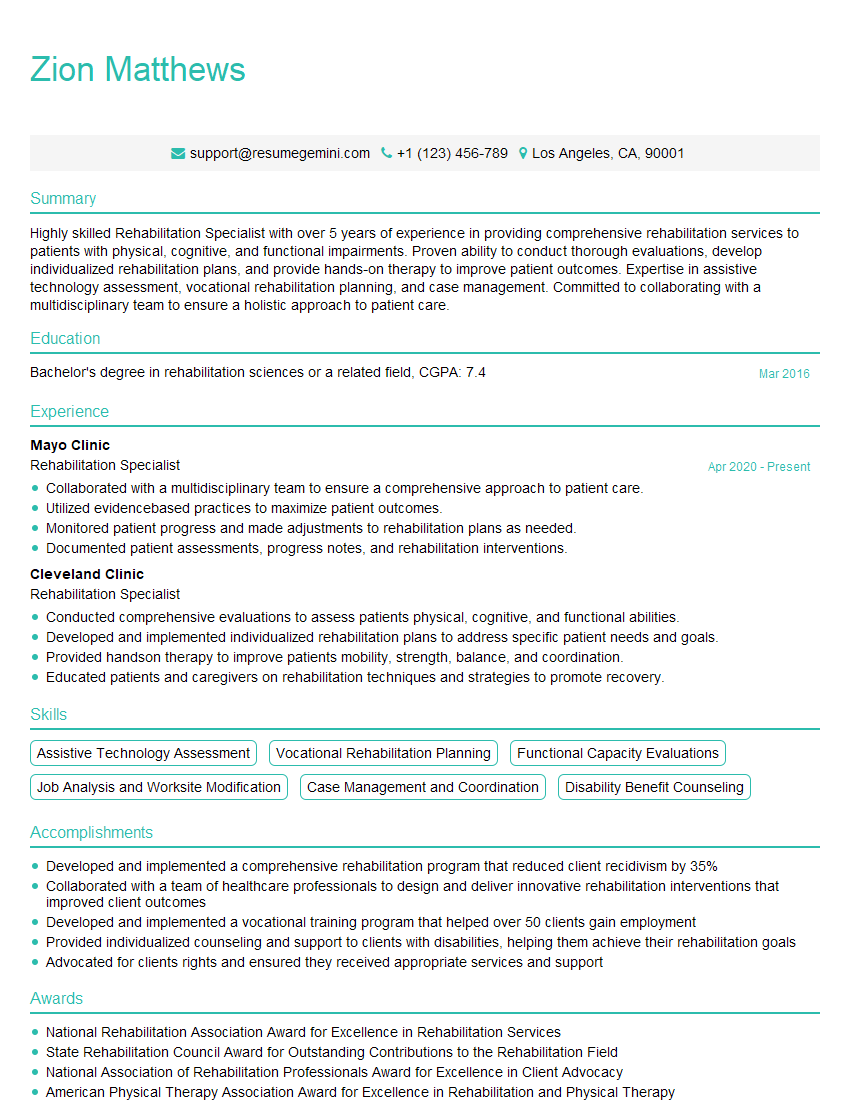
Rehabilitation Specialist Resume Sample

Physician Assistant Resume Sample
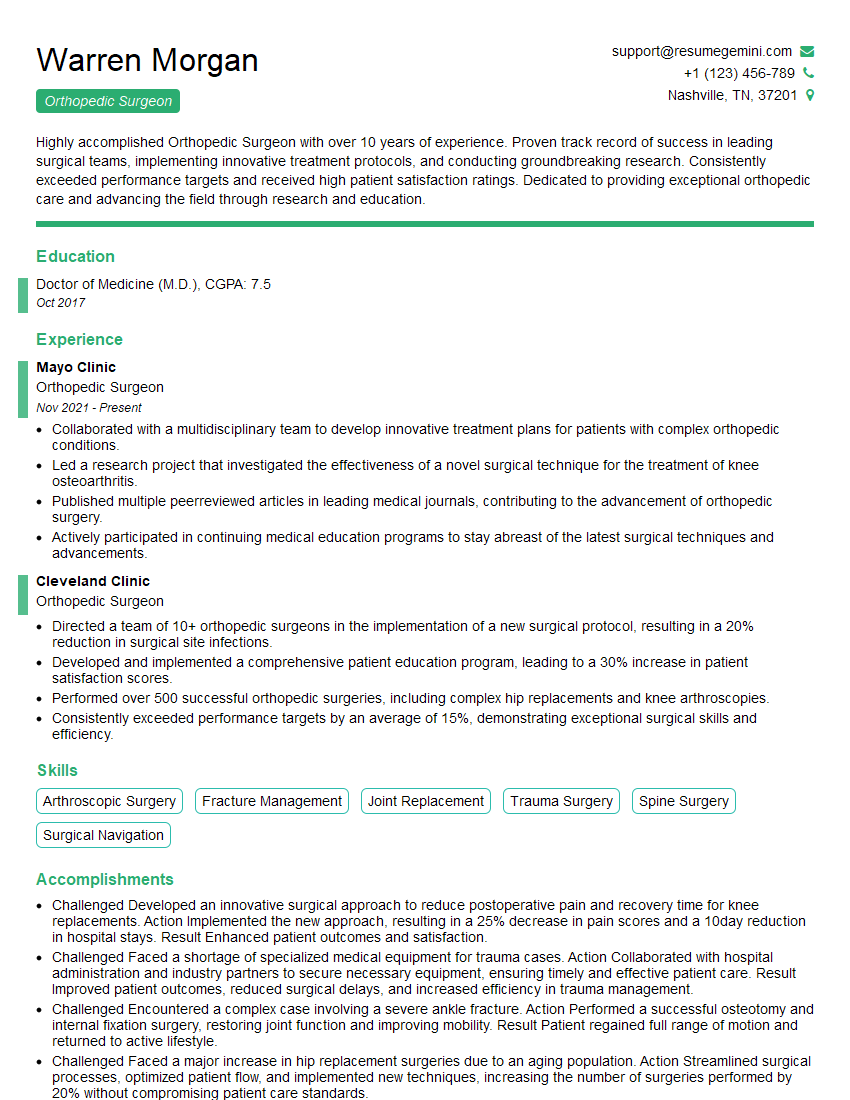
Orthopedic Surgeon Resume Sample
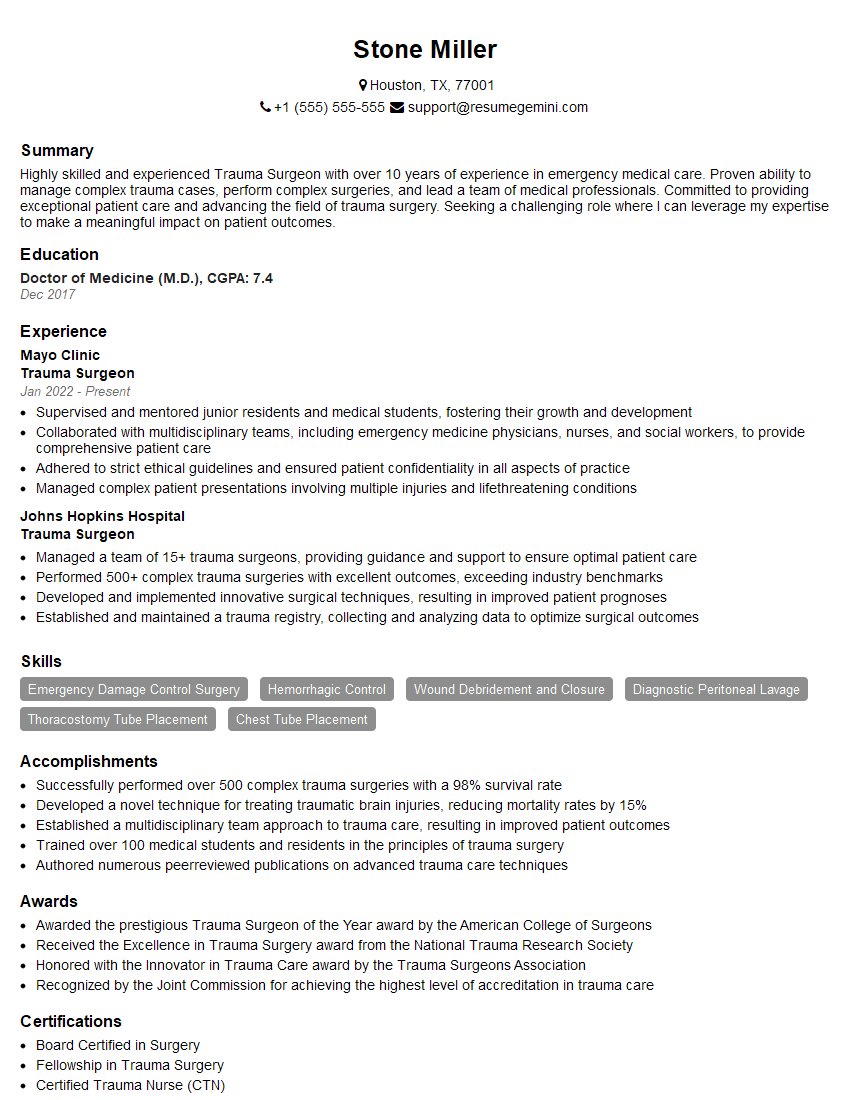
Trauma Surgeon Resume Sample
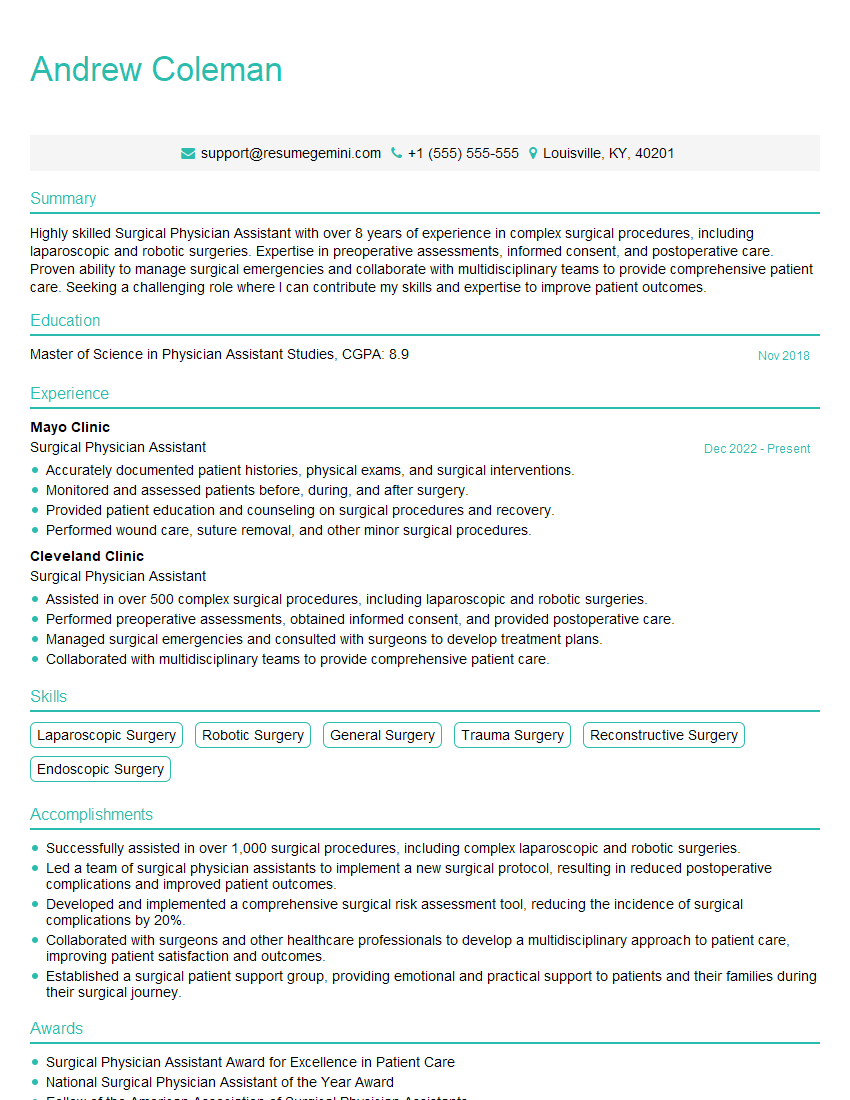
Surgical Physician Assistant Resume Sample
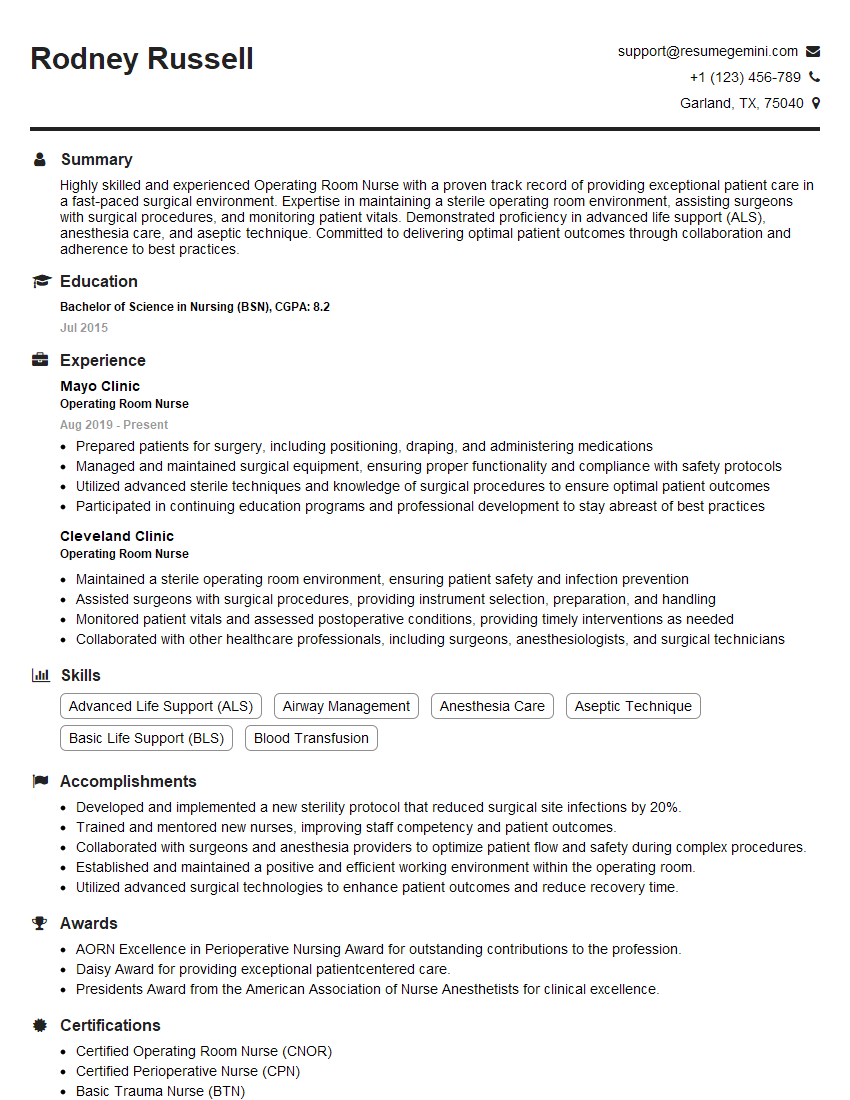
Operating Room Nurse Resume Sample
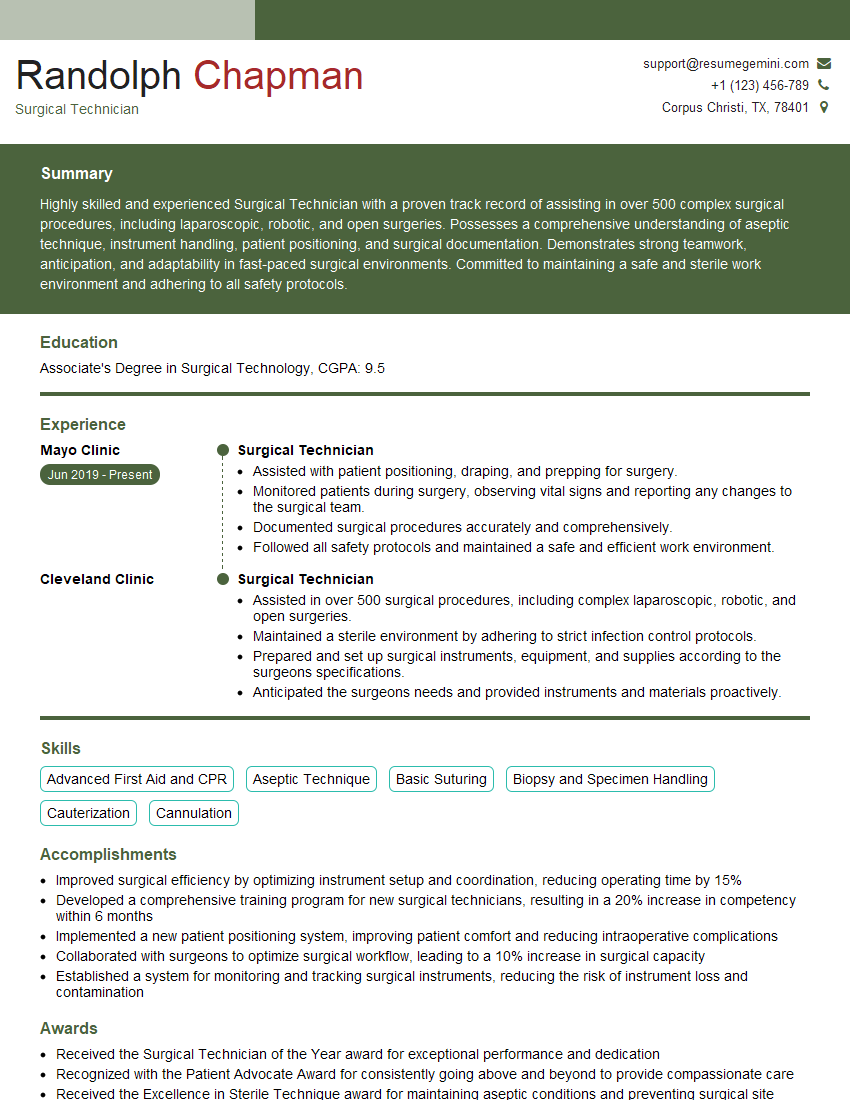
Surgical Technician Resume Sample
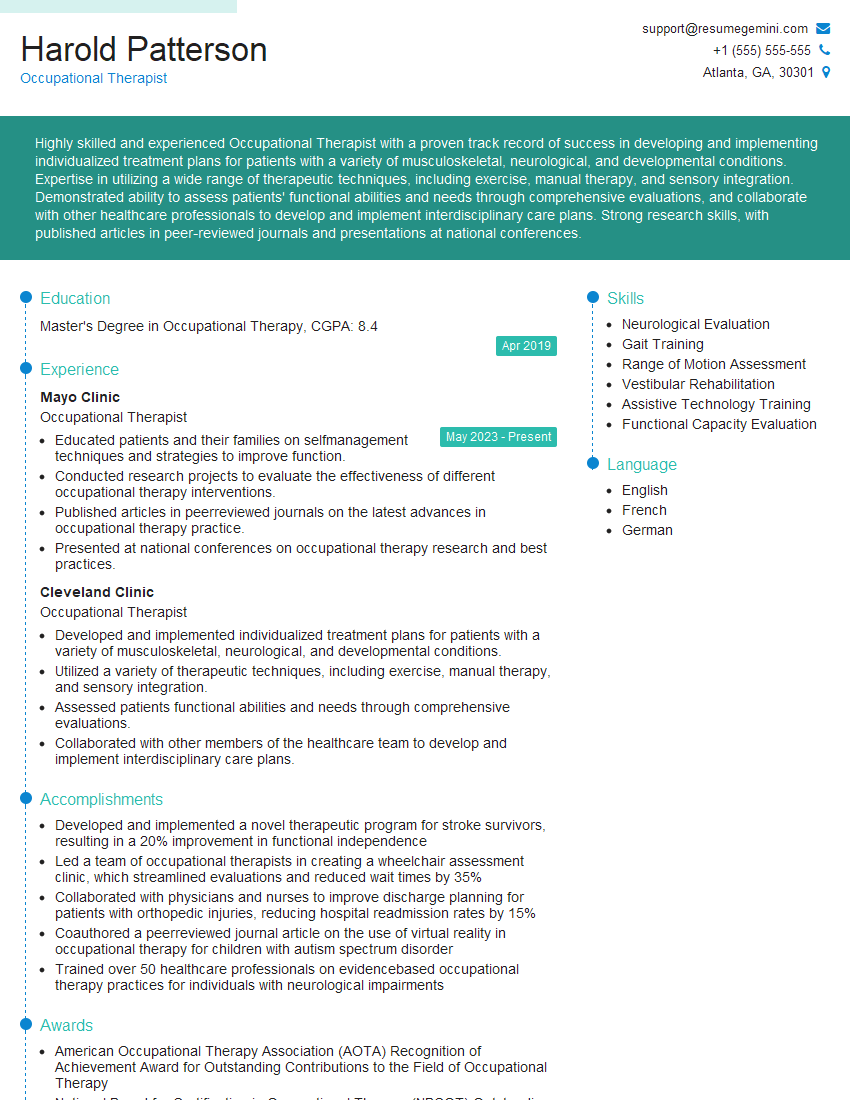
Occupational Therapist Resume Sample
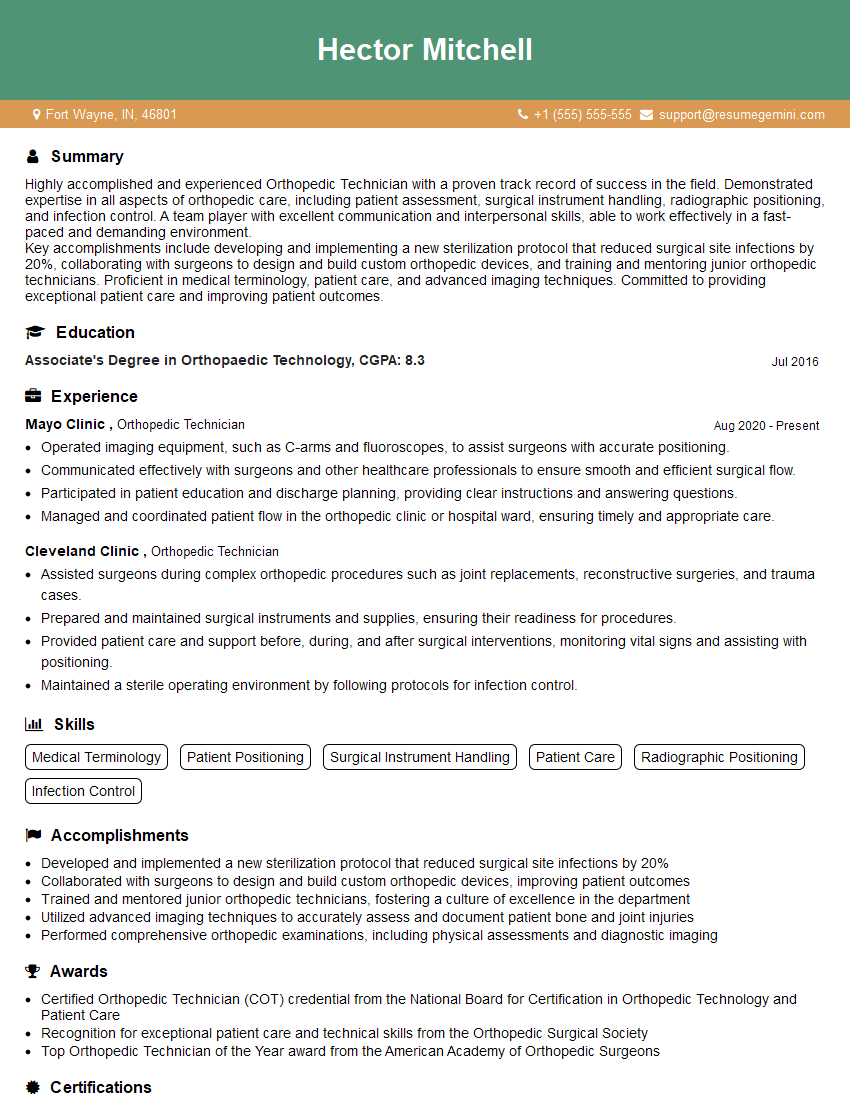
Orthopedic Technician Resume Sample
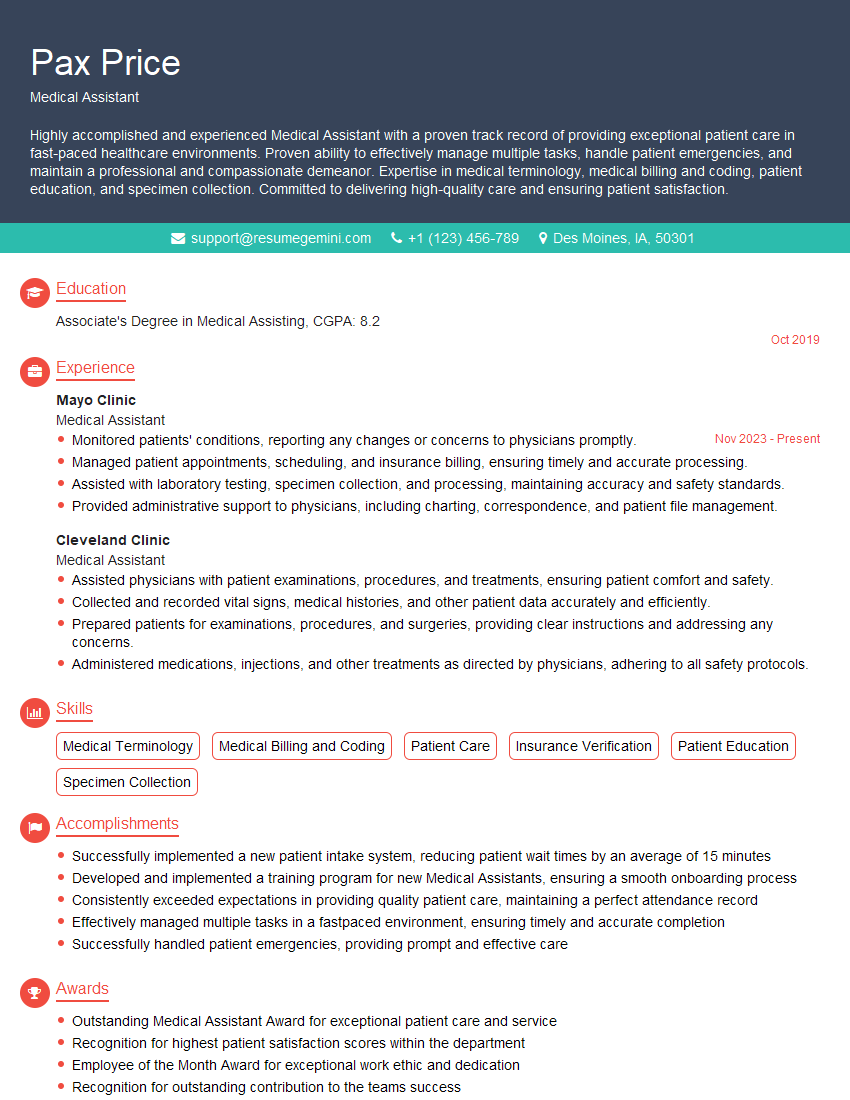
Medical Assistant Resume Sample
Explore more articles
Users Rating of Our Blogs
Share Your Experience
We value your feedback! Please rate our content and share your thoughts (optional).
What Readers Say About Our Blog
To the interviewgemini.com Webmaster.
Very helpful and content specific questions to help prepare me for my interview!
Thank you
To the interviewgemini.com Webmaster.
This was kind of a unique content I found around the specialized skills. Very helpful questions and good detailed answers.
Very Helpful blog, thank you Interviewgemini team.