Cracking a skill-specific interview, like one for Facilitating Collaborative Partnerships and Stakeholder Engagement, requires understanding the nuances of the role. In this blog, we present the questions you’re most likely to encounter, along with insights into how to answer them effectively. Let’s ensure you’re ready to make a strong impression.
Questions Asked in Facilitating Collaborative Partnerships and Stakeholder Engagement Interview
Q 1. Describe your experience in building consensus among diverse stakeholder groups.
Building consensus among diverse stakeholder groups requires a nuanced understanding of individual needs and a commitment to collaborative problem-solving. It’s not about forcing agreement, but about finding common ground and creating a shared vision. My approach involves several key steps:
- Active Listening and Empathy: I prioritize understanding each stakeholder’s perspective, concerns, and motivations. This involves actively listening, asking clarifying questions, and demonstrating empathy for their viewpoints, even if they differ significantly from my own.
- Identifying Shared Interests: Even with seemingly opposing viewpoints, there are often underlying shared goals. I focus on uncovering these common interests to build a foundation for collaboration. For example, in a project involving environmental conservation and economic development, the shared interest might be sustainable growth.
- Facilitated Dialogue and Negotiation: I create structured opportunities for open communication and discussion, using techniques like brainstorming, roundtable discussions, and collaborative problem-solving workshops. This allows stakeholders to express their perspectives openly and constructively, fostering mutual understanding.
- Compromise and Iteration: Building consensus is often an iterative process involving compromise. I guide stakeholders toward solutions that address the most critical needs while minimizing negative impacts. This requires flexibility and a willingness to adjust plans based on feedback.
- Documenting Agreements: Once a consensus is reached, it’s crucial to document the key agreements clearly and concisely, ensuring everyone understands and is committed to the agreed-upon path.
For example, during a community development project, I successfully facilitated consensus among residents, business owners, and local government officials with differing views on zoning regulations by emphasizing the shared goal of community prosperity and using a collaborative planning process that incorporated input from all stakeholders.
Q 2. Explain your approach to identifying and managing conflicting stakeholder interests.
Managing conflicting stakeholder interests requires a proactive and structured approach. I start by clearly identifying all stakeholders and their interests, mapping out potential conflicts upfront. Then, I employ several strategies:
- Transparency and Open Communication: Openly acknowledging and discussing potential conflicts helps reduce misunderstandings and fosters trust. This involves creating a safe space for stakeholders to express their concerns without fear of reprisal.
- Interest-Based Negotiation: I focus on understanding the underlying interests driving each stakeholder’s position rather than focusing solely on their stated positions. This often reveals common ground and opportunities for creative solutions.
- Prioritization and Trade-offs: It’s often impossible to satisfy everyone completely. I help stakeholders prioritize their needs and explore potential trade-offs. This involves facilitating a collaborative process of identifying potential compromises that address the most critical concerns.
- Conflict Resolution Techniques: I’m proficient in various conflict resolution techniques, including mediation, arbitration, and facilitated negotiation. These techniques help manage disagreements constructively and reach mutually acceptable solutions.
- Documentation and Monitoring: Thorough documentation of agreements and ongoing monitoring of stakeholder relationships helps prevent future conflicts and ensure that agreed-upon solutions are implemented effectively.
For instance, in a project involving the development of a new park, I successfully managed conflicts between residents who wanted more recreational facilities and environmental groups concerned about preserving natural habitats by facilitating a series of workshops where all sides could discuss their priorities and explore alternative designs that met both sets of needs.
Q 3. How do you prioritize competing stakeholder needs and expectations?
Prioritizing competing stakeholder needs and expectations is a critical skill in collaborative partnerships. It requires a balanced approach that considers the urgency, impact, and feasibility of each need. I typically use a multi-faceted approach:
- Stakeholder Analysis: A thorough analysis helps understand the relative power, influence, and interests of each stakeholder. This informs prioritization decisions by identifying key players and their critical needs.
- Impact Assessment: Assessing the potential impact of meeting or not meeting each stakeholder’s needs helps determine the relative importance of different concerns. A quantitative analysis, such as cost-benefit analysis, can further clarify these priorities.
- Feasibility Analysis: Considering the feasibility of meeting each stakeholder’s needs – whether it’s technically, financially, or logistically possible – is crucial for developing realistic plans.
- Collaborative Decision-Making: Prioritization isn’t a unilateral process. I facilitate discussions and collaborative decision-making, ensuring stakeholders understand the rationale behind the prioritization process.
- Transparency and Communication: Openly communicating the prioritization criteria and rationale builds trust and helps stakeholders understand the decision-making process.
For example, when allocating a limited budget for a community improvement project, I used a weighted scoring system involving stakeholders to rank proposed initiatives based on factors such as impact on the community, cost-effectiveness, and feasibility. This transparent and collaborative process ensured that the most impactful projects were prioritized, garnering greater stakeholder buy-in.
Q 4. What strategies do you employ to foster trust and transparency in collaborative partnerships?
Fostering trust and transparency is paramount for successful collaborative partnerships. My approach centers on several key strategies:
- Open and Honest Communication: Regular, transparent communication is vital. This includes proactively sharing information, actively listening to concerns, and responding promptly to questions. I utilize various communication channels, tailoring my approach to the preferences of different stakeholders.
- Commitment to Inclusivity: Creating a safe and inclusive environment where all stakeholders feel heard and valued is crucial. I make sure that everyone has equal opportunity to participate in decision-making processes.
- Accountability and Transparency: Establishing clear roles, responsibilities, and accountability mechanisms helps build trust. Regular progress updates and transparent decision-making processes further reinforce this trust.
- Building Relationships: Investing time in building personal relationships with stakeholders helps foster trust and understanding. Informal interactions, team-building activities, and one-on-one meetings can significantly strengthen relationships.
- Conflict Resolution Mechanisms: Establishing clear processes for resolving conflicts and disagreements helps prevent mistrust from escalating. This involves defining how disagreements will be handled and who will be involved in the resolution process.
In a previous project, building trust among diverse community organizations initially proved challenging. We addressed this by establishing a shared online platform for communication and collaboration, holding regular open forums for questions and concerns, and publishing transparent progress reports. This increased transparency and accessibility significantly enhanced trust among all partners.
Q 5. Describe a time you had to negotiate a compromise between stakeholders with opposing viewpoints.
During the planning of a new transportation system, I encountered significant disagreement between residents who preferred a bus-based system and others who favored a light rail system. The residents who favored buses emphasized cost-effectiveness and flexibility, while those who preferred light rail emphasized capacity and long-term sustainability.
To negotiate a compromise, I facilitated a series of workshops that involved:
- Identifying Common Ground: We started by emphasizing the shared goal of improving transportation within the community. This helped shift the focus from competing solutions to shared objectives.
- Exploring Hybrid Solutions: We moved beyond the either/or thinking and began exploring hybrid solutions. This involved discussing the possibility of implementing a combination of both bus and light rail systems, perhaps focusing on light rail for high-traffic corridors and buses for areas with lower ridership.
- Data-Driven Decision Making: I presented data on ridership projections, cost analyses, and environmental impact assessments to support the discussion and inform the decision-making process. The data helped facilitate a more objective conversation.
- Phased Implementation: We explored the possibility of a phased implementation, starting with a pilot bus system and then expanding to a light rail system based on the success of the first phase and availability of funding. This phased approach helped mitigate the risks and allowed stakeholders to see the viability of both approaches.
Through these strategies, we achieved a compromise that incorporated elements of both proposals, satisfying the majority of stakeholders and resulting in a comprehensive and more acceptable transportation solution. The successful negotiation solidified trust between stakeholders, laying the groundwork for future collaboration.
Q 6. How do you measure the success of stakeholder engagement initiatives?
Measuring the success of stakeholder engagement initiatives requires a multi-faceted approach. It’s not just about achieving agreement, but about ensuring that engagement has a positive impact on the project’s outcomes and stakeholder relationships. My approach involves:
- Quantitative Metrics: I track measurable indicators like stakeholder participation rates in meetings and surveys, the number of suggestions received, and the level of satisfaction expressed through feedback forms.
- Qualitative Metrics: I gather qualitative data through focus groups, interviews, and open-ended surveys to assess stakeholders’ perceptions of the engagement process, their level of trust and satisfaction, and the perceived impact of their participation.
- Project Outcomes: I assess the extent to which stakeholder engagement positively influenced project outcomes. For example, did the project achieve its goals? Was the project implemented more effectively due to stakeholder input? Did stakeholder feedback lead to significant improvements in the project design or implementation?
- Relationship Building: I assess the strength of relationships developed with key stakeholders. This involves gathering feedback on the effectiveness of communication, the degree of trust established, and the ongoing collaborative spirit. Stronger relationships are usually an indicator of successful engagement.
- Sustainability: Evaluating the long-term impact of the engagement efforts on ongoing collaboration and relationship maintenance is crucial. Does the engagement have lasting positive influence on how stakeholders engage with the organization and future projects?
For instance, in evaluating the success of a community planning initiative, I used both surveys to measure satisfaction levels and focus groups to gather qualitative feedback on the process and outcomes. This mixed-methods approach provided a comprehensive picture of the initiative’s impact.
Q 7. What tools and techniques do you use to facilitate effective communication and collaboration?
Effective communication and collaboration are essential for successful stakeholder engagement. I utilize a range of tools and techniques, adapting my approach based on the context and stakeholder preferences:
- Communication Platforms: I use a variety of platforms, including email, project management software (e.g., Asana, Trello), collaboration platforms (e.g., Microsoft Teams, Slack), and online survey tools (e.g., SurveyMonkey, Qualtrics) to facilitate efficient communication and information sharing.
- Visual Aids: I often use visual aids like presentations, mind maps, and flowcharts to clarify complex information and facilitate understanding during meetings and workshops.
- Facilitated Workshops and Meetings: Structured workshops and meetings using collaborative techniques such as brainstorming, World Cafe, and SWOT analysis help foster open communication and idea generation.
- Stakeholder Mapping and Analysis Tools: Tools that visually represent stakeholders, their interests, and relationships help clarify the engagement landscape and identify potential conflicts or challenges.
- Conflict Resolution Techniques: I utilize mediation, negotiation, and other conflict resolution techniques to address disagreements and build consensus among stakeholders.
- Feedback Mechanisms: I use regular feedback mechanisms, like surveys and informal discussions, to monitor progress, identify areas for improvement, and adapt my approach based on stakeholder feedback.
For instance, in a large-scale infrastructure project, I used a combination of online collaboration platforms, regular project updates, and face-to-face meetings to ensure stakeholders were actively involved and informed throughout the project lifecycle.
Q 8. How do you handle situations where a stakeholder is unwilling to cooperate?
Unwilling stakeholders present a significant challenge, but addressing it requires a nuanced approach. My strategy focuses on understanding the root cause of their reluctance. Is it a lack of information, mistrust, conflicting priorities, or perhaps a feeling of powerlessness?
- Active Listening and Empathy: I begin by actively listening to their concerns, validating their feelings, and demonstrating empathy. Showing that I understand their perspective is crucial to building trust.
- Identify Underlying Concerns: I carefully probe to understand their underlying objections. Asking open-ended questions like, “What are your primary concerns about this project?” or “What are your biggest obstacles to participating?” helps uncover the true reasons for their reluctance.
- Address Concerns Directly: Once I understand their concerns, I address them directly and honestly. This might involve providing more information, offering concessions, or proposing alternative solutions that better meet their needs.
- Negotiation and Compromise: I view negotiation as a collaborative process, aiming for mutually beneficial solutions. This often involves compromise and finding common ground that satisfies the stakeholder’s needs while still achieving project goals.
- Seek Mediation if Necessary: In persistent situations, involving a neutral third party mediator can facilitate communication and help find a resolution.
For example, in a community project, a resident might be unwilling to participate due to past negative experiences with similar projects. By actively listening to their concerns, acknowledging their past experience, and demonstrating how this project differs (e.g., increased community involvement in decision-making), I could foster trust and cooperation.
Q 9. Explain your experience in developing and implementing stakeholder engagement plans.
Developing and implementing stakeholder engagement plans requires a methodical approach. My process typically involves the following stages:
- Stakeholder Identification and Analysis: This critical first step involves identifying all individuals or groups who might be impacted by or have an interest in the project. I utilize various tools such as stakeholder mapping to categorize them based on their influence and interest (e.g., high influence/high interest, low influence/high interest).
- Communication Strategy Development: Based on the stakeholder analysis, I tailor communication methods to reach each group effectively. This might involve formal meetings, informal discussions, surveys, workshops, or utilizing digital communication platforms.
- Engagement Plan Creation: A detailed plan is drafted outlining specific activities, timelines, responsibilities, and communication channels. This document guides the entire engagement process, ensuring consistency and transparency.
- Implementation and Monitoring: The plan is put into action, and regular monitoring is conducted to assess its effectiveness and make any necessary adjustments. Feedback is actively sought from stakeholders to ensure the plan remains relevant and useful.
- Evaluation and Reporting: After the project’s completion, I evaluate the effectiveness of the engagement plan, documenting lessons learned for future projects. A report summarizing engagement activities and stakeholder feedback is shared with relevant parties.
For example, in a large-scale infrastructure project, I developed a comprehensive plan that involved community forums, individual consultations with landowners, and regular updates to local government officials through formal reports and briefings.
Q 10. Describe your understanding of different stakeholder engagement approaches (e.g., participatory, consultative).
Different stakeholder engagement approaches cater to varying levels of stakeholder involvement and control over decision-making. Here are a few key approaches:
- Participatory Approach: This approach empowers stakeholders to actively participate in decision-making throughout the project lifecycle. It fosters collaboration and ownership, leading to better outcomes. Examples include workshops, co-creation sessions, and citizen juries.
- Consultative Approach: This approach seeks stakeholder input and feedback, but ultimate decision-making power rests with the project leader or organization. Surveys, focus groups, and interviews are commonly used tools.
- Informative Approach: In this approach, stakeholders are primarily kept informed about the project’s progress and key decisions. One-way communication channels, such as newsletters or websites, are generally employed.
- Collaborative Approach:This method emphasizes shared decision-making power where stakeholders and project leaders work together as equals to shape the direction and outcome of the project.
The choice of approach depends heavily on the project’s context, stakeholder characteristics, and the desired level of participation. A large-scale public works project might benefit from a consultative approach, while a community-based initiative might thrive with a participatory approach.
Q 11. How do you adapt your communication style to different stakeholders?
Adapting communication style is crucial for effective stakeholder engagement. I tailor my approach based on the individual stakeholder’s communication preferences, level of technical expertise, and cultural background.
- Understanding Communication Preferences: Some stakeholders prefer formal written communication (e.g., reports, emails), while others favor informal face-to-face interactions. I identify their preferred method and use it as the primary channel.
- Adjusting Language and Tone: I avoid jargon or technical terms when communicating with non-technical stakeholders. I ensure my language is clear, concise, and easily understandable. The tone should be respectful, empathetic, and appropriate for the context (formal vs. informal).
- Considering Cultural Nuances: I am sensitive to cultural differences and communication styles. This includes being mindful of nonverbal cues, language barriers, and cultural protocols.
- Active Listening and Feedback: Regardless of the communication method, I actively listen to feedback and ensure there’s a two-way dialogue. This demonstrates respect and ensures clear understanding.
For instance, when communicating with a technical expert, I might use more technical language, while interacting with a community member, I would use simple, easy-to-understand language, avoiding jargon.
Q 12. How do you ensure that all stakeholders feel heard and valued?
Making all stakeholders feel heard and valued is fundamental. My strategies include:
- Dedicated Communication Channels: Establishing various communication channels ensures everyone can contribute, regardless of their preferences or technological access. This might include surveys, online forums, phone calls, email, and in-person meetings.
- Active Listening and Feedback Mechanisms: Active listening demonstrates respect and builds rapport. I provide regular opportunities for feedback through surveys, interviews, and feedback forms. I show how feedback is being incorporated into the project.
- Fair and Equitable Representation: I ensure that all stakeholders have a fair opportunity to express their views and concerns. This may involve providing translation services, holding meetings at accessible locations, or adjusting meeting times to accommodate various schedules.
- Transparency and Accountability: Transparency builds trust. I openly share information about the project’s progress, challenges, and decisions. I am also accountable for addressing concerns and following up on commitments.
- Recognizing Contributions: Acknowledging and appreciating stakeholder contributions, both big and small, fosters a sense of value and encourages ongoing participation.
For example, in a school project, I ensured that the voices of both students and teachers were heard equally through dedicated student surveys and teacher focus groups.
Q 13. How do you manage expectations among stakeholders throughout a project lifecycle?
Managing stakeholder expectations is critical for successful project delivery. My approach centers on proactive communication and realistic goal-setting.
- Clearly Defined Expectations: At the project’s outset, I clearly articulate project goals, timelines, and deliverables. This transparency sets realistic expectations and minimizes misunderstandings.
- Regular Updates and Feedback: I provide regular updates to stakeholders throughout the project lifecycle, highlighting progress, challenges, and any potential changes to the original plan. This ensures everyone is informed and allows for early identification and mitigation of any concerns.
- Open and Honest Communication: I am open and honest about potential delays or challenges. Transparency builds trust and allows stakeholders to adjust their expectations accordingly.
- Proactive Conflict Resolution: I actively address any emerging conflicts or disagreements promptly. Ignoring issues can escalate problems and lead to unmet expectations.
- Feedback Loops: I actively solicit feedback from stakeholders and incorporate it into decision-making. This participatory approach strengthens stakeholder engagement and helps ensure alignment with expectations.
In a software development project, for example, I regularly updated stakeholders with detailed progress reports, clearly outlining milestones, potential delays, and addressing any concerns promptly. This maintained trust and prevented unrealistic expectations.
Q 14. What are some common challenges in stakeholder engagement, and how do you overcome them?
Several challenges can arise during stakeholder engagement. Some common ones include:
- Conflicting Interests: Different stakeholders may have conflicting interests and priorities. This requires careful negotiation and finding mutually acceptable solutions. I use techniques such as collaborative problem-solving and compromise to bridge the gap.
- Communication Barriers: Misunderstandings can arise due to ineffective communication or language barriers. Employing multiple communication channels, clear and concise messaging, and language support services can mitigate this.
- Lack of Trust: Stakeholders may be hesitant to engage if they don’t trust the project team or organization. Building trust requires transparency, honesty, and consistent communication.
- Power Imbalances: Power imbalances can lead to some voices being marginalized. I actively strive to create a level playing field where all stakeholders feel empowered to participate.
- Limited Resources: Time and budget constraints can limit the depth and breadth of stakeholder engagement. Prioritization and the use of efficient methods are crucial.
Overcoming these challenges requires a flexible and adaptable approach. I prioritize active listening, clear communication, and a willingness to compromise to build consensus and ensure all stakeholders feel heard and valued. This fosters trust and helps overcome many of the challenges involved in engaging diverse groups of stakeholders.
Q 15. Describe your experience in using technology to support stakeholder engagement (e.g., collaboration platforms).
Technology plays a crucial role in modern stakeholder engagement. I’ve extensively used platforms like Microsoft Teams, Slack, and dedicated project management tools such as Asana and Monday.com to foster collaboration. These platforms facilitate communication, document sharing, and task management, ensuring transparency and efficiency. For example, during a recent community engagement project focused on urban planning, we utilized a dedicated online forum on a platform like Microsoft Teams to host interactive sessions, allowing stakeholders to voice their opinions, review proposed plans, and provide feedback asynchronously. This approach significantly improved participation compared to traditional methods. Furthermore, using tools with built-in polling and survey features allows for the quick collection of quantitative feedback, which is then analyzed to inform decision-making. In addition to these collaborative platforms, I’ve also leveraged video conferencing tools like Zoom to conduct virtual stakeholder meetings, extending reach and participation geographically.
Beyond simple communication, I’ve also integrated GIS mapping technology to visually present project impacts and gather spatially-referenced feedback, offering a more engaging and intuitive understanding of the project’s scope. This visual element significantly enhances participation and improves the quality of stakeholder feedback by grounding the conversation in tangible representations of the project.
Career Expert Tips:
- Ace those interviews! Prepare effectively by reviewing the Top 50 Most Common Interview Questions on ResumeGemini.
- Navigate your job search with confidence! Explore a wide range of Career Tips on ResumeGemini. Learn about common challenges and recommendations to overcome them.
- Craft the perfect resume! Master the Art of Resume Writing with ResumeGemini’s guide. Showcase your unique qualifications and achievements effectively.
- Don’t miss out on holiday savings! Build your dream resume with ResumeGemini’s ATS optimized templates.
Q 16. How do you identify key stakeholders and their interests?
Identifying key stakeholders requires a systematic approach. I begin by defining the project’s scope and objectives. Then, I use a combination of methods:
- Stakeholder mapping: This involves creating a visual representation of stakeholders, categorizing them by their influence, interest, and involvement (e.g., high influence/high interest, low influence/low interest). This helps prioritize engagement efforts.
- Interviews and surveys: These provide direct input on stakeholder perspectives and concerns. I tailor the questions to gain a clear understanding of their interests and expectations.
- Literature reviews and document analysis: This helps identify existing relationships and potential stakeholders overlooked initially.
- Networking and consultations: Engaging with individuals already involved in the project or similar initiatives provides valuable insights.
Once identified, I analyze their interests, considering their potential impacts, benefits, and concerns related to the project. This deep understanding informs a targeted engagement strategy that addresses individual stakeholder needs and expectations.
Q 17. How do you build and maintain positive relationships with stakeholders?
Building and maintaining positive relationships with stakeholders is crucial. It’s about fostering trust, transparency, and mutual respect. My approach involves:
- Active listening: I genuinely listen to stakeholders’ concerns and perspectives, showing empathy and understanding.
- Open communication: I maintain regular and transparent communication, keeping stakeholders informed of progress and any changes. This often includes proactively addressing concerns before they escalate.
- Two-way dialogue: I actively seek and value feedback, showing that their opinions matter.
- Relationship building: I make an effort to build rapport, creating a personal connection based on trust and mutual respect. This might involve informal chats or social events.
- Fairness and equity: I ensure that all stakeholders have an equal opportunity to participate and that their interests are considered fairly.
For example, in a community development project, I organized a series of informal coffee mornings to get to know residents and build trust before formal consultations began. This relaxed approach made people feel more comfortable voicing their opinions later on.
Q 18. How do you address sensitive or controversial issues with stakeholders?
Addressing sensitive or controversial issues requires a delicate yet firm approach. I start by acknowledging the sensitivities and creating a safe space for open discussion. This involves:
- Neutral facilitation: I act as a neutral facilitator, ensuring all voices are heard and respected.
- Structured dialogue: I utilize techniques like active listening, summarizing, and reframing to manage disagreements constructively.
- Transparency and clear communication: I explain the process and decision-making criteria transparently.
- Conflict resolution skills: I utilize mediation and negotiation techniques to facilitate compromise.
- Seeking common ground: I focus on identifying shared goals and interests to bridge divides.
For instance, when dealing with disagreements on a proposed land development plan, I facilitated workshops where stakeholders could express their views, identifying underlying concerns such as environmental protection and community impact. This allowed us to find common ground and develop a revised plan that accommodated most concerns.
Q 19. What is your experience in conflict resolution and mediation within collaborative partnerships?
My experience in conflict resolution and mediation is grounded in understanding the underlying causes of conflict and facilitating constructive dialogue. I utilize various techniques, including:
- Identifying the root cause: I work to understand the interests and needs driving the conflict, not just the stated positions.
- Active listening and empathy: I ensure all parties feel heard and understood.
- Negotiation and compromise: I guide parties towards mutually acceptable solutions through structured negotiation.
- Mediation techniques: I utilize proven mediation techniques to facilitate communication and problem-solving.
- Facilitation of collaborative agreements: I help parties create written agreements to solidify resolutions and prevent future conflicts.
My approach emphasizes creating a win-win scenario wherever possible, ensuring all parties feel their concerns have been addressed fairly. I aim to build consensus, not simply impose solutions.
Q 20. How do you ensure the sustainability of collaborative partnerships after a project concludes?
Ensuring the sustainability of collaborative partnerships after a project concludes requires proactive planning. This involves:
- Building strong relationships: Focusing on creating enduring relationships between stakeholders, not just project-specific interactions.
- Establishing clear governance structures: Developing clear roles, responsibilities, and decision-making processes that continue after the project ends.
- Creating shared ownership: Empowering stakeholders to take ownership of the outcomes and continue the work.
- Developing a legacy plan: Creating a plan that outlines how the partnerships will continue and evolve after the formal project completion.
- Celebrating success and maintaining communication: Recognizing achievements and fostering ongoing communication to maintain engagement and momentum.
For instance, after a successful community garden project, I helped establish a volunteer management structure and facilitated ongoing communication channels, ensuring the community could continue maintaining and expanding the garden independently.
Q 21. Describe a time you had to resolve a conflict between two key stakeholders.
In a recent rural development project, two key stakeholders – a local farmer’s association and an environmental NGO – were in conflict regarding land use. The farmers wanted to expand their cultivated land, while the NGO prioritized protecting a nearby wetland. The conflict threatened to derail the entire project.
I started by individually meeting with each group, actively listening to their concerns and understanding their perspectives. I discovered that the conflict stemmed from a lack of communication and trust. The farmers felt their economic needs were being ignored, while the NGO felt the farmers lacked awareness of environmental regulations.
In a facilitated workshop, I structured a dialogue to highlight shared values, such as sustainable practices and community well-being. We then explored potential solutions, focusing on compromise. The result was a collaboratively developed plan that incorporated a buffer zone between the farmland and wetland, protecting the environment while allowing a small, sustainable expansion of farmland. The plan also included a training program for farmers on environmentally-friendly agricultural techniques, funded jointly by both parties. This resolution demonstrated the effectiveness of respectful dialogue, compromise, and collaborative problem-solving in achieving win-win outcomes.
Q 22. How do you incorporate feedback from stakeholders into your work?
Incorporating stakeholder feedback is crucial for successful partnerships. My approach is multi-faceted, starting with establishing clear communication channels from the outset. This might involve regular surveys, feedback forms, focus groups, or even informal one-on-one conversations, depending on the stakeholder group and project scope. I actively listen to understand concerns, suggestions, and perspectives, ensuring that all voices are heard, even dissenting ones.
For example, during a community engagement project for a new park development, we utilized online surveys to gather broad feedback on preferred amenities, followed by smaller focus groups to delve deeper into specific design elements. This layered approach allowed us to capture a diverse range of opinions and ensure everyone felt their input was valued. Crucially, I then analyze the feedback, identifying trends and common themes. I document this analysis and present clear summaries to the project team and stakeholders, showing how feedback has influenced decisions and next steps. This transparency builds trust and fosters collaboration.
Q 23. How do you assess the effectiveness of your stakeholder engagement strategies?
Assessing the effectiveness of stakeholder engagement relies on both qualitative and quantitative data. Quantitative measures might include survey response rates, attendance at meetings, and the number of feedback submissions received. However, these metrics alone are insufficient. Qualitative data is equally vital and includes direct observation of stakeholder engagement, analysis of feedback themes, and assessing the overall project success.
For instance, in a recent project involving multiple government agencies, we tracked the number of agencies participating in meetings and the frequency of communication. We also conducted post-project interviews to assess stakeholder satisfaction with the process and the overall outcome. This provided valuable insights into the effectiveness of our communication and collaboration strategies. Did the process feel fair and inclusive? Were stakeholders genuinely engaged or were they simply going through the motions? Addressing these qualitative questions is as important, if not more so, than purely numerical results.
Q 24. What is your understanding of risk management in collaborative partnerships?
Risk management is paramount in collaborative partnerships. It involves proactively identifying, assessing, and mitigating potential threats to the partnership’s success. This includes risks related to communication breakdowns, conflicting interests, resource constraints, and unforeseen external factors. We use a structured risk assessment process, often involving a risk matrix that categorizes risks by likelihood and impact. This allows us to prioritize mitigation strategies based on the level of risk.
For example, in a cross-sector partnership focused on environmental remediation, we identified the risk of regulatory changes delaying the project. We mitigated this by establishing regular communication with regulatory bodies and incorporating flexible project timelines. Open communication and clear contingency plans are crucial. A collaborative risk register, accessible to all partners, ensures transparency and shared responsibility for managing potential issues.
Q 25. How do you deal with stakeholder resistance to change?
Stakeholder resistance to change is common, but manageable. My approach emphasizes understanding the root cause of the resistance. Is it due to fear of the unknown, lack of trust, perceived loss of power, or conflicting interests? Once understood, I tailor my communication and engagement strategies accordingly. This might involve:
- Active listening and empathy: Creating a safe space for stakeholders to express their concerns without judgment.
- Transparent communication: Providing clear explanations of the reasons for change and how it benefits them.
- Collaboration and negotiation: Involving stakeholders in the decision-making process and finding mutually acceptable solutions.
- Building trust: Demonstrating competence, credibility, and a genuine interest in addressing their needs.
For instance, when facing resistance from local residents during a urban renewal project, we organized a series of community forums where we listened to their concerns about displacement and loss of community character. We then adapted the project plans to incorporate their feedback, resulting in a more collaborative and successful outcome.
Q 26. Describe your experience in facilitating collaborative decision-making processes.
Facilitating collaborative decision-making involves creating a structured yet inclusive environment where all stakeholders feel empowered to contribute. I utilize various techniques including:
- Structured discussion formats: Utilizing methods like brainstorming, nominal group technique, or multi-criteria decision analysis to ensure efficient and focused discussions.
- Conflict resolution strategies: Employing mediation and negotiation techniques to manage disagreements and foster consensus-building.
- Visual aids and tools: Using diagrams, charts, and other visual aids to clarify complex information and make decision-making more transparent.
- Decision-making frameworks: Employing predefined processes such as voting or weighted scoring to reach decisions fairly and effectively.
For example, in a project involving the development of a regional transportation plan, I facilitated a series of workshops using a multi-criteria decision analysis to evaluate different transportation options based on various criteria, including cost, environmental impact, and community accessibility. This transparent and structured approach ensured that all stakeholders had a voice in the final decision.
Q 27. How do you document and communicate stakeholder engagement activities?
Documenting and communicating stakeholder engagement activities is crucial for transparency and accountability. My approach uses a multi-pronged strategy:
- Meeting minutes: Detailed records of all meetings, including key discussions, decisions, and action items.
- Feedback summaries: Concise reports summarizing key findings from surveys, interviews, and focus groups.
- Communication logs: Tracking all communications with stakeholders, including emails, phone calls, and letters.
- Engagement reports: Comprehensive reports documenting the overall stakeholder engagement process, including participation rates, feedback analysis, and lessons learned.
I utilize a project management system to store and share all these documents, making them readily accessible to all stakeholders. Regular updates and reports keep stakeholders informed and engaged. This ensures everyone understands the progress, the issues faced, and the decisions made, contributing to a strong sense of ownership and shared responsibility.
Q 28. What is your experience in working with stakeholders across different geographical locations or cultures?
Working with geographically dispersed or culturally diverse stakeholders requires a nuanced approach that considers time zones, language barriers, and cultural differences. I adapt my communication strategies to fit the specific context, using a blend of online and offline communication channels. This includes:
- Utilizing translation services: Ensuring that all materials are translated into appropriate languages.
- Scheduling meetings at convenient times: Considering time zones to ensure that stakeholders from different locations can participate effectively.
- Employing culturally sensitive communication styles: Being mindful of cultural nuances in communication, such as tone, body language, and directness.
- Utilizing virtual collaboration tools: Leveraging technology to facilitate communication and collaboration across distances.
In a recent international collaboration project, we used video conferencing for regular meetings and employed online translation services to ensure clear and effective communication. We also took extra steps to build rapport and trust, using icebreakers and providing culturally appropriate materials. Understanding and respecting cultural differences is crucial for effective engagement and successful partnership.
Key Topics to Learn for Facilitating Collaborative Partnerships and Stakeholder Engagement Interview
- Understanding Stakeholder Needs: Identifying and analyzing the diverse needs, interests, and priorities of all stakeholders involved in a project or initiative. Practical application: Developing a stakeholder map and communication plan to proactively address concerns.
- Building Consensus and Collaboration: Employing effective communication and facilitation techniques to build trust, foster collaboration, and reach mutually agreeable solutions among diverse stakeholders. Practical application: Leading productive meetings, workshops, and conflict resolution sessions.
- Conflict Management and Negotiation: Strategies for identifying, addressing, and resolving conflicts constructively, leveraging negotiation skills to achieve win-win outcomes. Practical application: Mediating disagreements and facilitating compromise among stakeholders with opposing viewpoints.
- Communication Strategies: Mastering both written and verbal communication techniques to effectively engage stakeholders, tailor messaging to different audiences, and ensure clear and transparent communication throughout the project lifecycle. Practical application: Developing compelling presentations and reports to keep stakeholders informed and engaged.
- Partnership Development and Maintenance: Building and nurturing strong relationships with key stakeholders, fostering long-term collaborations, and managing expectations effectively. Practical application: Establishing clear roles, responsibilities, and accountability mechanisms within partnerships.
- Measuring Success and Impact: Defining clear metrics and evaluating the effectiveness of collaborative partnerships and stakeholder engagement strategies. Practical application: Developing and implementing robust evaluation frameworks to demonstrate the impact of collaborative efforts.
- Ethical Considerations: Understanding and applying ethical principles in all aspects of stakeholder engagement, ensuring fairness, transparency, and accountability. Practical application: Identifying and mitigating potential ethical dilemmas in collaborative projects.
Next Steps
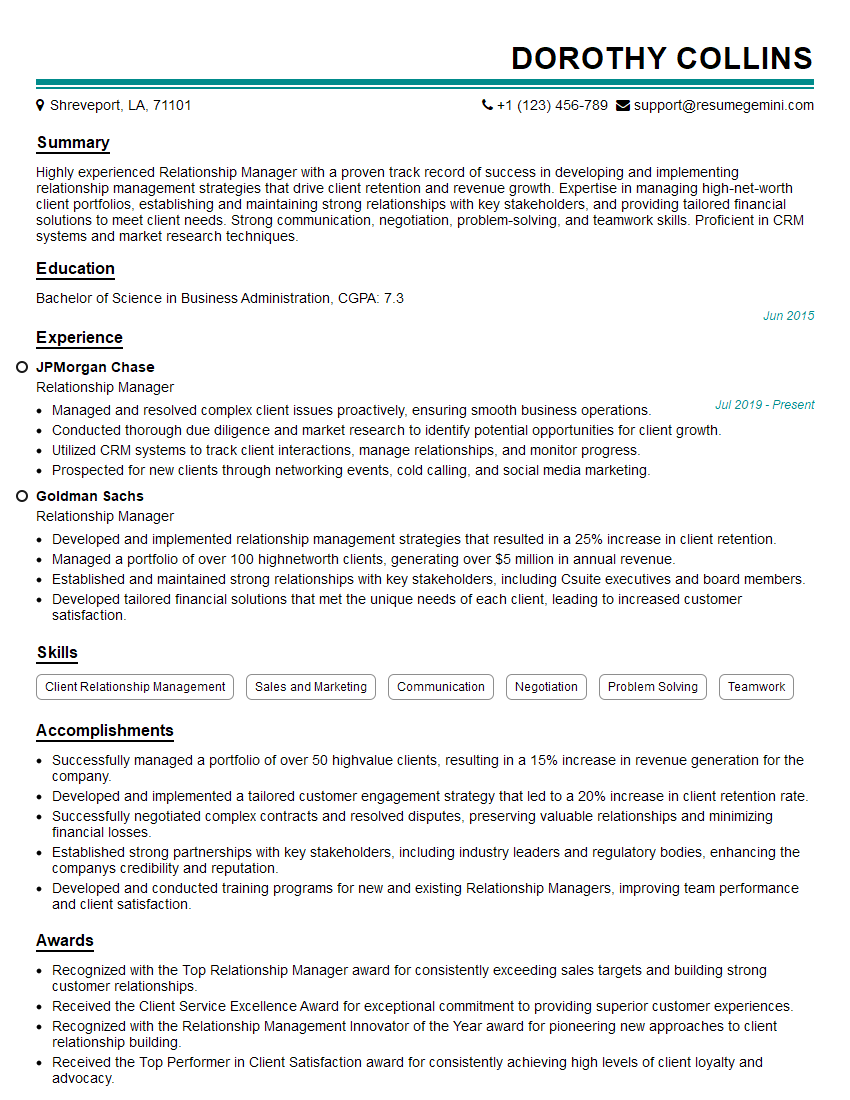
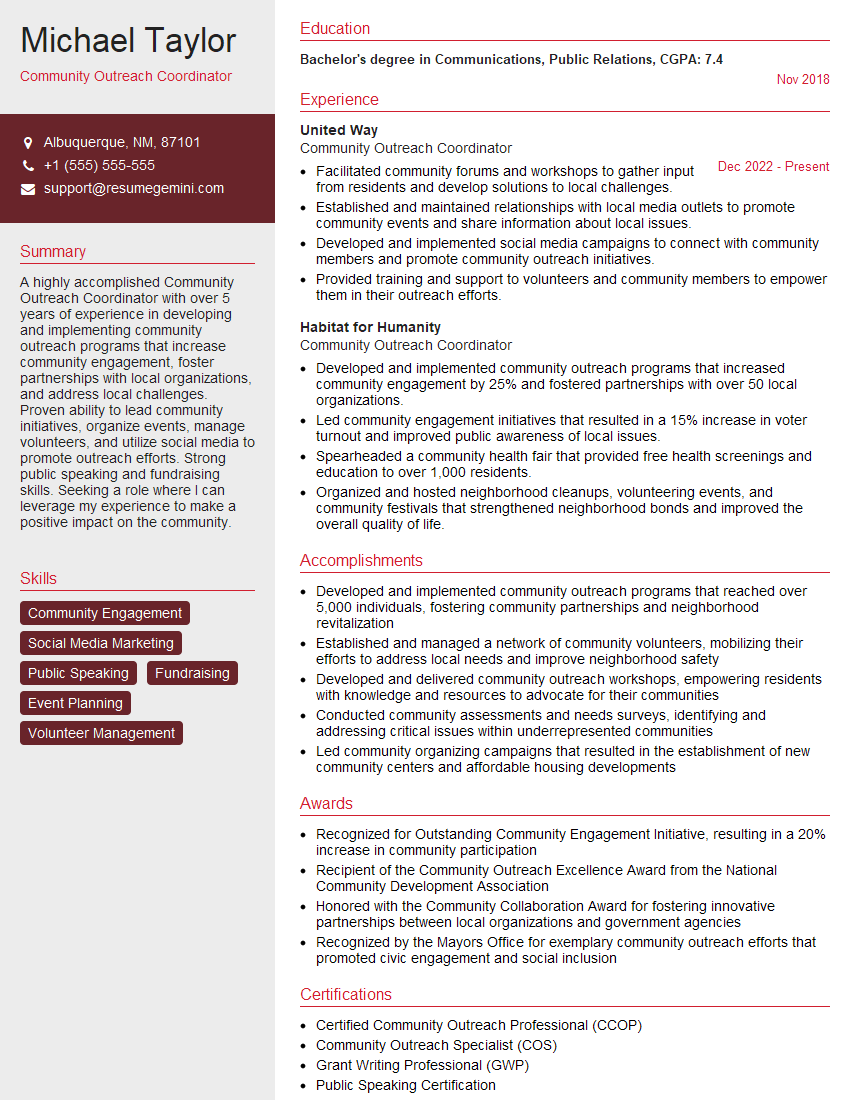
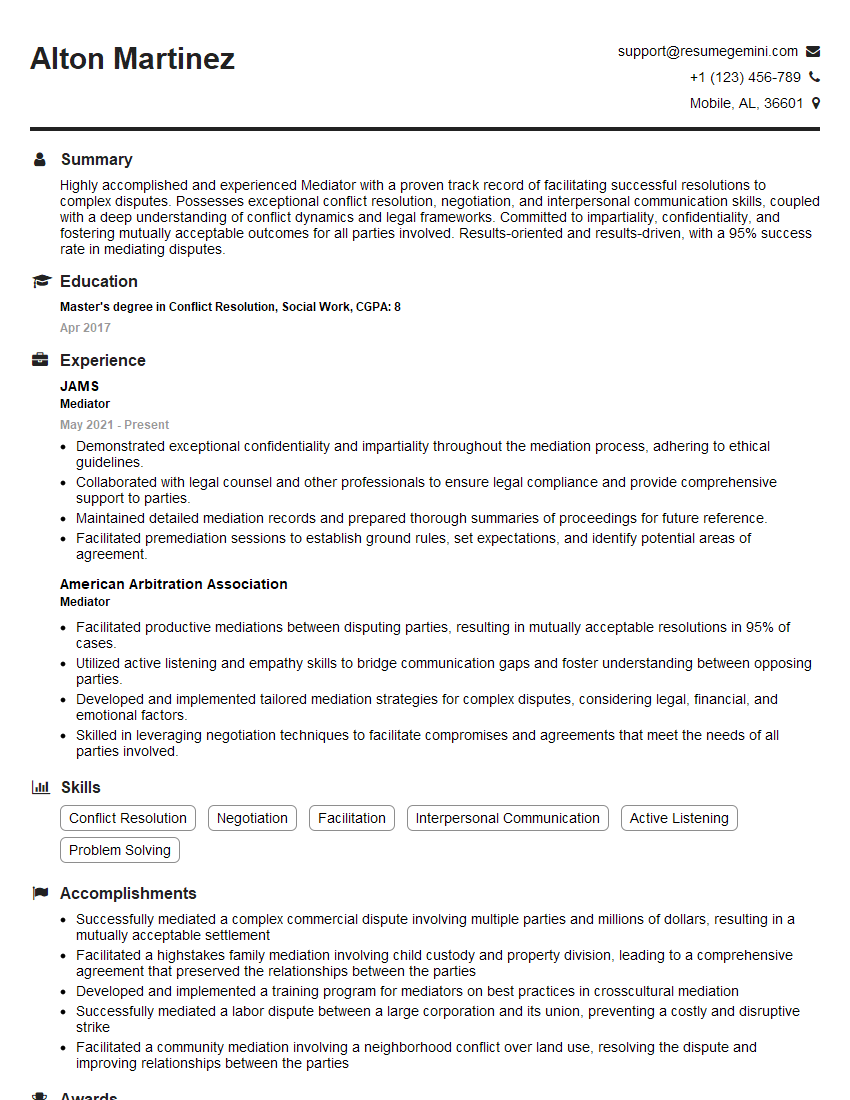
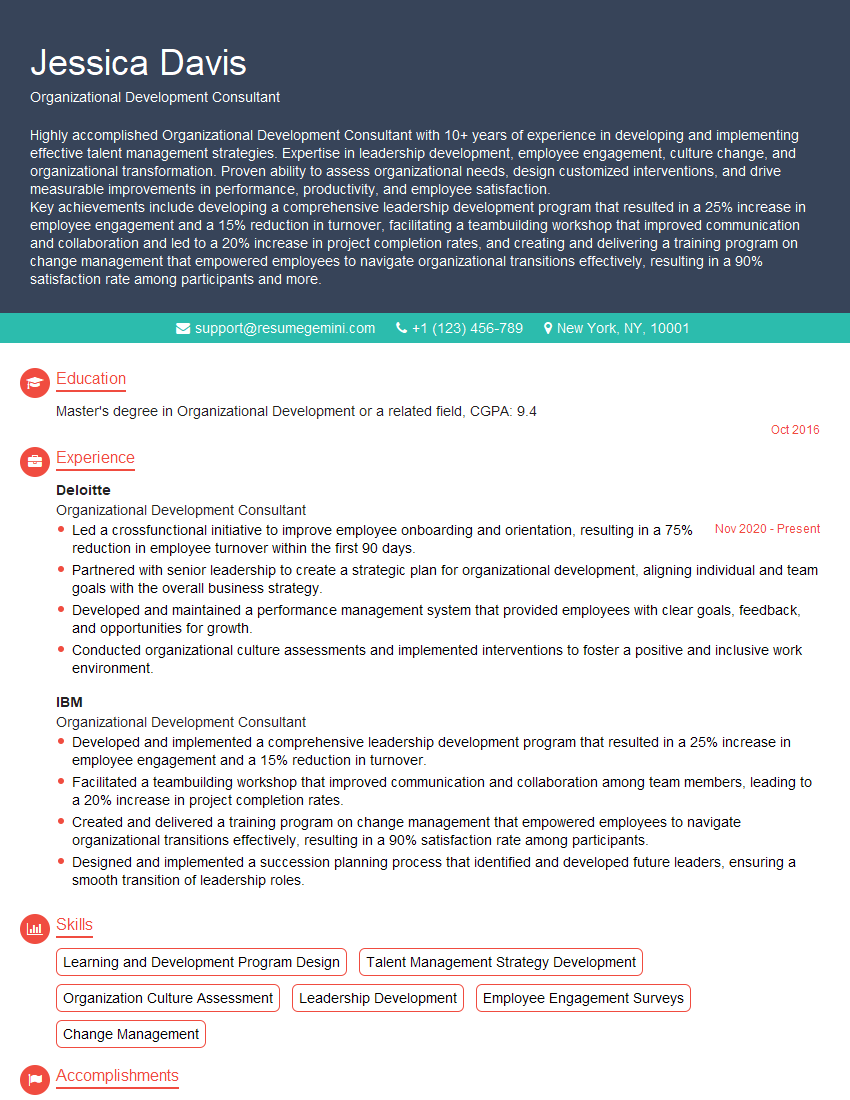
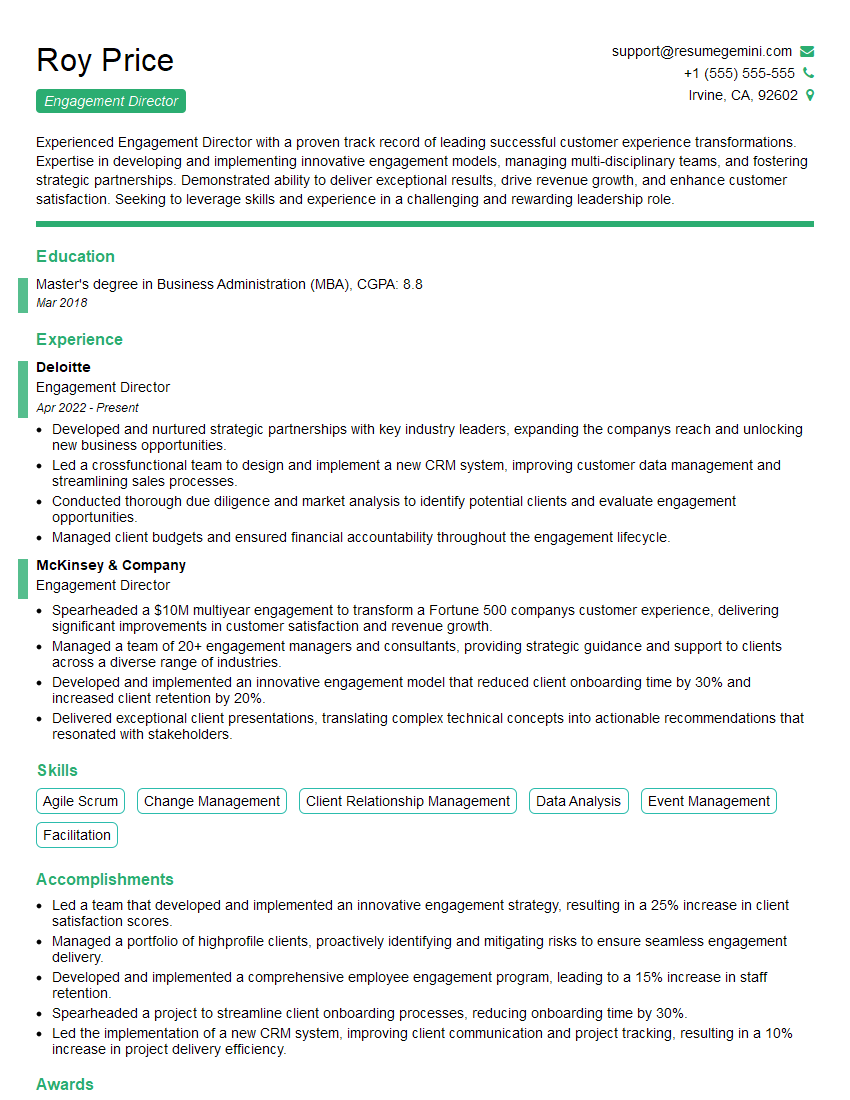
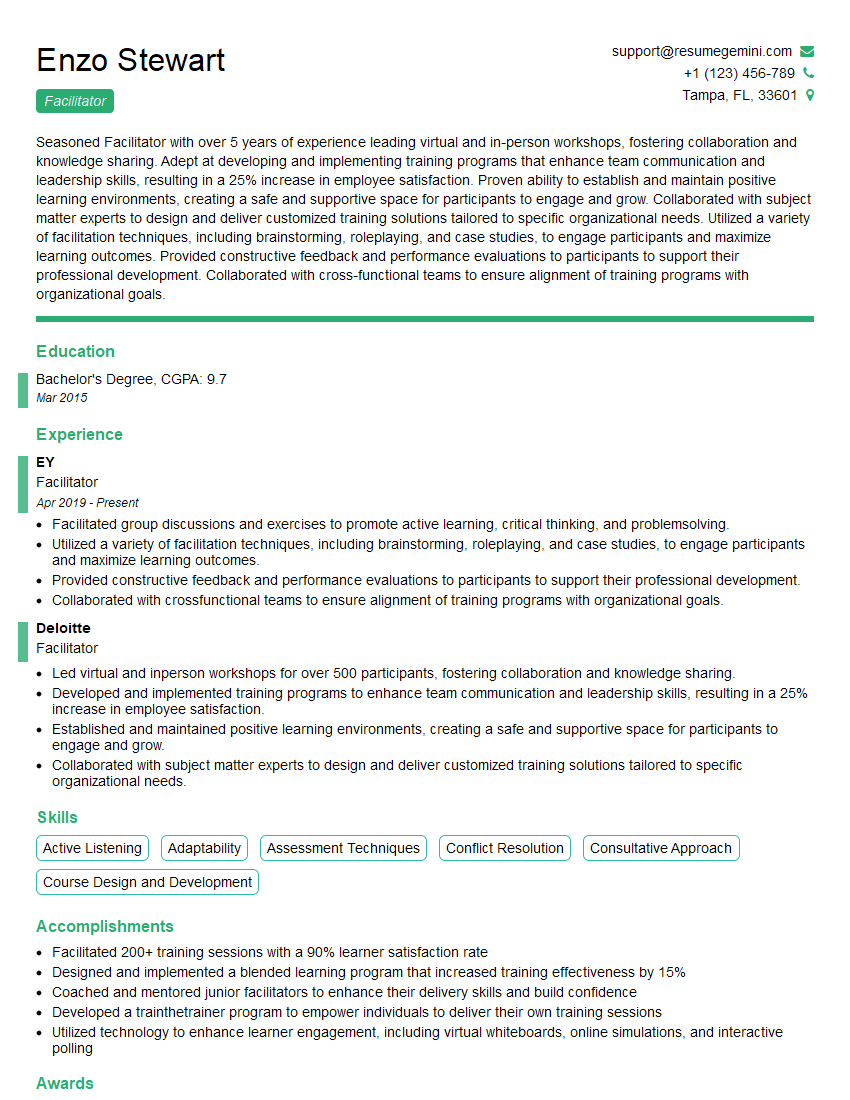
Mastering Facilitating Collaborative Partnerships and Stakeholder Engagement is crucial for career advancement, opening doors to leadership roles and high-impact projects. A strong, ATS-friendly resume is your key to unlocking these opportunities. To create a resume that truly showcases your skills and experience, leverage the power of ResumeGemini. ResumeGemini provides a trusted platform for building professional resumes, and we offer examples of resumes tailored specifically to highlight expertise in Facilitating Collaborative Partnerships and Stakeholder Engagement. Invest in your future – craft a compelling resume that reflects your capabilities and secures your dream role.
Explore more articles
Users Rating of Our Blogs
Share Your Experience
We value your feedback! Please rate our content and share your thoughts (optional).
What Readers Say About Our Blog
To the interviewgemini.com Webmaster.
Very helpful and content specific questions to help prepare me for my interview!
Thank you
To the interviewgemini.com Webmaster.
This was kind of a unique content I found around the specialized skills. Very helpful questions and good detailed answers.
Very Helpful blog, thank you Interviewgemini team.