Are you ready to stand out in your next interview? Understanding and preparing for Familiar with safety regulations and procedures interview questions is a game-changer. In this blog, we’ve compiled key questions and expert advice to help you showcase your skills with confidence and precision. Let’s get started on your journey to acing the interview.
Questions Asked in Familiar with safety regulations and procedures Interview
Q 1. Describe your experience with OSHA regulations.
My experience with OSHA regulations is extensive, spanning over 10 years in various safety-critical industries. I’ve worked directly with OSHA standards, including the General Duty Clause (requiring employers to provide a safe workplace), and specific regulations like those covering lockout/tagout procedures, hazard communication (HazCom), personal protective equipment (PPE), and confined space entry. I understand the importance of staying updated on changes and revisions to these regulations, and I regularly consult OSHA’s website and attend relevant training sessions to maintain my expertise. For instance, I was instrumental in implementing a comprehensive HazCom program at my previous company, ensuring all employees received proper training and that Safety Data Sheets (SDS) were readily accessible and understood. This resulted in a significant reduction in chemical-related incidents.
Q 2. Explain the process for conducting a risk assessment.
Conducting a thorough risk assessment involves a systematic approach to identify potential hazards and evaluate their associated risks. Think of it like a detective investigating a crime scene, but instead of a crime, we’re looking for potential workplace dangers. The process typically follows these steps:
- Hazard Identification: This involves systematically surveying the workplace to pinpoint potential hazards – things like electrical hazards, trip hazards, chemical spills, or ergonomic issues. We use a variety of methods, including checklists, inspections, job hazard analyses, and employee input.
- Risk Evaluation: Once hazards are identified, we evaluate the likelihood of an incident occurring and the severity of the potential consequences. This often involves a qualitative or quantitative assessment, considering factors such as frequency of exposure, potential for injury or damage, and control measures already in place. We might use a risk matrix to visually represent this.
- Risk Control: Based on the risk evaluation, we develop and implement control measures. This often follows a hierarchy of controls: elimination (removing the hazard entirely), substitution (replacing it with a less hazardous alternative), engineering controls (physical modifications like machine guarding), administrative controls (procedures and training), and finally, PPE (as a last resort).
- Review and Monitoring: The risk assessment is not a one-time event. It’s crucial to regularly review and update the assessment as conditions change, new hazards emerge, or control measures become ineffective. Regular monitoring and feedback from employees are critical for maintaining an effective risk management program.
For example, in a construction setting, identifying potential falls from heights would lead to implementing measures like guardrails, fall arrest systems, and regular inspections of scaffolding.
Q 3. How do you identify and mitigate workplace hazards?
Identifying and mitigating workplace hazards requires a proactive and multi-faceted approach. It starts with a keen eye for detail and a proactive mindset. Think of it as being a vigilant guardian of workplace safety. We use a combination of methods including:
- Regular Inspections: Scheduled and unscheduled inspections allow us to identify hazards that may not be immediately apparent. These inspections cover everything from equipment to housekeeping.
- Employee Feedback: Encouraging employees to report hazards is crucial. A culture of open communication and safety awareness is essential.
- Near Miss Reporting: Analyzing near misses helps us identify potential hazards before they cause accidents. We treat near misses as valuable learning opportunities.
- Incident Investigation: Thoroughly investigating accidents provides valuable insights into root causes and helps prevent future incidents. This often involves detailed interviews, site inspections, and analysis of contributing factors.
Mitigation strategies vary depending on the hazard, but generally involve implementing the hierarchy of controls mentioned earlier. For example, if a repetitive motion injury is identified, we might implement ergonomic adjustments to workstations, provide job rotation, or offer training on proper lifting techniques.
Q 4. What are your strategies for ensuring compliance with safety regulations?
Ensuring compliance with safety regulations requires a comprehensive and ongoing commitment. My strategies include:
- Staying Updated: Regularly reviewing and updating knowledge of applicable regulations and best practices is paramount. This includes attending conferences, workshops, and online training courses.
- Implementing and Enforcing Policies: Developing clear, concise, and easily understood safety policies and procedures is essential. Consistent enforcement of these policies is critical to creating a culture of safety.
- Documentation and Record Keeping: Maintaining accurate and up-to-date records of safety training, inspections, incident investigations, and corrective actions is crucial for demonstrating compliance and identifying areas for improvement.
- Regular Audits: Conducting regular safety audits helps identify areas of non-compliance and allows for timely corrective actions. This could involve internal audits conducted by safety professionals or external audits by regulatory bodies.
- Collaboration and Communication: Working closely with employees, management, and regulatory agencies fosters a collaborative environment and ensures everyone is aligned on safety goals.
For instance, I once developed a comprehensive safety manual for a manufacturing plant, which included detailed procedures for machine operation, lockout/tagout, and emergency response. This manual, combined with regular training and audits, significantly reduced workplace incidents.
Q 5. What is your experience with incident investigation and reporting?
My experience with incident investigation and reporting is substantial. I am proficient in conducting thorough investigations using various techniques like the ‘5 Whys’ analysis to uncover root causes and contributing factors. My approach is fact-based and objective, focusing on identifying system failures rather than assigning blame. I’m also experienced in documenting findings clearly and concisely, preparing comprehensive reports that include recommendations for corrective actions and preventative measures. I follow a structured process that ensures all relevant information is gathered and analyzed, such as witness statements, photographic evidence, and equipment maintenance logs. This data is then used to develop actionable steps to mitigate future risks. For example, I once investigated a near-miss incident involving a forklift and pedestrian. The investigation revealed a lack of clear pedestrian walkways and inadequate training on forklift safety, leading to implemented changes in facility layout and enhanced training programs.
Q 6. Describe your experience with safety training programs.
I have extensive experience developing and delivering safety training programs tailored to the specific needs of diverse workforces. I understand that effective training needs to be engaging, interactive, and relevant to employees’ day-to-day tasks. My programs typically involve a blended learning approach that incorporates classroom instruction, hands-on training, and online modules. For example, I developed a comprehensive program on lockout/tagout procedures for maintenance technicians, incorporating interactive simulations and practical exercises to reinforce the learning. The program also included regular assessments to monitor understanding and identify areas requiring further clarification.
Q 7. How do you develop and implement safety policies and procedures?
Developing and implementing effective safety policies and procedures requires a collaborative approach, combining best practices with the specific needs of the organization. The process starts with identifying the potential hazards and risks specific to the workplace. We then develop policies that outline the expected safety standards and procedures for mitigating those risks, covering everything from emergency response to hazard communication. These policies need to be easily accessible, clearly written, and regularly reviewed and updated. Crucially, the policies must be actively communicated and reinforced through training and supervision. Regular audits ensure compliance, allowing for timely adjustments and improvements. Finally, a system for feedback and continuous improvement is vital to ensure the policies remain relevant and effective. For example, I developed a comprehensive safety management system for a large manufacturing facility, incorporating risk assessments, safety audits, and a robust reporting system for accidents and near misses. This resulted in a marked improvement in the safety culture and a significant reduction in workplace incidents.
Q 8. Explain your understanding of lockout/tagout procedures.
Lockout/Tagout (LOTO) procedures are critical safety protocols designed to prevent the unexpected energization or startup of machinery and equipment during maintenance or repair. Think of it as a deliberate, methodical way to ensure that nobody gets hurt while working on potentially hazardous equipment.
The process typically involves several key steps:
- Energy Isolation: Identify all energy sources (electrical, hydraulic, pneumatic, etc.) connected to the equipment. Then, safely disconnect these sources, ensuring complete energy isolation. This might involve turning off breakers, closing valves, or releasing pressure.
- Lockout: Attach a lock to the energy isolation device, preventing its re-energization. Each authorized worker should have their own lock, personally affixed.
- Tagout: Attach a tag to the lock, clearly identifying the worker, the date, and the equipment being worked on. This serves as a visible warning to others not to energize the equipment.
- Verification: Before beginning work, the worker must verify that the equipment is completely de-energized and safe to work on. This often includes using testing equipment to confirm a lack of energy.
- Release: Only the worker who applied the lockout can remove their lock and tag. This is done after completing the work and verifying the equipment is safely restored to its operational state.
For example, in a manufacturing plant, before servicing a large press, the technicians would follow LOTO procedures to isolate the hydraulic power, affixing their locks and tags to the control valves before beginning maintenance. This prevents accidental activation and potential injury.
Q 9. Describe your experience with personal protective equipment (PPE).
Personal Protective Equipment (PPE) is crucial for safeguarding workers from potential hazards. My experience encompasses a wide range of PPE, from the everyday, like safety glasses and gloves, to more specialized equipment, such as respirators, hearing protection, and flame-retardant clothing. I have been involved in selecting, fitting, training personnel on the proper use of PPE, and ensuring its ongoing maintenance and compliance with relevant standards.
For instance, while overseeing a construction project, I mandated the use of hard hats, safety harnesses, and steel-toed boots at all times in designated areas. We also conducted regular inspections to ensure the PPE was in good condition and fitted correctly. Proper training on the correct use and limitations of each piece of equipment is vital. A respirator, for example, is only effective if it fits correctly and is used with the right filter for the specific hazard.
Q 10. How do you manage safety within a budget?
Managing safety effectively within a budget requires a strategic approach focusing on prioritization and cost-effectiveness. It’s not about cutting corners, but rather finding smart solutions.
My strategy involves:
- Risk Assessment Prioritization: Conduct thorough risk assessments to identify the most significant hazards and prioritize mitigation efforts. Focus resources on areas with the highest potential for injury or damage.
- Preventive Maintenance: Investing in regular maintenance reduces the likelihood of equipment failures and accidents, preventing costly repairs and downtime in the long run.
- Employee Training: Well-trained employees are less prone to accidents. Prioritizing effective, engaging safety training programs yields long-term cost savings compared to dealing with the aftermath of incidents.
- Cost-Benefit Analysis: Before making any safety-related purchase, assess its long-term cost versus benefit, factoring in potential costs of injuries, legal issues, and downtime.
- Utilizing Technology: Leveraging technology such as automated safety systems or sensor-based monitoring systems can be an effective investment, especially in the long term, reducing manual oversight and potentially human error.
For example, rather than investing in an expensive new safety device for every worker, I might conduct a thorough risk assessment and determine that improved training and the implementation of a simpler, more cost-effective control measure would reduce the risk sufficiently.
Q 11. What is your experience with emergency response planning?
Emergency response planning is paramount to minimizing the impact of unforeseen events. My experience includes developing and implementing comprehensive emergency response plans across various industries, encompassing fire safety, chemical spills, medical emergencies, and natural disasters.
Key aspects of my approach include:
- Hazard Identification and Risk Assessment: Identifying potential hazards, assessing their likelihood and potential impact, and then developing specific procedures for each.
- Emergency Response Teams: Establishing trained emergency response teams, including clear roles and responsibilities, communication protocols, and regular drills and training exercises.
- Emergency Procedures Documentation: Creating detailed, easy-to-understand emergency procedures, including evacuation plans, communication protocols, and contact information for emergency services.
- Emergency Equipment and Supplies: Ensuring readily accessible and well-maintained emergency equipment, such as first-aid kits, fire extinguishers, and emergency lighting.
- Post-Incident Review: After any emergency, conducting a thorough review to identify areas for improvement in the emergency response plan.
In one instance, I developed a comprehensive emergency response plan for a chemical processing plant that included detailed procedures for handling chemical spills, evacuations, and coordinating with local emergency responders. Regular drills ensured everyone knew their roles and responsibilities.
Q 12. How familiar are you with HAZOP studies?
HAZOP (Hazard and Operability) studies are systematic analytical techniques used to identify potential hazards and operational problems in a process or system before they occur. It’s a proactive approach to safety.
My experience involves participating in and leading HAZOP studies, utilizing a structured methodology to systematically review process flow diagrams and identify deviations from the intended operation. This includes considering various factors, such as equipment failures, human error, and external events. We then assess the potential consequences of each identified hazard and recommend suitable mitigation measures.
For example, in a HAZOP study for a new pipeline project, we identified a potential scenario where a valve might fail, leading to a pressure surge. By examining this deviation, we identified the need for additional safety devices such as pressure relief valves and emergency shutdown systems.
Q 13. Describe your experience with safety audits and inspections.
Safety audits and inspections are critical for ensuring ongoing compliance with safety regulations and identifying potential hazards. My experience encompasses conducting both routine and specialized audits and inspections, evaluating compliance with safety procedures, identifying areas of improvement, and recommending corrective actions.
I utilize checklists, observation techniques, and interviews with employees to assess the effectiveness of safety programs and identify any gaps. I’ve worked in various settings, checking compliance across construction sites, manufacturing plants, and laboratories. A documented record with detailed findings, recommendations, and follow-up actions is essential for continuous improvement.
During an inspection of a pharmaceutical manufacturing facility, I noticed deficiencies in the handling of hazardous materials. Following the inspection, I provided a detailed report recommending improved labeling, storage, and handling procedures.
Q 14. How do you communicate safety information effectively to employees?
Effective communication is the cornerstone of a strong safety culture. My approach focuses on tailoring information to the audience and employing multiple communication channels.
Techniques I employ include:
- Tailored Messaging: Using clear, concise language appropriate to the audience’s level of understanding and experience. Avoid jargon unless it’s properly defined.
- Multiple Communication Channels: Utilizing a combination of methods such as safety meetings, toolbox talks, posters, training materials, and digital platforms to reach all employees effectively.
- Interactive Training: Engaging employees through interactive training methods like simulations and role-playing to make safety concepts more memorable and relatable.
- Regular Feedback: Soliciting feedback from employees to ensure the communication is understandable and effective.
- Recognition and Rewards: Acknowledging and rewarding employees who actively contribute to safety improvements creates a positive reinforcement loop.
For example, during a safety campaign focused on preventing slips, trips, and falls, I used a combination of posters, toolbox talks, and an online quiz to ensure everyone understood the importance of the campaign and the proper measures to prevent incidents. The positive feedback we received and the reduction in incidents confirmed the effectiveness of this approach.
Q 15. What is your approach to motivating employees to follow safety protocols?
Motivating employees to prioritize safety isn’t about coercion; it’s about fostering a culture of shared responsibility. My approach is multifaceted and focuses on building trust, empowerment, and understanding.
Lead by Example: I firmly believe in demonstrating safe practices myself. This builds trust and shows employees that safety isn’t just a policy, but a core value.
Effective Communication: Regular, clear, and engaging communication is crucial. This includes safety briefings, toolbox talks, and using various media (videos, posters) to reinforce key messages. I ensure that information is accessible and understandable to everyone, regardless of their language skills or literacy levels.
Employee Involvement: I actively encourage employee participation in safety initiatives. This can involve forming safety committees, conducting safety audits, and providing opportunities for feedback. When employees feel heard and valued, they’re more likely to take ownership of safety.
Positive Reinforcement: Recognizing and rewarding safe behavior is essential. This could be through verbal praise, employee of the month awards, or even small incentives. Focusing on positive reinforcement creates a more motivating environment than constant reprimanding.
Training and Development: Comprehensive and engaging training programs are key. This goes beyond simply ticking boxes; it involves interactive sessions, practical demonstrations, and ongoing refresher courses to ensure that knowledge is retained and updated.
For example, in a previous role, we implemented a peer-to-peer safety observation program where employees could recognize and reward colleagues for exhibiting safe work practices. This fostered a positive and collaborative safety culture.
Career Expert Tips:
- Ace those interviews! Prepare effectively by reviewing the Top 50 Most Common Interview Questions on ResumeGemini.
- Navigate your job search with confidence! Explore a wide range of Career Tips on ResumeGemini. Learn about common challenges and recommendations to overcome them.
- Craft the perfect resume! Master the Art of Resume Writing with ResumeGemini’s guide. Showcase your unique qualifications and achievements effectively.
- Don’t miss out on holiday savings! Build your dream resume with ResumeGemini’s ATS optimized templates.
Q 16. Explain your experience with safety performance indicators (KPIs).
Safety Performance Indicators (KPIs) are vital for measuring the effectiveness of safety programs and identifying areas for improvement. My experience involves selecting, tracking, and analyzing a range of KPIs to monitor safety performance. This typically includes:
Incident Rates: Tracking the frequency of accidents, near misses, and injuries, such as Lost Time Injury Frequency Rate (LTIFR) and Total Recordable Incident Rate (TRIR).
Safety Observation Scores: Measuring the number of safety observations conducted and the percentage of observations that identify unsafe acts or conditions.
Training Completion Rates: Tracking the number of employees who have completed required safety training.
Employee Safety Survey Results: Gathering feedback from employees on their perceptions of safety in the workplace.
Compliance Rates: Monitoring adherence to safety regulations and procedures.
I use data visualization tools to present this information in a clear and accessible manner, allowing for easy identification of trends and patterns. This data is then used to inform decisions about resource allocation, training needs, and process improvements. For instance, a spike in near-miss reports might indicate a need for additional training on a specific piece of equipment or a review of a particular work process.
Q 17. How do you handle conflicts related to safety procedures?
Conflicts regarding safety procedures are inevitable. My approach is to resolve them fairly and constructively, prioritizing safety above all else. This involves:
Open Communication: Creating a safe space for all parties to express their concerns without fear of retribution.
Active Listening: Understanding the perspectives of all individuals involved.
Collaborative Problem-Solving: Working together to identify a solution that addresses the concerns while upholding safety standards. This may involve reviewing the existing procedure, seeking expert advice, or implementing interim measures.
Documentation: Keeping detailed records of the conflict, the steps taken to resolve it, and the outcome. This is essential for transparency and accountability.
Escalation Process: Having a clear process for escalating the conflict to higher management if necessary.
In one instance, a disagreement arose over the use of personal protective equipment (PPE). By facilitating open dialogue and involving representatives from all departments, we collaboratively identified the root cause of the conflict (unclear PPE guidelines) and developed revised, more comprehensive guidelines that were universally accepted.
Q 18. What are the key components of a successful safety management system?
A successful safety management system (SMS) is built upon several key components, all working in synergy:
Leadership Commitment: Visible and unwavering support from top management is paramount. This sets the tone for the entire organization.
Risk Assessment and Control: Proactive identification and management of hazards through thorough risk assessments and the implementation of appropriate control measures (elimination, substitution, engineering controls, administrative controls, PPE).
Training and Competency: Ensuring all employees receive adequate training and are competent in their roles, including understanding relevant safety procedures and using safety equipment.
Emergency Preparedness: Having clear emergency plans, procedures, and well-rehearsed drills to respond effectively to various incidents.
Incident Reporting and Investigation: Implementing a system for promptly reporting, investigating, and analyzing incidents to identify root causes and prevent recurrence.
Monitoring and Evaluation: Continuously monitoring safety performance using KPIs, conducting regular audits, and reviewing the effectiveness of the SMS.
Communication and Consultation: Maintaining open communication channels with employees and involving them in safety decision-making.
These components should be integrated into a systematic approach, regularly reviewed and updated to maintain effectiveness and adapt to changing circumstances.
Q 19. Describe a time you had to make a difficult decision regarding safety.
In a previous role, we were faced with a situation where a critical piece of equipment showed signs of malfunctioning. Continuing operation posed a significant safety risk, potentially leading to serious injury or even fatality. However, shutting down the equipment would cause substantial production delays and financial losses.
The decision was difficult because it involved weighing the potential safety risks against significant economic repercussions. My approach involved:
Gathering Information: Thoroughly assessing the extent of the malfunction and the potential risks involved.
Consulting Experts: Seeking advice from engineering and maintenance personnel to determine the severity of the issue and potential solutions.
Risk Assessment: Conducting a detailed risk assessment to compare the likelihood and severity of the potential risks with and without immediate shutdown.
Communicating the Decision: Clearly communicating the rationale behind the decision to all stakeholders, including management and employees, explaining the potential consequences of both options.
Ultimately, we decided to shut down the equipment immediately, prioritizing safety over short-term economic gains. While there were production delays, the potential for a serious accident was far too great to ignore. This decision proved to be the right one, reinforcing the importance of prioritizing safety in all operational decisions.
Q 20. How do you stay updated on changes in safety regulations?
Staying updated on changes in safety regulations is crucial for maintaining compliance and ensuring a safe work environment. My approach involves a multi-pronged strategy:
Subscription to Regulatory Updates: Subscribing to newsletters and alerts from relevant regulatory bodies (OSHA, etc.).
Professional Development: Attending industry conferences, workshops, and training sessions to stay abreast of the latest developments in safety regulations and best practices.
Networking with Colleagues: Participating in professional networks and engaging in discussions with other safety professionals to share information and insights.
Review of Industry Publications: Regularly reading industry journals and publications to stay informed about changes in regulations and emerging safety issues.
Internal Knowledge Sharing: Sharing updates with colleagues and ensuring that everyone is aware of any changes that affect their roles.
By implementing this comprehensive approach, I ensure that our safety procedures remain current, compliant, and effective.
Q 21. Explain your experience with different types of safety software.
My experience encompasses several types of safety software, each serving different purposes within a comprehensive safety management system. These include:
Incident Reporting and Investigation Software: These applications facilitate the efficient reporting, tracking, and investigation of safety incidents, allowing for detailed data analysis to identify trends and improve safety performance. Features often include customizable forms, workflow management, and data visualization tools.
Environmental, Health, and Safety (EHS) Management Software: These comprehensive platforms integrate various safety management functions, including risk assessment, training management, compliance tracking, and document control. Examples might include features to manage permits, inspections, and emergency response.
Safety Observation Software: These tools streamline the process of conducting and managing safety observations, facilitating real-time feedback and promoting a culture of safety. Features may include mobile apps for easy reporting, automated reminders, and analytics to track observation trends.
Training Management Systems (LMS): These platforms facilitate the delivery, tracking, and management of employee safety training, ensuring compliance and maintaining records. Features commonly include course creation, assignment, completion tracking, and reporting capabilities.
My experience involves selecting, implementing, and optimizing software to streamline safety processes, improve data management, and enhance overall safety performance. I consider factors such as user-friendliness, integration with existing systems, and reporting capabilities when evaluating different software options. It’s crucial to choose software that fits the specific needs of the organization and enhances its overall safety culture.
Q 22. How do you investigate near misses and prevent future incidents?
Investigating near misses is crucial for proactive safety management. It’s about understanding ‘what almost happened’ to prevent it from actually happening. My approach involves a systematic investigation using a structured process, often following a formal incident reporting system.
- Immediate Response: Secure the area, ensure the safety of those involved, and gather initial information from witnesses.
- Data Collection: This includes reviewing incident reports, interviewing witnesses, examining equipment, and analyzing relevant documentation (e.g., maintenance logs, training records).
- Root Cause Analysis: I use techniques like the ‘5 Whys’ to delve deeper than the surface level and identify the underlying reasons behind the near miss. This helps to uncover systemic issues rather than focusing solely on individual actions.
- Corrective Actions: Based on the root cause analysis, we implement corrective actions, which can include retraining, procedural changes, equipment upgrades, or improvements to the work environment.
- Follow-up and Monitoring: We track the effectiveness of the corrective actions to ensure the problem is truly resolved and prevent similar incidents from occurring in the future. Regular safety audits and training reinforce these changes.
For example, a near miss involving a forklift almost hitting a pedestrian might reveal inadequate training for forklift operators, poor visibility in a warehouse aisle, or a lack of designated pedestrian walkways. Addressing all three would prevent future incidents.
Q 23. What is your understanding of ergonomics and its importance in workplace safety?
Ergonomics is the science of designing the workplace to fit the worker, not the other way around. It focuses on optimizing the interaction between people and their work environment to promote safety, comfort, and efficiency. Ignoring ergonomics can lead to musculoskeletal disorders (MSDs), fatigue, and reduced productivity.
Its importance in workplace safety cannot be overstated. Proper ergonomic design reduces the risk of repetitive strain injuries, back pain, carpal tunnel syndrome, and other common workplace ailments. This translates to fewer lost workdays, lower healthcare costs, and a more productive and engaged workforce.
For example, providing adjustable chairs, properly designed workstations, and implementing strategies to minimize repetitive movements can significantly reduce the risk of MSDs. In a manufacturing setting, we might implement ergonomic assessments for assembly line workers, modifying workstations to improve posture and reduce strain on joints.
Q 24. Describe your experience with contractor safety management.
My experience with contractor safety management involves ensuring that all contractors working on our site adhere to the same high safety standards as our own employees. This goes beyond simply requiring them to have insurance; it involves a thorough pre-qualification process.
- Pre-qualification: We rigorously vet potential contractors, reviewing their safety records, insurance coverage, and safety programs. We verify their compliance with relevant regulations and industry best practices.
- Site-Specific Safety Orientation: Before commencing work, all contractors receive a comprehensive site-specific safety orientation covering potential hazards, emergency procedures, and specific safety rules relevant to their tasks.
- Regular Inspections and Audits: We conduct regular safety inspections of contractor work areas to ensure compliance with safety regulations and our site-specific requirements. This might include checking for proper use of PPE, adherence to lockout/tagout procedures, and safe work practices.
- Incident Reporting and Investigation: Contractors are required to report all incidents, near misses, and injuries immediately. We participate in joint investigations to determine root causes and implement corrective actions.
- Open Communication: Maintaining open communication channels with contractors is vital. Regular meetings and feedback sessions help identify potential issues proactively and foster a collaborative safety culture.
I’ve successfully managed contractor safety on numerous projects, ensuring that all parties are working together to maintain a safe and productive work environment. In one instance, by implementing stricter pre-qualification criteria and enhanced site-specific training, we significantly reduced the number of contractor incidents by 25% within a year.
Q 25. How do you ensure the safety of temporary workers?
Ensuring the safety of temporary workers requires a robust onboarding process that goes beyond simply assigning them a task. It demands a proactive approach emphasizing communication and training.
- Comprehensive Orientation: Temporary workers need a thorough orientation covering site-specific hazards, emergency procedures, and company safety policies. This should include training on the use of personal protective equipment (PPE).
- Buddy System: Pairing temporary workers with experienced employees can provide immediate support and guidance, helping them to quickly adapt to the work environment and understand the safety procedures.
- Clear Communication: Open communication channels are crucial. Supervisors should regularly check in with temporary workers to address concerns, provide clarification, and ensure they feel comfortable reporting any safety issues.
- Job-Specific Training: Temporary workers should receive adequate training on the specific tasks they will be performing, highlighting any potential hazards and required safety precautions.
- Access to Resources: They should have access to relevant safety documentation, emergency contacts, and safety personnel.
Treating temporary workers with the same level of care and attention as permanent employees demonstrates a strong commitment to safety and builds a positive working environment for everyone.
Q 26. What is your experience with confined space entry procedures?
Confined space entry procedures are vital to prevent serious injuries or fatalities. They involve a rigorous, multi-step process designed to mitigate hazards associated with entering enclosed spaces with limited access or egress.
- Permit-Required Confined Space Program: We follow a comprehensive program outlining detailed procedures for confined space entry, including hazard identification, atmospheric testing, ventilation, entry and rescue procedures, and emergency response plans.
- Atmospheric Monitoring: Before any entry, atmospheric testing is conducted to detect the presence of hazardous gases, oxygen deficiency, or other dangerous conditions. This is crucial to avoid exposure to asphyxiants or flammable materials.
- Ventilation: Adequate ventilation is essential to remove hazardous atmospheres and ensure a safe working environment within the confined space.
- Entry Procedures: Entry procedures are carefully documented, including the use of appropriate PPE, communication systems, and standby personnel trained in rescue procedures.
- Rescue Plan: A detailed rescue plan is essential and includes appropriate equipment and trained personnel ready to respond to any emergency.
- Post-Entry Procedures: Post-entry procedures include a thorough cleaning of the confined space and a review of the work performed to identify areas for improvement.
My experience includes managing several confined space entry projects, always prioritizing safety and adhering to strict regulatory requirements. Effective communication and diligent adherence to procedures are paramount for successful and safe confined space entry operations.
Q 27. Explain your understanding of respiratory protection programs.
Respiratory protection programs are essential for protecting workers from inhaling airborne hazards, such as dusts, fumes, gases, and mists. A well-designed program ensures the selection, use, and maintenance of appropriate respiratory protection equipment.
- Hazard Assessment: A thorough hazard assessment is the first step. This identifies airborne hazards present in the workplace and determines the type and level of respiratory protection needed.
- Respiratory Protection Selection: The program includes selecting the appropriate type of respirator (e.g., half-mask, full-face, supplied-air respirator) based on the identified hazards and their concentration.
- Fit Testing: Proper fit testing is crucial to ensure that the respirator seals effectively against the wearer’s face, preventing airborne contaminants from entering.
- Training: Workers must receive comprehensive training on the proper selection, use, and maintenance of their assigned respirators. This includes how to perform fit checks, recognize signs of respirator malfunction, and understand the limitations of the equipment.
- Medical Evaluation: Some respiratory protection programs require medical evaluations to ensure that workers are medically fit to use respirators.
- Maintenance and Cleaning: The program details procedures for cleaning, disinfecting, inspecting, and storing respirators to maintain their effectiveness.
A robust respiratory protection program is vital for protecting worker health and preventing occupational respiratory diseases. It’s not just about providing respirators; it’s about a comprehensive approach that ensures their effective and safe use.
Q 28. Describe your experience with implementing and maintaining a safety culture.
Implementing and maintaining a strong safety culture is a continuous process, not a one-time event. It requires leadership commitment, employee involvement, and a systematic approach.
- Leadership Commitment: Safety must be a top priority, starting from the highest levels of management. Leaders must actively participate in safety initiatives, demonstrating their commitment through actions and words.
- Employee Involvement: A successful safety culture involves active participation from all employees. This can include safety committees, regular safety meetings, and encouraging employees to report hazards without fear of reprisal.
- Hazard Identification and Control: Implementing systems for identifying and controlling hazards is vital. This includes regular safety inspections, job hazard analyses, and proactive risk assessments.
- Training and Communication: Providing comprehensive safety training and effective communication are crucial. This ensures that all employees understand safety policies, procedures, and best practices.
- Incentives and Recognition: Recognizing and rewarding safe behavior positively reinforces a strong safety culture. This might include safety awards, recognition programs, or incentives for reporting near misses.
- Continuous Improvement: Regularly reviewing safety performance data and actively seeking improvements is key. This involves analyzing incident reports, conducting safety audits, and evaluating the effectiveness of safety programs.
I’ve successfully implemented safety culture improvements in several organizations by fostering open communication, leading by example, and involving employees in the process. By creating a culture where safety is everyone’s responsibility, we’ve seen significant reductions in incidents and a marked improvement in overall safety performance.
Key Topics to Learn for Familiar with Safety Regulations and Procedures Interview
- Understanding Workplace Hazards: Identifying potential risks in various work environments, including physical, chemical, biological, and ergonomic hazards. This includes learning to assess risk levels and prioritize mitigation strategies.
- Safety Regulations and Compliance: Familiarizing yourself with relevant industry-specific safety regulations (OSHA, etc.) and understanding how to ensure compliance within a company’s safety program. This includes understanding reporting procedures and documentation requirements.
- Emergency Procedures and Response: Knowing how to react appropriately in various emergency situations, including fire, accidents, and natural disasters. This also involves understanding evacuation procedures and first aid/CPR protocols.
- Personal Protective Equipment (PPE): Understanding the types of PPE, when and how to use them, and the importance of proper maintenance and inspection. This includes recognizing limitations of PPE and understanding its role in a comprehensive safety plan.
- Safety Training and Communication: Knowing how to effectively communicate safety procedures to colleagues, conduct safety training, and participate in safety meetings. This involves understanding best practices for safety communication and training methodologies.
- Accident Investigation and Prevention: Understanding the process of investigating workplace accidents, identifying root causes, and implementing preventative measures to avoid future incidents. This involves understanding reporting processes and contributing to a culture of safety.
- Safety Audits and Inspections: Understanding how to conduct safety audits and inspections, identifying areas for improvement, and implementing corrective actions. This includes understanding compliance requirements and documentation processes.
Next Steps
Mastering safety regulations and procedures is crucial for career advancement in any field that prioritizes safety. Demonstrating this expertise through a strong resume significantly improves your job prospects. An ATS-friendly resume, optimized for applicant tracking systems, ensures your qualifications are seen by hiring managers. ResumeGemini is a trusted resource to help you create a professional and impactful resume that highlights your safety knowledge and experience. Examples of resumes tailored to showcasing expertise in safety regulations and procedures are available to help you build yours.
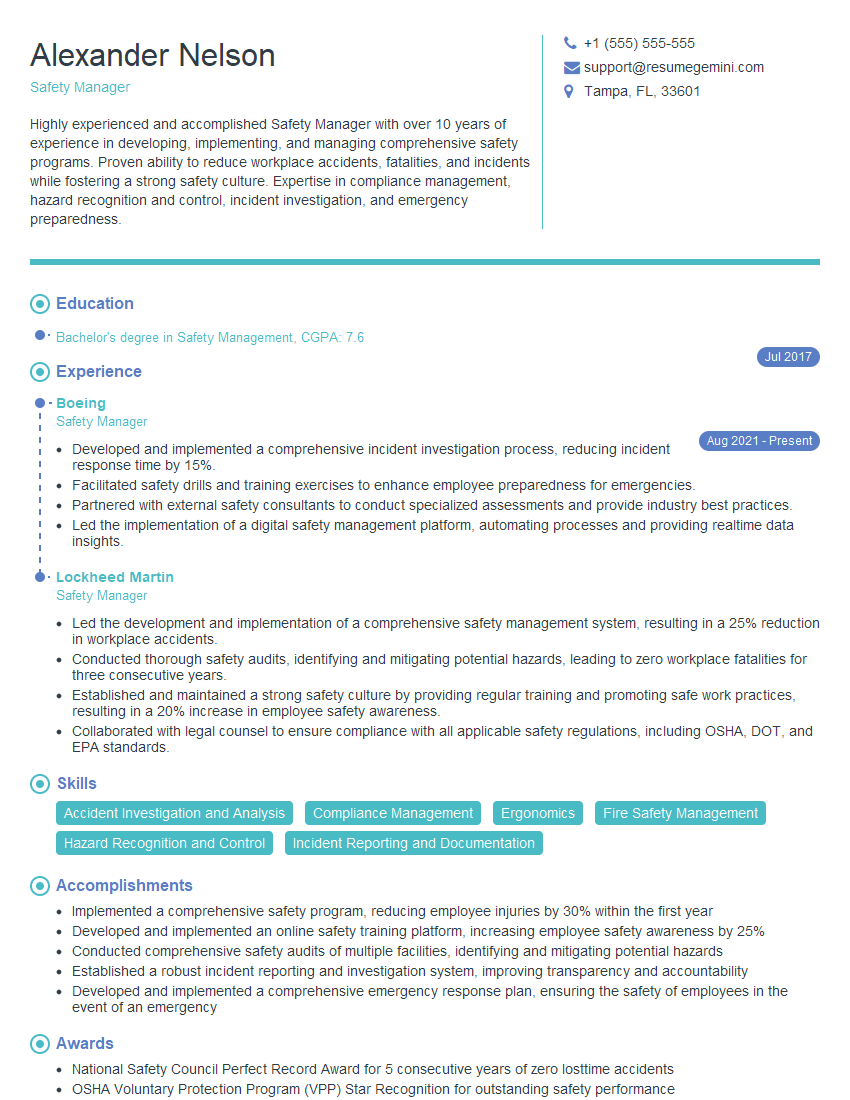
Safety Manager Resume Sample
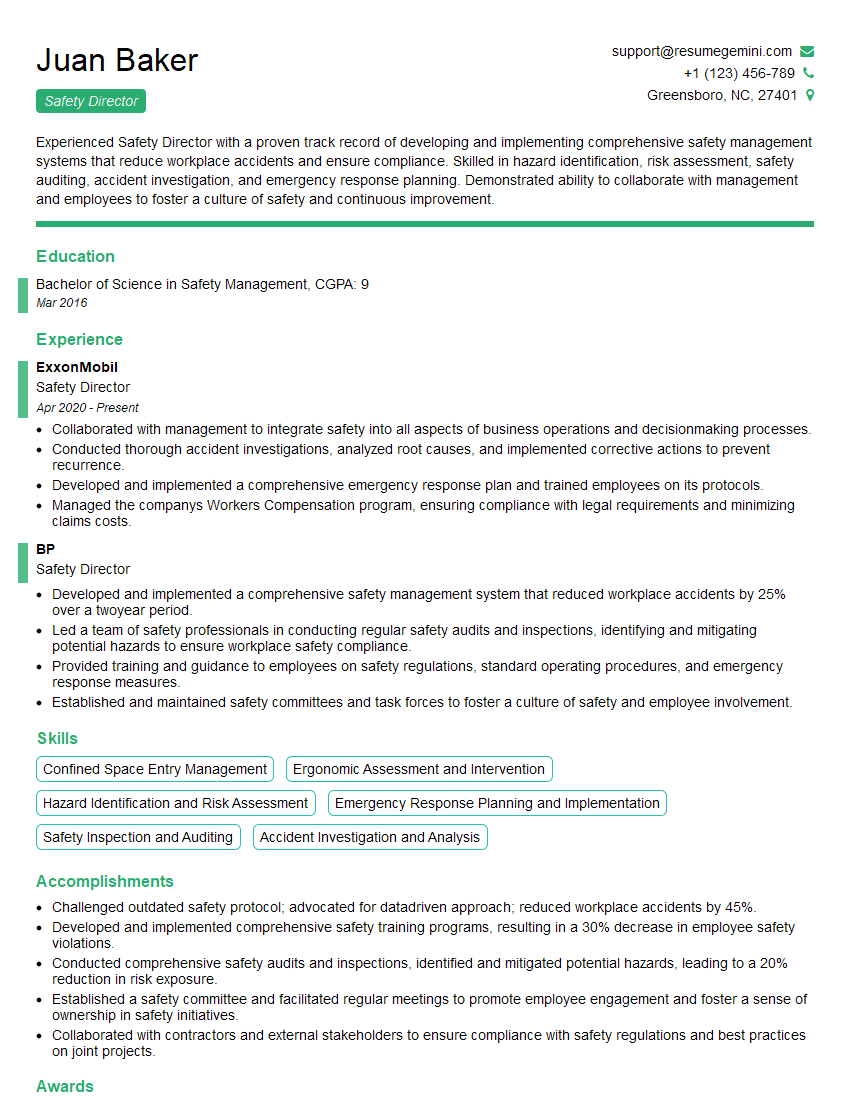
Safety Director Resume Sample
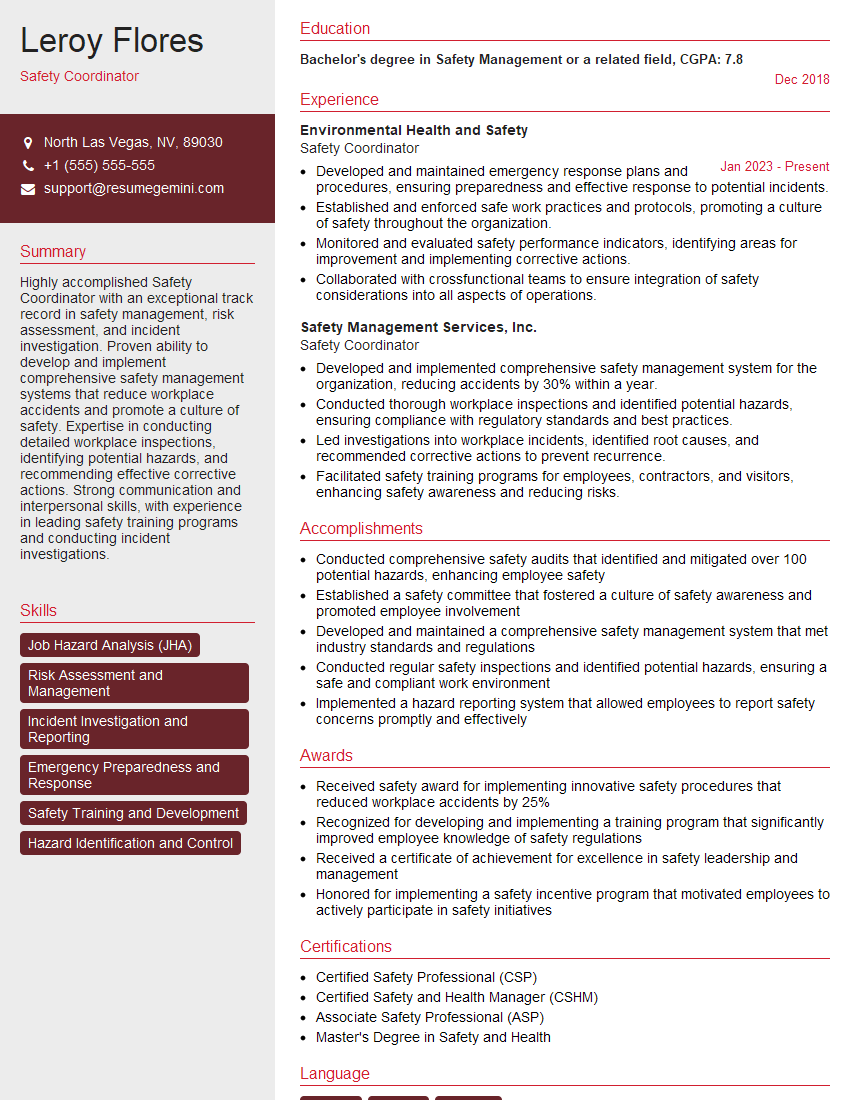
Safety Coordinator Resume Sample
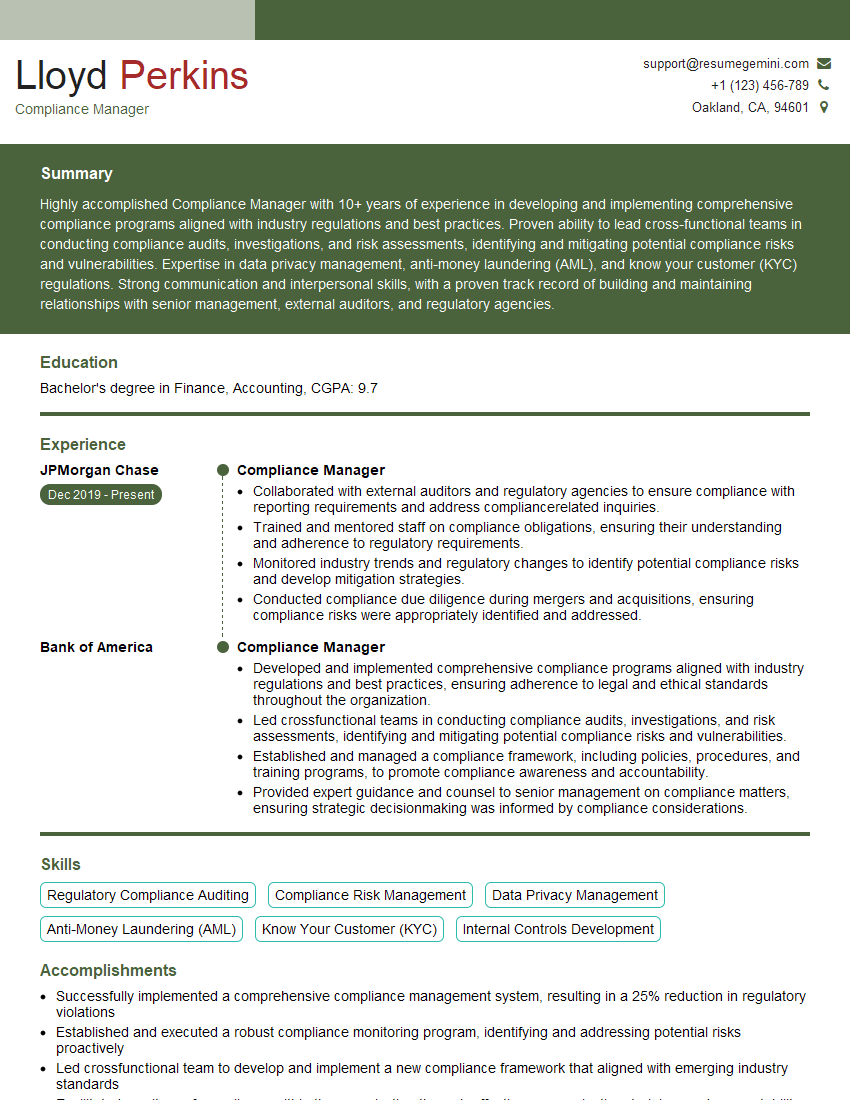
Compliance Manager Resume Sample
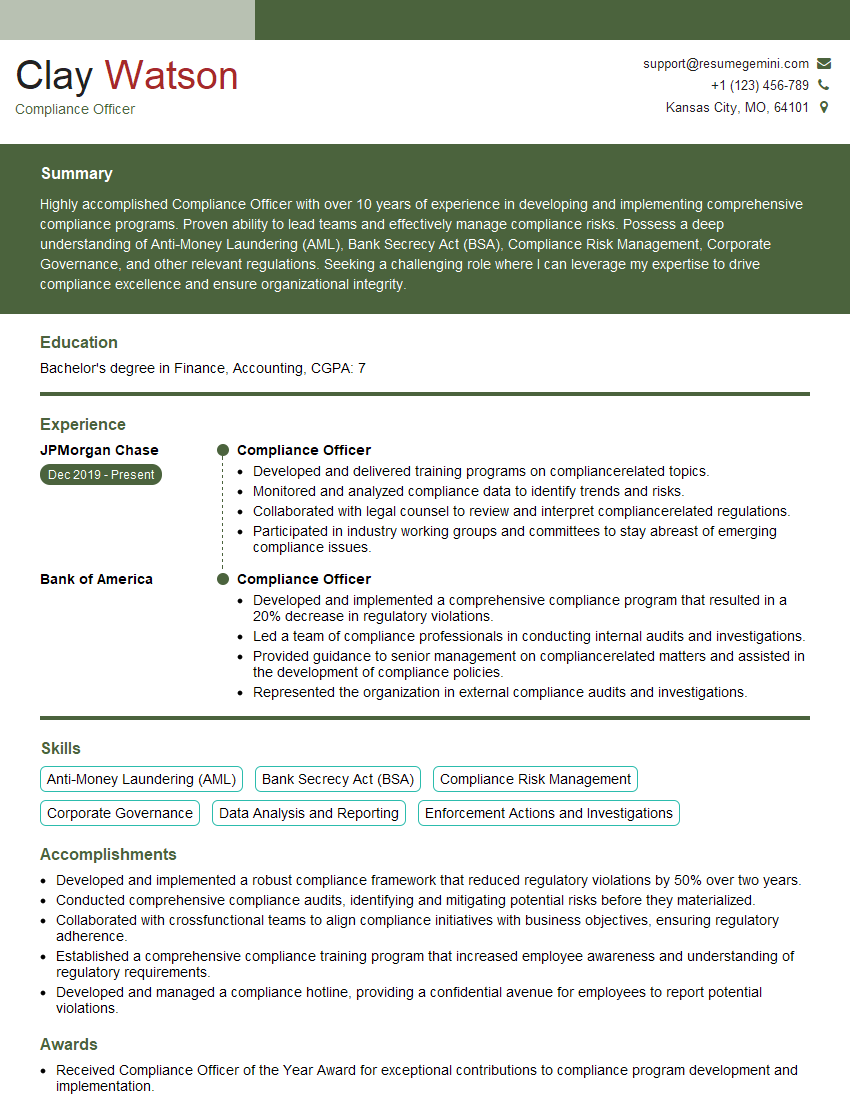
Compliance Officer Resume Sample
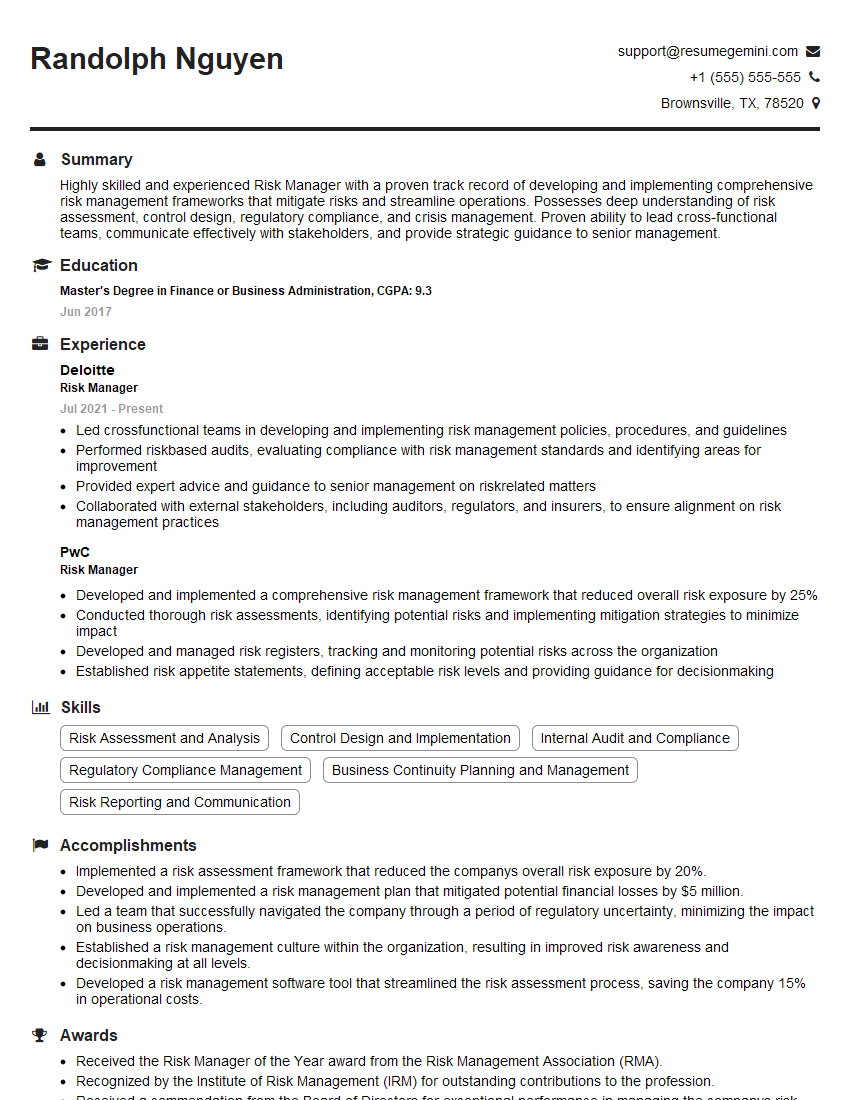
Risk Manager Resume Sample
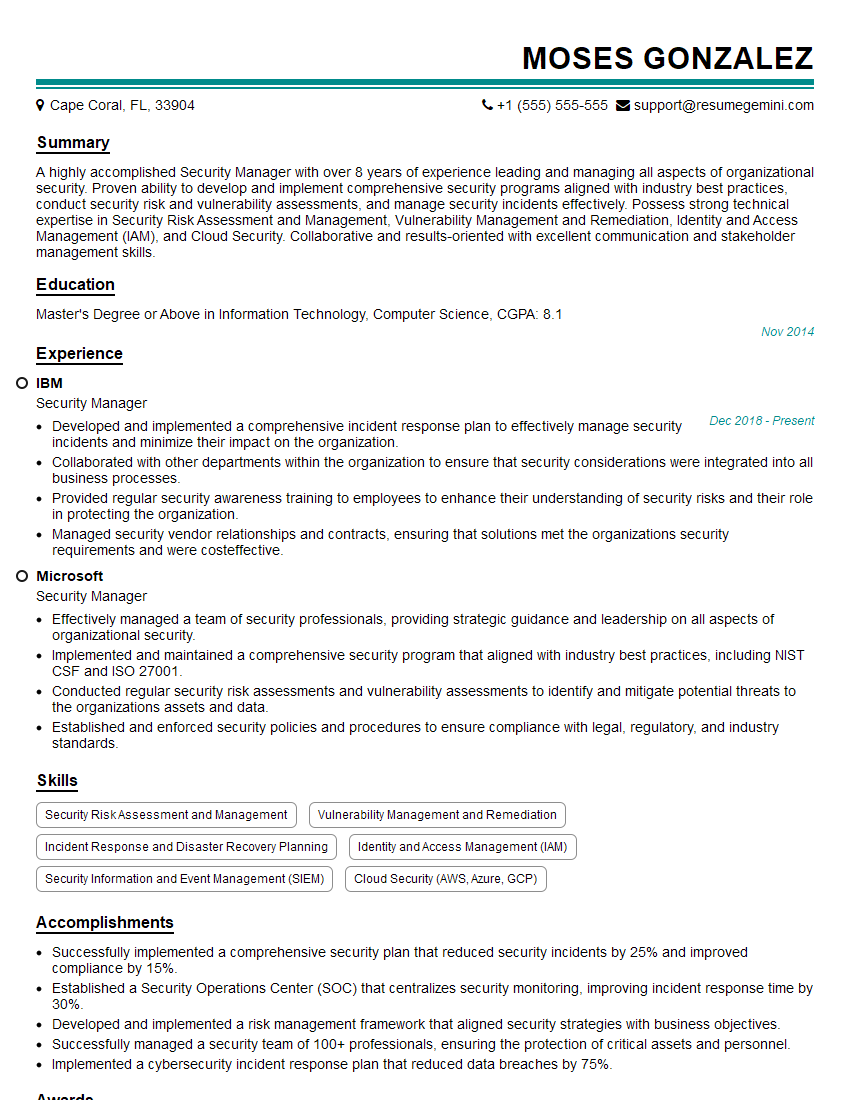
Security Manager Resume Sample
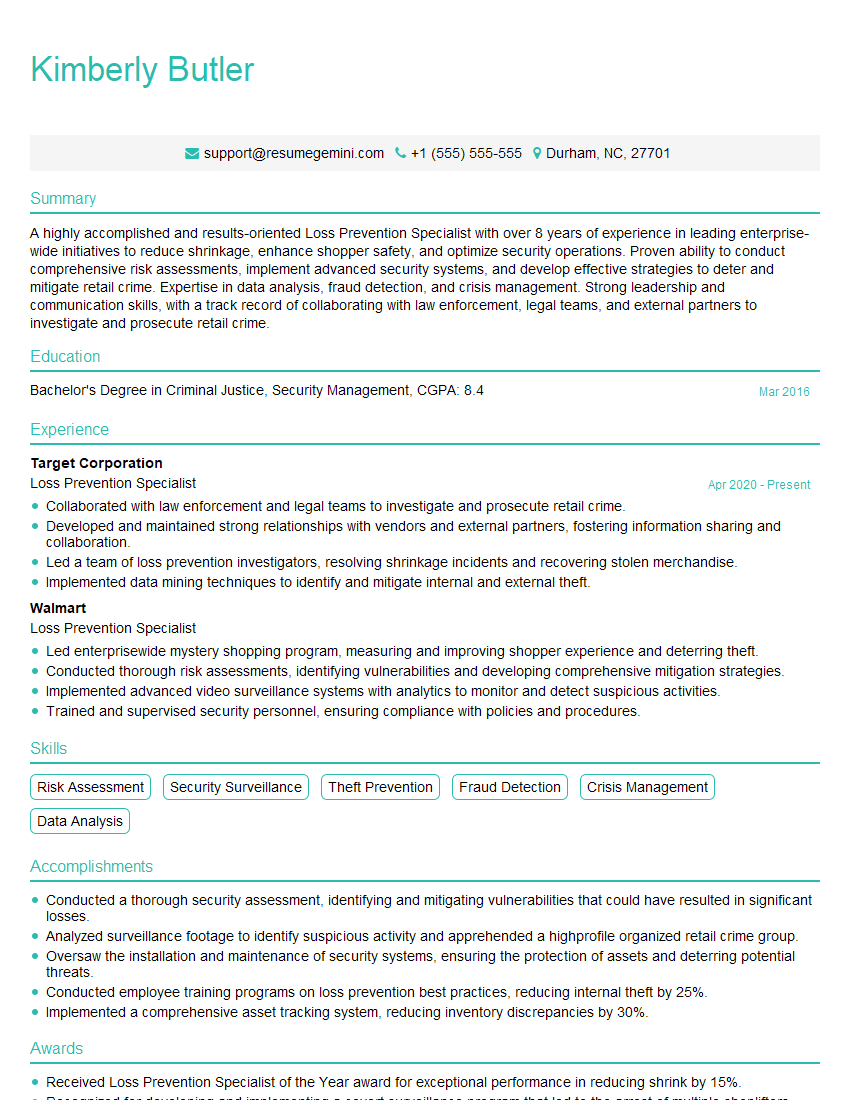
Loss Prevention Specialist Resume Sample
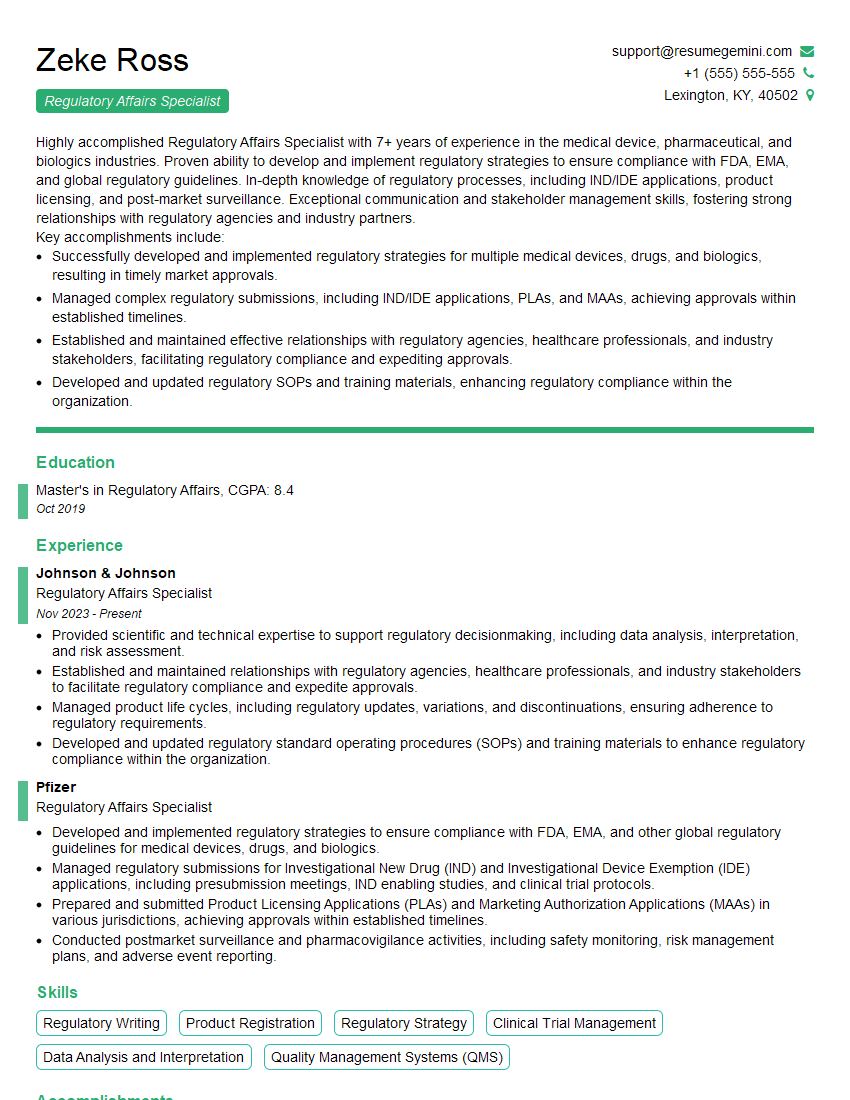
Regulatory Affairs Specialist Resume Sample
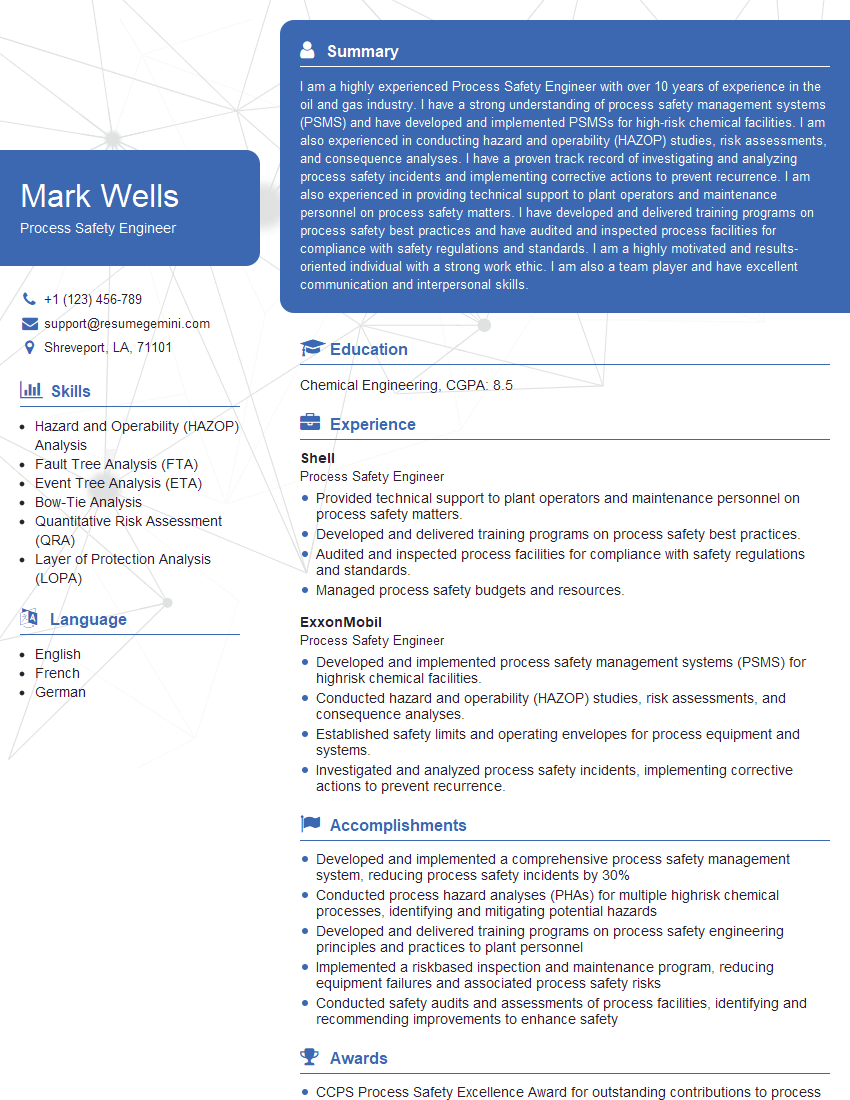
Process Safety Engineer Resume Sample
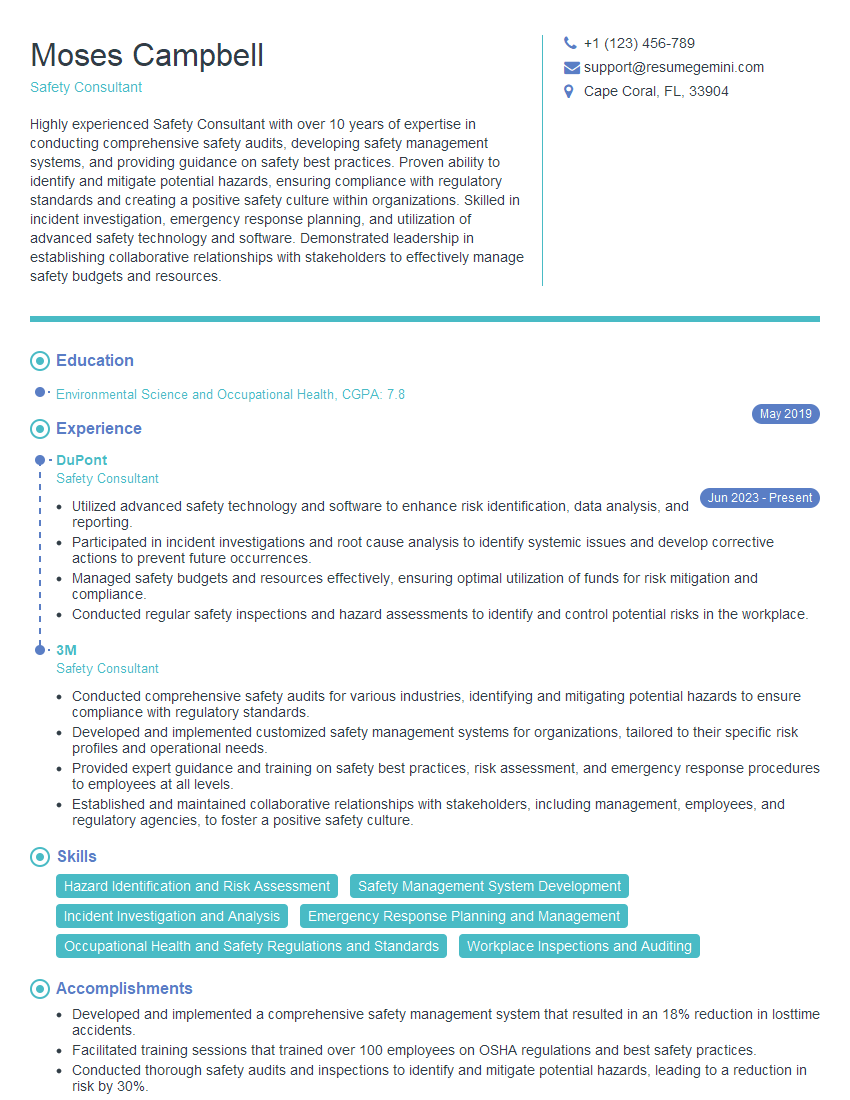
Safety Consultant Resume Sample
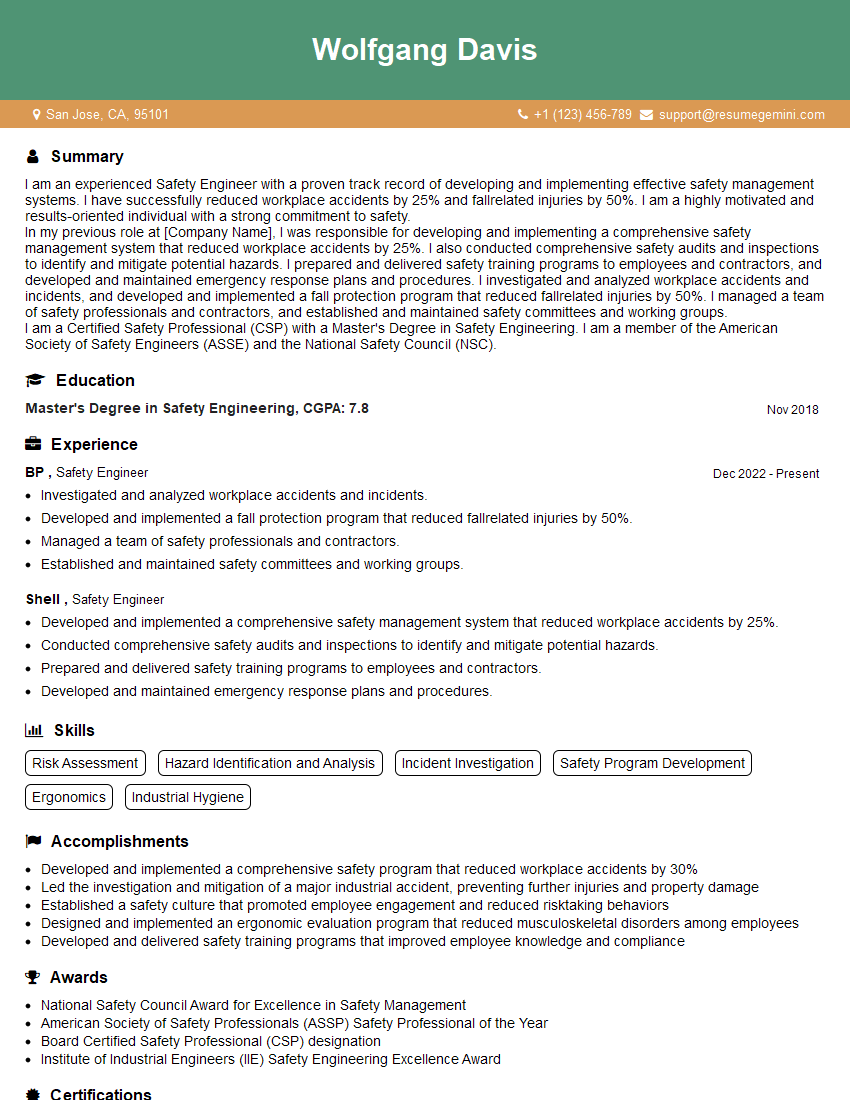
Safety Engineer Resume Sample
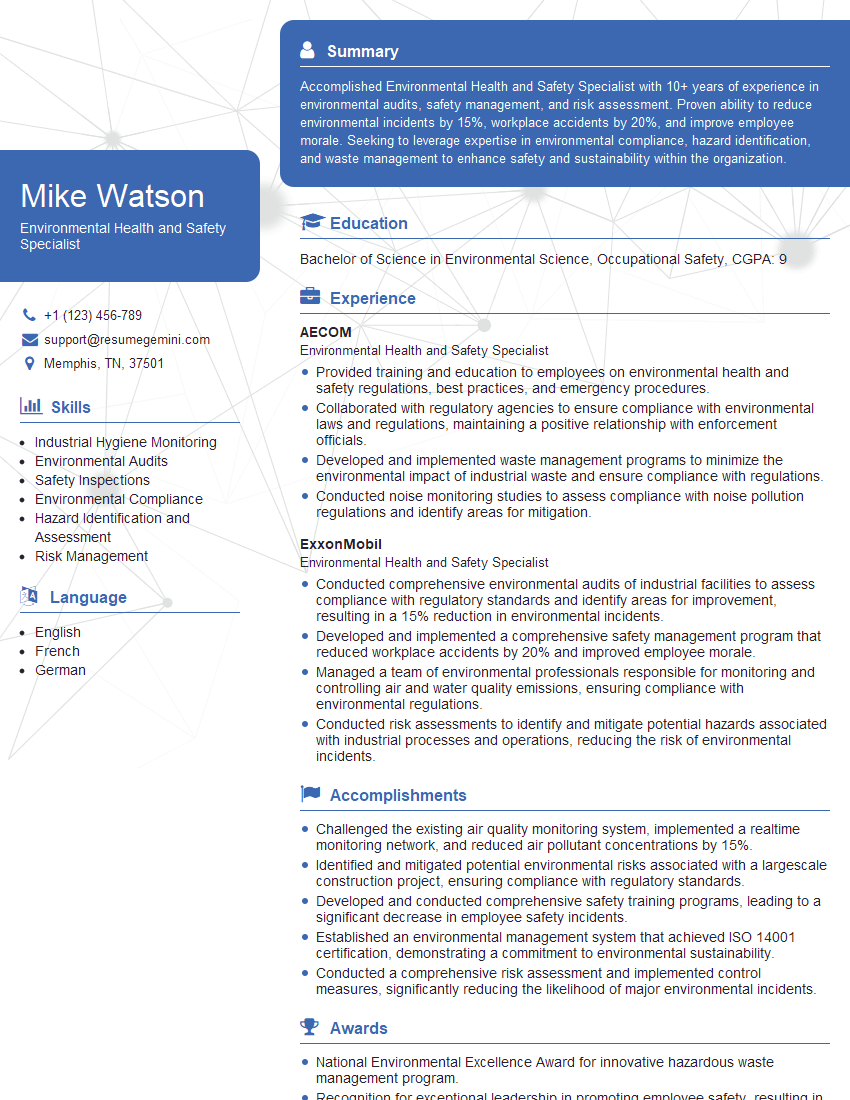
Environmental Health and Safety Specialist Resume Sample
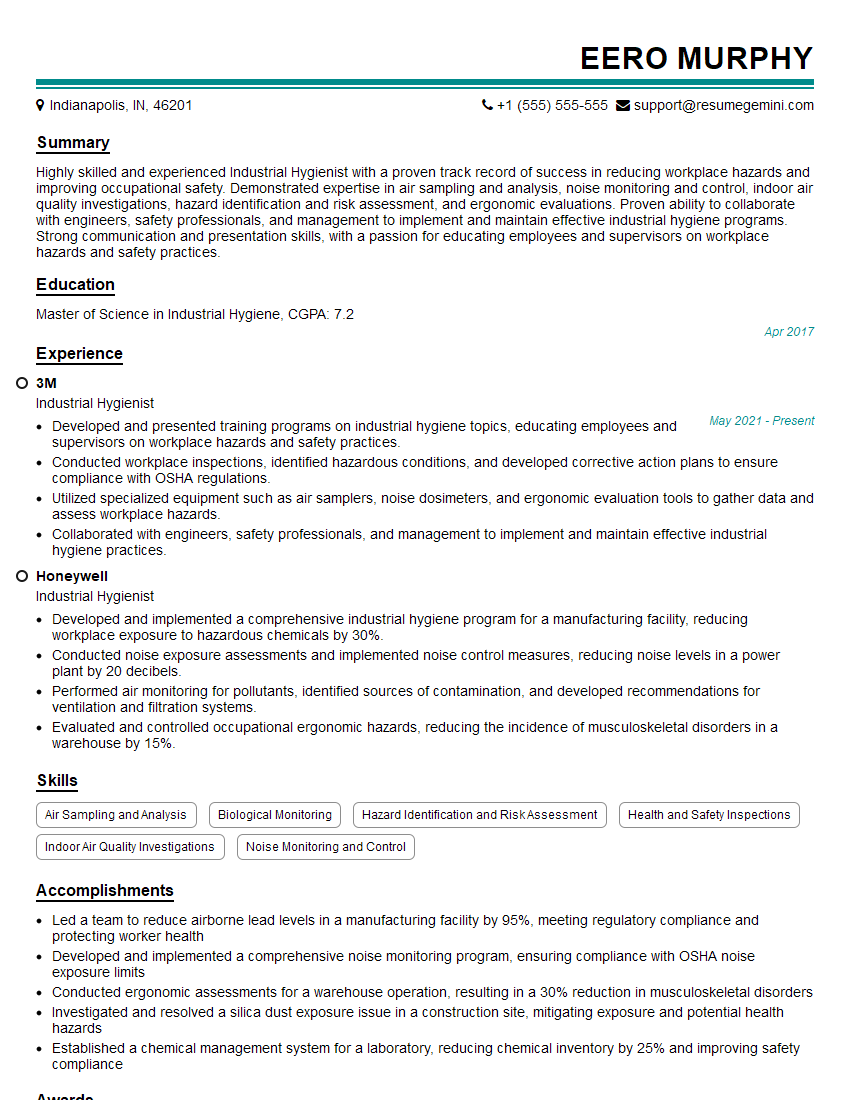
Industrial Hygienist Resume Sample
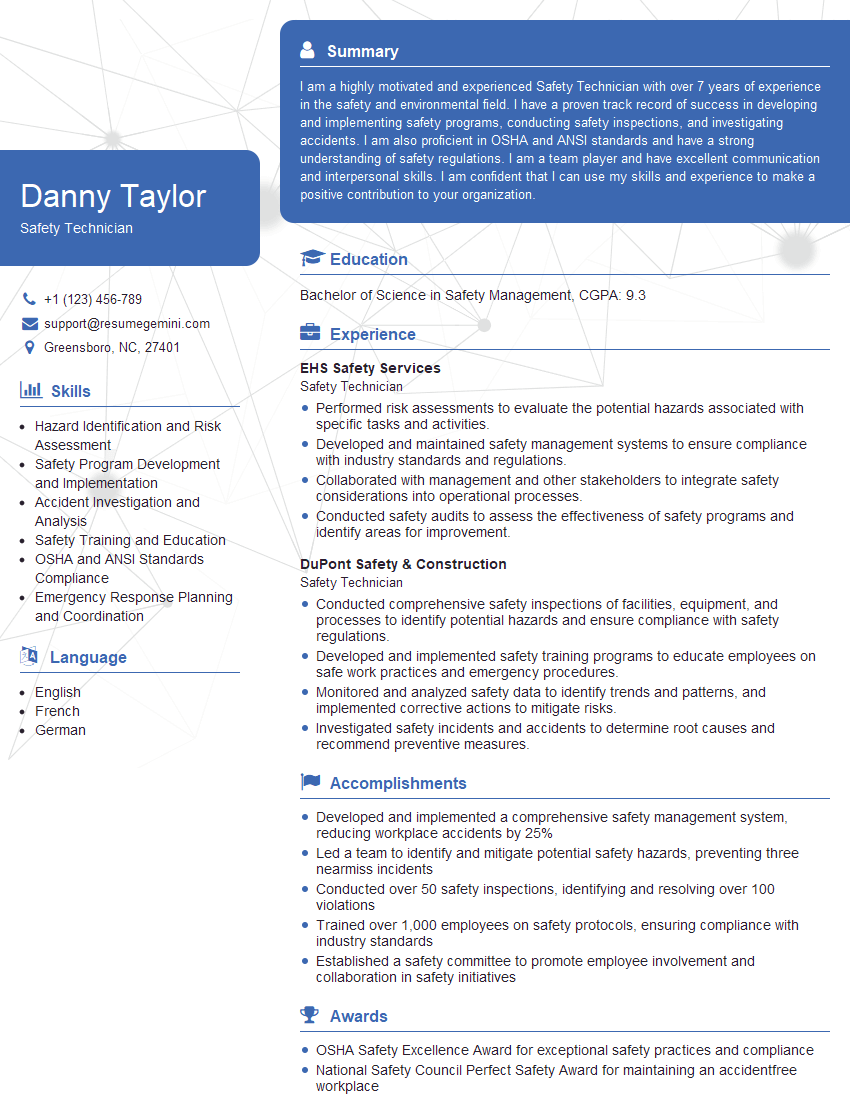
Safety Technician Resume Sample
- Safety Manager
- Safety Director
- Safety Coordinator
- Compliance Manager
- Compliance Officer
- Risk Manager
- Security Manager
- Loss Prevention Specialist
- Regulatory Affairs Specialist
- Process Safety Engineer
- Safety Consultant
- Safety Engineer
- Environmental Health and Safety Specialist
- Industrial Hygienist
- Safety Technician
Explore more articles
Users Rating of Our Blogs
Share Your Experience
We value your feedback! Please rate our content and share your thoughts (optional).
What Readers Say About Our Blog
To the interviewgemini.com Webmaster.
Very helpful and content specific questions to help prepare me for my interview!
Thank you
To the interviewgemini.com Webmaster.
This was kind of a unique content I found around the specialized skills. Very helpful questions and good detailed answers.
Very Helpful blog, thank you Interviewgemini team.