Unlock your full potential by mastering the most common Feasibility Studies and Business Planning interview questions. This blog offers a deep dive into the critical topics, ensuring you’re not only prepared to answer but to excel. With these insights, you’ll approach your interview with clarity and confidence.
Questions Asked in Feasibility Studies and Business Planning Interview
Q 1. Explain the key stages involved in conducting a feasibility study.
A feasibility study systematically investigates the viability of a project or business idea. It’s like a thorough ‘pre-flight’ check before committing significant resources. The key stages typically include:
- Idea Generation and Definition: Clearly defining the project’s goals, objectives, and scope.
- Market Research: Analyzing market size, target audience, competition, and potential demand. This often involves surveys, focus groups, and competitive analysis.
- Technical Feasibility: Assessing the technological requirements, infrastructure needs, and potential challenges in implementing the project. For example, a new app needs to assess compatibility with various operating systems.
- Financial Feasibility: Projecting costs, revenues, profitability, and return on investment (ROI). This might involve creating financial models and conducting sensitivity analysis.
- Legal and Regulatory Compliance: Examining relevant laws, regulations, permits, and licenses needed. For instance, food businesses must meet stringent health and safety standards.
- Management and Organizational Feasibility: Evaluating the management team’s capabilities, organizational structure, and resource availability. A strong team is crucial for success.
- Report Writing and Presentation: Documenting the findings and recommendations in a clear and concise report, which usually includes a clear conclusion on feasibility.
For example, in assessing the feasibility of opening a new coffee shop, we would research local competition, projected customer traffic, and the cost of rent, equipment, and staffing. We would then compare the potential revenue against the projected costs to see if the shop is likely to be profitable.
Q 2. What are the primary components of a comprehensive business plan?
A comprehensive business plan serves as a roadmap for your venture. Think of it as a detailed blueprint, outlining every aspect of your business, guiding you from start to finish. Its primary components include:
- Executive Summary: A concise overview of the entire plan, highlighting key points and financials.
- Company Description: Detailing the business’s mission, vision, legal structure, and ownership.
- Market Analysis: A deep dive into your target market, competition, and market trends.
- Organization and Management: Describing the management team, organizational structure, and key personnel.
- Service or Product Line: Detailing the products or services offered, their features, and benefits.
- Marketing and Sales Strategy: Outlining your marketing plan, pricing strategy, and sales channels.
- Funding Request (if applicable): Specifying the amount of funding needed, its intended use, and repayment plan.
- Financial Projections: Including projected income statements, balance sheets, and cash flow statements.
- Appendix (optional): Supporting documents, such as market research data or resumes of key personnel.
A well-structured business plan helps you secure funding, attract investors, and guide your strategic decision-making. It forces you to think critically about every facet of your business.
Q 3. How do you assess market viability in a feasibility study?
Assessing market viability is crucial in a feasibility study. It answers the fundamental question: ‘Is there a sufficient demand for my product or service?’ This involves several steps:
- Target Market Identification: Defining your ideal customer profile (demographics, psychographics, needs, etc.).
- Market Size and Growth Potential: Estimating the total addressable market (TAM), serviceable available market (SAM), and serviceable obtainable market (SOM).
- Competitive Analysis: Identifying direct and indirect competitors, analyzing their strengths and weaknesses, and determining your competitive advantage.
- Market Segmentation: Dividing the market into smaller, more manageable segments to tailor your marketing efforts.
- Demand Forecasting: Projecting future demand based on market trends, economic conditions, and your marketing strategy.
- Pricing Strategy: Determining a competitive and profitable pricing model.
For instance, if launching a new type of organic dog food, you’d need to research the size of the organic pet food market, analyze competitors’ offerings, and determine if there’s enough demand to justify the investment.
Q 4. Describe your experience in conducting financial projections for a business plan.
My experience in conducting financial projections for business plans is extensive. I utilize various financial modeling techniques, including:
- Pro Forma Statements: Creating projected income statements, balance sheets, and cash flow statements to forecast financial performance.
- Sensitivity Analysis: Testing the impact of changes in key assumptions (e.g., sales volume, costs) on financial outcomes.
- Break-Even Analysis: Determining the sales volume needed to cover costs and achieve profitability.
- Ratio Analysis: Calculating key financial ratios (e.g., profitability, liquidity, leverage) to assess the business’s financial health.
- Discounted Cash Flow (DCF) Analysis: Valuing the business by discounting future cash flows back to their present value.
In a recent project for a tech startup, I built a detailed financial model projecting revenue, expenses, and cash flow for the next five years. This model helped the company secure seed funding by demonstrating the potential for significant returns on investment.
I utilize software like Excel and specialized financial modeling programs to ensure accuracy and efficiency in my projections.
Q 5. How do you identify and mitigate risks in a business plan?
Risk identification and mitigation are paramount in business planning. It’s about anticipating potential problems and developing strategies to minimize their impact. My approach involves:
- Risk Assessment: Identifying potential risks (e.g., market risks, financial risks, operational risks, legal risks).
- Risk Analysis: Evaluating the likelihood and potential impact of each risk.
- Risk Mitigation Strategies: Developing strategies to reduce the likelihood or impact of each risk (e.g., insurance, diversification, contingency planning).
- Contingency Planning: Creating backup plans in case of unexpected events.
- Monitoring and Review: Regularly monitoring risks and adjusting mitigation strategies as needed.
For example, a restaurant might identify the risk of food spoilage. Mitigation strategies could include implementing strict inventory management, proper food storage, and employee training on food safety procedures.
Q 6. What are some common pitfalls to avoid during a feasibility study?
Several common pitfalls can derail a feasibility study. These include:
- Insufficient Market Research: Underestimating the importance of thorough market analysis leading to inaccurate projections.
- Overly Optimistic Assumptions: Assuming unrealistically high sales or low costs, leading to flawed financial projections.
- Ignoring Competition: Failing to adequately analyze competitors, leading to an underestimated competitive landscape.
- Lack of Realistic Financial Projections: Creating overly simplistic or unrealistic financial models.
- Ignoring Legal and Regulatory Issues: Overlooking permits, licenses, or regulations that could delay or halt the project.
- Ignoring Risk Management: Failing to identify and assess potential risks, leading to unpreparedness for unforeseen events.
- Bias and Personal Feelings: Letting personal opinions influence the objectivity of the study.
Thorough planning, a realistic approach, and reliance on objective data are critical to avoiding these pitfalls.
Q 7. How do you determine the appropriate market size for a new product or service?
Determining the appropriate market size for a new product or service is a multifaceted process. It’s not just about the total number of potential customers; it’s about understanding who those customers are and how many of them you can realistically reach.
- Define Your Target Market: Who are your ideal customers? Be specific in terms of demographics, psychographics, needs, and buying behaviors. The more precisely you define your target market, the more accurately you can estimate its size.
- Use Market Research Data: Leverage industry reports, government statistics, market research databases, and competitor analyses. This data will provide insights into overall market size and trends.
- Top-Down vs. Bottom-Up Approach: The top-down approach starts with the total market size and estimates your share. The bottom-up approach estimates the number of potential customers within your defined target market.
- Consider Market Segmentation: Divide your target market into smaller, more manageable segments based on characteristics like geography, demographics, or buying behavior. This will help you focus your efforts and accurately estimate the size of each segment.
- Account for Market Penetration: How much of the total market can you realistically capture? Start with a conservative estimate of your market share, accounting for competition and other factors.
For example, when estimating the market size for a new vegan ice cream brand, you wouldn’t simply look at the total ice cream market. Instead, you would focus on the segment of consumers who prefer vegan options and consider the level of competition within that segment. You might also look at trends in veganism to project future growth potential.
Q 8. How do you evaluate the competitive landscape in a feasibility study?
Evaluating the competitive landscape is crucial for a successful feasibility study. It involves identifying all direct and indirect competitors, analyzing their strengths and weaknesses, understanding their market share, and predicting their future actions. Think of it like scouting the battlefield before launching a new product or service.
My approach involves a multi-step process: First, I clearly define the target market and then identify all businesses offering similar products or services. Next, I analyze each competitor’s market positioning, pricing strategies, marketing efforts, and customer base using resources like market research reports, competitor websites, and customer reviews. I then create a competitive matrix, visually representing each competitor’s strengths and weaknesses relative to our proposed venture. This allows us to pinpoint opportunities where we can differentiate ourselves and potentially gain a competitive edge. For example, in a feasibility study for a new eco-friendly coffee shop, we might discover that while several competitors exist, none offer fair-trade, organic beans *and* a robust recycling program. This gap presents an opportunity for differentiation. Finally, I assess potential threats, such as new entrants, technological advancements, or changes in consumer preferences.
Q 9. Describe your experience with different financial modeling techniques.
My experience encompasses a wide range of financial modeling techniques, including discounted cash flow (DCF) analysis, sensitivity analysis, break-even analysis, and pro forma financial statements. I’m also proficient in using spreadsheet software like Excel and specialized financial modeling software. The choice of technique depends on the specific needs of the project and the data available.
For example, DCF analysis helps determine the present value of future cash flows, providing a crucial metric for evaluating long-term investment viability. I frequently use this to assess the Net Present Value (NPV) and Internal Rate of Return (IRR) of a project. Sensitivity analysis, on the other hand, helps assess the impact of changes in key assumptions (like sales volume or operating costs) on the overall project profitability. This allows us to identify potential risks and opportunities. A break-even analysis shows the point at which revenue equals costs, giving us a clearer picture of the sales volume needed for profitability. Pro forma financial statements, like projected income statements and balance sheets, provide a comprehensive view of the financial performance of the business over a projected period.
Q 10. How do you use SWOT analysis in feasibility studies and business planning?
SWOT analysis—Strengths, Weaknesses, Opportunities, and Threats—is a powerful tool used throughout feasibility studies and business planning. It helps to systematically identify internal and external factors that can impact the success of the project.
In a feasibility study, I use SWOT analysis early on to get a comprehensive view of the project’s potential. I gather information from various sources, including market research, competitor analysis, and internal team assessments. For example, a strength might be a unique technology, while a weakness could be a lack of experience in a specific area. Opportunities could include emerging market trends, and threats might include potential regulations or competitor actions. This holistic view informs decision-making about the project’s viability. In business planning, the SWOT informs strategy development. We use the insights to develop strategies that leverage strengths, mitigate weaknesses, exploit opportunities, and address threats. For instance, if a weakness is identified in the marketing department, the business plan might include a strategy for hiring additional staff or outsourcing marketing services.
Q 11. Explain the difference between a feasibility study and a business plan.
While both feasibility studies and business plans are essential for starting a new venture, they serve distinct purposes. Think of a feasibility study as a detailed investigation into the viability of an idea, while a business plan is a comprehensive roadmap for the business’s execution and future growth.
A feasibility study focuses on answering the question: ‘Should we proceed with this project?’ It examines the technical, economic, legal, and market factors to determine if a project is realistic and likely to succeed. It’s typically shorter and more focused than a business plan. A business plan, on the other hand, addresses the question: ‘How will we succeed with this project?’ It’s a detailed blueprint outlining the business’s goals, strategies, operations, marketing plans, and financial projections. It serves as a guide for attracting investment, securing loans, and managing the business.
Q 12. How do you incorporate marketing strategies into a business plan?
Marketing strategies are a critical component of a successful business plan. They outline how the business will reach its target market, build brand awareness, and generate sales. It’s crucial to tailor the marketing strategies to the specific needs and characteristics of the target market.
My approach involves defining the target audience, identifying their needs and preferences, and selecting appropriate marketing channels. This might include digital marketing (SEO, social media, PPC), content marketing (blogging, video marketing), traditional marketing (print advertising, direct mail), public relations, or a combination of these. The business plan should detail specific marketing activities, budgets, timelines, and key performance indicators (KPIs) for measuring success. For example, a plan for a new SaaS product might outline a content marketing strategy to establish thought leadership, a social media strategy to build community, and a paid advertising campaign to reach a wider audience. Each strategy will have measurable goals, like increasing website traffic or lead generation.
Q 13. How do you handle unexpected challenges during the feasibility study process?
Unexpected challenges are inevitable in any feasibility study. My approach involves building in contingency planning and adaptability from the outset. This includes thorough due diligence, risk assessment, and the development of flexible project plans.
When unforeseen issues arise, my first step is to assess the nature and severity of the challenge. This usually involves gathering additional information, consulting with experts, and revisiting the initial assumptions. I then work with the team to develop solutions, potentially adjusting the project scope, timeline, or budget. Good communication and transparency are crucial throughout this process. For instance, if a key regulatory hurdle appears unexpectedly, I might recommend delaying the project until clarity is obtained or adapting the project to meet new requirements. Regular monitoring and adjustment throughout the feasibility study process are crucial to adapting to evolving circumstances.
Q 14. How do you measure the success of a business plan?
Measuring the success of a business plan is an ongoing process, not a one-time event. It involves tracking key performance indicators (KPIs) defined within the plan and comparing actual results against the projected outcomes. This allows for course correction and optimization along the way.
KPIs can vary significantly depending on the nature of the business but typically include financial metrics (revenue, profitability, cash flow), operational metrics (efficiency, productivity), and market metrics (market share, customer satisfaction, customer acquisition cost). Regularly reviewing these KPIs provides insight into the business’s performance against targets. For example, if the projected revenue is not met, we need to analyze the reasons and make necessary changes to our marketing strategy or operational efficiency. Ultimately, the success of a business plan is not solely measured by financial success but also by the achievement of strategic goals and the creation of sustainable value.
Q 15. Describe your experience working with stakeholders in a business planning context.
Stakeholder management is crucial in business planning. It’s about effectively engaging everyone with a vested interest – from executives and investors to employees and customers – to ensure buy-in and successful implementation. My approach involves:
- Early and frequent communication: I prioritize regular updates, using various methods (meetings, emails, presentations) tailored to the stakeholder’s preference and understanding.
- Active listening and feedback incorporation: I create a safe space for stakeholders to share their concerns and suggestions. This input is vital for refining the plan and ensuring its feasibility.
- Transparency and clear expectations: I ensure everyone understands the plan’s goals, timelines, and potential risks. This avoids misunderstandings and promotes collaborative problem-solving.
- Managing expectations realistically: I highlight both the opportunities and challenges to avoid unrealistic expectations, and always strive to find mutually beneficial solutions.
For instance, in a recent project for a tech startup, I facilitated a series of workshops with the development team, marketing team, and investors to align on product roadmap and marketing strategies. This collaborative approach led to a much more robust and successful launch plan.
Career Expert Tips:
- Ace those interviews! Prepare effectively by reviewing the Top 50 Most Common Interview Questions on ResumeGemini.
- Navigate your job search with confidence! Explore a wide range of Career Tips on ResumeGemini. Learn about common challenges and recommendations to overcome them.
- Craft the perfect resume! Master the Art of Resume Writing with ResumeGemini’s guide. Showcase your unique qualifications and achievements effectively.
- Don’t miss out on holiday savings! Build your dream resume with ResumeGemini’s ATS optimized templates.
Q 16. What are some key performance indicators (KPIs) you would track for a new business?
The key performance indicators (KPIs) for a new business depend heavily on the specific industry and business model. However, some universal KPIs are:
- Customer Acquisition Cost (CAC): How much it costs to acquire a new customer. This helps assess marketing efficiency.
- Customer Lifetime Value (CLTV): The predicted revenue generated by a customer over their relationship with the business. This helps determine profitability.
- Conversion Rate: The percentage of website visitors or leads who become customers. This measures marketing effectiveness.
- Revenue Growth: The percentage increase in revenue over time. Essential for tracking overall business success.
- Profit Margin: The percentage of revenue that remains as profit after deducting expenses. A key indicator of financial health.
- Burn Rate: The rate at which the business spends cash, especially important for startups.
For a SaaS company, I might prioritize metrics like monthly recurring revenue (MRR) and churn rate, while for a retail business, inventory turnover and sales per square foot might be more important.
Q 17. How do you present your findings from a feasibility study to senior management?
Presenting feasibility study findings to senior management requires a clear, concise, and compelling narrative. My approach involves:
- Executive Summary: Start with a high-level overview of the key findings, recommendations, and implications.
- Visualizations: Use charts, graphs, and tables to present complex data in an easily digestible format. A picture is worth a thousand words.
- Focus on key takeaways: Highlight the most important findings and their impact on the business objectives. Avoid overwhelming them with unnecessary details.
- Risk assessment and mitigation strategies: Clearly identify potential risks and outline strategies to mitigate them.
- Actionable recommendations: Provide clear, specific, and measurable recommendations for moving forward. Don’t just present problems, provide solutions.
- Q&A Session: Allow ample time for questions and discussions to address any concerns.
I often use presentation software like PowerPoint or Google Slides, customizing them to the specific audience and their preferences. For instance, a highly visual presentation might work better for a less detail-oriented executive, while a more data-driven presentation may be necessary for a CFO.
Q 18. How do you deal with conflicting priorities or stakeholder expectations?
Conflicting priorities and stakeholder expectations are common in business planning. My approach emphasizes:
- Prioritization Framework: Use a prioritization matrix (e.g., MoSCoW method – Must have, Should have, Could have, Won’t have) to rank objectives based on importance and feasibility.
- Facilitation and Negotiation: Create a collaborative environment where stakeholders can openly discuss their priorities and find common ground. This might involve compromise and creative solutions.
- Data-driven Decision Making: Use data and analysis to objectively evaluate the trade-offs between different priorities. This helps reach consensus based on facts.
- Documentation and Agreement: Document the agreed-upon priorities and any compromises made. This ensures everyone is on the same page and reduces future misunderstandings.
- Escalation Protocol: Have a clear process for escalating conflicts that cannot be resolved internally.
For example, if a marketing team wants a large budget for a new campaign while the sales team needs resources for CRM system upgrades, I’d work with both to prioritize based on ROI projections and potential impact on overall business goals.
Q 19. Describe your experience using specific software for feasibility studies and business planning (e.g., Excel, specialized software).
I’m proficient in various software for feasibility studies and business planning. My expertise includes:
- Microsoft Excel: I utilize Excel for financial modeling, forecasting, data analysis, and creating various charts and graphs. I’m comfortable using advanced functions like
VLOOKUP,SUMIF, andIFstatements to build dynamic models. - Specialized Software: I have experience with industry-specific software like Crystal Ball for risk analysis and Monte Carlo simulations, and project management tools like Asana or Trello for task management and progress tracking.
- Business Intelligence (BI) tools: For larger projects, I leverage BI tools like Tableau or Power BI to visualize large datasets and create interactive dashboards.
For example, in a recent feasibility study, I used Excel to build a detailed financial model incorporating various assumptions and scenarios to forecast profitability. Then, I used Crystal Ball to conduct a sensitivity analysis to understand the impact of uncertainty on the key financial variables.
Q 20. How do you ensure the accuracy and reliability of your financial projections?
Ensuring the accuracy and reliability of financial projections is paramount. My approach involves:
- Realistic Assumptions: Base projections on thorough market research, historical data, and realistic assumptions about factors like growth rates, costs, and market share.
- Sensitivity Analysis: Test the model’s sensitivity to changes in key assumptions to assess the impact of uncertainty on the results.
- Scenario Planning: Develop multiple scenarios (best-case, worst-case, and most likely) to account for different possibilities.
- Peer Review: Have another expert review the model and assumptions to identify potential errors or biases.
- Data Validation: Verify the accuracy and reliability of the underlying data used in the model.
- Regular Updates: Update the model periodically with new information and adjust assumptions as needed.
For example, when projecting sales for a new product, I would incorporate data from market research, competitor analysis, and historical sales trends of similar products, along with a sensitivity analysis on pricing and marketing effectiveness.
Q 21. How do you adapt your approach to feasibility studies based on the industry or project?
My approach to feasibility studies adapts based on the specific industry and project. Each industry has unique challenges and opportunities that must be considered. For instance:
- Technology Industry: Focus on technological feasibility, intellectual property, competition, and rapid technological advancements.
- Manufacturing Industry: Emphasis on production capacity, supply chain management, regulatory compliance, and cost efficiency.
- Healthcare Industry: Prioritize regulatory approvals, patient safety, ethical considerations, and reimbursement mechanisms.
The project scope also plays a role. A small-scale project might require a less detailed study than a large-scale, capital-intensive project. I tailor the scope, depth of analysis, and methods to match the project’s complexity and risk profile. I always prioritize a flexible and iterative approach to adapt to new information and changing circumstances.
Q 22. Describe a time you had to revise your initial assumptions in a feasibility study or business plan.
Revising initial assumptions is a crucial part of the feasibility study and business planning process. It reflects a willingness to adapt to new information and ensures the plan remains realistic and robust. In one project, developing a mobile app for connecting local farmers to consumers, we initially assumed a high level of smartphone penetration among our target demographic. However, during the market research phase, we discovered a significant portion of our target market lacked consistent smartphone access. This forced us to revise our assumptions, ultimately shifting our go-to-market strategy to include a strong SMS-based component alongside the app, ensuring wider reach and viability.
This experience highlighted the importance of continuous validation of assumptions. We implemented a phased approach to testing, involving smaller-scale pilot programs to gather data and feedback before committing significant resources. This iterative process allows for flexibility and minimizes the risk of proceeding with inaccurate assumptions.
Q 23. How do you incorporate sustainability considerations into feasibility studies and business plans?
Sustainability is no longer a ‘nice-to-have’ but a critical factor in any successful business plan. We incorporate sustainability considerations throughout the feasibility study and business plan by evaluating environmental, social, and governance (ESG) impacts. This involves analyzing the environmental footprint of the proposed business, considering the social impact on communities, and assessing the ethical and governance aspects of the operations.
- Environmental: We assess potential pollution, waste generation, resource consumption, and carbon emissions. We explore opportunities for reducing the environmental impact, such as using sustainable materials, implementing energy-efficient practices, and minimizing waste. For example, in a food production business plan, we would explore options for reducing water usage and using eco-friendly packaging.
- Social: We analyze the impact on local communities, including job creation, fair labor practices, and community engagement. We would assess whether the business aligns with community values and addresses local needs.
- Governance: We examine corporate transparency, ethical business practices, and compliance with relevant regulations. This may involve incorporating diversity and inclusion measures, ensuring fair pricing, and complying with labor laws.
By incorporating these factors, we create a more holistic and responsible business plan, improving investor appeal, enhancing brand reputation, and increasing long-term viability.
Q 24. What are your preferred methods for collecting and analyzing market data?
Collecting and analyzing market data is a crucial step in developing a successful feasibility study and business plan. My preferred methods are a multi-pronged approach, combining primary and secondary research techniques for a comprehensive understanding.
- Secondary Research: This involves gathering publicly available data from sources like market research reports, industry publications, government statistics, and competitor analyses. I leverage tools like databases (IBISWorld, Statista), online search engines, and academic journals.
- Primary Research: This focuses on gathering original data through surveys, focus groups, interviews, and customer feedback. I design surveys using tools like SurveyMonkey or Qualtrics, ensuring they are targeted, concise, and easy to understand. Focus groups provide qualitative insights into customer preferences and needs. Direct customer interviews offer in-depth understanding of their experiences.
Data analysis involves using statistical software (e.g., SPSS, R) to identify trends, patterns, and correlations. This helps to quantify market size, identify target demographics, and understand customer behavior. I always strive for triangulation – verifying findings from multiple sources to ensure accuracy and robustness.
Q 25. How do you create a compelling executive summary for a business plan?
The executive summary is the most crucial section of a business plan – it’s the first (and sometimes only) part read by investors. A compelling executive summary should be concise, persuasive, and provide a clear overview of the entire plan. It should highlight the key aspects that will grab the reader’s attention and make them want to learn more.
I structure it as a compelling narrative, starting with a concise problem statement, followed by a compelling solution and a clear value proposition. I then highlight the market opportunity, including market size and target market. Crucially, I include key financial projections – key metrics like revenue projections, profitability, and funding requirements. I conclude with a strong call to action, explaining what I am seeking from the reader (funding, partnership, etc.) and why this opportunity is particularly promising.
Think of it as a ‘movie trailer’ for your business – it needs to be engaging, informative, and leave the audience wanting to see the full movie (your detailed business plan).
Q 26. How do you prioritize different aspects of a business plan?
Prioritizing aspects of a business plan requires a strategic approach that balances short-term needs with long-term goals. I typically use a weighted scoring system, combining qualitative and quantitative factors.
For example, I might assign weights to different aspects such as:
- Market Opportunity (30%): Size, growth potential, competition.
- Financial Projections (25%): Revenue, profitability, break-even point.
- Management Team (20%): Experience, skills, commitment.
- Operational Plan (15%): Production, marketing, distribution.
- Funding Requirements (10%): Amount, source, terms.
Each aspect is then scored individually based on its strength. This weighted scoring allows for a data-driven approach to prioritizing, ensuring that critical aspects get the necessary attention and resources. However, this quantitative analysis is always complemented by qualitative judgment – considering market dynamics, competitive landscapes, and overall business strategy.
Q 27. Describe your experience in developing a go-to-market strategy.
Developing a go-to-market strategy requires a deep understanding of the target market, competitive landscape, and value proposition. My approach is iterative and data-driven, focusing on a clear understanding of the customer journey.
In a recent project for a new software-as-a-service (SaaS) company, we followed these steps:
- Market Segmentation: Identifying specific customer groups based on demographics, needs, and buying behavior.
- Value Proposition Design: Clearly articulating the benefits for each customer segment and how the product/service solves their problems.
- Channel Selection: Choosing the most effective channels to reach the target market (e.g., direct sales, online marketing, partnerships).
- Marketing and Sales Strategy: Developing a detailed marketing plan, including messaging, branding, and content marketing. Defining sales processes, sales targets, and key performance indicators (KPIs).
- Pricing Strategy: Choosing the right pricing model based on market conditions and customer value.
- Implementation and Monitoring: Launching the product/service, tracking key metrics, and adapting the strategy based on performance data.
Successful go-to-market strategies require flexibility and responsiveness. Continuous monitoring and adaptation are vital to ensure the strategy remains effective and aligned with evolving market conditions.
Q 28. How familiar are you with different funding sources and their application process?
I am familiar with a wide range of funding sources, including angel investors, venture capital, private equity, bank loans, government grants, and crowdfunding. My understanding extends beyond simply knowing the sources; it includes a deep understanding of their application processes, requirements, and the typical due diligence involved.
For example, I know that venture capitalists typically invest in high-growth startups with strong potential for significant returns. Their application process involves a detailed business plan, pitch deck, and rigorous due diligence, often involving financial modeling and market analysis. In contrast, bank loans generally require a strong financial history and collateral. Government grants often have specific criteria related to social impact or technological innovation.
I am adept at tailoring the funding request to the specific requirements of each funding source. This includes preparing appropriate documentation, crafting compelling narratives, and addressing potential concerns raised by investors or lenders. Knowing the nuances of each funding source is crucial for maximizing the chances of securing funding for a business.
Key Topics to Learn for Feasibility Studies and Business Planning Interview
- Market Analysis: Understanding market size, target audience, competition, and industry trends. Practical application: Conducting thorough market research and developing compelling market entry strategies.
- Financial Projections: Developing realistic financial models, including revenue projections, cost analysis, and profitability assessments. Practical application: Creating accurate pro forma statements and conducting sensitivity analysis.
- Risk Assessment and Mitigation: Identifying potential risks and developing strategies to mitigate them. Practical application: Creating a comprehensive risk register and developing contingency plans.
- Operational Planning: Defining processes, resources, and timelines required for project execution. Practical application: Developing detailed operational plans and managing project resources effectively.
- Feasibility Assessment Techniques: Applying various methods such as SWOT analysis, break-even analysis, and discounted cash flow analysis. Practical application: Selecting the appropriate techniques based on project context and drawing insightful conclusions.
- Business Model Canvas: Understanding and applying the Business Model Canvas to visualize and articulate a business plan. Practical application: Using the BMC to refine business strategies and identify key partnerships.
- Legal and Regulatory Compliance: Understanding relevant laws and regulations impacting the business. Practical application: Ensuring the business plan adheres to all legal and regulatory requirements.
- Presentation and Communication Skills: Effectively communicating findings and recommendations to stakeholders. Practical application: Preparing and delivering compelling presentations to diverse audiences.
Next Steps
Mastering Feasibility Studies and Business Planning is crucial for career advancement in numerous fields, opening doors to exciting opportunities and higher earning potential. A well-crafted resume is your key to unlocking these prospects. Building an ATS-friendly resume is essential to ensure your application gets noticed by recruiters. To create a truly impactful resume that showcases your skills and experience in Feasibility Studies and Business Planning, we highly recommend using ResumeGemini. ResumeGemini provides a streamlined and effective platform for resume building, and we provide examples of resumes tailored to this specific field to help guide you. Invest in your future—invest in a strong resume.
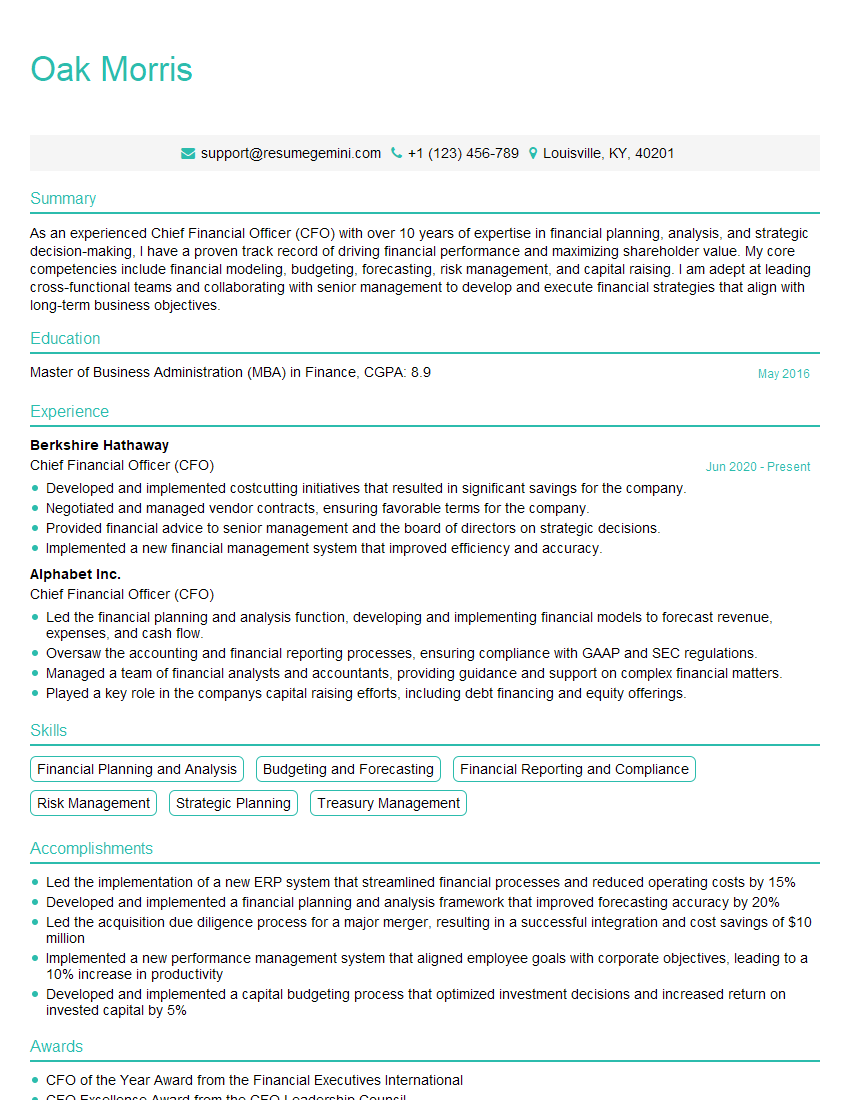
Chief Financial Officer (CFO) Resume Sample
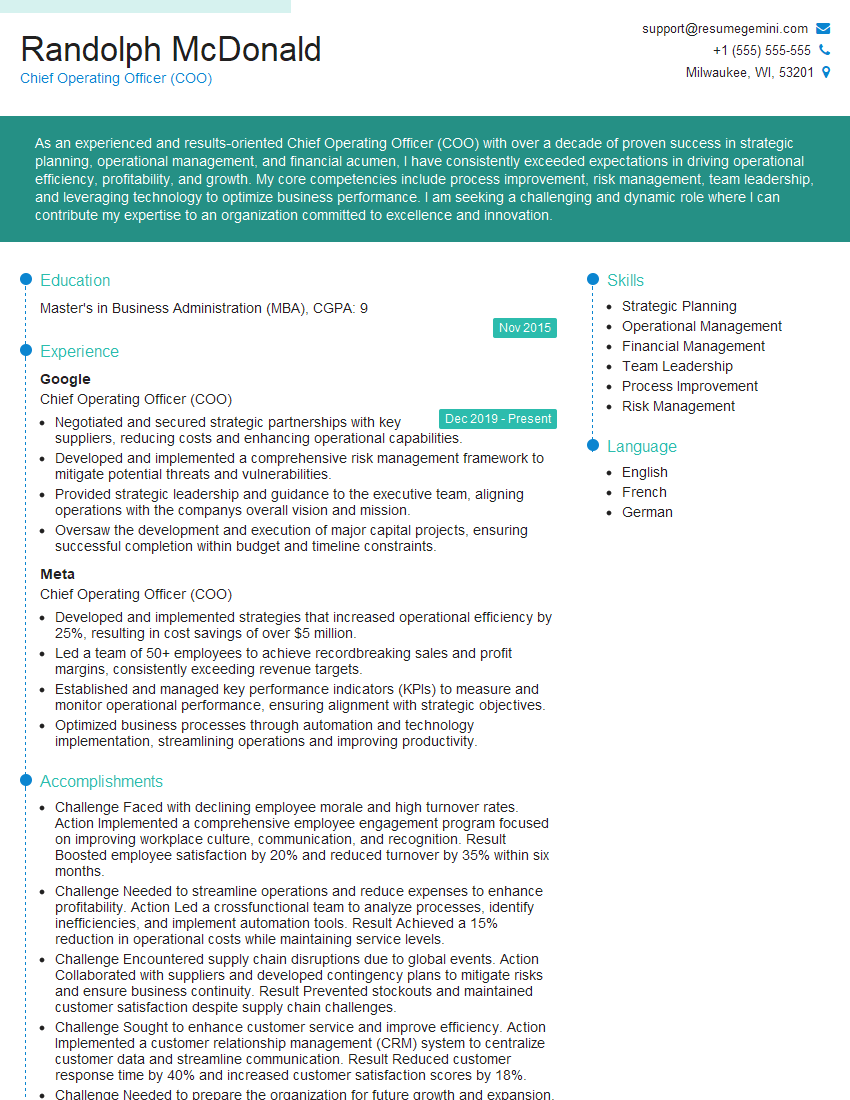
Chief Operating Officer (COO) Resume Sample
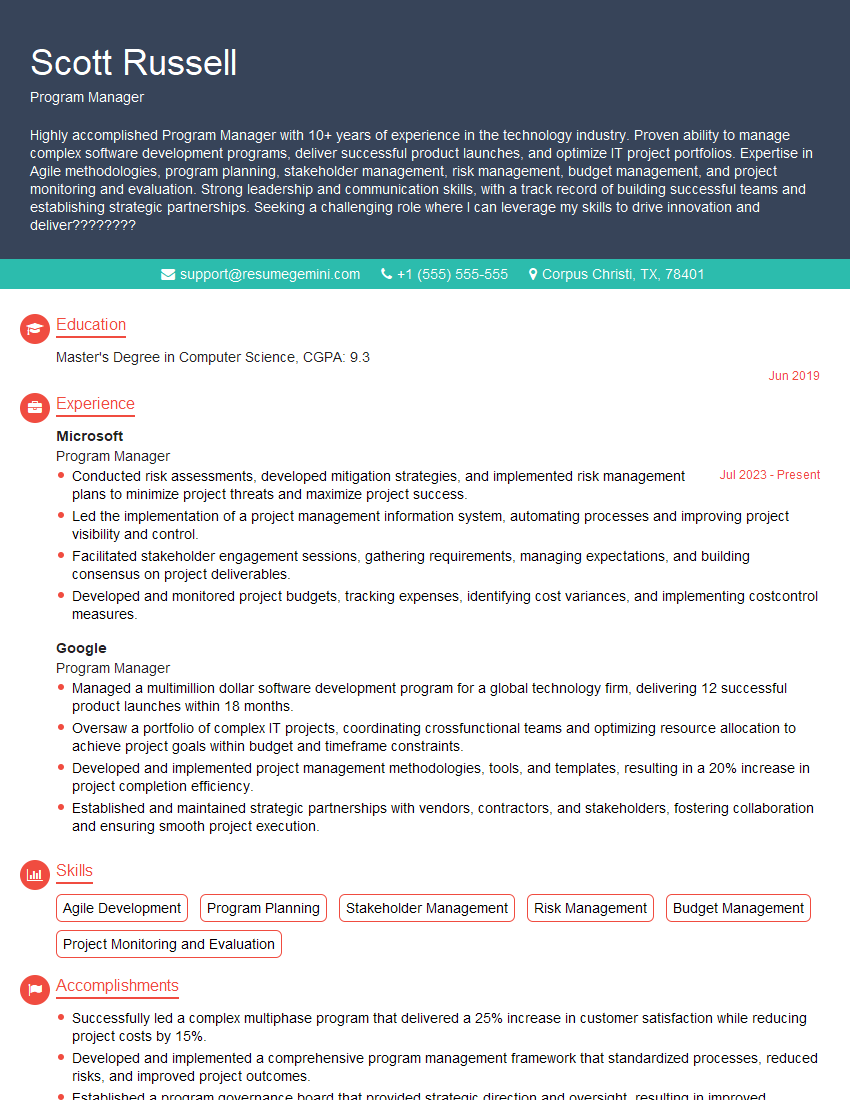
Program Manager Resume Sample
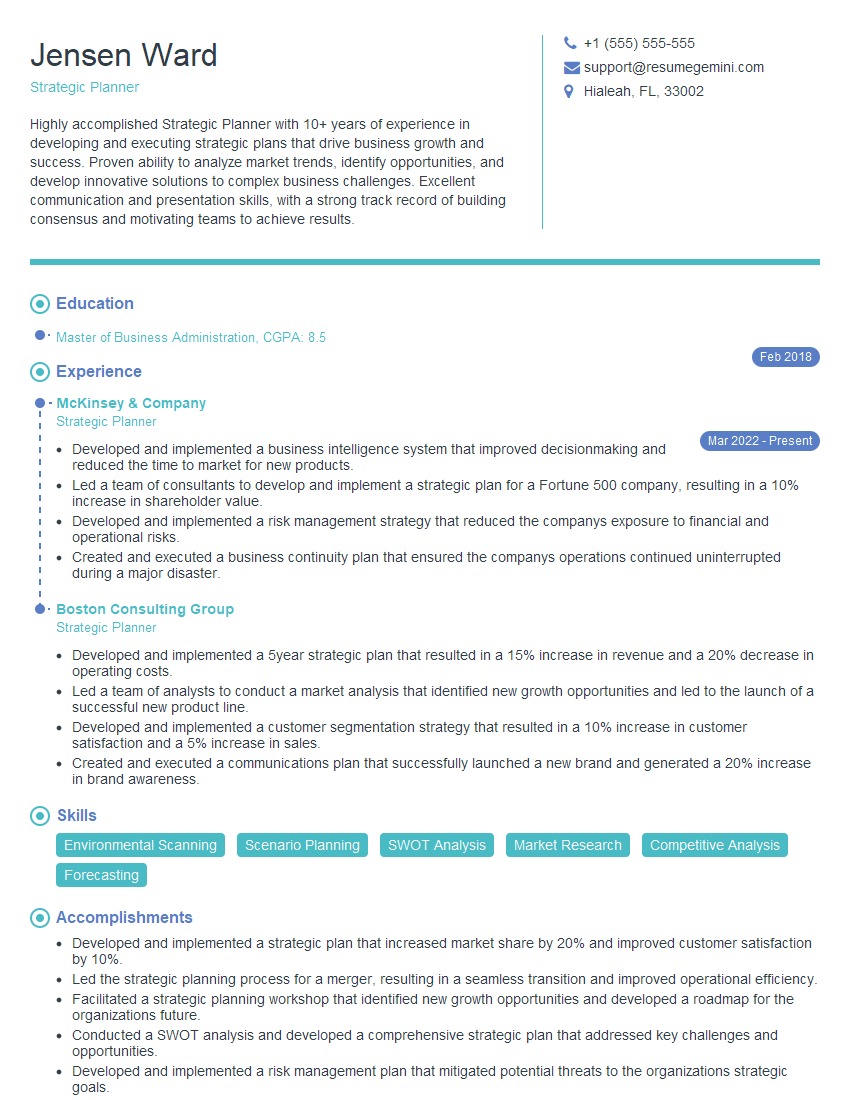
Strategic Planner Resume Sample
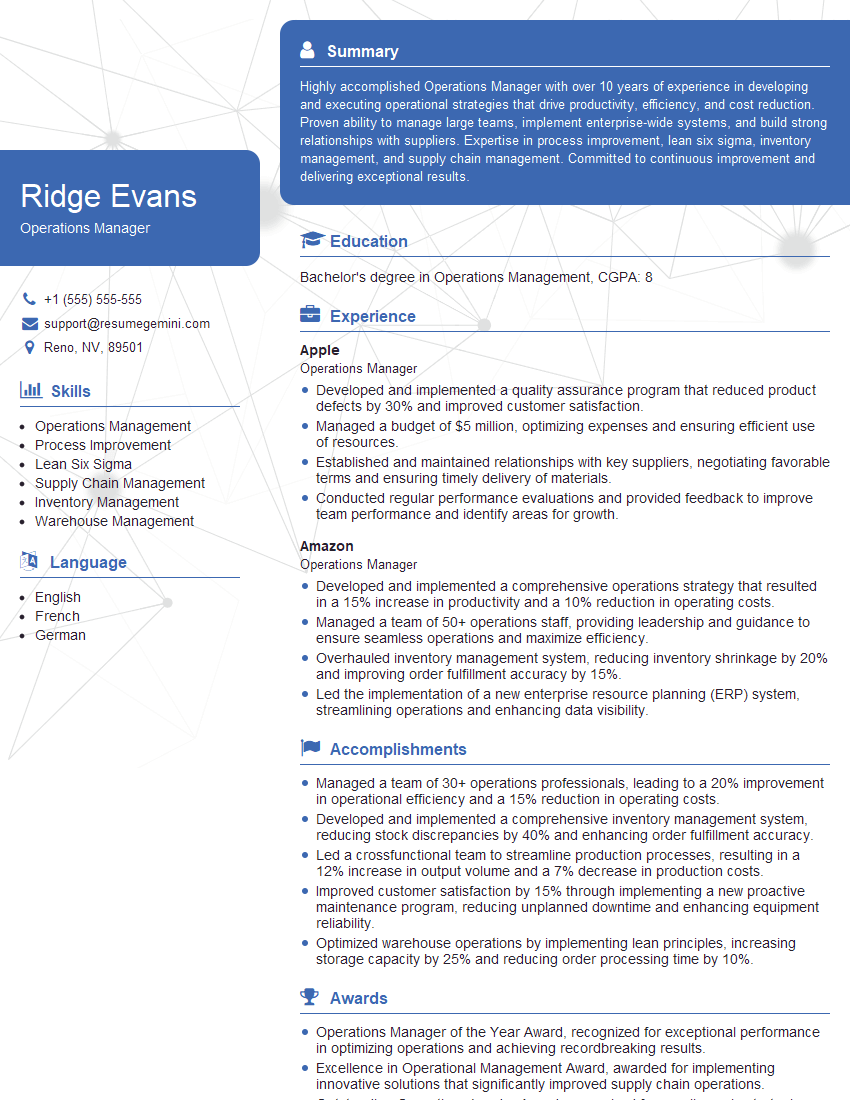
Operations Manager Resume Sample
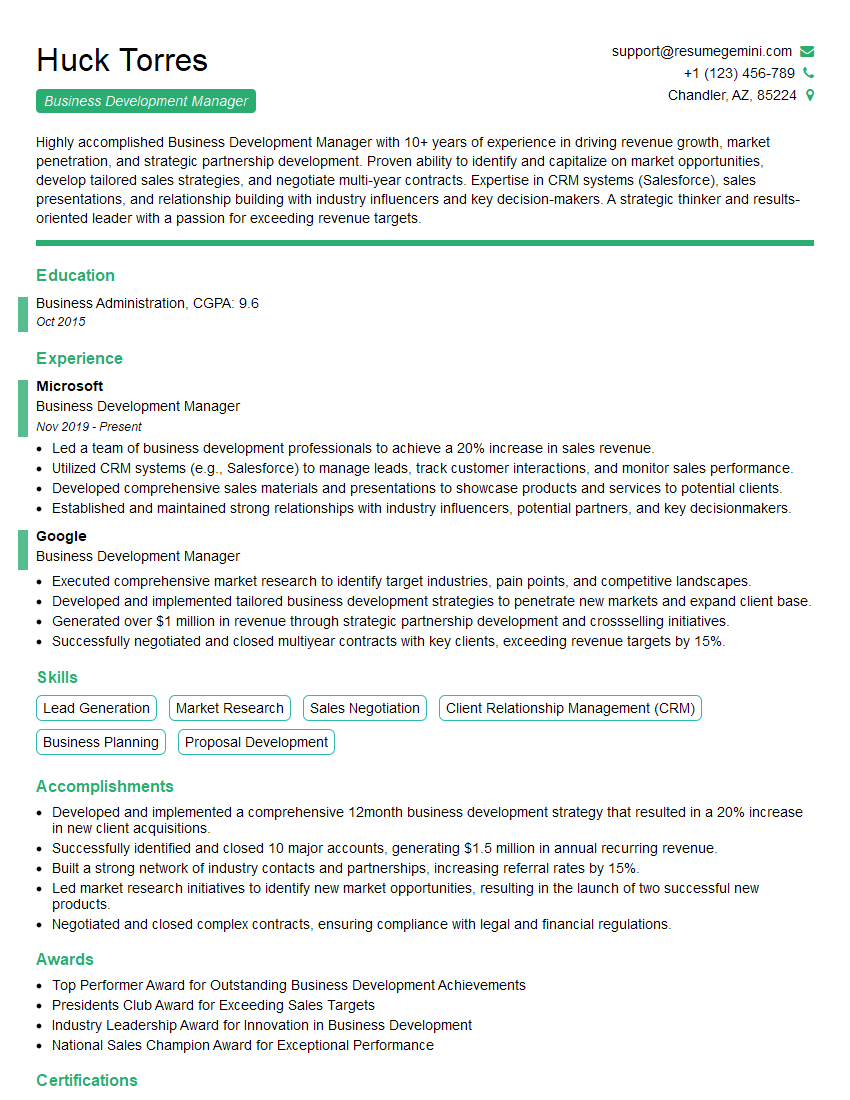
Business Development Manager Resume Sample
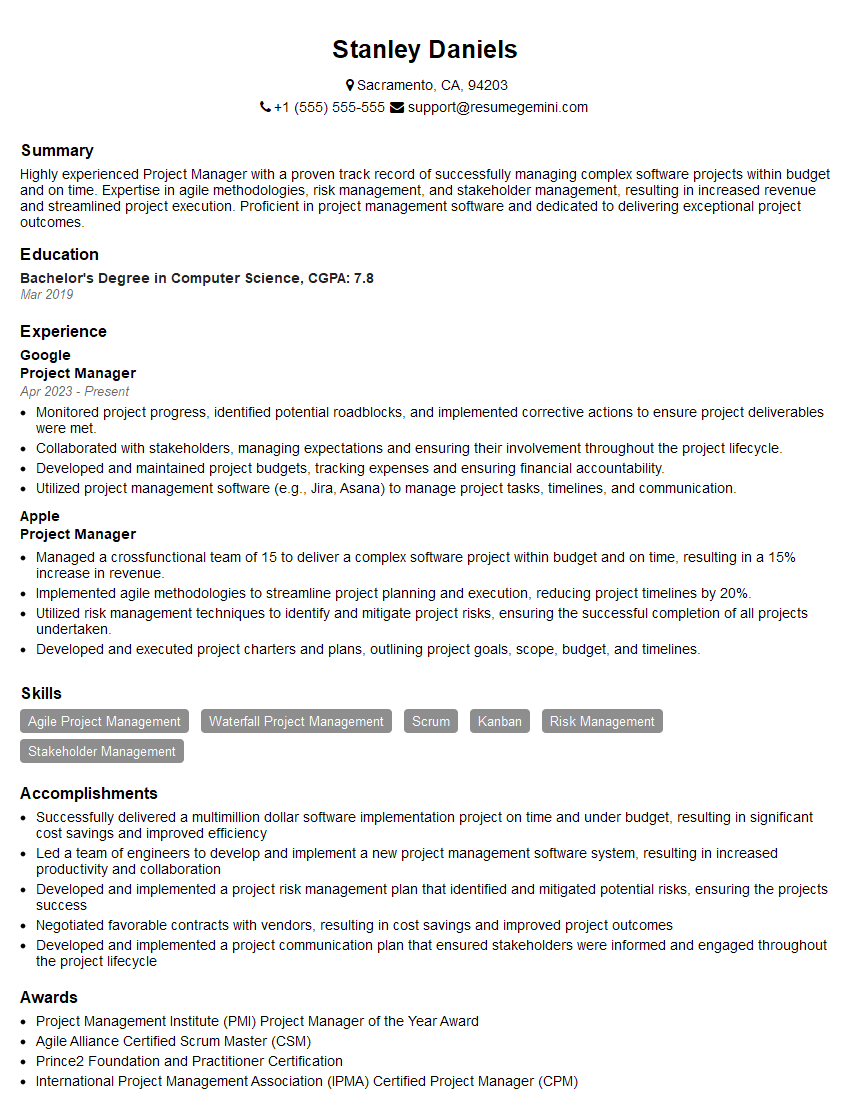
Project Manager Resume Sample
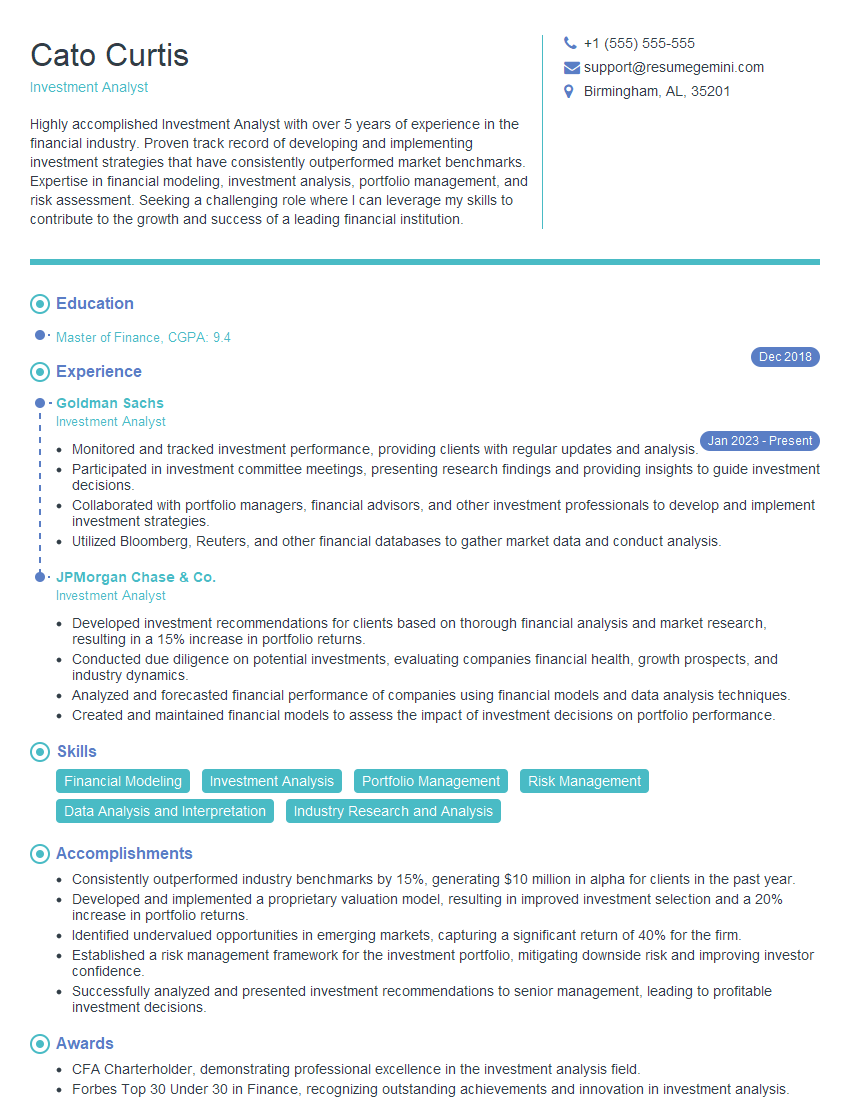
Investment Analyst Resume Sample
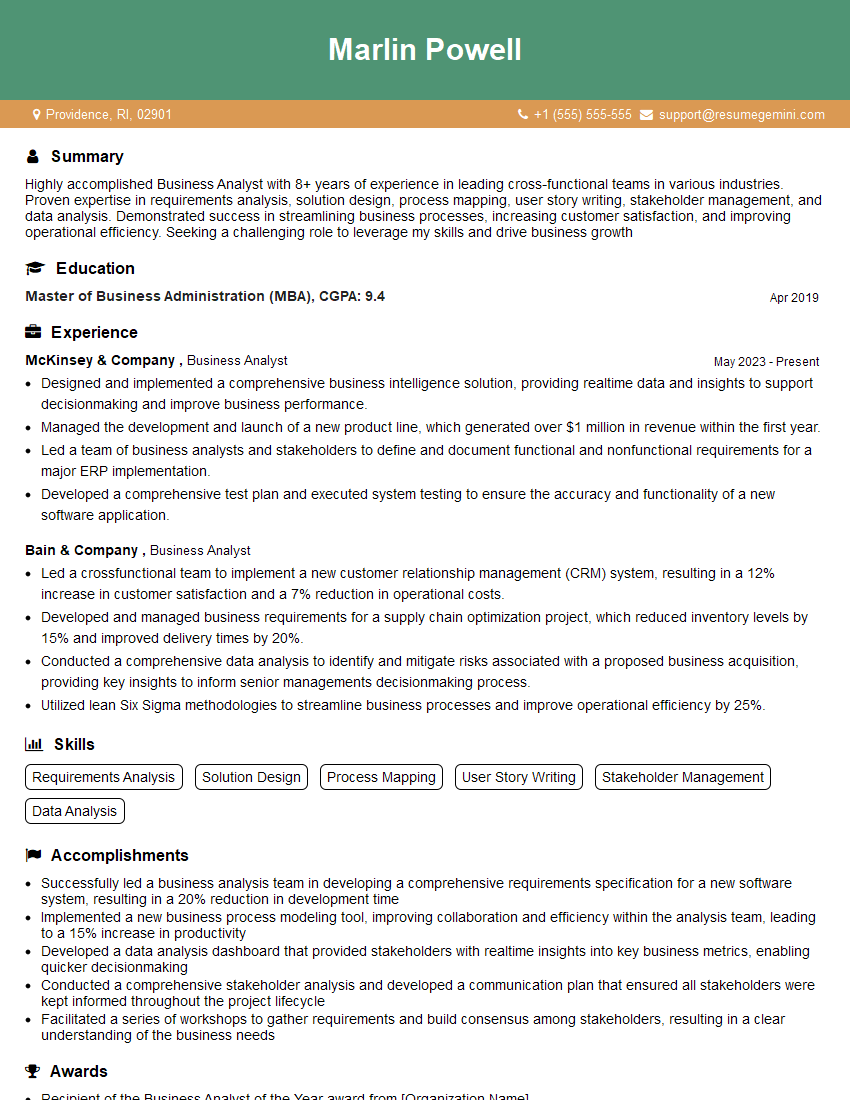
Business Analyst Resume Sample
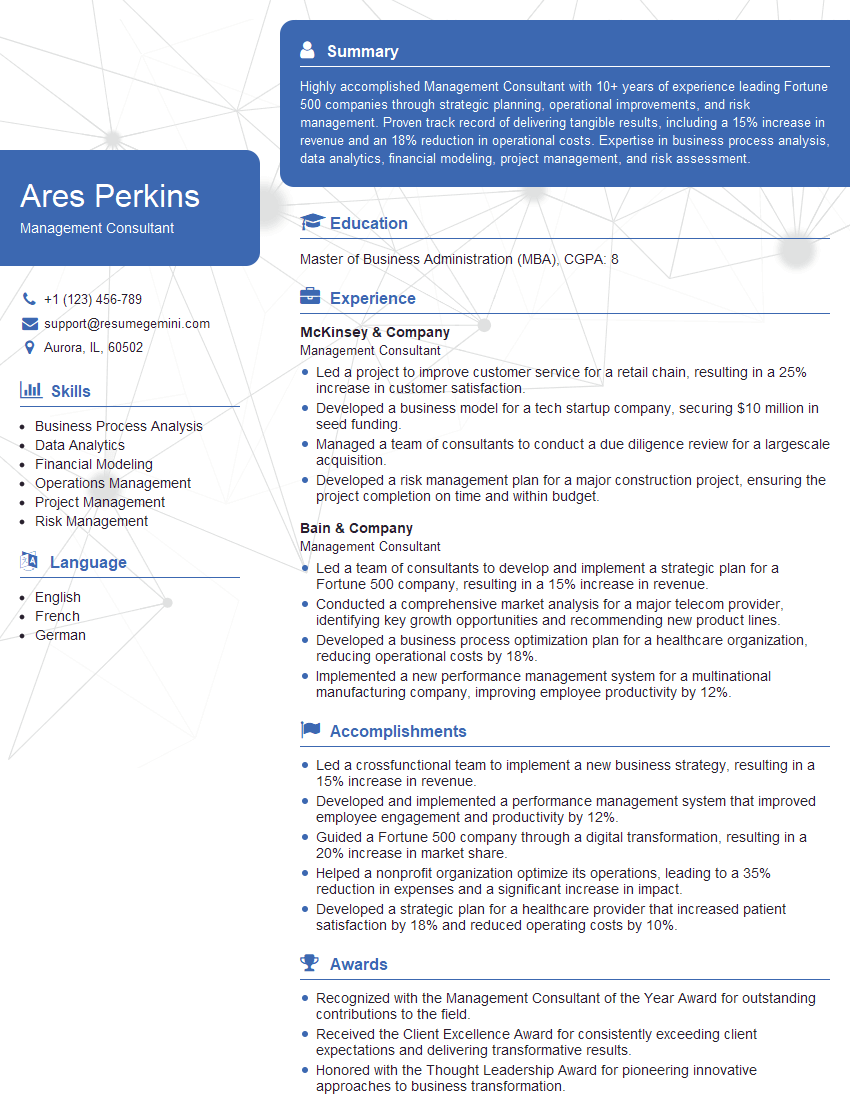
Management Consultant Resume Sample
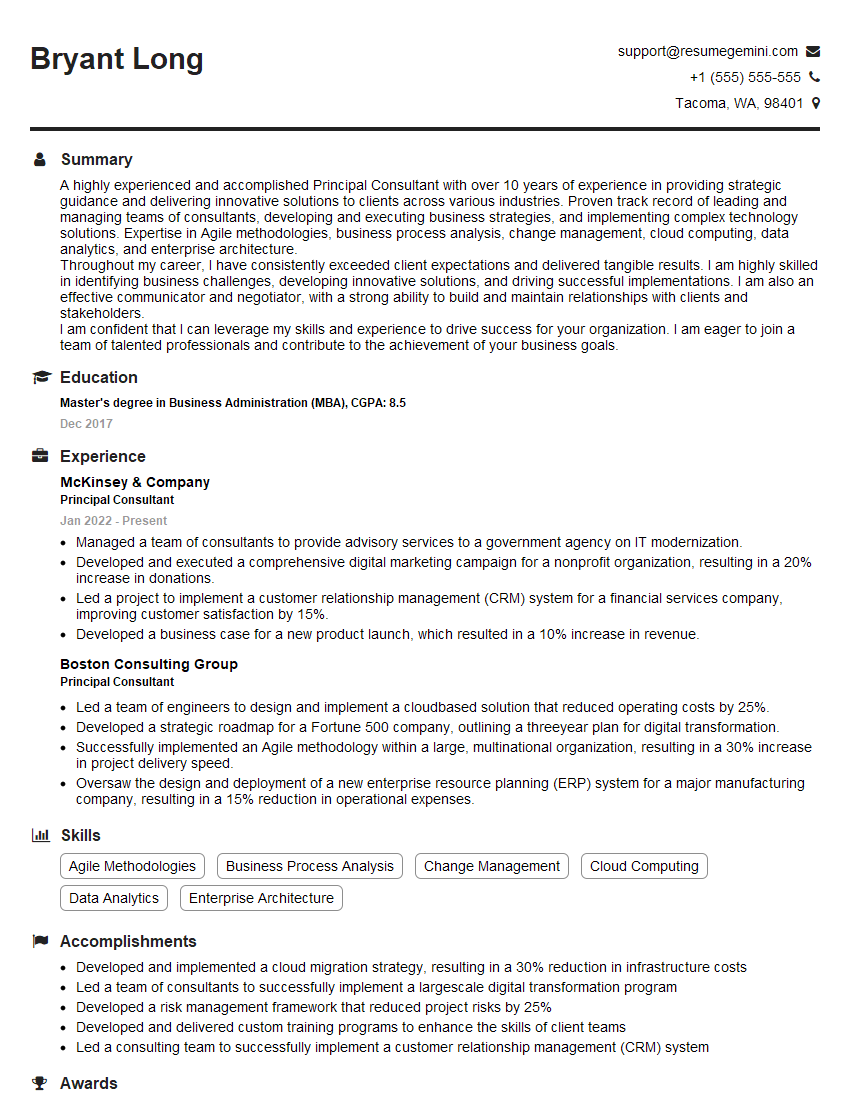
Principal Consultant Resume Sample
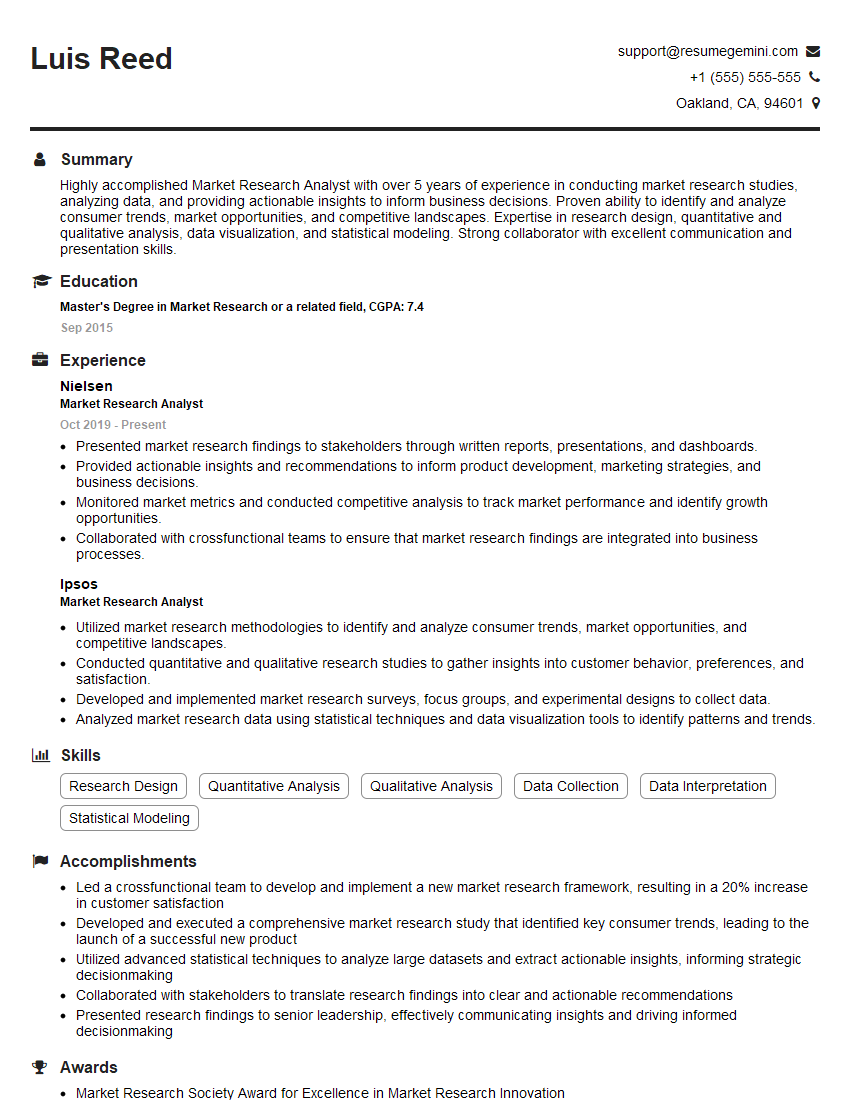
Market Research Analyst Resume Sample
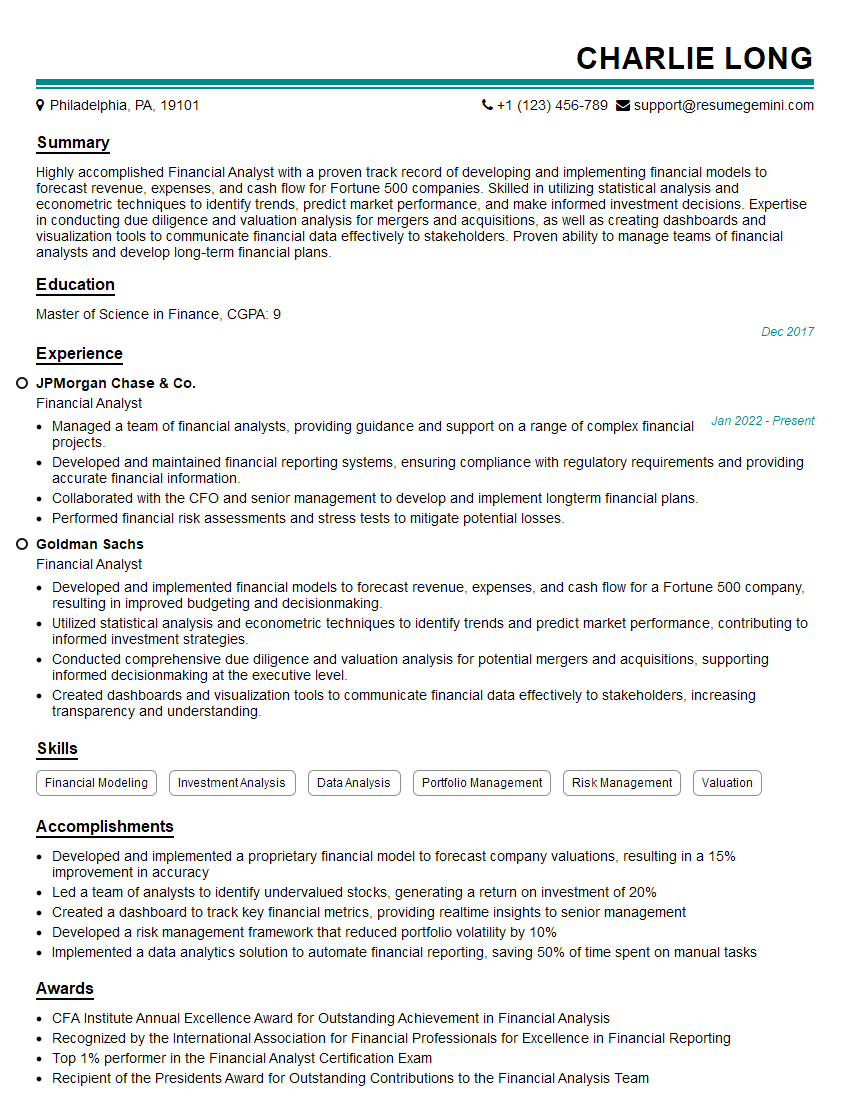
Financial Analyst Resume Sample
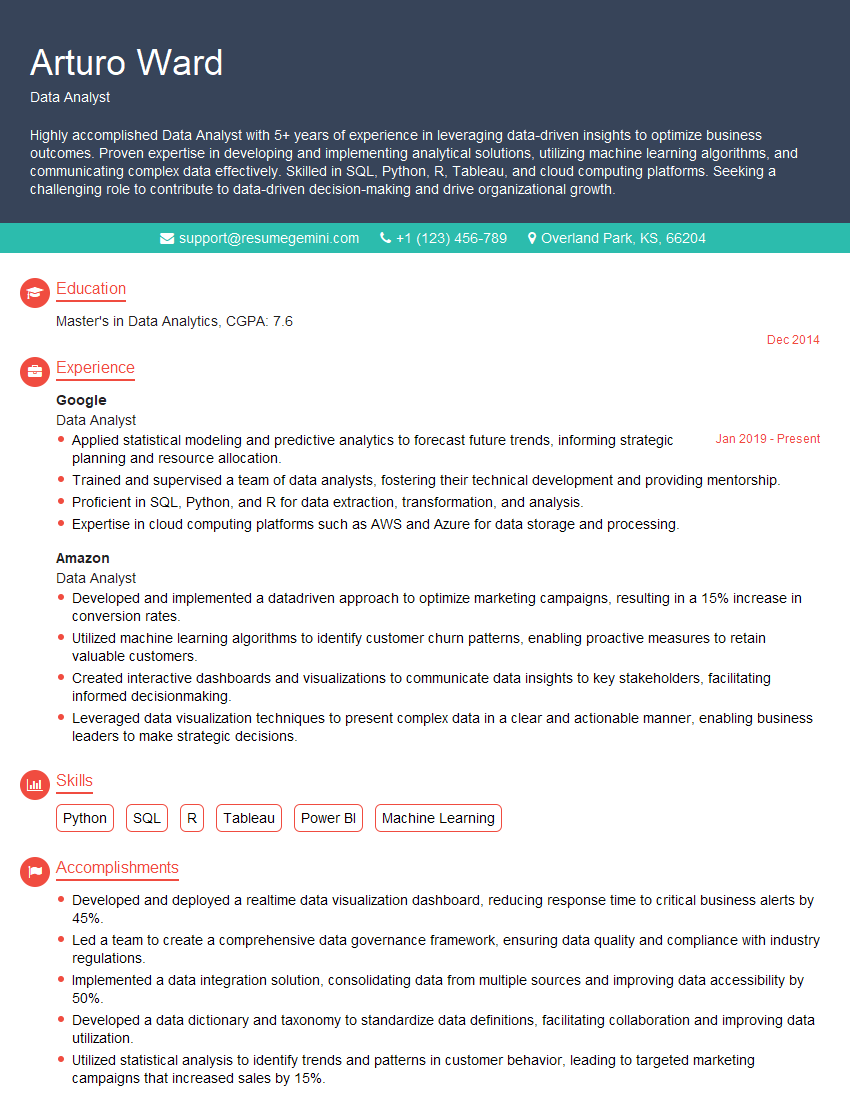
Data Analyst Resume Sample
Explore more articles
Users Rating of Our Blogs
Share Your Experience
We value your feedback! Please rate our content and share your thoughts (optional).
What Readers Say About Our Blog
To the interviewgemini.com Webmaster.
Very helpful and content specific questions to help prepare me for my interview!
Thank you
To the interviewgemini.com Webmaster.
This was kind of a unique content I found around the specialized skills. Very helpful questions and good detailed answers.
Very Helpful blog, thank you Interviewgemini team.