The right preparation can turn an interview into an opportunity to showcase your expertise. This guide to Feed Rate Adjustment interview questions is your ultimate resource, providing key insights and tips to help you ace your responses and stand out as a top candidate.
Questions Asked in Feed Rate Adjustment Interview
Q 1. Explain the relationship between feed rate, spindle speed, and material removal rate.
The relationship between feed rate, spindle speed, and material removal rate (MRR) is fundamental in machining. Think of it like baking a cake: spindle speed is how fast your mixer spins (rotational speed of the cutting tool), feed rate is how quickly you pour in the ingredients (the rate at which the cutting tool advances into the workpiece), and material removal rate is the total amount of cake batter mixed in a given time. All three are interconnected and influence the final outcome.
Specifically, Material Removal Rate (MRR) is directly proportional to both feed rate and spindle speed. A higher spindle speed or a higher feed rate will result in a higher MRR, assuming all other factors (like depth of cut and tool geometry) remain constant. The formula often used to express the relationship, though it needs adjustments based on machining operations, is:
MRR = Feed Rate x Spindle Speed x Depth of CutFor instance, doubling your feed rate while keeping spindle speed and depth of cut the same will double your MRR. Similarly, doubling your spindle speed will also double your MRR. However, it’s crucial to remember that increasing these parameters excessively can lead to problems, as we’ll discuss later.
Q 2. How does material hardness affect optimal feed rate?
Material hardness significantly impacts the optimal feed rate. Harder materials require slower feed rates to avoid excessive tool wear, breakage, and heat generation. Imagine trying to cut through a very hard rock with a knife—you’d need to take small, deliberate cuts to avoid damaging the knife. Conversely, softer materials allow for higher feed rates because the cutting tool can penetrate more easily.
For example, machining hardened steel requires a much lower feed rate than machining aluminum. The increased resistance offered by the harder material necessitates a slower cutting speed to prevent the cutting edges from fracturing or dulling prematurely. The choice of cutting fluid also plays a vital role, as proper lubrication and cooling will allow for higher feed rates while mitigating excessive heat.
Q 3. Describe different methods for determining appropriate feed rates for various machining operations (e.g., milling, turning, drilling).
Determining appropriate feed rates involves considering several factors and employing various methods depending on the operation:
- Machining Data Handbooks: These provide recommended feed rates for different materials and cutting tools. They are a valuable starting point, but adjustments are often necessary based on specific machine and workpiece conditions.
- Cutting Tool Manufacturers’ Recommendations: Manufacturers’ catalogs and documentation specify appropriate feed rates for their tools under various conditions. This is often the most reliable source of information, since it is specific to the tool’s design and capabilities.
- Trial and Error (with caution): Starting with conservative settings from the handbook or manufacturer’s recommendations, and gradually increasing the feed rate while carefully monitoring the process, is a practical approach. This allows for fine-tuning based on observed tool wear and surface finish.
- Computer-Aided Manufacturing (CAM) Software: Modern CAM software automatically calculates feed rates based on the specified machining operations, material properties, and tool selection. These calculations often consider tool geometry and cutting forces to optimize the process.
Specific examples for different operations:
- Milling: Feed rate depends heavily on the type of milling (face, end, slot), cutter diameter, number of teeth, and material. Face milling, for instance, typically uses higher feed rates than slotting.
- Turning: Feed rate depends on factors like material, cutting tool geometry, depth of cut, and desired surface finish. Roughing cuts often have higher feed rates than finishing cuts.
- Drilling: Feed rate is critical for avoiding drill breakage. The rate will vary significantly based on the material, drill size, and type (e.g., high-speed steel, carbide).
Q 4. What are the consequences of setting the feed rate too high?
Setting the feed rate too high has several detrimental consequences:
- Tool breakage: Excessive force on the cutting tool can cause it to fracture or chip, leading to downtime, tool replacement, and potential damage to the workpiece.
- Poor surface finish: High feed rates can produce a rough or torn surface finish, requiring additional finishing operations.
- Excessive tool wear: The increased cutting forces accelerate tool wear, reducing tool life and increasing operating costs.
- Heat buildup: High feed rates generate excessive heat, potentially leading to workpiece distortion, tool damage, and reduced accuracy.
- Machine chatter: High feed rates can excite vibrations in the machine, causing chatter, a destructive and inconsistent surface finish.
Imagine trying to saw a piece of wood too quickly—you’d likely break the saw blade! The same principle applies to machining.
Q 5. What are the consequences of setting the feed rate too low?
Setting the feed rate too low also has negative repercussions:
- Reduced Material Removal Rate (MRR): This results in increased machining time and lower productivity.
- Increased machining cost: More time spent machining translates to higher labor and energy costs.
- Excessive tool wear per unit volume of material removed: While this might seem counterintuitive, prolonged contact at a slow feed rate may contribute to increased wear.
- Potentially higher surface roughness in certain scenarios: In some cases, a very low feed rate can lead to poor surface finish.
Think of it like trying to paint a house with a tiny brush; it takes much longer to cover the same area.
Q 6. How do you calculate the optimal feed rate for a specific machining operation?
Calculating the optimal feed rate for a specific machining operation is not a simple formula but a process involving several considerations. There isn’t a single equation that works for all situations; the best approach is a combination of using published data and careful experimentation.
Step-by-step approach:
- Consult data handbooks and manufacturer’s recommendations: These resources often provide a starting point based on the workpiece material and the cutting tool.
- Consider workpiece material: Harder materials require slower feed rates than softer materials.
- Select appropriate cutting tool: The tool material and geometry (e.g., number of teeth in a milling cutter) have a significant impact on the achievable feed rate.
- Determine the desired surface finish: A finer finish requires a slower feed rate.
- Start with a conservative feed rate: Begin with a lower feed rate from your reference source and observe the process for any signs of excessive tool wear, heat generation, chatter, or poor surface finish.
- Gradually increase feed rate (if necessary): Incrementally increase the feed rate until you observe any of the aforementioned problems. Then, back down slightly to a safe, efficient feed rate.
- Monitor and adjust: Continuously monitor the process, making adjustments as needed to optimize the feed rate for your specific application.
Remember, experience plays a vital role in selecting the right feed rate. It’s often an iterative process involving adjustments based on what you observe during the machining process.
Q 7. Explain the role of cutting tools in determining feed rate.
Cutting tools are central to determining the appropriate feed rate. Their material, geometry, and condition directly influence the maximum achievable feed rate without causing damage. The same material can be machined with vastly different feed rates depending on the tool used.
Key aspects of cutting tools affecting feed rate:
- Tool material: Carbide tools generally allow for higher feed rates than high-speed steel tools due to their superior hardness and wear resistance.
- Tool geometry: The rake angle, clearance angle, and cutting edge geometry affect the cutting forces and chip formation, which influence the allowable feed rate. Tools designed for roughing typically have higher feed rate capabilities compared to finishing tools.
- Tool wear: As the tool wears, its cutting ability diminishes, and the optimal feed rate needs to be reduced to avoid excessive damage. Regular tool inspection and replacement are crucial for maintaining consistent performance and preventing failures.
- Tool coatings: Coating materials (like TiN, TiAlN) can significantly improve the wear resistance of the cutting tool, enabling higher feed rates.
A sharp, well-maintained tool allows for faster feeds without compromising the surface finish or tool life, whereas a dull or damaged tool needs a significant reduction in feed rate to avoid failure.
Q 8. How does coolant affect feed rate selection?
Coolant plays a crucial role in machining operations, significantly influencing the choice of feed rate. Essentially, coolant acts as a lubricant and a heat sink. A sufficient coolant flow allows for higher feed rates because it reduces friction between the cutting tool and the workpiece, preventing excessive heat buildup. This heat buildup can lead to tool wear, reduced surface finish quality, and even tool failure.
Example: When machining aluminum, a high-pressure coolant system allows for significantly faster feed rates compared to dry machining, as the aluminum’s tendency to stick to the tool is mitigated by the lubricant.
Conversely, inadequate coolant flow necessitates a reduction in feed rate to prevent overheating and potential damage. The type of coolant also matters; some coolants offer better lubrication than others, impacting the maximum achievable feed rate.
Q 9. What is the impact of surface finish requirements on feed rate?
Surface finish requirements directly dictate the acceptable feed rate. A finer surface finish necessitates a lower feed rate. This is because higher feed rates generally result in coarser surface textures due to larger material removal rates per tooth of the cutting tool. Imagine trying to sand wood – a finer grit sandpaper and slower motion will give a smoother finish than a coarser grit and quicker strokes.
Example: Producing a mirror-like surface on a precision part might require a feed rate of only 0.005 inches per revolution (IPR), while a roughing cut on a less critical component might use 0.1 IPR or higher.
The type of machining operation also plays a role: finishing cuts always demand a much lower feed rate than roughing operations. The choice of cutting tool is also highly relevant. Sharper tools can provide better surface finishes even at slightly higher feed rates.
Q 10. How do you adjust feed rate based on tool wear?
Tool wear is a major factor affecting feed rate adjustments. As a tool wears, its cutting edge becomes duller and less effective. This leads to increased cutting forces, higher temperatures, poorer surface finishes, and ultimately, tool breakage. Therefore, the feed rate must be reduced as tool wear progresses to prevent these issues.
Adjustment Process:
- Regular Monitoring: Regularly inspect the cutting tool for signs of wear such as chipping, cracking, or dulling.
- Data Logging: Record the amount of material removed and the time taken at various feed rates to monitor tool wear rates.
- Progressive Reduction: Gradually decrease the feed rate as tool wear increases. Start with a small reduction and then further reduce it as necessary.
- Tool Replacement: Once the tool wear reaches a critical point, immediately replace the tool. Continued use of a worn tool can be very damaging to the part and the machine.
Example: If a tool starts exhibiting signs of wear after machining 100 parts, you might reduce the feed rate by 10-20% to extend its life. If the wear continues, further reduction is needed until tool replacement.
Q 11. Describe the process of optimizing feed rate for a complex part.
Optimizing feed rate for a complex part involves a more methodical approach than simpler parts. The process requires a combination of experience, calculations, and iterative adjustments.
Process:
- Part Analysis: Thoroughly analyze the part geometry, material properties, and surface finish requirements. Identify areas with different material thicknesses and complexity.
- Material Selection: Choose suitable cutting tools and cutting parameters.
- Roughing and Finishing Passes: Define multiple machining passes – roughing cuts to remove the bulk of material and finishing cuts to achieve the final dimensions and surface finish. Each pass will have its own optimized feed rate.
- Simulation & Calculation: Use Computer-Aided Manufacturing (CAM) software to simulate the machining process. CAM software usually has algorithms to automatically calculate optimal feed rates, but these should be critically reviewed by an experienced machinist.
- Trial and Error: Begin with conservative feed rates during initial trials and monitor the results carefully. Note any vibration, tool wear, or changes in surface finish.
- Iterative Adjustments: Gradually increase the feed rate in subsequent trials until the optimal balance between productivity and part quality is achieved.
Example: Machining an impeller with complex curves may require a series of roughing passes, utilizing higher feed rates for the bulk removal, followed by finishing passes using significantly reduced feed rates to accurately machine the intricate features.
Q 12. Explain how G-code parameters relate to feed rate control.
G-code is the language of CNC machines, and several parameters control the feed rate. The most common parameters are:
F: This G-code letter represents the feed rate. For example,F100would indicate a feed rate of 100 units (usually inches or millimeters) per minute.G01: This G-code indicates a linear interpolation move, where the feed rate specified byFis active.G00: This G-code indicates a rapid positioning move, typically ignoring anyFsetting.
Example:
G01 X10 Y20 F50This line in G-code moves the tool linearly to coordinates X10, Y20 at a feed rate of 50 units per minute.
Important note: The units of the feed rate (inches per minute, millimeters per minute, etc.) are usually set as a machine parameter. Understanding these machine parameters is crucial for proper G-code interpretation.
Q 13. How do you troubleshoot issues related to incorrect feed rate settings?
Troubleshooting incorrect feed rate settings requires a systematic approach.
Troubleshooting Steps:
- Review G-Code: Carefully check the G-code program for errors. Ensure that the feed rate values (
F) are appropriately set for each operation and are consistent with the material and tool being used. - Check Machine Parameters: Verify the machine’s units settings (inches/millimeters) and ensure they align with the G-code. This is a common source of error.
- Monitor Tool Wear: Excessive tool wear can indicate an overly aggressive feed rate. Reduce the feed rate and monitor performance.
- Observe Machine Performance: Pay attention to the machine’s behavior during operation. High vibrations or unusual sounds might suggest an inappropriate feed rate.
- Examine Part Quality: Look for surface defects, dimensional inaccuracies, or signs of tool chatter. These are clear indicators that the feed rate needs adjustment.
- Incremental Adjustments: Make small, incremental adjustments to the feed rate during testing and assess the results carefully.
Example: If a part shows excessive chatter, start by reducing the feed rate by 10-20% and observe if it improves. If not, further adjustments are needed.
Q 14. What are the safety considerations related to feed rate adjustments?
Safety is paramount when adjusting feed rates. Improper feed rate settings can lead to several hazards.
Safety Considerations:
- Tool Breakage: Too high a feed rate can cause tool breakage, potentially leading to injury from flying debris or machine damage.
- Machine Damage: Incorrect feed rate settings can overload the machine’s components, leading to damage of the spindle, bearings, or other parts.
- Workpiece Damage: An improperly selected feed rate might result in damaged parts, necessitating rework or scrap.
- Vibration and Chatter: Incorrect feed rates can cause vibrations and chatter, which can decrease part quality, lead to tool failure, and introduce harmful vibrations into the machine structure.
- Emergency Stops: Machinists should know the location and proper use of emergency stop buttons on the CNC machine in case of issues arising from incorrect feed rates.
Best Practice: Always start with conservative feed rates when machining a new part or using a new tool. Gradually increase the feed rate while closely monitoring the process. Always wear appropriate safety equipment, including safety glasses and hearing protection.
Q 15. Explain the difference between constant surface speed and constant feed rate.
The key difference between constant surface speed (CSS) and constant feed rate (CFR) lies in how the cutting tool interacts with the workpiece.
Constant Surface Speed (CSS): In CSS, the rotational speed of the cutting tool adjusts to maintain a consistent cutting speed at the workpiece surface, regardless of the workpiece diameter. Imagine a lathe turning a piece of wood. As the diameter of the wood gets smaller, the spindle speed increases to keep the cutting speed constant. This is ideal for operations requiring a consistent surface finish, like turning a cylindrical part. The feed rate changes to maintain this constant surface speed.
Constant Feed Rate (CFR): In CFR, the feed rate remains constant while the spindle speed might change. The cutting speed changes proportionately with the diameter of the workpiece. For instance, consider a milling operation where a cutter moves across a workpiece at a fixed rate. The feed rate remains consistent even if the depth of cut or the material changes. CFR is often preferred for operations where a consistent material removal rate is more important than a constant surface finish.
In essence, CSS prioritizes consistent surface speed, while CFR prioritizes consistent material removal rate or tool path. The choice between CSS and CFR depends entirely on the specific machining operation and the desired outcome.
Career Expert Tips:
- Ace those interviews! Prepare effectively by reviewing the Top 50 Most Common Interview Questions on ResumeGemini.
- Navigate your job search with confidence! Explore a wide range of Career Tips on ResumeGemini. Learn about common challenges and recommendations to overcome them.
- Craft the perfect resume! Master the Art of Resume Writing with ResumeGemini’s guide. Showcase your unique qualifications and achievements effectively.
- Don’t miss out on holiday savings! Build your dream resume with ResumeGemini’s ATS optimized templates.
Q 16. How does workholding affect feed rate selection?
Workholding is crucial for feed rate selection, as inadequate workholding can lead to vibrations, chatter, and inaccurate machining, ultimately affecting part quality and potentially damaging the machine.
Factors to consider:
- Rigidity: A rigid workholding setup minimizes workpiece deflection during cutting. If the workpiece flexes, the feed rate needs to be reduced to prevent inaccuracies and tool breakage. Insufficient rigidity necessitates lower feed rates.
- Vibration damping: Workholding systems with good vibration damping capabilities allow for higher feed rates without inducing chatter. Chatter is a self-excited vibration that produces a poor surface finish and can damage the tool. Solutions could include using vibration dampening materials or a more robust clamping system.
- Workpiece stability: The secure placement of the workpiece directly impacts stability. If the workpiece isn’t firmly held, it can shift or vibrate during machining, requiring a reduction in feed rate to prevent errors. Using appropriate fixtures and clamping mechanisms is critical.
Example: Machining a long, slender part would necessitate a lower feed rate compared to a short, rigid component due to increased susceptibility to deflection. Accurate workholding is paramount in these situations.
Q 17. How do you account for variations in material properties when setting feed rate?
Material properties significantly influence feed rate selection. Harder materials require lower feed rates to prevent tool wear and breakage, while softer materials can often tolerate higher feed rates. The machinability of a material is also critical.
Consider these factors:
- Hardness: Harder materials (like hardened steel) require significantly lower feed rates than softer materials (like aluminum). Increased cutting forces and higher risk of tool breakage mandates caution.
- Toughness: Tough materials resist deformation and can generate high cutting forces, leading to the need for lower feed rates to prevent tool failure. Ductile materials often behave differently.
- Tensile strength: High tensile strength materials also require more careful feed rate considerations, as they resist cutting.
- Machinability rating: Many materials have machinability ratings (often relative to a baseline material like free-machining steel) that provide a relative indication of their ease of machining. These ratings inform appropriate feed rate selections.
Example: Machining titanium, a very hard and tough material, necessitates much lower feed rates compared to machining mild steel. Consult material datasheets or use established cutting data to determine appropriate settings for different materials.
Q 18. How do you use data from previous jobs to inform feed rate decisions?
Data from previous jobs provides valuable insights for informed feed rate decisions. Analyzing past performance helps optimize the current operation for efficiency and quality.
Utilizing past data:
- Reviewing cutting parameters: Examine the successful feed rates, spindle speeds, and depths of cut used in previous machining of similar materials and geometries. This historical data offers a starting point.
- Analyzing surface finish: Evaluate surface roughness values and identify the correlation with feed rate and other cutting parameters. This guides the selection for achieving the required surface finish.
- Tool life analysis: Track tool wear rates from previous jobs to determine optimal feed rates that balance productivity with tool longevity. Excessive wear might indicate the need for lower feed rates.
- Identifying chatter occurrences: Analyze past jobs for instances of chatter and correlate them to specific feed rates or cutting conditions. This will guide you in avoiding these problematic settings.
Example: If previous jobs machining the same material with a similar tool showed optimal performance at a feed rate of 0.01 inches per revolution, that data can be used as a starting point for the new job, potentially adjusted slightly based on the specific circumstances of the current operation.
Q 19. Explain the concept of adaptive control in relation to feed rate.
Adaptive control adjusts machining parameters, including feed rate, in real time based on sensed conditions during the machining process.
Adaptive control in feed rate adjustment:
Sensors monitor various aspects of the machining process, such as cutting forces, power consumption, or acoustic emissions. This data is fed into a control system that automatically modifies the feed rate to maintain optimal cutting conditions. For instance, if cutting forces increase significantly, indicating impending tool failure, the system reduces the feed rate to prevent problems. Conversely, if cutting forces remain low and well within tolerance, the system might increase the feed rate to enhance productivity.
Benefits of adaptive control:
- Improved surface finish: By maintaining optimal cutting conditions, adaptive control leads to a more consistent and higher-quality surface finish.
- Increased tool life: Reducing cutting forces through adaptive control extends the lifespan of cutting tools.
- Enhanced productivity: By allowing for higher feed rates when conditions permit, adaptive control can increase material removal rate without compromising part quality.
- Reduced scrap rate: By preventing tool breakage and part defects, adaptive control minimizes material waste.
Adaptive control systems are sophisticated and require specialized equipment and programming, but the benefits often outweigh the added complexity.
Q 20. Describe your experience with different types of feed rate control systems.
I have experience with several feed rate control systems, ranging from simple manual control to advanced CNC systems with adaptive control capabilities.
Types of systems:
- Manual feed rate control: In manual systems, the operator directly sets and adjusts the feed rate using handwheels or levers. This is common on older machines or for very simple operations. Precision is limited by the operator’s skill and reaction time.
- Open-loop CNC control: These systems use pre-programmed feed rates, but there’s no feedback mechanism to adjust the feed rate based on real-time conditions. This type is more precise than manual but lacks adaptability to varying conditions.
- Closed-loop CNC control: Closed-loop systems incorporate feedback sensors to monitor cutting forces, spindle speed, or other parameters. The control system adjusts the feed rate based on these real-time measurements to maintain the desired conditions. This approach is more precise and adaptable.
- Adaptive control systems: These represent the most advanced type and use sophisticated algorithms to optimize feed rates and other machining parameters in response to the sensed conditions. They offer the highest levels of precision, productivity, and part quality.
My experience encompasses working with various CNC controllers from different manufacturers, and I’m proficient in programming and troubleshooting these systems to ensure optimal performance.
Q 21. How do you handle unexpected situations during machining operations that require feed rate adjustments?
Unexpected situations during machining operations necessitate immediate and informed feed rate adjustments to prevent damage and ensure part quality. My approach involves a combination of immediate response and systematic analysis.
Handling unexpected situations:
- Immediate response: If I detect an issue like excessive vibration or a significant increase in cutting force, my immediate reaction is to reduce the feed rate to mitigate the problem. Safety is paramount.
- Diagnosis and analysis: Once the immediate threat is addressed, I systematically investigate the root cause. This could involve examining the workpiece, the tool, the workholding setup, or the machining program itself.
- Corrective actions: Based on the diagnosis, appropriate corrective actions are taken. This could involve replacing a dull tool, tightening the workholding, adjusting the cutting parameters, or modifying the machining program. If there is a problem with the machine itself, a maintenance technician would be called in.
- Documentation and prevention: Thorough documentation of the event, including the cause, corrective actions, and any changes to the machining parameters, helps prevent similar issues in the future. This ensures improvements in the process.
Example: Encountering unexpected chatter necessitates an immediate feed rate reduction to prevent tool damage. After addressing the immediate problem, I would investigate whether the cause was tool wear, insufficient workholding rigidity, or a resonant frequency issue in the machining system to prevent recurrence.
Q 22. What software or tools do you use to calculate and set feed rates?
Calculating and setting feed rates effectively requires a combination of software and tools. The specific tools depend heavily on the CNC machine and CAM (Computer-Aided Manufacturing) software used.
CAM Software: Most modern CAM software packages (like Mastercam, Fusion 360, etc.) have built-in feed rate calculators. These tools consider factors like material type, tool geometry, cutting depth, and desired surface finish to automatically generate optimized G-code. I’m proficient in using the feed rate optimization features within Mastercam and Fusion 360. They often allow for manual overrides and fine-tuning based on experience.
CNC Machine Controller: The CNC machine itself usually has a control panel or interface for manual adjustment of feed rates during operation. This is often used for real-time adjustments during the machining process, based on observations of the cutting action. I’m familiar with Fanuc, Siemens, and Heidenhain controls, and understand the specific parameters and interfaces for feed rate modification within each.
Spreadsheets and Calculation Tools: For more complex scenarios or custom calculations, I frequently use spreadsheets (Excel, Google Sheets) to create feed rate tables based on different material properties, cutting tools, and machine capabilities. This helps in systematic optimization and provides a record for future reference.
The choice of tool depends on the complexity of the job, the available resources, and the level of automation desired. For routine jobs, the CAM software’s built-in capabilities are sufficient. However, for highly customized applications or when pushing the limits of machine performance, manual calculations and adjustments are essential.
Q 23. Explain your experience with different CNC machine types and their impact on feed rate strategies.
My experience spans various CNC machine types, including 3-axis milling machines, 5-axis milling centers, and lathes. Each machine type presents unique challenges and considerations for feed rate strategies.
3-Axis Milling: Relatively straightforward, feed rate strategies mainly focus on optimizing cutting speed for material removal and surface finish. Chip evacuation is a key concern, especially with deeper cuts.
5-Axis Milling: More complex due to simultaneous movement in multiple axes. Feed rate strategies need to account for toolpath geometry and potential for collisions. Careful consideration is required to maintain consistent cutting conditions throughout the entire toolpath.
Lathes: Here, the focus is on optimizing cutting speeds and feeds for turning operations. The type of cut (roughing vs. finishing) significantly impacts feed rate selection. Considerations around surface speed and spindle speed are paramount.
The impact on feed rate strategies is significant. For instance, a 5-axis machine with its increased complexity may require slower feed rates during complex tool movements to ensure accuracy and prevent damage. Conversely, a high-powered 3-axis milling machine could handle aggressive feed rates, which significantly speeds up the overall process.
In my experience, adaptability and deep understanding of each machine’s limitations and capabilities are crucial for effective feed rate management.
Q 24. Describe a time when you had to optimize feed rate to improve efficiency or quality.
During a project involving the machining of intricate titanium components, we initially experienced inconsistent surface finishes and excessive tool wear. The initial feed rates, set automatically by the CAM software, were too aggressive for this challenging material.
To optimize feed rates, I followed a systematic approach:
Analysis: I carefully reviewed the existing G-code, noting areas with surface irregularities. I also analyzed tool wear patterns and the resulting chips.
Testing: I conducted several test cuts, systematically reducing the feed rate in increments. Each test cut was carefully inspected for surface finish and tool wear. This iterative process helped to pinpoint the optimal feed rate for each section of the component.
Implementation: Once the optimal feed rates were identified, I adjusted the G-code accordingly, carefully documenting all changes. The revised G-code was then verified and tested before proceeding with full-scale production.
The result was a significant improvement in surface finish and a substantial reduction in tool wear. The cycle time, though slightly longer, was offset by a reduced need for tool changes, resulting in a net improvement in efficiency.
Q 25. How do you balance productivity and tool life when setting feed rates?
Balancing productivity and tool life when setting feed rates is a constant trade-off. Higher feed rates lead to faster machining times (increased productivity), but they also increase the wear and tear on the cutting tools, shortening their lifespan.
The optimal balance depends on several factors:
Cost of the tooling: If the tools are expensive, it might be better to use conservative feed rates to extend their life, even if it slows down production.
Material being machined: Some materials are more abrasive than others, demanding lower feed rates to prevent premature tool failure.
Production volume: For high-volume production, prioritizing productivity might be justifiable even if it means slightly more frequent tool changes. For low-volume projects, tool life might be a greater consideration.
A common strategy involves using different feed rates for roughing and finishing operations. During roughing, aggressive feed rates can be used for faster material removal, and the finishing pass uses a slower feed rate with a sharp tool for a higher-quality surface. This helps to maximize both aspects.
Q 26. Explain the importance of documentation regarding feed rate settings.
Documentation of feed rate settings is crucial for several reasons:
Reproducibility: Accurate documentation ensures consistent results across multiple production runs. If a particular setting yielded excellent results, it’s vital to record it for future use.
Troubleshooting: If a problem arises during production, the feed rate settings can be reviewed to identify potential causes.
Continuous Improvement: A history of feed rate settings and their outcomes is essential for identifying trends and improving overall process efficiency.
The documentation should include details like the specific material, cutting tool used, feed rate settings (feed per minute, depth of cut, etc.), and any observations regarding surface finish, tool wear, or other relevant factors. I typically use a combination of CAM software’s built-in logging features, along with separate spreadsheets or databases for comprehensive recording.
Q 27. How do you ensure consistent feed rates across multiple production runs?
Ensuring consistent feed rates across multiple production runs requires a systematic approach:
Standardized Procedures: Implementing well-defined procedures for setting up the machine and loading tools helps minimize variability. This includes regular tool presetting and verification to ensure accuracy.
Tool Management: Using a tool management system for tracking tool life and ensuring that tools are properly maintained and replaced helps to maintain consistency. Proper storage and handling minimize damage and wear before even reaching the machine.
Regular Calibration: Regular calibration of the CNC machine ensures that the machine is performing within its specified parameters. This is important for maintaining accuracy and repeatability.
G-Code Management: Using a version control system for G-code ensures that the same optimized code is used for each production run. This eliminates the possibility of errors introduced due to manual alterations.
By adhering to these practices, we can significantly reduce variability and enhance the reliability of the process, leading to higher quality output.
Q 28. Describe your approach to continuous improvement in feed rate optimization.
My approach to continuous improvement in feed rate optimization involves several key elements:
Data-Driven Analysis: I regularly collect data on feed rates, cycle times, tool life, and surface finish. This data is analyzed to identify areas for improvement and trends.
Experimentation: I’m always looking for opportunities to experiment with new cutting tools, strategies, and techniques to identify further potential for optimization.
Collaboration: I actively collaborate with machinists, engineers, and other stakeholders to share knowledge and best practices. This shared understanding leads to more effective problem-solving.
Training and Development: Continuous professional development keeps me abreast of the latest advancements in CNC machining and feed rate optimization techniques.
This iterative approach, combined with a commitment to data analysis and collaboration, is key to achieving continuous improvement and pushing the boundaries of what is possible in terms of speed, quality, and efficiency in CNC machining.
Key Topics to Learn for Feed Rate Adjustment Interview
- Fundamentals of Feed Rate: Understanding the definition, units (e.g., mm/min, ipm), and its impact on machining processes.
- Factors Influencing Feed Rate Selection: Exploring the relationship between material properties, cutting tools, machine capabilities, and desired surface finish.
- Calculating Optimal Feed Rates: Mastering the formulas and techniques for determining appropriate feed rates based on various parameters.
- Practical Applications: Analyzing real-world scenarios involving feed rate adjustments in different machining operations (e.g., milling, turning, drilling).
- Troubleshooting Feed Rate Issues: Identifying and resolving problems related to incorrect feed rate selection, such as tool wear, surface defects, or machine vibrations.
- Advanced Concepts: Exploring adaptive feed rate control, intelligent machining strategies, and the use of CNC programming to optimize feed rates.
- Safety Considerations: Understanding the importance of proper feed rate selection to prevent accidents and ensure safe machining practices.
Next Steps
Mastering Feed Rate Adjustment is crucial for career advancement in manufacturing and engineering, opening doors to specialized roles and higher earning potential. A strong resume is your key to unlocking these opportunities. To make your application stand out, focus on creating an ATS-friendly resume that highlights your skills and experience effectively. ResumeGemini is a trusted resource to help you build a professional, impactful resume that catches the eye of recruiters. We provide examples of resumes tailored to Feed Rate Adjustment to guide you through the process. Take the next step towards your dream career – build your best resume with ResumeGemini today.

Operations Manager Resume Sample

Plant Manager Resume Sample

Manufacturing Manager Resume Sample

Production Supervisor Resume Sample

Process Engineer Resume Sample

Automation Engineer Resume Sample
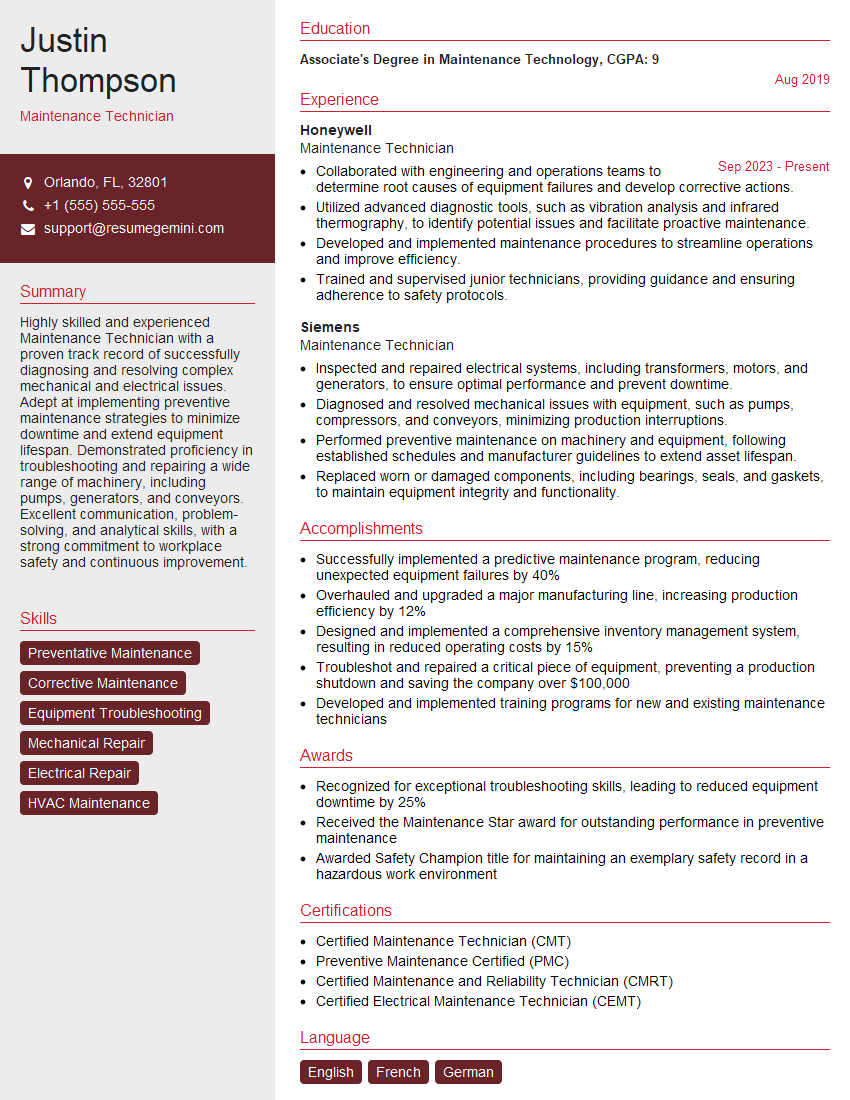
Maintenance Technician Resume Sample
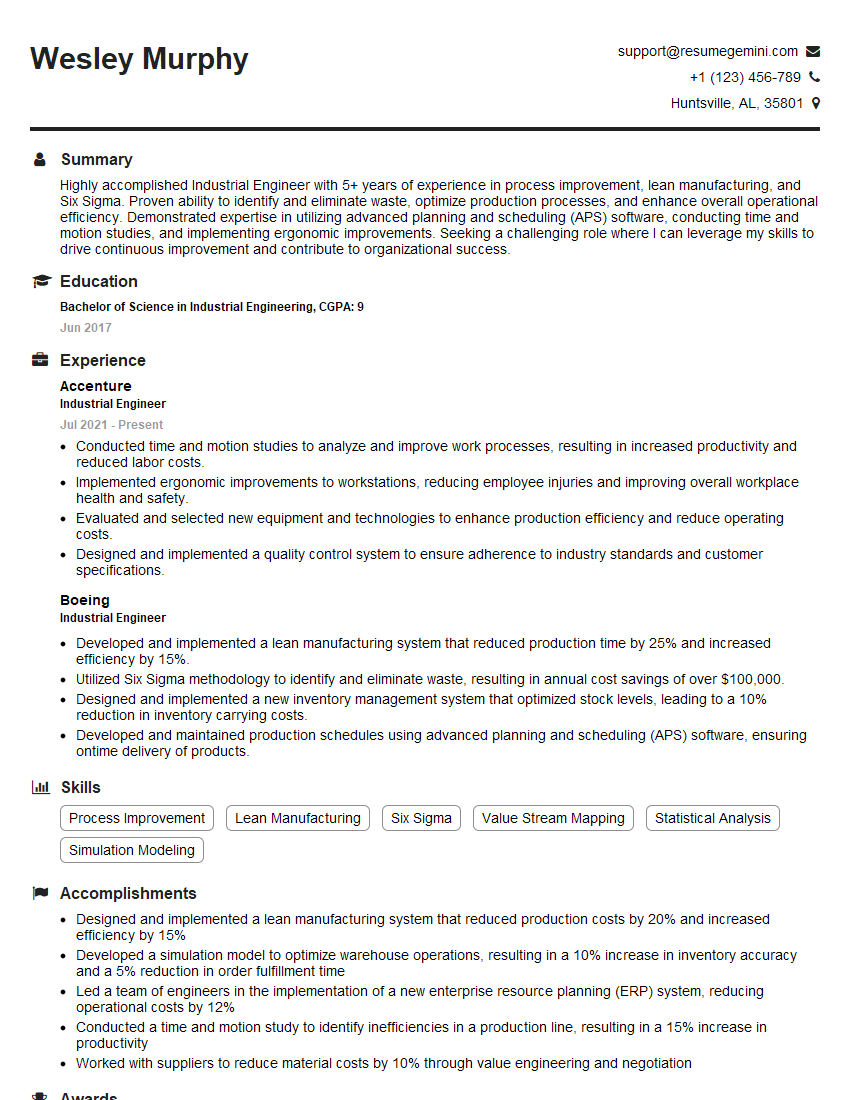
Industrial Engineer Resume Sample
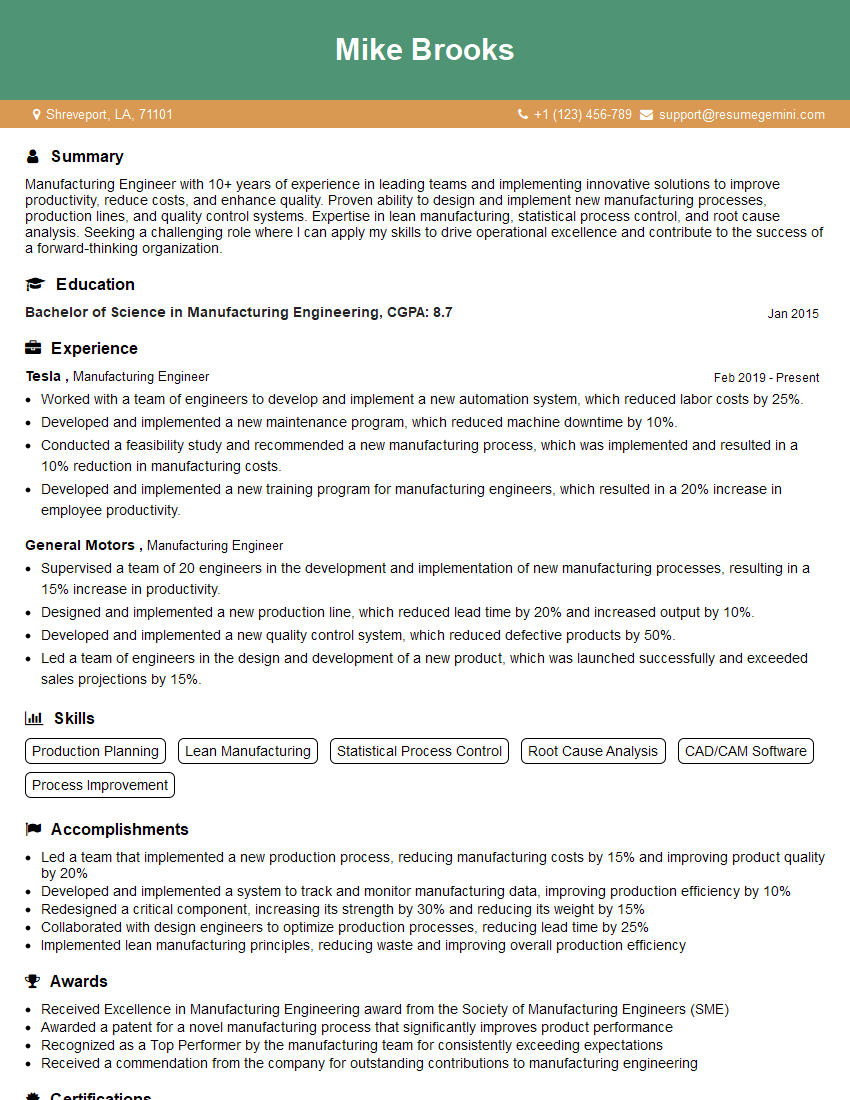
Manufacturing Engineer Resume Sample

Production Engineer Resume Sample

Tooling Engineer Resume Sample

Quality Assurance Engineer Resume Sample

Mechatronics Engineer Resume Sample

Robotics Engineer Resume Sample
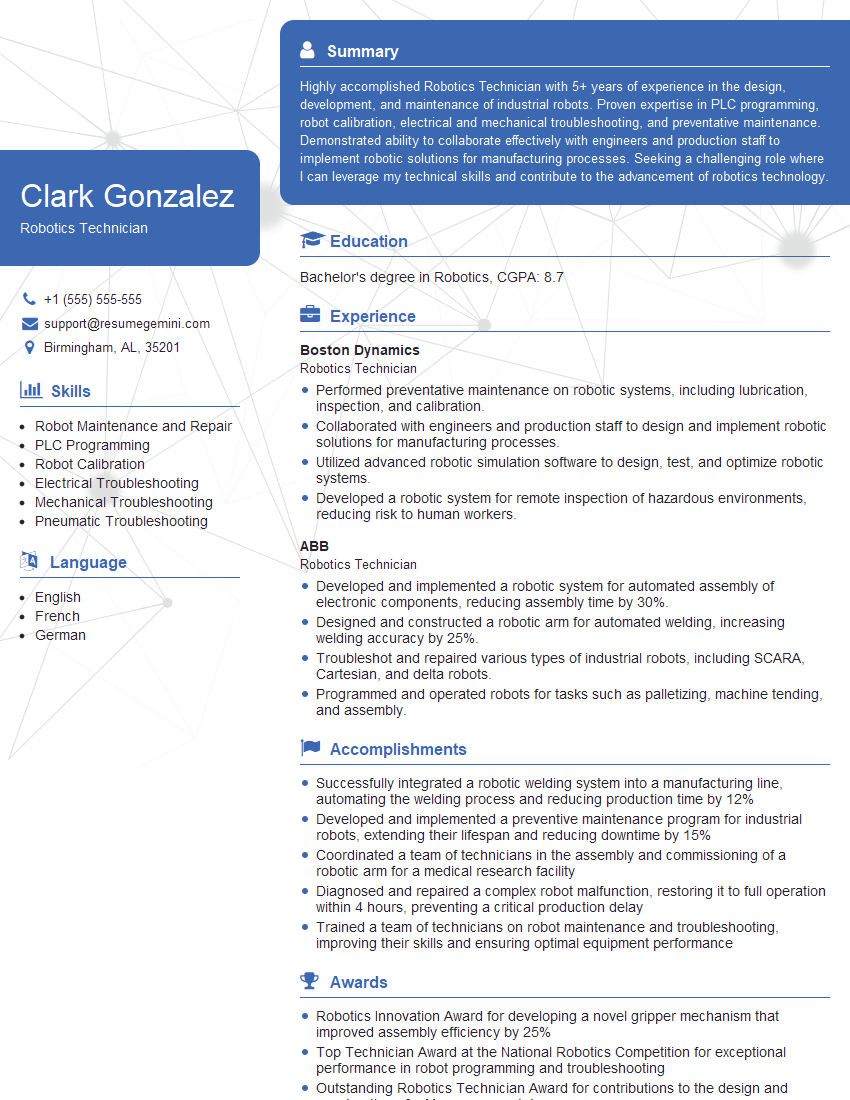
Robotics Technician Resume Sample

Manufacturing Technician Resume Sample

Machining Supervisor Resume Sample

Quality Control Inspector Resume Sample
- Operations Manager
- Plant Manager
- Manufacturing Manager
- Production Supervisor
- Process Engineer
- Automation Engineer
- Maintenance Technician
- Industrial Engineer
- Manufacturing Engineer
- Production Engineer
- Tooling Engineer
- Quality Assurance Engineer
- Mechatronics Engineer
- Robotics Engineer
- Robotics Technician
- Manufacturing Technician
- Machining Supervisor
- Quality Control Inspector
Explore more articles
Users Rating of Our Blogs
Share Your Experience
We value your feedback! Please rate our content and share your thoughts (optional).
What Readers Say About Our Blog
To the interviewgemini.com Webmaster.
Very helpful and content specific questions to help prepare me for my interview!
Thank you
To the interviewgemini.com Webmaster.
This was kind of a unique content I found around the specialized skills. Very helpful questions and good detailed answers.
Very Helpful blog, thank you Interviewgemini team.