Cracking a skill-specific interview, like one for Femoral Artery Access, requires understanding the nuances of the role. In this blog, we present the questions you’re most likely to encounter, along with insights into how to answer them effectively. Let’s ensure you’re ready to make a strong impression.
Questions Asked in Femoral Artery Access Interview
Q 1. Describe the anatomical landmarks for successful femoral artery access.
Successful femoral artery access relies on precise anatomical knowledge. We’re looking for the femoral artery’s location, which is usually palpable in the groin. Key landmarks include the inguinal ligament (the crease between the abdomen and thigh), the pubic tubercle (a bony prominence at the base of the pubic bone), and the femoral pulse itself. The artery lies medial (towards the midline of the body) to the femoral pulse, usually about 1-2 cm below the inguinal ligament. It’s crucial to remember anatomical variations exist, and palpation should be done gently to avoid injury.
Imagine drawing a line from the anterior superior iliac spine (ASIS, a bony point on your hip) to the pubic tubercle; the femoral artery lies roughly below and medial to that line. Using these landmarks, coupled with ultrasound guidance in many cases, helps minimise the risk of puncture complications like inadvertent nerve or vein injury.
Q 2. Explain the Seldinger technique for femoral artery puncture.
The Seldinger technique is the gold standard for femoral artery puncture. It’s a two-step process involving initial puncture with a needle and subsequent introduction of a guidewire and catheter. First, a small needle is advanced into the femoral artery. Once arterial blood is obtained, a guidewire is passed through the needle. The needle is then removed, and a dilator (often over the wire) is used to create a larger tract. Finally, a catheter is advanced over the guidewire into the artery.
Think of it like threading a needle and then pulling a string through the needle’s eye—the needle is replaced by the dilator, and the string is the guidewire. This technique is safer and allows for easier introduction of larger catheters for interventions like angiography or stenting, minimizing vessel trauma and risks.
Q 3. What are the complications associated with femoral artery access?
Complications associated with femoral artery access, though generally rare with proper technique, can be serious. These include:
- Hematoma: Bleeding at the puncture site, ranging from minor to severe.
- Pseudoaneurysm: A pulsatile swelling due to a leak at the puncture site.
- Arteriovenous fistula: An abnormal connection between the artery and vein.
- Thrombosis: Blood clot formation in the artery.
- Nerve injury: Damage to nearby nerves, causing pain, numbness, or weakness.
- Retroperitoneal hematoma: Bleeding behind the abdominal cavity, which is particularly dangerous.
- Infection: Local infection at the access site or even systemic sepsis.
The incidence of these complications can be significantly reduced through careful patient selection, precise anatomical knowledge, appropriate technique, and vigilant post-procedure monitoring.
Q 4. How do you manage a femoral artery pseudoaneurysm?
Management of a femoral artery pseudoaneurysm depends on its size and symptoms. Small, asymptomatic pseudoaneurysms may be observed, as many resolve spontaneously. Larger pseudoaneurysms or those causing symptoms (pain, pulsatile mass) usually require intervention. Options include ultrasound-guided compression, thrombin injection (injecting a clotting agent directly into the pseudoaneurysm), or surgical repair.
Ultrasound-guided compression is often the first-line approach for smaller pseudoaneurysms. It involves applying direct pressure to the pseudoaneurysm under ultrasound guidance to promote thrombosis and healing. Thrombin injection is minimally invasive and is usually well tolerated; however, it has a higher failure rate for larger pseudoaneurysms. Surgical repair might be necessary for cases that don’t respond to less invasive therapies or for larger, symptomatic pseudoaneurysms.
Q 5. How do you manage a femoral artery hematoma?
Femoral artery hematoma management is primarily focused on controlling bleeding and preventing expansion. Small hematomas often resolve spontaneously with conservative management (rest, ice, compression). Larger hematomas that continue to expand or cause significant pain may require intervention, which can range from local compression to surgical exploration and evacuation.
Close monitoring of vital signs (heart rate, blood pressure), hematocrit levels and physical examination is crucial in determining the need for interventional or surgical management. Occasionally, blood transfusion might be necessary to maintain adequate blood volume in cases of significant blood loss. The goal is to prevent further bleeding and minimize potential complications, including compartment syndrome.
Q 6. What are the indications for using a micropuncture technique for femoral artery access?
Micropuncture techniques for femoral artery access use smaller needles (typically 21-gauge or smaller) and catheters, resulting in smaller puncture sites and potentially reduced risks of complications. They are particularly indicated for patients with smaller arteries or those at higher risk for bleeding, such as those on anticoagulants or with coagulopathies. Additionally, micropuncture is often preferred for patients undergoing multiple procedures, as it can minimise the chance of long-term complications like pseudoaneurysms.
Think of it as a ‘less is more’ approach: smaller punctures lead to less trauma and less risk of complications. However, it requires more precision and a higher level of skill.
Q 7. What are the contraindications for femoral artery access?
Contraindications to femoral artery access include severe local infection at the puncture site, significant peripheral artery disease at the femoral level rendering the artery unsuitable for puncture, severe arterial calcification obstructing cannulation, and a known femoral artery aneurysm in the region of the puncture. Also, patients with severe coagulopathy (a bleeding disorder) or those on high-dose anticoagulants may be at increased risk for complications and may necessitate alternative access sites.
It is always essential to weigh the risks and benefits of femoral artery access in light of individual patient factors and potential alternative approaches, such as radial artery access.
Q 8. Describe the appropriate size and type of introducer sheath for various procedures.
Selecting the appropriate introducer sheath size is crucial for successful femoral artery access. The ideal size depends on the planned procedure and the diameter of the target vessel. Generally, larger procedures requiring the passage of larger catheters necessitate larger sheaths. For example, a 6F sheath might suffice for a simple coronary angiogram, while a complex structural heart intervention might require an 8F or even larger sheath (e.g., 9F or 11F). The length of the sheath is also important; longer sheaths are needed for procedures requiring deeper insertion. The type of sheath material is also a factor; hydrophilic-coated sheaths are preferred for easier insertion and reduced trauma to the vessel wall. We also consider the patient’s anatomy. A patient with smaller vessels might require a smaller sheath size to avoid complications. Finally, the specific design of the sheath (e.g., dilator included) should also be taken into consideration to minimize procedural complications. For instance, some sheaths have built-in heparin bonding to help prevent clotting.
Q 9. How do you obtain hemostasis after femoral artery access?
Achieving hemostasis after femoral artery access is paramount to prevent complications like hematoma formation, retroperitoneal bleeding, or pseudoaneurysm. Manual compression is the gold standard, applying firm, direct pressure to the puncture site for a duration determined by factors such as the patient’s coagulation status, the size of the access site, and the type of closure device used (if any). The typical duration ranges from 15-30 minutes or even longer, depending on the situation. The pressure should be continuously monitored to ensure effectiveness. For patients on anticoagulants or with bleeding disorders, manual compression alone might not be sufficient, and specialized compression devices, like a sandbag or a compression belt, might be required for a longer duration. Continuous close monitoring of the patient’s hemodynamics and assessment of the puncture site are crucial during this period. Failure of manual compression might necessitate surgical intervention.
Q 10. What are the different types of closure devices used after femoral artery access?
A variety of closure devices are available to facilitate hemostasis after femoral artery access, offering alternatives to manual compression. These devices aim to minimize compression time and the risk of complications. Some common types include:
- Manual Compression Devices: These include specialized compression bandages or belts that apply consistent pressure to the puncture site.
- Collagen-based plugs: These are small, bioabsorbable plugs inserted into the puncture site to facilitate clotting and hemostasis.
- Vascular closure devices (VCDs): These are mechanical devices (e.g., Angio-Seal, Perclose, StarClose) that use various mechanisms like sutures, clips, or a combination of both to seal the puncture site.
- Hemostatic agents: These include topical agents that promote clotting and haemostasis.
The choice of closure device depends on factors like the patient’s overall health, the size of the artery, the location of the puncture site and the operator’s experience.
Q 11. Explain the advantages and disadvantages of different closure techniques.
The choice between different closure techniques involves weighing their respective advantages and disadvantages. Manual compression, while simple and widely available, requires prolonged compression time, potentially leading to patient discomfort and increased risk of complications if not performed correctly. VCDs offer faster hemostasis, shorter post-procedure bed rest, and potentially reduced hematoma rates, but they come with higher costs, the potential for complications such as device failure, and the need for specialized training. Collagen plugs are relatively easy to use and associated with lower costs compared to VCDs, but might not be effective in all patients. The ideal technique is often tailored to individual patient needs and institutional protocols.
Consider this example: A patient with a history of bleeding disorders may benefit most from manual compression despite the prolonged bed rest, while a healthy patient undergoing a routine procedure might be a good candidate for a VCD. The decision also considers the size and location of the artery. Smaller vessels might necessitate manual compression rather than VCD implementation.
Q 12. How do you assess the patency of the femoral artery after the procedure?
Assessing femoral artery patency post-procedure is vital to detect and manage potential complications. This is usually done using a combination of clinical examination and imaging. Clinical examination involves palpating the femoral pulse distal to the puncture site to evaluate blood flow. A weak or absent pulse suggests potential occlusion. We may also look for signs of ischemia in the leg, such as pain, pallor, paresthesia, paralysis, and pulselessness (the ‘5 Ps’). Doppler ultrasound is a valuable non-invasive imaging technique to confirm blood flow. It allows for direct visualization of the artery and assessment of blood flow velocity. In certain situations, especially in cases of suspected thrombosis, an angiogram may be needed for definitive confirmation. This provides the most detailed visualization of the vessel and allows for possible intervention if a blockage is detected.
Q 13. What are the signs and symptoms of arterial thrombosis after femoral artery access?
Arterial thrombosis after femoral artery access can manifest with a range of signs and symptoms, depending on the severity of the occlusion and the extent of the resulting ischemia. The classic presentation involves the ‘5 Ps’: pain, pallor (pale skin), paresthesia (numbness or tingling), paralysis, and pulselessness in the leg distal to the occlusion. Other signs might include coolness of the extremity, swelling, and delayed capillary refill. Severe cases can lead to limb-threatening ischemia, characterized by significant pain, mottled skin discoloration, and even tissue necrosis. Early recognition of these symptoms is crucial to prevent devastating complications.
Q 14. How do you manage arterial thrombosis after femoral artery access?
Management of arterial thrombosis after femoral artery access depends on the severity of the occlusion and the clinical status of the patient. In cases of minor thrombosis with minimal symptoms, conservative management, such as anticoagulation therapy (e.g., heparin, warfarin) might suffice. However, for significant thrombosis causing significant ischemia, prompt intervention is essential. This typically involves either surgical thrombectomy (removal of the clot) or catheter-directed thrombolysis (injecting clot-dissolving medication directly into the clot). The choice of intervention depends on factors like the extent of the thrombosis, the patient’s overall health, and the availability of resources. Post-intervention monitoring, including regular assessment of the limb’s perfusion, is crucial to ensure the success of the intervention and prevent recurrence.
Q 15. What are the guidelines for post-procedure monitoring after femoral artery access?
Post-procedure monitoring after femoral artery access is crucial to detect and manage potential complications. It involves a multifaceted approach focusing on hemostasis, neurological function, and overall hemodynamic stability.
- Hemostasis: Regular monitoring of the puncture site is paramount. We check for hematoma formation, which can range from a small bruise to a large retroperitoneal bleed. We assess the need for local compression or further intervention based on the size and rate of growth of the hematoma. Continuous monitoring of vital signs, especially blood pressure, is essential to detect any signs of hypovolemia.
- Neurological Function: We carefully assess for signs of neurological compromise, such as weakness or altered sensation in the leg. This is particularly important given the proximity of the femoral artery to major nerves.
- Hemodynamic Stability: We closely monitor blood pressure, heart rate, and rhythm. Hypotension or tachycardia could suggest significant blood loss. Careful fluid management is critical. We also look for signs of distal ischemia in the extremity such as pallor, coldness, absent pulses.
- Vascular Closure Device (VCD) Monitoring: If a VCD was used, we adhere to the manufacturer’s instructions for its monitoring and removal, which may involve additional monitoring for bleeding or complications.
The duration of monitoring depends on various factors, including the patient’s overall health, the type of procedure, and the presence of any complications. For example, patients with a history of bleeding disorders might require longer observation periods than healthy individuals. In my practice, we often implement a structured monitoring protocol tailored to the individual patient’s risk profile.
Career Expert Tips:
- Ace those interviews! Prepare effectively by reviewing the Top 50 Most Common Interview Questions on ResumeGemini.
- Navigate your job search with confidence! Explore a wide range of Career Tips on ResumeGemini. Learn about common challenges and recommendations to overcome them.
- Craft the perfect resume! Master the Art of Resume Writing with ResumeGemini’s guide. Showcase your unique qualifications and achievements effectively.
- Don’t miss out on holiday savings! Build your dream resume with ResumeGemini’s ATS optimized templates.
Q 16. Describe your experience with ultrasound-guided femoral artery access.
Ultrasound-guided femoral artery access has revolutionized the field, significantly improving safety and success rates. My experience spans over [Number] years and thousands of procedures. The use of ultrasound allows for precise visualization of the artery, reducing the risk of arterial puncture complications such as pseudoaneurysm or arteriovenous fistula formation.
I utilize high-resolution ultrasound to identify the femoral artery, clearly visualizing its location, size, and relationship to surrounding structures, including the femoral vein and nerve. This real-time visualization minimizes the risk of accidental puncture of the vein or nerve. The ultrasound guidance enables a more controlled and precise puncture, reducing the need for multiple attempts, which in turn minimizes trauma to the vessel.
For example, in a recent case involving a patient with challenging vascular anatomy due to obesity, ultrasound guidance allowed me to successfully access the femoral artery on the first attempt, avoiding unnecessary trauma and patient discomfort. This experience underscores the significant advantage of ultrasound-guided access.
Q 17. Explain your experience with different types of vascular closure devices (e.g., collagen, suture-mediated).
My experience encompasses a wide range of vascular closure devices (VCDs), including collagen-based devices (e.g., Angio-Seal) and suture-mediated devices (e.g., Perclose Proglide). Each type has its strengths and weaknesses.
- Collagen-based VCDs work by promoting hemostasis through a combination of mechanical compression and collagen-induced platelet aggregation. They are generally easy to deploy and require less procedural time. However, they can occasionally lead to bleeding complications.
- Suture-mediated VCDs provide a more secure closure by using sutures to mechanically occlude the vessel. They are generally considered more effective in reducing bleeding complications but may require slightly more expertise in deployment.
The selection of the optimal VCD is individualized based on factors such as patient characteristics (e.g., age, co-morbidities), vessel size and condition, and the specific procedural context. For example, I often prefer suture-mediated devices for patients with a higher risk of bleeding or those undergoing more complex procedures. For simpler cases, and in patients with smaller femoral arteries, a collagen plug may suffice.
Careful post-deployment monitoring remains crucial regardless of the VCD type. We follow specific protocols including checking for bleeding at the puncture site and monitoring vital signs.
Q 18. How do you handle difficult or challenging femoral artery access cases?
Difficult femoral artery access cases can arise due to various factors like tortuous vessels, calcification, obesity, previous surgeries, or anatomical variations. My approach involves a systematic strategy:
- Careful Pre-Procedure Assessment: A thorough review of the patient’s medical history, including previous vascular interventions, is essential. When possible, pre-procedural imaging, such as ultrasound, can help in planning the access strategy.
- Alternative Access Sites: If femoral access is deemed too challenging, alternative sites such as the radial or brachial artery should be considered.
- Advanced Techniques: When femoral access is still necessary despite difficulties, techniques such as micropuncture, using smaller needles and guidewires, or employing advanced imaging modalities (e.g., fluoroscopy, ultrasound) can improve the success rate.
- Expert Consultation: In particularly challenging cases, consulting with a vascular surgeon experienced in complex arterial access is essential to ensure patient safety and successful completion of the procedure.
For example, I recently managed a case with severe femoral artery calcification. By using micropuncture techniques guided by fluoroscopy and ultrasound, I was able to successfully access the vessel and complete the procedure without causing significant trauma. This highlights the importance of employing a flexible approach tailored to each patient’s specific anatomical challenges.
Q 19. What are your strategies for minimizing complications associated with femoral artery access?
Minimizing complications associated with femoral artery access is a priority. My strategies include:
- Ultrasound Guidance: Using ultrasound for precise vessel visualization significantly reduces the risk of complications.
- Optimal Puncture Site Selection: Selecting the optimal puncture site, typically the common femoral artery below the inguinal ligament, minimizes the risk of complications such as pseudoaneurysms.
- Appropriate Anticoagulation: Careful management of anticoagulation minimizes the risk of thrombosis or bleeding.
- Vascular Closure Devices (VCDs): Using appropriate VCDs decreases the likelihood of bleeding and hematoma formation.
- Post-Procedure Monitoring: Rigorous post-procedure monitoring allows early detection and management of any complications.
- Patient Selection: Careful assessment of patient risks (bleeding disorders, anticoagulation use) helps in decision making regarding appropriate access technique and choice of closure devices.
These strategies combined reduce the overall risk of adverse events, ensuring improved patient outcomes. A proactive and systematic approach is key to achieving this goal.
Q 20. Describe your understanding of the role of anticoagulation in femoral artery access.
Anticoagulation plays a crucial, yet complex role in femoral artery access procedures. The goal is to find a balance between preventing thrombosis (blood clot formation) within the artery and minimizing the risk of bleeding at the puncture site.
Pre-procedure anticoagulation management is essential to avoid procedure-related thromboses, especially in patients with a higher risk for clot formation. This is achieved by adjusting the patient’s current anticoagulation regimen based on individual risk factors.
Post-procedure, anticoagulation management is tailored to the specific circumstances, considering factors like the type of procedure, the use of VCDs, and the patient’s bleeding risk. The aim is to maintain adequate anticoagulation to prevent thrombosis while minimizing the risk of post-procedure bleeding. Careful monitoring of bleeding and any signs of thrombosis is crucial. Adjustments in anticoagulation therapy may be made during the post-procedure period to maintain an optimal balance between thrombotic and bleeding risks.
The decision of when to resume or alter anticoagulation is based on a patient-specific risk assessment that must weigh the risks of bleeding versus the potential for thrombosis.
Q 21. How do you select the optimal puncture site for femoral artery access?
Selecting the optimal puncture site for femoral artery access is crucial for minimizing complications and ensuring procedural success. The ideal site is typically the common femoral artery, just below the inguinal ligament. This location offers several advantages:
- Larger Vessel Diameter: The common femoral artery is relatively larger compared to other segments of the femoral artery, allowing for easier access and reducing the risk of vessel trauma.
- Reduced Proximity to the Femoral Vein and Nerve: This area provides sufficient distance from the femoral vein and nerve, decreasing the risk of accidental puncture or injury.
- Ease of Compression: The location allows for easier manual compression at the puncture site, facilitating hemostasis after the procedure.
However, anatomical variations exist, and the precise puncture site may need to be adjusted based on individual patient anatomy and ultrasound findings. For example, obese patients may require a slightly higher puncture site. The overall goal is to find the optimal balance between the above factors and the specific patient’s anatomy and characteristics, with safety always remaining a priority.
Q 22. What are the steps you take to maintain sterility during femoral artery access?
Maintaining sterility during femoral artery access is paramount to prevent infection. It’s a multi-step process starting well before the procedure even begins. We begin with meticulous hand hygiene, using a chlorhexidine-based scrub for at least 5 minutes. The patient’s skin at the access site is prepared using a broad-spectrum antiseptic solution, typically chlorhexidine or povidone-iodine, in a concentric circle pattern, moving outwards from the puncture site. This process is repeated multiple times to ensure complete disinfection. We then drape the area with sterile drapes, creating a sterile field. All instruments and equipment used, including needles, catheters, and guidewires, are sterile and handled using a sterile technique. Throughout the procedure, maintaining a sterile field is crucial; any contamination necessitates immediate remediation, often involving repeating the skin prep and using fresh sterile equipment. We continuously monitor the area for any breaches in sterility.
Think of it like preparing a surgical field – every step counts. One small slip can have significant consequences. For example, failing to properly cleanse the skin could lead to a serious infection post-procedure.
Q 23. How do you manage patient anxiety and pain during femoral artery access?
Managing patient anxiety and pain is as crucial as the technical aspects of the procedure. We start with a thorough explanation of the procedure, its benefits, risks, and potential discomfort. This helps to alleviate some anxiety. Many patients benefit from pre-procedural anxiolytics or analgesics, administered by our anesthesiology colleagues. Local anesthetic (e.g., lidocaine) is always infiltrated at the access site to numb the area before the puncture. We monitor the patient closely throughout the procedure, providing reassurance and addressing any concerns they may have. If the patient experiences discomfort, we use additional local anesthetic or provide further analgesia as needed. Maintaining clear communication throughout the process is key – building rapport and fostering trust can significantly reduce patient anxiety.
I recall a patient who was extremely anxious before the procedure. By taking the time to explain every step, ensuring they felt comfortable asking questions, and administering appropriate medication, we managed to significantly ease their anxiety and successfully complete the procedure with minimal distress.
Q 24. What is your experience with the use of fluoroscopy during femoral artery access?
Fluoroscopy plays a vital role in femoral artery access, particularly in complex cases or when aiming for specific vessels. It provides real-time imaging guidance, allowing for precise catheter placement and minimizing the risk of complications like vessel perforation or retroperitoneal bleeding. I am proficient in using fluoroscopy to visualize the femoral artery and vein, guiding the needle and catheter under continuous image control. We use the lowest possible radiation dose to minimize patient exposure while ensuring optimal visualization. The use of fluoroscopy allows for confirmation of correct catheter placement before releasing the hemostasis and reducing the overall procedural time.
For instance, in patients with tortuous vessels or significant calcification, fluoroscopy is invaluable to ensure safe and efficient catheter placement. It helps to avoid inadvertent puncture of adjacent structures.
Q 25. Explain your understanding of the anatomy of the femoral artery and surrounding structures.
A thorough understanding of the femoral artery and surrounding anatomy is crucial for safe femoral artery access. The femoral artery is the continuation of the external iliac artery, located in the femoral triangle, medial to the femoral vein. The femoral triangle is bordered by the inguinal ligament superiorly, the sartorius muscle laterally, and the adductor longus muscle medially. The femoral vein lies medial and superficial to the femoral artery. The femoral nerve runs lateral to the artery. Knowing the precise location of these structures helps to avoid accidental puncture or injury during the procedure. We also consider individual patient anatomy, as variations can occur.
This knowledge is essential for planning the approach, selecting the appropriate needle and catheter size, and anticipating potential complications. Understanding the anatomical relationships allows for safe and efficient catheter placement, minimizing the risk of complications.
Q 26. How do you differentiate between a femoral artery and vein during cannulation?
Differentiating between the femoral artery and vein is critical to prevent complications. The femoral artery is generally deeper and pulsatile, whereas the femoral vein is more superficial and has a less prominent pulsation. Using ultrasound guidance is extremely helpful, allowing visualization of the vessels and their characteristics, including their diameter, wall thickness, and blood flow patterns. The color Doppler function of the ultrasound can clearly differentiate the arterial and venous blood flow patterns. Additionally, palpation can help, although less reliable than ultrasound. The pulsatile nature of the arterial blood flow is the primary distinguishing feature. After successful puncture of the vessel, the aspirated blood can also be tested with a pulse oximeter to determine oxygen saturation. Arterial blood will have a much higher saturation level.
In challenging cases where differentiation is difficult, such as in obese patients or patients with significant peripheral vascular disease, using ultrasound is almost always the preferred approach. It offers the most reliable method for identifying the femoral artery before attempting cannulation.
Q 27. What is your approach to managing retroperitoneal bleeding after femoral artery access?
Retroperitoneal bleeding after femoral artery access is a serious complication that requires immediate and effective management. The first step involves applying direct pressure to the femoral artery puncture site. If bleeding continues despite pressure, we may consider manual compression or the use of a vascular closure device. Monitoring vital signs (blood pressure, heart rate) is crucial. If the bleeding is significant, fluid resuscitation and blood transfusion may be necessary. In severe cases or if the bleeding fails to respond to conservative measures, surgical intervention may be required to control the bleeding. Continuous monitoring of hemoglobin levels is imperative to assess the extent of blood loss.
An example of a management strategy involves using a vascular closure device to achieve hemostasis. This minimally invasive approach often avoids the need for surgical intervention. However, careful patient selection is important, considering factors such as age, comorbidities, and the anatomy of the vessel.
Q 28. Describe your experience with managing patients with peripheral vascular disease requiring femoral artery access.
Managing patients with peripheral vascular disease (PVD) requiring femoral artery access presents unique challenges. These patients often have calcified, tortuous, or fragile vessels, increasing the risk of complications during the procedure. Pre-procedural assessment, including thorough review of their medical history, physical examination, and appropriate imaging (e.g., ultrasound), is essential. We often choose smaller catheters to minimize vessel trauma. The use of ultrasound guidance is critical for visualizing the vessels and ensuring safe cannulation. We exercise extreme caution during catheter manipulation to prevent vessel injury. Post-procedural monitoring is intensified to detect any early signs of complications, such as bleeding or hematoma formation. Patients with severe PVD may require additional medications, such as antiplatelet agents or anticoagulants, as determined by their specific condition and the recommendations of their hematologist and cardiologist.
For example, in a patient with severe peripheral artery disease, I carefully assess the suitability of the femoral artery for access using ultrasound, and might opt for a smaller-caliber catheter or a different access site if needed. The goal is to balance the necessity of vascular access with the minimization of risk in the context of existing vascular disease.
Key Topics to Learn for Femoral Artery Access Interview
- Anatomy and Vascular Landmarks: Thorough understanding of the femoral artery’s location, surrounding structures, and variations.
- Access Techniques: Mastering the Seldinger technique, including needle insertion, guidewire manipulation, and sheath placement. Explore variations and complications.
- Hemostasis and Closure: Different methods for achieving hemostasis post-procedure, including manual compression, closure devices, and their associated risks and benefits.
- Complications and Management: Identifying, managing, and preventing complications such as hematoma, pseudoaneurysm, arteriovenous fistula, and nerve injury. Develop problem-solving approaches.
- Patient Selection and Assessment: Criteria for selecting appropriate patients for femoral artery access, including considering comorbidities and anatomical limitations.
- Imaging Guidance: Understanding the role of ultrasound and fluoroscopy in guiding femoral artery access and minimizing complications.
- Post-Procedure Care: Essential aspects of post-procedure monitoring, including assessment of neurovascular status and management of pain.
- Equipment and Supplies: Familiarity with the various instruments, catheters, and materials used in femoral artery access procedures.
- Infection Control and Prevention: Strict adherence to sterile techniques and infection control protocols to minimize the risk of infection.
Next Steps
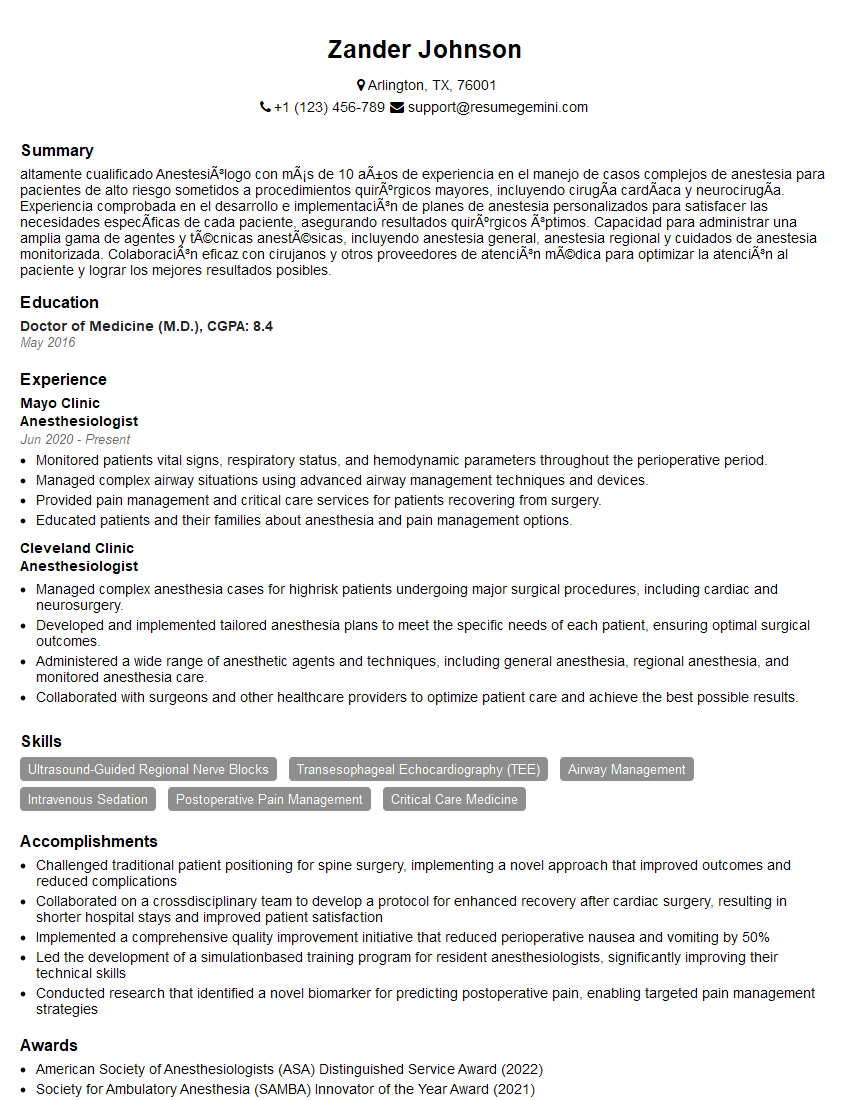
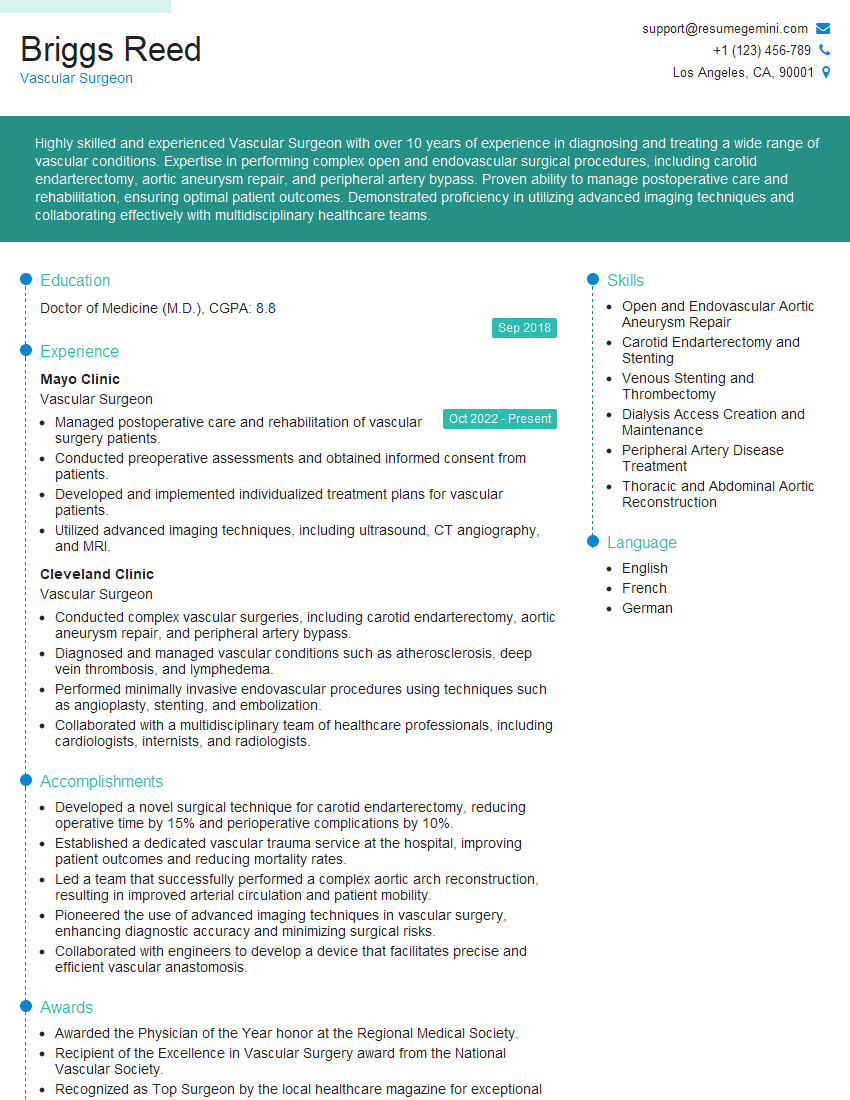
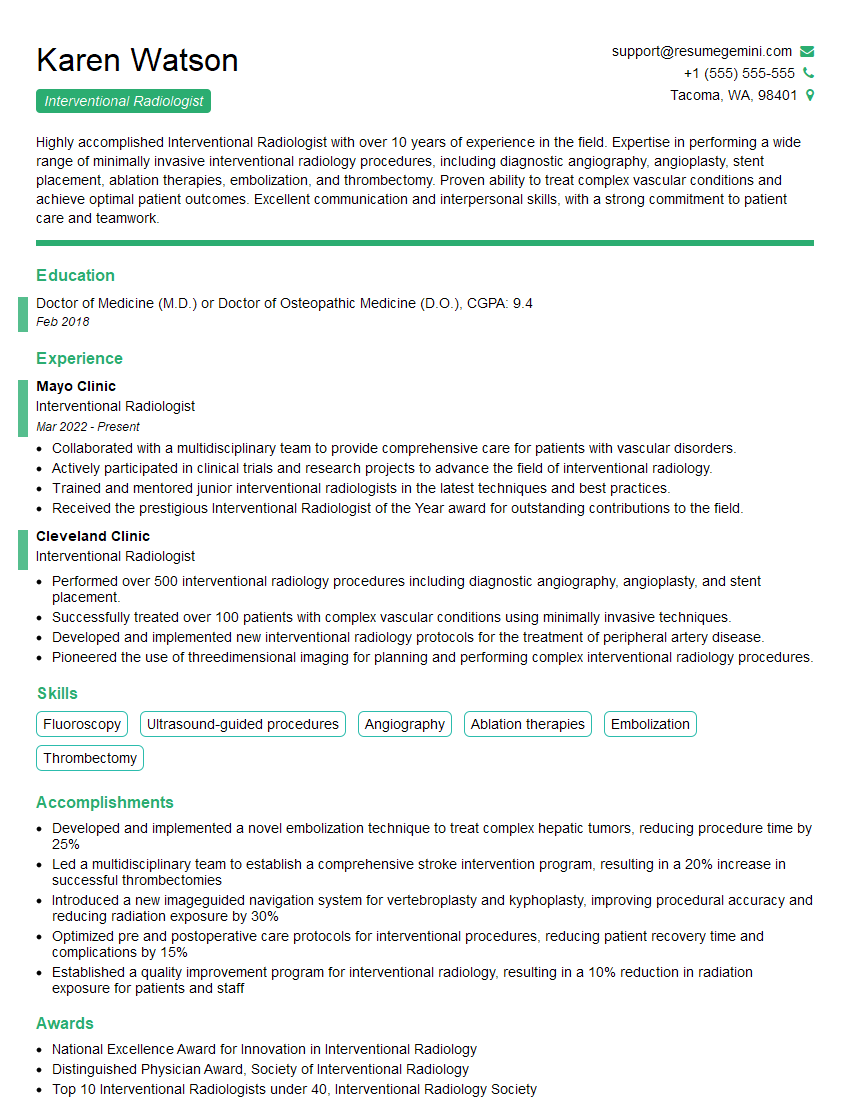
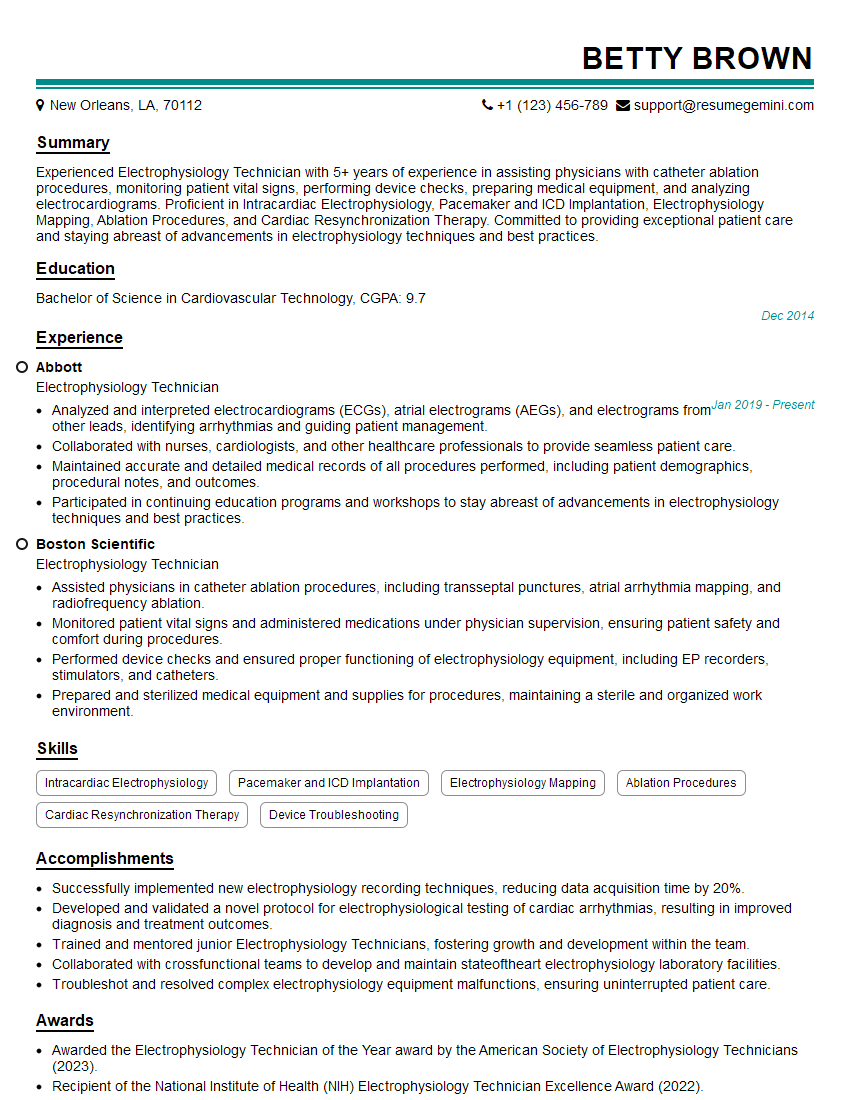
Mastering Femoral Artery Access significantly enhances your value to any interventional cardiology or vascular surgery team. It opens doors to more challenging and rewarding roles. To maximize your job prospects, it’s crucial to present your skills effectively. An ATS-friendly resume is key to getting your application noticed. ResumeGemini is a trusted resource to help you build a professional, impactful resume that highlights your expertise. Examples of resumes tailored to Femoral Artery Access are available through ResumeGemini to help you get started. Take the next step in your career journey – build a compelling resume that showcases your knowledge and experience.
Explore more articles
Users Rating of Our Blogs
Share Your Experience
We value your feedback! Please rate our content and share your thoughts (optional).
What Readers Say About Our Blog
To the interviewgemini.com Webmaster.
Very helpful and content specific questions to help prepare me for my interview!
Thank you
To the interviewgemini.com Webmaster.
This was kind of a unique content I found around the specialized skills. Very helpful questions and good detailed answers.
Very Helpful blog, thank you Interviewgemini team.