Interviews are more than just a Q&A session—they’re a chance to prove your worth. This blog dives into essential Forest Recreation Planning interview questions and expert tips to help you align your answers with what hiring managers are looking for. Start preparing to shine!
Questions Asked in Forest Recreation Planning Interview
Q 1. Describe your experience in developing forest recreation management plans.
Developing forest recreation management plans is a multifaceted process requiring a deep understanding of ecological principles, visitor behavior, and stakeholder needs. My experience encompasses all phases, from initial assessments and data gathering to plan implementation and monitoring. For example, in a recent project in the Redwood National Park, I led the team in creating a plan that addressed increasing visitation while mitigating impacts on sensitive old-growth redwood ecosystems. This involved extensive stakeholder engagement, ecological impact studies, and the development of a comprehensive zoning system to guide recreational activities.
Another project involved developing a plan for a community forest, focusing on improving accessibility for diverse user groups, including people with disabilities. This necessitated innovative trail design, the creation of accessible parking areas, and the development of interpretive programs tailored to different audiences. These plans invariably incorporate elements of carrying capacity analysis, environmental impact assessment, and risk management to ensure sustainable and enjoyable forest recreation experiences.
Q 2. Explain the process of conducting a recreation carrying capacity analysis.
Recreation carrying capacity analysis is crucial for determining the maximum number of visitors a site can accommodate without unacceptable resource damage or degradation of the visitor experience. It’s not simply about counting people; it’s about understanding the impacts of different activities at different intensities. The process typically involves:
- Defining the study area and recreation activities: Clearly specifying the area and the types of activities allowed (e.g., hiking, camping, fishing).
- Identifying resources and their limits: Determining the sensitive ecological features (e.g., wetlands, endangered species habitat) and the physical limits of the infrastructure (e.g., parking, trails).
- Measuring current use levels: Gathering data on visitor numbers, activity patterns, and resource use through surveys, counters, and observation.
- Assessing impacts: Determining the effects of current use on resources and the visitor experience through monitoring and impact assessments. This might involve soil compaction tests, vegetation surveys, or visitor satisfaction surveys.
- Setting carrying capacity limits: Based on the assessment, establish limits for different activities and areas, balancing resource protection and visitor satisfaction.
- Developing management strategies: Implementing strategies to manage visitor use within the established limits, such as timed entry systems, trail closures, or visitor education programs.
For example, in a popular hiking area, carrying capacity analysis might reveal that exceeding a certain number of hikers per day leads to unacceptable trail erosion. The management plan might then include limiting daily permits, implementing trail rerouting, or encouraging use of alternative trails during peak times.
Q 3. How do you incorporate environmental impact assessment into recreation planning?
Environmental Impact Assessment (EIA) is integral to responsible recreation planning. It’s a systematic process to predict and evaluate the potential environmental consequences of proposed recreational developments or activities. This involves identifying potential impacts, assessing their significance, and developing mitigation strategies.
The EIA process typically includes:
- Scoping: Identifying potential impacts based on the proposed activity and the characteristics of the environment.
- Baseline data collection: Gathering data on the existing environmental conditions, including vegetation, wildlife, water quality, and soil characteristics.
- Impact prediction and assessment: Predicting the likely impacts of the proposed activity and assessing their magnitude and significance using various tools and models.
- Mitigation planning: Developing strategies to avoid, minimize, or offset the identified negative impacts.
- Monitoring and evaluation: Tracking the actual impacts of the recreation activity and assessing the effectiveness of the mitigation strategies.
For example, when planning a new campground, an EIA might reveal that the proposed location would impact a sensitive wetland. Mitigation might involve relocating the campground, constructing boardwalks to minimize wetland disturbance, or implementing stringent waste management practices to prevent water pollution.
Q 4. What are the key principles of sustainable forest recreation management?
Sustainable forest recreation management aims to provide enjoyable and accessible recreation opportunities while protecting the ecological integrity of the forest and ensuring the long-term viability of the resources. Key principles include:
- Ecosystem-based management: Protecting biodiversity, maintaining ecological processes, and ensuring the long-term health of the forest ecosystem.
- Carrying capacity: Managing visitor use to minimize negative impacts on resources and visitor experience.
- Visitor experience management: Ensuring that visitors have a high-quality experience while respecting the natural environment.
- Community involvement: Engaging local communities and stakeholders in the planning and management process.
- Adaptive management: Regularly monitoring impacts, evaluating management effectiveness, and adjusting strategies as needed.
- Economic viability: Generating economic benefits from recreation while ensuring sustainability.
A practical example would be implementing a permit system for backcountry camping to limit the number of visitors and minimize impacts on wilderness areas, while simultaneously investing in the development of sustainable tourism initiatives that benefit local communities.
Q 5. Discuss different types of recreational trails and their design considerations.
Forest recreational trails vary significantly in their design and purpose. Key types include:
- Hiking trails: Designed for foot traffic, varying in difficulty from easy to strenuous. Design considerations include grade, surface material, drainage, and erosion control.
- Mountain biking trails: Require specialized design features to accommodate bicycles, including berms, jumps, and switchbacks. Safety is paramount, requiring careful consideration of trail width, gradient, and obstacles.
- Horse trails: Must be wider and more durable than hiking trails to accommodate horses and riders. Design must consider the impact of horses on vegetation and soil.
- Multi-use trails: Designed to accommodate multiple user groups, requiring careful planning to minimize conflicts and ensure safety. This might involve trail separation, designated use areas, or speed limits.
- Accessible trails: Designed to be usable by people with disabilities, requiring features such as smooth surfaces, gentle grades, wide widths, and resting areas.
In designing any trail, critical factors include environmental sensitivity (avoiding wetlands or sensitive habitats), minimizing erosion and sedimentation, providing adequate drainage, and ensuring trail user safety. Trail design should also consider the overall landscape context and the potential impact on the surrounding environment.
Q 6. How do you balance competing recreational uses within a forest?
Balancing competing recreational uses is a significant challenge in forest recreation management. It requires careful planning and implementation of strategies to minimize conflicts and ensure fair access for all user groups. This often involves:
- Zoning: Designating specific areas for different activities (e.g., a designated area for mountain biking, another for quiet hiking).
- Time-of-use restrictions: Limiting certain activities to specific times of day or year (e.g., allowing mountain biking only during weekdays).
- User education and communication: Educating users about appropriate behavior and etiquette for different activities.
- Trail design and separation: Designing trails to separate different user groups and minimize conflicts.
- Permits and quotas: Limiting access through permits or quotas for specific activities or areas.
- Monitoring and enforcement: Monitoring use levels and enforcing regulations to ensure compliance.
For instance, in a forest with both hikers and mountain bikers, a well-designed trail system with separate trails and clearly posted regulations, along with a robust educational campaign, is crucial to mitigate conflict and ensure that all users have a positive experience. Failure to manage competing uses effectively can lead to user dissatisfaction, environmental degradation, and safety hazards.
Q 7. Explain your experience with public participation in forest recreation planning.
Public participation is vital for successful forest recreation planning. My experience involves using various methods to engage stakeholders throughout the planning process:
- Public forums and meetings: Organizing public meetings to present plans and gather feedback.
- Surveys and questionnaires: Distributing surveys to gather broader input from the public.
- Focus groups: Conducting focus groups with specific interest groups to explore their needs and concerns in detail.
- Online engagement: Using online platforms for collecting feedback, disseminating information, and facilitating discussion.
- Participatory GIS: Employing GIS tools to allow stakeholders to map their preferences and identify potential conflicts.
In one project involving a new trail network, we held a series of public forums, conducted online surveys, and used participatory GIS to gather input from local residents, hikers, bikers, and other stakeholders. This collaborative approach helped ensure that the final plan adequately addressed diverse needs and concerns. Ignoring public input often leads to plans that fail to meet community expectations, causing resentment and hindering successful implementation.
Q 8. How do you address safety concerns in forest recreation areas?
Addressing safety concerns in forest recreation areas is paramount. It’s a multifaceted approach involving proactive planning, risk mitigation, and emergency preparedness.
- Hazard Identification and Assessment: This begins with a thorough assessment of potential hazards, including terrain features (steep slopes, water bodies), wildlife encounters (bears, snakes), and human-related risks (fires, vandalism). We use tools like risk matrices to prioritize hazards based on likelihood and severity.
- Mitigation Strategies: These strategies are tailored to the identified hazards. For instance, installing warning signs at hazardous locations, providing clear trail markings, educating visitors about wildlife safety, and implementing fire prevention measures are key. We might also restrict access to certain areas temporarily due to weather conditions or high fire risk.
- Emergency Response Planning: A robust emergency response plan is critical. This includes establishing communication protocols, designating emergency contact points, and outlining procedures for search and rescue operations. We ensure that staff are adequately trained in first aid and CPR.
- Education and Communication: Educating visitors about safety protocols is crucial. This can be done through brochures, website information, interpretive signage, and ranger-led programs. We emphasize personal responsibility and encourage visitors to be prepared for their outings.
For example, in one project, we implemented a bear safety program involving community outreach, bear-resistant food storage containers, and public awareness campaigns. This resulted in a significant decrease in bear encounters and human-wildlife conflicts.
Q 9. Describe your experience with GIS software in recreation planning.
GIS (Geographic Information Systems) software is indispensable in forest recreation planning. I have extensive experience utilizing ArcGIS and QGIS for various tasks.
- Trail Mapping and Analysis: GIS allows for precise mapping of trails, analyzing their gradients, lengths, and proximity to sensitive ecological areas. This enables optimized trail design and ensures minimal environmental impact. For example, we used GIS to model the potential impact of a new trail on a fragile wetland ecosystem, guiding us toward a less destructive route.
- Site Suitability Analysis: We use GIS to overlay various datasets (topography, vegetation, soil type, proximity to water sources) to identify suitable locations for new recreation facilities like campgrounds or picnic areas, ensuring these facilities are placed responsibly and minimize negative environmental effects.
- Capacity Modeling and Visitor Use Monitoring: GIS can help model visitor use patterns, predict congestion hotspots, and guide decisions on infrastructure improvements or access restrictions to maintain a sustainable carrying capacity in recreation areas. We used this to model the impact of a new festival on a popular campground and adjust permit numbers accordingly.
- Public Access and Communication: GIS forms the basis of interactive maps displayed on websites and mobile apps, providing visitors with real-time information on trail conditions, facilities, and potential hazards.
Q 10. How do you develop and implement a forest recreation monitoring program?
Developing and implementing a forest recreation monitoring program involves a systematic approach to track and evaluate the effectiveness of recreation management efforts.
- Defining Objectives and Indicators: The first step is defining clear objectives, such as assessing visitor satisfaction, monitoring ecological impacts, or evaluating the effectiveness of safety measures. Specific measurable indicators are then chosen, such as visitor surveys, vegetation monitoring plots, or incident reports.
- Data Collection Methods: A variety of methods are employed, including visitor surveys, trail counters, ecological monitoring (e.g., vegetation sampling, water quality testing), and social media analysis. The choice of methods depends on the specific objectives and available resources.
- Data Analysis and Reporting: Collected data is analyzed to identify trends, evaluate the effectiveness of management strategies, and inform adaptive management decisions. This involves statistical analysis and creating reports summarizing findings. For example, if trail erosion is detected through monitoring, we might implement trail maintenance strategies and reassess the effectiveness.
- Adaptive Management: The process is iterative. Monitoring data informs adjustments to management plans. For instance, if visitor numbers exceed carrying capacity, access restrictions may be implemented, and the program is updated and reevaluated to ensure its ongoing relevance and effectiveness.
For instance, in one case, we implemented a monitoring program to assess the impact of a new mountain biking trail on sensitive plant communities. Regular monitoring revealed some negative impacts, which led to trail rerouting and improved erosion control measures.
Q 11. What are the common challenges in forest recreation management, and how would you address them?
Forest recreation management faces numerous challenges.
- Balancing Use and Conservation: Finding the optimal balance between providing recreational opportunities and protecting the ecological integrity of the forest is a constant challenge. We address this through careful planning, zoning, and limiting access to sensitive areas.
- Funding Limitations: Securing adequate funding for trail maintenance, facility upgrades, and staff training is often difficult. We leverage grants, partnerships with private organizations, and creative funding strategies.
- Visitor Impact Management: Minimizing the negative impacts of visitors on the environment (e.g., erosion, litter, disturbance of wildlife) requires effective education programs, enforcement of regulations, and proactive management strategies.
- Climate Change Impacts: Climate change affects forests through increased wildfire risk, altered vegetation patterns, and changes in water availability, requiring adaptive management strategies.
- Conflicts among User Groups: Different recreation user groups (hikers, bikers, equestrians) may have conflicting needs and preferences, requiring careful planning and communication to manage these conflicts.
For example, we addressed a conflict between hikers and mountain bikers by creating designated trails for each group, minimizing overlap and improving visitor satisfaction.
Q 12. Explain your understanding of Leave No Trace principles.
Leave No Trace (LNT) principles are a set of ethical guidelines for minimizing human impact on natural areas. They’re essential for sustainable recreation.
- Plan Ahead and Prepare: Know the regulations, conditions, and your capabilities before you go.
- Travel and Camp on Durable Surfaces: Stay on established trails and campsites to avoid damaging vegetation.
- Dispose of Waste Properly: Pack out everything you pack in. Leave no trace of your presence.
- Leave What You Find: Do not remove or damage natural or cultural resources.
- Minimize Campfire Impacts: Use existing fire rings or stoves. Never leave a fire unattended.
- Respect Wildlife: Observe wildlife from a distance. Never feed or approach animals.
- Be Considerate of Other Visitors: Respect other visitors’ experiences by being quiet and mindful.
We integrate LNT principles into visitor education materials, ranger programs, and signage to promote responsible recreation practices. We also implement management strategies, such as designated campsites and improved sanitation facilities, to support LNT principles.
Q 13. How do you incorporate accessibility considerations into recreation planning?
Incorporating accessibility considerations into recreation planning ensures that individuals with disabilities can enjoy the benefits of nature and outdoor recreation. This is a critical aspect of inclusive planning.
- Universal Design Principles: Applying universal design principles from the outset of planning ensures that trails, facilities, and programs are usable and enjoyable by people of all abilities.
- Trail Accessibility: This involves constructing trails that are wide enough for wheelchairs and other mobility devices, with gentle gradients and smooth surfaces. Consider using accessible trail surfacing materials.
- Facility Accessibility: Campgrounds, picnic areas, and visitor centers should have accessible restrooms, parking, and other facilities that comply with accessibility standards. Consider accessible picnic tables and information boards.
- Program Accessibility: Offering adapted recreation programs and activities that cater to diverse abilities is critical. This could involve partnering with organizations that serve individuals with disabilities.
- Accessible Information: Providing accessible information through various formats such as large-print brochures, audio guides, and Braille maps ensures inclusive access to information.
For example, in a recent project, we collaborated with disability advocacy groups to design and build an accessible trail system featuring ramps, wider trails, and interpretive signage in Braille and large print. This significantly expanded access for people with disabilities.
Q 14. Describe your experience with budget development and management for recreation projects.
Budget development and management for recreation projects is a crucial skill. I have significant experience in this area, from grant proposal writing to financial reporting.
- Needs Assessment and Prioritization: Begins with a thorough needs assessment to identify project priorities, considering factors such as visitor demand, resource limitations, and ecological considerations. This involves developing a detailed list of project components and associated costs.
- Budget Development: The budget should be realistic and encompass all project phases (design, construction, maintenance). It includes direct costs (materials, labor) and indirect costs (administration, overhead). It should be justified and well-documented.
- Funding Sources: Securing funding often involves applying for grants, seeking partnerships with private organizations, and exploring fundraising opportunities. This requires extensive grant writing skills and strong relationships with funding agencies.
- Budget Monitoring and Control: Regular monitoring of expenses ensures that the project stays on track and within budget. This involves tracking expenditures, generating regular financial reports, and implementing corrective measures if necessary.
- Financial Reporting: Transparent and accurate financial reporting is essential for accountability to funding agencies and stakeholders. This includes providing regular updates on budget execution, outlining any variances, and demonstrating the project’s value for money.
In a past project, we successfully secured a multi-year grant for a comprehensive trail rehabilitation project by developing a detailed and compelling budget, showcasing our ability to manage funds effectively.
Q 15. Explain your understanding of risk management in forest recreation settings.
Risk management in forest recreation is a proactive process of identifying, assessing, and mitigating potential hazards to ensure visitor safety and environmental protection. It’s about understanding the inherent risks of the natural environment – like wildfires, falling trees, flash floods – and the risks associated with human activity – such as overcrowding, improper waste disposal, and unsafe recreational practices.
A robust risk management plan typically involves:
- Hazard Identification: Brainstorming sessions, site inspections, reviewing incident reports, and using historical data to pinpoint potential dangers.
- Risk Assessment: Evaluating the likelihood and severity of each hazard, considering factors like the number of visitors, weather conditions, and terrain. This often involves a risk matrix.
- Risk Mitigation: Implementing control measures to reduce the likelihood or impact of hazards. This could include trail closures during hazardous weather, providing clear signage and safety instructions, installing safety features like railings, and training staff in emergency response.
- Monitoring and Review: Regularly assessing the effectiveness of risk mitigation strategies and adapting the plan as needed based on feedback and new information. This might involve conducting post-incident reviews to learn from past experiences.
For example, in an area prone to wildfires, risk mitigation might involve implementing controlled burns, creating firebreaks, and educating visitors about fire safety. In a heavily trafficked area, mitigation could involve installing better trail infrastructure to reduce erosion and improve visitor flow.
Career Expert Tips:
- Ace those interviews! Prepare effectively by reviewing the Top 50 Most Common Interview Questions on ResumeGemini.
- Navigate your job search with confidence! Explore a wide range of Career Tips on ResumeGemini. Learn about common challenges and recommendations to overcome them.
- Craft the perfect resume! Master the Art of Resume Writing with ResumeGemini’s guide. Showcase your unique qualifications and achievements effectively.
- Don’t miss out on holiday savings! Build your dream resume with ResumeGemini’s ATS optimized templates.
Q 16. How do you prioritize different recreation projects based on various criteria?
Prioritizing recreation projects requires a multi-criteria decision-making approach that balances ecological, social, and economic factors. I often use a weighted scoring system, where different criteria are assigned weights based on their importance.
Here’s a typical framework:
- Identify Criteria: Define relevant criteria, such as visitor demand, environmental impact, cost-effectiveness, alignment with management goals, community support, and accessibility.
- Weighting Criteria: Assign weights to each criterion based on their relative importance. For instance, environmental impact might receive a higher weight than aesthetic improvements.
- Scoring Projects: Evaluate each project based on each criterion using a standardized scoring system (e.g., 1-5 scale).
- Calculate Weighted Scores: Multiply each project’s score by the corresponding criterion weight, and then sum the weighted scores for each project.
- Prioritize Projects: Rank projects based on their total weighted scores. The projects with the highest scores receive priority.
For example, a project improving accessibility for disabled visitors might score high on social equity and accessibility but lower on cost-effectiveness. Balancing these factors through weighting allows for a well-rounded decision.
Q 17. What are your experiences with collaborating with stakeholders (e.g., local communities, NGOs)?
Collaboration is fundamental to successful forest recreation planning. I have extensive experience working with diverse stakeholders, including local communities, NGOs, government agencies, and private landowners. My approach emphasizes active listening, transparency, and building trust.
Examples of my collaborative experiences include:
- Facilitating community workshops: Engaging local residents in discussions to understand their needs and concerns regarding recreational opportunities.
- Developing joint management plans: Working with NGOs to integrate their expertise into forest management strategies, such as trail maintenance and wildlife protection.
- Securing funding: Collaborating with government agencies to secure grants and funding for recreation projects.
- Conflict resolution: Mediating disputes between different stakeholders over land use and access.
Successful collaboration often requires patience, effective communication, and a willingness to compromise. Finding common ground and shared goals is crucial to achieve positive outcomes.
Q 18. Describe your knowledge of relevant legislation and regulations affecting forest recreation.
My knowledge of relevant legislation and regulations is extensive. I am familiar with various national and regional laws pertaining to forest management, environmental protection, and public access. These regulations often dictate land use planning, trail construction standards, permit requirements, and environmental impact assessments.
Key areas of legislation I’m knowledgeable in include:
- National Environmental Policy Act (NEPA) in the US (or equivalent legislation in other countries): This guides environmental reviews for major projects.
- Endangered Species Act (ESA) in the US (or equivalent): Protecting threatened and endangered species and their habitats.
- Clean Water Act (CWA) in the US (or equivalent): Protecting water quality in and around forest areas.
- Accessibility laws (ADA) in the US (or equivalent): Ensuring equal access for people with disabilities.
Understanding and complying with these regulations is critical for avoiding legal challenges and ensuring sustainable forest recreation practices. I routinely integrate these legal requirements into planning documents and decision-making processes.
Q 19. How do you evaluate the success of a forest recreation management plan?
Evaluating the success of a forest recreation management plan requires a multi-faceted approach that goes beyond simply counting visitor numbers. It involves assessing the plan’s effectiveness in achieving its stated goals and objectives across ecological, social, and economic dimensions.
Key evaluation methods include:
- Monitoring visitor use: Tracking the number of visitors, their activities, and their impacts on the environment.
- Assessing visitor satisfaction: Employing surveys, interviews, or online feedback mechanisms to gauge visitor experience.
- Measuring ecological impacts: Monitoring changes in vegetation, water quality, and wildlife populations to determine the plan’s effects on the environment.
- Evaluating economic benefits: Assessing the economic contribution of recreation to local communities, such as jobs created and revenues generated.
- Reviewing stakeholder feedback: Gathering input from local communities, NGOs, and other stakeholders to determine their level of satisfaction with the plan’s implementation.
By combining quantitative data (e.g., visitor numbers, economic indicators) with qualitative data (e.g., visitor feedback, stakeholder opinions), we gain a comprehensive understanding of the plan’s effectiveness and areas for improvement.
Q 20. What are some common methods for measuring visitor satisfaction in forest recreation areas?
Measuring visitor satisfaction is crucial for improving forest recreation experiences. A variety of methods can be employed, each with its own strengths and weaknesses.
Common methods include:
- Surveys: Paper-based or online questionnaires that gather quantitative and qualitative data on various aspects of the visitor experience (e.g., satisfaction with facilities, trail conditions, safety, information provided).
- Interviews: In-depth conversations with visitors to gather rich, detailed feedback. This method is particularly useful for exploring complex issues or gaining nuanced perspectives.
- On-site feedback stations: Kiosks or comment boxes placed in strategic locations within the recreation area for visitors to provide immediate feedback.
- Online review platforms: Tracking reviews on websites such as TripAdvisor or Yelp to understand public perception of the recreation area.
- Observation: Observing visitor behavior directly, which can reveal unmet needs or potential issues that may not be captured through other methods.
Using a mix of these methods provides a more complete picture of visitor satisfaction and allows for a more nuanced understanding of how to improve the visitor experience.
Q 21. How do you incorporate climate change considerations into long-term forest recreation planning?
Incorporating climate change considerations into long-term forest recreation planning is essential for ensuring the sustainability and resilience of these areas. Climate change impacts, such as altered precipitation patterns, increased wildfire risk, and changes in species distribution, significantly affect recreation opportunities and the safety of visitors.
Strategies for incorporating climate change considerations include:
- Climate change impact assessment: Analyzing potential climate change impacts on the forest ecosystem and recreational resources (e.g., increased frequency and intensity of wildfires, changes in water availability, increased pest infestations).
- Adaptive management strategies: Developing flexible management plans that can be adjusted in response to changing conditions. This may involve diversifying recreation opportunities, implementing measures to reduce wildfire risk, and protecting vulnerable ecosystems.
- Infrastructure adaptation: Designing and constructing recreation facilities that are resilient to the effects of climate change (e.g., building fire-resistant structures, creating flood-resistant trails, employing drought-tolerant landscaping).
- Communication and education: Educating visitors about climate change impacts and encouraging responsible recreational practices that minimize environmental damage.
- Scenario planning: Developing multiple future scenarios based on different climate change projections to anticipate potential impacts and develop appropriate responses.
For example, a plan might involve relocating trails away from areas prone to wildfires, developing water conservation measures, and educating visitors about the importance of reducing their carbon footprint.
Q 22. Describe your familiarity with different types of recreational facilities and their maintenance needs.
My experience encompasses a wide range of recreational facilities common in forest settings. These include everything from simple picnic areas and hiking trails to more complex amenities like campgrounds, visitor centers, and specialized areas for activities such as mountain biking or horseback riding. Understanding the maintenance needs of each facility is crucial for ensuring visitor safety and satisfaction.
Picnic Areas & Trails: These require regular litter removal, trail maintenance (clearing debris, erosion control), and periodic inspections for safety hazards like fallen branches or unstable terrain. Maintenance is largely labor-intensive and preventative.
Campgrounds: Campgrounds demand more complex maintenance, including managing sanitation facilities (restrooms, water sources), dealing with waste disposal, and ensuring the integrity of campsites themselves (repairing damaged tables, fire rings, etc.). This often requires specialized equipment and trained personnel.
Visitor Centers: These facilities need regular cleaning, upkeep of exhibits, and potentially the management of specialized equipment (e.g., projectors, interactive displays). Building maintenance and staff training are essential.
Specialized Areas: Areas designated for specific activities, like mountain biking trails, require specialized maintenance. This might involve trail building and repair using specialized tools, addressing erosion concerns unique to the activity, and ensuring appropriate signage.
Effective maintenance planning incorporates preventative measures to minimize costly repairs and ensure a positive user experience. Regular inspections, proactive repairs, and a well-defined budget are key components of a robust maintenance program.
Q 23. Explain your understanding of the economic impacts of forest recreation.
The economic impacts of forest recreation are significant and multifaceted. Recreation generates revenue through various channels, directly benefiting local communities and the broader economy.
Direct Spending: Visitors spend money on lodging, food, gas, equipment rentals, and entrance fees, directly supporting local businesses and creating jobs.
Indirect Spending: This includes the flow of money within the local economy as businesses reinvest their profits and employees spend their wages.
Tax Revenue: Government agencies collect taxes from businesses and individuals associated with recreation, funding public services and infrastructure improvements.
Property Values: Proximity to recreational areas can significantly increase property values, further boosting local economies.
Quantifying these impacts often involves economic impact studies that use models to estimate the total economic contribution of recreation to a region. These studies are crucial for justifying investments in recreational infrastructure and resource management. For example, a study might show that a national park generates millions of dollars in annual revenue through visitor spending, creating hundreds of jobs.
Q 24. How do you address conflicts between different user groups in forest recreation areas?
Addressing conflicts between user groups requires a multi-pronged approach focusing on communication, education, and proactive management.
Communication: Open communication channels are vital. This might include public forums, online platforms, and direct engagement with user groups to understand their needs and concerns.
Education: Educating users about responsible recreation practices—such as Leave No Trace principles—can minimize conflicts. Providing clear signage and information about trail etiquette is crucial.
Zoning and Time Management: Designing and implementing zoning plans that separate conflicting activities can reduce overlaps. For example, designating specific areas for hikers and mountain bikers or implementing timed-entry systems for popular areas.
Conflict Resolution Mechanisms: Establishing clear procedures for addressing conflicts when they arise, perhaps involving mediation or conflict resolution specialists, ensures fair and effective responses.
For instance, in a park with both hikers and horseback riders, designating separate trails, providing clear signage, and educating both groups on trail etiquette can greatly reduce potential conflicts. This proactive approach prevents escalated situations and fosters a more positive and enjoyable experience for all users.
Q 25. Describe your experience with volunteer management programs in forest recreation settings.
My experience with volunteer management programs in forest recreation settings is extensive. Volunteers are invaluable for supplementing staff resources and broadening community engagement.
Recruitment and Training: Effective volunteer programs begin with robust recruitment efforts and comprehensive training to equip volunteers with the necessary skills and knowledge. This might include safety training, trail maintenance techniques, or visitor information services.
Task Management and Scheduling: Clear task assignments and scheduling systems ensure that volunteer work aligns with management priorities and operational needs. This requires careful planning and communication.
Recognition and Appreciation: Acknowledging and celebrating the contributions of volunteers is vital for maintaining morale and encouraging continued participation. This might involve regular feedback, social events, and public recognition.
Liability and Insurance: Addressing liability and insurance concerns related to volunteer activities is crucial to protect both volunteers and the organization.
In one project, we organized a volunteer program to maintain a network of hiking trails. Volunteers received training in trail maintenance techniques, and we established a system for task assignments and scheduling. Their contributions significantly reduced our maintenance costs and helped build stronger community ties.
Q 26. How do you communicate effectively with diverse audiences about forest recreation planning?
Communicating effectively with diverse audiences requires employing various strategies to ensure information reaches and resonates with all stakeholders.
Multilingual Materials: Providing information in multiple languages caters to diverse linguistic backgrounds.
Accessible Formats: Using accessible formats such as large print, audio versions, and simplified language ensures inclusivity for people with disabilities.
Multiple Communication Channels: Employing a variety of channels—websites, social media, public meetings, newsletters, brochures—maximizes outreach and engagement.
Visual Communication: Using maps, photos, and infographics makes information easier to understand and more engaging.
Community Engagement: Direct engagement through public forums, workshops, and focus groups allows for two-way communication and ensures that plans are responsive to community needs.
For example, when planning a new trail system, we used maps and visual representations at public meetings, explaining the benefits and addressing concerns. We also provided information in Spanish and used social media to reach a broader audience, making sure all stakeholders felt heard and understood.
Q 27. What is your experience using data analysis techniques to inform recreation management decisions?
Data analysis plays a crucial role in informing recreation management decisions, allowing for evidence-based planning and resource allocation.
Visitor Use Data: Analyzing visitor numbers, demographics, and activity patterns helps understand recreation demand and identify areas requiring more attention (e.g., parking, facilities).
Economic Data: Analyzing economic data, such as visitor spending and tax revenue, helps measure the economic impact of recreation and justify investments.
Environmental Monitoring Data: Tracking environmental indicators such as water quality, erosion levels, and vegetation health informs sustainable management practices and helps mitigate environmental impacts of recreation.
Safety Data: Analyzing incident reports helps identify safety hazards and inform risk mitigation strategies.
Example: We used GIS software to analyze visitor use data, overlaying it with environmental sensitivity maps. This helped us identify areas with high visitor concentration and environmental vulnerability, informing our decision to implement management strategies like trail rerouting or visitor capacity limits.
Q 28. Describe a time you had to make a difficult decision related to resource allocation in forest recreation.
One challenging decision involved allocating limited funds between two competing projects: upgrading an aging campground and developing a new mountain biking trail system. Both projects had strong community support.
The campground upgrade was essential for ensuring visitor safety and comfort, but the mountain biking trail would attract new visitors and diversify recreation opportunities. We used a multi-criteria decision analysis framework, weighing factors such as visitor demand, economic impact, environmental considerations, and safety concerns. We also consulted with stakeholders through public meetings and surveys.
Ultimately, we decided to prioritize the campground upgrades due to urgent safety concerns and the immediate impact on existing visitors. However, we secured additional funding through grants and partnerships to begin the mountain biking trail project in a phased approach, demonstrating our commitment to both projects while ensuring responsible resource allocation. This transparent and collaborative approach built trust with the community.
Key Topics to Learn for Forest Recreation Planning Interview
- Visitor Experience and Management: Understanding visitor demographics, behavior, and motivations; designing and managing facilities to enhance the visitor experience; implementing sustainable tourism practices.
- Resource Management and Conservation: Balancing recreational use with ecological preservation; understanding carrying capacity and its impact on forest ecosystems; applying principles of sustainable forest management in recreational planning.
- Planning and Design Principles: Applying principles of landscape architecture and urban planning to forest recreation areas; designing accessible and inclusive trails and facilities; creating site plans and managing construction projects.
- Safety and Risk Management: Identifying and mitigating hazards associated with outdoor recreation; developing emergency response plans; educating visitors about safety protocols.
- Community Engagement and Stakeholder Collaboration: Engaging with local communities and stakeholders in the planning process; addressing diverse interests and concerns; building consensus and fostering collaboration.
- Legal and Regulatory Frameworks: Understanding relevant environmental regulations, land use planning policies, and permitting processes; complying with legal requirements in recreation planning and management.
- Financial Planning and Budgeting: Developing budgets for recreation projects; securing funding from various sources; managing project finances effectively.
- Monitoring and Evaluation: Establishing metrics to measure the effectiveness of recreation plans; conducting visitor surveys and environmental monitoring; using data to inform future planning decisions.
- Technology and Data Analysis: Utilizing GIS and other software for spatial planning and analysis; using data to inform decision-making; understanding the role of technology in enhancing the visitor experience.
Next Steps
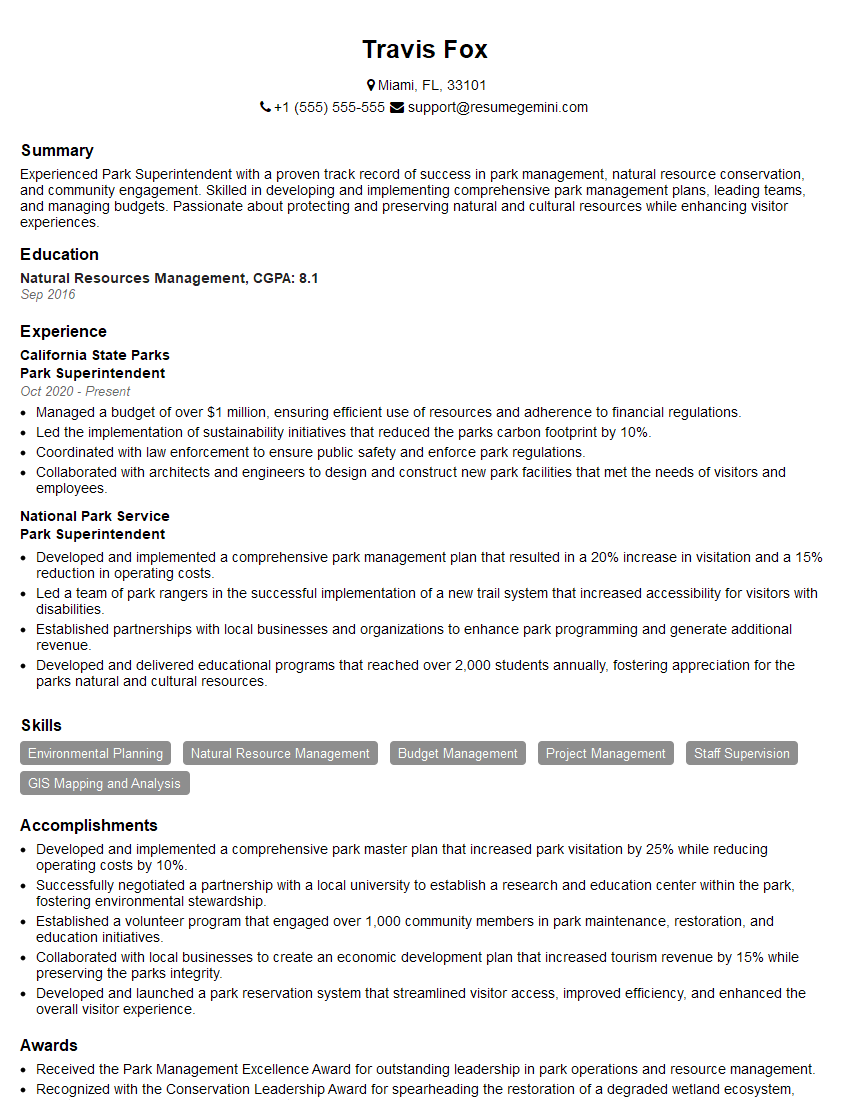
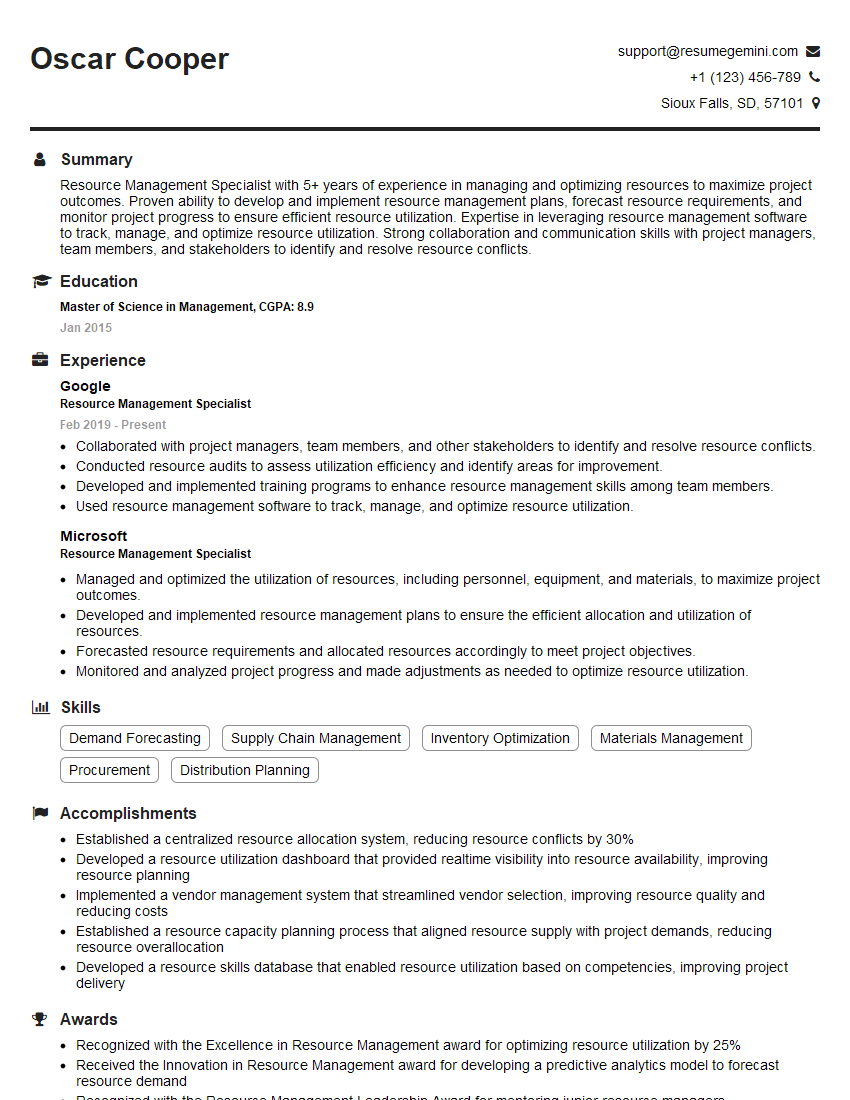
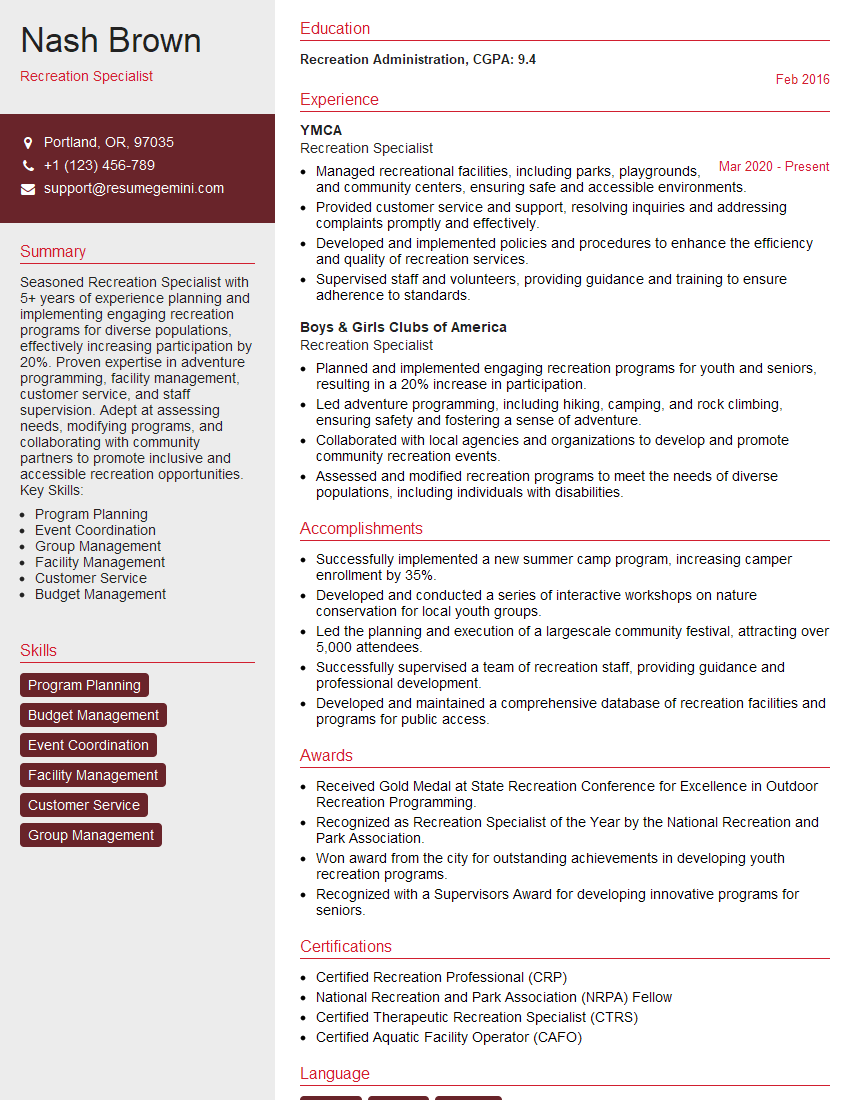
Mastering Forest Recreation Planning opens doors to a rewarding career with opportunities for impactful environmental stewardship and community engagement. To significantly boost your job prospects, it’s crucial to present your skills and experience effectively. Creating an ATS-friendly resume is essential in today’s competitive job market. ResumeGemini is a trusted resource that can help you build a compelling and effective resume tailored to the specific requirements of Forest Recreation Planning positions. Examples of resumes tailored to this field are available through ResumeGemini to help you build yours with confidence.
Explore more articles
Users Rating of Our Blogs
Share Your Experience
We value your feedback! Please rate our content and share your thoughts (optional).
What Readers Say About Our Blog
To the interviewgemini.com Webmaster.
Very helpful and content specific questions to help prepare me for my interview!
Thank you
To the interviewgemini.com Webmaster.
This was kind of a unique content I found around the specialized skills. Very helpful questions and good detailed answers.
Very Helpful blog, thank you Interviewgemini team.