Feeling uncertain about what to expect in your upcoming interview? We’ve got you covered! This blog highlights the most important Fracture Care interview questions and provides actionable advice to help you stand out as the ideal candidate. Let’s pave the way for your success.
Questions Asked in Fracture Care Interview
Q 1. Describe the different types of bone fractures.
Bone fractures are classified in numerous ways, depending on the fracture’s characteristics. A fundamental categorization distinguishes fractures by their completeness:
- Complete fracture: The bone is broken completely through.
- Incomplete fracture: The bone is cracked, but not broken all the way through. This is common in children whose bones are more flexible.
Further classifications consider the fracture pattern:
- Transverse fracture: The fracture line is perpendicular to the long axis of the bone.
- Oblique fracture: The fracture line runs at an angle to the long axis of the bone.
- Spiral fracture: The fracture line spirals around the bone, often resulting from a twisting injury.
- Comminuted fracture: The bone is broken into three or more fragments.
- Segmental fracture: The bone is fractured in two places, creating a floating segment.
- Avulsion fracture: A fragment of bone is pulled away from the main bone by a tendon or ligament.
- Greenstick fracture: An incomplete fracture that occurs in children, where one side of the bone bends while the other fractures; think of a young, green twig snapping.
- Impacted fracture: One bone fragment is driven into another.
Finally, fractures are also classified by their location (e.g., femoral neck fracture, distal radius fracture) and whether they involve the joint surface (intra-articular or extra-articular).
Understanding these classifications is crucial for determining the appropriate treatment plan.
Q 2. Explain the process of fracture healing.
Fracture healing is a complex biological process involving several stages:
- Hematoma formation: Immediately following the fracture, bleeding occurs, forming a hematoma (blood clot) at the fracture site. This provides a foundation for the healing process.
- Inflammation: The body’s inflammatory response is activated, bringing immune cells to the site to clear debris and initiate tissue repair. This stage can be associated with pain and swelling.
- Callus formation: Fibroblasts (cells that produce connective tissue) and chondrocytes (cartilage cells) migrate to the fracture site, forming a soft callus made of cartilage and fibrous tissue. This soft callus bridges the fracture gap.
- Ossification: The soft callus gradually hardens into a bony callus through the deposition of calcium and minerals. This process can take several weeks to months.
- Remodeling: The bony callus is gradually remodeled, strengthening and reshaping the bone to its original form. This stage can last for several years.
Several factors influence the healing process, including the patient’s age, overall health, fracture type, and proper immobilization or surgical fixation.
Q 3. What are the common complications associated with fractures?
Fractures can lead to various complications, some immediate and others developing later:
- Nonunion: The fracture fails to heal completely.
- Malunion: The fracture heals in a deformed position, leading to functional limitations.
- Delayed union: The fracture heals slower than expected.
- Infection: A significant risk, especially with open fractures or surgical intervention. Infection can lead to osteomyelitis (bone infection), a serious condition requiring prolonged treatment.
- Compartment syndrome: Increased pressure within a muscle compartment compromises blood supply, leading to tissue damage. This is a surgical emergency.
- Deep vein thrombosis (DVT) and pulmonary embolism (PE): Immobilization increases the risk of blood clots, which can travel to the lungs, causing a potentially fatal pulmonary embolism.
- Nerve damage: Fractures can damage nearby nerves, resulting in numbness, tingling, or weakness.
- Fat embolism: Fat droplets from the bone marrow can enter the bloodstream, causing respiratory distress and other systemic problems. More common with long bone fractures.
Careful monitoring and timely intervention are crucial to prevent and manage these complications.
Q 4. How do you assess the stability of a fracture?
Assessing fracture stability involves considering several factors:
- Fracture pattern: Stable fractures, like transverse fractures, have minimal displacement and are less likely to move. Unstable fractures, such as comminuted or spiral fractures, are more prone to displacement.
- Bone fragments: The number and size of fragments influence stability. More fragments generally mean less stability.
- Soft tissue support: Intact ligaments and muscles can contribute to stability.
- Mechanical forces: The forces acting on the fracture site during daily activities can influence stability.
Clinical examination, including assessing tenderness, deformity, and range of motion, provides initial information. Imaging studies (X-rays, CT scans) are essential to accurately assess fracture stability and plan treatment.
For example, a simple, undisplaced transverse fracture of the tibia might be stable enough for non-operative management, while a severely comminuted fracture with significant displacement would likely require surgical intervention.
Q 5. What imaging modalities are used to diagnose fractures?
Several imaging modalities are crucial for diagnosing fractures:
- X-rays: The primary imaging technique for fracture diagnosis, providing clear visualization of bone structures. Multiple views (AP, lateral, oblique) are usually obtained to fully assess the fracture.
- Computed tomography (CT) scans: Provide detailed cross-sectional images of the bone, ideal for visualizing complex fractures, such as comminuted fractures, and assessing joint involvement.
- Magnetic resonance imaging (MRI): Excellent for visualizing soft tissues, useful for assessing ligament and tendon injuries, assessing the presence of bone marrow edema, and detecting subtle fractures not visible on X-rays.
The choice of imaging modality depends on the clinical suspicion and the complexity of the suspected fracture.
Q 6. Describe the different types of fracture reduction techniques.
Fracture reduction techniques aim to restore the bone fragments to their anatomical position. These techniques are broadly categorized into:
- Closed reduction: The bone fragments are realigned without surgical incision. This often involves manual manipulation under anesthesia, guided by fluoroscopy (real-time X-ray imaging).
- Open reduction: Surgical intervention is required to expose the fracture site and realign the bone fragments. This approach is often necessary for complex fractures requiring internal fixation (plates, screws, rods).
Specific techniques within these categories vary depending on the fracture type and location. For example, closed reduction is often sufficient for simple, undisplaced fractures, while open reduction with internal fixation is necessary for unstable or comminuted fractures.
Q 7. What are the indications for surgical intervention in fracture management?
Surgical intervention in fracture management is indicated in several situations:
- Open fractures (compound fractures): Fractures where the bone protrudes through the skin, necessitating surgical debridement (removal of damaged tissue) and fixation to prevent infection.
- Unstable fractures: Fractures that are unlikely to heal properly without surgical stabilization due to significant displacement or comminution.
- Fractures involving joints: Intra-articular fractures that disrupt the joint surface often require surgical intervention to restore joint congruity and prevent arthritis.
- Multiple fractures: Patients with multiple fractures may require surgery to stabilize them simultaneously.
- Fractures causing neurovascular compromise: Fractures that damage nerves or blood vessels necessitate immediate surgical intervention to repair the damage and restore blood flow.
- Nonunion or malunion: Surgical intervention may be needed to treat fractures that fail to heal properly or heal in a malaligned position.
The decision for surgical intervention involves a careful assessment of the fracture pattern, the patient’s overall health, and the potential benefits and risks of surgery.
Q 8. Explain the principles of external fixation.
External fixation is a method of fracture stabilization that uses pins, wires, or screws inserted through the skin and into the bone fragments, connecting them to an external frame. Think of it like building a scaffolding around a broken bone to hold it in place while it heals. The principles revolve around:
- Fracture Reduction: The broken bone pieces are carefully aligned (reduced) before fixation.
- Stable Fixation: The external frame provides rigid stabilization, minimizing movement at the fracture site. This promotes bone healing.
- Early Mobilization: Because the fixation is external, the patient’s limb may be mobilized sooner compared to internal fixation, reducing the risk of muscle stiffness and joint contractures.
- Non-invasive (relatively): It doesn’t require a large surgical incision to place the implants compared to internal fixation.
- Lengthening or Distraction: In certain cases, external fixators allow for controlled lengthening of the bone over time.
For example, a patient with a severely comminuted (shattered) tibia fracture might benefit from an external fixator, as it allows for fracture reduction and stabilization without the need for extensive surgery. The frame can be adjusted as healing progresses.
Q 9. Describe the principles of internal fixation.
Internal fixation involves surgically inserting devices like plates, screws, rods, or nails directly into the bone to stabilize a fracture. It’s like using internal ‘braces’ to hold the broken pieces together. Key principles include:
- Anatomic Reduction: Precise realignment of the fracture fragments is crucial for optimal healing.
- Stable Fixation: The implants provide rigid internal support to prevent movement, minimizing the risk of nonunion or malunion.
- Biocompatibility: The implants must be made of materials that are compatible with the body, minimizing inflammation and infection.
- Minimally Invasive Techniques: Modern techniques often prioritize smaller incisions to reduce scarring and minimize trauma.
Consider a patient with a displaced femoral neck fracture. Internal fixation, using screws and possibly a plate, would provide a stable environment for healing, allowing early weight-bearing, reducing the risk of avascular necrosis (death of bone tissue due to lack of blood supply).
Q 10. What are the different types of bone plates and screws?
The choice of bone plate and screws depends on the fracture type, bone quality, and patient factors. There’s a wide variety:
- Plates: These come in different shapes and sizes (dynamic compression plates, reconstruction plates, locking plates etc.). Locking plates offer increased stability, especially in osteoporotic bone.
- Screws: These can be cortical (for denser bone), cancellous (for softer bone), or combination screws. They can be self-tapping, requiring less preparation of the bone. Locking screws engage directly with the plate, offering superior stability.
For instance, a young patient with a strong, healthy humerus fracture might benefit from a dynamic compression plate and cortical screws, while an elderly patient with osteoporotic bone might require a locking plate with cancellous screws for better fixation.
Q 11. How do you manage a patient with a compartment syndrome?
Compartment syndrome is a serious condition where increased pressure within a confined muscle compartment compromises blood supply to the tissues. It’s a medical emergency. Management involves:
- Immediate recognition: Assess the 6 Ps: Pain, Pallor, Paresthesia (numbness or tingling), Paralysis, Pulselessness, and Poikilothermia (coldness).
- Fasciotomy: This is the definitive treatment. A surgical incision is made to relieve pressure and restore blood flow. It’s crucial to act swiftly, often within hours of symptom onset to prevent irreversible damage.
- Pain control: Analgesics are given to manage pain.
- Monitoring: Close monitoring of vital signs and compartment pressures is essential post-fasciotomy.
Delaying fasciotomy can lead to muscle necrosis, permanent nerve damage, and even limb loss. Prompt recognition and treatment are paramount.
Q 12. What are the signs and symptoms of a malunion?
Malunion is a fracture that has healed in a poor position, resulting in deformity. Signs and symptoms include:
- Deformity: Angulation, shortening, or rotation of the limb.
- Pain: Persistent pain at the fracture site, especially with weight-bearing or movement.
- Limited range of motion: Difficulty moving the affected joint.
- Functional impairment: Inability to perform daily tasks normally.
- X-ray evidence: The radiograph will clearly demonstrate the malaligned healed fracture.
A malunion of the tibia, for example, might result in a noticeable bowing of the leg, limiting mobility and causing pain. Treatment usually involves surgical correction (osteotomy) to realign the bone and then refixation.
Q 13. How do you manage a nonunion?
A nonunion is a fracture that fails to heal. Management depends on the cause and duration of the nonunion, but often involves:
- Surgical intervention: This is usually necessary, and may involve bone grafting (adding bone tissue to stimulate healing), bone stimulation (using electrical or ultrasound devices), or the use of internal fixation devices to stabilize the fracture.
- Non-surgical approaches: In some cases, conservative measures such as immobilization, medication to stimulate bone formation, and physical therapy might be tried. However, these are typically less successful.
- Infection control: Addressing any infection at the fracture site is crucial before attempting any surgical intervention.
For example, a nonunion of the radius might require bone grafting along with the placement of a plate and screws to bridge the non-union gap and stimulate bone healing. Successful treatment requires a multidisciplinary approach.
Q 14. What are the different types of casts and splints?
Casts and splints are used to immobilize fractures, providing support and allowing for healing. The choice depends on the fracture location, severity, and individual patient needs:
- Plaster casts: These are rigid, providing strong immobilization, but they are heavy and less breathable than synthetic casts.
- Synthetic casts: Lighter, more durable, and more breathable than plaster casts, these offer good immobilization and are water-resistant.
- Spica casts: Encompass a larger area of the body (e.g., hip spica cast), often used for femur fractures or hip dislocations.
- Splints: These provide less immobilization than casts but allow for some movement and are easier to adjust or remove. They come in many forms: posterior splints, sugar tong splints, etc.
A simple wrist fracture might be managed with a short arm cast, whereas a more complex tibial fracture might require a long leg cast or even an external fixator. Splints are particularly useful in the early stages of management or when swelling is a major concern, as they can be adjusted as needed.
Q 15. Describe the principles of fracture immobilization.
Fracture immobilization aims to stabilize the broken bone, preventing further damage and promoting healing. This is achieved through several key principles: anatomical alignment (restoring the bone fragments to their natural position), stable fixation (holding the bone fragments securely in place), and rest and protection (minimizing movement to allow healing). Think of it like carefully mending a broken vase – you need to align the pieces, secure them with glue (or a cast), and then leave it undisturbed to set.
- Methods: Immobilization can be achieved through various methods, including casting (plaster or fiberglass), splinting, external fixation (metal pins and rods externally attached to the bone), and internal fixation (surgical insertion of plates, screws, or rods).
- Considerations: The choice of immobilization method depends on several factors, including the type and location of the fracture, the patient’s overall health, and the surgeon’s preference. For instance, a simple, stable fracture of the forearm might be adequately treated with a cast, while a complex fracture requiring precise realignment might necessitate surgical fixation.
Career Expert Tips:
- Ace those interviews! Prepare effectively by reviewing the Top 50 Most Common Interview Questions on ResumeGemini.
- Navigate your job search with confidence! Explore a wide range of Career Tips on ResumeGemini. Learn about common challenges and recommendations to overcome them.
- Craft the perfect resume! Master the Art of Resume Writing with ResumeGemini’s guide. Showcase your unique qualifications and achievements effectively.
- Don’t miss out on holiday savings! Build your dream resume with ResumeGemini’s ATS optimized templates.
Q 16. How do you assess a patient’s pain levels and manage their pain?
Pain assessment is crucial in fracture care. We use a combination of methods, primarily focusing on the patient’s subjective experience. We start with a simple pain scale, such as the Numerical Rating Scale (0-10, where 0 is no pain and 10 is the worst imaginable pain), or the Visual Analog Scale (a line where the patient marks their pain level). We also observe nonverbal cues like facial expressions, guarding behavior, and vital signs (heart rate, blood pressure) which can be indicators of pain severity. We’ll carefully explore the characteristics of their pain – its location, intensity, quality (sharp, dull, aching), and what aggravates or relieves it.
Pain management involves a multifaceted approach, combining pharmacological (analgesics, as discussed in the next question) and non-pharmacological methods. Non-pharmacological methods can include elevation, ice packs, proper positioning, and relaxation techniques. We also address underlying issues that might be causing or worsening pain, such as edema (swelling), muscle spasms, or nerve irritation.
Q 17. What are the different types of analgesics used for fracture pain?
A range of analgesics is used, depending on the severity of pain and the patient’s overall health. These include:
- Non-opioids: Acetaminophen (Tylenol) and NSAIDs (Non-Steroidal Anti-Inflammatory Drugs) like ibuprofen (Advil, Motrin) and naproxen (Aleve) are often used for mild to moderate pain. They have anti-inflammatory effects alongside pain relief, which is particularly helpful in early fracture management where inflammation is significant.
- Opioids: For moderate to severe pain, opioids such as codeine, oxycodone, or morphine may be necessary. These are potent pain relievers but carry the risk of side effects such as constipation, nausea, and drowsiness. Careful monitoring and responsible prescribing are vital.
- Adjuvant analgesics: These medications are used in addition to opioids or non-opioids to enhance pain relief. They include antidepressants, anticonvulsants, and local anesthetics. For example, gabapentin can be effective for neuropathic pain associated with some fractures.
The selection and dosage of analgesics are tailored to the individual patient, always considering potential drug interactions and side effects. Regular monitoring and pain reassessment are crucial to optimize pain management.
Q 18. What is the role of physical therapy in fracture rehabilitation?
Physical therapy plays a vital role in fracture rehabilitation, focusing on restoring function and preventing long-term complications. The therapist works with the patient to:
- Reduce pain and inflammation: Initial treatment often involves modalities like ice, heat, and ultrasound to manage pain and swelling.
- Improve range of motion: Gentle exercises are introduced to restore joint mobility and prevent stiffness. This might involve active range of motion (patient moves the joint themselves) and passive range of motion (therapist moves the joint).
- Increase muscle strength: Targeted exercises build muscle strength around the fractured bone to support and stabilize it.
- Improve functional mobility: Activities like walking, stair climbing, and daily living tasks are progressively incorporated to help the patient regain independence.
- Address any impairments: Therapists may use techniques like manual therapy to address specific limitations, such as scar tissue adhesions or joint restrictions.
A tailored exercise program is created based on the individual’s needs and the type of fracture sustained, ensuring gradual progression and avoiding re-injury.
Q 19. What are the common complications of physical therapy post-fracture?
While physical therapy is crucial for recovery, it’s not without potential complications. These include:
- Re-fracture: Overexertion or premature weight-bearing can lead to a re-fracture of the healing bone. This is why close adherence to the therapist’s instructions and careful monitoring of progress are crucial.
- Delayed union or non-union: Excessive stress on the bone during the healing phase can delay or prevent proper bone union. This is particularly important in cases of complex fractures or poor bone quality.
- Muscle soreness or strain: Overdoing exercises or improper technique can lead to muscle soreness, strains, or even tears. Therefore, a gradual increase in intensity and exercises designed to suit the patients current level of fitness are critical.
- Joint stiffness or contractures: If range-of-motion exercises are not performed adequately, joint stiffness or contractures (permanent shortening of muscles or tendons) can develop.
- Pain exacerbation: Intense or poorly-timed exercises can worsen pain. The focus should always be on gradual improvement with pain management strategies used as needed.
Careful monitoring by the physical therapist, good communication between the patient and the therapist, and adherence to the prescribed exercise regimen are key to minimizing these risks.
Q 20. Describe the different stages of fracture rehabilitation.
Fracture rehabilitation is typically divided into stages:
- Early stage (immediately post-fracture): This phase focuses on pain and swelling control, protecting the fracture site, and maintaining range of motion in unaffected joints. The emphasis is on gentle range-of-motion exercises and pain management.
- Intermediate stage (as healing progresses): This stage sees the introduction of progressive strengthening exercises to regain muscle strength and endurance. The patient may begin weight-bearing exercises as tolerated, under the guidance of the physical therapist.
- Late stage (near full healing): Focus shifts towards functional rehabilitation, aiming to restore the patient’s ability to perform everyday tasks and activities. This includes advanced exercises, return to work or sport-specific training, and strategies for long-term prevention of future injury.
The duration of each stage varies depending on the type and severity of the fracture, the patient’s age and overall health, and their response to treatment.
Q 21. What are the common complications of surgical fixation?
Surgical fixation, while often beneficial, carries potential complications:
- Infection: Infection at the surgical site is a serious risk and can lead to implant failure or even life-threatening sepsis. Prophylactic antibiotics are often given and meticulous sterile technique is essential during surgery.
- Implant failure: The implanted hardware (plates, screws, etc.) can break, loosen, or become dislodged. This may require revision surgery to replace or remove the implant.
- Non-union or malunion: Despite surgical fixation, the bones may fail to heal properly (non-union) or heal in a misaligned position (malunion), requiring further intervention.
- Nerve or vessel injury: Surgical procedures near nerves or blood vessels risk unintentional injury, potentially causing numbness, weakness, or circulation problems.
- Deep vein thrombosis (DVT): Immobility after surgery increases the risk of blood clots forming in the deep veins of the leg, which can lead to serious complications like pulmonary embolism.
Careful surgical planning, meticulous surgical technique, and post-operative monitoring are vital to minimize these risks.
Q 22. How do you prevent infection in fracture management?
Preventing infection in fracture management is paramount. It’s a multi-faceted approach starting from the initial injury assessment and continuing throughout the healing process. Think of it like this: we’re building a sterile fortress around the fracture to prevent any invaders (bacteria) from entering.
- Wound Cleansing and Debridement: Thoroughly cleaning the wound to remove any contaminants like dirt, debris, or devitalized tissue is crucial. This often involves irrigation with saline solution and surgical debridement if necessary. Imagine washing away the mud before starting to build your fortress.
- Prophylactic Antibiotics: In cases of open fractures (where the bone protrudes through the skin) or high-risk situations (e.g., severe soft tissue damage, contamination), prophylactic antibiotics are administered to prevent bacterial colonization. These antibiotics act as the protective coating on the outside of your fortress.
- Aseptic Techniques During Surgery: If surgical fixation is required, strict adherence to aseptic techniques (sterile surgical environment) is non-negotiable. This involves proper sterilization of instruments, surgical gowns, and gloves, minimizing the chances of introducing bacteria into the surgical site – the foundation of your fortress.
- Wound Closure: Appropriate wound closure, whether it’s primary closure (stitches), delayed primary closure, or secondary closure (allowing the wound to heal naturally), is essential to minimize the entry point for bacteria. This is like making sure the walls of your fortress are strong and impenetrable.
- Post-operative Care: Regular wound dressing changes using sterile techniques, monitoring for signs of infection (swelling, redness, pain, pus), and administering appropriate antibiotics if an infection develops are crucial for maintaining the fortress’s integrity. Regular inspections keep your fortress secure.
For example, a patient with an open tibia fracture would receive immediate wound cleansing, debridement, prophylactic antibiotics, and surgical fixation with meticulous attention to aseptic technique. Post-operatively, regular wound assessments and dressing changes would be implemented to prevent any potential infection.
Q 23. How do you manage a patient with a delayed union?
Managing a delayed union, where bone healing is significantly slower than expected, requires a thorough assessment and a tailored approach. It’s like having a building project where the construction is lagging behind schedule. We need to identify the cause of the delay and then implement strategies to expedite the healing process.
- Imaging Studies: X-rays, CT scans, or MRI are used to assess the fracture site for signs of non-union (failure to heal) or malunion (healing in an incorrect position). This is like inspecting the building’s foundation to identify the source of the delay.
- Identify Potential Causes: Factors such as poor bone quality (osteoporosis), inadequate immobilization, infection, or inadequate blood supply can hinder healing. These potential problems need to be addressed – it’s like fixing the underlying problem slowing construction down.
- Non-Surgical Management: This might include improving patient nutrition and medication optimization for conditions like osteoporosis. We want to provide the body with optimal conditions for healing, which is like providing sufficient resources for your construction team.
- Surgical Management: If non-surgical methods fail, surgical intervention may be required. This could involve bone grafting, electrical stimulation, or revision surgery to improve alignment or stability. These methods are like employing specialized equipment to speed up the project.
- Regular Monitoring: Regular clinical examinations and imaging studies are crucial to monitor the progress of healing. This regular monitoring helps determine the effectiveness of treatment and make any necessary adjustments.
For instance, a patient with a delayed union of a femoral neck fracture might benefit from bone grafting to improve healing, coupled with enhanced nutritional support and close clinical monitoring.
Q 24. How do you select the appropriate fracture fixation method?
Selecting the appropriate fracture fixation method is a critical decision that depends on several factors. It’s similar to choosing the right tools for a specific job. You wouldn’t use a hammer to screw in a screw!
- Fracture Type and Location: The type and location of the fracture (e.g., simple, comminuted, displaced; tibia, femur, humerus) significantly influence the choice of fixation. A stable fracture might only require a cast, while a complex, unstable fracture would necessitate surgical intervention.
- Patient Factors: Age, overall health, bone quality, and comorbidities (other medical conditions) must be considered. An elderly patient with osteoporosis might not be a suitable candidate for certain fixation methods.
- Fracture Stability: The stability of the fracture determines whether open reduction and internal fixation (ORIF), external fixation, or casting is needed. An unstable fracture requiring precise anatomical alignment would often be treated with ORIF.
- Soft Tissue Condition: The extent of associated soft tissue injury influences treatment decisions. Severe soft tissue damage might necessitate a more conservative approach or a staged procedure.
- Surgeon Expertise: The surgeon’s experience and expertise in different fixation techniques are also important factors.
For example, a young, healthy patient with a displaced tibial shaft fracture might be treated with ORIF using a plate and screws, while an elderly patient with a stable compression fracture of the vertebra might be managed non-operatively with pain management and bracing.
Q 25. What are the indications for bone grafting?
Bone grafting is indicated in various situations where there’s a significant defect or insufficient bone for healing to occur. It’s like adding extra building materials to a construction project to fill in a gap or reinforce a weak area.
- Non-union: When a fracture fails to heal despite adequate time and treatment. The graft provides the necessary scaffold and cells for healing.
- Delayed Union: To enhance and accelerate the healing process in a fracture that’s healing slowly.
- Segmental Bone Defects: Significant bone loss following trauma or surgery requiring reconstruction.
- Bone Cysts or Tumors: Filling the void left after resection of bone lesions.
- Arthrodesis (Joint Fusion): Creating a stable fusion of a joint.
For instance, a patient with a non-union of the tibia after a motorcycle accident might require bone grafting to stimulate healing and restore bone continuity.
Q 26. Describe the different types of bone grafts.
Bone grafts can be broadly classified into autografts, allografts, and xenografts. Imagine choosing the right type of brick for your building project, each with its own advantages and disadvantages.
- Autografts: These are grafts harvested from the patient’s own body (e.g., iliac crest). They have the highest osteoinductive and osteoconductive potential (ability to stimulate bone formation and provide a scaffold), but they involve a second surgical site and potential donor-site morbidity.
- Allografts: These are grafts harvested from a deceased donor. They are readily available but carry a risk of disease transmission and have a lower osteoinductive potential compared to autografts.
- Xenografts: These are grafts harvested from a different species (e.g., bovine bone). They are less immunogenic but also have a lower osteoinductive potential than autografts.
The choice depends on factors such as the size of the bone defect, the patient’s overall health, and the surgeon’s preference. For example, a large bone defect might necessitate an iliac crest autograft, while a smaller defect might be successfully treated with an allograft.
Q 27. How do you manage a patient with a complex fracture pattern?
Managing complex fracture patterns, like comminuted fractures (multiple bone fragments), requires a multidisciplinary approach and careful planning. It’s akin to reconstructing a shattered vase – it demands precision and skill.
- Detailed Imaging: Thorough imaging (X-rays, CT scans) to assess the fracture pattern and the extent of injury.
- Fracture Reduction: Precise alignment and restoration of the bone fragments, often requiring surgical intervention (ORIF) with plates, screws, or intramedullary nails.
- Stabilization: Securing the reduced fragments to ensure proper healing and prevent displacement.
- Bone Grafting: If significant bone loss is present, bone grafting is frequently necessary.
- Soft Tissue Management: Addressing associated soft tissue injuries is vital for optimal healing.
- Post-operative Rehabilitation: Comprehensive rehabilitation program including physical therapy to maximize functional outcome.
For example, a severely comminuted tibial fracture might require ORIF with multiple plates and screws, possibly augmented with bone grafting, followed by extensive physiotherapy to restore function.
Q 28. What are the principles of fracture care in the elderly?
Fracture care in the elderly presents unique challenges due to factors such as osteoporosis, decreased bone density, and increased risk of complications. It’s like working with a more fragile material – we need to be more cautious and choose our methods carefully.
- Risk Assessment: Careful assessment of the patient’s overall health, including comorbidities like heart disease, diabetes, and osteoporosis, to identify potential complications.
- Minimally Invasive Techniques: Preference for less invasive techniques whenever possible to reduce surgical risk and recovery time.
- Fall Prevention: Addressing underlying causes of falls to prevent future fractures and emphasizing environmental modifications.
- Bone Health Optimization: Emphasis on optimizing bone health through adequate nutrition, medication for osteoporosis, and lifestyle changes.
- Multidisciplinary Approach: Involving specialists from different disciplines like geriatrics, physical therapy, and occupational therapy for a holistic approach.
- Pain Management: Pain management strategies tailored to the elderly population, often with a multi-modal approach.
For instance, an elderly patient with a hip fracture resulting from a fall may be treated with a minimally invasive surgical technique (e.g., hemiarthroplasty) followed by aggressive physical therapy to promote mobility and prevent complications.
Key Topics to Learn for Fracture Care Interview
- Fracture Classification: Understand different classification systems (e.g., AO/OTA, Garden) and their clinical implications for treatment planning.
- Imaging Interpretation: Develop proficiency in interpreting X-rays, CT scans, and other imaging modalities to accurately diagnose fractures.
- Non-operative Management: Familiarize yourself with various non-surgical treatment options, including casting, splinting, and bracing, and their indications and limitations.
- Operative Management: Gain knowledge of different surgical techniques for fracture fixation, including open reduction and internal fixation (ORIF), external fixation, and intramedullary nailing. Understand the advantages and disadvantages of each.
- Complication Management: Prepare to discuss common complications associated with fractures, such as non-union, malunion, infection, and nerve injury, and their management strategies.
- Patient Assessment and Communication: Practice assessing patient needs, explaining treatment options clearly, and managing expectations effectively.
- Post-operative Care: Understand post-operative management protocols, including pain control, mobilization, and rehabilitation strategies.
- Current Research and Advances: Stay updated on the latest advancements in fracture care, including new materials, techniques, and treatment approaches.
- Ethical Considerations: Be prepared to discuss ethical dilemmas related to fracture care, such as resource allocation and informed consent.
Next Steps
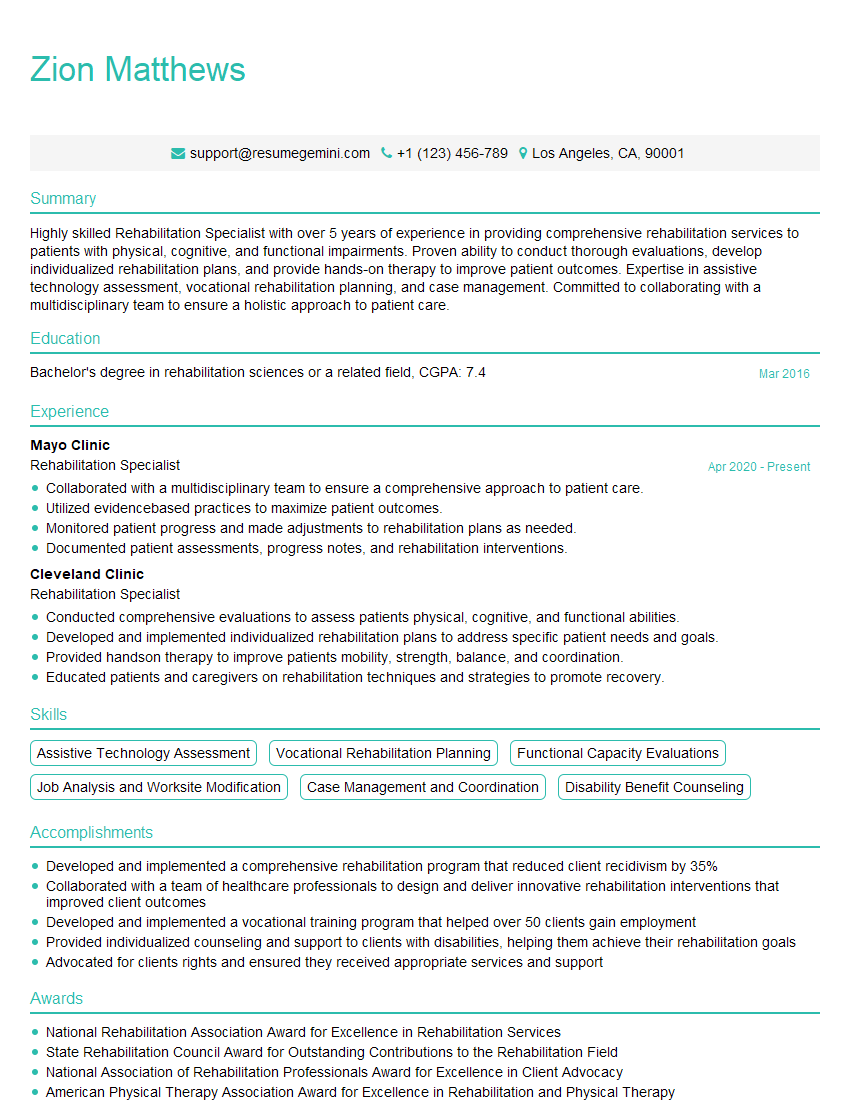
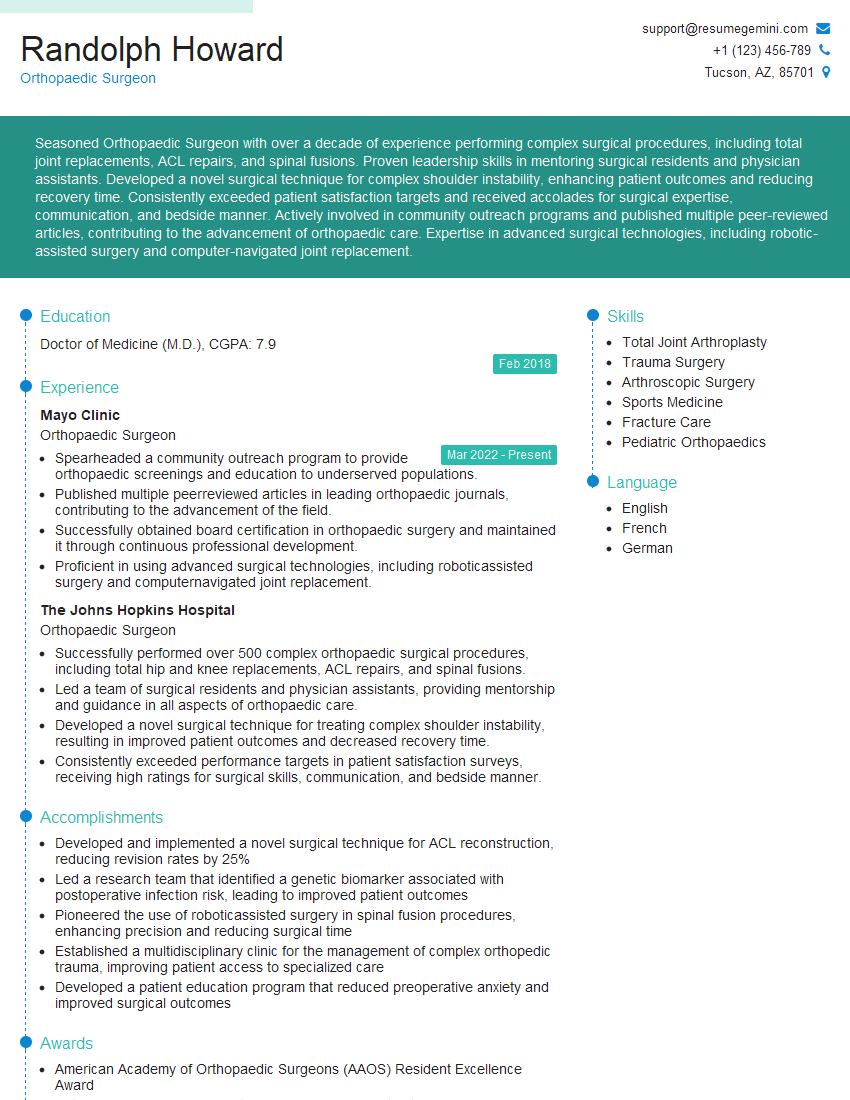
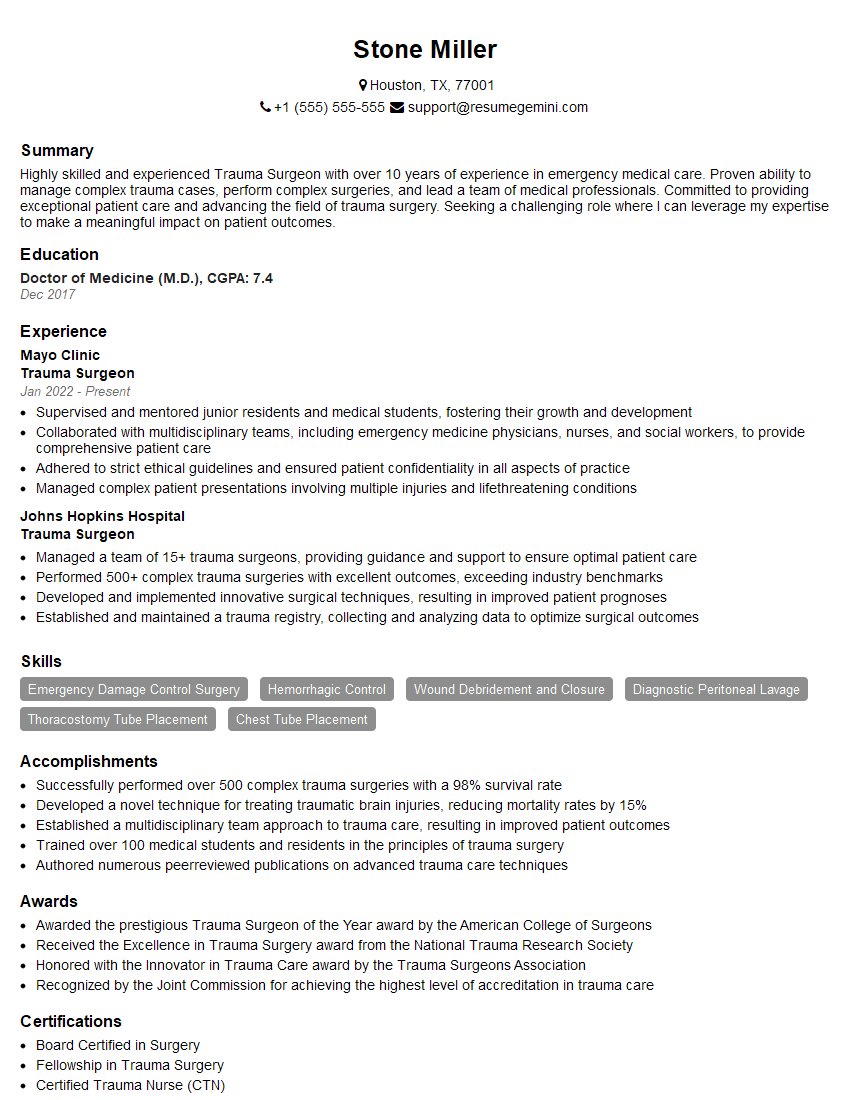
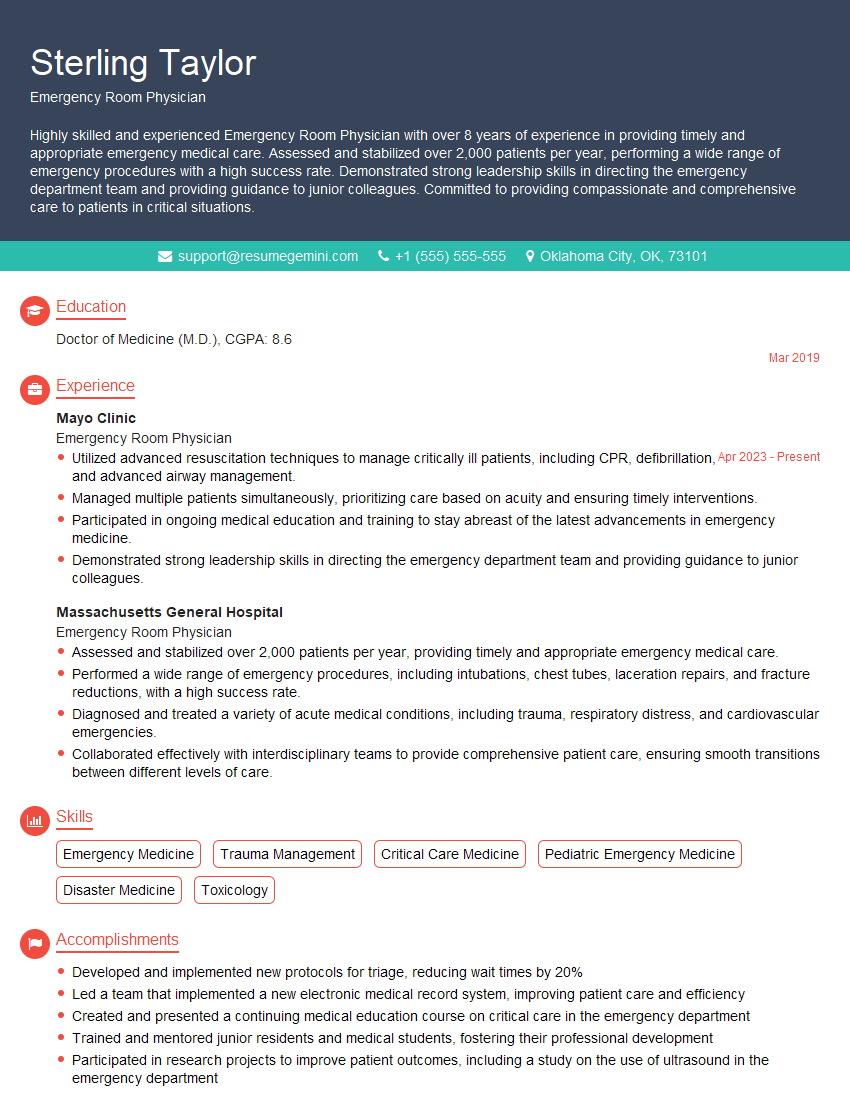
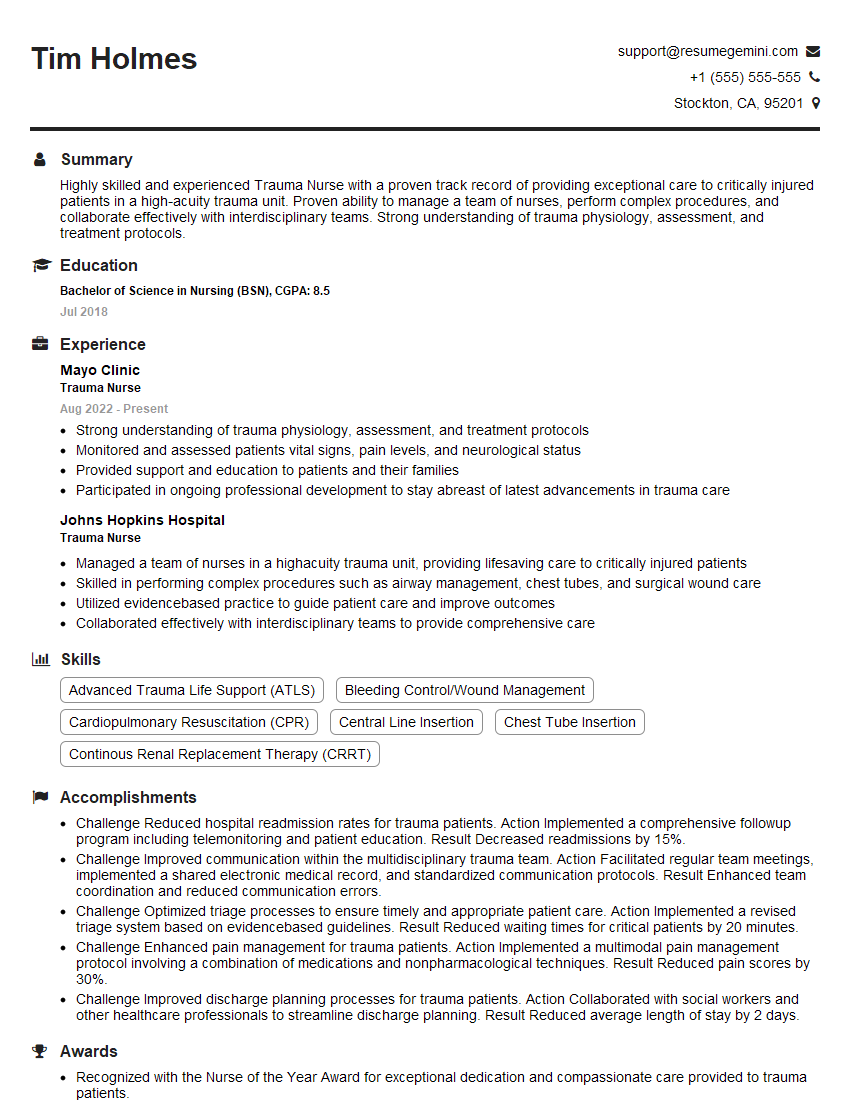
Mastering Fracture Care is crucial for career advancement in orthopedics and related fields. A strong understanding of these principles will significantly enhance your interview performance and open doors to exciting opportunities. To improve your job prospects, create an ATS-friendly resume that highlights your skills and experience effectively. ResumeGemini is a trusted resource that can help you build a professional and impactful resume. Examples of resumes tailored to Fracture Care are available to guide you through the process.
Explore more articles
Users Rating of Our Blogs
Share Your Experience
We value your feedback! Please rate our content and share your thoughts (optional).
What Readers Say About Our Blog
To the interviewgemini.com Webmaster.
Very helpful and content specific questions to help prepare me for my interview!
Thank you
To the interviewgemini.com Webmaster.
This was kind of a unique content I found around the specialized skills. Very helpful questions and good detailed answers.
Very Helpful blog, thank you Interviewgemini team.