Are you ready to stand out in your next interview? Understanding and preparing for Framework Design interview questions is a game-changer. In this blog, we’ve compiled key questions and expert advice to help you showcase your skills with confidence and precision. Let’s get started on your journey to acing the interview.
Questions Asked in Framework Design Interview
Q 1. Explain the SOLID principles and their application in framework design.
The SOLID principles are five design principles intended to make software designs more understandable, flexible, and maintainable. They are crucial for building robust and scalable frameworks. Let’s break them down:
- Single Responsibility Principle (SRP): A class should have only one reason to change. Imagine a class responsible for both database interaction and user interface updates – changing the database might break the UI. SRP dictates separating these into distinct classes.
- Open/Closed Principle (OCP): Software entities (classes, modules, functions, etc.) should be open for extension, but closed for modification. This is achieved through interfaces and abstraction. New functionality is added by extending existing interfaces, not altering existing code, thus reducing the risk of introducing bugs.
- Liskov Substitution Principle (LSP): Subtypes should be substitutable for their base types without altering the correctness of the program. If a function works with a base class, it should also work with any of its subclasses without unexpected behavior. This emphasizes careful inheritance design.
- Interface Segregation Principle (ISP): Clients should not be forced to depend upon interfaces they don’t use. Instead of one massive interface, break it down into smaller, more specific ones. This prevents classes from implementing unnecessary methods.
- Dependency Inversion Principle (DIP): High-level modules should not depend on low-level modules. Both should depend on abstractions. Abstractions should not depend on details. Details should depend on abstractions. This promotes loose coupling and testability; using interfaces instead of concrete classes allows for swapping implementations easily.
Application in Framework Design: SOLID principles are applied throughout the framework’s architecture. For example, a web framework might use SRP to separate request handling, routing, and templating into distinct modules. OCP allows adding new authentication methods without modifying the core request handling logic. Proper application of SOLID ensures the framework is easily extensible, maintainable, and resistant to breaking changes.
Q 2. Describe your experience designing a modular framework.
In a previous role, I designed a modular framework for a content management system (CMS). The core goal was to allow developers to extend the CMS easily with custom modules without affecting the core functionality. We achieved this by:
- Defining clear interfaces: Each module interacted with the core system through well-defined interfaces, ensuring loose coupling.
- Implementing a plugin architecture: Modules were implemented as plugins, dynamically loaded at runtime. This allowed for easy installation, removal, and updates of modules.
- Using dependency injection: Modules depended on abstract interfaces, allowing for easy substitution of implementations (e.g., different database providers or templating engines).
- Creating a robust event system: This allowed modules to hook into core events, such as user login or content creation, adding custom functionality without modifying core code.
This modular design resulted in a highly extensible and maintainable system. Developers could easily create and integrate custom modules, expanding the CMS’s capabilities without impacting the stability of the core application. The framework’s success relied heavily on careful implementation of the SOLID principles and the use of design patterns like the Strategy and Observer patterns.
Q 3. What are the trade-offs between monolithic and microservice architectures?
Monolithic and microservice architectures represent two distinct approaches to software design. The choice between them involves several trade-offs:
- Monolithic Architecture: All components are tightly coupled within a single application. It’s simpler to develop and deploy initially, but scaling and maintaining become challenging as the application grows. Changes in one part often require redeploying the entire system.
- Microservice Architecture: The application is broken down into small, independent services that communicate over a network (often using APIs). This offers better scalability, independent deployment, and technology diversity. However, it increases complexity in deployment, monitoring, and inter-service communication. Distributed transactions and data consistency become more challenging.
Trade-offs Summary:
- Development Complexity: Monolithic is simpler initially; microservices are more complex.
- Deployment: Monolithic is simpler; microservices are more granular but require orchestration.
- Scalability: Microservices offer better horizontal scalability; monolithic can be scaled vertically but has limits.
- Maintainability: Microservices offer better isolation and easier maintenance of individual components, but overall system maintenance is more complex.
- Technology Diversity: Microservices allow choosing the best technology for each service.
The best choice depends on the project’s scale, complexity, and requirements. Small projects often benefit from the simplicity of a monolithic architecture, while large, complex projects often benefit from the scalability and flexibility of microservices.
Q 4. How do you handle versioning and backward compatibility in a framework?
Versioning and backward compatibility are critical in framework design to avoid breaking existing applications when releasing updates. Strategies include:
- Semantic Versioning (SemVer): Use a versioning scheme (e.g., MAJOR.MINOR.PATCH) to clearly communicate changes. Major version bumps indicate breaking changes, minor versions add new functionality without breaking changes, and patch versions fix bugs without altering functionality.
- Deprecation warnings: Before removing functionality, issue warnings in previous versions to alert users and give them time to adapt.
- Maintaining backward compatibility layers: Offer adapter classes or modules to support older versions of APIs or interfaces for a certain period. This allows smooth migration for users.
- Clear documentation: Thorough documentation outlining changes between versions is essential.
- Testing: Rigorous testing, including regression tests, is crucial to ensure that updates don’t introduce regressions or break existing features.
For example, a framework might introduce a new, more efficient method in a minor version release, while maintaining the old method (potentially with a deprecation warning) to ensure backward compatibility. The old method might eventually be removed in a major version release, but only after providing adequate warning and migration support.
Q 5. What design patterns are most relevant to framework design and why?
Several design patterns are highly relevant to framework design:
- Strategy Pattern: Allows selecting algorithms or behaviors at runtime. For example, a logging framework can support different logging mechanisms (file, database, etc.) using the Strategy pattern.
- Observer Pattern: Defines a one-to-many dependency between objects. One object (subject) notifies its dependents (observers) of any state changes. This is frequently used in event-driven frameworks.
- Factory Pattern: Provides an interface for creating objects without specifying their concrete classes. This is useful in frameworks where object creation needs to be decoupled from the code that uses them.
- Singleton Pattern: Ensures that a class has only one instance and provides a global point of access to it. This is sometimes used for managing resources like database connections.
- Template Method Pattern: Defines the skeleton of an algorithm in a base class, allowing subclasses to override specific steps without changing the algorithm’s overall structure. This is useful for providing a flexible framework with customizable parts.
- Dependency Injection (DI): This is not strictly a pattern but a design principle that uses DI containers to manage object dependencies, enhancing testability and flexibility. This is fundamental to modern frameworks.
These patterns promote modularity, flexibility, and maintainability in frameworks, making them adaptable to various needs and easily extensible.
Q 6. Explain your experience with dependency injection and its benefits.
Dependency Injection (DI) is a design pattern where dependencies are provided to a class rather than being created within the class itself. This promotes loose coupling and improves testability.
My Experience: In numerous projects, I’ve utilized DI extensively. For instance, in a web application framework, we used DI to manage database connections, caching mechanisms, and external API clients. Instead of a class directly creating a database connection, the connection is injected as a dependency. This allows swapping different database implementations (e.g., MySQL, PostgreSQL) without modifying the class that uses the connection.
Benefits of DI:
- Loose Coupling: Reduces dependencies between classes, making the system more modular and flexible.
- Improved Testability: Makes unit testing easier by allowing the injection of mock objects in place of real dependencies.
- Increased Reusability: Components can be easily reused in different contexts because their dependencies are managed externally.
- Better Maintainability: Changes in one component are less likely to affect others.
Typically, a DI container manages the injection process, resolving dependencies automatically. DI frameworks are now standard in many modern applications and are essential for building maintainable and testable frameworks.
Q 7. How do you ensure scalability and performance in a framework?
Ensuring scalability and performance in a framework requires considering several aspects:
- Efficient Algorithms and Data Structures: Choose appropriate algorithms and data structures to optimize performance for common tasks. Profiling is crucial to identify bottlenecks.
- Caching: Implement caching mechanisms to reduce database or external API calls. Different caching strategies (e.g., in-memory caching, distributed caching) can be used depending on the needs.
- Asynchronous Operations: Use asynchronous programming models to handle long-running tasks without blocking the main thread. This improves responsiveness and allows handling more concurrent requests.
- Load Balancing: Distribute traffic across multiple servers to prevent overload. Load balancers ensure that requests are distributed evenly.
- Database Optimization: Optimize database queries and schemas to minimize database load. Indexing, query optimization, and connection pooling are crucial.
- Code Optimization: Regular code reviews and profiling help identify and eliminate performance bottlenecks in the code itself.
- Horizontal Scaling: Design the framework to easily scale horizontally by adding more servers. Microservices architecture generally simplifies horizontal scaling.
Example: In designing a high-performance API framework, we implemented asynchronous request handling, connection pooling for the database, and used a distributed caching system (Redis) to significantly improve responsiveness and scalability. Regular profiling and performance testing helped us identify and address performance bottlenecks proactively.
Q 8. Describe your experience with testing frameworks and methodologies.
My experience with testing frameworks encompasses a wide range of methodologies, from unit testing to integration and end-to-end testing. I’m proficient in using frameworks like JUnit (Java), pytest (Python), and Jest (JavaScript), depending on the project’s technology stack. Beyond the tools themselves, I’m deeply familiar with Test-Driven Development (TDD), where tests are written *before* the code, guiding development and ensuring high-quality, testable code from the outset. I also have experience with Behavior-Driven Development (BDD), using tools like Cucumber, which focuses on defining test cases from the perspective of the user’s behavior. In a recent project, we used a combination of TDD and BDD to build a robust e-commerce platform, significantly reducing bugs and improving overall maintainability. This involved creating comprehensive unit tests for individual components, integration tests to verify interactions between different modules, and end-to-end tests simulating real user scenarios. Choosing the right testing strategy is crucial, and I always prioritize the most effective approach based on project scope, complexity, and risk tolerance.
Q 9. What are some common challenges in framework design and how have you overcome them?
Common challenges in framework design often revolve around scalability, maintainability, and extensibility. One frequent issue is over-engineering—building a framework that’s too complex for the problem it solves. I’ve overcome this by emphasizing simplicity and prioritizing the core functionalities first. Another challenge is balancing flexibility and rigidity. A highly flexible framework can be difficult to maintain, while a rigid one might not adapt well to future requirements. My approach involves designing a modular architecture that allows for flexibility through extension points, while enforcing a consistent structure to maintain code clarity and ease of maintenance. For example, I’ve used plugin architectures where functionality is added through independent modules without modifying core code. Furthermore, managing dependencies can be tricky. A poorly managed dependency tree can lead to conflicts and instability. I employ dependency injection techniques and rigorous dependency management using tools like Maven or npm to ensure a robust and reliable framework.
Q 10. How do you approach designing a framework for extensibility?
Designing for extensibility is paramount. My approach involves several key strategies: Firstly, I use well-defined interfaces and abstraction layers. This allows developers to easily plug in new features or replace existing components without affecting the core framework. Secondly, I employ a plugin architecture where extensions are implemented as separate modules that interact with the framework through predefined interfaces. This is like adding different apps to a smartphone – each app extends the phone’s functionality without changing its core system. Thirdly, I use configuration files and settings to allow customizations without modifying the source code. This is crucial for adaptability across different environments. For instance, I’ve used a configuration file to manage database connection details, allowing the framework to work with various databases without recompilation. Finally, I adopt a clear and consistent API design which simplifies the process for developers extending the framework. Documentation is also a critical aspect – clear and comprehensive documentation is essential for developers to understand how to extend the framework effectively.
Q 11. Explain your understanding of different architectural styles (e.g., MVC, MVP, MVVM).
MVC (Model-View-Controller), MVP (Model-View-Presenter), and MVVM (Model-View-ViewModel) are architectural patterns that separate concerns within an application to enhance maintainability and testability. MVC is a classic pattern where the Model represents data, the View displays data, and the Controller handles user input and updates the Model and View. MVP is similar but introduces a Presenter that acts as an intermediary between the Model and View, simplifying testing and promoting a cleaner separation of concerns. MVVM takes this further by introducing a ViewModel that encapsulates the data and logic necessary for the View, facilitating data binding and making the View simpler and easier to test. The choice of pattern depends on the project’s complexity and requirements. For smaller applications, MVC might suffice, but for larger, more complex projects, MVP or MVVM offer better structure and maintainability. I have experience with all three patterns and often tailor the choice to the specific needs of a given project, considering factors such as the development team’s expertise and the technology stack.
Q 12. How do you choose appropriate technologies for a framework?
Technology selection is crucial. I consider several factors: Firstly, the project requirements – the chosen technologies must meet the performance, scalability, and security requirements. Secondly, the team’s expertise – the technologies should be well-understood by the development team to ensure smooth development and maintenance. Thirdly, community support and available resources – a technology with a large community and ample documentation is preferred for easier troubleshooting and access to support. Finally, long-term maintenance considerations are critical – choosing technologies with a long-term roadmap ensures the framework remains relevant and supported for years to come. For example, in a recent project needing high performance, we opted for Java with Spring Framework, benefiting from its mature ecosystem and widespread community support. If a project prioritizes rapid development, we might choose a framework like Node.js with Express.js.
Q 13. Discuss your experience with API design and RESTful principles.
I have extensive experience designing and implementing RESTful APIs. I adhere to REST principles, including using HTTP methods (GET, POST, PUT, DELETE) appropriately, implementing stateless requests, and utilizing meaningful HTTP status codes to indicate the outcome of requests. A well-designed API should be intuitive, easy to use, and well-documented. I typically use tools like Swagger or OpenAPI to design and document the API, ensuring clear descriptions of endpoints, request parameters, and responses. Versioning is also essential for allowing future changes without breaking existing integrations; I frequently employ versioning strategies like URL versioning or header-based versioning. Error handling is crucial for a robust API; consistent and informative error responses are essential for effective debugging and integration. For instance, I’ve worked on projects where a well-defined REST API was crucial for providing seamless integration between mobile apps, web applications, and backend systems.
Q 14. How do you handle security considerations in framework design?
Security is a top priority. I incorporate several measures from the beginning of the design phase. This includes input validation and sanitization to prevent injection attacks (SQL injection, cross-site scripting). Secure authentication and authorization mechanisms are critical; using OAuth 2.0 or JWT (JSON Web Tokens) for authentication and role-based access control for authorization is common. Encryption of sensitive data, both in transit (using HTTPS) and at rest (using encryption techniques), is essential. Regular security audits and penetration testing are critical to identify vulnerabilities and ensure the framework remains secure. Keeping the framework and its dependencies updated with the latest security patches is also crucial to mitigate known vulnerabilities. Furthermore, I promote the principle of least privilege, granting only necessary permissions to users and components to minimize the impact of potential security breaches. In a recent project, we integrated a Web Application Firewall (WAF) to protect against common web attacks.
Q 15. Explain your experience with event-driven architecture.
Event-driven architecture (EDA) is a powerful design paradigm where components communicate asynchronously via the production and consumption of events. Think of it like a message board – instead of directly calling a function, components publish events describing what happened, and other components subscribe to relevant events and react accordingly. This decoupling offers significant advantages in scalability, maintainability, and resilience.
In my experience, I’ve designed and implemented several EDA systems. For instance, in a large-scale e-commerce platform, we used EDA to handle order processing. When an order is placed, an ‘OrderPlaced’ event is published. Separate microservices then subscribe to this event: one to update inventory, another to process payments, and a third to send shipping notifications. This allows each service to operate independently, scaling as needed, without blocking others. We leveraged Kafka as the event bus, ensuring high throughput and reliability. Another project involved building a real-time analytics dashboard using EDA, with events streaming from various data sources to provide immediate insights.
- Benefits: Decoupling, scalability, resilience, flexibility.
- Challenges: Event ordering, data consistency, debugging distributed systems.
Career Expert Tips:
- Ace those interviews! Prepare effectively by reviewing the Top 50 Most Common Interview Questions on ResumeGemini.
- Navigate your job search with confidence! Explore a wide range of Career Tips on ResumeGemini. Learn about common challenges and recommendations to overcome them.
- Craft the perfect resume! Master the Art of Resume Writing with ResumeGemini’s guide. Showcase your unique qualifications and achievements effectively.
- Don’t miss out on holiday savings! Build your dream resume with ResumeGemini’s ATS optimized templates.
Q 16. Describe your approach to documentation and communication in framework design.
Clear and comprehensive documentation is paramount in framework design. I believe in using a multi-faceted approach, combining different documentation styles to cater to various user needs. This includes:
- API Documentation: Using tools like Swagger or OpenAPI to generate interactive documentation for the framework’s public interfaces.
- User Guides: Step-by-step tutorials and examples that guide developers through common use cases.
- Developer Guides: In-depth explanations of the framework’s architecture, design patterns, and internal workings, aimed at developers who want to extend or customize the framework.
- Contribution Guidelines: Clear instructions for contributing code, documentation, and bug reports to the project.
Effective communication is just as important. I regularly engage with the developer community through forums, online discussions, and workshops to gather feedback, address concerns, and provide support. Using version control (Git) with clear commit messages and a robust issue tracking system helps to manage the evolution of the framework and track progress.
Q 17. How do you ensure maintainability and ease of use in a framework?
Maintainability and ease of use are intertwined. A well-designed framework should be easy to understand, extend, and maintain over time. Key strategies include:
- Modular Design: Breaking down the framework into smaller, independent modules with well-defined interfaces. This allows for easier replacement or modification of individual components without affecting others.
- Consistent Coding Style: Adhering to established coding conventions and using linters to enforce consistency improves readability and reduces errors.
- Comprehensive Testing: Writing unit tests, integration tests, and end-to-end tests ensures the framework works as expected and catches regressions early.
- Clear and Concise Code: Writing code that is easy to understand and maintain reduces the long-term cost of development and support. Avoid clever tricks or overly complex algorithms.
- Good Documentation (as mentioned before): Makes understanding and using the framework significantly easier.
For example, using dependency injection allows components to be easily swapped out without altering core functionality, fostering modularity and testability.
Q 18. What are your preferred methods for debugging and troubleshooting framework issues?
Debugging and troubleshooting framework issues can be complex. My approach combines a variety of techniques:
- Logging: Implementing robust logging throughout the framework to track program flow and identify potential problems. Different log levels (debug, info, warning, error) provide granular control.
- Debuggers: Using powerful debuggers like GDB or VS Code’s debugger to step through code, inspect variables, and identify the root cause of issues.
- Profiling Tools: Using profiling tools to identify performance bottlenecks and optimize code execution.
- Automated Testing: A comprehensive test suite can quickly identify regressions or new issues.
- Remote Debugging: For distributed systems, remote debugging tools can help to diagnose issues across multiple machines.
I often start with logging to get a general idea of the problem. Then, I leverage debuggers for more in-depth analysis, focusing on relevant code sections. Profiling is crucial when performance is a concern. The use of automated testing ensures that potential problems are identified early in the development lifecycle.
Q 19. Explain your experience with different database technologies and their integration with frameworks.
I have experience with various database technologies, including relational databases (MySQL, PostgreSQL, SQL Server), NoSQL databases (MongoDB, Cassandra, Redis), and graph databases (Neo4j). The choice of database depends heavily on the application’s requirements. Relational databases excel in structured data management and ACID properties, while NoSQL databases are better suited for unstructured or semi-structured data and horizontal scalability. Graph databases are ideal for managing relationships between data points.
Integrating these databases into frameworks often involves using ORMs (Object-Relational Mappers) for relational databases, which abstract away the database-specific details. For NoSQL databases, drivers specific to the database technology are typically used. My experience includes designing and implementing data access layers that abstract database interactions, allowing the framework to remain agnostic to the specific database technology used. This improves portability and maintainability. For example, in one project, we designed a data access layer that could seamlessly switch between MySQL and PostgreSQL without requiring changes to the core framework.
Q 20. How do you balance performance and security in your framework design?
Balancing performance and security is crucial in framework design. It’s not a trade-off, but rather a careful consideration of various aspects throughout the design process. Security shouldn’t be an afterthought.
- Input Validation: Implementing rigorous input validation to prevent SQL injection, cross-site scripting (XSS), and other common vulnerabilities.
- Authentication and Authorization: Using secure authentication mechanisms and implementing role-based access control (RBAC) to restrict access to sensitive resources.
- Data Encryption: Encrypting sensitive data both in transit and at rest to protect against unauthorized access.
- Regular Security Audits: Conducting regular security audits and penetration testing to identify and address vulnerabilities.
- Performance Optimization: Using efficient algorithms, caching mechanisms, and database optimization techniques to improve performance without compromising security.
For instance, using prepared statements in SQL queries protects against SQL injection attacks. Similarly, properly implementing HTTPS and using secure cookies are critical for protecting user data during authentication.
Q 21. What are the key performance indicators (KPIs) you use to evaluate a framework?
The key performance indicators (KPIs) I use to evaluate a framework depend on its purpose and intended use. However, some common metrics include:
- Performance: Metrics such as request latency, throughput, and resource utilization (CPU, memory, disk I/O) are crucial for assessing the framework’s performance. Tools like JMeter or Gatling can be used to benchmark these aspects.
- Scalability: How well does the framework handle increasing load and data volume? Testing the framework’s ability to scale horizontally is vital.
- Maintainability: Metrics like code complexity, code coverage, and the number of bugs found over time indicate how easy it is to maintain and extend the framework.
- Usability: User satisfaction, ease of use, and the learning curve for developers adopting the framework.
- Security: Number of security vulnerabilities identified and addressed, and the time taken to resolve these vulnerabilities.
These KPIs are tracked and analyzed throughout the development lifecycle to ensure the framework meets the desired performance, usability, and security targets.
Q 22. How do you handle concurrency and threading in framework design?
Concurrency and threading are crucial aspects of framework design, especially when dealing with performance-intensive applications. Effectively handling them prevents bottlenecks and ensures responsiveness. My approach involves a layered strategy:
Abstraction: I abstract away the complexities of threads and concurrency using higher-level constructs like thread pools or asynchronous task queues. This simplifies development and makes the framework easier to use. For example, instead of directly managing threads, developers can submit tasks to a managed thread pool, letting the framework handle thread allocation and management.
Synchronization Mechanisms: For shared resources, I leverage appropriate synchronization primitives such as mutexes, semaphores, or condition variables to prevent race conditions and data corruption. The choice depends on the specific concurrency pattern. For instance, a mutex might be sufficient for simple shared resources, while semaphores would be better for managing access to a limited number of resources.
Data Structures: Employing thread-safe data structures is vital. Instead of standard collections, I utilize concurrent collections offered by the language or libraries (e.g., ConcurrentHashMap in Java or similar constructs in other languages) to avoid the overhead of manual synchronization.
Testing: Rigorous testing is crucial for concurrency. I incorporate stress tests and concurrent unit tests to ensure the framework behaves correctly under heavy load and identifies any race conditions or deadlocks early in the development process.
For instance, in a web framework, I might use a thread pool to handle incoming requests concurrently, preventing one slow request from blocking others. This design allows for a scalable and responsive web application.
Q 23. Explain your understanding of asynchronous programming and its application in framework design.
Asynchronous programming is a paradigm where operations don’t block the execution thread while waiting for a result. This is critical in frameworks for improving responsiveness and scalability. Instead of waiting for an I/O operation (e.g., network request) to complete, the code continues execution and receives a notification when the operation finishes. This enables a single thread to handle multiple concurrent operations efficiently.
In framework design, I leverage asynchronous programming through:
Callbacks or Futures: For simple asynchronous tasks, callbacks (functions called upon completion) or Futures (objects representing the eventual result) can be used. This is suitable for situations where the asynchronous operation is independent of other operations.
Promises and Async/Await (where applicable): Modern languages often provide more sophisticated constructs like Promises (representing the eventual success or failure of an asynchronous operation) and Async/Await (making asynchronous code look and behave like synchronous code). These significantly enhance readability and maintainability.
Event Loops: Many asynchronous frameworks rely on event loops, which continuously monitor and handle asynchronous events, such as network requests or timer expirations. This eliminates the need for many threads, significantly reducing resource consumption.
For example, in a web framework using Node.js, asynchronous operations are fundamental. A single thread can efficiently handle many concurrent client requests because the framework doesn’t block while waiting for I/O; instead, it uses callbacks or promises to handle responses when available. This results in a highly scalable and efficient server.
Q 24. Describe your experience with different build tools and processes.
I have extensive experience with various build tools and processes. My expertise spans different ecosystems:
Maven (Java): Used for dependency management, build automation, and project lifecycle management in Java projects. I’m proficient in creating complex POM (Project Object Model) files, managing dependencies, and configuring build profiles for different environments.
Gradle (Java, Kotlin, Groovy): I’m also well-versed in Gradle, a flexible build automation system that offers greater customization compared to Maven. I have experience using Groovy or Kotlin DSLs for defining build scripts.
npm and yarn (JavaScript): For JavaScript projects, I’m familiar with both npm and yarn for package management and building front-end and back-end applications. I am adept at configuring build pipelines with tools like Webpack and Rollup for optimization and bundling.
Make (C++): Experienced in using Makefiles for building C++ projects, configuring build dependencies, and optimizing build processes for speed and efficiency. This is essential for handling complex C++ projects.
Continuous Integration/Continuous Deployment (CI/CD): I have worked with various CI/CD platforms, such as Jenkins, GitLab CI, and Azure DevOps. This includes setting up build pipelines, automated testing, and deployment strategies to ensure consistent and reliable software delivery.
My selection of build tools always depends on the project’s specific needs and the development environment. A key aspect is selecting the right tool for the technology stack to streamline the build process and improve developer productivity.
Q 25. How do you approach the design and implementation of a framework’s core functionalities?
Designing and implementing a framework’s core functionalities requires a well-defined strategy. My approach focuses on:
Modular Design: I break down the framework into smaller, independent modules with well-defined interfaces. This promotes code reusability, maintainability, and testability. Each module focuses on a specific aspect of the framework’s functionality.
Abstraction and Encapsulation: I hide implementation details behind well-defined interfaces, providing a consistent and easy-to-use API for developers. This simplifies integration and reduces the learning curve for framework users.
Extensibility: I design the framework with extensibility in mind, allowing developers to add new features or customize existing ones without modifying the core framework code. This is achieved through mechanisms like plugins, hooks, or extension points.
Inversion of Control (IoC): I utilize IoC principles to decouple components, improving flexibility and testability. Dependency injection is a common technique employed to manage component dependencies.
Testability: The framework design itself should be testable. I strive to minimize dependencies between components and ensure that modules can be tested independently. Unit tests, integration tests, and system tests are crucial throughout the development process.
For instance, a web framework might have separate modules for routing, templating, data access, and security. Each module is independent but interacts via well-defined interfaces, allowing for flexibility and maintainability.
Q 26. What are some common anti-patterns to avoid in framework design?
Several anti-patterns should be avoided in framework design to ensure its maintainability, scalability, and usability. These include:
Tight Coupling: Components should be loosely coupled to allow for easier modification and extension. Tight coupling makes changes difficult and increases the risk of cascading failures.
God Objects or Classes: Avoid creating classes or modules that handle too many responsibilities. This makes them hard to understand, maintain, and test. Break down large components into smaller, more focused ones.
Spaghetti Code: Structure code clearly and logically. Avoid overly complex control flows that make it difficult to trace execution. Use proper naming conventions and adhere to consistent coding styles.
Ignoring Error Handling: Implement robust error handling and logging mechanisms to facilitate debugging and maintenance. Proper error handling is essential for preventing crashes and providing informative error messages to users.
Premature Optimization: Focus on creating a functional and maintainable framework first. Don’t waste time optimizing for performance prematurely before identifying actual performance bottlenecks.
Lack of Documentation: Comprehensive documentation is crucial. Well-written documentation including API references, examples, and tutorials helps developers use and extend the framework effectively.
By avoiding these anti-patterns, I ensure the framework is robust, maintainable, and scalable, leading to a better developer experience and increased user satisfaction.
Q 27. How do you stay current with the latest advancements and best practices in framework design?
Staying current in framework design requires a multifaceted approach:
Following Industry Blogs and Publications: I regularly read blogs, articles, and publications from reputable sources in the software engineering community. This keeps me updated on new technologies, design patterns, and best practices.
Attending Conferences and Workshops: Participating in conferences and workshops provides an opportunity to learn from experts and network with other professionals in the field. This allows for direct exposure to the latest innovations.
Open Source Contributions: Contributing to open-source projects allows me to learn from experienced developers and gain practical experience with various frameworks and libraries. It is also a valuable way to test one’s skill.
Experimenting with New Technologies: I actively experiment with emerging technologies and frameworks. This hands-on experience helps me assess their suitability for different applications and understand their strengths and limitations.
Participating in Online Communities: Engaging in online forums, communities, and discussion groups allows me to ask questions, share knowledge, and learn from others’ experiences.
This combination of active learning and practical experience helps me stay at the forefront of framework design, ensuring I’m applying the most effective techniques and tools to my work.
Key Topics to Learn for Framework Design Interview
- Architectural Patterns: Understand common architectural patterns like MVC, MVVM, MVP, and their trade-offs. Be prepared to discuss when to choose one over another based on project requirements.
- Design Principles: Solid understanding of SOLID principles, DRY (Don’t Repeat Yourself), KISS (Keep It Simple, Stupid), and YAGNI (You Ain’t Gonna Need It) and how they apply to framework design choices.
- Component Design & Reusability: Discuss strategies for creating reusable and maintainable components, considering factors like modularity, encapsulation, and dependency injection.
- Data Management: Explore different approaches to data handling within frameworks, such as data binding, state management, and data persistence. Be prepared to compare and contrast different techniques.
- Testing & Debugging: Demonstrate knowledge of testing methodologies (unit, integration, end-to-end) and debugging strategies relevant to framework-based applications.
- Performance Optimization: Discuss techniques for optimizing framework performance, addressing concerns like memory management, resource utilization, and rendering efficiency.
- Security Considerations: Understand common security vulnerabilities in frameworks and best practices for building secure applications. This includes topics like input validation, authentication, and authorization.
- Scalability and Maintainability: Explain how design choices impact the scalability and maintainability of a framework and the application built upon it.
Next Steps
Mastering framework design is crucial for career advancement in software development. A strong understanding of architectural patterns, design principles, and best practices will significantly enhance your ability to build robust, scalable, and maintainable applications. To increase your chances of landing your dream job, creating an ATS-friendly resume is essential. ResumeGemini is a trusted resource to help you build a professional and effective resume that showcases your skills and experience. Examples of resumes tailored to Framework Design are available to guide you, ensuring your application stands out.
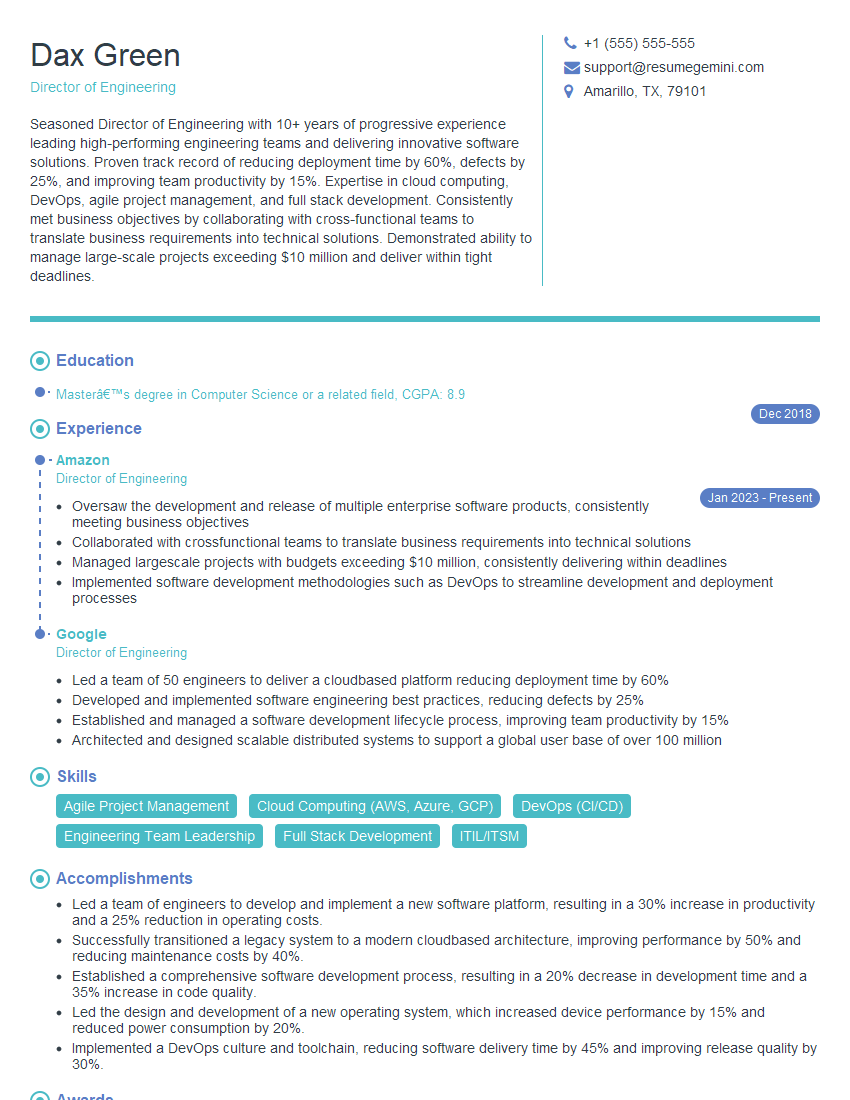
Director of Engineering Resume Sample
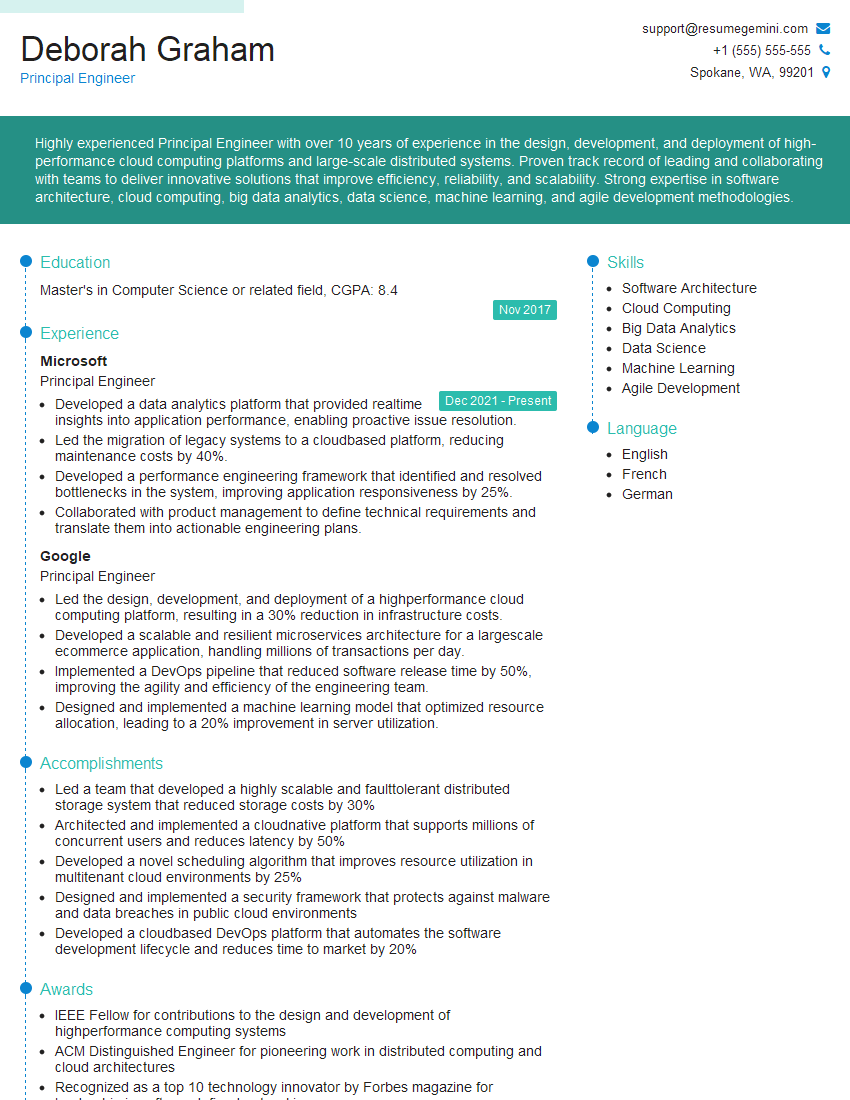
Principal Engineer Resume Sample
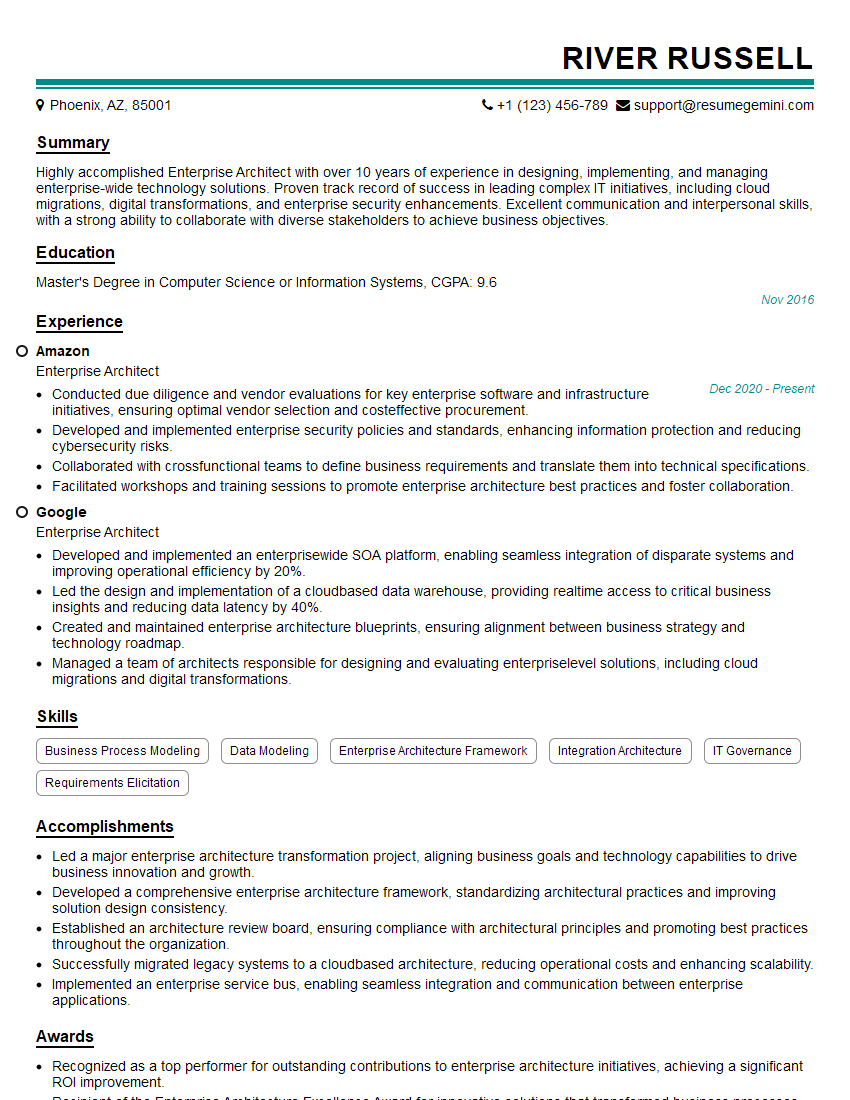
Enterprise Architect Resume Sample
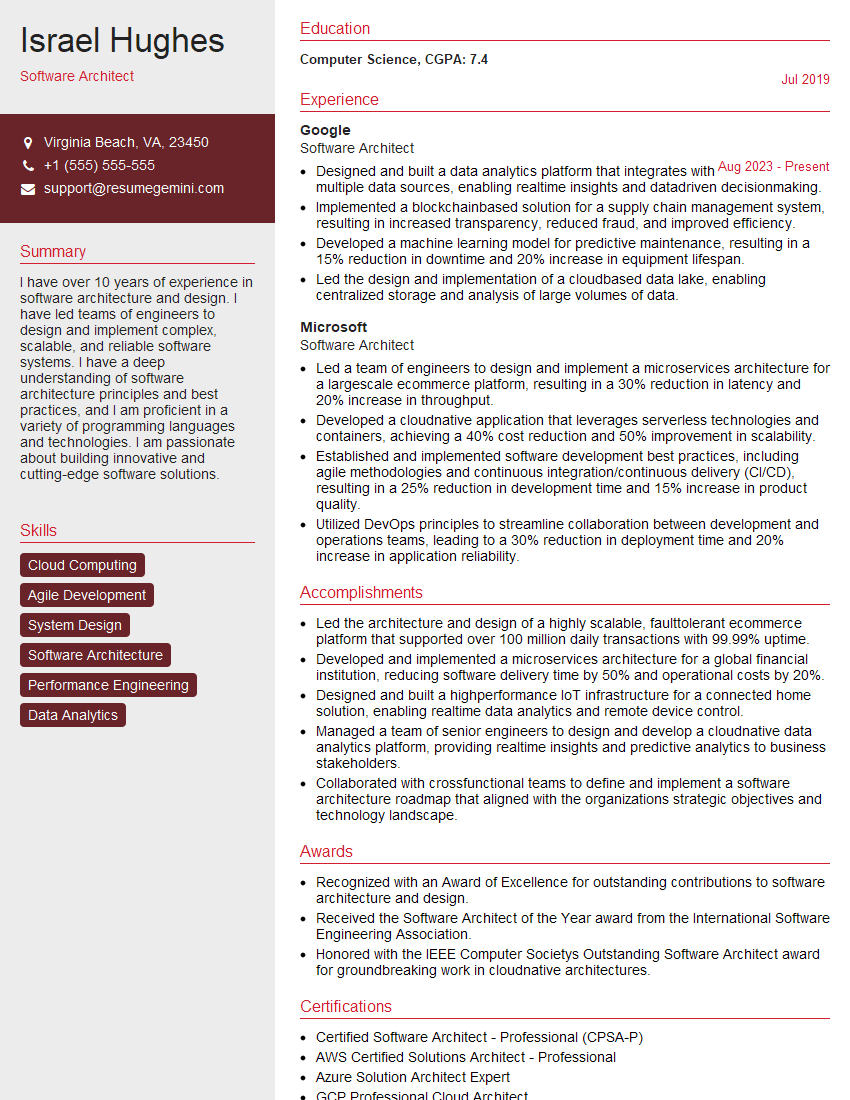
Software Architect Resume Sample
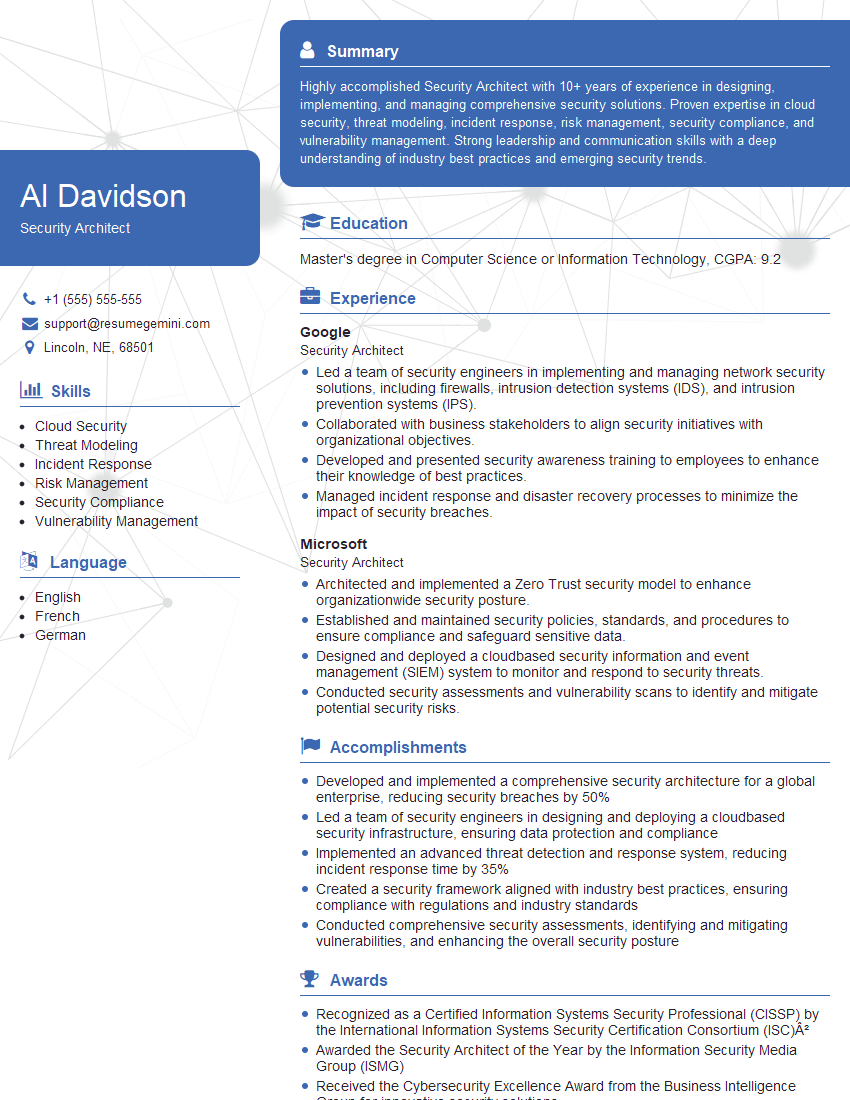
Security Architect Resume Sample
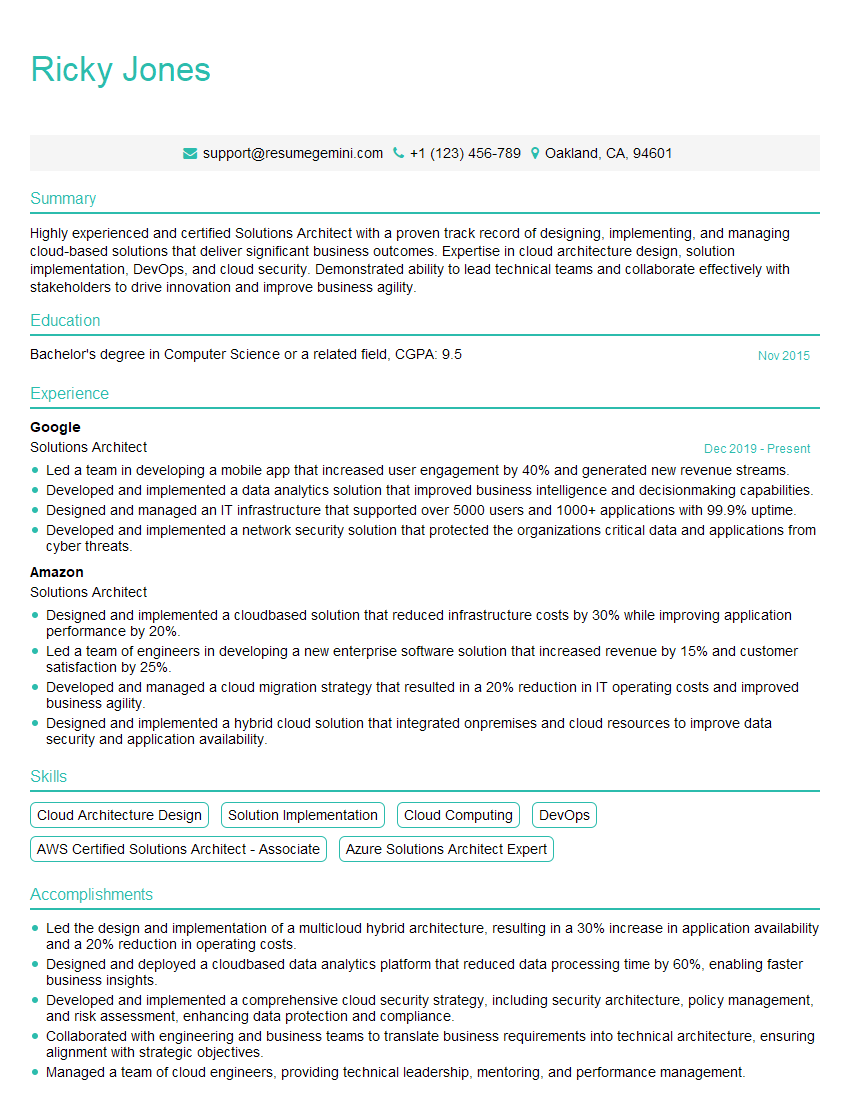
Solutions Architect Resume Sample

Senior Software Engineer Resume Sample
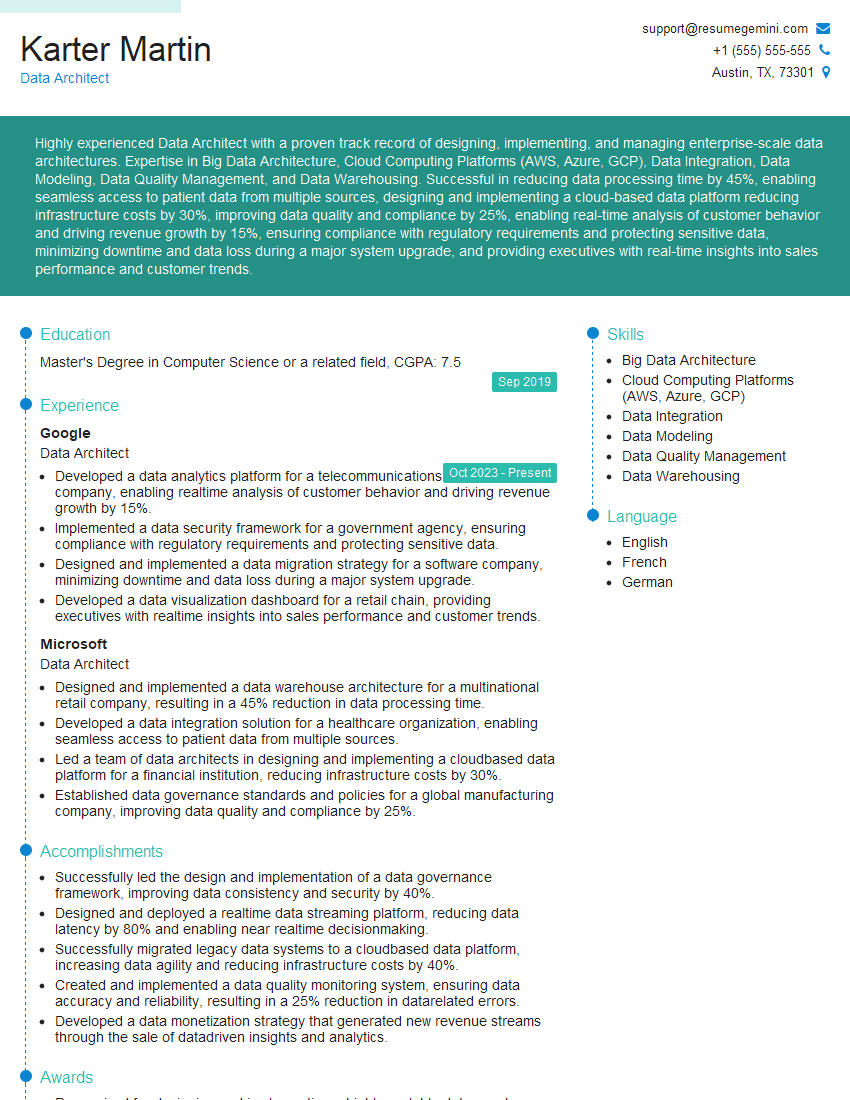
Data Architect Resume Sample
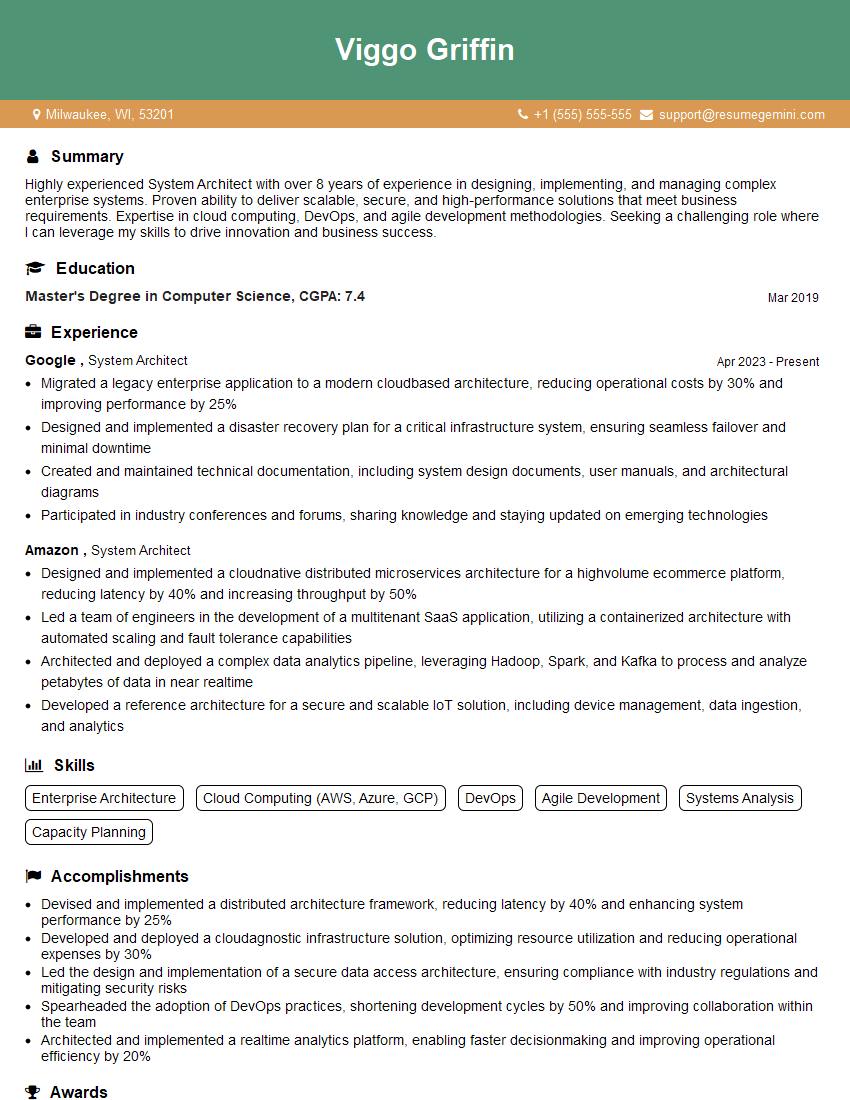
System Architect Resume Sample
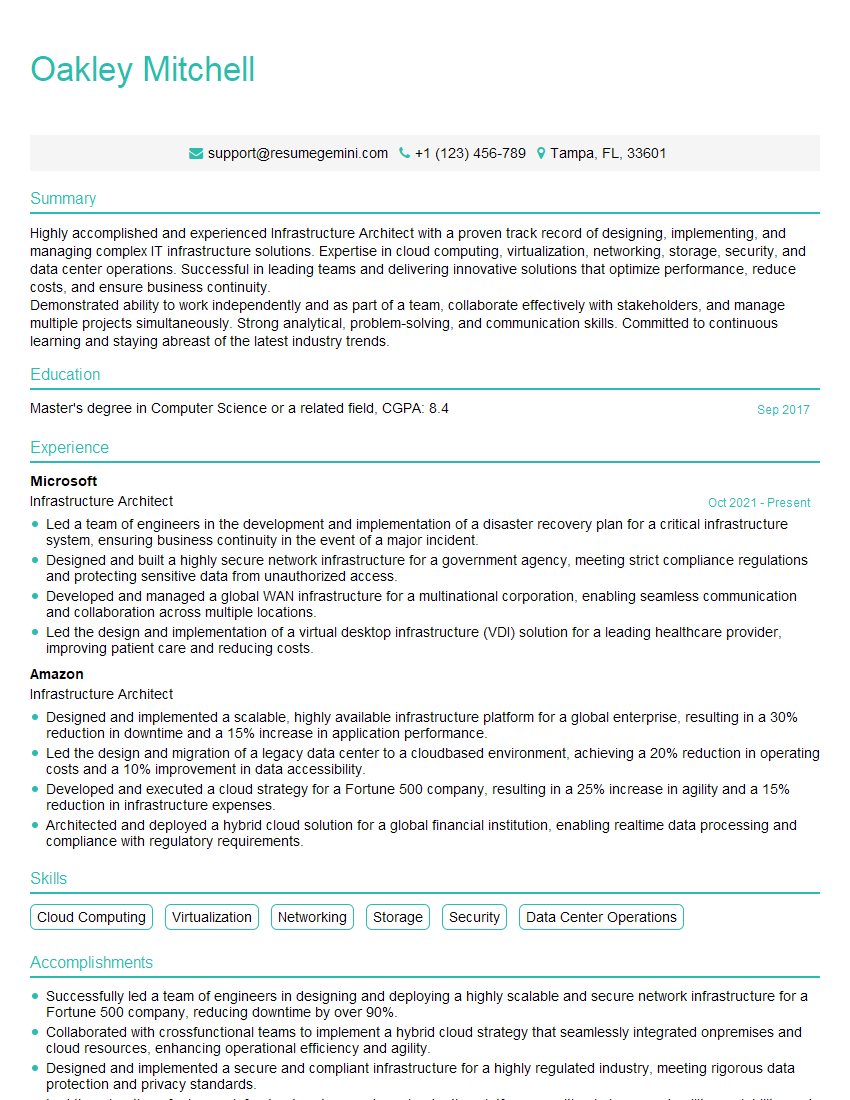
Infrastructure Architect Resume Sample
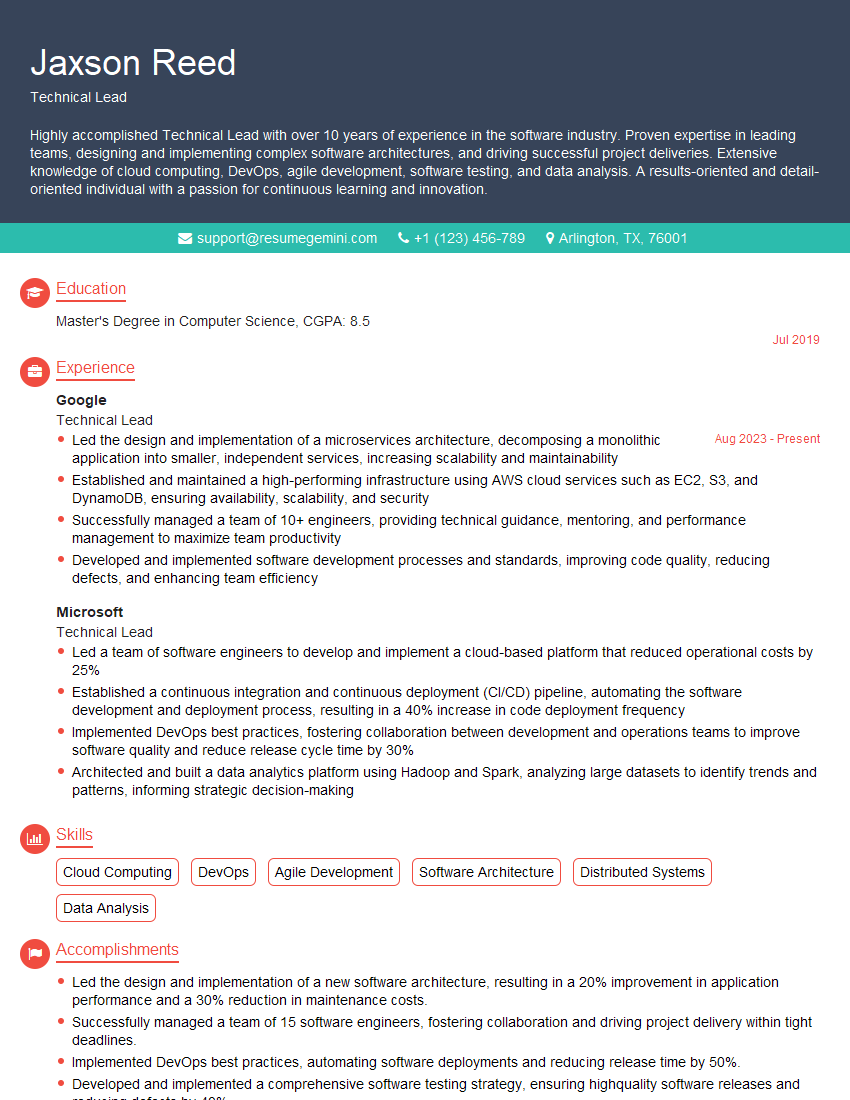
Technical Lead Resume Sample
Explore more articles
Users Rating of Our Blogs
Share Your Experience
We value your feedback! Please rate our content and share your thoughts (optional).
What Readers Say About Our Blog
To the interviewgemini.com Webmaster.
Very helpful and content specific questions to help prepare me for my interview!
Thank you
To the interviewgemini.com Webmaster.
This was kind of a unique content I found around the specialized skills. Very helpful questions and good detailed answers.
Very Helpful blog, thank you Interviewgemini team.