Feeling uncertain about what to expect in your upcoming interview? We’ve got you covered! This blog highlights the most important Gestational Diabetes interview questions and provides actionable advice to help you stand out as the ideal candidate. Let’s pave the way for your success.
Questions Asked in Gestational Diabetes Interview
Q 1. Explain the pathophysiology of gestational diabetes.
Gestational diabetes (GDM) is a condition characterized by high blood glucose levels that develop during pregnancy. Its pathophysiology isn’t fully understood, but it involves a complex interplay of hormonal changes, insulin resistance, and potentially genetic predisposition. During pregnancy, the placenta produces hormones like human placental lactogen (hPL), which increase insulin resistance. Normally, the pancreas compensates by producing more insulin. However, in GDM, this compensatory mechanism fails, leading to elevated blood sugar levels. Think of it like this: imagine your body’s insulin as the key to unlocking the door (your cells) to let glucose (sugar) in for energy. In GDM, the key doesn’t work as well, leaving glucose trapped in the bloodstream.
Several factors contribute to this insulin resistance, including weight gain during pregnancy, a family history of diabetes, and ethnicity. The exact mechanisms are still under research, but it likely involves changes in how cells respond to insulin and impaired insulin secretion.
Q 2. Describe the diagnostic criteria for gestational diabetes.
Diagnosis of GDM typically involves a two-step process. First, a screening test is performed between 24 and 28 weeks of gestation. This often uses a 50-gram oral glucose challenge test (OGCT). If the blood glucose level is above a certain threshold (usually 140 mg/dL or higher one hour after consuming the glucose), a follow-up diagnostic test is needed.
The diagnostic test is a 100-gram oral glucose tolerance test (OGTT). This involves fasting overnight, then consuming a 100-gram glucose solution. Blood glucose levels are measured at fasting, one hour, and two hours after ingestion. GDM is diagnosed if two or more of these values exceed specific thresholds (e.g., fasting ≥ 92 mg/dL, 1-hour ≥ 180 mg/dL, 2-hour ≥ 153 mg/dL). The specific cut-off values may vary slightly depending on the laboratory and guidelines used.
Q 3. What are the risk factors associated with developing gestational diabetes?
Several factors increase the risk of developing GDM. These include a family history of type 2 diabetes (either in the mother or father), previous history of GDM in a prior pregnancy, obesity (BMI ≥ 30 kg/m²), polycystic ovary syndrome (PCOS), and certain ethnicities (e.g., Hispanic, African American, Asian, Native American). Other risk factors include advanced maternal age (over 35 years), gestational hypertension, and a history of delivering a large baby (macrosomia).
For example, a woman with a BMI of 35, a family history of diabetes, and who is of African American descent has a significantly higher risk compared to a woman with a normal BMI and no family history. Understanding these risk factors allows for targeted screening and preventative strategies.
Q 4. Outline the recommended screening protocols for gestational diabetes.
Screening for GDM is typically recommended for all pregnant women between 24 and 28 weeks of gestation. However, women with significant risk factors (as outlined above) may be screened earlier. The initial screening usually involves the 50-gram OGCT, followed by the 100-gram OGTT if the initial screening is positive. Some healthcare providers may opt for different screening protocols based on individual risk assessments and local guidelines. It is crucial that a woman’s specific risk profile is evaluated to determine the optimal screening strategy. For instance, women with a very high risk profile might be screened earlier than 24 weeks.
Q 5. Discuss the various treatment options for gestational diabetes.
Management of GDM primarily focuses on maintaining blood glucose levels within a healthy range. The cornerstone of treatment is lifestyle modification, including dietary changes and regular exercise. A registered dietitian can help develop an individualized meal plan that emphasizes complex carbohydrates, lean protein, and healthy fats, while limiting sugary drinks and processed foods. Regular physical activity, such as brisk walking, also improves insulin sensitivity. If lifestyle modifications are insufficient to control blood sugar, medication may be necessary.
While insulin remains the first-line medication for GDM, certain oral medications like metformin may also be used under the guidance of a physician. The choice of medication depends on factors like the individual’s response to lifestyle changes, pregnancy progression, and potential side effects. Careful monitoring of blood glucose levels is critical to assess the effectiveness of the chosen treatment strategy.
Q 6. Explain the importance of blood glucose monitoring in gestational diabetes.
Regular blood glucose monitoring is essential in managing GDM. It allows for accurate assessment of blood sugar control and guides adjustments to the treatment plan. This involves self-monitoring of blood glucose (SMBG) using a glucometer at specific times throughout the day, such as before meals, and two hours after meals. The frequency of monitoring depends on the individual’s treatment plan and response to therapy. Regular monitoring helps prevent both short-term and long-term complications for both the mother and the baby.
For example, if a woman consistently has high post-prandial blood glucose levels (after meals), it signals the need for dietary adjustments or an increase in medication dosage. Conversely, consistent good glucose control provides reassurance and reduces the likelihood of complications.
Q 7. What are the potential complications of gestational diabetes for the mother?
Untreated or poorly controlled GDM poses several risks to the mother. These include an increased risk of developing type 2 diabetes later in life, preeclampsia (high blood pressure during pregnancy), ketoacidosis (a serious metabolic complication), and increased risk of cesarean section. Furthermore, there’s an increased risk of infections during pregnancy and postpartum hemorrhage. The increased risk of complications highlights the importance of early detection and effective management of GDM.
For instance, uncontrolled GDM can lead to macrosomia (large baby), increasing the risk of birth injuries and requiring Cesarean delivery. The long-term implications for the mother include a heightened risk of developing type 2 diabetes, emphasizing the importance of continued health management following pregnancy.
Q 8. What are the potential complications of gestational diabetes for the fetus/newborn?
Gestational diabetes (GD), a type of diabetes that develops during pregnancy, can pose several risks to the fetus and newborn. High blood glucose levels in the mother cross the placenta and affect fetal development. These risks can include macrosomia (excessively large baby), leading to birth trauma during delivery. Babies born to mothers with GD are also at increased risk of hypoglycemia (low blood sugar) after birth because their pancreas has been producing extra insulin in response to the mother’s high glucose levels. They may also experience respiratory distress syndrome and increased risk of jaundice. In the longer term, there’s a slightly increased risk of the child developing obesity and type 2 diabetes later in life. Careful monitoring and management of GD are crucial to minimizing these risks.
- Macrosomia: A baby weighing over 4000 grams (8.8 pounds) at birth, increasing the chance of shoulder dystocia and other birthing complications.
- Hypoglycemia: Low blood sugar in the newborn, requiring close monitoring and potential treatment immediately after birth.
- Respiratory Distress Syndrome: Difficulty breathing due to immature lungs.
- Increased risk of childhood obesity and type 2 diabetes: These risks are significantly reduced with proper maternal management and post-natal care.
Q 9. Describe the role of diet and exercise in managing gestational diabetes.
Diet and exercise are cornerstones of gestational diabetes management. A healthy diet focuses on portion control and consistent carbohydrate intake throughout the day. This prevents drastic blood sugar spikes and crashes. Think of it as fueling a car consistently rather than giving it large, infrequent bursts of fuel. Processed foods, sugary drinks, and refined carbohydrates should be minimized. Instead, focus on whole grains, lean proteins, fruits, vegetables, and healthy fats. Regular exercise, typically 30 minutes most days of the week, helps improve insulin sensitivity and lowers blood glucose levels. This could involve brisk walking, swimming, or any activity that raises your heart rate. The combination of a balanced diet and regular exercise works synergistically to optimize blood sugar control during pregnancy. Remember to always consult your doctor or a registered dietitian for personalized recommendations.
- Example Diet: A balanced breakfast might include oatmeal with berries and nuts, a lunch of a salad with grilled chicken or fish, and a dinner of lean protein with plenty of vegetables.
- Example Exercise: A daily 30-minute walk can make a significant difference, but any activity you enjoy and can stick to consistently will be helpful.
Q 10. Discuss the use of insulin therapy in gestational diabetes.
Insulin therapy is sometimes necessary to manage gestational diabetes, especially when diet and exercise alone aren’t sufficient to maintain healthy blood glucose levels. Insulin is a hormone that helps glucose enter cells for energy. In GD, the body either doesn’t produce enough insulin or doesn’t use it effectively. Insulin therapy helps regulate blood sugar by mimicking the body’s natural insulin function. There are several types of insulin, and the choice depends on individual needs and preferences. It is usually administered via injection (subcutaneous injection) multiple times a day. Close monitoring of blood glucose levels is essential to adjust insulin dosages as needed. Insulin therapy is generally safe during pregnancy, and the benefits to both mother and baby significantly outweigh the risks. A healthcare professional will carefully monitor the mother’s blood glucose levels and adjust the insulin dosage as required throughout the pregnancy.
Q 11. Explain the importance of postpartum glucose testing after gestational diabetes.
Postpartum glucose testing is crucial because women who had gestational diabetes have a significantly increased risk of developing type 2 diabetes later in life. Testing usually involves an oral glucose tolerance test (OGTT) 6-12 weeks after delivery. This test helps determine if glucose metabolism has returned to normal or if there’s persistent glucose intolerance, indicating a higher likelihood of developing type 2 diabetes. Early detection through postpartum testing allows for timely intervention, lifestyle modifications, or medication to reduce the risk of future complications. This proactive approach can significantly impact long-term health.
Q 12. How do you counsel patients on lifestyle modifications to manage gestational diabetes?
Counseling patients on lifestyle modifications for gestational diabetes involves a holistic approach. It’s not just about giving them a list of foods to avoid; it’s about empowering them to make sustainable changes. I start by emphasizing the importance of teamwork—it’s a collaborative effort between the patient, their family, and the healthcare team. We establish realistic goals, focusing on small, achievable steps rather than overwhelming them with drastic changes. For example, instead of eliminating all sweets, we might focus on reducing intake gradually. We discuss meal planning, portion control, healthy cooking methods, and the benefits of regular exercise, tailoring the recommendations to the individual’s preferences and abilities. We also address emotional aspects, acknowledging the challenges and providing encouragement and support throughout the process.
- Example: Instead of saying “eliminate all sugary drinks,” I might suggest, “Let’s aim to reduce sugary drinks by one per day this week, and then we can adjust from there.”
Q 13. How do you address patient concerns and anxieties about gestational diabetes?
Addressing patient concerns and anxieties about gestational diabetes is crucial. Many women feel overwhelmed, scared, and guilty upon receiving the diagnosis. I create a safe and empathetic space for them to express their feelings. I explain GD in simple terms, emphasizing that it’s manageable and doesn’t mean they’ll automatically have diabetes in the future. I actively listen to their concerns, answer their questions thoroughly, and offer practical support. I might share stories of other women who have successfully managed GD to offer hope and reassurance. We discuss coping strategies for stress management and building a supportive network. Regular follow-up appointments provide opportunities to address ongoing concerns and adjustments to the management plan.
Q 14. What are the key indicators of poor glycemic control in gestational diabetes?
Poor glycemic control in gestational diabetes is indicated by consistently high blood glucose levels. Key indicators include fasting blood glucose levels consistently above 95 mg/dL, and postprandial (after-meal) levels consistently above 140 mg/dL. Frequent monitoring, usually several times a day, allows for detection of these highs. Other indicators can include excessive weight gain during pregnancy, recurrent urinary tract infections, and symptoms like excessive thirst and frequent urination. Regular visits with the healthcare team and adherence to the treatment plan are critical for early detection of poor control. If these indicators are present, adjustments to diet, exercise, or medication may be necessary to maintain optimal blood glucose levels.
Q 15. Describe your experience with managing hyperglycemia in pregnant patients.
Managing hyperglycemia in pregnant patients requires a multi-faceted approach focusing on individualized treatment plans prioritizing maternal and fetal well-being. It starts with careful monitoring of blood glucose levels using home glucose monitoring, often multiple times daily. We aim for optimal glucose control, typically targeting fasting glucose levels below 95 mg/dL and postprandial levels below 140 mg/dL. This is achieved through a combination of dietary modifications, exercise, and, if necessary, insulin therapy.
Dietary management involves working with a registered dietitian to create a meal plan that distributes carbohydrates evenly throughout the day, focusing on complex carbohydrates, lean protein, and healthy fats. Regular exercise, as tolerated by the patient, is crucial. For many, lifestyle changes alone suffice. However, if blood glucose targets aren’t met, we carefully titrate insulin doses, often starting with basal insulin at night and adding prandial insulin as needed, guided by frequent blood glucose monitoring. We closely monitor for hypoglycemia, adjusting the insulin regimen accordingly. For example, a patient initially managed with diet alone might require basal insulin after a week or two if fasting blood sugars remain elevated despite diligent adherence to the diet plan. Regular monitoring of fetal growth and well-being is critical throughout the process.
Career Expert Tips:
- Ace those interviews! Prepare effectively by reviewing the Top 50 Most Common Interview Questions on ResumeGemini.
- Navigate your job search with confidence! Explore a wide range of Career Tips on ResumeGemini. Learn about common challenges and recommendations to overcome them.
- Craft the perfect resume! Master the Art of Resume Writing with ResumeGemini’s guide. Showcase your unique qualifications and achievements effectively.
- Don’t miss out on holiday savings! Build your dream resume with ResumeGemini’s ATS optimized templates.
Q 16. How do you coordinate care with other healthcare professionals (e.g., obstetricians, endocrinologists)?
Coordinating care with other healthcare professionals is paramount in gestational diabetes management. I work closely with obstetricians to monitor fetal growth and development, ensuring optimal pregnancy outcomes. Regular communication about the patient’s blood glucose levels and treatment plan is crucial. If insulin resistance is severe, or if other complications arise, consultation with an endocrinologist is necessary. The endocrinologist can provide expertise in insulin management and other potential underlying endocrine conditions. We frequently hold joint patient visits to allow for comprehensive care and to ensure seamless communication between specialists. This collaborative approach ensures that each specialist’s expertise is leveraged, resulting in safer and more effective patient management. A clear, concise, and well-documented record sharing system is essential for facilitating smooth collaboration.
Q 17. How would you handle a patient who is non-compliant with their gestational diabetes treatment plan?
Non-compliance with gestational diabetes treatment can have serious consequences for both mother and baby, highlighting the need for a compassionate and effective approach. First, I explore the reasons behind the non-compliance. Are there financial barriers, lack of understanding about the treatment plan, or emotional factors at play? Open communication is essential; I actively listen and address any concerns the patient has. I might reinforce the importance of treatment adherence through education, possibly offering additional support sessions with a dietitian or diabetes educator. Addressing logistical barriers – like providing home glucose monitoring equipment, arranging for affordable groceries, or coordinating support systems – is often very helpful. I provide ongoing emotional support throughout the process. For some patients, setting realistic, small, achievable goals is more effective than overwhelming them with larger targets. If lifestyle changes and counseling are not sufficient, we may discuss strategies to increase motivation, involving family members or utilizing behavioral modification techniques. In extreme cases, if adherence remains an issue despite supportive interventions, referral to a specialist in diabetes management or mental health may be necessary.
Q 18. Describe your experience with interpreting HbA1c results in the context of gestational diabetes.
Interpreting HbA1c results in gestational diabetes requires understanding its limitations. While HbA1c reflects average blood glucose over the preceding 2-3 months, its accuracy in pregnancy can be affected by the shortened lifespan of red blood cells. Therefore, HbA1c might underestimate the severity of hyperglycemia in pregnant women. I rely more heavily on frequent self-monitoring of blood glucose (SMBG) to assess daily glycemic control. HbA1c can be useful as a general indicator of long-term glucose management but should not be the primary indicator for treatment decisions during pregnancy. For example, a patient might have a seemingly acceptable HbA1c but consistently show elevated postprandial blood glucose readings on SMBG, thus requiring adjustments in their dietary plan or insulin regimen. SMBG provides a far more detailed and immediate reflection of glucose management than HbA1c in this population.
Q 19. How do you differentiate between gestational diabetes and other types of diabetes?
Differentiating gestational diabetes from other types of diabetes relies on careful assessment of the patient’s history, risk factors, and laboratory findings. Gestational diabetes is diagnosed during pregnancy in women who had no prior history of diabetes. It’s typically diagnosed between 24 and 28 weeks of gestation using a glucose tolerance test (GTT). Type 1 diabetes, an autoimmune disorder, is characterized by an absolute insulin deficiency, often diagnosed before pregnancy. Type 2 diabetes is characterized by insulin resistance and relative insulin deficiency, typically diagnosed before pregnancy but can sometimes manifest during pregnancy. Key differences lie in the timing of diagnosis and the underlying pathophysiology. A thorough medical history, including family history of diabetes, previous pregnancies, and symptoms, is essential to differentiate between them. While the treatment for all involves managing blood glucose levels, the long-term management strategies differ significantly based on the type of diabetes.
Q 20. What are the long-term risks associated with gestational diabetes for both mother and child?
Gestational diabetes poses long-term risks for both mother and child. For mothers, there’s an increased risk of developing type 2 diabetes later in life, as well as an increased risk of cardiovascular disease and hypertension. For the child, there’s a higher likelihood of developing childhood obesity, type 2 diabetes, and metabolic syndrome later in life. Large-for-gestational-age infants (macrosomia) are also more common with gestational diabetes, potentially leading to birth trauma during delivery. Furthermore, the babies of mothers with gestational diabetes are at a higher risk of developing hypoglycemia shortly after birth due to their elevated insulin levels in utero. These risks underscore the importance of managing gestational diabetes effectively during pregnancy and implementing post-partum follow-up to monitor for these conditions.
Q 21. Describe your knowledge of different insulin regimens used in gestational diabetes.
Various insulin regimens are used in gestational diabetes, tailored to individual patient needs and response. The choice depends on the severity of hyperglycemia and the patient’s lifestyle. Many patients start with basal insulin, typically NPH or glargine, administered once or twice daily to control fasting and overnight glucose levels. If basal insulin alone isn’t sufficient to reach target glucose levels, prandial insulin (rapid-acting insulin analogs like lispro or aspart) is added before meals to control postprandial glucose. The exact dosage and timing of insulin are adjusted based on frequent blood glucose monitoring, ensuring that it’s both effective and safe for both mother and baby. Some patients may require a more complex regimen involving multiple daily injections or continuous subcutaneous insulin infusion (CSII), though this is less common. The goal is always to find the simplest, most effective regimen that meets individual needs while minimizing risks.
Q 22. Explain your understanding of the impact of gestational diabetes on fetal growth and development.
Gestational diabetes (GD) significantly impacts fetal growth and development primarily due to the excess glucose in the mother’s bloodstream. This excess glucose crosses the placenta and exposes the fetus to a hyperglycemic environment. The fetus, in response, produces more insulin, leading to accelerated growth and potentially macrosomia (excessively large baby).
This rapid growth can cause problems during delivery, such as shoulder dystocia (where the baby’s shoulders get stuck during birth), and increases the risk of birth injuries. Furthermore, excessive insulin production by the fetus can lead to problems with its own glucose regulation after birth, potentially resulting in hypoglycemia (low blood sugar). Beyond size, GD can also be linked to increased risks of birth defects, including cardiac abnormalities and neural tube defects. It’s important to remember that the severity of these effects varies depending on the degree of maternal hyperglycemia and the duration of exposure.
Imagine a plant given excessive amounts of fertilizer. It will grow rapidly, but this rapid growth can be unstable and lead to weakness in its structure. Similarly, a fetus exposed to high glucose levels grows rapidly, but this growth is not always healthy and can lead to complications.
Q 23. How would you assess the risk of macrosomia in a pregnant patient with gestational diabetes?
Assessing the risk of macrosomia in a pregnant patient with gestational diabetes involves a multi-pronged approach. We start with a thorough medical history, including previous pregnancies and family history of diabetes or macrosomia. Serial ultrasounds are crucial to monitor fetal growth throughout the pregnancy, comparing the estimated fetal weight to gestational age using growth charts. Frequent monitoring of blood glucose levels is vital, as poorly controlled diabetes significantly increases the risk. Further, we consider factors like maternal weight gain, ethnicity (some ethnic groups have a higher predisposition), and the type and severity of gestational diabetes.
A high estimated fetal weight above the 90th percentile, coupled with persistently high blood glucose levels, suggests a high risk of macrosomia. In such cases, we discuss the risks and benefits of early delivery with the patient, weighing them against the potential risks associated with continuing the pregnancy. The decision is individualized and depends on several factors, including the severity of the GD, the overall health of both mother and fetus, and available resources.
Q 24. What are the common side effects of medications used to treat gestational diabetes?
While lifestyle modifications (diet and exercise) are the first line of treatment for gestational diabetes, sometimes medication is necessary. The most common medications used are insulin and metformin. Both have potential side effects.
- Insulin: Common side effects include hypoglycemia (low blood sugar), weight gain, and injection site reactions (pain, redness, swelling). Hypoglycemia can be severe, requiring immediate attention, and proper insulin dosing is crucial to manage it effectively.
- Metformin: Common side effects include gastrointestinal issues like nausea, vomiting, diarrhea, and abdominal discomfort. Less common, but more serious, side effects include lactic acidosis (a rare but potentially fatal condition).
It’s crucial to educate patients about these potential side effects and emphasize the importance of regular monitoring and communication with their healthcare provider. The benefits of managing gestational diabetes usually outweigh the risks associated with medication side effects, given the potential risks to both mother and baby.
Q 25. Explain the role of genetic factors in the development of gestational diabetes.
Genetic factors play a significant, albeit complex, role in the development of gestational diabetes. While not directly inherited like type 1 or type 2 diabetes, certain genetic predispositions increase the risk. Genes influencing insulin resistance, glucose metabolism, and pancreatic beta-cell function are believed to be involved. Individuals with a family history of type 2 diabetes, gestational diabetes, or obesity have a significantly higher risk of developing GD. Furthermore, specific genetic variants have been associated with an increased risk, though more research is ongoing to understand the full extent of genetic influence.
It’s essential to emphasize that genetics isn’t destiny. Lifestyle factors, such as diet, physical activity, and weight, significantly modulate the influence of genetic susceptibility. A person with a strong genetic predisposition can potentially mitigate their risk through healthy lifestyle choices, while a person with a weaker genetic predisposition can still develop GD if their lifestyle doesn’t support healthy glucose regulation.
Q 26. How do you counsel patients regarding breastfeeding after gestational diabetes?
Counseling patients regarding breastfeeding after gestational diabetes is crucial. Breastfeeding offers numerous benefits for both mother and baby, and it’s generally encouraged. However, we discuss the potential need for blood glucose monitoring during the postpartum period, especially during the initial weeks. Some women with GD may experience transient hyperglycemia or hypoglycemia after delivery, particularly if they were using insulin during pregnancy.
We emphasize that maintaining a balanced diet and engaging in regular physical activity help regulate blood glucose levels postpartum. We also explain that breastfeeding itself does not preclude the possibility of developing type 2 diabetes later in life and suggest continued monitoring of glucose levels and overall health. This holistic approach combines the known benefits of breastfeeding with personalized guidance to manage potential postpartum metabolic challenges.
Q 27. How would you manage a patient with gestational diabetes experiencing hypoglycemia?
Managing hypoglycemia in a patient with gestational diabetes requires prompt action. Hypoglycemia, characterized by blood glucose levels below 70 mg/dL, can be dangerous, especially during pregnancy. The immediate treatment involves administering a fast-acting carbohydrate source, such as fruit juice, glucose tablets, or a sugary drink. This rapidly raises blood glucose levels.
Monitoring blood glucose levels is essential to ascertain the effectiveness of treatment and prevent recurrent episodes. If symptoms persist or the patient is unable to manage their blood sugar, immediate medical attention is crucial. This could involve hospitalization for intravenous glucose administration. The underlying cause of hypoglycemia needs investigation. It could be related to medication, diet, or exercise. Adjustments to the treatment plan, such as insulin dosage or dietary changes, might be necessary to prevent future episodes.
Q 28. Describe your experience in educating patients about gestational diabetes and its management.
My approach to educating patients about gestational diabetes and its management involves a patient-centered approach. I believe in clear, concise, and empathetic communication. I use visual aids like diagrams and charts to explain complex concepts like glucose metabolism and the impact of hyperglycemia on the fetus. I strongly emphasize the importance of self-monitoring of blood glucose, healthy dietary choices, and regular physical activity. I also involve family members or support systems, fostering a shared understanding and promoting collective action.
I always ensure ample time for patients to ask questions and address their concerns. I provide detailed written materials and refer patients to trusted online resources. I find that using real-life examples and success stories of patients who have successfully managed their GD is an effective way to build confidence and encourage positive behavior change. My goal is not just to deliver information but to empower patients to take control of their health and make informed decisions about their pregnancy and future health.
Key Topics to Learn for Gestational Diabetes Interview
- Physiology of Gestational Diabetes: Understand the hormonal changes during pregnancy that contribute to insulin resistance and hyperglycemia. Explore the differences between gestational diabetes and type 1 and type 2 diabetes.
- Diagnosis and Screening: Become familiar with the various screening methods (e.g., glucose challenge test, fasting plasma glucose) and their interpretation. Understand the criteria for diagnosis and the implications of different diagnostic results.
- Management Strategies: Detail the various approaches to managing gestational diabetes, including dietary modifications, exercise recommendations, and the appropriate use of insulin or oral hypoglycemic agents. Discuss the importance of patient education and self-monitoring of blood glucose.
- Maternal and Fetal Complications: Thoroughly understand potential risks to both mother and fetus associated with poorly controlled gestational diabetes, such as macrosomia, preeclampsia, and birth defects. Be prepared to discuss preventative measures and management of complications.
- Postpartum Management: Discuss the process of monitoring glucose levels after delivery and the likelihood of developing type 2 diabetes later in life. Understand strategies for long-term health and well-being.
- Ethical Considerations: Be prepared to discuss the ethical considerations related to patient autonomy, informed consent, and shared decision-making in the management of gestational diabetes.
- Case Studies & Problem Solving: Practice applying your knowledge to hypothetical case studies. Develop your ability to analyze patient presentations, interpret lab results, and formulate appropriate management plans.
Next Steps
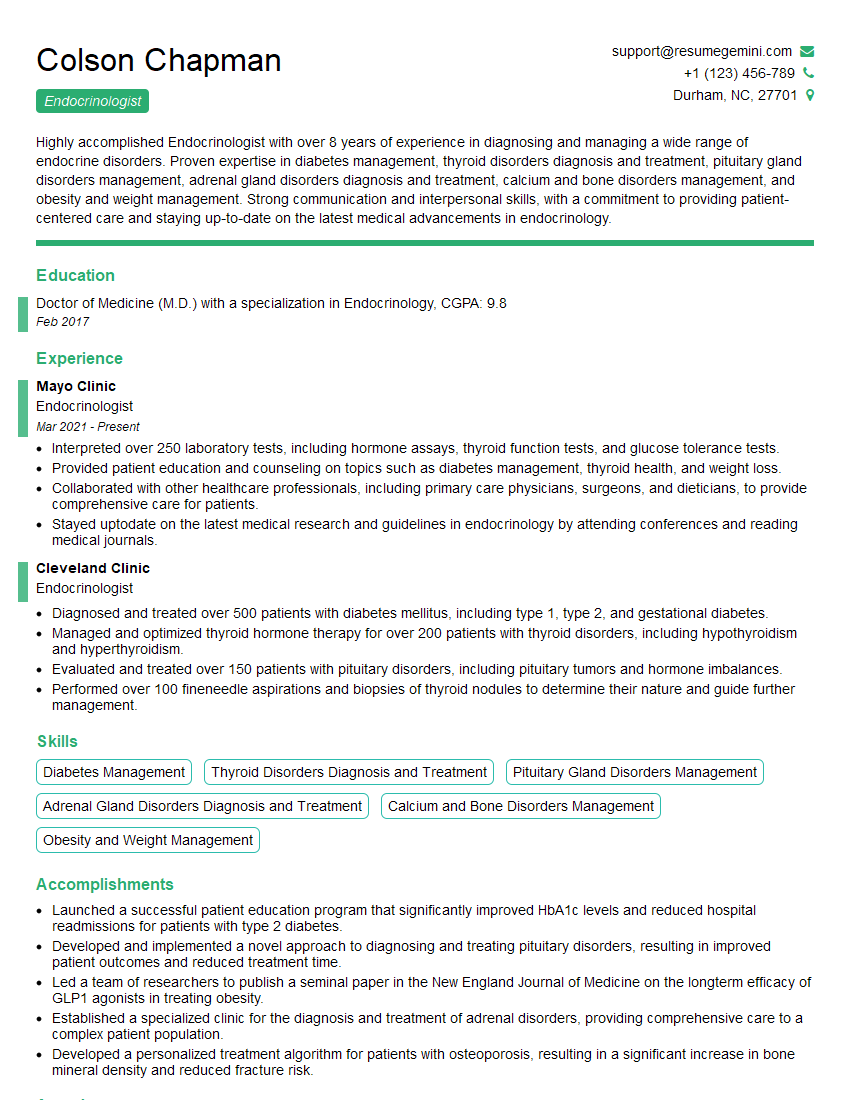
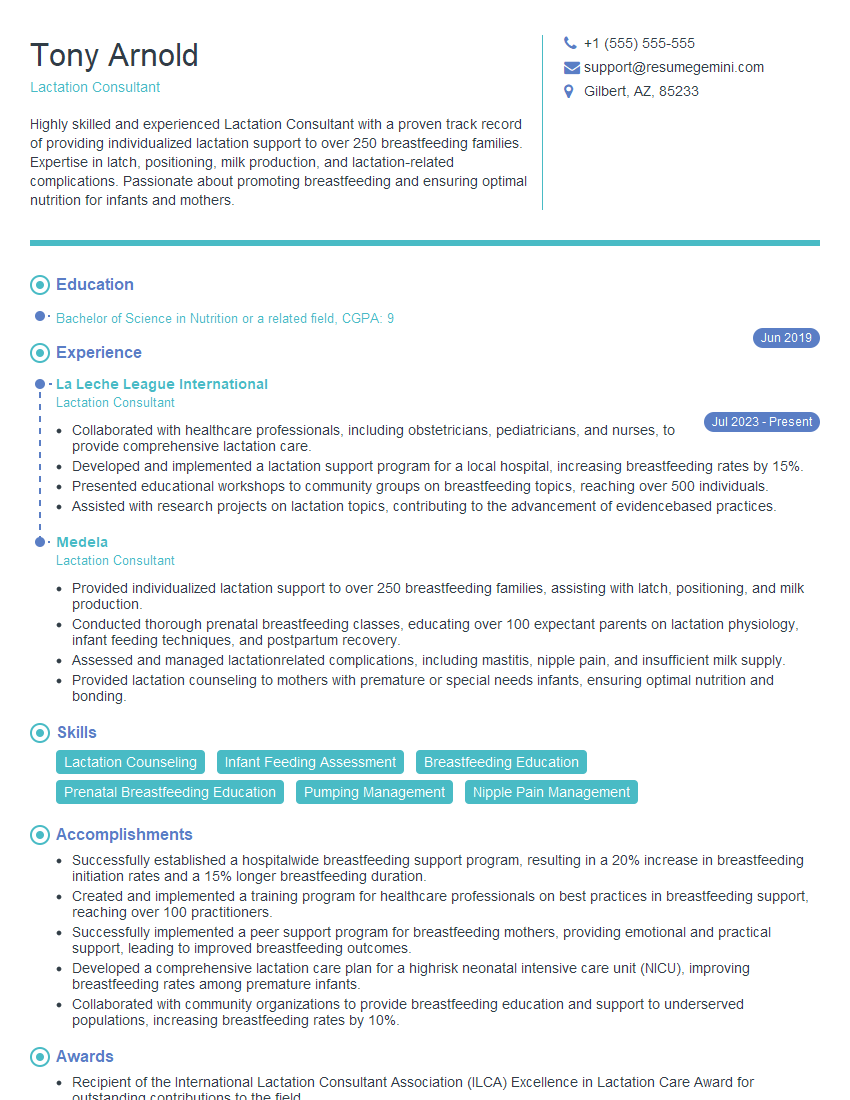
Mastering the complexities of gestational diabetes is crucial for advancing your career in healthcare. A strong understanding of this condition demonstrates your expertise and commitment to patient care. To significantly boost your job prospects, it’s essential to create an ATS-friendly resume that highlights your skills and experience effectively. We strongly encourage you to utilize ResumeGemini, a trusted resource for building professional resumes. ResumeGemini provides examples of resumes tailored to the Gestational Diabetes field to help you showcase your qualifications to potential employers.
Explore more articles
Users Rating of Our Blogs
Share Your Experience
We value your feedback! Please rate our content and share your thoughts (optional).
What Readers Say About Our Blog
To the interviewgemini.com Webmaster.
Very helpful and content specific questions to help prepare me for my interview!
Thank you
To the interviewgemini.com Webmaster.
This was kind of a unique content I found around the specialized skills. Very helpful questions and good detailed answers.
Very Helpful blog, thank you Interviewgemini team.