Interviews are more than just a Q&A session—they’re a chance to prove your worth. This blog dives into essential Grant Recipient interview questions and expert tips to help you align your answers with what hiring managers are looking for. Start preparing to shine!
Questions Asked in Grant Recipient Interview
Q 1. Describe your experience managing grant budgets.
Managing grant budgets requires a meticulous and proactive approach. It’s not just about tracking expenses; it’s about strategic allocation of funds to maximize impact while staying within the grant’s stipulations. My experience involves developing detailed budgets, forecasting expenses, and regularly monitoring actual spending against the budget. This includes identifying potential overspending early and implementing corrective actions. For example, in a recent project funded by a foundation grant, we created a detailed budget breakdown categorizing expenses by personnel, materials, travel, and indirect costs. This allowed us to track each expense category against its allocated budget and make informed decisions about reallocating resources when necessary. We used a dedicated budgeting software to streamline this process, enabling real-time tracking and generating reports quickly.
Q 2. Explain your process for tracking grant expenditures.
Tracking grant expenditures is crucial for maintaining financial accountability and ensuring compliance. My process involves utilizing a combination of software and manual tracking methods. I start by setting up a detailed chart of accounts aligned with the grant budget. Then, I meticulously record all expenses, ensuring each transaction is properly categorized and supported by documentation (invoices, receipts, etc.). I regularly reconcile bank statements with the expense tracker to catch discrepancies early. For instance, we employed a cloud-based accounting software that integrates directly with our bank accounts for automatic transaction importing. This significantly reduced manual data entry, minimizing errors and saving time. This system also generated automated reports, providing a clear overview of our spending against the budget and highlighting any potential overruns.
Q 3. How do you ensure compliance with grant regulations?
Ensuring compliance with grant regulations is paramount. My approach is proactive and multi-faceted. It starts with a thorough understanding of the grant agreement, including all rules, reporting requirements, and allowable costs. I then develop internal procedures to guarantee adherence to these regulations. This includes maintaining meticulous records, implementing internal audits, and ensuring timely submission of all required reports. For example, for a government grant, we developed a compliance checklist to ensure all necessary documentation was collected and submitted according to the stipulated timelines. We also conducted regular internal reviews to proactively identify and rectify any potential compliance issues before they escalated. This proactive approach minimized the risk of audit findings or grant suspension.
Q 4. What reporting methods do you use for grant progress?
I use a variety of reporting methods to effectively communicate grant progress, tailored to the specific requirements of each funder. This includes narrative reports that detail accomplishments, challenges, and future plans; financial reports demonstrating budget adherence; and visual reports such as charts and graphs illustrating key metrics. For example, for a foundation grant focused on community outreach, we developed a comprehensive report illustrating the number of individuals reached, events organized, and their overall impact. We also included qualitative data, such as testimonials, to demonstrate the project’s effectiveness. In another instance, for a government grant, we submitted standardized financial reports following their specific guidelines and templates.
Q 5. How do you identify and mitigate potential grant risks?
Identifying and mitigating potential grant risks is a crucial part of successful grant management. My approach involves proactively assessing potential risks throughout the project lifecycle. This includes financial risks (budget overruns, unexpected expenses), operational risks (delays, staff turnover), and compliance risks (non-adherence to regulations). I develop mitigation strategies for each identified risk, including contingency plans to address potential issues. For instance, in a project facing potential delays due to unforeseen circumstances, we developed a revised timeline and proactively communicated the delay to the funder, securing their understanding and continued support. This proactive approach prevented potential repercussions and maintained a positive working relationship with the grantor.
Q 6. Describe your experience with different types of grants (e.g., government, foundation).
I have extensive experience with various grant types, including government grants, foundation grants, and corporate grants. Each type has unique requirements and reporting expectations. Government grants often have stringent compliance requirements, detailed reporting procedures, and specific allowable cost regulations. Foundation grants typically have more flexibility but often require strong narratives demonstrating the project’s impact. Corporate grants often have specific alignment with the organization’s values and may include specific deliverables. My experience allows me to adapt my management style to the specific requirements of each type of grant, ensuring successful project completion and strong relationships with funders.
Q 7. How do you manage grant deadlines and deliverables?
Managing grant deadlines and deliverables requires a structured and organized approach. I utilize project management tools, such as Gantt charts and project management software, to visualize timelines, track progress, and identify potential delays. I create detailed work breakdown structures (WBS) to break down large projects into smaller, manageable tasks. Regular progress meetings with the project team ensure that we are on track to meet all deadlines. For example, when managing a grant with multiple deliverables, I created a Gantt chart illustrating the timeline for each deliverable, enabling us to identify potential bottlenecks and adjust our schedule as needed. We also utilized a project management software to track task assignments, deadlines, and progress, fostering transparency and accountability within the team.
Q 8. How do you communicate effectively with grantors?
Effective communication with grantors is paramount for securing funding and maintaining a positive relationship. It’s about building trust and transparency throughout the grant lifecycle. My approach involves proactive, clear, and consistent communication, tailored to the grantor’s preferences.
- Proactive Communication: I initiate contact regularly, providing updates on project progress, challenges, and milestones achieved. This keeps the grantor informed and prevents surprises.
- Clear and Concise Messaging: I use plain language, avoiding jargon, and ensuring my communications are easily understandable. I always provide context and relevant data to support my statements.
- Tailored Approach: I adapt my communication style to the grantor’s preferences. Some grantors prefer formal written reports, while others prefer informal phone calls or emails. I always pay attention to their preferred method of communication and response time expectations.
- Active Listening and Feedback Incorporation: I actively listen to the grantor’s feedback and incorporate their suggestions into the project. This shows respect and demonstrates a willingness to collaborate.
- Example: In one instance, I proactively identified a potential budget shortfall on a project. I immediately contacted the grantor to discuss the issue and propose a solution. This early communication allowed us to find a mutually agreeable solution before it became a major problem.
Q 9. What software or tools do you use for grant management?
Grant management involves numerous tasks, and efficient software and tools are crucial for success. I typically use a combination of tools depending on the specific needs of the grant and the organization. This could include:
- Dedicated Grant Management Software: Platforms like Fluxx, GrantForward, or GovPilot offer features like budget tracking, reporting, and compliance management, streamlining administrative tasks. These solutions automate many aspects of grant management.
- Spreadsheet Software (Excel, Google Sheets): For smaller grants or specific tasks, spreadsheets remain a valuable tool for budget tracking, expense recording, and data analysis. I use formulas and templates to ensure accuracy and consistency.
- Project Management Software (Asana, Trello, Monday.com): These help manage project tasks, deadlines, and team collaboration, ensuring projects stay on track and meet reporting requirements.
- Cloud Storage (Dropbox, Google Drive, OneDrive): Cloud storage is essential for securely storing grant documents, communications, and financial records. This allows for easy access and collaboration among team members.
The choice of software depends on the complexity of the grant, the size of the organization, and the available budget. However, a well-integrated system is key to efficient grant management.
Q 10. How do you handle grant audits?
Grant audits are a critical aspect of ensuring accountability and compliance. My approach to handling them emphasizes thorough preparation and collaboration.
- Preparation is Key: I maintain meticulous records throughout the grant lifecycle, ensuring all documentation is readily accessible and organized. This includes receipts, invoices, contracts, and progress reports.
- Internal Review: Before the audit, I conduct a thorough internal review to identify and rectify any potential discrepancies or areas of concern. This proactive approach reduces the scope and duration of the external audit.
- Collaboration with Auditors: During the audit, I actively collaborate with the auditors, providing them with the necessary information and addressing their questions promptly and professionally. I maintain open and transparent communication throughout the process.
- Documentation and Follow-up: I meticulously document all aspects of the audit, including the auditor’s findings, recommendations, and corrective actions taken. I follow up with the auditors to ensure all issues have been addressed satisfactorily.
- Example: During a recent audit, a minor discrepancy was identified in the expense reports. By providing detailed documentation and explanations, we swiftly resolved the issue, minimizing the audit’s impact.
Q 11. Describe your experience preparing grant reports.
Preparing grant reports is a crucial aspect of grant management, demonstrating accountability and impact. My experience involves crafting comprehensive and well-supported reports that accurately reflect project progress and outcomes.
- Understanding Reporting Requirements: I carefully review the grantor’s specific reporting requirements, adhering to their guidelines on format, content, and deadlines.
- Data Collection and Analysis: I systematically collect and analyze relevant data throughout the project, tracking key metrics and indicators. This ensures the reports are data-driven and support the project’s claims.
- Narrative Writing: I craft clear and concise narratives that explain the project’s progress, challenges encountered, and achievements made. I use visuals like charts and graphs to enhance clarity and understanding.
- Budget Reporting: I provide detailed budget reports showing actual expenses against the approved budget. Any variances are explained clearly, with justifications for any overruns or underspends.
- Example: For a recent environmental grant, I prepared a final report that included detailed data on species preservation, alongside compelling visuals demonstrating successful habitat restoration. This strengthened the narrative and showcased the project’s impact.
Q 12. How do you maintain accurate grant records?
Maintaining accurate grant records is critical for compliance, accountability, and efficient grant management. My approach involves implementing a structured system for record-keeping, utilizing both digital and physical methods.
- Centralized System: I use a centralized system, such as a dedicated grant management software or cloud storage, to store all grant-related documents. This ensures easy access and reduces the risk of losing important information.
- Consistent Filing System: I employ a consistent filing system, using clear and descriptive file names to organize documents effectively. This facilitates efficient retrieval of information when needed.
- Data Backup and Security: Regular data backups are crucial to protect against data loss. I employ robust security measures to prevent unauthorized access to sensitive grant information.
- Regular Audits: I conduct regular internal audits to ensure the accuracy and completeness of the records. This proactive approach minimizes the risk of errors and facilitates timely identification of any discrepancies.
- Version Control: For documents that undergo multiple revisions, I use version control to track changes and maintain a clear audit trail.
Q 13. Explain your understanding of grant regulations and compliance.
A strong understanding of grant regulations and compliance is fundamental to successful grant management. This includes awareness of federal, state, and local regulations, as well as the specific requirements of each grantor.
- Staying Informed: I stay current on changes in grant regulations and compliance requirements through professional development, industry publications, and online resources. This ensures that my practices remain up-to-date.
- Risk Assessment: I conduct regular risk assessments to identify potential compliance issues and develop mitigation strategies. This proactive approach helps prevent problems before they arise.
- Internal Controls: I implement robust internal controls to ensure adherence to grant regulations, including segregation of duties, authorization procedures, and regular reviews of financial transactions.
- Documentation: I maintain comprehensive documentation of all compliance-related activities, including policies, procedures, and training records. This demonstrates a commitment to compliance and facilitates audits.
- Example: I recently helped an organization navigate changes in indirect cost rate regulations, ensuring compliance with the updated guidelines and avoiding potential penalties.
Q 14. How do you collaborate with other departments on grant-related projects?
Collaboration is crucial for successful grant-related projects. I foster effective communication and coordination with other departments to ensure seamless execution and achieve shared objectives.
- Clear Communication: I establish clear communication channels with relevant departments from the outset of the project, outlining roles, responsibilities, and reporting procedures.
- Regular Meetings: I hold regular meetings with representatives from different departments to discuss progress, address challenges, and coordinate activities.
- Shared Resources: I ensure that all relevant departments have access to necessary resources, such as information, data, and tools, to facilitate their contributions.
- Conflict Resolution: I actively participate in conflict resolution to address any disagreements or challenges that may arise among departments. My focus is on finding mutually agreeable solutions that benefit the project as a whole.
- Example: For a recent grant involving community outreach, I collaborated closely with the marketing and community relations departments to develop and implement a successful outreach strategy.
Q 15. How do you prioritize multiple grant projects simultaneously?
Prioritizing multiple grant projects requires a structured approach. I use a combination of methods, including creating a detailed project timeline for each grant, assigning clear deliverables and deadlines, and leveraging project management tools. Think of it like a conductor leading an orchestra; each instrument (project) has its own part, but the conductor ensures a harmonious performance by coordinating efforts and allocating resources effectively.
Firstly, I assess each project’s scope, budget, and deadlines. This helps me understand the overall workload and potential conflicts. Then, I create a prioritized list based on factors such as urgency, potential impact, and funder requirements. This often involves using a weighted scoring system where I assign points to each project based on these criteria. Finally, I allocate my time and resources accordingly, regularly reviewing progress and making adjustments as needed. For example, if one project unexpectedly requires more time, I might need to re-prioritize and potentially delay less critical tasks in other projects.
Regular progress meetings with team members are crucial. They offer a chance to address challenges and make informed decisions about resource allocation. Transparency is key to keeping everyone informed and engaged.
Career Expert Tips:
- Ace those interviews! Prepare effectively by reviewing the Top 50 Most Common Interview Questions on ResumeGemini.
- Navigate your job search with confidence! Explore a wide range of Career Tips on ResumeGemini. Learn about common challenges and recommendations to overcome them.
- Craft the perfect resume! Master the Art of Resume Writing with ResumeGemini’s guide. Showcase your unique qualifications and achievements effectively.
- Don’t miss out on holiday savings! Build your dream resume with ResumeGemini’s ATS optimized templates.
Q 16. Describe a time you had to troubleshoot a problem with grant funding.
In one instance, we faced a significant delay in receiving funds for a crucial research project. The problem stemmed from an oversight in the reporting requirements; we had missed a deadline for submitting a quarterly progress report. This led to a hold on further disbursements. My first step was to immediately contact the granting agency to understand the issue and propose a solution.
To troubleshoot, we reviewed our internal processes to identify the cause of the missed deadline and created a corrective action plan. This included implementing a more robust reporting system with automated reminders and clear responsibility assignments. We then quickly prepared and submitted the overdue report, highlighting the corrective measures we had taken. We were fortunate to resolve the issue promptly, with the granting agency understanding and releasing the funds within a few days. This experience reinforced the importance of meticulous record-keeping, proactive communication, and promptly addressing any potential issues.
Q 17. How do you stay up-to-date on changes in grant regulations?
Staying current with grant regulations requires a multifaceted approach. I subscribe to relevant newsletters and journals focusing on grant management and funding opportunities. I actively participate in professional development workshops and conferences to learn about changes in policies and best practices. This allows me to network with other grant professionals and share experiences.
Furthermore, I regularly check the websites of relevant granting agencies, paying close attention to any updates or announcements regarding policy changes. I also utilize online resources and legal databases that provide summaries and analyses of grant-related legislation. Think of it as continuous learning; the grant landscape is dynamic, and staying informed is crucial for successful grant management.
Q 18. What is your experience with grant proposals and applications?
I possess extensive experience in developing and submitting grant proposals, from conceptualization to final submission. This includes conducting thorough needs assessments, identifying appropriate funding opportunities, developing compelling narratives, creating realistic budgets, and ensuring adherence to funder guidelines. I’ve successfully secured grants from a variety of sources, including federal, state, and private foundations.
For example, I recently led the development of a grant proposal for a community health initiative. This involved collaborating with various stakeholders, conducting extensive research to support our application, and tailoring the proposal to each funder’s specific priorities. The proposal highlighted the project’s measurable goals, innovative strategies, and clear budget justification, resulting in successful funding. I’m proficient in using various grant writing software and platforms to manage and track the entire proposal development process.
Q 19. How do you ensure the ethical use of grant funds?
Ensuring ethical use of grant funds is paramount. My approach centers around transparency, accountability, and adherence to strict ethical guidelines and regulations. This begins with meticulous record-keeping; I meticulously document all financial transactions, ensuring they align with the grant agreement. We regularly conduct internal audits to assess compliance and identify any potential issues.
We establish clear financial policies and procedures, outlining allowable and unallowable costs, and assign specific responsibilities for financial management. We also maintain transparent communication with the funding agency, providing timely and accurate reports. This proactive approach not only ensures compliance but also builds trust and strengthens our relationship with funders. Furthermore, all staff involved in grant management receive regular training on ethical grant practices and conflict of interest policies.
Q 20. Describe your experience with grant closeout procedures.
Grant closeout procedures are crucial for ensuring accountability and proper reconciliation of funds. My experience involves systematically completing all required documentation, such as final financial reports, performance reports, and any other deliverables outlined in the grant agreement. I ensure all required documentation is submitted on time and in the format specified by the funding agency.
I meticulously review all financial records to verify accuracy and ensure all funds have been accounted for. This includes reconciling bank statements, reviewing expense reports, and ensuring compliance with all regulations. Once all required documentation is submitted and approved, I work to archive all grant-related materials in accordance with organizational policies and record-keeping standards. A successful closeout involves a thorough and detailed process, leaving no room for ambiguity or future discrepancies.
Q 21. How familiar are you with different grant application platforms?
I’m familiar with a variety of grant application platforms, including online portals such as Grants.gov, foundations’ online submission systems, and specialized grant management software. My experience spans various platforms, allowing me to adapt quickly to different interfaces and requirements. I understand the nuances of each platform, including data entry requirements, document upload procedures, and reporting functionalities. Familiarity with these platforms is crucial for efficient grant application and management.
For example, I’ve successfully used Grants.gov for federal grant applications, navigating its complex structure and requirements. I also have experience using specialized grant management software that allows for collaborative proposal writing, budget management, and progress tracking. This experience enables me to streamline the application process and significantly improve efficiency.
Q 22. How do you measure the success of grant-funded projects?
Measuring the success of grant-funded projects goes beyond simply spending the money. It requires a multifaceted approach, aligning with the grantor’s objectives and the project’s initial goals. We use a combination of quantitative and qualitative methods.
Quantitative Measures: These involve numerical data, like the number of participants reached, services delivered, or improvements in specific metrics (e.g., a reduction in homelessness, an increase in student test scores). For example, if a grant aimed to provide job training to 100 individuals, we’d track the number actually trained and their subsequent employment rates.
Qualitative Measures: These assess the impact through feedback, stories, and observations. This might include surveys gauging participant satisfaction, case studies highlighting individual success stories, or focus groups exploring the project’s broader effects. For instance, we might interview participants to understand how the training improved their lives and their perspectives on the program’s effectiveness.
Benchmarking: Comparing our results against similar projects or pre-existing data helps establish context and demonstrate progress. If our project aimed to reduce recidivism, we’d benchmark our results against national or regional averages.
Ultimately, success is defined by achieving the stated project goals and demonstrating a measurable positive impact. Regular reporting and data analysis are crucial to monitor progress and adapt the project as needed.
Q 23. How do you handle discrepancies in grant funding?
Discrepancies in grant funding require immediate attention and transparent communication with the grantor. My approach involves a structured process:
Identify and Document: First, we thoroughly investigate the discrepancy, identifying the source and the extent of the difference. This involves reviewing budget records, financial statements, and supporting documentation.
Analyze the Cause: We determine the reason for the discrepancy. Was it due to unforeseen expenses, inaccurate budgeting, or administrative errors? A detailed analysis helps prevent similar issues in the future.
Develop a Corrective Action Plan: Depending on the cause, we devise a plan to address the discrepancy, which might involve reallocating funds, requesting a budget amendment, or proposing alternative solutions. This plan needs to be approved by the grantor.
Communicate Proactively: Open and honest communication with the grantor throughout the process is key. We provide timely updates, explanations, and proposed solutions. Transparency builds trust and maintains a positive working relationship.
Implement and Monitor: We implement the corrective action plan and monitor its effectiveness. This ensures the discrepancy is resolved and prevents future problems.
For example, if unforeseen costs related to materials arose, we would meticulously document these, explain the situation to the grantor, and propose a revised budget. We would never attempt to hide or downplay discrepancies. Honesty and transparency are paramount.
Q 24. Describe your experience working with diverse stakeholders involved in grant projects.
Working with diverse stakeholders is essential for successful grant projects. My experience involves effectively navigating differing perspectives and priorities to achieve common goals. I leverage several strategies:
Collaborative Communication: I facilitate open and transparent communication through regular meetings, emails, and reports, ensuring all stakeholders feel heard and understood.
Relationship Building: I invest time in building strong relationships with each stakeholder, understanding their roles, perspectives, and concerns.
Conflict Resolution: When conflicts arise, I employ conflict resolution techniques, facilitating constructive dialogue to reach mutually agreeable solutions. This often involves mediating discussions and finding common ground.
Inclusive Decision-Making: I strive for inclusive decision-making processes, ensuring all stakeholders have a voice and are involved in key decisions. This creates a sense of ownership and commitment.
For example, in a community development project, I worked with residents, local businesses, government agencies, and non-profit organizations. By actively listening to each group’s concerns and incorporating their input, we developed a project that met the needs of the entire community.
Q 25. How do you build and maintain positive relationships with grantors?
Building and maintaining positive relationships with grantors is critical for securing future funding. My approach is based on trust, transparency, and consistent communication:
Strong Proposals: I meticulously craft grant proposals that clearly articulate the project’s goals, methodology, and budget, demonstrating a thorough understanding of the grantor’s priorities.
Regular Reporting: I provide timely and accurate progress reports, highlighting achievements, challenges, and any necessary adjustments. This demonstrates accountability and keeps the grantor informed.
Open Communication: I maintain open communication channels, promptly addressing any questions or concerns. This proactive approach builds trust and shows respect for the grantor’s investment.
Professionalism: I maintain a professional demeanor and adhere to ethical standards, upholding the integrity of the grant process.
Relationship Nurturing: I actively cultivate relationships with grantors, attending relevant events and networking to build rapport and explore future funding opportunities.
For instance, I built a strong relationship with a foundation by consistently exceeding expectations, providing excellent reports, and maintaining open communication. This resulted in receiving multiple grants over several years.
Q 26. What is your approach to problem-solving in grant management?
My problem-solving approach in grant management is systematic and data-driven. It involves:
Problem Definition: Clearly define the problem, gathering all relevant information and data.
Root Cause Analysis: Investigate the root causes of the problem to avoid superficial solutions.
Solution Generation: Brainstorm multiple solutions, considering their feasibility, impact, and potential risks.
Solution Evaluation: Evaluate the potential solutions using a cost-benefit analysis and other relevant criteria.
Implementation: Implement the chosen solution, ensuring proper communication and stakeholder buy-in.
Monitoring and Evaluation: Monitor the solution’s effectiveness and make adjustments as needed. Document lessons learned for future projects.
For example, if a project was behind schedule, I’d analyze the reasons for the delay, perhaps identifying resource constraints or unforeseen challenges. I’d then brainstorm solutions such as reallocating resources, extending the timeline, or adjusting project scope. The chosen solution would be carefully implemented and monitored to ensure it effectively addresses the schedule issue.
Q 27. Describe your experience with internal and external audits related to grants.
I have extensive experience with both internal and external audits related to grants. I understand the importance of maintaining accurate records and adhering to regulatory requirements. My approach involves:
Proactive Compliance: I ensure the project adheres to all grant guidelines and regulations, maintaining meticulous financial records and documentation.
Internal Controls: I establish and maintain strong internal controls to prevent errors and fraud. This includes regular reviews of financial transactions and compliance with internal policies.
Audit Preparation: I actively participate in the audit process, providing auditors with all necessary documentation and promptly addressing any queries.
Corrective Actions: I swiftly address any audit findings, implementing corrective actions to prevent similar issues in the future.
In previous roles, I’ve successfully navigated multiple audits, demonstrating a strong understanding of grant compliance and effective record-keeping. For example, during one external audit, a minor discrepancy was identified. We were able to immediately provide the necessary supporting documentation, demonstrating our commitment to accuracy and transparency, resulting in a successful audit outcome.
Q 28. How do you ensure the accuracy and completeness of grant data?
Ensuring the accuracy and completeness of grant data is paramount. My approach incorporates several key strategies:
Data Validation: I implement data validation checks throughout the data collection and entry processes, identifying and correcting errors early on.
Data Reconciliation: I regularly reconcile data across different sources to ensure consistency and identify discrepancies.
Data Management System: I utilize robust data management systems to organize and track data, minimizing the risk of errors and facilitating efficient reporting.
Data Security: I adhere to strict data security protocols to protect sensitive information.
Regular Training: I provide regular training to project staff on data entry and management best practices.
For instance, we might use a database system with automated checks to flag any inconsistencies in data entry, such as a mismatch between budgeted and actual expenses. This proactive approach ensures that data is reliable and that reports accurately reflect the project’s progress.
Key Topics to Learn for Grant Recipient Interview
- Grant Proposal Understanding: Analyze grant proposals, identifying key elements like project goals, budget justification, and evaluation metrics. Understand the different types of grants and their specific requirements.
- Budget Management & Reporting: Demonstrate practical experience in managing grant budgets, tracking expenditures, and preparing accurate financial reports. Discuss methods for proactive budget monitoring and variance analysis.
- Compliance & Reporting: Understand the legal and regulatory requirements associated with grant funds. Discuss experience with reporting procedures and compliance audits. Showcase knowledge of relevant reporting deadlines and submission processes.
- Project Management & Implementation: Explain your approach to project management within the context of grant-funded initiatives. Highlight experience with task management, stakeholder communication, and progress monitoring. Discuss strategies for addressing project challenges and delays.
- Communication & Collaboration: Illustrate skills in communicating effectively with grantors, stakeholders, and team members. Describe your experience collaborating on grant projects and building strong working relationships.
- Data Analysis & Evaluation: Discuss your experience collecting and analyzing data to assess project progress and impact. Explain your ability to use data to inform decision-making and demonstrate program effectiveness to funders.
- Sustainability Planning: Showcase your understanding of creating sustainable project plans that ensure the long-term impact of the funded initiatives even after the grant period ends.
Next Steps
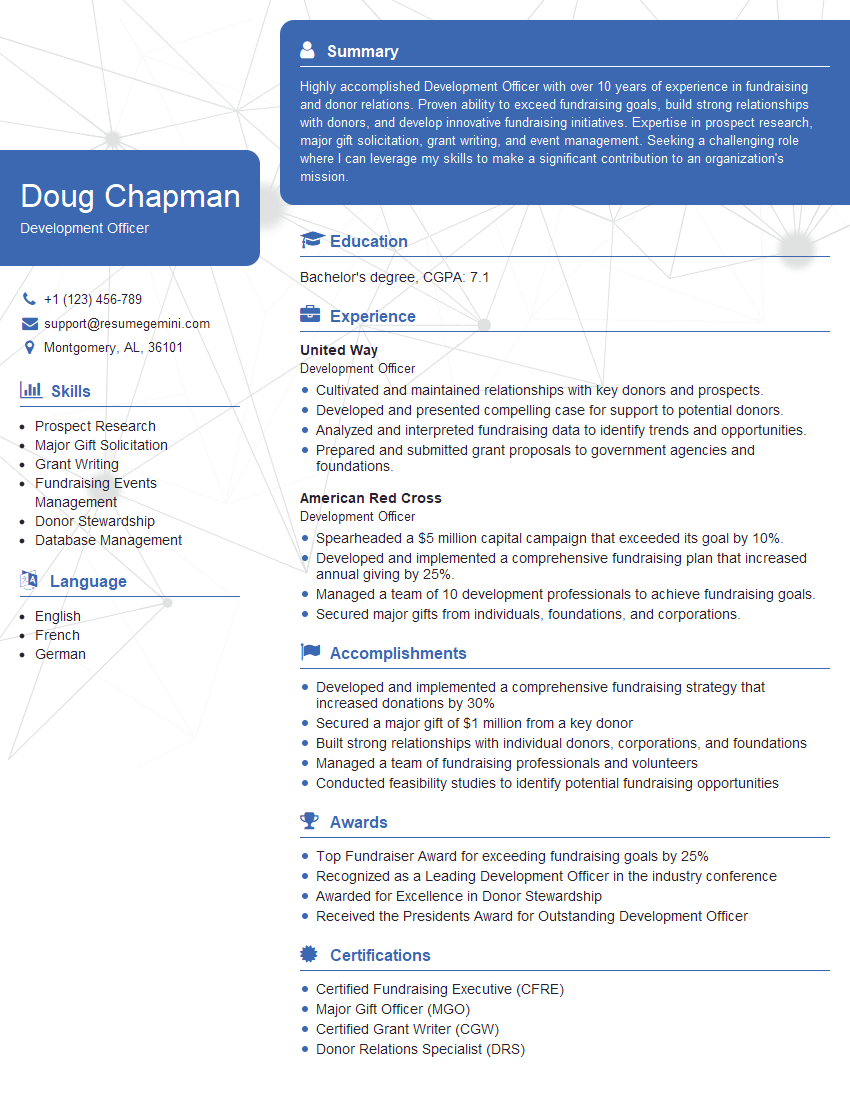
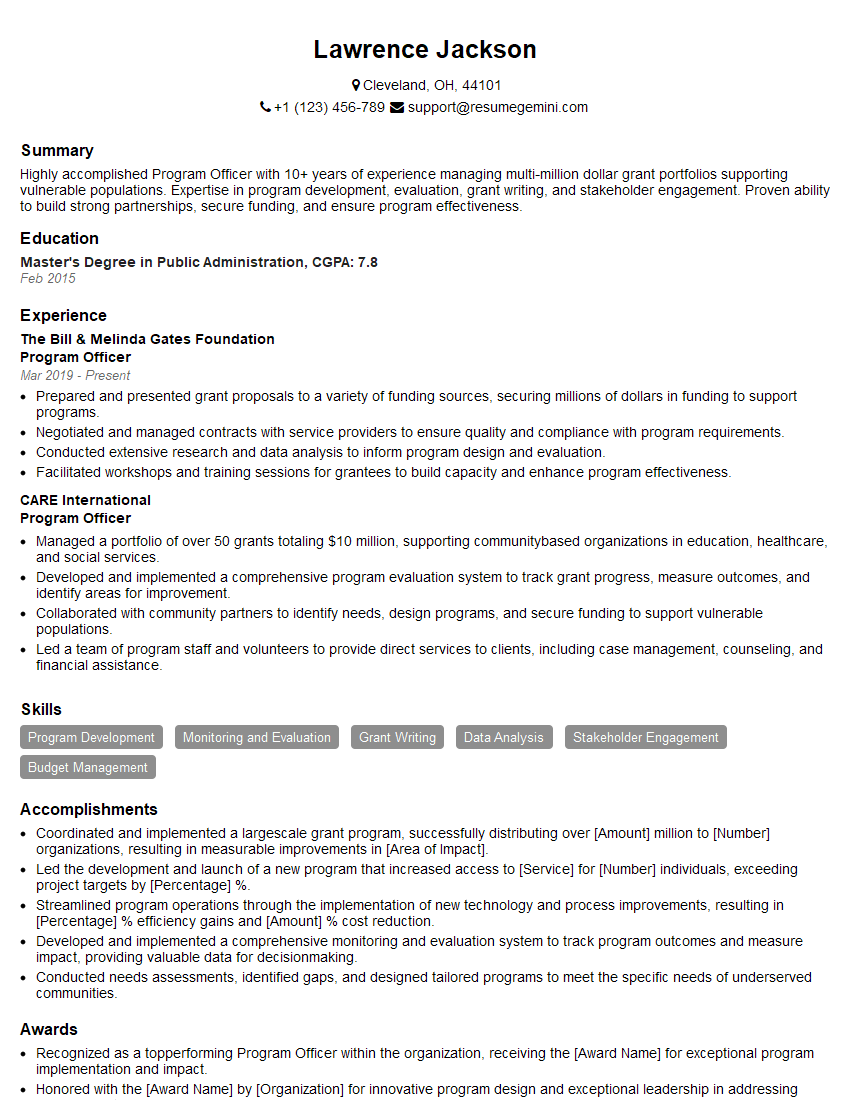
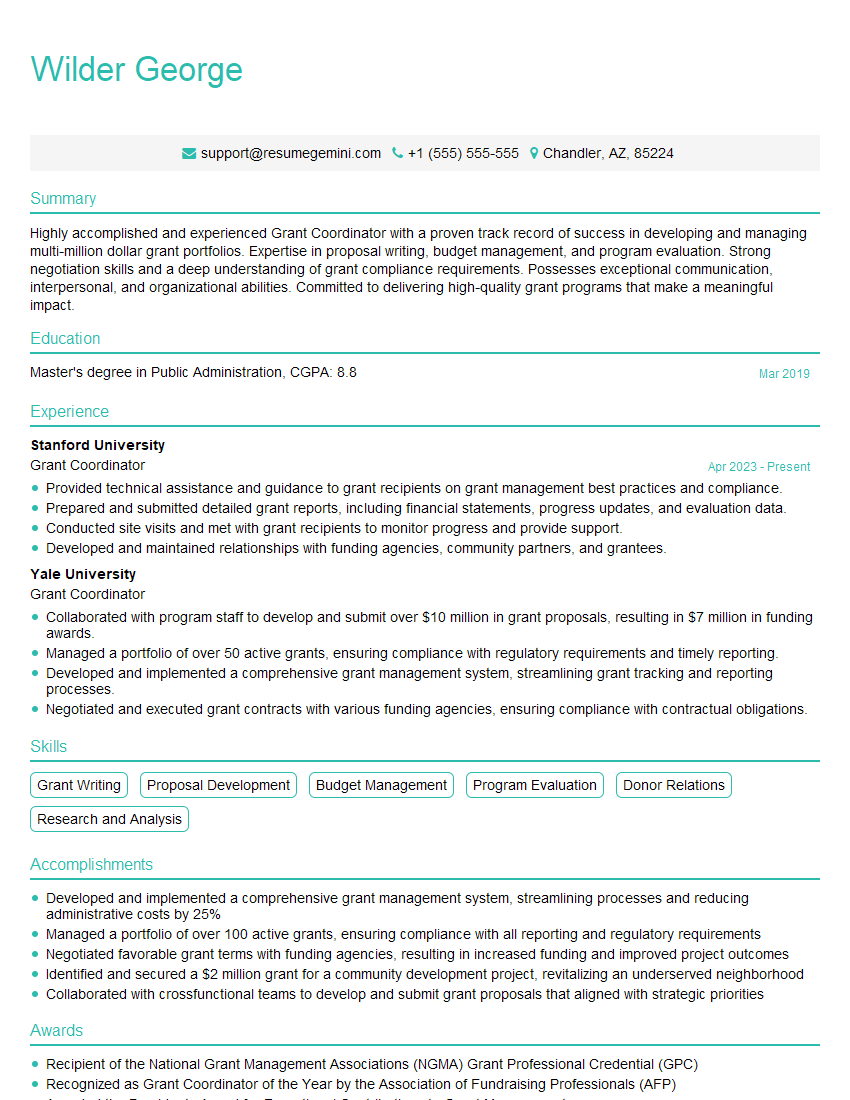
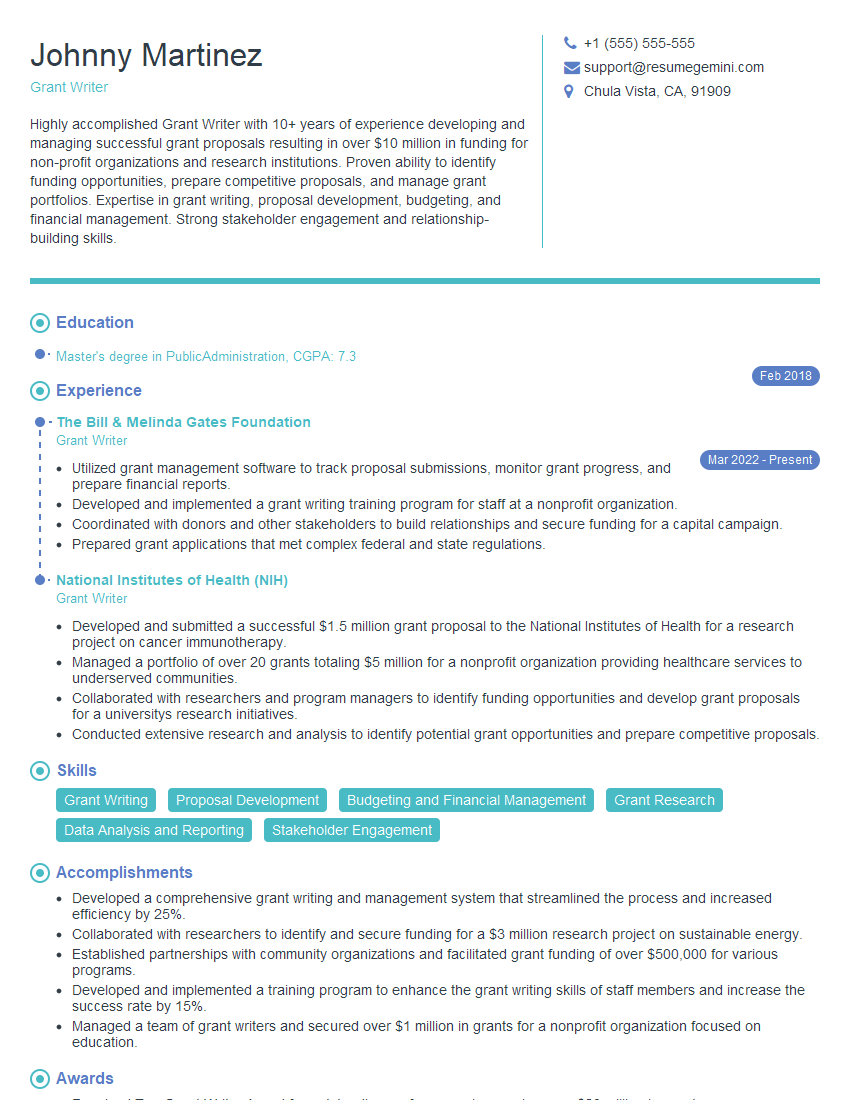
Mastering the skills and knowledge related to Grant Recipient roles significantly enhances your career prospects in the non-profit and public sectors, opening doors to impactful and rewarding positions. To increase your chances of landing your dream job, it’s crucial to present your qualifications effectively. Crafting an ATS-friendly resume is paramount in this process. We highly recommend using ResumeGemini, a trusted resource, to build a professional and compelling resume that showcases your skills and experience. ResumeGemini provides examples of resumes tailored specifically to Grant Recipient positions, offering invaluable guidance to help you stand out from the competition.
Explore more articles
Users Rating of Our Blogs
Share Your Experience
We value your feedback! Please rate our content and share your thoughts (optional).
What Readers Say About Our Blog
To the interviewgemini.com Webmaster.
Very helpful and content specific questions to help prepare me for my interview!
Thank you
To the interviewgemini.com Webmaster.
This was kind of a unique content I found around the specialized skills. Very helpful questions and good detailed answers.
Very Helpful blog, thank you Interviewgemini team.