Are you ready to stand out in your next interview? Understanding and preparing for Health Care Coordination interview questions is a game-changer. In this blog, we’ve compiled key questions and expert advice to help you showcase your skills with confidence and precision. Let’s get started on your journey to acing the interview.
Questions Asked in Health Care Coordination Interview
Q 1. Explain your understanding of healthcare coordination principles.
Healthcare coordination is the deliberate organization of patient care activities between two or more participants (including the patient) involved in a patient’s care to facilitate the appropriate delivery of healthcare services. It’s about ensuring seamless transitions between different levels of care and providers, optimizing health outcomes, and enhancing patient experience. Key principles include:
- Patient-centered care: Putting the patient’s needs and preferences at the forefront of all decisions.
- Proactive communication: Regular and timely exchange of information between all stakeholders.
- Collaboration: Working effectively with a multidisciplinary team, including doctors, nurses, therapists, social workers, and family members.
- Care coordination planning: Developing and implementing individualized plans that address the patient’s specific health goals and needs.
- Continuity of care: Ensuring a consistent and uninterrupted flow of care, even when transitioning between different settings.
- Data-driven decision making: Utilizing patient data to identify trends, predict needs, and improve care effectiveness.
For example, coordinating a patient’s discharge from a hospital involves carefully arranging for post-hospital care, medication management, and follow-up appointments, all while considering the patient’s home environment and support system.
Q 2. Describe your experience with patient discharge planning.
My experience in patient discharge planning encompasses a wide range of activities, from initial assessment to follow-up. I start by conducting a comprehensive assessment of the patient’s physical, mental, and social needs, identifying any potential barriers to a successful transition home. This includes reviewing their medical history, medications, and treatment plan. I then work collaboratively with the medical team, social workers, and family members to develop a personalized discharge plan. This plan outlines specific goals, timelines, and responsibilities for each stakeholder. For instance, I might arrange for home healthcare services, physical therapy, or transportation assistance. Finally, I conduct thorough follow-up calls to ensure that the patient is adapting well and to address any emerging challenges. One case involved a patient with complex post-surgical needs who required extensive home health support. Through careful planning and communication, I successfully facilitated her transition home, preventing readmission and ensuring she received the ongoing care she needed.
Q 3. How do you prioritize competing demands in a fast-paced healthcare environment?
In a fast-paced healthcare environment, prioritizing competing demands requires a structured approach. I utilize a combination of techniques, including:
- Prioritization matrices: Employing tools like the Eisenhower Matrix (urgent/important) to categorize tasks and focus on high-impact activities.
- Time management techniques: Implementing strategies such as time blocking and the Pomodoro Technique to optimize workflow and minimize interruptions.
- Delegation: Assigning tasks to appropriate team members based on their skills and availability.
- Communication: Keeping all stakeholders informed of priorities and potential delays. Open and honest communication is key to managing expectations.
- Flexibility: Remaining adaptable and responsive to changing circumstances. Unexpected events require a nimble approach.
For example, if I have multiple patients requiring discharge planning simultaneously, I might prioritize those with the most acute needs or the highest risk of readmission. This ensures that resources are allocated effectively to prevent potentially critical situations.
Q 4. Detail your experience using electronic health records (EHRs) for care coordination.
I am proficient in using electronic health records (EHRs) for care coordination. My experience includes using EHR systems like Epic and Cerner to access patient information, communicate with other providers, and track patient progress. I utilize the EHR to:
- Access medical history: Reviewing diagnoses, medications, allergies, and prior treatment plans.
- Document care plans: Creating and updating individualized care coordination plans within the EHR.
- Communicate with providers: Sending secure messages to physicians, nurses, and other members of the care team.
- Order services: Requesting home healthcare, physical therapy, and other necessary services through the EHR system.
- Monitor patient progress: Tracking key metrics such as vital signs, medication adherence, and appointment attendance.
Example: Using Epic's SmartSets to automatically trigger alerts for patients at risk of readmission, allowing for proactive intervention.
Q 5. Explain your approach to managing patient transitions of care.
My approach to managing patient transitions of care centers on meticulous planning and proactive communication. I use a structured framework that involves:
- Assessment: A thorough evaluation of the patient’s needs and the resources available.
- Planning: Developing a detailed care plan, including specific goals, timelines, and responsibilities.
- Coordination: Facilitating communication between all involved parties (physicians, nurses, therapists, family, etc.).
- Implementation: Putting the care plan into action, ensuring timely execution of all steps.
- Monitoring: Closely tracking the patient’s progress and addressing any emerging issues.
- Evaluation: Assessing the effectiveness of the transition and making adjustments as needed.
A recent example involved a patient transitioning from inpatient rehabilitation to a skilled nursing facility. Through careful coordination, I ensured a smooth transition, avoiding any gaps in care or delays in therapy.
Q 6. Describe your experience coordinating care for patients with multiple chronic conditions.
Coordinating care for patients with multiple chronic conditions requires a holistic and individualized approach. I focus on:
- Comprehensive assessment: Identifying all the patient’s conditions and their impact on their overall health.
- Medication reconciliation: Reviewing all medications to ensure appropriate use and minimize potential drug interactions.
- Care plan development: Creating a plan that addresses all conditions, coordinating treatments, and promoting adherence.
- Patient education: Empowering patients to understand their conditions and actively participate in their care.
- Regular monitoring: Tracking progress and making adjustments to the care plan as needed.
- Collaboration: Working closely with specialists and other healthcare providers to ensure coordinated care.
I recently managed the care of a patient with diabetes, hypertension, and heart failure. By working closely with the cardiologist, endocrinologist, and primary care physician, I ensured that the patient’s treatment plans were aligned and that he received the best possible care.
Q 7. How do you identify and address potential barriers to care?
Identifying and addressing barriers to care is crucial for successful healthcare coordination. My approach includes:
- Proactive assessment: Regularly assessing patients for potential barriers, such as lack of transportation, financial constraints, social isolation, or limited health literacy.
- Communication: Openly discussing barriers with the patient and their family, building trust and rapport.
- Resource identification: Connecting patients with resources that address identified barriers, such as transportation services, financial assistance programs, or support groups.
- Advocacy: Advocating for the patient’s needs and working with the healthcare team to remove obstacles to care.
- Documentation: Thoroughly documenting all identified barriers and interventions taken to address them.
For example, I once encountered a patient struggling to afford her medications. By connecting her with a patient assistance program, I helped her access affordable prescriptions, enabling her to adhere to her treatment plan and improve her health outcomes.
Q 8. How do you communicate effectively with patients, families, and healthcare providers?
Effective communication is the cornerstone of successful healthcare coordination. I employ a multifaceted approach tailored to the individual needs of patients, families, and providers. With patients and families, I prioritize active listening, using plain language free of medical jargon, and ensuring they understand their treatment plan and options. I check for understanding frequently, using open-ended questions and encouraging them to ask questions. Visual aids, such as diagrams or timelines, can also be incredibly helpful.
When communicating with healthcare providers, I leverage clear, concise, and organized information sharing. I utilize electronic health records (EHRs) effectively to document progress, share updates, and ensure everyone is on the same page. I actively participate in care team meetings, contributing to shared decision-making and collaborative problem-solving. Direct and respectful communication, along with professional boundaries, maintain effective professional relationships.
For example, I recently worked with a patient who was overwhelmed by their diagnosis. By actively listening to their fears and concerns, using simple explanations of their treatment, and involving their family in the discussions, I built trust and a collaborative approach to their care.
Q 9. How do you utilize available community resources to support patient care?
Accessing and utilizing community resources is vital to providing holistic patient care. My approach involves a thorough assessment of the patient’s needs, identifying gaps in their support system, and researching appropriate community-based organizations (CBOs) and services. This might include social workers, transportation services, home health aides, support groups, meal delivery programs, financial assistance programs, and mental health services.
I directly connect patients and their families with these resources, providing detailed information on eligibility criteria, application processes, and contact information. I often act as a liaison, facilitating communication between the patient and the CBOs, and ensuring smooth transitions. Tracking the utilization of these resources and their impact on patient outcomes is crucial for evaluating their effectiveness and informing future care plans. For instance, I recently connected a patient with limited mobility to a local meal delivery service, enabling them to remain at home while receiving proper nutrition.
Q 10. Explain your understanding of utilization management and its role in care coordination.
Utilization management (UM) is a critical component of care coordination focused on ensuring that healthcare services are both necessary and delivered efficiently. It involves evaluating the appropriateness of healthcare services, including medical necessity, treatment effectiveness, and cost-effectiveness. UM encompasses several strategies such as pre-authorization of procedures, concurrent review of hospital stays, and retrospective review of claims to identify areas for improvement.
In care coordination, UM helps to prevent unnecessary or duplicative services, thereby improving patient outcomes while reducing overall healthcare costs. By effectively managing resource utilization, we can ensure patients receive the right care, at the right time, in the right setting. For example, a UM review might determine that a patient’s scheduled surgery can be postponed, allowing for a less invasive alternative treatment option based on their latest test results, saving both the patient from a potentially unnecessary procedure and reducing healthcare expenses.
Q 11. How do you ensure continuity of care across different healthcare settings?
Ensuring continuity of care across various settings—hospital, rehabilitation facility, home—requires meticulous planning and communication. My approach involves creating a comprehensive care plan, clearly outlining the patient’s goals, treatment plan, and anticipated transitions. This plan is shared with all involved healthcare providers, ensuring everyone is aware of the patient’s needs and progress.
Effective communication is paramount. I facilitate regular communication between providers, using tools like EHRs, secure messaging systems, and phone calls, to keep everyone informed. I also emphasize the importance of clear handoffs during transitions, including detailed summaries of the patient’s condition, medications, and care instructions. In addition, I frequently follow up with patients after discharge to address any concerns and ensure a smooth transition back to their home environment. For example, I helped a patient transition from inpatient rehabilitation to home care by coordinating home health visits, physical therapy sessions, and ensuring access to necessary medications.
Q 12. Describe a situation where you had to resolve a conflict between patients and healthcare providers. How did you handle it?
I once encountered a conflict between a patient and their physician regarding a proposed treatment plan. The patient felt their concerns were not adequately addressed, leading to frustration and mistrust.
My approach involved facilitating a calm, structured conversation involving both the patient and the physician. I ensured a safe space for open communication, actively listening to each perspective without judgment. I clarified misconceptions, helped identify the underlying concerns, and guided them toward a mutually agreeable solution. This involved exploring alternative treatment options, finding ways to improve communication channels, and emphasizing shared decision-making. The result was a revised treatment plan that addressed the patient’s concerns and restored trust between patient and physician.
Q 13. How do you measure the effectiveness of your care coordination interventions?
Measuring the effectiveness of care coordination interventions requires a multi-pronged approach. We utilize various metrics, including patient satisfaction surveys to assess their experience, tracking readmission rates to gauge the effectiveness of discharge planning, and analyzing length of stay data to evaluate efficiency of care. We also collect data on the utilization of community resources and their impact on patient outcomes.
Furthermore, we compare outcomes to established benchmarks and best practices. Regular data analysis helps us to identify areas for improvement, allowing us to refine our strategies and optimize our approach. For example, a decrease in hospital readmissions within 30 days of discharge reflects the positive impact of our post-discharge follow-up and coordination efforts.
Q 14. What are the key performance indicators (KPIs) you track for successful care coordination?
Key performance indicators (KPIs) I track for successful care coordination include: patient satisfaction scores (e.g., via surveys), readmission rates within 30 and 90 days of discharge, length of stay in hospital or other care settings, cost per episode of care, adherence to medication regimens, utilization of community resources, and the number of care transitions completed successfully.
Regular monitoring of these KPIs provides valuable insights into the effectiveness of our care coordination programs and allows for data-driven improvements. For example, a consistent increase in patient satisfaction scores suggests our communication and support strategies are effective, while high readmission rates may indicate a need for improvements in discharge planning or post-discharge support.
Q 15. How familiar are you with various healthcare reimbursement models and their implications for care coordination?
Understanding healthcare reimbursement models is crucial for effective care coordination. These models dictate how healthcare providers are paid, directly influencing the types of services offered and the efficiency of care delivery. Different models incentivize different approaches to patient care.
- Fee-for-service (FFS): Providers are paid for each individual service rendered. This can incentivize a higher volume of services, not necessarily higher quality or coordinated care. For example, a patient might receive multiple tests ordered by different specialists without a holistic view of their needs.
- Capitation: Providers receive a fixed payment per patient per period (e.g., per member per month), regardless of the services provided. This encourages preventative care and efficient management of chronic conditions to reduce costs. A coordinated care approach becomes essential here to prevent unnecessary utilization and optimize patient outcomes within the fixed budget.
- Value-based care (VBC): Providers are reimbursed based on the quality of care delivered and the overall health outcomes achieved. This model strongly emphasizes care coordination, preventative care, and patient engagement as it directly impacts the provider’s reimbursement.
- Bundled payments: A single payment covers all services related to a specific episode of care (e.g., hip replacement). This incentivizes collaboration among providers to deliver efficient and coordinated care while managing costs within the bundled payment.
My experience encompasses working within all these models, allowing me to adapt my coordination strategies to optimize patient outcomes and financial sustainability within the specific reimbursement framework.
Career Expert Tips:
- Ace those interviews! Prepare effectively by reviewing the Top 50 Most Common Interview Questions on ResumeGemini.
- Navigate your job search with confidence! Explore a wide range of Career Tips on ResumeGemini. Learn about common challenges and recommendations to overcome them.
- Craft the perfect resume! Master the Art of Resume Writing with ResumeGemini’s guide. Showcase your unique qualifications and achievements effectively.
- Don’t miss out on holiday savings! Build your dream resume with ResumeGemini’s ATS optimized templates.
Q 16. Describe your experience with developing and implementing care plans.
Developing and implementing care plans is a cornerstone of my work. It involves a systematic approach to assess patient needs, set goals, and outline interventions to improve health outcomes.
My process typically involves:
- Assessment: A thorough assessment of the patient’s medical history, current condition, social determinants of health (e.g., housing, transportation, support systems), and personal preferences.
- Goal setting: Collaboratively establishing realistic, measurable, achievable, relevant, and time-bound (SMART) goals with the patient and their family (if applicable).
- Intervention planning: Identifying and outlining specific interventions, including medical treatments, therapies, educational resources, and community support services. This may involve coordinating care between multiple specialists.
- Implementation: Overseeing the implementation of the care plan, monitoring progress, and making adjustments as needed. This includes regular communication with patients, providers, and family members.
- Evaluation: Regularly evaluating the effectiveness of the care plan and making necessary modifications based on patient progress and evolving needs. This is an iterative process.
For example, I recently developed a care plan for a patient with diabetes and heart failure. The plan included medication management, dietary changes, regular exercise, and home health visits to monitor vital signs and provide support. Through close monitoring and regular adjustments to the plan, the patient saw significant improvements in their blood sugar levels and overall health.
Q 17. How do you handle emergencies or urgent patient needs?
Handling emergencies or urgent patient needs requires rapid response and decisive action. My approach prioritizes immediate patient safety and stabilization while ensuring seamless communication with the appropriate healthcare team.
My process involves:
- Rapid Assessment: Immediately assess the urgency of the situation and determine the nature of the medical emergency.
- Initiate Intervention: Depending on the severity, this may involve contacting emergency medical services (EMS), notifying the patient’s physician, or initiating immediate interventions based on my training and available resources.
- Communication: Ensure clear and prompt communication with the patient, family, physician, and other members of the healthcare team. I utilize secure electronic communication platforms.
- Follow-up: Once the immediate crisis has passed, I follow up with the patient and healthcare team to ensure ongoing support and address any lingering concerns.
For instance, I once managed a situation where a patient experienced a severe allergic reaction. I promptly activated the emergency response protocol, contacted emergency services, and coordinated with the hospital to ensure seamless admission and treatment. Post-emergency, I followed up with the patient to ensure they received the necessary medications and support to prevent future occurrences.
Q 18. What is your experience with telehealth and how it impacts care coordination?
Telehealth has revolutionized care coordination, significantly enhancing access to care and improving patient engagement. My experience with telehealth includes utilizing various platforms for remote monitoring, virtual consultations, and educational sessions.
Benefits of telehealth in care coordination include:
- Increased access to care: Particularly beneficial for patients in rural areas or those with mobility limitations.
- Improved patient engagement: Regular remote monitoring empowers patients to actively participate in their care.
- Enhanced communication: Facilitates frequent communication and collaboration among healthcare providers.
- Reduced healthcare costs: Can reduce travel expenses and hospital readmissions.
However, challenges include:
- Technological barriers: Ensuring patients have access to reliable technology and internet connectivity.
- Data privacy and security: Maintaining compliance with HIPAA regulations and ensuring secure data transmission.
- Limitations in physical examination: Telehealth may not replace the need for in-person examinations in all cases.
I consistently evaluate the suitability of telehealth for individual patients, considering their technological capabilities and clinical needs. I utilize secure platforms and adhere to strict privacy protocols.
Q 19. How do you manage complex caseloads efficiently?
Managing complex caseloads efficiently requires a structured and organized approach. I utilize several strategies to prioritize tasks and maintain effective communication.
My methods include:
- Prioritization: Utilizing a system to prioritize patients based on urgency and clinical need. This might involve a color-coded system or a prioritized task list.
- Time management: Effective time blocking, scheduling appointments strategically, and delegating tasks when appropriate.
- Technology utilization: Employing electronic health records (EHRs), patient portals, and other technologies to streamline communication and reduce administrative burden.
- Teamwork: Collaborating effectively with other members of the healthcare team to share responsibilities and expertise.
- Regular review and adjustment: Periodically reviewing my caseload to identify areas for improvement in efficiency and effectiveness.
I find that a combination of technology and proactive planning enables me to effectively manage a demanding caseload without compromising the quality of care for any individual patient.
Q 20. Describe your experience working with diverse patient populations.
Working with diverse patient populations is a rewarding aspect of my profession. I understand that each individual’s background, culture, and beliefs influence their health beliefs and practices. Cultural sensitivity and respect for individual differences are paramount.
My experience includes working with patients from various ethnic, racial, socioeconomic, and religious backgrounds. I tailor my approach to each patient, considering their unique needs and preferences. This includes:
- Language access: Ensuring access to interpretation and translation services as needed.
- Cultural competence: Demonstrating awareness and respect for diverse cultural norms and practices.
- Health literacy: Communicating complex medical information in a clear and understandable manner.
- Addressing social determinants of health: Recognizing how factors like housing, transportation, and food security impact health outcomes and addressing these barriers when possible.
For example, I worked with a patient who was new to the country and had limited English proficiency. I coordinated with a translator to ensure effective communication and access to necessary healthcare services, making them feel comfortable and supported.
Q 21. Explain your understanding of HIPAA regulations and their application to care coordination.
HIPAA (Health Insurance Portability and Accountability Act) regulations are critical in safeguarding patient privacy and ensuring the confidentiality of protected health information (PHI). My understanding and adherence to HIPAA is unwavering.
Key aspects of HIPAA relevant to care coordination include:
- PHI protection: Strict adherence to protocols for handling, storing, and transmitting PHI. This includes using secure electronic communication methods and ensuring physical security of patient records.
- Authorized access: Restricting access to PHI to only authorized individuals who need the information to provide care.
- Privacy notices: Providing patients with clear and concise information about their privacy rights.
- Breach notification: Implementing procedures to promptly address and report any breaches of PHI.
In my work, I consistently apply HIPAA regulations by using secure electronic health records (EHRs), encrypted communication channels, and strict protocols for accessing and sharing patient information. I regularly participate in HIPAA training to stay updated on best practices and legal requirements. I consider HIPAA compliance not merely as a regulatory requirement but as an ethical responsibility to protect patient trust and well-being.
Q 22. How do you maintain confidentiality and protect patient data?
Maintaining patient confidentiality is paramount in healthcare coordination. It’s not just about following regulations like HIPAA (Health Insurance Portability and Accountability Act), but about building trust and ensuring ethical practice. My approach is multi-faceted:
- Strict adherence to HIPAA and other relevant regulations: This includes understanding and implementing appropriate access controls, secure data storage, and disposal methods. For instance, I never leave patient files unattended and always use secure password-protected devices.
- Utilizing encrypted communication channels: I exclusively use secure platforms for electronic health record (EHR) access and communication with healthcare providers and patients. This prevents unauthorized access and data breaches.
- Implementing strong password policies and multi-factor authentication: I make sure my access is protected with strong, unique passwords and utilize multi-factor authentication whenever possible, minimizing the risk of unauthorized access.
- Providing only necessary information: When sharing information with other healthcare professionals, I follow the principle of ‘need to know’. I only share the minimum necessary information to ensure effective care coordination, avoiding unnecessary disclosure.
- Regular training and updates: I actively participate in continuing education programs on data privacy and security best practices to stay informed about evolving threats and regulations.
For example, I once encountered a situation where a colleague inadvertently left a patient’s chart open on their computer. I immediately intervened, ensured the chart was closed and secured, and reported the incident according to our organization’s protocol. This demonstrates my commitment to maintaining the highest level of confidentiality at all times.
Q 23. How do you stay updated on current healthcare trends and best practices?
Staying current in healthcare is essential. I employ a multi-pronged approach to ensure I’m always abreast of the latest trends and best practices:
- Professional memberships and conferences: Active participation in professional organizations like the American Association of Healthcare Administrative Management (AAHAM) or the National Association of Healthcare Quality (NAHQ) provides access to continuing education, industry publications, and networking opportunities.
- Peer-reviewed journals and publications: I regularly review peer-reviewed journals like the *Journal of Healthcare Management* and *Healthcare Management Review* to stay informed about research and innovative approaches in care coordination.
- Online resources and webinars: I utilize reputable online resources and attend webinars offered by organizations like the Centers for Medicare & Medicaid Services (CMS) and the Agency for Healthcare Research and Quality (AHRQ) to access the latest guidelines and best practices.
- Networking and collaboration: Building strong relationships with colleagues and other healthcare professionals through conferences and professional groups allows for the exchange of ideas and best practices.
- Continuing education units (CEUs): I consistently obtain necessary CEUs to maintain certifications and demonstrate commitment to professional development.
For example, I recently learned about the use of telehealth in improving access to care for rural populations through a webinar, which has directly impacted my work by facilitating the integration of telehealth resources into our care coordination plan for patients in remote areas.
Q 24. Describe your experience with data analysis and its use in improving care coordination.
Data analysis plays a crucial role in improving care coordination. My experience involves leveraging data to identify trends, optimize workflows, and enhance patient outcomes.
- Identifying high-risk patients: By analyzing patient data such as demographics, medical history, and social determinants of health, I can identify patients at high risk of readmission, adverse events, or poor health outcomes. This allows for proactive interventions and improved care planning.
- Optimizing resource allocation: Data analysis can reveal inefficiencies in resource allocation. For instance, analyzing length of stay data can inform decisions on discharge planning and post-discharge support, improving efficiency and patient flow.
- Measuring the effectiveness of interventions: By tracking key performance indicators (KPIs) such as readmission rates, patient satisfaction, and cost-effectiveness, I can evaluate the effectiveness of care coordination interventions and make data-driven adjustments.
- Utilizing tools and technologies: My expertise extends to the use of EHR systems, data analytics platforms, and reporting tools to extract meaningful insights from complex datasets. I’m proficient in using SQL and data visualization tools to analyze and present findings.
In a recent project, we analyzed patient discharge summaries to identify common post-discharge complications. This analysis led to the development of a tailored discharge planning program that significantly reduced readmission rates within 30 days.
Q 25. How do you handle situations where patients are non-compliant with their treatment plans?
Patient non-compliance is a complex issue requiring a compassionate yet firm approach. I focus on understanding the underlying reasons for non-compliance before developing a solution:
- Open communication and empathy: I start by establishing a trusting relationship with the patient and engaging in open communication to understand their concerns, barriers, and perspectives regarding treatment.
- Identifying barriers: These barriers might include financial constraints, lack of transportation, social support deficits, limited health literacy, or cognitive impairment. Understanding the root cause is key.
- Collaborative care planning: Involving the patient in the care planning process empowers them to take ownership of their health. This collaborative approach ensures that the plan aligns with their needs, preferences, and abilities.
- Problem-solving: I work with the patient and their support system (if they have one) to overcome identified barriers. This might involve connecting them with social services, financial assistance programs, transportation services, or home health aides.
- Adjusting the treatment plan: Sometimes, the treatment plan needs to be adjusted to better suit the patient’s needs and circumstances. For example, if medication side effects are causing non-compliance, we might explore alternative medications.
- Regular follow-up and support: Regular contact and ongoing support are essential for reinforcing adherence and addressing emerging challenges.
For example, I once worked with a patient who was non-compliant with their medication regimen due to cost concerns. After discussing their financial situation, I connected them with a patient assistance program, which provided them with the necessary medications at a significantly reduced cost. This resulted in improved adherence and better health outcomes.
Q 26. What is your experience with patient education and health literacy?
Patient education and health literacy are fundamental aspects of effective care coordination. My experience focuses on tailoring education to individual needs and learning styles:
- Assessing health literacy: I begin by assessing a patient’s health literacy level to understand their ability to comprehend and utilize health information. This involves using validated tools and adapting my communication accordingly.
- Using plain language and visual aids: I avoid medical jargon and utilize plain language, supplemented by visual aids such as diagrams, charts, or videos, to make information more accessible and understandable.
- Developing personalized education plans: I work with patients to develop personalized education plans that address their specific needs and questions. The plans are tailored to their learning styles and preferences.
- Utilizing different teaching methods: I employ a variety of teaching methods, including one-on-one sessions, group classes, interactive workshops, and digital resources (like videos or online portals), to cater to diverse learning styles and preferences.
- Reinforcing learning: I ensure that learning is reinforced through regular follow-up and use of various communication channels, providing clear and simple instructions.
For instance, I once worked with a patient with limited health literacy regarding diabetes management. By using simple language, visual aids, and a step-by-step approach, I helped them understand their medication regimen, blood sugar monitoring, and healthy lifestyle choices. This led to improved self-management and better health outcomes.
Q 27. Describe your experience with advocating for patients’ rights and needs.
Advocating for patients’ rights and needs is a core component of my role. I strive to ensure that patients receive the care they deserve, regardless of their circumstances:
- Understanding patient rights: I have a thorough understanding of patients’ rights as outlined in relevant legislation and organizational policies. This includes the right to informed consent, privacy, and access to care.
- Identifying unmet needs: I actively identify unmet needs and barriers to care, such as access to transportation, affordable medication, or language barriers.
- Navigating the healthcare system: I help patients navigate the complexities of the healthcare system by assisting them with insurance claims, referrals to specialists, and applications for financial assistance.
- Communicating effectively with providers: I act as a liaison between patients and healthcare providers, ensuring that their concerns are heard and addressed appropriately.
- Escalating concerns: When necessary, I escalate concerns to the appropriate authorities if a patient’s rights are violated or if they are not receiving adequate care.
For example, I recently advocated for a patient who was facing difficulties accessing a necessary specialist due to insurance issues. I worked with the patient’s insurance company and the specialist’s office to resolve the issue, ensuring the patient received the timely care they needed.
Q 28. How do you build strong relationships with healthcare providers and other stakeholders?
Building strong relationships with healthcare providers and other stakeholders is essential for effective care coordination. My approach is based on trust, respect, and open communication:
- Effective communication: I maintain open, clear, and consistent communication with all stakeholders through regular updates, meetings, and documentation. This includes timely responses to emails and phone calls.
- Collaboration and teamwork: I actively collaborate with other members of the care team, including physicians, nurses, social workers, and therapists, to ensure a coordinated approach to patient care.
- Professionalism and respect: I treat all stakeholders with respect, valuing their expertise and contributions to patient care.
- Mutual understanding: I strive to understand the perspectives and priorities of different stakeholders, fostering a spirit of mutual respect and understanding.
- Networking and relationship-building: I actively participate in professional networking events to expand my professional relationships and improve coordination with other healthcare providers and organizations.
For example, I established a strong relationship with a local social worker by attending community health events and collaborating on several cases. This relationship has proven invaluable in providing seamless transition of care for patients needing social support services.
Key Topics to Learn for Health Care Coordination Interview
- Patient-Centered Care: Understanding the principles of patient-centered care and how to apply them in coordinating care plans. Practical application: Developing and implementing individualized care plans that address patient preferences and needs.
- Care Transitions: Mastering the complexities of transitioning patients between different care settings (hospital to home, etc.). Practical application: Creating clear communication pathways and discharge plans to minimize readmissions and ensure smooth transitions.
- Health Information Technology (HIT): Demonstrating proficiency with electronic health records (EHRs) and other health information systems. Practical application: Utilizing EHRs to efficiently manage patient data, track progress, and facilitate communication among healthcare providers.
- Communication and Collaboration: Highlighting effective communication skills and ability to collaborate with diverse healthcare teams. Practical application: Successfully navigating disagreements, managing conflicts, and building consensus among team members with varying perspectives.
- Resource Management: Demonstrating an understanding of healthcare resources (financial, human, material) and the ability to allocate them effectively. Practical application: Identifying and securing appropriate resources to support patient care needs within budgetary constraints.
- Legal and Ethical Considerations: Understanding HIPAA regulations, patient confidentiality, and ethical decision-making in healthcare coordination. Practical application: Navigating complex ethical dilemmas and ensuring compliance with all relevant legal and regulatory requirements.
- Quality Improvement and Metrics: Understanding the role of quality improvement methodologies and key performance indicators (KPIs) in healthcare coordination. Practical application: Utilizing data to track outcomes, identify areas for improvement, and contribute to better patient care.
Next Steps
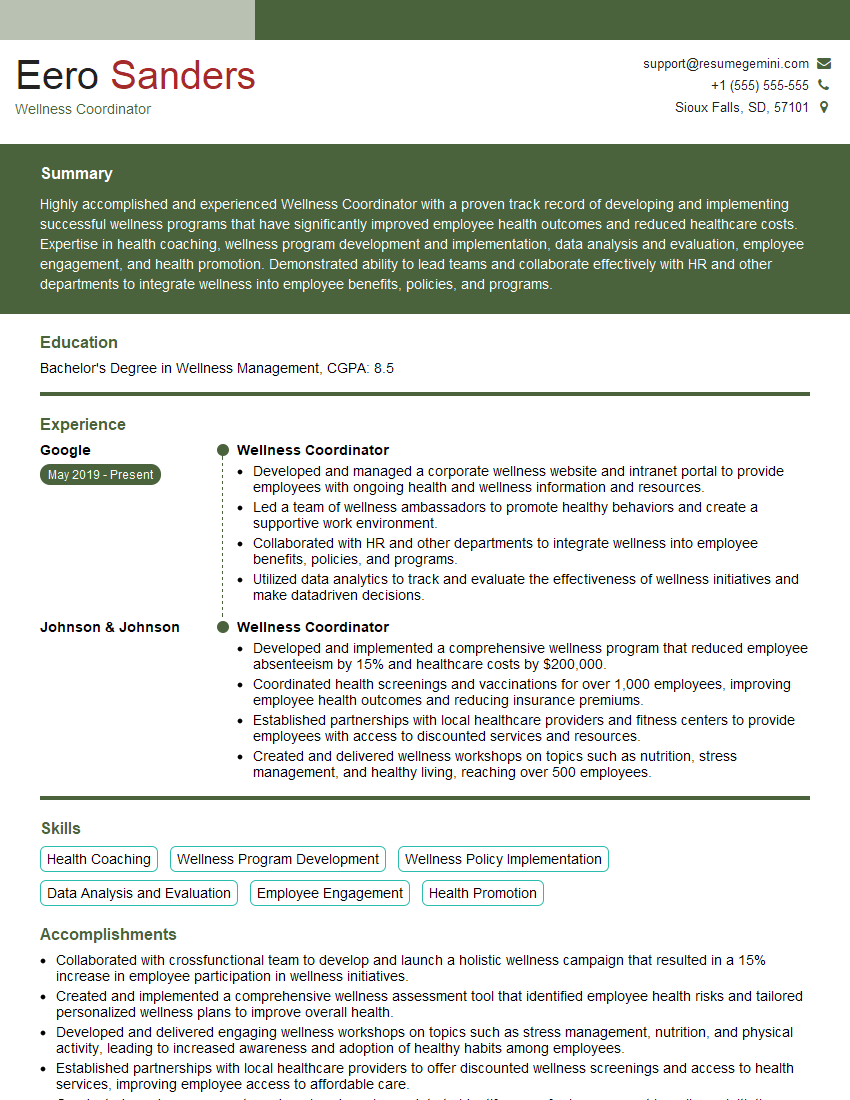
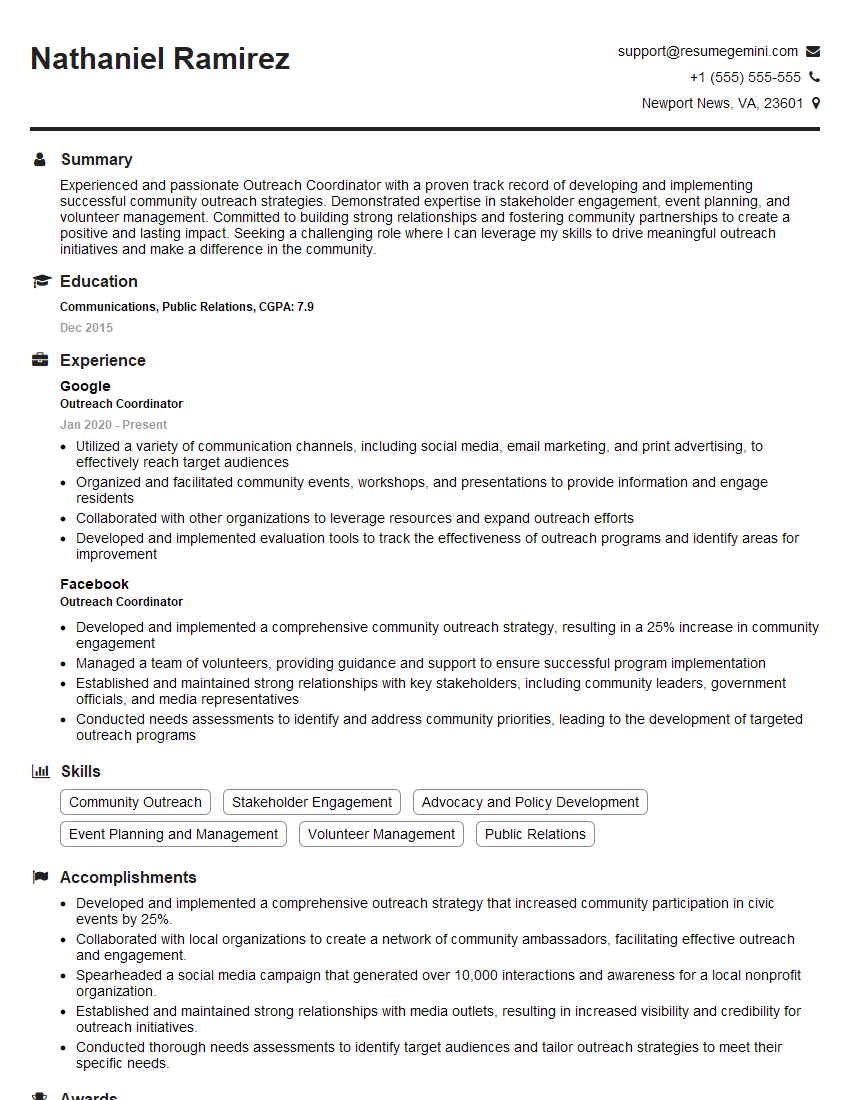
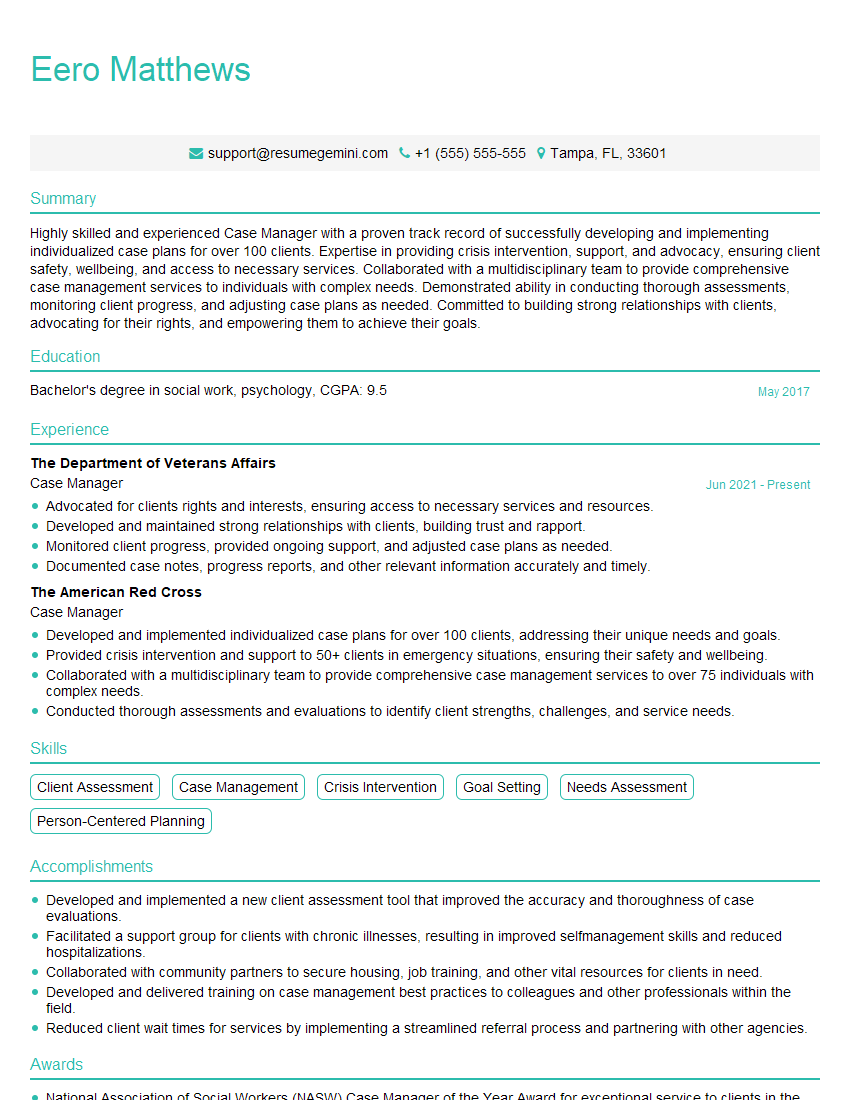
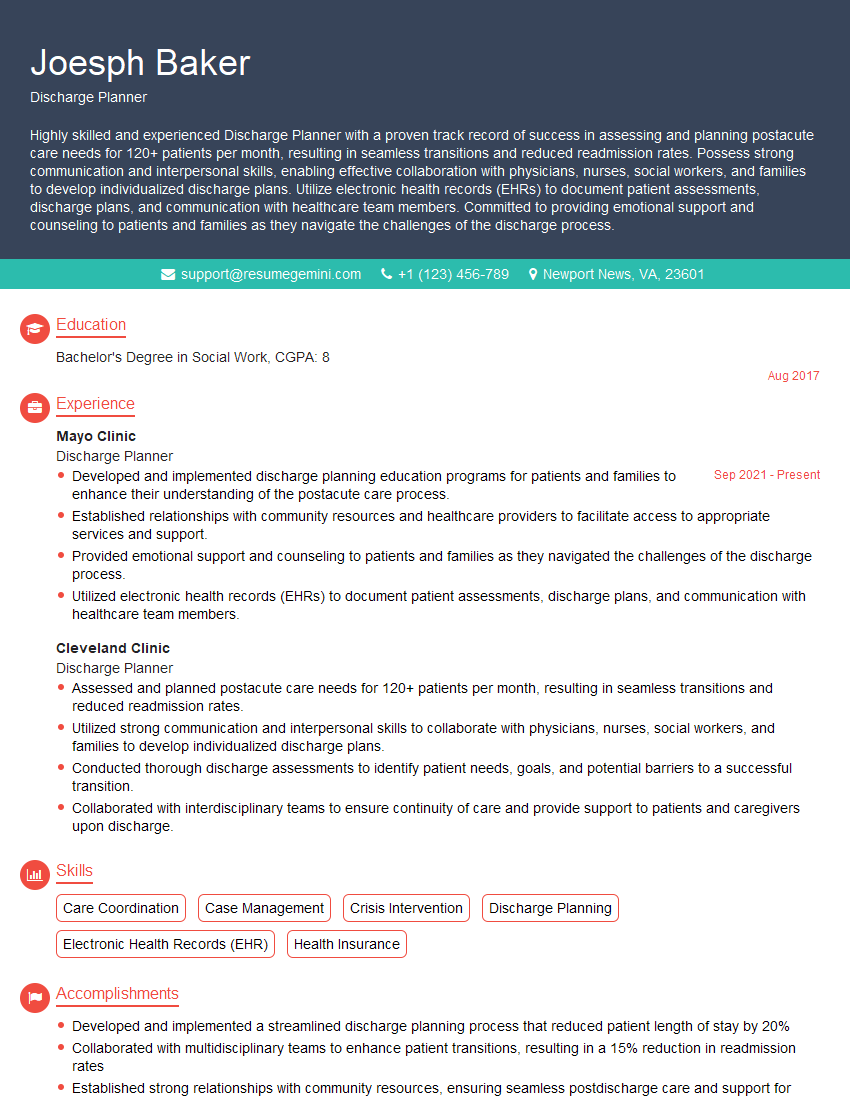
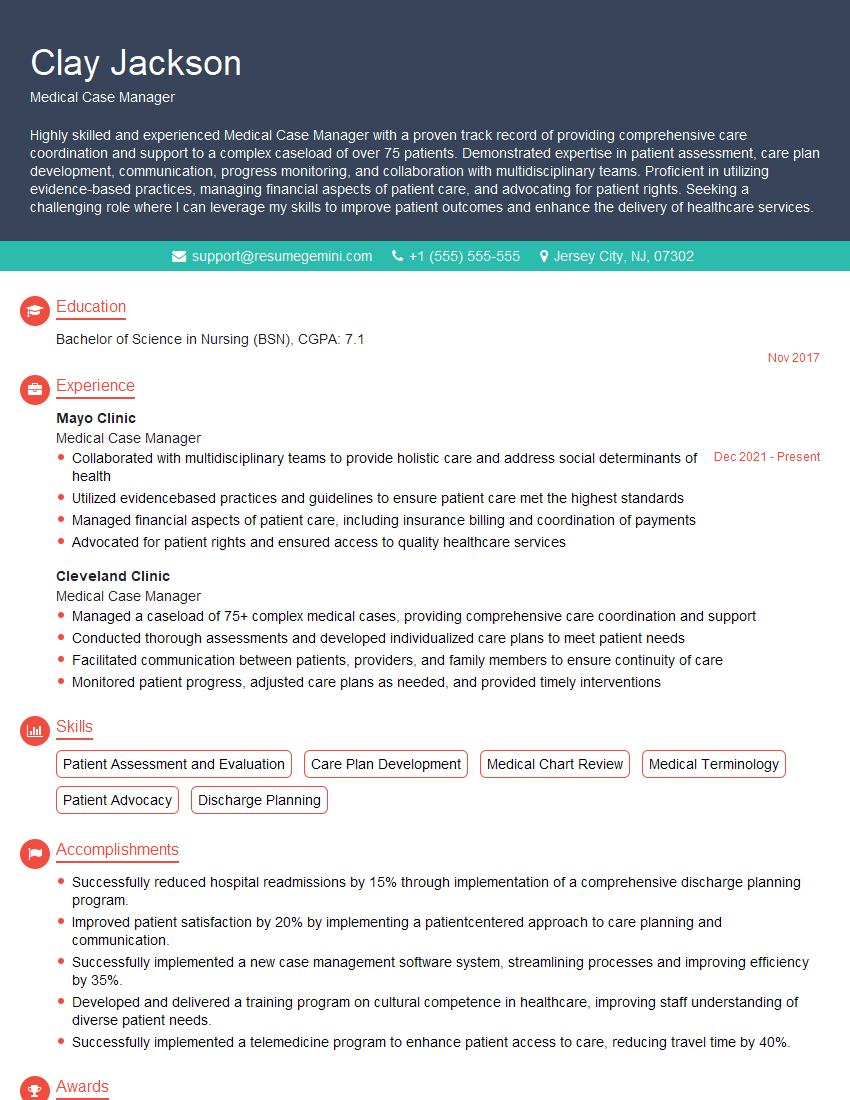
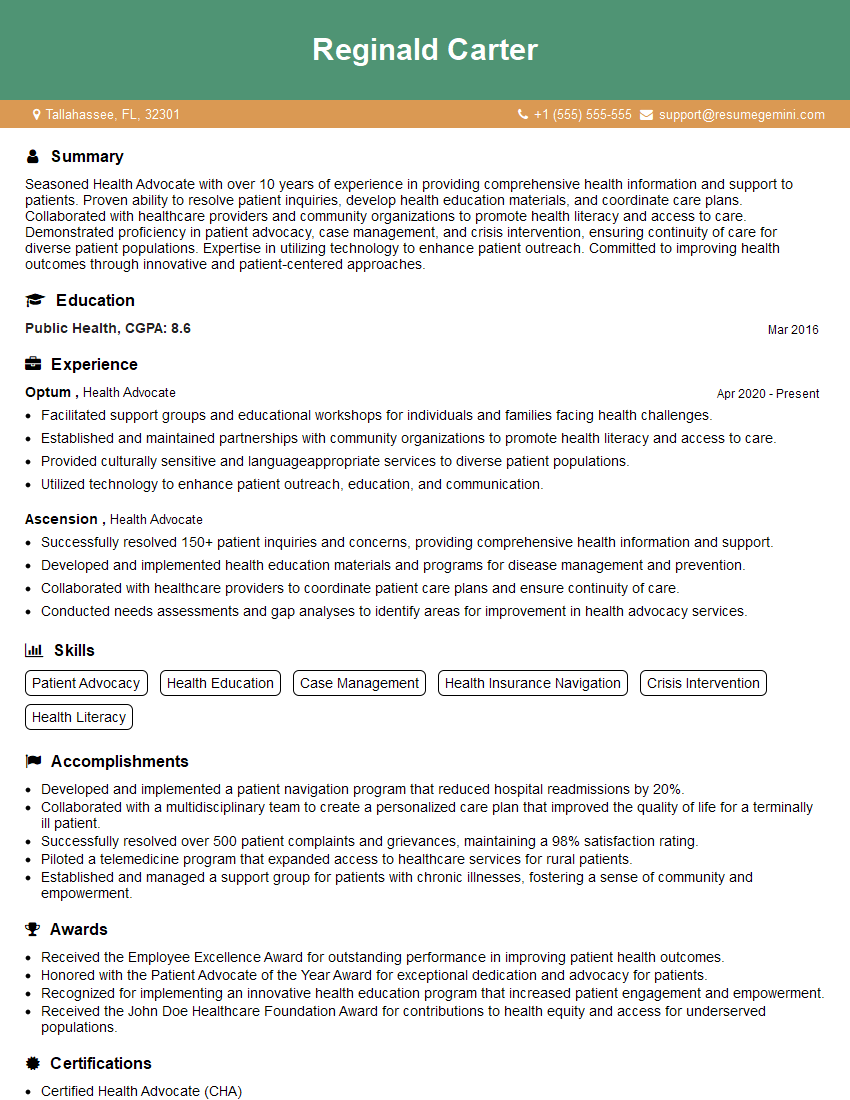
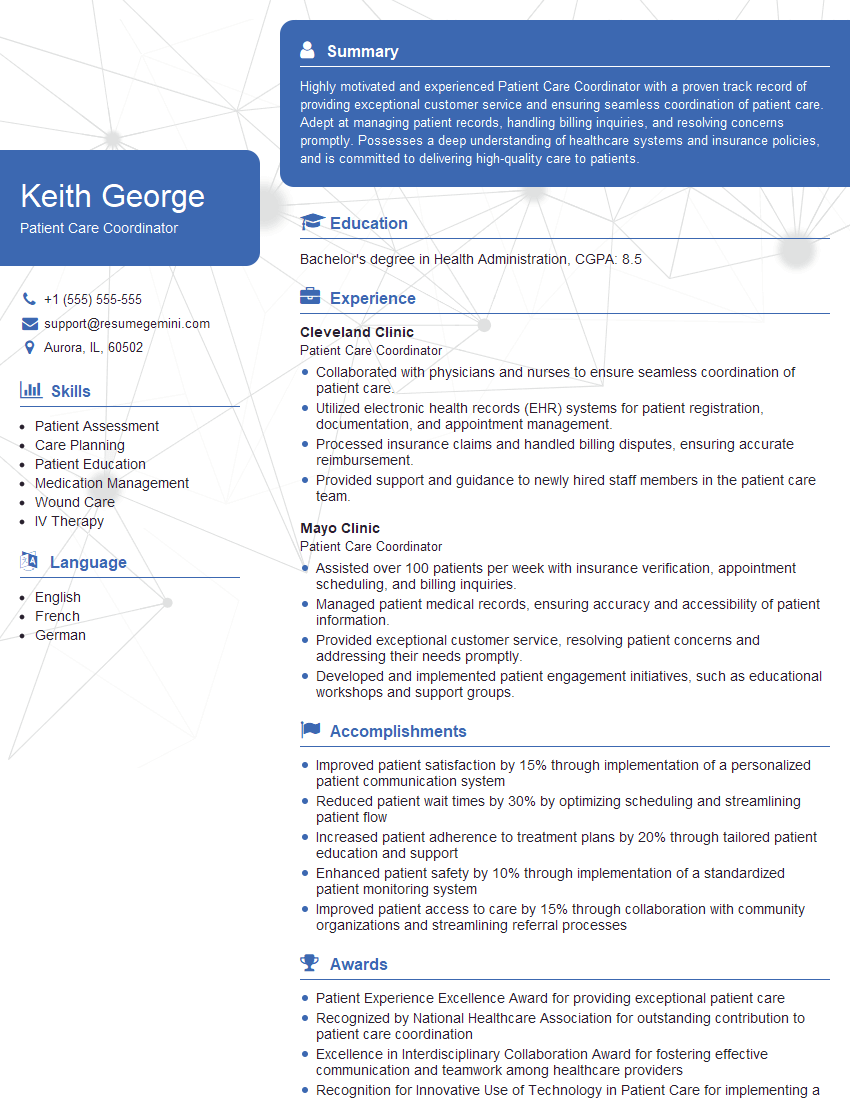
Mastering Health Care Coordination opens doors to rewarding and impactful careers, offering opportunities for growth and specialization within the dynamic healthcare industry. To maximize your job prospects, a well-crafted, ATS-friendly resume is crucial. ResumeGemini is a trusted resource to help you build a professional resume that showcases your skills and experience effectively. They provide examples of resumes tailored to Health Care Coordination to guide you through the process. Invest time in creating a compelling resume that highlights your qualifications and helps you stand out from the competition.
Explore more articles
Users Rating of Our Blogs
Share Your Experience
We value your feedback! Please rate our content and share your thoughts (optional).
What Readers Say About Our Blog
To the interviewgemini.com Webmaster.
Very helpful and content specific questions to help prepare me for my interview!
Thank you
To the interviewgemini.com Webmaster.
This was kind of a unique content I found around the specialized skills. Very helpful questions and good detailed answers.
Very Helpful blog, thank you Interviewgemini team.