Preparation is the key to success in any interview. In this post, we’ll explore crucial Healthcare Policy Development interview questions and equip you with strategies to craft impactful answers. Whether you’re a beginner or a pro, these tips will elevate your preparation.
Questions Asked in Healthcare Policy Development Interview
Q 1. Explain the Affordable Care Act (ACA) and its key provisions.
The Affordable Care Act (ACA), also known as Obamacare, is a landmark healthcare reform law enacted in the United States in 2010. Its primary goal was to expand health insurance coverage to more Americans and improve the quality and affordability of healthcare.
Key provisions include:
- Individual Mandate (largely repealed): Initially required most individuals to have health insurance or pay a penalty. This aimed to broaden the risk pool, making insurance more affordable for everyone.
- Medicaid Expansion: Expanded eligibility for Medicaid, a government health insurance program for low-income individuals and families. This significantly increased the number of people with access to affordable care.
- Health Insurance Marketplaces (Exchanges): Created online marketplaces where individuals and small businesses could compare and purchase health insurance plans from various insurers. This fostered competition and transparency in pricing.
- Essential Health Benefits: Mandated that all health insurance plans offered in the marketplaces cover a specific set of essential health benefits, including hospitalization, maternity care, and mental health services. This ensured a minimum standard of coverage.
- Pre-existing Condition Protections: Prohibited insurers from denying coverage or charging higher premiums to individuals with pre-existing health conditions. This was a major step towards ensuring access to care for everyone, regardless of their health status.
- Dependent Coverage: Allowed young adults to remain on their parents’ health insurance plans until age 26. This helped bridge the gap between leaving school or starting a job and securing affordable coverage.
The ACA has significantly impacted healthcare access and affordability in the US, although its effects remain a subject of ongoing debate and analysis.
Q 2. Describe the impact of managed care on healthcare costs and quality.
Managed care is a system of healthcare delivery that aims to control costs and improve quality by coordinating care among various providers. It often uses mechanisms such as capitation (paying providers a fixed amount per patient) and utilization management (reviewing the medical necessity of services) to achieve these goals.
Impact on Costs: Managed care has had a complex impact on costs. While it can effectively reduce unnecessary spending through efficient care coordination and preventive services, it can also lead to cost shifting (e.g., increased costs for patients due to restricted access to specialists) and under-treatment.
Impact on Quality: Managed care’s effect on quality is also multifaceted. Improved care coordination and preventive services can improve patient outcomes, particularly for chronic conditions. However, restrictions on access to specialists or certain treatments might negatively impact quality of care, particularly for patients with complex needs.
Example: A Health Maintenance Organization (HMO) might require patients to see a primary care physician before accessing specialists, which could limit access but potentially reduce unnecessary specialist visits.
Q 3. Discuss the role of comparative effectiveness research in healthcare policy.
Comparative effectiveness research (CER) is the generation and synthesis of evidence that compares the benefits and harms of different healthcare interventions and strategies to inform healthcare decisions. It aims to identify which interventions work best for which patients and under what circumstances.
Role in Healthcare Policy: CER plays a vital role in informing evidence-based healthcare policy by providing data to support decisions on:
- Treatment guidelines: Developing recommendations for the most effective and safe treatments for specific conditions.
- Coverage decisions: Guiding decisions by insurers and government agencies about which interventions to cover under health insurance plans.
- Resource allocation: Helping policymakers make informed decisions about how to allocate limited healthcare resources efficiently.
- Public health programs: Designing and evaluating the effectiveness of population-level interventions to improve health outcomes.
Example: CER studies comparing different medications for hypertension could help policymakers decide which drugs to prioritize in public health initiatives or which to include in formulary drug lists.
Q 4. How do you evaluate the effectiveness of a healthcare policy intervention?
Evaluating the effectiveness of a healthcare policy intervention requires a multifaceted approach. It typically involves a combination of quantitative and qualitative methods to assess both the impact on health outcomes and the implementation process.
Steps to Evaluate Effectiveness:
- Define clear objectives and outcomes: What specific improvements are you aiming to achieve? (e.g., reduction in hospital readmissions, increased vaccination rates).
- Develop a robust evaluation plan: Outline the methods for collecting data (e.g., surveys, administrative data, clinical records) and analyzing the results.
- Establish a baseline: Measure the status of the chosen outcome(s) before the intervention begins. This provides a comparison point.
- Implement the intervention: Put the policy into action.
- Collect and analyze data: Monitor the outcomes over time and compare them to the baseline. Statistical methods help determine whether changes are statistically significant.
- Interpret the results: Assess the magnitude and significance of the impact. Consider potential confounding factors.
- Disseminate findings: Share the results with stakeholders (policymakers, healthcare providers, the public) to inform future policy decisions.
Example: Evaluating the effectiveness of a new diabetes prevention program could involve comparing changes in HbA1c levels (a measure of blood sugar control) in a treatment group versus a control group.
Q 5. What are the ethical considerations surrounding healthcare resource allocation?
Ethical considerations surrounding healthcare resource allocation are complex and often involve balancing competing values. Limited resources necessitate difficult choices about who receives care and what types of care are provided.
Key ethical principles:
- Justice: Ensuring fair and equitable distribution of resources, avoiding discrimination based on factors unrelated to health needs.
- Beneficence: Maximizing benefits and minimizing harm to patients. This involves considering both individual and population health.
- Non-maleficence: Avoiding causing harm to individuals. This includes considering potential negative consequences of resource allocation decisions.
- Autonomy: Respecting patient preferences and choices when making decisions about their care. However, this must be balanced with the needs of the broader population.
Examples of Ethical Dilemmas: Allocating scarce organs for transplantation, prioritizing treatment for patients with life-threatening conditions over those with less urgent needs, and deciding which preventive services to offer given budget constraints. Addressing these dilemmas requires careful consideration of ethical principles, public values, and societal priorities.
Q 6. Explain the difference between cost-effectiveness analysis and cost-benefit analysis.
Both cost-effectiveness analysis (CEA) and cost-benefit analysis (CBA) are economic evaluation methods used to assess the value of healthcare interventions. However, they differ in how they measure benefits:
Cost-Effectiveness Analysis (CEA): Compares the costs of different interventions with their effectiveness in achieving a specific health outcome (e.g., life-years gained, reduction in blood pressure). The results are expressed as cost per unit of health outcome (e.g., dollars per life-year gained). This facilitates comparison of interventions aimed at the same outcome.
Cost-Benefit Analysis (CBA): Compares the costs of an intervention with the total benefits, expressed in monetary terms. Benefits can include improvements in health, productivity, and quality of life, all translated into dollar values. The results are expressed as a benefit-cost ratio or net present value. This enables comparing interventions with different types of outcomes.
Example: Comparing two hypertension treatments. A CEA would compare the cost per millimeter of mercury reduction in blood pressure for each treatment. A CBA would compare the total cost of each treatment with the monetary value of improved health outcomes and reduced lost productivity resulting from lower blood pressure.
Q 7. Analyze the impact of social determinants of health on health outcomes.
Social determinants of health (SDOH) are the conditions in the environments where people are born, live, learn, work, play, worship, and age that affect a wide range of health, functioning, and quality-of-life outcomes and risks.
Impact on Health Outcomes: SDOH significantly influence health outcomes. Individuals facing challenges in areas such as:
- Poverty and economic stability: Limited access to healthy food, safe housing, and healthcare.
- Education access and quality: Lower literacy rates correlate with poorer health knowledge and decision-making.
- Healthcare access and quality: Lack of insurance or transportation to healthcare facilities.
- Neighborhood and built environment: Exposure to environmental hazards, lack of green spaces and safe places to exercise.
- Social and community context: Social isolation, lack of social support, and discrimination.
can experience worse health outcomes, including higher rates of chronic diseases, mental health issues, and premature mortality. Addressing SDOH through policy interventions aimed at improving housing, education, and access to resources is crucial for reducing health disparities and improving overall population health.
Example: A community with high poverty rates and limited access to healthy food options may have higher rates of obesity and diabetes compared to a more affluent community with better food access.
Q 8. Describe the role of technology in improving healthcare delivery and access.
Technology is revolutionizing healthcare delivery and access in profound ways. It’s no longer just about improving diagnostic accuracy; it’s about fundamentally changing how we interact with the healthcare system.
- Improved Access to Care: Telemedicine, for instance, expands access to specialists and care for patients in rural or underserved areas. Imagine a patient in a remote village receiving a virtual consultation with a cardiologist, avoiding a long and potentially expensive journey.
- Enhanced Diagnostics and Treatment: AI-powered diagnostic tools can analyze medical images with greater speed and accuracy than humans, leading to earlier and more precise diagnoses. Similarly, robotic surgery offers minimally invasive procedures with faster recovery times.
- Personalized Medicine: Genomics and other technologies are enabling personalized medicine, tailoring treatments to individual genetic profiles and lifestyle factors. This is a move away from a ‘one-size-fits-all’ approach to a more precise and effective one.
- Improved Data Management and Analytics: Electronic health records (EHRs) streamline data management, improving efficiency and reducing errors. The ability to analyze large datasets allows for identifying trends, improving population health management, and facilitating better resource allocation.
However, the successful integration of technology requires careful consideration of data security, interoperability, and equitable access to avoid exacerbating existing health disparities. For example, a lack of reliable internet access can limit the effectiveness of telehealth in certain communities.
Q 9. Discuss the challenges of implementing healthcare policy changes.
Implementing healthcare policy changes is notoriously challenging. It’s a complex interplay of various stakeholders with often conflicting interests.
- Political Resistance: Proposed changes often face opposition from vested interests, such as powerful lobbying groups or healthcare providers resistant to change. For example, the debate surrounding single-payer healthcare systems often highlights the political battles involved.
- Financial Constraints: Healthcare is expensive. Funding new initiatives, especially large-scale reforms, can be a major hurdle. Budgetary limitations can force compromises that weaken the effectiveness of the policy.
- Implementation Challenges: Even well-designed policies can fail if not implemented effectively. This requires careful planning, robust infrastructure, and skilled personnel. For example, rolling out a nationwide EHR system requires extensive training and support for healthcare providers.
- Public Acceptance: Public perception and buy-in are critical. Lack of public understanding or trust in a new policy can significantly hinder its success. Effective communication strategies are essential to address public concerns and promote understanding.
- Unintended Consequences: Policy changes can have unforeseen and negative consequences. Thorough impact assessments and evaluation mechanisms are necessary to identify and mitigate these risks.
Successfully navigating these challenges requires a multi-faceted approach involving stakeholder engagement, strategic communication, robust implementation planning, and ongoing evaluation.
Q 10. How do you assess the political feasibility of a healthcare policy proposal?
Assessing the political feasibility of a healthcare policy proposal requires a nuanced understanding of the political landscape. It’s not simply about whether a policy is ‘good’ or ‘bad’; it’s about whether it’s likely to be enacted and implemented successfully.
- Identify Key Stakeholders: Begin by identifying all relevant stakeholders including legislators, government agencies, healthcare providers, patient advocacy groups, and industry representatives. Understand their interests and potential positions on the proposal.
- Analyze Political Climate: Consider the current political climate, the prevailing ideologies, and the priorities of the governing party. Is there existing momentum for similar reforms? Is the political climate receptive to change?
- Gauge Public Opinion: Understand public sentiment towards the proposed policy. Are there strong public concerns or support? What are the likely media narratives?
- Assess Potential Opposition: Identify potential sources of opposition and their likely strategies. What arguments might they use? How powerful are these opponents?
- Develop a Strategy: Based on the analysis, develop a strategy that maximizes the chances of success. This could involve building alliances, engaging in lobbying efforts, and crafting effective communication materials.
For example, a proposal to expand Medicaid coverage might be politically feasible in a state with a Democratic governor and a supportive legislature, but less so in a state with a Republican governor and a conservative legislature.
Q 11. What are the key elements of a successful healthcare policy advocacy campaign?
A successful healthcare policy advocacy campaign requires a well-defined strategy and strong execution. Think of it like a marketing campaign, but for policy change.
- Clear Objectives and Messaging: Define clear, measurable goals for the campaign. Develop a concise and compelling message that resonates with the target audience. Keep it simple and avoid jargon.
- Target Audience Engagement: Identify your key audiences (legislators, the public, healthcare providers, etc.) and tailor your messaging to each group. Use diverse channels to reach them (social media, town halls, direct lobbying).
- Strong Coalition Building: Build a broad and diverse coalition of supporters. This demonstrates widespread support and increases your influence. Look for natural allies who share similar goals.
- Data-Driven Advocacy: Use data and evidence to support your claims. This strengthens your credibility and makes your arguments more persuasive. For example, demonstrating the cost-effectiveness of a proposed intervention.
- Effective Communication: Develop compelling communication materials (reports, infographics, videos) that are easy to understand and share. Use storytelling to connect with your audience on an emotional level.
- Grassroots Mobilization: Engage the public directly through grassroots efforts. Encourage individuals to contact their legislators and express their support.
A successful example might involve a coalition of patient advocacy groups, healthcare providers, and community organizations working together to advocate for improved mental healthcare access.
Q 12. Discuss current trends in healthcare policy reform.
Current trends in healthcare policy reform are driven by several key factors: rising costs, aging population, technological advancements, and a growing focus on population health.
- Value-Based Care: Shifting from fee-for-service to value-based care models that reward quality and efficiency over quantity. This involves implementing outcome-based payments and using data analytics to improve care.
- Increased Focus on Social Determinants of Health: Recognizing that health outcomes are influenced by factors beyond healthcare, such as housing, education, and employment. Policies aim to address these social determinants to improve population health.
- Digital Health Integration: Expanding the use of telehealth, AI, and other technologies to improve access, quality, and efficiency of care.
- Addressing Health Equity and Disparities: Efforts to reduce health inequities based on race, ethnicity, socioeconomic status, and geographic location are gaining momentum.
- Drug Pricing Reform: Ongoing debates and efforts to lower the high cost of prescription drugs are shaping policy discussions.
- Mental Healthcare Reform: Increasing recognition of the importance of mental health and efforts to improve access to mental health services are driving policy changes.
These trends reflect a move towards a more holistic, patient-centered, and data-driven approach to healthcare delivery and policy.
Q 13. Describe your understanding of value-based care models.
Value-based care (VBC) models represent a fundamental shift in how healthcare is delivered and reimbursed. Instead of paying for the volume of services provided (fee-for-service), VBC models reward providers for the *value* they deliver, focusing on improved patient outcomes and efficiency.
- Payment Models: VBC often involves alternative payment models (APMs) that tie reimbursement to quality metrics, such as patient satisfaction, readmission rates, and cost-effectiveness. Examples include bundled payments, accountable care organizations (ACOs), and shared savings programs.
- Focus on Outcomes: A core principle is a focus on measurable outcomes, rather than simply the number of procedures performed. This incentivizes providers to improve the overall health of their patients.
- Data and Technology: VBC relies heavily on data and technology to track patient outcomes, measure performance, and facilitate coordinated care.
- Patient Engagement: VBC emphasizes patient engagement and shared decision-making, empowering patients to actively participate in their care.
For example, an ACO might receive a shared savings payment if it achieves better than expected outcomes and cost savings compared to a benchmark. This encourages the ACO to focus on preventative care, care coordination, and efficient resource utilization.
Q 14. Explain the impact of regulatory changes on healthcare providers.
Regulatory changes in healthcare significantly impact providers, often requiring adjustments to their operations, finances, and clinical practices. These changes can be both opportunities and challenges.
- Compliance Costs: New regulations often require providers to invest in new systems, training, and personnel to ensure compliance. This can be a significant financial burden, especially for smaller practices.
- Changes in Reimbursement: Changes in payment policies can directly affect provider revenue. A shift to value-based care, for instance, may require providers to adapt their billing practices and clinical workflows.
- Clinical Practice Changes: Regulatory changes may mandate specific clinical practices, such as requiring electronic prescribing or implementing new quality improvement measures. This necessitates changes in provider workflows and potentially additional training.
- Administrative Burden: Increased regulatory complexity often leads to a higher administrative burden for providers, diverting resources from direct patient care.
- Opportunities for Innovation: While regulations can impose costs, they can also create opportunities for innovation. For example, regulations promoting interoperability can facilitate the development of new health information technology solutions.
For example, the implementation of the Affordable Care Act (ACA) led to significant changes in reimbursement policies, requiring providers to adapt to new payment models and invest in technology to manage patient data. The changes presented both financial challenges and opportunities for providers willing to embrace the changes.
Q 15. How do you balance cost-containment with quality improvement in healthcare?
Balancing cost-containment and quality improvement in healthcare is a perpetual tightrope walk. It requires a multi-pronged approach focusing on efficiency, prevention, and value-based care.
Cost Containment Strategies: These include negotiating lower prices with drug manufacturers and providers, promoting preventative care to reduce costly hospitalizations (think annual checkups and vaccinations), implementing efficient administrative processes to reduce waste, and using data analytics to identify areas for cost savings. For instance, analyzing hospital readmission rates can pinpoint areas where post-discharge care needs improvement, reducing costs associated with recurrent hospital stays.
Quality Improvement Strategies: Focus on patient outcomes, safety, and satisfaction. This involves investing in advanced medical technologies, providing continuing education and training for healthcare professionals, implementing evidence-based clinical guidelines, and promoting patient engagement in their own care. Implementing standardized protocols for common procedures (like surgical site infections) reduces errors and improves outcomes, thereby enhancing quality while potentially saving money in the long run.
Value-Based Care: This model ties provider reimbursement to quality metrics and patient outcomes. This incentivizes healthcare providers to prioritize both cost efficiency and high-quality care, promoting a natural balance. A successful example is the bundled payment system for hip replacements, where the hospital and associated providers receive a fixed payment per patient, regardless of the total cost of care. Thus the team is incentivized to provide the highest quality, least expensive approach to the procedure.
Career Expert Tips:
- Ace those interviews! Prepare effectively by reviewing the Top 50 Most Common Interview Questions on ResumeGemini.
- Navigate your job search with confidence! Explore a wide range of Career Tips on ResumeGemini. Learn about common challenges and recommendations to overcome them.
- Craft the perfect resume! Master the Art of Resume Writing with ResumeGemini’s guide. Showcase your unique qualifications and achievements effectively.
- Don’t miss out on holiday savings! Build your dream resume with ResumeGemini’s ATS optimized templates.
Q 16. Discuss the challenges related to data privacy and security in healthcare.
Data privacy and security in healthcare face significant challenges due to the sensitive nature of patient information. Breaches can lead to identity theft, financial loss, and reputational damage for healthcare providers. The sheer volume of data generated by electronic health records (EHRs), medical devices, and other sources makes protection even more difficult.
- Regulations: Compliance with regulations like HIPAA (Health Insurance Portability and Accountability Act) in the US, and GDPR (General Data Protection Regulation) in Europe is crucial but complex, requiring continuous monitoring and adaptation.
- Cybersecurity Threats: Ransomware attacks, phishing scams, and other cyber threats pose constant risks, necessitating robust cybersecurity infrastructure, including firewalls, intrusion detection systems, and regular security audits.
- Data breaches: Even with the best safeguards, data breaches can occur, and quick response protocols must be in place to contain the damage and notify affected individuals. Healthcare data is highly valuable on the dark web.
- Data aggregation and AI: The use of aggregated patient data for research and AI development presents ethical challenges, and robust de-identification strategies are critical to protect patient privacy.
Addressing these challenges requires a multi-layered approach combining robust technological safeguards, strong legal frameworks, and a culture of security awareness among healthcare professionals.
Q 17. Explain your understanding of the role of public health in preventing disease outbreaks.
Public health plays a critical role in preventing disease outbreaks through surveillance, prevention, and response. It’s the proactive and reactive shield protecting our population from infectious diseases.
- Surveillance: This involves constant monitoring of disease trends and patterns to identify potential outbreaks early. Think of it as constantly scanning the horizon for any early warning signs. Examples include tracking influenza cases, monitoring water quality, and detecting unusual patterns of illnesses.
- Prevention: This focuses on measures that prevent disease outbreaks from happening in the first place. Examples include vaccination campaigns, public health education promoting handwashing and hygiene, food safety regulations, and vector control programs to prevent mosquito-borne illnesses.
- Response: When an outbreak occurs, public health agencies implement rapid response measures such as contact tracing, quarantine, and treatment to contain the spread and minimize the impact. During the COVID-19 pandemic, this involved widespread testing, contact tracing and vaccination efforts.
Effective public health interventions require collaboration between government agencies, healthcare providers, and the community to ensure that the public is informed and that resources are allocated efficiently.
Q 18. What are the key metrics used to measure the effectiveness of a healthcare program?
Measuring the effectiveness of a healthcare program requires a comprehensive approach using a variety of metrics. There’s no single ‘best’ metric, as the appropriate metrics depend on the specific program’s goals and objectives.
- Process Measures: These focus on how the program is delivered. Examples include the number of patients screened, the number of interventions provided, and the adherence to clinical guidelines.
- Outcome Measures: These assess the effects of the program on patient health. Examples include mortality rates, morbidity rates, disease remission rates, and improvements in quality of life.
- Patient Satisfaction Measures: These reflect the patient experience, including their satisfaction with the program’s services and the quality of care received. Surveys, feedback forms and similar mechanisms help here.
- Cost-Effectiveness Measures: These assess the program’s cost relative to its outcomes. A commonly used measure is the cost per quality-adjusted life year (QALY), which takes into account both the length and quality of life gained.
Ideally, a balanced scorecard approach should be used, incorporating a mix of process, outcome, patient satisfaction and cost-effectiveness measures to provide a holistic evaluation of the program’s success.
Q 19. Discuss the impact of telehealth on access to care.
Telehealth has dramatically expanded access to care, particularly for individuals in rural or underserved areas, those with mobility limitations, or those facing scheduling challenges. It’s a game-changer in bridging the gap in healthcare access.
- Improved Access: Telehealth eliminates geographical barriers, allowing patients to consult with specialists who might not be available locally. A patient in a remote area can now easily consult a cardiologist without extensive travel.
- Increased Convenience: Patients can access care from the comfort of their homes, avoiding the need for travel, parking, and time off from work. This is particularly beneficial for individuals with chronic conditions requiring frequent monitoring.
- Reduced Costs: In some cases, telehealth can reduce healthcare costs by lowering transportation expenses and reducing the need for in-person visits. This includes reduced travel time and associated costs.
- Enhanced Monitoring: Remote patient monitoring devices coupled with telehealth allow for continuous monitoring of vital signs, enabling timely intervention and potentially preventing hospitalizations. Examples include blood pressure, glucose, and weight monitoring.
However, telehealth is not a perfect solution for everyone. Some patients may require in-person examinations or procedures, and the digital divide (lack of access to technology and reliable internet) limits telehealth’s effectiveness in certain populations.
Q 20. Describe the role of patient advocacy groups in shaping healthcare policy.
Patient advocacy groups play a vital role in shaping healthcare policy by representing the interests and concerns of patients and their families. They act as powerful voices for change.
- Lobbying and Advocacy: These groups lobby policymakers to advocate for legislation and regulations that improve patient care, access, and affordability. They can bring forward patient experiences and evidence, informing and shaping the direction of legislative processes.
- Public Awareness: Patient advocacy groups raise public awareness about specific health issues and advocate for increased funding for research and programs. They work on educating both patients and the public at large.
- Policy Development: They often participate in the development of healthcare policies by providing expert input and feedback to policymakers. Their perspectives ensure policy considerations take into account the daily experiences of those directly affected by healthcare decisions.
- Monitoring and Evaluation: These groups monitor the implementation of healthcare policies and evaluate their impact on patients. This continuous oversight creates accountability and leads to improvements based on real-world results.
Examples include the American Cancer Society, the American Heart Association, and the National Multiple Sclerosis Society, all of which engage in advocacy, research funding and public awareness activities.
Q 21. Analyze the impact of the pharmaceutical industry on healthcare costs.
The pharmaceutical industry exerts a significant influence on healthcare costs, both directly and indirectly. This impact is complex and multifaceted.
- Drug Prices: High drug prices are a major driver of healthcare spending. The industry’s pricing strategies, including patent protection and the lack of price controls in many countries, contribute to high costs. The high cost of new medications can be a significant factor, especially when considering chronic conditions that require ongoing treatment.
- Research and Development: The industry invests heavily in research and development, leading to the development of new and innovative treatments. This can lower costs in the long run through improved outcomes and reduced need for other treatments, but the initial development costs are passed along to consumers.
- Marketing and Advertising: Direct-to-consumer advertising can influence demand for certain medications, potentially increasing healthcare spending. This kind of advertising can sway patient choice and create demands for costlier medications.
- Lobbying and Political Influence: The pharmaceutical industry actively engages in lobbying and political advocacy, influencing healthcare policy decisions that impact drug pricing, reimbursement, and access. This creates a complex interplay between political and business interests.
Addressing the impact of the pharmaceutical industry on healthcare costs requires a multi-pronged approach that includes regulating drug pricing, promoting generic drug use, and increasing transparency in drug pricing and marketing practices.
Q 22. How do you evaluate the quality of healthcare services?
Evaluating healthcare service quality is a multifaceted process requiring a balanced approach. We need to consider various dimensions, moving beyond simply measuring the number of services provided.
- Structure: This assesses the resources available, such as facilities, equipment, staffing levels, and the qualifications of healthcare professionals. A hospital with modern equipment and board-certified surgeons will inherently score higher than a clinic with outdated technology and limited staffing.
- Process: This focuses on how care is delivered, evaluating adherence to clinical guidelines, wait times, patient satisfaction, and communication effectiveness. Examples include measuring the time it takes to see a doctor after arrival, patient feedback surveys, and assessing the accuracy of diagnoses.
- Outcome: This measures the impact of care on patients’ health, considering indicators like mortality rates, readmission rates, infection rates, and improvements in patients’ functional status. For example, lower readmission rates for heart failure patients would suggest better quality of care compared to higher rates.
A comprehensive quality assessment utilizes a combination of these three aspects. We might use quality indicators, such as those published by the Agency for Healthcare Research and Quality (AHRQ), and standardized data collection methods to ensure consistency and comparability. Ultimately, the goal is to identify areas for improvement and ensure patients receive safe, effective, and patient-centered care.
Q 23. Discuss your experience with policy analysis and research methodologies.
My experience in policy analysis and research involves a rigorous approach incorporating both quantitative and qualitative methods. I am proficient in various techniques, including:
- Cost-effectiveness analysis: I’ve used this to compare the cost and effectiveness of different healthcare interventions. For instance, comparing the cost-effectiveness of telehealth versus in-person visits for managing chronic conditions.
- Regression analysis: I’ve applied this to identify factors influencing healthcare utilization, costs, and outcomes. For example, investigating the relationship between access to preventative care and hospital readmission rates.
- Qualitative research methods: I am experienced in conducting interviews, focus groups, and document reviews to understand patient perspectives, provider experiences, and policy impacts. This allows for a deeper understanding of the human element of healthcare policy.
- Systematic reviews and meta-analyses: I’ve conducted and synthesized findings from multiple studies to produce robust evidence for policy recommendations. This approach is crucial for building a strong foundation for evidence-based policy.
My research consistently adheres to ethical principles, ensuring data privacy and integrity. I am adept at communicating complex research findings in a clear and accessible manner to policymakers and the public, making the data meaningful and action-oriented.
Q 24. Explain the difference between retrospective and prospective payment systems.
The key difference between retrospective and prospective payment systems lies in when the payment is determined.
- Retrospective Payment: In this system, healthcare providers submit bills for services rendered after the care is provided. The payer (e.g., insurance company or government) reviews the charges and reimburses the provider based on the submitted claims. This system can incentivize providers to perform more services, regardless of medical necessity, to increase revenue. A classic example is the fee-for-service model.
- Prospective Payment: In contrast, prospective payment systems determine the reimbursement amount before the services are provided. Payment is typically based on pre-established rates, often bundled for a specific episode of care (e.g., a diagnosis-related group (DRG) in hospital settings). This encourages efficiency and cost-containment, as providers are incentivized to deliver care within a fixed budget. Examples include DRGs and capitation in managed care plans.
Prospective payment systems are generally considered to be more cost-effective and efficient, as they incentivize value-based care rather than volume-based care. However, they also come with the risk of underpayment for complex cases, which needs to be addressed through careful risk adjustment.
Q 25. Describe your understanding of risk adjustment in healthcare.
Risk adjustment in healthcare aims to level the playing field among healthcare providers when comparing their performance or costs. It acknowledges that some patients are inherently sicker or require more intensive care than others, regardless of the quality of care received.
For example, a provider caring for a population with a high prevalence of diabetes and heart disease will naturally incur higher costs than a provider with a healthier population. Risk adjustment methodologies statistically adjust for these differences, accounting for patient characteristics such as age, gender, comorbidities, and prior utilization. This ensures that providers are not penalized for caring for sicker patients.
Various models exist for risk adjustment, each with its strengths and weaknesses. These models utilize statistical techniques (like regression analysis) to predict the expected cost or outcome for a given patient population, based on their risk profile. Accurate risk adjustment is crucial for fair payment, performance evaluation, and resource allocation.
Q 26. How do you use data to inform healthcare policy decisions?
Data is the cornerstone of effective healthcare policy decisions. My approach involves a systematic process:
- Identify the policy question: Clearly define the issue and the specific information needed to address it. For example, ‘What is the impact of telehealth on healthcare access in rural areas?’
- Data acquisition and analysis: Gather relevant data from reliable sources, such as administrative claims data, patient surveys, clinical registries, and published literature. Analyze the data using appropriate statistical methods to extract meaningful insights. We might use descriptive statistics, regression modeling, or time series analysis depending on the nature of the question.
- Interpret the findings: Translate the data analysis into clear and actionable information. For example, identifying statistically significant correlations or trends, and quantifying the magnitude of the effects.
- Develop policy recommendations: Use the evidence-based findings to inform policy recommendations that address the policy question and maximize positive outcomes. This could involve creating new programs, revising existing regulations, or allocating resources more effectively.
- Monitor and evaluate: Continuously monitor the implementation and impact of the policy changes using ongoing data collection and evaluation.
The entire process should be transparent and reproducible to ensure credibility and promote trust in the policy recommendations.
Q 27. Describe your experience working with stakeholders in a healthcare policy setting.
Collaboration is vital in healthcare policy. My experience involves working with diverse stakeholders, including:
- Providers: Understanding their perspectives on policy changes is critical to ensuring feasibility and buy-in. This often involves engagement through meetings, presentations, and feedback loops.
- Patients and patient advocates: Ensuring policies are patient-centered requires engaging with patients and their advocates to understand their needs and preferences. Methods include focus groups, surveys, and individual interviews.
- Payers: Collaborating with payers (insurance companies, government agencies) is essential to ensure alignment between policy goals and financial realities. This might involve presenting cost-benefit analyses and negotiating payment models.
- Policymakers: Effectively communicating research findings and policy recommendations to policymakers is crucial for influencing policy decisions. This involves clear and concise presentations, written reports, and effective lobbying.
- Community organizations: Community involvement adds an important layer to policy development, ensuring equity and addressing social determinants of health. Working with these organizations could involve community outreach and partnership projects.
I employ active listening, conflict resolution skills, and a consensus-building approach to ensure effective stakeholder engagement. My aim is to facilitate collaboration, develop shared understanding, and build consensus around evidence-based policy solutions.
Q 28. Explain your understanding of healthcare financing mechanisms.
Healthcare financing mechanisms are complex and varied, but generally fall into these categories:
- Government funding: This includes federal, state, and local government programs such as Medicare, Medicaid, and the Veterans Health Administration. These programs cover a significant portion of healthcare costs, often utilizing different payment models such as prospective payment systems (DRGs) or capitation.
- Private insurance: Employer-sponsored insurance and individual market plans play a substantial role in healthcare financing. These plans utilize a range of payment methods, including fee-for-service, managed care (HMOs and PPOs), and value-based care models.
- Out-of-pocket payments: Patients directly pay for some healthcare services, either as copayments, deductibles, or uncovered services. This represents a significant portion of healthcare expenditure for many individuals.
- Charitable organizations: Nonprofit organizations provide funding or services to support healthcare access for underserved populations.
Understanding the interaction between these different mechanisms is crucial for developing effective healthcare policies. For instance, policy decisions impacting Medicare reimbursement rates can have ripple effects throughout the entire healthcare system. Additionally, policies aimed at expanding insurance coverage often require consideration of affordability and sustainable financing strategies.
Key Topics to Learn for Healthcare Policy Development Interview
- Healthcare Financing and Reimbursement Models: Understanding various payment systems (e.g., fee-for-service, capitation, value-based care) and their impact on healthcare access and quality. Practical application: Analyzing the cost-effectiveness of different policy proposals.
- Health Economics and Outcomes Research: Applying economic principles to healthcare decision-making, including cost-benefit analysis and the evaluation of health interventions. Practical application: Developing policy recommendations based on rigorous data analysis and projected outcomes.
- Healthcare Access and Equity: Examining disparities in healthcare access and quality based on factors such as race, ethnicity, socioeconomic status, and geographic location. Practical application: Designing policies to address health inequities and improve access to care for vulnerable populations.
- Health Policy Legislation and Regulation: Understanding the legislative process and the role of regulatory agencies in shaping healthcare policy. Practical application: Analyzing the potential impact of proposed legislation on healthcare systems and providers.
- Quality Improvement and Patient Safety: Strategies for improving the quality and safety of healthcare services, including the implementation of evidence-based practices. Practical application: Evaluating the effectiveness of quality improvement initiatives and developing policies to promote patient safety.
- Public Health and Prevention: Understanding the principles of public health and the role of government in promoting population health. Practical application: Developing policies to address public health challenges such as chronic disease prevention and health promotion.
- Data Analysis and Interpretation in Healthcare: Proficiency in analyzing large datasets to identify trends and inform policy decisions. Practical application: Using data to support policy recommendations and measure the effectiveness of interventions.
Next Steps
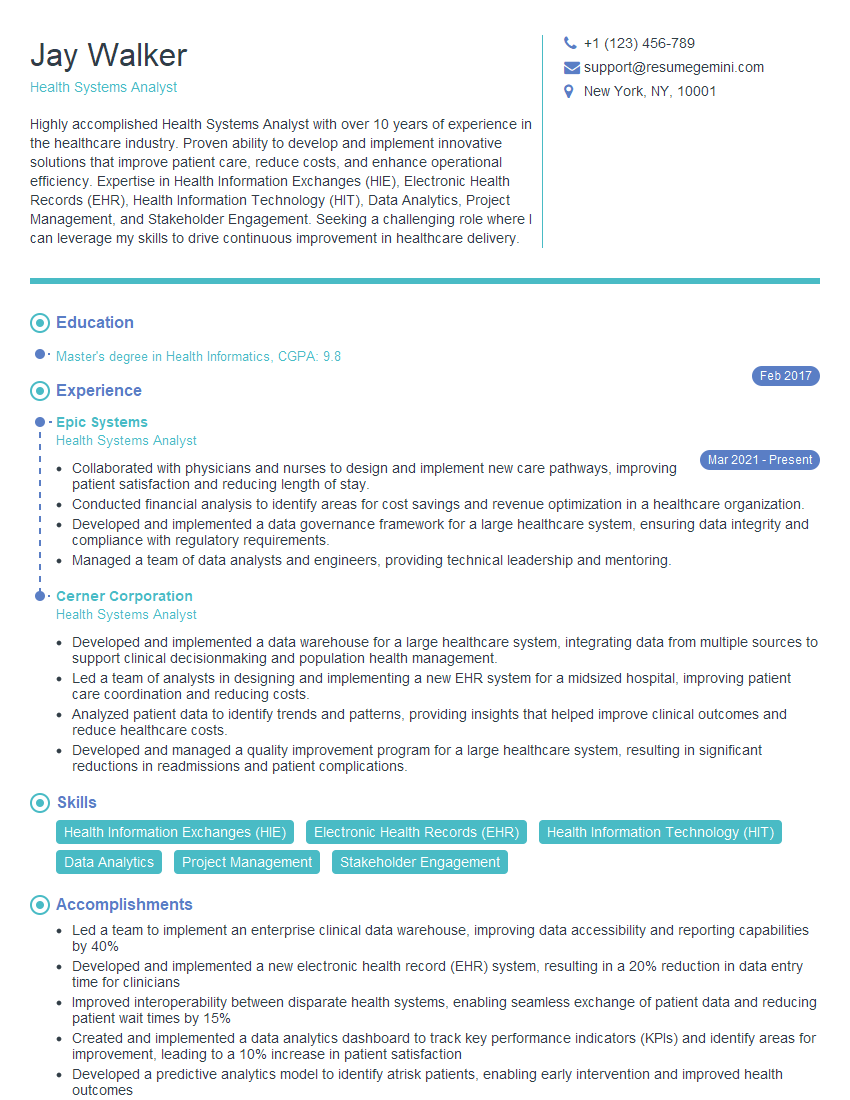
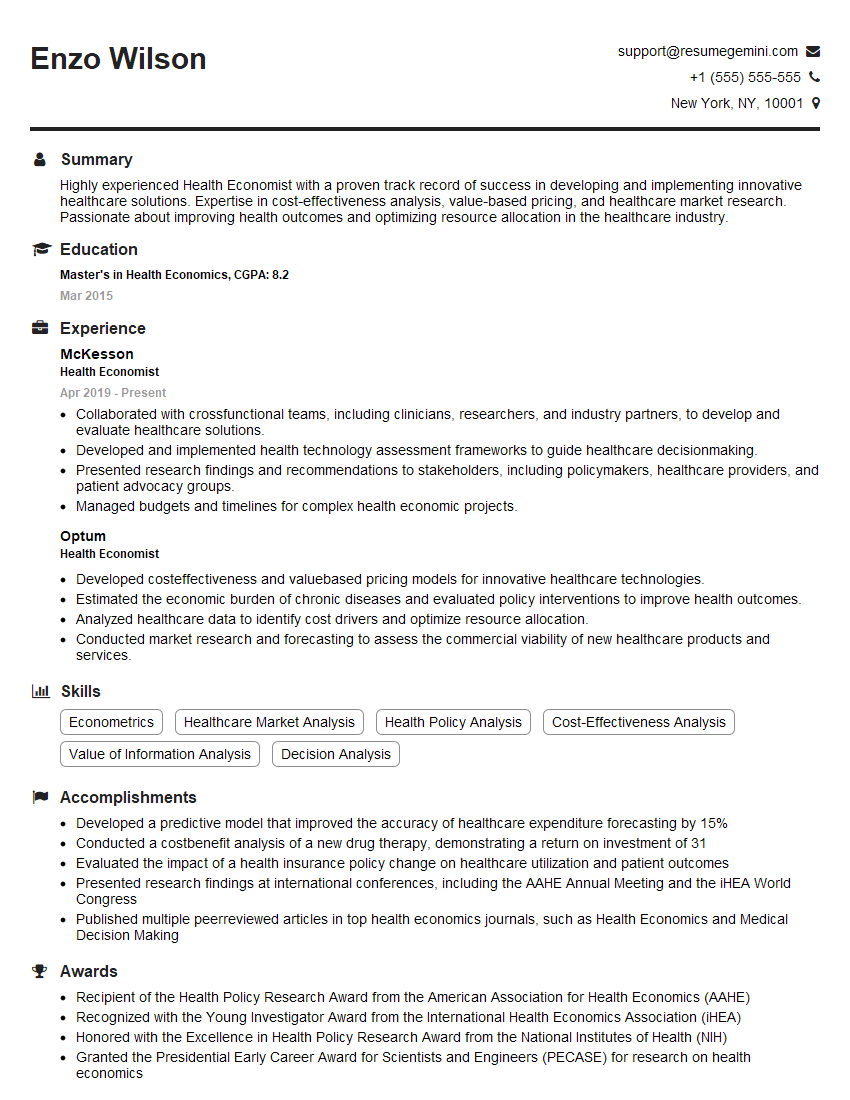
Mastering Healthcare Policy Development is crucial for a successful and impactful career, allowing you to shape healthcare systems and improve patient lives. To significantly boost your job prospects, it’s vital to create a compelling and ATS-friendly resume that highlights your skills and experience. ResumeGemini is a trusted resource to help you build a professional resume that stands out. We provide examples of resumes tailored specifically to Healthcare Policy Development to guide you. Invest time in crafting a strong resume – it’s your first impression and a key to unlocking your career aspirations.
Explore more articles
Users Rating of Our Blogs
Share Your Experience
We value your feedback! Please rate our content and share your thoughts (optional).
What Readers Say About Our Blog
To the interviewgemini.com Webmaster.
Very helpful and content specific questions to help prepare me for my interview!
Thank you
To the interviewgemini.com Webmaster.
This was kind of a unique content I found around the specialized skills. Very helpful questions and good detailed answers.
Very Helpful blog, thank you Interviewgemini team.