Every successful interview starts with knowing what to expect. In this blog, we’ll take you through the top High-risk youth assessment and intervention interview questions, breaking them down with expert tips to help you deliver impactful answers. Step into your next interview fully prepared and ready to succeed.
Questions Asked in High-risk youth assessment and intervention Interview
Q 1. Describe your experience conducting risk assessments for high-risk youth.
My experience conducting risk assessments for high-risk youth involves a multi-faceted approach, combining structured tools with clinical judgment. I utilize standardized assessments like the Youth Risk Behavior Surveillance System (YRBSS) and the Structured Assessment of Violence Risk in Youth (SAVRY), tailoring my approach to the individual’s specific circumstances. This often includes gathering information from multiple sources – the youth themselves, parents or guardians, teachers, and other professionals who interact with them. For example, with a young person exhibiting escalating aggression, I wouldn’t just rely on a single questionnaire. I’d interview the youth to understand their perspective, talk to their teachers about classroom behavior, and potentially review school records for patterns of disciplinary actions. This holistic approach ensures a comprehensive understanding of their risk profile. I then synthesize this information to create a detailed profile that identifies risk factors and protective factors, which informs the development of appropriate intervention strategies.
Q 2. What are the key indicators you look for when assessing a young person’s risk of self-harm or harm to others?
Identifying indicators of self-harm or harm to others in high-risk youth requires a keen eye for both overt and subtle cues. Key indicators can include: changes in behavior (e.g., increased isolation, sudden mood swings, drastic changes in academic performance), verbal cues (e.g., direct threats of self-harm or harming others, expressing feelings of hopelessness or worthlessness), and nonverbal cues (e.g., self-injurious behavior, aggressive body language, possession of weapons). A history of trauma, abuse, neglect, or exposure to violence is also a significant risk factor. For instance, a young person who repeatedly expresses feelings of intense anger and frustration, coupled with a history of family violence and access to weapons, presents a higher risk of harming others than a young person who expresses similar feelings but lacks these additional risk factors. It’s crucial to remember that the absence of these indicators doesn’t guarantee safety; ongoing monitoring is essential.
Q 3. Explain your understanding of trauma-informed care and its application in working with high-risk youth.
Trauma-informed care is central to my work with high-risk youth. It recognizes that many young people have experienced significant trauma that significantly impacts their behavior, emotions, and relationships. This approach shifts the focus from blaming the youth for their behaviors to understanding the underlying trauma and its effects. In practice, this means creating a safe and supportive environment where young people feel heard, understood, and respected. It involves avoiding retraumatization by using strengths-based approaches, empowering youth to make choices, and focusing on collaboration rather than control. For instance, instead of immediately punishing a young person for an outburst, a trauma-informed approach would involve exploring the triggers that led to the outburst and collaboratively developing coping mechanisms. This might include teaching them mindfulness techniques or helping them identify and express their feelings in healthier ways. Ultimately, it’s about building trust and fostering resilience, acknowledging the impact of past experiences while working towards positive change.
Q 4. How do you identify and address the specific needs of youth from diverse backgrounds?
Working with diverse youth requires cultural humility and sensitivity. I recognize that cultural background, socioeconomic status, religious beliefs, sexual orientation, and gender identity all significantly influence a young person’s experiences and behaviors. I actively seek to understand the unique challenges faced by youth from different backgrounds, avoiding generalizations and assumptions. For instance, a young person from a refugee background might be experiencing significant stress related to displacement, trauma, and adapting to a new culture. Ignoring these factors could lead to misinterpretations of their behavior and ineffective interventions. I incorporate culturally relevant practices into assessments and interventions, actively seeking guidance from community leaders and cultural experts as needed. This might involve using interpreters, collaborating with community-based organizations, or adapting therapeutic techniques to align with cultural values.
Q 5. What methods do you use to build rapport and trust with high-risk youth?
Building rapport and trust with high-risk youth is paramount. It’s a gradual process built on genuine respect, empathy, and consistency. I begin by actively listening to their perspectives, validating their feelings, and demonstrating that I care about their well-being. This might involve simple acts like remembering their preferences or engaging in activities that interest them. I avoid judgmental language and create a safe space where they feel comfortable sharing their thoughts and feelings without fear of criticism. For instance, I might start by asking open-ended questions about their hobbies or interests to break the ice. As trust develops, I can delve deeper into more sensitive topics. Maintaining confidentiality and respecting their boundaries is crucial throughout this process. Building a relationship takes time and patience, but it’s the foundation for effective intervention.
Q 6. Describe your experience developing and implementing individualized intervention plans.
Developing and implementing individualized intervention plans is a collaborative process. I begin by carefully analyzing the risk assessment, identifying specific needs and goals, and working closely with the young person to develop a plan they are invested in. The plan addresses the identified risk factors and incorporates evidence-based interventions. For example, a plan for a youth exhibiting self-harming behavior might include individual therapy focused on emotional regulation, participation in a support group, and collaboration with family members. The plan is regularly reviewed and modified based on progress and changing circumstances. Specific measurable goals and objectives are set, with regular monitoring and adjustments to ensure the plan remains relevant and effective. The involvement of the young person in every stage of the process is vital, ensuring that the plan is realistic, achievable, and aligns with their goals and values. Documentation of progress and challenges is maintained throughout.
Q 7. How do you collaborate with families and other stakeholders to support high-risk youth?
Collaboration with families and other stakeholders is essential for successful intervention. I believe in a family-centered approach, recognizing that families often play a significant role in a young person’s life. I strive to build strong working relationships with parents or guardians, providing education, support, and guidance. This may involve family therapy sessions or workshops focusing on communication skills and parenting strategies. I also actively communicate with teachers, school counselors, and other professionals involved in the youth’s life, creating a coordinated support system. Regular case conferences or meetings are held to share information, discuss progress, and coordinate interventions. For instance, I would work with a school to ensure that the young person has access to appropriate academic support or behavioral interventions. By fostering open communication and a shared understanding, we can collectively provide the youth with the comprehensive support they need.
Q 8. What strategies do you employ to de-escalate potentially violent situations with youth?
De-escalation with high-risk youth requires a calm, empathetic, and assertive approach. It’s not about winning an argument but about diffusing the situation and creating a safe space for communication. My strategy centers around building rapport, understanding their perspective, and offering choices.
- Active Listening: I start by actively listening to the youth, validating their feelings even if I don’t agree with their behavior. This shows respect and helps them feel heard.
- Calm and Controlled Demeanor: Maintaining a calm and controlled tone, even when provoked, is crucial. My body language reflects this – open posture, relaxed facial expressions.
- Empathy and Validation: I try to understand their underlying emotions, acknowledging their frustration, anger, or fear. Phrases like, “I can see you’re really upset,” go a long way.
- Offering Choices: Instead of giving direct commands, I offer choices to empower them and give them a sense of control. For example, instead of saying, “Sit down,” I might say, “Would you prefer to sit here or over there?”
- Setting Clear Boundaries: While offering choices, it’s critical to set clear boundaries about unacceptable behavior. Consequences should be clearly communicated upfront.
- Seeking Support: If the situation escalates beyond my capacity to manage, I immediately seek support from colleagues or supervisors.
For instance, I once worked with a young man who was extremely agitated due to a family conflict. Instead of confronting him directly, I sat quietly with him, letting him vent his anger. I validated his feelings and offered him a glass of water. After a few minutes, he calmed down enough to have a rational conversation, allowing us to develop a plan for managing his anger effectively.
Q 9. What is your experience with crisis intervention techniques?
My crisis intervention training emphasizes a collaborative, person-centered approach. It’s about rapidly assessing the situation, providing immediate support, and developing a safety plan to prevent future crises. I’m proficient in techniques like:
- Suicide Risk Assessment: I utilize structured assessments to evaluate suicide risk, including identifying protective factors and developing safety plans.
- De-escalation Techniques (as described above): These are the cornerstone of crisis intervention, preventing escalation into violence or self-harm.
- Trauma-Informed Care: Understanding the impact of trauma is essential. I ensure my interventions are sensitive to the youth’s past experiences and avoid re-traumatization.
- Collaboration with stakeholders: Crisis intervention often requires collaboration with parents, guardians, schools, law enforcement, and mental health professionals. I work diligently to build a strong support network.
For example, I recently worked with a young woman experiencing a severe anxiety attack. By utilizing calming techniques, active listening, and collaboratively developing a coping strategy, we managed to stabilize her condition and prevent a hospitalization. This involved coordinating with her parents and therapist to ensure ongoing support.
Q 10. Describe your experience with various therapeutic modalities (e.g., CBT, DBT) and how you adapt them for high-risk youth.
I have extensive experience using various therapeutic modalities, adapting them to meet the unique needs of high-risk youth. My approach is eclectic, drawing from the strengths of different approaches:
- Cognitive Behavioral Therapy (CBT): I use CBT to help youth identify and modify negative thought patterns and behaviors contributing to their risky behaviors. This often involves teaching them coping mechanisms and problem-solving skills. I adapt it by making sessions interactive and engaging, using relatable examples, and emphasizing strengths.
- Dialectical Behavior Therapy (DBT): DBT is particularly effective for youth struggling with emotional regulation and self-harm. I use DBT skills training to teach mindfulness, distress tolerance, emotion regulation, and interpersonal effectiveness. I simplify complex concepts and create opportunities for practicing these skills in real-life situations.
- Trauma-Focused Therapy: Many high-risk youth have experienced trauma, requiring a trauma-informed approach. I use trauma-focused therapies such as EMDR or play therapy (for younger youth) to process traumatic experiences and reduce their impact on current functioning.
- Motivational Interviewing: This technique is crucial for working with resistant youth. By exploring their ambivalence towards change and highlighting their intrinsic motivation, I help them make positive choices.
Adapting these modalities means using different methods of communication, keeping sessions short and focused, and integrating activities and games to maintain engagement. For example, with a young person struggling with anger, I might use role-playing to practice coping skills in simulated situations.
Q 11. How do you monitor the effectiveness of your interventions?
Monitoring intervention effectiveness is crucial. I employ a multi-faceted approach:
- Regular Assessment: I use standardized measures and client self-report to track progress on target behaviors and symptoms. These assessments might include questionnaires, checklists, or behavioral observations.
- Data Collection: I systematically record session notes, observations, and any other relevant data. This provides a detailed record of the youth’s progress and challenges.
- Feedback from Stakeholders: Regular communication with parents, teachers, and other stakeholders provides valuable insights into the youth’s behavior in different contexts.
- Review of Case Outcomes: I periodically review case progress and make adjustments to the intervention plan as needed. This involves reflecting on successes and challenges and adapting strategies accordingly.
- Utilization of Technology: I may utilize technology, like tracking apps or digital mood journals, depending on the specific needs of the youth.
For instance, if I’m working with a youth on reducing aggressive behavior, I would track the frequency of aggressive incidents, noting the circumstances and the effectiveness of implemented interventions. This data allows me to modify the intervention plan and ensure its effectiveness.
Q 12. What are the common challenges you face when working with high-risk youth and how do you overcome them?
Working with high-risk youth presents many challenges:
- Resistance to Change: Youth may be resistant to therapy or interventions, requiring creative approaches to engagement.
- Trauma and Mental Health Issues: Many struggle with complex trauma and co-occurring mental health disorders, necessitating a comprehensive treatment plan.
- Family Dynamics: Dysfunctional family dynamics can significantly impact a youth’s behavior, requiring family involvement in therapy.
- Limited Resources: Access to adequate resources, such as mental health services, housing, and educational support, can be a significant barrier.
- Safety Concerns: Ensuring safety for both the youth and myself is a top priority. I take appropriate measures to de-escalate situations and prevent harm.
To overcome these challenges, I utilize several strategies: building strong therapeutic rapport, creating a safe and supportive environment, actively involving families whenever possible, collaborating with community resources, using creative interventions, and prioritizing self-care to prevent burnout.
Q 13. How do you maintain confidentiality and adhere to ethical guidelines in your work?
Confidentiality and ethical practice are paramount. I adhere strictly to professional ethical guidelines, ensuring client privacy and protecting their rights. This involves:
- Informed Consent: I obtain informed consent from the youth (and their parents/guardians if applicable) before initiating any intervention, ensuring they understand the process and their rights.
- Maintaining Confidentiality: I maintain strict confidentiality, sharing information only with those directly involved in the youth’s care and only when legally required or necessary for their safety.
- Ethical Boundaries: I maintain clear professional boundaries to ensure the therapeutic relationship remains appropriate and ethical.
- HIPAA Compliance: I am fully compliant with HIPAA regulations regarding the privacy and security of protected health information.
- Mandatory Reporting: I am aware of and adhere to mandatory reporting laws, reporting suspected child abuse or neglect to the appropriate authorities.
Protecting client privacy is not just a rule but a fundamental aspect of my commitment to building trust and facilitating positive change.
Q 14. What are your experience and skills in documentation and record-keeping?
Thorough and accurate documentation is crucial for ethical practice and effective service delivery. My skills in documentation and record-keeping include:
- Detailed Session Notes: I maintain comprehensive session notes, detailing the content of sessions, observations, and treatment plans. These notes are concise, objective, and comply with all legal and ethical requirements.
- Progress Notes: I document the youth’s progress towards treatment goals, highlighting both successes and challenges encountered.
- Crisis Documentation: In case of crises, I maintain detailed documentation of the events, interventions undertaken, and outcomes achieved.
- Compliance with Legal and Regulatory Requirements: I ensure all documentation adheres to legal and regulatory requirements, including HIPAA and other relevant standards.
- Electronic Health Records (EHR): I am proficient in utilizing electronic health records systems to manage client information efficiently and securely.
Accurate record-keeping ensures continuity of care, facilitates collaboration among professionals, and protects both the client and myself. It is integral to providing high-quality, ethical care.
Q 15. Explain your understanding of the legal and regulatory framework surrounding high-risk youth intervention.
The legal and regulatory framework surrounding high-risk youth intervention is complex and varies by jurisdiction, but generally centers on the balance between protecting the child’s well-being and upholding their rights. Key legislation often involves child protection laws, juvenile justice acts, and laws governing confidentiality (like HIPAA in the US). For example, mandated reporting laws require professionals to report suspected abuse or neglect, even if it means breaching confidentiality. These laws often define what constitutes ‘neglect’ or ‘abuse’ and outline the procedures for reporting and subsequent investigations. Furthermore, there are regulations governing the types of interventions that can be used, ensuring they are ethical, evidence-based, and least restrictive. This often includes considerations about the use of restraint, seclusion, and medication. Finally, due process rights for youth involved in the legal system must be carefully observed, guaranteeing access to legal counsel and fair hearings.
Navigating this framework requires a thorough understanding of local and state laws. For instance, knowing the specific criteria for involuntary commitment or the legal implications of different intervention methods is crucial. Regular professional development is essential to remain updated on legal changes and best practices. Consultation with legal counsel when necessary provides an additional layer of safety and ensures compliance.
Career Expert Tips:
- Ace those interviews! Prepare effectively by reviewing the Top 50 Most Common Interview Questions on ResumeGemini.
- Navigate your job search with confidence! Explore a wide range of Career Tips on ResumeGemini. Learn about common challenges and recommendations to overcome them.
- Craft the perfect resume! Master the Art of Resume Writing with ResumeGemini’s guide. Showcase your unique qualifications and achievements effectively.
- Don’t miss out on holiday savings! Build your dream resume with ResumeGemini’s ATS optimized templates.
Q 16. Describe your knowledge of relevant community resources and referral pathways.
My knowledge of community resources is extensive and regularly updated. I’m familiar with a wide range of organizations offering services relevant to high-risk youth, including:
- Mental health services: Agencies providing therapy, counseling, psychiatric evaluation, and medication management.
- Substance abuse treatment centers: Programs offering detoxification, residential treatment, and outpatient services.
- Educational support: Tutoring programs, alternative schools, and vocational training opportunities.
- Family support services: Parenting classes, family therapy, and respite care.
- Legal aid organizations: Providing legal representation and advocacy for youth involved in the justice system.
- Shelters and residential programs: Safe housing and support for youth experiencing homelessness or family conflict.
Referral pathways are carefully considered based on the individual needs of the youth. This involves a thorough assessment to identify the specific challenges the young person is facing, followed by matching them with the most appropriate services. I build strong relationships with key personnel in these organizations to ensure smooth transitions and ongoing support. For example, if a youth is struggling with substance abuse and depression, I would coordinate referrals to both a substance abuse treatment center and a mental health clinic, potentially involving family therapy as well. I follow up to ensure the referrals are effective and the youth is engaging with the services.
Q 17. How do you handle resistance or non-compliance from a young person?
Resistance and non-compliance are common challenges in working with high-risk youth. My approach emphasizes building rapport and understanding the reasons behind the resistance. It’s rarely about simple defiance; often, there are underlying issues like fear, trauma, mistrust, or a lack of perceived benefit from the intervention.
I start by actively listening and validating their feelings. I collaboratively explore their concerns and perspectives, creating a safe space for open communication. Then, I work to co-create goals and treatment plans that are meaningful to the youth, empowering them to take ownership of the process. This involves offering choices where possible, focusing on strengths, and celebrating small successes. For instance, if a youth refuses to attend therapy, I might explore alternative ways to address their needs, such as incorporating therapeutic elements into other activities they enjoy. If necessary, I might involve other trusted adults, such as family members or school counselors, to provide additional support and motivation. The ultimate goal is to build a therapeutic alliance based on respect, trust, and collaboration.
Q 18. Describe your understanding of different types of risk factors and protective factors.
Risk factors increase the likelihood of negative outcomes for youth, while protective factors buffer against those risks. Risk factors can be categorized into individual (e.g., impulsivity, low self-esteem), family (e.g., parental substance abuse, domestic violence), school (e.g., academic failure, school dropout), and community (e.g., poverty, exposure to violence) levels. Protective factors are similar: individual (e.g., high self-efficacy, positive coping skills), family (e.g., strong family bonds, parental support), school (e.g., positive school environment, academic success), and community (e.g., access to positive role models, strong community ties).
For example, a youth living in poverty (community risk factor) might experience academic failure (school risk factor), leading to low self-esteem (individual risk factor). However, strong family support (family protective factor) and involvement in positive extracurricular activities (community protective factor) can mitigate these risks. A thorough assessment identifies the specific risk and protective factors influencing the youth’s situation, guiding the development of targeted interventions.
Q 19. What is your approach to managing challenging behaviors in youth?
Managing challenging behaviors requires a multi-faceted approach grounded in positive behavior support (PBS). PBS focuses on understanding the function of the behavior—what need the behavior is fulfilling—and then implementing strategies to meet that need in a more adaptive way. Punishment alone is rarely effective; instead, we concentrate on proactive strategies.
This includes creating clear expectations, teaching alternative behaviors, providing positive reinforcement for appropriate behavior, and addressing underlying triggers. For instance, if a youth displays aggression, we investigate whether it’s due to frustration, anxiety, or unmet needs. We might then teach them coping skills for managing anger and frustration, and provide positive reinforcement when they use those skills. Environmental modifications, such as creating a calming space or reducing sensory overload, can also be helpful. Collaboration with parents, teachers, and other stakeholders is critical to ensure consistency across different settings.
Q 20. How do you measure success in your interventions with high-risk youth?
Measuring success in high-risk youth interventions requires a multifaceted approach. We don’t rely on single indicators; rather, we use a combination of objective and subjective measures, tailored to the individual’s specific goals.
Objective measures might include: reduced rates of school suspension, decreased substance use, improved academic performance, or fewer arrests. Subjective measures might involve self-reported improvements in mood, behavior, and overall well-being, as well as feedback from parents, teachers, and other significant individuals in the youth’s life. Regular monitoring and progress reviews are crucial to track outcomes and adjust strategies as needed. The ultimate measure of success is a positive trajectory toward independence, stability, and well-being, which requires long-term follow-up.
Q 21. What are some common misconceptions about high-risk youth?
Several common misconceptions surround high-risk youth. One is that they are inherently ‘bad’ or ‘hopeless’. This is fundamentally untrue. Their behaviors are often a manifestation of underlying trauma, unmet needs, or lack of appropriate support.
Another misconception is that a ‘one-size-fits-all’ approach is effective. Each young person is unique, with individual needs and circumstances requiring tailored interventions. Finally, there’s the misconception that intervention is only necessary when a young person is already severely involved in the justice system or exhibiting extreme behaviors. Early identification and proactive interventions are often more effective in preventing escalation. Understanding these misconceptions is vital for developing effective and compassionate interventions.
Q 22. How do you address secondary trauma in your work?
Addressing secondary trauma, the emotional distress experienced by helping professionals working with traumatized individuals, is paramount for maintaining my own well-being and ensuring effective work with high-risk youth. It’s like being a sponge – constantly absorbing the difficult experiences of others. If I’m not careful, I can become overwhelmed.
My approach is multifaceted:
- Regular Self-Care: This isn’t a luxury; it’s a necessity. I prioritize activities that promote mental and physical well-being, including exercise, mindfulness practices, spending time in nature, and maintaining healthy relationships outside of work.
- Supervision and Peer Support: I regularly meet with a supervisor to process challenging cases and debrief emotionally difficult interactions. Sharing experiences with colleagues who understand the unique pressures of this work provides crucial validation and support.
- Setting Boundaries: I’m mindful of setting healthy boundaries between my professional and personal life. This includes limiting the amount of emotionally charged work I take on at any one time and avoiding taking work home with me whenever possible.
- Seeking Professional Help: I recognize the importance of seeking professional support when needed. If I experience symptoms of burnout or secondary trauma, I don’t hesitate to seek help from a therapist or counselor specializing in trauma.
Essentially, caring for myself is not selfish, it’s essential for my ability to effectively support the youth I work with.
Q 23. Describe your experience with working within multidisciplinary teams.
My experience working within multidisciplinary teams has been extensive and deeply rewarding. I firmly believe that a holistic approach, involving input from various professionals, is crucial for effectively supporting high-risk youth. Think of it like a well-coordinated orchestra – each instrument (professional) plays its part to create a harmonious and impactful outcome.
I’ve collaborated effectively with:
- Social Workers: Collaborating on case management, resource allocation, and family support.
- Psychiatrists and Psychologists: Working together on diagnosis, treatment planning, and medication management.
- Educators: Addressing behavioral issues in school, coordinating academic support, and advocating for the youth’s needs within the educational system.
- Law Enforcement: Collaborating on risk assessments, crisis intervention, and ensuring youth safety in potentially volatile situations.
- Family Therapists: Working with families to improve communication, resolve conflicts, and strengthen family bonds.
My contribution to these teams has involved facilitating communication, ensuring clear information sharing, and fostering a collaborative environment where everyone’s expertise is valued and utilized.
Q 24. Explain your familiarity with different assessment tools used in working with high-risk youth.
My familiarity with assessment tools used in working with high-risk youth is extensive. Selecting the right tools depends heavily on the specific needs of the youth and the presenting issues. It’s not a one-size-fits-all approach.
I regularly utilize tools such as:
- Risk Assessment Tools: These tools help to identify the likelihood of future violence, self-harm, or other risky behaviors (e.g., the Youth Risk Behavior Surveillance System (YRBSS)).
- Trauma-Informed Assessments: These assessments explore the impact of trauma on the youth’s development and behavior (e.g., the Child Trauma Questionnaire).
- Behavioral Assessments: These tools focus on identifying specific behaviors and developing strategies to address them (e.g., Functional Behavioral Assessment (FBA)).
- Mental Health Assessments: These tools screen for and assess the presence of mental health disorders (e.g., the Child Behavior Checklist (CBCL)).
I am adept at interpreting the results from these assessments, using the information to develop tailored intervention plans that address the unique needs of each youth. My knowledge extends beyond simply administering these tests; I understand their limitations and biases, ensuring ethical and accurate interpretation of results.
Q 25. How do you ensure the safety and well-being of both the youth and yourself in high-risk situations?
Ensuring the safety and well-being of both the youth and myself in high-risk situations is an absolute priority and requires a proactive and multi-layered approach.
My strategies include:
- Risk Assessment and Planning: Thoroughly assessing the potential risks involved in each situation before engaging. This includes understanding the youth’s history, triggers, and potential escalation points. I develop a safety plan that outlines procedures for managing potential risks.
- De-escalation Techniques: Employing effective de-escalation strategies to calm agitated individuals, maintaining a calm demeanor and using clear, concise communication. I utilize active listening and empathy to build rapport and reduce tension.
- Collaboration with Support Staff: I never work alone in high-risk situations. I ensure that I have readily available support from colleagues, security personnel, or law enforcement as needed.
- Self-Protection Training: I have received training in self-protection techniques and am aware of my surroundings at all times.
- Documentation and Reporting: Meticulously documenting all interactions and reporting any incidents or concerns to the appropriate authorities.
Safety is not merely a protocol; it’s an ingrained part of my approach to working with high-risk youth.
Q 26. What are your strengths and weaknesses in working with high-risk youth?
My strengths in working with high-risk youth include:
- Empathy and Rapport Building: I’m able to connect with youth on an emotional level, fostering trust and understanding.
- Strong Communication Skills: I can communicate effectively with youth from diverse backgrounds, adjusting my approach to meet their individual needs.
- Crisis Intervention Skills: I’m skilled in managing crisis situations and ensuring the safety of all parties involved.
- Problem-Solving Abilities: I’m adept at identifying and resolving complex issues faced by high-risk youth and their families.
Areas for continued development include:
- Time Management: Balancing the demands of multiple cases and maintaining a healthy work-life balance. I’m actively working on improving my organizational skills and prioritization techniques.
- Self-Advocacy: While comfortable advocating for the youth, I’m continuing to develop my ability to advocate for my own needs and boundaries within the workplace.
I am actively pursuing professional development opportunities to enhance my skills and address areas for growth.
Q 27. Describe a situation where you had to make a difficult decision regarding a high-risk youth. What was the outcome?
One particularly challenging situation involved a 16-year-old boy, let’s call him Mark, who was repeatedly involved in petty theft and exhibiting increasingly aggressive behavior. He had a history of trauma and was struggling with substance abuse. Initially, I advocated for community-based intervention, believing it would provide a more supportive environment. However, his aggression escalated, culminating in a serious assault on another youth.
This forced me to reconsider my approach. While I valued the rehabilitative goals of community-based interventions, Mark’s behavior posed a significant risk to both himself and others. This was a difficult decision because it meant moving away from a supportive environment towards a more restrictive one, possibly hindering his overall progress.
After careful consideration involving the multidisciplinary team, including his parents and legal representatives, we concluded that a short-term stay in a secure residential facility was necessary to stabilize his behavior and address his immediate safety needs. This was coupled with intensified therapy and substance abuse treatment. This approach proved successful; Mark’s aggression diminished, and he began engaging more positively in therapeutic interventions. He eventually transitioned back into the community with continued support and monitoring.
This experience highlighted the importance of dynamic risk assessment and the need to adapt interventions based on the evolving circumstances and behaviors of the youth. While the decision was challenging, prioritizing safety ultimately created a path for a more positive outcome.
Q 28. How do you adapt your communication style to meet the needs of different youth?
Adapting my communication style to meet the diverse needs of high-risk youth is crucial for building trust and fostering positive relationships. It’s about recognizing that ‘one size does not fit all’ when it comes to communicating with young people.
My approach involves:
- Active Listening and Empathetic Responses: I focus on truly hearing what the youth is saying, both verbally and nonverbally. I demonstrate empathy and validate their feelings, even if I don’t necessarily agree with their actions.
- Adjusting Language and Tone: I adjust my vocabulary and tone of voice to match the youth’s level of understanding and comfort. With some youth, a formal tone might be appropriate, whereas with others, a more informal and relatable approach might be better.
- Utilizing Different Communication Methods: I understand that not all youth communicate effectively verbally. I incorporate nonverbal cues, visual aids, or written communication as needed.
- Respecting Cultural Differences: I am sensitive to cultural and linguistic differences and make every effort to communicate in a culturally appropriate and respectful manner.
- Building Trust Through Consistency and Reliability: I strive to be consistent and reliable in my interactions, providing a sense of predictability and stability in the youth’s life.
Ultimately, my goal is to create a safe and comfortable communication environment where the youth feels heard, understood, and respected.
Key Topics to Learn for High-risk Youth Assessment and Intervention Interview
- Risk Assessment Frameworks: Understanding various models for assessing risk factors in youth (e.g., developmental, social, environmental). Practical application: Critically evaluate different assessment tools and their limitations.
- Trauma-Informed Approaches: Recognizing the impact of trauma on youth behavior and developing interventions sensitive to their experiences. Practical application: Discuss strategies for building rapport and trust with traumatized youth.
- Intervention Strategies: Exploring evidence-based interventions for high-risk youth, including cognitive behavioral therapy (CBT), family therapy, and restorative justice practices. Practical application: Compare and contrast different intervention methodologies and their suitability for various youth populations.
- Ethical Considerations: Addressing ethical dilemmas related to confidentiality, informed consent, and cultural sensitivity in working with high-risk youth. Practical application: Analyze case studies involving ethical challenges and propose solutions.
- Collaboration and Case Management: Understanding the importance of collaboration with families, schools, and other agencies. Practical application: Describe your approach to coordinating services and building effective partnerships.
- Data Analysis and Reporting: Utilizing data to monitor progress, evaluate intervention effectiveness, and inform future practice. Practical application: Explain how you would track outcomes and use data to justify program effectiveness.
- Crisis Intervention and De-escalation Techniques: Developing skills to manage and de-escalate crisis situations involving high-risk youth. Practical application: Describe techniques for maintaining safety and de-escalating conflict.
Next Steps
Mastering high-risk youth assessment and intervention is crucial for career advancement in social work, youth services, and related fields. Demonstrating expertise in this area significantly enhances your employability and opens doors to impactful roles. To maximize your job prospects, create a compelling and ATS-friendly resume that highlights your skills and experience. We highly recommend using ResumeGemini to build a professional resume that stands out. ResumeGemini provides valuable resources and examples tailored to the High-risk youth assessment and intervention field, ensuring your resume effectively communicates your qualifications to potential employers. Take advantage of these resources to present yourself as the ideal candidate.
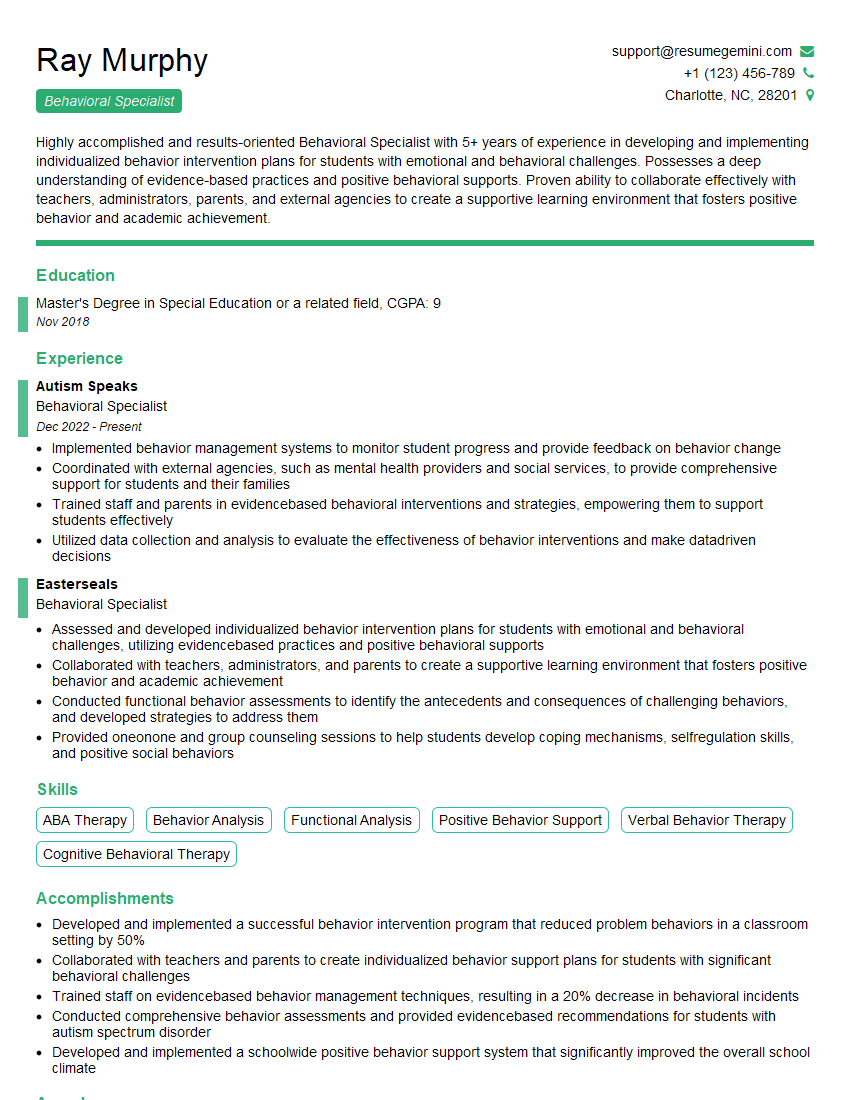
Behavioral Specialist Resume Sample
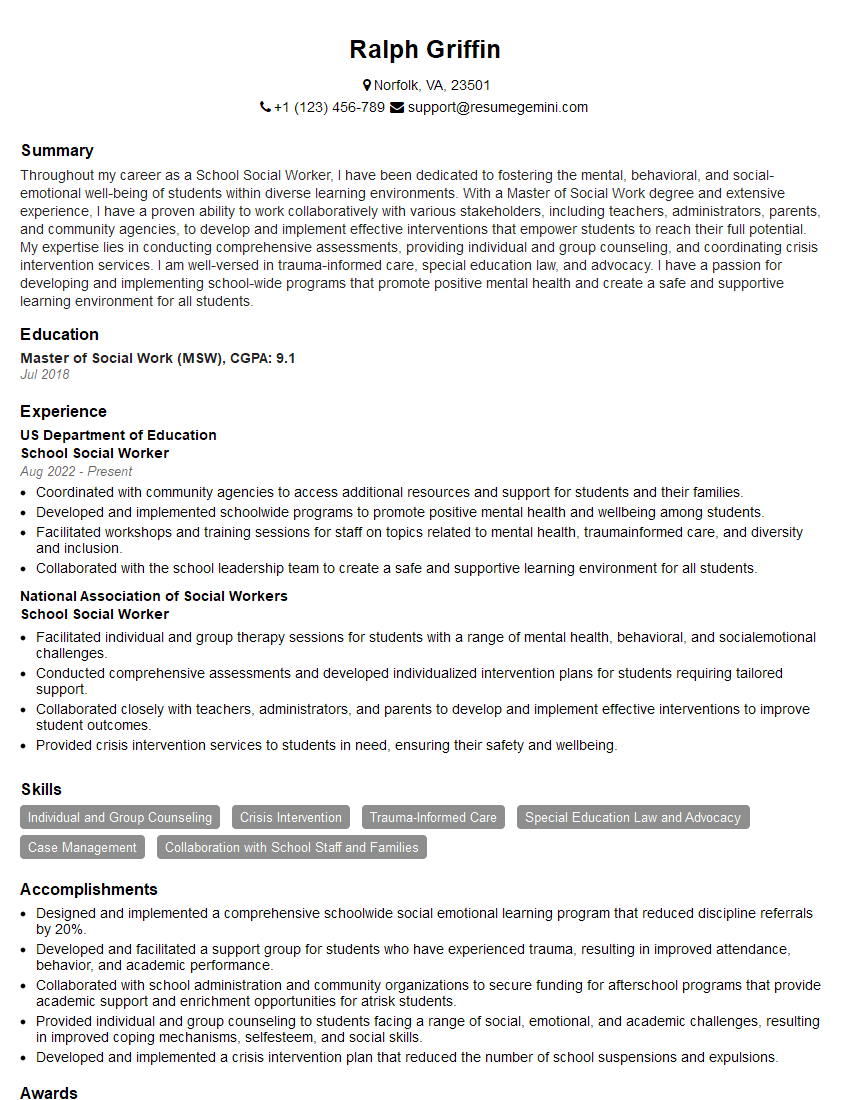
School Social Worker Resume Sample
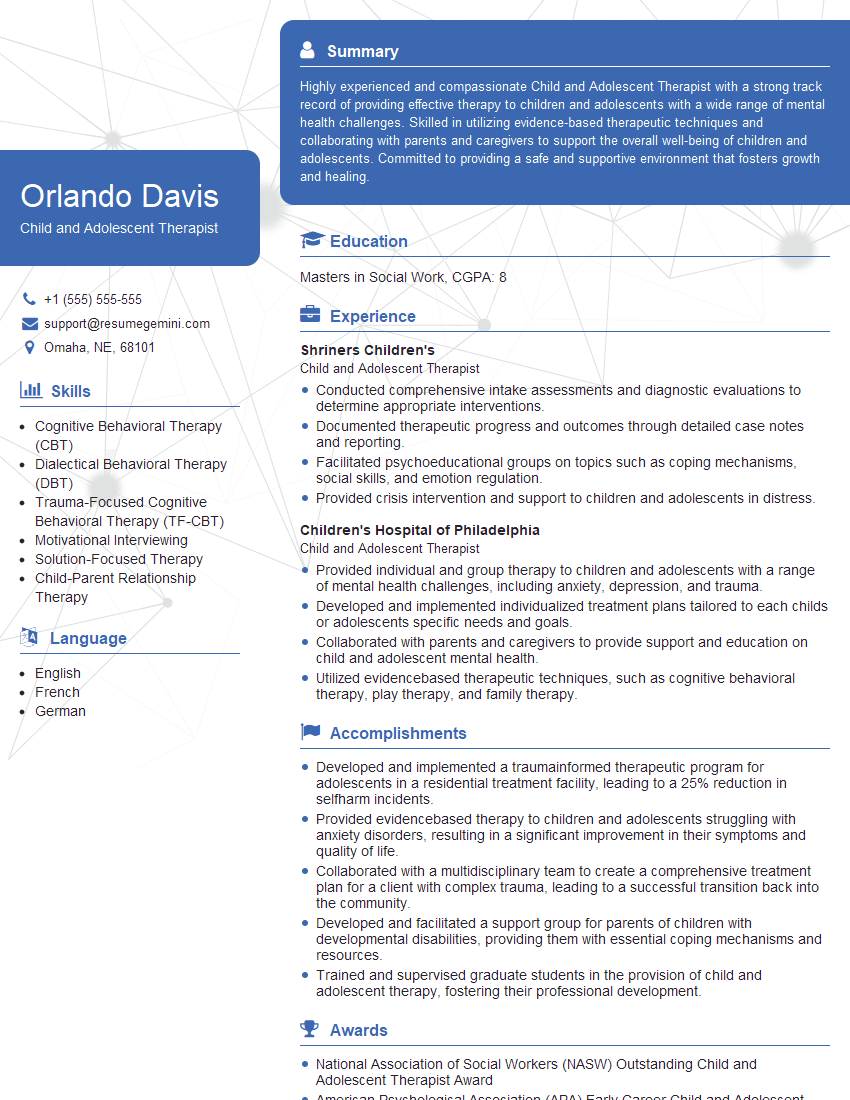
Child and Adolescent Therapist Resume Sample
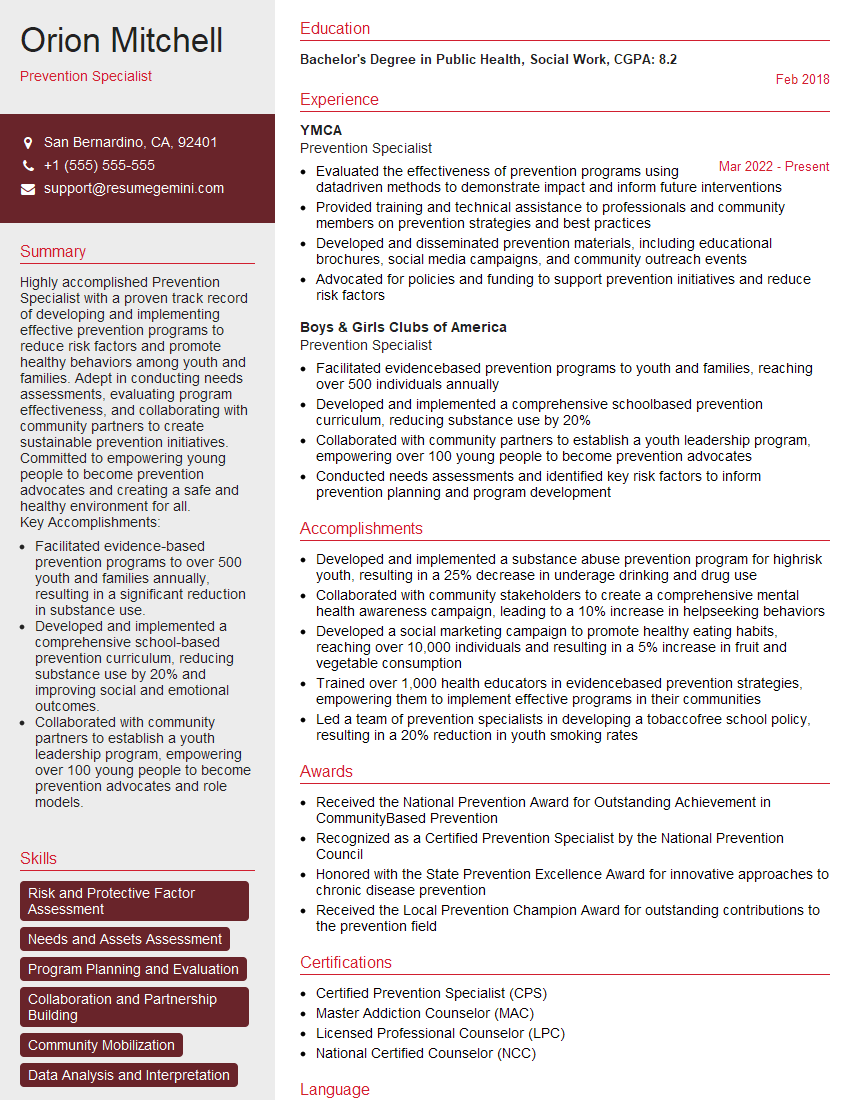
Prevention Specialist Resume Sample
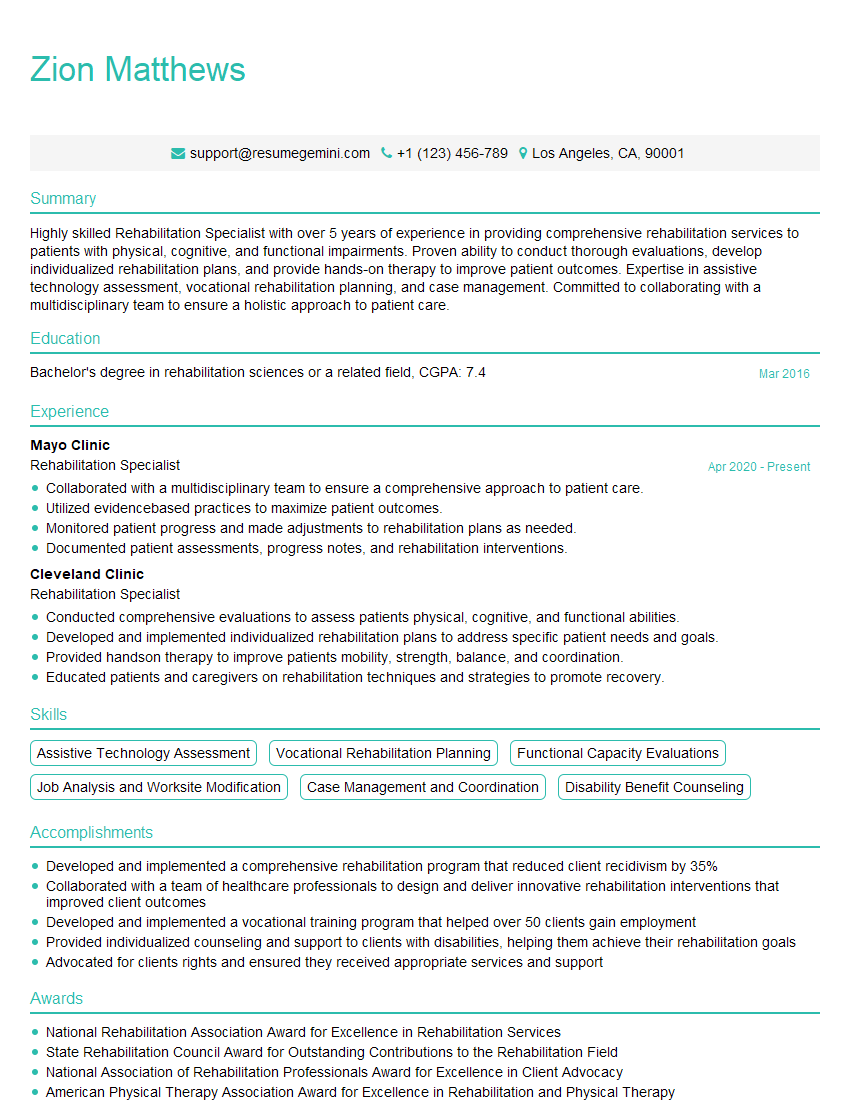
Rehabilitation Specialist Resume Sample
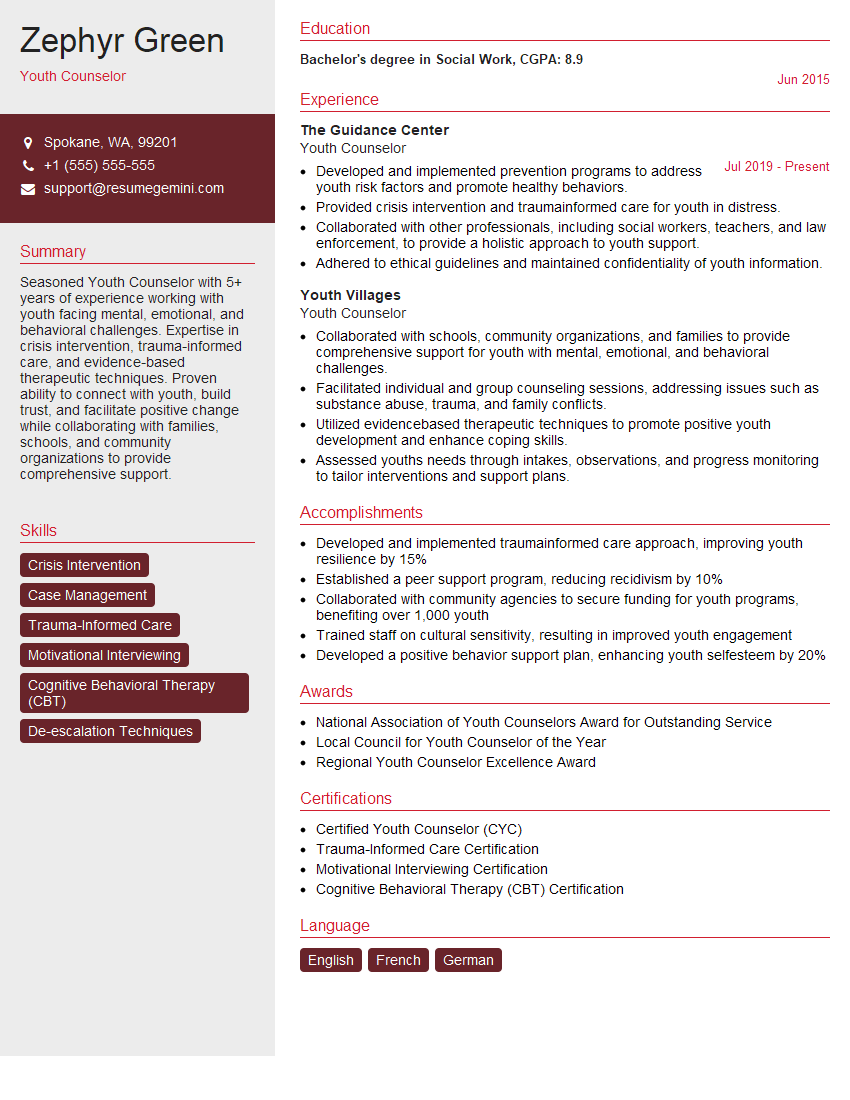
Youth Counselor Resume Sample
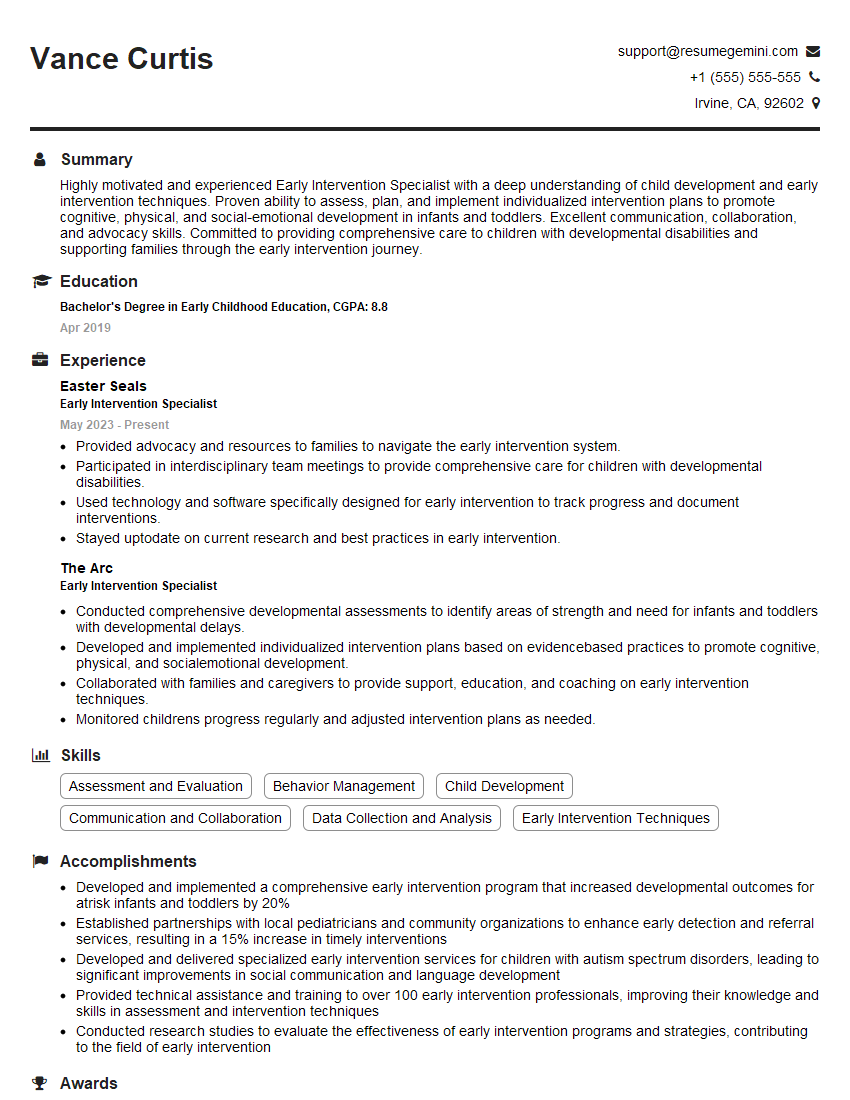
Early Intervention Specialist Resume Sample
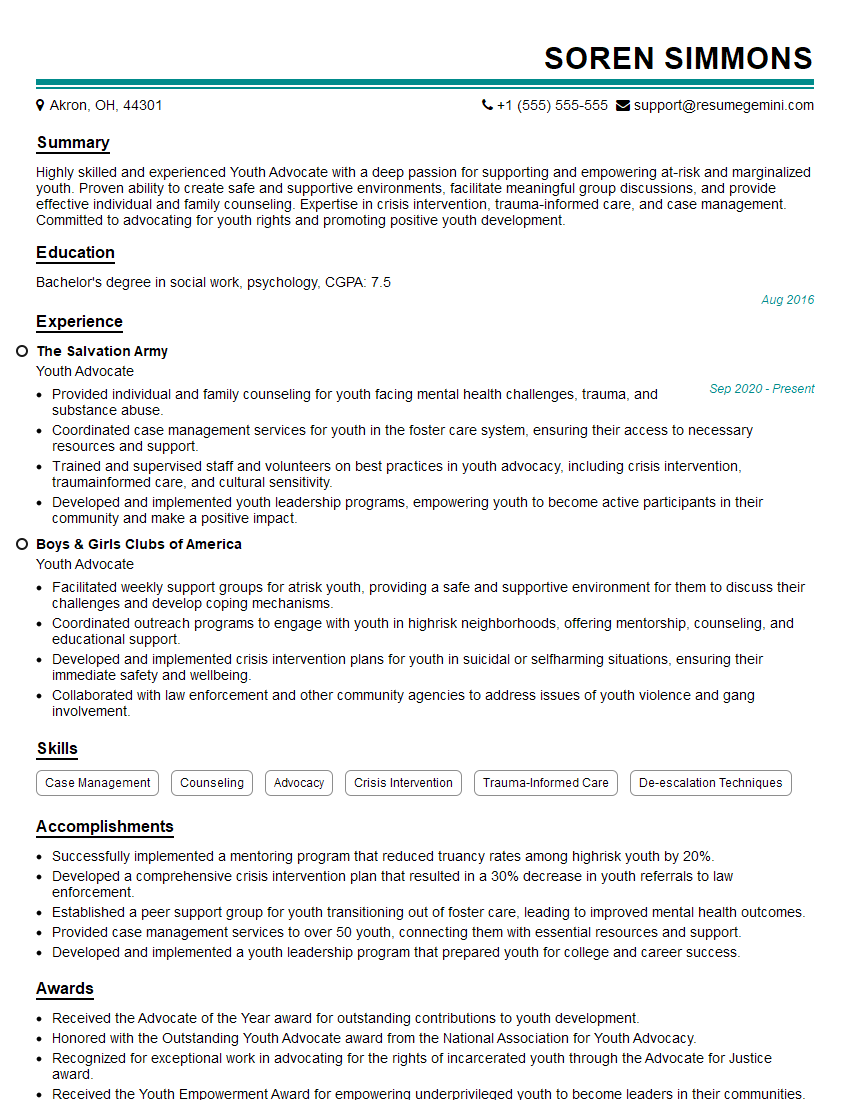
Youth Advocate Resume Sample

Crisis Intervention Specialist Resume Sample
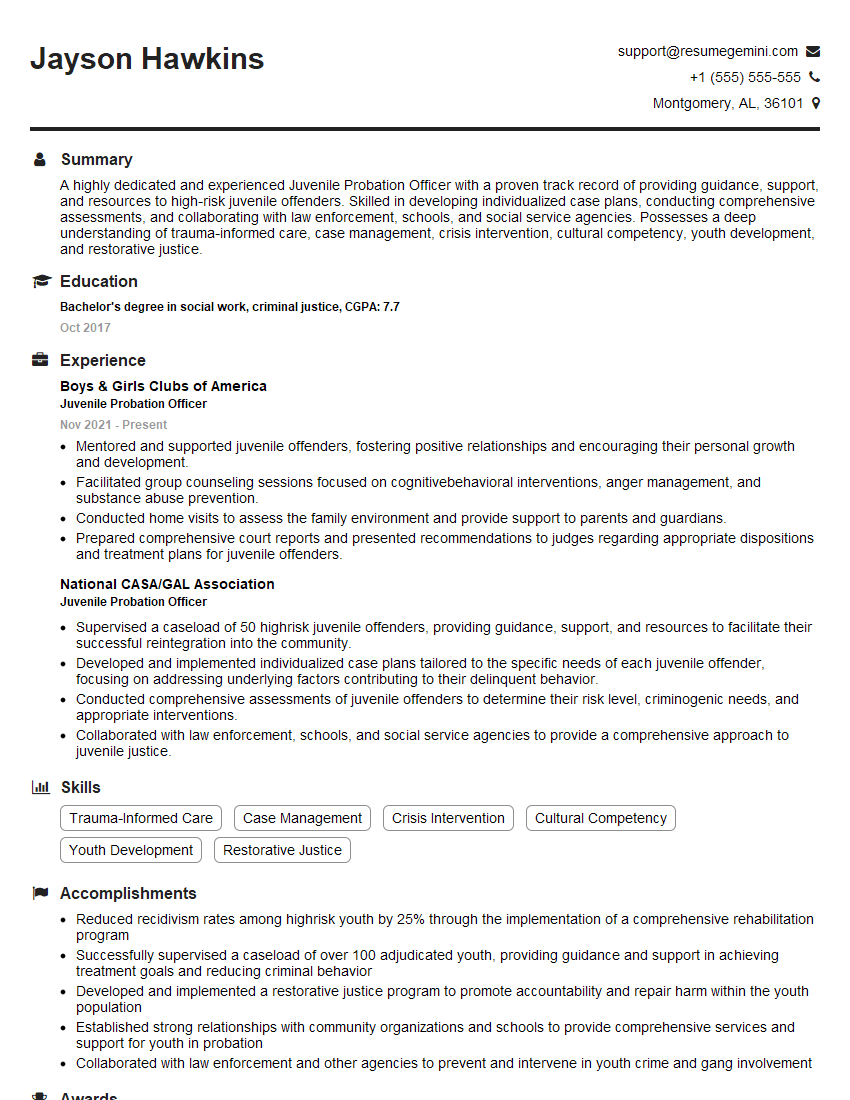
Juvenile Probation Officer Resume Sample
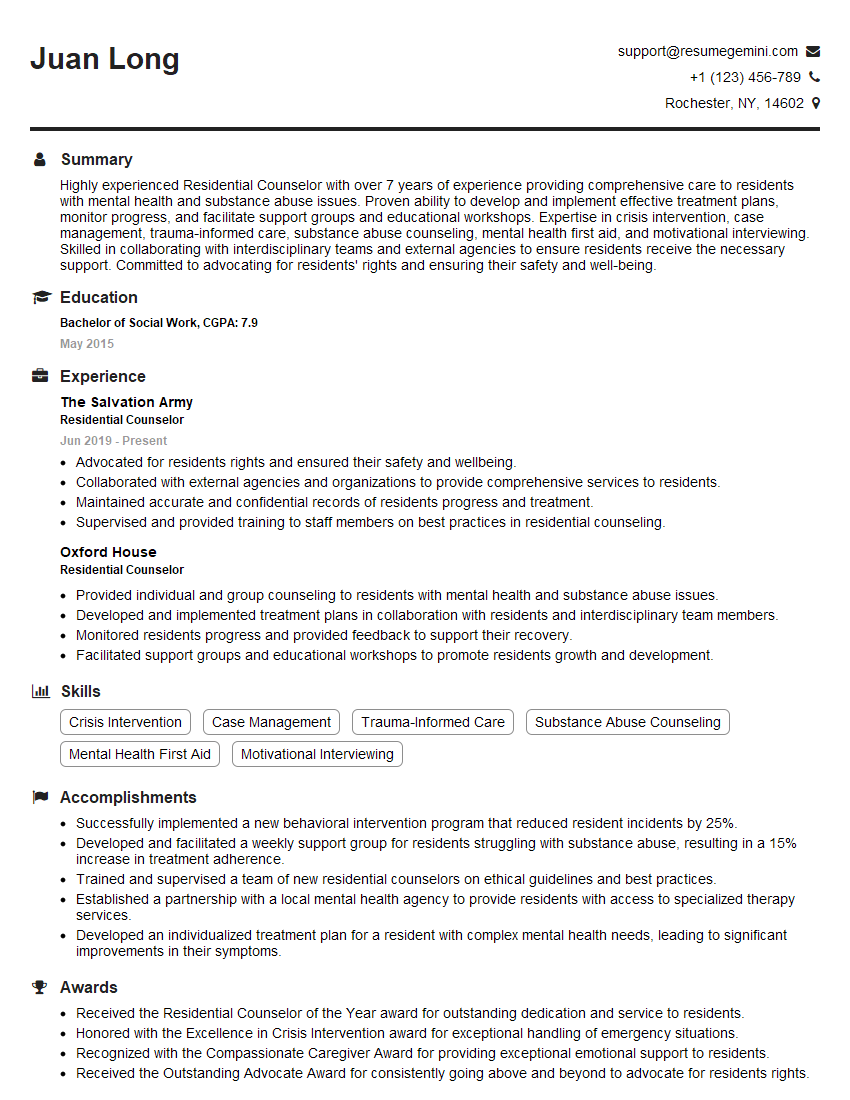
Residential Counselor Resume Sample
Explore more articles
Users Rating of Our Blogs
Share Your Experience
We value your feedback! Please rate our content and share your thoughts (optional).
What Readers Say About Our Blog
To the interviewgemini.com Webmaster.
Very helpful and content specific questions to help prepare me for my interview!
Thank you
To the interviewgemini.com Webmaster.
This was kind of a unique content I found around the specialized skills. Very helpful questions and good detailed answers.
Very Helpful blog, thank you Interviewgemini team.