Cracking a skill-specific interview, like one for Hot and Cold Water Extracting, requires understanding the nuances of the role. In this blog, we present the questions you’re most likely to encounter, along with insights into how to answer them effectively. Let’s ensure you’re ready to make a strong impression.
Questions Asked in Hot and Cold Water Extracting Interview
Q 1. Explain the difference between hot and cold water extraction.
Hot and cold water extraction are two distinct methods used for various applications, most notably in cleaning and the extraction of compounds from solid materials. The core difference lies in the temperature of the water used. Hot water extraction utilizes hot water, often under pressure, to dissolve and remove substances, while cold water extraction uses room-temperature or chilled water for a gentler approach.
Think of it like washing dishes: hot water cuts through grease more effectively, while cold water might be better for delicate glassware, minimizing the risk of damage. Similarly, the choice between hot and cold water extraction depends heavily on the material being processed and the desired outcome.
Q 2. Describe the process of hot water extraction.
Hot water extraction, also known as hot water rinsing or pressure washing in some contexts, involves using heated water, often pressurized, to extract soluble substances from a solid material or to thoroughly clean a surface. The process typically involves:
- Heating the Water: Water is heated to a specific temperature, often between 140°F and 212°F (60°C and 100°C), depending on the application.
- Application: The hot water, often combined with a detergent or cleaning agent, is applied to the material using a variety of methods, including spraying, immersion, or injection.
- Extraction: The heated water dissolves or loosens the target substances, which are then removed along with the water. This can be achieved through suction, draining, or rinsing.
- Post-Processing: The extracted material may require further processing, such as filtration or evaporation, to recover the desired compounds or to treat the wastewater.
For example, in carpet cleaning, hot water extraction is common. A machine injects hot, soapy water into the carpet fibers, then extracts the dirty water, leaving the carpet clean and dry.
Q 3. What are the advantages and disadvantages of hot water extraction?
Advantages of Hot Water Extraction:
- Increased Efficiency: Hot water dissolves and removes substances more effectively than cold water, leading to faster and more thorough cleaning or extraction.
- Improved Cleaning Power: Hot water helps break down grease, oils, and other stubborn contaminants, achieving a higher level of cleanliness.
- Enhanced Extraction: Higher temperatures increase the solubility of many compounds, resulting in better yield in extraction processes.
Disadvantages of Hot Water Extraction:
- Potential Damage: High temperatures can damage certain materials, especially delicate fabrics or sensitive compounds.
- Higher Energy Consumption: Heating the water requires significant energy, increasing the cost and environmental impact.
- Risk of Degradation: Some substances may degrade or alter their chemical properties at high temperatures.
Q 4. Describe the process of cold water extraction.
Cold water extraction uses room-temperature or even chilled water to extract or clean materials. It’s a gentler method that minimizes the risk of damage to sensitive materials or compounds. The process usually involves:
- Water Preparation: Water is prepared at the desired temperature. Chilled water is used when temperature sensitivity is a concern.
- Application: Cold water, often with a solvent or other additive, is applied to the material, either through soaking, immersion, or percolation.
- Extraction: The water dissolves or suspends the desired compounds, which are then separated from the solid material by filtration, decantation, or other techniques.
- Post-Processing: The extracted solution typically undergoes further processing to isolate and purify the extracted compounds.
A common example is the cold brewing of coffee. Cold water slowly extracts the coffee’s flavor compounds without the harsh bitterness often associated with hot brewing.
Q 5. What are the advantages and disadvantages of cold water extraction?
Advantages of Cold Water Extraction:
- Reduced Damage Risk: Cold water is gentler on sensitive materials, reducing the risk of degradation or damage.
- Lower Energy Consumption: No heating is required, leading to lower energy costs and a smaller environmental footprint.
- Preservation of Compounds: Cold temperatures can help preserve the quality and integrity of heat-sensitive compounds.
Disadvantages of Cold Water Extraction:
- Slower Extraction: Cold water extracts substances more slowly than hot water, potentially requiring longer processing times.
- Lower Extraction Efficiency: The solubility of many compounds is lower at lower temperatures, leading to potentially lower yields.
- Limited Applicability: Not effective for removing substances that are only soluble at higher temperatures.
Q 6. What types of equipment are used in hot water extraction?
Equipment used in hot water extraction varies depending on the application but often includes:
- Hot Water Extractors (for carpet cleaning): These machines inject hot water and detergent into carpets and then extract the soiled water.
- Pressure Washers: High-pressure hot water systems are used for cleaning large surfaces such as buildings, vehicles, or industrial equipment.
- Heating Elements: Boilers, water heaters, or immersion heaters are essential for heating the water to the desired temperature.
- Pumps: Pumps are used to circulate and deliver the hot water under pressure.
- Holding Tanks: Tanks store and maintain the hot water temperature.
Q 7. What types of equipment are used in cold water extraction?
The equipment needed for cold water extraction is typically simpler and less energy-intensive than that for hot water extraction. Common equipment includes:
- Large containers or vessels: For soaking or immersing the material in cold water.
- Mixing apparatus (optional): For ensuring thorough contact between the water and the material.
- Filters: For separating the extracted solution from the solid material.
- Refrigeration units (optional): For maintaining chilled water temperatures.
- Separatory funnels or other separation equipment: To separate different components of the extracted solution.
Q 8. How do you determine the appropriate extraction method for a given situation?
Choosing the right water extraction method depends on several factors: the type of water (clean, grey, or black), the extent of the damage, the materials affected, and the available equipment. Think of it like choosing the right tool for a job – you wouldn’t use a hammer to screw in a screw.
- Clean water (e.g., from a broken pipe carrying potable water) often requires less aggressive extraction methods. We might use a wet/dry vacuum or an extraction system with a powerful pump.
- Grey water (e.g., from a washing machine overflow) contains some level of contamination and necessitates more caution. We’d likely use specialized equipment to avoid spreading contaminants and ensure thorough cleaning.
- Black water (e.g., sewage backup) is heavily contaminated and requires advanced safety protocols and specialized extraction equipment, often involving powerful pumps and potentially hazmat protocols. We treat this as a biohazard and work with appropriate protective gear and disposal methods.
- Material considerations also play a critical role. Porous materials like drywall absorb water differently than hardwood floors. Our approach to extraction varies based on the material’s ability to retain moisture and potential for mold growth.
In essence, a thorough pre-inspection is key to determining the optimal extraction method. This inspection guides the selection of appropriate equipment and techniques to ensure efficient and safe water removal and remediation.
Q 9. Explain the importance of pre-inspection in water damage restoration.
A pre-inspection is paramount because it’s the foundation of a successful water damage restoration. It’s like a detective examining a crime scene; we need to understand the nature and extent of the damage before we can start solving the problem. This involves identifying the source of the water, assessing the type and extent of the water damage, and determining the necessary steps for remediation. A thorough pre-inspection allows us to:
- Identify the source of the water: This is crucial for preventing further damage and understanding the type of water involved (clean, grey, or black).
- Assess the extent of damage: We determine how much water has been absorbed by the building materials and the potential for secondary damage (mold growth, structural damage).
- Develop a detailed plan: Based on our findings, we create a comprehensive plan of action including extraction, drying, and potential repairs.
- Determine appropriate equipment and personnel: The type of damage dictates the necessary tools and expertise.
- Provide an accurate estimate: A detailed pre-inspection helps provide the client with a clear understanding of the costs involved.
Without a thorough pre-inspection, we risk ineffective remediation, potentially leading to recurring problems like mold growth or structural damage. It saves time, resources, and prevents costly mistakes down the line.
Q 10. How do you assess the extent of water damage?
Assessing the extent of water damage involves a combination of visual inspection, moisture detection, and sometimes destructive testing. Imagine it like peeling back the layers of an onion to understand the full impact.
- Visual Inspection: This involves checking for obvious signs of water damage such as warped flooring, discolored walls, sagging ceilings, and damaged materials. We note the presence of standing water and the affected areas.
- Moisture Detection: We employ specialized tools like moisture meters to measure the moisture content of building materials. This gives us a quantitative assessment of the damage and helps to identify hidden moisture problems. Different types of meters exist, from simple pin-type meters to more advanced thermal imaging cameras.
- Destructive Testing: In some cases, we may need to carefully remove small sections of materials (like drywall) to assess the extent of the damage behind the surface. This is done only when necessary to get an accurate assessment and avoid unnecessary demolition.
The combination of these methods helps us to define the Scope of Work and determine the most effective remediation strategy. We document everything thoroughly, including photographs and detailed reports, to ensure transparency and accountability.
Q 11. What safety precautions should be taken during water extraction?
Safety is paramount during water extraction. We treat every job as potentially hazardous and take precautions accordingly.
- Personal Protective Equipment (PPE): This includes waterproof boots, gloves, eye protection, and sometimes respirators, depending on the type of water and potential hazards (e.g., mold, sewage).
- Electrical Safety: We always disconnect power to affected areas to prevent electrocution. This is crucial even if the area seems dry; hidden moisture can pose a serious risk.
- Slip and Fall Hazards: Wet surfaces create a significant risk of slips and falls. We use caution tape and maintain clean pathways to minimize hazards.
- Biohazard Awareness: When dealing with grey or black water, we adhere to strict biohazard protocols, using appropriate PPE and disposal methods.
- Proper Equipment Usage: We ensure that all equipment is in good working order and operated according to manufacturer instructions. Regular maintenance is vital to minimize risks.
A safety briefing is conducted before each job, emphasizing the specific risks and necessary precautions. We document all safety measures taken in our reports.
Q 12. How do you handle different types of water (e.g., clean, grey, black)?
Handling different types of water requires different approaches and safety protocols. Imagine handling different types of waste – each requires different precautions.
- Clean Water: Relatively straightforward to extract; wet/dry vacuums or extraction systems are typically sufficient. Emphasis is placed on efficient removal and preventing the spread of moisture.
- Grey Water: Requires more caution; specialized equipment and cleaning agents are used to minimize the spread of contamination. Proper disposal of wastewater is crucial.
- Black Water: This is treated as a biohazard. Specialized equipment, advanced safety protocols, and potentially hazmat teams are involved. All contaminated materials are properly disposed of following local regulations. This involves using appropriate disinfectants and following rigorous procedures to minimize the risk of infection or disease.
The key is to follow IICRC (Institute of Inspection, Cleaning and Restoration Certification) standards to ensure proper handling and disposal of all water types. We maintain detailed records of all procedures followed for each water type.
Q 13. Explain the importance of proper drying techniques after extraction.
Proper drying is just as critical as extraction. It’s like mopping up a spill – you need to dry the area thoroughly to prevent further damage or mold growth. Incomplete drying can lead to secondary damage that is far more expensive to deal with than the initial water damage.
- Air Movement: Using air movers to circulate air throughout the affected area helps to accelerate the evaporation process. Proper placement of air movers is key to maximizing effectiveness.
- Dehumidification: Industrial dehumidifiers are used to remove moisture from the air, speeding up the drying process. Regular monitoring of humidity levels is essential.
- Monitoring: Continuous monitoring of moisture levels using moisture meters is crucial to ensure that the materials are completely dry. We often use data loggers to track humidity and temperature over time.
- Material-Specific Drying: Different materials require different drying techniques. Porous materials like drywall may require longer drying times and specialized techniques compared to harder surfaces like tile.
Incomplete drying can lead to mold growth, structural damage, and unpleasant odors. A thorough drying process is a critical part of preventing these costly secondary problems.
Q 14. What are the signs of mold growth after water damage?
Mold growth after water damage is a serious concern. Early detection is key to preventing widespread contamination and health problems. Think of mold as an opportunistic organism – it thrives in damp environments.
- Visible Mold: Obvious signs of mold include visible fuzzy or slimy growths, typically black, green, grey, or white. These can appear on walls, ceilings, or other surfaces.
- Musty Odor: A strong, musty smell is a telltale sign of mold, even if the mold itself isn’t visible. This indicates hidden mold growth.
- Discoloration: Water-damaged materials may show discoloration, often a dark stain on walls or ceilings, which can indicate hidden mold.
- Allergic Reactions: Residents may experience respiratory problems, allergies, or other health issues, suggesting hidden mold.
If any of these signs are present, immediate action is necessary. Professional mold remediation should be carried out to safely remove and remediate the mold problem. Mold is a significant health hazard, and improper handling can exacerbate the issue.
Q 15. How do you prevent mold growth after water extraction?
Preventing mold growth after water extraction is crucial. Mold thrives in damp environments, so rapid drying is key. This involves a multi-pronged approach:
- Immediate Extraction: Remove as much standing water as quickly as possible using powerful extractors. The faster you remove the water, the less time mold has to develop.
- Thorough Drying: Utilize a combination of drying equipment (discussed in the next question) to lower the moisture content of building materials to below 20%. This includes air movers to circulate air and dehumidifiers to remove moisture from the air. We often use moisture meters to monitor the drying process accurately.
- Proper Ventilation: Open windows and doors to increase air circulation, particularly in areas with poor ventilation. Use fans strategically to pull moist air out and draw in fresh, dry air.
- Antimicrobial Treatments: In severe cases, or when dealing with particularly porous materials, antimicrobial treatments can be applied to inhibit mold growth. These are typically applied by certified professionals and require careful consideration of safety and material compatibility.
- Regular Monitoring: Even after the initial drying, regular checks for signs of moisture and mold are vital. Any lingering moisture should be addressed immediately.
For example, I once worked on a basement flood where we used a combination of truck-mounted extractors, large capacity dehumidifiers, and several air movers. Consistent monitoring with moisture meters ensured the project was completed successfully and mold was prevented.
Career Expert Tips:
- Ace those interviews! Prepare effectively by reviewing the Top 50 Most Common Interview Questions on ResumeGemini.
- Navigate your job search with confidence! Explore a wide range of Career Tips on ResumeGemini. Learn about common challenges and recommendations to overcome them.
- Craft the perfect resume! Master the Art of Resume Writing with ResumeGemini’s guide. Showcase your unique qualifications and achievements effectively.
- Don’t miss out on holiday savings! Build your dream resume with ResumeGemini’s ATS optimized templates.
Q 16. What are the different types of drying equipment?
Several types of drying equipment are used in water extraction, each with its strengths:
- Air Movers: These fans circulate air to accelerate the evaporation process. They come in various sizes and types, including axial fans, centrifugal fans, and specialty air movers designed for specific applications (e.g., low-profile for under furniture). Think of them as the ‘wind’ in our drying process.
- Dehumidifiers: These machines actively remove moisture from the air, accelerating the drying process significantly. There are desiccant dehumidifiers (which work even at low temperatures) and refrigerant dehumidifiers (more common and generally more cost-effective). They are the ‘moisture vacuum’ that dramatically improves drying efficiency.
- Extractors: These powerful machines remove standing water from carpets, upholstery, and other surfaces. They use vacuum pressure to suck up water, and different types exist depending on the size and scope of the job. Truck-mounted units are ideal for large-scale projects while portable units are better suited for smaller jobs.
- Specialized Equipment: This includes things like thermal cameras (to identify hidden moisture), mat dryers (for drying carpets), and even HEPA air scrubbers to remove airborne contaminants that might have been released during the water damage.
The choice of equipment depends heavily on the severity of the water damage, the size of the affected area, the type of materials involved, and the environmental conditions.
Q 17. Explain how to properly use a water extractor.
Proper water extractor use is crucial for effective water removal and preventing further damage. Here’s a step-by-step guide:
- Inspect the Area: Assess the extent of the water damage and identify the types of materials involved.
- Prepare the Area: Remove any loose debris or obstacles that might interfere with the extraction process.
- Set up the Extractor: Ensure the machine is properly connected to a power source and that the appropriate hose and wand are attached.
- Extract the Water: Begin extracting water systematically, working from the outer edges towards the center. Overlap passes to ensure thorough extraction.
- Empty the Tank: Empty the extractor’s tank regularly to maintain suction and prevent spills.
- Rinse (if needed): For certain materials, rinsing may be necessary to remove remaining debris and residues.
- Dry the Area: Begin the drying process using air movers and dehumidifiers immediately after extraction.
Safety is paramount. Always wear appropriate personal protective equipment (PPE) and follow the manufacturer’s instructions for the equipment.
Q 18. How do you handle different types of flooring during extraction?
Different flooring materials require different extraction and drying techniques. Here are a few examples:
- Carpet: Carpets require careful extraction to prevent damage and ensure thorough drying. The use of a carpet wand is crucial, and the extraction process should avoid over-wetting.
- Hardwood: Hardwood floors are sensitive to moisture and require gentle extraction. Excessive moisture can lead to warping and damage. Fast drying is crucial.
- Tile: Tile is generally more resistant to water, but grout can absorb moisture. Extraction focuses on removing surface water and drying the grout thoroughly to prevent mold.
- Laminate: Laminate flooring is sensitive to moisture. Extraction is usually less aggressive, focused on immediate removal of surface water and followed by rapid drying.
Understanding the material properties is essential to protect the flooring and prevent further damage.
Q 19. How do you manage a large-scale water extraction project?
Managing a large-scale water extraction project requires meticulous planning and coordination. Here’s how:
- Assess and Plan: Thoroughly assess the extent of the damage, identifying affected areas, materials, and the potential for structural issues. A detailed plan outlining steps, timelines, and equipment needs is crucial.
- Teamwork: Assemble a skilled team with expertise in water extraction, drying, and damage restoration. Clear communication and coordination are essential.
- Equipment and Resources: Secure the necessary equipment, including powerful extractors, dehumidifiers, air movers, and other tools. This often involves coordinating with equipment rental companies.
- Safety Precautions: Establish and enforce stringent safety protocols to protect the team and the property.
- Documentation: Meticulous documentation throughout the project is vital. This includes photographic evidence, moisture readings, and a detailed log of all activities.
- Progress Monitoring: Continuously monitor the progress of drying to ensure it proceeds efficiently and effectively. Regular communication with stakeholders is also critical.
For example, I was part of a team that managed a large commercial building flood. Our success relied on pre-planning, establishing clear communication channels, and having a large enough team to handle the massive extraction and drying requirements.
Q 20. Describe your experience with different types of water damage (carpet, upholstery, etc.)
My experience encompasses a wide range of water damage scenarios, including:
- Carpet Water Damage: This ranges from small spills to major flood events, requiring different extraction methods depending on the severity and type of carpet. I’ve handled both quick-drying synthetic carpets and more absorbent natural fibers.
- Upholstery Water Damage: Upholstery presents unique challenges due to its various materials and construction. Extraction needs to be gentle to avoid damage, and the drying process requires careful attention to prevent mildew.
- Wall and Ceiling Damage: Water damage to walls and ceilings often requires advanced techniques to remove soaked materials and ensure proper drying to prevent structural damage and mold.
- Subfloor Damage: Detecting and addressing subfloor damage is critical. This often requires specialized equipment and techniques to monitor moisture levels and ensure thorough drying.
In each scenario, understanding the material properties and selecting the appropriate extraction and drying techniques is paramount.
Q 21. What is your experience with psychrometric charts and their application?
Psychrometric charts are invaluable tools in water damage restoration. They graphically represent the thermodynamic properties of moist air – temperature, humidity, and enthalpy. Understanding these properties is key to effective drying.
Application in Water Damage Restoration:
- Determining Drying Strategies: The chart helps determine the optimal strategy for lowering humidity and temperature to accelerate drying. We can see how adjusting temperature and humidity will affect the air’s ability to absorb moisture.
- Monitoring Progress: By measuring the wet-bulb and dry-bulb temperatures, we can plot a point on the psychrometric chart. Tracking these points over time allows us to monitor the drying process’s effectiveness.
- Estimating Drying Time: The chart provides insights into the potential drying time based on the current conditions and desired outcomes, helping to manage project expectations.
- Optimizing Equipment Use: Understanding the chart enables us to strategically position dehumidifiers and air movers to maximize drying efficiency. For example, we can see how introducing outside air with a different temperature and humidity will impact the overall drying process.
My experience includes using psychrometric charts to make informed decisions about equipment selection, placement, and monitoring the drying process throughout numerous restoration projects. It’s an essential tool for ensuring efficient and effective drying and preventing mold growth.
Q 22. How do you calculate the moisture content of materials?
Calculating the moisture content of materials after water extraction is crucial for determining the effectiveness of the drying process. We typically use two main methods: the in-situ method and the laboratory method.
The in-situ method, used most often on-site, employs moisture meters. These devices measure the moisture content either through resistance (measuring electrical resistance between two probes) or capacitance (measuring the dielectric constant of the material). Different materials require different types of probes; for example, a pin-type probe is suitable for wood, while a surface probe is better for carpets. The readings are then compared against the material’s dry weight, usually expressed as a percentage.
The laboratory method provides a more precise measurement. A sample of the material is weighed, then dried in an oven at a controlled temperature until its weight stabilizes. The difference between the initial and final weights gives the weight of the water, allowing calculation of the moisture content as a percentage. This method is more time-consuming but provides more accurate results for critical situations or when precise documentation is required.
Example: Let’s say a carpet sample weighs 1000 grams wet and 900 grams after drying in the oven. The moisture content would be (1000-900)/1000 * 100% = 10%.
Q 23. What are the common causes of water damage?
Water damage stems from various sources, broadly categorized as plumbing failures, weather events, and other unforeseen circumstances.
- Plumbing Issues: Leaking pipes, malfunctioning appliances (dishwashers, washing machines, toilets), and burst pipes are frequent culprits. These often lead to slow, persistent leaks, causing significant damage over time that may go unnoticed until extensive damage is evident.
- Weather Events: Heavy rainfall, overflowing gutters, roof leaks, and flooding are major causes. These often lead to rapid, large-scale water intrusion.
- Other Events: These include accidental spills, fire suppression efforts (where water is heavily used), and sewer backups. These can vary greatly in scale and type of contamination involved.
Identifying the source is critical for effective mitigation and prevention of future occurrences. It’s like diagnosing a medical issue: you need to find the root cause before you can effectively treat the problem.
Q 24. What are the industry standards and best practices for water extraction?
Industry standards and best practices for water extraction prioritize safety, efficiency, and minimizing further damage. Key aspects include:
- Safety First: Proper personal protective equipment (PPE), including gloves, eye protection, and respirators (especially when dealing with contaminated water), is mandatory. Electrical safety precautions are paramount when working near water-damaged electrical systems.
- Category Classification: Water is categorized (Category 1, 2, or 3) based on its cleanliness and potential for contamination. This classification dictates the necessary equipment and cleaning protocols. Category 3, for example, requires specialized procedures due to potential sewage contamination.
- Equipment Selection: The type of equipment used depends heavily on the water category and the type of material affected. Extractors range from portable units for smaller jobs to truck-mounted systems for large-scale events. Air movers and dehumidifiers are crucial for drying.
- Drying Strategies: Understanding psychrometrics (the study of moist air) is essential for effective drying. This includes strategic placement of air movers and dehumidifiers to optimize airflow and moisture removal. Proper ventilation is also critical.
- Documentation: Meticulous record-keeping of the extraction process is vital for insurance claims and future reference.
Adherence to these standards reduces liability and ensures the best possible outcome for the client.
Q 25. How do you document the extraction process?
Thorough documentation is the cornerstone of professional water extraction. This involves creating a comprehensive record that outlines every step of the process. My documentation typically includes:
- Initial Assessment: Photographs and detailed notes describing the extent of the damage, location of water intrusion, and the category of water involved.
- Extraction Plan: A detailed plan outlining the equipment to be used, the extraction methods, and the drying strategy.
- Progress Reports: Regular updates documenting the progress of the extraction and drying process, including moisture readings at various locations.
- Final Report: A summary report detailing all actions taken, equipment used, and final moisture readings. This report often includes before-and-after photos.
- Client Communication Logs: A record of all communications with the client, including updates on progress, any challenges encountered, and the plan of action.
All documentation is stored securely, both digitally and physically, ensuring its accessibility for future reference and for supporting insurance claims.
Q 26. How do you communicate with clients about the extraction process?
Communication with clients is vital throughout the entire process. My approach involves:
- Initial Contact: Clearly explaining the process, the anticipated timeline, and the costs involved. Managing expectations is crucial here.
- Regular Updates: Providing regular updates on the progress of the work, using easily understandable language and avoiding technical jargon whenever possible. Using pictures and videos can be very helpful.
- Transparency: Openly communicating any unforeseen challenges or delays, explaining the reasons behind them, and outlining the revised plan of action.
- Final Walkthrough: Conducting a final walkthrough with the client to review the completed work and answer any remaining questions. This provides a sense of closure and allows for final feedback.
Effective communication fosters trust and ensures client satisfaction, leading to positive reviews and referrals.
Q 27. What is your experience with insurance claims related to water damage?
I have extensive experience working with insurance claims related to water damage. This involves understanding the insurance company’s requirements, which often necessitate detailed documentation and adherence to specific procedures. I’m familiar with various insurance policies and how they pertain to water damage restoration. My experience helps in preparing comprehensive reports, providing accurate cost estimates, and effectively communicating with adjusters to ensure prompt claim settlement. I understand the importance of proper documentation for supporting claims and have successfully managed numerous claims, ensuring the client receives the coverage they’re entitled to.
For instance, I recently worked on a claim involving a burst pipe in a multi-unit building. My detailed documentation, including moisture readings, photos of the damage, and a clear explanation of the remediation process, ensured a smooth claim process, avoiding unnecessary delays for the building owners.
Q 28. Describe a time you had to troubleshoot a problem during a water extraction project.
During a recent project involving a significant flood in a basement, I encountered a situation where the usual drying techniques weren’t effective enough. The concrete floor was retaining an excessive amount of moisture despite running dehumidifiers and air movers for an extended period. After careful assessment, I realized that the moisture was migrating from behind the walls.
The initial plan focused solely on surface drying. To troubleshoot, I used a thermal imaging camera to identify the areas of high moisture content. This revealed that the water had seeped into the concrete slab and was being drawn up through capillary action. I then adjusted the strategy, focusing on drying from the walls. I used specialized equipment, including a desiccant dehumidifier, to draw the moisture out of the walls and reduce the capillary draw-up. This, combined with the removal of affected drywall and insulation, successfully dried the floor and completed the project effectively. This experience highlighted the importance of a thorough initial assessment and adapting the approach based on findings from non-invasive diagnostics.
Key Topics to Learn for Hot and Cold Water Extracting Interviews
- Principles of Solvent Extraction: Understanding the fundamental concepts behind using hot and cold water as solvents, including solubility, polarity, and temperature effects.
- Extraction Techniques: Mastering various methods like maceration, percolation, decoction, and infusion, and knowing when to apply each based on the target compound and desired outcome.
- Equipment and Apparatus: Familiarity with common laboratory equipment used in extraction processes (e.g., Soxhlet extractor, rotary evaporator, filtration apparatus) and their appropriate usage.
- Yield and Purity Optimization: Understanding the factors influencing extraction yield and purity, and developing strategies to maximize yield while minimizing impurities.
- Quality Control and Analysis: Knowledge of analytical techniques used to assess the quality and purity of extracted compounds (e.g., chromatography, spectroscopy).
- Safety Procedures: Understanding and adhering to safe laboratory practices and handling procedures for hot and cold water extraction processes.
- Scale-up and Process Optimization: Ability to scale extraction processes from laboratory to industrial settings, including considerations of efficiency and cost-effectiveness.
- Troubleshooting and Problem-Solving: Developing analytical skills to diagnose and resolve issues encountered during the extraction process, such as low yield, contamination, or equipment malfunctions.
- Regulatory Compliance: Awareness of relevant regulations and standards related to the extraction and handling of materials in your specific industry.
Next Steps
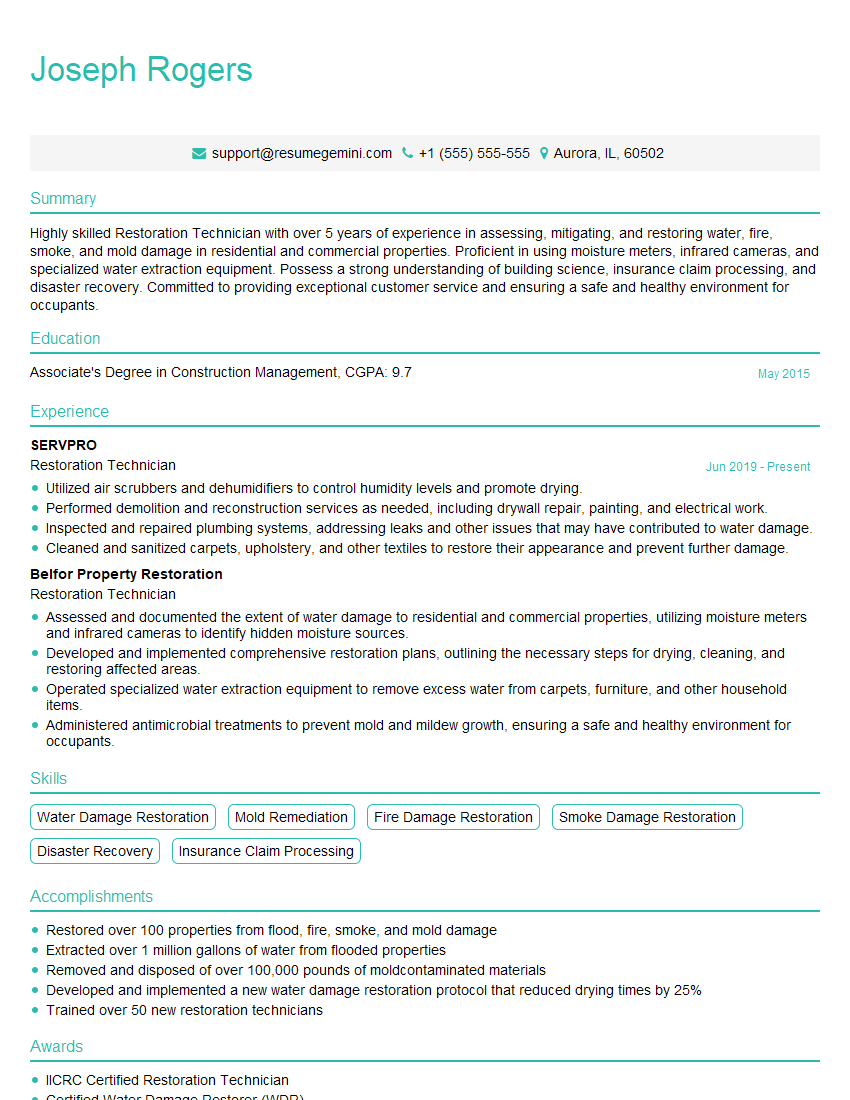
Mastering hot and cold water extraction techniques opens doors to exciting career opportunities in various industries, including pharmaceuticals, food processing, and cosmetics. A strong understanding of these principles is highly sought after, significantly boosting your employability and career trajectory. To maximize your chances of landing your dream job, it’s crucial to present your skills effectively. Crafting an ATS-friendly resume is key to getting your application noticed. ResumeGemini is a trusted resource that can help you build a professional, impactful resume that highlights your expertise in hot and cold water extraction. ResumeGemini provides examples of resumes tailored to this specific field to give you a head start. Invest in creating a standout resume – it’s your first impression on potential employers.
Explore more articles
Users Rating of Our Blogs
Share Your Experience
We value your feedback! Please rate our content and share your thoughts (optional).
What Readers Say About Our Blog
To the interviewgemini.com Webmaster.
Very helpful and content specific questions to help prepare me for my interview!
Thank you
To the interviewgemini.com Webmaster.
This was kind of a unique content I found around the specialized skills. Very helpful questions and good detailed answers.
Very Helpful blog, thank you Interviewgemini team.