Cracking a skill-specific interview, like one for HVAC Mechanical Install, requires understanding the nuances of the role. In this blog, we present the questions you’re most likely to encounter, along with insights into how to answer them effectively. Let’s ensure you’re ready to make a strong impression.
Questions Asked in HVAC Mechanical Install Interview
Q 1. Explain the different types of HVAC systems.
HVAC systems come in various types, each designed for specific needs and building sizes. The most common categories are:
- Split Systems: These are the most common type found in residential settings. They consist of an outdoor unit (condenser) and an indoor unit (evaporator), connected by refrigerant lines. They offer flexibility in placement and are relatively easy to install.
- Packaged Units: These units house the condenser, evaporator, and other components in a single cabinet, often located on a rooftop or outside a building. They are efficient for smaller buildings or spaces where space is limited.
- Heat Pumps: Heat pumps are energy-efficient systems capable of both heating and cooling. They transfer heat rather than generating it, making them cost-effective in moderate climates. They can be split or packaged systems.
- Variable Refrigerant Flow (VRF) Systems: These systems use variable refrigerant flow to precisely control the temperature in different zones of a building, increasing efficiency and comfort. They are typically found in larger commercial buildings.
- Chillers: Chillers are large-scale cooling systems used in very large buildings and industrial facilities. They cool water which is then circulated throughout the building to provide cooling.
- Air Handling Units (AHUs): AHUs are large units that control airflow, filtering, and heating/cooling. They often work in conjunction with chillers or boilers.
The choice of system depends heavily on factors like building size, climate, budget, and desired level of control.
Q 2. Describe your experience with refrigerant handling and safety procedures.
Refrigerant handling is a critical aspect of HVAC work, requiring strict adherence to safety procedures. My experience includes handling various refrigerants, including R-410A and R-32, always prioritizing safety. I’m EPA certified for refrigerant handling and proficient in:
- Proper evacuation techniques: Ensuring complete removal of refrigerant from lines before any repair or modification is crucial to prevent environmental contamination.
- Leak detection: Using electronic leak detectors and other methods to pinpoint leaks quickly and efficiently. Early detection minimizes refrigerant loss and potential environmental damage.
- Safe refrigerant recovery and recycling: Utilizing certified recovery equipment to capture refrigerant for proper recycling or disposal in compliance with EPA regulations. I always follow proper procedures to minimize environmental impact.
- Personal Protective Equipment (PPE): Consistently using appropriate PPE, including safety glasses, gloves, and respirators, to safeguard against potential hazards like refrigerant exposure.
- Understanding refrigerant properties: Knowing the specific properties of each refrigerant is crucial for safe handling, such as flammability and toxicity.
I’ve been involved in numerous projects where safe refrigerant handling prevented environmental hazards and ensured the safety of my team.
Q 3. How do you troubleshoot a malfunctioning HVAC system?
Troubleshooting a malfunctioning HVAC system requires a systematic approach. My process involves:
- Gather information: Begin by interviewing the client to understand the nature of the problem, when it started, and any preceding events. Listen carefully to their descriptions.
- Visual inspection: Conduct a thorough visual inspection of all components, including the indoor and outdoor units, ductwork, wiring, and controls. Look for any obvious signs of damage or malfunction, such as loose connections or leaks.
- Check for error codes: Most modern HVAC systems have digital displays that show error codes, which are essential for diagnosing problems. Consult the system’s manual to interpret these codes.
- Test airflow and refrigerant pressure: Use gauges to check refrigerant pressures, airflow, and temperatures. Deviations from normal operating parameters indicate potential problems. For example, low refrigerant pressure could indicate a leak.
- Inspect electrical components: Check wiring for damage, loose connections, or incorrect voltages. Use a multimeter to test for continuity and voltage.
- Test the controls: Verify the operation of thermostats, sensors, and other control components.
- Consider the environment: Check the surrounding environment, including ventilation and possible obstructions that could be affecting the system’s performance. For example, debris blocking the condenser coils can lead to overheating.
By following this process, I’ve consistently been able to effectively diagnose and fix a wide range of HVAC problems, from minor issues to major malfunctions.
Q 4. What are the common causes of low refrigerant in an HVAC system?
Low refrigerant in an HVAC system is a common issue. Several factors can contribute to this:
- Leaks: Leaks in the refrigerant lines are the most frequent cause. These leaks can be caused by corrosion, damage during installation, or vibrations.
- Improper installation: Faulty installation can lead to leaks or improper refrigerant charging, resulting in low refrigerant levels.
- Component failure: A failing compressor or expansion valve can cause refrigerant loss.
- System design flaws: In rare cases, a system might be inadequately designed, leading to refrigerant loss or inefficient operation.
Identifying the source of the leak is crucial for proper repair. I employ leak detection techniques, such as using electronic leak detectors, dye tracing, and pressure testing, to precisely locate the leak and then make the necessary repairs. This is crucial for both efficiency and environmental protection.
Q 5. Explain the process of installing a split system air conditioner.
Installing a split system air conditioner involves several key steps:
- Planning and preparation: This includes determining the appropriate unit size, selecting the optimal location for the indoor and outdoor units, and planning the refrigerant line routing. Ensuring adequate electrical supply is also crucial.
- Mounting the outdoor unit: The outdoor unit (condenser) is typically mounted on a stable base, ensuring proper ventilation and access for maintenance. Secure mounting is essential to prevent damage or vibrations.
- Running the refrigerant lines: Refrigerant lines are carefully routed and properly insulated to prevent heat loss or gain and condensation. I always follow the manufacturer’s specifications for proper line set installation.
- Installing the indoor unit: The indoor unit (evaporator) is mounted in the desired location, usually inside a wall or ceiling, ensuring proper clearance and drainage.
- Electrical connections: Safe and secure electrical connections are made, adhering to all electrical codes and safety standards.
- Vacuuming the refrigerant lines: Before charging the system, the lines are thoroughly vacuumed to remove any air or moisture that could compromise the system’s performance or damage the compressor.
- Refrigerant charging: The system is charged with the appropriate amount of refrigerant, using precision gauges to ensure accurate levels. Overcharging or undercharging can severely impact efficiency and performance.
- Testing and commissioning: Once installed, the system is thoroughly tested to ensure proper operation, including cooling capacity, airflow, and refrigerant pressures.
Each step requires attention to detail and adherence to safety protocols. A well-installed split system will provide years of reliable service.
Q 6. Describe your experience with ductwork installation and sealing.
Ductwork installation and sealing are critical for efficient HVAC system operation. My experience includes various types of ductwork, including flexible and rigid metal ducts. The process involves:
- Proper sizing: Ductwork must be correctly sized to ensure adequate airflow throughout the system. Improper sizing leads to reduced efficiency and comfort.
- Secure connections: All duct sections must be securely connected using appropriate fasteners and sealant to prevent air leaks. I use mastic sealant and metal tape for robust sealing, particularly at joints and seams.
- Insulation: Ductwork, especially in unconditioned spaces (attics, crawl spaces), should be properly insulated to minimize energy loss and maintain consistent temperatures. I use approved insulation materials according to building codes and best practices.
- Leak testing: After installation, the ductwork is thoroughly tested for leaks using specialized equipment, ensuring airtightness for maximum efficiency. Addressing air leaks is key to avoid energy waste and improve the system’s overall effectiveness. I utilize tools such as pressure testing and smoke machines for accurate leak detection.
Properly sealed ductwork minimizes energy loss and ensures that conditioned air reaches its intended destination, improving the overall performance and efficiency of the HVAC system. I always aim for a tight system to avoid the costly consequence of air leaks.
Q 7. How do you ensure proper airflow in an HVAC system?
Ensuring proper airflow is essential for optimal HVAC system performance. My approach involves:
- Proper ductwork design and installation: This includes proper sizing, sealing, and insulation as previously discussed. A well-designed duct system is the foundation for good airflow.
- Air balancing: Once the system is installed, air balancing is crucial to ensure equal airflow to all vents and registers. This is achieved by adjusting dampers within the duct system, optimizing airflow distribution throughout the space.
- Regular filter changes: Dirty air filters restrict airflow, reducing the system’s efficiency. Regular filter changes ensure optimal airflow and maintain system performance. I usually recommend a schedule based on filter type and usage.
- Cleaning the coils: Clean condenser and evaporator coils are necessary for optimal heat transfer and airflow. Accumulated dirt and debris on the coils restrict airflow, reducing efficiency. Periodic cleaning is crucial for optimal system performance.
- Check for obstructions: Inspect the system for any obstructions, such as furniture or debris blocking supply or return vents. These obstructions can significantly impact airflow.
- Ventilation: Sufficient ventilation is essential, especially in areas with high humidity or air quality concerns. Properly sized ventilation components contribute to a healthy and efficient HVAC system.
By addressing these aspects, I help ensure that the HVAC system delivers the intended amount of conditioned air to maintain comfortable and efficient operation.
Q 8. What are the safety precautions you take when working with high-voltage electrical components in HVAC systems?
Safety is paramount when working with high-voltage electrical components in HVAC systems. Before even touching any electrical panel or wiring, I always ensure the power is completely disconnected and locked out/tagged out. This prevents accidental energization. I use a voltage tester to verify the absence of voltage before proceeding with any work. This isn’t a one-time check; I re-check multiple times throughout the process. I wear appropriate personal protective equipment (PPE), including insulated gloves, safety glasses, and arc-flash protective clothing, depending on the voltage level. I also follow all relevant OSHA and NEC (National Electrical Code) safety regulations. For instance, if working near energized lines, I maintain a safe distance and use insulated tools. If working with capacitors, I know to discharge them properly before handling to prevent electric shock. This methodical approach ensures my safety and the safety of those around me.
One time, I was working on a large chiller unit, and the client insisted on keeping the power on. I immediately refused, explaining the severe risks involved, and the importance of following lockout/tagout procedures. Safety is not negotiable. We rescheduled the work once the power could be safely shut off and properly locked out.
Q 9. Explain the difference between a heat pump and a furnace.
Heat pumps and furnaces are both heating and/or cooling systems, but they work fundamentally differently. A furnace is a purely resistive heating system. It burns fuel (natural gas, propane, or oil) to generate heat, which is then circulated through ductwork. Think of it like a giant, controlled bonfire. A heat pump, on the other hand, is a reversible refrigeration cycle. It moves heat rather than generating it. In the heating mode, it extracts heat from the outside air (even in relatively cold temperatures) and transfers it inside. In cooling mode, it does the opposite, removing heat from inside and releasing it outside. Think of it like a sophisticated pump, constantly transferring heat energy.
The key difference lies in efficiency. Heat pumps are generally much more energy-efficient than furnaces, especially in milder climates, because they don’t burn fuel; they move existing heat. However, in extremely cold climates, heat pumps’ efficiency can drop significantly, whereas furnaces maintain consistent performance.
Q 10. How do you interpret HVAC blueprints and schematics?
HVAC blueprints and schematics are my roadmap for a successful installation or repair. I start by identifying the key components – the equipment, ductwork, piping, and electrical systems. I meticulously examine the plans for the locations of each component, their sizes, and interconnections. Symbols and legends are carefully studied to understand the specifics of each element. I look for details such as duct sizes, insulation types, refrigerant lines, electrical conduit runs, and control wiring diagrams.
For instance, I might look for symbols indicating the location and type of dampers, which allow me to control airflow. Or I might look for specific pipe sizes to make sure the system can handle the required volume of refrigerant. Cross-referencing multiple drawings is crucial to ensure consistency and accuracy. Anything unclear is clarified with the engineer or project supervisor before commencing any work. A good understanding of these schematics ensures everything is installed correctly and efficiently, saving time and avoiding costly mistakes.
Q 11. What are your experiences with different types of HVAC controls?
My experience spans a variety of HVAC controls, from simple thermostats to sophisticated building management systems (BMS). I’m comfortable working with pneumatic controls, which use compressed air to operate valves and dampers, though these are becoming less common. I have extensive experience with electronic controls, including programmable thermostats, which allow for customized scheduling and temperature settings. I’ve worked with digital controllers that provide real-time data monitoring and diagnostics, aiding in preventative maintenance and troubleshooting.
Furthermore, I have hands-on experience with BMS, which enable centralized control and monitoring of entire HVAC systems in large buildings. These systems allow for complex control strategies, including zoning and demand-based control, optimizing energy efficiency. Understanding how to interface with different types of controls is crucial for efficient system operation and effective problem-solving.
Q 12. Describe your experience with troubleshooting and repairing rooftop units.
Troubleshooting and repairing rooftop units (RTUs) requires a systematic approach. I begin with a visual inspection, checking for any obvious issues like leaks, damaged components, or debris buildup. I then use diagnostic tools, such as multimeters and refrigerant pressure gauges, to assess the electrical and refrigeration systems. I listen carefully for unusual sounds that might indicate problems with the compressor, fan motors, or other components. Analyzing error codes displayed on the unit’s controller is also vital. For example, a low refrigerant pressure might signal a leak, while high amperage draw could point to a failing motor.
I’ve encountered various challenges, such as refrigerant leaks requiring brazing and vacuuming, faulty compressors that need replacement, and clogged condensate drains. My approach involves identifying the root cause of the problem before attempting any repairs, preventing a simple fix from becoming a larger problem later. Safety is prioritized throughout the process. For instance, always ensure the power is disconnected before working on any electrical components and follow all safety protocols for handling refrigerants.
Q 13. How do you calculate the appropriate tonnage for an air conditioning system?
Calculating the appropriate tonnage for an air conditioning system isn’t a simple formula, but rather a process that considers several factors. It’s not just about the size of the space; it’s about the heat load. The heat load is the total amount of heat that needs to be removed from a space to maintain a desired temperature. It’s determined by considering factors such as:
- Square footage: Larger areas obviously need more cooling capacity.
- Climate: Hotter, more humid climates require higher tonnage.
- Insulation: Well-insulated buildings require less cooling.
- Number of windows and their orientation: South-facing windows, for instance, receive more solar heat gain.
- Occupancy: More people generate more heat.
- Appliances: Heat-generating appliances like ovens and refrigerators add to the heat load.
Various methods exist for estimating the heat load, including Manual J, which is a standardized calculation method used extensively in the industry. Manual J involves detailed calculations, while simplified methods are available for quick estimations. Accurate calculations are essential; undersized systems struggle to cool a space effectively, while oversized systems cycle on and off frequently, leading to energy waste and poor comfort.
Q 14. Explain your understanding of building codes related to HVAC installation.
My understanding of building codes related to HVAC installation is comprehensive. I’m familiar with codes such as the International Mechanical Code (IMC), International Plumbing Code (IPC), and the National Electrical Code (NEC), as well as local amendments. These codes dictate safety requirements, installation methods, and performance standards for HVAC systems. For example, codes specify requirements for proper ventilation, refrigerant handling, electrical safety, and equipment clearances. I ensure all my work complies with these standards to guarantee safe and efficient operation.
Compliance is not just about avoiding fines; it’s about ensuring the safety and well-being of building occupants. Proper installation, according to codes, ensures the system functions as intended, without posing fire hazards, health risks from refrigerant leaks, or other potential problems. Regularly reviewing and updating my knowledge of building codes is vital to maintaining competence and providing quality workmanship.
Q 15. What are the different types of piping used in HVAC systems?
HVAC systems utilize various types of piping, each chosen based on the refrigerant used, pressure levels, and application. The most common types include:
- Copper tubing: This is a prevalent choice due to its strength, corrosion resistance, and ease of brazing. Different types exist, categorized by wall thickness (Type L, M, and K) to handle varying pressures. Type L is used for low-pressure applications, while Type K is used for high-pressure applications. I’ve used copper tubing extensively in residential and commercial projects, from small split systems to large chillers.
- Steel piping: Used primarily for larger systems and in industrial settings where higher pressure and temperature are involved. Steel is robust and can handle significant stress, but it requires more specialized joining techniques compared to copper.
- Plastic piping (e.g., CPVC, PEX): While less common in refrigerant lines due to limitations in pressure and temperature tolerances, plastic piping is frequently used in water lines for hydronic systems (water-based heating and cooling). I have significant experience using PEX for water lines, which offers advantages in terms of installation speed and flexibility.
The selection of pipe material is crucial for system longevity and safety. Incorrect pipe selection can lead to leaks, reduced efficiency, or even system failure.
Career Expert Tips:
- Ace those interviews! Prepare effectively by reviewing the Top 50 Most Common Interview Questions on ResumeGemini.
- Navigate your job search with confidence! Explore a wide range of Career Tips on ResumeGemini. Learn about common challenges and recommendations to overcome them.
- Craft the perfect resume! Master the Art of Resume Writing with ResumeGemini’s guide. Showcase your unique qualifications and achievements effectively.
- Don’t miss out on holiday savings! Build your dream resume with ResumeGemini’s ATS optimized templates.
Q 16. Describe your experience with brazing and soldering techniques.
Brazing and soldering are essential skills for HVAC technicians. Brazing, which uses higher temperatures (around 800-1000°F) and a filler metal that melts at a higher temperature than the base metal, is preferred for copper piping in refrigerant lines because it produces a stronger, leak-proof joint. Soldering, using lower temperatures, is more suitable for smaller diameter pipes and in certain electrical connections.
My experience spans over ten years, encompassing thousands of successful brazed and soldered joints in various HVAC applications. I’m proficient in using various brazing and soldering techniques such as torch brazing, using a brazing gun, and maintaining proper flux application to ensure clean, consistent joints. I always prioritize safety by using proper personal protective equipment (PPE) and adhering to manufacturer’s instructions. I’ve had many opportunities to troubleshoot failed joints due to improper techniques, reinforcing the importance of meticulous procedures.
In one instance, I encountered a faulty brazed joint on a chilled water line in a large office building. By carefully analyzing the joint, I identified that insufficient heat was applied during the process, resulting in a weak connection. This experience highlighted the importance of proper heat distribution to ensure successful brazing and prevents leaks which can be both damaging and costly.
Q 17. How do you ensure the proper insulation of HVAC ductwork?
Proper ductwork insulation is crucial for maximizing efficiency and minimizing energy loss. It prevents condensation, reduces heat transfer, and improves indoor air quality. The key aspects include:
- Insulation type: Fiberglass duct wrap is commonly used for its cost-effectiveness, but other options include closed-cell foam insulation for better performance in humid climates or situations where superior thermal performance is required. The selection depends on the climate, duct location, and budget.
- Insulation thickness: The R-value (resistance to heat flow) of the insulation determines its effectiveness. Higher R-values provide better insulation, but the appropriate thickness depends on the climate and application. Local codes often specify minimum insulation requirements.
- Proper installation: Insulation must be installed seamlessly, with minimal gaps or air spaces to prevent thermal bridging. Taping the seams is crucial to ensure an airtight seal.
- Vapor barrier: In humid climates, a vapor barrier should be used to prevent moisture penetration and potential mold growth inside the ductwork.
I’ve experienced firsthand how neglecting proper insulation can lead to significant energy waste and comfort issues. In one project, I found that improper installation of ductwork insulation resulted in a 15% increase in energy consumption. Proper re-insulation dramatically resolved this issue and improved occupant comfort and energy savings.
Q 18. What are the common causes of frozen evaporator coils?
Frozen evaporator coils are a common problem in HVAC systems, usually stemming from one or a combination of the following:
- Insufficient airflow: Restricted airflow over the evaporator coil prevents efficient heat transfer, causing the coil to freeze. This can be due to a dirty air filter, clogged vents, or a faulty blower motor.
- Low refrigerant charge: Low refrigerant levels reduce the system’s cooling capacity, causing the evaporator coil to struggle to absorb heat and leading to ice formation.
- Faulty defrost cycle (for heat pumps): Heat pumps have a defrost cycle to remove ice buildup, but if the cycle is malfunctioning, ice will accumulate excessively.
- Improper air handler sizing: An undersized air handler struggles to move sufficient air across the evaporator coil, leading to freezing.
Diagnosing the cause involves checking airflow, refrigerant levels, and the defrost cycle’s operation. Correcting the issue might involve cleaning the filter, improving air circulation, adding refrigerant, or repairing/replacing defective components. Never attempt to manually defrost a coil without understanding the system, as this can cause serious damage.
Q 19. How do you identify and resolve refrigerant leaks?
Refrigerant leaks are critical issues in HVAC systems, as refrigerants are harmful to the environment and affect system performance. Detection and resolution involve the following steps:
- Visual inspection: Checking for signs of oil or refrigerant stains, frost, or corrosion around joints and components.
- Electronic leak detectors: Using a refrigerant leak detector (often employing a halogen sensor) to pinpoint the location of leaks.
- Pressure testing: Checking for pressure drops in the system to assess leak severity.
- Nitrogen leak testing: Pressurizing the system with nitrogen to find leaks before introducing refrigerant.
Once a leak is found, the repair involves isolating the leaking section, repairing or replacing the damaged component, and then evacuating and recharging the system with the correct refrigerant. For example, I once found a slow leak in a brazed joint on a condenser using a electronic leak detector. The repair involved cutting out the faulty section, brazing a new section in, and then vacuuming and recharging the system with R-410A.
Q 20. Describe your experience with preventative maintenance on HVAC systems.
Preventative maintenance is crucial for extending the lifespan and efficiency of HVAC systems. My experience includes performing a wide range of PM tasks including:
- Regular filter changes: Changing air filters according to the manufacturer’s recommendations or more frequently in dusty environments.
- Coil cleaning: Cleaning evaporator and condenser coils to remove dirt and debris, which improves efficiency and prevents freezing.
- Belt and motor inspections: Inspecting belts and motors for wear and tear and replacing them as needed.
- Refrigerant level checks: Regularly checking refrigerant levels and addressing any leaks promptly.
- Electrical component checks: Testing electrical components, such as capacitors and contactors, for proper functioning.
Implementing a comprehensive PM program significantly reduces the risk of unexpected breakdowns, improves energy efficiency, and minimizes overall operational costs. In a recent job, regular preventative maintenance on a commercial HVAC system prevented a costly compressor failure, saving the client thousands of dollars in repair costs.
Q 21. What is your experience with commissioning HVAC systems?
Commissioning involves systematically verifying that HVAC systems operate as designed and meet specified performance requirements. My experience encompasses all phases of commissioning, including:
- Pre-commissioning: Reviewing design documents, inspecting equipment upon delivery, and verifying installation procedures.
- Functional testing: Testing individual components and systems to ensure that they function correctly.
- Performance testing: Measuring system performance against design specifications. This could involve tools and processes to measure airflow, temperature differentials, and refrigerant pressures.
- Operational training: Providing training to building operators on system operation and maintenance.
Commissioning plays a vital role in ensuring that a new or renovated HVAC system operates optimally and meets client expectations. A thorough commissioning process identifies and addresses issues before they become costly problems during the operational phase. In one commissioning project, I identified a design flaw that led to insufficient airflow across the cooling coil, resulting in reduced cooling capacity. This flaw was addressed before the building was occupied, ensuring client satisfaction and preventing future problems.
Q 22. Explain your knowledge of different types of HVAC pumps.
HVAC systems utilize various pumps depending on the application. The most common types are condensate pumps, circulating pumps, and chiller pumps.
- Condensate pumps: These remove water that condenses from the air conditioning process. They’re usually small and found in smaller systems, handling relatively low flow rates. I’ve worked extensively with these, particularly in troubleshooting clogged lines – a common issue caused by mineral buildup or debris. A recent project involved replacing a faulty condensate pump in a multi-unit residential building, preventing potential water damage.
- Circulating pumps: These move water through a hydronic heating or cooling system. They’re more powerful than condensate pumps and are selected based on the system’s flow rate and head pressure requirements. Sizing these pumps correctly is crucial for efficient system operation. I’ve been involved in the design and installation of many circulating pumps in commercial projects, paying close attention to the pump curve to match it with the system’s needs.
- Chiller pumps: These are high-capacity pumps used in larger HVAC systems, like those in commercial buildings or industrial facilities. They circulate chilled water from a chiller to air handling units or fan coil units. Proper balancing of these is critical for the entire system’s efficiency, and I’ve spent considerable time on commissioning and balancing chillers in large office complexes. Understanding pump curves and system pressure drops is essential for accurate sizing and efficient operation.
Q 23. Describe your experience with working with different types of HVAC dampers.
HVAC dampers control airflow within a system, regulating the amount of air passing through various ducts. I’ve worked with a variety of damper types, including:
- Volume dampers: These control airflow volume in ducts. They’re often motorized for automated control. A common application is balancing airflow to different zones in a building. A recent project required meticulous adjustment of these dampers to ensure even air distribution across multiple floors of a large office space.
- Fire dampers: These are safety devices that automatically close to prevent the spread of fire through ductwork. They’re typically spring-loaded and activated by heat sensors or fusible links. Regular inspection and testing are critical to ensure functionality. I’ve been involved in several projects where the installation and testing of fire dampers were a key part of building code compliance.
- Balancing dampers: These are precisely adjustable dampers used to fine-tune airflow in a system. They’re crucial for ensuring even distribution and optimal performance. I use specialized tools and techniques to carefully balance these dampers, focusing on achieving the design airflow rates for each zone. Precise balancing is key for system efficiency and occupant comfort.
Q 24. How do you ensure proper ventilation in a building?
Proper building ventilation is critical for occupant health and safety. It involves providing sufficient fresh air while removing stale or contaminated air. This is achieved through a combination of:
- Outdoor air intake: Bringing in fresh air from outside, usually through carefully placed intakes. Location is crucial to avoid bringing in pollutants.
- Exhaust air removal: Removing stale or polluted air, often from bathrooms, kitchens, and other areas with higher contaminant generation. This can be done through exhaust fans or through a dedicated exhaust system.
- Air filtration: Using filters to remove pollutants from both incoming and recirculated air. Choosing the right filter type and regularly changing them is essential.
- Mechanical ventilation: Using fans and other mechanical equipment to move air throughout the building, ensuring proper distribution and dilution of contaminants. This is critical in larger buildings or those with tighter construction.
For example, in designing the ventilation system for a school, I carefully calculated the required air changes per hour (ACH) based on occupancy and potential contaminants, ensuring compliance with relevant building codes and health standards.
Q 25. What is your experience with troubleshooting and repairing gas furnaces?
Troubleshooting and repairing gas furnaces requires a thorough understanding of combustion principles, gas safety, and electrical systems. My experience includes diagnosing issues like:
- Ignition problems: Checking the igniter, flame sensor, and gas valve for proper operation.
- Combustion issues: Inspecting the heat exchanger for cracks, checking for proper airflow, and analyzing the flue gases.
- Electrical faults: Troubleshooting the blower motor, control board, and other electrical components.
- Gas leaks: Using specialized equipment to detect and repair any gas leaks.
A recent case involved a furnace that was not igniting. Through systematic testing, I identified a faulty flame sensor, replaced it, and restored the furnace’s operation. Safety is paramount; I always follow all safety procedures and use appropriate personal protective equipment when working with gas appliances.
Q 26. Describe your experience with working on variable refrigerant flow (VRF) systems.
Variable Refrigerant Flow (VRF) systems are a type of air conditioning system that offers precise temperature control for individual zones. My experience includes:
- Installation: Working with refrigerant piping, connecting indoor and outdoor units, and ensuring proper refrigerant charge. I understand the importance of meticulous installation to avoid leaks and optimize performance.
- Commissioning: Setting up the system control, balancing airflow, and verifying proper operation of all components. Proper commissioning is crucial for optimal efficiency and long-term reliability.
- Troubleshooting: Diagnosing and repairing issues such as refrigerant leaks, control malfunctions, and airflow problems. Experience with specialized diagnostic tools is crucial here.
In one project, we installed a VRF system in a multi-story office building, using the system’s zoning capabilities to provide customized climate control for each office and common area. This resulted in significant energy savings compared to a traditional system.
Q 27. How familiar are you with using HVAC diagnostic tools and equipment?
I’m highly proficient in using a variety of HVAC diagnostic tools and equipment. This includes:
- Manometers: To measure pressure drops across air filters and other components, crucial for balancing air flow.
- Refrigerant gauges: To measure refrigerant pressure and temperature, helping diagnose refrigerant leaks or other issues.
- Amp meters: To measure current draw in motors and other electrical components, helping diagnose issues with motors or control circuitry.
- Thermal imagers: To detect heat leaks or other thermal anomalies, useful in identifying inefficiencies or potential problems.
- Electronic leak detectors: For detecting refrigerant leaks in VRF and other systems.
My familiarity with these tools allows for quicker and more accurate diagnostics, leading to more efficient repairs and preventing larger problems from occurring.
Key Topics to Learn for HVAC Mechanical Install Interview
- Refrigerant Handling and Safety: Understanding different refrigerants, proper handling procedures, leak detection methods, and safety regulations (EPA certifications, etc.). Practical application: Explaining your experience with refrigerant recovery and recycling procedures.
- HVAC System Design Principles: Knowledge of air distribution systems (ductwork, grilles, registers), load calculations, and system sizing. Practical application: Describing your experience in interpreting blueprints and schematics to install systems correctly.
- Installation Techniques for Various Equipment: Proficient installation of air handlers, condensers, evaporators, coils, and other components. Practical application: Demonstrating understanding of proper brazing, soldering, and pipe fitting techniques.
- Troubleshooting and Diagnostics: Ability to identify and solve common HVAC system issues, using diagnostic tools and techniques. Practical application: Explaining your approach to diagnosing a system malfunction based on observed symptoms.
- Electrical Wiring and Controls: Understanding of electrical schematics, wiring techniques, and control systems (thermostats, relays, etc.). Practical application: Detailing your experience with safe and code-compliant electrical wiring practices.
- Building Codes and Safety Regulations: Familiarity with local and national building codes related to HVAC installations. Practical application: Explaining how you ensure compliance with safety standards during installation projects.
- Blueprint Reading and Interpretation: Ability to accurately read and interpret blueprints, schematics, and other technical documentation. Practical application: Describing your experience in using blueprints to plan and execute installations.
- Tools and Equipment Usage: Proficiency in using various hand tools, power tools, and specialized HVAC equipment. Practical application: Demonstrating knowledge of various tools and their applications in different installation scenarios.
Next Steps
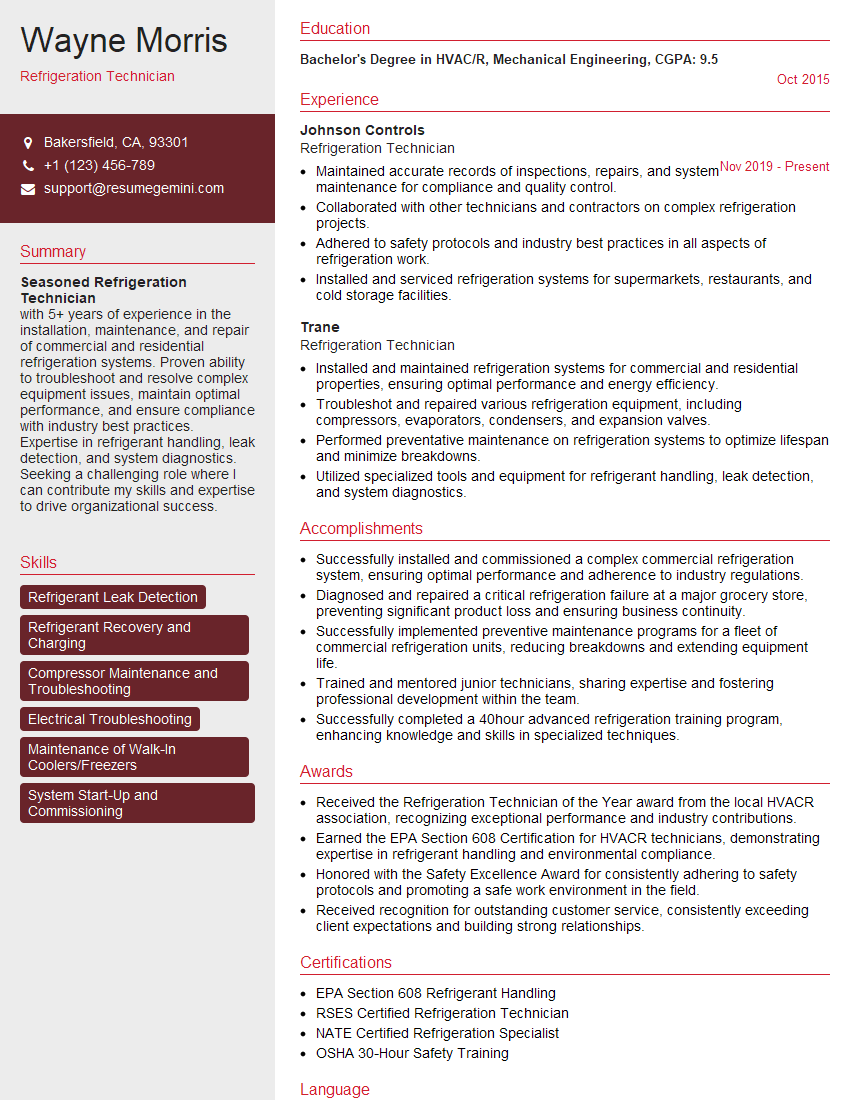
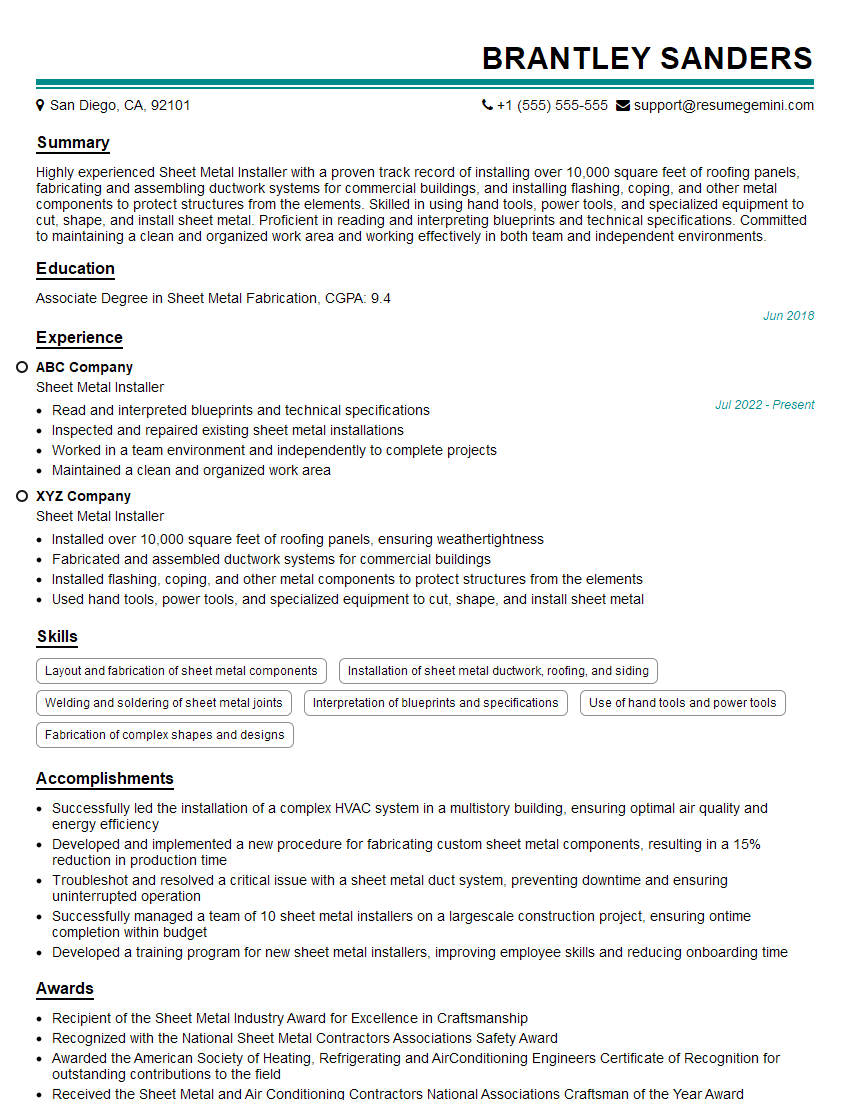
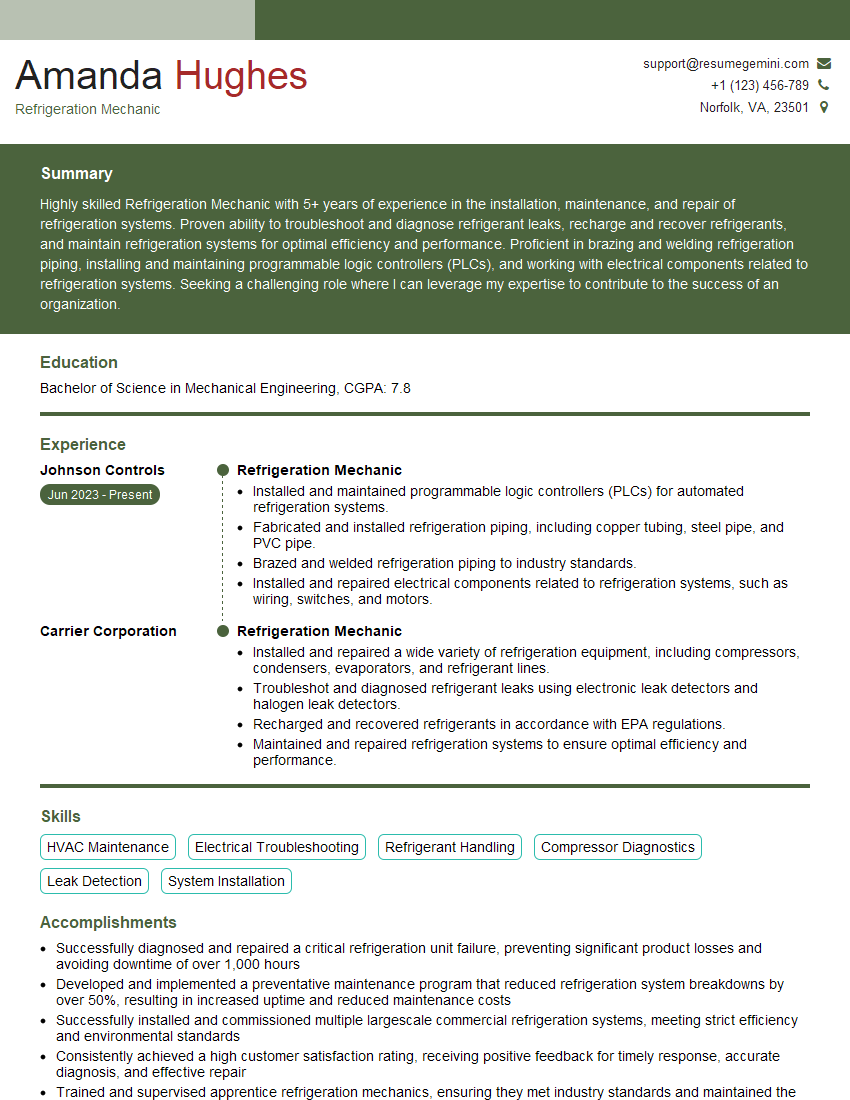
Mastering HVAC Mechanical Install opens doors to exciting career opportunities with excellent growth potential. A strong understanding of these core principles will significantly increase your chances of landing your dream job. To further enhance your prospects, focus on creating an ATS-friendly resume that showcases your skills and experience effectively. ResumeGemini is a trusted resource that can help you build a professional and impactful resume tailored to the HVAC industry. Examples of resumes tailored to HVAC Mechanical Install positions are available to help you get started.
Explore more articles
Users Rating of Our Blogs
Share Your Experience
We value your feedback! Please rate our content and share your thoughts (optional).
What Readers Say About Our Blog
To the interviewgemini.com Webmaster.
Very helpful and content specific questions to help prepare me for my interview!
Thank you
To the interviewgemini.com Webmaster.
This was kind of a unique content I found around the specialized skills. Very helpful questions and good detailed answers.
Very Helpful blog, thank you Interviewgemini team.