Feeling uncertain about what to expect in your upcoming interview? We’ve got you covered! This blog highlights the most important Hydrologic Monitoring interview questions and provides actionable advice to help you stand out as the ideal candidate. Let’s pave the way for your success.
Questions Asked in Hydrologic Monitoring Interview
Q 1. Explain the different types of hydrologic monitoring methods.
Hydrologic monitoring employs diverse methods to measure and track water’s movement and storage within the hydrological cycle. These methods can be broadly categorized based on the component of the cycle they target.
- Precipitation Monitoring: This involves measuring rainfall, snowfall, and other forms of atmospheric water input. Methods include rain gauges (standard and tipping bucket), snow depth measurements, weather radar, and satellite-based remote sensing. For example, a network of rain gauges across a watershed provides a spatially distributed picture of rainfall.
- Streamflow Monitoring: This focuses on measuring the volume of water flowing in rivers and streams. We use stream gauges, which are essentially sophisticated measuring devices that continuously record water level. This data, coupled with a rating curve (relating water level to discharge), gives us streamflow data. Acoustic Doppler current profilers (ADCPs) are also used for detailed velocity profiles, particularly in larger rivers.
- Groundwater Monitoring: This entails tracking the water levels and quality within aquifers. Methods include installing wells and monitoring water levels using pressure transducers, collecting water samples for chemical analysis, and using geophysical techniques like electrical resistivity tomography (ERT) to map subsurface water resources. For instance, monitoring wells can track groundwater drawdown due to pumping.
- Soil Moisture Monitoring: This involves determining the water content in the soil. Techniques include using soil moisture probes, time-domain reflectometry (TDR) sensors, and remote sensing methods. This is crucial for irrigation scheduling and drought monitoring.
- Evapotranspiration Monitoring: This measures the combined process of evaporation from the soil and transpiration from plants. Methods include lysimeters (physical measurement), eddy covariance systems (measuring energy fluxes), and remote sensing.
The selection of appropriate methods depends on factors such as the specific objectives of the monitoring program, the scale of the study area, and the available resources.
Q 2. Describe the process of designing a hydrologic monitoring network.
Designing a hydrologic monitoring network is a systematic process that requires careful planning and consideration of several factors. It’s akin to building a robust infrastructure to effectively capture the hydrologic story of a region.
- Define Objectives: Clearly articulate the goals of the monitoring program (e.g., flood forecasting, water resource management, environmental impact assessment). This step dictates the type of data needed and the spatial and temporal resolution required.
- Identify Key Hydrological Features: This includes rivers, streams, lakes, aquifers, and areas with significant precipitation or evapotranspiration. Understanding the dominant hydrological processes within the area is crucial.
- Select Monitoring Locations: Optimal placement maximizes data representativeness and minimizes redundancy. This often involves using GIS tools and considering factors like accessibility, land ownership, and potential impacts on the environment.
- Choose Appropriate Instrumentation: The choice of instruments depends on the parameters being monitored, the desired accuracy, and the budget. Each instrument needs careful calibration and regular maintenance.
- Develop a Data Management Plan: This includes procedures for data collection, storage, quality control, and analysis. The plan should ensure data integrity and accessibility.
- Conduct a Pilot Study: A pilot study helps test the effectiveness of the design and identify potential problems before full-scale implementation. This is particularly helpful in refining data collection procedures.
For example, in a flood-prone area, you might focus on placing stream gauges at key locations along the river channel to measure discharge, complemented by rain gauges to capture rainfall inputs.
Q 3. How do you ensure data quality in hydrologic monitoring?
Ensuring data quality is paramount in hydrologic monitoring. Poor data leads to unreliable conclusions and can have significant consequences for water resource management decisions. Maintaining high quality data involves a multi-faceted approach:
- Calibration and Validation: Regularly calibrate all instruments against known standards to ensure accuracy. Validation involves comparing measurements to independent data sources to assess the reliability of the measurements.
- Regular Maintenance: This includes cleaning, repairing, and replacing equipment as needed. Preventative maintenance is key to minimizing data loss and errors.
- Quality Control Checks: Implement procedures for detecting and correcting errors. This includes checking for outliers, examining data consistency, and employing plausibility checks. For example, a sudden large jump in river discharge could be due to an equipment malfunction and requires investigation.
- Data Documentation: Maintaining detailed records of all measurements, including metadata (see Question 5), provides context and enables tracing of potential sources of error.
- Data Archiving: Store data in a secure, accessible, and well-organized manner. Employ robust backup systems to prevent data loss.
- Standard Operating Procedures: Clearly define and follow standard operating procedures for all aspects of the monitoring process, from data acquisition to analysis. Consistency is crucial for achieving high data quality.
Think of it like a rigorous scientific experiment. Every step must be meticulously documented and checked to maintain the integrity of the results.
Q 4. What are the common sources of error in hydrologic data collection?
Hydrologic data collection is susceptible to various errors, which can be broadly categorized as:
- Instrumental Errors: These arise from malfunctioning or poorly calibrated instruments, such as a rain gauge that underestimates rainfall due to wind. Regular calibration and maintenance minimize these.
- Observation Errors: Human errors during data collection, such as incorrect reading of a water level or inaccurate recording of data, can significantly impact the data quality. Proper training of personnel and use of automated data logging systems reduce this.
- Sampling Errors: This refers to the fact that measurements are taken at specific points in space and time, and may not truly represent the entire area or period. A dense monitoring network helps mitigate this.
- Environmental Errors: Environmental factors, like wind affecting rain gauge readings or ice affecting stream flow measurements, can introduce bias. Appropriate instrument shielding and measurement techniques help reduce these.
- Data Processing Errors: Errors can be introduced during data processing, such as incorrect data entry, computation, or analysis. Careful quality control and use of validated software minimize these.
For instance, a single faulty sensor in a network can lead to flawed conclusions about the overall hydrologic behavior of a region. Therefore, redundancy and cross-checking are vital.
Q 5. Explain the importance of metadata in hydrologic data management.
Metadata is fundamental to hydrologic data management. It’s the descriptive information associated with the data, providing context and enabling others to understand, interpret, and use the data effectively. It’s the ‘story behind the data’.
Essential metadata elements include:
- Location Information: Coordinates of the monitoring site, description of the location.
- Sensor Information: Type of instrument, manufacturer, model, serial number, calibration details.
- Data Acquisition Details: Date and time of measurements, methods used, sampling frequency.
- Quality Control Information: Description of quality control procedures, detected errors, and corrections applied.
- Contact Information: Details of the personnel involved in data collection and management.
Without comprehensive metadata, it is nearly impossible for others (or even the original collector in the future) to interpret the data reliably. Think of it as the instruction manual for your dataset.
Q 6. How do you handle missing data in a hydrologic dataset?
Handling missing data is an unavoidable aspect of hydrologic monitoring. Various methods exist to address this, ranging from simple to sophisticated techniques.
- Deletion: If the amount of missing data is small and randomly distributed, you can consider removing the affected data points. However, this method can introduce bias and should only be used cautiously.
- Interpolation: This involves estimating missing values based on the surrounding data. Linear interpolation is a simple method, while more sophisticated methods like spline interpolation can better capture temporal trends.
- Mean/Median Imputation: Replacing missing values with the mean or median of the available data is a straightforward approach, but may not be ideal if there are significant temporal variations.
- Model-Based Imputation: Employing hydrological models to estimate missing data can yield superior results, particularly if the data are missing systematically (e.g., due to sensor failure). For example, a rainfall-runoff model could estimate missing streamflow data based on available rainfall data.
The best approach depends on the extent, pattern, and nature of the missing data, as well as the objectives of the analysis. Always document the method used to handle missing data.
Q 7. Describe different types of hydrological models and their applications.
Hydrological models are mathematical representations of hydrological processes. They are powerful tools for understanding, simulating, and predicting hydrological behavior. Several types exist, each with specific applications:
- Conceptual Models: These models simplify hydrological processes using conceptual representations of storages and flows. Examples include the Soil Conservation Service Curve Number (SCS-CN) model for estimating runoff and the Budyko framework for partitioning evapotranspiration. They are relatively simple to use but may not capture the detailed physical processes.
- Physically-Based Models: These models explicitly represent the physical laws governing hydrological processes, such as the Richards equation for unsaturated flow. Examples include the Hydrological Simulation Program-Fortran (HSPF) and the MIKE SHE models. They are more complex but can provide more realistic simulations.
- Empirical Models: These models are based on statistical relationships between observed data. Examples include regression models to predict streamflow based on rainfall. They are relatively easy to develop and apply but their applicability is often limited to similar conditions.
- Data-Driven Models: These models utilize machine learning techniques to learn patterns from data. Examples include artificial neural networks (ANNs) and support vector machines (SVMs). These models are data intensive and may not provide mechanistic understanding.
The choice of model depends on factors like the available data, the desired level of detail, the computational resources, and the specific application. For instance, a conceptual model might be sufficient for a preliminary assessment, while a physically-based model is needed for detailed simulations of water quality.
Q 8. Explain the concept of a watershed and its importance in hydrologic monitoring.
A watershed, also known as a drainage basin or catchment, is the area of land where all the water that falls on it drains off to a common outlet, such as a river, lake, or ocean. Think of it like a giant bathtub: all the rain that falls within the tub’s boundaries eventually flows out through the drain. Its importance in hydrologic monitoring is paramount because it provides a defined geographic unit for studying the entire hydrological cycle – precipitation, evapotranspiration, infiltration, runoff, and groundwater flow. By monitoring a watershed, we can understand the water balance within that specific area, assess the impact of land use changes, predict flood events, and manage water resources effectively. For example, monitoring a watershed encompassing an agricultural region can reveal the impact of irrigation practices on groundwater levels and streamflow.
Q 9. How do you analyze hydrographs and what information can you extract?
Hydrographs are graphical representations of streamflow discharge over time. Analyzing hydrographs involves identifying key features like the rising limb (representing the increase in discharge during a storm event), the peak flow (the highest discharge), the recession limb (the decrease in discharge after the peak), and the baseflow (the low flow during dry periods). From this, we can extract valuable information such as:
- Peak discharge: Crucial for flood frequency analysis and infrastructure design.
- Time to peak: Indicates the speed of runoff response, reflecting the watershed’s characteristics.
- Hydrograph volume: Represents the total runoff volume, which can be related to rainfall intensity and watershed characteristics.
- Baseflow separation: Helps differentiate between groundwater contributions and surface runoff.
For instance, comparing hydrographs from the same watershed before and after deforestation can highlight the impact of land cover changes on runoff patterns, leading to increased peak flows and faster response times.
Q 10. Describe different methods for estimating evapotranspiration.
Evapotranspiration (ET) is the combined process of evaporation from the soil surface and transpiration from plants. Estimating ET is crucial for water resource management. Several methods exist:
- Water balance method: This method uses the water budget equation (Precipitation – Runoff – ET = Change in Storage) to estimate ET. It requires accurate measurements of precipitation, runoff, and changes in soil moisture or groundwater storage. This is a simple method but prone to errors in measuring individual components.
- Lysimeter method: A lysimeter is a precisely weighed container of soil and vegetation used to directly measure ET. It’s accurate but expensive and limited in spatial extent.
- Penman-Monteith equation: This is a widely used energy balance method that estimates ET based on climate data such as temperature, humidity, solar radiation, and wind speed. It provides good estimates but requires detailed meteorological data. It offers a good balance between complexity and accuracy.
- Remote sensing: Satellite imagery and aerial photography can estimate ET over large areas by analyzing vegetation indices and surface temperature. This method is useful for large-scale studies but can be sensitive to atmospheric conditions and sensor limitations.
The choice of method depends on data availability, required accuracy, and the spatial scale of the study.
Q 11. Explain the concept of groundwater recharge and its measurement.
Groundwater recharge is the process by which water replenishes groundwater aquifers. It occurs when water infiltrates the soil surface and percolates down to the water table. Measuring groundwater recharge is challenging but crucial for sustainable water management. Methods include:
- Water balance method: Similar to its use in ET estimation, this assesses the difference between precipitation, evapotranspiration, runoff, and changes in soil moisture storage to determine recharge.
- Tracer techniques: Involves introducing environmental tracers (e.g., stable isotopes or artificial tracers) into the soil to track the movement of water and estimate recharge rates.
- Hydrogeological modeling: Computer models simulate groundwater flow and recharge using data on aquifer properties, precipitation, and other factors. This method often uses numerical techniques to solve complex equations governing water movement.
- Environmental isotope analysis: This uses naturally occurring isotopes in water (e.g., deuterium and oxygen-18) to determine the source and age of groundwater, which helps infer recharge rates.
Each method has its limitations, and a combination of approaches is often employed for a more comprehensive understanding of recharge.
Q 12. How do you calibrate and validate a hydrologic model?
Calibrating and validating a hydrologic model involves adjusting the model parameters to best reproduce observed data (calibration) and then assessing the model’s ability to predict future events (validation). Calibration typically involves optimizing model parameters using observed streamflow data by comparing model output to real-world observations. It may involve adjusting parameters that influence infiltration, evapotranspiration, or other processes. We use objective functions such as the Nash-Sutcliffe efficiency coefficient or the Root Mean Square Error to quantify the goodness of fit. Validation utilizes independent data sets not used during calibration to check the model’s predictive capability. A successful validation signifies that the calibrated model can accurately simulate hydrological processes under different conditions. A poorly validated model indicates deficiencies in model structure, input data, or parameterization that need to be addressed.
Q 13. What are the challenges associated with real-time hydrologic monitoring?
Real-time hydrologic monitoring presents numerous challenges:
- Data acquisition and transmission: Ensuring reliable data collection from remote locations and reliable data transmission can be difficult, especially in harsh environments. Sensor malfunctions, communication outages, and power failures can disrupt data flow.
- Data quality control: Real-time data often contain errors or inconsistencies that require automated and manual quality control procedures. Real-time data validation is crucial.
- Data processing and analysis: Processing large volumes of real-time data requires efficient algorithms and powerful computing resources.
- Sensor maintenance: Regular maintenance of sensors and equipment is critical to ensure data accuracy and system reliability. Access to remote sensors may be challenging.
- Extreme events: Extreme events, such as floods or droughts, can overwhelm monitoring systems and lead to data loss or sensor damage.
Overcoming these challenges requires robust infrastructure, advanced technologies, and skilled personnel dedicated to data management and system maintenance.
Q 14. Describe different types of streamflow gauges and their applications.
Streamflow gauges measure the discharge (volume of water flowing per unit time) of a stream or river. Different types include:
- Crest-stage gauges: Measure only the maximum water level during a flood event. Relatively simple and inexpensive, useful for flood forecasting.
- Rating curves: Relate water level to discharge. They require regular surveys to establish the relationship between stage and discharge. Widely used for continuous streamflow monitoring.
- Acoustic Doppler velocimeters (ADVs): Measure water velocity at various depths using acoustic signals. Used for detailed velocity profiles and discharge measurements in both natural and engineered channels. Provide more accurate and detailed discharge measurements.
- Weirs and flumes: Artificial structures that channel flow through a precisely shaped opening to facilitate discharge measurement through well-defined equations. Suitable for smaller streams and controlled settings.
The choice of gauge depends on the application, budget, and the characteristics of the stream being monitored. For example, crest-stage gauges are sufficient for flood warning systems, while ADVs provide more detailed data for water resource management.
Q 15. Explain the concept of hydrological connectivity and its implications.
Hydrological connectivity describes the degree to which different parts of a watershed are linked through the movement of water. Think of it like a network of pipes: rainfall falling on a hilltop is eventually connected to a river, lake, or groundwater system downstream. This connectivity influences how water, sediment, and nutrients move across the landscape.
Implications of hydrological connectivity are significant. For example, a highly connected system may experience rapid runoff and flooding after a storm, whereas a less connected system might show slower flows and greater infiltration. Understanding connectivity helps predict water quality changes (pollution transport), the impact of land management practices, and the overall health of the ecosystem. A disconnected system might lead to localized water stress even if the overall water resources are abundant.
Example: Deforestation in an upland area can increase hydrological connectivity, leading to increased runoff and erosion, negatively impacting downstream water quality and aquatic habitats. Conversely, reforestation efforts can decrease connectivity, resulting in more infiltration and less surface runoff.
Career Expert Tips:
- Ace those interviews! Prepare effectively by reviewing the Top 50 Most Common Interview Questions on ResumeGemini.
- Navigate your job search with confidence! Explore a wide range of Career Tips on ResumeGemini. Learn about common challenges and recommendations to overcome them.
- Craft the perfect resume! Master the Art of Resume Writing with ResumeGemini’s guide. Showcase your unique qualifications and achievements effectively.
- Don’t miss out on holiday savings! Build your dream resume with ResumeGemini’s ATS optimized templates.
Q 16. How do you assess the impact of land use change on hydrological processes?
Assessing the impact of land use change on hydrological processes requires a multi-faceted approach. We need to consider how changes like urbanization, deforestation, or agricultural intensification alter the watershed’s physical characteristics and its hydrological behavior. This usually involves a combination of techniques:
- Historical Data Analysis: Examining long-term records of streamflow, rainfall, and water quality to identify trends before and after land use changes.
- Hydrological Modeling: Using computer models (like SWAT or HEC-HMS) to simulate the hydrological responses to different land use scenarios. This allows ‘what-if’ scenarios to understand future impacts.
- Field Measurements: Conducting on-site measurements of soil moisture, infiltration rates, and streamflow to validate model outputs and gain a more granular understanding of local processes. This might involve installing rain gauges, stream gauges, and soil moisture sensors.
- Remote Sensing: Using satellite imagery and aerial photography to map land cover changes and monitor vegetation health. This helps to assess the extent and type of land use changes over time.
Example: Converting a forested area to agricultural land might lead to reduced evapotranspiration (water loss from plants), increased runoff, and higher sediment yield in the receiving stream. A model could quantify these changes, providing essential information for water resource management.
Q 17. Describe the role of remote sensing in hydrologic monitoring.
Remote sensing plays a vital role in hydrologic monitoring, offering a synoptic view of large areas that would be impossible to achieve through ground-based measurements alone. It’s particularly useful for:
- Mapping Land Cover: Identifying different land use types (forests, urban areas, agriculture) which greatly influences hydrological processes. Software like ArcGIS can be used to classify and analyze this data.
- Estimating Evapotranspiration: Using satellite data to estimate the amount of water transpired by plants and evaporated from the soil surface, which is crucial for water balance calculations.
- Monitoring Snow Cover and Glaciers: Tracking snow accumulation and melt rates, which are major components of water availability in many regions.
- Detecting Soil Moisture: Passive and active microwave sensors can provide estimates of soil moisture content at varying depths.
- Flood Monitoring: Satellite imagery can rapidly assess flood extent and severity, aiding in disaster response efforts.
Example: Landsat and MODIS satellites provide data regularly for vegetation indices (NDVI) which can give insight into vegetation health and evapotranspiration. This helps in understanding the impact of drought conditions on water resources.
Q 18. Explain the concept of water balance and its components.
The water balance is a fundamental concept in hydrology, stating that the total inflow of water into a system must equal the total outflow plus any change in storage. Imagine a bathtub: Water flowing in (inflow) equals water flowing out (outflow) plus the change in water level (storage).
Components:
- Precipitation (P): The amount of rainfall, snowfall, etc.
- Evapotranspiration (ET): The combined loss of water through evaporation from the soil and transpiration from plants.
- Surface Runoff (R): Water that flows over the land surface into streams and rivers.
- Infiltration (I): Water that seeps into the soil.
- Groundwater Recharge (G): Water that percolates down to replenish groundwater aquifers.
- Groundwater Discharge (Q): Water that flows from aquifers into surface water bodies.
- Storage Change (ΔS): The change in water stored in the soil, snowpack, groundwater, etc.
Equation: The basic water balance equation is expressed as: P = ET + R + I + G - Q + ΔS
Application: Water balance studies help us understand the hydrological processes in a watershed, predict future water availability, and manage water resources effectively.
Q 19. How do you use GIS in hydrologic data analysis and visualization?
GIS (Geographic Information System) is an invaluable tool for hydrologic data analysis and visualization. It integrates spatial data with hydrological information, allowing for powerful spatial analysis and mapping.
Applications:
- Data Integration: GIS can combine various hydrological data sets (e.g., rainfall, streamflow, soil type, elevation) into a single geographic framework.
- Spatial Analysis: Perform analyses like watershed delineation, hydrological modeling, and proximity analysis to identify areas vulnerable to flooding or drought.
- Visualization: Create maps, charts, and graphs to effectively communicate hydrological information to stakeholders. This could include creating thematic maps showing flood risk zones or animations illustrating the movement of water through a watershed.
- Model Integration: Integrate hydrological models with GIS to visualize model outputs, improving interpretation and decision-making.
Example: By overlaying rainfall data, soil type data, and a digital elevation model in GIS, you can predict areas at high risk of runoff and erosion. This could inform land management decisions to mitigate these risks.
Q 20. Describe different methods for estimating sediment yield.
Estimating sediment yield, the amount of sediment transported out of a watershed, is crucial for managing water resources and infrastructure. Several methods exist, each with its strengths and limitations:
- Empirical Equations: These equations relate sediment yield to factors like rainfall, topography, and land cover. They are simple to use but often lack accuracy in diverse hydrological conditions. For instance, the Universal Soil Loss Equation (USLE) is a widely used empirical method, but its accuracy depends on the quality of input data.
- Sediment Rating Curves: These curves relate sediment concentration in streams to streamflow. They require long-term monitoring of sediment and flow data, but once established, they can provide reliable estimates. This approach requires extensive data collection over time.
- Sediment Budgets: This approach involves quantifying the sediment input and output within a watershed. It is more complex but can provide more accurate and comprehensive estimates. Requires extensive field surveys and data analysis.
- Hydrological Models: Sophisticated models like SWAT or WEPP simulate sediment transport processes, accounting for factors like erosion, deposition, and channel morphology. They are powerful but computationally intensive and require detailed input data.
Choosing a Method: The best method depends on data availability, budget, and desired level of accuracy. For example, simple empirical equations are suitable for preliminary assessments or areas with limited data, while hydrological models are better suited for detailed studies in complex watersheds.
Q 21. Explain the concept of flood frequency analysis.
Flood frequency analysis is a statistical technique used to estimate the probability of floods of various magnitudes occurring in a given period. This is essential for designing flood control structures, managing flood risk, and informing land use planning.
The process typically involves:
- Data Collection: Gathering historical streamflow data (often annual maximum flow) for a long period (ideally 50 years or more).
- Frequency Analysis: Fitting a probability distribution (e.g., Log-Pearson Type III, Gumbel) to the historical data to estimate the probability of different flow levels.
- Return Period Calculation: Determining the return period (recurrence interval), which represents the average time interval between floods of a specific magnitude. For example, a 100-year flood has a 1% chance of occurring in any given year.
- Flood Magnitude Estimation: Using the fitted probability distribution to estimate the flood magnitude corresponding to various return periods.
Application: The results of a flood frequency analysis provide crucial information for designing dams, culverts, and other flood control measures. It helps in defining floodplains and informing land use regulations to mitigate flood risks.
Example: A 50-year flood may be used to define the regulatory floodplain, dictating permitted land uses. The 100-year flood may inform the location of critical infrastructure like hospitals or schools.
Q 22. How do you use statistical methods in hydrologic analysis?
Statistical methods are crucial for analyzing hydrological data, which is often noisy and incomplete. We use them to identify patterns, trends, and relationships within the data, allowing us to make informed predictions and decisions.
For instance, we might use:
- Descriptive statistics: Calculating mean, median, standard deviation, and other summary statistics to understand the central tendency and variability of rainfall, streamflow, or groundwater levels.
- Regression analysis: Modeling the relationship between different variables, such as rainfall and runoff, to predict future runoff based on rainfall forecasts. For example, a simple linear regression could model runoff (Q) as a function of rainfall (P):
Q = a + bP, where ‘a’ and ‘b’ are estimated coefficients. - Time series analysis: Analyzing hydrological data collected over time to identify trends, seasonality, and cyclical patterns. Techniques like ARIMA (Autoregressive Integrated Moving Average) models are frequently used to forecast future values.
- Frequency analysis: Determining the probability of extreme events, such as floods or droughts, using probability distributions like the Gumbel or Log-Pearson Type III distributions. This is crucial for infrastructure design and risk assessment.
- Hypothesis testing: Evaluating whether observed differences in hydrological data are statistically significant or due to random chance. For example, comparing streamflow before and after a dam construction project.
In essence, statistical methods transform raw hydrological data into meaningful information for water resource management and planning.
Q 23. Describe different approaches to water quality monitoring.
Water quality monitoring employs various approaches depending on the specific objectives and resources available. These approaches can be categorized into:
- In-situ monitoring: This involves deploying sensors directly in the water body to continuously or periodically measure parameters like temperature, pH, dissolved oxygen, turbidity, and specific conductivity. This provides real-time data and is useful for detecting rapid changes.
- Grab sampling: This involves collecting water samples at specific locations and times for laboratory analysis. This is suitable for analyzing a wider range of parameters, including nutrients, heavy metals, and pesticides, which require more sophisticated laboratory techniques. Careful sample handling and preservation are essential.
- Remote sensing: This uses satellite or aerial imagery to monitor water quality indicators such as chlorophyll concentration (an indicator of algal blooms) and turbidity over large areas. This approach is cost-effective for broad-scale assessments but often lacks the detailed information provided by in-situ or grab sampling.
- Biological monitoring: This involves assessing the health of the aquatic ecosystem through the analysis of biological communities like fish, macroinvertebrates, and algae. Changes in these communities can indicate water quality issues.
Often, a combination of these approaches is used to gain a comprehensive understanding of water quality. For example, a project might use in-situ sensors for continuous monitoring of key parameters, supplemented by periodic grab samples for detailed laboratory analysis and remote sensing for broader spatial coverage.
Q 24. Explain the importance of data interpretation in hydrologic monitoring.
Data interpretation is the linchpin of hydrologic monitoring. Raw data alone is meaningless; it’s the interpretation that provides actionable insights. Effective interpretation involves:
- Data quality control: Identifying and addressing errors or inconsistencies in the data, which could be due to instrument malfunction, human error, or data transmission issues.
- Data visualization: Creating graphs, charts, and maps to visually represent the data and highlight key trends and patterns. This helps to identify anomalies and relationships that might be missed in numerical data alone. For example, hydrographs visualizing streamflow over time or maps showing spatial variations in groundwater levels.
- Statistical analysis: Applying statistical methods (as discussed earlier) to extract meaningful information from the data, test hypotheses, and make predictions.
- Contextual understanding: Considering the geographical, hydrological, and climatic context of the data. For instance, understanding the influence of rainfall patterns or land-use changes on streamflow.
- Comparison with historical data: Evaluating current data in the context of historical trends and variability to determine whether observed changes are significant or within the natural range of variation.
Without accurate and insightful data interpretation, hydrologic monitoring efforts would yield little practical value.
Q 25. How do you communicate hydrologic information to non-technical audiences?
Communicating complex hydrological information to non-technical audiences requires a clear and engaging approach that avoids jargon and technical terms. I use several strategies:
- Visual aids: Using graphs, charts, maps, and images to illustrate key findings in a simple and understandable way. Avoid overwhelming the audience with too much data; focus on the most important messages.
- Analogies and metaphors: Explaining complex concepts using relatable analogies. For example, comparing groundwater flow to water flowing through a sponge.
- Storytelling: Presenting the information in a narrative format that engages the audience and makes the information more memorable. Focus on the impact of the hydrological issues on people’s lives and the environment.
- Simplified language: Using clear and concise language, avoiding technical jargon whenever possible. If technical terms are necessary, define them clearly.
- Interactive presentations: Using interactive tools, such as maps or simulations, to allow the audience to explore the data themselves and ask questions.
The key is to tailor the communication to the audience’s level of understanding and interests, ensuring they grasp the essential message and its implications.
Q 26. Describe your experience with specific hydrological software packages.
I have extensive experience with several hydrological software packages, including:
- HEC-HMS (Hydrologic Modeling System): A widely used software for simulating rainfall-runoff processes and flood forecasting. I’ve used it for watershed modeling, flood risk assessment, and reservoir operation studies.
- MODFLOW (Modular Groundwater Flow Model): A powerful groundwater modeling package that I’ve employed for analyzing groundwater flow patterns, assessing the impacts of groundwater pumping, and evaluating the feasibility of groundwater recharge projects.
- ArcGIS: A geographic information system (GIS) software that I use extensively for spatial data analysis, creating maps, and visualizing hydrological data. I use this to integrate hydrological data with geographical information for better understanding and communication.
- R: A statistical programming language with extensive libraries for hydrological data analysis, including time series analysis, statistical modeling, and data visualization. R provides flexibility and power for advanced statistical analysis.
My proficiency in these tools allows me to perform comprehensive hydrological analyses and develop robust models for various applications.
Q 27. What are the ethical considerations in hydrologic monitoring and data management?
Ethical considerations are paramount in hydrologic monitoring and data management. Key aspects include:
- Data integrity: Ensuring the accuracy, completeness, and reliability of data collected. This involves following standardized protocols, implementing quality control measures, and properly documenting all procedures.
- Data transparency and accessibility: Making data readily available to legitimate users while protecting sensitive information. This promotes open science and allows for independent verification of findings.
- Data ownership and intellectual property: Respecting the rights of data owners and acknowledging sources properly. This is crucial for maintaining trust and credibility.
- Conflict of interest: Avoiding situations where personal gain or bias could influence data collection, analysis, or reporting.
- Environmental stewardship: Ensuring that monitoring activities are conducted in a way that minimizes environmental impact and protects sensitive ecosystems. For instance, avoiding disturbances to habitats during data collection.
- Responsible use of resources: Using resources efficiently and responsibly, minimizing waste and pollution associated with data collection and analysis.
Adherence to ethical principles ensures the trustworthiness and integrity of hydrologic data, which underpins sound decision-making in water resource management.
Q 28. Describe a challenging hydrologic monitoring project and how you overcame the challenges.
One particularly challenging project involved monitoring groundwater levels in a karst aquifer system. Karst aquifers are characterized by complex underground drainage systems, making it difficult to obtain representative data. The challenges included:
- Highly variable aquifer conditions: The aquifer’s intricate network of conduits and fractures led to highly variable groundwater levels, both spatially and temporally.
- Limited access to monitoring points: The rugged terrain and lack of existing infrastructure made it challenging to install and maintain monitoring wells.
- Data scarcity: The absence of long-term historical data made it difficult to establish baseline conditions and understand natural variability.
To overcome these challenges, we implemented a multi-pronged approach:
- Strategic well placement: We used geophysical surveys (such as electrical resistivity tomography) to identify optimal locations for monitoring wells, considering the aquifer’s geological structure and flow patterns.
- Use of multiple monitoring techniques: We combined traditional well monitoring with surface geophysical methods (e.g., time-domain reflectometry) to obtain a more comprehensive picture of the aquifer’s behavior.
- Development of a sophisticated hydrological model: We built a three-dimensional groundwater flow model calibrated with the limited available data, allowing us to simulate groundwater flow and predict future conditions under different scenarios. This allowed extrapolation and inference beyond the limited monitoring network.
- Collaboration and data sharing: We collaborated with local stakeholders and researchers to access any additional existing data and incorporate their knowledge of the local hydrology.
Through this integrated approach, we were able to obtain a more complete understanding of the karst aquifer system and provide valuable insights for groundwater management.
Key Topics to Learn for Hydrologic Monitoring Interview
- Hydrological Cycle Understanding: Deepen your knowledge of the processes involved in the water cycle, including precipitation, evaporation, infiltration, and runoff. Be prepared to discuss the interconnections between these processes and their influence on water availability.
- Data Acquisition and Instrumentation: Familiarize yourself with various methods for collecting hydrological data, such as rain gauges, stream gauges, groundwater wells, and remote sensing techniques. Understand the principles behind these instruments and their limitations.
- Hydrological Modeling: Gain a working knowledge of different hydrological models, their applications, and their strengths and weaknesses. Be able to discuss model calibration and validation techniques.
- Water Quality Monitoring: Understand the parameters used to assess water quality, the methods for measuring these parameters, and the implications of water quality variations for human and ecological systems.
- Data Analysis and Interpretation: Develop strong analytical skills to interpret hydrological data, identify trends and patterns, and draw meaningful conclusions. Practice visualizing data effectively using graphs and charts.
- Groundwater Hydrology: Understand the principles of groundwater flow, aquifer characteristics, and the impact of groundwater extraction on water resources. Be familiar with methods for monitoring groundwater levels and quality.
- Flood Forecasting and Management: Understand the principles of flood forecasting, the methods used to predict flood events, and strategies for flood risk management.
- Drought Monitoring and Management: Understand drought indices, drought monitoring techniques, and strategies for drought mitigation and management.
- Problem-Solving and Case Studies: Practice applying your knowledge to real-world scenarios. Research case studies of hydrological monitoring projects and analyze the challenges and solutions involved.
Next Steps
Mastering Hydrologic Monitoring opens doors to a rewarding career with significant impact on water resource management and environmental protection. To maximize your job prospects, crafting a strong, ATS-friendly resume is crucial. ResumeGemini can help you build a professional and effective resume that highlights your skills and experience in this field. ResumeGemini provides examples of resumes tailored to Hydrologic Monitoring to help you create a compelling application that stands out. Take the next step towards your dream career – build your resume with ResumeGemini today!
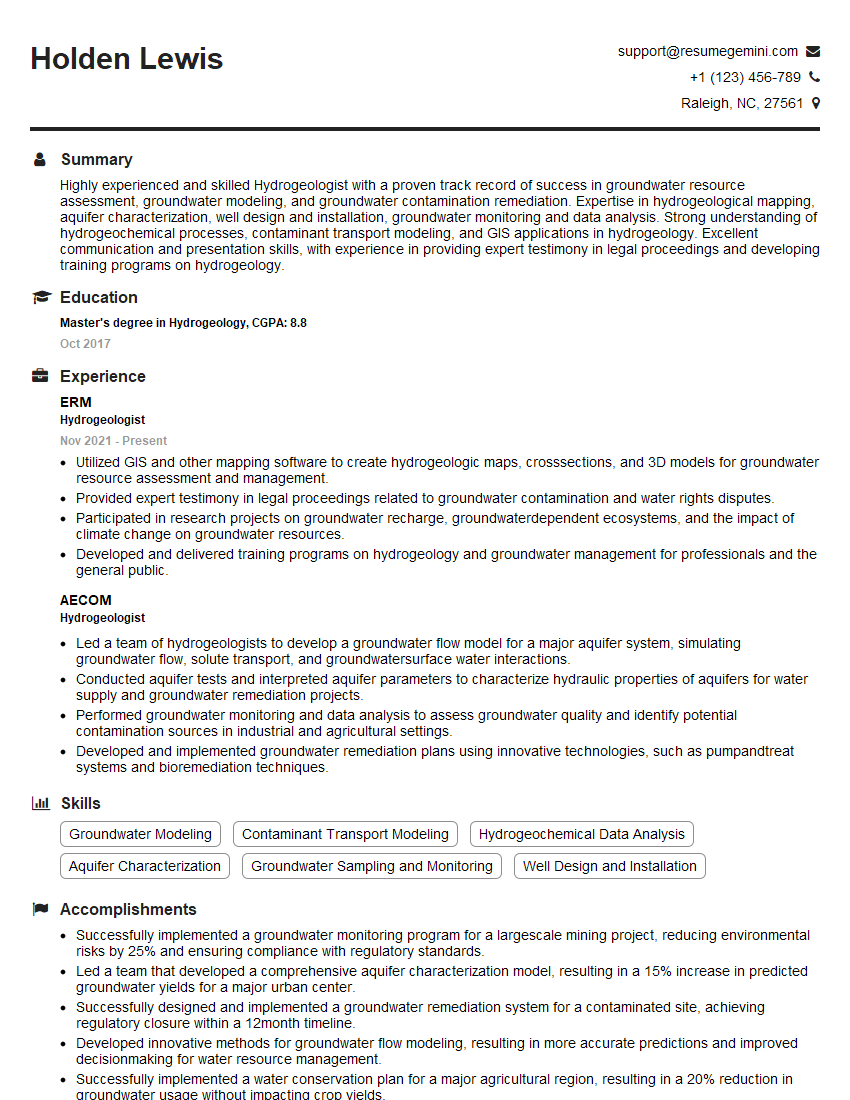
Hydrogeologist Resume Sample
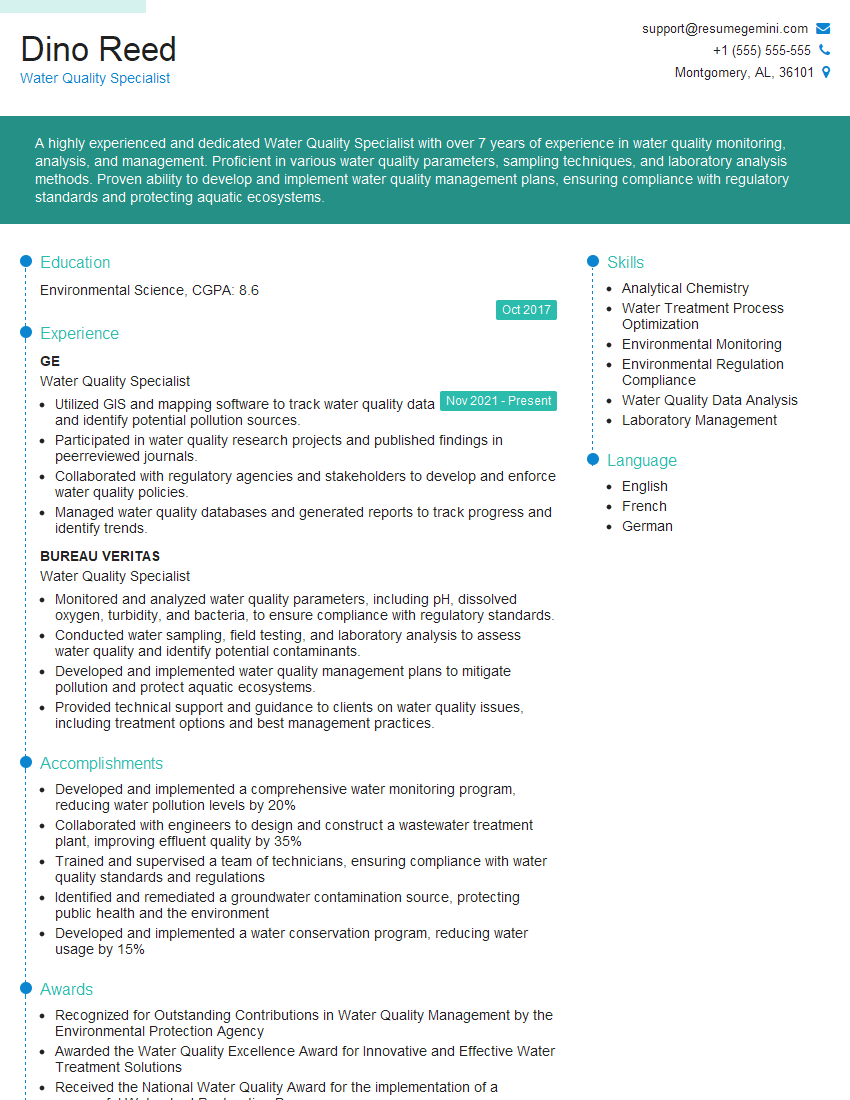
Water Quality Specialist Resume Sample
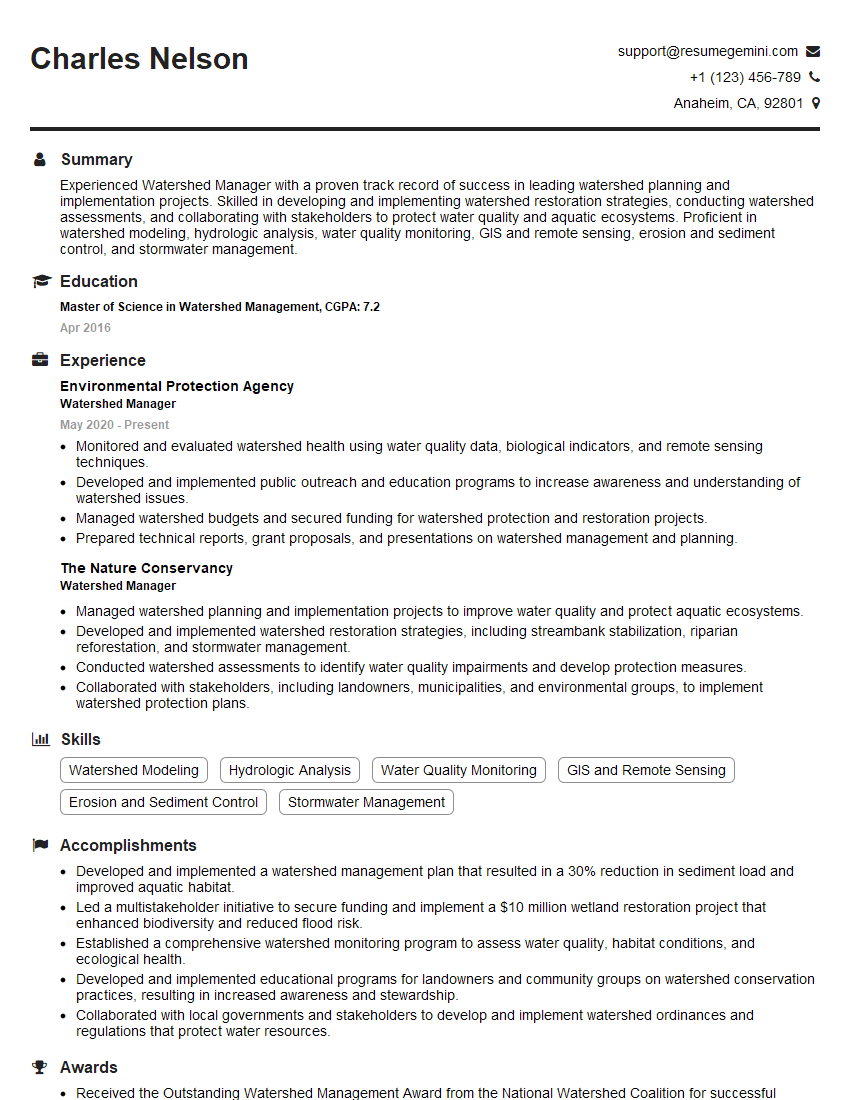
Watershed Manager Resume Sample
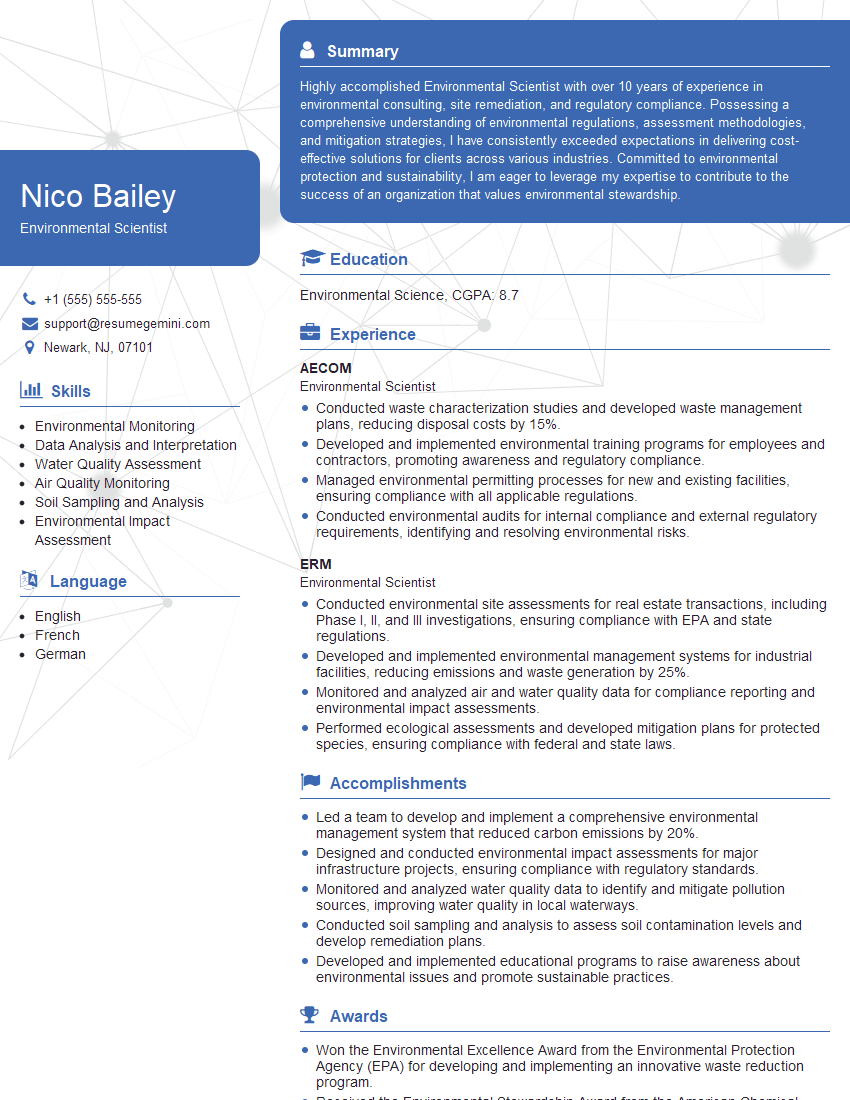
Environmental Scientist Resume Sample

Drainage Engineer Resume Sample
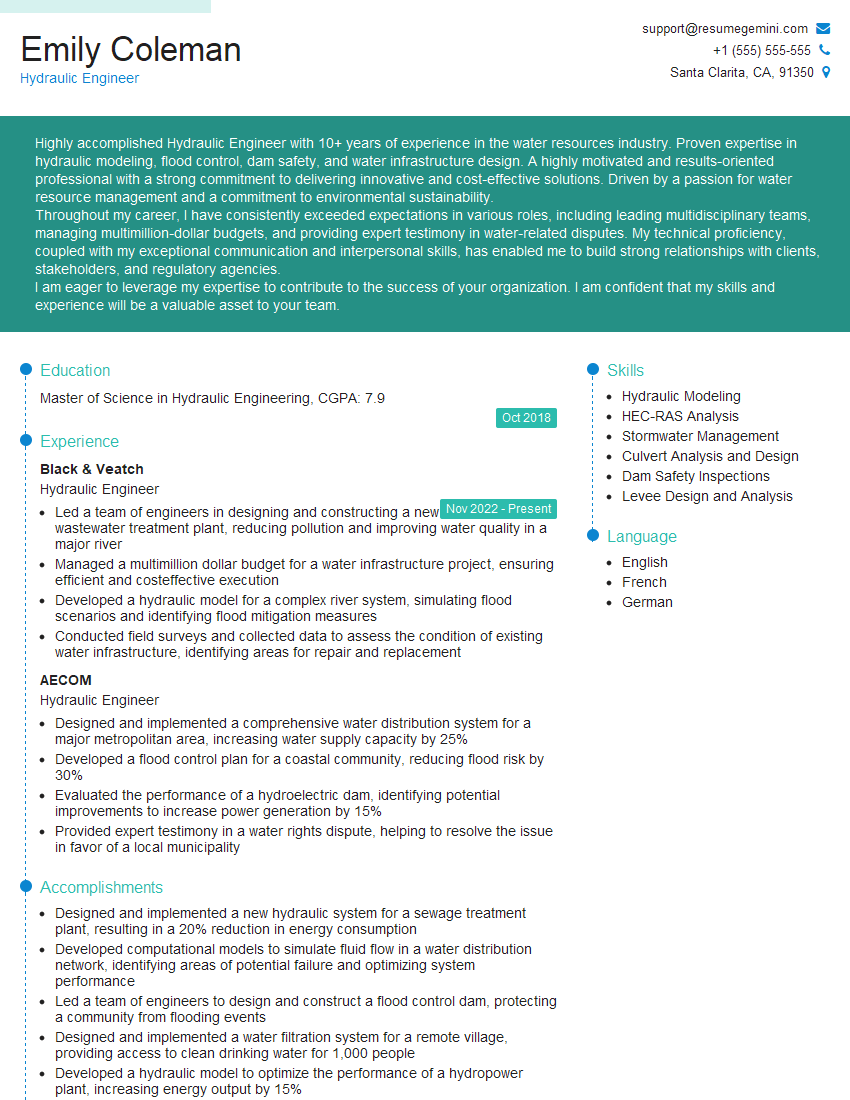
Hydraulic Engineer Resume Sample
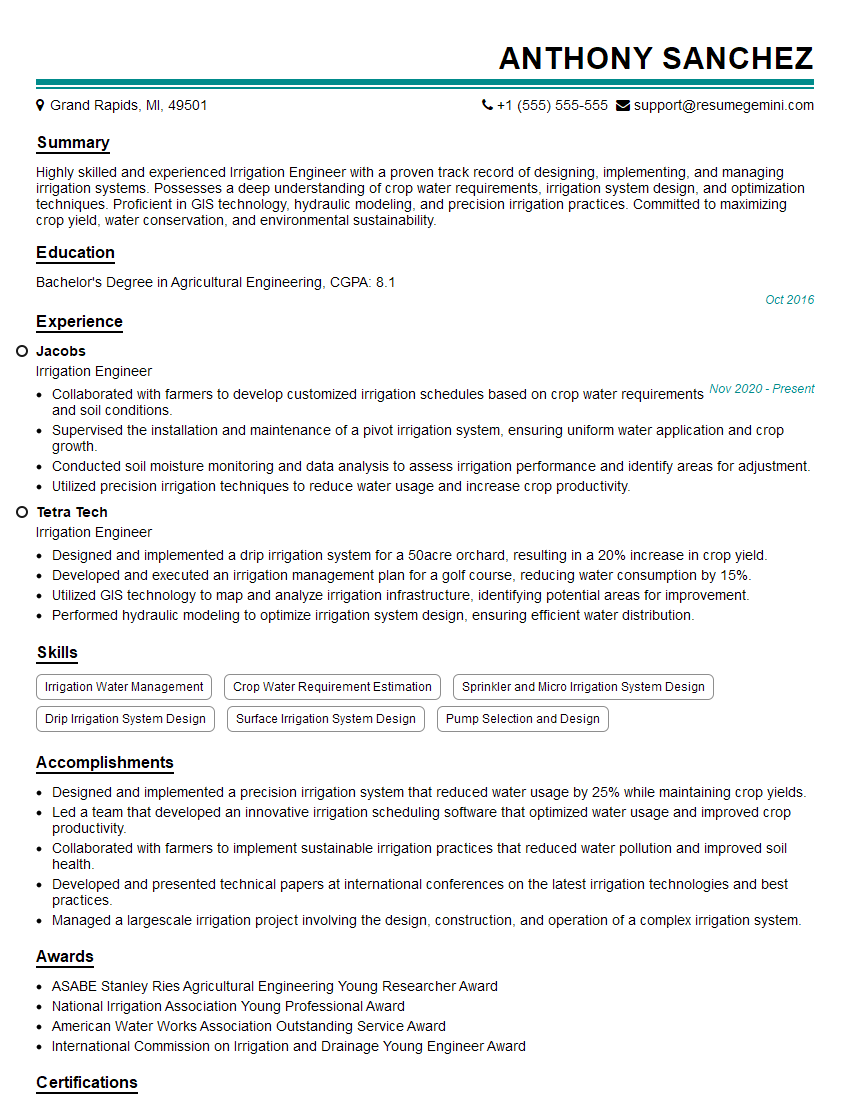
Irrigation Engineer Resume Sample
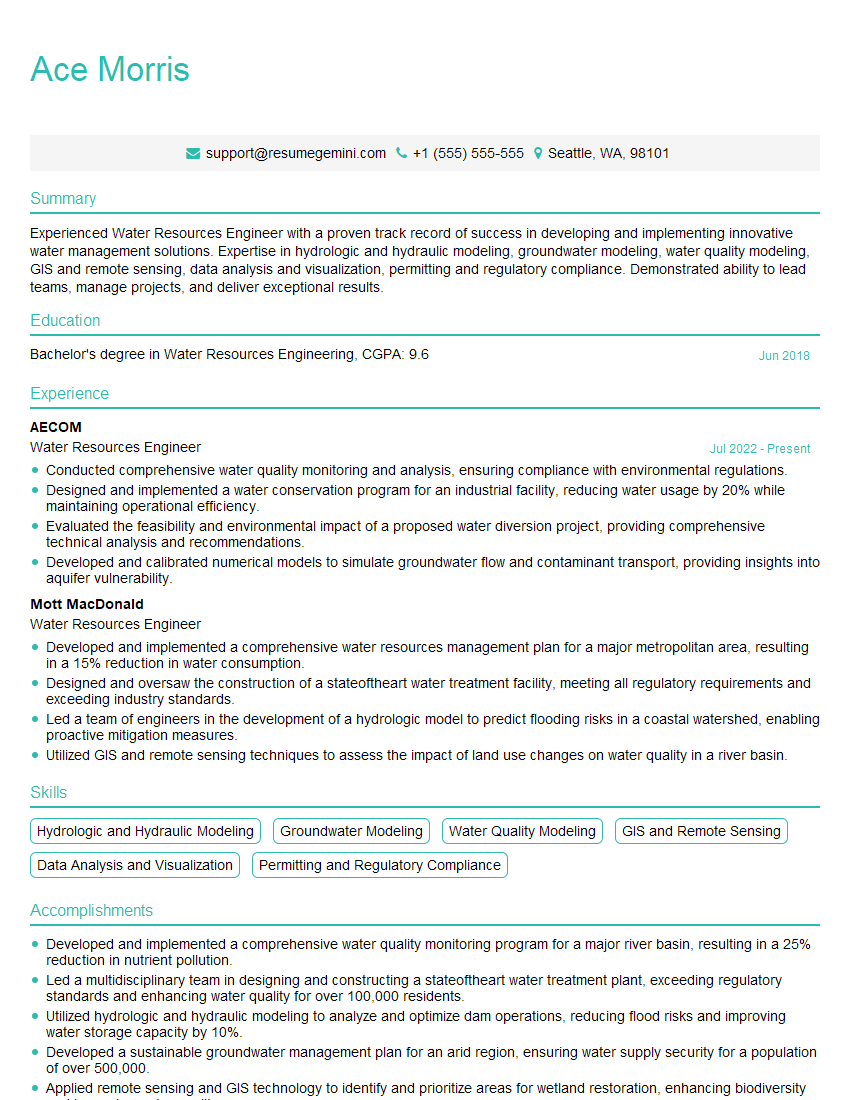
Water Resources Engineer Resume Sample

Floodplain Manager Resume Sample
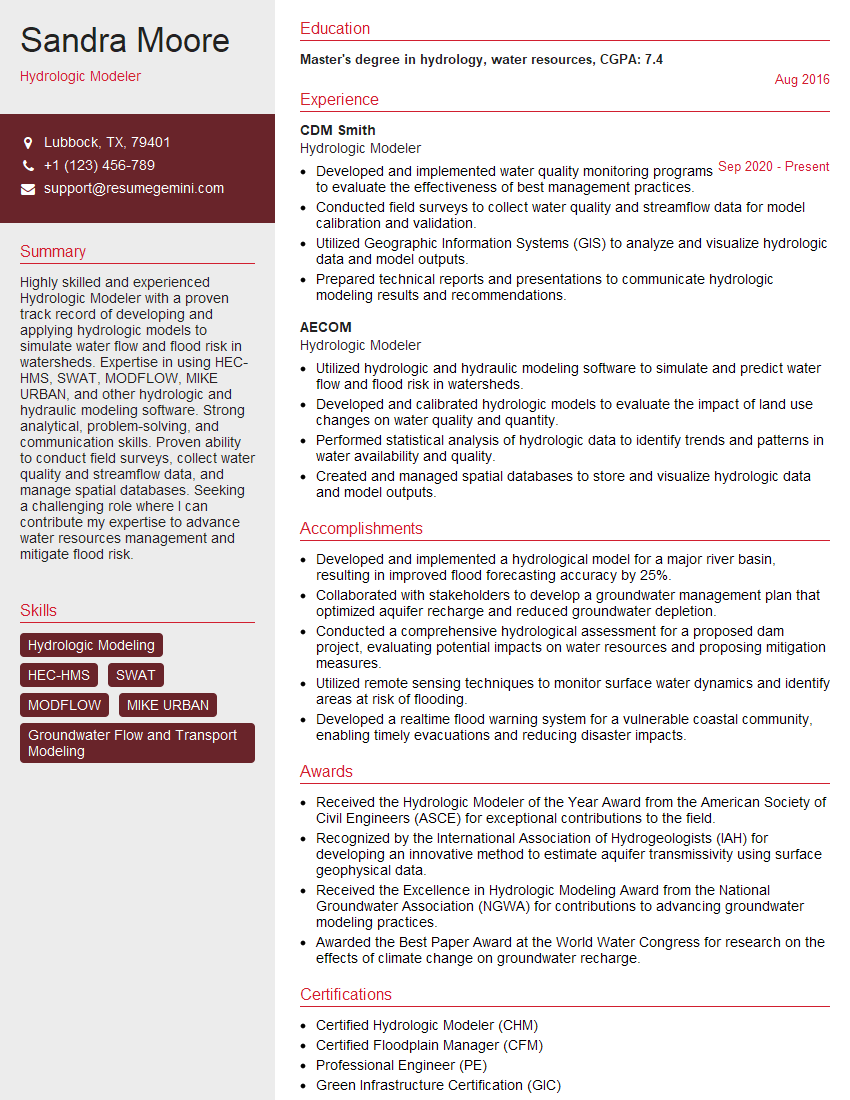
Hydrologic Modeler Resume Sample
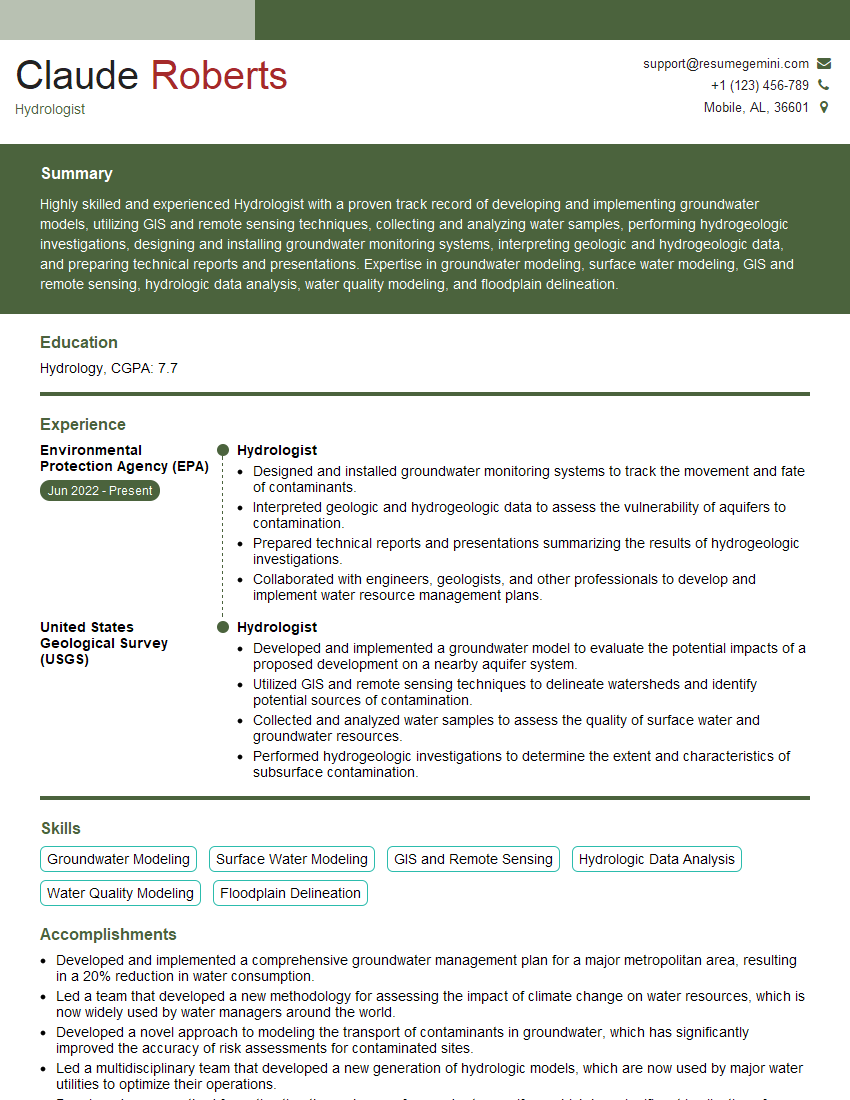
Hydrologist Resume Sample
Explore more articles
Users Rating of Our Blogs
Share Your Experience
We value your feedback! Please rate our content and share your thoughts (optional).
What Readers Say About Our Blog
To the interviewgemini.com Webmaster.
Very helpful and content specific questions to help prepare me for my interview!
Thank you
To the interviewgemini.com Webmaster.
This was kind of a unique content I found around the specialized skills. Very helpful questions and good detailed answers.
Very Helpful blog, thank you Interviewgemini team.