The thought of an interview can be nerve-wracking, but the right preparation can make all the difference. Explore this comprehensive guide to Imaging and diagnostic interpretation interview questions and gain the confidence you need to showcase your abilities and secure the role.
Questions Asked in Imaging and diagnostic interpretation Interview
Q 1. Describe the differences between CT and MRI imaging.
CT (Computed Tomography) and MRI (Magnetic Resonance Imaging) are both powerful medical imaging techniques, but they utilize fundamentally different principles to generate images. CT uses X-rays to create cross-sectional images of the body, while MRI uses a strong magnetic field and radio waves to produce detailed images of organs and tissues.
- CT: Faster scan times, better for visualizing bone and acute injuries. It uses ionizing radiation, which carries a small risk. Think of it like taking many X-ray slices to build a 3D model.
- MRI: Superior soft tissue contrast, excellent for visualizing the brain, spinal cord, and internal organs. It doesn’t use ionizing radiation, making it safer in terms of radiation exposure. However, it’s slower and more susceptible to motion artifacts (blurring from patient movement).
For example, a CT scan would be preferred for evaluating a suspected fracture, while an MRI would be better for assessing a ligament tear in the knee. The choice depends on the specific clinical question and the characteristics of the tissues being examined.
Q 2. Explain the principles of ultrasound imaging.
Ultrasound imaging, also known as sonography, relies on high-frequency sound waves (ultrasound) to create images of internal structures. A transducer sends out sound waves, and these waves bounce back (echo) from different tissues, depending on their density and acoustic properties. The reflected echoes are then processed by a computer to generate a real-time image.
Imagine throwing a pebble into a pond – the ripples that spread out and reflect off objects are analogous to the sound waves in ultrasound. Denser tissues, like bone, reflect more sound waves, appearing brighter (hyperechoic) on the image, while less dense tissues, like fluid, reflect fewer waves, appearing darker (hypoechoic).
Ultrasound is widely used in various applications, including obstetrics (monitoring fetal development), cardiology (assessing heart function), and abdominal imaging (evaluating organs like the liver and kidneys). Its portability, lack of ionizing radiation, and real-time imaging capabilities make it a valuable diagnostic tool.
Q 3. What are the limitations of X-ray imaging?
X-ray imaging, while a fundamental and widely accessible technique, has several limitations:
- Limited soft tissue contrast: X-rays primarily show differences in tissue density. Soft tissues like muscles, fat, and organs often have similar densities, resulting in poor visualization.
- Ionizing radiation: X-rays are ionizing radiation, meaning they can damage DNA. While the dose in a single X-ray is typically low, repeated exposure increases the risk of long-term health problems.
- Overlapping structures: Superimposed structures can obscure the view of underlying tissues. For example, it can be challenging to visualize a small lung lesion behind a rib.
- 2D representation of a 3D structure: X-rays produce a two-dimensional image of a three-dimensional object, which can lead to misinterpretations.
For instance, subtle changes in soft tissue like early-stage lung cancer might be missed on a chest X-ray, requiring further investigation with CT or MRI.
Q 4. How do you interpret a chest X-ray for pneumothorax?
Interpreting a chest X-ray for pneumothorax (collapsed lung) involves looking for specific signs. A pneumothorax results in the presence of air in the pleural space (the space between the lung and chest wall).
- Visceral pleural line: The key finding is the visualization of a visceral pleural line, which is a thin, sharply defined line representing the edge of the collapsed lung. It appears as a lucent (dark) line separating the lung parenchyma from the air in the pleural space.
- Absence of lung markings: The area of the pneumothorax will lack lung markings (normal lung tissue pattern), appearing hyperlucent (very dark).
- Mediastinal shift (sometimes): In a large tension pneumothorax, the mediastinum (the structures in the middle of the chest) can shift away from the affected side due to increased pressure.
It is crucial to correlate the radiological findings with the patient’s clinical presentation (e.g., shortness of breath, chest pain) for accurate diagnosis.
Q 5. Describe the appearance of a bone fracture on an X-ray.
The appearance of a bone fracture on an X-ray depends on the type and severity of the fracture. However, some common features include:
- Discontinuity of the cortical bone: The most obvious sign is a break or interruption in the smooth outline of the bone cortex (the outer, hard layer of bone).
- Fragmentation: The bone may be fragmented into multiple pieces.
- Displacement: The fractured bone fragments may be displaced (moved out of their normal alignment).
- Overriding: The ends of the fracture may overlap.
- Callus formation (in healing fractures): Over time, callus formation (new bone growth) will be visible around the fracture site.
For example, a simple, undisplaced fracture will show a thin line of discontinuity, while a comminuted fracture (bone broken into many pieces) will exhibit significant fragmentation and displacement.
Q 6. What are the key features of a myocardial infarction on an ECG?
The ECG (Electrocardiogram) provides a graphical representation of the electrical activity of the heart. A myocardial infarction (heart attack) causes characteristic changes on the ECG, although these changes may not always be present immediately.
- ST-segment elevation: This is a classic sign of a STEMI (ST-elevation myocardial infarction). It indicates that the heart muscle is severely injured due to a complete blockage of a coronary artery.
- ST-segment depression: This is a sign of a NSTEMI (non-ST-elevation myocardial infarction) or ischemia (reduced blood flow to the heart). It may represent a partial blockage or a less severe injury.
- T-wave inversion: Inverted T-waves can be seen in acute myocardial infarction or ischemia, indicating myocardial injury.
- Q waves: The presence of significant Q waves (negative deflections at the beginning of the QRS complex) may indicate previous myocardial infarction (scarring).
The specific ECG changes depend on the location and extent of the infarction. Correlation with the patient’s symptoms and other clinical data is crucial for accurate diagnosis.
Q 7. Explain the role of contrast media in imaging procedures.
Contrast media are substances used in imaging procedures to enhance the visualization of specific anatomical structures or physiological processes. They work by altering the signal intensity of tissues on imaging modalities such as CT, MRI, and fluoroscopy. This improved contrast allows for better differentiation between structures and improves diagnostic accuracy.
Different types of contrast media are used depending on the imaging modality:
- Iodinated contrast agents: Used in CT and fluoroscopy, these agents contain iodine, which strongly attenuates X-rays, making blood vessels and organs more visible.
- Gadolinium-based contrast agents: Used in MRI, these agents enhance the contrast of soft tissues and improve the visualization of lesions and blood flow.
Contrast media play a crucial role in various diagnostic procedures, for example, highlighting blood vessels during angiography, visualizing tumors, evaluating gastrointestinal structures, and assessing kidney function. However, it’s important to note that contrast media can have side effects, some potentially serious (e.g., allergic reactions), so a proper history needs to be taken and appropriate precautions followed.
Q 8. Describe the different types of contrast media and their uses.
Contrast media are substances used in medical imaging to enhance the visibility of internal structures. They work by altering the way tissues absorb X-rays or other imaging modalities. There are two main types: iodinated contrast and gadolinium-based contrast.
- Iodinated Contrast Media: These are commonly used in X-ray, CT, and angiography. They contain iodine, an element that absorbs X-rays well, making blood vessels and organs appear brighter in the image. They come in ionic and non-ionic forms, with non-ionic agents generally being preferred due to a lower risk of adverse reactions. For example, in a CT scan of the abdomen, iodinated contrast helps visualize the bowel and blood vessels clearly, allowing for the detection of tumors or obstructions.
- Gadolinium-based Contrast Media (GBCA): These are used primarily in MRI. Gadolinium is a paramagnetic element that alters the magnetic properties of tissues, increasing their signal intensity on MRI images. This allows for better visualization of organs, tumors, and inflammation. For instance, GBCA is crucial in brain MRI to highlight areas of stroke or multiple sclerosis.
The choice of contrast agent depends heavily on the imaging modality and the clinical question. The patient’s medical history, including allergies and kidney function, also plays a crucial role in this decision-making process.
Q 9. What are the potential risks associated with contrast media?
Contrast media, while essential for many diagnostic procedures, carry potential risks. These risks can range from mild to severe, and vary depending on the type of contrast agent and the patient’s health status.
- Allergic Reactions: Iodinated contrast can cause allergic reactions ranging from mild hives to severe anaphylaxis (a life-threatening condition). Pre-medication is often given to patients at risk. GBCA reactions are generally milder but can still occur.
- Nephrotoxicity: Iodinated contrast can impair kidney function, particularly in patients with pre-existing kidney disease. This risk is carefully assessed before contrast administration, and appropriate precautions are taken.
- Other side effects: Both types of contrast can cause nausea, vomiting, headache, and feelings of warmth or flushing. These are usually mild and transient.
It’s critical to obtain a thorough patient history before administering any contrast agent. This includes assessing for allergies, kidney function, and other relevant medical conditions. Patients need to be carefully monitored for any adverse reactions during and after the procedure.
Q 10. How do you assess image quality in diagnostic imaging?
Assessing image quality is crucial for accurate diagnosis. It involves evaluating several aspects, ensuring the images are suitable for interpretation.
- Spatial Resolution: This refers to the sharpness and detail of the image. High spatial resolution allows for the clear visualization of small structures. Factors affecting it include the imaging modality, the equipment’s technical specifications, and the patient’s positioning.
- Contrast Resolution: This is the ability to differentiate between tissues with similar densities. Good contrast resolution allows for better identification of subtle differences. This is affected by the contrast agent used and the technique parameters employed.
- Noise: Image noise refers to random variations in pixel intensity that reduce image clarity. High noise levels can obscure subtle findings. Noise reduction techniques are employed to minimize this.
- Artifacts: These are distortions or irregularities in the image that can affect interpretation. They can arise from various sources, including patient motion, equipment malfunction, or metal implants.
A systematic approach to image assessment, combined with a thorough understanding of the imaging technique, ensures accurate diagnosis and confident interpretation.
Q 11. Explain the concept of radiation dose in diagnostic imaging.
Radiation dose in diagnostic imaging refers to the amount of ionizing radiation absorbed by the patient’s tissues during a procedure. It’s measured in millisieverts (mSv). The dose varies depending on the imaging modality, the area being scanned, and the technique parameters.
For example, a chest X-ray delivers a relatively low dose, while a CT scan of the abdomen carries a significantly higher dose. This is because CT scans use a much higher intensity of X-rays and acquire images from multiple angles. The principle of ALARA (As Low As Reasonably Achievable) guides the optimization of radiation dose, balancing the diagnostic benefit with the need to minimize radiation exposure.
Q 12. How do you minimize radiation exposure to patients?
Minimizing radiation exposure to patients is a top priority. Several strategies are employed to achieve this while ensuring diagnostic quality:
- ALARA Principle: This principle guides the use of the lowest radiation dose necessary to obtain diagnostic quality images. This is achieved through careful optimization of imaging parameters.
- Collimation: Restricting the X-ray beam to the area of interest minimizes the radiation dose to surrounding tissues. This is like focusing a spotlight rather than using a floodlight.
- Shielding: Lead aprons and shields are used to protect sensitive organs from radiation exposure, particularly during fluoroscopy (real-time X-ray imaging).
- Image Optimization Techniques: Techniques like iterative reconstruction in CT can reduce noise and thus reduce the dose needed for diagnostic quality images.
- Modern Equipment: Newer imaging equipment is often designed with improved radiation efficiency, delivering high-quality images with reduced radiation exposure.
Regular quality control of equipment and ongoing training for imaging professionals further help in minimizing patient radiation dose.
Q 13. What is PACS and how does it improve workflow?
PACS stands for Picture Archiving and Communication System. It’s a computer system that stores, retrieves, displays, and distributes medical images and related information. Think of it as a digital library for medical images.
PACS significantly improves workflow by centralizing image storage and access. Radiologists can view images from any workstation within the network, eliminating the need for physical film. This improves efficiency, reduces turnaround time for reports, and facilitates collaboration among healthcare professionals. Integration with other systems like the hospital information system (HIS) further streamlines patient care.
Q 14. Describe the role of DICOM in medical imaging.
DICOM, or Digital Imaging and Communications in Medicine, is a standard for handling, storing, printing, and transmitting medical images and related data. It’s the universal language for medical imaging.
DICOM ensures interoperability between different imaging devices and software systems. This means that images acquired on one machine can be viewed and interpreted on any other DICOM-compatible system, regardless of the manufacturer. This seamless exchange of information is critical for efficient workflow, accurate diagnosis, and effective communication amongst healthcare professionals. Imagine trying to share medical images without a standard—a logistical nightmare! DICOM solves this problem.
Q 15. Explain your experience with different imaging modalities.
My experience encompasses a wide range of imaging modalities, including conventional radiography (X-ray), computed tomography (CT), magnetic resonance imaging (MRI), ultrasound, and fluoroscopy. I’m proficient in interpreting images from each modality, understanding their strengths and limitations in various clinical contexts. For instance, while X-rays are excellent for detecting fractures, CT scans provide superior visualization of bony details and internal organ structures. MRI excels in soft tissue imaging, crucial for assessing conditions like ligament tears or brain tumors, while ultrasound is invaluable for real-time visualization during procedures like biopsies. Fluoroscopy, with its dynamic imaging capability, is vital for guiding interventional procedures. My experience also includes working with advanced imaging techniques such as PET/CT and diffusion-weighted MRI.
- Radiography: Extensive experience in interpreting chest X-rays, abdominal X-rays, and extremity radiographs to diagnose fractures, pneumonia, and other conditions.
- CT: Proficient in analyzing CT scans of the head, neck, chest, abdomen, and pelvis to detect tumors, hemorrhages, and other abnormalities.
- MRI: Skilled in interpreting MRI scans of various body parts, including brain, spine, joints, and abdomen, to assess soft tissue pathology.
- Ultrasound: Experienced in performing and interpreting ultrasound examinations, including abdominal, obstetrical, and vascular studies.
- Fluoroscopy: Familiar with fluoroscopic guidance for various procedures, including biopsies and injections.
Career Expert Tips:
- Ace those interviews! Prepare effectively by reviewing the Top 50 Most Common Interview Questions on ResumeGemini.
- Navigate your job search with confidence! Explore a wide range of Career Tips on ResumeGemini. Learn about common challenges and recommendations to overcome them.
- Craft the perfect resume! Master the Art of Resume Writing with ResumeGemini’s guide. Showcase your unique qualifications and achievements effectively.
- Don’t miss out on holiday savings! Build your dream resume with ResumeGemini’s ATS optimized templates.
Q 16. How do you handle a challenging or unclear image?
Encountering unclear or challenging images is a routine part of radiology. My approach involves a systematic process: First, I meticulously review the clinical history provided by the referring physician. This context is crucial; knowing the patient’s symptoms and prior medical history often helps clarify ambiguous findings. Next, I carefully examine the image itself, adjusting windowing and levels to optimize visualization of different tissue densities. I then look for subtle clues: Is there an unusual density? An unexpected asymmetry? I may utilize post-processing techniques available in my image analysis software (more on that later) to enhance certain features. If the image remains ambiguous after this, I may consult with a senior radiologist or seek additional imaging studies, such as a different modality or a higher-resolution scan. For example, if a chest X-ray is inconclusive for a suspected pneumonia, I might suggest a CT scan for better visualization of the lung parenchyma.
Think of it like detective work – you need to gather all the clues, analyze them carefully, and sometimes ask for more information before arriving at a conclusion.
Q 17. Describe your approach to prioritizing cases in a busy radiology department.
Prioritization in a busy radiology department is critical. My approach is based on a combination of factors: First, I prioritize cases based on urgency. Stat or emergent cases, such as trauma patients or those with acute symptoms requiring immediate medical intervention, always take precedence. Next, I consider the clinical context. Patients with potentially life-threatening conditions or those requiring urgent treatment will be prioritized over less urgent cases. Finally, I consider the workload and staffing levels. I work efficiently and delegate tasks appropriately within my team to ensure timely reporting. We often use a system that flags urgent cases and allows for efficient workflow management.
It’s a balancing act of urgency, clinical significance, and workflow management. Think of it like a triage system in an emergency room – the most critical cases are attended to first.
Q 18. How do you communicate findings to referring physicians?
Clear and concise communication with referring physicians is paramount. My reports are structured to provide a comprehensive summary of the findings, including the most important observations, relevant measurements, and a clear differential diagnosis. I avoid technical jargon whenever possible and use plain language that is easily understandable by clinicians from other specialties. I make sure to highlight any critical findings that require immediate attention. If necessary, I verbally communicate critical findings directly to the referring physician. We also utilize a robust reporting system that allows for efficient communication and easy access to reports by referring physicians.
My goal is to ensure the referring physician has all the information they need to make informed clinical decisions.
Q 19. How do you stay current with advances in medical imaging technology?
Staying current with advances in medical imaging is an ongoing process. I actively participate in continuing medical education (CME) courses and workshops to learn about new techniques and technologies. I regularly read peer-reviewed journals and attend conferences in the field. I also maintain professional memberships with organizations like the American College of Radiology (ACR) which provide access to the latest research and educational materials. Online resources, webinars, and professional networking all play a part in this continuous learning process. This ensures I’m always up-to-date with the latest advancements in image acquisition, processing, and interpretation techniques.
Q 20. Describe your experience with image analysis software.
I have extensive experience with various image analysis software packages, including those used for advanced image reconstruction, post-processing, and quantitative analysis. For instance, I’m proficient in using software to perform advanced image processing techniques such as MIP (Maximum Intensity Projection) for 3D visualization of CT and MRI data, or using dedicated software packages for quantitative analysis of bone density in osteoporosis patients. These tools help enhance image quality, measure organ volumes, and quantitatively assess various parameters. This enhances diagnostic accuracy and improves our ability to tailor treatment plans.
Specifically, I’m comfortable with PACS (Picture Archiving and Communication System) systems for image viewing and management. DICOM (Digital Imaging and Communications in Medicine) standard is fundamental to my workflow, ensuring compatibility and efficient data exchange between imaging modalities and analysis software.
Q 21. Explain your understanding of image artifacts and how to identify them.
Image artifacts are imperfections or distortions in medical images that can interfere with accurate interpretation. They can arise from various sources, including the patient (e.g., motion blur), the equipment (e.g., electronic noise), or the imaging technique itself (e.g., metal artifacts from implants). Recognizing and understanding these artifacts is crucial to avoid misdiagnosis. For example, motion artifacts can mimic fractures, while metal artifacts can obscure underlying anatomy.
- Motion Artifacts: Blurred or distorted regions in the image due to patient movement during the scan. This is particularly common in MRI and CT scans.
- Metal Artifacts: Streaking or shading artifacts caused by metallic implants or objects within the imaging field. This can be seen with CT and MRI.
- Scatter Radiation Artifacts: Increased image noise due to scatter radiation in X-ray imaging.
- Partial Volume Averaging Artifacts: Blurring of boundaries between tissues with different densities. Common in CT scans with low resolution.
Identifying these artifacts involves careful image review, understanding the imaging technique employed, and comparing the findings to the clinical presentation. Knowledge of the potential sources of artifact helps determine their significance and guide interpretation.
Q 22. How do you ensure patient confidentiality in medical imaging?
Patient confidentiality in medical imaging is paramount and is ensured through a multi-layered approach. It starts with strict adherence to regulations like HIPAA (in the US) and similar international standards. This involves secure storage of images and patient data, employing robust access control systems, and limiting access to authorized personnel only.
- Data Encryption: All medical images and patient information are encrypted both at rest (on storage servers) and in transit (during transmission). This renders the data unreadable without the decryption key.
- Access Control: Access to imaging systems and patient records is strictly controlled through unique usernames and passwords, with different access levels granted based on roles (e.g., radiologists have full access, while administrative staff may have limited access).
- De-identification of Images: When images are used for educational or research purposes, patient identifying information is meticulously removed to maintain anonymity. This often involves removing patient names, medical record numbers, and any other potentially identifying details from the images and associated reports.
- Physical Security: Physical security measures such as secured server rooms, access control systems, and surveillance cameras protect imaging equipment and data from unauthorized physical access.
Think of it like a high-security vault: multiple locks, strict access protocols, and regular audits ensure the safety of the valuable contents within. Ignoring these measures could lead to severe legal and ethical consequences.
Q 23. Describe a situation where you had to troubleshoot a technical issue.
During a particularly busy shift, our PACS (Picture Archiving and Communication System) experienced an unexpected outage. Images were not loading, and radiologists were unable to access patient studies. The initial troubleshooting involved checking basic network connectivity and server status. However, this yielded no immediate solutions.
I systematically worked through the problem, first confirming the issue wasn’t isolated to one workstation. We then checked the PACS logs for error messages, which indicated a database connectivity problem. This pointed towards a potential server-side issue. After collaborating with our IT department, we discovered a corrupted database file. The solution involved restoring the database from a recent backup. This required careful coordination to minimize downtime and ensure the safety and integrity of patient data. The experience highlighted the importance of regular system backups and meticulous log analysis in maintaining the smooth operation of a medical imaging department.
Q 24. How do you manage conflicting results from different imaging modalities?
Conflicting results from different imaging modalities are a common challenge. The key is to understand the strengths and limitations of each modality and to interpret the findings holistically, considering the clinical context. For example, a CT scan may show a lesion, while an MRI might provide more detailed information on its composition and vascularity. Instead of dismissing one result in favor of the other, a thorough comparison allows a more accurate and complete picture.
- Correlation with Clinical History: The patient’s symptoms, medical history, and other clinical findings are crucial. This helps to prioritize and contextualize imaging findings.
- Image Quality Assessment: The quality of the images themselves is essential. Poor image quality can lead to misinterpretations. Technical factors like motion artifacts or insufficient contrast resolution need careful consideration.
- Multidisciplinary Collaboration: In complex cases, consultation with other specialists (e.g., surgeons, oncologists) is invaluable. A collaborative approach enhances the accuracy of the diagnosis and management plan.
- Follow-up Imaging: If there’s significant uncertainty, a follow-up imaging study with a different modality or technique may be warranted. This allows for dynamic assessment of the condition.
Essentially, it’s a detective story. We need to gather all the evidence (imaging findings, clinical data), analyze it carefully, and draw a well-supported conclusion.
Q 25. What is your experience with quality assurance in medical imaging?
Quality assurance (QA) in medical imaging is crucial for ensuring the accuracy, reliability, and safety of diagnostic procedures. My experience encompasses various aspects of QA, including:
- Image Quality Control: Regularly reviewing images to assess their diagnostic quality, identifying and addressing technical issues (e.g., artifacts, insufficient contrast).
- Equipment Calibration and Maintenance: Participating in regular calibrations and preventative maintenance of imaging equipment to ensure optimal performance and accuracy. This includes maintaining detailed logs of service records.
- Dose Optimization: Actively participating in radiation dose reduction protocols, employing techniques like ALARA (As Low As Reasonably Achievable) to minimize patient radiation exposure while maintaining diagnostic quality.
- Performance Monitoring: Monitoring system performance metrics (e.g., throughput, turnaround time) and identifying areas for improvement to optimize workflow efficiency.
- Compliance with Regulations: Ensuring compliance with all relevant regulatory standards and accreditation requirements. This includes maintaining accurate records and documentation.
QA is not just a checklist; it’s a continuous process of improvement. It ensures the safety and well-being of patients while maintaining the high standards of medical imaging services.
Q 26. Explain your understanding of radiation safety protocols.
Radiation safety protocols are paramount in medical imaging, as ionizing radiation poses potential risks to patients and staff. These protocols are designed to minimize exposure while maintaining the diagnostic value of the imaging procedure. This includes adherence to ALARA principles, using appropriate shielding, and implementing strict radiation safety practices.
- ALARA Principle: All radiation exposure should be kept As Low As Reasonably Achievable. This involves optimizing imaging parameters (e.g., kVp, mAs) to achieve high-quality images with the lowest possible radiation dose.
- Shielding: Lead aprons and other protective shielding are used to minimize radiation exposure to patients and staff during procedures. This is particularly important during fluoroscopy and interventional radiology procedures.
- Distance: Maintaining a safe distance from the radiation source during procedures reduces exposure. This often involves using remote control consoles for imaging equipment.
- Time: Minimizing the duration of exposure is crucial. Efficient procedures and effective communication help minimize the time spent near the radiation source.
- Training and Education: All staff involved in radiation-producing procedures receive regular training on radiation safety protocols and proper equipment usage.
Radiation safety is a collective responsibility. Following these protocols diligently protects both patients and healthcare workers from unnecessary radiation exposure.
Q 27. Describe a time you had to interpret a complex imaging study.
I recall interpreting a complex abdominal CT scan of a patient presenting with vague abdominal pain and elevated inflammatory markers. The initial scan showed a large, irregular mass adjacent to the pancreas, with evidence of vascular invasion. This raised suspicion for pancreatic cancer, a challenging diagnosis to confirm definitively.
The complexity arose from the mass’s location and the presence of several other subtle findings that could have been either unrelated or indicative of metastatic disease. To gain clarity, I reviewed prior imaging studies, carefully analyzing the temporal evolution of any changes in the mass’s size or characteristics. I also consulted with a gastroenterologist and a surgical oncologist, presenting our findings and discussing the differential diagnoses. Based on the combined clinical and imaging evidence, a multidisciplinary consensus was reached supporting further investigations, including a biopsy, to arrive at a definitive diagnosis. The case underscored the importance of a methodical approach and collaborative expertise in interpreting complex imaging studies.
Q 28. How do you handle pressure and time constraints in a busy environment?
Working in a busy imaging department requires efficient time management and the ability to handle pressure effectively. My approach involves several strategies:
- Prioritization: I prioritize cases based on urgency and clinical need, focusing on time-sensitive studies first. This helps to ensure that critical cases receive prompt attention.
- Workflow Optimization: Streamlining my workflow by utilizing efficient image interpretation techniques and maximizing the use of available tools and technology helps reduce processing time.
- Time Management: Setting realistic expectations for turnaround times and maintaining a structured approach to task management prevents feeling overwhelmed. I employ time-blocking techniques to allocate specific time slots for various tasks.
- Stress Management: Practicing stress-management techniques like taking short breaks and maintaining a healthy work-life balance is crucial to preventing burnout. Effective communication and collaboration with colleagues also help to manage workload and alleviate pressure.
It’s like conducting an orchestra: each musician has a role, and the conductor ensures everything works smoothly and harmoniously. Efficient coordination, effective time management, and resilience are key to navigating a busy environment without compromising quality.
Key Topics to Learn for Imaging and Diagnostic Interpretation Interview
- Anatomy and Physiology: Thorough understanding of relevant anatomical structures and their physiological functions as they relate to image interpretation.
- Imaging Modalities: Deep knowledge of various imaging techniques (X-ray, CT, MRI, Ultrasound, Fluoroscopy, Nuclear Medicine) including their principles, strengths, limitations, and artifact identification.
- Image Acquisition and Processing: Understanding of image acquisition parameters, image reconstruction techniques, and post-processing manipulations, and their impact on image quality and diagnostic accuracy.
- Pathology and Disease Processes: Comprehensive knowledge of disease processes and their characteristic imaging appearances across different modalities. This includes recognizing normal vs. abnormal findings.
- Differential Diagnosis: Ability to formulate a differential diagnosis based on imaging findings, considering the patient’s clinical history and other relevant information. Practice building logical diagnostic pathways.
- Reporting and Communication: Mastering the art of writing concise, accurate, and clinically relevant radiology reports. Practice conveying complex information clearly and effectively.
- Radiation Safety and Protection: Understanding of radiation safety principles, ALARA (As Low As Reasonably Achievable) principles, and radiation protection protocols.
- Ethical and Legal Considerations: Familiarity with ethical guidelines and legal responsibilities related to medical imaging and patient confidentiality.
- Case Studies and Problem Solving: Practice analyzing complex imaging cases, identifying key findings, and formulating a comprehensive interpretation. Develop your critical thinking skills.
Next Steps
Mastering Imaging and diagnostic interpretation is crucial for advancing your career in this dynamic field. A strong understanding of these concepts will significantly enhance your job prospects and open doors to exciting opportunities. To make a compelling impression, creating an ATS-friendly resume is essential. This ensures your application gets noticed by recruiters and hiring managers. We highly recommend leveraging ResumeGemini, a trusted resource, to build a professional and impactful resume that showcases your skills and experience effectively. ResumeGemini provides examples of resumes tailored to Imaging and diagnostic interpretation to help guide you through the process. Invest time in crafting a resume that highlights your unique strengths and makes you stand out from the competition.
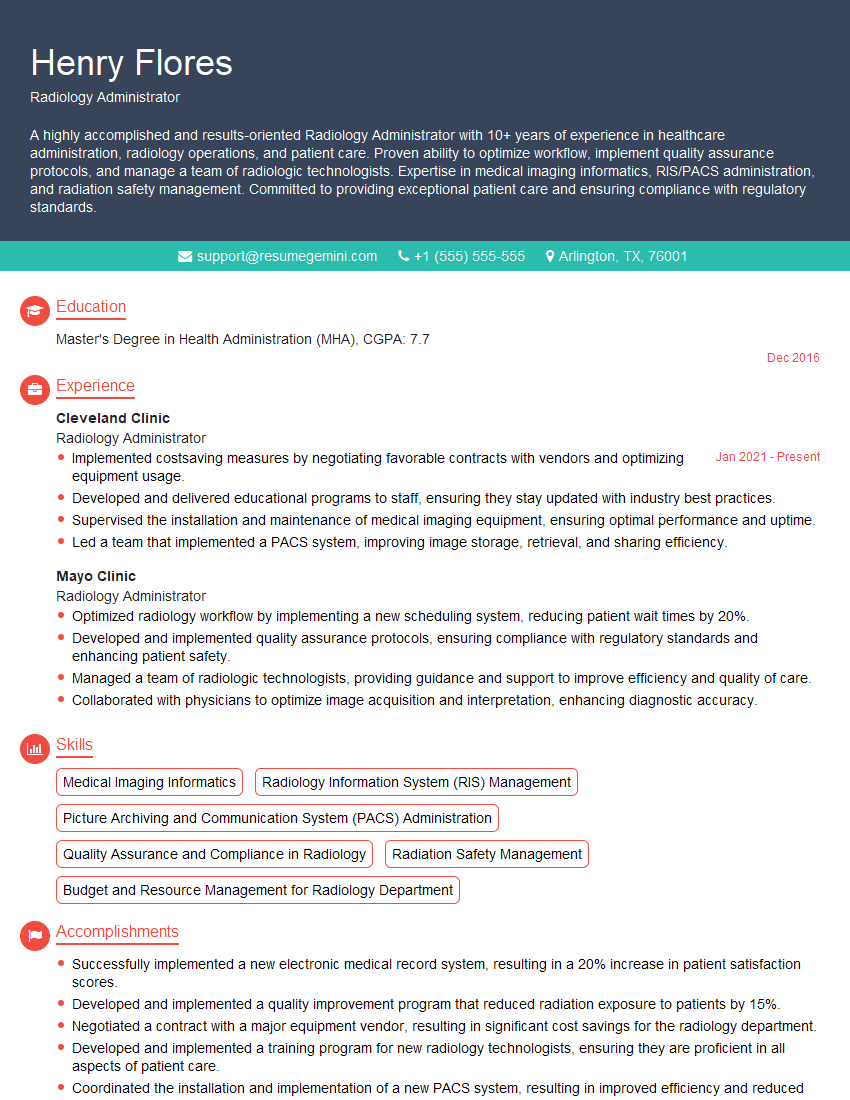
Radiology Administrator Resume Sample
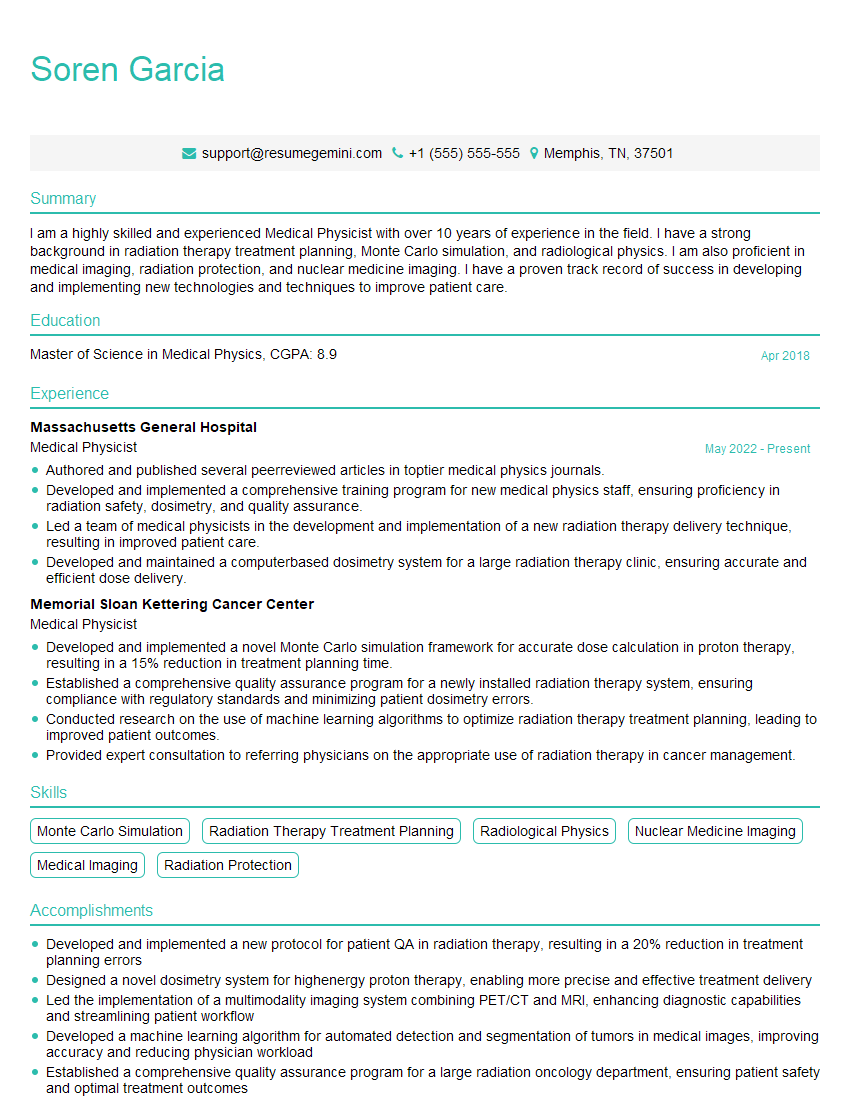
Medical Physicist Resume Sample
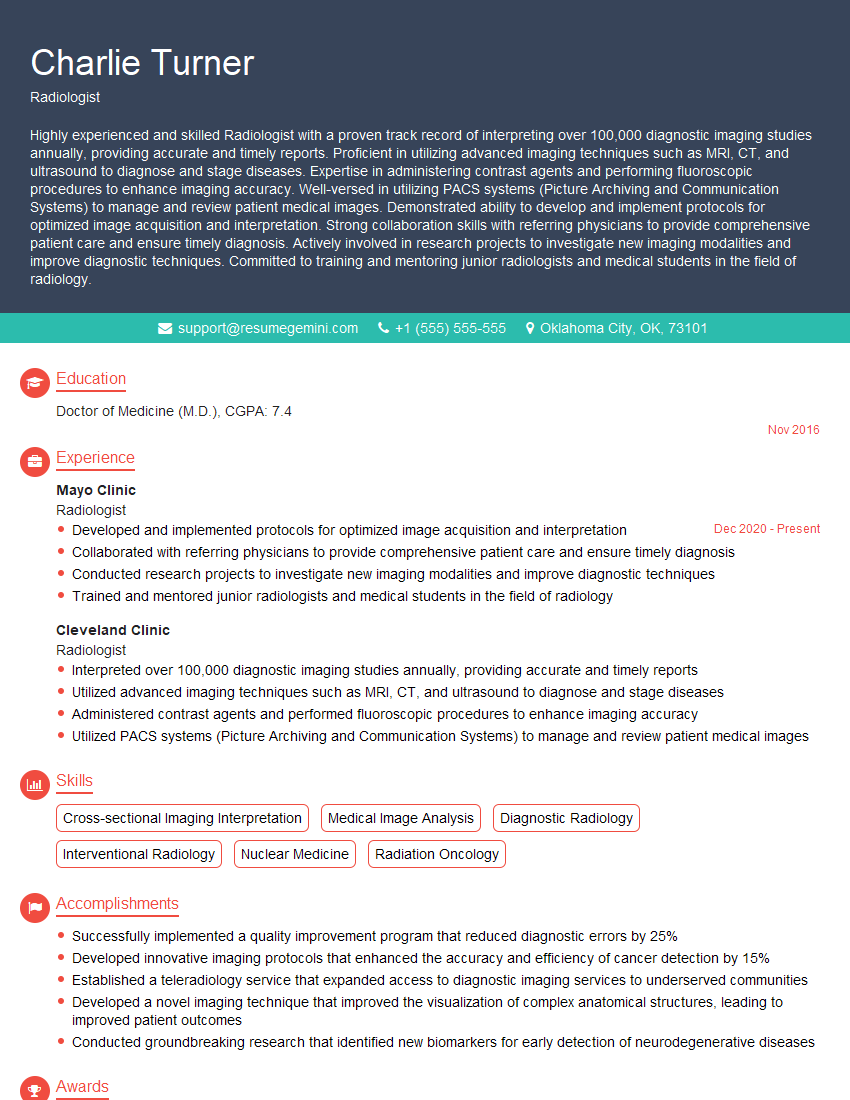
Radiologist Resume Sample
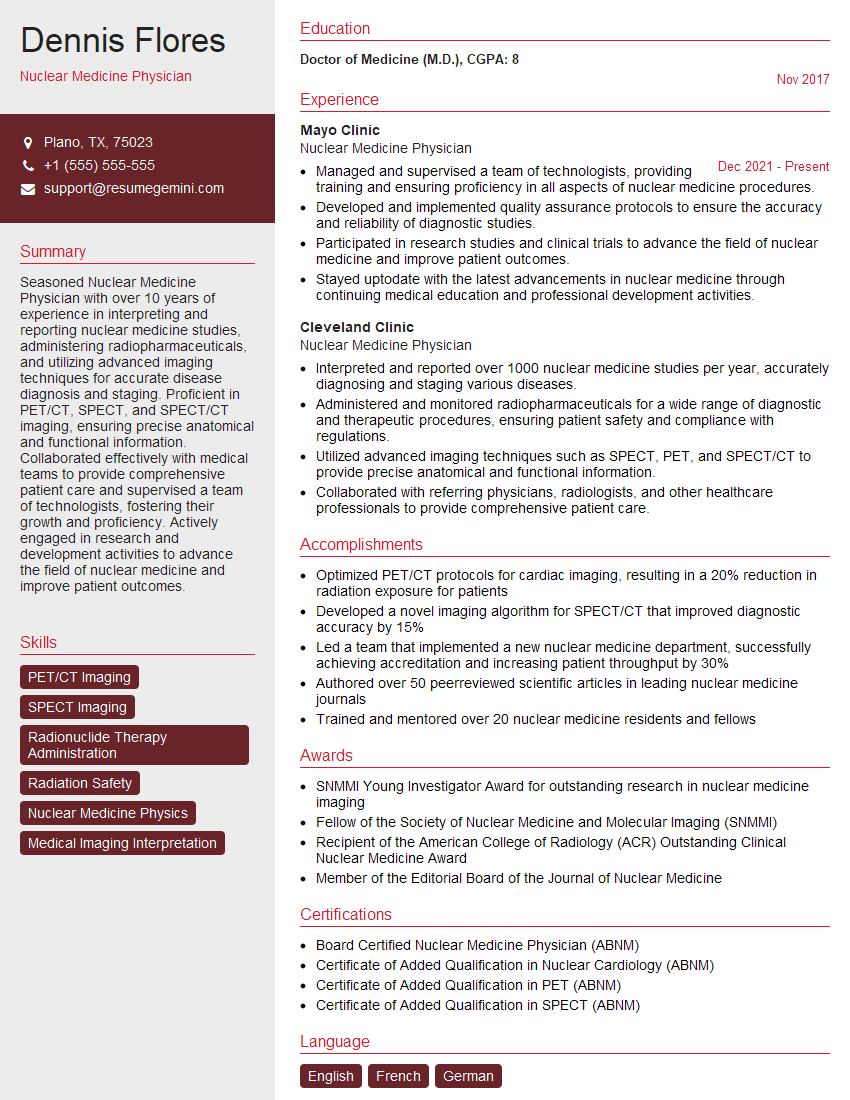
Nuclear Medicine Physician Resume Sample
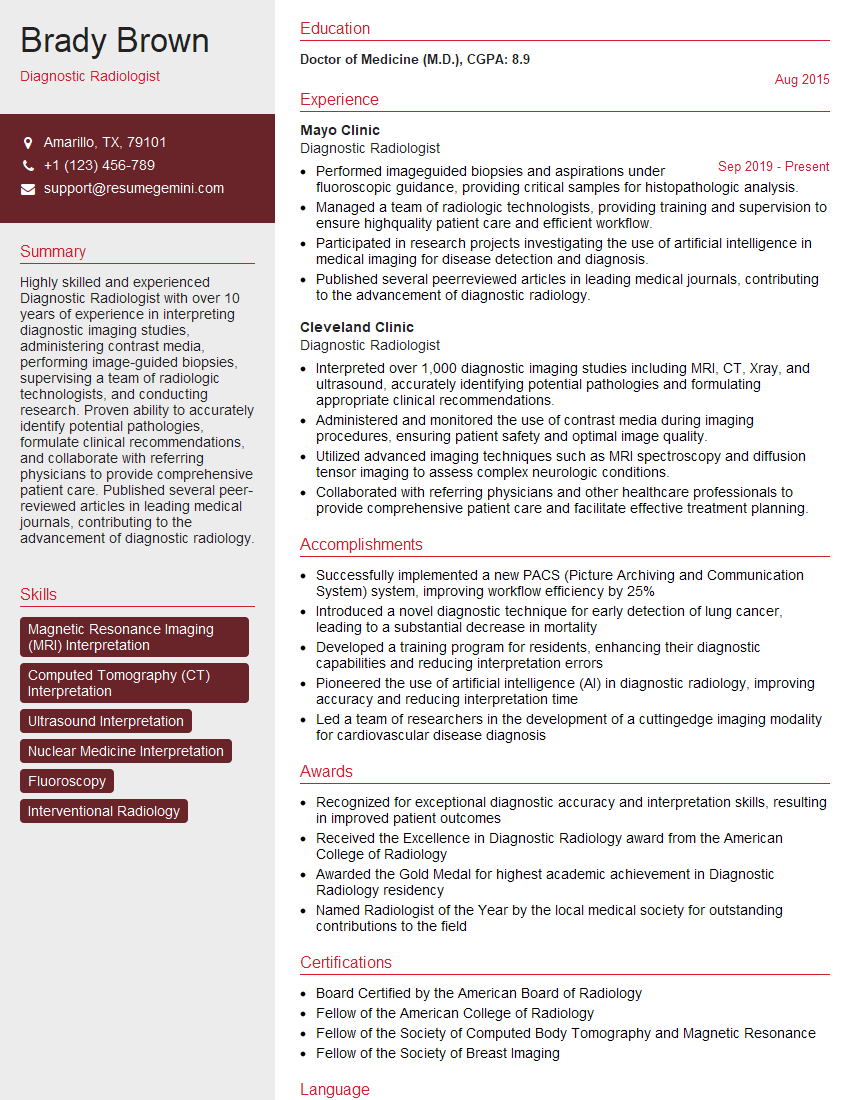
Diagnostic Radiologist Resume Sample
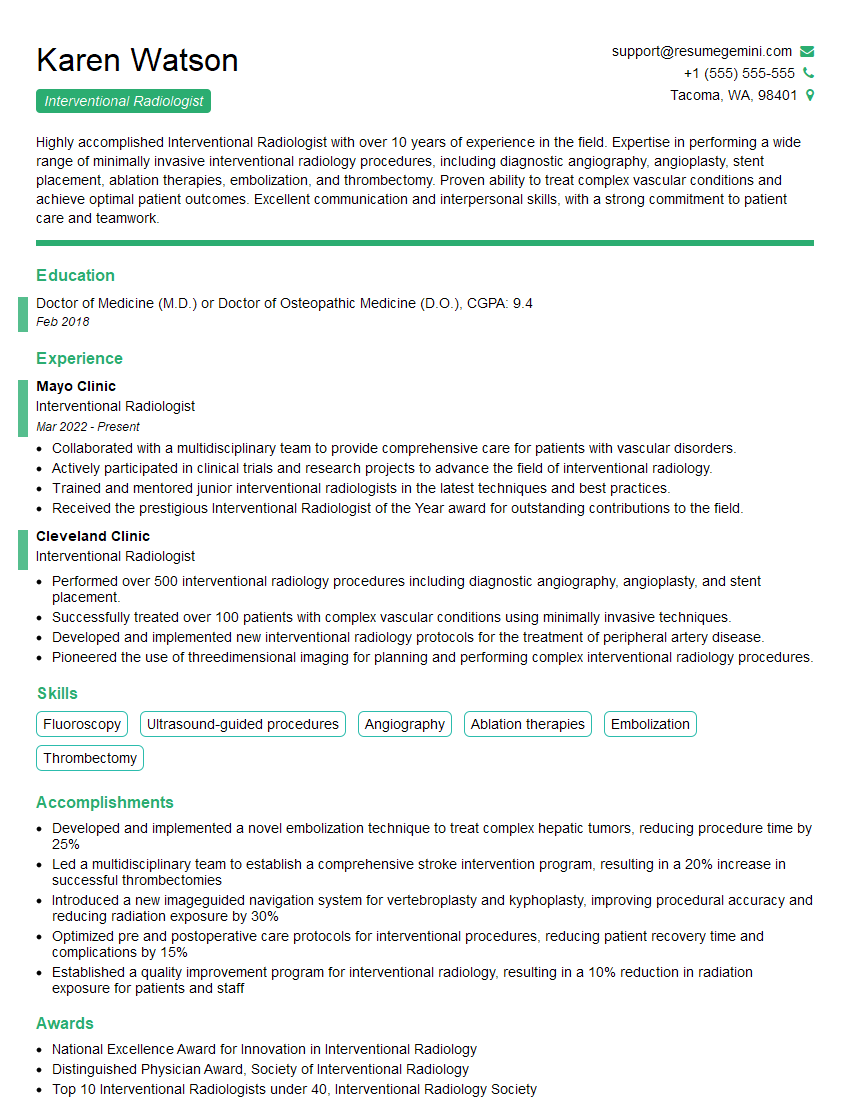
Interventional Radiologist Resume Sample
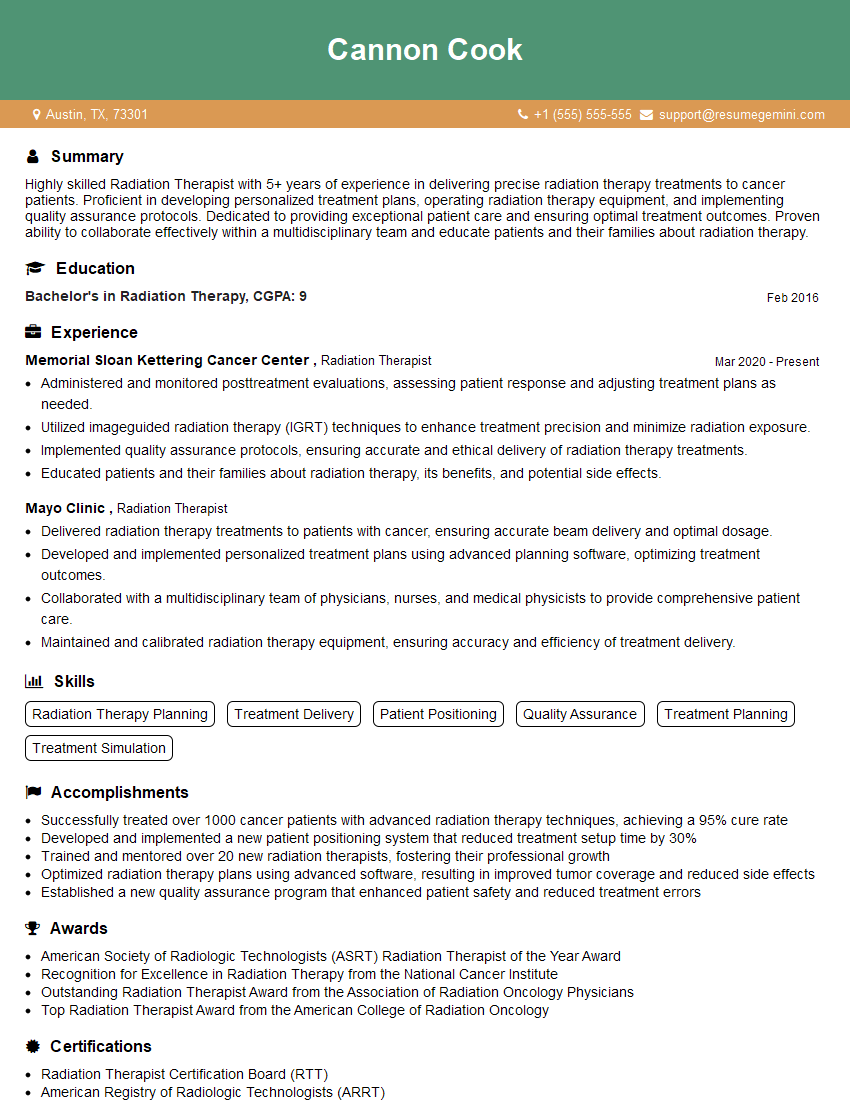
Radiation Therapist Resume Sample
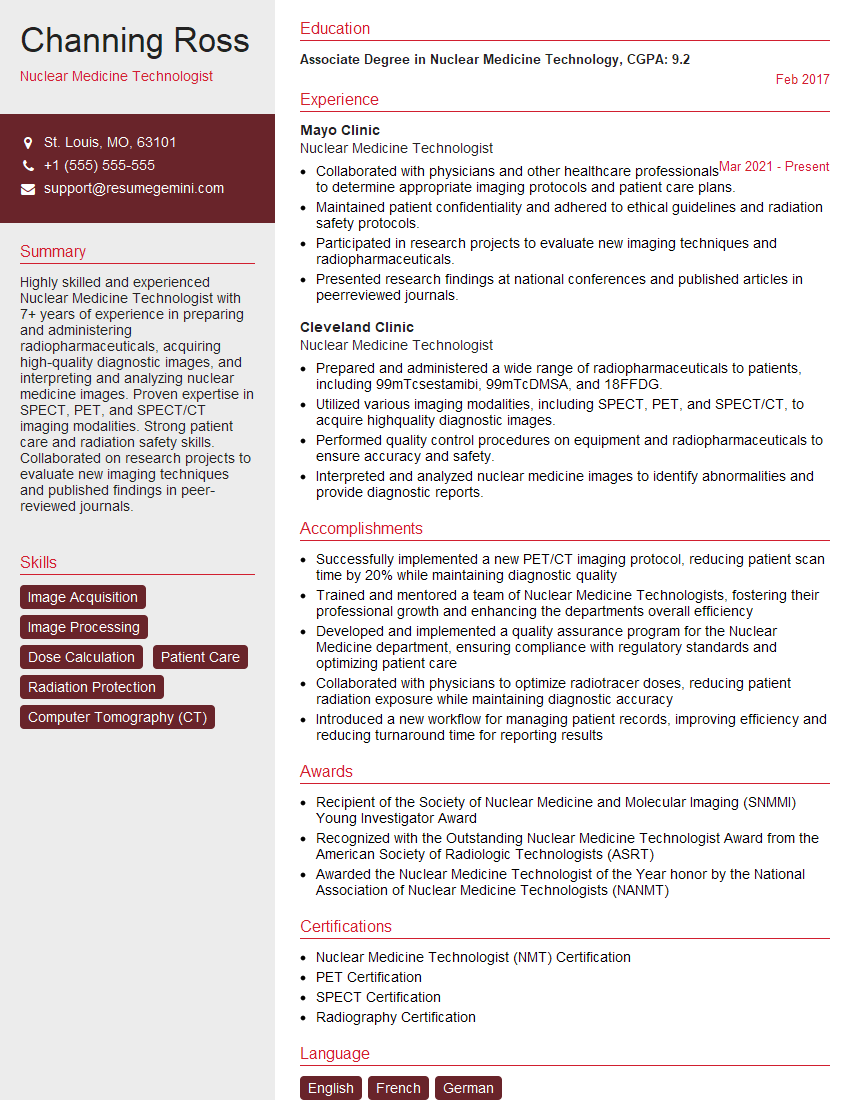
Nuclear Medicine Technologist Resume Sample
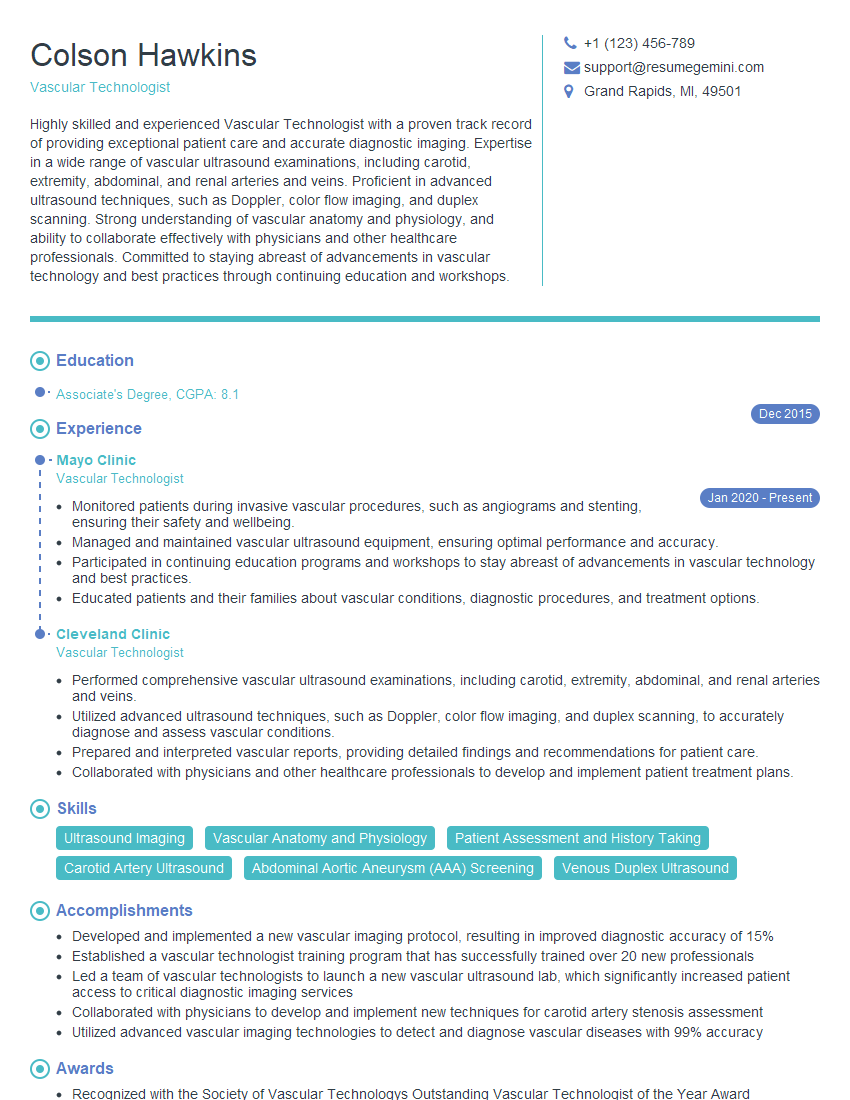
Vascular Technologist Resume Sample
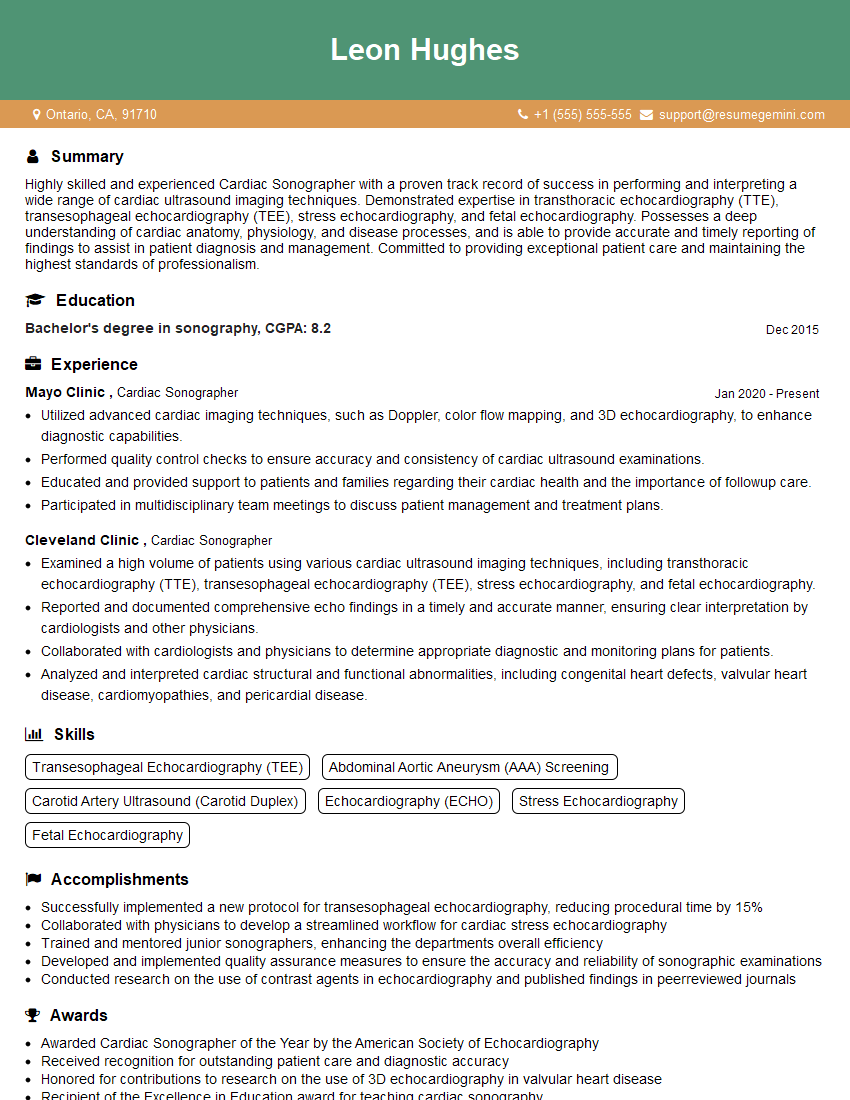
Cardiac Sonographer Resume Sample
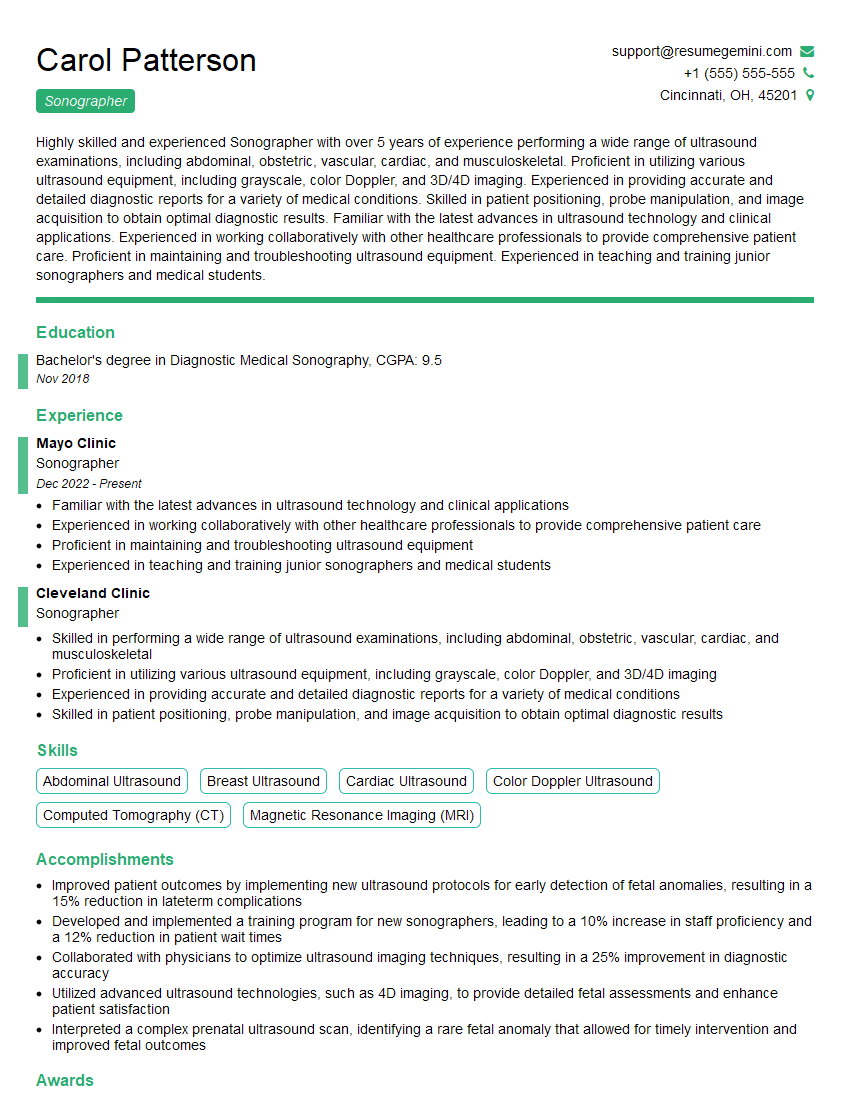
Sonographer Resume Sample
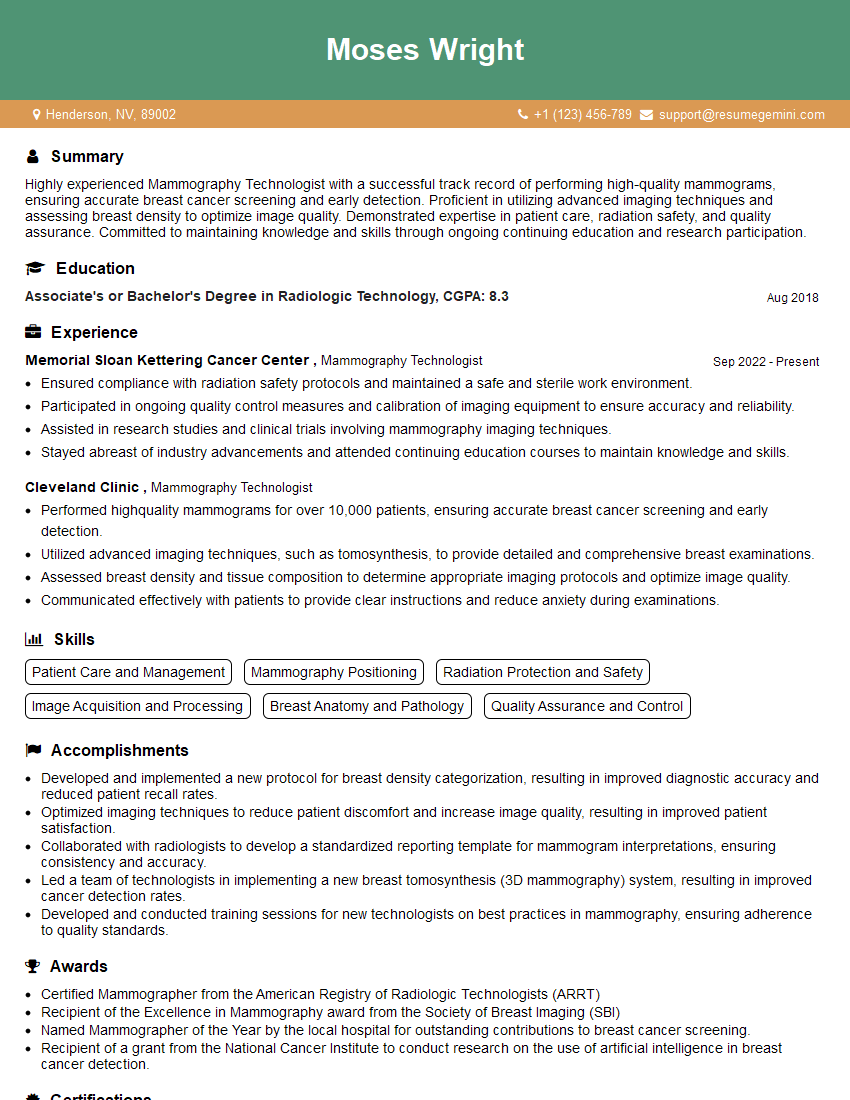
Mammography Technologist Resume Sample
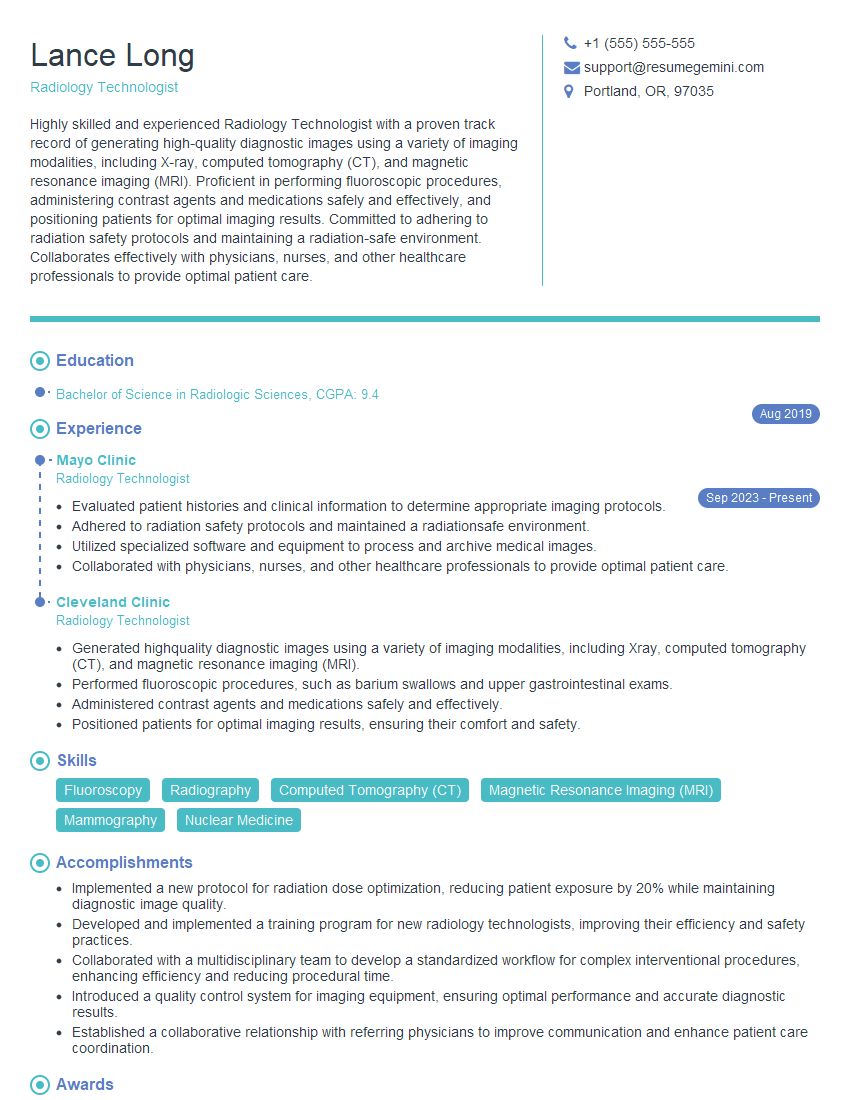
Radiology Technologist Resume Sample
Explore more articles
Users Rating of Our Blogs
Share Your Experience
We value your feedback! Please rate our content and share your thoughts (optional).
What Readers Say About Our Blog
To the interviewgemini.com Webmaster.
Very helpful and content specific questions to help prepare me for my interview!
Thank you
To the interviewgemini.com Webmaster.
This was kind of a unique content I found around the specialized skills. Very helpful questions and good detailed answers.
Very Helpful blog, thank you Interviewgemini team.