Feeling uncertain about what to expect in your upcoming interview? We’ve got you covered! This blog highlights the most important Immunoglobulin Therapy interview questions and provides actionable advice to help you stand out as the ideal candidate. Let’s pave the way for your success.
Questions Asked in Immunoglobulin Therapy Interview
Q 1. Describe the different types of immunoglobulin preparations (e.g., IVIG, SCIG, subcutaneous immunoglobulin).
Immunoglobulin preparations are available in various forms, each with its own administration method and advantages. The most common types are Intravenous Immunoglobulin (IVIG) and Subcutaneous Immunoglobulin (SCIG). Let’s break them down:
- Intravenous Immunoglobulin (IVIG): This is the most widely used form, administered directly into a vein. IVIG preparations are highly concentrated solutions of pooled immunoglobulin G (IgG) antibodies from thousands of healthy donors. This pooling ensures a broad range of antibodies to combat various pathogens and immune deficiencies.
- Subcutaneous Immunoglobulin (SCIG): SCIG is a more recently developed option where the immunoglobulin is injected under the skin using a needle and syringe, or an automated injection device. This allows for home administration, offering greater patient convenience and potentially reducing the need for frequent visits to infusion centers. Several different SCIG formulations are available with varying concentrations and viscosities.
- Other forms: While less common, intramuscular immunoglobulin (IMIG) exists but is less favored due to potential muscle soreness and less predictable absorption.
The choice between IVIG and SCIG depends on several factors including the patient’s specific condition, their ability to self-administer, and their tolerance to each administration method.
Q 2. Explain the mechanism of action of immunoglobulin therapy.
Immunoglobulin therapy works primarily through several mechanisms:
- Neutralization of pathogens: The antibodies in the immunoglobulin preparations directly bind to viruses, bacteria, and toxins, neutralizing their ability to infect cells or cause damage. Imagine antibodies as tiny soldiers that grab and disarm the invading enemies.
- Opsonization: Immunoglobulins coat pathogens, making them more easily recognized and destroyed by phagocytic cells (like macrophages) of the immune system. It’s like tagging the enemies for easy identification and elimination.
- Complement activation: Certain antibodies trigger the complement system, a cascade of proteins that further enhances pathogen destruction and inflammation. This acts as a backup system to effectively clear out the infection.
- Immune modulation: IVIG can also modulate the immune system by affecting the activity of immune cells like lymphocytes, potentially reducing autoimmunity or inflammation. This aspect is particularly important in autoimmune disorders.
The exact mechanism of action can vary depending on the specific condition being treated and the type of immunoglobulin preparation used.
Q 3. What are the indications for immunoglobulin therapy?
Immunoglobulin therapy has a broad range of indications, primarily focusing on conditions where the patient’s immune system is compromised or dysfunctional. These include:
- Primary immunodeficiency diseases: These are genetic disorders characterized by impaired antibody production, leaving individuals highly susceptible to infections. Immunoglobulin therapy is a cornerstone treatment for these conditions.
- Autoimmune diseases: In conditions like Guillain-Barré syndrome, Kawasaki disease, and chronic inflammatory demyelinating polyneuropathy (CIDP), IVIG helps to modulate the immune response and reduce inflammation.
- Infectious diseases: Immunoglobulin therapy can be used as a prophylactic or treatment for certain infections, especially in individuals with weakened immune systems.
- Other conditions: Immunoglobulin therapy can be beneficial in certain hematological disorders, neurological conditions, and transplant-related complications.
The specific indication and appropriateness of immunoglobulin therapy will always be determined by a physician based on the patient’s individual medical history and condition.
Q 4. What are the contraindications and potential adverse effects of immunoglobulin therapy?
While generally well-tolerated, immunoglobulin therapy isn’t without potential risks. Contraindications include:
- Severe IgA deficiency with IgA antibodies: Administering IVIG to these individuals could trigger a severe allergic reaction.
- Known hypersensitivity to immunoglobulin preparations: Patients with a history of severe reactions to IVIG or SCIG should not receive further treatment.
Potential adverse effects can range from mild to severe:
- Mild: Headache, chills, fever, nausea, and localized pain at the injection site (for SCIG).
- Severe: Anaphylaxis (rare but serious), kidney problems, aseptic meningitis (inflammation of the brain and spinal cord), and thromboembolic events (blood clots).
Careful monitoring and attention to patient history are crucial for minimizing risks and managing adverse effects. Early intervention is key in addressing any severe reactions.
Q 5. How is the dosage of immunoglobulin therapy determined?
Dosage determination for immunoglobulin therapy is complex and individualized. Several factors influence the decision:
- Patient weight and clinical condition: The dose is typically calculated based on body weight, aiming for a specific serum IgG level. The severity of the underlying condition also influences the dosage.
- Type of immunoglobulin preparation: Different formulations have varying IgG concentrations, impacting the required volume.
- Treatment goal: Prophylactic treatment (prevention) usually requires lower doses compared to therapeutic treatment (managing an active condition).
- Patient response: Dosage adjustments might be needed based on the patient’s clinical response to therapy and serum IgG levels.
Accurate calculation and administration of the appropriate dose is crucial to ensure efficacy and minimize adverse effects. This is done in collaboration with a physician experienced in immunology.
Q 6. Describe the administration procedures for IVIG and SCIG.
Administration procedures for IVIG and SCIG differ significantly:
- IVIG Administration: IVIG is administered intravenously through a dedicated intravenous line. The infusion rate is carefully controlled, starting slowly and gradually increasing to minimize adverse effects. Patients are typically monitored closely during the infusion for any signs of adverse reactions. Infusion times can range from several hours to a full day depending on the dose.
- SCIG Administration: SCIG is given as a subcutaneous injection using a needle and syringe, or an automated injector. The injection sites are rotated to minimize local reactions. Patients can often self-administer SCIG at home after proper training, leading to increased autonomy and convenience. The injection process itself is relatively quick compared to IVIG infusion.
Strict adherence to aseptic techniques is essential for both IVIG and SCIG administration to prevent infections.
Q 7. Explain the monitoring parameters during and after immunoglobulin therapy.
Monitoring parameters during and after immunoglobulin therapy are critical to ensure safety and efficacy:
- During infusion (IVIG): Vital signs (blood pressure, heart rate, respiratory rate, temperature), oxygen saturation, and any signs or symptoms of adverse reactions are closely monitored. The infusion rate may be adjusted based on patient tolerance.
- After infusion (IVIG & SCIG): Serum IgG levels are monitored to assess treatment effectiveness. Kidney function tests are performed regularly to detect any potential nephrotoxicity. Patient symptoms and any adverse effects are carefully documented. Regular follow up appointments to assess clinical response and make any necessary adjustments to the treatment plan is critical.
Regular monitoring ensures timely intervention should complications arise and helps tailor the treatment plan for optimal outcomes.
Q 8. What are the common complications associated with immunoglobulin therapy?
Immunoglobulin therapy, while highly effective, isn’t without potential complications. These can range from mild to severe, and their likelihood depends on factors like the type of immunoglobulin product used, the dose, the patient’s underlying health, and the infusion rate.
- Infusion-related reactions: These are the most common, ranging from mild flushing and headache to more serious anaphylaxis. They often occur during or shortly after the infusion. Think of it like an allergic reaction, but to the proteins in the immunoglobulin preparation.
- Thromboembolic events: In some cases, immunoglobulin therapy can increase the risk of blood clots, particularly in individuals with pre-existing risk factors like a history of deep vein thrombosis (DVT) or stroke. This is due to the inherent viscosity of the immunoglobulin solution and its effect on blood clotting factors.
- Renal dysfunction: High-dose immunoglobulin can sometimes stress the kidneys, leading to decreased kidney function. This is particularly important to monitor in patients with pre-existing kidney problems.
- Aseptic Meningitis: A rare but serious complication characterized by inflammation of the meninges (the membranes surrounding the brain and spinal cord), occurring several days after infusion. It typically presents with headache, fever, and stiff neck.
- Other reactions: Less common reactions include fever, chills, nausea, vomiting, and muscle aches.
Careful patient selection, pre-medication (e.g., antihistamines, corticosteroids) and slow infusion rates are crucial in mitigating these risks.
Q 9. How do you manage adverse reactions to immunoglobulin therapy?
Managing adverse reactions to immunoglobulin therapy requires a prompt and decisive approach. The severity of the reaction dictates the management strategy.
- Mild reactions (e.g., flushing, headache, mild fever): These can often be managed by slowing or temporarily stopping the infusion, administering antipyretics (fever reducers) and providing supportive care.
- Moderate reactions (e.g., hypotension, tachycardia, urticaria): These require more intensive intervention, including stopping the infusion, administering antihistamines, corticosteroids, and possibly fluids.
- Severe reactions (e.g., anaphylaxis): This is a life-threatening emergency that necessitates immediate action. This involves stopping the infusion, administering epinephrine, oxygen, and potentially airway management if necessary. Intravenous fluids and monitoring vital signs are also crucial. The patient needs immediate transfer to an intensive care unit for observation and support.
Close monitoring of vital signs throughout the infusion is vital. Having a pre-established protocol for managing adverse reactions, readily available emergency medications, and trained personnel is essential for optimal patient safety. A patient with a history of significant reactions may benefit from pre-medication before subsequent infusions.
Q 10. Discuss the storage and handling requirements for immunoglobulin preparations.
Proper storage and handling of immunoglobulin preparations are critical to maintain their efficacy and safety. Improper handling can lead to degradation of the product, potentially reducing its effectiveness and increasing the risk of adverse reactions.
- Storage Temperature: Most immunoglobulin preparations require refrigeration at 2-8°C (35-46°F). Improper temperature exposure can lead to denaturation of the proteins and loss of potency. Always check the specific storage requirements on the product label.
- Protection from Light: Some preparations are light-sensitive, requiring storage in dark containers or protected from direct sunlight to prevent degradation.
- Avoid Freezing: Freezing immunoglobulin preparations is generally contraindicated, as it can alter the structure and functionality of the proteins. Discard any products that have been frozen.
- Handling During Infusion: Maintain aseptic techniques during handling and infusion. This includes proper hand hygiene, using sterile equipment and adhering to all procedural guidelines to prevent contamination.
- Expiration Dates: Always check expiration dates before using any immunoglobulin preparation. Expired products should be discarded according to established protocols.
Adherence to these guidelines is crucial for ensuring the safety and efficacy of immunoglobulin therapy. Healthcare professionals should receive adequate training on proper handling and storage procedures.
Q 11. What are the differences between pooled and monoclonal immunoglobulin products?
Pooled and monoclonal immunoglobulin products differ significantly in their source and composition, leading to distinct characteristics and applications.
- Pooled Immunoglobulins: These are made from plasma donated by numerous individuals. The plasma is pooled, processed, and purified to remove potential pathogens and concentrate the immunoglobulins. They contain a diverse mix of antibodies, reflecting the immune response of many donors. This broad spectrum of antibodies makes them effective against a wide range of pathogens, making them suitable for many immune deficiencies.
- Monoclonal Immunoglobulins: These are produced from a single clone of plasma cells, resulting in a homogeneous preparation containing only one specific antibody. This makes them highly specific for a particular target antigen. This specificity is beneficial in treating certain conditions, such as autoimmune diseases where you want to target a particular auto-antibody.
The choice between pooled and monoclonal immunoglobulins depends on the specific clinical indication. Pooled immunoglobulins are more commonly used for primary immunodeficiencies, while monoclonal immunoglobulins are generally reserved for more specific applications, such as treating certain autoimmune diseases or infections.
Q 12. Explain the role of immunoglobulin therapy in primary immunodeficiency diseases.
Immunoglobulin therapy plays a pivotal role in the management of primary immunodeficiency diseases (PIDs). These are conditions where the immune system is inherently deficient, leaving individuals vulnerable to infections.
In PIDs, immunoglobulin therapy provides passive immunity, supplementing the body’s deficient antibody production. The infused immunoglobulins provide protection against a range of bacterial, viral, and fungal infections, significantly reducing the risk of serious illness and improving quality of life.
For example, patients with common variable immunodeficiency (CVID), a PID characterized by low antibody levels, often require regular immunoglobulin infusions to prevent recurrent infections. Similarly, patients with agammaglobulinemia (lack of antibodies) rely entirely on immunoglobulin replacement therapy for survival.
The dose and frequency of immunoglobulin infusions are tailored to individual needs based on factors such as the severity of the immunodeficiency, the patient’s clinical response and the presence of other comorbidities.
Q 13. Describe the role of immunoglobulin therapy in autoimmune diseases.
Immunoglobulin therapy has a more nuanced role in autoimmune diseases. Unlike in PIDs, where it provides passive immunity, in autoimmune diseases, its mechanism is more complex and not fully understood.
Intravenous immunoglobulin (IVIG) can be beneficial in certain autoimmune diseases by several proposed mechanisms: blocking autoantibodies, modulating immune cell function (e.g., reducing inflammation), and altering the complement system. However, it’s not a cure and its efficacy varies across different autoimmune conditions.
For example, IVIG can be used in autoimmune thrombocytopenic purpura (ITP) to increase platelet counts, or in Guillain-Barré syndrome to reduce neurological symptoms. It may also be used in other conditions like myasthenia gravis and Kawasaki disease.
The use of IVIG in autoimmune diseases is often part of a multi-faceted approach which also includes conventional immunosuppressants or other treatment modalities. The decision to use IVIG is based on careful clinical assessment and consideration of potential benefits and risks.
Q 14. How does immunoglobulin therapy differ in pediatric and adult patients?
Immunoglobulin therapy can differ between pediatric and adult patients primarily in terms of dosage, administration route, and considerations for growth and development.
- Dosage: Dosage is typically calculated based on body weight in both pediatric and adult patients, but the specific dose and frequency may differ due to variations in physiology and immune system maturation. Children often require higher doses per kilogram of body weight compared to adults to achieve the same therapeutic effect.
- Administration Route: Intravenous (IV) administration is most common for both age groups, but subcutaneous (SC) administration is increasingly used for both adults and children who are candidates for home infusions. Subcutaneous administration may offer improved convenience and flexibility but requires patient education and training.
- Growth and Development: In children, attention is paid to potential effects on growth and development. Regular monitoring of growth parameters is important in children undergoing long-term immunoglobulin therapy. Furthermore, the formulations used in children may be tailored to consider palatability and ease of administration.
Close monitoring and individualized treatment plans are vital for both pediatric and adult patients receiving immunoglobulin therapy. Regular assessment of clinical response, potential adverse effects, and adjustments to the treatment regimen as needed ensure optimal patient outcomes.
Q 15. Discuss the cost-effectiveness of immunoglobulin therapy.
The cost-effectiveness of immunoglobulin therapy (IGT) is a complex issue, varying significantly depending on the specific indication, the patient population, and the healthcare system. While IGT can be expensive, its use often prevents more costly hospitalizations, reduces the need for other interventions, and improves overall quality of life. Cost-effectiveness analyses typically use metrics like quality-adjusted life years (QALYs) and incremental cost-effectiveness ratios (ICERs) to compare IGT with alternative treatments. For instance, in primary immunodeficiency disorders, the cost of preventing recurrent infections and their associated complications may outweigh the cost of IGT. However, strict adherence to evidence-based guidelines for IGT usage is crucial to ensure optimal cost-effectiveness. This includes careful patient selection, appropriate dosing regimens, and monitoring for treatment response. Furthermore, the development of biosimilars offers the potential to reduce the cost of IGT without compromising efficacy.
Career Expert Tips:
- Ace those interviews! Prepare effectively by reviewing the Top 50 Most Common Interview Questions on ResumeGemini.
- Navigate your job search with confidence! Explore a wide range of Career Tips on ResumeGemini. Learn about common challenges and recommendations to overcome them.
- Craft the perfect resume! Master the Art of Resume Writing with ResumeGemini’s guide. Showcase your unique qualifications and achievements effectively.
- Don’t miss out on holiday savings! Build your dream resume with ResumeGemini’s ATS optimized templates.
Q 16. How do you assess the efficacy of immunoglobulin therapy?
Assessing the efficacy of IGT involves a multi-faceted approach, combining clinical evaluation with laboratory assessments. Clinically, we monitor the frequency and severity of infections, the need for hospitalization, and overall improvement in the patient’s well-being. Laboratory assessments may include monitoring of immunoglobulin levels, which should ideally reach a target therapeutic concentration, and also analyzing specific antibody responses to assess the effectiveness of the therapy for a particular pathogen. For instance, in patients with chronic inflammatory demyelinating polyneuropathy (CIDP), efficacy is often evaluated through improvements in neurological function scores, such as the Inflammatory Neuropathy Cause and Treatment (INCAT) scale. The response to IGT can be highly variable, and a clear definition of treatment success must be established prior to treatment initiation. Longitudinal monitoring and objective measures are critical to accurately assess the efficacy and tailor treatment accordingly.
Q 17. What are the current research trends in immunoglobulin therapy?
Current research trends in IGT are focused on several key areas. One major area is the development of novel formulations, including subcutaneous IGT, which offers improved patient convenience and reduced healthcare burden compared to intravenous administration. Research is also ongoing in exploring the use of IGT in various conditions, moving beyond its established indications, such as autoimmune disorders and primary immunodeficiencies. For example, there’s ongoing research into the use of IGT in the treatment of neurological conditions, such as multiple sclerosis. Additionally, investigations are focused on personalized IGT approaches, tailoring treatment to specific patient characteristics like genetic profile and disease severity. This may also involve targeted therapies, focusing on particular immunoglobulins or developing IGT with improved specificity for certain pathogens or inflammatory processes. The goal is to improve efficacy and minimize side effects. Finally, research is dedicated to enhancing our understanding of the mechanisms of action of IGT and identifying novel biomarkers to predict treatment response.
Q 18. Compare and contrast different immunoglobulin formulations.
Different immunoglobulin formulations vary primarily in their method of administration (intravenous vs. subcutaneous), the source of immunoglobulin (pooled plasma from healthy donors vs. specific monoclonal antibodies), and their concentration. IVIG is the most common formulation, requiring intravenous administration, usually over several hours. Subcutaneous immunoglobulin (SCIG) offers increased convenience, allowing patients to self-administer at home. However, SCIG often requires higher overall volumes compared to IVIG. There are also significant differences in the purity and composition of various products, which can affect efficacy and adverse events. For example, some formulations are specifically designed to reduce the risk of certain side effects. Each formulation has its own unique advantages and disadvantages; selection depends on individual patient needs, preferences, and clinical circumstances. The choice might be influenced by patient tolerability, ease of administration, and clinical efficacy for a specific diagnosis.
Q 19. Explain the pharmacokinetics and pharmacodynamics of IVIG.
The pharmacokinetics (PK) of IVIG describe how the body processes the immunoglobulin. After intravenous infusion, IVIG distributes throughout the intravascular space initially, before gradually transferring to the extravascular compartment. Its elimination is largely dependent on catabolism in the reticuloendothelial system, with a half-life generally ranging from several days to several weeks, depending on the formulation and individual factors like the patient’s health status. The pharmacodynamics (PD) of IVIG encompass its effects on the body, which are diverse and complex. IVIG exerts its therapeutic effects through several mechanisms, including Fc receptor modulation, neutralization of harmful antibodies and pathogens, and modulation of the immune response. For example, IVIG can suppress the production of inflammatory cytokines and modify B-cell functions. The concentration of IgG in serum is a common measure of pharmacokinetic parameters and is usually monitored to ensure therapeutic levels are achieved. However, the precise mechanisms responsible for the wide array of therapeutic benefits remain an active area of research.
Q 20. What are the challenges associated with the long-term use of immunoglobulin therapy?
Long-term use of IGT carries potential challenges. One significant concern is the risk of developing adverse events, ranging from mild reactions like headache and fever to more serious events, including kidney damage, thromboembolic events, and allergic reactions. The frequency of these reactions can vary widely between patients and formulations. Another challenge is the risk of viral transmission, although modern manufacturing processes have significantly minimized this risk. Furthermore, prolonged use may lead to medication-associated complications or alter the overall immune system’s function. In addition, the high cost of IGT poses a significant burden to both patients and healthcare systems. Careful monitoring of renal function, careful attention to symptoms, and regular assessments of treatment efficacy are therefore crucial in managing long-term IGT treatment. Open communication between the healthcare team and the patient is essential in mitigating these challenges and ensuring optimal management. Close collaboration with the patients ensures the necessary adjustments are made to their treatment to mitigate any risk.
Q 21. How do you counsel patients about the use and potential side effects of immunoglobulin therapy?
Counseling patients about IGT requires a compassionate, thorough, and patient-centered approach. The discussion should begin by clearly explaining the indication for IGT, emphasizing its benefits and potential risks. A detailed explanation of the administration process (IVIG or SCIG), the frequency of infusions, and the expected duration of treatment is crucial. The conversation must encompass a frank discussion of the potential side effects, ranging from mild (e.g., headache, chills) to serious (e.g., renal failure, thromboembolism). The patient needs to understand the importance of reporting any unusual symptoms immediately to their healthcare provider. Empowering patients with knowledge allows them to actively participate in their treatment plan, improving adherence and safety. We should also discuss alternative therapies and the implications of non-compliance, ensuring realistic expectations and shared decision-making throughout the process. It is vital to be sensitive to patient concerns and answer any questions or apprehensions they may have.
Q 22. Describe the process of selecting appropriate immunoglobulin therapy for a patient.
Selecting the appropriate immunoglobulin therapy (IG) for a patient is a multifaceted process requiring careful consideration of several factors. It’s not a one-size-fits-all approach; the choice depends heavily on the patient’s specific diagnosis, disease severity, treatment history, and individual characteristics.
- Diagnosis: The underlying condition dictates the type of IG needed. For example, primary immunodeficiency disorders might require different IG preparations compared to those used for autoimmune diseases or infections.
- Disease Severity: Patients with severe disease manifestations might require higher doses or more frequent infusions than those with milder symptoms.
- Treatment History: Prior responses to IG therapy, including any adverse effects, must be thoroughly reviewed. This informs dosage adjustments and potentially a switch in product formulation.
- Individual Characteristics: Factors such as age, weight, kidney function, and any pre-existing allergies significantly influence the selection process. For instance, individuals with pre-existing allergies to specific immunoglobulin components may need alternative products.
- Product Formulation: Intravenous immunoglobulin (IVIG) is the most common, but subcutaneous immunoglobulin (SCIG) offers increased patient convenience. The choice depends on the patient’s lifestyle and preference, as well as venous access.
- Cost and Availability: The cost and availability of different IG products within a healthcare system must also be factored into the decision-making process.
In practice, this often involves a multidisciplinary team approach. I would collaborate with the patient’s physician, nurses, and pharmacists to comprehensively review the patient’s medical records, discuss treatment options, and tailor the therapy to their specific needs. We often use clinical practice guidelines and evidence-based literature to guide this selection process.
Q 23. What are the interactions between immunoglobulin therapy and other medications?
Immunoglobulin therapy can interact with other medications in several ways, making careful medication reconciliation crucial. These interactions can range from minor to severe.
- Increased Risk of Bleeding: IG can interfere with platelet function, potentially increasing the risk of bleeding, particularly in patients already on anticoagulants or antiplatelet medications like warfarin or aspirin. Close monitoring of bleeding parameters and careful dose adjustments are necessary.
- Renal Impairment: High doses of IG can stress the kidneys, particularly in patients with pre-existing renal impairment. Monitoring of renal function (creatinine levels) is essential, especially during the initial infusions.
- Drug Interactions: While relatively infrequent, IG can theoretically interact with other drugs through non-specific protein binding. This is more pertinent with drugs that have a narrow therapeutic index.
- Vaccine Response: The administration of live vaccines is generally contraindicated within a few weeks of IG therapy due to the potential for decreased immune response and efficacy of the vaccine. This precaution aims to avoid unintended consequences.
To minimize the risk of interactions, a detailed medication history is crucial. I always assess the patient’s entire medication profile, including over-the-counter drugs, supplements, and herbal remedies, before starting or adjusting IG therapy. This allows us to identify potential conflicts and proactively implement mitigation strategies such as dose adjustments or alternative medication choices.
Q 24. Explain the role of immunoglobulin therapy in the treatment of infectious diseases.
Immunoglobulin therapy plays a vital role in managing infectious diseases, particularly in patients with compromised immune systems. It works by providing passive immunity—a temporary boost to the body’s defenses.
- Replacement Therapy: In patients with primary immunodeficiency disorders, where the body cannot produce sufficient antibodies, IG provides the missing antibodies necessary to fight infections. This is a cornerstone of their long-term management.
- Treatment of Specific Infections: In some cases, IG can be used to target specific infections directly, providing a high concentration of antibodies against the offending pathogen. This is especially helpful in severe or otherwise untreatable infections.
- Reduction in Infection Severity and Frequency: Even in patients with less severe immunodeficiency, IG can help reduce the severity and frequency of infections, improving their quality of life.
- Adjunct Therapy: IG can also be used as an adjunct therapy in combination with other treatments for certain infections, helping to support the patient’s immune system and improve outcomes.
For example, in patients with hypogammaglobulinemia (low antibody levels), regular IG infusions can dramatically reduce the risk of recurrent bacterial infections like pneumonia and sinusitis. In cases of serious viral infections like cytomegalovirus (CMV) in immunocompromised patients, specific IG preparations can be highly effective. This is crucial in providing protection and improving the chances of recovery.
Q 25. Discuss the regulatory aspects of immunoglobulin therapy.
The regulatory landscape surrounding immunoglobulin therapy is stringent, ensuring both safety and efficacy. Regulatory bodies like the FDA (in the US) and EMA (in Europe) play a critical role.
- Manufacturing Standards: Strict guidelines govern the manufacturing process, ensuring high-quality and safe IG products. This includes stringent quality control measures to minimize the risk of contamination and adverse reactions.
- Pre-Market Approval: New IG products undergo rigorous testing and clinical trials to demonstrate their safety and efficacy before receiving market approval.
- Post-Market Surveillance: Even after approval, continuous monitoring and reporting of adverse events are mandatory, allowing for the detection and management of any unforeseen issues.
- Labeling and Prescribing Information: Clear labeling and prescribing information provide necessary details on dosage, administration, precautions, and potential side effects.
- Good Clinical Practice: Healthcare providers are expected to adhere to good clinical practice guidelines when administering IG therapy to ensure proper usage and minimize risks.
These regulatory mechanisms are essential for patient safety and maintaining confidence in the efficacy and safety of IG products. Non-compliance can have serious consequences, emphasizing the importance of adhering to these guidelines.
Q 26. How do you ensure the safety and efficacy of immunoglobulin therapy in clinical practice?
Ensuring the safety and efficacy of immunoglobulin therapy requires a multi-pronged approach that spans from careful patient selection and medication administration to diligent monitoring and management of adverse events.
- Pre-Infusion Assessment: A thorough assessment of the patient’s medical history, including allergies and kidney function, is crucial before each infusion. This minimizes risks and helps tailor the therapy.
- Proper Infusion Technique: IG infusions, particularly IVIG, must be administered carefully to avoid complications such as infusion reactions. Slow infusion rates and close monitoring for adverse effects are paramount.
- Adverse Event Monitoring: Close monitoring for potential side effects such as headaches, fever, nausea, and allergic reactions is crucial. Prompt management of adverse events is critical for minimizing their impact.
- Regular Patient Follow-up: Regular follow-up appointments allow for assessment of treatment response, monitoring for complications, and adjustments to the treatment plan as needed.
- Compliance with Guidelines: Adherence to established clinical practice guidelines is vital to maintain optimal safety and efficacy.
In my practice, we utilize standardized protocols for IG administration and monitoring. This includes well-defined checklists for pre-infusion assessment and regular checks during and after the infusion to catch any issues promptly. A strong emphasis on patient education empowers patients to recognize and report any potential problems.
Q 27. What are the key considerations when transitioning a patient from IVIG to SCIG?
Transitioning a patient from intravenous immunoglobulin (IVIG) to subcutaneous immunoglobulin (SCIG) requires careful planning and consideration of several factors.
- Patient Suitability: SCIG requires self-administration or assistance from a caregiver, making patient compliance and suitability crucial. Patients with limited mobility or dexterity might not be suitable candidates.
- Dosage Adjustment: SCIG may require dosage adjustments compared to IVIG due to differences in absorption and pharmacokinetics. Careful monitoring of serum IgG levels is necessary to ensure adequate replacement therapy.
- Injection Site Reactions: SCIG injections can cause local reactions such as pain, redness, and swelling at the injection site. Patients need to be educated on how to manage these reactions and when to seek medical attention.
- Training and Support: Patients and caregivers need comprehensive training on proper injection techniques, storage of the medication, and management of potential side effects. Ongoing support and education are essential for successful SCIG therapy.
- Gradual Transition: A gradual transition from IVIG to SCIG may be considered in some cases, allowing time for adjustment and minimizing potential complications.
I always discuss the pros and cons of IVIG vs. SCIG with patients, ensuring they understand the implications of the transition. Close monitoring of serum IgG levels and patient-reported outcomes are crucial during and after the switch to ensure efficacy and safety. We aim to make the transition a smooth and successful process, improving patient quality of life through increased convenience without compromising their health.
Q 28. Describe a situation where you had to troubleshoot an issue related to immunoglobulin therapy.
I recall a case where a patient receiving IVIG experienced a severe infusion reaction—hypotension and significant urticaria—during their infusion. This required immediate intervention.
Troubleshooting Steps:
- Immediate Stop of Infusion: The infusion was immediately stopped to prevent further adverse effects.
- Vital Sign Monitoring: Close monitoring of the patient’s vital signs (heart rate, blood pressure, oxygen saturation) was implemented.
- Administration of Medications: Based on the clinical presentation, we administered medications to manage the hypotension and allergic reaction, including antihistamines and fluids.
- Symptom Management: We focused on managing the patient’s symptoms, providing supportive care, and monitoring for respiratory distress.
- Investigation: Following the reaction, a detailed investigation was conducted to identify the cause. This included reviewing the patient’s medical history, scrutinizing the IG product’s label for any potential triggers, and considering the possibility of a new allergy.
- Alternative Treatment: The patient was switched to a different IG product that did not contain the potentially allergenic component, and subsequent infusions were given at a slower rate with close monitoring. We also instituted premedication with antihistamines to minimize the risk of future reactions.
This experience reinforced the importance of thorough pre-infusion assessment, close monitoring during infusions, and a structured approach to managing adverse events. It emphasized that while uncommon, severe reactions can occur, and preparedness is crucial.
Key Topics to Learn for Immunoglobulin Therapy Interview
- Immunoglobulin Structure and Function: Understand the different classes of immunoglobulins (IgG, IgA, IgM, IgE, IgD), their structures, and their respective roles in the immune system. Explore the concepts of antigen binding, antibody-mediated immunity, and isotype switching.
- Indications for Immunoglobulin Therapy: Become familiar with the various clinical conditions where immunoglobulin therapy is indicated, including primary immunodeficiencies, autoimmune diseases, and infectious diseases. Consider the specific patient populations and their unique needs.
- Immunoglobulin Preparation and Administration: Learn about the different methods of immunoglobulin preparation (plasma-derived vs. recombinant), administration routes (intravenous, subcutaneous), and dosage considerations. Understand the potential side effects and how to manage them.
- Monitoring and Evaluating Treatment Efficacy: Explore methods for monitoring patient response to immunoglobulin therapy, including clinical assessments, laboratory tests (e.g., immunoglobulin levels), and evaluation of infection rates. Understand how to interpret these results and adjust treatment accordingly.
- Adverse Reactions and Management: Familiarize yourself with potential adverse reactions associated with immunoglobulin therapy, such as infusion reactions, hypersensitivity, and thromboembolic events. Learn about the strategies for preventing and managing these adverse events.
- Cost-Effectiveness and Resource Allocation: Gain an understanding of the economic aspects of immunoglobulin therapy, including cost considerations, resource allocation, and the importance of evidence-based decision-making in treatment selection.
Next Steps
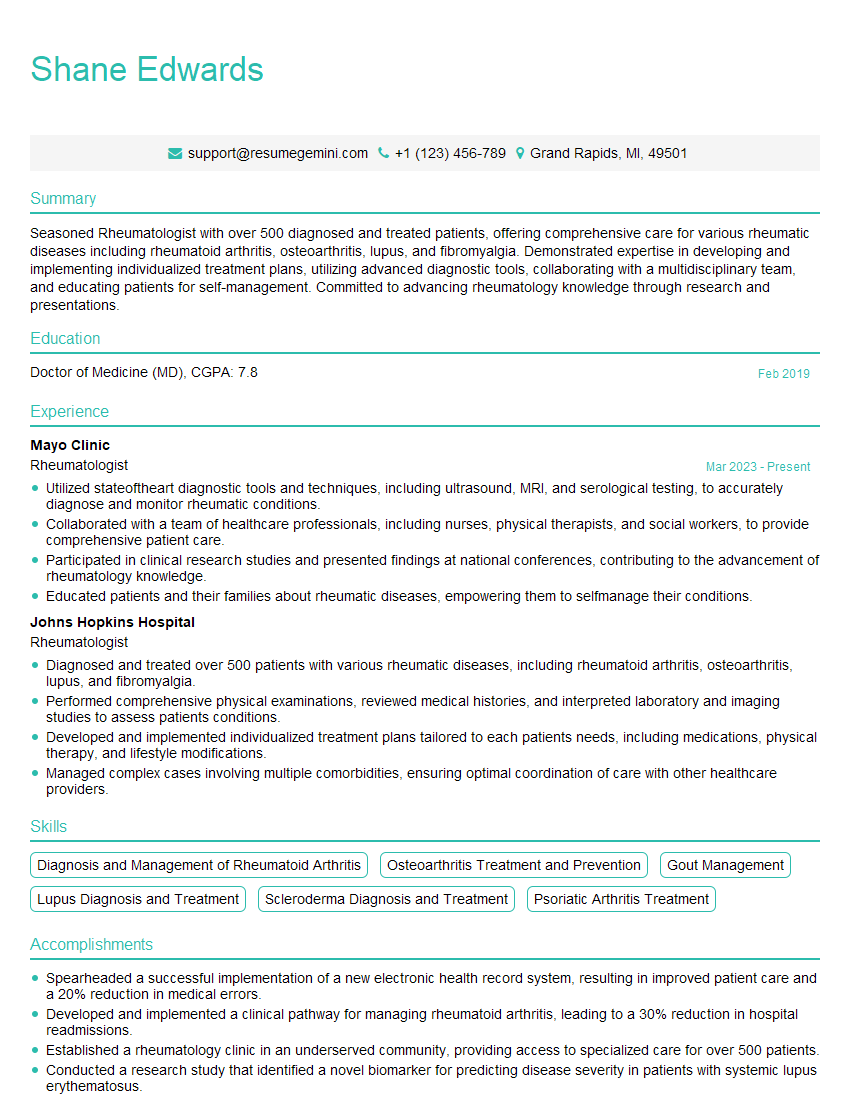
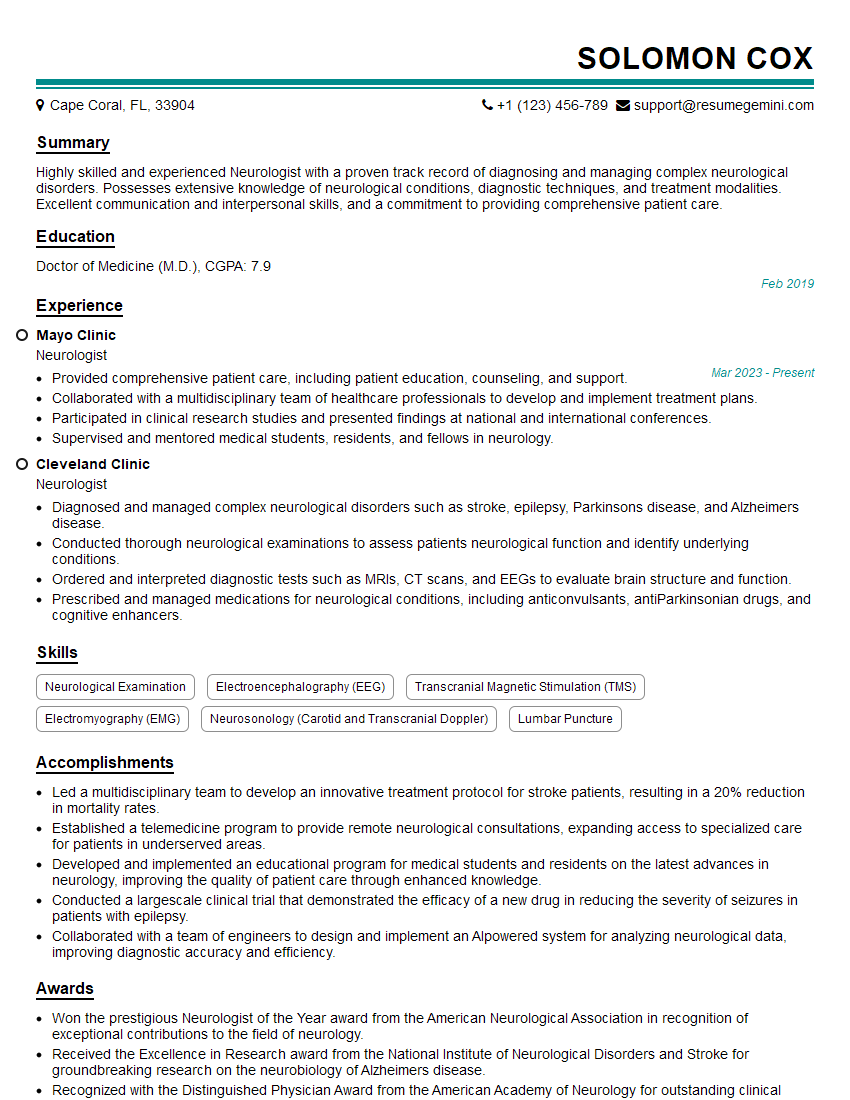
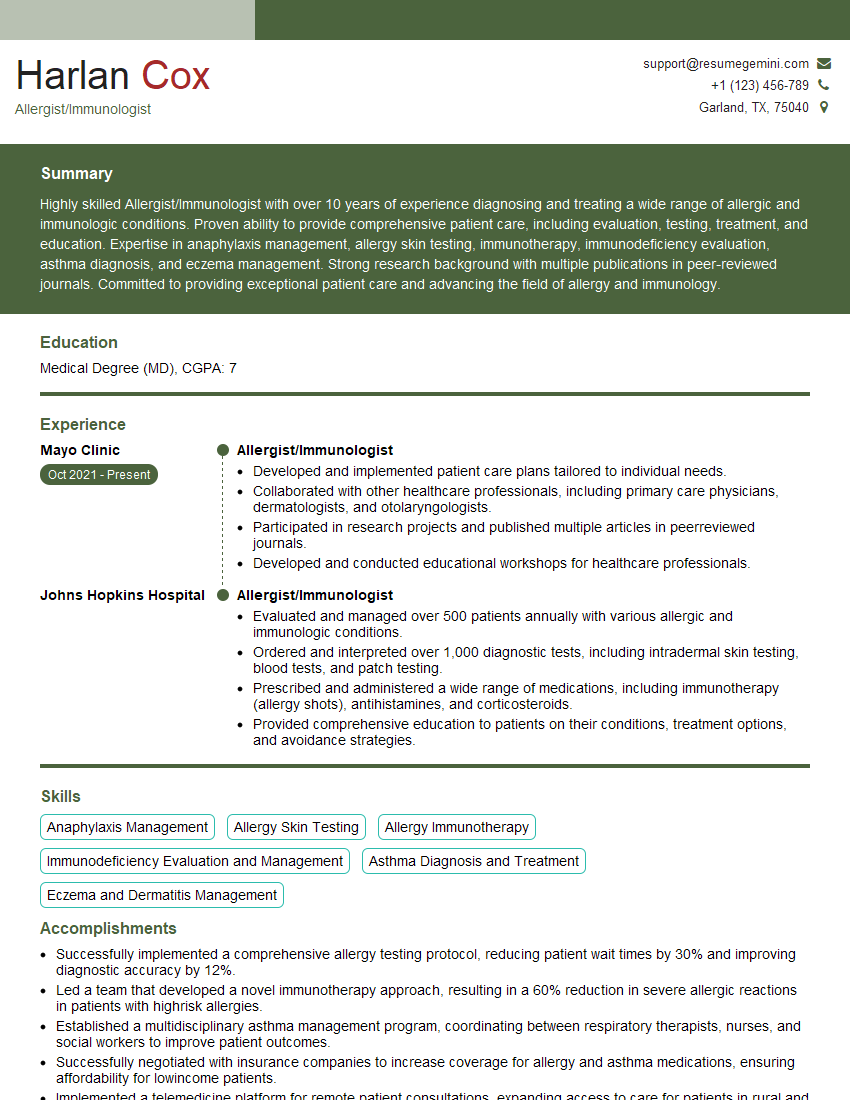
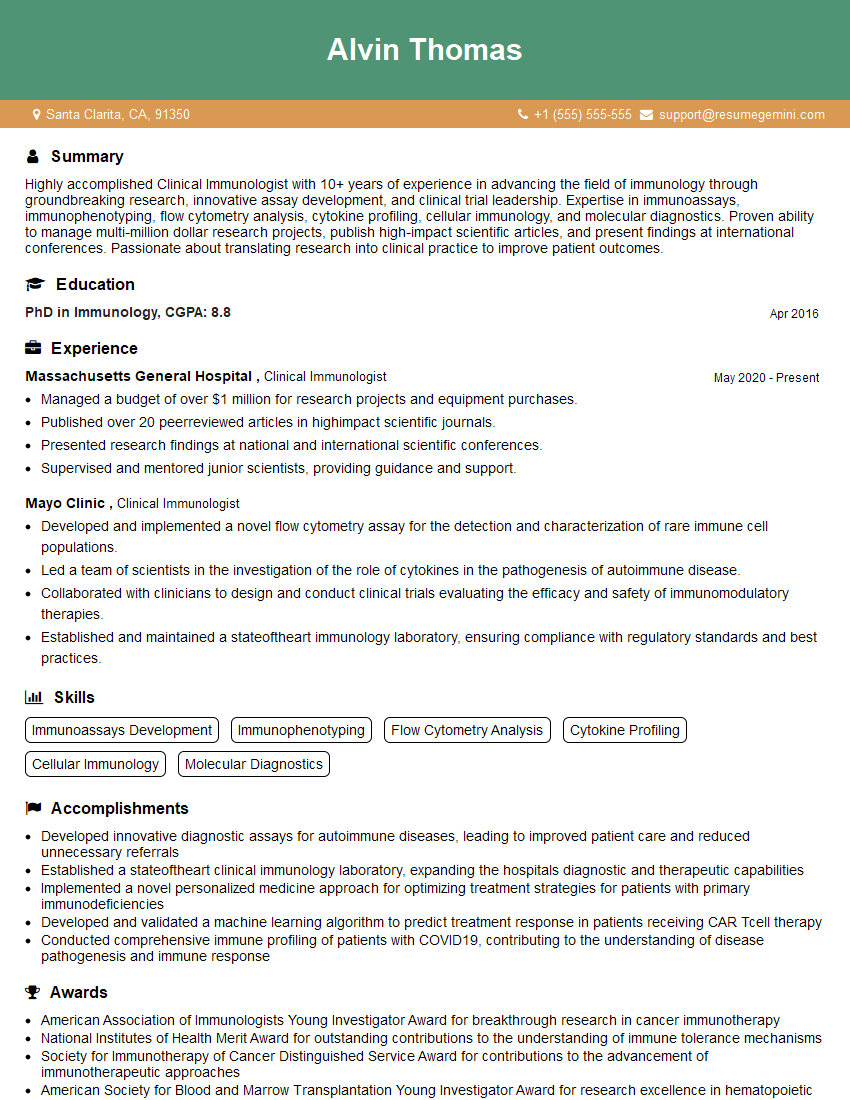
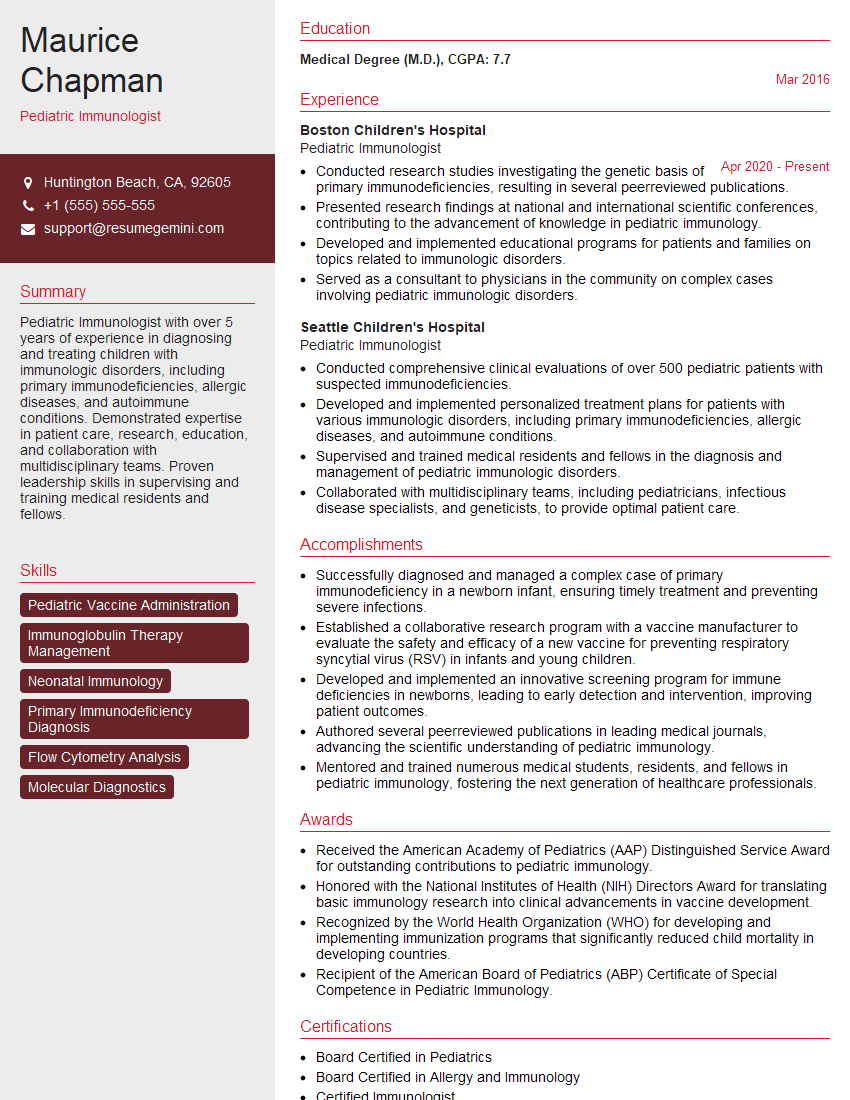
Mastering Immunoglobulin Therapy opens doors to exciting career opportunities in a rapidly growing field. A strong understanding of this complex area significantly enhances your marketability and positions you for leadership roles in research, clinical practice, and pharmaceutical development. To maximize your job prospects, creating an ATS-friendly resume is crucial. ResumeGemini is a trusted resource to help you build a professional and impactful resume that highlights your skills and experience effectively. We provide examples of resumes tailored to Immunoglobulin Therapy to guide you in showcasing your expertise. Take the next step in your career journey today and build a resume that makes a difference.
Explore more articles
Users Rating of Our Blogs
Share Your Experience
We value your feedback! Please rate our content and share your thoughts (optional).
What Readers Say About Our Blog
To the interviewgemini.com Webmaster.
Very helpful and content specific questions to help prepare me for my interview!
Thank you
To the interviewgemini.com Webmaster.
This was kind of a unique content I found around the specialized skills. Very helpful questions and good detailed answers.
Very Helpful blog, thank you Interviewgemini team.