Interviews are more than just a Q&A session—they’re a chance to prove your worth. This blog dives into essential Independent Travel Assessment interview questions and expert tips to help you align your answers with what hiring managers are looking for. Start preparing to shine!
Questions Asked in Independent Travel Assessment Interview
Q 1. Explain the process of conducting a comprehensive travel risk assessment.
A comprehensive travel risk assessment is a systematic process of identifying, analyzing, and evaluating potential threats and hazards that could impact the safety and security of travelers. It’s like a thorough pre-flight check for your journey, ensuring a smoother and safer experience.
The process typically involves these steps:
- Identifying potential hazards: This includes considering various factors like the destination’s political stability, health risks (diseases, pandemics), natural disasters (earthquakes, hurricanes), crime rates, and infrastructure challenges.
- Analyzing the likelihood and impact of each hazard: This involves assessing the probability of each hazard occurring and the potential severity of its consequences. For example, a low-likelihood, high-impact event (like a major earthquake) might need different mitigation strategies compared to a high-likelihood, low-impact event (like petty theft).
- Evaluating the overall risk: This step combines the likelihood and impact assessments to determine an overall risk level for the trip. This might be categorized as low, medium, or high risk.
- Developing mitigation strategies: Based on the risk assessment, strategies are created to reduce or eliminate the identified hazards. This might involve adjusting the itinerary, using specific security measures, or procuring necessary travel insurance.
- Monitoring and reviewing: Throughout the travel period, the assessment should be regularly reviewed and updated to account for any changes in circumstances or emerging threats. News reports, local advisories, and real-time updates play a critical role.
For example, a trip to a region experiencing political unrest would require a thorough analysis of potential civil violence, kidnapping risks, and the adequacy of local emergency services. This informs decisions about travel insurance, evacuation plans, and the choice of accommodation.
Q 2. Describe different risk mitigation strategies for various travel scenarios.
Risk mitigation strategies vary greatly depending on the specific travel scenario. Think of it as having a toolbox of solutions to address different challenges.
- Political Instability/Civil Unrest: Avoid travel to high-risk areas; monitor news and government advisories; purchase comprehensive travel insurance with evacuation coverage; register with your embassy or consulate; maintain a low profile and avoid demonstrations.
- Health Risks (e.g., infectious diseases): Consult a physician regarding necessary vaccinations and medications; pack a comprehensive first-aid kit; practice good hygiene; purchase appropriate travel insurance covering medical emergencies and evacuations.
- Natural Disasters: Research the historical frequency and intensity of natural disasters in your destination; choose accommodation that meets safety standards; understand evacuation procedures; purchase travel insurance that covers natural disaster-related losses.
- Crime (e.g., petty theft, robbery): Be aware of your surroundings; avoid displaying expensive items; use secure transportation; keep valuables in secure locations; inform your hotel/accommodation of your plans.
- Terrorism: Monitor travel advisories from your government; be aware of potential targets; follow security guidelines provided by local authorities; maintain situational awareness.
For instance, if traveling to a region prone to hurricanes, a robust mitigation strategy would include purchasing travel insurance with hurricane coverage, booking accommodation outside of high-risk zones, and monitoring weather forecasts closely. Understanding the specific risks allows for targeted mitigation.
Q 3. How do you evaluate the effectiveness of existing travel safety protocols?
Evaluating the effectiveness of travel safety protocols requires a multi-faceted approach. Think of it like a quality control check for a safety system.
Here’s how it’s done:
- Data Analysis: Review incident reports, accident statistics, and traveler feedback to identify patterns, trends, and areas where protocols have been successful or have failed.
- Gap Analysis: Compare existing protocols against best practices and industry standards to identify potential gaps or weaknesses. Are there any unaddressed risks?
- Scenario Testing: Simulate different scenarios (e.g., natural disaster, medical emergency, security breach) to test the robustness of the protocols and identify areas for improvement.
- Stakeholder Feedback: Gather feedback from travelers, travel providers, and other stakeholders to understand their experiences and identify areas needing attention. Surveys, interviews, and focus groups are valuable tools.
- Regular Audits: Conduct periodic audits to verify compliance with established protocols and ensure that the measures are being properly implemented and maintained.
For example, analyzing incident reports from previous years might reveal a higher incidence of petty theft in specific areas, prompting the implementation of improved security measures or updated traveler briefings in those locations.
Q 4. What are the key elements of a robust travel risk management plan?
A robust travel risk management plan is the cornerstone of safe and successful travel, encompassing far more than just a simple itinerary. It acts as the comprehensive guide to ensuring traveler well-being.
Key elements include:
- Risk Assessment: A thorough assessment of all potential risks associated with the trip (as discussed previously).
- Mitigation Strategies: Clearly defined strategies to address each identified risk, including contingency plans for various scenarios.
- Communication Plan: A system for communicating with travelers before, during, and after the trip, including emergency contact information and procedures.
- Emergency Response Plan: Detailed procedures for responding to emergencies, including medical emergencies, security incidents, and natural disasters. This includes pre-arranged contact information for local support and assistance.
- Insurance and Medical Considerations: Comprehensive travel insurance covering medical emergencies, evacuations, and other potential losses; pre-trip medical consultations and necessary vaccinations.
- Training and Awareness: Training for travelers on safety precautions, risk awareness, and emergency procedures.
- Monitoring and Review: Continuous monitoring of the situation on the ground, adapting the plan as necessary, and conducting post-trip reviews to improve future plans.
For example, a corporate travel risk management plan would involve a structured process for approving travel to high-risk regions, providing employees with safety training and resources, and having a clearly defined procedure for communication and support in the event of an incident.
Q 5. How do you identify and assess potential threats during international travel?
Identifying and assessing potential threats during international travel requires a proactive and multi-layered approach. It’s like being a detective, gathering clues and evidence to prepare for potential risks.
The process usually involves:
- Destination-Specific Research: Thorough research into the political, social, and economic climate of the destination; studying local news and government advisories; reviewing reports from other travelers and organizations.
- Threat Intelligence Gathering: Utilizing various intelligence sources, including government advisories, news reports, and specialized risk assessment reports to stay updated on potential threats.
- Security Audits: Conducting thorough reviews of the security measures in place at the destination, including the security of accommodations, transportation, and public spaces.
- Local Expert Consultation: Consulting local experts, security professionals, or guides for insights into local risks and safety measures.
- Scenario Planning: Developing scenarios for different potential threats and formulating response plans.
For example, when traveling to a country with a high incidence of scams, research would focus on common scams targeting tourists, enabling you to develop strategies to avoid becoming a victim. Understanding these risks enables better preparation and decision-making.
Q 6. Explain your experience in using travel risk assessment software or tools.
I have extensive experience using various travel risk assessment software and tools, significantly improving the efficiency and accuracy of my assessments. These tools provide a structured framework to analyze data, assess threats, and develop mitigation strategies.
Some examples include:
- Software for geopolitical risk analysis: These tools provide real-time data on political instability, civil unrest, and other geopolitical risks, helping to assess the safety of specific destinations.
- Travel risk rating platforms: These platforms aggregate various data sources to provide risk ratings for different destinations, countries, and regions, enabling quicker identification of high-risk areas.
- Incident reporting and management systems: These systems help track and analyze travel-related incidents, assisting in identifying patterns and improving safety protocols.
- Mapping and visualization tools: Mapping tools help visualize risk levels across geographic areas and integrate real-time information about ongoing events.
Using these tools allows for a more data-driven and objective approach to travel risk assessment, ultimately leading to more informed decisions and effective risk mitigation strategies. They streamline the process and provide valuable insights that would be difficult to obtain manually.
Q 7. How do you communicate travel risks and safety recommendations to travelers?
Communicating travel risks and safety recommendations effectively is critical for ensuring traveler safety. Think of it as providing clear instructions for navigating a potentially challenging terrain.
My approach involves:
- Clear and Concise Language: Avoiding jargon and using plain language to ensure that everyone can understand the information.
- Targeted Communication: Tailoring the information to the specific audience and their needs, considering their experience level and travel style.
- Multiple Communication Channels: Using a variety of channels such as briefings, email updates, mobile apps, and websites to reach the intended audience.
- Visual Aids: Using maps, charts, and infographics to present complex information in an accessible and engaging format.
- Regular Updates: Providing regular updates on any changes to the risk environment, including advisories and alerts.
- Feedback Mechanism: Providing a feedback mechanism to allow travelers to share their concerns and suggestions.
For example, when briefing travelers about potential health risks in a specific region, I would provide clear information on necessary vaccinations, recommended preventative measures, and emergency contact information. The use of clear visuals and concise language ensures that the information is easily understood and acted upon.
Q 8. Describe your experience in developing and delivering travel safety training.
Developing and delivering effective travel safety training requires a multifaceted approach. I begin by assessing the specific needs of the travelers, considering their destination, the duration of their trip, and their experience level. For example, a backpacking trip through Southeast Asia demands a different training program than a business trip to London.
My training modules typically cover:
- Pre-trip planning: This includes visa requirements, health precautions (vaccinations, necessary medications), packing essentials, and creating a detailed itinerary shared with trusted contacts.
- In-country safety: This focuses on cultural sensitivity, avoiding scams and petty theft, navigating unfamiliar environments, understanding local laws and customs, and recognizing potential safety risks.
- Emergency preparedness: This is crucial and covers topics like identifying emergency contacts, understanding local emergency services, securing travel insurance, and developing a personal safety plan in case of unforeseen events (lost passports, medical emergencies).
- Specific risk mitigation strategies: This section is tailored to the destination, and might address issues like transportation safety, food hygiene, potential political instability, or specific health risks.
I utilize a combination of interactive presentations, real-life case studies, role-playing exercises, and practical demonstrations to ensure maximum engagement and knowledge retention. Post-training assessments help gauge understanding and identify areas needing further clarification.
Q 9. How do you manage travel disruptions and emergencies?
Managing travel disruptions and emergencies requires a proactive and structured approach. My methodology emphasizes preparedness and swift, decisive action.
Proactive Measures: Before departure, I advise clients to create a detailed itinerary, including flight information, accommodation details, and emergency contacts. I encourage them to download offline maps and translate essential phrases. I also recommend registering their travel plans with their embassy or consulate.
Reactive Measures: In case of a disruption (flight delays, cancellations, natural disasters), my response involves:
- Immediate communication: I maintain constant contact with the traveler, offering support and guidance.
- Problem-solving: I actively assist in rebooking flights, finding alternative accommodations, and securing necessary transportation.
- Resource mobilization: I utilize my network of contacts (local guides, emergency services, travel insurance providers) to secure the traveler’s safety and well-being.
- Documentation: Meticulous record-keeping of all communication, changes to itineraries, and expenses incurred is crucial for insurance claims.
For medical emergencies, I have established protocols to coordinate with local medical facilities and ensure the traveler receives appropriate care. I am familiar with procedures for medical evacuation, if necessary.
Q 10. How do you ensure compliance with relevant travel regulations and policies?
Ensuring compliance with travel regulations and policies is paramount. This involves a thorough understanding of both international and national laws governing travel, including visa requirements, customs regulations, and health restrictions.
My approach includes:
- Regular updates: I maintain a subscription to relevant travel advisories and regularly update myself on changing regulations.
- Destination-specific research: Prior to any trip, I meticulously research the legal and regulatory landscape of the destination country. This includes examining any specific travel restrictions or prohibitions.
- Client briefing: I provide comprehensive briefings to clients about all relevant regulations, ensuring they understand the implications of non-compliance.
- Document verification: I help clients prepare all necessary travel documents, such as passports, visas, and any required health certificates.
- Risk assessment: I integrate compliance considerations into my overall risk assessment for each trip.
For instance, understanding the intricacies of Schengen visa regulations or the specific baggage allowances of different airlines are essential aspects of my work to guarantee compliance.
Q 11. What are the key legal and ethical considerations in travel risk management?
Legal and ethical considerations in travel risk management are intertwined and demand careful attention.
Legal Considerations: These include adherence to all local laws and regulations, respecting the privacy of travelers, and ensuring compliance with data protection laws when handling personal information. Failure to comply can result in legal repercussions, ranging from fines to imprisonment.
Ethical Considerations: These focus on transparency and responsible travel. This means ensuring travelers understand the risks involved, offering unbiased advice, and avoiding any conflicts of interest. Prioritizing the safety and well-being of clients is paramount, and acting with integrity and honesty builds trust.
For example, I would never recommend a destination that I deem unsafe, even if it might be profitable. I also carefully consider the environmental and social impact of travel choices, promoting responsible tourism practices.
Q 12. Explain your understanding of different travel insurance options and their coverage.
Travel insurance offers crucial protection against unforeseen events during a trip. Different options cater to varying needs and budgets.
Common Types:
- Basic Travel Insurance: Covers trip cancellations, lost baggage, and medical emergencies (often with limitations).
- Comprehensive Travel Insurance: Offers broader coverage, including emergency medical evacuation, personal liability, and travel disruptions.
- Adventure Travel Insurance: Specifically designed for high-risk activities such as trekking or extreme sports.
- Backpacker Insurance: Provides coverage for budget travelers, often offering more basic benefits.
Coverage Variations: The level of coverage varies significantly between providers. Some policies may have exclusions for pre-existing medical conditions or specific activities. It’s crucial to carefully read the policy wording and understand exactly what is covered before purchasing.
Choosing the right policy: The best policy depends on individual circumstances and risk tolerance. I always advise clients to assess their trip’s specifics and choose a policy that adequately protects them against potential risks.
Q 13. How do you assess the security of various modes of transportation?
Assessing the security of various modes of transportation involves considering a range of factors. My evaluation process incorporates:
- Reputation and safety record: I research the safety record of airlines, train companies, and bus operators, looking for evidence of past accidents or incidents.
- Security measures: I check for security measures in place, such as airport security screenings, baggage checks, and onboard security personnel.
- Route and infrastructure: I examine the route taken, considering potential risks like areas of political instability or poor road conditions.
- Travel advisories: I consult travel advisories for warnings about specific routes or transportation methods.
- Local conditions: I factor in local conditions such as weather, traffic congestion, and potential for crime.
For example, when assessing flight safety, I look beyond the airline’s reputation, considering the age and maintenance history of the aircraft. For ground transportation, I factor in factors like traffic conditions and safety features on the vehicle.
Q 14. How do you evaluate the safety of accommodation options in different regions?
Evaluating the safety of accommodation options requires a holistic approach, considering both the physical security of the property and the surrounding environment. My assessment process involves:
- Reputation and reviews: I check online reviews on sites like TripAdvisor or Booking.com, focusing on comments about security, cleanliness, and overall safety.
- Location: I assess the location of the property considering proximity to areas with high crime rates or potential safety concerns. I also check for adequate lighting and security features around the property.
- Property security: I look for security measures like secure locks, functioning security systems, and a reception desk with staff available around the clock.
- Emergency procedures: I verify the availability of emergency contact information and evacuation plans in case of emergencies.
- Local advice: I sometimes consult local experts or guides to gain insights about the safety and security of specific accommodation options.
For example, I’d avoid hotels located in isolated areas with poor lighting, even if they offered a competitive price. Instead, I would favor well-located properties with visible security measures and positive online reviews.
Q 15. Describe your experience with crisis management during international travel.
Crisis management during international travel is all about swift, decisive action to mitigate risks and ensure traveler safety. My experience involves a multi-step process starting with proactive risk assessment to predict potential issues. For instance, I’ve developed detailed contingency plans for political instability in regions like the Sahel, incorporating evacuation procedures and communication protocols. Then, during a crisis – let’s say a natural disaster – my role is to activate these plans, coordinating with local authorities and ensuring the safety and well-being of travelers. This might involve securing alternative accommodation, arranging emergency medical care, or even organizing a coordinated evacuation. Post-crisis, a thorough debriefing is crucial. We analyze what worked, what didn’t, and identify areas for improvement in future risk mitigation strategies. One specific instance involved a sudden political upheaval in a Southeast Asian country. By leveraging pre-established communication channels and close collaboration with local partners, we successfully evacuated our travelers to safety with minimal disruption.
Career Expert Tips:
- Ace those interviews! Prepare effectively by reviewing the Top 50 Most Common Interview Questions on ResumeGemini.
- Navigate your job search with confidence! Explore a wide range of Career Tips on ResumeGemini. Learn about common challenges and recommendations to overcome them.
- Craft the perfect resume! Master the Art of Resume Writing with ResumeGemini’s guide. Showcase your unique qualifications and achievements effectively.
- Don’t miss out on holiday savings! Build your dream resume with ResumeGemini’s ATS optimized templates.
Q 16. How do you track and analyze travel data to identify trends and patterns?
Tracking and analyzing travel data is vital for identifying trends and patterns that affect traveler safety. We utilize a range of data sources, including traveler feedback surveys, incident reports, and real-time threat intelligence feeds from reputable sources. This data is then processed using various analytical tools, including geographic information systems (GIS) to visualize risk hotspots and statistical software for trend analysis. For example, we might use regression analysis to understand the correlation between certain events (e.g., political protests) and increased risk levels in specific areas. Data visualization techniques, like heatmaps, help identify high-risk areas and inform recommendations. The analysis helps refine risk assessments, allowing us to proactively adjust travel advisories, and improve security protocols. A clear example was the identification of a rise in petty theft incidents in a particular city by analyzing traveler reports, leading to specific guidance and recommendations for travellers.
Q 17. What are the key performance indicators (KPIs) for a successful travel risk management program?
Key Performance Indicators (KPIs) for a successful travel risk management program are multifaceted, focusing on both effectiveness and efficiency. They include:
- Incident Rate: The number of security incidents per traveler or trip. A lower rate indicates a more effective program.
- Traveler Satisfaction: Measured through surveys, gauging how comfortable travelers feel with the safety measures in place. High satisfaction reflects a program meeting traveler needs.
- Response Time: How quickly the program responds to incidents. Faster response times demonstrate effective procedures.
- Cost-Effectiveness: Balancing the cost of the program against the potential cost of incidents. A well-designed program should prevent costly incidents.
- Compliance Rate: The percentage of travelers adhering to safety guidelines. High compliance indicates effective communication and engagement.
Q 18. How do you stay updated on global travel safety and security issues?
Staying updated on global travel safety and security is a continuous process. We leverage multiple intelligence sources, including:
- Government Agencies: Regularly monitoring advisories issued by departments of state and foreign ministries worldwide.
- International Organizations: Utilizing resources from organizations like the UN and Interpol for global threat assessments.
- Commercial Intelligence Providers: Subscribing to specialized services offering real-time threat analysis and risk updates.
- Local Networks: Maintaining contacts on the ground in various locations to gather firsthand intelligence.
- Media Monitoring: Tracking news reports and social media for emerging threats.
Q 19. Describe your experience in collaborating with international security agencies.
Collaboration with international security agencies is essential for effective travel risk management. My experience involves working closely with organizations like local police forces, Interpol, and embassy security personnel. This collaboration often involves information sharing, joint assessments, and coordinated responses during crises. For example, during a large-scale evacuation, we worked in close coordination with the local police to ensure the safe passage of our travelers through potential security checkpoints. Building strong relationships with these agencies is key; it ensures timely access to critical information and resources, ultimately enhancing our response capabilities and improving traveller safety. Trust and open communication are paramount in these collaborations.
Q 20. How do you handle conflicting priorities when managing travel risks?
Handling conflicting priorities in travel risk management requires a structured approach. For example, balancing budget constraints with the need for robust security measures necessitates a prioritization framework. We utilize a risk matrix that assesses the likelihood and impact of various threats, allowing us to allocate resources to the highest-risk areas. Sometimes, the need for rapid response to a developing crisis may require diverting resources from other areas. This prioritization process needs to be transparent and well-documented, ensuring stakeholders understand the rationale behind decisions. Open communication and clear explanations are crucial for maintaining trust and support. This requires strong communication and risk assessment skills.
Q 21. How do you adapt your assessment approach to different travel styles and destinations?
Adapting my assessment approach to different travel styles and destinations is crucial. For example, a backpacking trip through Southeast Asia requires a different approach compared to a business trip to a major European city. Factors considered include:
- Traveler Profile: Experience level, risk tolerance, and specific needs of the travelers influence the approach.
- Travel Itinerary: The type of activities, locations visited, and duration of the trip impact risk levels.
- Destination Context: Political stability, health risks, crime rates, and local customs significantly affect assessments.
Q 22. How do you use technology to improve travel risk management?
Technology plays a crucial role in enhancing travel risk management. We leverage various tools to gather and analyze real-time data, improving the accuracy and timeliness of our assessments. This includes:
Real-time data feeds: We utilize platforms that aggregate information from news sources, government advisories, social media, and other reliable channels to identify emerging threats and potential risks, such as political instability, natural disasters, or health outbreaks. This allows us to provide up-to-the-minute risk profiles.
Geographic Information Systems (GIS): GIS mapping tools allow us to visualize risk zones, pinpoint potential hazards, and model the impact of various threats on travel routes. For example, we might map areas with high crime rates or limited access to medical facilities to guide travelers accordingly.
Predictive analytics: Sophisticated algorithms can analyze historical data and identify patterns to forecast potential risks. This helps us proactively warn travelers about upcoming events that could impact their safety.
Mobile applications: Traveler safety apps provide real-time alerts, emergency communication tools, and location tracking capabilities, enabling quick response in crisis situations. We often integrate our assessments directly into these apps for seamless access by travelers.
For example, during a recent volcanic eruption in a popular tourist destination, our real-time data feeds immediately flagged the increased risk. Our GIS mapping tool then displayed the affected area, allowing us to instantly alert our clients and advise on alternative routes or evacuation plans.
Q 23. What are some common challenges faced in independent travel assessment?
Independent travel assessment presents unique challenges. The primary difficulties revolve around the lack of control over individual traveler behavior and the inherent uncertainties of global events. Some common challenges include:
Information asymmetry: Travelers may not have access to the same level of information as assessment professionals, leading to misjudgments and potentially dangerous decisions.
Unpredictability of human behavior: Risk assessments can account for geopolitical factors and environmental hazards, but individual choices and unpredictable events (e.g., crime, accidents) remain difficult to quantify.
Data limitations: Reliable, real-time data isn’t always available for every location, particularly in remote or less-developed areas, making complete assessments challenging.
Subjectivity in risk perception: What one person considers a significant risk, another may perceive as acceptable. This necessitates balancing objective data with individual traveler profiles and preferences.
Evolving threat landscapes: Geopolitical situations, health crises, and natural disasters are constantly evolving, requiring continuous monitoring and updating of assessments.
For instance, assessing the risk of a solo female traveler backpacking through Southeast Asia requires considering cultural norms, potential for harassment, and the availability of emergency services, all of which are challenging to comprehensively evaluate.
Q 24. How do you ensure the accuracy and reliability of your travel risk assessments?
Ensuring accuracy and reliability in travel risk assessments is paramount. We employ a multi-layered approach:
Multiple data sources: We rely on a diverse range of sources, cross-referencing information to minimize bias and enhance credibility.
Expert validation: Our assessments are reviewed by experienced risk analysts with regional expertise, ensuring accuracy and contextual understanding.
Regular updates: We continuously monitor events and update assessments as new information becomes available. This ensures that our clients have access to the latest risk profile.
Transparency and traceability: We document our sources and methodology clearly, making our assessments transparent and auditable. This builds trust and allows for accountability.
Feedback mechanisms: We actively solicit feedback from travelers and field experts, enabling us to refine our assessments and identify areas for improvement.
For example, if a particular source suggests a region is unsafe, we cross-reference this information with official government advisories, local news reports, and other credible sources before concluding the risk level.
Q 25. How do you measure the success of a travel safety program?
Measuring the success of a travel safety program involves tracking key indicators and assessing their impact on traveler well-being. These metrics include:
Incident rate: Monitoring the number of safety incidents (accidents, medical emergencies, security breaches) among travelers served by the program.
Traveler satisfaction: Gauging traveler perception of safety and the effectiveness of safety measures through surveys and feedback mechanisms.
Response time to incidents: Measuring the efficiency and effectiveness of emergency response protocols.
Proactive risk mitigation: Assessing the success of preventative measures in reducing the likelihood of incidents.
Cost-benefit analysis: Evaluating the return on investment of the program by comparing the cost of implementation to the reduction in incidents and associated costs.
A decrease in incident rates coupled with high traveler satisfaction and efficient emergency response indicates a successful travel safety program.
Q 26. Describe a time when you had to make a difficult decision related to travel safety.
I once had to make a difficult decision regarding a group of students traveling to a region experiencing heightened political unrest. Initial assessments suggested a moderate risk, but escalating tensions and conflicting reports made the situation ambiguous. I opted for a conservative approach, recommending a temporary postponement of the trip until the situation stabilized. This was challenging as it involved disappointing the students and disrupting their carefully planned itinerary. However, prioritizing their safety over the inconvenience of rescheduling ultimately proved the right choice. The situation deteriorated significantly shortly after our decision, confirming the wisdom of the precautionary measures.
Q 27. What are your strengths and weaknesses in the context of independent travel assessment?
My strengths lie in my analytical skills, meticulous attention to detail, and ability to synthesize information from diverse sources to produce comprehensive risk assessments. I’m also adept at communicating complex information clearly and concisely to individuals with varying levels of understanding. I consider myself a proactive problem-solver who thrives under pressure.
My weakness, like many in this field, is the inherent unpredictability of global events. While we can mitigate risks through careful assessment and planning, external factors can still lead to unforeseen incidents. I actively work on improving my ability to adapt to rapidly changing circumstances and develop contingency plans that account for a broader range of scenarios.
Q 28. Where do you see the future of independent travel assessment heading?
The future of independent travel assessment points towards greater reliance on artificial intelligence and machine learning. We’ll see more sophisticated algorithms capable of processing vast amounts of data from various sources to create highly accurate and personalized risk profiles. Real-time data feeds and predictive analytics will become even more integral, enabling immediate responses to emerging threats. Integration with wearable technology and IoT devices will allow for continuous monitoring of traveler safety and real-time risk alerts. Furthermore, there will be increased emphasis on incorporating traveler-specific factors, including health conditions and personal vulnerabilities, into assessments, enabling highly customized and proactive safety plans. Ethical considerations surrounding data privacy and algorithmic bias will also play a significant role in shaping the future landscape of the field.
Key Topics to Learn for Independent Travel Assessment Interview
- Risk Assessment and Mitigation: Understanding the process of identifying, analyzing, and mitigating risks associated with independent travel, including security, health, and environmental factors. Practical application: Develop a risk assessment plan for a hypothetical trip to a challenging destination.
- Itinerary Planning and Logistics: Mastering the art of creating detailed and flexible travel itineraries, encompassing transportation, accommodation, activities, and budget management. Practical application: Design a sample itinerary for a two-week backpacking trip, considering various logistical constraints.
- Emergency Preparedness and Response: Knowing how to handle unexpected situations, such as medical emergencies, natural disasters, or personal safety threats. Practical application: Develop a comprehensive emergency contact list and communication plan.
- Cultural Sensitivity and Awareness: Demonstrating an understanding of diverse cultures and customs and the ability to adapt appropriately. Practical application: Discuss the importance of respecting local traditions and norms in different travel contexts.
- Sustainable and Responsible Travel Practices: Understanding and applying principles of sustainable tourism, minimizing environmental impact and supporting local communities. Practical application: Outline strategies for reducing your carbon footprint while traveling.
- Travel Documentation and Regulations: Navigating visa requirements, passport validity, travel insurance, and other legal aspects of international travel. Practical application: Explain the steps involved in obtaining a visa for a specific country.
- Budgeting and Financial Management: Developing and adhering to a realistic travel budget, considering various expenses and potential unforeseen costs. Practical application: Create a sample travel budget for a specific destination and duration.
Next Steps
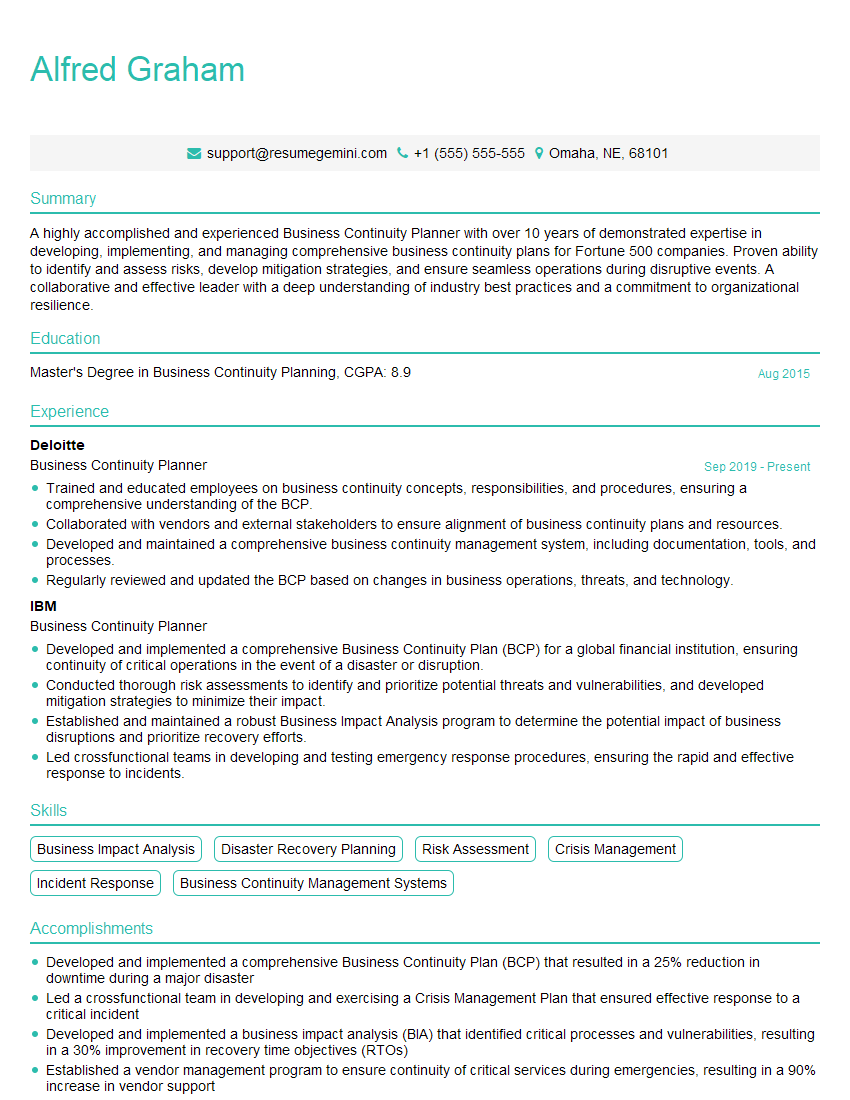
Mastering Independent Travel Assessment demonstrates crucial skills highly valued by employers: problem-solving, adaptability, resourcefulness, and cultural sensitivity. These skills translate to success in various roles requiring independent work and global awareness. To significantly boost your job prospects, create an ATS-friendly resume that highlights these skills effectively. ResumeGemini is a trusted resource to help you build a professional and impactful resume. We provide examples of resumes tailored to Independent Travel Assessment to guide you. Invest in crafting a strong resume – it’s your key to unlocking exciting career opportunities.
Explore more articles
Users Rating of Our Blogs
Share Your Experience
We value your feedback! Please rate our content and share your thoughts (optional).
What Readers Say About Our Blog
To the interviewgemini.com Webmaster.
Very helpful and content specific questions to help prepare me for my interview!
Thank you
To the interviewgemini.com Webmaster.
This was kind of a unique content I found around the specialized skills. Very helpful questions and good detailed answers.
Very Helpful blog, thank you Interviewgemini team.