Are you ready to stand out in your next interview? Understanding and preparing for Industrial Electrical Systems interview questions is a game-changer. In this blog, we’ve compiled key questions and expert advice to help you showcase your skills with confidence and precision. Let’s get started on your journey to acing the interview.
Questions Asked in Industrial Electrical Systems Interview
Q 1. Explain the difference between AC and DC power.
The fundamental difference between AC (Alternating Current) and DC (Direct Current) power lies in the direction of electron flow. In DC, electrons flow consistently in one direction, like water flowing downhill in a straight stream. This results in a constant voltage and current. Think of a battery; it provides DC power. In AC, the electron flow direction reverses periodically, oscillating back and forth like a wave in the ocean. This creates a voltage and current that change their magnitude and direction cyclically. Household power outlets typically supply AC power.
This difference has significant implications for applications. DC is often preferred for electronic devices because it’s easier to regulate and use in circuits. AC, however, is more efficient for long-distance power transmission due to the ease of stepping up and down voltage using transformers, reducing transmission losses.
Q 2. Describe the function of a transformer.
A transformer is a crucial passive device used in AC circuits to change the voltage level. It works based on the principle of electromagnetic induction. It consists of two or more coils of wire wound around a ferromagnetic core. When AC current flows through the primary coil, it creates a fluctuating magnetic field within the core. This fluctuating field induces a voltage in the secondary coil, whose magnitude is proportional to the ratio of the number of turns in the primary and secondary coils.
For example, a step-up transformer increases voltage by having more turns in the secondary coil than in the primary, while a step-down transformer reduces voltage by having fewer turns in the secondary coil. Transformers are essential in power distribution systems, allowing for efficient transmission of electricity over long distances at high voltage and then stepping it down to safer levels for consumption.
Q 3. What are the different types of motor starters?
Motor starters control the starting and stopping of motors, protecting them from damage during startup. Several types exist, each with its advantages:
- Across-the-line starters: These are simple and inexpensive, directly connecting the motor to the power supply. They’re suitable for smaller motors but can cause high inrush currents.
- Reduced-voltage starters: These limit the initial inrush current, reducing stress on the motor and power system. Examples include autotransformer starters and wye-delta starters.
- Solid-state starters: These use electronic components like thyristors or transistors for precise control over motor starting and running. They offer smooth starts, energy savings, and advanced control features.
- Soft starters: These gradually increase the voltage applied to the motor, providing a smooth start-up and reducing mechanical stress.
The choice of starter depends on factors like motor size, load characteristics, and required control sophistication.
Q 4. Explain the principles of motor control using PLCs.
Programmable Logic Controllers (PLCs) are widely used for sophisticated motor control. They provide a flexible and reliable platform for implementing various control strategies. A PLC receives input signals from sensors (e.g., limit switches, proximity sensors) and uses a programmed logic to determine the appropriate output signals to control the motor (e.g., start/stop, speed, direction).
For instance, a PLC might control a conveyor belt motor based on the presence of items detected by a sensor. If an item is detected, the PLC activates the motor. Once the item passes, the sensor signal changes, and the PLC stops the motor. More complex control schemes, like PID (Proportional-Integral-Derivative) control, can be implemented for precise speed regulation or position control. The PLC program is typically written in ladder logic, a graphical programming language easy to understand and troubleshoot.
//Example Ladder Logic (Illustrative): //Input: Sensor detecting item presence (I:1/1) //Output: Conveyor motor (O:1/1) //IF I:1/1 THEN O:1/1 ELSE O:1/1 := 0;Q 5. How does a variable frequency drive (VFD) work?
A Variable Frequency Drive (VFD) adjusts the frequency of the AC power supplied to an AC motor, thereby controlling its speed. It works by rectifying the incoming AC power into DC, then using an inverter to create a variable-frequency AC waveform. The frequency is directly proportional to the motor’s speed. By changing the frequency, the VFD precisely controls the motor’s rotational speed.
Besides speed control, VFDs also offer several advantages: reduced energy consumption (particularly at lower speeds), smoother starts and stops, improved motor protection, and precise torque control. They are commonly used in applications requiring variable-speed operation, such as pumps, fans, and conveyors.
Q 6. Describe your experience with troubleshooting electrical systems.
Throughout my career, I’ve extensively engaged in troubleshooting various electrical systems, ranging from simple motor circuits to complex industrial automation systems. A systematic approach is critical. I begin by gathering information: observing the system’s behavior, checking for any visible damage, and reviewing historical data or maintenance logs. Then, I use various diagnostic tools, such as multimeters, oscilloscopes, and motor analyzers, to isolate the faulty component or circuit.
For example, I once worked on a system where a production line kept shutting down unexpectedly. After systematically checking the motor controls, I found that a faulty limit switch was causing false signals, triggering the shutdown mechanism. Replacing the switch resolved the issue, highlighting the importance of thoroughly investigating all possible causes rather than focusing on assumptions. Documenting the troubleshooting process is crucial for future reference.
Q 7. Explain the safety procedures you follow when working with high voltage.
Safety is paramount when working with high-voltage systems. My procedures always start with a thorough risk assessment, identifying potential hazards. This includes checking lockout/tagout procedures to ensure the system is de-energized and locked out before any work commences. I always use appropriate personal protective equipment (PPE), including insulated gloves, safety glasses, and arc flash protection. Before touching any component, I verify the absence of voltage using a voltage tester.
Following established safety protocols is non-negotiable. If I am unsure about any aspect of the work, I seek guidance from a supervisor or more experienced colleague. Regular safety training and adherence to company procedures ensure a safe working environment and prevent accidents.
Q 8. What are the common types of industrial sensors and their applications?
Industrial sensors are the eyes and ears of automated systems, providing crucial data for process control and monitoring. They come in various types, each suited for specific applications.
- Temperature Sensors (Thermocouples, RTDs, Thermistors): These measure temperature in various industrial processes, from ovens and furnaces to engine monitoring and environmental control. For example, a thermocouple might be used in a steel mill to precisely control the heating process of metal billets.
- Pressure Sensors: Used to measure pressure in pneumatic and hydraulic systems, pipelines, and vessels. Imagine a pressure sensor in a water treatment plant monitoring the pressure within the pipes to ensure efficient distribution.
- Flow Sensors (Magnetic, Ultrasonic, Turbine): Measure the flow rate of liquids or gases in pipelines and processing equipment. A turbine flow meter, for instance, is vital in accurately measuring the flow of oil in a refinery.
- Level Sensors (Ultrasonic, Capacitive, Float): Detect the level of liquids or solids in tanks and containers, crucial for preventing overflows or shortages. A capacitive level sensor is common in chemical storage tanks to ensure safe and efficient levels.
- Proximity Sensors (Inductive, Capacitive, Photoelectric): Detect the presence or absence of objects without physical contact, used for automation, safety, and positioning. Think of a robotic arm in a factory guided by proximity sensors to pick and place components precisely.
- Force/Torque Sensors: Measure force and torque in robotic arms, automated machinery, and other applications requiring precise force control. These might be found in automated assembly lines to ensure screws are tightened to the correct specifications.
The choice of sensor depends heavily on the specific application, factors like accuracy requirements, environmental conditions, cost, and maintenance considerations all playing a crucial role.
Q 9. How do you interpret electrical schematics and blueprints?
Interpreting electrical schematics and blueprints requires a methodical approach and a strong understanding of electrical symbols and conventions. It’s like reading a map for an electrical system.
I start by identifying the main components: power sources, loads (motors, lights, etc.), control devices (switches, relays, PLCs), and wiring paths. I then trace the flow of electricity through the circuit, paying close attention to wiring colors, component ratings, and any special notations. The process involves understanding the symbols used to represent components (e.g., resistors, capacitors, inductors) and comprehending how they interact with each other. Blueprints, meanwhile, provide the physical layout of the equipment and its placement within the facility. Cross-referencing the schematic and blueprint ensures a comprehensive understanding of the system’s design and implementation.
For example, a motor starter schematic would show the motor, overload relay, contactor, and interconnecting wiring. The corresponding blueprint would reveal the physical location of these components within a control panel.
Q 10. Explain your experience with different types of wiring methods.
My experience encompasses various wiring methods, each with its own strengths and weaknesses. The choice depends largely on the application’s voltage, current, environment, and safety requirements.
- Conduit Wiring: This is a common method used for protection and organization of wires, particularly in industrial settings. Metal conduit protects wires from physical damage and provides grounding. I have experience installing and troubleshooting conduit systems in various industrial environments, including factories and power plants.
- Cable Tray Wiring: Used for running multiple cables neatly and efficiently, cable trays offer flexibility and are commonly used in large industrial installations. I’ve worked with various cable tray configurations, ensuring proper support and cable management.
- Wireways and Busways: These provide a structured and organized way to run power and control circuits. They are often employed in larger systems where numerous circuits need to be managed efficiently.
- Open Wiring: While less common in industrial settings due to safety concerns, I’m familiar with open wiring practices, particularly where appropriate safety measures and insulation are implemented. This is typically for lower voltage, less hazardous applications.
My experience includes selecting the appropriate wiring method based on relevant codes and standards, ensuring proper grounding, and adhering to strict safety protocols.
Q 11. What is your experience with Programmable Logic Controllers (PLCs)?
I have extensive experience with Programmable Logic Controllers (PLCs), the brains of many industrial automation systems. My experience encompasses programming, troubleshooting, and maintaining PLCs from various manufacturers (e.g., Allen-Bradley, Siemens, Omron).
My PLC programming skills include ladder logic, structured text, and function block diagrams. I’ve worked on projects involving complex control systems, such as automated production lines, robotic systems, and process control loops. For example, I programmed a PLC to control a conveyor system, managing the movement of materials, speed regulation, and sensor feedback to ensure smooth and efficient operation. Troubleshooting involves using diagnostic tools, analyzing PLC logs, and using my understanding of the control logic to isolate and resolve issues, minimizing downtime.
I’m proficient in using PLC programming software and hardware, and I’m comfortable with various communication protocols used in industrial automation.
Q 12. Describe your experience with Supervisory Control and Data Acquisition (SCADA) systems.
Supervisory Control and Data Acquisition (SCADA) systems provide a centralized platform for monitoring and controlling large-scale industrial processes. My experience with SCADA systems involves configuration, programming, and troubleshooting.
I’ve worked with various SCADA platforms, including those from Rockwell Automation, Siemens, and Schneider Electric. My responsibilities have included designing and implementing SCADA systems for water treatment plants, power distribution networks, and manufacturing facilities. This involves setting up communication networks, configuring data acquisition points, creating operator interfaces (HMIs), and implementing alarm and event management systems. For example, I implemented a SCADA system for a water treatment plant, monitoring key parameters like water level, chemical dosages, and flow rates. The system provided real-time data visualization, automated control, and remote access for efficient monitoring and control.
My experience also includes integrating SCADA systems with other industrial control systems, including PLCs and RTUs (Remote Terminal Units), ensuring seamless data exchange and control.
Q 13. What are the different types of industrial networks?
Industrial networks are the communication backbone of modern industrial control systems, allowing different devices and systems to exchange data efficiently. There are several types:
- Ethernet/IP (Industrial Ethernet): A widely used industrial Ethernet protocol that provides high-speed data transmission. It’s common in modern industrial automation systems.
- PROFINET: Another popular industrial Ethernet protocol, known for its robust capabilities and support for various industrial devices.
- Modbus: A simple and widely adopted serial communication protocol used in various industrial devices, especially PLCs and RTUs.
- Profibus: A fieldbus communication protocol providing high-speed data transmission for industrial automation.
- ControlNet: A high-speed, real-time communication network often used for demanding automation applications.
- Wireless Technologies (Wi-Fi, Zigbee): Increasingly used for monitoring and control in industrial settings, particularly for remote or difficult-to-wire areas. However, security considerations are paramount.
The selection of an industrial network depends on factors like speed requirements, real-time capabilities, distance, and the number of devices.
Q 14. Explain your experience with electrical safety regulations and codes.
Electrical safety is paramount in industrial settings. My experience includes a thorough understanding and strict adherence to relevant safety regulations and codes, such as OSHA (Occupational Safety and Health Administration), NEC (National Electrical Code), and IEC (International Electrotechnical Commission) standards.
This includes: proper lockout/tagout procedures for equipment maintenance, understanding and application of arc flash hazard analysis, ensuring proper grounding and bonding techniques, selecting appropriate personal protective equipment (PPE), and understanding and implementing relevant safety interlocks and safety systems. I’ve been involved in conducting safety audits, identifying potential hazards, and recommending corrective actions to mitigate risks. I’ve always prioritized safety, and my work history demonstrates a consistent commitment to safe practices in accordance with all relevant regulations.
Regular safety training and staying up-to-date with the latest safety standards are essential aspects of my professional practice.
Q 15. How do you perform preventative maintenance on industrial electrical equipment?
Preventative maintenance on industrial electrical equipment is crucial for ensuring safety, reliability, and minimizing downtime. It involves a proactive approach, regularly inspecting and servicing equipment before failures occur. This includes a combination of visual inspections, testing, and cleaning.
- Visual Inspections: Regularly checking for loose connections, damaged insulation, corrosion, overheating signs (discoloration, warping), and any physical damage to components like motors, transformers, and switchgear.
- Testing: Using various instruments like multimeters, insulation resistance testers (meggers), and thermal cameras to measure voltage, current, resistance, insulation integrity, and temperature. This helps detect anomalies before they lead to failures. For example, measuring the insulation resistance of motor windings can identify potential degradation.
- Cleaning: Removing dust, dirt, and debris from electrical components. Accumulated dust can impede heat dissipation and lead to overheating, while dirt can cause corrosion and short circuits. This is especially important in environments with high levels of particulate matter.
- Lubrication: Lubricating moving parts of equipment like motor bearings to minimize friction and wear. Improper lubrication can lead to premature bearing failure and catastrophic motor damage.
- Tightening Connections: Ensuring all electrical connections are properly tightened to prevent arcing and overheating due to loose contacts. This is a simple yet highly effective preventative measure.
A well-defined preventative maintenance schedule, tailored to the specific equipment and operating conditions, is key. For instance, high-voltage switchgear might require more frequent inspections compared to low-voltage distribution panels.
Career Expert Tips:
- Ace those interviews! Prepare effectively by reviewing the Top 50 Most Common Interview Questions on ResumeGemini.
- Navigate your job search with confidence! Explore a wide range of Career Tips on ResumeGemini. Learn about common challenges and recommendations to overcome them.
- Craft the perfect resume! Master the Art of Resume Writing with ResumeGemini’s guide. Showcase your unique qualifications and achievements effectively.
- Don’t miss out on holiday savings! Build your dream resume with ResumeGemini’s ATS optimized templates.
Q 16. Describe your experience with troubleshooting and repairing motor control centers.
My experience with motor control centers (MCCs) spans several years, encompassing troubleshooting, repair, and preventative maintenance. I’ve worked on MCCs ranging from small, simple units to large, complex systems controlling hundreds of motors in various industrial settings, including manufacturing plants and processing facilities.
Troubleshooting often involves systematically isolating the fault using a combination of techniques. This begins with a thorough visual inspection, checking for obvious problems like loose connections, burnt components, or signs of overheating. Then, I’ll use diagnostic tools like multimeters and clamp meters to measure voltage, current, and resistance at various points in the circuit. Logic analyzers and programmable logic controller (PLC) programming software may be used to check the logic and control sequences. For example, I once tracked down a faulty motor starter by systematically checking the voltage at each stage of the control circuit, eventually pinpointing a failing contactor.
Repair involves replacing faulty components, such as contactors, overload relays, fuses, and circuit breakers. This requires knowledge of electrical safety procedures and adherence to lockout/tagout protocols. After repairs, thorough testing is essential to verify proper functionality and safety before restoring power.
Q 17. What is your experience with electrical power distribution systems?
My experience with electrical power distribution systems is extensive, encompassing design, installation, maintenance, and troubleshooting. I’m familiar with various distribution methods, including low and medium voltage systems using transformers, switchgear, circuit breakers, bus bars, and cabling. I have worked with both radial and ring main distribution systems, understanding their respective advantages and disadvantages. I’m also experienced in working with different types of cables, including shielded and armored cables, selecting appropriate cable sizes based on current carrying capacity and voltage drop calculations.
For example, I once worked on a project involving the upgrade of a manufacturing plant’s power distribution system to accommodate increased power demand. This involved careful planning and coordination, taking into account the existing infrastructure, safety regulations, and the need for minimal downtime. The project included upgrading transformers, installing new switchgear, and rerouting cables.
Q 18. Explain your knowledge of grounding and bonding techniques.
Grounding and bonding are essential for safety and proper operation of electrical systems. Grounding provides a low-impedance path for fault currents to flow back to the source, preventing dangerous voltage buildup on exposed conductive surfaces. Bonding connects metallic parts of the system together to equalize their potential, preventing voltage differences that could cause hazardous arcing or shocks.
Grounding techniques vary depending on the system and application. Common methods include grounding electrodes (rods, plates), ground rings, and grounding conductors. The design should comply with relevant electrical codes and standards (like NFPA 70, the National Electrical Code in the US).
Bonding is achieved by connecting metallic parts, such as equipment enclosures, conduit, and structural steel, with low-resistance conductors. Effective grounding and bonding minimize the risk of electric shock and equipment damage in case of a fault. A poorly grounded system can lead to dangerous voltages on metallic enclosures, putting personnel at risk.
I have practical experience in designing, verifying and testing grounding systems using specialized equipment and techniques to ensure compliance with safety standards. This involves measuring ground resistance using a clamp meter and a grounding rod tester.
Q 19. What are the common causes of electrical faults in industrial settings?
Several factors contribute to electrical faults in industrial settings. These can be broadly classified into:
- Overloads: Exceeding the rated current carrying capacity of conductors, equipment, or circuits. This can lead to overheating, causing insulation breakdown and potential fires.
- Short Circuits: Unintentional connections between conductors carrying different voltages. This results in high fault currents, causing immediate damage to equipment and potentially triggering protective devices like fuses or circuit breakers. A common cause is insulation failure.
- Ground Faults: Unintentional connections between a live conductor and ground. These can be dangerous and may not always trip protective devices immediately.
- Loose Connections: Poorly tightened connections lead to high resistance, causing overheating and potential arcing. Vibration and thermal expansion/contraction can exacerbate loose connections.
- Environmental Factors: Exposure to moisture, dust, and corrosive substances can damage insulation and lead to faults. High temperatures can also stress components and reduce their lifespan.
- Equipment Failure: Wear and tear, component aging, and manufacturing defects can all contribute to equipment failure.
Identifying the root cause of an electrical fault requires a systematic approach, combining visual inspection, testing, and analysis of operational data.
Q 20. Describe your experience with using diagnostic tools for electrical systems.
I’m proficient in using various diagnostic tools for electrical systems. This includes:
- Multimeters: For measuring voltage, current, resistance, and continuity.
- Clamp Meters: For measuring current without interrupting the circuit.
- Insulation Resistance Testers (Meggers): To measure the insulation resistance of cables and equipment windings.
- Thermal Cameras: To detect overheating components and potential hot spots.
- Logic Analyzers: To analyze the digital signals in PLC and other control systems.
- Power Quality Analyzers: To identify voltage sags, surges, harmonics and other power quality issues that might indicate underlying problems.
I utilize these tools to systematically troubleshoot and identify the root cause of electrical problems. For example, using a thermal camera on a motor control center can quickly pinpoint an overloaded contactor before it causes significant damage. The data gathered from these instruments allows for informed decisions on repair or replacement strategies.
Q 21. How do you ensure the safety and reliability of industrial electrical systems?
Ensuring the safety and reliability of industrial electrical systems is paramount. This involves a multi-faceted approach:
- Adherence to safety standards and regulations: Following relevant codes like NFPA 70 (NEC), OSHA regulations, and other applicable standards is crucial. This ensures safe design, installation, operation, and maintenance of electrical systems.
- Proper lockout/tagout procedures: Implementing strict lockout/tagout procedures before performing any maintenance or repairs on electrical equipment prevents accidental energization and protects personnel from electrical hazards.
- Regular inspections and maintenance: A comprehensive preventative maintenance program, as discussed earlier, is key to identifying and addressing potential issues before they lead to failures or accidents.
- Grounding and bonding: Implementing effective grounding and bonding practices minimizes the risk of electric shock and equipment damage.
- Protective devices: Using appropriate protective devices such as circuit breakers, fuses, and ground fault circuit interrupters (GFCIs) helps to protect equipment and personnel from overloads, short circuits, and ground faults.
- Proper training and competency: Ensuring that personnel working with electrical systems are properly trained and qualified is essential. This includes understanding safety procedures, troubleshooting techniques, and equipment operation.
- Documentation: Maintaining accurate records of inspections, maintenance, and repairs facilitates effective system management and aids in troubleshooting future issues.
By consistently implementing these measures, we can significantly enhance the safety and reliability of industrial electrical systems, reducing the risk of accidents, minimizing downtime, and ensuring efficient operation.
Q 22. What is your experience with electrical testing and measurement equipment?
My experience with electrical testing and measurement equipment is extensive, encompassing a wide range of instruments and techniques. I’m proficient in using multimeters (both analog and digital) for basic voltage, current, and resistance measurements. Beyond this, I have significant experience with more specialized equipment such as clamp meters for current measurement without breaking the circuit, insulation resistance testers (meggers) for assessing the integrity of insulation, and power quality analyzers to identify harmonics and voltage sags. I’ve also worked with advanced equipment like motor testers for diagnosing motor faults and thermal imagers to detect overheating in electrical components. For example, during a recent project at a manufacturing plant, I used a power quality analyzer to pinpoint the source of intermittent power outages affecting a critical production line, ultimately saving the company significant downtime and losses. This involved meticulously analyzing waveforms and identifying specific harmonic frequencies causing the issues.
Q 23. Describe your experience with working on high-voltage equipment.
My work with high-voltage equipment has always prioritized safety and adherence to strict protocols. I have hands-on experience with switchgear, transformers, and high-voltage cable installations, working on systems ranging from 480V to 13.8kV. I’m familiar with lockout/tagout procedures, which are critical for preventing accidental energization. I’ve undergone specialized training and hold relevant certifications to perform work on energized high-voltage systems under strict supervision. A particular project involved the commissioning of a new 13.8kV substation. This required detailed knowledge of relay settings, protective devices, and grounding systems. We meticulously followed a step-by-step commissioning plan, testing each component rigorously before energizing the system. Safety was paramount—every team member was briefed on specific hazards and personal protective equipment (PPE) requirements before commencing any task.
Q 24. Explain your experience with arc flash safety and procedures.
Arc flash safety is a core component of my electrical safety training. I’m deeply familiar with the potential dangers of arc flash incidents and the preventative measures required. This includes understanding arc flash hazard analysis calculations (using software like ETAP or SKM) to determine appropriate PPE requirements based on incident energy levels. Before undertaking any work on electrical equipment, I always conduct a thorough risk assessment, taking into account the system voltage, fault current, and working distance. I’m proficient in performing lockout/tagout procedures and using appropriate PPE, including arc flash suits, face shields, and arc-rated gloves. In a recent scenario, we needed to replace a faulty circuit breaker on a 480V switchboard. Our team performed a thorough arc flash risk assessment, calculated the incident energy, and selected the appropriate PPE based on these calculations. This ensured the safety of all personnel during the entire operation.
Q 25. How do you manage multiple priorities and deadlines in an industrial environment?
Managing multiple priorities and deadlines in an industrial environment requires a structured approach. I utilize project management techniques such as prioritization matrices (like MoSCoW) to rank tasks based on their urgency and importance. I also employ time management strategies such as time blocking and task delegation when appropriate. Effective communication is key; I regularly update stakeholders on project progress and any potential roadblocks. For example, on one occasion, we had multiple urgent requests for electrical repairs while simultaneously working on a large-scale upgrade project. To ensure all deadlines were met, I used a Kanban board to visualize tasks, prioritize based on urgency and impact, and delegate less critical tasks where feasible. This system allowed us to track progress effectively, avoid bottlenecks, and ultimately complete all tasks successfully.
Q 26. Describe your experience with implementing energy-efficient solutions in industrial settings.
Implementing energy-efficient solutions in industrial settings has been a significant part of my work. This often involves using energy monitoring systems to identify areas of high energy consumption. I’ve worked on projects involving variable frequency drives (VFDs) for motor control, reducing energy waste significantly. We’ve also implemented power factor correction (PFC) systems to improve the efficiency of electrical systems and reduce energy bills. For instance, at a food processing facility, we implemented VFDs on several large motors. This resulted in a measurable reduction in energy consumption, lowering operational costs and reducing the facility’s carbon footprint. The project also involved educating the facility staff on energy-saving practices.
Q 27. Explain your experience with documenting and maintaining electrical system records.
Maintaining accurate and up-to-date electrical system records is crucial for safety and efficient operation. I’m experienced in utilizing Computerized Maintenance Management Systems (CMMS) software to document all aspects of electrical systems. This includes drawings, schematics, equipment specifications, maintenance logs, and testing records. I ensure that all documentation adheres to industry standards and is easily accessible. Maintaining comprehensive records is critical for troubleshooting, future upgrades, and regulatory compliance. For example, during a recent audit, our meticulously maintained records (stored using a CMMS) demonstrated our compliance with all relevant safety regulations. This streamlined the audit process and avoided any penalties.
Q 28. What is your experience with integrating new equipment into existing industrial electrical systems?
Integrating new equipment into existing industrial electrical systems requires careful planning and execution. I start by thoroughly reviewing the specifications of the new equipment to ensure compatibility with the existing infrastructure. This includes verifying voltage, current, frequency, and other parameters. I then develop a detailed integration plan, outlining all necessary steps, including the installation of wiring, protective devices, and control systems. Safety is a top priority; I ensure that all work is performed in accordance with established safety procedures. A recent project involved integrating a new robotic arm into an existing manufacturing line. This required careful coordination with the mechanical and control systems engineers. We ensured that the electrical integration was seamlessly integrated with the robotic arm’s control system, resulting in a smooth and efficient operation.
Key Topics to Learn for Industrial Electrical Systems Interview
- Power Systems: Understand AC/DC power distribution, transformers, circuit breakers, and protective relaying. Consider practical applications like designing a power distribution system for a factory floor or troubleshooting a power outage.
- Motor Control: Master different motor types (AC induction, DC, servo), their control methods (VFDs, PLCs), and starting techniques. Think about real-world scenarios like optimizing motor efficiency in a pump system or diagnosing a faulty motor controller.
- Instrumentation and Control Systems: Familiarize yourself with sensors, transducers, and their integration with PLCs and SCADA systems. Explore practical applications like designing a process control system for a chemical plant or troubleshooting a faulty temperature sensor.
- Industrial Safety and Regulations: Understand relevant safety standards (e.g., NEC, OSHA) and their application in industrial settings. Consider practical applications like designing a safe electrical system or conducting a safety audit.
- Troubleshooting and Diagnostics: Develop skills in systematically diagnosing electrical faults using various tools and techniques (e.g., multimeters, oscilloscopes). Think about real-world examples like troubleshooting a faulty circuit or identifying the root cause of a system malfunction.
- PLC Programming and Automation: Gain experience with PLC programming languages (e.g., ladder logic) and their application in industrial automation. Consider designing a simple automation sequence or troubleshooting a PLC program.
- Network Communication Protocols: Understand industrial communication protocols (e.g., Profibus, Ethernet/IP) and their role in connecting different parts of an industrial system. Think about real-world scenarios like designing a network for industrial automation or troubleshooting network connectivity issues.
Next Steps
Mastering Industrial Electrical Systems opens doors to exciting and rewarding careers in various industries. Your expertise in this field is highly sought after, offering opportunities for growth and innovation. To maximize your job prospects, it’s crucial to create a resume that effectively highlights your skills and experience. An ATS-friendly resume is key to getting noticed by recruiters and hiring managers. ResumeGemini is a trusted resource that can help you build a professional and impactful resume that gets you noticed. We provide examples of resumes tailored to Industrial Electrical Systems to guide you through the process. Take the next step towards your dream career – build your best resume with ResumeGemini.
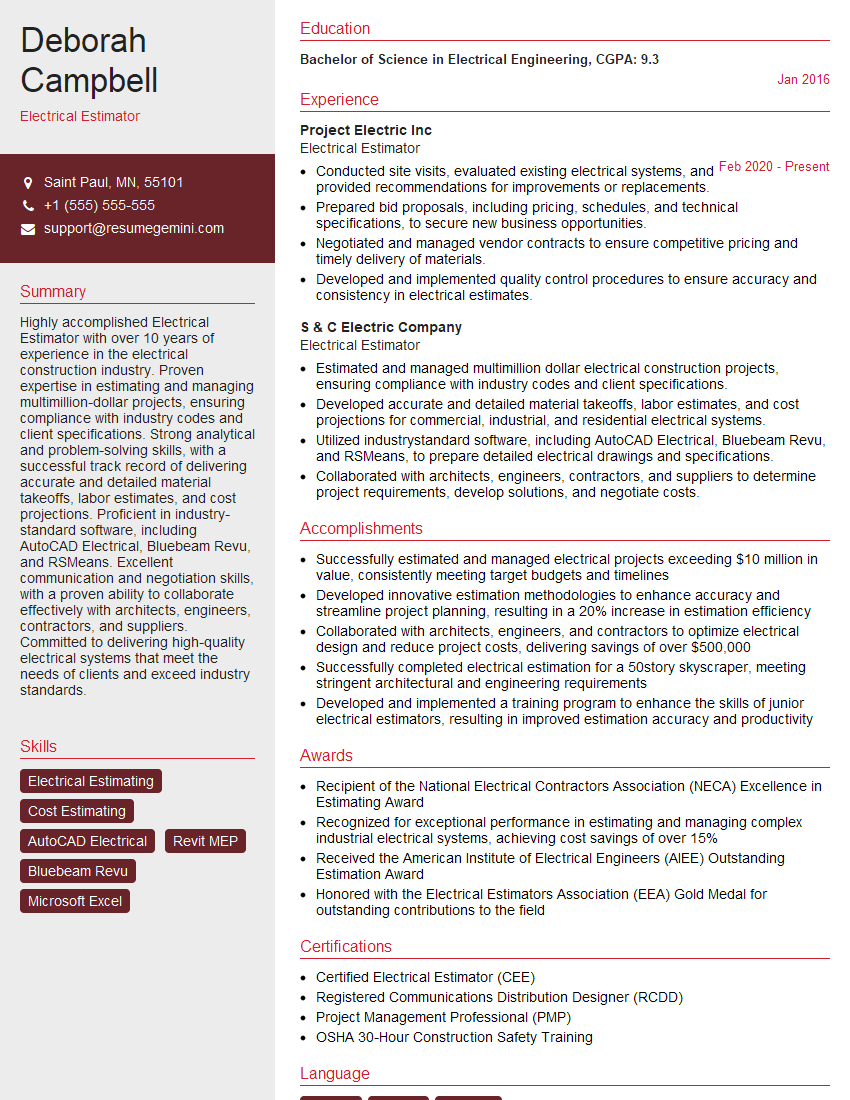
Electrical Estimator Resume Sample
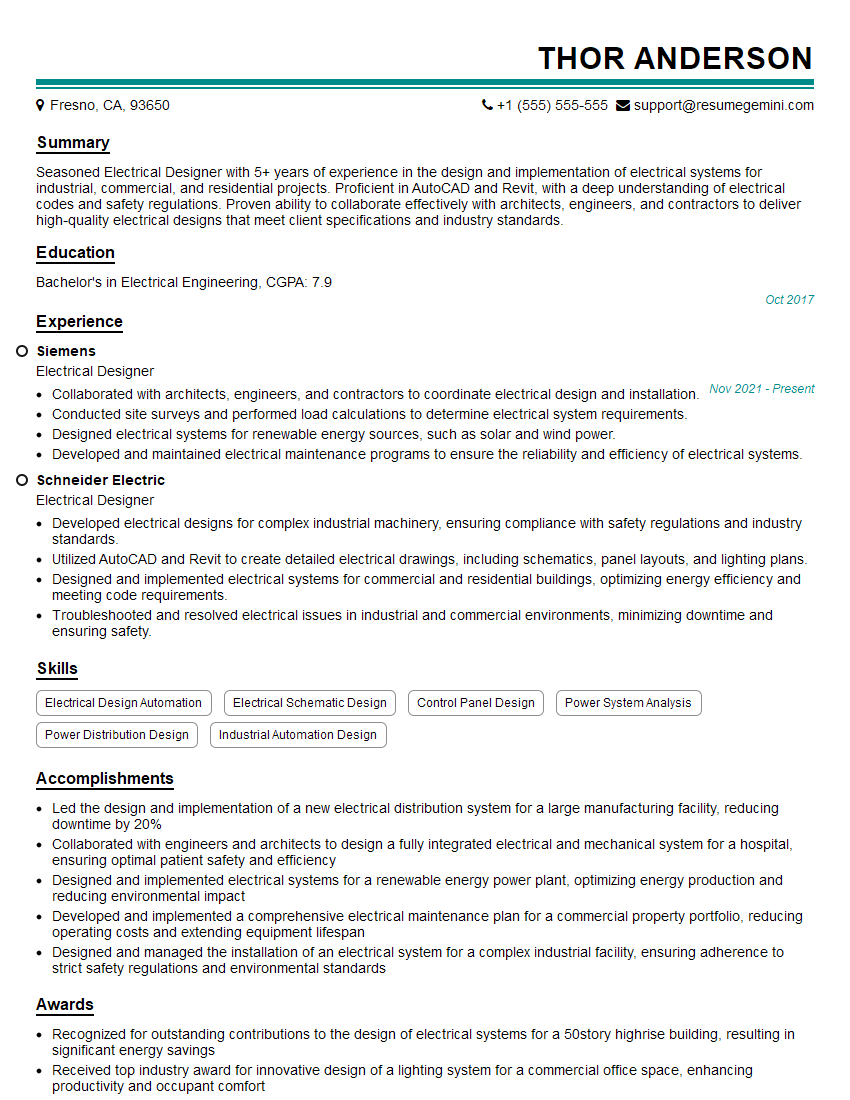
Electrical Designer Resume Sample
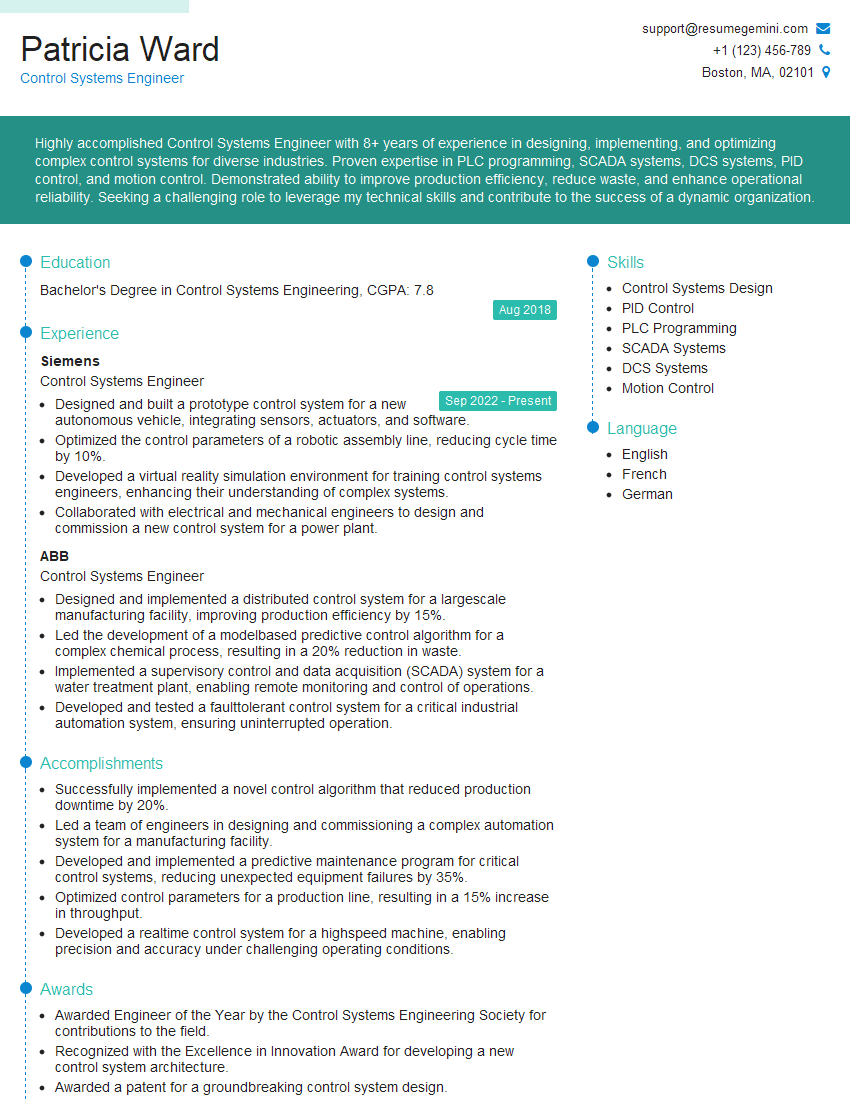
Control Systems Engineer Resume Sample
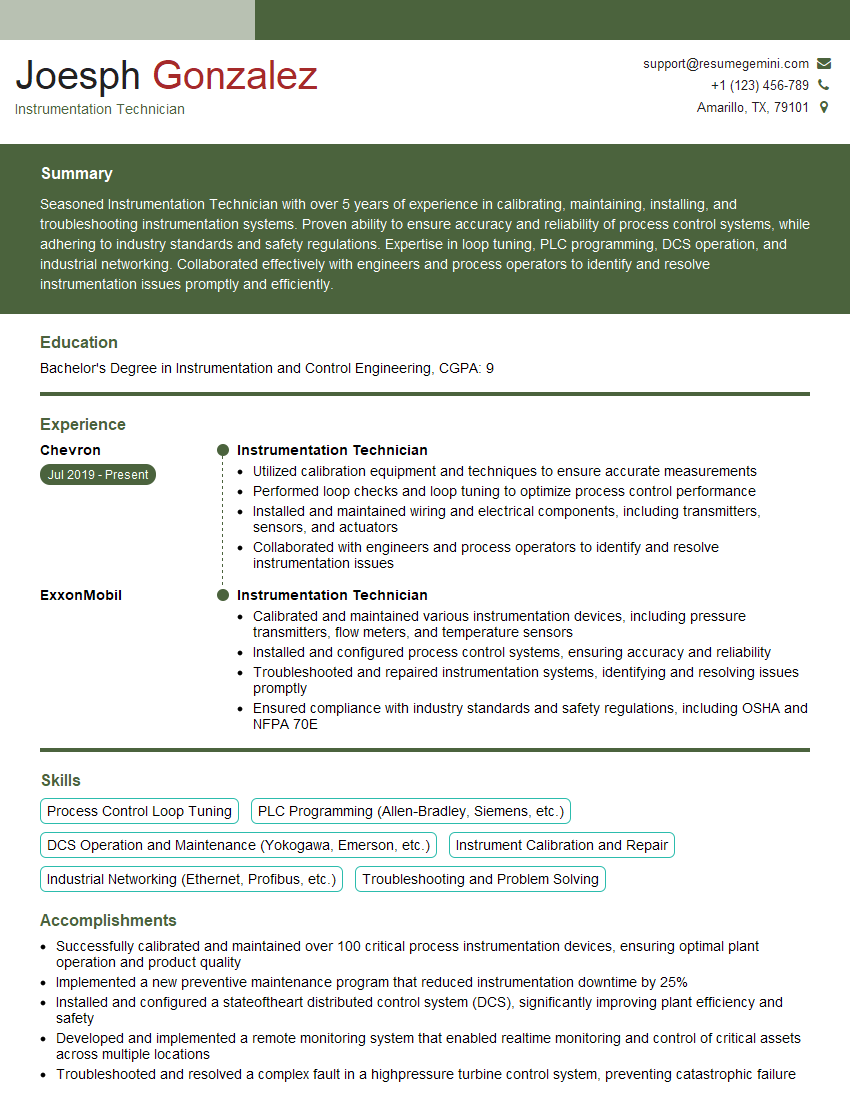
Instrumentation Technician Resume Sample
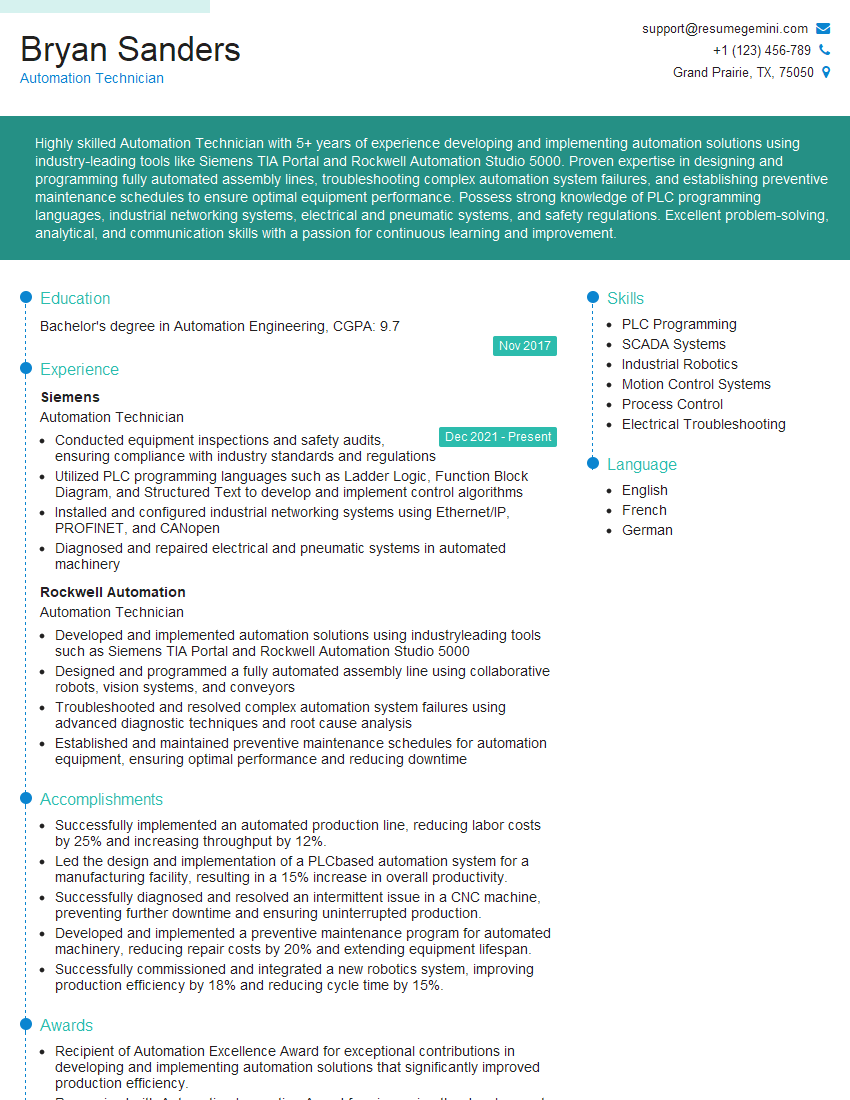
Automation Technician Resume Sample
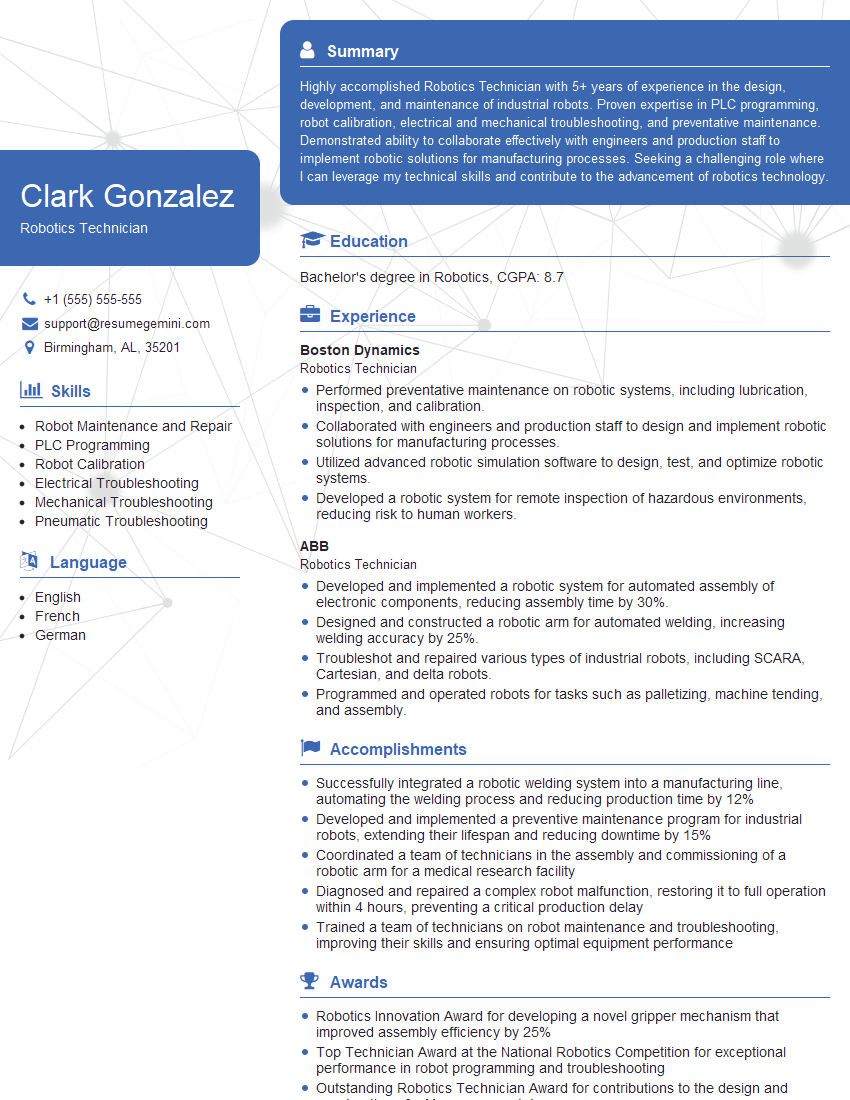
Robotics Technician Resume Sample
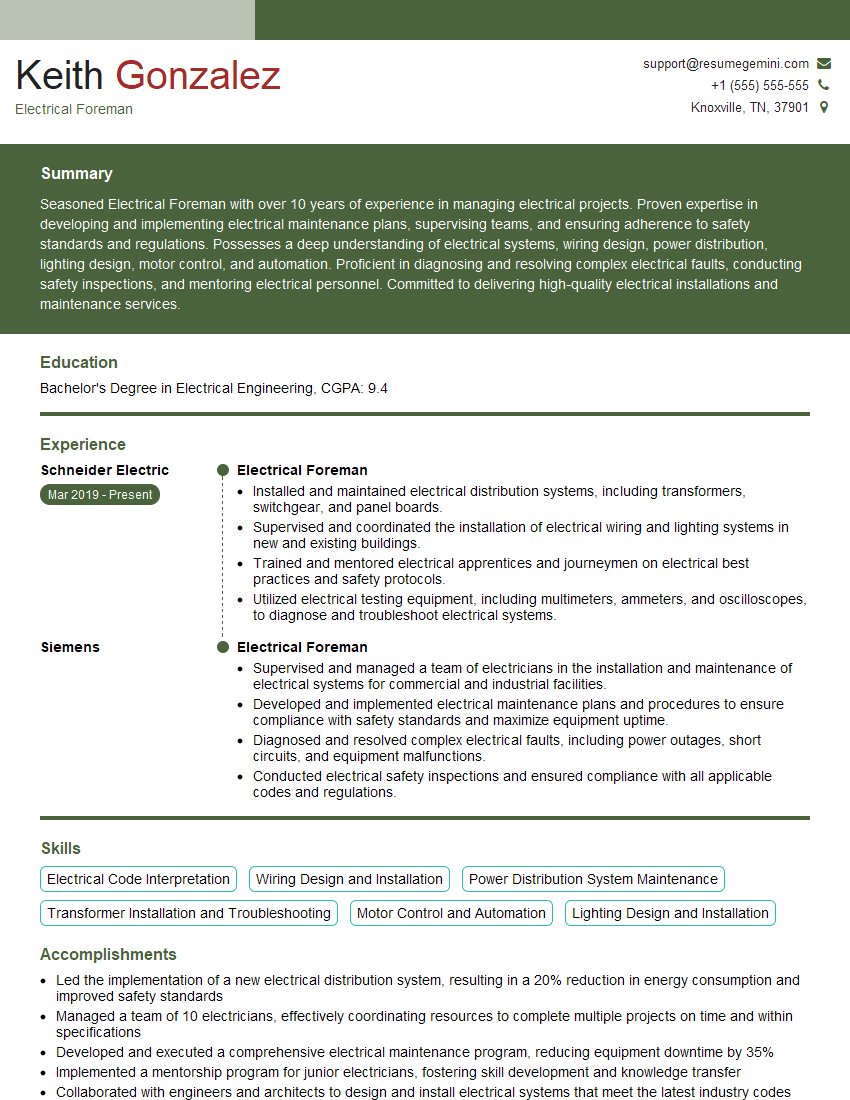
Electrical Foreman Resume Sample
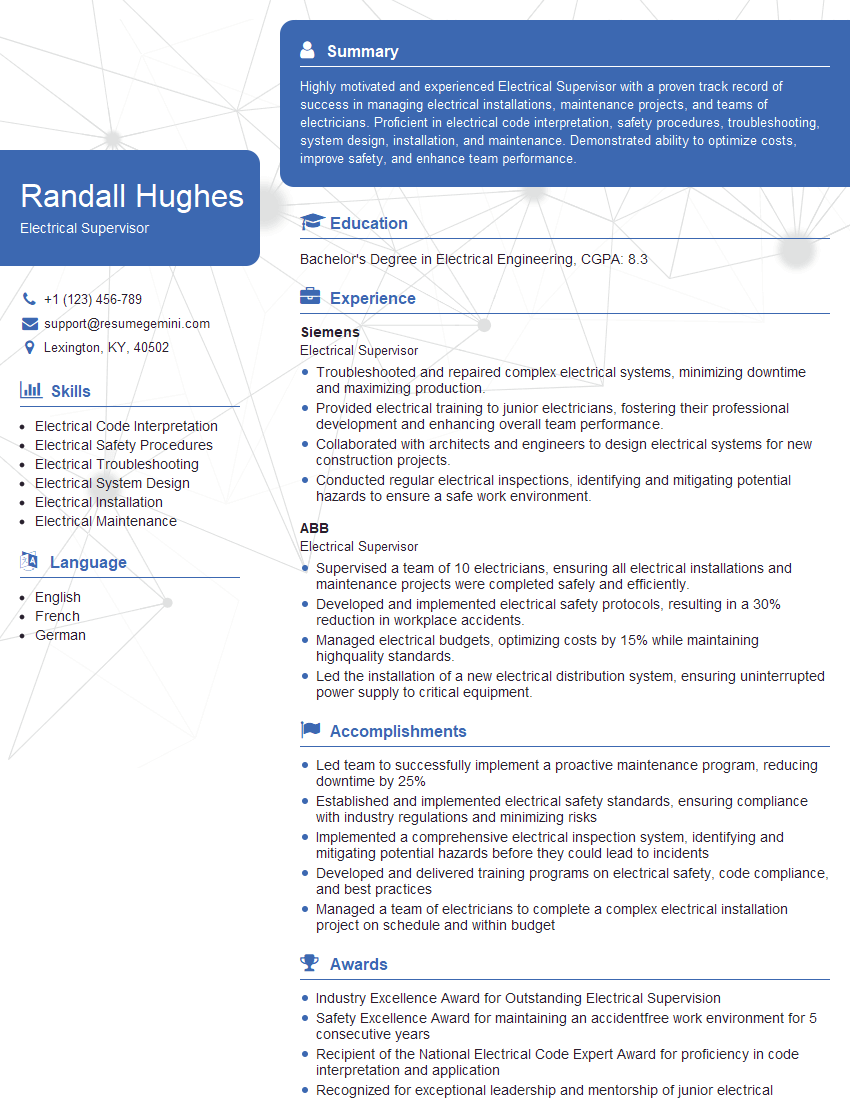
Electrical Supervisor Resume Sample
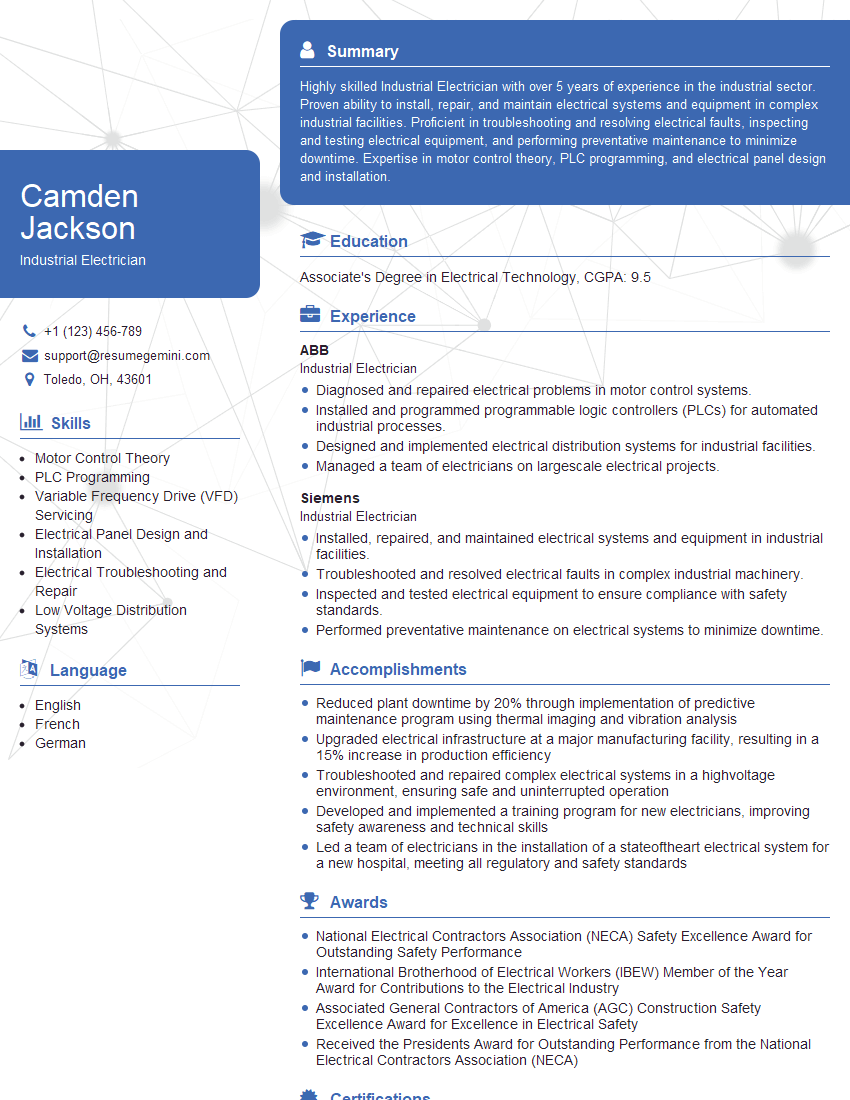
Industrial Electrician Resume Sample

Maintenance Electrician Resume Sample
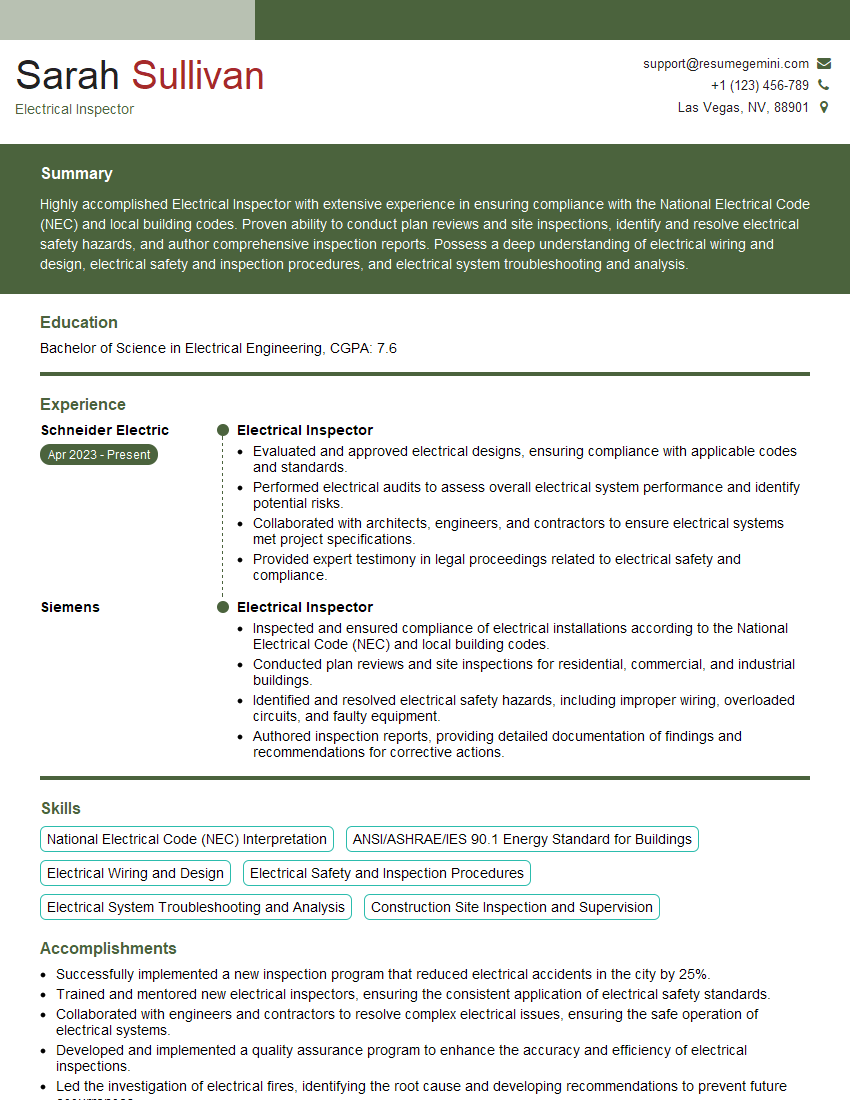
Electrical Inspector Resume Sample
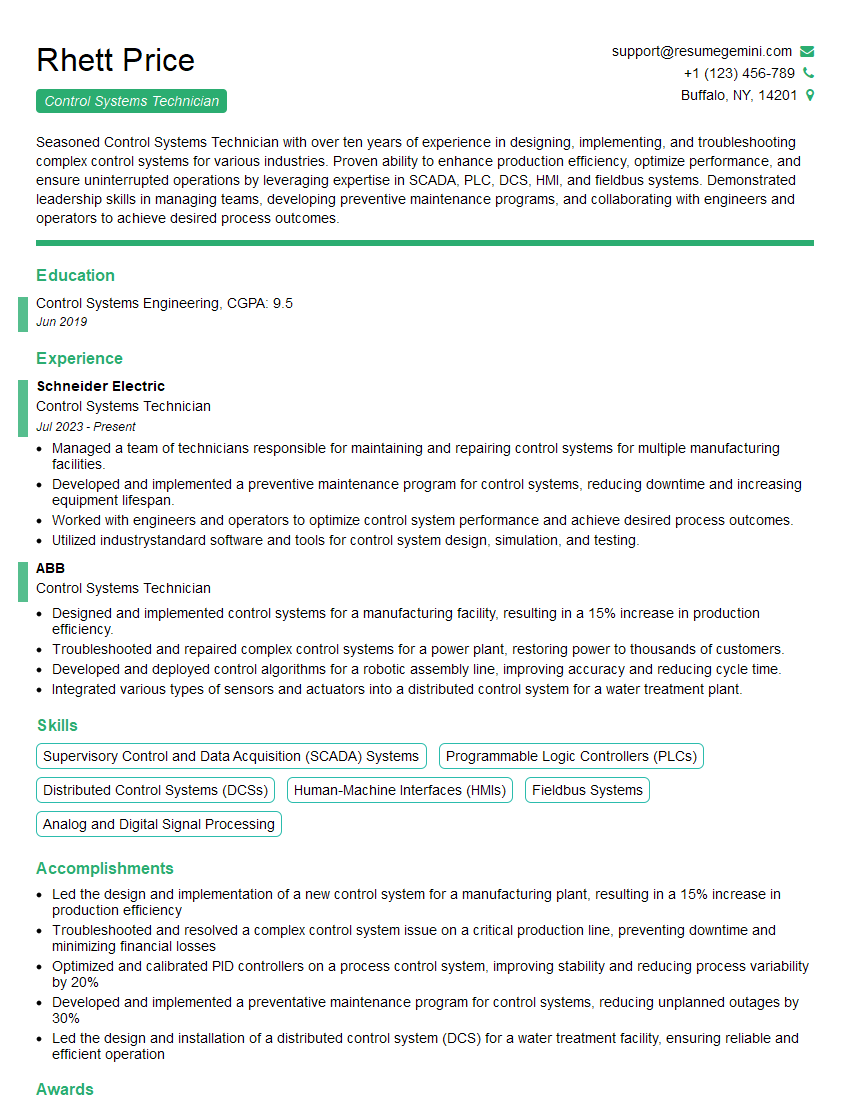
Control Systems Technician Resume Sample
Explore more articles
Users Rating of Our Blogs
Share Your Experience
We value your feedback! Please rate our content and share your thoughts (optional).
What Readers Say About Our Blog
To the interviewgemini.com Webmaster.
Very helpful and content specific questions to help prepare me for my interview!
Thank you
To the interviewgemini.com Webmaster.
This was kind of a unique content I found around the specialized skills. Very helpful questions and good detailed answers.
Very Helpful blog, thank you Interviewgemini team.