Feeling uncertain about what to expect in your upcoming interview? We’ve got you covered! This blog highlights the most important Industrial Wastewater Analysis interview questions and provides actionable advice to help you stand out as the ideal candidate. Let’s pave the way for your success.
Questions Asked in Industrial Wastewater Analysis Interview
Q 1. Explain the different types of industrial wastewater and their characteristics.
Industrial wastewater varies greatly depending on the industry. We can broadly categorize it into several types, each with unique characteristics:
- Chemical Wastewater: This often contains high concentrations of dissolved and suspended solids, heavy metals (like chromium, lead, mercury), and various organic and inorganic chemicals. Think of a chemical manufacturing plant or a plating facility. The toxicity and specific composition are highly variable and require specialized treatment.
- Textile Wastewater: Characterized by high levels of dyes, chemicals used in textile processing (e.g., sizing agents, detergents), and suspended solids. The color and chemical oxygen demand (COD) are significant concerns.
- Food Processing Wastewater: This typically contains high Biochemical Oxygen Demand (BOD) and COD from organic matter like fats, oils, grease, and food residues. It can also contain suspended solids and pathogens if not properly handled. Think of a dairy or meat processing plant.
- Pharmaceutical Wastewater: This can contain a complex mixture of active pharmaceutical ingredients (APIs), solvents, and other chemicals, often posing unique challenges in terms of biodegradability and potential environmental impacts.
- Metal Finishing Wastewater: This frequently contains heavy metals, acids, alkalis, and other chemicals used in processes such as electroplating and metal cleaning. The presence of heavy metals necessitates specialized treatment to prevent environmental contamination.
The specific characteristics, such as pH, temperature, turbidity, and the concentration of various pollutants, dictate the appropriate treatment strategy. Accurate characterization is the first crucial step in designing an effective wastewater treatment system.
Q 2. Describe the common parameters analyzed in industrial wastewater.
Analyzing industrial wastewater involves a comprehensive suite of parameters to assess its impact on the environment and human health. Common parameters include:
- pH: Measures acidity or alkalinity, crucial for determining corrosivity and influencing biological treatment processes.
- Temperature: Affects the efficiency of biological treatment and can indicate the presence of certain industrial processes.
- Turbidity: Indicates the level of suspended solids, affecting light penetration in aquatic systems.
- BOD (Biochemical Oxygen Demand): Measures the amount of oxygen consumed by microorganisms during the decomposition of organic matter. A high BOD indicates significant organic pollution.
- COD (Chemical Oxygen Demand): Measures the total amount of oxygen needed to chemically oxidize organic and inorganic matter. It provides a broader measure of organic pollution than BOD.
- Total Suspended Solids (TSS): The total amount of solid material suspended in the water, contributing to turbidity and potential sediment buildup.
- Total Dissolved Solids (TDS): The amount of dissolved inorganic and organic matter in the water, impacting salinity and potential toxicity.
- Specific pollutants: Depending on the industry, specific pollutants like heavy metals (e.g., lead, chromium, mercury), cyanide, oils, greases, and specific organic compounds need to be analyzed.
- Nutrients (Nitrogen and Phosphorus): These can contribute to eutrophication in receiving waters.
- Pathogens: For certain wastewater streams (e.g., food processing), analysis for pathogens (bacteria, viruses) is essential.
The selection of parameters depends on the specific industrial source and potential environmental impacts. Regulations often dictate which parameters are required to be monitored and the permitted limits.
Q 3. What are the regulatory requirements for industrial wastewater discharge?
Regulatory requirements for industrial wastewater discharge vary significantly by location (national, regional, local) and the type of industry. Generally, these regulations aim to protect receiving waters (rivers, lakes, oceans) and public health. They often specify:
- Permitted discharge limits: Maximum allowable concentrations of specific pollutants (BOD, COD, TSS, heavy metals, etc.).
- Pre-treatment requirements: Industries may be required to perform pre-treatment steps to reduce pollutant loads before discharging to a municipal treatment plant or directly into a water body.
- Monitoring and reporting: Regular monitoring of wastewater discharge and submission of reports to regulatory agencies are typically mandated.
- Compliance permits: Industries usually need permits that specify discharge limits, monitoring requirements, and other operational conditions.
- Penalty clauses for non-compliance: Significant penalties (fines, legal actions) can result from exceeding discharge limits or failing to comply with other regulations.
It’s crucial for industries to understand and adhere to applicable regulations to avoid legal repercussions and environmental damage. Consulting with environmental engineers and regulatory authorities is essential for compliance.
Q 4. How do you determine the appropriate treatment method for a specific industrial wastewater stream?
Selecting the appropriate treatment method requires a thorough understanding of the wastewater characteristics and regulatory requirements. It’s a multi-step process:
- Wastewater Characterization: A detailed analysis of the wastewater parameters (as discussed in question 2) is crucial for determining its composition and pollutant loads.
- Treatment Goals: Define the desired effluent quality based on regulatory requirements and the intended use of the treated water (e.g., discharge to a water body, reuse).
- Treatment Technology Selection: Consider various treatment options based on the wastewater characteristics and treatment goals. This could involve physical processes (screening, sedimentation), chemical processes (neutralization, precipitation), or biological processes (activated sludge, anaerobic digestion).
- Feasibility Assessment: Evaluate the technical and economic feasibility of different treatment options, considering factors like capital costs, operating costs, energy consumption, and land requirements.
- Pilot Testing (if necessary): Pilot testing can help optimize treatment processes and verify the effectiveness of the chosen technology before full-scale implementation.
For example, a wastewater stream with high BOD and COD might be suitable for biological treatment (activated sludge), while a stream containing high concentrations of heavy metals may require chemical precipitation or ion exchange.
Q 5. Explain the principle of activated sludge treatment.
Activated sludge treatment is a widely used biological wastewater treatment process. It relies on a mixed culture of microorganisms (bacteria, protozoa, fungi) to break down organic matter in the wastewater. The process involves:
- Aeration: Wastewater is mixed with activated sludge (a concentrated suspension of microorganisms) and aerated to provide oxygen for the microorganisms to thrive.
- Biological Oxidation: Microorganisms consume organic matter in the wastewater, converting it into carbon dioxide, water, and other byproducts.
- Sedimentation: After aeration, the mixture is allowed to settle in a clarifier. The treated wastewater is decanted (removed), and the activated sludge is returned to the aeration tank (return activated sludge) to maintain the microbial population.
- Waste Sludge Removal: A portion of the activated sludge is removed (waste activated sludge) to prevent excessive sludge build-up. This sludge undergoes further treatment (e.g., anaerobic digestion) before disposal or beneficial reuse.
The process essentially mimics natural self-purification processes but at an accelerated rate. The high concentration of microorganisms and efficient oxygen supply leads to effective breakdown of organic matter.
Q 6. Describe the role of different microorganisms in wastewater treatment.
Various microorganisms play crucial roles in different stages of wastewater treatment. Their functions are interconnected and essential for effective treatment:
- Heterotrophic Bacteria: These are the primary workhorses, consuming organic matter as their energy source. They break down complex organic compounds into simpler ones.
- Autotrophic Bacteria: These bacteria utilize inorganic compounds (like ammonia or nitrite) as their energy source, playing a vital role in nitrification (conversion of ammonia to nitrate).
- Nitrifying Bacteria (Nitrosomonas and Nitrobacter): Specific autotrophic bacteria responsible for the two-step nitrification process.
- Denitrifying Bacteria: These bacteria convert nitrate to nitrogen gas, reducing nitrogen levels in the treated wastewater (denitrification).
- Protozoa and Fungi: These organisms consume bacteria, maintaining a healthy balance in the microbial community and improving sludge settling characteristics.
A diverse and balanced microbial community is crucial for efficient wastewater treatment. Factors influencing their activity include oxygen availability, nutrient levels, pH, and temperature.
Q 7. What are the advantages and disadvantages of different wastewater treatment technologies (e.g., aerobic, anaerobic)?
Aerobic and anaerobic treatment technologies both have their advantages and disadvantages:
Aerobic Treatment (e.g., Activated Sludge):
- Advantages: Relatively high treatment efficiency for BOD and COD removal; relatively simple to operate; well-established technology.
- Disadvantages: Higher energy consumption due to aeration; requires a constant supply of oxygen; can generate excess sludge that needs further treatment.
Anaerobic Treatment (e.g., Anaerobic Digestion):
- Advantages: Lower energy consumption; produces biogas (methane) that can be used for energy generation; reduces sludge volume; effective for treating high-strength organic wastewaters.
- Disadvantages: Slower treatment rates; more complex process control; sensitive to pH and temperature fluctuations; can produce odorous byproducts if not properly managed.
The choice depends on several factors, including wastewater characteristics, regulatory requirements, energy costs, available space, and the desired level of treatment. In some cases, a combination of aerobic and anaerobic treatment is used to optimize efficiency and minimize costs.
Q 8. How do you perform a BOD (Biochemical Oxygen Demand) test?
The Biochemical Oxygen Demand (BOD) test measures the amount of dissolved oxygen consumed by aerobic microorganisms while they decompose organic matter in a water sample. Think of it like this: we’re giving the microbes a feast (the organic matter) and seeing how much ‘air’ (oxygen) they eat up. A higher BOD indicates more organic pollution, which can lead to depleted oxygen levels in waterways, harming aquatic life.
The standard BOD5 test (meaning it’s measured over 5 days) involves these steps:
- Sample Collection: A representative sample of wastewater is collected and immediately placed in a dark, cool place to minimize further oxygen consumption before testing.
- Dilution: The wastewater sample is diluted with BOD dilution water (sterile water saturated with oxygen). This ensures there’s enough dissolved oxygen to sustain the microbial activity throughout the test period.
- Incubation: The diluted samples are incubated in the dark at 20°C for 5 days. The darkness prevents algal growth that would interfere with the results.
- Dissolved Oxygen Measurement: Initial dissolved oxygen (DO) levels are measured before incubation and again after 5 days. The difference in DO levels represents the BOD5 value.
- Calculation: BOD5 is calculated using the following formula: BOD5 = (DOinitial – DOfinal) × Dilution Factor
For example, if the initial DO is 8 mg/L and the final DO is 2 mg/L after 5 days, with a dilution factor of 1, the BOD5 is 6 mg/L.
Q 9. How do you perform a COD (Chemical Oxygen Demand) test?
The Chemical Oxygen Demand (COD) test measures the amount of oxygen needed to chemically oxidize organic and inorganic matter in a water sample. Unlike BOD, which uses biological oxidation, COD uses a strong chemical oxidant, typically potassium dichromate, in the presence of a strong acid and heat. This means it gives a much quicker result than BOD.
The COD test involves these steps:
- Sample Preparation: The wastewater sample is carefully measured and diluted if necessary.
- Reagent Addition: A precise volume of potassium dichromate solution (the oxidant), sulfuric acid (the catalyst), and silver sulfate (to catalyze the oxidation of certain organic compounds) are added to the sample.
- Reflux: The mixture is refluxed (heated under controlled conditions to avoid boiling) for a specified time (usually 2 hours). This allows the strong oxidant to break down nearly all organic matter.
- Titration: After reflux, the excess dichromate is titrated using a ferrous ammonium sulfate solution (a reducing agent). This titration determines how much dichromate was consumed in the oxidation process.
- Calculation: The COD is calculated based on the amount of dichromate consumed during the titration, using a standard formula. This formula takes into account the dilution factor, if any.
COD testing is useful for a quick assessment of the overall organic pollution in wastewater. It’s a good complement to BOD testing, which provides a more ecologically relevant measure of pollution.
Q 10. Explain the significance of pH, temperature, and turbidity in wastewater analysis.
pH, temperature, and turbidity are critical parameters in wastewater analysis because they significantly impact water quality and the effectiveness of treatment processes.
- pH: pH measures the acidity or alkalinity of water. A neutral pH is 7, while values below 7 are acidic, and above 7 are alkaline. Extreme pH values (highly acidic or alkaline) can be toxic to aquatic life and interfere with wastewater treatment processes. For example, low pH can corrode pipes and equipment, while high pH can precipitate metals.
- Temperature: Temperature affects the rate of biological and chemical reactions in wastewater. Higher temperatures generally accelerate microbial activity (relevant to BOD), chemical reactions (COD), and settling of suspended solids. However, excessively high temperatures can kill beneficial microorganisms.
- Turbidity: Turbidity refers to the cloudiness of water due to the presence of suspended solids. High turbidity indicates a significant level of suspended particles, impacting water clarity and potentially clogging treatment equipment. It can also affect the accuracy of other tests, such as those for dissolved oxygen and heavy metals.
Monitoring these parameters is essential for understanding wastewater quality and adjusting treatment processes to ensure compliance with environmental regulations. For example, pH adjustments may be made by adding acids or bases to maintain the optimal range for biological treatment.
Q 11. What are the common methods for removing suspended solids from wastewater?
Several methods are used to remove suspended solids from wastewater, each suitable for different particle sizes and wastewater characteristics.
- Screening: This is the initial step, using screens or bar racks to remove large debris like rags, sticks, and plastics.
- Sedimentation: Suspended solids settle out of the wastewater due to gravity in sedimentation tanks or clarifiers. This is effective for larger, heavier particles.
- Flocculation and Coagulation: Chemical coagulants (like alum or ferric chloride) are added to wastewater to neutralize the charges on suspended particles, causing them to clump together (flocculate) and settle more readily.
- Filtration: After sedimentation, filtration through sand, gravel, or membrane filters removes finer suspended particles.
- Centrifugation: This technique uses centrifugal force to separate solids from liquids, effective for removing small, dense particles.
The choice of method depends on factors such as the type of wastewater, the desired level of solids removal, and cost considerations. Many wastewater treatment plants use a combination of these methods for optimal removal efficiency.
Q 12. How do you handle and dispose of hazardous wastewater samples?
Handling and disposal of hazardous wastewater samples require strict adherence to safety protocols to protect personnel and the environment. This involves several steps:
- Personal Protective Equipment (PPE): Always wear appropriate PPE, including gloves, lab coats, eye protection, and sometimes respirators, depending on the hazardous nature of the sample.
- Sample Containment: Use appropriate containers – usually leak-proof, chemically resistant bottles – and label them clearly with hazard warnings and sample information.
- Safe Handling: Avoid splashing or spills. Use a fume hood when dealing with volatile or toxic samples. Properly neutralize or stabilize samples before testing or disposal.
- Waste Disposal: Follow local and national regulations for the disposal of hazardous waste. This often involves contracting with licensed hazardous waste disposal companies. Improper disposal can lead to severe environmental damage and legal penalties.
- Documentation: Meticulously document all handling and disposal procedures, including sample characteristics, PPE used, and disposal methods. This documentation is critical for traceability and compliance audits.
For example, samples containing heavy metals or organic solvents require specialized handling and disposal procedures.
Q 13. Explain the concept of Total Suspended Solids (TSS) and Volatile Suspended Solids (VSS).
Total Suspended Solids (TSS) and Volatile Suspended Solids (VSS) are both measures of the solid particles suspended in a water sample, but they differ in what they represent.
- Total Suspended Solids (TSS): This refers to the total mass of all solid particles remaining on a filter after a water sample is filtered. This includes both organic and inorganic matter. Think of it as the total ‘stuff’ floating in the water that doesn’t pass through the filter.
- Volatile Suspended Solids (VSS): This represents the portion of the TSS that can be volatilized (burned off) at a high temperature (typically 550°C). This component primarily consists of organic matter. Imagine this as the organic ‘portion’ of the total suspended stuff.
The difference between TSS and VSS (TSS-VSS) gives an indication of the inorganic fraction of the suspended solids. This distinction is important in wastewater treatment because it helps assess the amount of organic material that needs to be biologically degraded.
Q 14. Describe the process of analyzing for heavy metals in wastewater.
Analyzing for heavy metals in wastewater usually involves these steps:
- Sample Collection and Preservation: Samples need to be collected using clean, acid-washed containers to prevent contamination. Often, acids like nitric acid are added to preserve the sample and prevent metal precipitation.
- Sample Digestion: This crucial step breaks down the organic matter in the sample to release the heavy metals bound within it. Common digestion methods include acid digestion using nitric acid, aqua regia (a mixture of nitric and hydrochloric acids), or microwave digestion.
- Metal Extraction: Depending on the method, the digested sample might require further extraction techniques, such as solid-phase extraction (SPE), to separate and preconcentrate the heavy metals before analysis.
- Analysis: Several techniques are employed for heavy metal analysis, including:
- Atomic Absorption Spectroscopy (AAS): This measures the absorption of light by free metal atoms in a flame or graphite furnace.
- Inductively Coupled Plasma Optical Emission Spectrometry (ICP-OES): This excites metal atoms in a plasma, and measures the light they emit.
- Inductively Coupled Plasma Mass Spectrometry (ICP-MS): This technique ionizes the metals and measures their mass-to-charge ratio, offering higher sensitivity and the ability to analyze many metals simultaneously.
The choice of analytical technique depends on the required sensitivity, the number of metals to be analyzed, and the available instrumentation. Results are expressed in units of milligrams per liter (mg/L) or parts per billion (ppb).
Q 15. What are the common methods for removing oil and grease from wastewater?
Removing oil and grease from wastewater is crucial for environmental protection and efficient treatment. Several methods exist, each with its strengths and weaknesses. The choice depends on the type and concentration of oil and grease, as well as the overall wastewater characteristics.
- API Separators: These are gravity-based systems where oil, being less dense than water, floats to the surface and is skimmed off. They are effective for removing free-floating oils but less so for emulsified oils.
- Coalescers: These use media, often fibrous materials, to enhance the coalescence (joining) of small oil droplets, allowing them to form larger droplets that are easier to separate. This improves the efficiency of gravity separation.
- Dissolved Air Flotation (DAF): This method introduces air bubbles into the wastewater under pressure. When the pressure is released, the bubbles attach to oil and grease particles, causing them to float to the surface for removal. DAF is efficient for removing both free and emulsified oils.
- Chemical Treatment: Chemicals like coagulants and flocculants are added to destabilize the oil and grease emulsion, making the oil droplets clump together for easier removal via sedimentation or flotation. The choice of chemical depends on the specific oil type and wastewater matrix.
- Membrane Filtration: Microfiltration and ultrafiltration membranes can effectively remove oil and grease particles, even those in emulsified form. However, membrane fouling can be a significant challenge, requiring regular cleaning or replacement.
For instance, a food processing plant with high levels of free oil might use an API separator followed by a DAF unit for maximum removal. A refinery, on the other hand, might rely more on chemical treatment and membrane filtration due to the presence of emulsified oils and other complex contaminants.
Career Expert Tips:
- Ace those interviews! Prepare effectively by reviewing the Top 50 Most Common Interview Questions on ResumeGemini.
- Navigate your job search with confidence! Explore a wide range of Career Tips on ResumeGemini. Learn about common challenges and recommendations to overcome them.
- Craft the perfect resume! Master the Art of Resume Writing with ResumeGemini’s guide. Showcase your unique qualifications and achievements effectively.
- Don’t miss out on holiday savings! Build your dream resume with ResumeGemini’s ATS optimized templates.
Q 16. Explain the principles of membrane filtration in wastewater treatment.
Membrane filtration in wastewater treatment utilizes semi-permeable membranes to separate different components based on their size and charge. It’s a powerful tool for achieving high-quality effluent.
The principle lies in applying pressure to force wastewater through the membrane. Larger particles and molecules are retained by the membrane (forming the retentate), while smaller ones pass through (forming the permeate). Different types of membrane filtration exist, each with specific pore sizes and applications:
- Microfiltration (MF): Removes suspended solids, bacteria, and larger particles (pore size: 0.1-10 µm).
- Ultrafiltration (UF): Removes dissolved organic matter, viruses, and colloids (pore size: 0.01-0.1 µm).
- Nanofiltration (NF): Removes multivalent ions, dissolved organic matter, and some salts (pore size: 0.001-0.01 µm).
- Reverse Osmosis (RO): Removes dissolved salts, organic molecules, and virtually all dissolved substances (pore size: <0.001 µm).
Imagine a sieve separating sand from water – membrane filtration is similar but on a much smaller scale. The choice of membrane depends on the specific treatment goals. For instance, UF might be used to remove suspended solids and bacteria from municipal wastewater, while RO could be employed to desalinate brackish water sources before reuse.
Q 17. What are the different types of industrial wastewater treatment plants?
Industrial wastewater treatment plants vary significantly based on the industry’s specific needs and the characteristics of the wastewater generated. However, some common types include:
- Physical Treatment Plants: These primarily employ physical processes like screening, sedimentation, and flotation to remove large solids and oil. They are suitable for industries with relatively simple wastewater streams.
- Chemical Treatment Plants: These utilize chemical processes such as coagulation, flocculation, and neutralization to remove dissolved and suspended contaminants. They are often necessary for industries generating wastewater with high concentrations of dissolved pollutants.
- Biological Treatment Plants: These leverage microorganisms to break down organic matter in wastewater. Activated sludge processes and trickling filters are common examples. They are essential for industries with high levels of biodegradable organic pollutants.
- Combined Treatment Plants: The majority of industrial plants incorporate a combination of physical, chemical, and biological treatment processes to achieve the required effluent quality. This approach often ensures efficient removal of a broader range of contaminants.
- Specialized Treatment Plants: Some industries require specialized treatment approaches due to the unique nature of their wastewater. Examples include electrodialysis for removing salts or advanced oxidation processes for treating recalcitrant organic pollutants.
For example, a dairy plant might employ a combined system with screening, coagulation/flocculation, and anaerobic digestion, whereas a pharmaceutical plant might necessitate more advanced treatment methods, such as activated carbon adsorption and membrane filtration to remove specific pharmaceutical compounds.
Q 18. Describe your experience with wastewater sampling and preservation techniques.
Proper wastewater sampling and preservation are fundamental to obtaining accurate and reliable analytical results. My experience includes extensive work with various sampling methodologies and preservation techniques, adhering to stringent quality control protocols.
I’ve utilized different sampling methods including grab sampling, composite sampling, and automated sampling systems depending on the treatment process and regulatory requirements. Grab samples represent the wastewater’s characteristics at a specific time, while composite samples provide a more representative picture over a longer period. Automated samplers are particularly useful for continuous monitoring of treatment plant performance.
Preservation techniques are equally critical to prevent changes in sample composition before analysis. This typically involves adjusting pH, adding preservatives, refrigerating, or freezing samples based on the parameters being analyzed. For instance, preserving samples for oil and grease analysis might involve adding a preservative to prevent microbial degradation, whereas samples for heavy metal analysis would require acidification to prevent precipitation. Proper documentation, including chain of custody and sample handling procedures, is crucial for maintaining the integrity of the analytical data.
Q 19. Explain the importance of quality control and quality assurance in wastewater analysis.
Quality control (QC) and quality assurance (QA) are paramount in wastewater analysis, ensuring the reliability and validity of the generated data. They are crucial for making informed decisions about treatment processes, regulatory compliance, and environmental protection.
QA encompasses the overall system of checks and balances that ensure the entire analytical process – from sampling to reporting – meets established standards. QC, on the other hand, involves specific procedures and tests implemented at each stage of the analysis to monitor the accuracy and precision of the results.
QC measures include running duplicate samples, using certified reference materials, performing blank analyses, and participating in inter-laboratory comparison studies. These help identify potential biases or systematic errors in the analytical methods. QA involves regular calibration of instruments, verification of method accuracy, and staff training to ensure consistent and high-quality performance. Maintaining detailed records, following standard operating procedures (SOPs), and regular audits contribute to an effective QA/QC system. A robust QA/QC system provides confidence in the accuracy of the data used for decision-making, ultimately impacting the efficiency and effectiveness of wastewater treatment and environmental management.
Q 20. How do you interpret wastewater analysis results and identify potential problems?
Interpreting wastewater analysis results requires a thorough understanding of the treatment process, the industry’s specific characteristics, and regulatory limits. The results provide valuable insights into the effectiveness of the treatment process and potential operational issues.
For example, elevated levels of biochemical oxygen demand (BOD) and chemical oxygen demand (COD) indicate inadequate removal of organic matter, potentially suggesting issues with the biological treatment process (e.g., insufficient aeration or microbial activity). High levels of suspended solids could signify problems with sedimentation or filtration. Similarly, elevated concentrations of specific pollutants beyond regulatory limits could highlight potential problems with specific treatment steps or indicate the need for process optimization or additional treatment stages.
Comparing results over time helps track trends and identify gradual changes in wastewater quality. Furthermore, analysis results should be correlated with process data (e.g., flow rates, chemical dosages) to pinpoint the exact source of the problem. This systematic approach, coupled with experience and technical expertise, allows for the identification of potential problems and the recommendation of appropriate corrective actions.
Q 21. How do you troubleshoot problems in a wastewater treatment plant?
Troubleshooting in a wastewater treatment plant involves a systematic approach to identify and resolve operational problems. My experience involves using a combination of diagnostic tools and techniques to pinpoint the root cause and implement effective solutions.
The troubleshooting process typically starts with a thorough review of operational data, including flow rates, chemical dosages, effluent quality parameters, and process performance indicators. Anomalies in these data points could indicate potential problem areas. Then, visual inspections of the plant components (e.g., clarifiers, aeration tanks, filters) are crucial to identify physical problems like blockages, equipment malfunctions, or leaks.
Laboratory analysis of wastewater samples at various stages of the treatment process is indispensable in assessing the effectiveness of each treatment unit. For example, a sudden increase in BOD in the effluent might point to a failure in the biological treatment system. A systematic analysis of the problem can determine whether the issue stems from insufficient aeration, microbial death, or excessive organic loading. In such a scenario, adjustments to the aeration rate, replenishment of microorganisms, or reduction in influent organic load may be necessary. Data analysis, combined with process knowledge, allows for effective identification of the root cause, leading to the implementation of targeted and efficient corrective actions.
Q 22. Describe your experience with different types of analytical instrumentation (e.g., spectrophotometer, chromatograph).
My experience with analytical instrumentation in industrial wastewater analysis is extensive. I’m proficient in using a wide range of instruments, each suited for specific analyses. For example, spectrophotometers are essential for determining the concentration of substances that absorb or transmit light at specific wavelengths. Think of it like a very precise colorimeter; we can measure the absorbance of a sample to quantify pollutants like nitrates or phosphates. I regularly use UV-Vis spectrophotometers for this purpose.
Gas chromatography (GC) and high-performance liquid chromatography (HPLC) are crucial for analyzing volatile and non-volatile organic compounds, respectively. Imagine trying to find a specific needle in a haystack – these techniques separate complex mixtures into individual components for identification and quantification. GC is perfect for analyzing volatile organic compounds like benzene, toluene, and xylenes commonly found in petrochemical wastewater. HPLC is more versatile and allows me to analyze a wider range of organic pollutants, including pesticides and pharmaceuticals. I’ve also worked with ion chromatography (IC) for analyzing anions and cations, vital for assessing salinity and the presence of heavy metals.
Finally, inductively coupled plasma mass spectrometry (ICP-MS) and atomic absorption spectroscopy (AAS) are invaluable for determining the concentration of trace metals, providing essential data for environmental compliance and risk assessment. ICP-MS offers higher sensitivity and can detect a wider range of metals than AAS. My experience encompasses instrument calibration, method validation, quality control, and troubleshooting, ensuring accurate and reliable results.
Q 23. What is your experience with data analysis and reporting related to wastewater?
Data analysis and reporting are integral to my role. I’m adept at using statistical software packages like R and SPSS to analyze large datasets generated from wastewater analyses. This involves data cleaning, transformation, and statistical testing to identify trends, patterns, and outliers. For example, I use statistical process control (SPC) charts to monitor the effectiveness of wastewater treatment processes and identify potential issues early on.
Reporting is equally important. I prepare comprehensive reports that clearly communicate the analytical findings, including summaries of key parameters, trend analyses, and interpretations of results. These reports are tailored to the specific needs of the audience, whether it’s for internal stakeholders, regulatory agencies, or clients. I ensure all reports adhere to strict quality standards and include clear visualizations such as graphs and tables to enhance understanding and facilitate decision-making. Data visualization is crucial for effective communication of complex information.
Q 24. How do you ensure compliance with environmental regulations?
Ensuring compliance with environmental regulations is paramount in industrial wastewater management. My approach is multifaceted and starts with a thorough understanding of all applicable local, regional, and national regulations. This includes staying updated on any changes or amendments to these regulations. I implement and maintain rigorous quality assurance/quality control (QA/QC) procedures during every stage of the analysis, from sample collection to data reporting. This guarantees the accuracy and reliability of our results and ensures our findings can be confidently used for compliance reporting.
We meticulously document all analytical procedures and maintain comprehensive records for audit trails. Regular calibration and maintenance of analytical instruments are crucial, along with participation in proficiency testing programs to validate the accuracy of our methodologies. Finally, I actively participate in the development and implementation of treatment plans that ensure all wastewater discharges meet or exceed regulatory requirements. This includes regular reporting to regulatory agencies, demonstrating our unwavering commitment to environmental stewardship.
Q 25. Describe your experience with developing and implementing wastewater treatment plans.
I have extensive experience in developing and implementing wastewater treatment plans, from conceptual design to commissioning and optimization. This involves a collaborative approach with engineers, operators, and clients to develop tailored solutions that address specific wastewater characteristics and regulatory requirements. I begin by characterizing the wastewater, identifying the pollutants of concern, and assessing the treatment technologies that are best suited for the application. This assessment accounts for cost-effectiveness, technical feasibility, and environmental impact.
For example, I’ve designed and implemented activated sludge treatment systems for municipal wastewater, as well as anaerobic digestion systems for industrial wastewater containing high levels of organic matter. My work often involves process optimization, using data analytics to fine-tune treatment parameters and improve efficiency. I’ve used process simulation models to predict system performance under varying conditions and to evaluate the potential benefits of upgrading existing treatment systems. Post-implementation, monitoring and reporting are essential to verify the effectiveness of the chosen treatment methods and to ensure compliance with regulations.
Q 26. How do you manage and mitigate the risks associated with industrial wastewater?
Managing and mitigating risks associated with industrial wastewater involves a proactive and layered approach. It starts with a thorough risk assessment, identifying potential hazards associated with different wastewater streams. This assessment considers both environmental and human health risks. For instance, we identify potential risks of spills, leaks, or exposure to hazardous substances.
Next, we develop and implement control measures to minimize these risks. This can involve implementing robust safety protocols for handling hazardous materials, installing leak detection systems, and implementing emergency response plans. Regular inspections and maintenance of equipment are key components. We also develop contingency plans to address potential emergencies, including spill response procedures and appropriate communication protocols. Data analysis plays a critical role in identifying trends and potential issues before they escalate into significant risks. Continuous monitoring of wastewater parameters ensures early detection of potential problems and allows for prompt corrective actions.
Q 27. Describe a challenging wastewater analysis project and how you overcame the challenges.
One challenging project involved analyzing wastewater from a pharmaceutical manufacturing plant. The wastewater contained a complex mixture of organic compounds, many of which were unknown. This presented challenges for both identification and quantification. The initial analytical methods proved insufficient, yielding inconsistent and unreliable results.
To overcome this, I employed a multi-pronged approach. First, I collaborated with chemists specializing in pharmaceutical analysis to develop a comprehensive analytical strategy. This involved using a combination of techniques, including HPLC-MS (High-Performance Liquid Chromatography-Mass Spectrometry) to identify the unknown compounds and GC-MS (Gas Chromatography-Mass Spectrometry) for volatile organic compounds. We also employed advanced data processing techniques to improve the accuracy and precision of the results.
Next, we established stringent QA/QC procedures to ensure the reliability of the data. This included regular instrument calibration, the use of certified reference materials, and inter-laboratory comparisons. Finally, we developed a robust data analysis workflow to interpret the results, making sure to correlate identified compounds with known pharmaceutical manufacturing processes. Through this systematic and collaborative effort, we were able to successfully characterize the wastewater, provide accurate data for compliance reporting, and inform the design of an effective treatment strategy. This experience highlighted the importance of collaborative problem-solving and the use of advanced analytical techniques in tackling complex wastewater analysis challenges.
Key Topics to Learn for Industrial Wastewater Analysis Interview
- Water Quality Parameters: Understanding key indicators like pH, BOD, COD, TSS, and nitrogen/phosphorus levels; their significance in wastewater treatment and environmental regulations.
- Analytical Techniques: Proficiency in various laboratory methods including titrations, spectrophotometry, chromatography (e.g., HPLC, GC), and electrochemical techniques used for wastewater analysis. Practical experience with instrument operation and data interpretation is crucial.
- Wastewater Treatment Processes: Familiarity with different treatment stages (primary, secondary, tertiary) and their impact on pollutant removal. This includes understanding the principles behind biological processes, chemical precipitation, membrane filtration, and disinfection.
- Regulatory Compliance: Knowledge of relevant environmental regulations (local, national, and international) pertaining to wastewater discharge limits and reporting requirements. Understanding permits and compliance procedures is essential.
- Data Analysis and Interpretation: Ability to analyze and interpret laboratory data, identify trends, and troubleshoot potential problems in wastewater treatment plants. Strong data visualization and statistical analysis skills are beneficial.
- Sampling and Quality Control: Understanding proper sampling techniques, chain of custody procedures, and quality control measures to ensure the accuracy and reliability of analytical results.
- Troubleshooting and Problem-Solving: Ability to diagnose and solve problems related to wastewater treatment processes, instrumentation, and analytical results. Experience with process optimization and efficiency improvements is highly valued.
- Health and Safety: Understanding and adhering to safety protocols in a laboratory environment, including handling hazardous materials and proper waste disposal.
Next Steps
Mastering Industrial Wastewater Analysis is vital for a successful and rewarding career in environmental science and engineering. It opens doors to diverse roles in industries like manufacturing, pharmaceuticals, and municipal services. To maximize your job prospects, crafting an ATS-friendly resume is paramount. This ensures your application gets noticed by recruiters and hiring managers. We highly recommend using ResumeGemini to build a professional and effective resume that highlights your skills and experience. ResumeGemini provides examples of resumes tailored to Industrial Wastewater Analysis to help guide you in creating a winning application. Invest time in building a strong resume – it’s your first impression!

Operations Manager Resume Sample
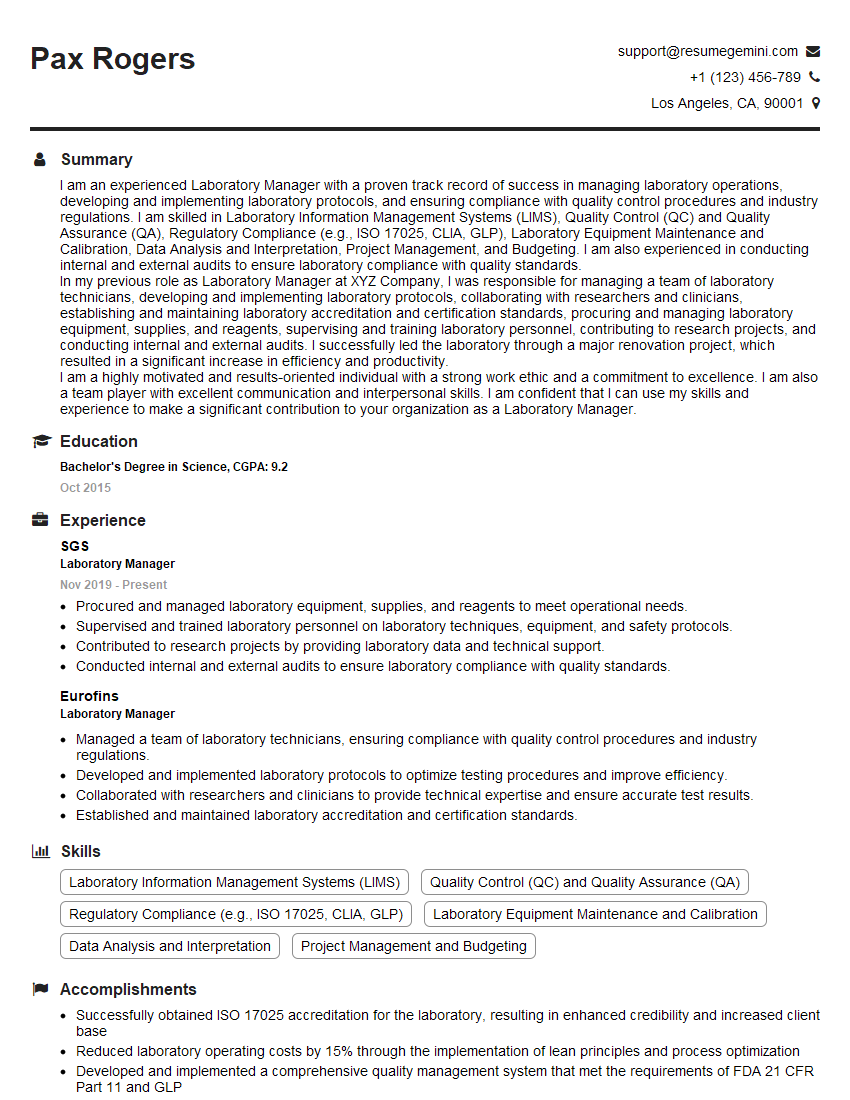
Laboratory Manager Resume Sample

Project Manager Resume Sample
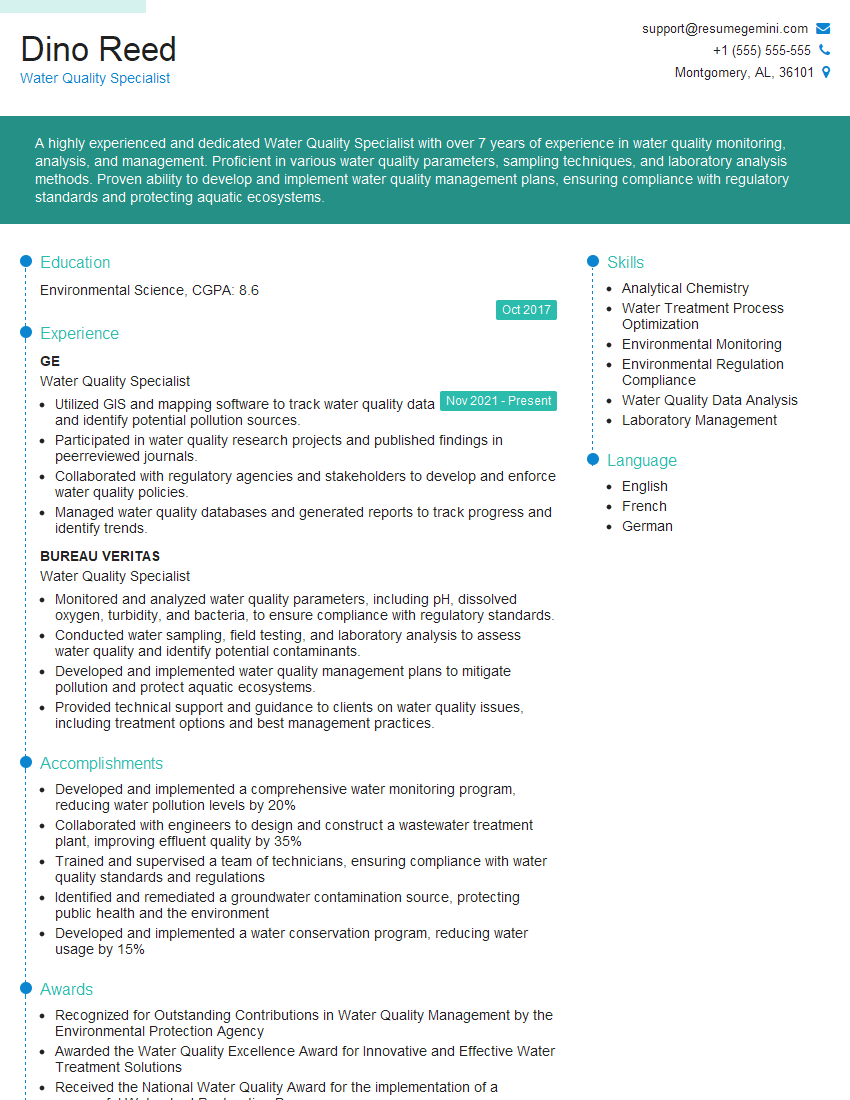
Water Quality Specialist Resume Sample

Compliance Manager Resume Sample
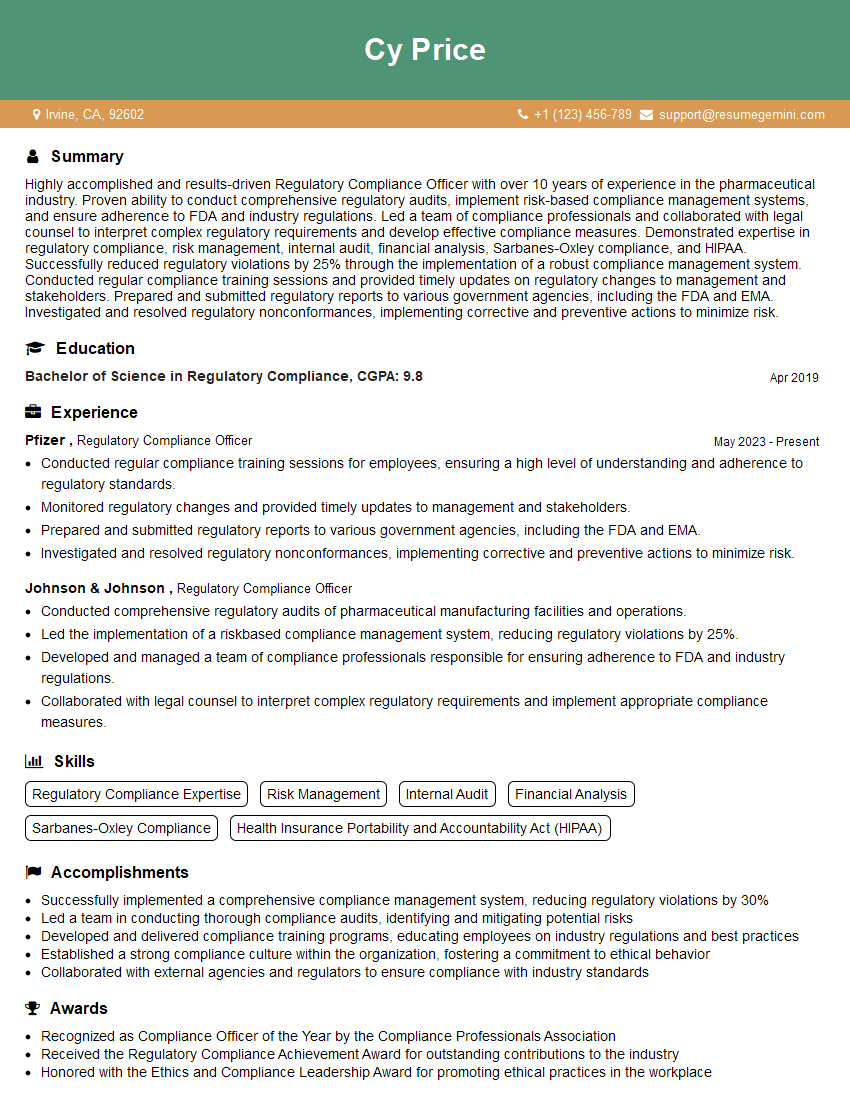
Regulatory Compliance Officer Resume Sample
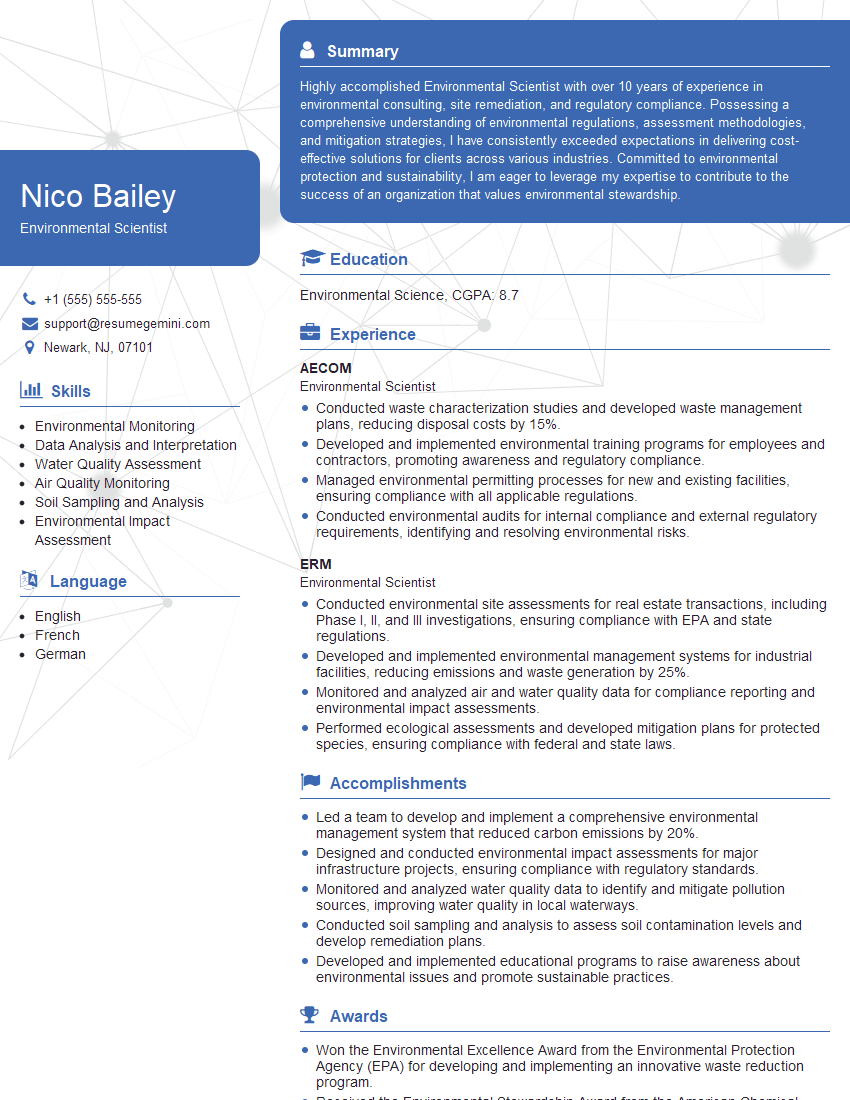
Environmental Scientist Resume Sample
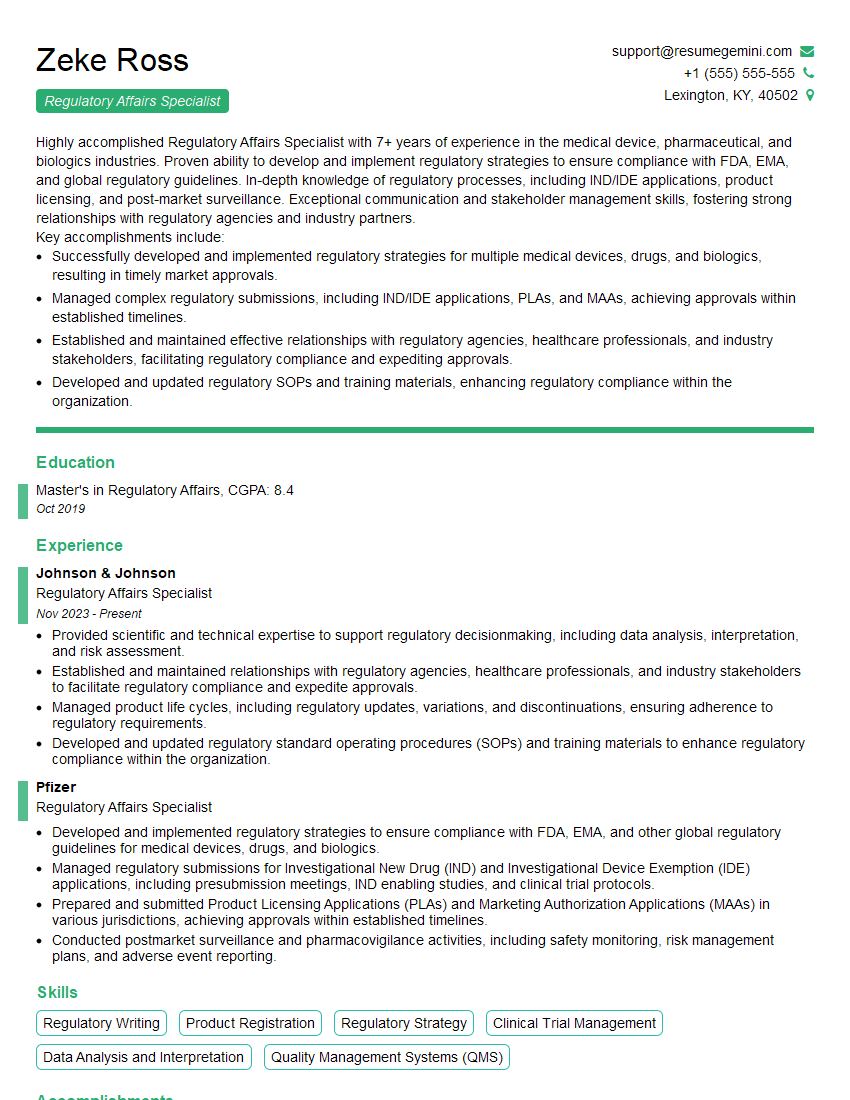
Regulatory Affairs Specialist Resume Sample
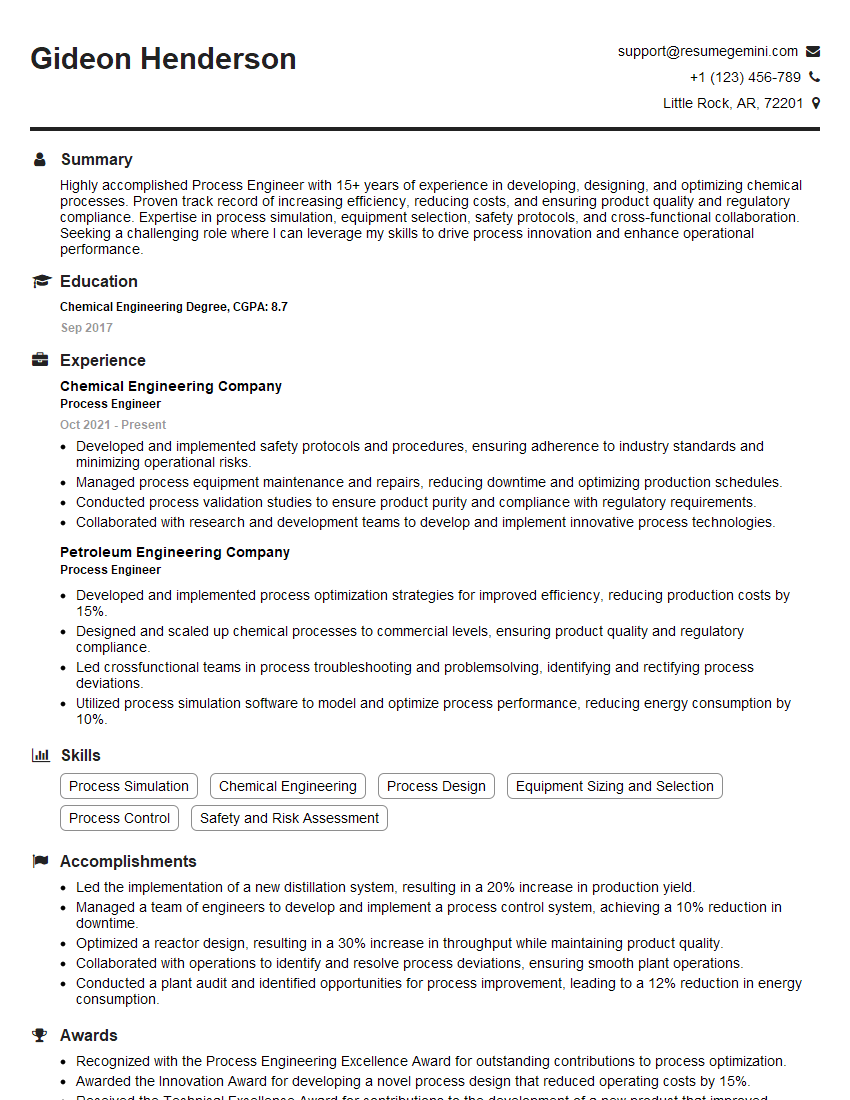
Process Engineer Resume Sample
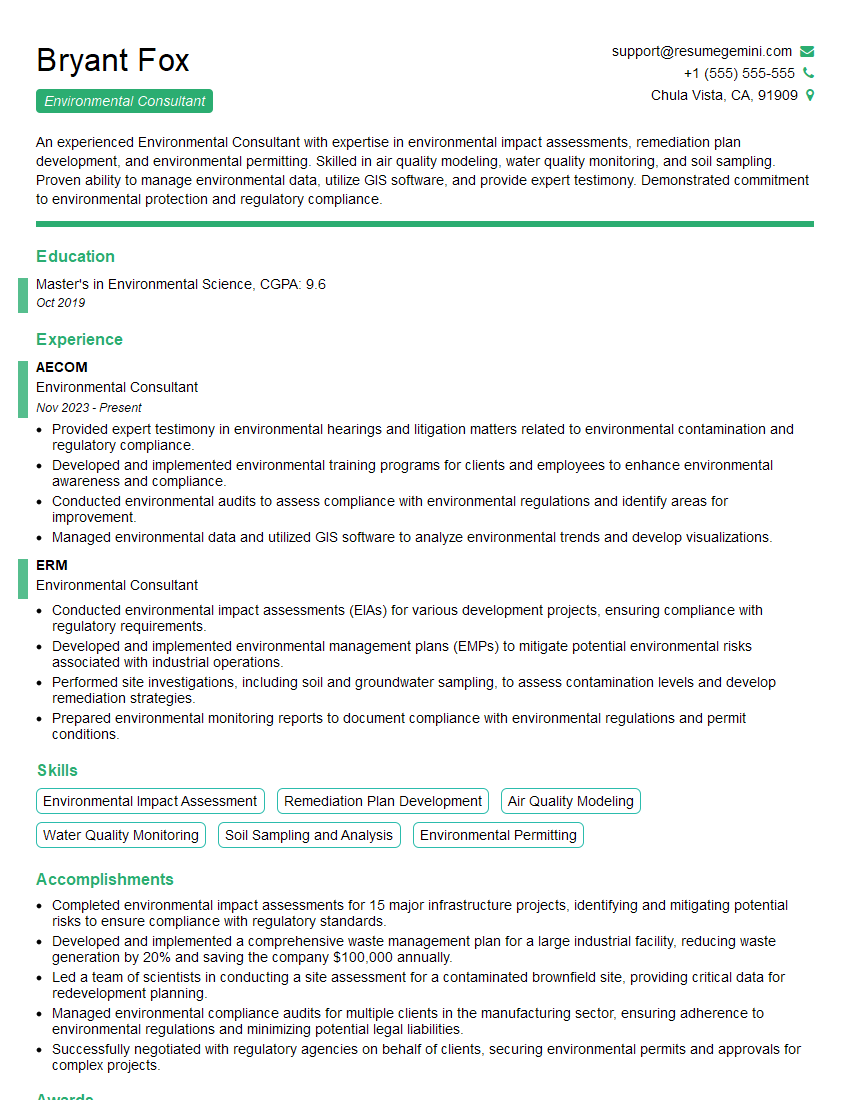
Environmental Consultant Resume Sample
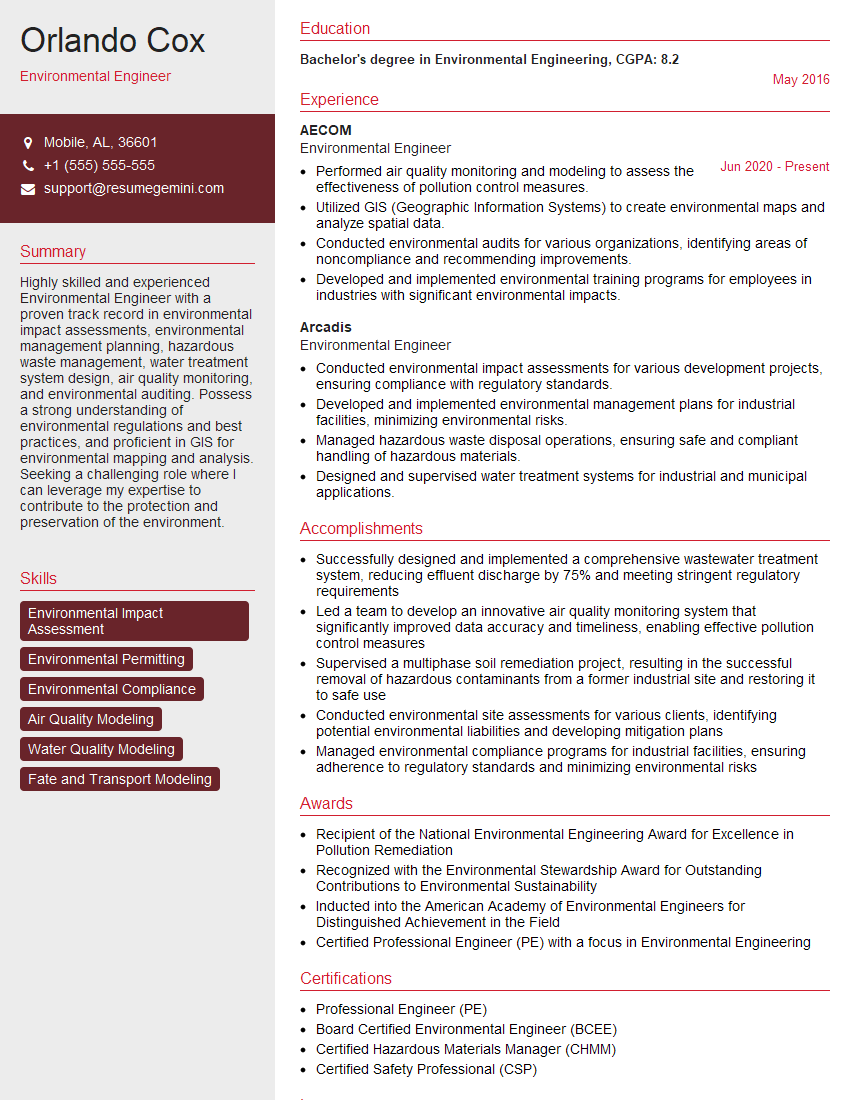
Environmental Engineer Resume Sample
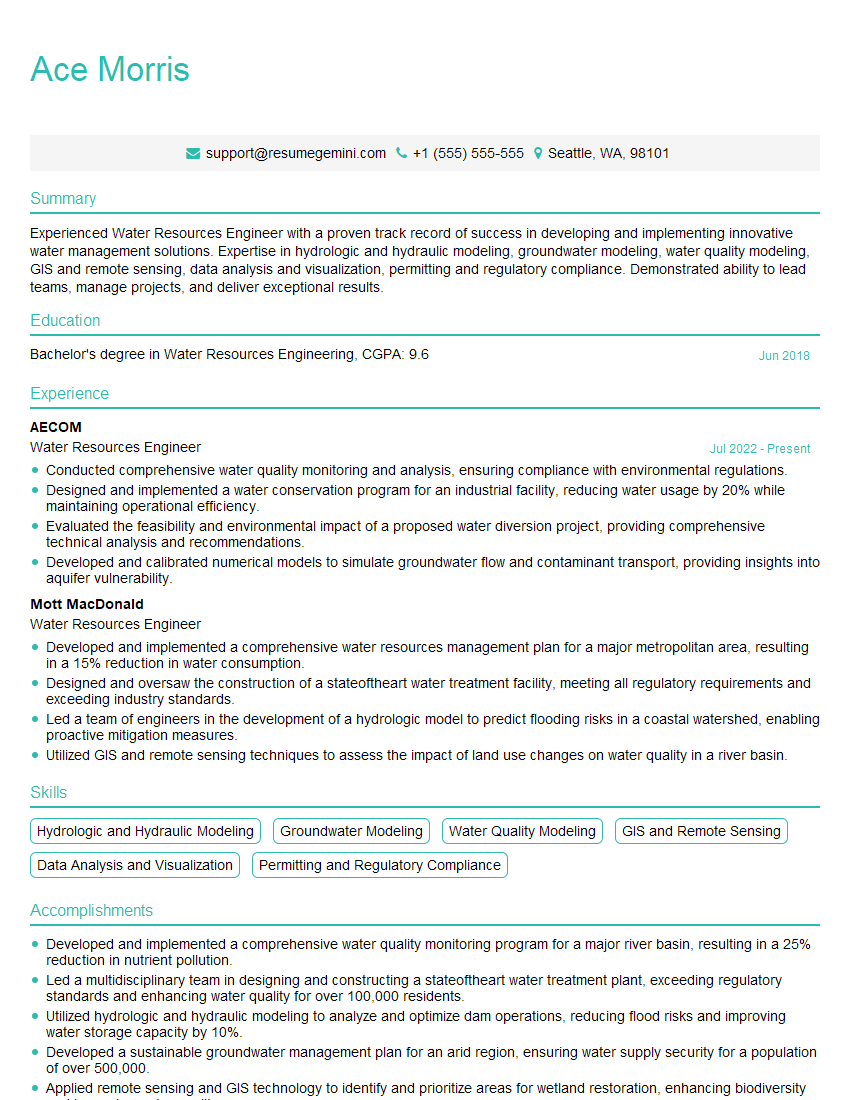
Water Resources Engineer Resume Sample
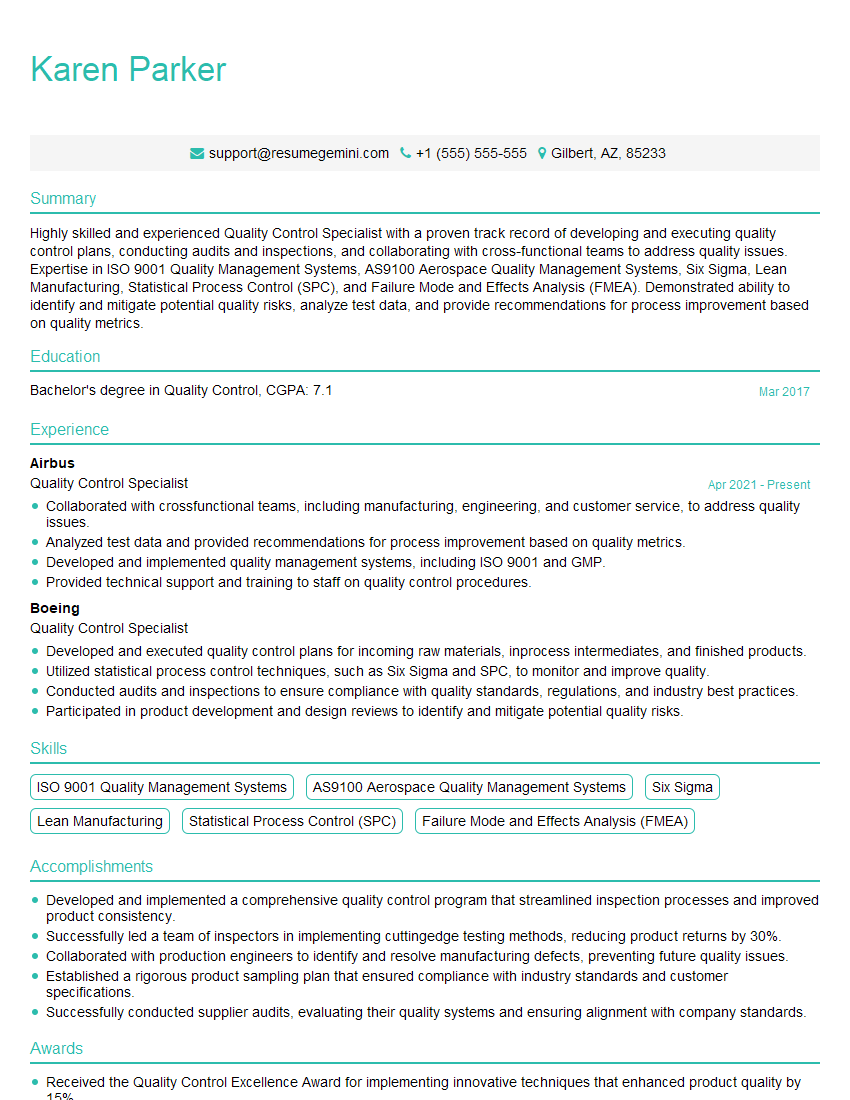
Quality Control Specialist Resume Sample
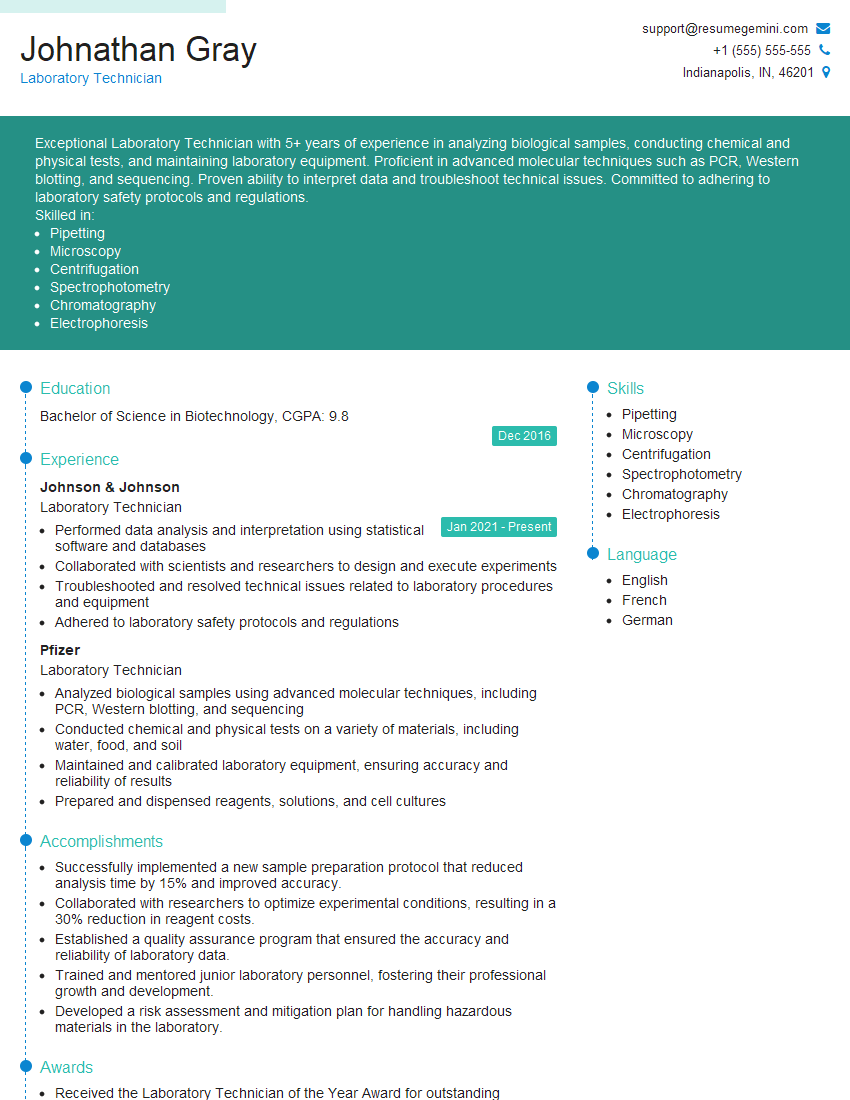
Laboratory Technician Resume Sample

Analytical Chemist Resume Sample
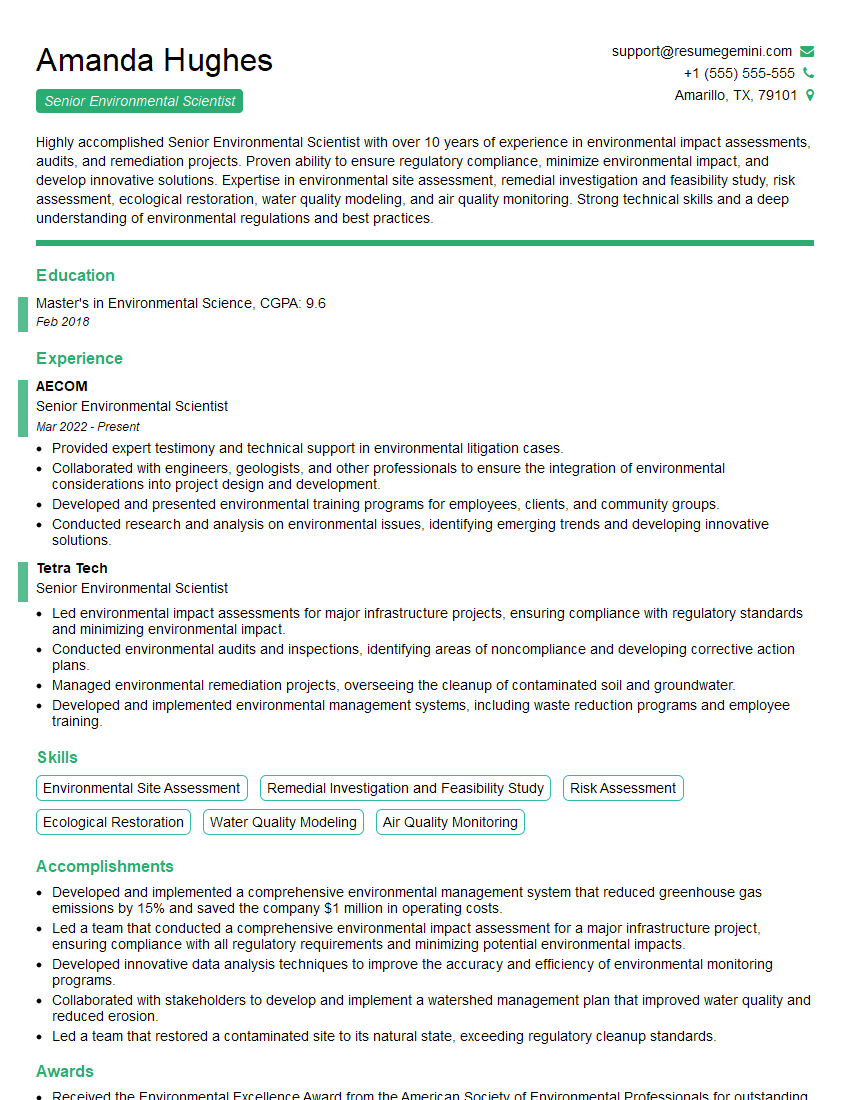
Senior Environmental Scientist Resume Sample
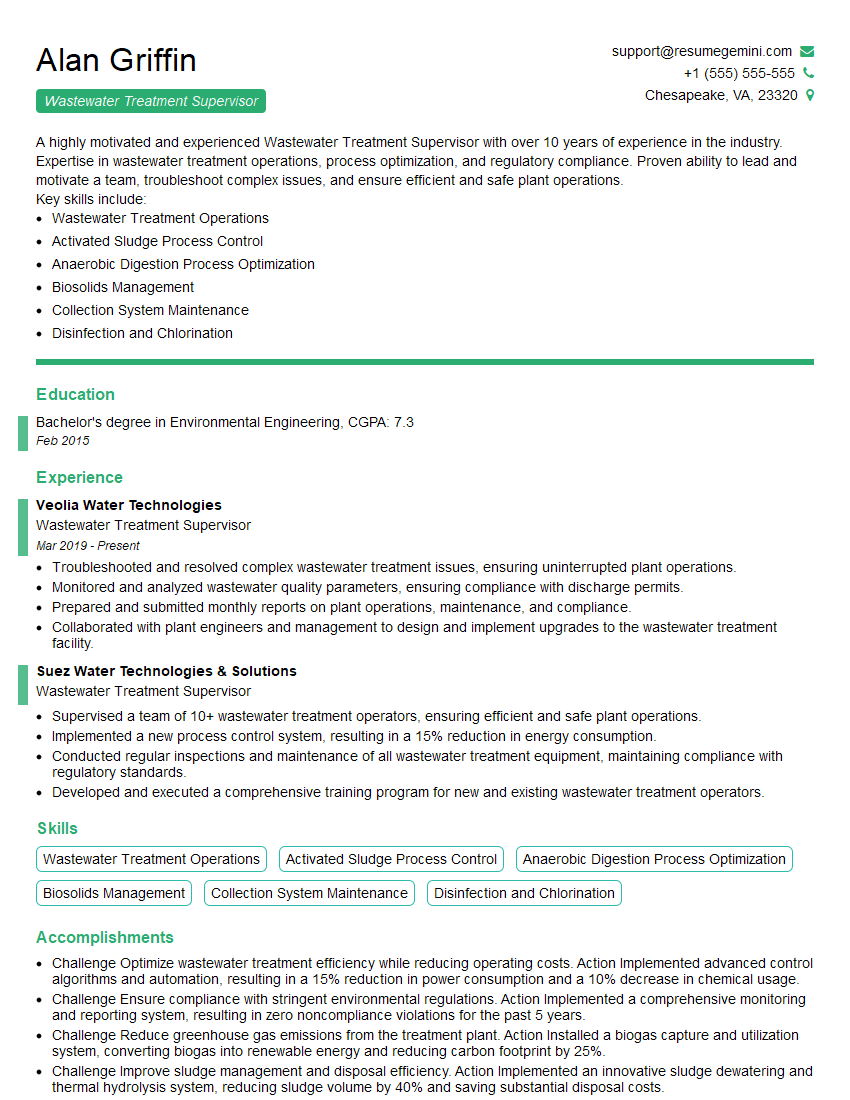
Wastewater Treatment Supervisor Resume Sample
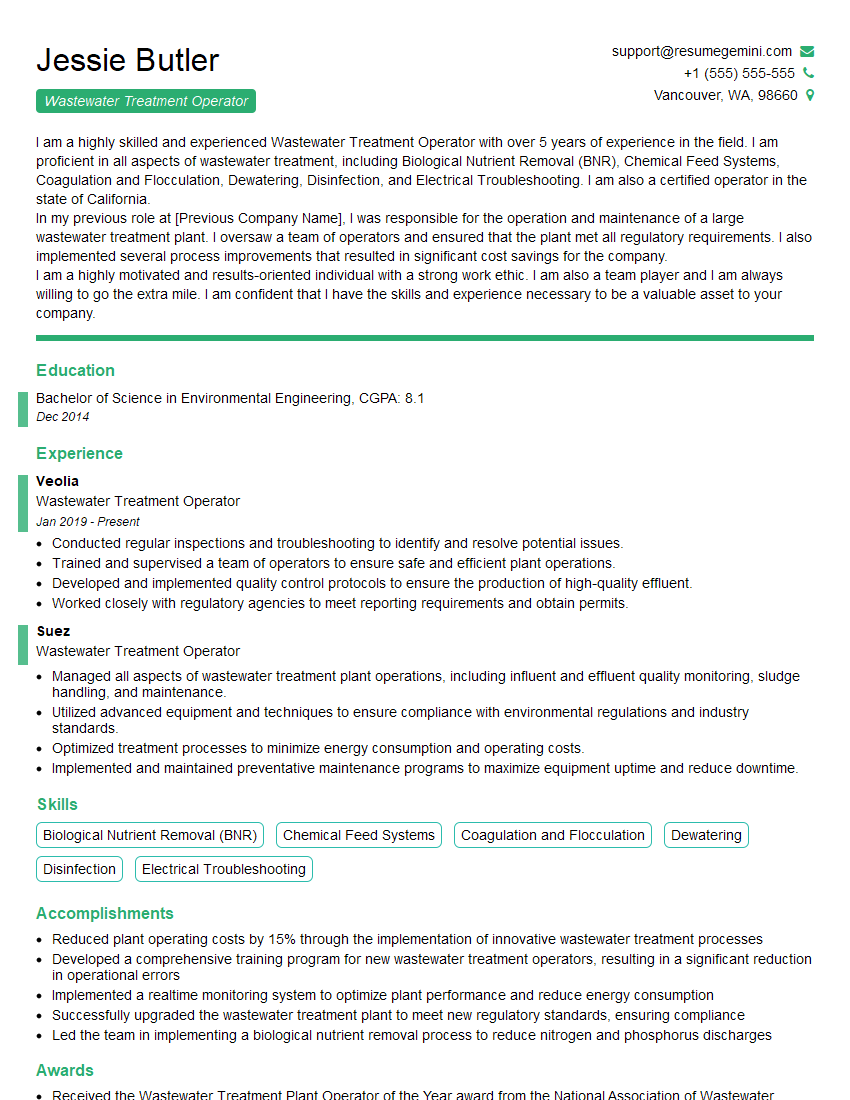
Wastewater Treatment Operator Resume Sample
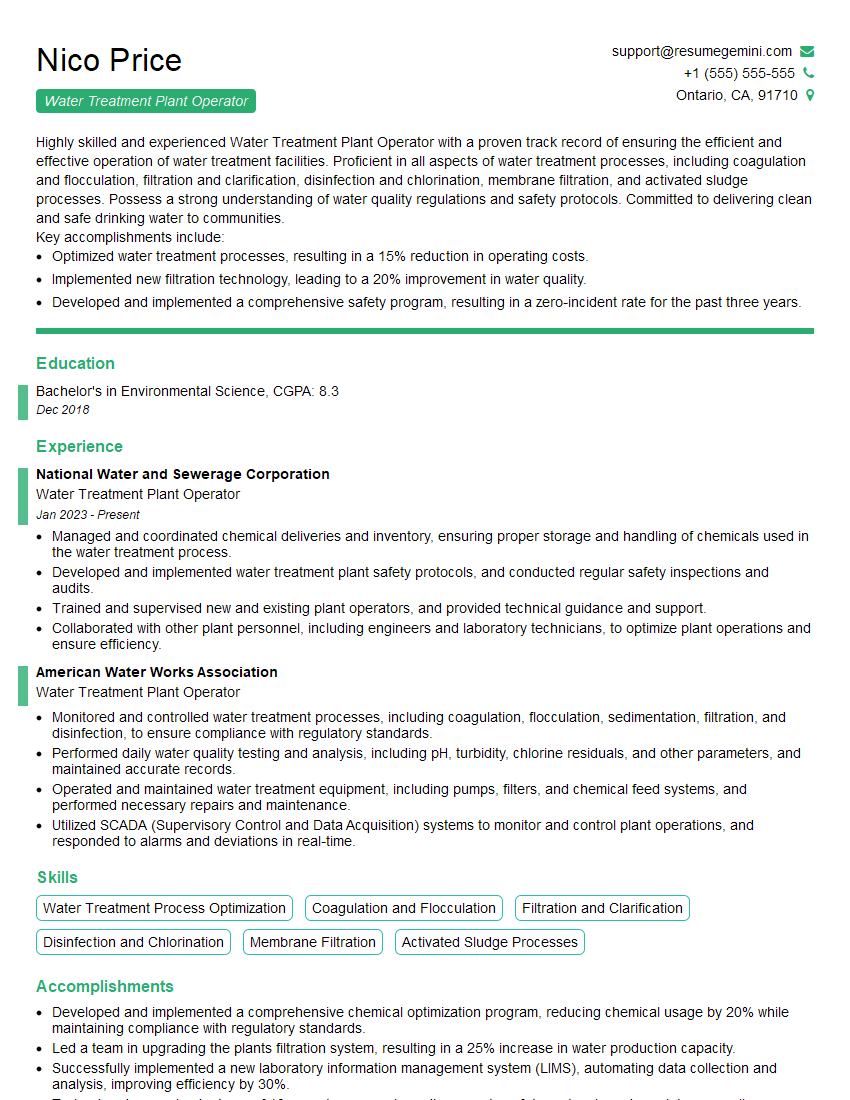
Water Treatment Plant Operator Resume Sample
- Operations Manager
- Laboratory Manager
- Project Manager
- Water Quality Specialist
- Compliance Manager
- Regulatory Compliance Officer
- Environmental Scientist
- Regulatory Affairs Specialist
- Process Engineer
- Environmental Consultant
- Environmental Engineer
- Water Resources Engineer
- Quality Control Specialist
- Laboratory Technician
- Analytical Chemist
- Senior Environmental Scientist
- Wastewater Treatment Supervisor
- Wastewater Treatment Operator
- Water Treatment Plant Operator
Explore more articles
Users Rating of Our Blogs
Share Your Experience
We value your feedback! Please rate our content and share your thoughts (optional).
What Readers Say About Our Blog
To the interviewgemini.com Webmaster.
Very helpful and content specific questions to help prepare me for my interview!
Thank you
To the interviewgemini.com Webmaster.
This was kind of a unique content I found around the specialized skills. Very helpful questions and good detailed answers.
Very Helpful blog, thank you Interviewgemini team.