Cracking a skill-specific interview, like one for Interior Disinfecting, requires understanding the nuances of the role. In this blog, we present the questions you’re most likely to encounter, along with insights into how to answer them effectively. Let’s ensure you’re ready to make a strong impression.
Questions Asked in Interior Disinfecting Interview
Q 1. What are the different types of disinfectants used in interior spaces?
Interior disinfectants come in various forms, each with its strengths and weaknesses. The choice depends on the surface type, the specific pathogens targeted, and the level of disinfection required. Common types include:
- Quaternary Ammonium Compounds (Quats): These are broad-spectrum disinfectants effective against many bacteria and viruses. They are commonly found in ready-to-use wipes and sprays. Think of them as the ‘workhorses’ of the industry.
- Alcohols (e.g., ethanol, isopropanol): Highly effective against enveloped viruses like influenza and coronaviruses, but less so against bacterial spores. They work by denaturing proteins. Hand sanitizers are a prime example of alcohol-based disinfectants.
- Bleach (sodium hypochlorite): A potent disinfectant effective against a wide range of microorganisms, including bacteria, viruses, and fungi. However, it’s corrosive and can damage some surfaces. It needs careful dilution and proper ventilation.
- Hydrogen Peroxide: A powerful oxidizer that effectively kills a broad spectrum of microorganisms. It is considered environmentally friendly as it breaks down into water and oxygen. However, it can bleach certain materials.
- Phenolics: These are effective against a wide range of microorganisms and are persistent, meaning they retain activity for a longer period. They are often used in healthcare settings but are less common in residential applications due to their potential toxicity.
Choosing the right disinfectant requires understanding its efficacy against the target pathogen and its compatibility with the surface being disinfected. Always refer to the product label for specific instructions and safety information.
Q 2. Explain the process of properly disinfecting a high-touch surface.
Disinfecting a high-touch surface, like a doorknob or light switch, requires a meticulous approach to ensure effectiveness. Here’s a step-by-step process:
- Preparation: Always wear appropriate personal protective equipment (PPE), including gloves and possibly eye protection. Clean the surface first using soap and water or a suitable cleaner to remove visible dirt and debris. This is crucial as dirt can shield microorganisms from the disinfectant.
- Application: Apply the disinfectant according to the manufacturer’s instructions. Ensure the surface is completely wetted. For sprays, use a generous amount to avoid missing spots. For wipes, use overlapping strokes to cover the entire area.
- Contact Time: Allow the disinfectant to remain wet on the surface for the recommended contact time. This is critical for proper disinfection – insufficient contact time will reduce effectiveness. The contact time is usually specified on the product label (e.g., 1 minute, 5 minutes).
- Drying: Allow the surface to air dry completely. Avoid wiping or rinsing unless the label specifically indicates that it’s necessary.
- Disposal: Dispose of used materials appropriately, following local regulations and safety guidelines.
For example, when disinfecting a doorknob, I would first clean it with soap and water, then apply a quat-based disinfectant spray, ensuring complete coverage, and allow it to sit for the specified contact time before letting it air dry. Never reuse the same wipe or cloth on multiple surfaces. Each surface gets a clean application.
Q 3. What safety precautions must be taken when handling disinfectants?
Disinfectants are powerful chemicals and require careful handling. Neglecting safety precautions can lead to health risks. Key safety precautions include:
- Personal Protective Equipment (PPE): Always wear appropriate PPE, including gloves, eye protection, and sometimes a respirator, especially when working with concentrated disinfectants or in poorly ventilated areas.
- Ventilation: Ensure adequate ventilation to prevent inhalation of fumes. Open windows or use fans to circulate air. In enclosed spaces, consider using respirators with appropriate filters.
- Proper Dilution: Always dilute disinfectants according to the manufacturer’s instructions. Using too concentrated a solution can be hazardous, while using too diluted a solution may not be effective.
- Skin and Eye Contact: Avoid skin and eye contact. In case of contact, immediately flush the affected area with plenty of water for at least 15 minutes and seek medical attention if necessary.
- Storage: Store disinfectants in their original containers in a cool, dry place, away from children and pets. Never transfer disinfectants to unmarked containers.
- Labeling and Safety Data Sheets (SDS): Always read and follow the instructions and safety data sheet (SDS) provided with the disinfectant. The SDS provides comprehensive information on hazards, handling, and emergency procedures.
One time, I was disinfecting a large office building and noticed one of my team members wasn’t wearing gloves. I immediately stopped the work and reiterated the importance of PPE. Safety is paramount in this profession.
Q 4. How do you determine the appropriate contact time for a disinfectant?
The appropriate contact time for a disinfectant is crucial for its effectiveness. It’s not just about spraying or wiping; it’s about allowing the disinfectant’s active ingredients to work on the pathogens. The contact time is determined by:
- The specific disinfectant: Each disinfectant has a specific recommended contact time based on its formulation and the microorganisms it targets. This information is always found on the product label.
- The type of microorganism: Some microorganisms, such as bacterial spores, are more resistant to disinfectants and require longer contact times than others.
- Environmental factors: Temperature and humidity can influence the effectiveness of a disinfectant. Lower temperatures or higher humidity might require a longer contact time.
- Surface type: The surface material can affect the disinfectant’s effectiveness and required contact time. Porous materials might require a longer contact time than non-porous surfaces.
It’s crucial to always refer to the manufacturer’s instructions. Never guess the contact time. Ignoring the contact time is a common mistake that significantly compromises the disinfection process.
Q 5. Describe your experience with different disinfection methods (e.g., spraying, wiping, fogging).
I have extensive experience with various disinfection methods, each with its advantages and disadvantages:
- Spraying: Effective for covering large areas quickly, particularly useful for treating air spaces or hard-to-reach areas. However, it can lead to overspray and waste if not used carefully.
- Wiping: Precise and controlled, ensuring complete coverage of surfaces. Best for high-touch surfaces and smaller areas. However, it can be time-consuming for large spaces.
- Fogging (Electrostatic Spraying): Highly efficient for large areas, achieving even coating and minimizing waste. Electrostatic charge helps the disinfectant adhere to surfaces more effectively, reducing the amount of product needed. However, it requires specialized equipment and training. Fogging is particularly useful in commercial settings to quickly disinfect large offices or facilities.
The choice of method depends on the specific circumstances, the size of the area, the type of surface, and the required level of disinfection. I have found that combining methods is often the most effective approach; for instance, using electrostatic spraying for an initial treatment of large areas and wiping for high-touch surfaces.
Q 6. What are the key differences between sanitizing and disinfecting?
While both sanitizing and disinfecting aim to reduce the number of microorganisms, they differ significantly in their scope and effectiveness:
- Sanitizing: Reduces the number of microorganisms to a safe level as judged by public health standards or requirements. It typically involves cleaning with soap and water followed by a sanitizing agent that reduces the microbial load. Sanitizing is sufficient for many everyday cleaning needs.
- Disinfecting: Kills or inactivates a significant portion of microorganisms on a surface, including viruses and bacteria. It uses disinfectants that have a higher level of antimicrobial activity than sanitizers and requires a longer contact time. Disinfecting is necessary in situations where a higher level of cleanliness is required, such as in healthcare settings or after a potential exposure to a pathogen.
Think of it this way: sanitizing is like reducing the crowd in a room, while disinfecting is like completely evacuating the room.
Q 7. How do you ensure the effectiveness of your disinfection process?
Ensuring the effectiveness of the disinfection process involves several steps:
- Proper product selection: Choosing a disinfectant that is effective against the target microorganisms and compatible with the surfaces being treated is crucial.
- Adherence to instructions: Following the manufacturer’s instructions for dilution, application, and contact time precisely is essential for efficacy.
- Regular monitoring and quality control: Implementing quality control measures, such as ATP bioluminescence testing or microbial swab sampling, can help confirm the effectiveness of the disinfection process. This is particularly important in facilities with stringent hygiene requirements.
- Employee training: Properly trained personnel are essential to ensure consistent and effective disinfection practices. Training should cover proper PPE use, chemical handling, and application techniques.
- Documentation: Maintaining detailed records of disinfection activities, including products used, contact times, and areas treated, allows for traceability and verification.
By meticulously following these steps, I can ensure the disinfection process is not only effective but also safe and compliant with all relevant regulations and standards.
Q 8. What are the common challenges encountered during interior disinfection?
Interior disinfection, while crucial for health and safety, presents several challenges. One major hurdle is ensuring complete coverage. Think of it like painting a room – you need to reach every surface, including hard-to-access areas like behind furniture or under appliances. Another challenge is the variability in microbial loads. Some environments, like hospitals or schools, have significantly higher concentrations of pathogens than a typical home. This necessitates the use of stronger disinfectants and more thorough cleaning procedures. Furthermore, material compatibility is a key concern. Not all disinfectants are suitable for all surfaces; some may damage certain materials like wood or fabrics. Finally, proper ventilation is essential to mitigate the risk of exposure to disinfectant fumes, especially in confined spaces. Inadequate ventilation can lead to respiratory issues for both the cleaning personnel and occupants.
Q 9. How do you handle spills of hazardous materials during disinfection?
Handling spills of hazardous materials during disinfection requires a methodical and cautious approach. Safety is paramount. First, I would immediately evacuate the area, ensuring no one comes into contact with the spill. Then, I would put on appropriate personal protective equipment (PPE), including gloves, eye protection, and a respirator, depending on the nature of the spilled substance. Next, I would consult the Material Safety Data Sheet (MSDS) for the specific material to understand its hazards and recommended cleanup procedures. The MSDS provides crucial information on safe handling, neutralization, and disposal methods. Depending on the spill’s size and the nature of the hazardous material, I might use absorbent materials like spill pads or kitty litter to contain the spill, followed by careful removal and proper disposal according to regulatory guidelines. If the spill is large or involves a particularly dangerous substance, I would immediately call for professional hazardous materials cleanup services.
Q 10. Explain your understanding of Material Safety Data Sheets (MSDS).
Material Safety Data Sheets (MSDS), now often referred to as Safety Data Sheets (SDS), are comprehensive documents that provide crucial information about the hazards of chemicals and how to work safely with them. Think of it as an instruction manual for each chemical product used. It details the chemical’s composition, physical and chemical properties, health hazards, and precautions for safe handling, storage, and disposal. The SDS also outlines first-aid procedures in case of exposure and provides emergency contact information. Before using any disinfectant, I always consult the SDS to understand its specific requirements and potential risks. This ensures I’m using the product correctly and minimizing the risk of accidental exposure or environmental damage. For instance, an SDS might indicate the need for specific ventilation measures or PPE requirements when using a particular disinfectant.
Q 11. What personal protective equipment (PPE) do you use during disinfection?
Personal Protective Equipment (PPE) is non-negotiable during disinfection. The type of PPE varies depending on the job and the specific chemicals used but generally includes: disposable nitrile gloves to protect hands, eye protection like safety glasses or goggles to prevent splashes from reaching my eyes, and a respirator (N95 or higher, depending on the disinfectant) to protect my respiratory system from airborne particles or fumes. In some cases, additional PPE like waterproof aprons or coveralls may be necessary, especially when dealing with large spills or particularly hazardous materials. I always ensure my PPE is in good condition and fits properly before commencing any disinfection work. Regularly inspecting and replacing worn-out PPE is critical to maintaining personal safety.
Q 12. How do you dispose of contaminated materials after disinfection?
Disposing of contaminated materials after disinfection is crucial for environmental safety and public health. All materials used during the disinfection process, including used cleaning cloths, wipes, and PPE, are considered contaminated waste. I never mix different types of waste. I carefully segregate the waste according to local regulations and guidelines. Used disinfectants are often disposed of through specific waste management channels, which may involve specialized collection services for hazardous waste. All contaminated materials are double-bagged and clearly labeled before disposal to avoid accidental exposure. Compliance with all relevant local, state, and federal regulations regarding hazardous waste disposal is of paramount importance.
Q 13. What is your experience with different types of cleaning equipment?
My experience encompasses a range of cleaning equipment, from basic tools like mops and buckets to more advanced technologies. I’m proficient with electrostatic sprayers, which allow for efficient and even application of disinfectants, minimizing waste and ensuring comprehensive coverage, particularly in large areas. I also have experience with ULV (ultra-low volume) foggers, suitable for disinfecting large spaces quickly, although careful consideration is needed to avoid over-application. I’m familiar with different types of vacuum cleaners, including HEPA-filtered models that effectively remove dust and particles, improving air quality. Additionally, I’m comfortable using specialized equipment for cleaning specific surfaces like upholstery or delicate fabrics, ensuring the right tool is used for the job at hand.
Q 14. How do you maintain the cleanliness and functionality of disinfection equipment?
Maintaining the cleanliness and functionality of disinfection equipment is essential for both effectiveness and safety. After each use, I thoroughly clean and disinfect the equipment itself to prevent cross-contamination. This includes rinsing electrostatic sprayers, foggers, and other equipment thoroughly, followed by disinfection using an appropriate agent. Regular maintenance checks are also performed to ensure the equipment remains in optimal working condition. This includes checking for any damage, leaks, or malfunctions. Proper storage is critical; equipment is stored in a dry, clean, and designated area, away from direct sunlight and extreme temperatures. Following the manufacturer’s instructions for maintenance and calibration schedules guarantees the equipment continues to perform at peak efficiency and safety. A well-maintained machine is a safer machine.
Q 15. Describe your experience working with different types of surfaces (porous vs. non-porous).
Disinfecting porous and non-porous surfaces requires different approaches due to their inherent structures. Non-porous surfaces, like glass or stainless steel, are relatively easy to disinfect because the disinfectant can reach the surface easily. Porous surfaces, such as carpets, wood, or fabrics, pose a greater challenge. The disinfectant needs to penetrate deeper to reach and kill microbes lurking within the material’s structure.
Non-porous surfaces: My approach involves a thorough cleaning first, followed by application of an EPA-registered disinfectant. I ensure complete coverage and allow sufficient contact time, following the manufacturer’s instructions. For example, wiping down a stainless steel countertop with a solution of diluted bleach is effective.
Porous surfaces: Disinfection of porous surfaces is more complex. Often, it involves using a disinfectant with greater penetration capabilities, and in some cases, it might not be possible to achieve complete sterilization. For instance, disinfecting a fabric-covered chair might involve a specialized disinfectant spray followed by allowing the material to air dry completely. Sometimes, replacement or thorough cleaning and sanitizing is the best method if the surface is heavily contaminated.
I always carefully select disinfectants appropriate for the specific surface material to avoid damage or discoloration. For example, using harsh chemicals on wood can damage the finish. Safety data sheets (SDS) are crucial for understanding these factors.
Career Expert Tips:
- Ace those interviews! Prepare effectively by reviewing the Top 50 Most Common Interview Questions on ResumeGemini.
- Navigate your job search with confidence! Explore a wide range of Career Tips on ResumeGemini. Learn about common challenges and recommendations to overcome them.
- Craft the perfect resume! Master the Art of Resume Writing with ResumeGemini’s guide. Showcase your unique qualifications and achievements effectively.
- Don’t miss out on holiday savings! Build your dream resume with ResumeGemini’s ATS optimized templates.
Q 16. How do you handle disinfection in areas with sensitive equipment or materials?
Handling disinfection around sensitive equipment or materials requires meticulous planning and execution. The key is to minimize exposure while ensuring effective disinfection. I always start by carefully reviewing the manufacturer’s instructions for both the equipment and the disinfectant.
My approach involves:
- Protective covering: Covering sensitive equipment with plastic sheeting or other protective materials before disinfecting the surrounding area is essential.
- Targeted application: Instead of broad spraying, I opt for meticulous wiping or targeted application of the disinfectant, avoiding direct contact with sensitive components. For example, I use a damp cloth rather than spraying directly onto a computer screen.
- Appropriate disinfectants: Selecting disinfectants that are compatible with the materials in question is crucial. Using a disinfectant that’s too harsh can damage or degrade sensitive equipment. I always check SDS to determine compatibility.
- Adequate ventilation: Maintaining sufficient ventilation is vital, especially when using strong disinfectants near sensitive electronics, to prevent damage from fumes.
If unsure about the compatibility of a disinfectant with a particular material, I always err on the side of caution and seek guidance from the manufacturer or a qualified professional.
Q 17. What is your understanding of infection control principles?
Infection control principles are the foundation of my work. They revolve around breaking the chain of infection – preventing the transmission of infectious agents from one person or surface to another.
Key principles I apply include:
- Hand hygiene: Frequent and thorough handwashing is paramount. I always wash my hands before and after each disinfection task.
- Personal protective equipment (PPE): Using appropriate PPE like gloves, masks, and eye protection is essential to safeguard against exposure to infectious agents.
- Cleaning and disinfection: The proper sequence is crucial. I always start with thorough cleaning to remove visible soil and organic matter before applying a disinfectant. Disinfectants are only effective when applied to clean surfaces.
- Appropriate disinfectants: Using EPA-registered disinfectants that are effective against the specific pathogens of concern is critical. This selection is based on risk assessment.
- Contact time: Allowing sufficient contact time for the disinfectant to kill pathogens is vital. I always strictly follow the manufacturer’s instructions.
- Waste disposal: Proper disposal of contaminated materials and used disinfectants is essential to prevent further transmission of infectious agents.
Understanding these principles allows me to implement effective strategies to minimize the spread of infection.
Q 18. Describe your experience with following established protocols and procedures.
Following established protocols and procedures is non-negotiable in interior disinfecting. Consistency ensures effectiveness and safety. I have extensive experience working with various protocols, from those provided by healthcare facilities to those mandated by government agencies.
My adherence to protocols includes:
- Careful review: Before starting any task, I thoroughly review the relevant protocols, paying close attention to specifics such as the type of disinfectant to be used, contact time, and safety precautions.
- Step-by-step implementation: I follow the outlined procedures meticulously, documenting each step along the way.
- Adherence to safety guidelines: I never compromise on safety. I consistently use appropriate PPE and follow all safety instructions, such as adequate ventilation and proper disposal procedures.
- Consistent application: I ensure a consistent and thorough application of the disinfectant, covering all surfaces according to the protocol.
My experience demonstrates my reliability and commitment to maintaining high standards of disinfection.
Q 19. What is your experience with documenting and reporting disinfection activities?
Accurate documentation and reporting are critical for maintaining accountability and traceability in interior disinfecting. My documentation process is thorough and precise.
My approach involves:
- Detailed records: I maintain detailed records of each disinfection activity. This includes the date, time, location, surfaces disinfected, type of disinfectant used, contact time, and any unusual observations or challenges encountered.
- Methodical approach: I use checklists and standardized forms to ensure that nothing is overlooked.
- Digital records: Often, I use digital tools to record the data, improving accessibility and reducing potential for human error.
- Clear reporting: I prepare clear and concise reports summarizing the disinfection activities, highlighting any important findings or issues. These reports are typically provided to the client or relevant authority.
My experience in documentation has helped me contribute to effective tracking of disinfection efficacy and identification of areas for improvement.
Q 20. How do you ensure compliance with relevant health and safety regulations?
Compliance with relevant health and safety regulations is paramount in my work. I am familiar with OSHA guidelines, EPA regulations regarding disinfectants, and any other relevant local, state, or federal regulations.
My compliance strategy involves:
- Staying updated: I regularly review and update my knowledge of relevant regulations to remain current with any changes.
- Using EPA-registered disinfectants: I only use disinfectants that are registered with the Environmental Protection Agency (EPA), ensuring their efficacy and safety.
- Proper labeling and storage: I adhere to proper labeling and storage requirements for all disinfectants and chemicals.
- Safety training: I undergo regular safety training to ensure I remain proficient in the safe handling and use of disinfectants and other cleaning materials.
- SDS awareness: I am very familiar with how to access and interpret Safety Data Sheets (SDS) for all chemicals used.
My commitment to compliance protects both myself and my clients from potential risks.
Q 21. Describe a time you had to adapt your disinfection approach to a challenging situation.
During a recent project in a busy medical clinic, I encountered a challenging situation involving a spill of a highly infectious substance. The clinic’s protocol didn’t cover this specific scenario.
My adaptive approach involved:
- Immediate containment: I first focused on containing the spill to prevent its spread, using absorbent materials and adhering to appropriate safety protocols.
- Risk assessment: I conducted a rapid risk assessment to determine the necessary precautions and the appropriate disinfectants to use.
- Consultation: I consulted with the clinic’s infection control officer to determine the best course of action, ensuring my approach aligned with the clinic’s overall infection control strategy.
- Specialized approach: Due to the nature of the spill, I had to employ a specialized disinfectant and follow a stringent protocol, including longer contact times and additional PPE.
- Thorough documentation: I meticulously documented every step taken, including the type of spill, the actions taken, and the disinfectants used. This ensured a complete record of the event for future reference.
Successfully managing this challenging situation showcased my ability to adapt quickly, think critically, and make informed decisions in high-pressure situations. Effective communication and adherence to proper safety procedures were vital.
Q 22. How do you assess the effectiveness of a disinfection program?
Assessing the effectiveness of a disinfection program isn’t a single-step process; it requires a multi-pronged approach. We need to evaluate both the process itself and its results. The process evaluation focuses on ensuring proper procedures are followed, including correct dilution of disinfectants, appropriate contact times, and thorough coverage of all surfaces. This involves regular audits of our team’s work, checking equipment calibration, and reviewing cleaning logs.
Result evaluation, on the other hand, is about measuring the impact of our efforts. This is where microbial testing comes in. We might use ATP bioluminescence tests to quickly assess surface cleanliness. These tests measure adenosine triphosphate, an indicator of microbial presence. Lower ATP readings show better cleaning. More rigorous methods like swab testing and culturing are also employed to identify and quantify specific pathogens, confirming the effectiveness of the chosen disinfectant against the targeted organisms. Comparing pre- and post-disinfection test results is crucial to demonstrate the program’s efficacy.
For instance, in a recent hospital project, we not only documented our cleaning procedures meticulously but also conducted pre- and post-disinfection ATP testing in high-touch areas. The significant reduction in ATP readings after our intervention validated the program’s effectiveness in reducing microbial load.
Q 23. What are the key indicators of a successful disinfection process?
Key indicators of a successful disinfection process include a demonstrable reduction in the microbial load, as confirmed by microbiological testing. This reduction should be significant and consistent across different areas and surfaces. Another crucial indicator is the absence of client complaints or reported infections following the disinfection service. Documentation is also essential – thorough records of the disinfection process, including the type of disinfectant used, its concentration, contact time, and areas treated, are vital for demonstrating compliance and accountability.
Furthermore, the successful completion of all scheduled tasks and adherence to safety protocols by the disinfection team are vital indicators. Finally, regular equipment maintenance and staff training play a critical role, showing that the program is well-managed and effective in the long term. For example, seeing a consistent 95% reduction in bacterial counts across multiple swab tests after using a hospital-grade disinfectant indicates a successful process.
Q 24. How do you address client concerns or complaints regarding disinfection services?
Addressing client concerns or complaints is paramount. We approach this with empathy and professionalism. First, we actively listen to their concerns without interruption. Then, we investigate the issue thoroughly, reviewing our own documentation and potentially conducting additional testing, if necessary. Transparency is key – we explain our findings clearly and honestly, even if it means acknowledging a potential shortcoming in our process.
If we identify a problem, we develop a clear plan of action to rectify it promptly, including any necessary remediation steps. This might involve re-disinfection of specific areas or adjusting our protocols to prevent future occurrences. We keep the client informed throughout the process, demonstrating our commitment to resolving the issue to their satisfaction. For instance, if a client reports a persistent unpleasant odor after disinfection, we might investigate the source of the odor and adapt our approach using appropriate deodorizers and additional ventilation.
Q 25. What is your knowledge of relevant industry standards and guidelines?
My understanding of relevant industry standards and guidelines is extensive. I am familiar with guidelines from organizations such as the CDC (Centers for Disease Control and Prevention), EPA (Environmental Protection Agency), and OSHA (Occupational Safety and Health Administration) concerning infection control, disinfectant use, and safety protocols. These guidelines cover various aspects, including the selection of appropriate disinfectants, their proper dilution and application, personal protective equipment (PPE) requirements for staff, and the safe handling and disposal of chemical disinfectants.
I also stay updated on the latest infection prevention and control guidelines from professional organizations relevant to the specific sectors we serve, such as healthcare facilities or food processing plants. For example, I am well-versed in the different requirements for disinfecting surfaces in hospitals compared to those in office spaces, recognizing the higher risk profiles in healthcare environments. Knowledge of these standards is crucial to ensure effective and safe disinfection services.
Q 26. How do you stay updated on the latest advancements in disinfection technologies and practices?
Staying current in this dynamic field involves continuous learning. I regularly attend industry conferences and workshops to learn about the latest technologies and best practices. I also subscribe to relevant professional journals and online resources, actively seeking out peer-reviewed research on new disinfectants, disinfection techniques, and infection control strategies. Furthermore, I participate in professional development programs and online courses to enhance my knowledge of emerging pathogens and effective control measures.
Maintaining memberships in relevant professional organizations keeps me connected to the latest advancements and allows me to network with other experts in the field. For example, my recent participation in a webinar on the use of UV-C light for disinfection broadened my understanding of this increasingly relevant technology and its application in various settings.
Q 27. Describe your experience working in a team environment during disinfection projects.
Teamwork is fundamental to successful disinfection projects. My experience in team environments has involved working collaboratively with cleaning staff, supervisors, and client representatives. Effective communication and clear roles and responsibilities are crucial for a seamless operation. I value open communication, active listening, and mutual respect among team members. During projects, I ensure clear task delegation, coordinate efforts to ensure efficient workflow, and actively address any challenges or conflicts that may arise.
I’ve found that effective team leadership involves not only delegating tasks but also providing support and guidance to team members. For instance, on a large-scale school disinfection project, our team’s collaborative approach, efficient communication, and adherence to a pre-planned schedule resulted in the timely and effective disinfection of all areas before the school reopened, ensuring a safe environment for students and staff.
Key Topics to Learn for Your Interior Disinfecting Interview
- Understanding Disinfectants: Learn the different types of disinfectants (e.g., quaternary ammonium compounds, chlorine bleach, hydrogen peroxide), their mechanisms of action, and appropriate applications for various surfaces and pathogens.
- Infection Control Principles: Master the fundamental principles of infection control, including hand hygiene, personal protective equipment (PPE) use, and proper waste disposal procedures relevant to interior disinfecting.
- Surface Preparation and Cleaning: Understand the importance of pre-cleaning surfaces before disinfection and the techniques for effective cleaning to remove visible soil and organic matter, maximizing disinfectant efficacy.
- Application Techniques: Learn various application methods for disinfectants (e.g., spraying, wiping, fogging) and understand the factors influencing contact time and effectiveness.
- Safety Procedures and Regulations: Familiarize yourself with relevant safety regulations, handling procedures for disinfectants, and potential health risks associated with their use, including proper ventilation and disposal practices.
- Equipment and Technology: Gain knowledge of common equipment used in interior disinfecting, such as sprayers, electrostatic sprayers, and UVC disinfection devices, and their operational procedures.
- Emergency Response: Understand protocols for handling spills, accidental exposures, and other emergencies related to disinfectant use.
- Record Keeping and Reporting: Learn about the importance of meticulous documentation of disinfection procedures, including dates, locations, products used, and personnel involved.
- Common Pathogens and Their Control: Develop knowledge of common pathogens found in interior environments (e.g., viruses, bacteria, fungi) and the appropriate disinfectants for their control.
- Problem-Solving and Troubleshooting: Be prepared to discuss strategies for troubleshooting common challenges encountered in interior disinfecting, such as ineffective disinfection or equipment malfunctions.
Next Steps
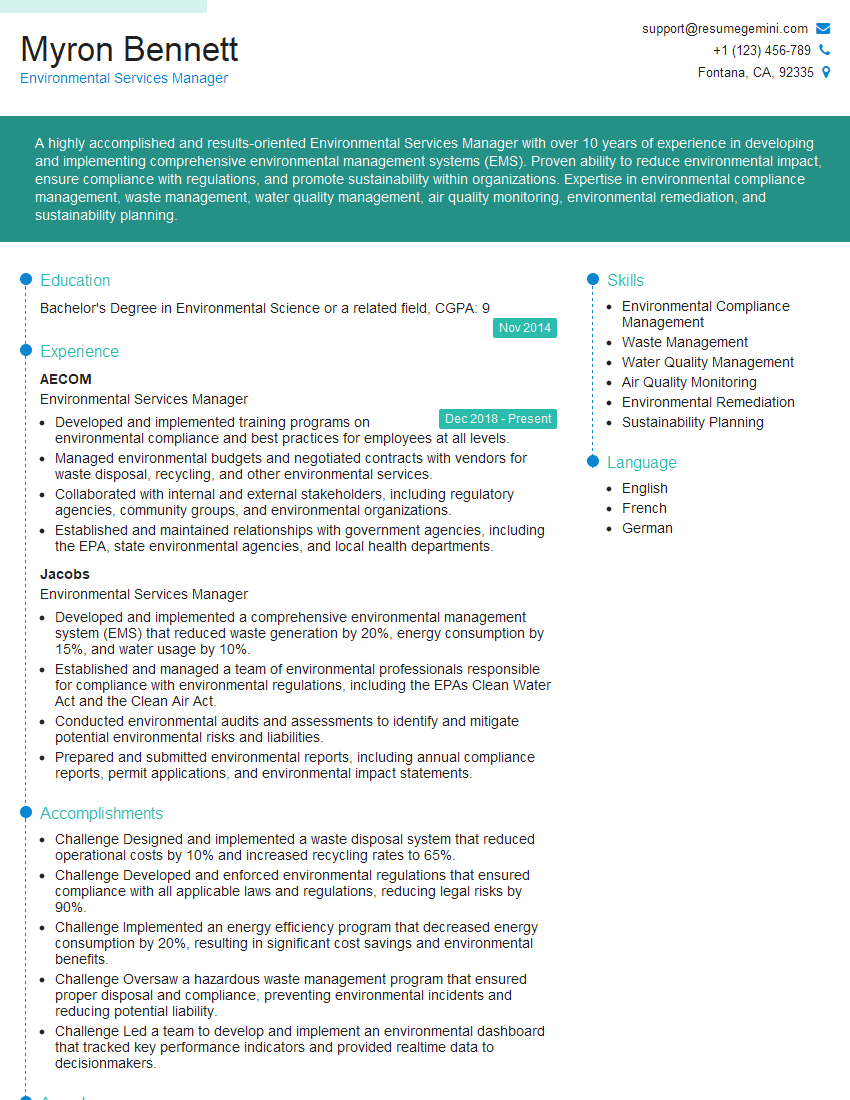
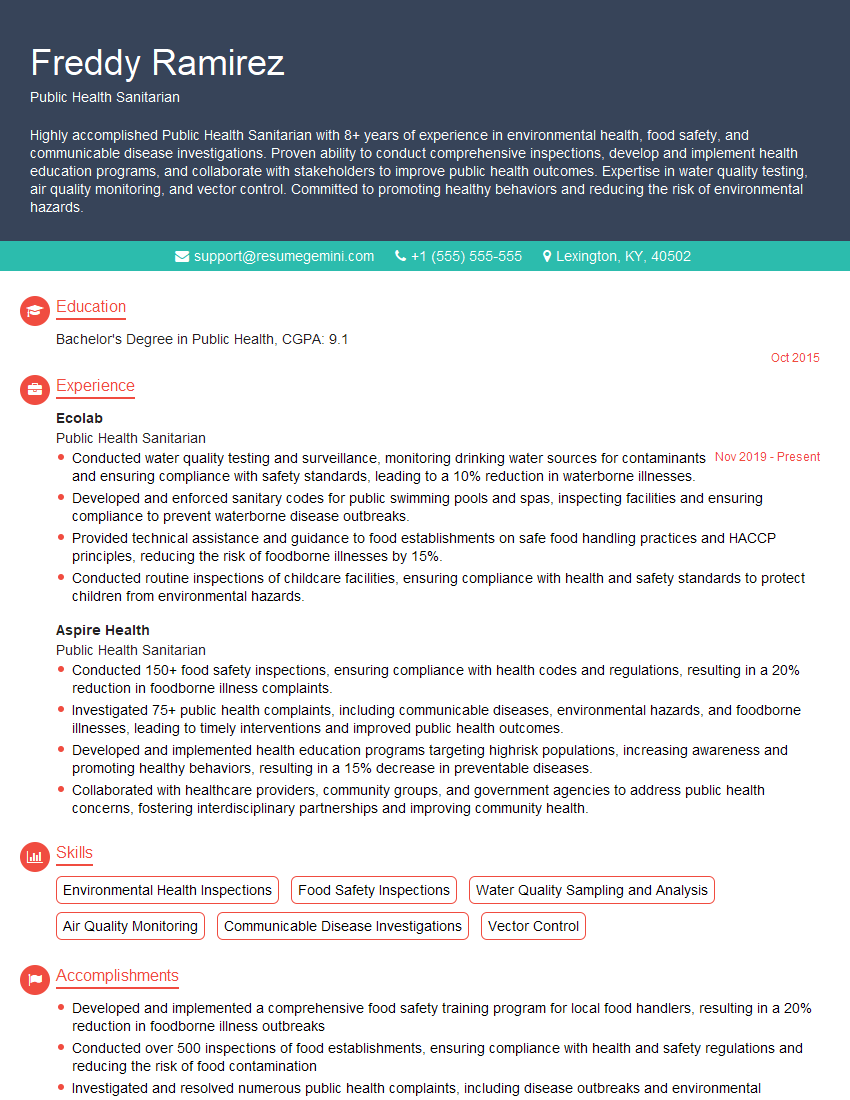
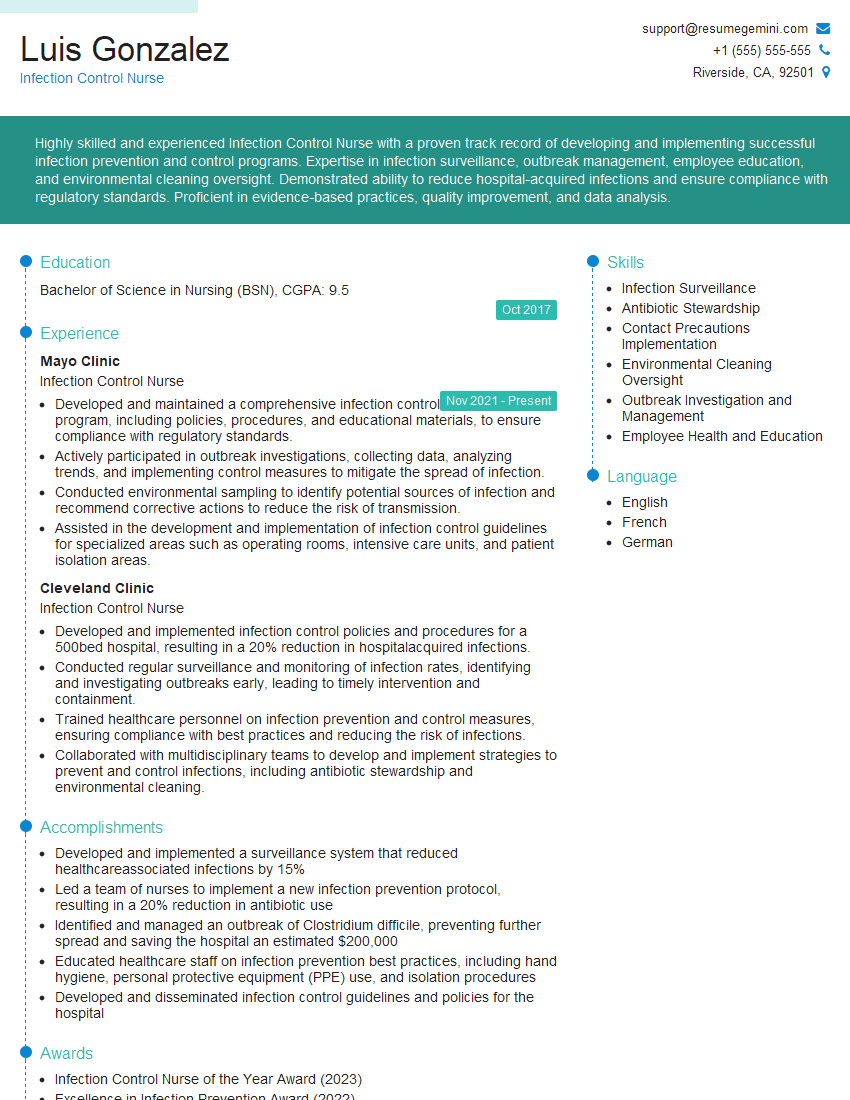
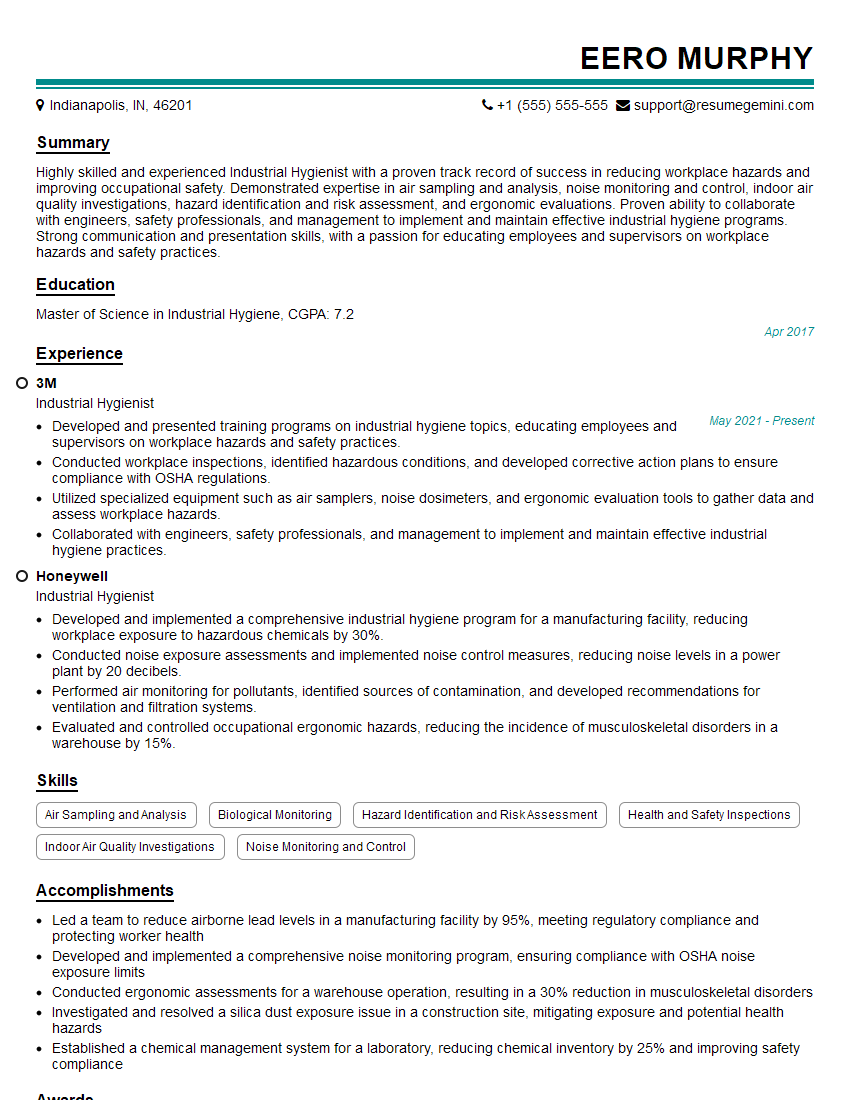
Mastering the principles and practices of interior disinfecting opens doors to a rewarding career with excellent growth potential. This specialized skill is in high demand, offering opportunities in healthcare, hospitality, and various other industries. To maximize your job prospects, crafting a compelling and ATS-friendly resume is crucial. ResumeGemini is a trusted resource that can help you build a professional resume that showcases your skills and experience effectively. Examples of resumes tailored to the Interior Disinfecting field are available to guide you. Invest time in your resume—it’s your first impression on potential employers.
Explore more articles
Users Rating of Our Blogs
Share Your Experience
We value your feedback! Please rate our content and share your thoughts (optional).
What Readers Say About Our Blog
To the interviewgemini.com Webmaster.
Very helpful and content specific questions to help prepare me for my interview!
Thank you
To the interviewgemini.com Webmaster.
This was kind of a unique content I found around the specialized skills. Very helpful questions and good detailed answers.
Very Helpful blog, thank you Interviewgemini team.