Preparation is the key to success in any interview. In this post, we’ll explore crucial Interstitial Lung Disease interview questions and equip you with strategies to craft impactful answers. Whether you’re a beginner or a pro, these tips will elevate your preparation.
Questions Asked in Interstitial Lung Disease Interview
Q 1. Describe the pathophysiology of idiopathic pulmonary fibrosis (IPF).
Idiopathic Pulmonary Fibrosis (IPF) is a chronic, progressive lung disease characterized by the scarring and thickening of lung tissue. Its pathophysiology is complex and not fully understood, but it involves a cascade of events:
- Epithelial Injury: The process often begins with injury to the alveolar epithelium (the lining of the tiny air sacs in the lungs). This injury can be triggered by various factors, though the exact cause remains unknown. Think of it like a tiny cut in the lining of your lungs.
- Fibroblast Activation: This injury triggers a cascade of events leading to the activation of fibroblasts, cells responsible for producing collagen and other extracellular matrix (ECM) proteins. These fibroblasts are like construction workers gone rogue; they start overproducing building materials.
- Excessive ECM Deposition: Activated fibroblasts produce excessive amounts of ECM proteins, leading to the formation of scar tissue. This excessive scar tissue stiffens the lungs, making breathing difficult. Imagine the construction workers creating a thick, rigid layer over the air sacs.
- Immune Dysregulation: Abnormal immune responses, including the involvement of inflammatory cells, contribute to the progression of fibrosis. This is like having a disruptive crowd interfering with the repair process.
- Epithelial-Mesenchymal Transition (EMT): Alveolar epithelial cells can undergo EMT, transforming into myofibroblasts, which are even more active in producing scar tissue. This is like some of the lining cells transforming into more aggressive construction workers.
This self-perpetuating cycle of injury, inflammation, and fibrosis ultimately leads to irreversible lung damage and respiratory failure. Understanding this complex interplay is crucial for developing effective therapies.
Q 2. Differentiate between different types of Interstitial Lung Diseases (ILDs).
Interstitial Lung Diseases (ILDs) are a diverse group of disorders characterized by inflammation and scarring of the lung interstitium (the tissue and space surrounding the air sacs). They can be broadly categorized based on their underlying cause and clinical presentation. Here are some key distinctions:
- Idiopathic Interstitial Pneumonias (IIPs): These are ILDs with no known cause, including IPF (as discussed above), nonspecific interstitial pneumonia (NSIP), and acute interstitial pneumonia (AIP). They each have distinct histologic patterns and clinical courses.
- Connective Tissue Disease-related ILDs: Many autoimmune connective tissue diseases like rheumatoid arthritis, lupus, and scleroderma can cause ILD. The lung involvement is often secondary to the systemic disease.
- Environmental and Occupational ILDs: Exposure to certain substances like asbestos, silica, and coal dust can lead to specific ILDs such as asbestosis, silicosis, and coal workers’ pneumoconiosis. These are directly linked to workplace exposures.
- Drug-induced ILDs: Certain medications can cause ILD as an adverse effect. This highlights the importance of thorough medication review.
- Genetic ILDs: Some ILDs are associated with genetic mutations, such as familial pulmonary fibrosis.
Differentiating between these various ILDs is crucial for appropriate diagnosis and treatment, as management strategies differ depending on the underlying cause.
Q 3. Explain the diagnostic process for ILD, including imaging techniques and lung biopsy interpretation.
Diagnosing ILD requires a multidisciplinary approach involving careful clinical evaluation, imaging, and often, lung biopsy.
- Clinical Evaluation: This includes detailed history (including occupational and medication history), physical examination (looking for signs of respiratory distress), and pulmonary function tests (PFTs) to assess lung capacity and gas exchange.
- High-Resolution Computed Tomography (HRCT): HRCT of the chest is crucial for visualizing the characteristic patterns of interstitial lung disease. These patterns can provide clues to the specific type of ILD. Think of this as a detailed map of the lungs.
- Lung Biopsy: In many cases, a lung biopsy (surgical removal of a small lung tissue sample) is necessary for definitive diagnosis. This is because the imaging patterns can often overlap across several ILD subtypes. Pathologists then analyze the tissue under a microscope to determine the specific type of ILD and its severity. This provides the ground truth, confirming the diagnosis from the imaging findings.
Interpreting a lung biopsy involves looking at features like the pattern of inflammation, fibrosis (scarring), and the presence of any specific cells or granulomas. The pathologist integrates these findings with the patient’s clinical history and imaging results to arrive at a diagnosis.
Q 4. What are the key clinical features of sarcoidosis?
Sarcoidosis is a systemic inflammatory disease that can affect many organs, but most commonly the lungs. Key clinical features include:
- Pulmonary Symptoms: Dry cough, shortness of breath, and chest pain are common. These can range from mild to severe, depending on the extent of lung involvement.
- Extrapulmonary Manifestations: Sarcoidosis can affect other organs, including the eyes (uveitis), skin (erythema nodosum), lymph nodes (lymphadenopathy), heart, and nervous system. The presence of these extrapulmonary manifestations helps in diagnosis.
- Elevated ACE Levels: Serum angiotensin-converting enzyme (ACE) levels are often elevated in sarcoidosis, although this is not specific.
- Characteristic Imaging Findings: HRCT typically reveals bilateral hilar lymphadenopathy (enlarged lymph nodes near the hilum of the lungs) and parenchymal nodules (small round lesions in the lung tissue).
- Granulomas on Biopsy: Histologic examination of a lung biopsy (or other affected tissue) typically reveals non-caseating granulomas, which are clusters of immune cells that form characteristic structures. These are a hallmark of sarcoidosis.
It’s important to note that the severity of sarcoidosis can vary greatly from person to person, with some experiencing mild symptoms and others facing significant organ damage.
Q 5. Discuss the role of high-resolution computed tomography (HRCT) in ILD diagnosis.
High-resolution computed tomography (HRCT) is the cornerstone of ILD imaging. It provides detailed images of the lung parenchyma and interstitium, allowing for the visualization of subtle changes that might be missed on conventional chest X-rays.
- Identifying patterns: HRCT helps identify characteristic patterns of interstitial lung disease, such as ground-glass opacities, reticular patterns, honeycombing, and cysts. These patterns can provide strong clues to the underlying diagnosis, narrowing down the differential diagnoses and guiding further investigations.
- Assessing disease extent and severity: HRCT allows for the precise assessment of the extent and severity of lung involvement, which helps in staging the disease and predicting prognosis. The extent of fibrosis visible on HRCT correlates with a patient’s functional capacity.
- Monitoring disease progression: Serial HRCT scans can be used to monitor the progression of the disease and assess the response to treatment. This helps guide treatment decisions and ensures that the patient receives optimal care.
However, it’s crucial to remember that HRCT findings alone are not sufficient for a definitive diagnosis of ILD. HRCT findings must be correlated with clinical data, PFTs, and often a lung biopsy for a conclusive diagnosis.
Q 6. What are the current treatment options for IPF?
Treatment for IPF aims to slow disease progression and improve quality of life. There is currently no cure for IPF. Key treatment options include:
- Antifibrotic Medications: Pirfenidone and nintedanib are FDA-approved antifibrotic medications that have demonstrated efficacy in slowing the decline in pulmonary function in patients with IPF. These drugs work by targeting different pathways involved in fibrosis.
- Supportive Care: This includes oxygen therapy for hypoxemia (low blood oxygen levels), pulmonary rehabilitation to improve exercise tolerance and quality of life, and management of associated symptoms such as cough and dyspnea.
- Lung Transplant: In advanced cases of IPF with significant respiratory failure, lung transplant may be considered. This is a major surgical procedure with associated risks and requires lifelong immunosuppression.
- Emerging Therapies: Research is ongoing to develop novel therapies targeting various pathways involved in IPF pathogenesis, including therapies focused on targeting specific cytokines or growth factors, or even through gene therapy.
Treatment decisions are individualized based on the patient’s disease severity, overall health status, and response to treatment.
Q 7. Explain the mechanism of action of antifibrotic medications used in ILD.
Antifibrotic medications used in ILD work through various mechanisms to slow down or reverse the process of fibrosis. Pirfenidone and nintedanib, the two mainstays in IPF treatment, operate differently:
- Pirfenidone: Its exact mechanism is not fully elucidated, but it’s believed to reduce the production of TGF-β (transforming growth factor-beta), a key cytokine involved in fibrosis, and reduce inflammation. It also has antioxidant and anti-inflammatory properties. Think of it like a multifaceted approach slowing down the construction process.
- Nintedanib: This medication is a tyrosine kinase inhibitor, meaning it blocks the activity of certain tyrosine kinases, enzymes that play a key role in cell growth and signaling. Specifically, nintedanib inhibits fibroblast growth factor receptors (FGFRs) and platelet-derived growth factor receptors (PDGFRs), reducing fibroblast proliferation and collagen production. This is like targeting specific construction tools.
Both medications are aimed at dampening the inflammatory cascade and inhibiting the excessive deposition of extracellular matrix that characterizes the fibrotic process. The precise mechanisms, however, are still under investigation, highlighting the ongoing research in understanding and treating ILD.
Q 8. Describe the management of ILD-related complications, such as pulmonary hypertension.
Managing complications in Interstitial Lung Disease (ILD) requires a multidisciplinary approach. Pulmonary hypertension (PH), a common and serious complication, significantly impacts prognosis. Treatment focuses on addressing the underlying ILD and managing the PH itself.
Treatment strategies for ILD-related PH typically include:
- Oxygen therapy: Improves oxygen saturation and reduces strain on the right heart.
- Vasodilators: Medications like endothelin receptor antagonists (e.g., bosentan, ambrisentan), phosphodiesterase-5 inhibitors (e.g., sildenafil, tadalafil), and prostacyclin analogues (e.g., epoprostenol, treprostinil) aim to relax blood vessels in the lungs, reducing pulmonary vascular resistance. The choice depends on the severity and type of PH.
- Digoxin: May be used to improve heart contractility in some cases.
- Diuretics: Help manage fluid overload, a common symptom in PH.
- Lung transplantation: In severe, treatment-refractory cases, lung transplantation may be considered as a last resort, offering a chance for significant improvement.
Regular monitoring of PH through echocardiography, right heart catheterization, and blood tests is crucial for assessing treatment response and making necessary adjustments. For example, a patient presenting with worsening dyspnea and reduced exercise capacity might require an increase in their vasodilator medication dosage or addition of supplemental oxygen.
Q 9. What are the prognostic factors for ILD?
Predicting the course of ILD is complex, but several factors influence prognosis. These can be broadly categorized into:
- Disease-specific factors: The type of ILD (e.g., idiopathic pulmonary fibrosis has a poorer prognosis than hypersensitivity pneumonitis), the extent of lung involvement (as seen on imaging like high-resolution computed tomography – HRCT), and the rate of disease progression.
- Physiological factors: Forced vital capacity (FVC), diffusion capacity of the lung for carbon monoxide (DLCO), and 6-minute walk distance (6MWD) reflect lung function and exercise tolerance. Lower values indicate worse prognosis.
- Patient-related factors: Age, comorbidities (other health problems), and overall health status significantly affect outcomes. Patients with significant comorbidities or advanced age often have a poorer prognosis.
Imagine two patients with ILD: one younger with early-stage sarcoidosis and another older with advanced IPF. The younger patient with sarcoidosis, which is often treatable and may even resolve, will likely have a significantly better prognosis than the older patient with IPF, a progressive and currently incurable disease. Quantitative measures like FVC and DLCO can further refine prognostic predictions.
Q 10. Discuss the role of pulmonary rehabilitation in ILD management.
Pulmonary rehabilitation (PR) is a cornerstone of ILD management, improving quality of life and functional capacity. It’s a comprehensive, multidisciplinary program focusing on:
- Exercise training: Tailored exercise programs, starting at a low intensity and gradually increasing, aim to improve strength, endurance, and exercise tolerance.
- Education: Patients learn about their condition, medication management, and strategies for managing symptoms like shortness of breath.
- Nutritional counseling: Addressing nutritional needs to support overall health and energy levels is vital for effective rehabilitation.
- Psychological support: Coping strategies for anxiety and depression are crucial, as these are common in ILD patients.
For instance, a patient struggling with breathlessness during daily activities might benefit from PR’s graded exercise program, increasing their 6MWD and reducing their reliance on supplemental oxygen. The psychological support aspect helps patients manage the emotional burden of a chronic, progressive illness. PR is not curative, but it significantly improves patients’ functional status and their overall sense of well-being.
Q 11. How do you assess the severity of ILD?
Assessing ILD severity involves integrating several approaches:
- Clinical evaluation: This includes evaluating symptoms (dyspnea, cough, fatigue), examining the patient’s respiratory status (breath sounds, oxygen saturation), and assessing their exercise capacity (6MWD).
- Pulmonary function tests (PFTs): Measurements like FVC, DLCO, and total lung capacity (TLC) quantify lung function impairment. Significant reductions in these values indicate more severe disease.
- High-resolution computed tomography (HRCT) scan: Provides detailed images of the lungs, allowing for assessment of the extent and pattern of lung involvement. The extent of fibrosis and its distribution helps determine the severity of ILD.
- Blood tests: May be helpful in identifying certain ILD subtypes and excluding other conditions.
- Biopsy: In many cases, a lung biopsy is necessary for definitive diagnosis and subtyping of ILD, although this is increasingly less common with the advancement of HRCT and imaging techniques.
Combining these assessments allows for a comprehensive evaluation of disease severity, guiding treatment decisions. A patient with severely reduced FVC, extensive HRCT findings, and significant exercise limitation clearly has a more severe ILD than a patient with only mild PFT abnormalities and minimal HRCT findings.
Q 12. What are the challenges in diagnosing and managing rare ILDs?
Diagnosing and managing rare ILDs present significant challenges due to their low prevalence, varied clinical presentations, and often overlapping features with more common ILDs.
- Diagnostic challenges: Obtaining a definitive diagnosis can be difficult due to the lack of widely available diagnostic tests. Specialized testing, expert interpretation of imaging and pathology results, and often consultation with a multidisciplinary team are essential.
- Treatment challenges: Limited research on rare ILDs often means that there’s a lack of established, effective therapies, necessitating a more individualized and experimental approach. Clinical trials may be the only option for some patients.
- Access to care: Patients with rare ILDs often need to travel long distances to see specialists, adding logistical and financial burdens.
For example, diagnosing a rare ILD like Langerhans cell histiocytosis requires specialized imaging and sometimes a lung biopsy with sophisticated histopathological analysis to confirm the diagnosis. Treatment will also be challenging because there are relatively few case studies guiding treatment decisions and the response to treatment can vary significantly between patients.
Q 13. Describe the principles of oxygen therapy in ILD.
Oxygen therapy in ILD aims to improve oxygen saturation, alleviate hypoxemia (low blood oxygen levels), and reduce the workload on the heart and lungs. The principles include:
- Individualized oxygen prescription: The amount of supplemental oxygen delivered is tailored to each patient’s specific needs, based on blood gas analysis, exercise capacity, and symptom severity. This may involve continuous or intermittent oxygen therapy.
- Delivery method: Oxygen can be delivered through nasal cannulae, face masks, or high-flow oxygen therapy systems.
- Monitoring: Regular monitoring of oxygen saturation and blood gases is crucial to ensure the therapy is effective and to adjust the oxygen flow rate as needed.
- Long-term oxygen therapy: In patients with chronic hypoxemia, long-term oxygen therapy can significantly improve survival, quality of life, and exercise capacity.
Consider a patient with severe ILD and low oxygen saturation. Providing supplemental oxygen helps improve their oxygenation, reducing their shortness of breath and fatigue, allowing for increased participation in daily activities and improving their overall quality of life. Continuous monitoring ensures that the oxygen therapy remains effective.
Q 14. Explain the role of supportive care in ILD patients.
Supportive care in ILD is essential for managing symptoms, improving quality of life, and optimizing patient outcomes. It encompasses a wide range of interventions:
- Symptom management: Treating symptoms like cough, dyspnea, and fatigue with appropriate medications and therapies.
- Nutritional support: Ensuring adequate nutrition to support lung function and overall health.
- Psychosocial support: Addressing emotional and psychological challenges through counseling, support groups, and stress management techniques.
- Palliative care: Focusing on symptom relief and quality of life as the disease progresses.
- Vaccination: Protecting against infections through influenza and pneumococcal vaccines.
For example, a patient experiencing severe dyspnea might benefit from bronchodilators, oxygen therapy, and breathing exercises to improve their comfort and ease of breathing. Addressing their emotional distress through counseling and support groups can further improve their overall well-being. Supportive care is integral to comprehensive ILD management, enhancing patients’ ability to cope with the challenges of the disease and maintain their quality of life.
Q 15. Discuss the ethical considerations in managing patients with advanced ILD.
Managing advanced ILD presents complex ethical dilemmas. A core issue revolves around balancing the patient’s autonomy and quality of life with the limitations of available treatments. For example, some treatments, like lung transplantation, carry significant risks and may not be appropriate for all patients. We must carefully weigh potential benefits against potential burdens, including the impact on the patient’s overall well-being and the emotional toll on both the patient and their family.
Another crucial ethical consideration is honest and transparent communication. Patients and their families have the right to understand their diagnosis, prognosis, and treatment options, including the potential for both success and failure. This requires sensitivity and skillful communication, ensuring that information is delivered in a way that’s accessible and respects their emotional state. We also have an ethical obligation to consider resource allocation. Advanced ILD treatments are often costly and require significant healthcare resources. Balancing individual patient needs with broader healthcare resource allocation is a critical, ongoing ethical challenge. We must advocate for equitable access to care while also acknowledging the financial and logistical constraints of the healthcare system. Finally, end-of-life care planning for patients with advanced, incurable ILD is crucial. This requires thoughtful discussions involving the patient, family, and the healthcare team, respecting patient preferences and ensuring a dignified and comfortable end-of-life experience.
Career Expert Tips:
- Ace those interviews! Prepare effectively by reviewing the Top 50 Most Common Interview Questions on ResumeGemini.
- Navigate your job search with confidence! Explore a wide range of Career Tips on ResumeGemini. Learn about common challenges and recommendations to overcome them.
- Craft the perfect resume! Master the Art of Resume Writing with ResumeGemini’s guide. Showcase your unique qualifications and achievements effectively.
- Don’t miss out on holiday savings! Build your dream resume with ResumeGemini’s ATS optimized templates.
Q 16. How do you counsel patients and their families about ILD diagnosis and prognosis?
Counseling patients and families about an ILD diagnosis and prognosis is a delicate process requiring empathy, patience, and excellent communication skills. I begin by providing a clear, yet compassionate, explanation of the diagnosis, avoiding overly technical jargon. I use analogies and simple language to ensure understanding, focusing on what the diagnosis means for the patient’s daily life. For instance, I might explain how ILD affects the lungs’ ability to transfer oxygen, just as a clogged pipe reduces water flow.
Discussing prognosis requires sensitivity. I avoid overly optimistic or pessimistic predictions. Instead, I present a range of possibilities based on the patient’s specific condition and stage of the disease. I emphasize that the course of ILD varies significantly between individuals and depends on many factors. I also discuss the importance of proactive management, including lifestyle adjustments, medication adherence, and regular monitoring, highlighting how these can significantly influence their quality of life and potentially slow disease progression. Family involvement is key; I encourage open dialogue and ensure everyone understands the disease and the treatment options. I provide opportunities for questions and offer ongoing support, connecting them with support groups and resources, such as pulmonary rehabilitation programs.
Q 17. What are the latest advancements in ILD research?
ILD research is rapidly advancing, offering new hope for patients. Several promising areas include:
- Biomarkers: Researchers are actively developing and validating biomarkers to better diagnose ILD subtypes early and monitor disease progression more accurately. This will help tailor treatment strategies to individual needs.
- Targeted Therapies: Significant advancements are being made in understanding the underlying mechanisms of ILD. This knowledge fuels the development of targeted therapies aimed at specific disease pathways, potentially leading to more effective treatments with fewer side effects. Examples include therapies targeting specific inflammatory pathways or antifibrotic agents.
- Immunomodulatory Agents: Several new immunomodulatory agents are under investigation, offering hope for controlling the damaging inflammation characteristic of many ILDs. These agents are designed to modulate the immune response without excessive immunosuppression.
- Gene Therapy: Emerging research explores gene therapy approaches to address the genetic underpinnings of some ILDs. While still in early stages, this field holds significant long-term promise.
- Improved Diagnostic Imaging: Advancements in imaging techniques, such as high-resolution computed tomography (HRCT) scans and advanced imaging analysis software, enable more accurate diagnosis and monitoring of ILD.
These are just some examples. The field is constantly evolving, and participation in clinical trials remains a critical aspect of accelerating ILD research and improving patient outcomes.
Q 18. Describe your experience with specific ILD cases (e.g., hypersensitivity pneumonitis).
I’ve had significant experience managing patients with hypersensitivity pneumonitis (HP), a type of ILD triggered by an allergic reaction to inhaled antigens. A memorable case involved a farmer who presented with progressive shortness of breath and a dry cough. His history revealed long-term exposure to moldy hay in his barn. His HRCT scan showed characteristic findings consistent with HP. The diagnosis was confirmed through serological testing, demonstrating elevated antibodies to specific mold antigens. His management involved removing him from the antigen source (the barn), prescribing corticosteroids to reduce inflammation, and pulmonary rehabilitation to improve his lung function and overall fitness. His response to treatment was excellent; his symptoms improved markedly, and his lung function stabilized.
In another instance, a patient developed HP after exposure to bird droppings in his aviary. This case highlighted the importance of a detailed occupational and environmental history in diagnosing HP. In both cases, educating the patients about allergen avoidance was paramount for preventing disease recurrence. These experiences underline the crucial role of thorough patient history taking and targeted investigation in identifying the causative antigen and managing HP effectively. Effective management necessitates not only medication but also environmental controls to minimize future exposure and prevent further lung damage.
Q 19. What are your strategies for managing treatment-related side effects in ILD?
Managing treatment-related side effects in ILD is crucial because these can significantly impact a patient’s quality of life and adherence to treatment. Common side effects from corticosteroids, for instance, include weight gain, osteoporosis, diabetes, and mood changes. We mitigate these through careful monitoring, patient education, and proactive interventions. For example, we might prescribe bisphosphonates to protect against osteoporosis or monitor blood glucose levels regularly to detect and manage diabetes.
With other immunosuppressants, the risk of infections is heightened. Patients are educated on infection prevention strategies, and we may adjust the immunosuppressive regimen to minimize risk while maintaining effective disease control. Close monitoring for infections is crucial, with prompt intervention when infections occur. Finally, we emphasize the importance of regular follow-up appointments to monitor both disease progression and treatment-related side effects. Proactive management of side effects improves treatment tolerability, promotes patient adherence, and, ultimately, enhances the effectiveness of ILD therapy.
Q 20. How do you differentiate between ILD and other respiratory conditions?
Differentiating ILD from other respiratory conditions requires a multi-faceted approach. The process begins with a detailed history, including symptoms (cough, shortness of breath, etc.), occupational and environmental exposures, and family history of lung disease. A thorough physical examination is crucial, paying close attention to respiratory findings, such as crackles or wheezes.
Imaging plays a central role. High-resolution computed tomography (HRCT) of the chest provides detailed images of the lungs, revealing characteristic patterns suggestive of different ILD subtypes. Pulmonary function tests (PFTs) assess lung volumes and airflow, helping to identify restrictive or obstructive patterns often seen in ILD. Blood tests may rule out other conditions and help identify specific ILD subtypes. Finally, bronchoscopy with bronchoalveolar lavage (BAL) may be needed in some cases to obtain lung tissue samples for further analysis. Careful comparison of clinical features, imaging findings, and laboratory results is essential to arrive at an accurate diagnosis and exclude other conditions like asthma, chronic obstructive pulmonary disease (COPD), pulmonary fibrosis, and infections.
Q 21. Explain the importance of multidisciplinary team approach in ILD management.
A multidisciplinary team approach is essential for optimal ILD management because of the complexity of the disease and the need for comprehensive care. This typically includes a pulmonologist, respiratory therapist, radiologist, pathologist, physiotherapist, and often a social worker and dietitian. The pulmonologist leads the team, coordinating care and making treatment decisions based on input from other specialists.
The respiratory therapist plays a vital role in educating patients about breathing techniques and pulmonary rehabilitation programs. The radiologist interprets imaging studies, providing essential information for diagnosis and monitoring disease progression. The pathologist examines tissue samples obtained through bronchoscopy, providing critical diagnostic information. Physiotherapy focuses on improving respiratory muscle strength and endurance, while social workers offer psychosocial support, helping patients and families cope with the emotional challenges of living with a chronic disease. A dietitian ensures adequate nutrition, considering specific dietary needs of individuals with ILD. This collaborative approach enables a holistic management strategy tailored to individual patient needs, maximizing quality of life and overall health outcomes.
Q 22. Describe your experience with interpreting pulmonary function tests (PFTs) in ILD.
Interpreting pulmonary function tests (PFTs) is crucial in diagnosing and managing Interstitial Lung Disease (ILD). PFTs provide objective measures of lung function, helping differentiate ILD from other respiratory conditions. I look for patterns indicative of restrictive lung disease, such as reduced total lung capacity (TLC), forced vital capacity (FVC), and diffusing capacity of the lung for carbon monoxide (DLCO).
For example, a patient with ILD might show a significantly reduced TLC and FVC, reflecting the stiffness and reduced expansion of their lungs. The DLCO is often also impaired, indicating damage to the alveoli (tiny air sacs) responsible for gas exchange. The ratio of FVC to TLC can also be helpful in distinguishing restrictive from obstructive patterns. I also analyze the flow-volume loops, which may reveal characteristic patterns of restriction. It’s important to note that PFTs alone aren’t diagnostic; they are used in conjunction with clinical history, imaging, and sometimes a lung biopsy for a definitive diagnosis. I always consider the patient’s age, smoking history and other co-morbidities when interpreting the results.
In addition to the basic PFTs, I often request more specialized tests like body plethysmography for more accurate volume measurements and exercise testing to assess the impact of ILD on the patient’s functional capacity.
Q 23. What are the limitations of current ILD treatments?
Current ILD treatments have significant limitations. While some medications, such as antifibrotic agents like pirfenidone and nintedanib, can slow disease progression, they don’t reverse existing lung damage. Their efficacy varies considerably between patients, and many experience side effects that can impact adherence to therapy. Furthermore, many ILDs are ultimately progressive, leading to significant respiratory impairment and reduced quality of life.
Another limitation lies in the lack of effective treatments for many ILD subtypes. For instance, there’s currently no disease-modifying therapy for many forms of hypersensitivity pneumonitis or sarcoidosis. Lung transplantation remains a viable option for some patients with severe disease, but it’s associated with significant risks, including organ rejection and infection. Research is ongoing to develop more effective and targeted therapies, including novel antifibrotics, immunomodulators, and regenerative medicine approaches.
Q 24. Describe your understanding of the role of genetics in ILD.
Genetics plays a significant role in the development of some ILDs. Certain genetic mutations are known to increase the risk of developing specific ILD subtypes. For example, mutations in the surfactant protein genes (SFTPB, SFTPC, SFTPA2) are associated with familial pulmonary fibrosis. Similarly, mutations in telomerase genes (TERT, TERC) can predispose individuals to familial interstitial lung disease and aplastic anemia.
However, the genetic landscape of ILD is complex. Many ILDs are multifactorial, meaning they result from a combination of genetic predisposition and environmental factors. While genetic testing can identify individuals at increased risk, it doesn’t always predict the severity or progression of the disease. Genetic counseling is often crucial for patients and their families to understand the implications of these findings and make informed decisions about management.
Q 25. How do you approach a patient presenting with dyspnea and dry cough?
A patient presenting with dyspnea (shortness of breath) and a dry cough warrants a thorough evaluation to rule out ILD and other respiratory conditions. My approach begins with a detailed history, including the duration and progression of symptoms, exposure to environmental triggers (occupational hazards, hobbies), family history of lung disease, and any relevant medical conditions.
A physical examination focusing on respiratory function and auscultation of the lungs is essential. I would then order diagnostic tests, including PFTs (as described earlier), high-resolution computed tomography (HRCT) of the chest to visualize lung patterns, and potentially blood tests to assess for autoimmunity. Depending on the findings, a bronchoscopy with bronchoalveolar lavage (BAL) or even a surgical lung biopsy might be necessary to obtain a tissue sample for definitive diagnosis. The entire process involves careful collaboration with the patient, ensuring they understand each step and its implications.
Q 26. Discuss the impact of environmental exposures on ILD development.
Environmental exposures are significant risk factors for many ILDs. Exposure to various substances, including dusts (silica, coal, asbestos), organic dusts (bird droppings, mold), and certain gases (e.g., chlorine) can lead to occupational ILDs, like silicosis, coal worker’s pneumoconiosis, and asbestosis.
Other environmental exposures, such as air pollution and specific allergens, may also contribute to the development of various ILD subtypes. For instance, hypersensitivity pneumonitis can be triggered by exposure to bird antigens, mold spores, or other organic dusts. It’s crucial to obtain a detailed occupational and environmental history to identify potential exposures and implement preventive measures. This includes using appropriate personal protective equipment (PPE) in high-risk occupations and avoiding triggers in individuals with known sensitivities. This preventative approach often plays a significant role in reducing the risk of ILD development.
Q 27. Explain your understanding of clinical trials related to ILD.
Clinical trials are essential for advancing ILD research and improving patient outcomes. I actively participate in reviewing and recommending patients for relevant trials. These trials test new medications, therapies, and diagnostic tools. Participation in clinical trials offers patients access to innovative treatments that may not be widely available, while contributing valuable data to improve understanding and management of ILD.
The process usually involves careful screening of patients to ensure they meet the specific inclusion and exclusion criteria. Trials often involve rigorous monitoring of safety and efficacy parameters, including PFTs, imaging, and quality-of-life assessments. Participating in trials is a crucial step in developing better treatments for ILD.
Q 28. What is your approach to patient education and shared decision making in ILD?
Patient education and shared decision-making are paramount in managing ILD. I strive to empower my patients by providing clear, concise information about their diagnosis, prognosis, and treatment options. This includes explaining the disease process in understandable terms, discussing the benefits and risks of various therapies, and addressing their concerns and anxieties.
I encourage active participation in decision-making, ensuring patients feel comfortable expressing their preferences and values. This might involve discussing lifestyle modifications, such as smoking cessation, pulmonary rehabilitation, and oxygen therapy. The goal is to create a collaborative partnership that respects individual preferences and leads to the best possible outcomes, both medically and personally. I utilize various educational materials, including brochures, videos, and support groups, to reinforce understanding and foster a strong patient-physician relationship.
Key Topics to Learn for Interstitial Lung Disease Interview
- Pathophysiology of ILD: Understanding the diverse mechanisms leading to lung tissue damage, including inflammation, fibrosis, and cellular dysfunction. Consider the roles of genetics, environmental factors, and autoimmune processes.
- ILD Classification and Diagnosis: Mastering the different types of ILD (e.g., idiopathic pulmonary fibrosis, hypersensitivity pneumonitis, sarcoidosis) and the diagnostic approaches, including imaging (HRCT), pulmonary function tests, and biopsy interpretation.
- Clinical Presentation and Management: Familiarize yourself with the common symptoms, disease progression, and treatment strategies for various ILD subtypes. This includes pharmacological interventions (e.g., antifibrotics), supportive care, and multidisciplinary management.
- Advanced Imaging Techniques: Gain a solid understanding of the role and interpretation of high-resolution computed tomography (HRCT) scans and other advanced imaging modalities in the diagnosis and monitoring of ILD.
- Pulmonary Function Testing Interpretation: Be prepared to discuss the significance of various pulmonary function test parameters (e.g., FVC, FEV1, DLCO) in the context of ILD and their implications for disease severity and prognosis.
- Research and Emerging Therapies: Stay updated on the latest research advancements in ILD, including novel therapeutic targets and clinical trials. This demonstrates your commitment to the field and keeps your knowledge current.
- Ethical and Legal Considerations: Understand the ethical implications of diagnosing and managing ILD, including informed consent, end-of-life care, and resource allocation.
Next Steps
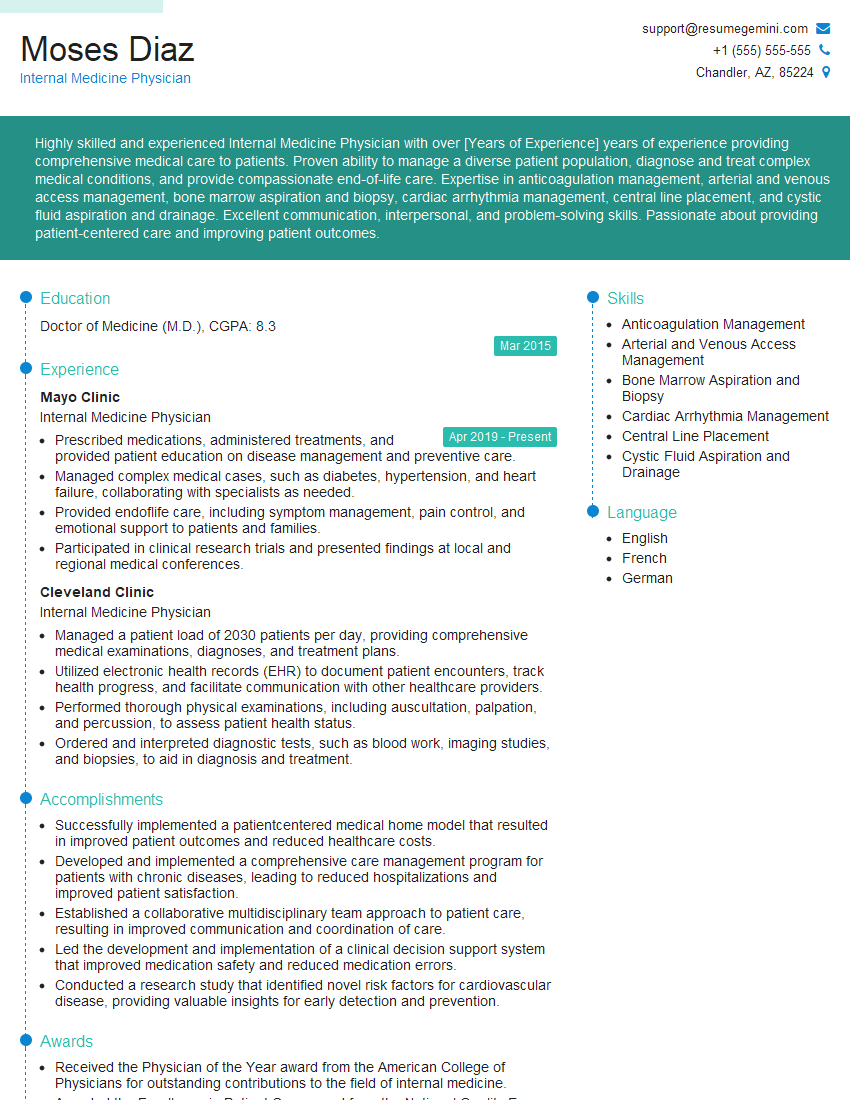
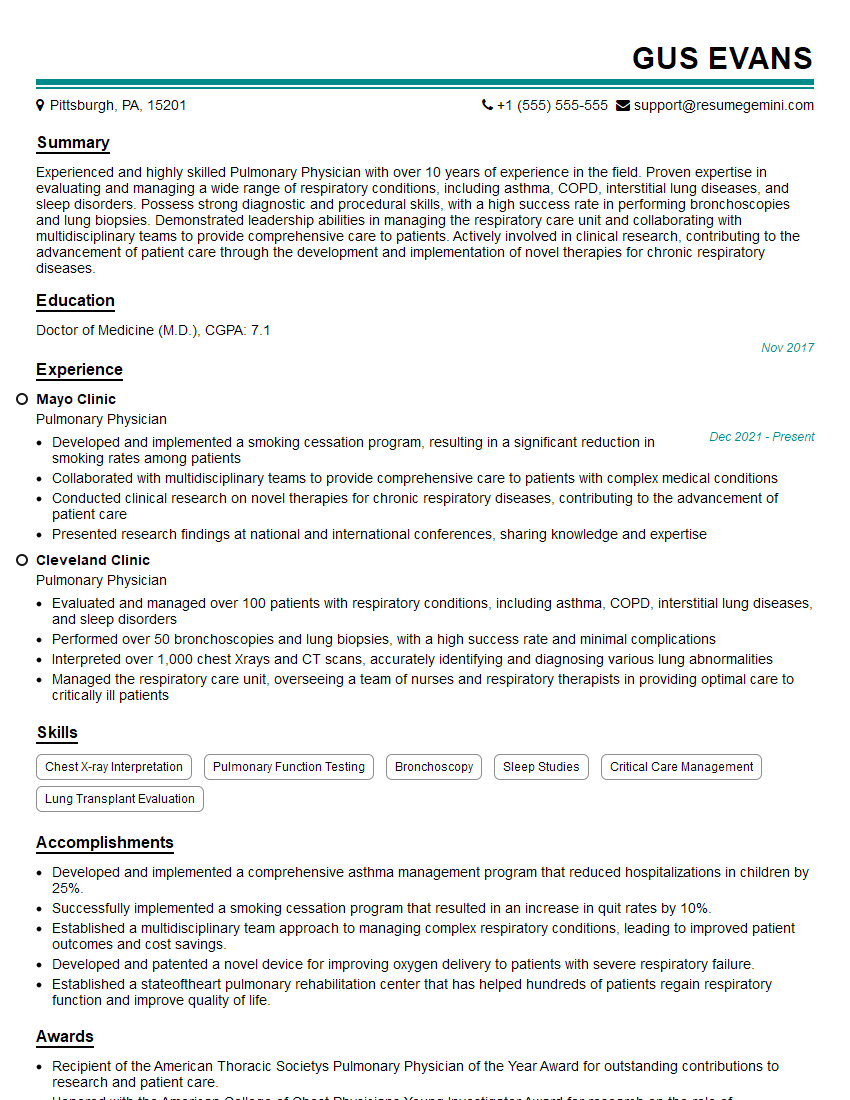
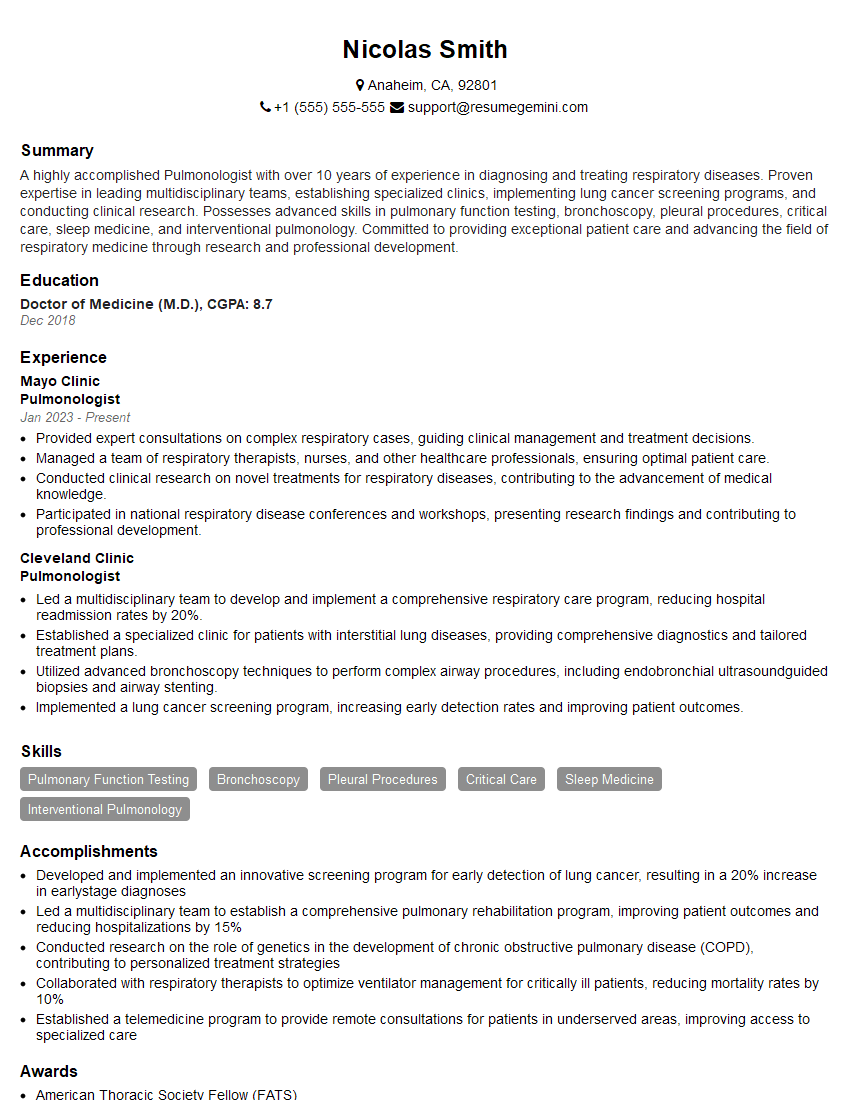
Mastering Interstitial Lung Disease knowledge significantly enhances your career prospects in respiratory medicine and related fields. A strong understanding of ILD showcases expertise and positions you as a valuable asset to any healthcare team. To maximize your job search success, creating an ATS-friendly resume is crucial. ResumeGemini is a trusted resource that can help you build a professional and effective resume that highlights your skills and experience. Examples of resumes tailored to Interstitial Lung Disease expertise are available within ResumeGemini to help guide you in crafting your own compelling application materials.
Explore more articles
Users Rating of Our Blogs
Share Your Experience
We value your feedback! Please rate our content and share your thoughts (optional).
What Readers Say About Our Blog
To the interviewgemini.com Webmaster.
Very helpful and content specific questions to help prepare me for my interview!
Thank you
To the interviewgemini.com Webmaster.
This was kind of a unique content I found around the specialized skills. Very helpful questions and good detailed answers.
Very Helpful blog, thank you Interviewgemini team.