Interviews are more than just a Q&A session—they’re a chance to prove your worth. This blog dives into essential Intranasal Steroid Therapy interview questions and expert tips to help you align your answers with what hiring managers are looking for. Start preparing to shine!
Questions Asked in Intranasal Steroid Therapy Interview
Q 1. What are the common indications for intranasal steroid therapy?
Intranasal steroid therapy is a cornerstone treatment for various inflammatory conditions affecting the nasal passages. The most common indication is allergic rhinitis (hay fever), where it effectively reduces nasal congestion, sneezing, itching, and runny nose. Beyond allergies, intranasal steroids are also frequently used for non-allergic rhinitis (e.g., vasomotor rhinitis), sinusitis (inflammation of the sinuses), and nasal polyposis (growth of polyps in the nasal passages). In some cases, they might be used to help manage the nasal symptoms associated with other conditions like cystic fibrosis.
Q 2. Describe the mechanism of action of intranasal steroids in allergic rhinitis.
In allergic rhinitis, intranasal steroids work by reducing inflammation in the nasal mucosa. The mechanism is multifaceted but primarily involves inhibiting the production of inflammatory mediators like leukotrienes, prostaglandins, and cytokines. These mediators are responsible for the symptoms of allergic rhinitis. By suppressing their production, intranasal steroids decrease nasal congestion, sneezing, and other symptoms. This effect is achieved through the binding of the steroid to intracellular receptors, leading to changes in gene expression that ultimately dampen the inflammatory response. Think of it like turning down the volume on the body’s inflammatory response in the nose.
Q 3. Compare and contrast different intranasal steroid formulations (e.g., fluticasone, mometasone, budesonide).
Several intranasal steroid formulations are available, each with slightly different properties. Fluticasone, mometasone, and budesonide are commonly prescribed. While all three are effective, differences lie in potency, duration of action, and potential side effects. For example, fluticasone propionate is often considered a potent option. Mometasone furoate is known for its once-daily dosing convenience. Budesonide might be preferred for patients with a heightened sensitivity to other corticosteroids. The choice of formulation often depends on the severity of the patient’s condition, their individual response, and any potential contraindications or preferences.
- Fluticasone: High potency, may require less frequent dosing.
- Mometasone: Potent, often convenient once-daily dosing.
- Budesonide: Generally well-tolerated, might be a good option for patients sensitive to other steroids.
Ultimately, the best formulation is determined on a case-by-case basis after a thorough assessment of the patient’s needs and medical history.
Q 4. What are the potential side effects of intranasal steroid therapy, and how can they be managed?
While generally safe and well-tolerated, intranasal steroids can cause side effects, though these are usually mild and transient. Common side effects include nasal dryness, irritation, epistaxis (nosebleeds), and headache. Less frequent but more concerning side effects can include throat irritation, altered taste sensation, and, rarely, fungal infections (especially with prolonged use). These side effects can be managed by reducing the dose, using a nasal moisturizer, or switching to a different formulation. For fungal infections, a different treatment approach may be necessary. Regular monitoring and open communication with the patient are crucial to address and manage any potential adverse effects. For example, if a patient reports persistent nosebleeds, we might consider adjusting the dose or frequency of administration.
Q 5. How do you counsel patients on the proper use of intranasal steroids?
Patient counseling is essential for successful intranasal steroid therapy. I always emphasize the importance of proper technique: using the spray correctly (holding the bottle upright, spraying while gently inhaling), cleaning the nasal passages prior to use, and avoiding the eyes when spraying. I explain the importance of consistent use, even when symptoms improve, to prevent relapse. I provide clear instructions on dosage and frequency, stressing that missing doses can compromise efficacy. Moreover, I encourage open communication, emphasizing the importance of reporting any side effects, no matter how minor. I also educate patients on what to expect in terms of symptom improvement (typically within a few days to weeks) and the potential for side effects. Using visual aids and written instructions reinforces the key points and ensures that the patient understands how to use the medication correctly.
Q 6. What are the contraindications for intranasal steroid therapy?
Contraindications for intranasal steroid therapy are relatively few but important. Active untreated nasal or sinus infections are a contraindication since steroids can mask or worsen the infection. Patients with known hypersensitivity to any component of the medication should also avoid it. While generally safe during pregnancy and breastfeeding, it’s crucial to weigh the benefits against potential risks on a case-by-case basis, carefully considering the specific steroid and the patient’s overall health.
Q 7. How do you monitor the efficacy of intranasal steroid therapy?
Monitoring the efficacy of intranasal steroid therapy involves regular assessment of the patient’s symptoms. This usually starts with an initial evaluation of symptom severity before treatment and then regular follow-up appointments to track symptom improvement. Tools like symptom diaries and standardized symptom scoring systems help quantify the changes. If symptoms don’t improve significantly after a reasonable trial period (usually a few weeks), we may consider adjusting the dosage, switching to a different formulation, or investigating other potential causes for the patient’s symptoms. In some cases, additional diagnostic testing (e.g., nasal endoscopy) might be necessary to rule out other contributing factors or to confirm the diagnosis.
Q 8. How do you manage patients who experience rebound nasal congestion after discontinuing intranasal steroids?
Rebound nasal congestion after discontinuing intranasal steroids is a common concern. It’s essentially a temporary worsening of symptoms as the body adjusts to the absence of the medication. Think of it like a plant that’s been consistently watered – when you stop watering it, it wilts before it adapts. We manage this by tapering the dose gradually, rather than abruptly stopping the medication. This allows the nasal passages to slowly adjust to the reduced steroid levels and minimizes the chances of a significant rebound effect. For example, if a patient is using one spray twice daily, we might reduce it to one spray twice daily for a week, then once daily for another week before completely discontinuing it. In some cases, we might even consider using a short course of intranasal corticosteroids at a lower dose to help manage any rebound symptoms. Patient education is crucial here; explaining the tapering process and the reasons behind it helps manage expectations and improves compliance. If rebound is severe, we may consider alternative strategies like saline nasal rinses to help alleviate symptoms naturally.
Q 9. Discuss the role of intranasal steroids in the treatment of chronic rhinosinusitis.
Intranasal steroids are a cornerstone of chronic rhinosinusitis (CRS) treatment. CRS is characterized by persistent inflammation of the nasal passages and sinuses, often leading to congestion, pain, and reduced sense of smell. Intranasal steroids work by reducing inflammation, which is the root cause of these symptoms. They act locally, directly on the inflamed nasal mucosa, minimizing systemic side effects compared to oral corticosteroids. In CRS, they are highly effective in reducing nasal polyps, improving sinus drainage, and alleviating symptoms such as nasal congestion and facial pain. We often use them as first-line therapy for CRS, especially in mild to moderate cases. In more severe cases, or cases unresponsive to intranasal steroids alone, we might combine them with other treatments like antibiotics or even consider surgical intervention. It’s essential to emphasize long-term use in CRS management; a short course often won’t be sufficient to control chronic inflammation.
Q 10. What are the potential drug interactions with intranasal steroids?
Drug interactions with intranasal steroids are relatively uncommon because of their localized effect. However, we need to be aware of potential interactions, particularly if the patient is using other medications that affect the hypothalamic-pituitary-adrenal (HPA) axis. For example, concurrent use of systemic corticosteroids (oral or intravenous) can increase the risk of HPA axis suppression. Also, while rare, there is a theoretical risk of increased risk of bleeding with concurrent use of anticoagulants or antiplatelet agents, though this interaction hasn’t been consistently proven in clinical practice. Always review the patient’s entire medication list to identify any potential interactions and adjust accordingly. We should carefully monitor patients receiving concomitant systemic steroids for signs of HPA axis suppression such as fatigue, weight gain, or impaired glucose tolerance.
Q 11. Explain the difference between intranasal steroids and oral corticosteroids.
The key difference lies in the route of administration and resulting systemic effects. Intranasal steroids are delivered directly to the nasal passages, resulting in a localized effect with minimal systemic absorption. This means side effects are generally mild and limited to the nasal area (e.g., nosebleeds, dryness). In contrast, oral corticosteroids have widespread systemic effects, as they are absorbed into the bloodstream and distributed throughout the body. This broader distribution can lead to a range of systemic side effects, including weight gain, increased blood sugar, mood changes, and increased risk of infection. Therefore, intranasal steroids are preferred for localized conditions like allergic rhinitis and CRS whenever possible due to their significantly reduced risk of systemic side effects, unless systemic effects are deemed necessary for a particular condition.
Q 12. How do you assess patient adherence to intranasal steroid therapy?
Assessing patient adherence to intranasal steroid therapy is crucial for successful treatment. We use a multi-pronged approach. First, we have open conversations about the treatment plan and expectations. Second, we provide clear and simple instructions on medication use. Third, we use medication adherence tools like pill counts for topical medications applied manually or regularly scheduled follow-up appointments for medication checks. Fourth, we actively monitor patient response to treatment. If symptoms aren’t improving, or if the patient reports they’re not using the medication as prescribed, we explore the reasons behind this and work together to develop strategies to improve compliance. For example, we might simplify the dosing schedule or address concerns about side effects. In some cases, we may use medication reminder systems. It is crucial to remember that patient education is fundamental to ensure adherence and success of the therapy.
Q 13. What are the key differences between different intranasal steroid delivery systems?
Different intranasal steroid delivery systems vary primarily in their spray mechanism and the resulting particle size of the medication. Some use a pump-spray mechanism, delivering a fine mist, while others use a metered-dose inhaler type system. Smaller particle sizes allow for better penetration into the nasal passages and improved distribution to the sinuses. The choice of delivery system can influence the efficacy and tolerability of treatment. For instance, some patients find certain types of spray mechanisms easier to use than others, while others might experience more nasal irritation with specific systems. Factors like the patient’s age, dexterity and level of understanding of the delivery system should inform the choice to maximize compliance and efficacy.
Q 14. Describe a situation where you had to adjust the dosage of intranasal steroids due to patient response.
I once had a patient with severe allergic rhinitis who was initially prescribed a standard dose of fluticasone propionate nasal spray. Despite consistent use, their symptoms remained poorly controlled. After several weeks, we increased the dosage from one spray per nostril once daily to two sprays per nostril once daily. We closely monitored the patient for side effects during this dosage adjustment. After this increase, we observed a significant improvement in symptom control within a couple of weeks. The patient’s improved response validated the decision to increase the dosage. This highlights the importance of individualized treatment and close monitoring of patient response when using intranasal steroids.
Q 15. How do you differentiate between allergic rhinitis and other causes of nasal congestion?
Differentiating allergic rhinitis from other causes of nasal congestion requires a careful history and physical examination. Allergic rhinitis, or hay fever, is characterized by symptoms triggered by exposure to specific allergens like pollen, dust mites, or pet dander. These symptoms typically include itchy eyes, nose, and throat, along with sneezing and a clear, runny nose. Nasal congestion can be a prominent feature, but it’s often accompanied by these other characteristic allergic symptoms.
In contrast, other causes of nasal congestion, like viral rhinitis (the common cold), may present with congestion, but often lack the itchiness and sneezing associated with allergies. The nasal discharge may be thicker and colored (yellow or green). Furthermore, a bacterial infection might lead to nasal congestion accompanied by facial pain, fever, and sometimes a more purulent nasal discharge. Finally, structural issues like deviated septum or nasal polyps can cause persistent nasal congestion, often unrelated to allergens or infections.
Think of it like this: if the congestion is part of a constellation of itchy, sneezy symptoms triggered by specific exposures, it points towards allergy. If it’s a more isolated symptom, accompanied by other features like fever or thick discharge, it suggests a different cause requiring different treatment approaches.
Career Expert Tips:
- Ace those interviews! Prepare effectively by reviewing the Top 50 Most Common Interview Questions on ResumeGemini.
- Navigate your job search with confidence! Explore a wide range of Career Tips on ResumeGemini. Learn about common challenges and recommendations to overcome them.
- Craft the perfect resume! Master the Art of Resume Writing with ResumeGemini’s guide. Showcase your unique qualifications and achievements effectively.
- Don’t miss out on holiday savings! Build your dream resume with ResumeGemini’s ATS optimized templates.
Q 16. What are the long-term effects of intranasal steroid use?
The long-term effects of intranasal steroid use are generally quite favorable, with a low incidence of significant side effects when used appropriately. Most side effects are local and transient, meaning they occur in the nose and resolve upon cessation of treatment. These can include nasal dryness, irritation, or nosebleeds, which are usually mild and manageable. Rarely, some individuals may experience a bitter taste, throat irritation, or headaches.
Systemic effects are uncommon due to the limited absorption of intranasal steroids into the bloodstream. However, long-term, high-dose use could theoretically lead to systemic side effects similar to those seen with oral corticosteroids, such as increased blood sugar, bone thinning, or cataracts. But this is exceedingly rare with proper usage and typical prescribed doses for allergic rhinitis. The benefits of controlled inflammation in managing allergic rhinitis and improving quality of life typically outweigh the minimal risks in most patients.
Q 17. Discuss the role of intranasal steroids in pediatric patients.
Intranasal steroids play a crucial role in managing allergic rhinitis in pediatric patients. They are generally well-tolerated and highly effective in reducing nasal congestion, sneezing, and itching. However, appropriate dosage and administration techniques are crucial. Lower doses are generally prescribed for children, adjusted for their age and weight. Parental supervision and education are essential to ensure proper usage and medication adherence.
It’s important to note that intranasal steroids are considered a first-line treatment for persistent allergic rhinitis in children, offering better long-term control than oral antihistamines and often reducing the need for rescue medications. Early intervention with intranasal steroids can help prevent the development of chronic sinusitis and asthma, conditions often associated with poorly controlled allergic rhinitis in childhood. Always follow the specific recommendations provided by your pediatrician or allergist.
Q 18. How do you address patient concerns about potential side effects of intranasal steroids?
Addressing patient concerns about potential side effects requires open communication and a balanced approach. I start by acknowledging their concerns and emphasizing that, while side effects are possible, they are generally mild and infrequent with appropriate use of intranasal steroids. I explain that the benefits of improved symptom control often significantly outweigh the risks.
I would then provide specific information about common side effects, such as nasal dryness or irritation, and explain how these can be managed (e.g., using a saline spray to moisturize the nasal passages). I would reassure patients that most side effects are temporary and resolve upon discontinuation of the medication. Finally, I would emphasize the importance of following prescribed dosage and administration instructions to minimize the risk of side effects and promote effective treatment.
If a patient remains hesitant, I would explore alternative treatment options and discuss the potential risks and benefits of each to arrive at a shared decision-making approach. Open, honest communication and patient education are paramount in managing these concerns.
Q 19. What are the appropriate monitoring parameters for patients on intranasal steroids?
Monitoring parameters for patients on intranasal steroids are primarily focused on assessing efficacy and identifying any potential side effects. This typically includes regular follow-up appointments to evaluate symptom control. Patients should be asked about their nasal symptoms, including congestion, sneezing, and itching, to determine the medication’s effectiveness.
In addition, it’s crucial to assess for potential side effects, such as nasal dryness, irritation, or nosebleeds. Regularly monitoring for these side effects allows for prompt intervention and management strategies as needed. In some cases, particularly with long-term use or higher doses, monitoring for systemic side effects (though rare) may be warranted, but generally not necessary for standard allergic rhinitis management. Regularly scheduled appointments allow for personalized adjustments to the treatment plan as needed.
Q 20. Discuss the use of intranasal steroids in pregnancy and breastfeeding.
The use of intranasal steroids during pregnancy and breastfeeding requires careful consideration. While large-scale studies on the risks are limited, available evidence suggests that the benefits often outweigh the potential risks for managing severe allergic rhinitis. However, the lowest effective dose should always be used. The systemic absorption of intranasal steroids is minimal, making the risk of significant fetal or neonatal harm low.
During pregnancy, the decision to use intranasal steroids should be made on a case-by-case basis, weighing the potential benefits for the mother’s health against the theoretical risks to the fetus. Similarly, during breastfeeding, the amount of steroid excreted in breast milk is negligible and unlikely to harm the infant. Nevertheless, open communication with both the obstetrician and the allergist is paramount for personalized management.
Q 21. Explain your understanding of the evidence-based guidelines for intranasal steroid use.
Evidence-based guidelines for intranasal steroid use are primarily based on extensive research demonstrating their efficacy and safety in managing allergic rhinitis. Organizations such as the American Academy of Allergy, Asthma & Immunology (AAAAI) and the World Allergy Organization (WAO) have published detailed guidelines outlining the appropriate use of intranasal steroids. These guidelines recommend intranasal steroids as a first-line treatment for moderate to severe allergic rhinitis due to their effectiveness in controlling nasal symptoms.
The guidelines emphasize the importance of selecting the appropriate steroid formulation and dose based on the individual patient’s needs and response. They also highlight the importance of proper administration techniques to maximize efficacy and minimize side effects. Regular monitoring of symptom control and potential side effects is also emphasized. These guidelines are constantly updated with new research to ensure best practice recommendations are followed.
Q 22. How do you determine the appropriate duration of intranasal steroid therapy?
Determining the appropriate duration of intranasal steroid therapy depends heavily on the individual patient and their specific condition. It’s not a one-size-fits-all approach. We typically initiate treatment with a short-term course (e.g., 2-4 weeks) to assess efficacy in managing symptoms like nasal congestion and rhinorrhea. For conditions like allergic rhinitis, we aim for symptom control, meaning treatment continues as long as the allergens are present and symptoms persist. Seasonal allergies might necessitate treatment during pollen seasons. For chronic conditions like nasal polyposis, treatment is often long-term or even indefinite, tailored to prevent symptom recurrence and reduce polyp growth. Regular monitoring and symptom assessment are vital in guiding treatment duration. We might gradually reduce the dosage over time if symptoms improve significantly and there’s no indication of relapse. If symptoms aren’t controlled despite appropriate use, a reevaluation is necessary to identify other potential underlying causes and adjust the treatment strategy.
Q 23. What are the common reasons for treatment failure with intranasal steroids?
Treatment failure with intranasal steroids can stem from several factors. Firstly, incorrect medication use is a major culprit. Patients may not be administering the spray correctly, leading to insufficient drug delivery to the nasal passages. Another common reason is inadequate dosage or too short a treatment duration. Some individuals may have a condition that’s resistant to intranasal steroids, requiring alternative or additional therapies. Underlying infections, like sinusitis, can complicate matters and interfere with the effectiveness of the steroids. Concurrent use of other medications can impact absorption and effectiveness. Finally, the diagnosis itself might be inaccurate, potentially misidentifying the underlying cause of nasal symptoms. We always check for patient adherence, proper technique, and potential drug interactions in cases of treatment failure.
Q 24. Describe a case where a patient did not respond well to intranasal steroid therapy; what did you do?
I recall a patient with chronic rhinosinusitis who wasn’t responding to intranasal fluticasone despite diligent use. Initial assessment pointed toward nasal polyps, which were later confirmed through nasal endoscopy. The intranasal steroid alone wasn’t sufficient to address the polyp burden obstructing the nasal passages. We then escalated the treatment strategy to incorporate both higher-dose intranasal steroids and surgical intervention to remove the polyps. Post-surgery, we continued the intranasal steroid therapy to prevent recurrence. This case highlights the importance of thorough diagnostic evaluation and the potential need for multimodal treatment approaches when initial therapy fails.
Q 25. How do you educate patients about the correct technique for administering nasal sprays?
Educating patients on proper nasal spray technique is crucial for treatment success. I always demonstrate the correct technique, emphasizing a slow, gentle spray while keeping the head upright and tilting it slightly backward. I instruct patients to clear their nasal passages before administering the spray, then to spray one puff into each nostril and gently inhale through the nose. It’s important to explain that aiming the spray towards the outside wall of the nose helps maximize distribution within the nasal passages. I show them how to gently but firmly close one nostril while spraying the other. Post-administration, we go over the importance of keeping the bottle clean and avoid touching the nozzle. I encourage questions and provide written instructions for reinforcement and to ensure they can easily follow the process.
Q 26. What are the cost-effectiveness considerations when choosing an intranasal steroid?
Cost-effectiveness is a key consideration when selecting an intranasal steroid. While many options exist, the difference in efficacy between different brands and strengths within a similar drug class is often minimal. Therefore, we typically choose a drug with the lowest cost per treatment course that meets patient needs and achieves optimal symptom relief. Generic versions are often significantly cheaper than brand names without compromising effectiveness, providing a sensible alternative. We consider long-term costs associated with uncontrolled symptoms, potential complications, and the need for additional treatment (like antibiotics or surgery) when comparing treatments. For example, the initial cost of a more expensive drug might be offset if it significantly reduces the need for additional healthcare visits and other treatments.
Q 27. Discuss the role of intranasal steroids in the management of nasal polyps.
Intranasal steroids play a pivotal role in the management of nasal polyps, acting as a cornerstone of treatment. They are frequently the first-line therapy, aimed at reducing inflammation and shrinking the polyps. This leads to improved nasal airflow, reduced nasal congestion, and alleviation of related symptoms. For smaller polyps, intranasal steroids may provide adequate long-term control. However, for larger polyps or those that fail to respond adequately to medical management, surgical intervention (polypectomy) is often necessary. Post-surgery, continued intranasal steroid therapy is crucial to prevent polyp recurrence. The goal is to use steroids to manage symptoms and prevent polyps from regrowing. Regular monitoring through nasal endoscopy helps assess the effectiveness of the treatment and aids in guiding further management.
Q 28. How do you handle adverse events associated with intranasal steroid therapy?
Adverse events with intranasal steroids are generally mild and infrequent. Common ones include nasal irritation, dryness, or nosebleeds. These are usually transient and resolve spontaneously or with discontinuation of the medication. More rarely, we might encounter epistaxis (nosebleeds) that might require additional management. If symptoms are persistent or severe, we may adjust the dose or switch to a different intranasal steroid or alternative therapy. We carefully monitor patients for more serious, although rare, adverse effects like glaucoma, cataracts, or suppression of the hypothalamic-pituitary-adrenal (HPA) axis. For these, immediate cessation of therapy and referral to appropriate specialists might be necessary. Thorough patient education about potential side effects and prompt reporting of any concerns are essential to managing potential complications effectively. A careful assessment of the benefit-risk profile informs all treatment decisions.
Key Topics to Learn for Intranasal Steroid Therapy Interview
- Pharmacology of Intranasal Steroids: Mechanisms of action, drug metabolism, and pharmacokinetic profiles of commonly used intranasal steroids (e.g., fluticasone, mometasone, beclomethasone).
- Clinical Applications: Understanding the indications for intranasal steroid therapy, including allergic rhinitis, non-allergic rhinitis, and nasal polyposis. Discuss appropriate patient selection criteria and treatment goals.
- Dosage and Administration: Proper techniques for intranasal steroid administration, common dosing regimens, and strategies for optimizing patient adherence.
- Adverse Effects and Management: Recognizing and managing potential side effects, including local effects (e.g., epistaxis, nasal irritation) and systemic effects (e.g., adrenal suppression). Discuss strategies for minimizing adverse events.
- Drug Interactions: Awareness of potential interactions with other medications, particularly those affecting the hypothalamic-pituitary-adrenal (HPA) axis.
- Monitoring and Assessment: Methods for evaluating treatment response, including symptom scores, nasal endoscopy, and objective measures of inflammation.
- Comparison with Other Therapies: Understanding the advantages and disadvantages of intranasal steroids compared to other treatments for nasal inflammation (e.g., oral steroids, antihistamines, leukotriene inhibitors).
- Patient Education and Counseling: Strategies for effectively educating patients about the use and benefits of intranasal steroid therapy, addressing common concerns and misconceptions.
- Problem-Solving Scenarios: Be prepared to discuss clinical cases involving intranasal steroid therapy, including situations requiring dose adjustments, treatment failures, and management of adverse effects.
Next Steps
Mastering Intranasal Steroid Therapy demonstrates a deep understanding of respiratory medicine and significantly enhances your career prospects in various healthcare settings. A well-crafted resume is crucial for showcasing your expertise to potential employers. Creating an ATS-friendly resume increases your chances of getting your application noticed and ensures your skills and experience are effectively highlighted. ResumeGemini is a trusted resource that can help you build a professional and impactful resume tailored to the specific requirements of the Intranasal Steroid Therapy field. Examples of resumes tailored to this specialty are available within the ResumeGemini platform. Take the next step in advancing your career today!

Health Informatics Specialist Resume Sample

Clinical Research Associate (CRA) Resume Sample

Regulatory Affairs Specialist Resume Sample

Biostatistician Resume Sample

Clinical Data Manager Resume Sample
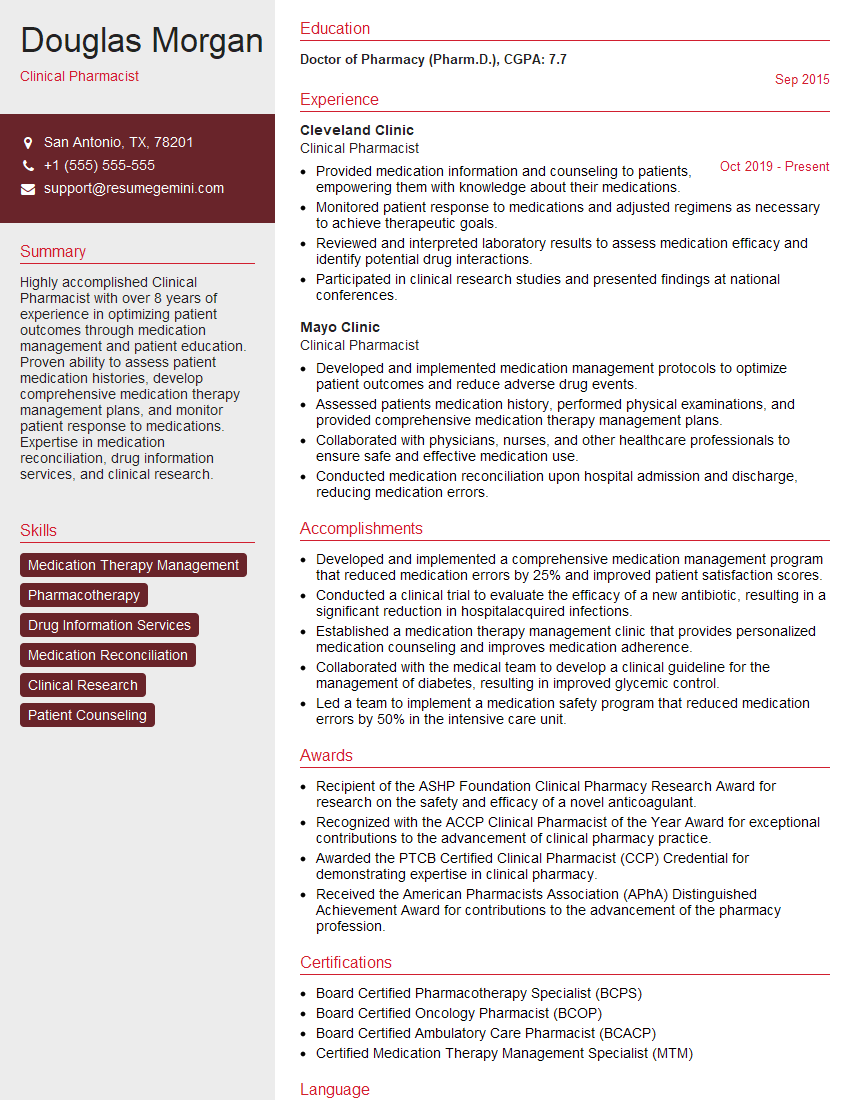
Clinical Pharmacist Resume Sample

Physician Assistant Resume Sample

Primary Care Physician Resume Sample

Pulmonologist Resume Sample

Rheumatologist Resume Sample

Dermatologist Resume Sample

Allergist/Immunologist Resume Sample
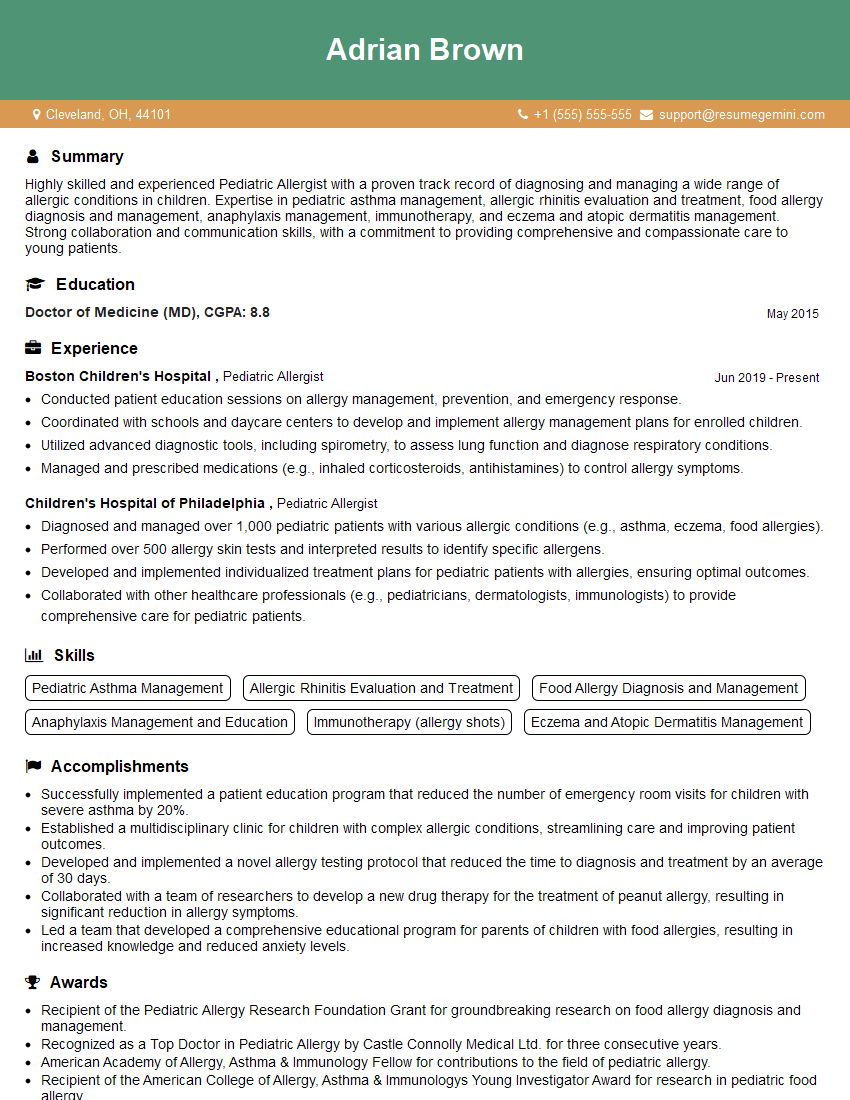
Pediatric Allergist Resume Sample
Explore more articles
Users Rating of Our Blogs
Share Your Experience
We value your feedback! Please rate our content and share your thoughts (optional).
What Readers Say About Our Blog
To the interviewgemini.com Webmaster.
Very helpful and content specific questions to help prepare me for my interview!
Thank you
To the interviewgemini.com Webmaster.
This was kind of a unique content I found around the specialized skills. Very helpful questions and good detailed answers.
Very Helpful blog, thank you Interviewgemini team.