Interviews are more than just a Q&A session—they’re a chance to prove your worth. This blog dives into essential Intubation and Ventilator Management interview questions and expert tips to help you align your answers with what hiring managers are looking for. Start preparing to shine!
Questions Asked in Intubation and Ventilator Management Interview
Q 1. Describe the different types of endotracheal tubes and their indications.
Endotracheal tubes (ETTs) come in various types, each suited for specific patient needs. The choice depends on factors like patient size, anatomy, and the anticipated duration of intubation.
- Standard ETTs: These are the most common type, available in various sizes (internal diameter measured in millimeters) and lengths. They are used for routine intubation in adults and children.
- Uncuffed ETTs: These lack an inflatable cuff, making them suitable for short-term intubation or in patients with specific airway conditions where a cuff might cause damage. They are commonly used in infants and young children.
- Cuffed ETTs: These have an inflatable cuff that seals the airway, preventing air leakage and allowing for controlled ventilation. They are the preferred choice for most adult and pediatric intubations.
- Armed ETTs: These tubes have a small, flexible, side opening near the distal tip, often used to facilitate suctioning or to reduce the risk of airway obstruction.
- Double-lumen ETTs: These have two separate lumens (channels), allowing for independent ventilation of each lung. They are primarily used during lung surgery or in cases of unilateral lung disease.
- Tracheostomy Tubes: These are inserted through a surgically created opening (tracheostomy) in the neck, providing a long-term airway access. They are generally used after prolonged intubation or in patients with severe airway obstruction.
Indications for ETTs broadly include the need for mechanical ventilation, airway protection (e.g., preventing aspiration of vomit or secretions), airway maintenance during surgery, or management of upper airway obstruction.
Q 2. Explain the Sellick maneuver and its purpose during intubation.
The Sellick maneuver, also known as cricoid pressure, involves applying gentle, posterior pressure to the cricoid cartilage—the ring-shaped cartilage at the base of the larynx—during intubation. The purpose is to occlude the esophagus, reducing the risk of regurgitation and aspiration of stomach contents into the lungs (pulmonary aspiration) during the process.
Think of it like squeezing a tube of toothpaste – the pressure prevents its contents from coming out. While helpful, it’s crucial to apply the right amount of pressure; excessive force can hinder intubation or cause other complications.
Q 3. What are the complications associated with endotracheal intubation?
Endotracheal intubation, while a life-saving procedure, carries potential complications. These can be broadly categorized as:
- Airway-related: Esophageal intubation (tube placed in the esophagus instead of the trachea), tracheal trauma (damage to the trachea), bleeding, airway obstruction, and vocal cord injury.
- Respiratory-related: Hypoxia (low blood oxygen), hypercapnia (high carbon dioxide levels), pneumothorax (collapsed lung), and pneumonia (lung infection).
- Cardiovascular-related: Bradycardia (slow heart rate), hypertension (high blood pressure), and cardiac arrhythmias (irregular heartbeat).
- Infection-related: Ventilator-associated pneumonia (VAP) is a significant risk in patients requiring mechanical ventilation.
- Other: Dental trauma, nerve injury, and esophageal perforation.
The risk of these complications can be minimized through proper technique, careful patient assessment, and appropriate monitoring.
Q 4. How do you confirm proper endotracheal tube placement?
Confirmation of proper ETT placement is critical and involves a multi-step approach. Never rely on a single method.
- Auscultation: Listening for bilateral breath sounds over both lung fields indicates proper placement in the trachea (windpipe). Absence of sounds or unilateral sounds suggests misplacement.
- Chest Rise and Fall: Observing symmetrical chest movement indicates proper ventilation.
- End-tidal CO2 (EtCO2) detection: A capnograph (a device measuring CO2 levels) provides objective confirmation of proper placement in the trachea. The presence of EtCO2 waveforms indicates that the tube is in the airway and CO2 is being exhaled.
- Chest X-ray: A chest X-ray confirms the position of the ETT within the trachea and rules out complications like pneumothorax.
Any doubt about ETT placement requires immediate verification to prevent potentially fatal complications.
Q 5. Describe the process of extubating a patient.
Extubation, the process of removing the ETT, is carefully planned and executed. The steps typically include:
- Assessment: Evaluating the patient’s readiness, including respiratory function, oxygenation, and hemodynamic stability.
- Medication Administration: Often, medications (e.g., bronchodilators) are given to optimize airway patency.
- Suctioning: Clearing any secretions from the airway.
- Deflating the Cuff: Slowly deflating the cuff of the ETT.
- Tube Removal: Gently removing the ETT while the patient exhales.
- Post-Extubation Care: Close monitoring of respiratory function and oxygen saturation. The patient may require supplemental oxygen after extubation.
The speed of extubation depends on the patient’s condition and clinical judgment. It’s a crucial step requiring both technical skills and careful observation.
Q 6. What are the indications for mechanical ventilation?
Mechanical ventilation is indicated when a patient’s respiratory system is unable to adequately maintain gas exchange (oxygen intake and carbon dioxide removal). Indications can include:
- Acute Respiratory Failure: This can result from conditions like pneumonia, pulmonary edema (fluid in the lungs), acute respiratory distress syndrome (ARDS), or severe asthma exacerbations.
- Severe Airway Obstruction: Conditions such as laryngeal edema or airway foreign bodies may necessitate mechanical ventilation.
- Neuromuscular Weakness: Conditions like myasthenia gravis or Guillain-Barré syndrome can weaken respiratory muscles, impairing ventilation.
- Postoperative Respiratory Support: Following major surgery, especially thoracic or abdominal surgery, mechanical ventilation may be necessary.
- Trauma: Severe injuries, such as chest trauma or head trauma, can compromise ventilation.
Ultimately, the decision to initiate mechanical ventilation rests on a careful assessment of the patient’s clinical status and respiratory parameters.
Q 7. Explain the different modes of mechanical ventilation and their applications.
Mechanical ventilation offers different modes, each tailored to specific respiratory needs:
- Controlled Mechanical Ventilation (CMV): The ventilator delivers a set tidal volume (breath size) and respiratory rate, completely controlling breathing. Used for patients with no spontaneous breathing effort.
- Assist-Control (AC) Ventilation: The ventilator delivers breaths based on a set rate and tidal volume but also delivers a breath in response to the patient’s own respiratory effort. This is useful for patients who are able to contribute to their own breathing.
- Synchronized Intermittent Mandatory Ventilation (SIMV): The ventilator delivers a set number of breaths per minute, synchronized with the patient’s spontaneous breaths. This allows the patient to breathe spontaneously between ventilator breaths, gradually weaning off mechanical support.
- Pressure Support Ventilation (PSV): The ventilator provides assistance during spontaneous breaths by supplying a set amount of pressure to augment the patient’s efforts. This encourages active participation in breathing and improves weaning.
- Pressure Regulated Volume Control (PRVC): This mode aims to deliver a target tidal volume by adjusting pressure according to patient lung compliance. This adapts to the patient’s needs more dynamically.
The choice of ventilation mode depends on various factors such as the patient’s respiratory status, level of consciousness, and the overall clinical picture. Close monitoring and adjustments are key to optimize ventilation strategy.
Q 8. How do you interpret arterial blood gas results in the context of mechanical ventilation?
Interpreting arterial blood gas (ABG) results is crucial in managing mechanically ventilated patients. ABGs provide a snapshot of the patient’s oxygenation, ventilation, and acid-base balance. We look at several key parameters: pH (measures acidity/alkalinity), PaCO2 (partial pressure of carbon dioxide, reflecting ventilation), PaO2 (partial pressure of oxygen, reflecting oxygenation), and HCO3– (bicarbonate, reflecting metabolic component).
For instance, a low pH (acidosis) with a high PaCO2 suggests respiratory acidosis, possibly due to hypoventilation. We’d adjust ventilator settings like respiratory rate or tidal volume to improve ventilation. Conversely, a high pH (alkalosis) with a low PaCO2 suggests respiratory alkalosis, often from hyperventilation. We might decrease the ventilator rate or increase the inspiratory time to correct this. Oxygenation is assessed through PaO2 and SaO2 (oxygen saturation). A low PaO2 despite high FiO2 (fraction of inspired oxygen) suggests hypoxemia, requiring adjustments like increasing PEEP (positive end-expiratory pressure) or adjusting the ventilator mode. The relationship between these parameters helps us understand the underlying cause of respiratory compromise and tailor ventilator management accordingly.
Example: A patient presents with a pH of 7.25, PaCO2 of 60 mmHg, PaO2 of 60 mmHg, and HCO3– of 24 mEq/L. This indicates respiratory acidosis with hypoxemia. We would likely increase the ventilator rate and tidal volume to lower PaCO2 and increase FiO2 to improve PaO2. We’d also closely monitor for signs of respiratory distress and adjust accordingly.
Q 9. Describe the weaning process from mechanical ventilation.
Weaning from mechanical ventilation is a gradual process aimed at restoring spontaneous breathing. It involves systematically reducing ventilator support while closely monitoring the patient’s respiratory function. The process starts with assessing the patient’s readiness, considering factors like hemodynamic stability, adequate oxygenation, and the ability to maintain spontaneous breathing. We use various techniques, including spontaneous breathing trials (SBTs), where the ventilator support is temporarily reduced to assess the patient’s ability to breathe independently. Parameters like respiratory rate, tidal volume, and oxygen saturation are carefully monitored during SBTs. If successful, ventilator support is gradually decreased. We can use different weaning modes, like pressure support ventilation or synchronized intermittent mandatory ventilation (SIMV), to provide assistance as needed. The weaning process is individualized and depends on the patient’s clinical condition and response to reduced support. The goal is a smooth transition to complete respiratory independence without compromising oxygenation or causing respiratory distress.
Example: A patient post-thoracotomy may start with a SIMV mode, gradually decreasing the mandatory breaths while increasing pressure support to encourage spontaneous breathing. Their respiratory rate, oxygen saturation, and work of breathing are closely monitored. If the patient shows signs of fatigue or hypoxemia during an SBT, the weaning process is temporarily paused or support is increased.
Q 10. What are the complications associated with mechanical ventilation?
Mechanical ventilation, while life-saving, carries potential complications. These can be broadly categorized into respiratory, cardiovascular, and systemic effects.
- Respiratory complications: Ventilator-associated pneumonia (VAP), barotrauma (lung injury from high pressures), volutrauma (lung injury from large tidal volumes), atelectasis (lung collapse), and bronchospasm.
- Cardiovascular complications: Decreased cardiac output due to increased intrathoracic pressure, arrhythmias, and hypotension.
- Systemic complications: Infection, renal failure, gastrointestinal bleeding, and psychological distress (e.g., delirium).
The risk of these complications can be minimized through careful patient selection, proper ventilator settings, meticulous infection control practices, and close monitoring of the patient’s clinical status. For example, using lower tidal volumes and PEEP, and employing strategies to reduce VAP risk, such as elevation of the head of the bed, oral care, and ventilator circuit changes, are crucial preventive measures.
Q 11. How do you manage ventilator-associated pneumonia (VAP)?
Managing ventilator-associated pneumonia (VAP) requires a multi-pronged approach. Early detection is key, often involving monitoring for signs and symptoms like increased secretions, fever, leukocytosis, and new or worsening infiltrates on chest radiography. Once suspected, prompt cultures are obtained to identify the causative organism and guide antibiotic therapy. Broad-spectrum antibiotics are initially used, followed by narrowing the treatment based on culture results. Other interventions include ensuring adequate airway clearance through suctioning and chest physiotherapy. Supportive care includes maintaining optimal oxygenation and hemodynamic stability. The patient’s nutrition must also be addressed to support the immune response. Prophylactic measures, as previously mentioned, are essential in preventing VAP.
Example: If a patient on mechanical ventilation develops a fever, increased sputum production, and a new infiltrate on chest x-ray, VAP is suspected. Cultures are immediately sent, and broad-spectrum antibiotics are started pending culture results. Supportive measures like ensuring optimal oxygenation and appropriate nutrition support are also implemented. Once specific pathogens are identified from the cultures, antibiotic therapy is adjusted accordingly.
Q 12. Explain the concept of positive end-expiratory pressure (PEEP).
Positive end-expiratory pressure (PEEP) is the pressure that remains in the airways at the end of exhalation. It helps prevent alveolar collapse (atelectasis) and improve oxygenation. By keeping alveoli open, PEEP increases functional residual capacity (FRC), which is the volume of air remaining in the lungs after a normal exhalation. Increasing FRC improves oxygenation by increasing the surface area available for gas exchange and reducing shunt fraction (blood that doesn’t participate in gas exchange). However, excessive PEEP can compromise cardiac output by decreasing venous return. Therefore, PEEP should be carefully titrated to achieve optimal oxygenation while minimizing potential cardiovascular effects. PEEP values are usually between 5 and 15 cm H2O, adjusted based on patient response and tolerance.
Think of it like inflating a balloon – PEEP is like keeping a little air in the balloon so it doesn’t completely deflate and remains easier to inflate again. Too much PEEP (too much air) makes the balloon too tight and hard to inflate.
Q 13. What are the different types of ventilator circuits and their advantages/disadvantages?
Several types of ventilator circuits are available, each with its advantages and disadvantages.
- Single-limb circuit: Simple and cost-effective, but increased risk of contamination and dead space.
- Dual-limb circuit: Separates inspired and expired gases, reducing dead space and risk of contamination. More complex and expensive than single-limb circuits.
- Heated humidification circuit: Prevents the drying of the airways and delivers warmed and humidified gases. This improves patient comfort, but increases the risk of contamination and condensation.
The choice of circuit depends on several factors, including the patient’s condition, the length of ventilation, and the available resources. For example, a dual-limb circuit is often preferred for long-term ventilation to reduce the risk of contamination and improve patient comfort. Heated humidification is generally recommended to prevent airway dryness. The risks and benefits of each type should be carefully weighed before selecting a particular circuit.
Q 14. How do you troubleshoot common ventilator alarms?
Ventilator alarms are crucial safety features that alert clinicians to potential problems. Troubleshooting involves a systematic approach. First, identify the type of alarm (high-pressure, low-pressure, apnea, low oxygen, etc.). Next, assess the patient’s clinical status – are they showing any signs of respiratory distress? Then, check the ventilator settings and connections to rule out any equipment malfunction. Common causes include:
- High-pressure alarm: Kinking of the endotracheal tube, secretions in the airway, bronchospasm, coughing, patient-ventilator asynchrony, or pneumothorax.
- Low-pressure alarm: Disconnection of the ventilator circuit, leaks in the system, or accidental removal of the endotracheal tube.
- Apnea alarm: Absence of spontaneous breaths or inadequate ventilator function.
- Low oxygen alarm: Low FiO2, ventilator malfunction, or hypoventilation.
Always address the underlying cause of the alarm, not just the alarm itself. For example, a high-pressure alarm may require suctioning to clear secretions, adjusting ventilator settings to improve synchrony, or addressing a pneumothorax. A systematic approach, from assessing the patient to checking the equipment, ensures the timely detection and management of potential problems.
Q 15. Describe the process of performing a capnography assessment.
Capnography is a non-invasive method to monitor ventilation by measuring the carbon dioxide (CO2) concentration in exhaled breath. It provides real-time feedback on the adequacy of ventilation, the presence of airway obstruction, and the position of the endotracheal tube (ETT). The process involves attaching a capnograph sensor to the patient’s airway, usually via an ETT or a nasal cannula. The sensor measures the CO2 levels during each breath cycle, displaying the results as a waveform on a monitor.
The waveform’s shape, including the upslope (representing inspiration), the plateau (representing end-tidal CO2), and the downslope (representing exhalation), provides crucial information. For example, a flatline indicates a lack of ventilation, while a low end-tidal CO2 might suggest hypoventilation or poor perfusion. A gradual rise in end-tidal CO2 can indicate respiratory acidosis, a condition where the blood becomes too acidic due to carbon dioxide buildup. We carefully observe this waveform for any irregularities to ensure effective ventilation and prevent complications.
In practice: Imagine the capnography waveform as a heartbeat monitor for your lungs. A regular, consistent waveform is a good sign, while changes signal a problem needing attention. We use this information to make adjustments to ventilator settings or airway management as needed.
Career Expert Tips:
- Ace those interviews! Prepare effectively by reviewing the Top 50 Most Common Interview Questions on ResumeGemini.
- Navigate your job search with confidence! Explore a wide range of Career Tips on ResumeGemini. Learn about common challenges and recommendations to overcome them.
- Craft the perfect resume! Master the Art of Resume Writing with ResumeGemini’s guide. Showcase your unique qualifications and achievements effectively.
- Don’t miss out on holiday savings! Build your dream resume with ResumeGemini’s ATS optimized templates.
Q 16. How do you manage a patient with a difficult airway?
Managing a difficult airway requires a systematic approach, prioritizing patient safety and oxygenation. We use a predictive algorithm that considers factors like patient anatomy, history, and the expected level of difficulty. The cornerstone is proper planning and preparation. We assemble the necessary equipment beforehand, including alternative airway devices like laryngeal mask airway (LMA) and video laryngoscopes.
If initial attempts at intubation fail, we immediately switch to the next method and continue to assess the patient’s oxygenation. This might include using different laryngoscope blades, employing a bougie, or trying alternative airway devices. Throughout this process, meticulous monitoring of vital signs, oxygen saturation, and end-tidal CO2 is essential. If we still encounter difficulty, we might consult with anesthesiology or senior medical staff and may consider a surgical airway as a last resort.
Example: In a case of anticipated difficult airway due to morbid obesity, we preoxygenate the patient extensively, use a smaller ETT, and have readily available fiberoptic intubation and cricothyroidotomy equipment, all to ensure safe airway management.
Q 17. What are the different types of airway adjuncts?
Airway adjuncts are devices used to maintain or establish a patent airway. They can be broadly categorized into:
- Supraglottic Airway Devices: These devices sit above the glottis (the opening to the windpipe), providing a seal and maintaining a patent airway without requiring endotracheal intubation. Examples include Laryngeal Mask Airway (LMA), iGel, and various other supraglottic airway devices.
- Endotracheal Tubes (ETT): These are tubes inserted into the trachea (windpipe) via the mouth or nose, providing a secure airway for ventilation. Different types include reinforced ETTs, double-lumen ETTs for lung-selective ventilation, and smaller-diameter ETTs for pediatric use.
- Oropharyngeal and Nasopharyngeal Airways: These simple devices are used to prevent the tongue from obstructing the airway, often used as temporary measures before more definitive airway management.
- Other devices: This includes newer technologies like the Airway Exchange Catheter (AEC) for difficult extubations and other advanced techniques that are available and evolving.
Practical Application: The choice of airway adjunct depends on the clinical situation, the patient’s condition, and the anticipated duration of airway support. For example, an LMA might be suitable for short procedures, while an ETT would be necessary for prolonged ventilation.
Q 18. Explain the use of rapid sequence intubation (RSI).
Rapid Sequence Intubation (RSI) is a technique used for emergency airway management, especially in patients at risk of aspiration. It involves the simultaneous or rapid administration of a sedative (e.g., etomidate) and a paralytic agent (e.g., succinylcholine), followed by immediate intubation. The goal is to swiftly secure the airway while minimizing the risk of aspiration of gastric contents into the lungs (aspiration pneumonia).
The steps typically involved are:
- Preoxygenation: Providing the patient with 100% oxygen for several minutes to increase oxygen reserves.
- Medication Administration: Administering the sedative and paralytic agent rapidly and concurrently.
- Intubation: Immediately inserting the endotracheal tube using appropriate laryngoscopic techniques.
- Confirmation of Tube Placement: Confirming correct tube placement using capnography, auscultation, and chest rise.
Important Considerations: RSI requires a skilled provider and a well-equipped setting. Close monitoring of vital signs during and after the procedure is crucial. Alternatives to succinylcholine are used in patients with contraindications to this medication.
Q 19. Describe the criteria for extubation readiness.
Extubation readiness criteria aim to ensure that the patient can safely breathe on their own without mechanical ventilation. These criteria vary somewhat depending on the individual patient’s condition and clinical context, but generally include:
- Adequate respiratory drive: The patient’s respiratory rate and pattern are stable, and they are able to initiate and sustain spontaneous breaths.
- Improved oxygenation: The patient is able to maintain adequate oxygen saturation (SpO2) on minimal oxygen support (e.g., room air or low flow oxygen).
- Improved ventilation: The patient’s blood gas levels are within an acceptable range (pH, PaCO2, PaO2), indicating that the lungs are adequately exchanging gases.
- Hemodynamic stability: The patient’s heart rate, blood pressure, and other hemodynamic parameters are stable and within normal ranges.
- Neuromuscular function: The patient’s neuromuscular function is sufficiently recovered to allow spontaneous breathing. This can be assessed through clinical examination and/or neuromuscular testing.
- Absence of airway obstruction: There is no evidence of airway obstruction (e.g., retained secretions, edema, or other anatomical abnormalities).
In summary: Before extubating, we need to confirm the patient can breathe effectively, maintain good oxygen levels, and is hemodynamically stable. We always proceed cautiously and adjust the plan if needed, considering that sudden deterioration may occur.
Q 20. How do you manage patient-ventilator dyssynchrony?
Patient-ventilator dyssynchrony occurs when the patient’s respiratory effort is not synchronized with the ventilator’s mechanical breaths. This can lead to increased respiratory work, patient discomfort, and potentially, respiratory muscle fatigue. Different types of dyssynchrony exist:
- Auto-triggering: The ventilator delivers a breath in response to the patient’s effort, but this happens outside of the intended timing or breathing pattern.
- Breath stacking: The patient initiates a breath before the previous one has finished, leading to a stacking of breaths.
- Flow asynchrony: The ventilator delivers breaths too quickly or slowly compared to the patient’s breathing pattern.
- Trigger asynchrony: The ventilator fails to detect the patient’s initiation of a breath and does not deliver a breath in time.
Management: The key is to identify the type of dyssynchrony and adjust ventilator settings accordingly. This might involve changing the sensitivity, flow rate, pressure support, or other parameters to better match the patient’s respiratory pattern. We assess the respiratory work, sedation level, and muscle paralysis. Often simple adjustments like reducing the sensitivity setting are enough. In more challenging cases, a change of ventilator mode or the use of sedation might be necessary.
Q 21. What are the signs and symptoms of respiratory distress?
Respiratory distress is a serious condition indicating that the body is struggling to obtain sufficient oxygen. Signs and symptoms vary in severity but may include:
- Increased respiratory rate (tachypnea): Rapid, shallow breathing.
- Use of accessory muscles: Engaging muscles in the neck, chest, and abdomen to aid breathing.
- Nasal flaring: Widening of the nostrils during inhalation.
- Retractions: Indrawing of the skin between the ribs or above the clavicles during inhalation.
- Cyanosis: Bluish discoloration of the skin and mucous membranes due to low blood oxygen levels.
- Wheezing, stridor, or other abnormal breath sounds: Audible sounds indicating airway obstruction or narrowing.
- Altered mental status: Confusion, lethargy, or agitation due to hypoxia.
- Tachycardia: Rapid heart rate due to low oxygen levels.
- Diaphoresis: Excessive sweating.
Severity: Respiratory distress can range from mild to severe, with severe cases leading to respiratory failure requiring immediate medical intervention, such as mechanical ventilation. Careful observation and prompt treatment are essential to prevent serious consequences.
Q 22. How do you calculate minute ventilation?
Minute ventilation (VE) is the total volume of air moved in and out of the lungs per minute. It’s a crucial parameter in assessing respiratory function and guiding ventilator settings. We calculate it by multiplying the tidal volume (VT) – the volume of air moved in a single breath – by the respiratory rate (RR) – the number of breaths per minute.
The formula is: VE = VT x RR
Example: If a patient has a tidal volume of 500 ml and a respiratory rate of 12 breaths per minute, their minute ventilation is 6 liters per minute (500 ml/breath * 12 breaths/minute = 6000 ml/minute = 6 L/minute).
Understanding minute ventilation is crucial because it directly reflects the efficiency of gas exchange. A low minute ventilation can lead to hypoventilation (inadequate removal of carbon dioxide and insufficient oxygen uptake), while excessively high minute ventilation can lead to hyperventilation (excessive removal of carbon dioxide).
Q 23. Explain the concept of tidal volume and its importance.
Tidal volume (VT) is the volume of air inhaled or exhaled in a single breath during normal quiet breathing. It’s a fundamental parameter in respiratory mechanics and ventilator management. Think of it as the ‘amount’ of air exchanged with each breath.
Importance: An adequate tidal volume is essential for effective gas exchange. If the tidal volume is too low, the patient won’t get enough oxygen or effectively remove carbon dioxide. This can lead to hypoxemia (low blood oxygen) and hypercapnia (high blood carbon dioxide). Conversely, excessively high tidal volumes can lead to lung injury, especially in patients with pre-existing lung disease, by overstretching the alveoli (tiny air sacs in the lungs).
In ventilator management, the tidal volume is carefully adjusted to provide optimal ventilation without causing harm. It’s frequently set based on the patient’s weight and lung mechanics (determined via parameters like compliance and resistance). Monitoring tidal volume helps clinicians detect problems like leaks in the ventilator circuit or changes in the patient’s lung compliance.
Q 24. What are the different types of oxygen delivery systems?
Several oxygen delivery systems exist, each with varying degrees of oxygen concentration and delivery methods. The choice depends on the patient’s clinical condition and oxygen requirements.
- Nasal Cannula: Delivers low flow oxygen (1-6 L/min), simple to use, comfortable for most patients but limited to lower FiO2 (fraction of inspired oxygen).
- Simple Face Mask: Delivers slightly higher flow rates than nasal cannula (6-10 L/min), provides better humidification, but FiO2 remains relatively low.
- Partial Rebreather Mask: Allows for rebreathing of some exhaled air mixed with oxygen, enabling slightly higher FiO2, but requires careful monitoring of reservoir bag.
- Non-Rebreather Mask: Prevents rebreathing of exhaled air, delivers the highest FiO2 achievable with a mask (up to 80-90%), ideal for patients requiring high oxygen concentrations.
- Venturi Mask: Delivers precise FiO2 levels by mixing oxygen with room air, ideal for patients who need consistent, controlled FiO2 but is less comfortable.
- High-Flow Nasal Cannula: Provides high flow rates (up to 60L/min), helps improve oxygenation and reduces work of breathing, and provides humidified and warmed gas.
Selecting the appropriate system hinges on the patient’s oxygen needs and comfort. For instance, a patient with mild hypoxia may benefit from a nasal cannula, while a patient in respiratory distress might require a non-rebreather mask or even mechanical ventilation.
Q 25. Describe the role of respiratory monitoring in ventilator management.
Respiratory monitoring is paramount in ventilator management, allowing for continuous assessment of the patient’s respiratory status and the effectiveness of the ventilator support. It helps identify early signs of complications and enables timely interventions.
Key Monitoring Parameters:
- Arterial Blood Gases (ABGs): Provide direct measurement of blood oxygen and carbon dioxide levels, crucial for assessing gas exchange.
- Pulse Oximetry (SpO2): Measures oxygen saturation in the blood, a non-invasive and continuous monitoring method.
- Capnography (EtCO2): Measures the partial pressure of carbon dioxide in exhaled breath, reflecting ventilation and perfusion.
- Ventilator waveforms and parameters: Monitor tidal volume, respiratory rate, airway pressure, oxygen flow, and other ventilator settings. These parameters help assess the efficiency and safety of ventilation.
- Lung mechanics: Measurements of compliance (how easily the lungs expand) and resistance (opposition to airflow) help guide ventilator settings and identify lung injury.
Through continuous monitoring, we can promptly adjust ventilator settings, address potential issues (e.g., leaks, kinks), and identify complications (e.g., pneumothorax, infections).
Q 26. How do you manage a patient with a pneumothorax?
A pneumothorax is a collapsed lung caused by air entering the pleural space (the space between the lung and chest wall). Management depends on the severity of the pneumothorax.
Management Steps:
- Assessment: Assess the patient’s respiratory status (breathing rate, oxygen saturation, breath sounds), and identify the severity of the pneumothorax (small, tension, etc.).
- Supplemental Oxygen: High-flow oxygen is immediately administered to improve oxygenation.
- Needle Thoracostomy: For tension pneumothorax (a life-threatening condition where air builds up in the pleural space and compresses the lung and heart), immediate needle decompression is performed to relieve pressure.
- Chest Tube Insertion: Chest tube placement is usually necessary to evacuate air from the pleural space and allow the lung to re-expand. This is often done in conjunction with or following needle thoracostomy.
- Monitoring: Close monitoring of respiratory status, chest tube drainage, and pain management is crucial during and after treatment.
The size and cause of the pneumothorax guide the chosen treatment approach. Small pneumothoraces might resolve spontaneously with observation and oxygen therapy, while larger or tension pneumothoraces require immediate intervention.
Q 27. What are the ethical considerations in end-of-life care involving mechanical ventilation?
Ethical considerations in end-of-life care involving mechanical ventilation are complex and require careful attention to patient autonomy, beneficence, and non-maleficence.
Key Ethical Issues:
- Withholding or withdrawing ventilation: Decisions about withdrawing or withholding life support must be based on the patient’s wishes (if known), their best interests, and shared decision-making with family and healthcare providers. Advance directives, such as living wills, should be honored.
- Futile treatment: If continued ventilation offers no medical benefit and only prolongs suffering, it may be considered futile. Discussions about forgoing futile treatment should be open and transparent.
- Quality of life: The overall quality of life, not just length of life, must be considered. If ventilation leads to an unacceptable level of suffering or pain, it may be ethically justifiable to consider withdrawing support.
- Family involvement: Family members should be actively involved in the decision-making process, but the patient’s wishes (if clearly expressed) must take precedence.
Ethical decision-making in end-of-life care requires a multidisciplinary approach involving physicians, nurses, ethicists, and chaplains to ensure the patient’s dignity, comfort, and autonomy are respected.
Q 28. Discuss the importance of patient education regarding ventilator management.
Patient education is crucial in ventilator management, empowering patients and their families to understand their condition, treatment, and potential complications. This leads to better outcomes and adherence to treatment plans.
Key Aspects of Patient Education:
- Explanation of the ventilator: A clear explanation of how the ventilator works, its purpose, and its potential benefits and limitations.
- Monitoring and care: Education on monitoring vital signs, recognizing potential complications, and adhering to the prescribed care plan (e.g., oral care, deep breathing exercises).
- Communication strategies: For patients who are unable to communicate verbally, strategies for alternative communication (e.g., writing boards, eye movements) should be taught.
- Rehabilitation: Information on rehabilitation plans (e.g., physiotherapy, speech therapy) to help the patient regain their independence and functional abilities.
- Discharge planning: Education on managing medications, follow-up appointments, and recognizing signs of deterioration.
Effective patient education enhances their understanding, improves their participation in decision-making, and ultimately leads to better outcomes and quality of life.
Key Topics to Learn for Intubation and Ventilator Management Interview
- Airway Management Techniques: Understanding various intubation methods (oral, nasal, rapid sequence), indications, contraindications, and potential complications. Consider the differences between adult and pediatric patients.
- Ventilator Modes and Settings: Mastering different ventilator modes (e.g., volume control, pressure control, pressure support), their applications, and how to adjust settings based on patient response and blood gas analysis. Practical application includes troubleshooting common ventilator alarms.
- Physiological Monitoring and Interpretation: Focus on interpreting arterial blood gases (ABGs), capnography, and other vital signs to assess the effectiveness of ventilation and identify potential problems. This includes understanding acid-base balance and respiratory mechanics.
- Complications of Intubation and Ventilation: Thoroughly understanding potential complications such as barotrauma, volutrauma, ventilator-associated pneumonia (VAP), and strategies for prevention and management. Be prepared to discuss your experience with recognizing and addressing these complications.
- Emergency Scenarios and Crisis Management: Practice responding to critical situations such as difficult airways, accidental extubation, and respiratory distress. Develop a structured approach to problem-solving in high-pressure scenarios.
- Ethical Considerations and Patient Advocacy: Review the ethical implications of intubation and ventilation, particularly in cases of end-of-life care or situations involving informed consent and patient autonomy.
Next Steps
Mastering Intubation and Ventilator Management is crucial for career advancement in respiratory therapy, critical care, and emergency medicine. A strong understanding of these skills demonstrates expertise and significantly enhances your job prospects. To stand out to potential employers, a well-crafted, ATS-friendly resume is essential. ResumeGemini offers a trusted platform to build a professional resume that highlights your skills and experience effectively. They provide examples of resumes tailored specifically to Intubation and Ventilator Management, ensuring your application showcases your expertise in the best possible light. Take the next step towards your dream career – build a powerful resume with ResumeGemini today!
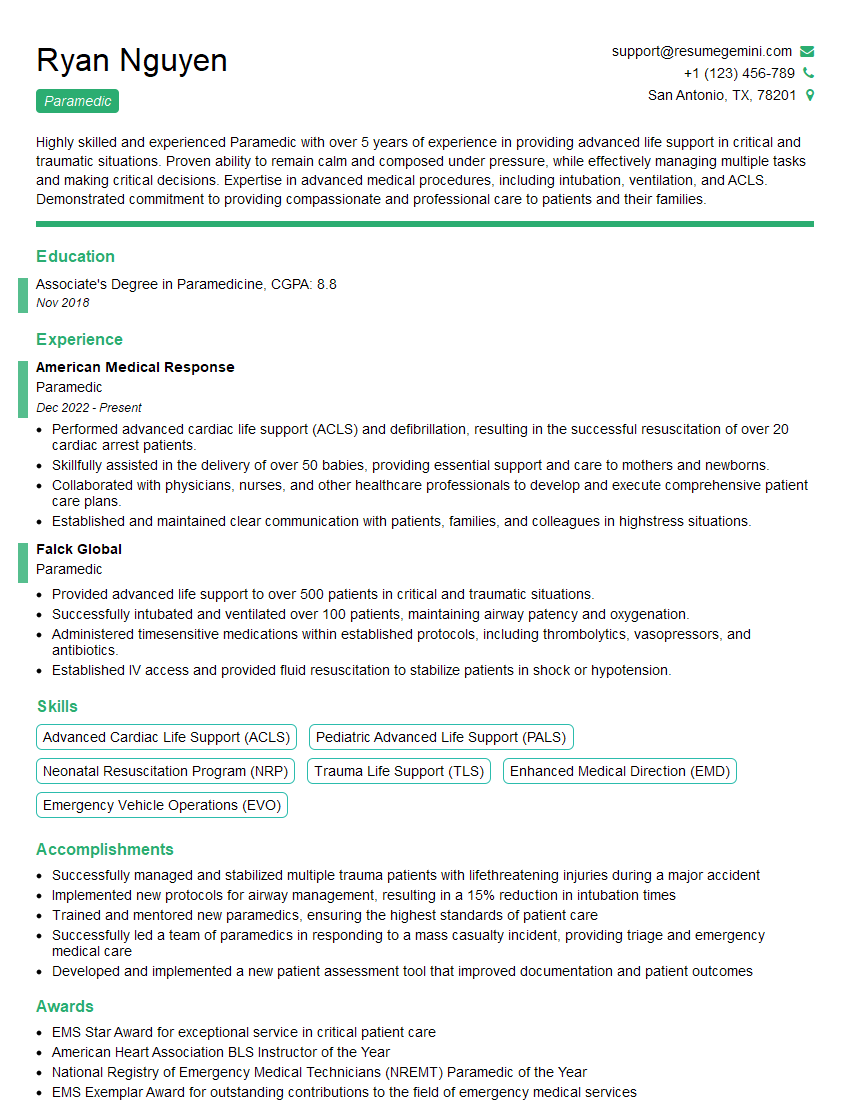
Paramedic Resume Sample
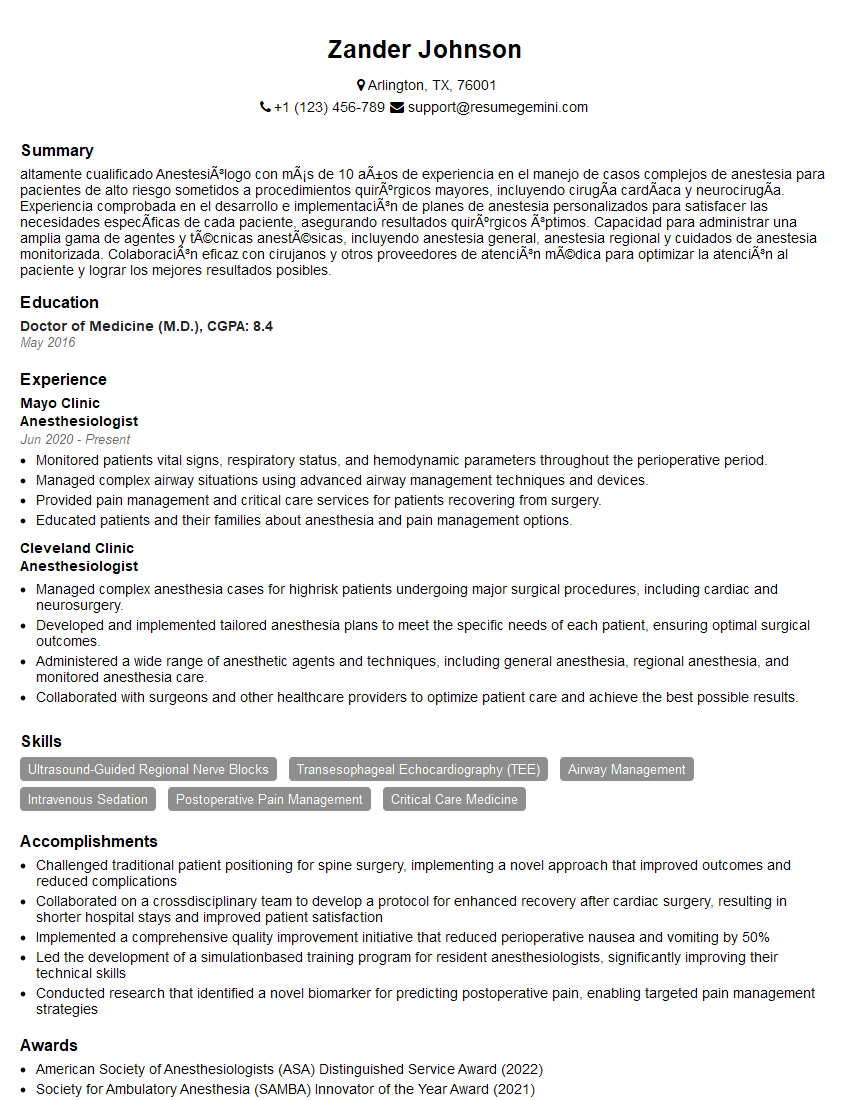
Anesthesiologist Resume Sample
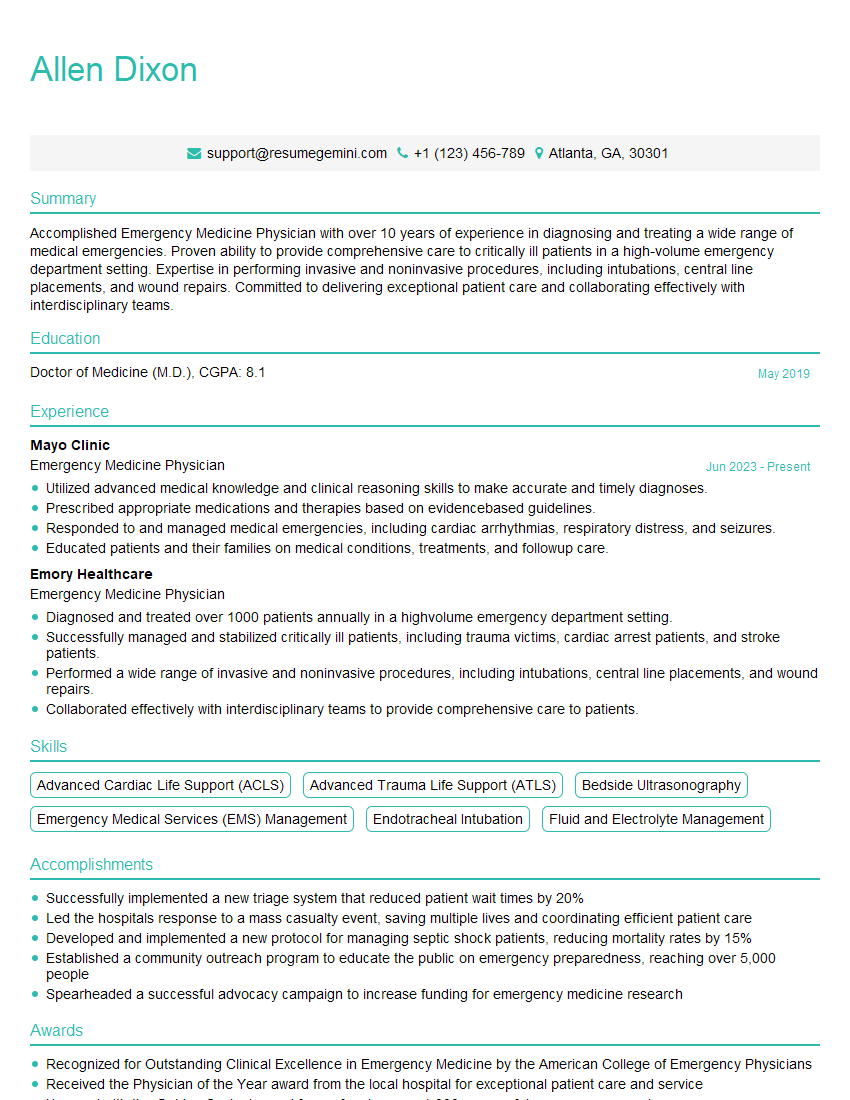
Emergency Medicine Physician Resume Sample
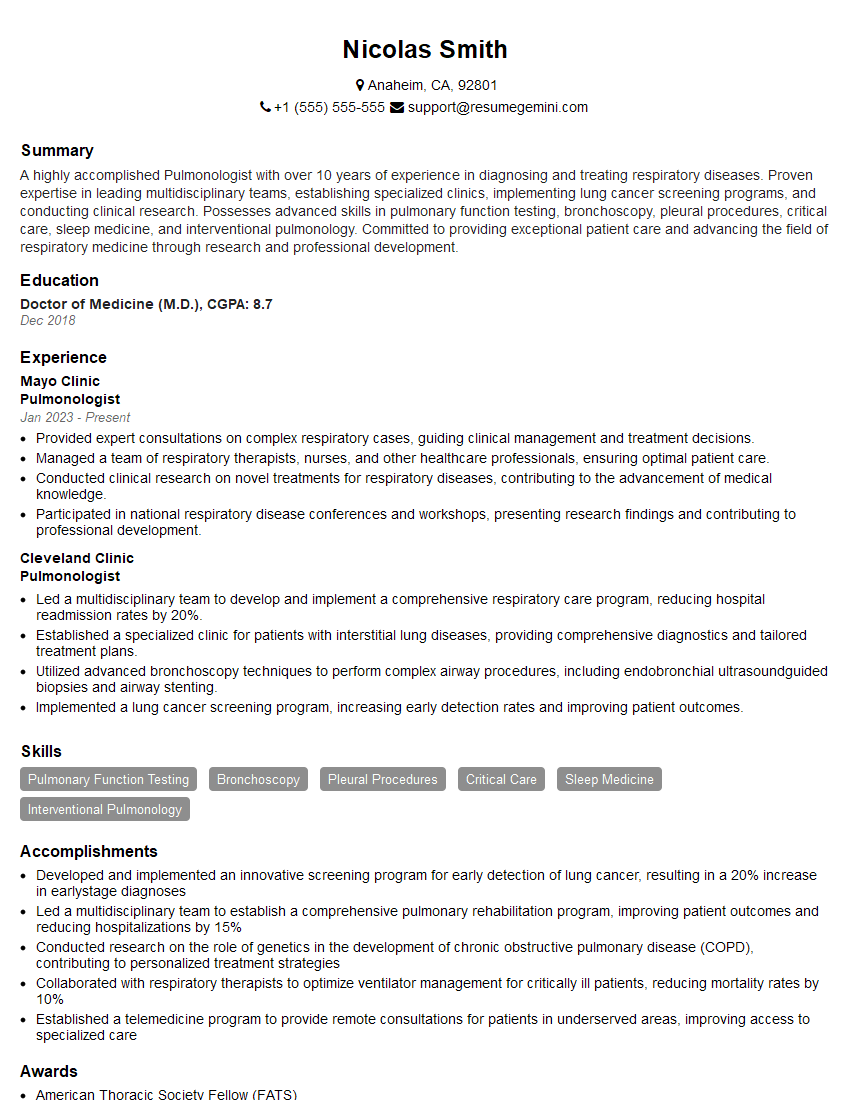
Pulmonologist Resume Sample
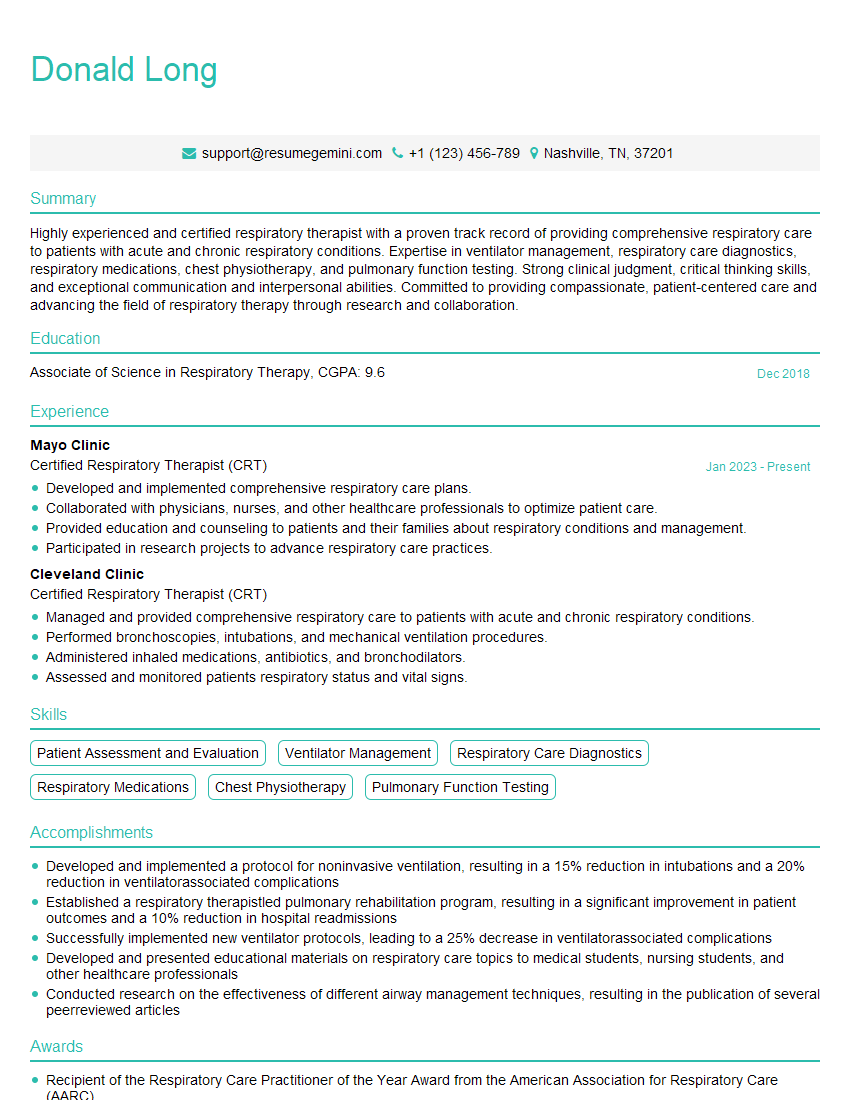
Certified Respiratory Therapist (CRT) Resume Sample
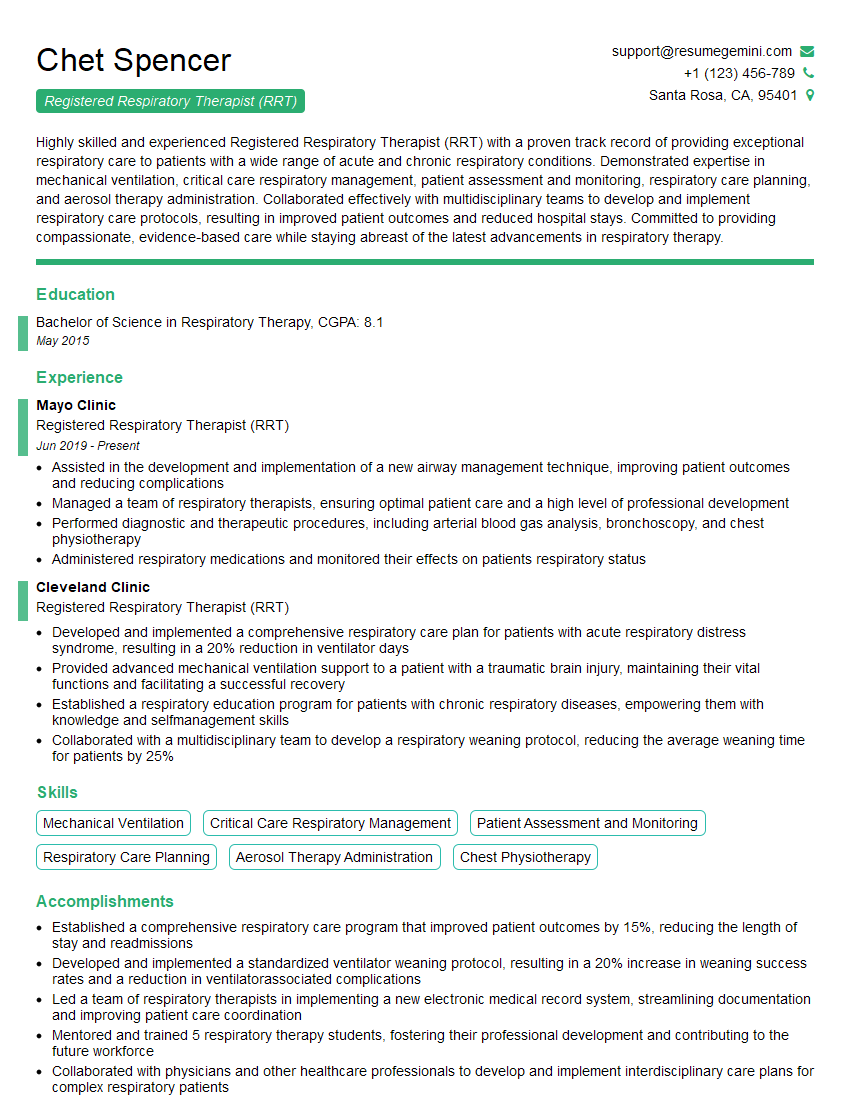
Registered Respiratory Therapist (RRT) Resume Sample
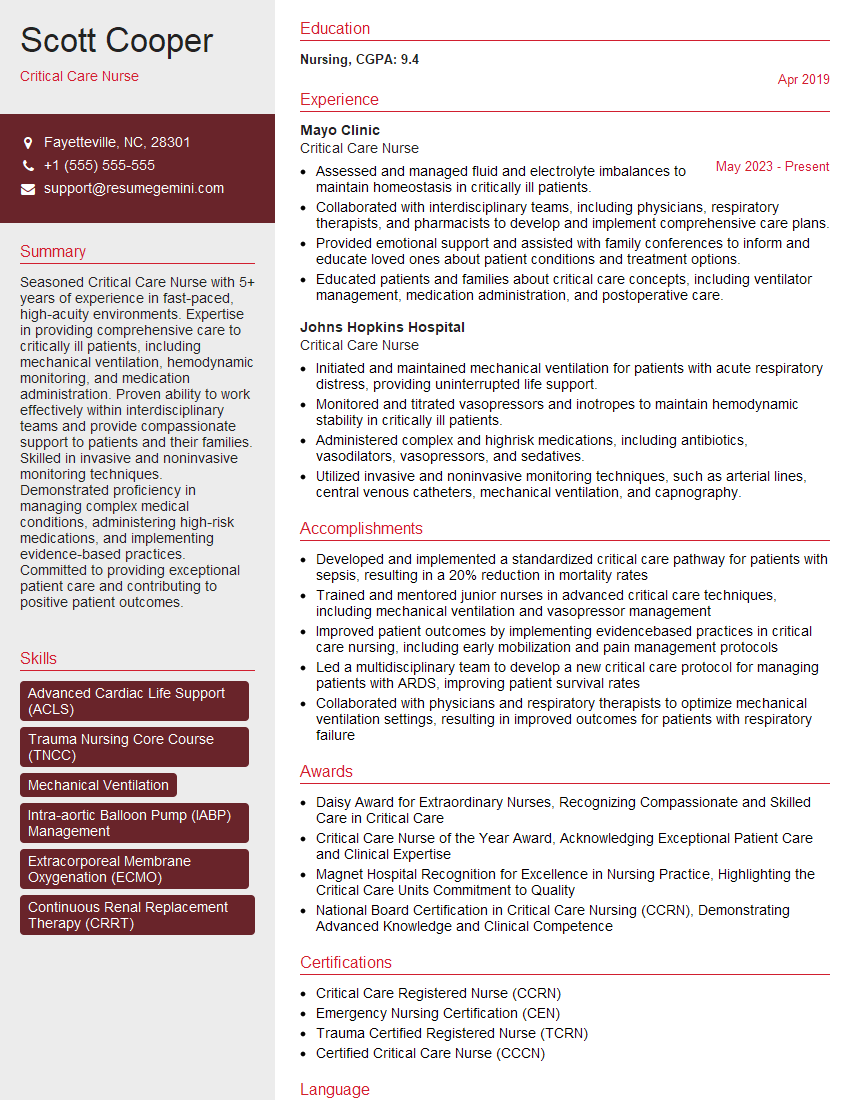
Critical Care Nurse Resume Sample
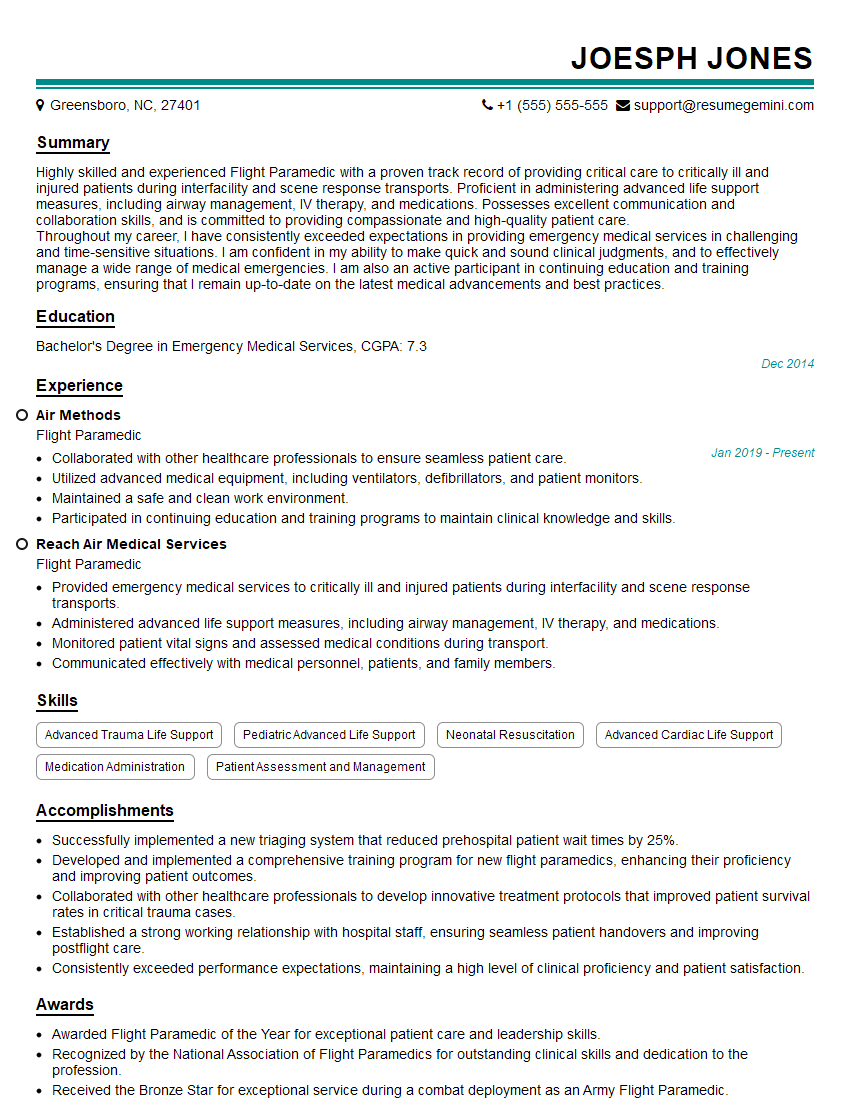
Flight Paramedic Resume Sample
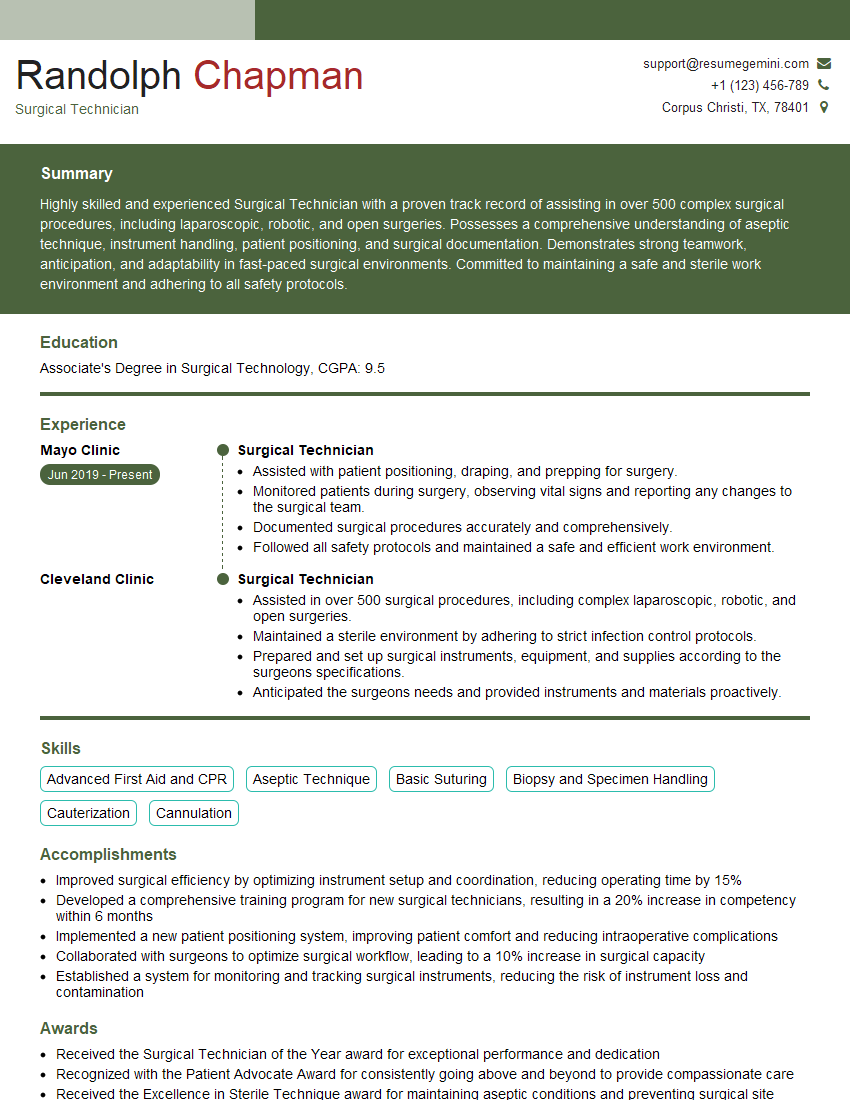
Surgical Technician Resume Sample
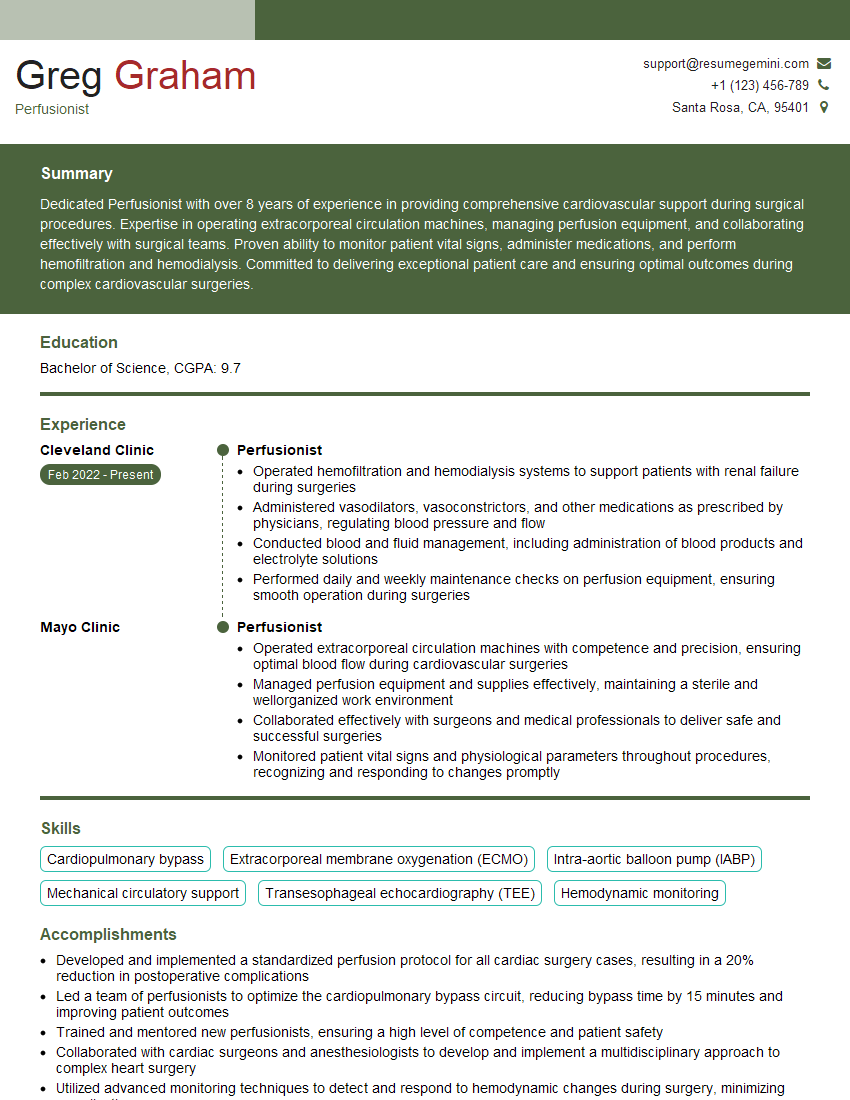
Perfusionist Resume Sample
Explore more articles
Users Rating of Our Blogs
Share Your Experience
We value your feedback! Please rate our content and share your thoughts (optional).
What Readers Say About Our Blog
To the interviewgemini.com Webmaster.
Very helpful and content specific questions to help prepare me for my interview!
Thank you
To the interviewgemini.com Webmaster.
This was kind of a unique content I found around the specialized skills. Very helpful questions and good detailed answers.
Very Helpful blog, thank you Interviewgemini team.