Are you ready to stand out in your next interview? Understanding and preparing for ISO Standards (e.g., 9001, 14001) interview questions is a game-changer. In this blog, we’ve compiled key questions and expert advice to help you showcase your skills with confidence and precision. Let’s get started on your journey to acing the interview.
Questions Asked in ISO Standards (e.g., 9001, 14001) Interview
Q 1. Explain the Plan-Do-Check-Act (PDCA) cycle in relation to ISO 9001.
The Plan-Do-Check-Act (PDCA) cycle is a fundamental framework for continuous improvement, integral to ISO 9001’s Quality Management System (QMS). It’s a cyclical process designed to drive efficiency and effectiveness. Think of it as a continuous loop of learning and refinement.
- Plan: This stage involves defining objectives, processes, and resources needed to achieve those objectives. For example, if your objective is to reduce customer complaint rates, you’d plan specific actions like implementing a new customer feedback system or improving staff training.
- Do: Here, you implement the plan, execute the processes, and collect data on the results. This could involve rolling out the new feedback system and monitoring the number of complaints received.
- Check: This is the analysis phase. You compare the actual results against the planned objectives, identify any discrepancies, and analyze the causes of those discrepancies. For instance, you would analyze the data from the new feedback system, looking for trends and causes for remaining complaints.
- Act: Based on the analysis in the ‘Check’ phase, you take corrective actions to improve processes or address any identified issues. Perhaps you need to adjust the training program or modify the feedback system based on user feedback.
The PDCA cycle isn’t a one-time event; it’s iterative. After completing one cycle, you start another, using the lessons learned to further refine your processes and continually improve your QMS.
Q 2. Describe the key differences between ISO 9001:2015 and ISO 9001:2008.
ISO 9001:2015 introduced significant changes compared to its predecessor, ISO 9001:2008. The most notable differences revolve around a shift from a process-based approach to a more risk-based thinking approach.
- Risk-Based Thinking: 2015 emphasizes proactive identification and mitigation of risks and opportunities. This is integrated throughout the QMS, whereas 2008 focused more on reactive problem-solving.
- Leadership Engagement: The 2015 version places greater responsibility on top management’s commitment to the QMS and its continuous improvement. It requires more active leadership involvement in setting the direction and ensuring the effectiveness of the system.
- Context of the Organization: The 2015 standard requires organizations to understand the internal and external factors that affect their ability to meet customer requirements and achieve their objectives. This includes considering things like market conditions, regulatory requirements, and stakeholder expectations.
- Process Approach: While both versions emphasize a process approach, 2015 clarifies the need to understand the interrelationships between processes and how they contribute to the overall effectiveness of the QMS.
- Structure and Language: The 2015 version uses a more streamlined and user-friendly structure, with clearer and more concise language. The Annex SL structure is adopted, providing a common framework across various ISO management system standards.
In essence, ISO 9001:2015 is more holistic and proactive, encouraging organizations to build a robust QMS that anticipates and manages potential issues rather than merely reacting to problems.
Q 3. What are the core principles of ISO 14001?
ISO 14001’s core principles center around environmental responsibility and continuous improvement of an organization’s environmental performance. They guide the development and implementation of an Environmental Management System (EMS).
- Plan-Do-Check-Act (PDCA): Just like ISO 9001, the PDCA cycle forms the backbone of continuous improvement within the EMS.
- Environmental Policy: A publicly available commitment to environmental protection and continual improvement, setting the organization’s environmental direction.
- Legal and Other Requirements: Compliance with applicable environmental laws, regulations, and other requirements is paramount. Understanding and adhering to these regulations is a key element of the EMS.
- Environmental Aspects and Impacts: Identification, analysis, and management of significant environmental aspects and their potential impacts. This involves a systematic approach to understanding the environmental consequences of operations.
- Proactive Management: A commitment to proactive environmental management, focusing on preventing pollution and minimizing environmental harm rather than merely reacting to incidents.
- Life Cycle Thinking: Considering the environmental impacts of a product or service throughout its entire life cycle, from cradle to grave.
- Continual Improvement: A commitment to continually improving the EMS’s effectiveness and reducing the organization’s environmental impact.
These principles work together to establish a framework that enables organizations to manage their environmental responsibilities effectively and minimize their negative impacts on the planet.
Q 4. How does an organization demonstrate compliance with ISO 14001 requirements?
Demonstrating compliance with ISO 14001 requires a multi-faceted approach. It’s not a one-time event but a continuous process of improvement.
- Implementation of an EMS: Develop and implement an EMS that addresses all the requirements of the standard. This includes defining environmental objectives, establishing procedures, and allocating resources.
- Internal Audits: Regularly conduct internal audits to evaluate the EMS’s effectiveness and identify areas for improvement. These audits assess compliance with the established procedures and the standard’s requirements.
- Management Review: Top management must regularly review the EMS’s performance, including its effectiveness, adequacy, and suitability. This review informs decision-making regarding the allocation of resources and ongoing improvements.
- Corrective and Preventive Actions: Establish a system for identifying, investigating, and addressing nonconformities, implementing corrective actions to prevent recurrence and preventive actions to avoid potential problems.
- Record Keeping: Maintain accurate and complete records demonstrating compliance with the EMS and the standard’s requirements. This includes records of audits, management reviews, and corrective actions.
- Certification (Optional): While not mandatory, many organizations choose to seek certification from a third-party accreditation body. This provides independent verification of their compliance with the standard, enhancing credibility and market advantage.
Successful compliance goes beyond simply ticking boxes; it involves a genuine commitment to environmental responsibility and continual improvement.
Q 5. Explain the concept of environmental aspects and impacts.
Environmental aspects and impacts are key concepts in ISO 14001. They help organizations understand their environmental footprint.
- Environmental Aspects: These are elements of an organization’s activities, products, or services that can interact with the environment. They are essentially the potential interactions. Examples include energy consumption, water usage, waste generation, emissions to air, and use of raw materials.
- Environmental Impacts: These are the changes in the environment, whether adverse or beneficial, wholly or partially resulting from an organization’s activities, products, or services. Examples include greenhouse gas emissions contributing to climate change, water pollution affecting aquatic life, and noise pollution impacting nearby communities.
Understanding both aspects and impacts is crucial for effective environmental management. You need to know what interactions are occurring (aspects) and the effect those interactions have on the environment (impacts).
Q 6. What is a significant environmental aspect, and how is it determined?
A significant environmental aspect is an aspect that has or can have a significant environmental impact. Determining significance involves a process of evaluation.
The determination of significance typically involves several factors:
- Magnitude of the impact: How large is the potential impact on the environment? Consider the scale, extent, and duration of the impact.
- Probability of occurrence: How likely is the impact to occur? This takes into account factors like the frequency and likelihood of specific events.
- Legal and other requirements: Are there any legal or regulatory requirements related to the aspect? Compliance obligations can significantly influence the significance assessment.
- Public opinion and stakeholder concerns: What are the concerns and perspectives of stakeholders (e.g., local communities, regulatory bodies)? Public perception can play a role.
Organizations often use a scoring system or matrix to evaluate each aspect, weighing these factors to determine which aspects are deemed significant and require focused management attention.
For example, a manufacturing plant might find that its wastewater discharge (aspect) has a significant environmental impact (impact) because of high pollutant levels and the proximity to a sensitive ecosystem. This would warrant prioritization in their EMS.
Q 7. Describe your experience with conducting internal audits of an ISO 9001 or 14001 system.
I have extensive experience conducting internal audits for both ISO 9001 and ISO 14001 systems. In my previous role, I was responsible for leading and conducting regular audits across multiple departments in a large manufacturing company. This involved planning the audit scope, reviewing relevant documentation, conducting on-site observations, interviewing personnel, and identifying nonconformities.
For ISO 9001 audits, my focus would be on evaluating aspects such as process effectiveness, record keeping, customer satisfaction, and management review effectiveness. I’d assess whether the processes were aligned with documented procedures, if records accurately reflected activities, and if corrective actions were properly implemented for any identified issues.
Similarly, for ISO 14001 audits, I’d evaluate the EMS’s effectiveness in managing environmental aspects, ensuring compliance with legal and other requirements, and verifying the adequacy of environmental objectives and targets. This included assessing the proper management of waste, energy consumption, and emissions. The emphasis was always on identifying any gaps in the system or areas where improvement could be made.
My approach in both cases involved a collaborative and constructive dialogue with auditees. I’d use the findings to produce a report that clearly outlined the identified strengths and weaknesses of the management system, along with recommendations for corrective and preventive actions. Ultimately, my goal was not just to identify nonconformities, but to assist organizations in improving their systems and achieving ongoing compliance.
Q 8. How do you handle nonconformances discovered during an audit?
Handling nonconformances discovered during an audit involves a systematic approach focused on immediate correction and longer-term preventative measures. It’s not enough to simply fix the immediate problem; we need to understand the root cause to prevent recurrence.
My process typically follows these steps:
- Immediate Correction: First, we address the nonconformance immediately. This might involve repairing a faulty product, correcting an inaccurate record, or temporarily suspending a non-compliant process. The goal is to prevent further defects or deviations.
- Root Cause Analysis: We then conduct a thorough root cause analysis (RCA). Tools like the 5 Whys, fishbone diagrams (Ishikawa diagrams), or fault tree analysis are employed to identify the underlying reasons for the nonconformance. For example, if a batch of products failed a quality test, we wouldn’t just re-do the batch; we’d investigate why the failure occurred – was it faulty raw materials, incorrect machine settings, insufficient operator training, etc.?
- Corrective Action: Based on the RCA, we implement corrective actions to eliminate the root cause. This may involve updating procedures, improving training programs, replacing equipment, or changing supplier relationships. This action plan is documented and its effectiveness is monitored.
- Preventive Action (if applicable): If the RCA reveals a potential for similar nonconformances in other areas or processes, we implement preventative actions to mitigate those risks before they materialize. This is proactive risk management.
- Verification & Monitoring: We verify the effectiveness of both corrective and preventive actions. This includes monitoring key indicators to ensure the problem doesn’t resurface. Regular audits and reviews are essential to confirm that the implemented actions are working as intended.
For example, during an ISO 14001 audit, if a nonconformity was found regarding improper waste disposal, we’d immediately correct the disposal, investigate why the proper procedures weren’t followed (maybe lack of training or unclear labeling), implement training and improve labeling, and then monitor waste disposal practices to ensure the corrective actions have been successful.
Q 9. What is a corrective action and how does it differ from a preventive action?
Both corrective and preventive actions are crucial for continuous improvement within an ISO management system, but they address different aspects of nonconformances or potential problems.
- Corrective Action: Addresses a problem that has *already occurred*. It focuses on eliminating the root cause of a nonconformity to prevent its recurrence. Think of it as fixing a broken window – addressing a present issue.
- Preventive Action: Addresses a potential problem that *has not yet occurred*. It focuses on preventing nonconformances or other undesirable outcomes by proactively identifying and mitigating risks. It’s like reinforcing the house’s foundation to prevent future damage before anything breaks.
The key difference lies in timing and focus. Corrective actions react to existing problems, while preventive actions anticipate future ones. They often work in conjunction; a thorough root cause analysis following a corrective action might reveal potential problems in other areas, leading to the implementation of preventive actions.
For instance, if a machine malfunctioned and caused a production delay (nonconformity), the corrective action would be to repair the machine. However, a preventive action might be to implement a more robust preventative maintenance schedule to reduce the likelihood of future malfunctions.
Q 10. Explain your understanding of risk-based thinking within the context of ISO standards.
Risk-based thinking is fundamental to both ISO 9001 and ISO 14001. It’s a proactive approach to identify, assess, and manage risks and opportunities that can affect an organization’s ability to achieve its objectives. Instead of simply reacting to problems, organizations using risk-based thinking actively seek them out.
Within ISO standards, this involves:
- Identifying risks and opportunities: This requires brainstorming, reviewing past incidents, and considering industry trends. For example, a manufacturing company might identify the risk of supply chain disruptions or the opportunity to adopt more sustainable practices.
- Analyzing and evaluating risks and opportunities: This involves assessing the likelihood and potential impact of each risk or opportunity. Techniques such as risk matrices (likelihood vs. impact) can be used. A high-likelihood, high-impact risk requires immediate attention.
- Planning for risks and opportunities: This involves developing actions to address the risks, such as implementing mitigation strategies, and capitalizing on opportunities, perhaps through new product development or process improvements. Risk registers are used to document these plans.
- Monitoring and reviewing risks and opportunities: Risk assessments are not one-off activities; they must be reviewed regularly to account for changing circumstances and the effectiveness of implemented actions.
By proactively managing risks and opportunities, organizations can improve efficiency, reduce costs, enhance compliance, and achieve their strategic goals. It helps in building resilience to unexpected events and ensuring sustainable growth.
Q 11. How would you identify and assess environmental risks in an organization?
Identifying and assessing environmental risks in an organization requires a systematic approach. It’s crucial to go beyond just complying with regulations; we need to identify and manage all potential negative environmental impacts.
My approach involves:
- Environmental Aspects Inventory: A comprehensive list of all environmental aspects (elements of an organization’s activities, products, or services that can interact with the environment) is crucial. This could include energy consumption, water usage, waste generation, air emissions, and resource depletion. This is often done via a workshop with various stakeholders.
- Environmental Impact Assessment: For each aspect, we assess its potential environmental impacts (positive and negative). For instance, high energy consumption leads to high greenhouse gas emissions (negative), whereas recycling minimizes waste sent to landfill (positive).
- Legal and Regulatory Compliance: We examine applicable environmental laws, regulations, permits, and standards to ensure compliance. Non-compliance is a significant risk.
- Stakeholder Consultation: Engage with employees, customers, local communities, and other stakeholders to gather information and perspectives on potential environmental risks. Their feedback is invaluable.
- Risk Assessment and Prioritization: We use techniques like risk matrices to assess the likelihood and severity of each impact. This helps prioritize which risks require immediate attention.
Imagine a textile factory. We’d identify aspects like water consumption (dyeing process), wastewater discharge, energy use, and waste fabric. Then, we’d assess the potential impacts – water pollution from wastewater, air pollution from energy consumption, and landfill waste from fabric scraps. Risk assessment would focus on the severity of pollution and likelihood of violations.
Q 12. Describe your experience with developing and implementing environmental management plans.
I have extensive experience developing and implementing environmental management plans (EMPs), focusing on practical solutions that align with ISO 14001 principles. The process involves several key stages:
- Define Scope and Objectives: Clearly define the scope of the EMP – which areas, processes, and activities it covers. Set measurable, achievable, relevant, and time-bound (SMART) environmental objectives aligned with the organization’s overall strategic goals.
- Conduct Environmental Aspects and Impacts Assessment: As outlined in the previous answer, identify and assess all environmental aspects and their impacts, prioritizing high-risk areas.
- Develop Action Plans: Develop specific action plans to address the identified environmental risks and achieve the objectives. This could involve implementing new technologies, modifying processes, providing employee training, or establishing better waste management systems.
- Resource Allocation: Secure necessary resources – budget, personnel, technology – to implement the EMP effectively. This crucial step is often overlooked.
- Implementation and Monitoring: Implement the action plans, monitor their effectiveness using key performance indicators (KPIs), and adjust as needed. Regular progress reviews are critical.
- Documentation and Reporting: Maintain detailed records of all aspects of the EMP, including environmental performance data and any corrective actions taken. Regular environmental reports demonstrate commitment and track progress.
In a recent project, I helped a manufacturing company develop an EMP that focused on reducing water consumption by 20% and waste generation by 15% within two years. This involved implementing water-efficient technologies, optimizing production processes, and establishing a robust recycling program. Regular monitoring and reporting ensured we stayed on track and achieved the targets.
Q 13. What is the role of top management in establishing and maintaining an effective ISO 9001 or 14001 system?
Top management plays a crucial role in establishing and maintaining effective ISO 9001 (quality management) and ISO 14001 (environmental management) systems. Their commitment and active involvement are essential for success.
Their responsibilities include:
- Commitment and Leadership: Demonstrate visible commitment to the system through active participation, resource allocation, and communication. Their leadership sets the tone for the entire organization.
- Establishing the Context of the Organization: Understand the internal and external issues relevant to the organization’s quality and environmental performance. This includes understanding stakeholder expectations and legal requirements.
- Setting Objectives and Planning: Define the organization’s quality and environmental objectives and integrate them into its overall strategy. They should ensure the objectives are SMART.
- Ensuring Resource Availability: Provide necessary resources – financial, human, technological – to support the implementation and maintenance of the management system. This is a fundamental requirement.
- Promoting a Culture of Continuous Improvement: Encourage a culture that embraces continuous improvement and promotes proactive risk management. This includes regular internal audits and management reviews.
- Accountability and Responsibility: Establish accountability and responsibility at all levels of the organization for achieving quality and environmental objectives.
Without top management commitment, an ISO management system is likely to be ineffective. Their leadership directly impacts the success of these systems and their value in achieving organizational goals.
Q 14. How do you ensure the effectiveness of an organization’s environmental management system?
Ensuring the effectiveness of an organization’s environmental management system (EMS) requires a multifaceted approach.
Key strategies include:
- Regular Internal Audits: Conducting regular internal audits to identify gaps and nonconformances within the EMS. This helps to assess the effectiveness of existing controls and highlight areas needing improvement.
- Management Review: Holding regular management reviews to evaluate the performance of the EMS, assess its suitability, adequacy, and effectiveness, and take appropriate corrective or preventive actions. This high-level review is critical for continual improvement.
- Key Performance Indicator (KPI) Monitoring: Defining and monitoring relevant KPIs, such as energy consumption, waste generation, water usage, and emissions, to track progress towards environmental objectives. This provides quantifiable data on system performance.
- Employee Training and Awareness: Providing appropriate training and awareness programs for employees to ensure they understand their roles and responsibilities within the EMS and follow established procedures. Environmental awareness is crucial.
- Continuous Improvement Process: Implementing a robust continuous improvement process that actively seeks feedback, identifies areas for improvement, and takes corrective and preventive actions. The Plan-Do-Check-Act (PDCA) cycle is a useful framework.
- Compliance Monitoring: Regularly monitoring compliance with environmental regulations and permits, and taking corrective action as needed. Non-compliance carries significant risks.
- External Audits: Undergoing periodic external audits (e.g., ISO 14001 certification audits) to ensure the EMS meets the requirements of the standard and is effective in achieving its objectives. This provides an independent assessment of system effectiveness.
Ultimately, an effective EMS is not a static document; it’s a living system that continually adapts and improves based on performance data, feedback, and evolving regulatory requirements.
Q 15. Describe your experience with environmental performance indicators (KPIs).
Environmental Performance Indicators (KPIs) are quantifiable metrics used to track an organization’s environmental performance against established goals. They provide a clear picture of progress and areas needing improvement. Effective KPIs are specific, measurable, achievable, relevant, and time-bound (SMART).
In my experience, I’ve worked with a wide range of KPIs, including:
- Energy consumption: kWh per unit produced, percentage of renewable energy used.
- Waste generation: Waste volume per unit produced, recycling rate, landfill diversion rate.
- Water consumption: Liters of water used per unit produced, water recycling rate.
- Greenhouse gas emissions: Tons of CO2e emitted per unit produced, reduction in emissions compared to a baseline.
- Air emissions: Concentration of specific pollutants released into the atmosphere.
For example, in a manufacturing setting, we tracked energy consumption per unit produced. By analyzing this data, we identified inefficiencies in the production process and implemented changes that reduced energy usage by 15%, leading to significant cost savings and a reduced environmental footprint. Choosing the right KPIs is crucial; it depends heavily on the organization’s specific environmental aspects and impacts.
Career Expert Tips:
- Ace those interviews! Prepare effectively by reviewing the Top 50 Most Common Interview Questions on ResumeGemini.
- Navigate your job search with confidence! Explore a wide range of Career Tips on ResumeGemini. Learn about common challenges and recommendations to overcome them.
- Craft the perfect resume! Master the Art of Resume Writing with ResumeGemini’s guide. Showcase your unique qualifications and achievements effectively.
- Don’t miss out on holiday savings! Build your dream resume with ResumeGemini’s ATS optimized templates.
Q 16. How do you ensure continuous improvement within a quality or environmental management system?
Continuous improvement is a fundamental principle in both ISO 9001 (Quality Management) and ISO 14001 (Environmental Management). It’s not a one-time event but an ongoing process of enhancing performance. The Plan-Do-Check-Act (PDCA) cycle is a widely used framework.
- Plan: Identify areas for improvement based on KPI data, audit findings, customer feedback, and stakeholder expectations. Set measurable objectives and develop action plans.
- Do: Implement the action plans, making necessary changes to processes, systems, or procedures.
- Check: Monitor the effectiveness of the changes. Collect data to measure progress towards objectives and identify any unintended consequences.
- Act: Based on the results of the ‘Check’ phase, standardize successful changes, correct deviations, and refine the process further. Document lessons learned.
For instance, if a manufacturing process consistently produces high levels of waste, the PDCA cycle can be used to reduce it. The ‘Plan’ would involve identifying waste sources and developing strategies to reduce them. ‘Do’ would entail implementing these strategies. ‘Check’ would involve monitoring waste levels. Finally, ‘Act’ would entail refining the waste reduction strategy based on the monitoring results. Regular management reviews are crucial for overseeing this continuous improvement process.
Q 17. What are some common challenges in implementing and maintaining ISO 9001 or 14001?
Implementing and maintaining ISO 9001 and 14001 presents several challenges:
- Resistance to change: Employees may resist new processes or procedures required by the standards.
- Lack of management commitment: Without strong leadership support, the implementation can falter.
- Insufficient resources: Proper implementation requires adequate funding, training, and time.
- Difficulties in measuring and tracking performance: Selecting and monitoring effective KPIs can be challenging.
- Maintaining documentation: Keeping records up-to-date and accurate can be time-consuming.
- Ongoing costs: Maintaining certification requires regular audits and updates.
One common issue I’ve encountered is the lack of employee engagement. To overcome this, I’ve used targeted training programs and clearly communicated the benefits of the ISO standards to the workforce.
Q 18. How do you ensure employee involvement in the ISO 9001 or 14001 system?
Employee involvement is paramount to the success of ISO 9001 and 14001 systems. It ensures buy-in, improves efficiency, and generates better results. Here are some strategies to ensure employee involvement:
- Communication: Clearly communicate the objectives, benefits, and requirements of the ISO standards to all employees.
- Training: Provide adequate training on relevant procedures, policies, and responsibilities.
- Participation in process improvement: Encourage employees to participate in identifying and solving problems, contributing to process improvement initiatives.
- Empowerment: Empower employees to make decisions within their areas of responsibility.
- Feedback mechanisms: Establish clear channels for employees to provide feedback on the system and suggest improvements.
- Recognition and rewards: Acknowledge and reward employee contributions to the ISO system’s success.
For example, in one project, we formed cross-functional teams involving employees from various departments to improve the waste management process. This approach fostered a sense of ownership and significantly improved efficiency and waste reduction.
Q 19. Explain your understanding of the documentation requirements for ISO 9001 and ISO 14001.
Both ISO 9001 and ISO 14001 emphasize the importance of documented information. While the specific requirements differ slightly, both standards require establishing a documented information management system that ensures:
- Control of documents: Procedures to create, review, approve, distribute, update, and archive documents.
- Control of records: Procedures to identify, collect, store, retrieve, maintain, and dispose of records.
- Documentation of processes: Documented procedures that describe how key processes are managed.
- Evidence of compliance: Records demonstrating conformance to requirements.
The extent of documentation will vary based on the organization’s size and complexity. However, a well-structured documentation system is essential for demonstrating compliance with the standards and for effective process management. It’s not just about having documents, but ensuring they are relevant, accessible, and regularly reviewed.
Q 20. What is the significance of management review in ISO 9001 or 14001?
The management review is a crucial process in both ISO 9001 and ISO 14001. It’s a high-level review of the management system’s performance, effectiveness, and suitability. The purpose is to ensure the system remains aligned with the organization’s strategic goals and addresses identified opportunities for improvement.
During a management review, leadership evaluates:
- Performance against objectives: Reviewing KPIs and other performance indicators to assess progress against planned targets.
- Effectiveness of the management system: Evaluating whether the system is functioning as intended and providing the desired results.
- Opportunities for improvement: Identifying potential areas for improvement in the system or in the organization’s processes.
- Compliance with regulations: Assessing compliance with applicable legal and regulatory requirements.
- Resource allocation: Reviewing and adjusting resource allocation to support the continuous improvement process.
The management review provides a structured approach to ensuring ongoing suitability, adequacy, and effectiveness of the management system. Minutes of the management review meetings should be documented and retained as records.
Q 21. Explain your understanding of the process approach within the context of ISO standards.
The process approach is central to both ISO 9001 and ISO 14001. It emphasizes managing activities as interconnected processes that transform inputs into outputs, delivering value to the customer and stakeholders. It promotes a structured, systematic, and proactive approach to managing resources and improving overall performance.
Key aspects of the process approach include:
- Understanding processes: Mapping out the organization’s processes and understanding their interrelationships.
- Process management: Defining responsibilities, resources, and procedures for managing each process.
- Process measurement: Tracking process performance using KPIs and other metrics.
- Process improvement: Continuously improving the effectiveness and efficiency of processes using methods like PDCA.
For example, consider an order fulfillment process. A process approach would involve mapping out all the steps from receiving an order to shipping the product, identifying key performance indicators such as order fulfillment time and error rate. By monitoring these indicators and applying improvement strategies, organizations can streamline operations and improve customer satisfaction.
Q 22. How do you ensure effective communication within a quality or environmental management system?
Effective communication is the lifeblood of any successful quality or environmental management system (QMS/EMS). It ensures everyone is on the same page, understands their roles, and works towards common goals. Think of it as the nervous system of your organization, transmitting crucial information throughout.
To ensure this, I employ a multi-pronged approach:
- Clearly Defined Communication Channels: Establishing clear channels for different types of information – from daily updates to major incident reports – prevents confusion. This might include regular team meetings, email chains for specific projects, internal communication platforms, or even a dedicated intranet page for QMS/EMS related documents.
- Regular Audits and Feedback Mechanisms: Formal and informal feedback loops are critical. This involves regular internal audits to check the effectiveness of communication processes and provide opportunities for improvement. Employee surveys and suggestion boxes offer valuable insights from the ground level.
- Training and Competency: Ensuring all employees understand their communication responsibilities and the importance of accurate reporting is crucial. Training should cover effective reporting methods, communication protocols, and the consequences of poor communication.
- Documentation and Records Management: A well-maintained documentation system is essential. This includes clear procedures, easily accessible manuals, and readily available records of all communications regarding QMS/EMS-related issues. Version control is crucial to prevent misunderstandings caused by outdated information.
- Multi-lingual Communication (if needed): In multinational organizations, ensuring communication is effective across language barriers is key to successful implementation of ISO standards. This might require translated materials and multilingual communication teams.
For example, in a previous role, we implemented a new internal communication system using a project management software that not only tracked progress but also facilitated real-time discussions, document sharing, and issue reporting – substantially improving transparency and communication efficiency across our ISO 9001 and ISO 14001 certified processes.
Q 23. Describe your experience with using statistical methods for quality control.
Statistical methods are indispensable tools for quality control, providing data-driven insights that enable proactive problem-solving. My experience involves using various statistical techniques to analyze data, identify trends, and ultimately improve processes.
- Control Charts: I’ve extensively used control charts (e.g., Shewhart charts, CUSUM charts) to monitor process parameters over time and identify deviations from expected performance. This allows for early detection of potential problems before they escalate.
- Statistical Process Control (SPC): SPC has been a cornerstone of my quality control efforts. I’ve used it to analyze process capability, identify assignable causes of variation, and implement corrective actions to reduce defects and improve process consistency.
- Regression Analysis: I’ve applied regression analysis to identify relationships between various process inputs and outputs. This helps optimize process parameters to achieve desired quality outcomes. For example, we were able to identify a strong correlation between the temperature of a specific manufacturing stage and the final product’s strength, leading to process adjustments that increased consistency.
- Data Analysis Software: I am proficient in using statistical software such as Minitab and JMP to perform complex data analyses, generate reports, and visualize results. This allows for efficient data interpretation and decision-making.
In a past project, we used control charts to monitor the defect rate in a manufacturing process. By analyzing the data, we identified a specific machine as the root cause of a sudden increase in defects. Addressing this machine’s issue resulted in a significant reduction in defects and cost savings.
Q 24. What is your understanding of the relationship between ISO 9001 and ISO 14001?
While ISO 9001 focuses on Quality Management Systems and ISO 14001 on Environmental Management Systems, they are complementary and share several underlying principles. Think of them as two sides of the same coin, both aiming for organizational excellence, albeit in different aspects.
Both standards emphasize the importance of:
- Plan-Do-Check-Act (PDCA) cycle: A continuous improvement methodology central to both systems.
- Management Commitment: Top-level support is crucial for successful implementation and maintenance.
- Risk-based thinking: Identifying and mitigating potential risks is a key aspect of both.
- Documentation and Records Management: Maintaining comprehensive records is essential for demonstrating compliance.
However, their scope differs significantly. ISO 9001 deals with customer satisfaction and product quality, while ISO 14001 focuses on minimizing environmental impact. They can be implemented independently or integrated to create a more efficient and cohesive management system. An integrated approach often leads to synergistic benefits, reducing operational costs and improving overall performance.
Q 25. How do you ensure alignment between the quality management system and the environmental management system?
Alignment between QMS and EMS is achieved through integration, not just parallel implementation. This means identifying overlaps, synergies, and potential conflicts, and then establishing a unified management system that addresses both aspects efficiently.
Key strategies include:
- Shared Objectives and Policies: Develop common goals that incorporate both quality and environmental aspects. This might involve reducing waste to improve efficiency (quality) and reduce environmental impact simultaneously.
- Integrated Management Review: Conduct regular management reviews that encompass both the QMS and EMS, allowing for holistic performance evaluation and identification of opportunities for improvement across both systems.
- Combined Documentation: Where possible, integrate documentation for both systems to avoid redundancy and ensure consistency. For example, a single risk assessment might address both quality and environmental aspects.
- Cross-functional Teams: Establish teams with members from both QMS and EMS departments to encourage collaboration and knowledge sharing. This fosters a unified approach to problem-solving.
- Joint Training Programs: Combine training programs to ensure employees understand the interconnectedness of both systems and their roles in achieving both quality and environmental objectives.
For example, in a manufacturing setting, integrating QMS and EMS might lead to a reduction in waste through improved processes, thereby reducing both costs (quality) and environmental pollution (environment).
Q 26. Describe your experience with the implementation and maintenance of an ISO 45001 system (if applicable).
While I don’t have direct experience with implementing an ISO 45001 system, my deep understanding of ISO standards and management systems allows me to confidently discuss the process. ISO 45001 focuses on Occupational Health and Safety (OH&S) management. Implementing it requires a thorough understanding of OH&S risks, the development of control measures, and the engagement of all employees. The process broadly follows the PDCA cycle.
Key aspects include:
- Hazard Identification and Risk Assessment: A crucial initial step, involving systematic identification of potential hazards and assessing associated risks to employees.
- Risk Control Implementation: Implementing controls to eliminate or mitigate identified risks through various methods, such as engineering controls, administrative controls, and personal protective equipment (PPE).
- Emergency Preparedness and Response: Establishing robust emergency procedures and plans to handle incidents and emergencies effectively.
- Worker Participation and Consultation: Actively involving workers in the OH&S management system through consultation and participation, respecting their right to a safe and healthy workplace.
- Continuous Improvement: Regularly reviewing and improving the OH&S management system based on performance data, audits, and feedback from employees.
I believe the principles of effective communication, risk management, and continuous improvement, which are common across all ISO standards, are crucial for successful implementation and maintenance of an ISO 45001 system.
Q 27. Explain your understanding of occupational health and safety risks and controls.
Occupational health and safety risks are potential sources of harm in the workplace, ranging from minor injuries to fatalities. Understanding and controlling these risks is critical for creating a safe working environment.
Examples of risks include:
- Physical Hazards: Noise, vibration, temperature extremes, radiation, ergonomic issues.
- Chemical Hazards: Exposure to hazardous substances, fumes, and gases.
- Biological Hazards: Exposure to bacteria, viruses, and other biological agents.
- Psychosocial Hazards: Workplace stress, violence, and harassment.
Controls are implemented to eliminate or reduce these risks to an acceptable level. These controls can be:
- Engineering Controls: Modifying the workplace or equipment to reduce hazard exposure (e.g., installing noise barriers, using automated equipment).
- Administrative Controls: Modifying work practices to reduce exposure (e.g., job rotation, training programs, safety procedures).
- Personal Protective Equipment (PPE): Providing workers with appropriate PPE to protect them from hazards (e.g., hearing protection, safety glasses, respirators).
A hierarchical approach is generally followed, prioritizing elimination of hazards over other control measures. Regular risk assessments are crucial to identify new risks and evaluate the effectiveness of existing controls.
Q 28. How do you ensure compliance with relevant legislation and regulations related to environmental management?
Compliance with environmental legislation and regulations is paramount. It ensures a company operates responsibly and avoids potential penalties. My approach to ensuring compliance involves a multi-step process:
- Identify Applicable Legislation: Thoroughly research and identify all relevant environmental laws, regulations, permits, and licenses applicable to the organization’s operations and location.
- Establish a Compliance Monitoring System: Develop and maintain a system for tracking and monitoring compliance with all applicable regulations. This might involve regular environmental audits, inspections, and record-keeping.
- Develop and Implement Procedures: Create detailed procedures for complying with environmental regulations. These procedures should cover aspects such as waste management, emissions control, and the handling of hazardous materials.
- Training and Awareness: Provide training to employees on environmental regulations and procedures, ensuring everyone understands their roles and responsibilities in environmental compliance.
- Continuous Improvement: Regularly review and update compliance procedures to stay abreast of changing regulations and improve environmental performance.
- Incident Reporting and Investigation: Establish clear procedures for reporting and investigating any environmental incidents or non-conformances.
For instance, in a previous role, we developed a comprehensive environmental compliance program that included regular audits, employee training, and a robust system for tracking permits and licenses. This ensured that we were always in full compliance with all relevant regulations and minimized our environmental impact.
Key Topics to Learn for ISO Standards (e.g., 9001, 14001) Interview
- ISO 9001: Quality Management Systems: Understanding the core principles, including customer focus, leadership, process approach, improvement, and continual improvement. Prepare to discuss practical applications of these principles within a business context.
- ISO 14001: Environmental Management Systems: Familiarize yourself with environmental aspects, impacts, legal and other requirements, and the establishment, implementation, maintenance, and continual improvement of an EMS. Be ready to explain how an EMS contributes to sustainability.
- Internal Audits: Understand the process of conducting internal audits to assess conformity with ISO standards. Practice explaining audit procedures and reporting findings.
- Corrective and Preventive Actions (CAPA): Master the CAPA process, including identifying root causes of nonconformances, implementing corrective actions, and preventing recurrence. Be prepared to discuss case studies demonstrating your understanding.
- Management Review: Know the purpose and processes of management review meetings, including reviewing the effectiveness of the management system and identifying areas for improvement.
- Documentation Control: Understand the importance of maintaining accurate and controlled documentation within a quality or environmental management system. Be prepared to discuss document version control and record management.
- Risk-Based Thinking: Demonstrate your understanding of proactively identifying, assessing, and mitigating risks related to quality and environmental performance.
- Continual Improvement: Explain the importance of PDCA (Plan-Do-Check-Act) cycle in driving continual improvement within the context of ISO standards.
Next Steps
Mastering ISO 9001 and 14001 demonstrates a commitment to quality and environmental responsibility, significantly enhancing your career prospects in various industries. A strong understanding of these standards is highly valued by employers and opens doors to rewarding roles. To boost your job search, create an ATS-friendly resume that highlights your relevant skills and experience. ResumeGemini is a trusted resource that can help you build a professional and impactful resume, tailored to showcase your expertise in ISO standards. Examples of resumes tailored to ISO 9001 and 14001 roles are available to help you get started.
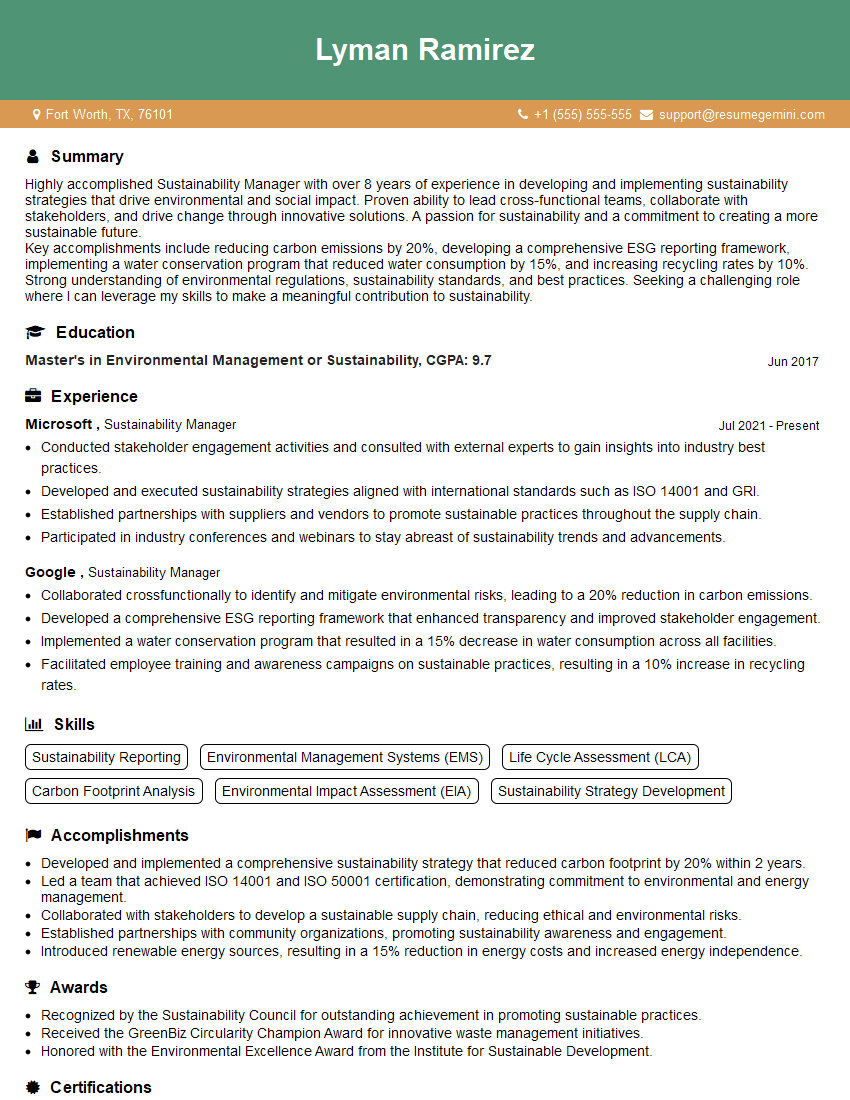
Sustainability Manager Resume Sample
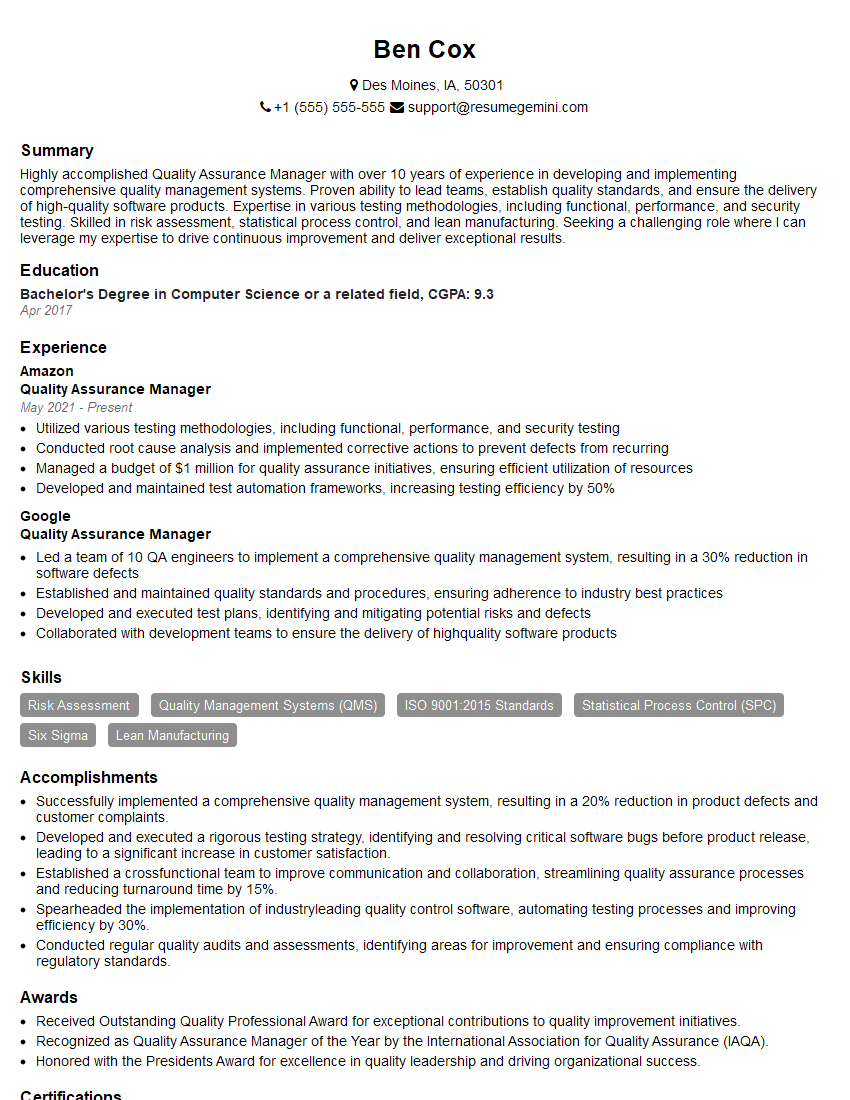
Quality Assurance Manager Resume Sample
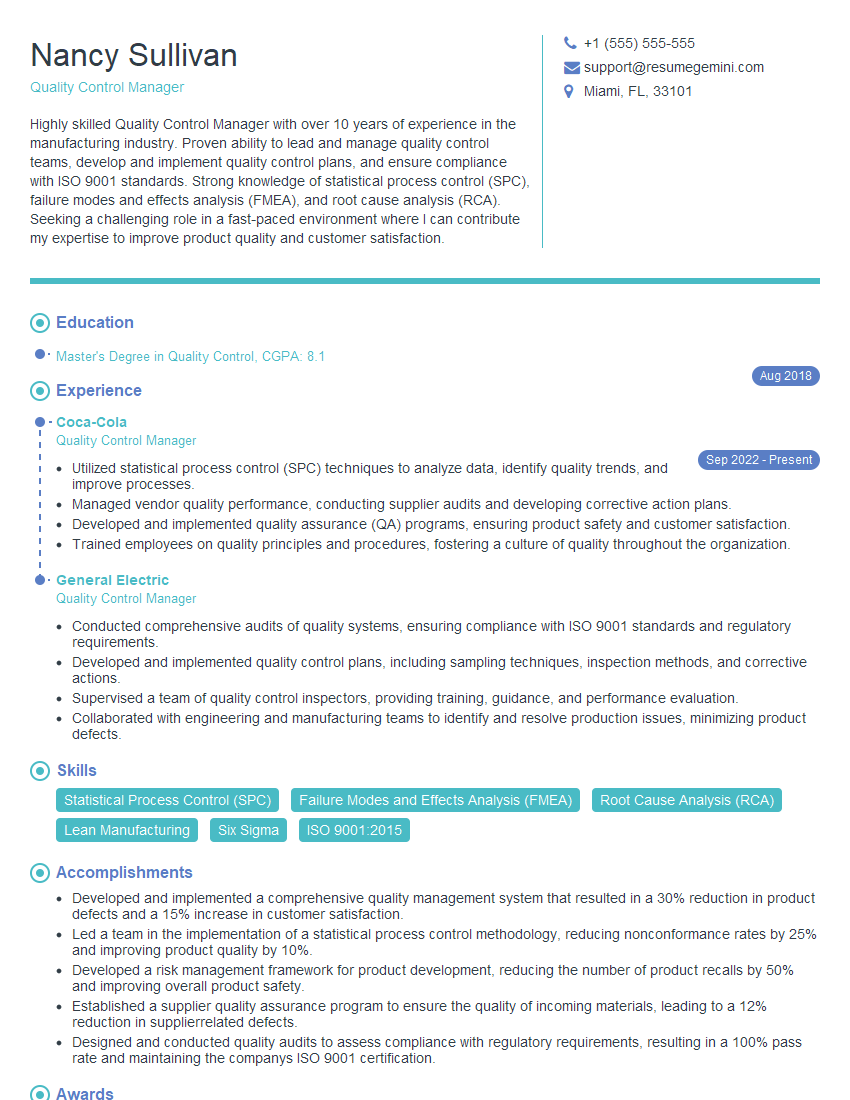
Quality Control Manager Resume Sample
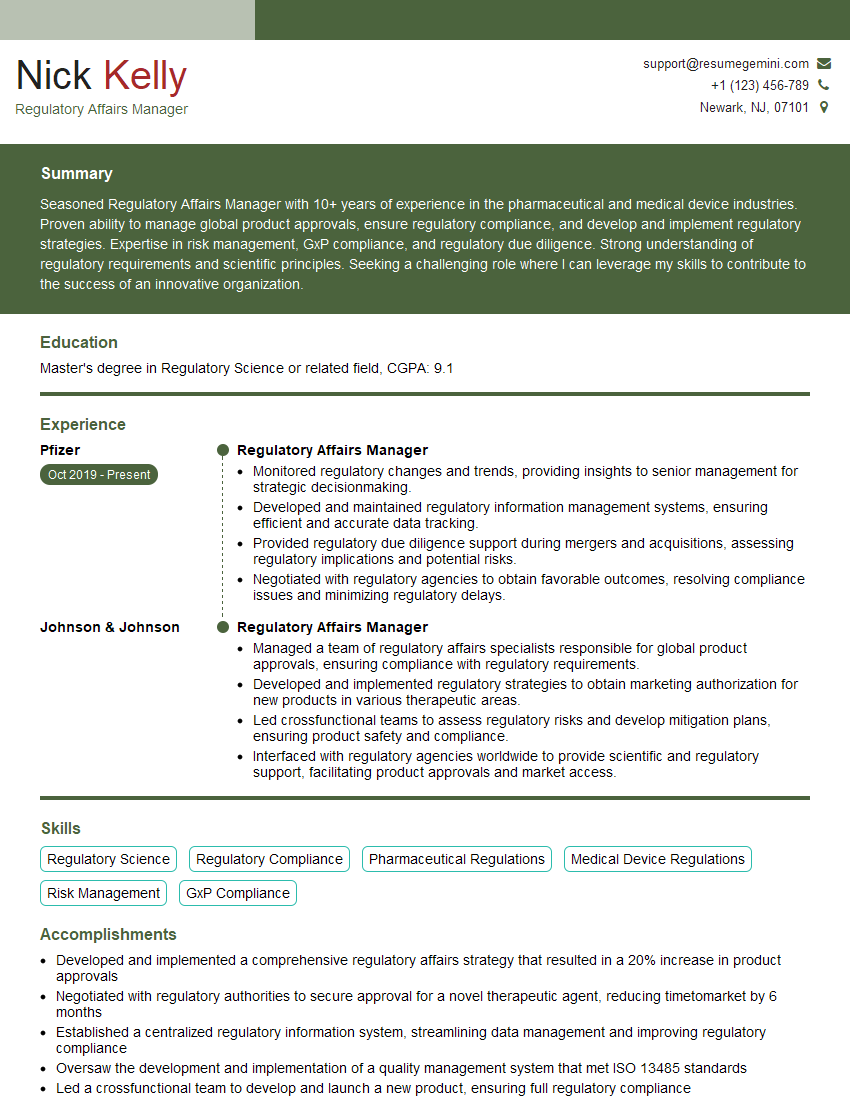
Regulatory Affairs Manager Resume Sample
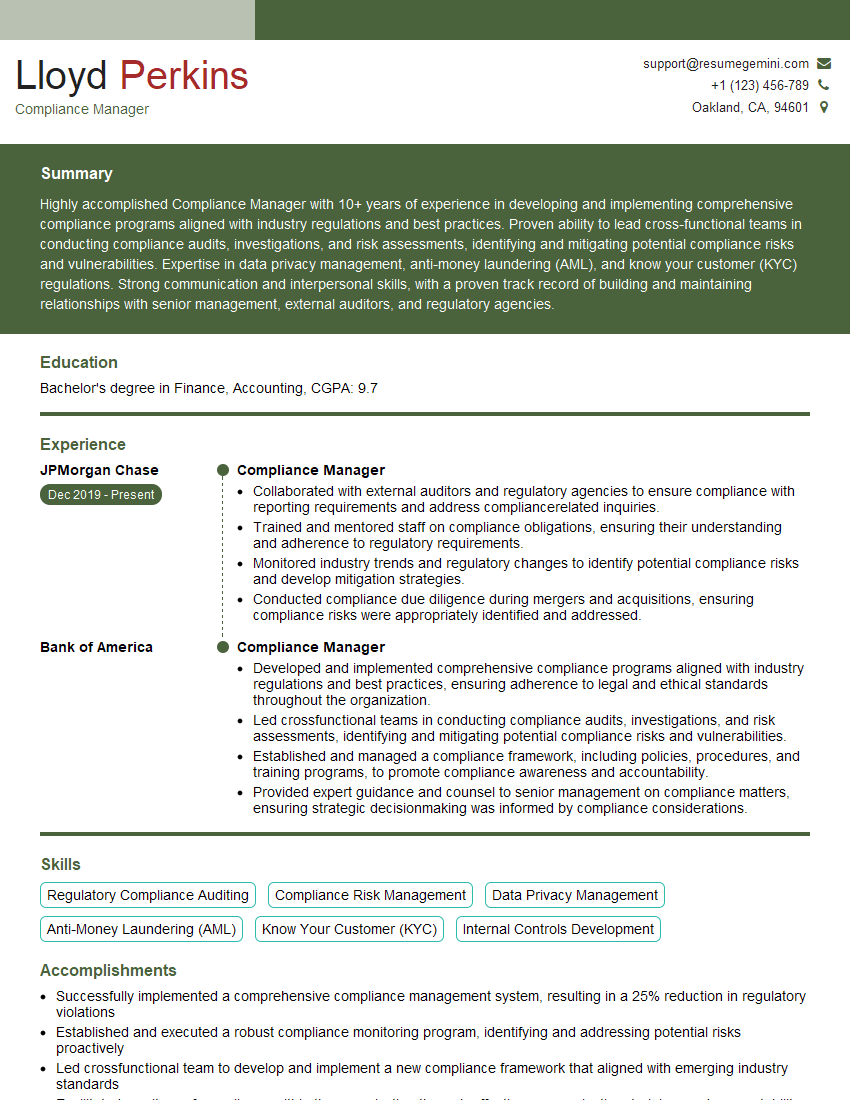
Compliance Manager Resume Sample
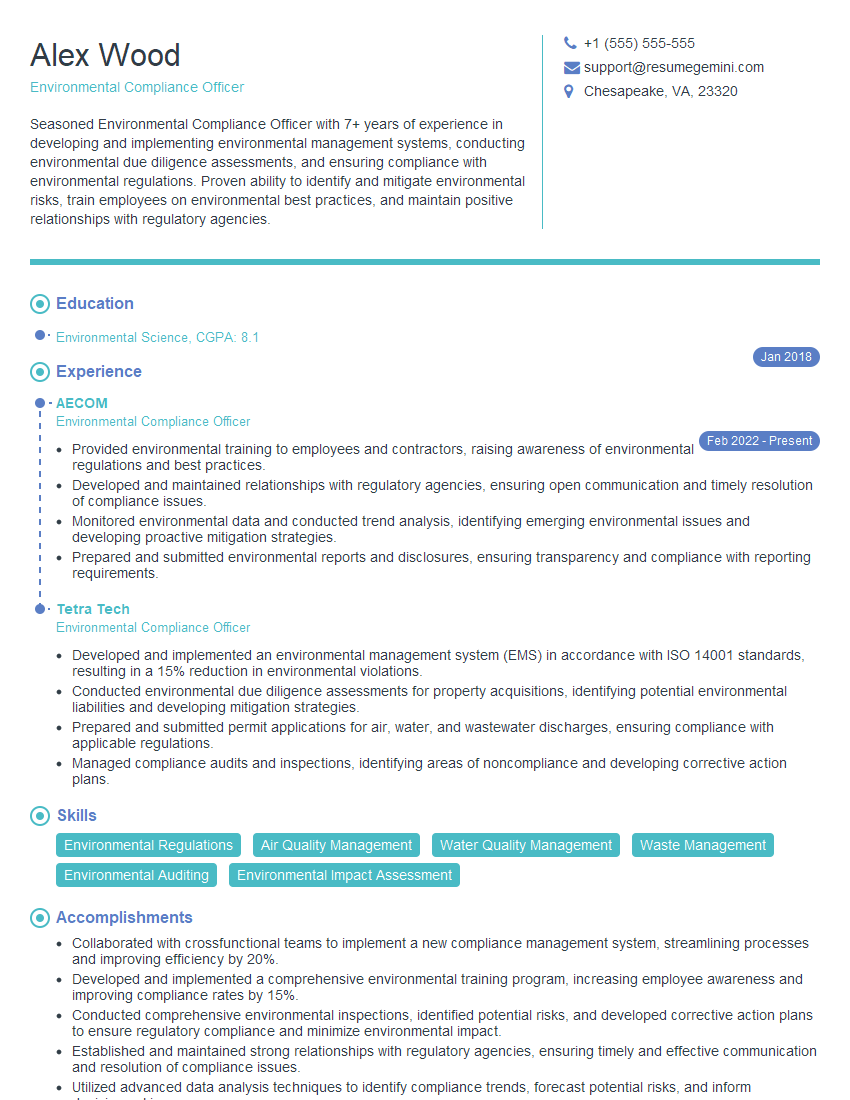
Environmental Compliance Officer Resume Sample

Sustainability Consultant Resume Sample
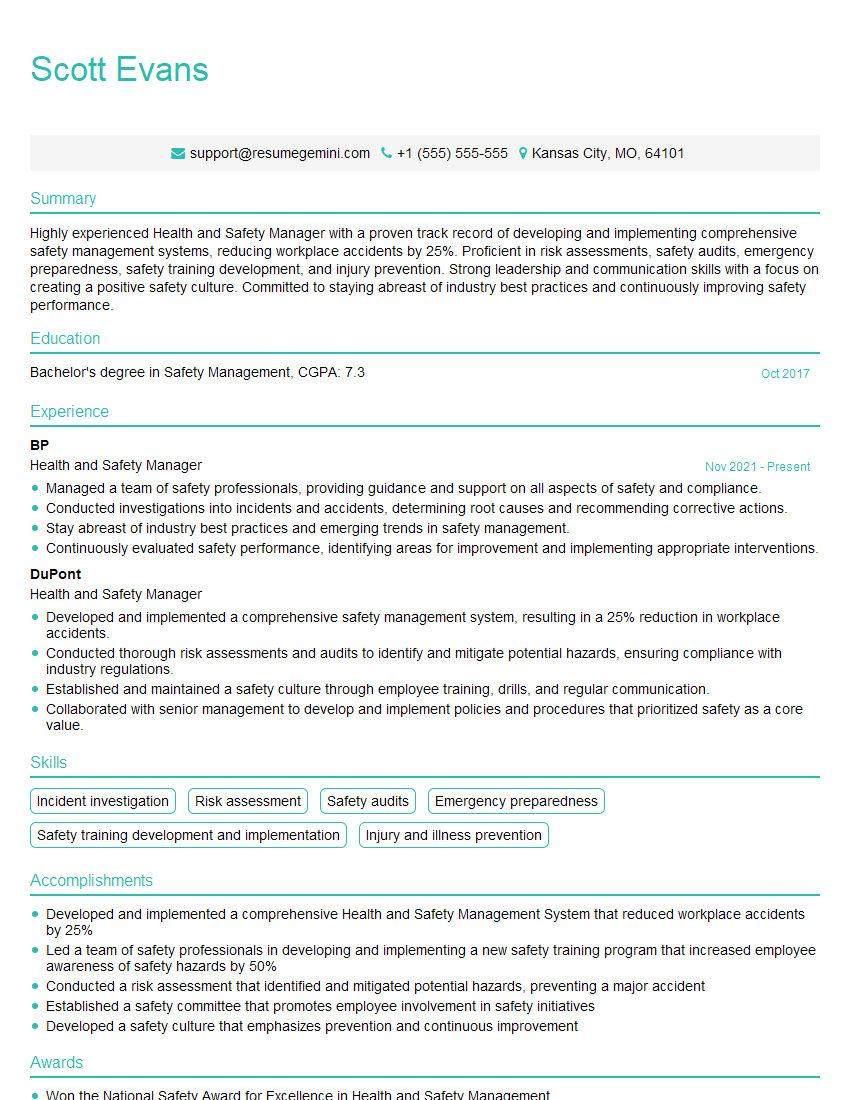
Health and Safety Manager Resume Sample
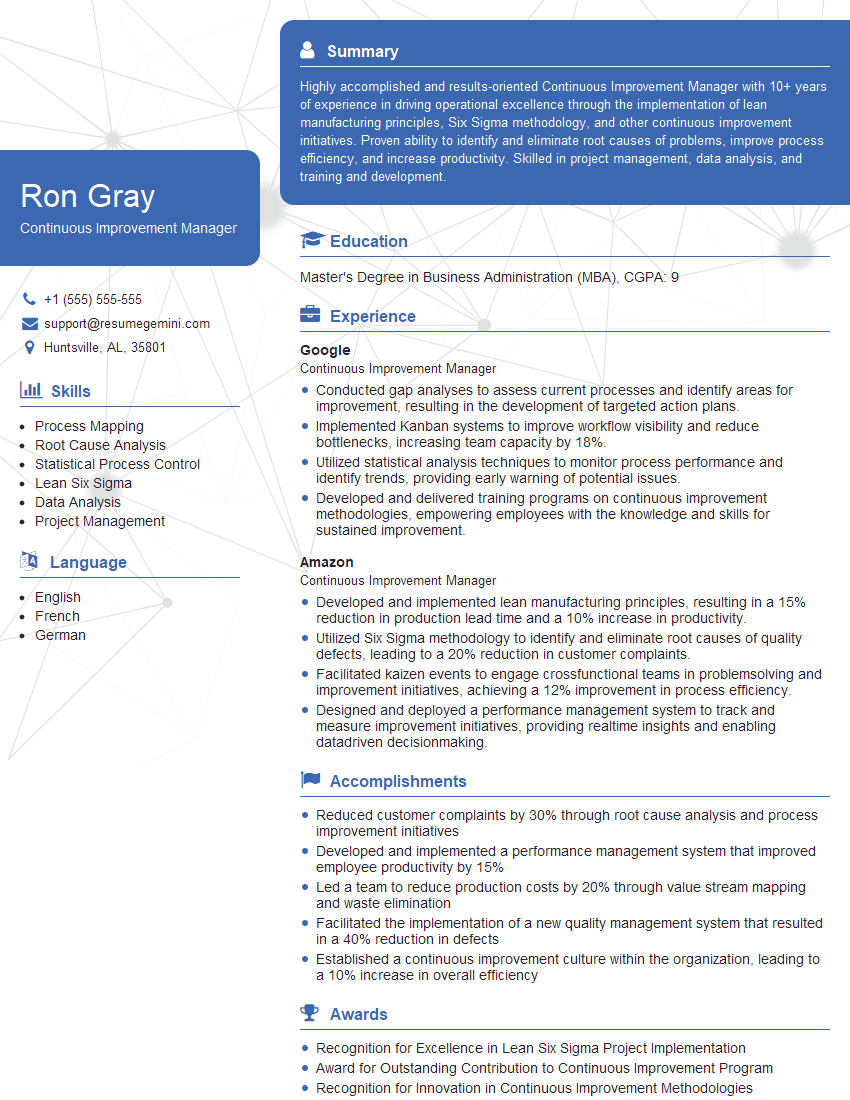
Continuous Improvement Manager Resume Sample
Explore more articles
Users Rating of Our Blogs
Share Your Experience
We value your feedback! Please rate our content and share your thoughts (optional).
What Readers Say About Our Blog
To the interviewgemini.com Webmaster.
Very helpful and content specific questions to help prepare me for my interview!
Thank you
To the interviewgemini.com Webmaster.
This was kind of a unique content I found around the specialized skills. Very helpful questions and good detailed answers.
Very Helpful blog, thank you Interviewgemini team.