Cracking a skill-specific interview, like one for Knowledge of cultural and socioeconomic factors that impact neurodevelopment, requires understanding the nuances of the role. In this blog, we present the questions you’re most likely to encounter, along with insights into how to answer them effectively. Let’s ensure you’re ready to make a strong impression.
Questions Asked in Knowledge of cultural and socioeconomic factors that impact neurodevelopment Interview
Q 1. Explain the impact of poverty on brain development.
Poverty significantly impacts brain development, affecting multiple aspects from prenatal development to adolescence. Chronic stress associated with poverty – lack of food security, unstable housing, exposure to violence – releases cortisol, a stress hormone that can disrupt brain architecture, particularly in areas crucial for learning, memory, and emotional regulation. This can lead to difficulties in cognitive development, language acquisition, and executive functioning. For example, a child experiencing consistent food insecurity may have difficulty concentrating in school due to chronic hunger, hindering their academic progress and overall cognitive development. Furthermore, impoverished environments often lack access to stimulating learning opportunities, leading to a developmental gap compared to their more privileged peers.
Imagine a child growing up in a home without books or access to a library. The lack of exposure to language and cognitive stimulation can significantly limit their vocabulary and comprehension abilities, impacting their overall cognitive development. This is just one facet of the pervasive effects of poverty on brain development, which necessitates comprehensive interventions targeting multiple domains to promote healthy neural development.
Q 2. Describe the relationship between parental education and child neurodevelopment.
Parental education is strongly correlated with a child’s neurodevelopment. Higher parental education levels are associated with better child outcomes in cognitive abilities, language development, and socio-emotional skills. Parents with higher education levels tend to provide more enriching home environments, engaging in stimulating activities with their children, fostering early literacy, and providing consistent support for their child’s educational development. They also tend to have better knowledge of child development milestones and possess better skills in recognizing and addressing developmental delays. For instance, parents with higher education might utilize more effective parenting styles that promote self-regulation and problem-solving skills in their children, resulting in improved social-emotional well-being.
Conversely, parents with lower levels of education may face challenges in creating stimulating learning environments, identifying developmental delays early, and accessing appropriate resources for their children. This does not mean that parents with lower education levels are incapable of raising thriving children; rather, it highlights the importance of providing support and resources to these families to enhance their parenting skills and access to early intervention services.
Q 3. How do cultural beliefs influence help-seeking behaviors for neurodevelopmental disorders?
Cultural beliefs significantly shape help-seeking behaviors related to neurodevelopmental disorders. In some cultures, there may be stigma associated with mental health conditions, leading families to avoid seeking professional help. Alternative explanations for atypical behaviors might be favored, such as attributing them to supernatural causes or simply dismissing them as a phase. Furthermore, cultural values regarding independence and self-reliance can make it difficult for families to acknowledge and address developmental challenges. For example, a community that highly values stoicism may be less likely to openly discuss or seek help for a child struggling with social anxiety.
Understanding and respecting cultural beliefs is crucial for healthcare providers. Culturally sensitive approaches are needed to address these challenges, such as employing culturally competent professionals, engaging community leaders, and offering culturally adapted interventions that resonate with the target population. For instance, utilizing community health workers who are familiar with the culture can build trust and facilitate access to services.
Q 4. Discuss the influence of access to healthcare on early intervention outcomes.
Access to healthcare, particularly early intervention services, is critical for improving developmental outcomes in children with neurodevelopmental differences. Early identification and intervention significantly improves the trajectory of development. Timely access to therapies like speech therapy, occupational therapy, and behavioral therapy can mitigate the impact of developmental delays and enhance a child’s overall development. For example, a child diagnosed with autism spectrum disorder who receives early intervention services is more likely to develop better communication skills, social interactions, and adaptive behaviors.
Conversely, delayed access to care can lead to missed opportunities for early intervention and can exacerbate existing challenges. This can lead to greater difficulties in school, social interactions, and independent living in later life. Ensuring equitable access to healthcare services, including screening programs and affordable therapies, is vital for achieving positive developmental outcomes for all children.
Q 5. What are the specific challenges faced by minority children in accessing neurodevelopmental services?
Minority children often face significant challenges in accessing neurodevelopmental services due to a confluence of factors, including systemic biases, cultural barriers, and socioeconomic disparities. These children may experience disparities in diagnosis, access to treatment, and quality of care. Bias in diagnostic assessments can lead to misdiagnosis or underdiagnosis of conditions. Lack of culturally appropriate services and language barriers further exacerbate these challenges. For example, a child from a minority ethnic background may not have access to therapists who understand their cultural context, leading to miscommunication and ineffective treatment.
Addressing these challenges requires a multi-pronged approach, including increasing diversity among healthcare providers, culturally adapting assessment tools, improving access to language interpretation services, and ensuring equitable distribution of resources to underserved communities. It also involves actively working to dismantle systemic biases within the healthcare system to promote equitable and culturally sensitive care for all children.
Q 6. Explain the impact of language barriers on diagnosis and treatment of neurodevelopmental disorders.
Language barriers pose significant challenges in the diagnosis and treatment of neurodevelopmental disorders. Accurate diagnosis often relies on communication and observation of behavioral patterns. If there is a language barrier between the child, family, and healthcare providers, it can lead to misinterpretations and inaccurate assessments. This can result in delayed or incorrect diagnoses and inappropriate treatment plans. For example, a child whose primary language is not the language of the healthcare provider may exhibit communication difficulties that are misinterpreted as symptoms of a language disorder, when in reality, they are simply language-based communication challenges.
Addressing language barriers requires ensuring access to qualified interpreters and translators throughout the diagnostic and treatment process. Utilizing culturally sensitive assessments and employing clinicians with proficiency in the child’s language are also essential steps towards ensuring accurate and effective care. Providing culturally sensitive materials and education in multiple languages can also help improve family engagement and understanding of the treatment process.
Q 7. How does community support influence the developmental trajectories of children with neurodevelopmental differences?
Community support plays a crucial role in shaping the developmental trajectories of children with neurodevelopmental differences. Strong community networks provide crucial social support to families, reducing stress and isolation. Community-based resources, such as inclusive schools, recreational programs, and peer support groups, provide opportunities for social interaction, skill development, and a sense of belonging. The presence of inclusive community environments fosters a sense of normalcy and reduces stigma, creating a supportive environment where children can thrive. For example, a child with ADHD who participates in an inclusive sports team not only improves their physical skills but also builds friendships and self-esteem.
Strong community support networks can also connect families with essential resources, including therapists, educational specialists, and respite care. Community-based interventions, such as parent training programs and social skills groups, can enhance the effectiveness of professional services and promote positive developmental outcomes. Building strong collaborations between healthcare providers, educators, and community organizations is vital for creating supportive environments that help children with neurodevelopmental differences reach their full potential.
Q 8. Describe the impact of nutrition on brain development, considering socioeconomic factors.
Proper nutrition is fundamental for optimal brain development, particularly during the critical periods of early childhood. A lack of essential nutrients, like iron, iodine, zinc, and omega-3 fatty acids, can significantly impair cognitive function, leading to reduced attention span, poor memory, and difficulties with learning. Socioeconomic factors play a crucial role here. Families living in poverty often lack access to nutritious foods due to cost, availability, and food deserts – areas with limited access to supermarkets and fresh produce. This often results in diets heavy in processed foods, high in sugar and unhealthy fats, which can negatively impact brain development.
For example, a child from a low-income family might consistently consume sugary drinks instead of milk, resulting in deficiencies that affect myelination – the process of forming a protective sheath around nerve fibers essential for efficient brain communication. This can manifest as slower processing speeds and difficulties with complex tasks. Conversely, children from higher socioeconomic backgrounds often have access to a wider variety of nutritious foods, supporting better cognitive development. Addressing these nutritional disparities requires multifaceted interventions, including improving access to affordable, healthy food options through programs like food banks and community gardens, alongside nutritional education for families.
Q 9. Discuss the effects of stress and trauma on the developing brain in different cultural contexts.
Stress and trauma profoundly affect brain development, particularly during sensitive periods. The impact varies across cultures, influenced by the specific stressors faced and the cultural coping mechanisms available. For example, chronic stress due to poverty or exposure to violence can lead to alterations in brain structure and function, potentially increasing the risk of anxiety disorders, depression, and even PTSD. In some cultures, open expression of emotions is encouraged, providing a healthy outlet for stress; in others, emotional suppression is the norm, potentially leading to internalized stress and negative mental health outcomes.
A child experiencing domestic violence might exhibit different behavioral responses depending on their cultural background. In a culture that emphasizes resilience and stoicism, the child might internalize the trauma, leading to silent suffering and potential long-term mental health problems. In contrast, a culture that values open communication might enable the child to seek support and process the trauma more effectively. Understanding these cultural nuances is vital for appropriate intervention and support. Trauma-informed care, sensitive to cultural contexts and providing culturally appropriate therapeutic approaches, is essential for mitigating the negative consequences of stress and trauma on neurodevelopment.
Q 10. Explain how epigenetic factors interact with socioeconomic and cultural variables in neurodevelopment.
Epigenetics refers to changes in gene expression caused by factors other than changes to the underlying DNA sequence. These changes can be influenced by environmental factors, including socioeconomic and cultural experiences. For instance, chronic stress, related to poverty or social disadvantage, can lead to epigenetic modifications that affect brain development and increase the risk of neurodevelopmental disorders. Similarly, cultural practices, such as dietary habits or parenting styles, can also leave their epigenetic mark.
Imagine two children with a genetic predisposition to anxiety. One child grows up in a supportive, nurturing environment with good nutrition, while the other experiences chronic stress and food insecurity. Epigenetic modifications might dampen the expression of the anxiety-related genes in the first child, while exacerbating their expression in the second child, even though their underlying genetic makeup is similar. This highlights the crucial interplay between genes, environment, and culture in shaping neurodevelopment. Research into these epigenetic mechanisms is crucial for understanding the long-term consequences of socioeconomic disparities and developing targeted interventions.
Q 11. How can biases in diagnostic tools influence the identification of neurodevelopmental disorders across different cultures?
Biases in diagnostic tools can significantly impact the identification of neurodevelopmental disorders across different cultures. Many assessment tools are developed and standardized within specific cultural contexts, and their validity and reliability may be compromised when applied to diverse populations. For example, a test that relies heavily on verbal skills might disadvantage children from cultures where verbal communication is less emphasized. Similarly, culturally inappropriate stimuli or instructions can lead to inaccurate assessments.
Consider a test that uses Western-centric images or scenarios. A child from a non-Western culture might not relate to these images, leading to poor performance, potentially resulting in a misdiagnosis. To mitigate this bias, culturally adapted tools are needed, and clinicians should be trained in culturally sensitive assessment methods, considering the child’s unique background, language proficiency, and cultural norms. Careful consideration of non-verbal cues and contextual information is also paramount.
Q 12. Describe culturally appropriate assessment methods for neurodevelopmental disorders.
Culturally appropriate assessment methods require a multifaceted approach. This involves employing tools validated for the specific cultural group and using interpreters when necessary. It’s crucial to go beyond standardized tests and incorporate observations in naturalistic settings, paying close attention to the child’s interactions within their family and community. The assessment should also consider cultural beliefs and practices surrounding child development and disability.
For example, instead of solely relying on a written test, observations of the child playing with peers and interacting with family members might provide valuable insight. Incorporating storytelling or drawing activities can also be more engaging and culturally sensitive for certain populations. Collaboration with community members and cultural experts is essential to ensure the assessment is truly relevant and meaningful within the specific cultural context.
Q 13. Explain the ethical considerations when working with diverse populations in neurodevelopmental settings.
Ethical considerations when working with diverse populations in neurodevelopmental settings are paramount. Issues of informed consent, cultural sensitivity, confidentiality, and equity must be carefully addressed. Obtaining informed consent requires ensuring that families understand the assessment process and its implications in a language they comprehend and in a culturally sensitive manner. Confidentiality needs to be maintained, respecting cultural norms around family privacy and disclosure.
It’s crucial to avoid imposing Western-centric notions of disability onto other cultures. In some cultures, individuals with neurodevelopmental differences might be valued differently and integrated into the community in unique ways. The clinician’s role should be to empower families to make decisions aligned with their values and cultural beliefs, rather than imposing external standards. Addressing systemic inequities that affect access to care and resources is also an ethical imperative.
Q 14. What are some strategies for addressing health disparities in neurodevelopmental care?
Addressing health disparities in neurodevelopmental care necessitates a multi-pronged approach. This involves increasing access to culturally appropriate services, particularly in underserved communities. This includes establishing community-based clinics staffed with professionals who are culturally competent and linguistically diverse. Providing transportation assistance and affordable childcare can also improve access to care.
Furthermore, integrating traditional healing practices with Western medicine, where appropriate and desired by the family, can enhance care. Community-based participatory research, actively involving community members in the design and implementation of interventions, is crucial for developing culturally relevant and effective programs. Policy changes that address systemic inequities, such as ensuring equitable funding for health services and addressing social determinants of health, are also necessary for achieving true health equity.
Q 15. Describe the impact of parental stress on a child’s neurodevelopment, considering cultural context.
Parental stress significantly impacts a child’s neurodevelopment. Chronic stress alters the parent-child relationship, affecting the child’s emotional regulation, cognitive development, and social skills. The mechanisms are complex and involve hormonal changes, impacting brain development. For instance, elevated cortisol levels in the mother during pregnancy can affect fetal brain development. Postnatally, a stressed parent might be less responsive to a child’s cues, leading to insecure attachment, hindering the development of crucial social-emotional skills.
Cultural context profoundly shapes this impact. In some cultures, open expression of parental stress is discouraged, leading to under-reporting and lack of support. Cultural expectations related to parenting styles and child-rearing practices can also influence the experience and manifestation of stress. For example, in collectivist cultures, strong family support systems can buffer against stress, while in individualistic cultures, the burden might fall more heavily on the parents. Understanding these nuances is crucial for developing culturally appropriate interventions.
Example: A single mother in a low-income neighborhood facing financial hardship and social isolation may experience significantly higher stress levels than a mother with strong social support and financial stability. This stress can manifest differently depending on her cultural background—she might internalize her stress or express it outwardly depending on cultural norms around emotional expression.
Career Expert Tips:
- Ace those interviews! Prepare effectively by reviewing the Top 50 Most Common Interview Questions on ResumeGemini.
- Navigate your job search with confidence! Explore a wide range of Career Tips on ResumeGemini. Learn about common challenges and recommendations to overcome them.
- Craft the perfect resume! Master the Art of Resume Writing with ResumeGemini’s guide. Showcase your unique qualifications and achievements effectively.
- Don’t miss out on holiday savings! Build your dream resume with ResumeGemini’s ATS optimized templates.
Q 16. How do you adapt therapeutic interventions to meet the unique needs of children from diverse cultural backgrounds?
Adapting therapeutic interventions requires cultural humility and sensitivity. It’s not simply about translating materials; it’s about understanding the family’s values, beliefs, and communication styles. We need to move beyond a deficit-based approach that focuses on what’s ‘wrong’ with the child and instead focus on their strengths and the family’s resources within their cultural context.
- Cultural Assessment: Begin with a thorough cultural assessment to understand the family’s worldview, communication preferences (e.g., direct vs. indirect communication), and beliefs about illness and treatment.
- Collaboration: Engage the family in shared decision-making throughout the process. Involve community members or interpreters if necessary to ensure effective communication and cultural sensitivity.
- Culturally Adapted Interventions: Tailor interventions to resonate with the family’s values. For example, using storytelling or group therapy approaches might be more effective in some cultures than individual sessions.
- Addressing Stigma: Acknowledge and address any stigma associated with neurodevelopmental disorders within the family’s cultural context.
Example: When working with a Latino family, incorporating family-based therapy approaches, which are culturally congruent with their emphasis on family unity, would be more effective than solely focusing on individual therapy for the child.
Q 17. Explain the role of social determinants of health in shaping neurodevelopmental outcomes.
Social determinants of health (SDOH) – factors like poverty, housing instability, access to healthcare, education, and nutrition – significantly influence neurodevelopmental outcomes. These factors create cumulative disadvantages, impacting brain development and increasing the risk for neurodevelopmental disorders.
Examples:
- Poverty: Leads to inadequate nutrition, exposure to environmental toxins, and limited access to quality healthcare and educational opportunities, all negatively affecting brain development.
- Housing Instability: Chronic stress associated with unstable housing can disrupt the neurobiological processes underlying healthy development.
- Access to Healthcare: Early detection and intervention are crucial for optimal neurodevelopmental outcomes, but limited access can delay diagnosis and treatment.
- Exposure to Violence: Exposure to violence, whether domestic or community violence, can result in significant emotional trauma and negatively impact brain development.
Addressing SDOH is crucial for promoting equitable neurodevelopmental outcomes. It requires a multi-sectoral approach involving healthcare professionals, educators, social workers, and policymakers to create supportive environments and reduce disparities in access to resources.
Q 18. Discuss the importance of family engagement in neurodevelopmental services, considering cultural nuances.
Family engagement is paramount in neurodevelopmental services. Families are the child’s primary caregivers and possess invaluable insights into their child’s strengths and challenges. Their active participation enhances treatment effectiveness and improves outcomes. However, cultural nuances must be considered to ensure meaningful and respectful engagement.
Cultural considerations:
- Family Structures: Recognize diverse family structures and decision-making processes. In some cultures, extended family members play significant roles in child-rearing.
- Communication Styles: Adapt communication styles to align with the family’s preferences.
- Power Dynamics: Be mindful of potential power imbalances within the family and ensure that all family members feel heard and respected.
- Religious and Spiritual Beliefs: Integrate these beliefs into the therapeutic approach where appropriate and respectful.
Example: In some cultures, parents may hesitate to express concerns openly or may defer to elders in making decisions. A culturally sensitive approach involves building rapport with the entire family and creating a safe space for open communication.
Q 19. How can we promote culturally sensitive communication with families of children with neurodevelopmental disorders?
Culturally sensitive communication requires active listening, empathy, and respect for diverse perspectives. It’s about understanding that communication styles vary across cultures. Some cultures value direct communication, while others prefer indirect approaches.
Strategies:
- Language Access: Provide interpreters or translated materials, ensuring accurate communication.
- Cultural Interpreters: Utilize cultural interpreters who can bridge communication gaps and explain cultural nuances.
- Nonverbal Communication: Pay attention to nonverbal cues, recognizing that they can vary across cultures.
- Building Trust: Invest time in building trust and rapport with families, demonstrating respect for their beliefs and values.
- Collaborative Approach: Engage families as partners in the process, ensuring they feel empowered and involved in decision-making.
Example: When communicating with a family from a collectivist culture, focus on the family’s collective goals and involve extended family members in discussions, respecting their roles in decision-making.
Q 20. What are the challenges in conducting research on neurodevelopment in marginalized communities?
Researching neurodevelopment in marginalized communities presents several challenges. These communities often face systemic barriers to participation in research, including:
- Mistrust: Historical and ongoing experiences of exploitation and discrimination can lead to mistrust of researchers.
- Access to Care: Limited access to healthcare and diagnostic services can hinder recruitment and data collection.
- Cultural Barriers: Language barriers, cultural differences in understanding research participation, and differing views on health and illness can make recruitment and data collection difficult.
- Data Bias: Existing research often underrepresents marginalized communities, leading to biased findings and limited understanding of their unique needs.
- Resource Constraints: Researching in these communities may require specialized resources and expertise, which can be challenging to obtain.
Addressing these challenges requires building trust, working with community leaders and organizations, using culturally appropriate research methods, and investing in resources to support research in marginalized communities. It also involves ensuring that research findings benefit the communities that participated.
Q 21. Describe effective strategies for advocating for equitable access to neurodevelopmental services.
Advocating for equitable access to neurodevelopmental services requires a multi-pronged approach:
- Policy Advocacy: Advocate for policies that address social determinants of health and ensure equitable access to healthcare, education, and social support services.
- Community Engagement: Work with community organizations and leaders to identify barriers to access and develop culturally appropriate solutions.
- Raising Awareness: Educate policymakers, healthcare providers, and the public about the needs of marginalized communities and the importance of equitable access to services.
- Collaboration: Collaborate with diverse stakeholders, including families, providers, and researchers, to develop comprehensive and effective solutions.
- Data-Driven Advocacy: Use data to demonstrate the need for improved access and the effectiveness of interventions.
Example: Advocating for increased funding for early intervention programs that are culturally responsive and accessible to families in underserved communities.
Q 22. How do you incorporate cultural humility into your clinical practice?
Cultural humility in clinical practice means approaching each patient with a recognition of my own cultural biases and a commitment to ongoing learning and self-reflection. It’s not about claiming cultural expertise, but rather acknowledging the limitations of my own worldview and actively seeking to understand the patient’s unique cultural context. This involves actively listening to the patient’s experiences, perspectives, and beliefs and incorporating them into the assessment and treatment plan. For instance, I might ask open-ended questions about family structure, communication styles, and beliefs around health and illness to gain a deeper understanding. If I encounter a cultural practice that differs from my own, I don’t make judgments; instead, I respectfully explore it to see how it might impact the individual’s response to therapy or intervention. A concrete example would be working with a family where traditional healing methods are employed alongside Western medicine. Instead of dismissing those methods, I would explore how they can be integrated safely and effectively into the treatment plan, fostering collaboration rather than conflict.
Q 23. Explain the role of implicit bias in the assessment and treatment of neurodevelopmental disorders.
Implicit bias, the unconscious attitudes or stereotypes that affect our understanding and actions, significantly impacts the assessment and treatment of neurodevelopmental disorders. For example, a clinician might unconsciously hold lower expectations for a child from a low-income background, potentially leading to less thorough assessments or less ambitious treatment goals. Similarly, biases related to race or ethnicity could influence interpretations of behavior, leading to misdiagnosis or inappropriate interventions. To mitigate this, we must actively engage in self-reflection, participate in implicit bias training, and utilize standardized assessment tools to reduce subjective interpretation. We also need to actively seek diverse perspectives on cases, consulting with colleagues from varied backgrounds and actively engaging families in the treatment process to gain a more comprehensive understanding.
Q 24. Discuss the impact of technology access on the educational opportunities for children from low-income families.
Lack of technology access creates a significant digital divide, severely impacting educational opportunities for children from low-income families. These children might miss out on interactive learning platforms, online resources, and educational software that their more affluent peers readily access. This digital gap can lead to significant learning disparities, widening the achievement gap. For example, a child without internet access at home might struggle to complete online assignments, participate in virtual learning activities, or access educational videos. Addressing this requires initiatives to provide affordable internet access, devices, and digital literacy training to these families. Libraries, community centers, and schools can play a crucial role in providing these resources and creating equitable access to technology-enhanced learning.
Q 25. How can we ensure culturally relevant educational programming for children with neurodevelopmental disorders?
Culturally relevant educational programming for children with neurodevelopmental disorders requires a deep understanding of the child’s cultural background and family values. This means integrating culturally appropriate teaching methods, materials, and communication styles. For example, using storytelling methods common in a particular culture might be more effective than traditional teaching approaches. Additionally, ensuring that materials reflect the child’s ethnic background and linguistic diversity is critical for promoting engagement and success. Involving parents and community members in the design and implementation of the program is crucial. They offer valuable insights into the child’s strengths, challenges, and cultural context, which are essential for creating effective and inclusive programs. Active community partnerships are therefore critical to the success of these programs.
Q 26. Describe the relationship between housing stability and child neurodevelopment.
Housing stability plays a crucial role in child neurodevelopment. Frequent moves, overcrowding, exposure to environmental hazards, and lack of safe and stimulating environments associated with housing instability can negatively impact a child’s brain development and cognitive abilities. Chronic stress related to housing insecurity can disrupt the delicate balance of neurotransmitters and hormones critical for optimal brain function. For example, children experiencing homelessness may experience increased exposure to violence, lack of access to healthcare, and inconsistent nutrition, all of which detrimentally impact their neurodevelopment. Addressing housing instability is therefore critical to support optimal neurodevelopment, requiring comprehensive solutions that address poverty, provide affordable housing options, and promote social support systems.
Q 27. Explain the importance of community-based interventions for improving neurodevelopmental outcomes.
Community-based interventions are vital for improving neurodevelopmental outcomes. By embedding services within the child’s natural environment, we can reach families who may not otherwise have access to specialized care. These interventions often involve collaborative efforts from healthcare professionals, educators, social workers, and community members. For instance, a community-based program might offer early intervention services in a familiar setting like a child care center or family resource center. Such programs may also provide family support services, such as parenting education and assistance with navigating the healthcare system. The strength of community-based interventions lies in their ability to address the complex interplay of social, environmental, and familial factors influencing neurodevelopmental outcomes, promoting holistic support for the child and their family.
Q 28. How can we leverage technology to bridge disparities in access to neurodevelopmental services?
Technology can be a powerful tool for bridging disparities in access to neurodevelopmental services. Telehealth platforms enable remote access to specialists, overcoming geographical barriers and reducing the financial burden of travel. Online resources and educational materials can provide families with information and support in managing their child’s condition. Apps and digital tools can support therapeutic interventions and track progress. For example, a family in a rural area can access a speech therapist remotely via video conferencing. However, careful consideration must be given to addressing the digital divide, ensuring equitable access to technology and providing training and support to families to use these tools effectively. This also requires careful consideration of data privacy and security to ensure ethical use of technology in the delivery of sensitive healthcare services.
Key Topics to Learn for Knowledge of Cultural and Socioeconomic Factors that Impact Neurodevelopment Interview
- Cultural Variations in Child Development: Explore how cultural practices, beliefs, and parenting styles influence brain development and cognitive outcomes. Consider the impact of different communication styles and socialization patterns.
- Socioeconomic Disparities in Access to Resources: Analyze how factors like poverty, access to healthcare, nutrition, and quality education affect brain development and the prevalence of neurodevelopmental disorders.
- The Impact of Stress and Trauma: Understand the neurobiological effects of chronic stress and adverse childhood experiences (ACEs) on brain development and mental health, considering how these experiences disproportionately affect vulnerable populations.
- Epigenetics and Environmental Influences: Discuss the role of epigenetics in mediating the effects of environmental factors (both cultural and socioeconomic) on gene expression and neurodevelopment.
- Cultural Considerations in Diagnosis and Treatment: Examine how cultural biases can influence the diagnosis and treatment of neurodevelopmental disorders and the importance of culturally sensitive approaches.
- Intervention Strategies and Program Evaluation: Explore evidence-based interventions designed to address the neurodevelopmental challenges faced by children from diverse cultural and socioeconomic backgrounds. Develop your ability to critically evaluate the effectiveness of such programs.
- Ethical Considerations in Research and Practice: Discuss ethical considerations related to cultural sensitivity, informed consent, and equitable access to services in research and clinical practice focused on neurodevelopment.
Next Steps
Mastering knowledge of cultural and socioeconomic factors impacting neurodevelopment is crucial for advancing your career in fields like developmental psychology, neuroscience, education, and social work. A strong understanding of these complex interactions demonstrates your commitment to equitable and effective practice. To significantly enhance your job prospects, create an ATS-friendly resume that highlights your relevant skills and experience. ResumeGemini is a trusted resource that can help you build a professional and impactful resume tailored to your specific field. Examples of resumes tailored to showcasing expertise in Knowledge of cultural and socioeconomic factors that impact neurodevelopment are available to help guide you.
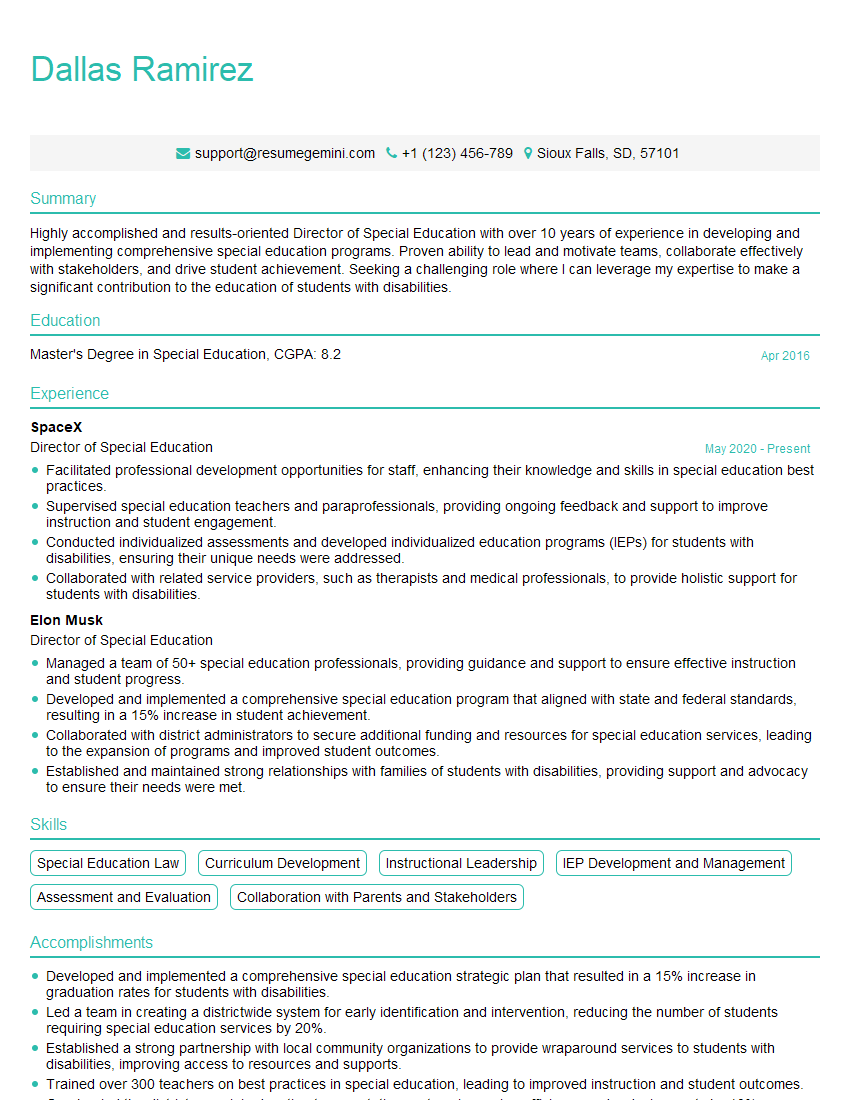
Director of Special Education Resume Sample
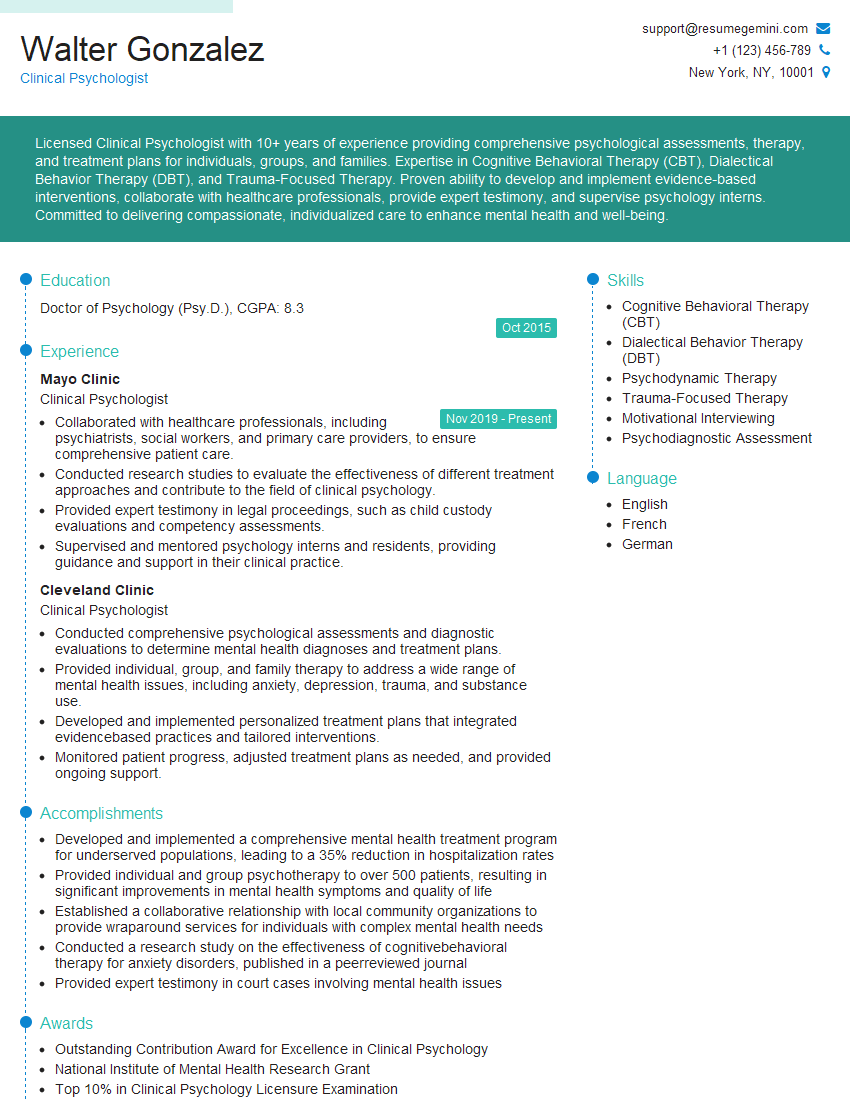
Clinical Psychologist Resume Sample
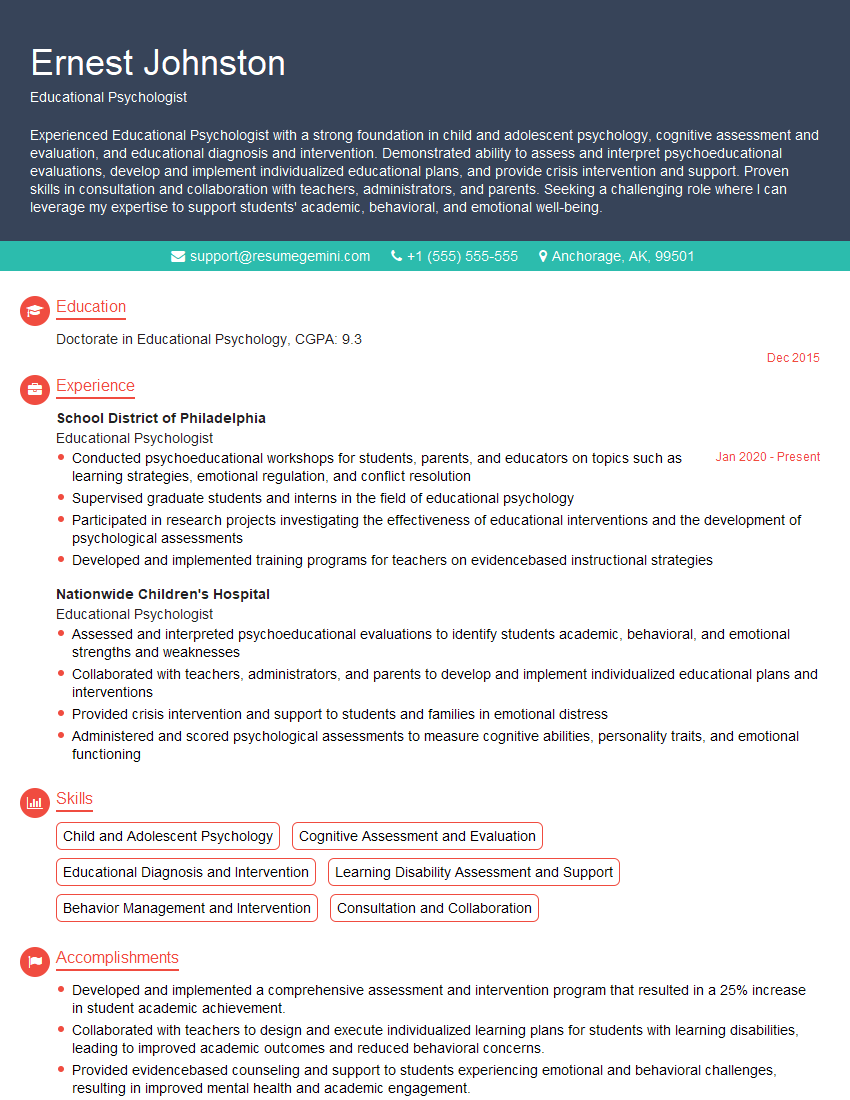
Educational Psychologist Resume Sample
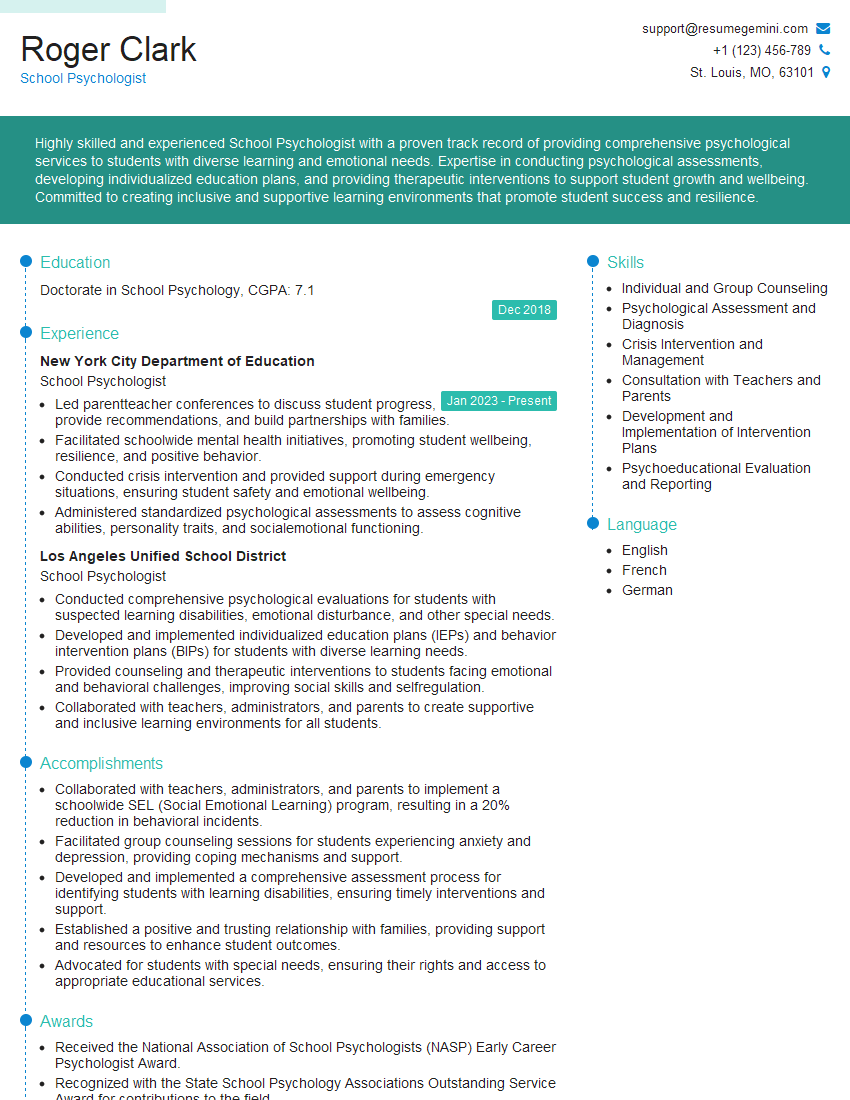
School Psychologist Resume Sample
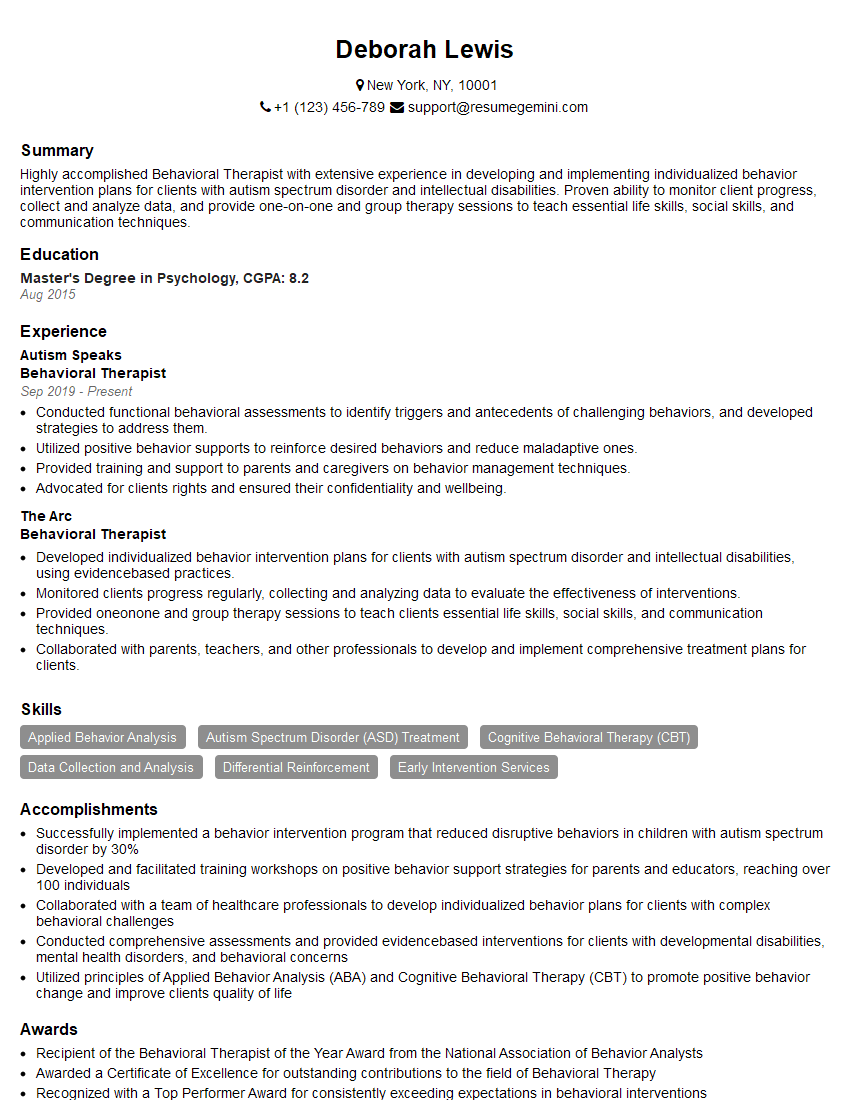
Behavioral Therapist Resume Sample
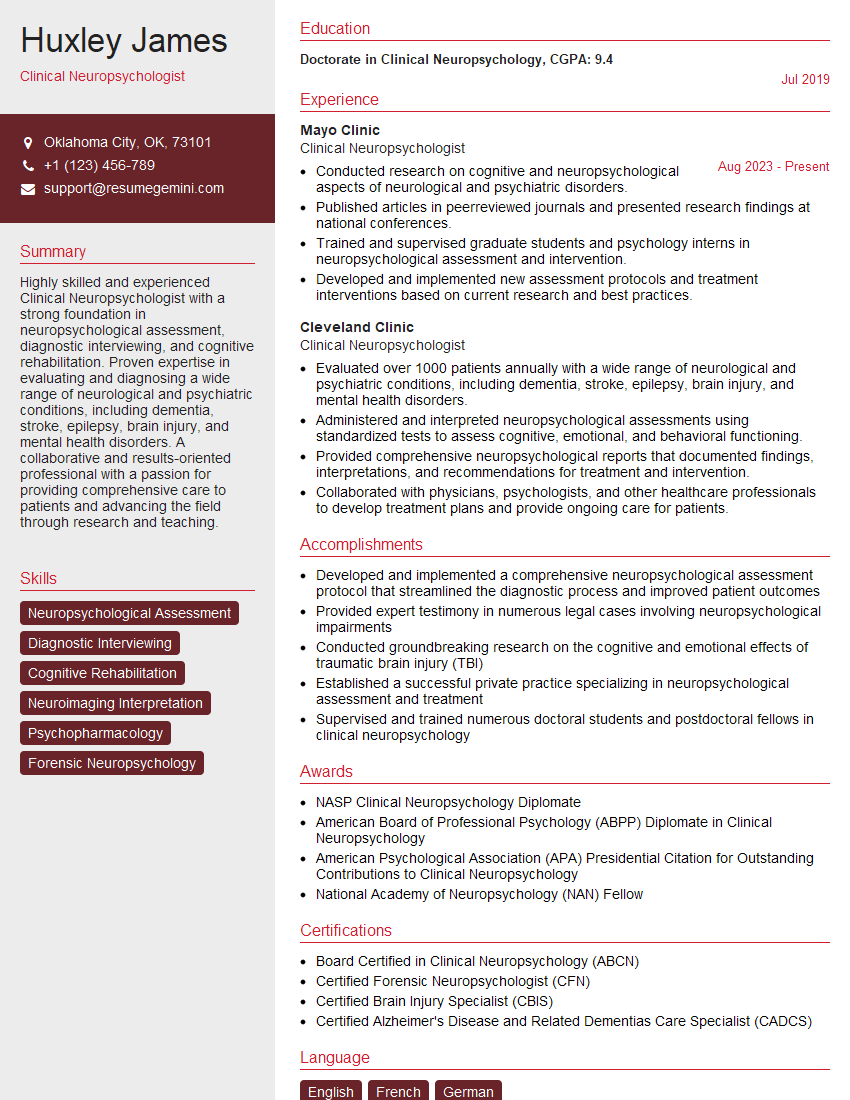
Clinical Neuropsychologist Resume Sample
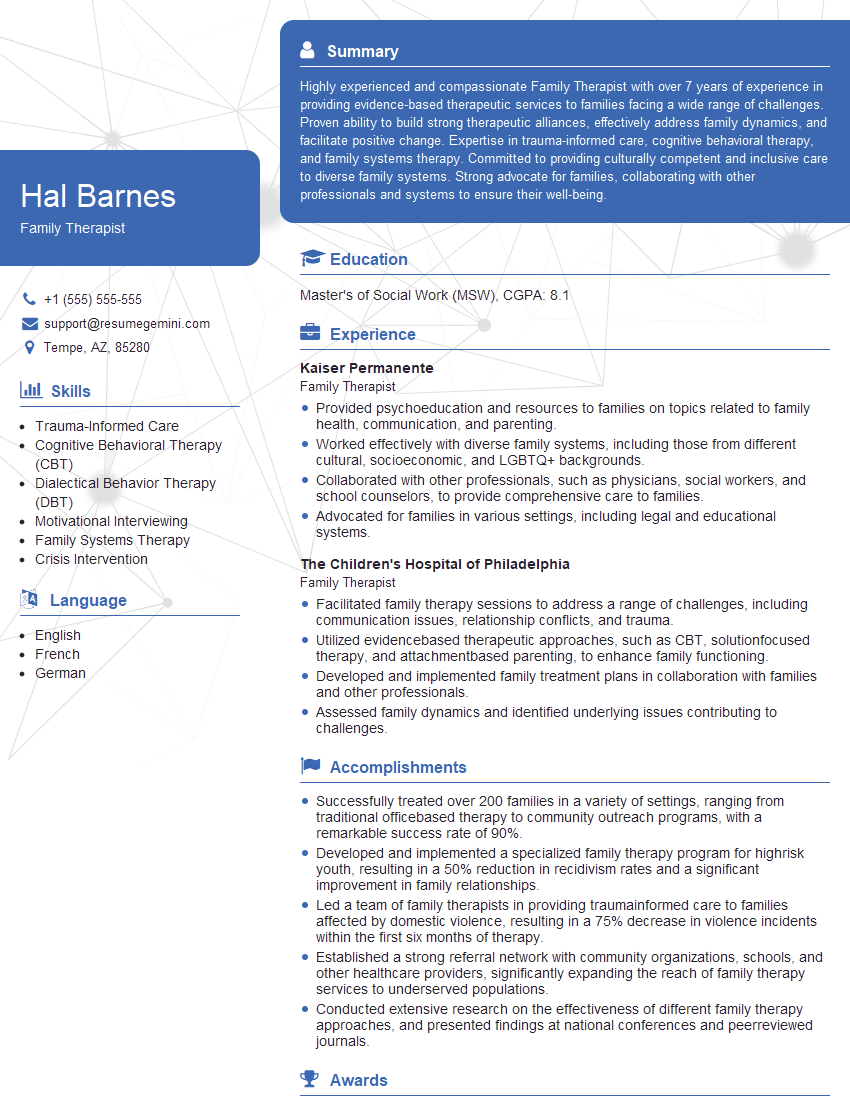
Family Therapist Resume Sample
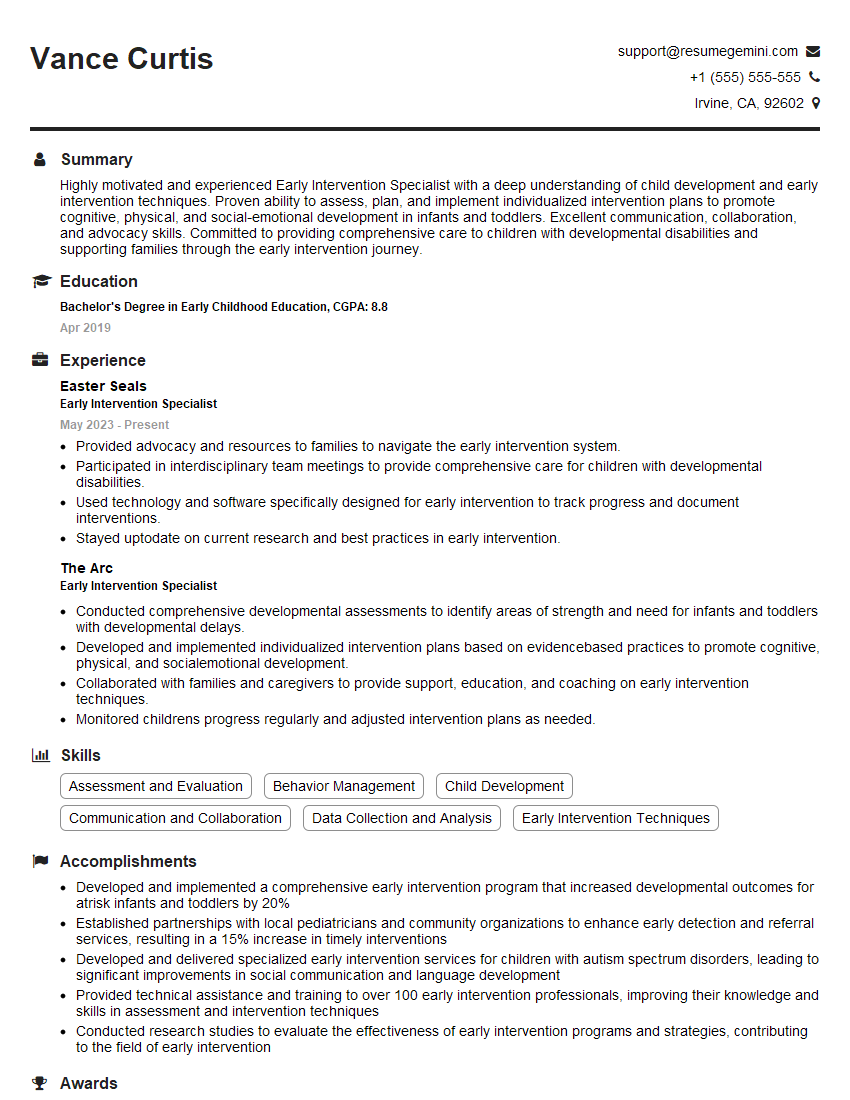
Early Intervention Specialist Resume Sample
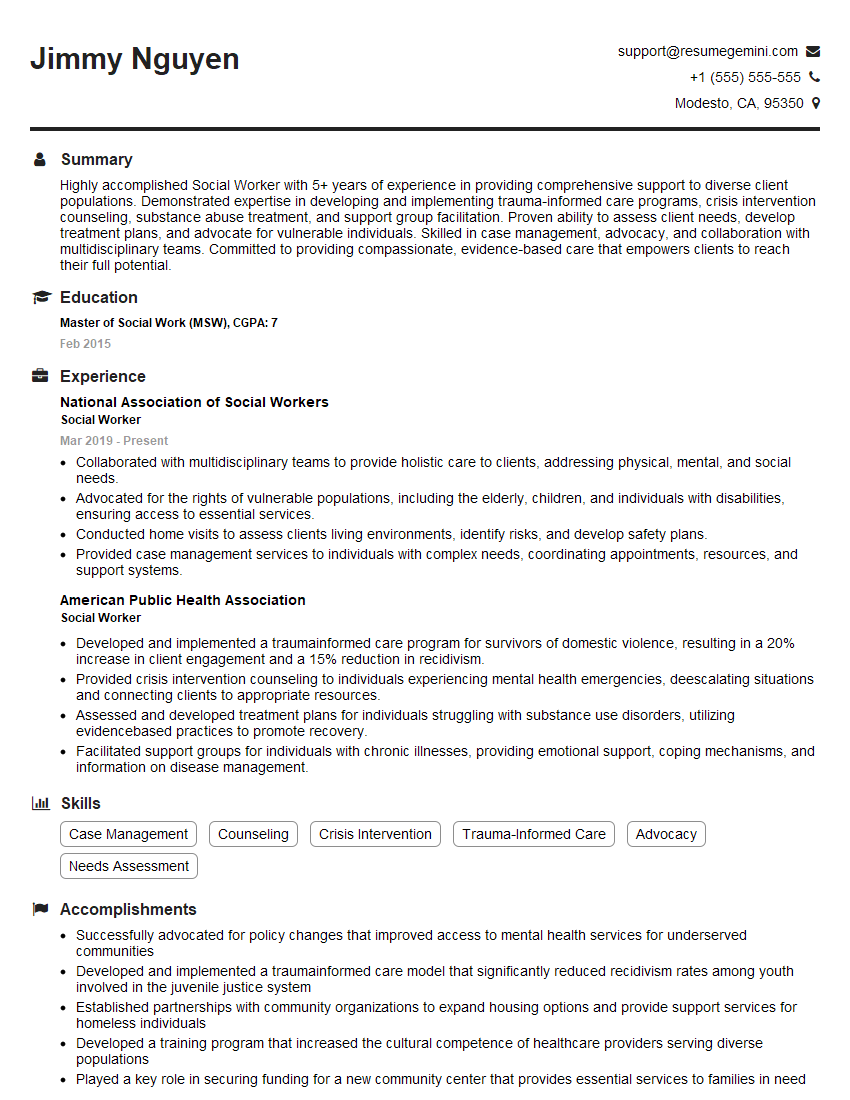
Social Worker Resume Sample
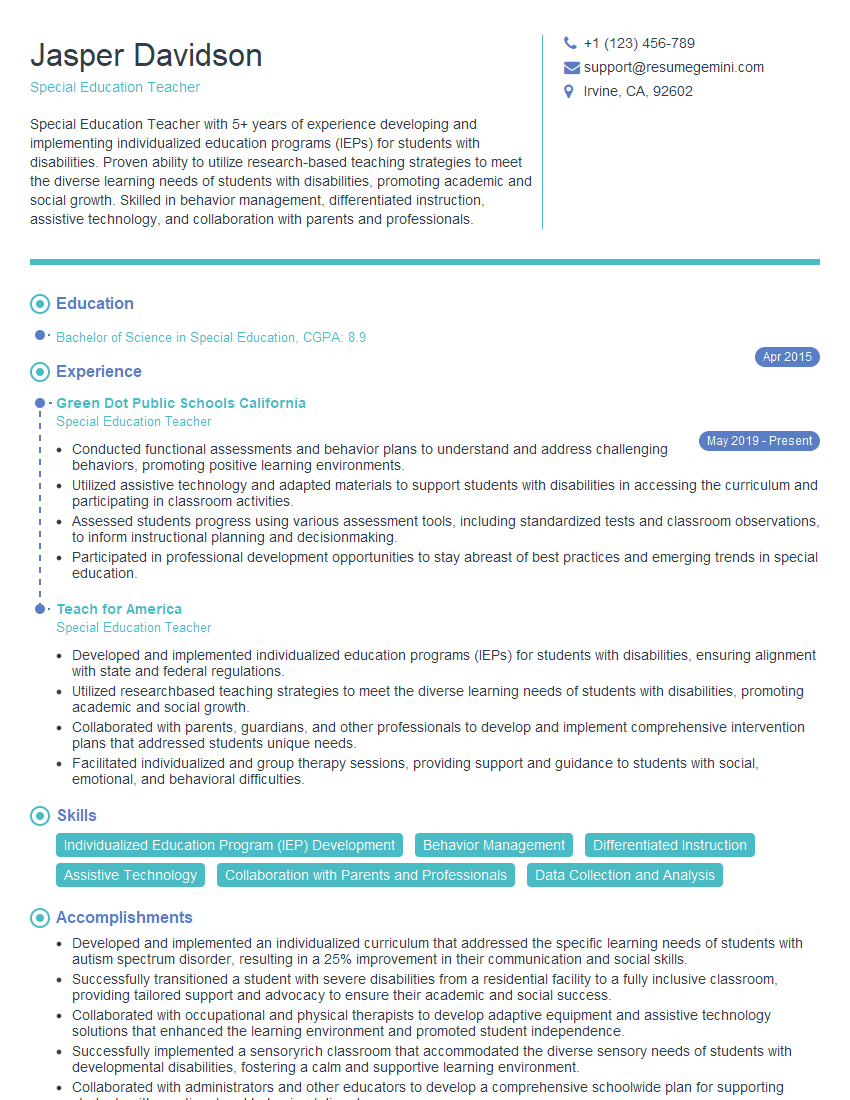
Special Education Teacher Resume Sample
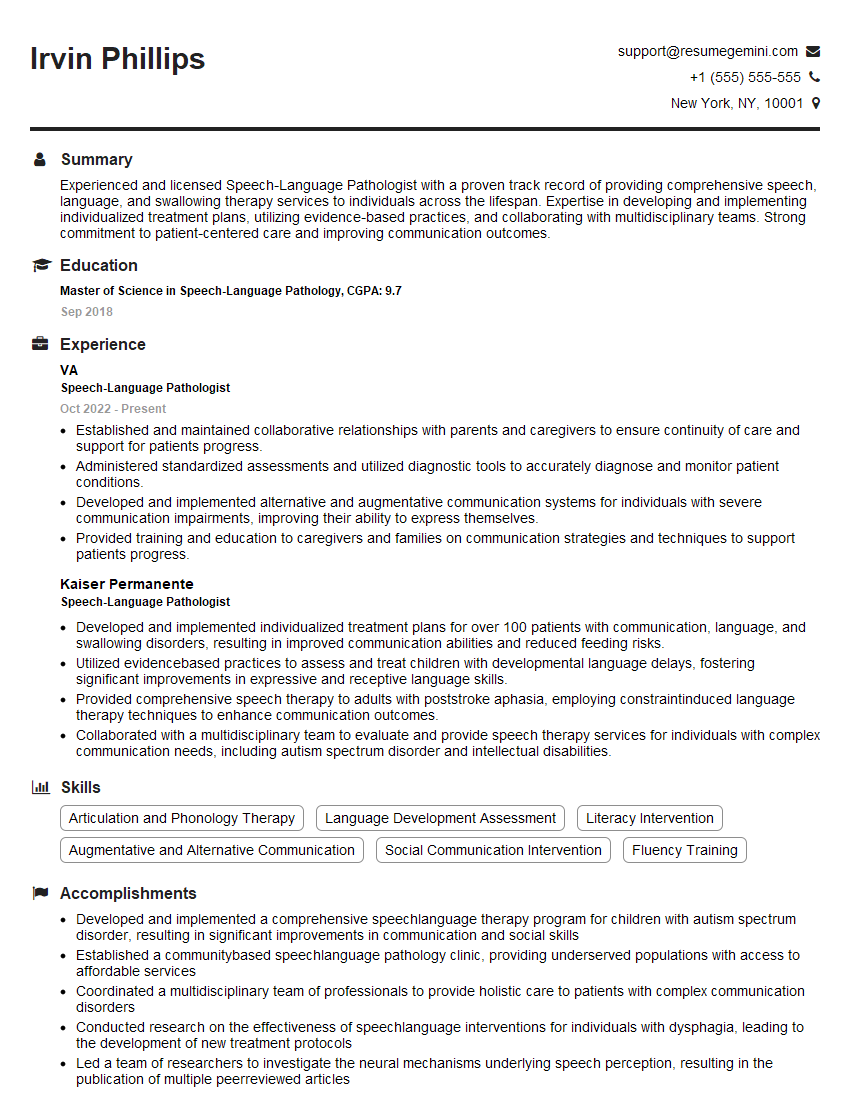
Speech-Language Pathologist Resume Sample
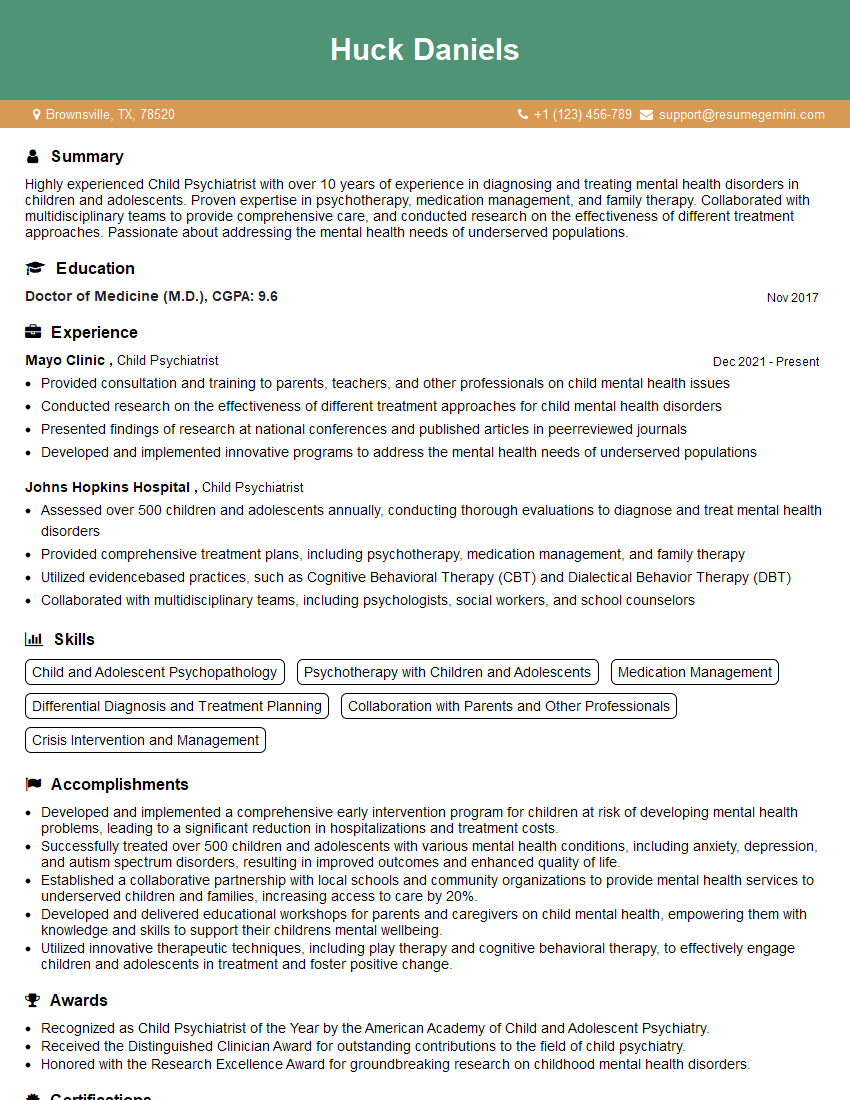
Child Psychiatrist Resume Sample
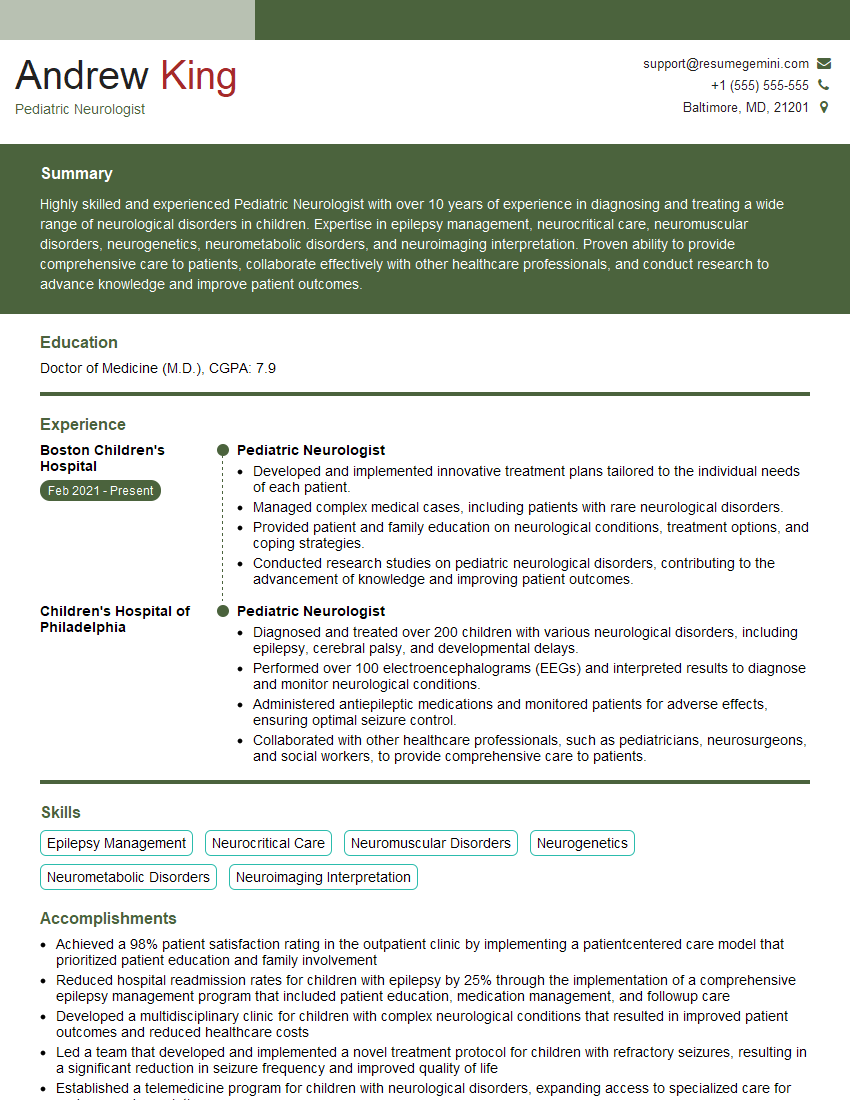
Pediatric Neurologist Resume Sample
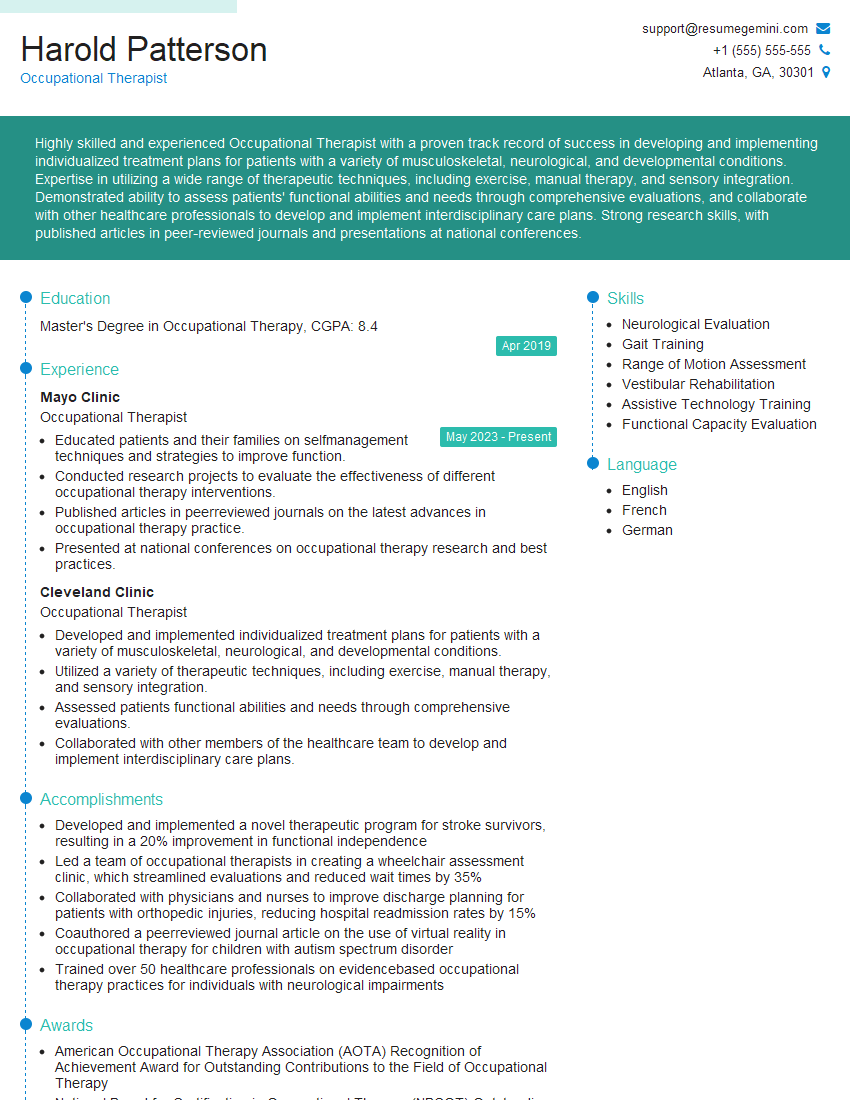
Occupational Therapist Resume Sample
- Director of Special Education
- Clinical Psychologist
- Educational Psychologist
- School Psychologist
- Behavioral Therapist
- Clinical Neuropsychologist
- Family Therapist
- Early Intervention Specialist
- Social Worker
- Special Education Teacher
- Speech-Language Pathologist
- Child Psychiatrist
- Pediatric Neurologist
- Occupational Therapist
Explore more articles
Users Rating of Our Blogs
Share Your Experience
We value your feedback! Please rate our content and share your thoughts (optional).
What Readers Say About Our Blog
To the interviewgemini.com Webmaster.
Very helpful and content specific questions to help prepare me for my interview!
Thank you
To the interviewgemini.com Webmaster.
This was kind of a unique content I found around the specialized skills. Very helpful questions and good detailed answers.
Very Helpful blog, thank you Interviewgemini team.