Feeling uncertain about what to expect in your upcoming interview? We’ve got you covered! This blog highlights the most important Knowledge of ISO 9001 and AS9100 Quality Management Systems interview questions and provides actionable advice to help you stand out as the ideal candidate. Let’s pave the way for your success.
Questions Asked in Knowledge of ISO 9001 and AS9100 Quality Management Systems Interview
Q 1. Explain the key differences between ISO 9001 and AS9100.
While both ISO 9001 and AS9100 are quality management system (QMS) standards focused on customer satisfaction and continuous improvement, AS9100 is specifically tailored for the aerospace industry. Think of ISO 9001 as the foundational standard, a general blueprint for quality, while AS9100 builds upon it, adding requirements addressing the unique challenges and demands of aerospace manufacturing and service.
- Focus: ISO 9001 is broader, applicable to diverse sectors. AS9100 focuses on aerospace, emphasizing safety, reliability, and regulatory compliance specific to that industry.
- Requirements: AS9100 incorporates all of ISO 9001’s requirements and adds several more. These additions often concern aspects like counterfeit parts prevention, product traceability, and specialized process controls relevant to aerospace.
- Audits: AS9100 audits are more rigorous, requiring expertise in aerospace-specific regulations and processes. Auditors will examine the implementation of the additional AS9100 requirements.
- Industry-Specific Requirements: AS9100 includes specific requirements relating to things like configuration management, process capability, and safety critical applications, which are critical for aerospace operations but not necessarily required across all sectors.
For example, an auto parts manufacturer might use ISO 9001, while a company producing aircraft components would require AS9100 certification to meet industry and customer demands.
Q 2. Describe the PDCA cycle and its application in a QMS.
The PDCA cycle, or Plan-Do-Check-Act cycle, is a fundamental iterative process improvement model. Imagine it as a continuous loop of learning and refinement.
- Plan: Define objectives, processes, and resources. This stage involves identifying problems, setting goals, and outlining the steps needed to achieve them. For instance, you might plan to reduce the defect rate on a particular assembly line.
- Do: Implement the plan and collect data. This is where you put your plan into action and gather information on its effectiveness. In our example, you would implement the planned improvements and track the defect rate.
- Check: Analyze the collected data to evaluate the effectiveness of the plan. This stage involves comparing the results to the goals set in the planning stage. Did your changes reduce defects as planned? You would analyse this data.
- Act: Take action based on your analysis. This involves standardizing successes or correcting any deviations from the plan. If the defect rate improved, you’d standardize the implemented changes. If not, you’d revise the plan and repeat the cycle.
In a QMS, the PDCA cycle is applied to all processes, from design to customer service, ensuring continuous improvement. It’s not a one-time exercise but an ongoing process of refinement.
Q 3. What are the core principles of ISO 9001?
The core principles of ISO 9001 are the foundation of a successful QMS. They’re interlinked and reinforce one another.
- Customer Focus: Understanding and meeting customer requirements and exceeding expectations is paramount. This includes understanding their needs and delivering what they want and what they need.
- Leadership: Leaders must create and maintain a culture of quality throughout the organization and ensure that the QMS is effective and relevant.
- Engagement of People: Empowering and engaging employees at all levels is crucial for continuous improvement. All employees need to understand the importance and implementation of the QMS and take ownership.
- Process Approach: Managing processes effectively, optimizing their efficiency and effectiveness, and ensuring their integration is key. Processes must be efficient and contribute to the overall goals.
- Improvement: Continuously striving for improvement is at the heart of ISO 9001. Using the PDCA cycle is crucial in achieving this.
- Evidence-Based Decision Making: Decisions should be made using data and evidence, not just assumptions. Metrics and data analysis are needed for informed decision making.
- Relationship Management: Building strong and collaborative relationships with suppliers and other stakeholders adds value and improves performance.
These principles are not simply bullet points but interconnected values that must be integrated into the organization’s culture for a truly effective QMS.
Q 4. How do you conduct an internal audit of an ISO 9001 system?
An internal audit of an ISO 9001 system is a systematic and independent examination to verify that the QMS is functioning effectively and conforms to the standard’s requirements. It’s a crucial part of continuous improvement.
- Planning: Define the scope, objectives, and resources for the audit. Identify the areas to be audited and the auditors involved. Create a clear audit plan.
- Documentation Review: Review relevant documents, such as the quality manual, procedures, and records, to ensure they are current, accurate, and compliant with ISO 9001.
- On-site Audit: Conduct on-site observations, interviews, and document reviews to assess the implementation of the QMS. Auditors should interview staff, observe processes in action, and check records.
- Evidence Gathering: Collect evidence to support audit findings. This could involve examining records, observing processes, and interviewing personnel.
- Reporting: Prepare a comprehensive audit report that summarizes the findings, including any nonconformities or areas for improvement. The report should clearly identify any findings, including their severity.
- Follow-up: Verify that corrective actions for any nonconformities are implemented effectively. Verify the effectiveness of the corrective actions in a follow-up audit.
The internal audit should be objective and conducted by qualified personnel who are independent from the areas being audited. Think of it as a health check for your QMS, identifying potential issues before external audits.
Q 5. What are the requirements for corrective actions under ISO 9001?
Corrective actions under ISO 9001 are crucial for addressing nonconformances and preventing their recurrence. It’s about fixing problems and ensuring they don’t happen again.
- Identify and Analyze the Nonconformity: First, you must determine what went wrong, analyzing the root cause. Why did the nonconformity occur?
- Determine Corrective Actions: Develop and implement actions to eliminate the cause of the nonconformity. What can you do to prevent it from happening again?
- Implement Corrective Actions: Carry out the planned actions. This could involve modifying procedures, retraining staff, or investing in new equipment.
- Verify Effectiveness: Check if the implemented actions were effective in eliminating the root cause of the nonconformity. Did your solution work?
- Record Keeping: Document the entire process – from identifying the nonconformity to verifying the effectiveness of the corrective action. This is crucial for traceability and audit purposes.
For instance, if a defect is found in a product, a corrective action might involve revising the manufacturing process, retraining the personnel involved, or even changing the design to prevent similar issues.
Q 6. Explain the concept of risk-based thinking in a QMS.
Risk-based thinking in a QMS is a proactive approach to identifying, assessing, and managing risks that could negatively affect the ability to meet customer requirements and achieve QMS objectives. It’s about anticipating problems and planning for them.
- Risk Identification: Identify potential risks throughout the entire QMS. Consider both internal and external factors, such as changes in technology, customer demands, or regulatory updates.
- Risk Analysis: Evaluate the likelihood and potential impact of each identified risk. How likely is it to occur? What would be the consequences if it did?
- Risk Response Planning: Develop and implement strategies to address each risk. This could involve risk mitigation (reducing the likelihood), risk avoidance (eliminating the risk), risk transfer (shifting the risk to a third party), or risk acceptance (acknowledging the risk and monitoring it).
- Risk Monitoring and Review: Regularly monitor and review the effectiveness of the risk response plans. Are the measures you put in place still working?
For example, a company might identify a risk that a new supplier could provide substandard materials. The response plan could involve a rigorous supplier selection and monitoring process.
Q 7. How do you handle nonconformances within an AS9100 environment?
Handling nonconformances within an AS9100 environment follows a similar process to ISO 9001, but with an increased emphasis on safety and regulatory compliance within the aerospace sector. The stakes are often higher.
- Immediate Containment: The first priority is to prevent further problems. This may involve stopping a process, quarantining nonconforming products, or issuing a stop work order.
- Investigation and Root Cause Analysis: A thorough investigation must determine why the nonconformity occurred. This might involve a more rigorous failure analysis than in a standard ISO 91001 environment.
- Corrective Action: Implement corrective actions to eliminate the root cause, using appropriate methods like process improvement, redesign, or personnel training. Corrective actions are often subject to greater scrutiny in AS9100.
- Preventive Action: Actions must be taken to prevent similar occurrences in the future. This could include improvements to processes, design changes, or upgrades to equipment.
- Verification and Validation: Ensure that the corrective and preventive actions were successful. This might involve additional testing or audits.
- Documentation and Traceability: Maintain detailed records of all actions taken, including nonconformances, investigation findings, corrective actions, and preventive actions, allowing complete traceability of parts and their history.
Due to the safety-critical nature of aerospace, nonconformances must be handled with extreme care and documented rigorously, often involving more stringent procedures and potentially notifications to regulatory bodies.
Q 8. Describe your experience with root cause analysis techniques.
Root cause analysis (RCA) is a systematic process for identifying the underlying causes of problems, not just the symptoms. My experience encompasses various techniques, including the 5 Whys, fishbone diagrams (Ishikawa diagrams), Fault Tree Analysis (FTA), and Pareto analysis.
For instance, in a previous role at an aerospace company certified to AS9100, we experienced recurring failures in a specific component. Using the 5 Whys, we progressively questioned the reason for each failure: Why did the component fail? Because of material fatigue. Why was there material fatigue? Due to excessive vibration. Why was there excessive vibration? Because of an improperly balanced rotor. Why was the rotor improperly balanced? Because of inadequate inspection during assembly. This led us to correct the assembly process, ultimately resolving the issue. Another time, a Pareto chart helped us focus our efforts on addressing the 20% of issues responsible for 80% of our non-conformances. This ensured efficient resource allocation.
FTA is particularly useful for complex systems where multiple contributing factors might lead to a single failure. I’ve applied it extensively in analyzing potential risks throughout the product lifecycle.
Q 9. What is the role of management in a quality management system?
Management plays a crucial role in a Quality Management System (QMS), acting as the driving force behind its effectiveness. Their responsibilities extend to establishing the quality policy, providing resources, ensuring the QMS is implemented and maintained, and continually improving it. This involves setting clear objectives, assigning responsibilities, and reviewing performance regularly. Think of management as the conductor of an orchestra – each musician (employee) plays their part, but the conductor ensures harmony and achieves the desired outcome (quality objectives).
Specifically within ISO 9001 and AS9100, management responsibility includes ensuring compliance with regulatory requirements and customer expectations. This is demonstrated through documented procedures, regular management reviews, and the promotion of a strong quality culture within the organization. Without strong leadership commitment, the QMS remains a document rather than a living, breathing system.
Q 10. How do you measure the effectiveness of a QMS?
Measuring the effectiveness of a QMS requires a multi-faceted approach. It’s not enough to simply have a system in place; you must demonstrate its effectiveness. Key indicators include:
- Customer Satisfaction: Measuring customer feedback through surveys and reviews provides direct insight into product and service quality.
- Internal Audit Results: Regular internal audits identify areas for improvement and demonstrate conformance to the QMS requirements.
- Nonconformity Rates: Tracking the number of nonconformances and their root causes helps pinpoint weaknesses in the system.
- Corrective and Preventive Actions (CAPA) Effectiveness: Monitoring the effectiveness of CAPAs is critical for preventing recurring problems.
- Process Performance Metrics: Analyzing key process indicators (KPIs) such as cycle time, defect rates, and yield provides objective data on process efficiency and effectiveness.
- Management Review Outcomes: Regular management reviews assess the QMS performance against objectives and identify areas needing attention.
By analyzing these metrics, you can gain a holistic view of the QMS effectiveness and identify areas requiring improvement. Remember, continuous improvement is a core principle of both ISO 9001 and AS9100.
Q 11. What are the key elements of a quality policy?
A quality policy is a high-level statement that guides an organization’s pursuit of quality. Key elements include:
- Commitment to Customer Satisfaction: Explicitly stating the commitment to meeting customer requirements and exceeding expectations.
- Compliance with Standards: Defining commitment to relevant standards like ISO 9001 or AS9100 and any applicable regulations.
- Continuous Improvement: A clear expression of the organization’s dedication to continuous improvement of its QMS.
- Prevention of Nonconformances: Emphasizing proactive measures to prevent defects and nonconformities.
- Resource Allocation: Indicating a commitment to providing the necessary resources (financial, personnel, etc.) to achieve quality objectives.
- Scope of Applicability: Defining the specific processes or products covered by the policy.
The policy should be concise, easily understood, and accessible to all employees. It acts as a foundational document, setting the tone and direction for the entire organization’s quality efforts.
Q 12. Explain your understanding of process mapping and its benefits.
Process mapping is a visual representation of a process, showing the steps involved, inputs, outputs, and decision points. It’s like creating a blueprint of a process. I’ve utilized various techniques, including flowcharts and swimlane diagrams.
The benefits are numerous: It improves process understanding, identifies bottlenecks, enhances communication, reveals redundancies, and facilitates process improvement. For example, in one project, a swimlane diagram clearly illustrated handoffs between different departments, revealing a significant delay in information transfer that was impacting delivery times. Once identified, we streamlined the process, eliminating unnecessary steps and improving efficiency. Process mapping forms the basis of many improvement initiatives like Lean and Six Sigma.
Q 13. Describe your experience with document control procedures.
Document control procedures ensure that all documents relevant to the QMS are readily available, current, and appropriately controlled. My experience includes establishing and maintaining procedures for document creation, revision, approval, distribution, and obsolescence.
This involves using a document management system, assigning document owners, and implementing a change control process. A critical part is ensuring that all revisions are tracked and obsolete documents are removed from circulation, preventing the use of outdated or incorrect information. We used a version control system with unique document numbers and revision levels – a simple but vital aspect of ensuring that everyone is using the latest approved documents. I also have experience auditing these processes to verify compliance and effectiveness.
Q 14. How do you ensure compliance with regulatory requirements?
Ensuring compliance with regulatory requirements is paramount in any QMS, especially in highly regulated industries like aerospace. This involves a thorough understanding of all applicable regulations and standards, integrating them into the QMS, and monitoring compliance regularly.
This process starts with identifying all relevant regulations and incorporating them into the QMS through documented procedures, work instructions, and training programs. Regular internal audits, management reviews, and external audits (like those for AS9100 certification) verify ongoing compliance. We also maintained a register of applicable regulations to track changes and proactively address any updates. Any non-compliance is treated as a nonconformity, requiring investigation, corrective action, and preventative action to ensure it doesn’t recur. Proactive monitoring and continuous improvement are crucial for maintaining compliance.
Q 15. What are the key performance indicators (KPIs) for a QMS?
Key Performance Indicators (KPIs) for a Quality Management System (QMS) are metrics used to track the effectiveness and efficiency of the system. They provide a snapshot of the QMS’s health and identify areas for improvement. Effective KPIs are specific, measurable, achievable, relevant, and time-bound (SMART).
- Customer Satisfaction: Measured through surveys, feedback forms, and complaint analysis. A high customer satisfaction rate indicates a well-functioning QMS.
- Defect Rate: The percentage of non-conforming products or services produced. A low defect rate signifies effective process control.
- On-Time Delivery: The percentage of orders delivered on or before the scheduled date. This reflects the efficiency of the operational processes.
- Lead Time: The time taken to complete a process from start to finish. Reduced lead times indicate improved efficiency.
- Process Capability: Measures the ability of a process to consistently produce output within specified limits. This is often expressed as Cp or Cpk values (capability indices).
- Internal Audit Findings: The number and severity of non-conformities identified during internal audits. A low number of critical non-conformities indicates a robust QMS.
- Corrective Action Effectiveness: The rate of successful implementation and effectiveness of corrective actions taken to address non-conformities. This reflects the system’s ability to learn and improve.
- Training Completion Rate: The percentage of employees who have completed required training. This ensures personnel competency and adherence to procedures.
For example, in a manufacturing environment, a company might track its defect rate per million opportunities (DPMO) as a KPI. A reduction in DPMO indicates improvements in the manufacturing process. In a service industry, customer satisfaction scores from post-service surveys could serve as a critical KPI.
Career Expert Tips:
- Ace those interviews! Prepare effectively by reviewing the Top 50 Most Common Interview Questions on ResumeGemini.
- Navigate your job search with confidence! Explore a wide range of Career Tips on ResumeGemini. Learn about common challenges and recommendations to overcome them.
- Craft the perfect resume! Master the Art of Resume Writing with ResumeGemini’s guide. Showcase your unique qualifications and achievements effectively.
- Don’t miss out on holiday savings! Build your dream resume with ResumeGemini’s ATS optimized templates.
Q 16. Explain the concept of continuous improvement within a QMS.
Continuous improvement within a QMS is a proactive and iterative process aimed at consistently enhancing the effectiveness and efficiency of the system. It’s built on the principles of Plan-Do-Check-Act (PDCA) cycle, also known as Deming cycle.
- Plan: Identify areas for improvement, set goals, and develop improvement plans.
- Do: Implement the improvement plan.
- Check: Monitor the effectiveness of the implemented changes. Collect data and analyze results.
- Act: Standardize successful changes and take corrective actions for any shortcomings.
This cycle is continuously repeated, driving incremental improvements over time. For example, if a company identifies a high defect rate in a specific process, they might plan to implement a new training program (Plan), conduct the training (Do), monitor the defect rate after the training (Check), and if the defect rate remains high, look for further improvement opportunities (Act). Tools like Kaizen events and Lean methodologies are frequently used to facilitate continuous improvement. The ultimate goal is to minimize waste, optimize processes and achieve greater customer satisfaction.
Q 17. How do you handle customer complaints effectively?
Handling customer complaints effectively is crucial for maintaining a positive reputation and improving the QMS. A systematic approach ensures prompt resolution and prevents recurrence.
- Acknowledge and Log: Immediately acknowledge the complaint, record all details, and assign a unique reference number for tracking.
- Investigate Root Cause: Conduct a thorough investigation to identify the root cause of the complaint. This may involve reviewing relevant documentation, interviewing personnel, and analyzing data.
- Implement Corrective Action: Develop and implement corrective actions to prevent recurrence of the issue. This might include process improvements, training updates, or equipment upgrades.
- Communicate Resolution: Communicate the resolution to the customer in a timely manner. Explain the steps taken and any preventative actions implemented.
- Monitor Effectiveness: Monitor the effectiveness of the corrective actions to ensure the issue is truly resolved and doesn’t reappear. This might involve tracking the number of similar complaints.
For example, if a customer complains about a faulty product, the company should investigate the manufacturing process to identify the cause of the fault. This might lead to improved quality control measures or updated training for manufacturing personnel. All corrective actions should be documented as per the QMS procedures.
Q 18. What is your experience with statistical process control (SPC)?
Statistical Process Control (SPC) is a powerful tool for monitoring and controlling process variation. My experience involves utilizing various SPC charts, like control charts (X-bar and R charts, p-charts, c-charts) to identify trends, patterns, and outliers in manufacturing and service processes. I’ve used SPC to:
- Monitor Process Stability: Identifying whether a process is in statistical control, meaning that the variation is due to common causes, or out of control, indicating the presence of special causes.
- Reduce Process Variation: By identifying and eliminating special causes of variation, we can reduce the variability of the output and improve product quality and consistency.
- Prevent Defects: By proactively monitoring processes through SPC, we can identify potential problems before they lead to a significant number of defects.
- Improve Process Capability: Using process capability analysis (Cp, Cpk), I’ve assessed the ability of processes to meet specified requirements.
In a previous role, I implemented X-bar and R charts to monitor the diameter of a critical component in a manufacturing process. This allowed us to identify and address a machine malfunction before it resulted in a large batch of non-conforming parts, saving the company significant time and resources. I am proficient in using statistical software packages like Minitab to perform SPC analysis.
Q 19. Explain your experience with implementing a QMS.
My experience in implementing QMS encompasses various industries, including manufacturing and aerospace. The process typically involves these steps:
- Gap Analysis: Assessing the existing system against the requirements of ISO 9001 and/or AS9100, identifying areas of non-compliance.
- Develop QMS Documentation: Creating and implementing necessary documentation, including the quality manual, procedures, work instructions, and forms. This ensures clear communication and consistent process execution.
- Training and Awareness: Conducting training sessions for all personnel to raise awareness of the QMS and ensure they understand their roles and responsibilities.
- Internal Audits: Implementing a robust internal audit program to assess compliance with QMS requirements and identify areas for improvement.
- Management Review: Conducting regular management review meetings to monitor the performance of the QMS, identify trends, and make necessary adjustments. Management review is critical for leadership commitment and ensuring top-level buy-in.
- Continuous Improvement: Implementing a system for continuous improvement, utilizing tools like PDCA and Lean methodologies to identify and address areas for improvement.
In one project, I led the implementation of AS9100 in a small aerospace manufacturing company. This involved a significant cultural shift, emphasizing the importance of quality throughout the organization. The result was a successful certification audit and a marked improvement in the company’s quality performance.
Q 20. Describe your experience with auditing a QMS.
My experience in auditing QMS includes both internal and external audits against ISO 9001 and AS9100 standards. The process usually involves:
- Planning: Defining the scope of the audit, determining the audit criteria, and selecting the audit team.
- Document Review: Reviewing relevant documentation, such as the quality manual, procedures, and records, to understand the QMS.
- On-site Observation: Observing processes in action to verify compliance with the QMS requirements.
- Interviewing Personnel: Interviewing personnel to assess their understanding of the QMS and their ability to perform their jobs.
- Non-conformity Reporting: Documenting any non-conformities identified during the audit and reporting them to management.
- Audit Reporting: Preparing a comprehensive audit report summarizing the findings and recommendations.
I’ve led several audits, identifying critical non-conformities and helping organizations implement corrective actions to address deficiencies. I understand the importance of objectivity, impartiality and professionalism in the auditing process. My experience includes conducting both first-party (internal) and third-party (external) audits, ensuring a thorough and fair assessment of the QMS.
Q 21. How do you ensure the effectiveness of training programs within the QMS?
Ensuring the effectiveness of training programs within a QMS requires a systematic approach that focuses on needs assessment, delivery, and evaluation.
- Needs Assessment: Identifying training needs through a gap analysis, focusing on the skills and knowledge required to perform tasks and adhere to procedures.
- Training Development: Developing training materials that are relevant, engaging, and effective. This might include classroom training, online modules, or on-the-job training.
- Training Delivery: Delivering training using appropriate methods and ensuring that all employees have the opportunity to participate.
- Training Evaluation: Evaluating the effectiveness of the training through various methods such as assessments, observation, and feedback forms. This measures the knowledge transfer and performance improvement.
- Documentation: Maintaining accurate records of all training activities, including training materials, attendance records, and evaluation results. This allows for demonstration of compliance during audits.
For example, if a process change is implemented, training should be provided to all personnel affected by the change to ensure they understand and can perform their tasks correctly. We would then measure the impact of this training by monitoring the error rate related to this process post-training. Regular reviews of training effectiveness help adapt the programs to the evolving needs of the organization and maintain competence.
Q 22. Explain your experience with data analysis related to QMS performance.
Data analysis is crucial for continuous improvement within a Quality Management System (QMS). My experience involves leveraging data from various sources – internal audits, customer feedback, non-conformance reports, corrective and preventive action (CAPA) records, and key performance indicators (KPIs) – to identify trends, pinpoint areas needing improvement, and measure the effectiveness of implemented changes.
For example, in a previous role, we analyzed non-conformance data to discover a significant increase in defects related to a specific manufacturing process. By visualizing this data using control charts and Pareto analysis, we identified the root cause as a poorly calibrated machine. Addressing this led to a 30% reduction in defects within two months. I’m proficient in using statistical tools like Minitab and JMP for data analysis, and I’m also comfortable creating dashboards and reports to effectively communicate findings to stakeholders at all levels.
Beyond simple defect analysis, I’ve used data to track the effectiveness of training programs, analyze customer satisfaction scores, and monitor the performance of our suppliers. This data-driven approach allows for proactive problem-solving and ensures continuous improvement of the QMS.
Q 23. What are the key challenges in implementing AS9100 in an organization?
Implementing AS9100, the aerospace quality management standard, presents unique challenges compared to ISO 9001. These stem from the heightened requirements for safety and reliability critical in the aerospace industry.
- Higher Traceability Demands: AS9100 places a stronger emphasis on traceability throughout the entire supply chain. This requires robust documentation and control of materials, processes, and products. Implementing a comprehensive traceability system can be complex and costly.
- Stringent Regulatory Compliance: The aerospace sector faces rigorous regulatory scrutiny. Organizations must demonstrate compliance not only with AS9100 but also with various national and international regulations. This necessitates a deep understanding of these regulations and their implications for the QMS.
- Supplier Management: Managing a vast and complex supply chain is essential. Ensuring all suppliers comply with AS9100 requirements and maintaining effective communication and collaboration presents a significant challenge.
- Competency and Training: AS9100 emphasizes the importance of employee competency. Developing and maintaining a training program that addresses the specific skills and knowledge required by AS9100 can be resource-intensive.
- Cost and Time Investment: Implementing and maintaining AS9100 requires a significant investment of time, resources, and personnel. The initial setup and ongoing maintenance demand dedication and commitment.
Successfully implementing AS9100 requires a phased approach, starting with a thorough gap analysis to understand current strengths and weaknesses against the standard’s requirements. It requires strong leadership commitment, effective communication throughout the organization, and a proactive approach to addressing challenges as they arise.
Q 24. Describe a time you had to resolve a quality issue. What was your approach?
In a previous role, we experienced a significant increase in customer complaints related to a specific component’s failure. My approach involved a structured problem-solving methodology following a DMAIC (Define, Measure, Analyze, Improve, Control) framework.
- Define: Clearly defined the problem: increased customer complaints due to component failure, outlining the impact (customer dissatisfaction, potential financial losses, reputational damage).
- Measure: Gathered data on the frequency of failures, types of failures, and potential root causes. This involved analyzing customer complaints, inspection reports, and production data.
- Analyze: Used various statistical tools (Pareto charts, fishbone diagrams) to analyze the data and pinpoint the root cause, which was discovered to be a supplier’s change in material specification without proper notification.
- Improve: Implemented corrective actions: worked with the supplier to revert to the original material specification, implemented stricter incoming inspection procedures, and developed a robust change management process for future material modifications.
- Control: Established monitoring mechanisms to prevent recurrence. This included regular audits of incoming materials and ongoing monitoring of customer complaints.
This systematic approach allowed us to effectively resolve the issue, improve customer satisfaction, and prevent future occurrences. The key was a collaborative effort involving various departments, clear communication, and a commitment to continuous improvement.
Q 25. How familiar are you with different types of audits (e.g., first-party, second-party, third-party)?
I am very familiar with the different types of audits within a QMS framework.
- First-party audits (internal audits): These are conducted by the organization itself to assess its own QMS against the requirements of the standard (ISO 9001 or AS9100). They are crucial for identifying areas for improvement and ensuring compliance before external audits.
- Second-party audits (supplier audits): These audits are performed by a customer (or a company higher up in the supply chain) on its suppliers to assess their capability to meet specified requirements. This ensures that suppliers meet the necessary quality standards and that the supply chain remains reliable.
- Third-party audits (certification audits): These audits are conducted by an independent, accredited certification body to verify the organization’s compliance with the QMS standard. Successful completion leads to certification, which provides external validation of the organization’s quality management system.
I have extensive experience in conducting and participating in all three types of audits, and I understand the specific requirements and expectations for each. I’m also familiar with the different audit techniques, such as sampling, process mapping, and record review, and I am adept at report writing and presenting audit findings.
Q 26. What is your understanding of the importance of traceability in a QMS?
Traceability is essential within a QMS as it allows for the tracking of a product or process throughout its entire lifecycle. This ability to trace the origin and history of a product or material is crucial for several reasons:
- Quality Control: If a defect is discovered, traceability allows for the identification of the root cause and the affected products or processes. This enables rapid corrective action and minimizes potential negative impact.
- Recall Management: In the event of a product recall, traceability ensures that all affected products can be quickly and efficiently identified and removed from the market.
- Compliance: Traceability helps demonstrate compliance with regulatory requirements and industry standards, particularly in highly regulated industries like aerospace.
- Continuous Improvement: Traceability data can be analyzed to identify trends and patterns that highlight potential areas for improvement within the QMS.
For example, in aerospace manufacturing, each component must be traceable from its raw material source to its final installation in the aircraft. This ensures the reliability and safety of the aircraft. Lack of traceability can lead to significant financial and reputational damage.
Q 27. How do you ensure the integrity of the QMS documentation?
Maintaining the integrity of QMS documentation is paramount. This involves a multi-faceted approach that ensures documents are accurate, up-to-date, readily available, and controlled.
- Document Control System: Implementing a robust document control system is vital. This includes a clear process for creating, reviewing, approving, distributing, and retiring documents. Version control is essential to ensure everyone is working with the most current version.
- Access Control: Restricting access to documents based on roles and responsibilities ensures that only authorized personnel can view or modify sensitive information.
- Regular Reviews: Documents should be reviewed and updated regularly to reflect any changes in processes, procedures, or regulations.
- Change Management: A formal change management process ensures that all changes to documents are properly documented, reviewed, and approved before implementation.
- Secure Storage: Documents should be stored securely, both physically and electronically, to prevent loss or unauthorized alteration.
- Version History: Maintaining a complete version history helps track changes and ensures traceability.
Think of this like a well-organized library: every book (document) is properly cataloged, shelved (stored securely), and only authorized personnel can borrow (access) it. The system prevents accidental damage, obsolescence, and ensures everyone has access to the most current information.
Q 28. What is your experience with using quality management software?
I have extensive experience using various quality management software (QMS) solutions, including both cloud-based and on-premise systems. My experience encompasses the full lifecycle, from implementation and configuration to day-to-day usage and reporting.
I’m proficient in using software to manage documents, track non-conformances, conduct audits, and generate reports. I understand the importance of selecting a system that aligns with the organization’s specific needs and integrates seamlessly with other business systems. My expertise extends beyond simply using the software; I understand the underlying principles of data management and system configuration, ensuring data integrity and effective data analysis. I am familiar with systems such as [Mention specific systems if comfortable doing so, otherwise omit this sentence]. I can effectively train and support users in the proper use and maintenance of such systems.
Key Topics to Learn for Knowledge of ISO 9001 and AS9100 Quality Management Systems Interview
- Understanding the Fundamentals: Grasp the core principles of ISO 9001 and AS9100, including their purpose, scope, and key differences. Focus on the underlying philosophy of continuous improvement.
- Quality Management System (QMS) Implementation: Explore the practical aspects of implementing and maintaining a QMS. Understand the stages involved, from planning and documentation to internal audits and management reviews.
- Risk-Based Thinking: Learn how to identify, analyze, and mitigate risks within a QMS. This is crucial for both ISO 9001 and, especially, AS9100’s emphasis on aerospace safety.
- Process Approach: Understand how to map and optimize processes within the framework of a QMS. Be prepared to discuss process control, monitoring, and improvement methodologies.
- Internal Audits & Corrective Actions: Familiarize yourself with the procedures for conducting internal audits, identifying non-conformances, and implementing effective corrective and preventive actions (CAPA).
- Documentation Control: Master the principles of effective document control, including version control, distribution, and record management within the QMS.
- AS9100 Specific Requirements: If applying for roles heavily focused on AS9100, delve into its unique requirements related to aerospace safety, counterfeit parts prevention, and supply chain management.
- Problem-Solving Techniques: Practice applying problem-solving methodologies like 8D reports or similar techniques to demonstrate your ability to address quality issues effectively.
- Data Analysis & Interpretation: Be ready to discuss how you would analyze quality data to identify trends, track metrics, and make informed decisions about improvements.
- Continuous Improvement (CI) Methodologies: Understand and be able to discuss various CI tools and techniques like Kaizen, Lean, Six Sigma, etc., and their application within a QMS.
Next Steps
Mastering ISO 9001 and AS9100 knowledge significantly enhances your career prospects in quality management and related fields, opening doors to higher-level positions and increased earning potential. To maximize your job search success, create an ATS-friendly resume that clearly showcases your skills and experience. ResumeGemini is a trusted resource for building professional, impactful resumes, and we provide examples tailored to highlighting your expertise in ISO 9001 and AS9100 Quality Management Systems. Take advantage of these resources to present yourself effectively and land your dream role.
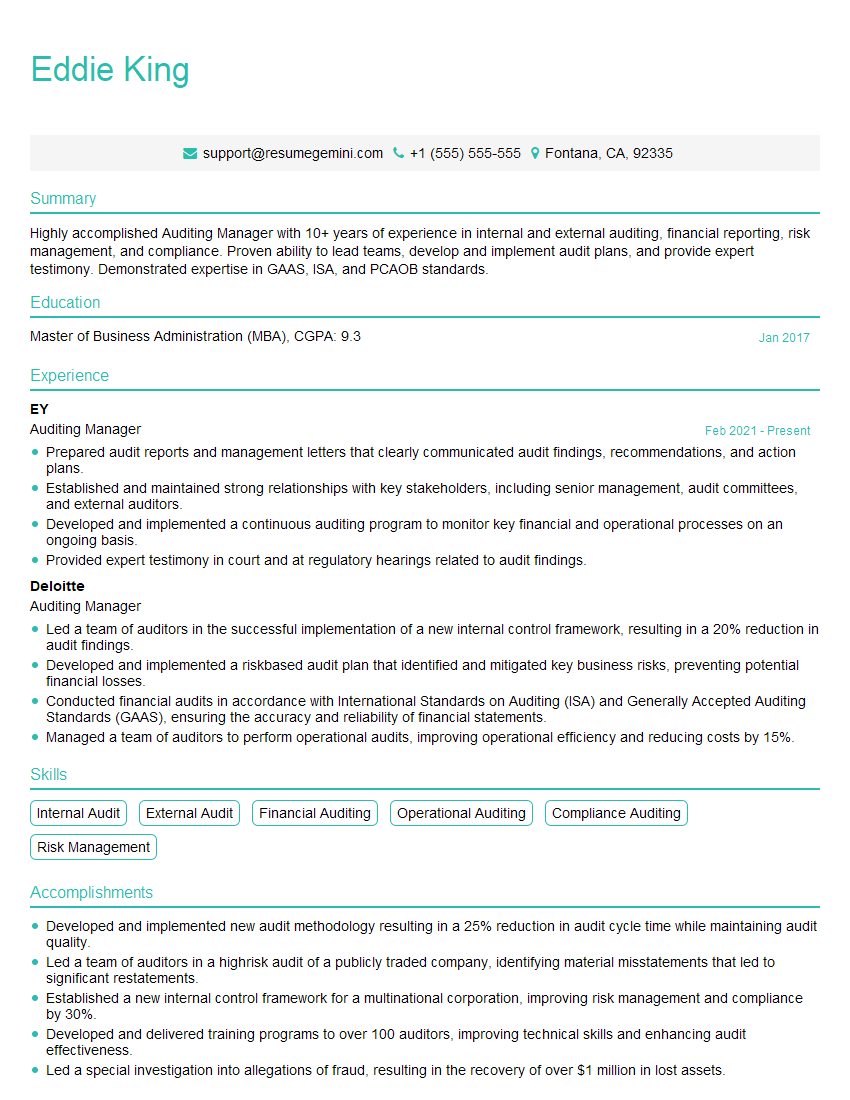
Auditing Manager Resume Sample
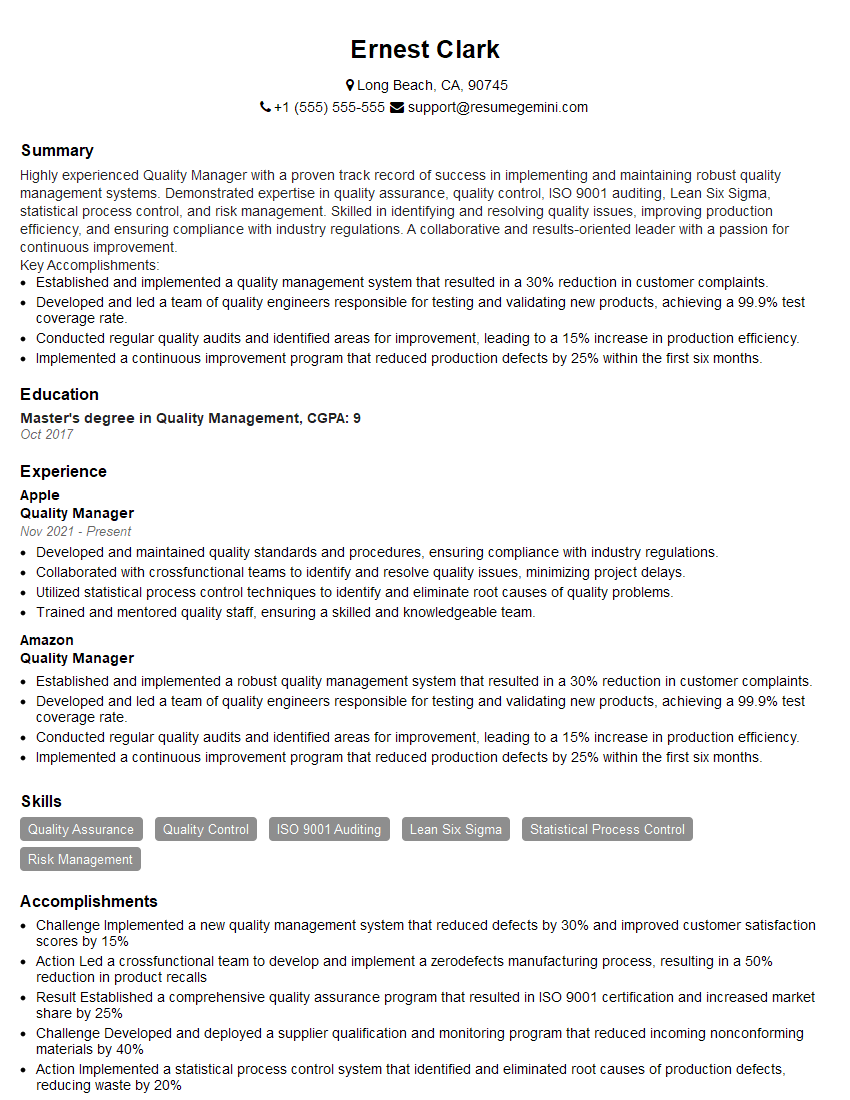
Quality Manager Resume Sample
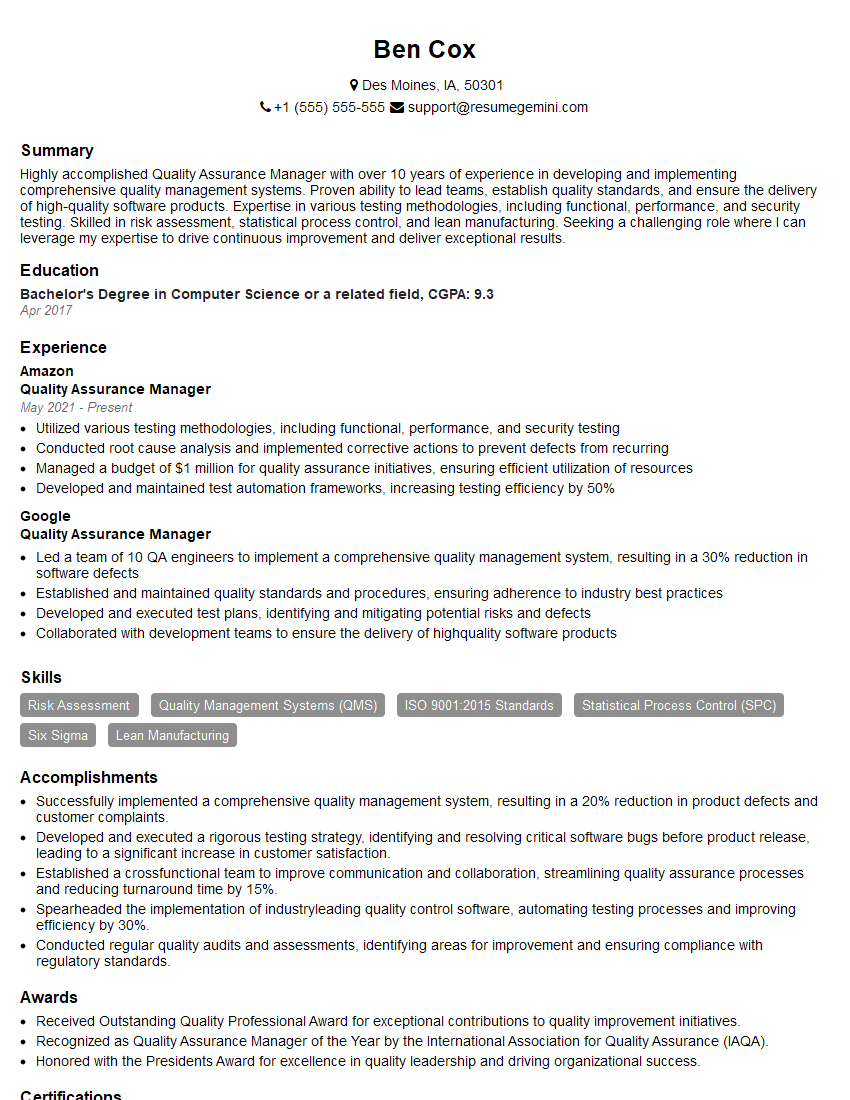
Quality Assurance Manager Resume Sample
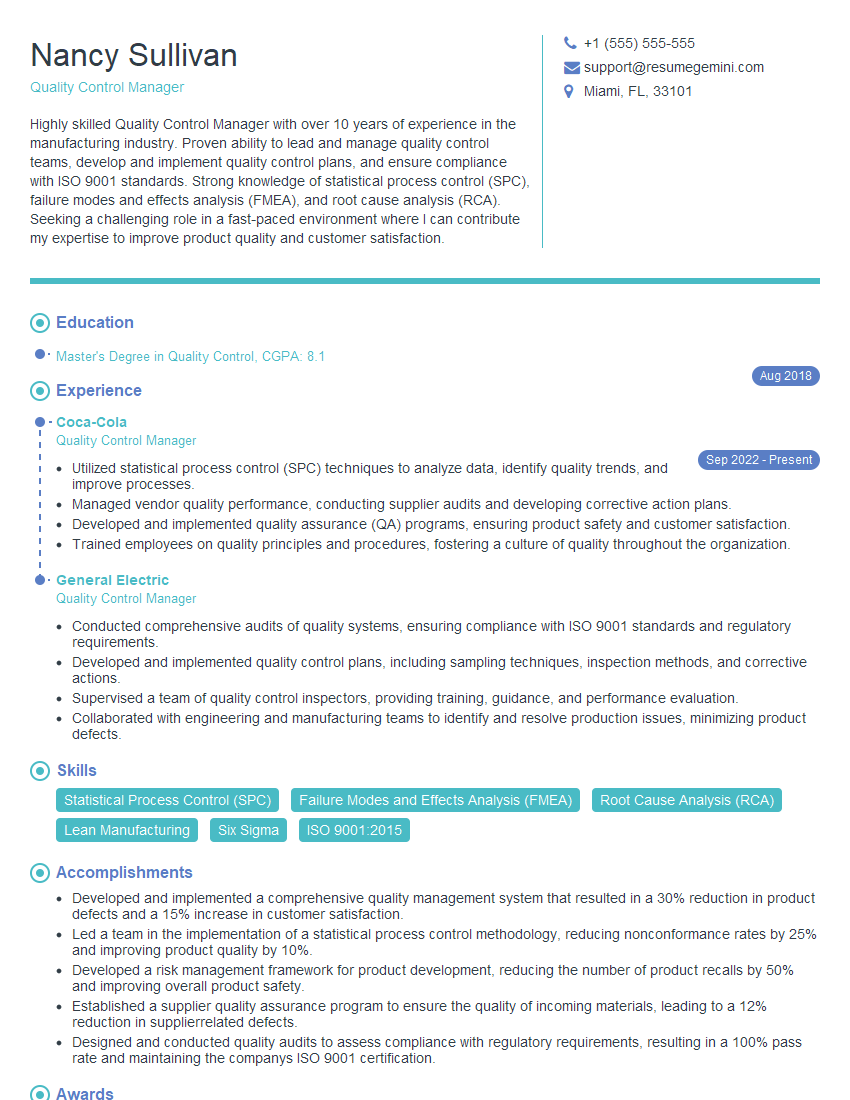
Quality Control Manager Resume Sample
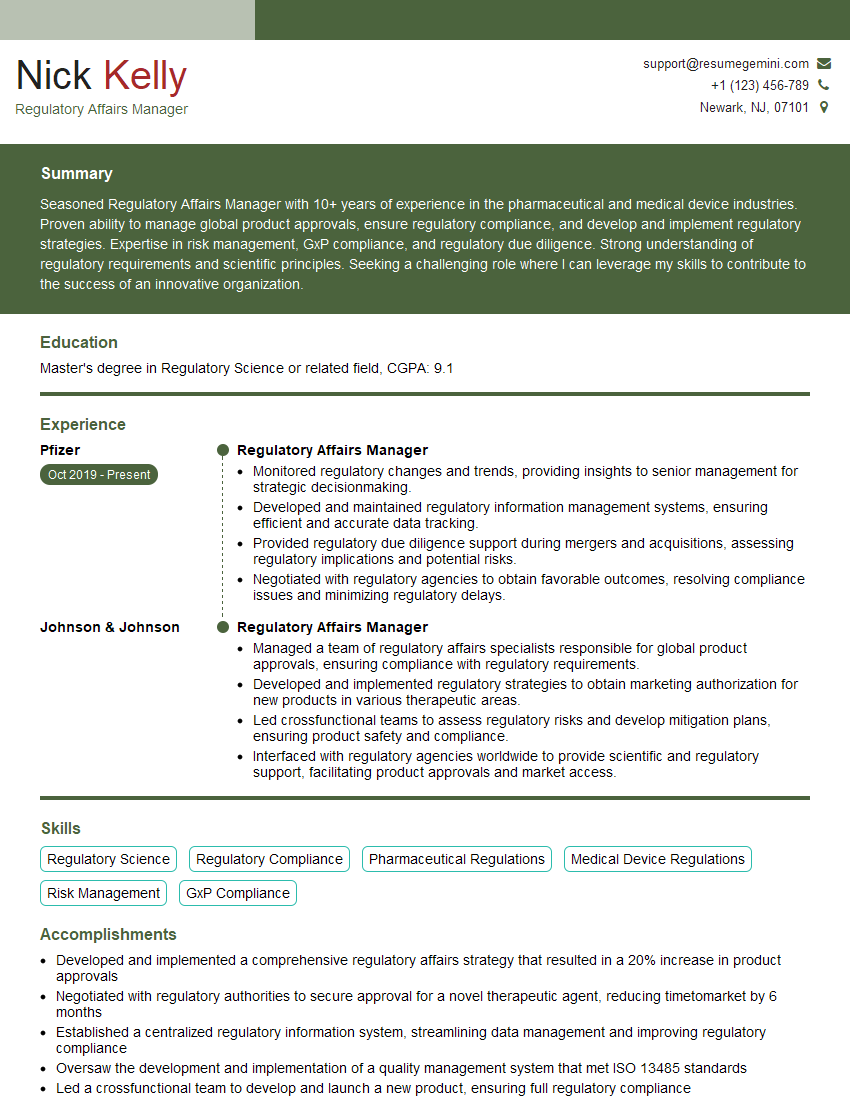
Regulatory Affairs Manager Resume Sample
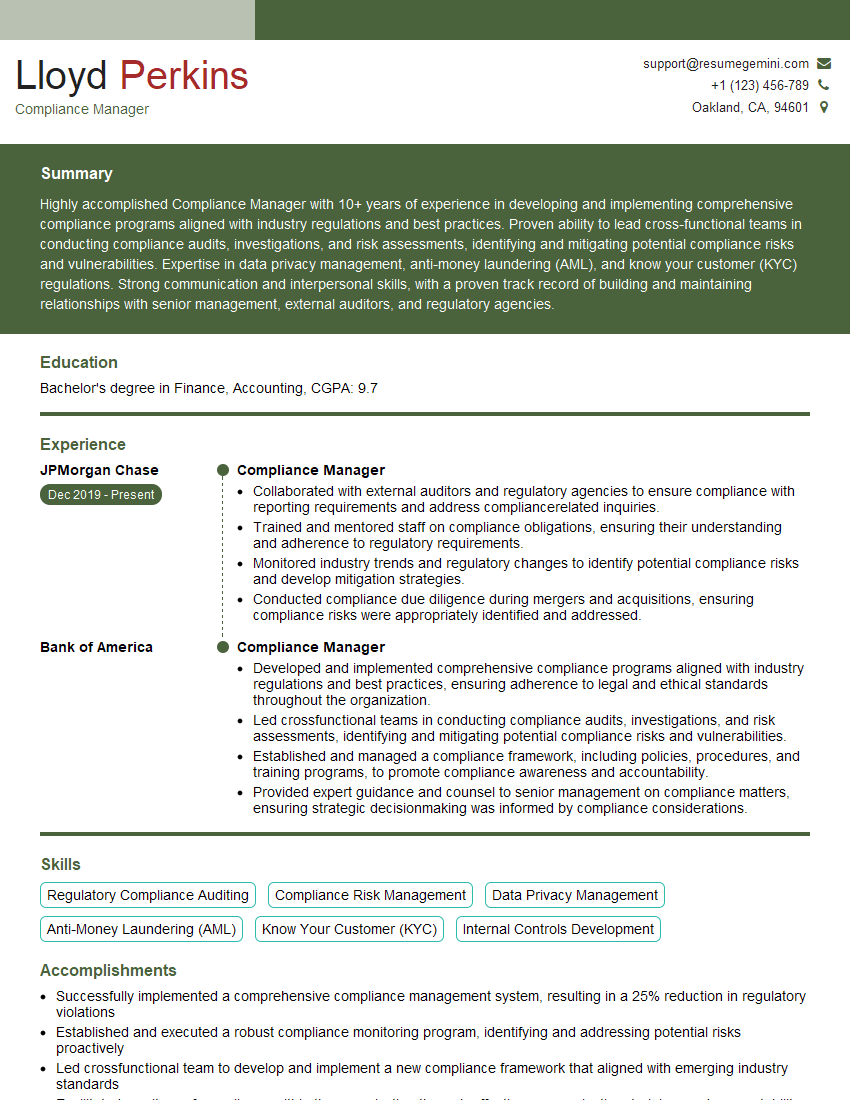
Compliance Manager Resume Sample

Compliance Officer Resume Sample
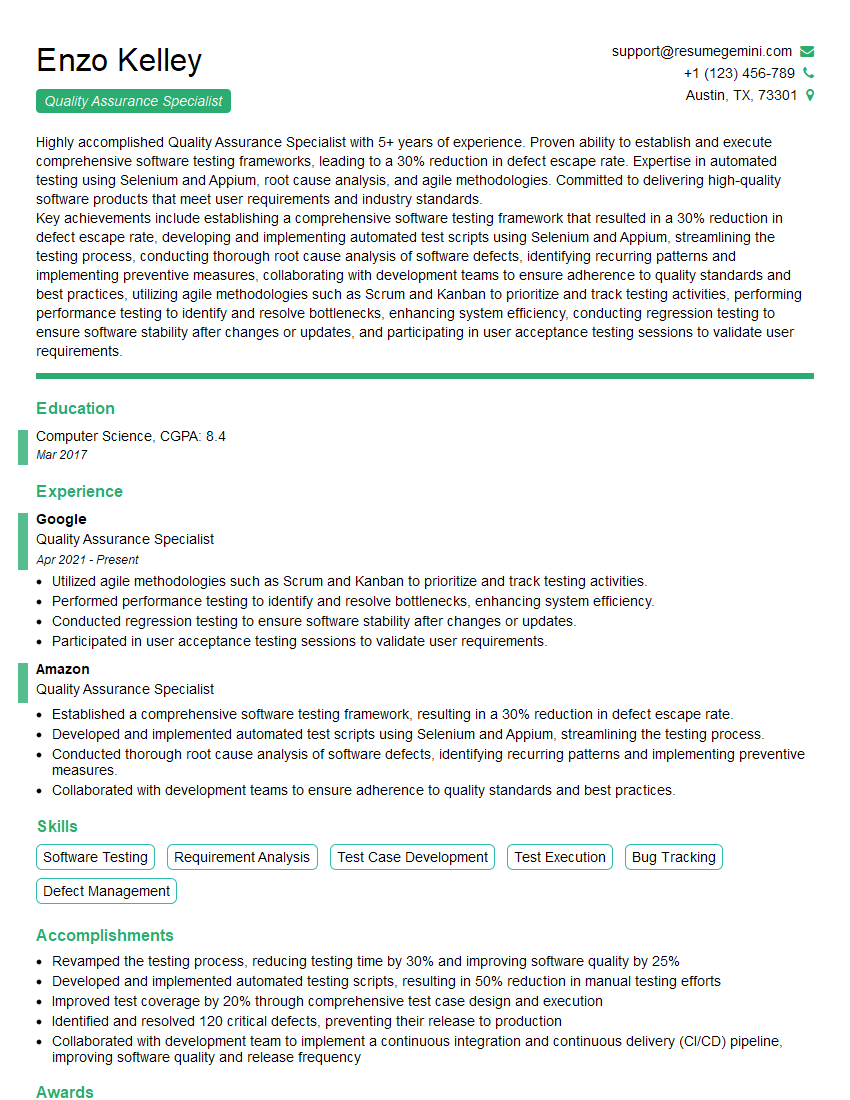
Quality Assurance Specialist Resume Sample
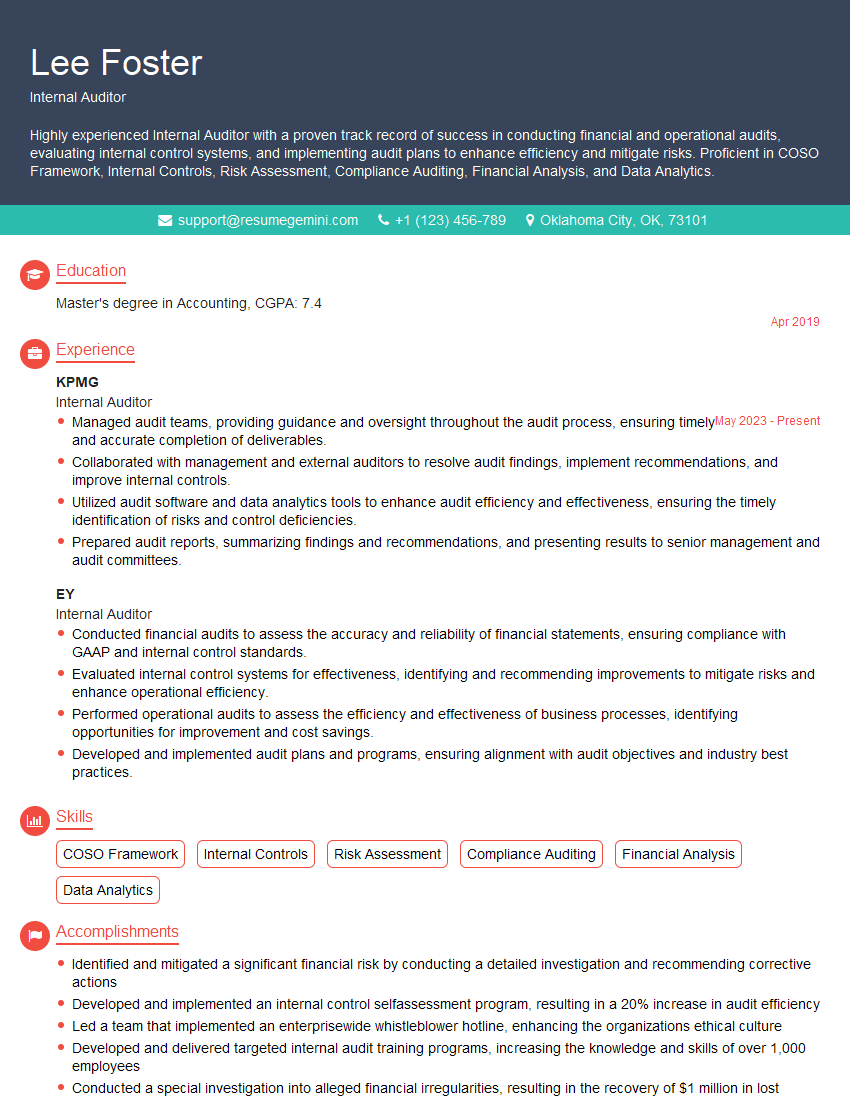
Internal Auditor Resume Sample
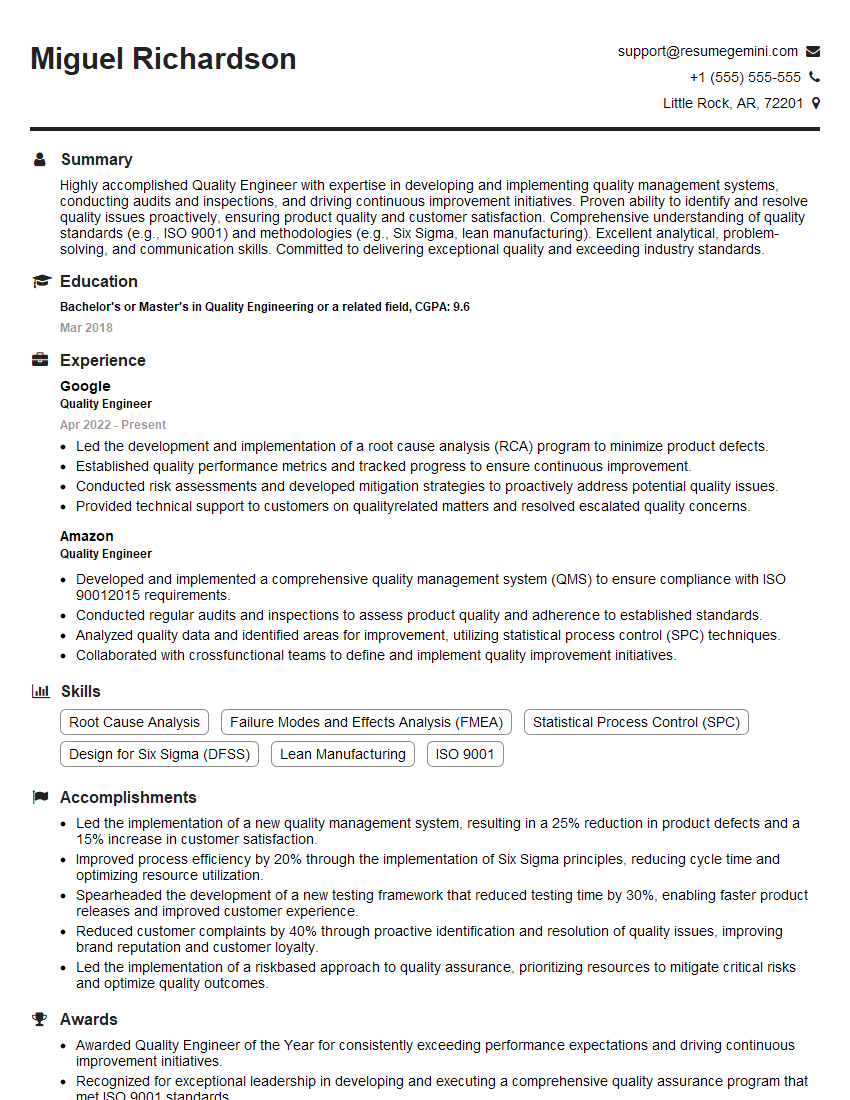
Quality Engineer Resume Sample
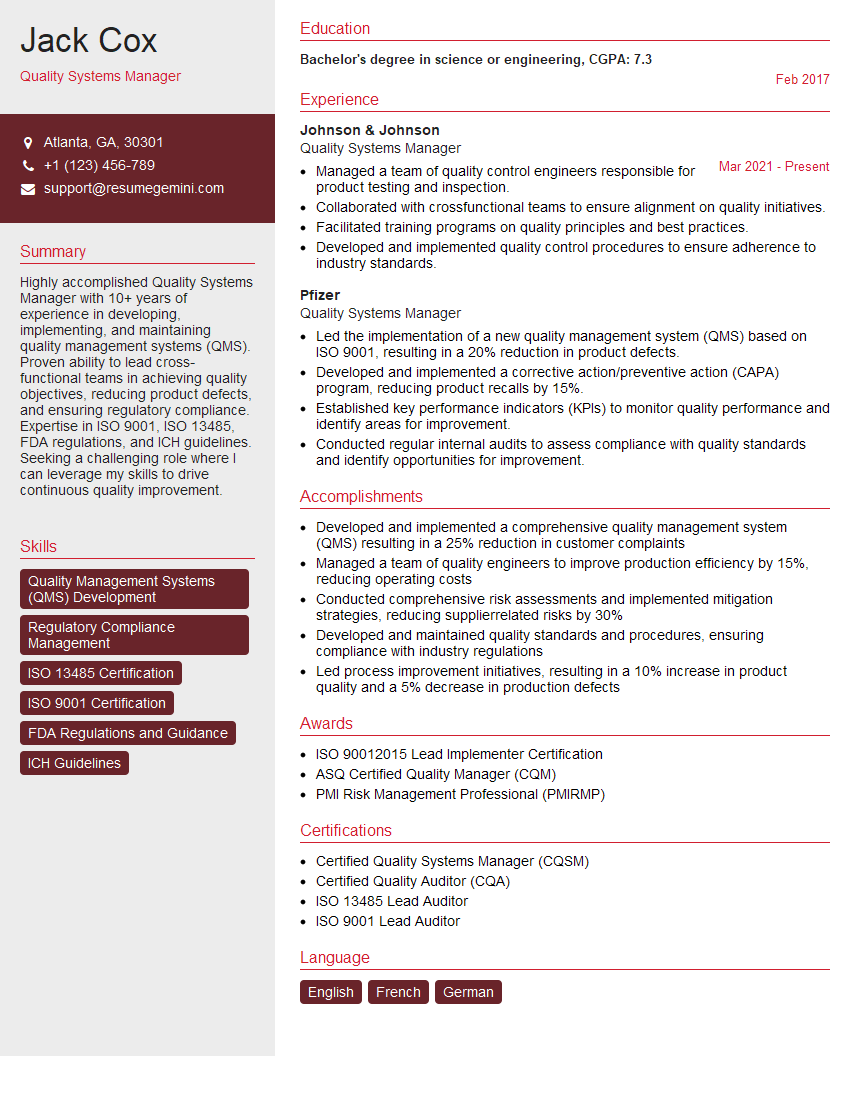
Quality Systems Manager Resume Sample
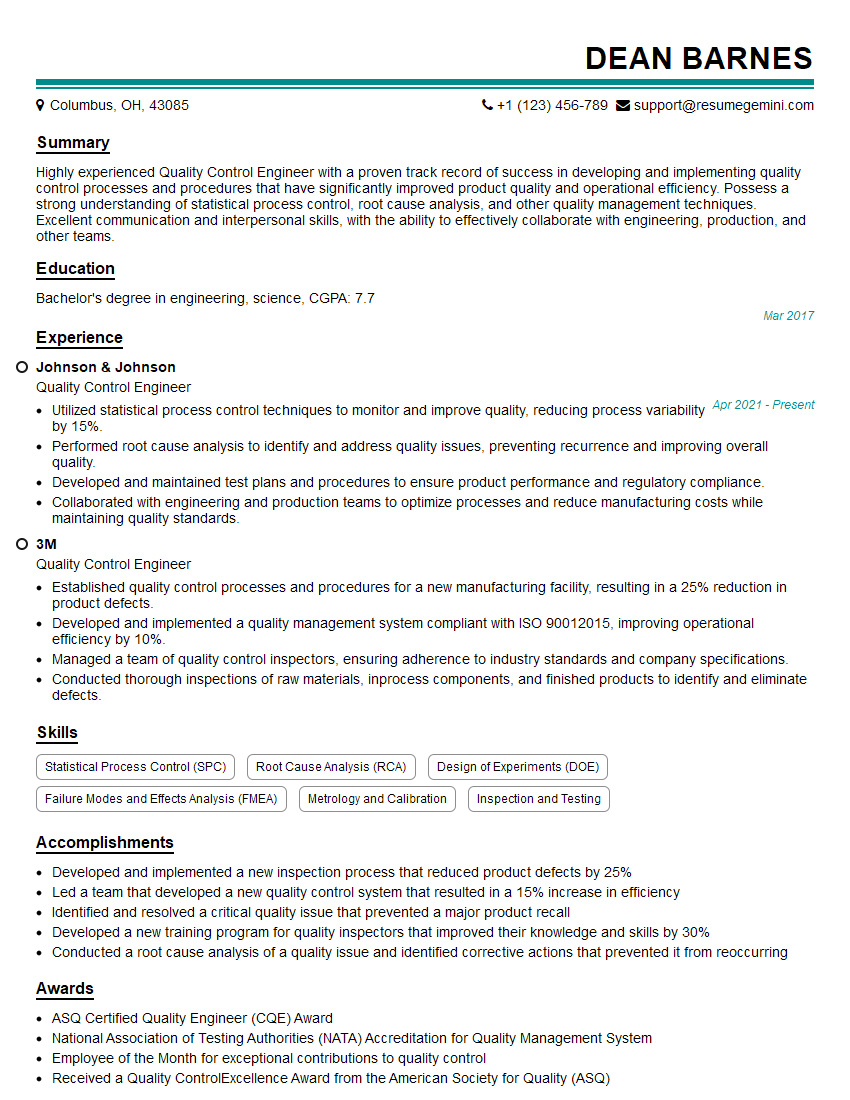
Quality Control Engineer Resume Sample
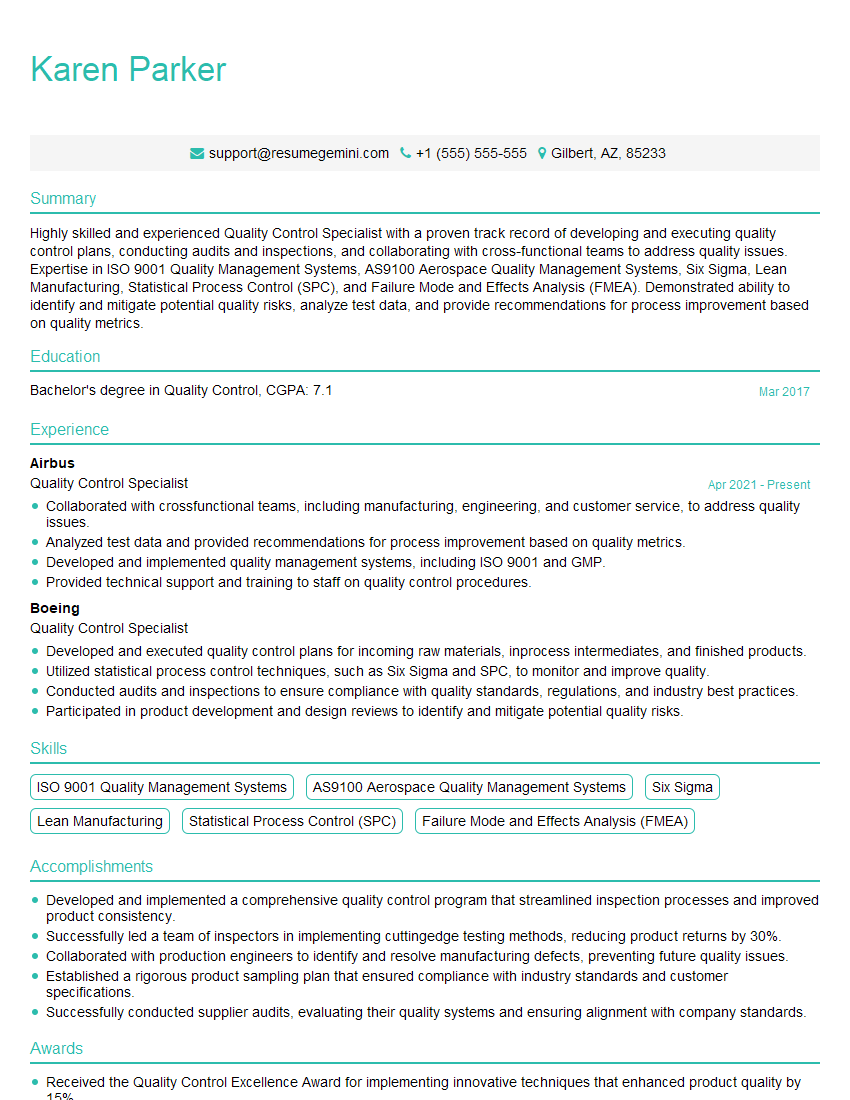
Quality Control Specialist Resume Sample
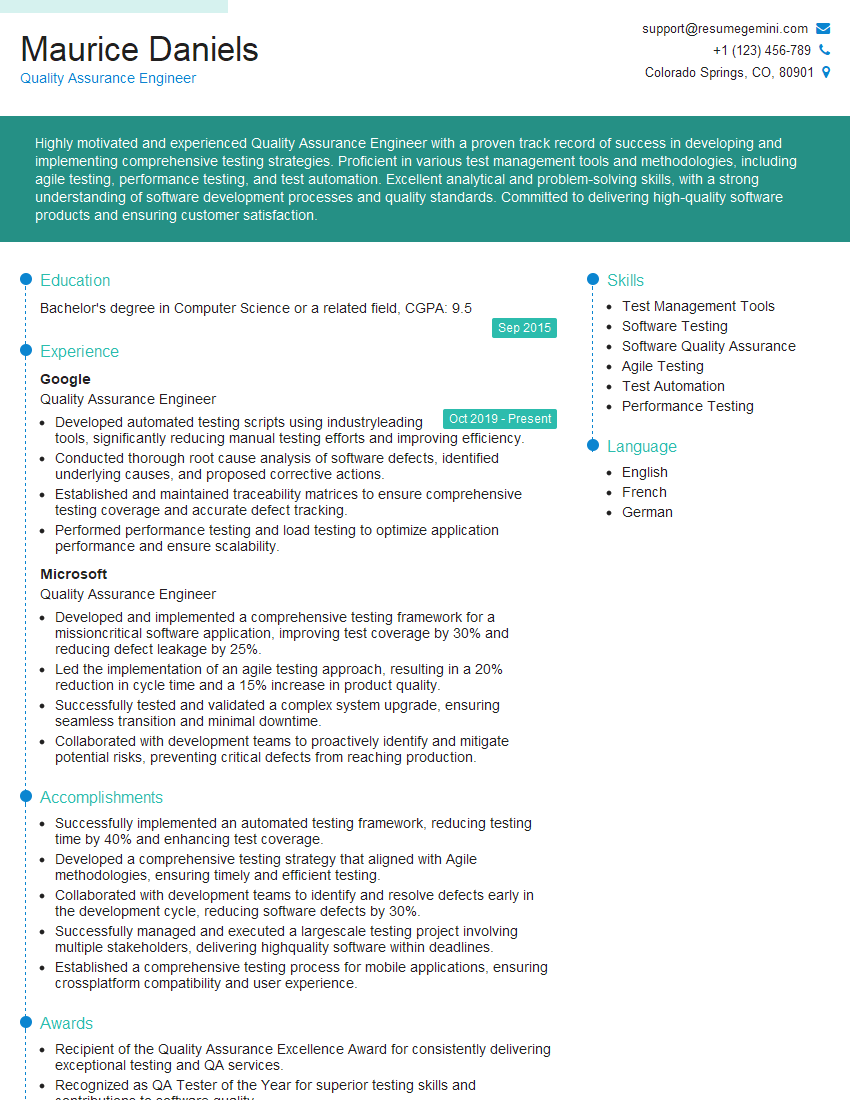
Quality Assurance Engineer Resume Sample
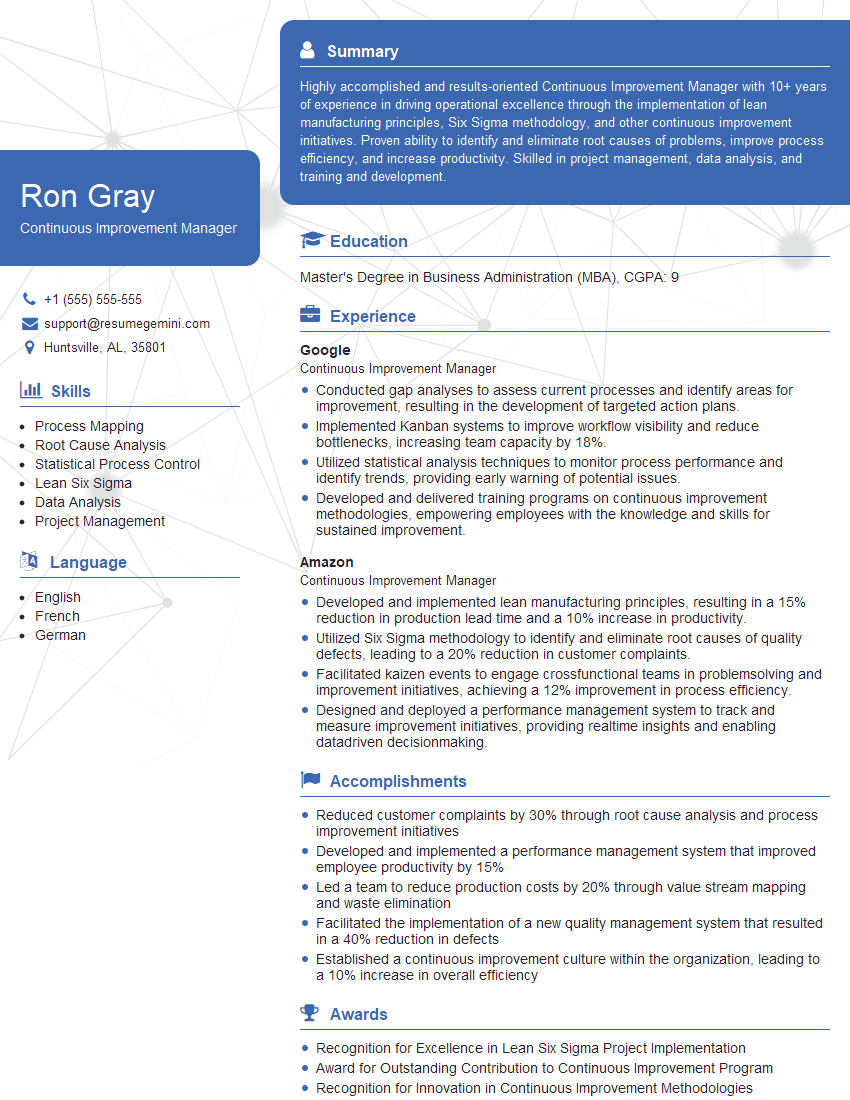
Continuous Improvement Manager Resume Sample
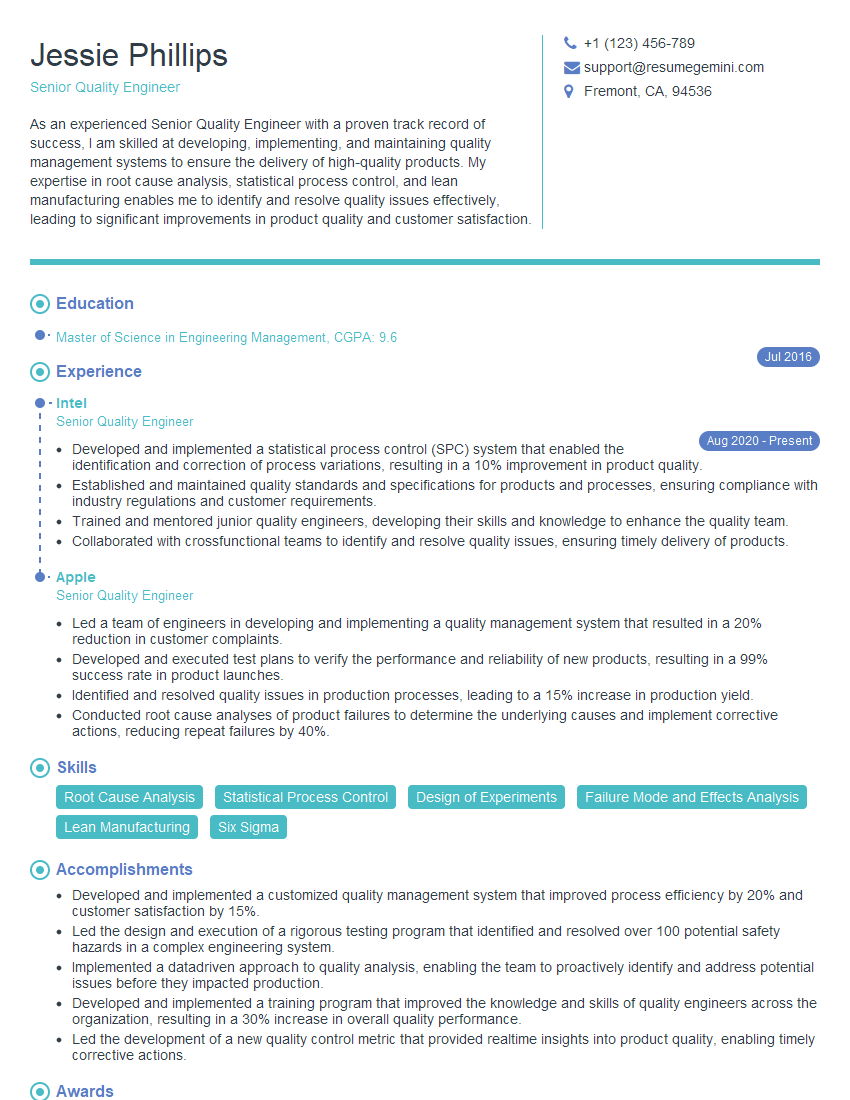
Senior Quality Engineer Resume Sample
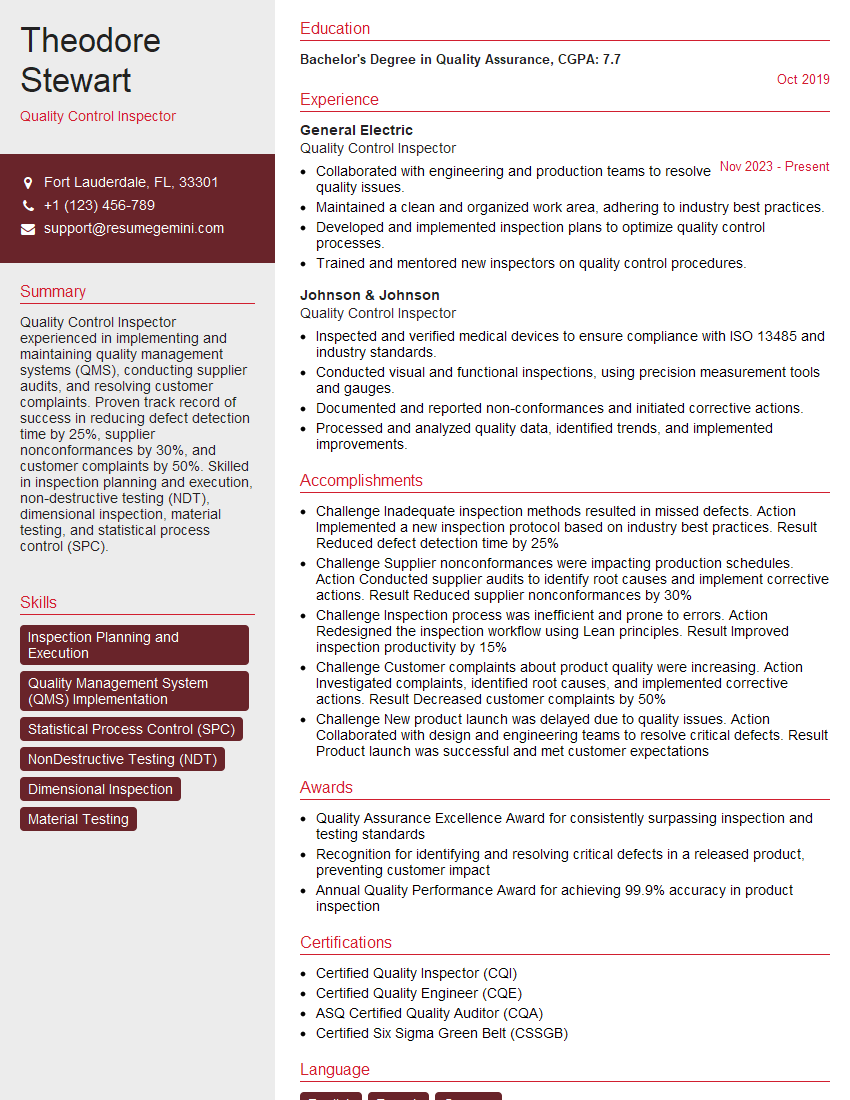
Quality Control Inspector Resume Sample
- Auditing Manager
- Quality Manager
- Quality Assurance Manager
- Quality Control Manager
- Regulatory Affairs Manager
- Compliance Manager
- Compliance Officer
- Quality Assurance Specialist
- Internal Auditor
- Quality Engineer
- Quality Systems Manager
- Quality Control Engineer
- Quality Control Specialist
- Quality Assurance Engineer
- Continuous Improvement Manager
- Senior Quality Engineer
- Quality Control Inspector
Explore more articles
Users Rating of Our Blogs
Share Your Experience
We value your feedback! Please rate our content and share your thoughts (optional).
What Readers Say About Our Blog
To the interviewgemini.com Webmaster.
Very helpful and content specific questions to help prepare me for my interview!
Thank you
To the interviewgemini.com Webmaster.
This was kind of a unique content I found around the specialized skills. Very helpful questions and good detailed answers.
Very Helpful blog, thank you Interviewgemini team.