Cracking a skill-specific interview, like one for Knowledge of Medical Equipment and Assistive Technology, requires understanding the nuances of the role. In this blog, we present the questions you’re most likely to encounter, along with insights into how to answer them effectively. Let’s ensure you’re ready to make a strong impression.
Questions Asked in Knowledge of Medical Equipment and Assistive Technology Interview
Q 1. Explain the different types of sterilization techniques used for medical equipment.
Sterilization is crucial for eliminating all forms of microbial life from medical equipment, preventing infections. Several techniques achieve this, each with its own advantages and disadvantages.
- Steam Sterilization (Autoclaving): This is the most common method, using pressurized steam at high temperatures (typically 121-134°C) to kill microorganisms. It’s effective for most instruments but unsuitable for heat-sensitive materials.
- Ethylene Oxide (EtO) Sterilization: This gas sterilization method is used for heat-sensitive and moisture-sensitive items like plastics and some electronic devices. However, EtO is a carcinogen, requiring careful handling and specialized equipment.
- Dry Heat Sterilization: This method uses high temperatures (typically 160-170°C) in a dry oven to sterilize items. It’s less effective than autoclaving and takes longer, but suitable for glassware and certain metallic instruments.
- Plasma Sterilization: This uses a low-temperature plasma gas to kill microorganisms. It’s effective for heat- and moisture-sensitive instruments, often used for endoscopes.
- Hydrogen Peroxide Gas Plasma Sterilization: A variation of plasma sterilization using hydrogen peroxide gas, which decomposes into harmless byproducts after the sterilization process. This is becoming increasingly popular for its environmentally friendly nature.
- Liquid Chemical Sterilization: This involves immersing instruments in chemical solutions like glutaraldehyde or peracetic acid. It’s suitable for delicate instruments but requires careful handling due to potential chemical hazards.
Choosing the right sterilization method depends on the type of equipment, its material, and the level of contamination risk. For instance, surgical instruments typically undergo steam sterilization, while delicate endoscopes might be processed using plasma sterilization.
Q 2. Describe your experience with troubleshooting malfunctioning medical devices.
Troubleshooting malfunctioning medical devices requires a systematic approach. My experience includes analyzing error codes, reviewing device logs, and performing visual inspections. For example, I once encountered a malfunctioning infusion pump that displayed an ‘occlusion’ error. After checking the tubing for kinks and ensuring proper connections, I discovered a blockage in the intravenous line requiring replacement.
In another instance, an ultrasound machine showed inconsistent image quality. Through a series of tests, we pinpointed the issue to a faulty transducer. We confirmed the diagnosis through tests, ultimately replacing the transducer which restored functionality. I follow a structured approach that includes understanding the device’s specifications, checking for any user errors, assessing the device’s internal workings, and ensuring all external connections are accurate.
Effective troubleshooting necessitates excellent documentation, understanding electrical safety protocols and adhering to manufacturer’s guidelines. Sometimes, involving a biomedical engineer or contacting the manufacturer’s support is essential for complex issues.
Q 3. What is your familiarity with different types of assistive technologies for mobility?
My familiarity with assistive technologies for mobility is extensive. These technologies significantly improve the quality of life for individuals with mobility impairments. They range from simple aids to complex, technologically advanced systems.
- Manual Wheelchairs: These are propelled manually by the user’s upper body strength.
- Power Wheelchairs: These are motorized wheelchairs providing greater independence for those with limited upper body strength.
- Walking Aids: This category includes canes, walkers, and crutches, providing support and stability during ambulation.
- Prosthetics and Orthotics: These devices replace missing limbs or support and correct musculoskeletal deformities to enhance mobility.
- Adaptive Equipment: This includes items such as raised toilet seats, grab bars, and ramps, making daily tasks more accessible.
- Exoskeletons: These advanced robotic devices provide external support and assistance to enhance mobility for individuals with paralysis or other debilitating conditions. This is a fast growing and exciting field.
Selecting the appropriate assistive technology requires a thorough assessment of the individual’s needs, abilities, and environment. For example, a person with mild mobility issues may only require a cane, while someone with paraplegia may need a power wheelchair and adaptive equipment for their home.
Q 4. How do you ensure the safety and efficacy of medical equipment?
Ensuring the safety and efficacy of medical equipment is paramount. This involves a multi-faceted approach beginning with meticulous selection and procurement processes.
- Rigorous Selection Process: We prioritize devices from reputable manufacturers with a proven track record of safety and efficacy, considering certifications (e.g., FDA approval).
- Regular Maintenance and Calibration: Preventative maintenance schedules are crucial to identify potential issues before they escalate into malfunctions, and regular calibration ensures accuracy and reliability of measurements.
- Proper Training of Staff: Thorough training on the safe and effective use of equipment is essential for preventing accidents and ensuring proper operation.
- Adherence to Safety Protocols: Stringent adherence to safety protocols and guidelines (e.g., electrical safety, infection control) is non-negotiable.
- Regular Inspections and Audits: Systematic inspections and audits of equipment ensure compliance with standards and identify potential hazards.
- Incident Reporting and Analysis: A comprehensive system for reporting and investigating equipment-related incidents is vital to identifying causes, implementing corrective actions, and preventing future occurrences.
Safety and efficacy are not one-time events, but rather a continuous process requiring vigilance and a commitment to best practices. Think of it like maintaining a car: Regular servicing is key to preventing larger problems and ensuring safe operation.
Q 5. Explain your understanding of HIPAA regulations regarding patient data and medical equipment.
HIPAA (Health Insurance Portability and Accountability Act) regulations are critical in protecting patient health information (PHI). Regarding medical equipment, this primarily relates to data security and privacy of information generated or stored by the equipment.
Medical devices often collect and store patient data, including physiological measurements, diagnostic images, and treatment information. HIPAA compliance necessitates implementing robust security measures to protect this data. These measures may include:
- Data Encryption: Encrypting data both in transit and at rest prevents unauthorized access.
- Access Control: Restricting access to patient data to authorized personnel only.
- Regular Security Audits: Conducting regular security assessments to identify vulnerabilities and address them promptly.
- Employee Training: Educating staff about HIPAA regulations and their responsibilities regarding patient data security.
- Secure Data Disposal: Implementing secure methods for disposing of patient data when it is no longer needed.
Non-compliance with HIPAA can result in significant penalties, including hefty fines and legal action. Therefore, understanding and adhering to these regulations is crucial when handling medical equipment that processes or stores PHI.
Q 6. Describe your experience with preventative maintenance of medical equipment.
Preventative maintenance is crucial for ensuring the longevity and reliable operation of medical equipment. My experience encompasses a range of tasks, tailored to the specific device and manufacturer’s recommendations.
This often involves:
- Visual Inspections: Regularly inspecting the equipment for signs of wear and tear, damage, or loose connections.
- Functional Tests: Performing functional tests to ensure all components are operating correctly, according to manufacturer specifications.
- Cleaning and Disinfection: Regular cleaning and disinfection according to infection control protocols, to prevent the spread of infectious agents.
- Lubrication: Lubricating moving parts to ensure smooth operation and prevent premature wear.
- Calibration: Regular calibration to ensure accuracy of measurements and readings.
- Software Updates: Applying necessary software updates to address bugs, enhance security, and improve functionality.
- Record Keeping: Meticulously documenting all maintenance activities, including dates, procedures, and findings.
A proactive approach to preventative maintenance is more cost-effective in the long run than dealing with breakdowns and emergency repairs. Think of it as regular check-ups for your health; it’s far better to address small issues before they become major problems.
Q 7. What is your experience with calibration and quality control of medical devices?
Calibration and quality control are essential for ensuring the accuracy and reliability of medical devices. Calibration involves comparing a device’s readings to a known standard, while quality control encompasses a broader range of processes to ensure consistent performance.
My experience involves various aspects of this:
- Calibration Procedures: Following established calibration procedures using certified reference standards, documenting all calibration results.
- Quality Control Checks: Implementing quality control checks throughout the use and maintenance of the equipment, including periodic functional tests and performance evaluations.
- Understanding Measurement Uncertainty: Understanding and documenting measurement uncertainty associated with the calibration process.
- Traceability: Maintaining traceability of calibration records and ensuring adherence to relevant standards and regulations.
- Use of Calibration Equipment: Using appropriate calibration equipment, ensuring its proper maintenance and validation.
- Reporting and Documentation: Generating comprehensive reports of calibration and quality control results, storing them according to established record-keeping protocols.
Accurate calibration and robust quality control are non-negotiable for ensuring the safety and accuracy of medical diagnoses and treatment. Inaccurate readings can lead to misdiagnosis or incorrect treatment, with potentially serious consequences for patients. Therefore, meticulous attention to detail is paramount in this area.
Q 8. How do you handle emergency repairs of critical medical equipment?
Emergency repairs of critical medical equipment require a swift and systematic approach. My process begins with a rapid assessment of the situation to determine the severity of the malfunction and its impact on patient care. This involves understanding the equipment’s function, the nature of the failure, and the potential risks to patients.
Step 1: Immediate Actions: If the malfunction poses an immediate threat to patient safety, I prioritize actions to mitigate the risk. This might involve switching to a backup system, initiating manual life support procedures, or evacuating the patient to a safer location.
Step 2: Diagnosis and Troubleshooting: I use a combination of my technical expertise and available troubleshooting resources (manufacturer manuals, online databases, experienced colleagues) to diagnose the problem. This might involve checking power supplies, connections, alarms, and internal components, while taking all necessary safety precautions.
Step 3: Repair or Replacement: Depending on the nature of the malfunction and the availability of parts, I’ll either repair the equipment or arrange for a replacement. This frequently includes documenting the repair or replacement procedure for regulatory compliance and quality assurance purposes. In critical situations, I know to contact external service providers or escalate the issue to hospital management immediately. For instance, if a ventilator fails, I know the urgency requires immediate action – I will immediately assess if a backup ventilator is available and notify the attending physician while attempting to diagnose and resolve the issue.
Step 4: Documentation and Reporting: Thorough documentation is paramount. Every step of the process, from the initial assessment to the final repair, is meticulously recorded. This includes the time of the malfunction, the nature of the problem, the steps taken, and the outcome. This is crucial for tracking equipment performance, identifying recurring issues, and adhering to regulatory compliance.
Q 9. What are some common assistive technologies for individuals with visual impairments?
Assistive technologies for visually impaired individuals have significantly advanced, improving their independence and quality of life. These technologies span a wide range, catering to diverse needs and preferences.
- Screen readers: Software that converts on-screen text into synthesized speech or Braille output, making computers and smartphones accessible. Popular examples include JAWS and NVDA.
- Optical character recognition (OCR) software: This software scans documents and converts printed text into editable digital text, which can then be read aloud by screen readers.
- Magnifiers: These devices, including handheld, stand-mounted, and video magnifiers, enlarge printed material or screen displays to make them visible.
- Braille displays: These devices feature refreshable Braille cells that dynamically display text, providing tactile feedback for reading and writing.
- Smart canes and GPS navigation systems: These technologies use sensors and GPS to provide information about the user’s environment, improving mobility and safety.
- Audio descriptions: Audio narratives added to movies and television shows to describe visual elements for the blind and visually impaired.
The choice of assistive technology depends on the individual’s specific visual impairment, technological literacy, and personal preferences. It’s often a collaborative process involving the individual, their family, and assistive technology specialists.
Q 10. How familiar are you with different types of ventilators and their functions?
Ventilators are life-support devices that assist or replace a patient’s respiratory function. I’m familiar with various types, including:
- Volume-cycled ventilators: These deliver a predetermined volume of air with each breath, regardless of the patient’s effort.
- Pressure-cycled ventilators: These deliver air until a predetermined pressure is reached, adapting to the patient’s lung compliance.
- Pressure-support ventilators: These assist the patient’s spontaneous breaths by providing additional pressure during inhalation.
- High-frequency ventilators: These deliver many small breaths per minute, often used for severe respiratory distress.
- Non-invasive ventilators (NIV): These deliver respiratory support without the need for an endotracheal tube, such as CPAP and BiPAP machines.
Each type of ventilator has specific functions and parameters that need to be adjusted based on the patient’s individual needs. Understanding these differences is critical for providing appropriate respiratory support and ensuring patient safety. For example, the settings for a patient with acute respiratory distress syndrome (ARDS) will differ significantly from those for a patient recovering from surgery.
Beyond the basic types, there are also advanced ventilators with features like auto-PEEP, lung-protective ventilation strategies, and integrated monitoring capabilities. My expertise extends to understanding these advanced features and their application in various clinical settings.
Q 11. Describe your experience working with electronic health records (EHR) systems related to medical equipment management.
My experience with EHR systems in relation to medical equipment management is extensive. I’ve used EHRs to track equipment maintenance schedules, calibration records, and repair histories. This ensures compliance with regulatory requirements and reduces the risk of equipment malfunction.
For example, I’ve utilized EHR systems where equipment data is integrated with patient records. This allows for easy tracking of which patients have used specific equipment, and any related complications. The system might automatically flag equipment requiring maintenance based on usage or generate alerts if a piece of equipment is overdue for calibration. This level of integration minimizes human error and ensures comprehensive record-keeping.
Furthermore, I understand the importance of data security and privacy within EHR systems related to medical equipment. I am familiar with the appropriate protocols to ensure sensitive patient information remains protected and compliant with regulations like HIPAA.
Q 12. Explain your understanding of the lifecycle management of medical devices.
Lifecycle management of medical devices involves a systematic approach to managing medical equipment from its acquisition to its disposal. It encompasses several key phases:
- Planning and Acquisition: This includes needs assessment, vendor selection, purchasing, and installation. This phase is crucial for ensuring the selected equipment meets the specific needs of the healthcare facility.
- Implementation and Deployment: This involves setting up the equipment, training staff on its use and maintenance, and integrating it into the existing workflow.
- Operation and Maintenance: This is the longest phase, focusing on regular preventative maintenance, calibration, and repairs to ensure optimal performance and longevity. This phase involves tracking equipment usage and performance to proactively address potential issues.
- Retirement and Disposal: This includes decommissioning the equipment, securely disposing of any hazardous materials, and documenting the entire process for audit trails. Proper disposal is vital for environmental protection and compliance with regulations.
Effective lifecycle management minimizes downtime, improves equipment performance, and ensures patient safety. It also helps control costs by extending the lifespan of equipment and optimizing maintenance schedules. For instance, a well-defined lifecycle management plan can identify equipment nearing its end-of-life, allowing for timely budgeting and procurement of replacements, preventing unexpected disruptions in patient care.
Q 13. What are some common challenges in implementing new assistive technologies?
Implementing new assistive technologies can present several challenges:
- Cost: Assistive technologies can be expensive, creating a financial barrier for many individuals and healthcare systems.
- Training and Support: Users may require extensive training to effectively use new technologies, and ongoing technical support is often necessary.
- Accessibility and Compatibility: Some technologies may not be compatible with all devices or environments, limiting their usability for certain individuals.
- User Acceptance: Individuals may be hesitant to adopt new technologies due to lack of familiarity, perceived complexity, or concerns about effectiveness.
- Technological Advancements: Rapid technological advancements can quickly make assistive technologies obsolete, requiring frequent updates and upgrades.
Addressing these challenges requires a multi-faceted approach, including funding initiatives, comprehensive training programs, user-friendly designs, and ongoing technical support. Furthermore, fostering a culture of acceptance and promoting collaboration between technologists, healthcare providers, and users is crucial for successful implementation.
Q 14. How do you prioritize repairs based on the urgency and impact on patient care?
Prioritizing repairs is critical to ensure efficient resource allocation and minimize disruption to patient care. My approach is based on a risk-assessment framework that considers both the urgency and impact of the malfunction:
- Criticality: I assess the equipment’s role in supporting life-sustaining functions or critical patient care processes. Equipment that directly impacts patient safety or life support (e.g., ventilators, infusion pumps) is given the highest priority.
- Urgency: I evaluate the immediacy of the repair need. Equipment with malfunctions that pose an immediate risk to patient safety requires immediate attention.
- Impact: I assess the potential consequences of delaying repairs, considering factors such as the number of patients affected, the duration of potential disruption, and the availability of alternative solutions.
Using this framework, I create a prioritized repair list, assigning each item a level of urgency (e.g., critical, high, medium, low). This allows me to allocate resources effectively and ensure that the most critical repairs are addressed promptly. For example, a malfunctioning ventilator would be categorized as ‘critical’ and addressed immediately, while a minor issue with a non-essential piece of equipment might be categorized as ‘low’ and scheduled for repair at a later time.
Q 15. Describe your experience with inventory management of medical equipment.
Effective medical equipment inventory management is crucial for efficient healthcare operations. It involves a multifaceted approach encompassing tracking, storage, maintenance, and disposal. My experience involves utilizing both manual and computerized inventory systems. For example, in a previous role, I implemented a barcode scanning system to track equipment location and usage, significantly reducing the time spent searching for items. This improved turnaround times for procedures and reduced the risk of equipment loss. We also implemented a preventative maintenance schedule tied directly to the inventory system, ensuring timely servicing and reducing equipment downtime. This involved using a software that integrates with our maintenance logs and generates alerts for upcoming servicing. I’m also adept at forecasting equipment needs based on historical data and projected patient volumes, which helps in optimizing budget allocation and preventing shortages.
I have experience using various inventory management software, including those integrating with Electronic Health Records (EHRs). For smaller inventory systems, I’ve managed efficient spreadsheet-based systems ensuring accurate tracking and regular auditing to maintain data integrity.
Career Expert Tips:
- Ace those interviews! Prepare effectively by reviewing the Top 50 Most Common Interview Questions on ResumeGemini.
- Navigate your job search with confidence! Explore a wide range of Career Tips on ResumeGemini. Learn about common challenges and recommendations to overcome them.
- Craft the perfect resume! Master the Art of Resume Writing with ResumeGemini’s guide. Showcase your unique qualifications and achievements effectively.
- Don’t miss out on holiday savings! Build your dream resume with ResumeGemini’s ATS optimized templates.
Q 16. What is your experience with training staff on the proper use and maintenance of medical equipment?
Training staff on the proper use and maintenance of medical equipment is paramount for patient safety and equipment longevity. My approach is multi-pronged. It starts with needs assessment – identifying the specific knowledge gaps of the staff. I then design tailored training programs, incorporating hands-on practice sessions, interactive workshops, and simulations where applicable. For example, when training staff on the use of a new ventilator, I developed a step-by-step guide with visual aids and a practice session using a simulator. This allowed staff to gain confidence and proficiency before using the actual equipment on patients.
I also emphasize the importance of following manufacturer’s instructions, safety protocols, and troubleshooting procedures. Regular competency assessments, both written and practical, help ensure ongoing adherence to standards. Post-training follow-up, including regular refresher courses and addressing any questions that arise, is crucial to maintain proficiency and address emerging challenges. I believe that continuous learning is key and encourage staff to report any issues or concerns.
Q 17. How do you stay updated on the latest advancements in medical equipment and assistive technologies?
Staying current in the rapidly evolving field of medical equipment and assistive technologies requires a proactive and multi-faceted approach. I regularly subscribe to professional journals like the Journal of Biomedical Engineering and Medical Device & Diagnostic Industry, attending industry conferences such as HIMSS and MEDICA, and participating in online continuing education courses. Networking with colleagues and attending webinars are also vital. I follow regulatory updates from bodies like the FDA and relevant national agencies to ensure compliance. Furthermore, I actively monitor industry news websites and online databases to keep abreast of new product launches and technological advancements. This helps me identify potential improvements in our equipment and workflows.
For instance, recently I learned about a new type of robotic surgery system which could potentially benefit our surgical department, triggering a review of our surgical procedures and cost-benefit analysis of acquiring the new system.
Q 18. Explain your understanding of different types of infusion pumps and their applications.
Infusion pumps are critical devices for precise delivery of fluids, medications, and nutrients. They are categorized by their functionalities and target applications.
- Syringe Pumps: These use syringes to deliver medications at a precisely controlled rate. Ideal for administering small volumes of high-concentration drugs, often used in critical care settings.
- Ambulatory Infusion Pumps: Portable and designed for home use, allowing patients to receive treatments outside of a hospital setting. Frequently used for pain management or chemotherapy.
- Large-Volume Infusion Pumps: Used to deliver larger volumes of fluids, such as intravenous fluids or blood products. Commonly found in hospital settings for hydration, fluid balance, and medication administration.
- Patient-Controlled Analgesia (PCA) Pumps: Allow patients to self-administer pain medication at a pre-set rate, providing autonomy and enhancing patient comfort.
- Insulin Pumps: Deliver insulin continuously throughout the day, improving blood sugar control for people with diabetes. Often used in conjunction with continuous glucose monitoring systems.
The choice of infusion pump depends entirely on the specific clinical needs of the patient and the medication being administered. Factors to consider include medication volume, delivery rate requirements, portability needs, and safety features.
Q 19. How do you ensure compliance with regulatory standards for medical equipment?
Ensuring compliance with regulatory standards for medical equipment is not merely a matter of following rules; it’s a commitment to patient safety and ethical practice. This begins with understanding the relevant regulations, which vary depending on the country and specific equipment. In the US, for instance, the Food and Drug Administration (FDA) sets stringent requirements for medical device safety and efficacy.
My approach includes meticulous documentation of equipment calibration and maintenance records, following strict protocols for cleaning and sterilization, ensuring staff receive appropriate training and adhere to established safety protocols. We conduct regular internal audits to ensure compliance, using checklists and standardized procedures. Furthermore, we remain vigilant about any changes or updates to regulations to ensure our practices are continually aligned with current standards. We also work closely with external regulatory bodies during inspections to ensure smooth and transparent compliance procedures.
Q 20. Describe your experience with selecting and procuring medical equipment.
Selecting and procuring medical equipment is a strategic process that requires careful consideration of various factors. It begins with needs assessment – identifying the specific clinical requirements and matching those to available options. This involves collaborating with clinicians to understand their needs, analyzing the specifications and features of different equipment, and considering factors such as cost, maintenance requirements, and integration with existing systems.
Then comes the procurement phase which may involve competitive bidding, negotiation with vendors, and contract management. A crucial aspect of the process is verifying that the selected equipment meets all safety and regulatory standards, which often includes reviewing certifications and documentation. A clear and detailed procurement policy and procedure document outlines the steps involved, ensuring transparency and efficiency throughout the entire procurement process. Post-purchase evaluation is also critical to ensure that the equipment is performing as expected and meets the defined clinical needs.
Q 21. What is your familiarity with different types of wheelchairs and their features?
Wheelchairs are assistive devices that significantly impact a person’s mobility and independence. They come in various types depending on the user’s needs and abilities.
- Manual Wheelchairs: These are propelled by the user’s own strength and are further categorized into standard, lightweight, and ultralight options. Lightweight and ultralight models offer increased maneuverability and portability.
- Power Wheelchairs: These are motorized and offer greater independence for users with reduced upper body strength or limited mobility. They can be further classified into different sizes and functionalities based on their intended use, including features such as elevating leg rests or tilt-in-space mechanisms.
- Transport Wheelchairs: Lighter weight and easily foldable chairs used primarily for short-distance transport, not for daily use.
- Bariatric Wheelchairs: Designed for larger users, providing added support and durability.
Selecting the appropriate wheelchair requires a thorough assessment of the individual’s physical capabilities, lifestyle needs, and living environment. The evaluation should consider features such as seat size, wheel size, adjustability, and any assistive technology such as headrests, anti-tip devices or specialized seating systems needed to provide proper support and safety.
Q 22. How do you assess the needs of patients to recommend appropriate assistive technologies?
Assessing a patient’s needs for assistive technology is a multi-faceted process that requires a holistic approach. It starts with a thorough needs assessment, involving observation, interviews with the patient and their caregivers, and a review of their medical history. We need to understand the patient’s functional limitations, their living environment, and their personal preferences. This information guides the selection of appropriate technology.
For example, a patient with limited mobility might benefit from a motorized wheelchair, while a patient with impaired vision might need a screen reader. The assessment also considers the patient’s cognitive abilities and their level of comfort with technology. It’s crucial to involve the patient actively in the selection process, ensuring the chosen assistive technology improves their quality of life and fosters independence.
- Observation: Observing the patient’s movement, dexterity, and daily routines helps identify areas needing assistance.
- Interviews: Discussions with the patient and their caregivers reveal their priorities, challenges, and expectations from assistive technology.
- Medical History Review: Reviewing medical records provides valuable insights into the patient’s conditions and limitations.
- Trial Period: Where feasible, a trial period with different assistive devices allows for personalized assessment and fine-tuning.
Q 23. Explain your understanding of the different types of hearing aids and their functionalities.
Hearing aids are classified based on various factors, including their style, technology, and features. The main types include:
- Behind-the-Ear (BTE): These devices sit behind the ear and are connected to an earmold that fits in the ear canal. They are generally powerful and suitable for various hearing losses.
- In-the-Ear (ITE): These hearing aids fit completely inside the outer ear. They are smaller than BTEs but might be less powerful.
- In-the-Canal (ITC): These are smaller than ITEs and fit deeper into the ear canal. They are less visible but may offer less amplification.
- Completely-in-Canal (CIC): These are the smallest type, fitting entirely within the ear canal. They are highly discreet but require good dexterity for handling.
- Invisible-in-Canal (IIC): These are custom-made and virtually invisible.
Functionalities vary depending on the technology. Basic hearing aids amplify sounds, while advanced models incorporate features like digital signal processing, noise reduction, and directional microphones to improve sound quality and clarity in noisy environments. Some even offer Bluetooth connectivity for streaming audio from smartphones or other devices. The choice of hearing aid depends on factors such as the severity and type of hearing loss, the patient’s lifestyle, and their budget.
Q 24. What are some common safety hazards associated with the use of medical equipment?
Medical equipment, while vital for patient care, presents several safety hazards. These include:
- Electrical Hazards: Malfunctioning equipment, frayed wires, and improper grounding can lead to electrical shocks or fires.
- Mechanical Hazards: Moving parts of equipment, such as beds, lifts, or infusion pumps, can cause injuries if not used properly or if maintenance is neglected.
- Radiation Hazards: Equipment emitting ionizing radiation, like X-ray machines, requires strict safety protocols to prevent exposure to patients and staff.
- Infection Control Hazards: Improper cleaning and sterilization of equipment can lead to cross-contamination and infections.
- Medication Errors: Infusion pumps and medication dispensing systems require careful monitoring to prevent errors.
- Software Glitches: Software malfunctions in technologically advanced equipment can lead to malfunctions and incorrect readings.
Regular maintenance, proper training for staff, and adherence to safety protocols are critical to mitigating these hazards.
Q 25. Describe your experience with troubleshooting problems related to network connectivity of medical devices.
Troubleshooting network connectivity issues with medical devices requires systematic investigation. I typically follow these steps:
- Verify Physical Connections: Check cables, ports, and network jacks for proper connections.
- Check Device Settings: Ensure the device’s IP address, subnet mask, and gateway are correctly configured for the network.
- Test Network Connectivity: Use network diagnostic tools (ping, tracert) to identify network connectivity issues.
- Examine Firewall Settings: Ensure that the firewall isn’t blocking communication between the device and the network.
- Check Server Status: If the device connects to a central server, verify the server’s status and availability.
- Consult Device Manuals: Review the device’s documentation for troubleshooting steps.
- Contact IT Support: If the problem persists, consult the IT department for assistance.
For example, I once encountered a situation where a remote monitoring system for patient vital signs was offline. After systematically checking connections and settings, I discovered a faulty network switch. Replacing the switch resolved the issue.
Q 26. How do you manage and resolve conflicts between different departments regarding the use of medical equipment?
Conflicts between departments regarding medical equipment often arise from competing priorities, limited resources, or differing perspectives. My approach involves facilitating open communication and collaborative problem-solving:
- Identify the Core Issue: Clearly define the nature of the conflict – is it about access, scheduling, maintenance, or something else?
- Gather Information: Collect data and perspectives from all involved departments.
- Facilitate Discussion: Create a neutral platform for departments to express their concerns and needs.
- Explore Solutions: Brainstorm solutions that address the needs of all departments while considering resource constraints.
- Develop a Plan: Establish a clear plan outlining responsibilities and timelines.
- Monitor and Evaluate: Regularly assess the effectiveness of the implemented solution and make adjustments as needed.
For instance, a conflict might occur between the operating room and the cardiology department over the use of a specific piece of imaging equipment. By facilitating a discussion, we might find solutions like implementing a scheduling system or investing in additional equipment.
Q 27. What is your experience with evaluating the cost-effectiveness of different medical equipment options?
Evaluating the cost-effectiveness of medical equipment involves a comprehensive analysis that goes beyond the initial purchase price. Key factors include:
- Acquisition Cost: The initial purchase price of the equipment.
- Operating Costs: Costs associated with maintenance, repairs, electricity consumption, and staffing.
- Lifespan: The expected useful life of the equipment.
- Efficiency Gains: Increased efficiency in procedures or reduced errors.
- Improved Patient Outcomes: Better diagnostics, treatment, or patient care.
We often use tools like cost-benefit analysis or return on investment (ROI) calculations to assess the long-term financial implications of various options. A higher initial cost might be justified if the equipment significantly improves efficiency, reduces errors, or improves patient outcomes, leading to a positive ROI in the long run.
Q 28. Describe a situation where you had to make a difficult decision regarding the repair or replacement of medical equipment.
I once faced a difficult decision regarding an aging CT scanner. The scanner was nearing the end of its lifespan, and repairs were becoming increasingly frequent and expensive. Replacing it would require a substantial investment, but the ongoing maintenance costs were unsustainable. The decision involved considering factors like the impact on patient care, the budget constraints, and the availability of newer, more efficient technology.
After a thorough cost-benefit analysis, involving input from various stakeholders including radiology, finance, and administration, we decided to replace the scanner. While the upfront cost was significant, the long-term benefits—improved image quality, reduced downtime, and decreased maintenance costs—outweighed the immediate financial burden. This decision ensured improved patient care and operational efficiency in the long run. It highlighted the importance of proactive planning and considering total cost of ownership when making decisions about medical equipment.
Key Topics to Learn for Knowledge of Medical Equipment and Assistive Technology Interview
- Types of Medical Equipment: Understanding the functionality, limitations, and maintenance of common medical devices (e.g., ventilators, infusion pumps, dialysis machines, diagnostic imaging equipment). Consider both inpatient and outpatient settings.
- Assistive Technology Applications: Explore the diverse range of assistive technologies for mobility, communication, vision, and hearing impairments. Focus on practical applications and user needs.
- Safety and Compliance: Familiarize yourself with relevant safety protocols, infection control procedures, and regulatory compliance standards (e.g., HIPAA, FDA regulations) related to medical equipment and assistive technology.
- Troubleshooting and Maintenance: Develop problem-solving skills related to identifying malfunctions, performing basic maintenance, and escalating issues appropriately. Understanding preventative maintenance is crucial.
- Patient Interaction and Training: Gain insight into effective patient education and training regarding the proper use and care of medical equipment and assistive technology. Emphasize the importance of clear communication and empathy.
- Emerging Technologies: Stay updated on advancements in medical technology and assistive devices, including telehealth applications and the integration of AI in healthcare.
- Ethical Considerations: Understand the ethical implications surrounding the use of medical equipment and assistive technology, including data privacy, patient autonomy, and equitable access.
Next Steps
Mastering knowledge of medical equipment and assistive technology is paramount for career advancement in the healthcare sector. It demonstrates a commitment to patient well-being and showcases valuable technical skills. To significantly boost your job prospects, create an ATS-friendly resume that highlights your expertise. ResumeGemini is a trusted resource that can help you build a professional and impactful resume. We provide examples of resumes tailored specifically to showcasing expertise in Knowledge of Medical Equipment and Assistive Technology to help you get started. Take the next step towards your dream career today!
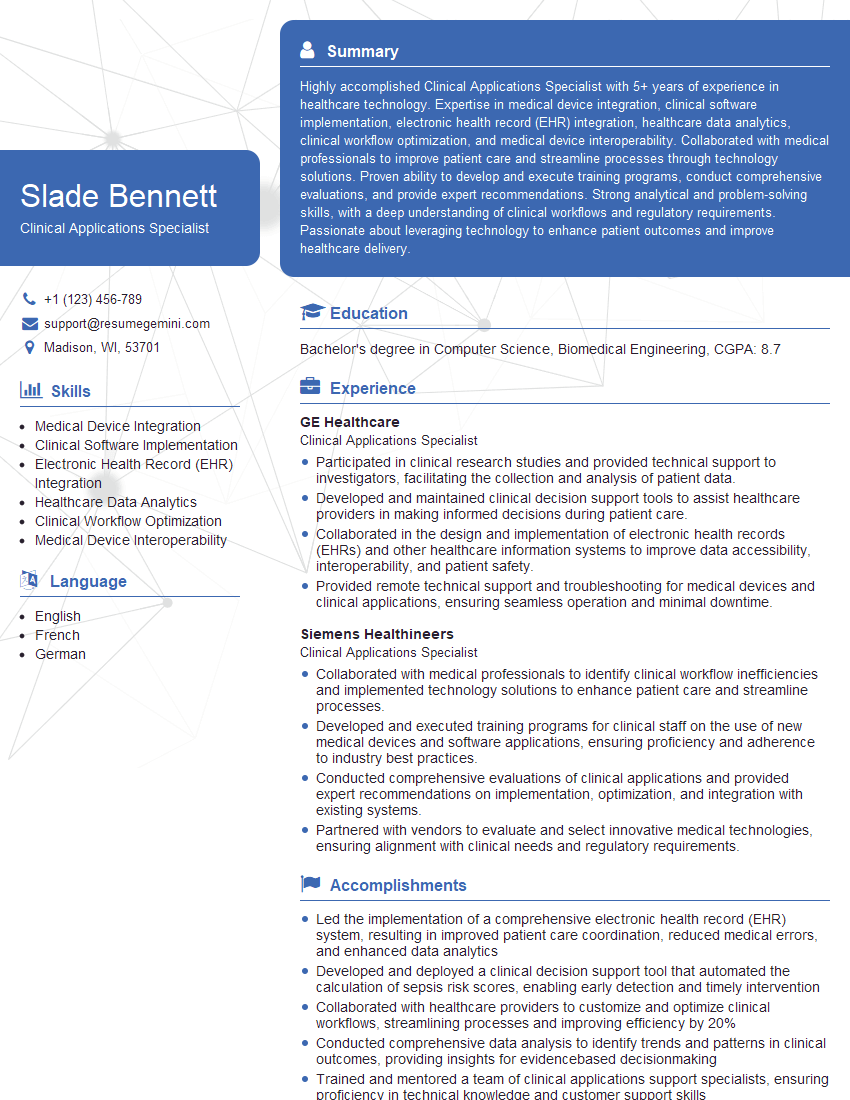
Clinical Applications Specialist Resume Sample
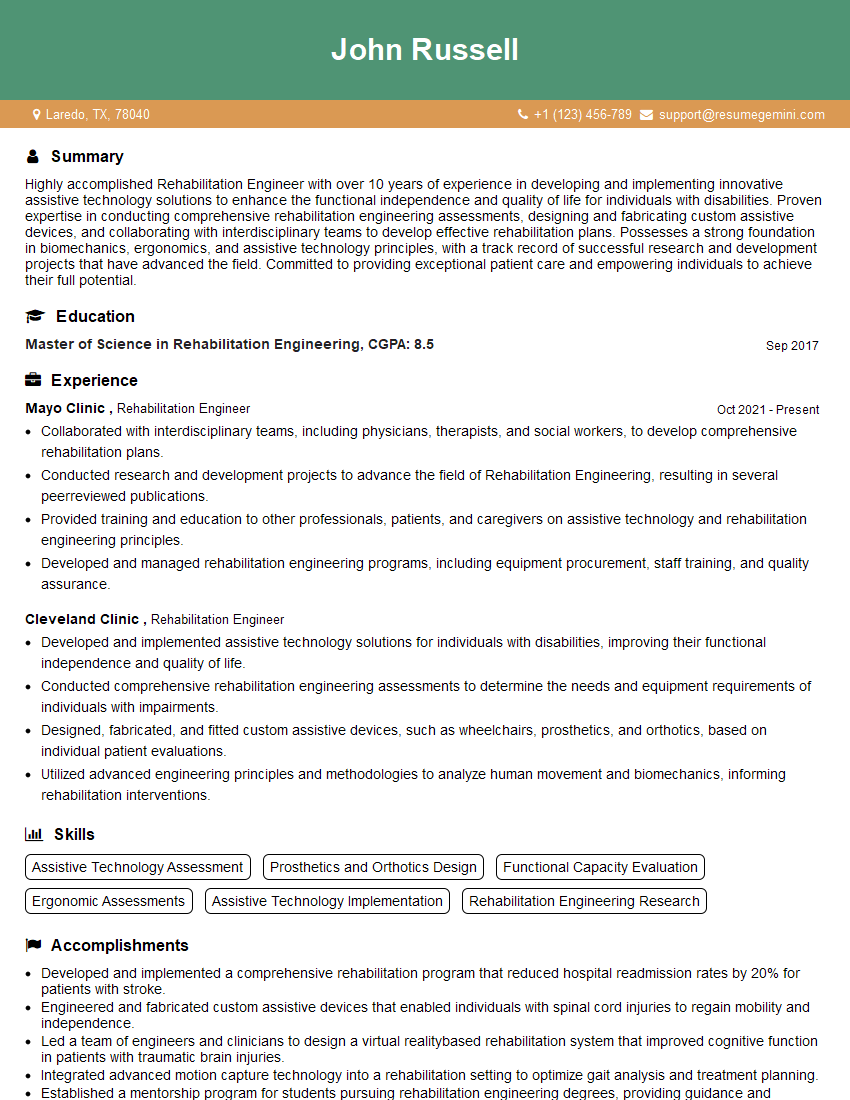
Rehabilitation Engineer Resume Sample
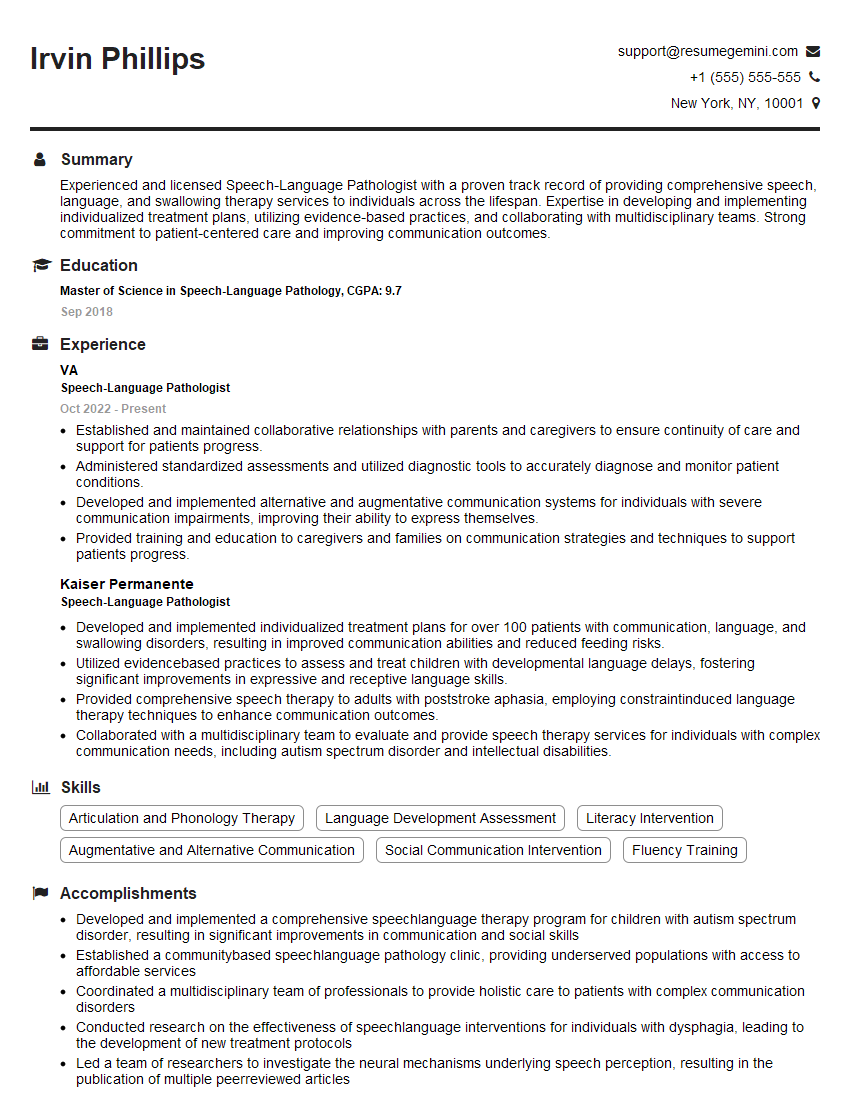
Speech-Language Pathologist Resume Sample
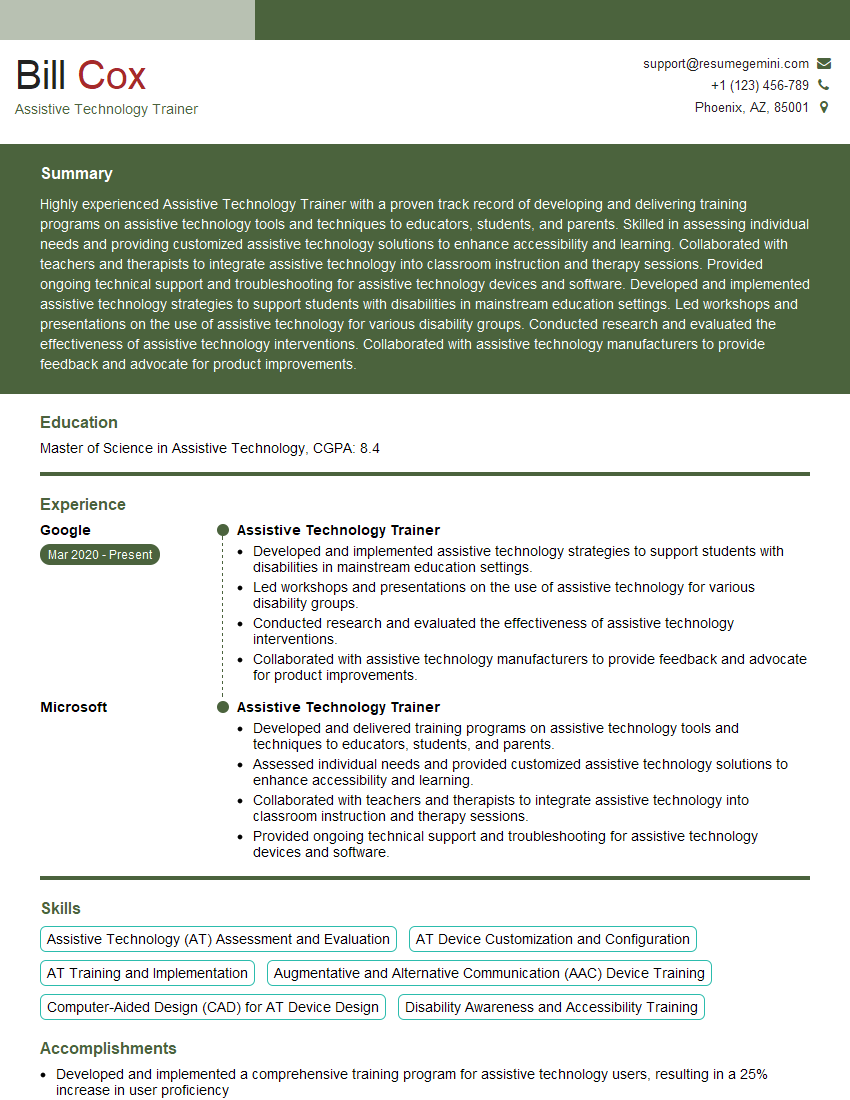
Assistive Technology Trainer Resume Sample
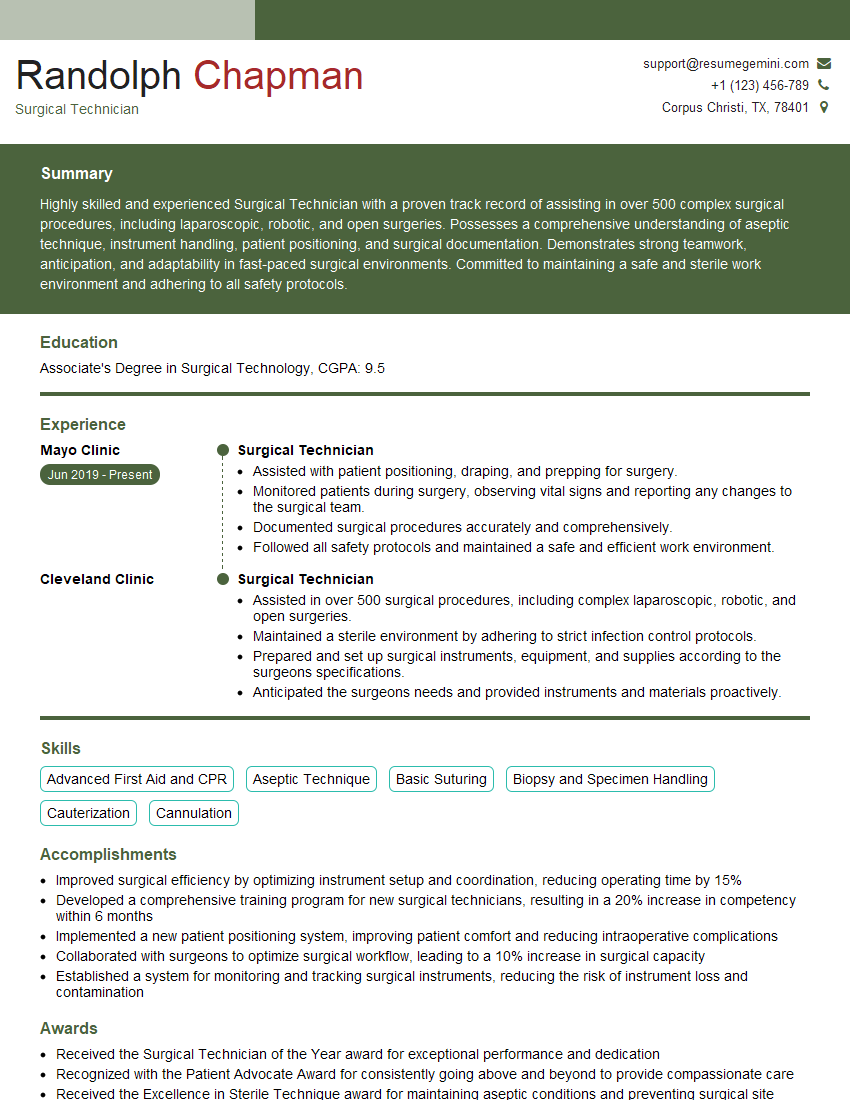
Surgical Technician Resume Sample
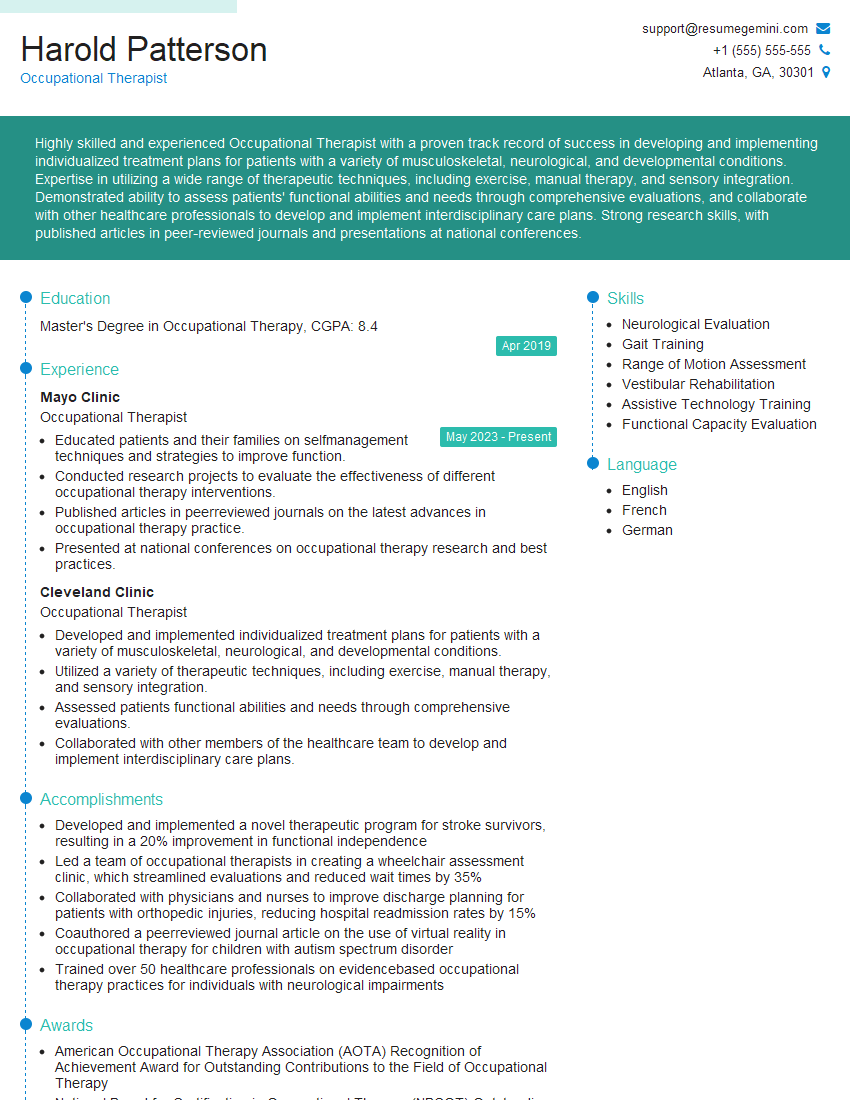
Occupational Therapist Resume Sample
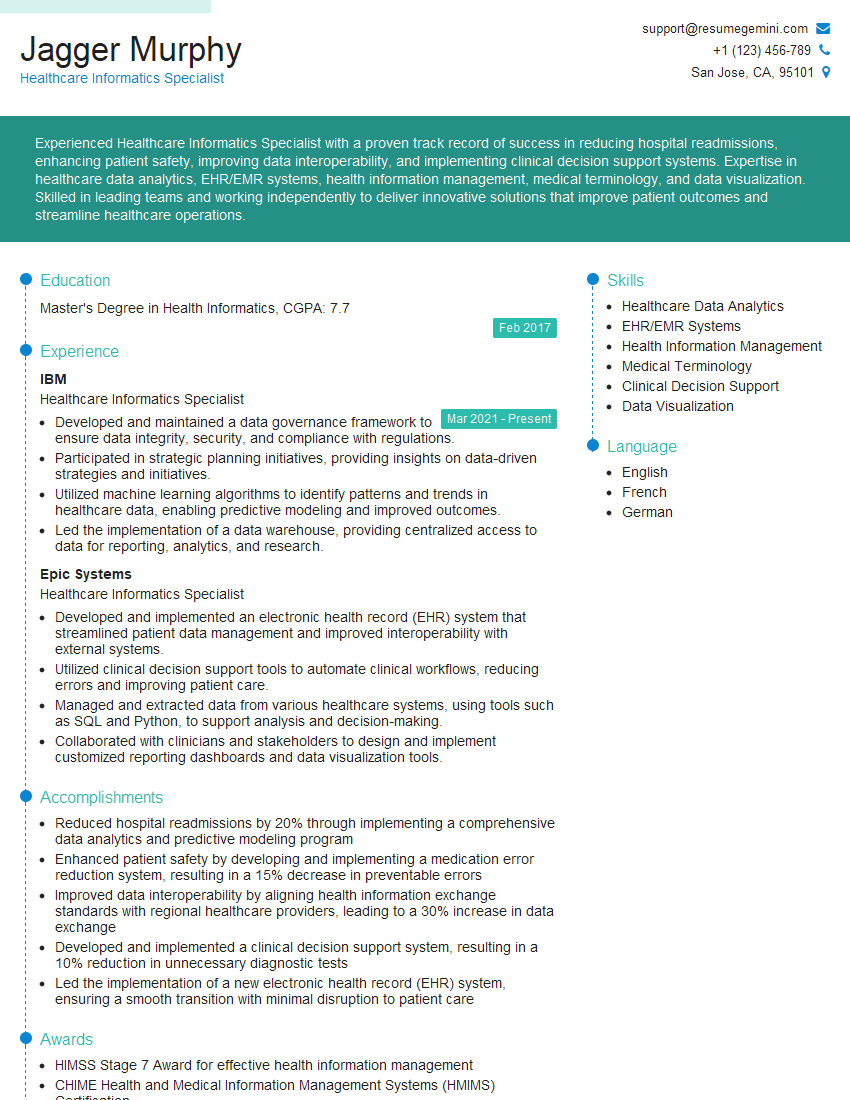
Healthcare Informatics Specialist Resume Sample
Explore more articles
Users Rating of Our Blogs
Share Your Experience
We value your feedback! Please rate our content and share your thoughts (optional).
What Readers Say About Our Blog
To the interviewgemini.com Webmaster.
Very helpful and content specific questions to help prepare me for my interview!
Thank you
To the interviewgemini.com Webmaster.
This was kind of a unique content I found around the specialized skills. Very helpful questions and good detailed answers.
Very Helpful blog, thank you Interviewgemini team.