Interviews are opportunities to demonstrate your expertise, and this guide is here to help you shine. Explore the essential Knowledge of Quality of Life Indicators interview questions that employers frequently ask, paired with strategies for crafting responses that set you apart from the competition.
Questions Asked in Knowledge of Quality of Life Indicators Interview
Q 1. Define Quality of Life (QoL) and explain its multi-dimensional nature.
Quality of Life (QoL) refers to an individual’s or a population’s overall well-being, encompassing various aspects of their lives. It’s not simply about the absence of illness, but rather a holistic sense of happiness, fulfillment, and satisfaction. Its multi-dimensional nature means it’s not a single, easily quantifiable metric. Instead, QoL is woven from a complex tapestry of interwoven factors.
- Material well-being: This includes income, housing, access to goods and services.
- Health: Physical and mental health, access to healthcare.
- Social relationships: Strong social connections, sense of belonging, and community engagement.
- Education: Access to quality education and opportunities for personal development.
- Environment: Clean air and water, access to green spaces, and safety from environmental hazards.
- Personal safety: Freedom from violence and crime.
- Political stability: A sense of security and trust in government institutions.
Think of it like building a house: You need strong foundations (material well-being, health) and sturdy walls (social relationships, education) to have a comfortable, safe, and happy home (high QoL). Missing or weak elements compromise the overall strength and habitability of the house, representing a lower QoL.
Q 2. What are the key indicators used to measure Quality of Life in urban settings?
Measuring QoL in urban settings requires a multifaceted approach considering the unique challenges and opportunities of city life. Key indicators often include:
- Access to essential services: Availability and quality of healthcare, education, transportation, and sanitation.
- Housing conditions: Affordability, quality, and safety of housing.
- Crime rates and safety: Levels of violence, theft, and perceived safety in neighborhoods.
- Air and water quality: Environmental pollution levels and their impact on health.
- Green spaces and recreation: Access to parks, recreational facilities, and natural environments.
- Social cohesion and community engagement: Levels of social interaction, trust, and participation in community activities.
- Transportation accessibility: Ease and affordability of accessing jobs, education, and other essential services.
- Noise pollution: Levels of noise pollution and its impact on residents’ well-being.
- Job opportunities and economic well-being: Unemployment rates, income levels, and economic inequality.
For example, a city with high levels of air pollution, poor public transportation, and high crime rates will likely have a lower QoL than a city with clean air, efficient public transport, and a strong sense of community.
Q 3. How do you differentiate between objective and subjective measures of QoL?
Objective and subjective measures of QoL differ significantly in their approach and the data they gather.
- Objective measures use quantifiable data to assess QoL. These are often readily available statistics, such as life expectancy, income levels, literacy rates, or access to clean water. These are factual and easily compared across populations. For instance, a higher life expectancy objectively indicates better health outcomes, contributing to higher QoL.
- Subjective measures capture individuals’ personal perceptions and experiences of their own well-being. These are often collected through surveys, interviews, or focus groups, utilizing scales to assess happiness, satisfaction, and overall life evaluation. For example, a survey might ask residents to rate their satisfaction with their neighborhood on a scale of 1 to 5. Subjective measures offer valuable insights into lived experiences that objective measures might miss.
While objective measures provide a factual basis, subjective measures provide crucial context by revealing the lived realities and individual perceptions of QoL. A balanced approach using both types of measures provides the most comprehensive understanding.
Q 4. Explain the concept of ‘social capital’ and its role in QoL.
Social capital refers to the networks of relationships among people who live and work in a particular society, enabling that society to function effectively. It’s essentially the collective value of social networks and the trust and reciprocity they generate. High social capital fosters strong communities with a sense of belonging and mutual support.
- Trust: The extent to which individuals trust each other and institutions within their community.
- Networks: The extent and strength of social connections and relationships within a community.
- Norms of reciprocity: The extent to which people are willing to cooperate and help each other.
Strong social capital significantly impacts QoL by improving community safety, providing social support networks, and enhancing civic engagement. For example, a neighborhood with strong social capital might have lower crime rates because residents look out for each other and report suspicious activity. Conversely, areas with weak social capital often experience higher levels of social isolation, leading to poorer mental health and lower overall QoL.
Q 5. Describe the relationship between economic indicators and QoL.
Economic indicators and QoL are intricately linked, but the relationship isn’t always straightforward. While economic prosperity often contributes to improved QoL, it’s not the sole determinant. A higher GDP per capita usually correlates with better access to resources, healthcare, and education, leading to improvements in various QoL aspects.
- Income inequality: High levels of income inequality can negatively impact QoL even with high average incomes. A large gap between rich and poor can lead to social unrest, reduced social cohesion, and poorer health outcomes for the less fortunate.
- Unemployment: High unemployment rates directly reduce income and create financial stress, negatively impacting QoL.
- Access to resources: Economic development enables access to essential services like healthcare, education, and infrastructure, thus contributing to QoL.
- Economic security: Financial stability and the absence of poverty are crucial for overall QoL.
However, focusing solely on economic growth without considering its distribution and impact on social and environmental factors can lead to an incomplete and potentially misleading picture of QoL. A wealthy nation might still have significant QoL challenges related to inequality, environmental degradation, or social isolation.
Q 6. How do environmental factors influence QoL?
Environmental factors significantly influence QoL, impacting both physical and mental health, as well as the overall quality of life. Poor environmental conditions can lead to a decline in well-being:
- Air and water quality: Pollution directly affects respiratory health and can lead to various illnesses. Access to clean water is essential for sanitation and preventing waterborne diseases.
- Noise pollution: High levels of noise can lead to stress, sleep disturbances, and cardiovascular problems.
- Access to green spaces: Access to parks and green areas is crucial for physical activity, relaxation, and mental well-being. Lack of green spaces is associated with higher stress levels and reduced physical activity.
- Climate change: Extreme weather events, heat waves, and natural disasters can cause significant disruption and hardship, lowering QoL.
- Waste management: Effective waste management systems are necessary to maintain hygiene and prevent environmental contamination, thereby contributing positively to QoL.
For instance, a city with inadequate sanitation and polluted air will experience a lower QoL compared to a city with clean air and water and abundant green spaces. Protecting and improving the environment is vital for enhancing QoL.
Q 7. What are the limitations of using GDP as a sole indicator of QoL?
Gross Domestic Product (GDP) is a widely used measure of a country’s economic output, but using it as the sole indicator of QoL is severely limited and misleading. GDP doesn’t capture the nuances of human well-being.
- Ignores distribution of wealth: A high GDP can mask significant income inequality, where a small percentage of the population enjoys most of the wealth while many live in poverty. This inequality directly impacts QoL.
- Neglects social and environmental factors: GDP doesn’t account for factors like crime rates, social cohesion, environmental degradation, or access to healthcare and education, all crucial components of QoL.
- Doesn’t reflect subjective well-being: GDP doesn’t capture individuals’ subjective experiences, happiness, or life satisfaction. A nation with high GDP might still have a population with low life satisfaction.
- Fails to consider non-market activities: GDP primarily focuses on market-based activities, ignoring the significant contribution of unpaid work like childcare or volunteer services, which contribute substantially to QoL.
Therefore, relying solely on GDP to assess QoL paints an incomplete and potentially inaccurate picture. A more comprehensive approach requires incorporating a broader range of indicators, including social, environmental, and subjective measures of well-being, to gain a more accurate understanding of a nation’s true QoL.
Q 8. Discuss the challenges of measuring QoL across different cultures.
Measuring Quality of Life (QoL) across cultures presents significant challenges primarily because QoL is a subjective concept deeply rooted in cultural values and norms. What one culture considers essential for a high QoL, another might deem less important. For instance, strong family ties might be a paramount QoL factor in some collectivist cultures, while individual achievement and economic prosperity might hold greater weight in individualistic societies.
These differences manifest in several ways:
- Different priorities: Surveys designed in one cultural context might not capture the full range of QoL aspects relevant to another. A questionnaire focusing on material possessions might undervalue the importance of social support in a culture that prioritizes community well-being.
- Language barriers and cultural nuances: Translating questionnaires and interpreting responses accurately requires careful consideration of subtle cultural differences in language and expression. What constitutes “satisfaction” or “happiness” can vary significantly.
- Variations in social norms and expectations: Concepts like health, education, or even safety have different meanings across cultures. What is considered an acceptable level of healthcare access or education might differ dramatically, affecting how QoL is perceived and measured.
Overcoming these challenges necessitates the use of culturally adapted questionnaires, qualitative data collection methods (like interviews and focus groups) to capture nuanced perspectives, and careful analysis that accounts for cultural context.
Q 9. How do you account for biases in data collection related to QoL?
Addressing biases in QoL data collection is crucial for obtaining reliable and valid results. Biases can creep in at various stages, from questionnaire design to data analysis.
- Sampling bias: If the sample population doesn’t accurately represent the target population, the results will be skewed. For example, oversampling a particular socioeconomic group can distort the overall QoL picture.
- Response bias: Participants may not answer honestly or accurately, potentially due to social desirability bias (wanting to present a positive image) or recall bias (difficulty remembering past experiences accurately). This is particularly pertinent when dealing with sensitive topics like income or health.
- Interviewer bias: The way an interviewer asks questions or interacts with participants can influence responses. This is especially relevant in face-to-face interviews.
- Measurement bias: The tools used (questionnaires, scales) might not be appropriate for the target population, leading to inaccurate measurements. For example, a questionnaire focusing solely on economic indicators might neglect important aspects like social connections.
To mitigate these biases, researchers employ strategies like:
- Careful questionnaire design: Using clear and unambiguous language, pre-testing questionnaires, and employing established, validated scales.
- Random sampling techniques: Ensuring representative samples using probability sampling methods.
- Anonymity and confidentiality: Protecting participants’ privacy to encourage honest responses.
- Blinding procedures: When relevant, keeping interviewers unaware of the study’s hypotheses.
- Statistical techniques: Employing statistical methods to adjust for known biases, such as weighting responses or using regression analysis to control for confounding variables.
Q 10. Explain the application of QoL indicators in policy-making.
QoL indicators play a vital role in policy-making by providing objective data to assess the impact of policies and programs on citizens’ well-being. They move beyond purely economic indicators to encompass a broader range of factors affecting people’s lives. For example, QoL data can inform decisions related to:
- Healthcare: Analyzing QoL scores after implementing healthcare reforms can assess their effectiveness in improving patients’ lives. Indicators like self-rated health, access to care, and functional capacity provide valuable insights.
- Education: QoL data can evaluate the long-term impact of educational policies. Measures like educational attainment, literacy rates, and subjective well-being linked to educational experiences are relevant here.
- Environmental policy: Assessing the impact of environmental initiatives requires considering air and water quality, access to green spaces, and the perceived impact of environmental factors on QoL.
- Social welfare programs: The effectiveness of welfare programs can be assessed through changes in measures like poverty rates, housing quality, and social support networks.
- Urban planning: QoL indicators can guide urban development decisions, evaluating the impact of transportation, infrastructure, and community amenities on resident satisfaction.
By incorporating QoL indicators, policymakers can make evidence-based decisions that prioritize citizens’ well-being and contribute to creating more equitable and sustainable societies.
Q 11. How can QoL data be used to evaluate the effectiveness of social programs?
QoL data is essential for evaluating the effectiveness of social programs because it allows for a comprehensive assessment that goes beyond simple output measures. Instead of just focusing on the number of people served, it examines whether the program truly improved their lives.
For example:
- A job training program: Simply tracking the number of participants who found jobs isn’t sufficient. QoL indicators like employment satisfaction, income levels, and overall life satisfaction provide a more nuanced picture of the program’s success. Did the jobs lead to improved financial stability and reduced stress? Did they improve overall well-being?
- A housing assistance program: Evaluating the program based only on the number of houses provided overlooks the broader impact on residents’ lives. QoL measures like housing stability, neighborhood safety, access to amenities, and social integration provide a comprehensive assessment. Did the new housing alleviate stress and improve overall quality of life?
- A mental health support program: Assessing the program using only attendance rates ignores the real-world impact on participants’ mental health. QoL indicators like reduced depression scores, improved self-esteem, and increased social functioning better demonstrate the program’s efficacy.
By using a mixed-methods approach—combining quantitative QoL data with qualitative data gathered through interviews or focus groups—we obtain a richer understanding of the program’s effectiveness and identify areas for improvement.
Q 12. Describe a specific QoL indicator and explain its strengths and weaknesses.
The ‘Self-Rated Health’ (SRH) indicator is a widely used QoL measure. It involves asking individuals to rate their overall health on a scale (e.g., excellent, very good, good, fair, poor).
Strengths:
- Simplicity and ease of administration: The question is easily understood and administered across diverse populations.
- Broad applicability: It can be used across various health conditions and demographics.
- Predictive validity: SRH has shown a strong correlation with other health outcomes like mortality and morbidity.
Weaknesses:
- Subjectivity: Ratings can be influenced by individual perceptions and biases. Two individuals with similar health status might rate their health differently.
- Cultural variations: The interpretation of health status might differ across cultures, affecting the comparability of data.
- Limited detail: It doesn’t provide specific information on individual health problems or functioning limitations.
Despite its limitations, SRH remains a valuable indicator due to its simplicity, ease of use, and proven predictive power. It’s often used in conjunction with other more specific QoL measures to provide a more comprehensive picture.
Q 13. What statistical methods are commonly used to analyze QoL data?
Analyzing QoL data often requires a combination of statistical methods to capture the complexity of the data and the relationships between different QoL dimensions. Here are some commonly used techniques:
- Descriptive statistics: Mean, median, mode, standard deviation, and frequency distributions are used to summarize and describe the data. This helps understand the overall distribution of QoL scores across different groups.
- Correlation analysis: This technique examines the relationship between different QoL indicators. For instance, we could determine the correlation between income and life satisfaction.
- Regression analysis: This allows us to model the relationship between QoL indicators and other variables (e.g., age, gender, socioeconomic status). It can be used to predict QoL scores based on these factors.
- li>Factor analysis: This technique identifies underlying factors that explain the correlations among different QoL indicators. This helps to reduce the number of variables and identify key dimensions of QoL.
- Structural equation modeling (SEM): This advanced technique is used to test complex relationships between multiple variables and explore causal pathways influencing QoL.
- Multilevel modeling: This is particularly useful when data is hierarchical (e.g., individuals nested within communities). It helps to account for the influence of both individual and contextual factors on QoL.
The choice of statistical methods depends on the research question, the type of data collected, and the characteristics of the study population.
Q 14. How do you interpret and present QoL data to a non-technical audience?
Presenting QoL data to a non-technical audience requires clear, concise, and engaging communication. Avoid technical jargon and focus on visual representations of the data. Here’s a step-by-step approach:
- Start with a clear narrative: Begin by explaining the purpose of the study and the key findings in simple language. For example, “This study examined how a new community program impacted residents’ well-being.”
- Use visual aids: Graphs, charts, and maps are far more accessible than tables of numbers. Bar charts are excellent for showing differences in QoL across groups. Maps can show geographical variations in QoL.
- Focus on key findings: Highlight the most important results and avoid overwhelming the audience with too much detail. For example, instead of presenting numerous statistical tests, focus on the overall trends and significant findings.
- Use relatable examples and stories: Include real-life examples or stories from participants to illustrate the findings and make the data more meaningful. This brings a human element to the results.
- Keep it concise: Avoid technical language and present the information in a clear and straightforward manner. Use simple language and avoid complex statistical terms.
- Summarize key takeaways: Conclude by summarizing the key findings and their implications for policy or practice. Explain the practical significance of the results in terms of real-world impact.
By employing these strategies, you can ensure that your QoL data is not only understood but also resonates with a non-technical audience, leading to better informed decisions and increased community engagement.
Q 15. Discuss the ethical considerations involved in collecting and using QoL data.
Collecting and using Quality of Life (QoL) data involves several crucial ethical considerations. At its core, it’s about respecting individual autonomy and ensuring data privacy and security. We must obtain informed consent, guaranteeing participants fully understand the study’s purpose, procedures, risks, and benefits before participation. This includes explaining how their data will be stored, used, and protected, and ensuring they can withdraw at any time without penalty. Anonymity and confidentiality are paramount; data should be de-identified wherever possible to prevent re-identification and protect individuals from potential harm. Furthermore, the potential for bias in data collection and interpretation must be meticulously addressed. Researchers need to be mindful of how cultural context, socioeconomic status, and other factors can influence QoL perceptions and ensure their methods and analyses are equitable and inclusive. Finally, the results must be used responsibly and transparently, avoiding any misuse that could lead to discrimination or stigmatization. The ethical implications extend beyond the individual to the wider community, necessitating careful consideration of the potential social impacts of research findings.
Career Expert Tips:
- Ace those interviews! Prepare effectively by reviewing the Top 50 Most Common Interview Questions on ResumeGemini.
- Navigate your job search with confidence! Explore a wide range of Career Tips on ResumeGemini. Learn about common challenges and recommendations to overcome them.
- Craft the perfect resume! Master the Art of Resume Writing with ResumeGemini’s guide. Showcase your unique qualifications and achievements effectively.
- Don’t miss out on holiday savings! Build your dream resume with ResumeGemini’s ATS optimized templates.
Q 16. What are the key differences between QoL and well-being?
While often used interchangeably, QoL and well-being have subtle yet important distinctions. QoL is typically understood as an individual’s subjective perception of their position in life in the context of the culture and value systems in which they live, and in relation to their goals, expectations, standards, and concerns. It’s a broader concept, encompassing various aspects like physical health, psychological state, social relationships, and environment. Well-being, on the other hand, often focuses on a more holistic sense of flourishing or thriving, encompassing positive emotions, engagement, meaning, positive relationships, and accomplishment (PERMA model). While QoL might measure satisfaction with various life domains, well-being goes deeper, examining the positive psychological functioning of an individual. Think of it this way: QoL is like a snapshot of your life satisfaction across different areas, while well-being is more like a video showing your overall flourishing and happiness. One can have a high QoL in some areas but low well-being if they lack purpose or positive relationships.
Q 17. How can technological advancements be leveraged to improve QoL measurement?
Technological advancements offer unprecedented opportunities to enhance QoL measurement. Wearable sensors, for example, can passively collect physiological data like sleep patterns, activity levels, and heart rate variability, providing objective insights into physical health and well-being. Smartphone apps can facilitate data collection through surveys, diaries, and gamified interventions, increasing participation and reducing researcher burden. Artificial intelligence (AI) and machine learning (ML) can be leveraged to analyze large datasets, identify patterns, and predict potential QoL issues. For instance, analyzing social media data can reveal trends in community well-being. Furthermore, telemedicine and remote monitoring technologies enable more convenient access to healthcare, contributing directly to improved QoL, particularly for individuals in remote areas or with mobility limitations. However, ethical considerations regarding data privacy and security must remain a priority when employing these technologies.
Q 18. Explain the concept of ‘sustainable development’ and its connection to QoL.
Sustainable development is defined as ‘development that meets the needs of the present without compromising the ability of future generations to meet their own needs.’ This concept is intrinsically linked to QoL because it recognizes that a high QoL for current generations shouldn’t come at the expense of future generations’ QoL. This entails balancing economic growth, social equity, and environmental protection. For instance, unsustainable practices like deforestation or excessive pollution negatively impact air and water quality, directly affecting people’s physical and mental health and thus their QoL. Conversely, investments in renewable energy, sustainable infrastructure, and environmental conservation contribute to a healthier planet and improve QoL in the long term. Sustainable development emphasizes intergenerational equity, ensuring that future generations have the same opportunities to achieve a high QoL as current ones. It calls for a shift from a purely economic focus to one that integrates social and environmental factors as integral components of overall human well-being.
Q 19. How do health disparities impact QoL?
Health disparities significantly impact QoL, creating inequities in access to healthcare, quality of care, and health outcomes. Individuals from marginalized communities – based on race, ethnicity, socioeconomic status, geographic location, or other factors – often experience poorer health and lower QoL due to systemic barriers. For example, individuals in low-income neighborhoods may have limited access to healthy food options, safe recreational spaces, or quality healthcare services, leading to higher rates of chronic diseases, mental health issues, and reduced life expectancy. These disparities can manifest in multiple dimensions of QoL, including physical health, mental health, social participation, and economic security. Addressing health disparities requires tackling the root causes of these inequalities and implementing policies and programs that promote health equity and improve access to resources for all individuals.
Q 20. How can QoL indicators be used to promote health equity?
QoL indicators are essential tools for promoting health equity. By tracking and analyzing QoL across different demographic groups, we can identify areas where disparities exist and pinpoint the most effective interventions. For example, if data reveals a significant difference in mental health QoL between different racial groups, it can inform targeted interventions such as culturally sensitive mental health services. Measuring QoL across various life domains can help us assess the impact of policies and programs aimed at reducing health disparities. Furthermore, using QoL indicators to monitor the progress of equity-focused initiatives allows for evidence-based adjustments and ensures resources are allocated effectively. A participatory approach, involving communities in the definition and measurement of QoL, is crucial for ensuring relevance and cultural sensitivity. The ultimate goal is to use QoL data to create a more just and equitable society where everyone has the opportunity to live a healthy and fulfilling life.
Q 21. Describe a situation where you had to analyze complex QoL data to draw actionable insights.
In a recent project assessing the QoL of patients with chronic pain, we analyzed data from various sources, including patient self-reports (using validated QoL questionnaires), clinical records (pain scores, medication use), and wearable sensor data (activity levels, sleep). The initial analysis revealed a significant correlation between pain intensity and reduced QoL, which wasn’t surprising. However, a deeper dive using multivariate statistical methods revealed a more nuanced picture. We discovered that social support played a crucial mediating role; patients with strong social support reported higher QoL despite experiencing similar pain intensity to those with less support. This insight led to actionable recommendations for intervention, shifting focus towards strengthening social support networks alongside pain management strategies. It illustrated the importance of using multifaceted data analysis techniques to understand the complex interplay of factors influencing QoL and develop targeted, effective interventions.
Q 22. How do you identify gaps in existing QoL data and suggest solutions?
Identifying gaps in Quality of Life (QoL) data requires a multi-faceted approach. First, we need a thorough understanding of the existing data – its scope, limitations, and biases. This involves reviewing existing datasets, research publications, and reports to assess what aspects of QoL are well-covered and which are neglected. For example, a dataset focusing solely on economic indicators might overlook crucial aspects like social inclusion or environmental quality.
Once gaps are identified, proposing solutions involves a strategic plan. This might include:
- Expanding data collection: Adding new questions or indicators to existing surveys to capture missing aspects of QoL. If the current dataset lacks information on mental health, for example, we might incorporate validated mental health questionnaires.
- Utilizing alternative data sources: Incorporating data from administrative records, social media, or citizen science initiatives can enrich the picture. For instance, analyzing social media posts can provide insights into community sentiment and perceptions of QoL.
- Improving data quality: Implementing rigorous data validation procedures and addressing biases in data collection methods are essential. This could involve careful sampling strategies to ensure representativeness and training data collectors to minimize interviewer bias.
- Developing new indicators: If no existing indicators appropriately measure a particular aspect of QoL, researchers may need to create new, validated measures. This requires careful conceptualization, testing, and validation.
Ultimately, bridging data gaps involves a continuous process of assessment, refinement, and innovation in measurement strategies.
Q 23. Discuss the role of community participation in measuring QoL.
Community participation is paramount in measuring QoL. It’s not just about collecting data from the community; it’s about collecting data with the community. This participatory approach ensures the relevance and accuracy of the data, as it reflects the lived experiences and priorities of those being studied. Imagine trying to measure QoL in a rural village without understanding their local customs and priorities – your findings would be severely limited.
Here’s how community participation enhances QoL measurement:
- Identifying relevant indicators: Community members can help define what constitutes a good quality of life in their context, leading to more meaningful and culturally appropriate indicators.
- Ensuring data accuracy and validity: Local knowledge can help identify potential biases or inaccuracies in data collection methods.
- Increasing data accessibility and ownership: Involving the community ensures that data becomes a shared resource, empowering them to use the information for advocacy and change.
- Building trust and rapport: Participatory approaches foster stronger relationships between researchers and the community, enhancing the quality of data collected.
Methods include participatory workshops, focus groups, citizen science projects, and community-based participatory research (CBPR), where community members are active partners throughout the research process.
Q 24. What are some emerging trends in QoL research?
Several emerging trends are shaping QoL research. We’re moving beyond traditional, single-indicator approaches towards more holistic and integrated assessments. This involves considering the interconnectedness of various aspects of QoL, acknowledging that improvements in one area can affect others.
- Big data and data analytics: The use of large datasets from various sources (social media, sensor data, administrative records) provides opportunities for comprehensive and nuanced understanding of QoL, enabling more granular analysis and identification of previously unseen patterns.
- Focus on subjective well-being: There is increasing recognition of the importance of subjective measures, such as happiness and life satisfaction, alongside objective indicators. This acknowledges that QoL is not merely a set of measurable facts, but also a matter of individual perception.
- Emphasis on inequalities and social justice: Research increasingly focuses on understanding and addressing disparities in QoL across different population groups, aiming for more equitable outcomes.
- Integration of technology: Mobile technology and digital platforms are being used for data collection, enhancing efficiency and accessibility, especially in remote or hard-to-reach areas.
- Sustainability and environmental concerns: There’s growing recognition of the vital role of environmental factors in QoL, leading to the incorporation of ecological indicators into QoL assessments.
These trends highlight a shift toward more comprehensive, participatory, and ethically-conscious approaches to measuring QoL.
Q 25. How can you use QoL indicators to assess the impact of a community development project?
QoL indicators are crucial for evaluating the impact of community development projects. They provide a framework for measuring the project’s effectiveness in improving the well-being of the community. Rather than just focusing on outputs (e.g., number of houses built), we focus on outcomes – changes in the lives of the people involved.
For instance, a project aimed at improving access to clean water could be assessed using indicators such as:
- Reduction in waterborne diseases: Measured through health records and surveys.
- Time saved collecting water: Assessed through time-use studies.
- Improved household income: Measured through household surveys.
- Increased community participation in water management: Assessed through observations and participation rates.
- Changes in community satisfaction with water access: Measured through surveys and focus groups.
By tracking these indicators before, during, and after the project, we can quantify the positive impacts and identify areas needing improvement. A robust evaluation plan, using a mix of quantitative and qualitative data, is crucial for demonstrating the value and effectiveness of the project.
Q 26. Explain the importance of longitudinal data in measuring changes in QoL over time.
Longitudinal data, collected over an extended period, is essential for understanding changes in QoL over time. Cross-sectional data, collected at a single point in time, provides a snapshot but can’t show trends or the impact of interventions. Think of taking a photograph versus making a time-lapse video: the video shows the changes that occur over time.
Longitudinal studies allow us to:
- Track changes in QoL: Observe how QoL indicators evolve over time, revealing patterns and trends.
- Assess the impact of interventions: Evaluate the effectiveness of policies, programs, or interventions designed to improve QoL.
- Identify risk factors and protective factors: Pinpoint factors associated with positive or negative changes in QoL.
- Understand causal relationships: Establish stronger causal links between different variables affecting QoL.
For example, a longitudinal study could track the changes in children’s educational attainment, health, and well-being following the implementation of a new educational program. This allows for a far more robust assessment of the program’s long-term effectiveness than a single-point-in-time evaluation.
Q 27. Discuss the role of data visualization in communicating QoL findings effectively.
Data visualization is critical for effectively communicating QoL findings. Raw data is often incomprehensible to non-experts. Visualizations transform complex data into easily understandable formats, making it accessible to a broader audience, including policymakers, community members, and the general public. A compelling visual can convey a message more powerfully than pages of tables and numbers.
Effective visualizations might include:
- Maps: Showing geographical variations in QoL indicators.
- Charts and graphs: Illustrating trends and comparisons over time or across groups.
- Interactive dashboards: Allowing users to explore data dynamically.
- Infographics: Combining visuals with concise text to present key findings.
- Storytelling with data: Using visualizations to support a narrative that connects with the audience on an emotional level.
Choosing the right visualization depends on the data and the intended audience. The goal is clarity, accuracy, and a visually engaging presentation that fosters understanding and action.
Q 28. How do you ensure the validity and reliability of QoL data collection methods?
Ensuring the validity and reliability of QoL data collection methods is paramount. Validity refers to whether the data measures what it intends to measure, while reliability refers to the consistency of the measurements. A scale measuring happiness should actually measure happiness, not something else, and repeated measurements should yield similar results.
Strategies to ensure validity and reliability include:
- Using established and validated measures: Employing well-tested questionnaires and scales minimizes bias and ensures comparability across studies.
- Pilot testing: Testing data collection instruments on a smaller sample before large-scale deployment allows for identifying and resolving any issues.
- Training data collectors: Well-trained interviewers ensure consistent administration of questionnaires and minimize interviewer bias.
- Using multiple methods: Triangulation, using multiple data sources and methods (e.g., surveys, interviews, observations), strengthens the validity of findings.
- Addressing potential biases: Being mindful of potential sources of bias (e.g., sampling bias, social desirability bias) and implementing strategies to mitigate them.
- Statistical analysis: Employing appropriate statistical methods to assess the reliability and validity of the data.
Regular quality control checks throughout the data collection process are essential for ensuring high-quality, trustworthy data that accurately reflects the QoL of the population being studied.
Key Topics to Learn for Knowledge of Quality of Life Indicators Interview
- Defining Quality of Life: Understanding different theoretical frameworks and their application in measuring well-being. Explore the subjective and objective aspects of QoL.
- Key Indicators and Metrics: Become familiar with common indicators such as health, education, income, environment, social support, and safety. Learn how these are measured and interpreted.
- Data Analysis and Interpretation: Develop skills in analyzing datasets related to QoL indicators. Practice interpreting statistical measures and identifying trends and patterns.
- Comparative Analysis: Understand how to compare QoL across different regions, demographics, or time periods. Familiarize yourself with various benchmarking methods.
- Policy Implications: Explore how QoL indicators inform policy decisions and resource allocation in various sectors (e.g., healthcare, education, urban planning).
- Limitations and Challenges: Be prepared to discuss the limitations of using QoL indicators, including biases, data availability, and the complexities of measuring subjective experiences.
- Emerging Trends: Stay updated on current research and trends in the field of QoL measurement and analysis. This shows initiative and a commitment to continuous learning.
Next Steps
Mastering knowledge of Quality of Life Indicators is crucial for career advancement in fields like public health, urban planning, social research, and policy analysis. A strong understanding of these indicators demonstrates analytical skills, critical thinking, and a commitment to improving societal well-being – highly sought-after qualities in today’s job market.
To maximize your job prospects, create an ATS-friendly resume that highlights your relevant skills and experience. ResumeGemini is a trusted resource to help you build a professional and impactful resume that gets noticed. We provide examples of resumes tailored to the Knowledge of Quality of Life Indicators field, helping you showcase your qualifications effectively.
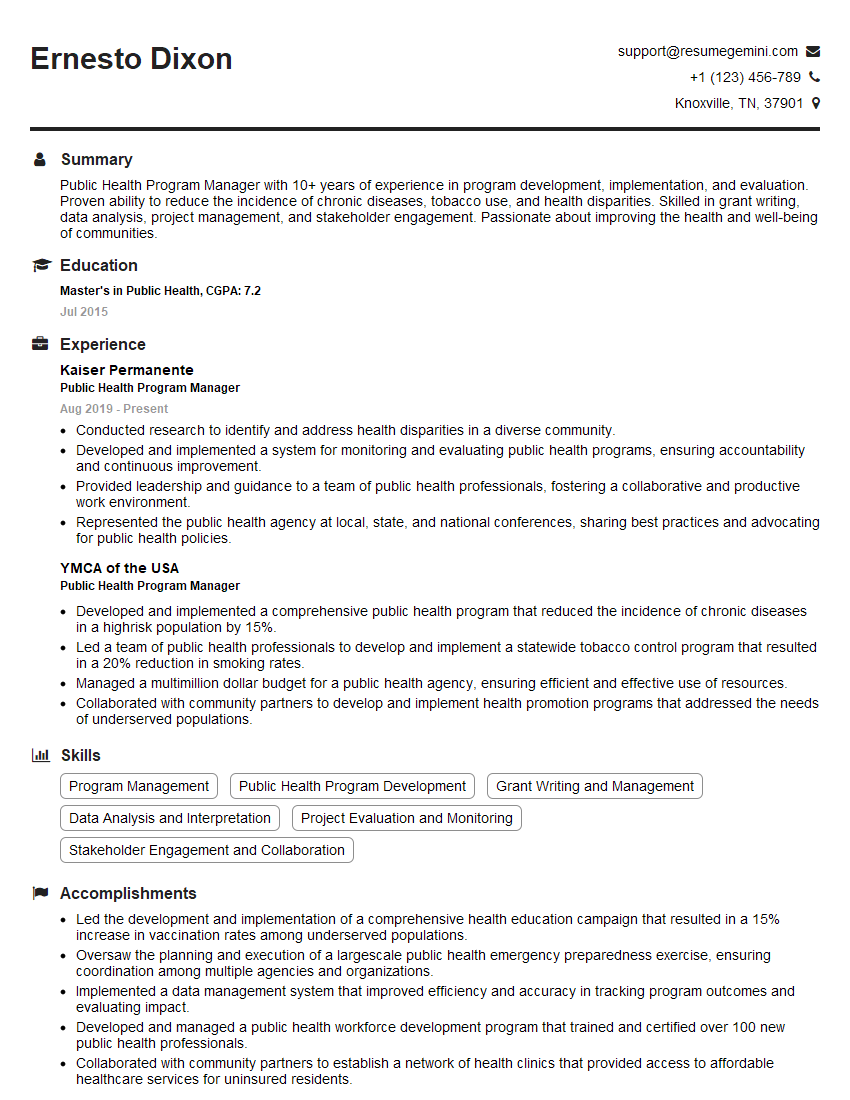
Public Health Program Manager Resume Sample

Sustainability Consultant Resume Sample
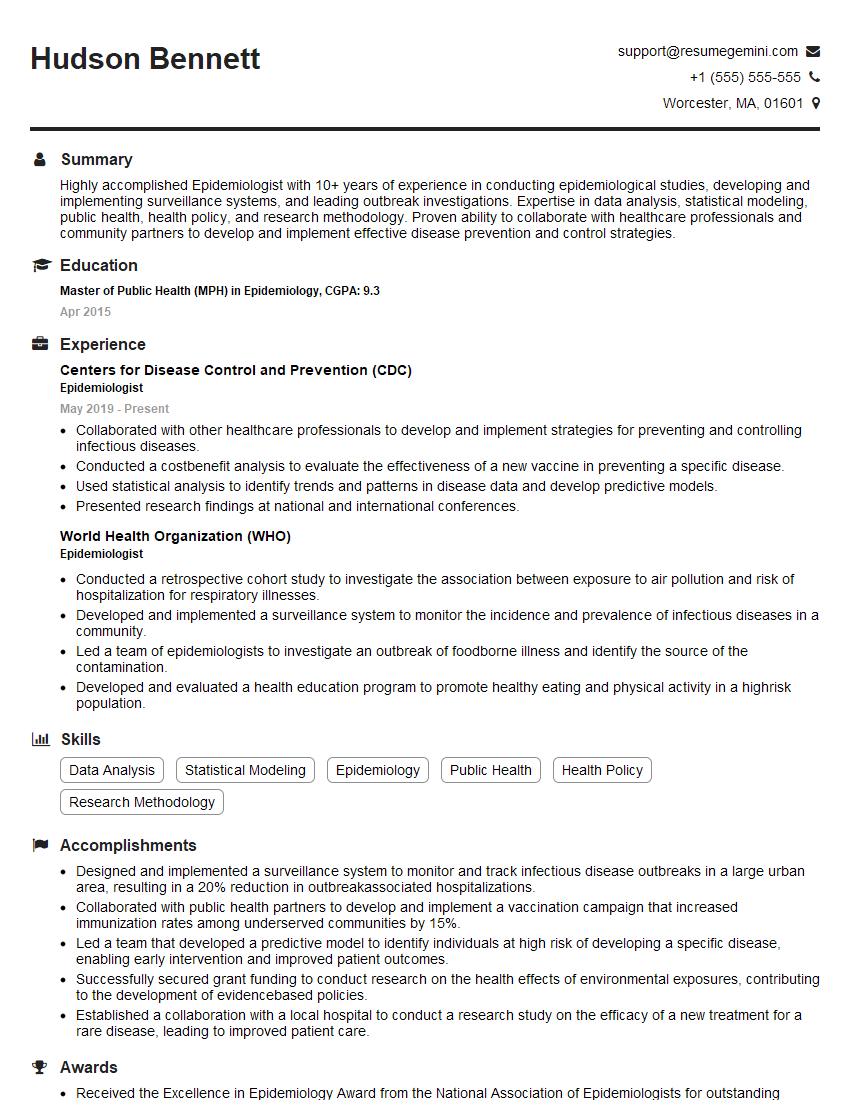
Epidemiologist Resume Sample

Behavioral Scientist Resume Sample
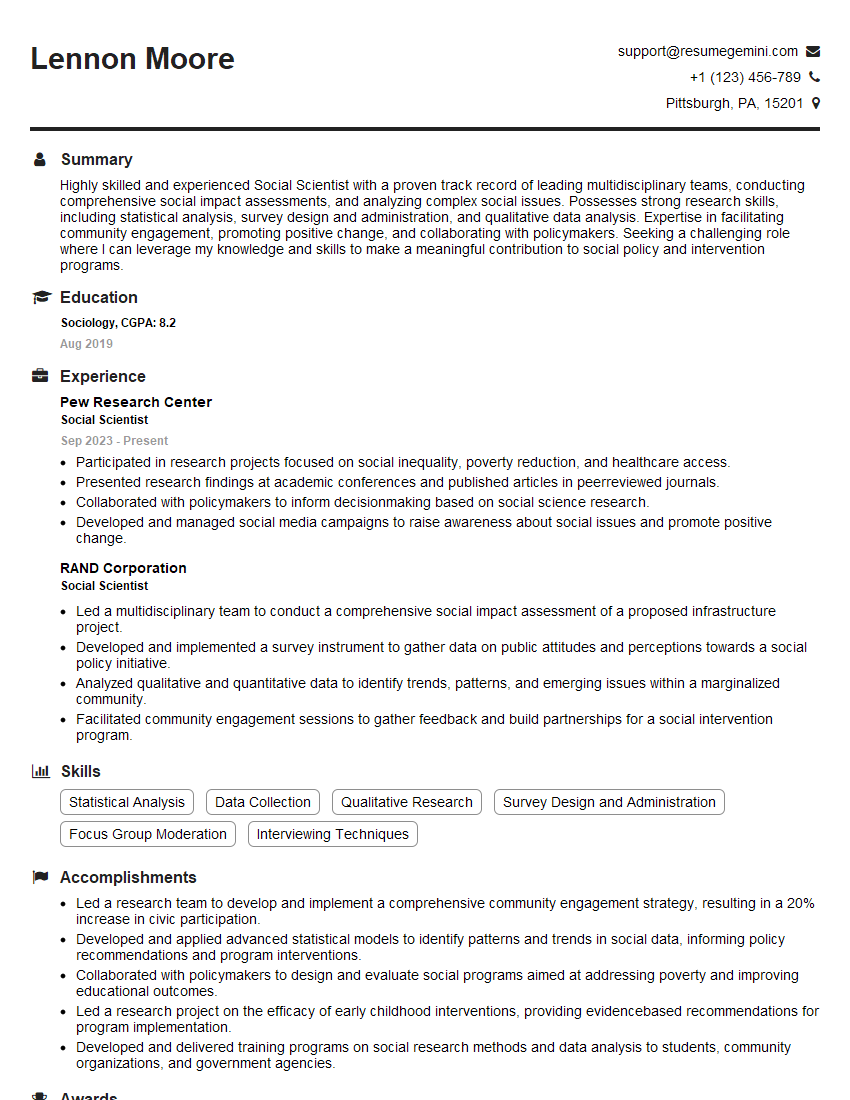
Social Scientist Resume Sample
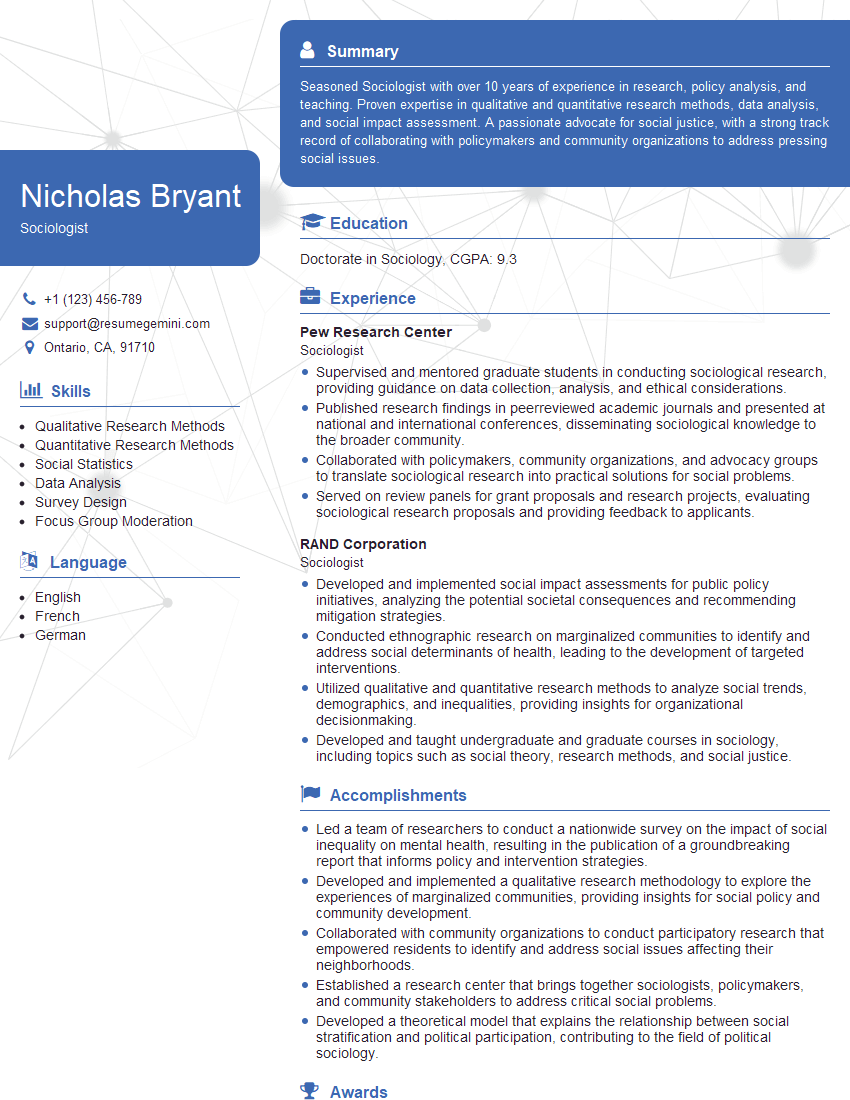
Sociologist Resume Sample
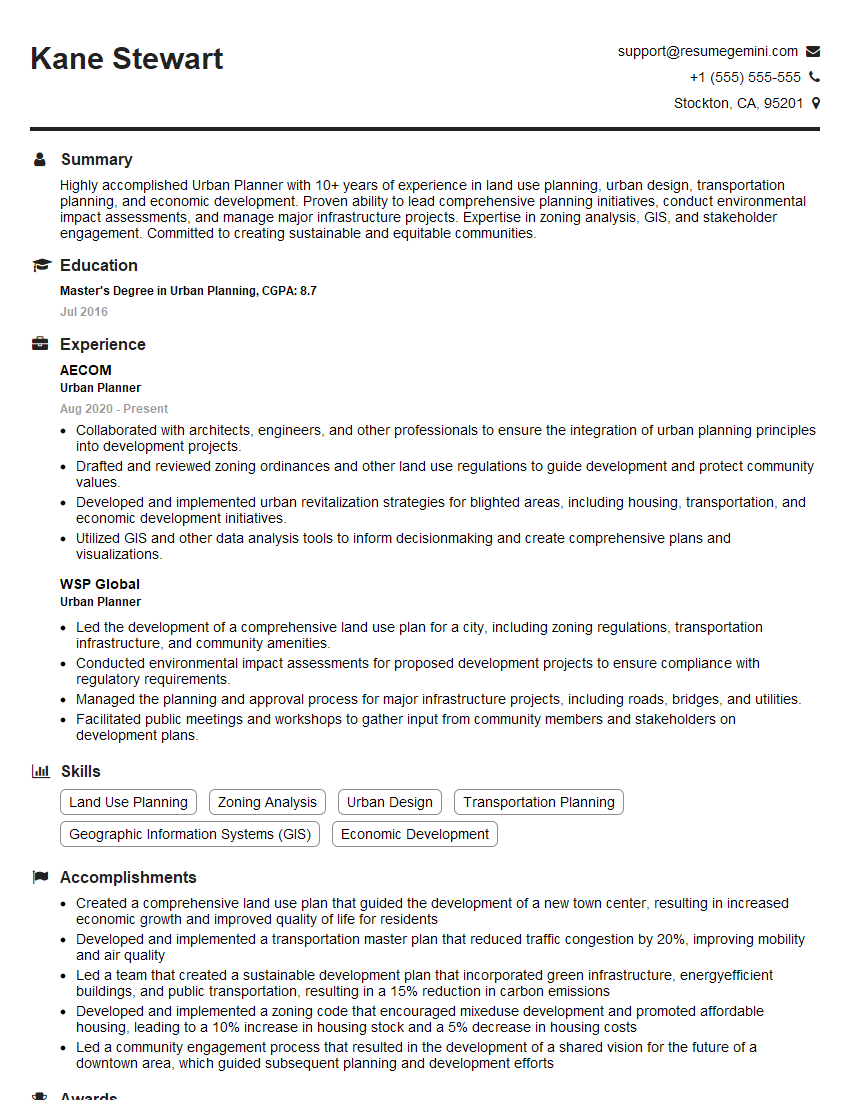
Urban Planner Resume Sample
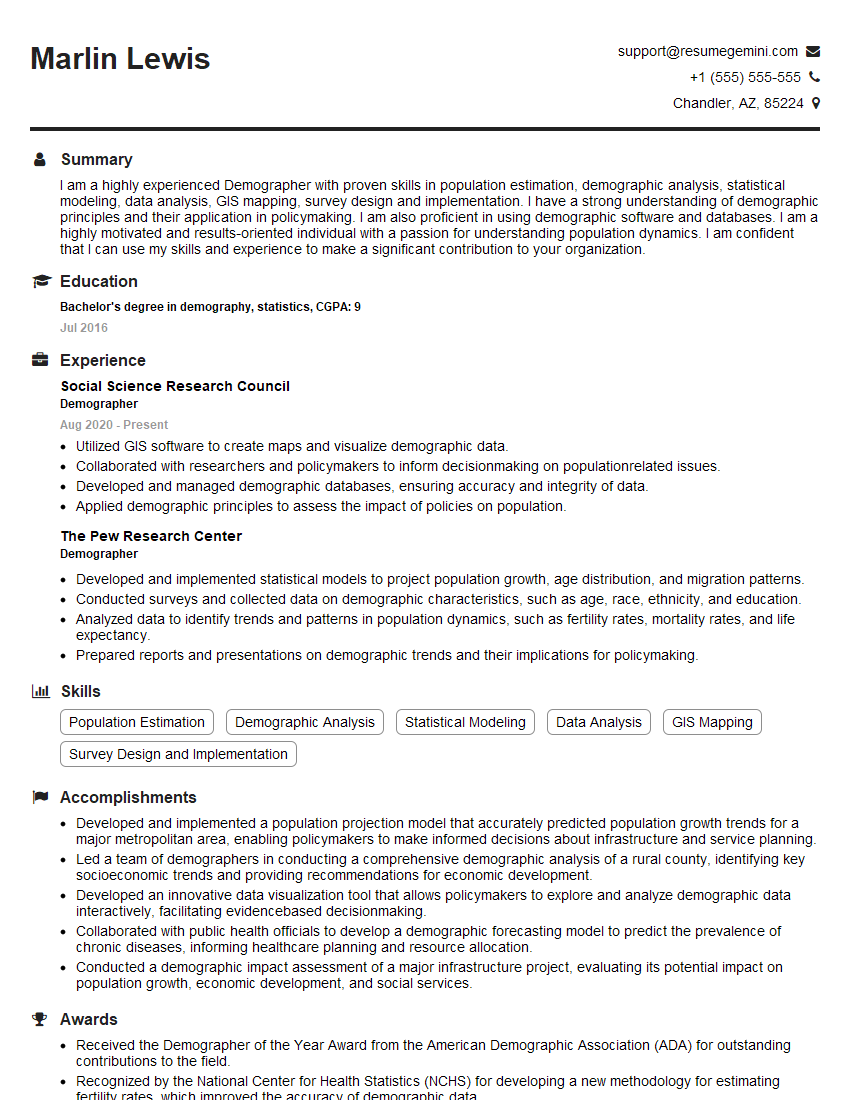
Demographer Resume Sample
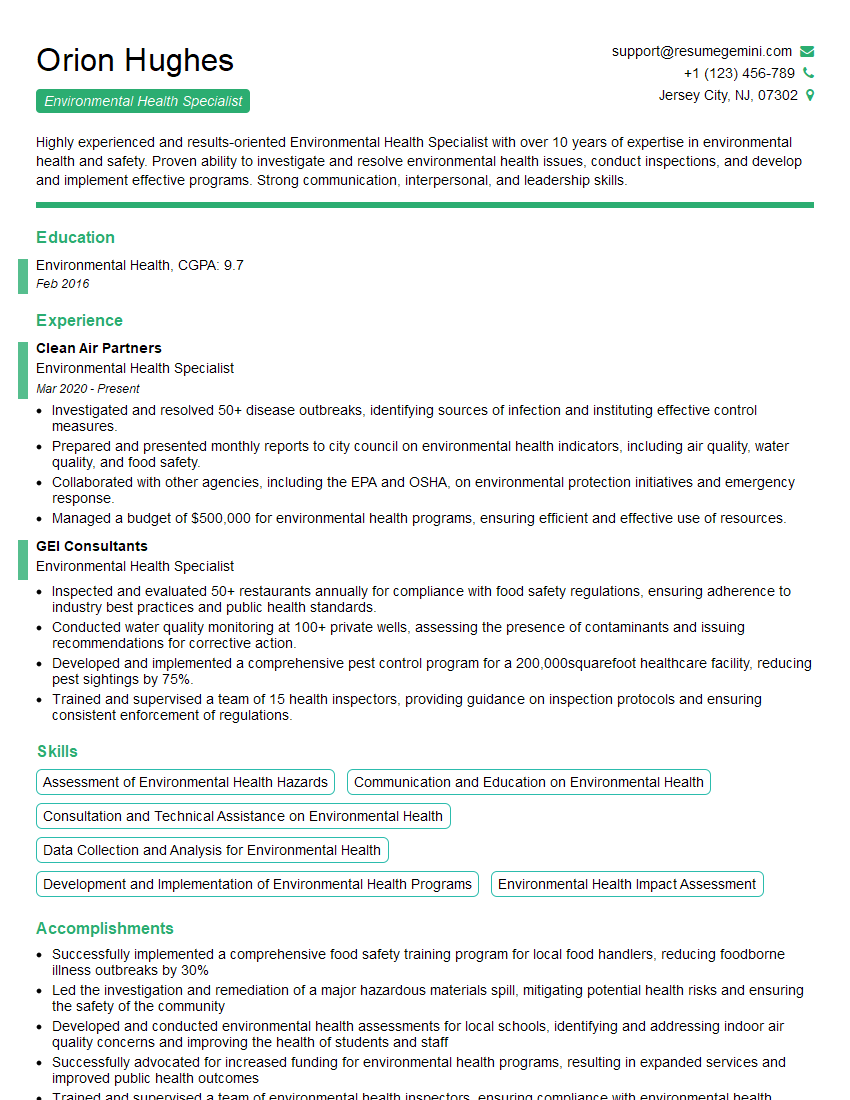
Environmental Health Specialist Resume Sample
Explore more articles
Users Rating of Our Blogs
Share Your Experience
We value your feedback! Please rate our content and share your thoughts (optional).
What Readers Say About Our Blog
To the interviewgemini.com Webmaster.
Very helpful and content specific questions to help prepare me for my interview!
Thank you
To the interviewgemini.com Webmaster.
This was kind of a unique content I found around the specialized skills. Very helpful questions and good detailed answers.
Very Helpful blog, thank you Interviewgemini team.