Cracking a skill-specific interview, like one for Kyphoplasty, requires understanding the nuances of the role. In this blog, we present the questions you’re most likely to encounter, along with insights into how to answer them effectively. Let’s ensure you’re ready to make a strong impression.
Questions Asked in Kyphoplasty Interview
Q 1. Describe the indications for kyphoplasty.
Kyphoplasty is indicated for the treatment of vertebral compression fractures (VCFs), which are common in patients with osteoporosis, cancer, or other conditions that weaken the bones. The primary goal is pain relief and restoration of vertebral height. Specifically, kyphoplasty is a good option when conservative treatments like pain medication and bracing have failed to provide adequate pain relief. It’s particularly beneficial for patients experiencing significant pain, kyphosis (curvature of the spine), or neurological compromise due to the fracture. For example, a patient with an osteoporotic VCF causing severe back pain and limiting their mobility would be a suitable candidate for kyphoplasty.
In essence, we look for patients with symptomatic VCFs that are impacting their quality of life and haven’t responded to less invasive treatments. The procedure isn’t suitable for all fractures; for instance, a minimally symptomatic fracture in a stable patient might not require such intervention.
Q 2. What are the contraindications for kyphoplasty?
Contraindications for kyphoplasty are situations where the procedure would be too risky or unlikely to be beneficial. These include, but are not limited to: active infection at the fracture site, severe bleeding disorders (coagulopathy), inadequate bone stock to allow for balloon deployment, severe kyphosis making access difficult, and significant spinal canal compromise that isn’t amenable to kyphoplasty. Certain patient characteristics, such as severe underlying medical conditions making them high-risk for surgery, may also contraindicate the procedure. Imagine a patient with an uncontrolled infection near the spine; performing kyphoplasty would risk spreading the infection. Similarly, patients with a bleeding disorder might experience life-threatening hemorrhage during the procedure.
- Active infection
- Coagulopathy
- Insufficient bone stock
- Severe spinal canal stenosis
- High surgical risk
Q 3. Explain the steps involved in performing a kyphoplasty procedure.
Kyphoplasty is a minimally invasive procedure typically performed under fluoroscopic guidance. The steps generally involve: 1. Skin incision and needle placement: A small incision is made over the fractured vertebra, and a needle is carefully advanced into the vertebral body under X-ray guidance. 2. Balloon inflation: A small balloon is inflated within the fractured vertebra to restore its height and create a cavity. This step significantly reduces the risk of cement leakage. 3. Bone cement injection: After balloon deflation, polymethylmethacrylate (PMMA) bone cement is injected into the created cavity. The cement hardens and provides structural support to the fractured vertebra. 4. Needle removal and closure: Once the cement has set, the needle is removed, and the incision is closed with a small bandage. The entire procedure usually takes less than an hour.
Think of it like repairing a cracked egg – the balloon restores the shape, and the cement provides the structural integrity. Each step is meticulously guided by fluoroscopy to ensure accurate placement and minimize risk of complications.
Q 4. What are the different types of bone cement used in kyphoplasty?
Several types of bone cement are used in kyphoplasty, all formulated for biocompatibility and radiopacity (so they can be seen on X-ray). The most common type is polymethylmethacrylate (PMMA), which comes in various formulations with different viscosity and setting times. Some formulations include radiopaque contrast agents to improve visualization. The choice of cement often depends on the surgeon’s preference, the specific fracture characteristics, and the patient’s overall health. There are newer formulations of PMMA that are aimed at improving the mechanical properties and reducing the risk of cement leakage. However, PMMA remains the gold standard and is widely used.
Q 5. How do you select the appropriate balloon size for kyphoplasty?
Balloon size selection in kyphoplasty is crucial for achieving optimal fracture reduction and minimizing complications. The selection is guided by several factors: the size and morphology of the fractured vertebra, the extent of vertebral collapse, and the surgeon’s experience. Pre-operative imaging, such as CT scans, plays a vital role in accurately assessing the vertebral body dimensions and planning the appropriate balloon size. It’s important to avoid over-inflation, which could lead to perforation or extravasation of cement, and under-inflation which would not adequately restore the vertebral height. The goal is to gently restore the vertebra’s shape, not to forcefully expand beyond its natural limits. The surgeon utilizes imaging guidance to confirm correct placement and inflation.
It’s more of an art than a strict formula; experienced surgeons learn to visually assess the vertebral body on imaging and judge the appropriate balloon size accordingly.
Q 6. What are the potential complications of kyphoplasty?
While generally safe, kyphoplasty carries potential complications. These include cement leakage into the surrounding tissues (paraspinal muscles, veins), which can cause pain, inflammation, and rarely, neurological deficits. Other potential complications include vertebral body perforation, infection at the puncture site, nerve root injury, and allergic reactions to the bone cement. Less frequent but serious complications may include pulmonary embolism and spinal cord injury. The risk of these complications is generally low but increases with patient factors such as osteoporosis severity and pre-existing conditions. Careful surgical technique and patient selection minimize these risks.
- Cement leakage
- Vertebral perforation
- Infection
- Nerve root injury
- Allergic reactions
- Pulmonary embolism
- Spinal cord injury
Q 7. How do you manage cement leakage during kyphoplasty?
Cement leakage is a potential complication during kyphoplasty that can be managed using several strategies. Prevention is key – meticulous needle placement, appropriate balloon inflation, and careful cement injection are paramount. During the procedure, fluoroscopy is essential for real-time monitoring to detect and address any leakage. If leakage occurs, the surgeon might adjust the injection technique, use a different injection site, or employ aspiration to remove the extravasated cement. Post-operatively, patients are monitored closely for signs of complications such as increasing pain or neurological symptoms. In rare instances, surgical intervention might be necessary to address significant cement leakage.
The key is early detection and immediate action to minimize the consequences. Often, smaller leaks resolve spontaneously, and larger ones are managed with conservative methods. However, the surgeon should meticulously document the extent of any leakage and monitor the patient’s response carefully.
Q 8. Describe your experience with different kyphoplasty systems.
My experience encompasses a wide range of kyphoplasty systems, from the earliest balloon-based techniques to the latest minimally invasive approaches. I’ve worked extensively with systems from various manufacturers, each with its own nuances in balloon design, bone cement delivery mechanisms, and imaging integration. For example, I’ve used systems that employ a dual-balloon approach for improved fracture reduction, as well as those with specialized cannulas for better cement distribution in complex fracture patterns. The selection of a specific system is highly dependent on the patient’s anatomy, the nature of the vertebral fracture, and the surgeon’s preference and expertise. Factors like ease of use, image guidance capabilities, and the system’s ability to handle variations in bone density all play a crucial role in system selection. Ultimately, the goal is always to achieve optimal fracture reduction and cement filling while minimizing patient discomfort and complications.
Q 9. How do you assess the success of a kyphoplasty procedure?
Assessing the success of a kyphoplasty procedure is a multi-faceted process. It goes beyond simply restoring vertebral height. We look at several key indicators: First, we evaluate the immediate reduction of vertebral fracture and restoration of the vertebral body height. Post-operative imaging (X-ray and CT) is crucial in assessing the adequacy of cement filling within the fracture site, ensuring complete filling without extravasation (leakage). Pain relief is a major factor; a significant reduction in pain intensity is a strong indication of success. Furthermore, we monitor for any complications such as cement leakage into the epidural space, which is a serious complication and requires immediate attention. Finally, long-term follow-up assesses the patient’s functional improvement and quality of life. A successful kyphoplasty significantly improves pain, restores spinal stability, and enhances the patient’s overall mobility and functional capacity. For instance, a patient who was previously bed-bound due to severe pain might regain the ability to walk and perform daily activities independently after a successful procedure.
Q 10. What are the post-operative instructions for kyphoplasty patients?
Post-operative instructions are critical for a successful recovery. Patients are typically advised to remain in bed for a few hours after the procedure to minimize the risk of bleeding or cement leakage. They are then gradually encouraged to increase their activity levels, starting with gentle mobility. We emphasize the importance of maintaining good posture and avoiding activities that might stress the spine. Pain medication is prescribed as needed, and we closely monitor for any signs of complications like infection or excessive pain. Regular follow-up appointments are scheduled to track their recovery progress, assess pain levels, and address any concerns. Patients are given specific instructions about wound care and potential activity limitations, which are tailored to their individual needs and recovery rate. For example, we might advise a patient to avoid heavy lifting or strenuous activities for several weeks or months depending on their overall health and the complexity of their fracture.
Q 11. How do you manage post-operative pain in kyphoplasty patients?
Post-operative pain management is a cornerstone of successful kyphoplasty. We employ a multi-modal approach, combining medication and non-pharmacological strategies. This often includes prescribed analgesics, such as NSAIDs or opioids, depending on the patient’s pain level and tolerance. We also utilize adjunctive therapies, including epidural injections in specific cases, to target pain effectively. Physical therapy plays a vital role in restoring strength, flexibility, and mobility. We also emphasize the importance of patient education, ensuring they understand their pain management plan and know how to manage pain flares effectively. Regular follow-up appointments are crucial to monitor pain levels and adjust the pain management strategy as needed. Our goal is to provide effective pain relief while minimizing side effects and promoting a comfortable recovery process. For example, if a patient reports persistent pain despite analgesics, we might explore the need for nerve blocks or other interventional pain management techniques.
Q 12. What are the radiological findings indicative of successful kyphoplasty?
Radiological findings indicative of successful kyphoplasty include complete restoration or significant improvement of vertebral body height. We look for complete filling of the fractured vertebral body with bone cement, without any evidence of cement extravasation (leakage) into the spinal canal or adjacent structures. The cement should be uniformly distributed within the fracture site, exhibiting homogenous density on imaging. Absence of any new fractures or worsening of pre-existing ones is another vital indicator of success. Post-operative imaging, usually obtained within a few days, is carefully reviewed to confirm adequate cement distribution and the absence of complications. A reduction in kyphotic angulation (spinal curvature) is also a positive sign, reflecting improvement in spinal alignment and stability. For example, a post-operative CT scan showing a well-filled vertebral body with homogenous cement distribution and no evidence of leakage confirms a technically successful procedure.
Q 13. Compare and contrast kyphoplasty with vertebroplasty.
Both kyphoplasty and vertebroplasty are minimally invasive procedures used to treat osteoporotic vertebral compression fractures. The key difference lies in the technique. Vertebroplasty involves injecting bone cement directly into the fractured vertebra. Kyphoplasty, on the other hand, uses a balloon to expand the fractured vertebra before injecting cement. This balloon creates space within the fractured bone, allowing for better cement distribution and potentially greater fracture reduction. Consequently, kyphoplasty might offer a greater potential for restoring vertebral height and correcting deformity compared to vertebroplasty. However, kyphoplasty is slightly more technically complex and may require longer procedure times. The choice between these two procedures depends on several factors, including the severity and location of the fracture, patient factors, and surgeon’s preference and experience. In my practice, we often choose kyphoplasty for fractures with significant height loss and deformity, while vertebroplasty may be preferred for simpler fractures with less significant deformity.
Q 14. Discuss the role of imaging in kyphoplasty.
Imaging plays a pivotal role throughout the entire kyphoplasty procedure, from pre-operative planning to post-operative assessment. Pre-operatively, we utilize X-rays, CT scans, and sometimes MRI to assess the fracture, evaluate bone quality, and plan the approach. Fluoroscopy (real-time X-ray imaging) is essential during the procedure itself, guiding needle placement and monitoring cement injection. This ensures accurate targeting of the fractured vertebra and minimizes the risk of cement leakage into surrounding structures. Post-operatively, X-rays and CT scans are again crucial for confirming the successful placement of cement, evaluating fracture reduction, and assessing for any complications, such as cement leakage. Without proper imaging guidance, it would be extremely difficult to perform kyphoplasty safely and effectively, potentially leading to complications and suboptimal outcomes. The integration of advanced imaging technologies, such as 3D imaging, allows us to visualize the fracture in great detail and improve surgical precision.
Q 15. What are the advantages and disadvantages of kyphoplasty compared to other surgical options?
Kyphoplasty is a minimally invasive procedure used to treat vertebral compression fractures, primarily those caused by osteoporosis. Compared to other surgical options like open surgery or vertebroplasty, it offers several advantages and disadvantages.
- Advantages:
- Minimally invasive: Smaller incisions result in less pain, shorter hospital stays, and faster recovery times compared to open surgery.
- Improved pain relief: The procedure often provides significant pain reduction shortly after the procedure, improving patient quality of life.
- Restoration of vertebral height: The balloon expands the fractured vertebra, restoring some of its height and improving spinal stability. This is a key differentiator from vertebroplasty, which primarily focuses on cement augmentation.
- Reduced risk of complications: Compared to open surgery, kyphoplasty has a lower risk of infection, nerve damage, and blood clots.
- Disadvantages:
- Potential for cement leakage: Although rare, cement can leak into surrounding tissues, causing pain or other complications. Careful placement technique minimizes this risk.
- Not suitable for all fractures: Kyphoplasty is not appropriate for all types of vertebral fractures, such as those with severe instability or those involving significant bone fragmentation.
- Cost: While generally less expensive than open surgery, kyphoplasty can still be costly.
- Risk of re-fracture: While significantly reducing pain and improving stability, it doesn’t completely eliminate the risk of future fractures in the same or adjacent vertebrae.
For example, a patient with a painful, osteoporotic compression fracture in the thoracic spine might benefit significantly from kyphoplasty, experiencing quicker pain relief and recovery than with open surgery. However, a patient with a severely unstable fracture might be a better candidate for more extensive surgical stabilization.
Career Expert Tips:
- Ace those interviews! Prepare effectively by reviewing the Top 50 Most Common Interview Questions on ResumeGemini.
- Navigate your job search with confidence! Explore a wide range of Career Tips on ResumeGemini. Learn about common challenges and recommendations to overcome them.
- Craft the perfect resume! Master the Art of Resume Writing with ResumeGemini’s guide. Showcase your unique qualifications and achievements effectively.
- Don’t miss out on holiday savings! Build your dream resume with ResumeGemini’s ATS optimized templates.
Q 16. How do you address patient concerns and anxieties about kyphoplasty?
Addressing patient concerns and anxieties is crucial before proceeding with kyphoplasty. I typically begin by establishing a comfortable and open dialogue, listening actively to their fears and misconceptions. I explain the procedure in simple, non-technical terms, using analogies whenever possible. For instance, I might describe the balloon as gently ‘re-inflating’ the compressed vertebra, and the cement as providing support like ‘reinforcing concrete’.
I address common concerns like pain during the procedure (generally minimal with proper anesthesia), cement leakage (explaining the precautions taken to minimize this risk), and recovery time (providing realistic expectations based on their individual condition). I also emphasize the potential benefits, such as pain relief and improved mobility, showing before-and-after images or sharing success stories from previous patients (with their permission, of course). I encourage questions throughout the discussion and offer to connect them with other patients who have undergone the procedure for further reassurance.
Providing written materials, including detailed brochures and informative websites, further empowers patients to make informed decisions. This multifaceted approach fosters trust and alleviates anxieties, ensuring the patient feels heard, understood, and confident in the chosen treatment plan.
Q 17. Describe your experience with managing kyphoplasty-related complications.
Managing kyphoplasty-related complications requires a proactive and multidisciplinary approach. The most common complications include cement leakage, pain, infection, and nerve injury.
Cement leakage is usually managed conservatively with observation and pain medication. If significant or symptomatic, further intervention may be considered. Persistent pain can be addressed with various analgesics, physical therapy, or nerve blocks. Infection is treated with intravenous antibiotics, potentially requiring surgical debridement in severe cases. Nerve injury, which is thankfully rare, necessitates prompt neurological evaluation and management, possibly including surgery. Careful technique during the procedure is crucial for minimizing the risk of these complications.
For example, I recall a patient who experienced post-operative pain at the injection site despite meticulous technique. Imaging revealed a small area of cement extravasation, which was managed effectively with pain medication and physical therapy. Open communication with the patient and regular follow-up appointments are critical to detect and manage any potential complications promptly.
Q 18. How do you obtain informed consent for kyphoplasty?
Obtaining informed consent for kyphoplasty involves a detailed discussion with the patient, ensuring they fully understand the procedure, its potential benefits and risks, and available alternatives. I begin by explaining the nature of their vertebral compression fracture, its impact on their pain and daily life, and the goals of kyphoplasty.
I provide a comprehensive description of the procedure, including the techniques involved, the use of anesthesia, and the anticipated recovery period. Crucially, I clearly explain the potential risks and complications, including cement leakage, infection, pain, nerve injury, and the possibility of the procedure not providing complete relief. I also discuss alternative treatment options, such as conservative management (pain medication, physical therapy), and the potential risks and benefits of those as well.
The patient’s questions are addressed thoroughly and honestly, ensuring they understand all aspects of the procedure. Once all their questions have been answered and they have a clear understanding, I present the consent form, allowing sufficient time for review and discussion. I then witness the patient signing the form, confirming their voluntary and informed consent.
Q 19. What is your approach to patient selection for kyphoplasty?
Patient selection for kyphoplasty involves careful consideration of several factors. Ideal candidates are those with painful vertebral compression fractures resulting from osteoporosis, trauma, or tumors. The fracture should be relatively stable, meaning it’s not causing significant spinal instability. Patients with severe osteoporosis are generally good candidates, as kyphoplasty can help restore height and improve spinal alignment.
However, kyphoplasty may not be suitable for all patients. Patients with severe spinal instability, significant bone fragmentation, severe kyphosis (curvature of the spine), or active infection at the fracture site are usually not candidates. Patients with bleeding disorders or those allergic to the bone cement used in the procedure are also unsuitable candidates. A thorough assessment including a physical examination, imaging studies (X-rays, CT scans), and review of medical history is crucial before determining a patient’s suitability for kyphoplasty.
For example, a patient with a recent, painful compression fracture in a single vertebra, with relatively stable spinal alignment, would be a good candidate. However, a patient with severe osteoporosis, multiple compression fractures, and significant kyphosis might be better managed with a different treatment approach, such as bracing or other surgical procedures.
Q 20. How do you monitor patients after kyphoplasty?
Post-kyphoplasty monitoring involves a combination of immediate and long-term follow-up. Immediately following the procedure, patients are monitored for vital signs, pain levels, and potential complications like bleeding or neurological changes. They are typically discharged on the same day or the following day after ensuring their pain is well-managed.
Post-discharge, follow-up appointments are scheduled for pain assessment, evaluation of healing, and detection of any potential complications. X-rays or other imaging studies may be performed to monitor the cement placement and the healing process. Regular check-ups are important for early detection and management of any issues. Physical therapy is often recommended to improve strength, mobility, and flexibility. Pain management strategies, including medication and other therapies, are tailored to the individual patient’s needs.
For instance, we routinely schedule follow-up appointments at one week, one month, and three months post-procedure. During these visits, we assess pain levels, range of motion, and overall functional status. This allows for timely intervention if any complications arise.
Q 21. What are the long-term outcomes of kyphoplasty?
Long-term outcomes of kyphoplasty are generally positive for many patients, providing significant pain relief and improvement in quality of life. Studies show that most patients experience substantial pain reduction within days to weeks of the procedure. This pain relief is often sustained long-term. Kyphoplasty can also improve spinal stability and reduce the risk of future fractures in the treated vertebra.
However, some patients may experience recurrence of pain or the development of new fractures in adjacent vertebrae. The long-term success of the procedure also depends on factors such as the severity of the initial fracture, the overall health of the patient, and adherence to post-operative recommendations such as physical therapy. It is important to understand that kyphoplasty is not a cure for osteoporosis, and patients may still be at risk for future fractures.
Long-term follow-up studies are crucial for understanding the long-term effects of kyphoplasty. These studies usually track pain levels, functional status, and the incidence of complications over several years. The data from these studies help us better understand the procedure’s effectiveness, refine techniques, and provide the most accurate information to patients.
Q 22. How do you manage patients with multiple vertebral compression fractures?
Managing patients with multiple vertebral compression fractures requires a comprehensive approach. We need to consider the patient’s overall health, the number and location of the fractures, and the severity of their pain and disability. Simply treating each fracture individually isn’t always the best strategy. For example, a patient with three consecutive thoracic fractures might benefit more from a holistic approach focusing on overall spinal stability, rather than three separate kyphoplasty procedures.
My approach involves a detailed assessment, including imaging (X-rays, CT scans), pain assessment scales, and a thorough neurological examination. Then, we prioritize fractures based on their impact on pain and function. Sometimes, we may strategically select a subset of fractures for treatment to maximize pain relief and improve quality of life while minimizing risks associated with multiple procedures. In some cases, vertebroplasty might be a more suitable option for certain fractures, while kyphoplasty is better suited for others, depending on the fracture morphology and patient-specific factors. We often collaborate with pain management specialists and physical therapists to create a multidisciplinary plan for optimal patient care. Post-operative rehabilitation plays a vital role in recovery, ensuring patient’s regain strength and mobility.
Q 23. Discuss the role of fluoroscopy in kyphoplasty.
Fluoroscopy is absolutely crucial during kyphoplasty. It provides real-time X-ray imaging, guiding the entire procedure with pinpoint accuracy. Think of it as the GPS for the surgeon’s instruments. Without fluoroscopy, we wouldn’t be able to precisely place the needles into the fractured vertebra, inflate the balloon, or accurately inject the bone cement. It allows us to visualize the fracture, assess the placement of the needles, and monitor the cement flow to ensure complete filling of the fracture and prevent extravasation (leakage of cement outside the vertebra).
Specifically, we use fluoroscopy to:
- Identify the target vertebra and confirm its suitability for kyphoplasty.
- Guide the needle placement to avoid vital structures such as the spinal cord and nerve roots.
- Monitor balloon inflation and expansion to ensure adequate restoration of vertebral height.
- Visualize bone cement injection and ensure complete filling of the fracture.
- Detect any complications like cement leakage into the vasculature or surrounding tissues in real-time.
The ability to adjust needle position and injection technique under fluoroscopic guidance is what makes kyphoplasty a relatively safe and effective procedure.
Q 24. Describe your experience with different types of needles used in kyphoplasty.
My experience encompasses a range of needles used in kyphoplasty, each with its own advantages and disadvantages. The choice of needle depends on factors such as the fracture morphology, vertebral body size, and surgeon preference.
- Standard cannulated needles: These are commonly used and offer good versatility. They allow the passage of guidewires and other instruments. Their relatively simple design minimizes potential complications.
- Balloon-tipped needles: These needles incorporate a small balloon at the tip, allowing for better control of needle placement and cement distribution. They can be particularly useful in complex fractures.
- Biopsy needles: Sometimes, a small biopsy is taken prior to cement injection to confirm the fracture characteristics and aid in cement selection.
I’ve found that the newer, smaller diameter needles are better tolerated by the patient, resulting in reduced pain and discomfort. Furthermore, the advancements in needle design, such as the incorporation of enhanced visualization features, have improved the accuracy and efficiency of the procedure. Selecting the optimal needle ensures successful kyphoplasty while minimizing potential complications.
Q 25. What are the key safety considerations during a kyphoplasty procedure?
Safety is paramount in kyphoplasty. Several key considerations must be addressed throughout the procedure.
- Careful patient selection: Kyphoplasty isn’t suitable for all patients with vertebral compression fractures. Conditions like infection, active bleeding disorders, or severe osteoporosis may contraindicate the procedure.
- Precise needle placement: This is crucial to avoid injuring the spinal cord, nerve roots, or major blood vessels. Fluoroscopic guidance is essential in achieving accurate placement.
- Monitoring cement flow: Real-time fluoroscopy allows us to monitor the cement injection and detect any leakage into surrounding tissues (extravasation), a potential serious complication.
- Careful cement volume: Overfilling the vertebra can cause cement leakage, while underfilling may not provide adequate fracture stabilization. Precise cement volume calculation is essential.
- Post-procedure monitoring: Patients are monitored for any signs of complications, such as pain, neurological deficits, or signs of infection.
Thorough pre-operative planning, careful intra-operative technique, and post-operative monitoring are key aspects of ensuring patient safety in kyphoplasty.
Q 26. How do you determine the appropriate amount of bone cement to use?
Determining the appropriate amount of bone cement is a critical aspect of kyphoplasty. It’s not a one-size-fits-all approach; instead, it’s calculated based on several factors.
We consider the size and shape of the fractured vertebra, the extent of the fracture, and the desired restoration of vertebral height. Pre-operative imaging analysis helps to estimate the volume of the fracture and determine how much cement is needed to fill it completely without causing extravasation. This is often a collaborative effort involving the radiology team providing precise measurements and estimations. We might also utilize specialized software for more accurate calculations. The goal isn’t to completely fill the vertebral body, but rather to restore the height and support the weakened bone structure without overfilling.
Experience and judgment play a significant role in adjusting the cement volume based on real-time fluoroscopic images during the procedure. It’s a balance between achieving adequate fracture stabilization and avoiding potential complications. In some cases, a staged approach may be needed, whereby a smaller amount of cement is injected initially and additional injections are made if necessary under continuous fluoroscopic guidance.
Q 27. How do you handle unexpected complications during kyphoplasty?
Handling unexpected complications during kyphoplasty requires a calm, decisive, and well-planned approach. Preparation is key. Our team is always prepared for potential issues. The most common unexpected complications include cement extravasation, and needle malposition.
Cement Extravasation: If cement leaks into a blood vessel (venous extravasation is the most common type) – immediate cessation of injection and close monitoring are vital. We may need to adjust the injection technique, use aspiration techniques to remove the extravasated cement, or consider embolization if necessary. If extravasation into the epidural space or other critical areas occurs, emergency management may be required, including neurosurgical consultation.
Needle Malposition: If the needle is inadvertently mispositioned, the procedure might be immediately stopped, and the needle carefully repositioned under continuous fluoroscopic guidance. Depending on the severity, we might need to adapt the approach or even abort the procedure altogether, ensuring patient safety is the top priority.
Regardless of the specific complication, clear communication with the anesthesiologist, nursing staff and if necessary, other specialists is critical. We constantly monitor the patient’s vital signs and neurological status. Documentation of the event, subsequent management, and patient outcomes is crucial for learning and improving our approach to such situations.
Q 28. Describe your experience with different types of bone cement extravasation and how they are managed.
My experience with bone cement extravasation highlights the importance of meticulous technique and continuous fluoroscopic monitoring during kyphoplasty. Different types of extravasation require varied management strategies.
- Venous Extravasation: This is the most common type, involving leakage of cement into the venous system. It can lead to pulmonary embolism, a potentially life-threatening complication. Immediate cessation of cement injection and careful observation are crucial. Treatment often involves supportive care and monitoring. In severe cases, pulmonary embolism treatment might be necessary.
- Epidural Extravasation: This is a much more serious complication involving cement leakage into the epidural space surrounding the spinal cord. It can cause neurological deficits, including paralysis. Immediate intervention might be required, potentially involving neurosurgical consultation.
- Paravertebral Extravasation: This refers to cement leakage into the muscles and soft tissues adjacent to the vertebra. It generally leads to less severe complications but can still cause pain and inflammation. Careful monitoring and pain management are typically sufficient.
Prevention is key. Careful selection of cement type, precise needle placement, and meticulous monitoring during cement injection dramatically reduces the risk of extravasation. When extravasation does occur, prompt recognition and appropriate management based on its location and extent are crucial in preventing serious adverse outcomes.
Key Topics to Learn for Kyphoplasty Interview
- Procedure Overview: Thoroughly understand the steps involved in a Kyphoplasty procedure, from pre-operative planning to post-operative care. This includes patient selection criteria and contraindications.
- Instrumentation and Techniques: Familiarize yourself with the various instruments and techniques used in Kyphoplasty, including balloon kyphoplasty and vertebroplasty. Be prepared to discuss the advantages and disadvantages of each.
- Anatomical Considerations: Demonstrate a strong understanding of the relevant spinal anatomy and how it impacts the Kyphoplasty procedure. Consider the implications of variations in spinal anatomy.
- Image Guidance and Interpretation: Master the interpretation of fluoroscopic images and other imaging modalities used during and after the procedure. Be able to discuss the role of image guidance in ensuring procedural accuracy.
- Complications and Management: Understand potential complications associated with Kyphoplasty and the strategies for their prevention and management. This includes cement leakage and neurological injury.
- Post-operative Care and Rehabilitation: Discuss the importance of post-operative pain management, patient education, and rehabilitation protocols following Kyphoplasty.
- Patient Selection and Case Studies: Be prepared to discuss appropriate patient selection criteria and analyze hypothetical case studies to demonstrate your problem-solving abilities in various clinical scenarios.
- Current Research and Advancements: Stay updated on the latest research and advancements in Kyphoplasty techniques and technologies.
Next Steps
Mastering Kyphoplasty opens doors to exciting career opportunities and positions you as a highly skilled specialist within the medical field. A strong resume is crucial for showcasing your expertise and securing your dream role. Creating an ATS-friendly resume that highlights your Kyphoplasty knowledge is key to getting noticed by recruiters. We strongly recommend using ResumeGemini to build a professional and effective resume. ResumeGemini provides a user-friendly platform and offers examples of resumes tailored specifically to Kyphoplasty professionals, helping you stand out from the competition.
Clinical Director Resume Sample
Healthcare Administrator Resume Sample

Medical Director Resume Sample
Quality Assurance Specialist Resume Sample

Regulatory Affairs Specialist Resume Sample

Clinical Research Associate Resume Sample
Medical Physicist Resume Sample
Nurse Practitioner Resume Sample
Anesthesiologist Resume Sample

Physician Assistant Resume Sample
Orthopedic Surgeon Resume Sample
Interventional Pain Physician Resume Sample
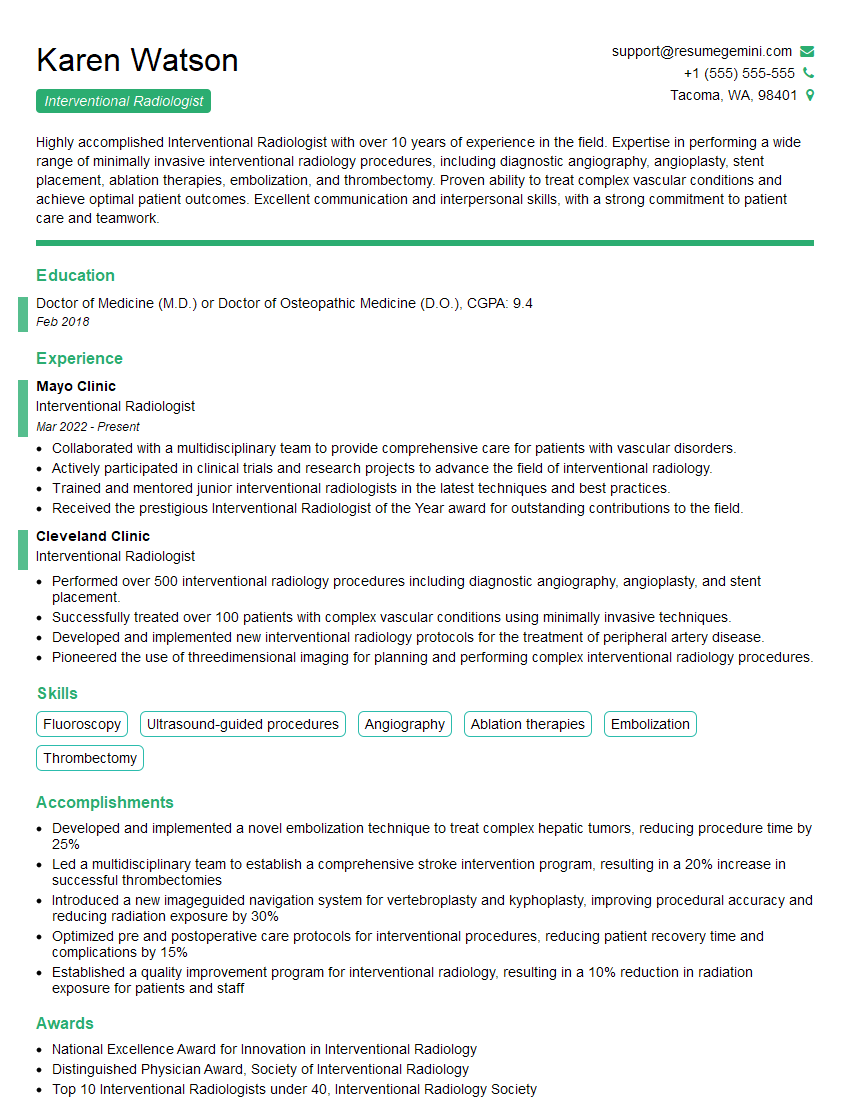
Interventional Radiologist Resume Sample
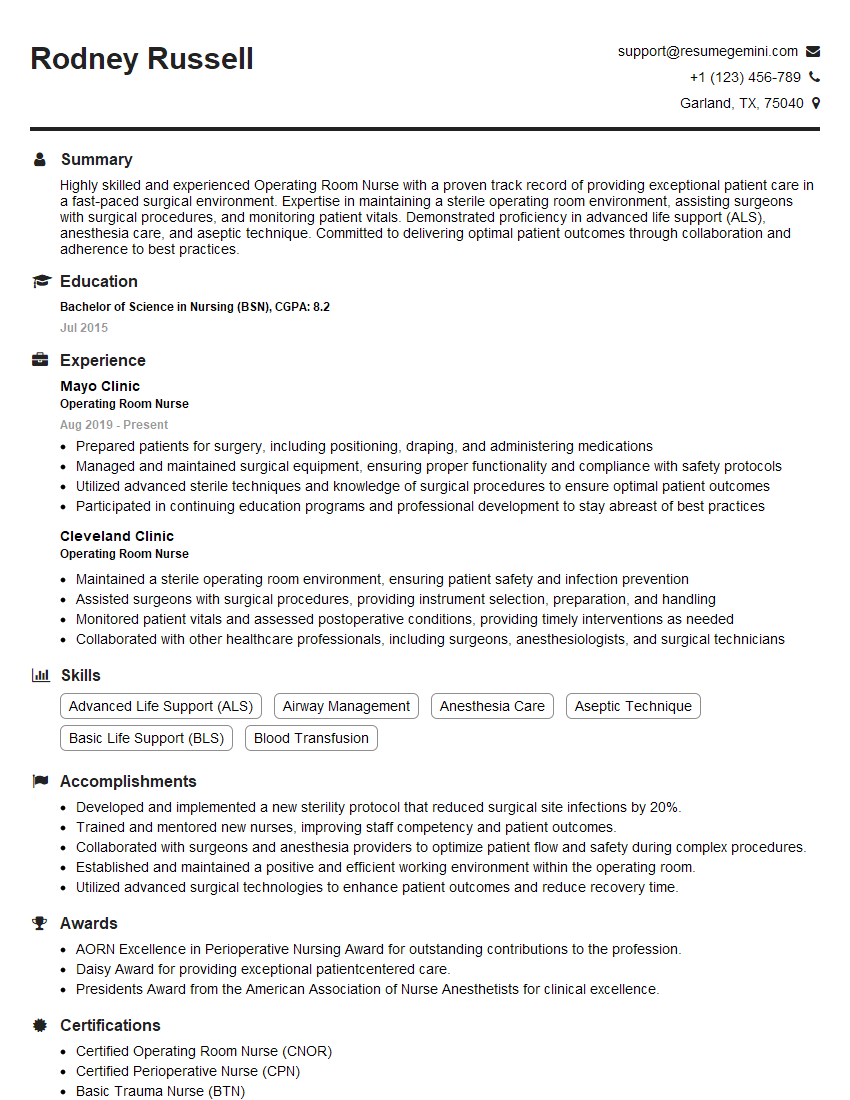
Operating Room Nurse Resume Sample
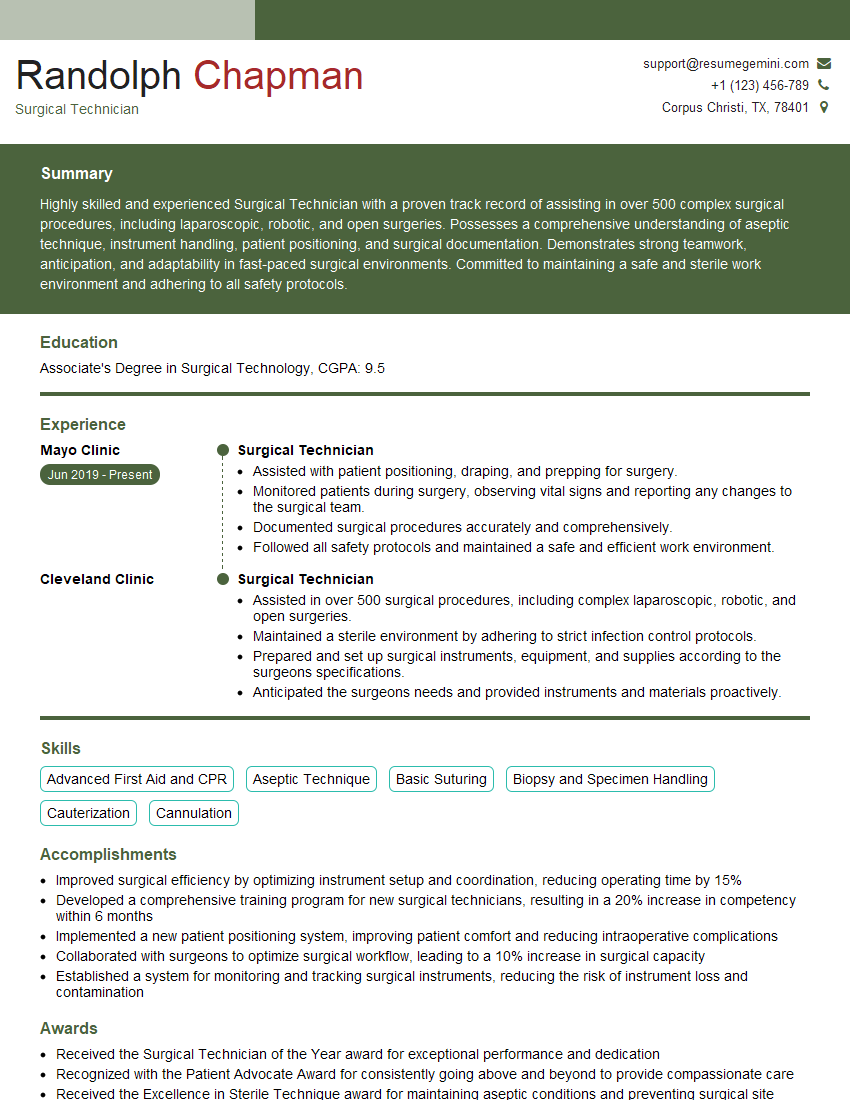
Surgical Technician Resume Sample
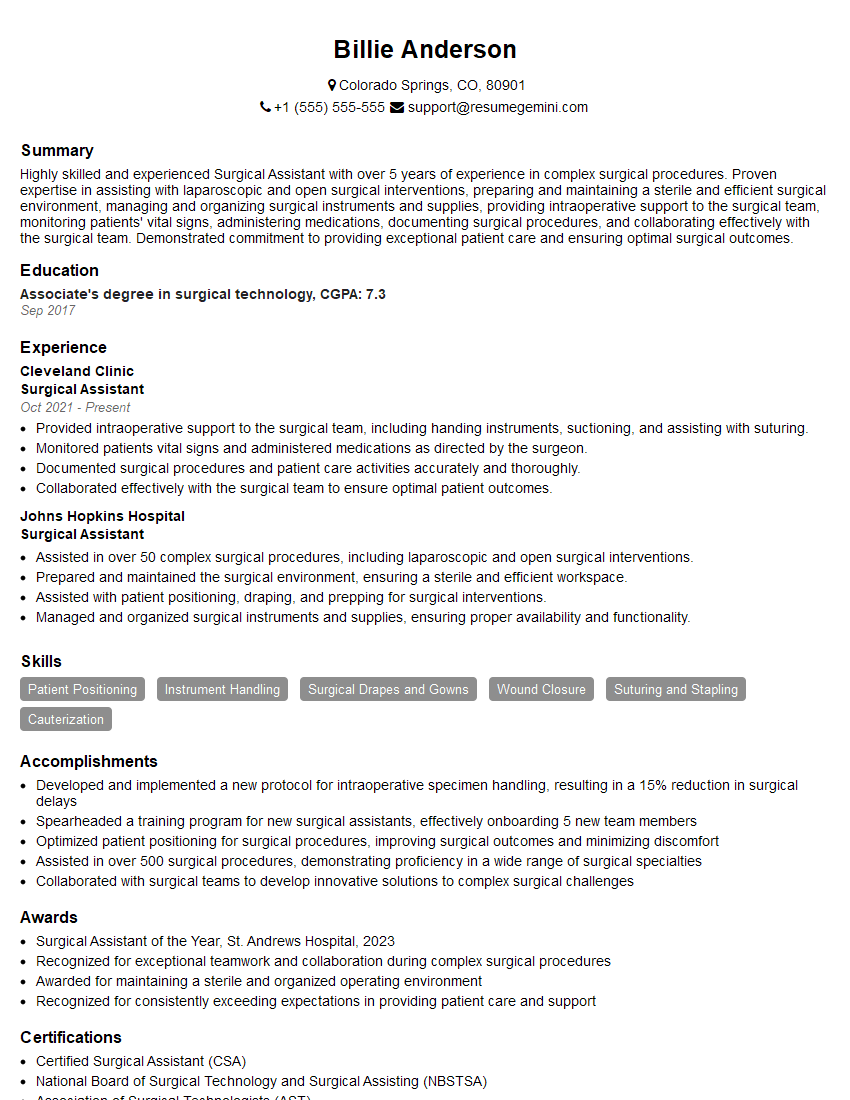
Surgical Assistant Resume Sample
- Clinical Director
- Healthcare Administrator
- Medical Director
- Quality Assurance Specialist
- Regulatory Affairs Specialist
- Clinical Research Associate
- Medical Physicist
- Nurse Practitioner
- Anesthesiologist
- Physician Assistant
- Orthopedic Surgeon
- Interventional Pain Physician
- Interventional Radiologist
- Operating Room Nurse
- Surgical Technician
- Surgical Assistant
Explore more articles
Users Rating of Our Blogs
Share Your Experience
We value your feedback! Please rate our content and share your thoughts (optional).
What Readers Say About Our Blog
To the interviewgemini.com Webmaster.
Very helpful and content specific questions to help prepare me for my interview!
Thank you
To the interviewgemini.com Webmaster.
This was kind of a unique content I found around the specialized skills. Very helpful questions and good detailed answers.
Very Helpful blog, thank you Interviewgemini team.