Interviews are more than just a Q&A session—they’re a chance to prove your worth. This blog dives into essential Labor Augmentation interview questions and expert tips to help you align your answers with what hiring managers are looking for. Start preparing to shine!
Questions Asked in Labor Augmentation Interview
Q 1. Explain the difference between labor augmentation and outsourcing.
Labor augmentation and outsourcing, while both involving external resources, differ significantly in their goals and approaches. Labor augmentation focuses on supplementing your existing team with specialized skills or extra capacity for a defined period, usually to handle a specific project or peak workload. Think of it like adding temporary muscle to your existing workforce. Outsourcing, on the other hand, involves transferring complete responsibility for a specific function or task to an external provider. This is like handing off an entire limb to a specialist, relinquishing control and responsibility. For example, a software company might augment its development team with additional programmers for a short-term project, while they might outsource their customer support operations entirely to a third-party call center.
In short: Augmentation is about temporary addition, outsourcing is about complete transfer of responsibility.
Q 2. Describe your experience with vendor management in a labor augmentation context.
My experience with vendor management in labor augmentation is extensive. I’ve managed relationships with numerous vendors, ranging from small boutique firms specializing in niche skills to large global providers. Effective vendor management hinges on clear communication, well-defined Service Level Agreements (SLAs), and consistent performance monitoring. For example, I once managed a vendor providing data scientists for a machine learning project. We established clear SLAs detailing deliverables, timelines, and communication protocols. Regular check-ins ensured alignment with project goals and addressed any roadblocks promptly. We used a standardized performance evaluation system, tracking key metrics such as project milestones achieved, the quality of deliverables, and vendor responsiveness. This systematic approach ensured project success and a strong, collaborative relationship with the vendor.
Furthermore, I have significant experience in negotiating contracts, ensuring favorable terms related to pricing, intellectual property rights, and dispute resolution. I am adept at using vendor management tools for tracking performance, costs and communication.
Q 3. How do you manage the onboarding process for augmented workforce?
Onboarding augmented workforce members is critical for seamless integration and productivity. My approach is structured and comprehensive. It begins with a detailed pre-boarding process, including sending welcome packets with relevant information about the company culture, policies, and project expectations. This is followed by a thorough orientation session covering company policies, security protocols, and project-specific training. We utilize a dedicated onboarding checklist to track progress and ensure all necessary steps are completed. We also pair new augmented team members with a buddy from the existing team to facilitate integration and provide ongoing support. This buddy system proves invaluable in answering questions, resolving issues and building rapport.
Furthermore, access to internal systems and communication channels is provided promptly, after ensuring all necessary security clearances are in place. Regular check-ins during the initial weeks are crucial to address concerns, provide feedback and gauge performance.
Q 4. What metrics do you use to measure the success of a labor augmentation project?
Measuring the success of a labor augmentation project requires a multifaceted approach. We utilize key performance indicators (KPIs) that align with project objectives. These often include:
- Project Completion Rate: Did the augmented team deliver on time and within budget?
- Quality of Work: Did the deliverables meet the required standards of quality?
- Cost-Effectiveness: Did the augmentation strategy yield a positive return on investment (ROI)?
- Team Integration: How effectively did the augmented team integrate with the existing team?
- Employee Satisfaction: How satisfied were both the augmented workforce and the internal team with the augmentation strategy?
By tracking these KPIs, we can identify areas of strength and areas needing improvement, informing future augmentation strategies.
Q 5. How do you ensure compliance with labor laws when utilizing augmented workforce?
Compliance with labor laws is paramount when utilizing an augmented workforce. This requires a thorough understanding of all relevant legislation in the region where the augmented employees are located. We ensure that all contracts comply with labor laws regarding wages, working conditions, benefits, and non-discrimination. We frequently review our processes to stay abreast of any changes in labor laws. Using a reputable vendor that specializes in compliance is a crucial aspect of mitigating legal risks. We also conduct regular audits to verify compliance. Finally, we clearly define the nature of the employment relationship to ensure appropriate classification of workers and compliance with tax and social security laws.
Q 6. What strategies do you use to mitigate risks associated with labor augmentation?
Mitigating risks associated with labor augmentation involves a proactive and multi-layered approach. Key strategies include:
- Thorough Vendor Selection: Conducting a rigorous vetting process to choose reputable vendors with a proven track record of success.
- Clearly Defined Contracts: Establishing detailed contracts that outline responsibilities, deliverables, payment terms, and dispute resolution mechanisms.
- Regular Performance Monitoring: Implementing a system for tracking key metrics and proactively addressing any performance issues.
- Risk Assessment: Identifying potential risks early on and developing mitigation strategies to address them.
- Communication and Collaboration: Maintaining open communication channels between the augmented team, the internal team, and the vendor to resolve issues promptly.
A well-defined escalation process for handling disputes or unexpected problems is also critical. This layered approach ensures that potential problems are identified and mitigated swiftly and effectively.
Q 7. Describe your experience with various sourcing strategies for labor augmentation.
My experience encompasses a variety of sourcing strategies for labor augmentation, tailored to the specific needs of each project. These include:
- Direct Sourcing: Reaching out to potential candidates directly through networking and online platforms. This is often useful for highly specialized roles where a targeted approach is needed.
- Staffing Agencies: Partnering with reputable staffing agencies with expertise in specific domains. Agencies handle the recruitment and screening processes, saving time and resources.
- Freelance Platforms: Utilizing online platforms like Upwork or Fiverr for short-term projects requiring specialized skills. This is excellent for finding niche expertise quickly.
- Managed Service Providers (MSPs): Engaging MSPs to manage the entire vendor ecosystem, providing a single point of contact for all augmentation needs.
The choice of strategy depends on factors like budget, timeline, skill requirements, and the level of vendor management desired. I carefully evaluate each option and select the best approach for maximizing efficiency and minimizing risks.
Q 8. How do you manage the budget for a labor augmentation project?
Budget management for labor augmentation projects requires a multi-faceted approach. It’s not just about adding up hourly rates; it’s about forecasting needs, negotiating favorable terms, and tracking expenses diligently. First, we meticulously define the project scope and resource requirements. This includes identifying the number of augmented workers needed, their skill sets, and the estimated duration of their engagement. We then obtain quotes from several staffing agencies, comparing not just the hourly rates but also considering factors like onboarding fees, benefits packages (if applicable), and any potential markup. A crucial step is building a detailed budget that includes all anticipated costs: labor costs, agency fees, potential training expenses, software licenses, and any other project-related expenditures. This budget is regularly monitored and adjusted as needed, with variance reports highlighting any deviations from the plan. Think of it like managing a household budget – meticulous planning and tracking are essential for staying within limits.
For example, let’s say we need 5 software developers for 6 months. We’ll get quotes from three agencies, comparing their rates, benefits packages (health insurance, paid time off), and any hidden costs. We’ll then build a spreadsheet detailing the projected cost per developer per month, and extrapolate for the total project cost. We’ll also build in a contingency buffer (say, 10%) to account for unforeseen circumstances.
Q 9. How do you assess the skills and experience of potential augmented workers?
Assessing potential augmented workers involves a rigorous process focusing on both hard skills and soft skills. We begin by carefully reviewing resumes and LinkedIn profiles, paying close attention to the candidate’s experience with relevant technologies and project types. However, credentials alone aren’t sufficient. We conduct thorough interviews, often involving technical assessments or coding challenges to evaluate their practical skills. These assessments are tailored to the specific requirements of the project. Furthermore, we assess soft skills such as communication, teamwork, and problem-solving abilities. This is often done through behavioral questions during the interview. Finally, we may utilize background checks and reference checks to verify information and assess their professionalism. A robust screening process minimizes risks and ensures the right fit for the team and project.
For instance, if we need a data scientist with experience in machine learning, our assessment would include questions about their experience with specific algorithms, practical coding exercises using Python and relevant libraries, and questions about their approach to data cleaning and feature engineering. We’d also evaluate their communication skills by asking how they’d explain complex technical findings to a non-technical audience.
Q 10. What is your approach to negotiating contracts with staffing agencies?
Negotiating contracts with staffing agencies demands a strategic approach focused on clarity, transparency, and mutual benefit. We start by clearly outlining our requirements, including the specific skill sets needed, project timelines, and payment terms. We request detailed proposals from multiple agencies, comparing their offerings. Our negotiation process involves a detailed review of the contract terms, carefully scrutinizing aspects like payment schedules, liability clauses, termination clauses, and intellectual property rights. We aim to establish clear Service Level Agreements (SLAs) specifying the expected performance levels and recourse mechanisms in case of underperformance. It’s a collaborative process; we aim for a win-win situation where both parties feel comfortable with the terms. Building rapport with agency representatives helps foster a mutually beneficial long-term relationship. We don’t just focus on price; we consider the agency’s reputation, track record, and the quality of their candidates.
For example, we might negotiate a lower hourly rate in exchange for a longer-term contract or a higher volume of candidates provided. We might also negotiate clear escalation paths for resolving issues that arise during the project.
Q 11. How do you manage the performance of augmented workers?
Managing the performance of augmented workers mirrors the management of any team member, but with an added layer of attention to their integration into the existing team. Regular check-ins are essential; we establish clear expectations upfront, outlining deliverables, deadlines, and performance metrics. We provide regular feedback, both positive reinforcement and constructive criticism, ensuring open communication and transparency. We integrate augmented workers into project management tools, allowing for easy task assignment, progress tracking, and communication. We actively encourage collaboration and knowledge sharing between augmented and core team members to foster a cohesive work environment. We utilize performance monitoring tools, such as time tracking software or project management systems, to track progress and identify potential roadblocks proactively.
For example, we might use Agile methodologies, conducting daily stand-up meetings to track progress and address any challenges immediately. We would use project management software like Jira to assign tasks, track progress and provide feedback regularly.
Q 12. How do you address performance issues with augmented workers?
Addressing performance issues with augmented workers requires a tactful and professional approach. We start by documenting the issue clearly and objectively, providing specific examples of the underperformance. We then schedule a private meeting with the augmented worker and their manager from the staffing agency to discuss the concerns constructively. The goal is not to place blame, but to identify the root cause of the problem. We work collaboratively to develop a performance improvement plan, outlining specific steps the worker needs to take to improve their performance. This plan includes clear goals, timelines, and support mechanisms. Regular check-ins are scheduled to monitor progress and offer ongoing support. If the performance issues persist despite these efforts, we may need to consider other options such as reassignment or, in extreme cases, termination, always in collaboration with the staffing agency, following the terms of the contract.
For instance, if an augmented developer consistently misses deadlines, we would first gather data illustrating the missed deadlines. Then we’d meet with them, and their agency contact, to explore the reasons – are they overloaded, lacking specific skills, or is there a communication breakdown? We would collaboratively develop a plan involving additional training, re-prioritization of tasks, or potentially assigning them to tasks better suited to their skillset.
Q 13. Describe a time you had to manage conflict within an augmented team.
In one project, we experienced conflict between two augmented developers working on different modules of a software application. One developer, let’s call him Alex, was more experienced and tended to be quite assertive in team discussions, occasionally dismissing the ideas of the other developer, Ben, who was newer to the team. This created tension and impacted their collaboration. To address this, I initiated a facilitated meeting involving both developers, their team lead, and myself. We established a safe space for them to openly express their concerns. We focused on active listening, clarifying misunderstandings and identifying the root cause of the conflict. We implemented clear communication protocols, including regular check-ins and documented decision-making processes. We also emphasized the importance of mutual respect and collaborative problem-solving. The result was a significant improvement in their working relationship, leading to better teamwork and project outcomes. This situation highlighted the importance of proactive conflict resolution and fostering a culture of open communication within the augmented team.
Q 14. How do you ensure seamless integration of augmented workers into existing teams?
Seamless integration of augmented workers requires careful planning and proactive effort. We begin by introducing the augmented workers to the existing team members well in advance of their start date. We host team-building activities to foster camaraderie and facilitate getting-to-know-you interactions. We provide comprehensive onboarding, including introductions to company culture, project specifics, and relevant tools and technologies. We assign a mentor from the existing team to guide the augmented workers and answer their questions. We ensure access to all necessary resources, including software licenses, hardware, and relevant documentation. We also integrate augmented workers into existing communication channels, such as team meetings and online collaboration platforms. Regular check-ins, both with the individual and the team, help monitor the integration process and address any challenges early on. By proactively addressing potential integration issues, we create a positive and inclusive environment that fosters collaboration and maximizes productivity.
For example, before an augmented developer starts, we’d schedule a meeting with the core team to introduce them and discuss project expectations. We’d assign a buddy to help them navigate company systems and internal processes. We’d also ensure they have access to all the necessary tools and documentation from day one.
Q 15. What technology or tools are you familiar with in managing augmented workforce?
Managing an augmented workforce effectively requires leveraging several technological tools. I’m proficient with various platforms for talent acquisition, project management, and communication. For instance, I’ve used platforms like Upwork and Toptal for sourcing specialized skills, and Asana or Jira for task management and progress tracking. These platforms offer features like time tracking, performance monitoring, and communication channels, crucial for oversight and collaboration. In addition to these, I am experienced with Applicant Tracking Systems (ATS) for streamlining the recruitment process, improving efficiency, and reducing bias.
Beyond these platforms, I am also comfortable utilizing tools for remote collaboration such as Slack and Microsoft Teams, which help maintain communication and transparency within the team and with stakeholders. For performance evaluation, I often use custom-designed spreadsheets or dedicated HR software with features that allow for objective performance assessment of augmented workforce members.
Career Expert Tips:
- Ace those interviews! Prepare effectively by reviewing the Top 50 Most Common Interview Questions on ResumeGemini.
- Navigate your job search with confidence! Explore a wide range of Career Tips on ResumeGemini. Learn about common challenges and recommendations to overcome them.
- Craft the perfect resume! Master the Art of Resume Writing with ResumeGemini’s guide. Showcase your unique qualifications and achievements effectively.
- Don’t miss out on holiday savings! Build your dream resume with ResumeGemini’s ATS optimized templates.
Q 16. What is your experience with managing remote augmented workers?
Managing remote augmented workers requires a different approach than managing on-site employees. My experience includes establishing clear communication protocols using tools like Slack or Microsoft Teams for daily updates, project discussions, and quick questions. Regular virtual meetings are essential, not just for progress reviews, but also for team building and fostering a sense of community. I focus on setting clear expectations upfront regarding deliverables, deadlines, and communication frequency, using detailed project briefs and utilizing project management software to track progress and ensure accountability.
Furthermore, I believe in trust and empowerment. Micromanaging remote workers is counterproductive. Instead, I focus on providing clear guidelines, regular feedback, and the necessary resources, allowing them autonomy to manage their time and work effectively. Trust, coupled with transparent communication, is key to success in this model.
For example, in a past project, I successfully managed a team of five remote augmented data scientists across three different time zones. Through diligent use of project management tools and regular video conferencing, we completed the project on time and under budget.
Q 17. Describe your experience with different types of contracts for augmented workers.
My experience encompasses various contract types for augmented workers, each with its own advantages and disadvantages. I’ve worked with independent contractors (1099), statement of work (SOW) contracts, and contracts through Managed Service Providers (MSPs). 1099 contracts offer flexibility but require careful attention to legal compliance concerning taxes and benefits. SOW contracts are ideal for clearly defined projects with specific deliverables and milestones. They offer greater control over the scope of work and payment schedules.
Working through MSPs offers a streamlined approach, particularly for large-scale projects, as the MSP handles much of the administrative burden, including recruitment, onboarding, payroll, and compliance. Choosing the right contract type depends heavily on the project’s complexity, duration, and budget. I always assess each project’s specific needs to determine the most suitable approach, ensuring legal compliance and a fair arrangement for all parties.
Q 18. How do you handle the offboarding process for augmented workers?
The offboarding process for augmented workers is crucial for maintaining a positive relationship and protecting the company’s interests. It begins well before the actual end date, with a structured plan encompassing several steps. First, a formal notification, outlining the end date and reason for separation, is issued. Next, a knowledge transfer process is initiated, ensuring that crucial information and ongoing projects are handed over seamlessly to internal teams or other augmented workers.
We conduct exit interviews to gather feedback on the project, the company culture, and the work experience. This feedback helps improve future augmentation strategies. Finally, a formal termination of the contract, along with any necessary paperwork, is processed, ensuring compliance with all relevant legal and contractual obligations. Maintaining a respectful and professional demeanor throughout this process is crucial for preserving positive relationships and avoiding potential issues. This process also includes a final performance review and evaluation.
Q 19. How do you maintain communication and transparency with stakeholders in a labor augmentation project?
Maintaining open communication and transparency with stakeholders is paramount to successful labor augmentation. I utilize a multi-faceted approach to ensure everyone is informed and engaged throughout the project lifecycle. Regular progress reports, presented in clear and concise formats—often visually appealing dashboards and presentations—are shared with key stakeholders, highlighting key milestones achieved and any challenges encountered.
Frequent meetings, both formal and informal, provide opportunities for two-way communication, addressing concerns and questions proactively. Utilizing collaboration tools allows for real-time updates and information sharing. For instance, using project management software with integrated reporting capabilities allows stakeholders to track progress independently. Transparency builds trust and ensures everyone is aligned towards project goals. For example, I’ve used a centralized communication hub to ensure seamless information flow among the client, the augmented workforce, and our internal teams.
Q 20. What is your approach to forecasting staffing needs for labor augmentation?
Forecasting staffing needs for labor augmentation involves a combination of data analysis and strategic planning. I begin by analyzing historical data, including past project timelines, resource allocation, and team productivity. This data helps establish baseline metrics for future projects. Then, I incorporate information on upcoming projects, including their scope, complexity, and expected duration. This often involves discussions with project managers and other stakeholders to understand their needs and anticipated challenges.
I also factor in potential risks and contingencies, accounting for unexpected delays or changes in project scope. This ensures that we have the necessary resources available even in the face of unforeseen circumstances. Finally, I use forecasting tools and models to project future staffing needs, considering various scenarios and potential growth or reduction in workload. The output of this process is a detailed staffing plan that outlines the number, skills, and duration of required augmented workers for future projects. The plan is regularly reviewed and updated to reflect any changes in project requirements or market conditions.
Q 21. How do you ensure diversity and inclusion in your labor augmentation strategies?
Diversity and inclusion are not just ethical imperatives but also strategic advantages in labor augmentation. To ensure diverse representation, I actively engage with a variety of sourcing channels, including those that specifically target underrepresented groups. I review job descriptions for potential bias, ensuring they are inclusive and welcoming to all applicants. I also utilize blind resume screening techniques during the initial phases of the recruitment process, minimizing unconscious bias.
Beyond recruitment, I prioritize creating an inclusive work environment for all augmented workers, regardless of their background. This involves fostering a culture of respect, understanding, and open communication. Regular diversity and inclusion training sessions are provided to ensure that everyone is aware of the importance of inclusivity and understands their role in fostering a positive and equitable work environment. Measuring the diversity of the augmented workforce against established goals and continually refining our strategies is crucial to our ongoing success in this area. We regularly track and analyze the demographic representation of our augmented workforce to identify any gaps and adjust our strategies accordingly.
Q 22. Describe your experience with Statement of Work (SOW) creation and management.
Creating and managing a Statement of Work (SOW) is crucial for successful labor augmentation. A well-defined SOW acts as a contract, outlining the scope of work, deliverables, timelines, and payment terms for the augmented team. My experience involves collaborating with clients to define specific requirements, translating those needs into actionable tasks, and creating a detailed document that leaves no room for ambiguity.
This includes specifying the type of skills needed, the number of resources, the project duration, and key performance indicators (KPIs). For example, if we’re augmenting a software development team, the SOW would detail the specific features to be developed, the technologies to be used, testing protocols, and acceptance criteria. I also incorporate change management processes within the SOW to account for potential modifications requested during the project lifecycle. After the SOW is finalized and approved, I track its adherence and manage any necessary revisions through a formal change request process, maintaining a meticulous record of all amendments.
I leverage project management software to maintain version control, track progress against milestones, and ensure transparency across all stakeholders. This allows for proactive identification and mitigation of potential risks, ensuring the project stays on track and within budget.
Q 23. How do you track and manage time sheets for augmented workers?
Tracking and managing timesheets for augmented workers is critical for accurate billing and project cost control. I use a combination of project management software and dedicated time tracking tools. These tools often integrate directly with the project management platform allowing for a seamless workflow.
The process begins with clear instructions provided to augmented workers on how to accurately record their time against specific tasks or projects, using a consistent and standardized format. This includes daily or weekly submission deadlines. I then review submitted timesheets for accuracy and completeness, checking for anomalies or inconsistencies. This might involve comparing the reported hours to project plans, confirming task completion, and clarifying any unclear entries.
Regular communication with the augmented team is vital to address any questions or issues promptly. For example, if a worker reports unusually high or low hours, I investigate the cause to ensure the data’s accuracy and prevent potential billing disputes. Finally, the approved timesheets form the basis for invoicing the client.
Q 24. How do you ensure data security and confidentiality with augmented workers?
Data security and confidentiality are paramount when working with augmented workers. We implement a multi-layered approach, starting with robust onboarding procedures that include comprehensive training on our security policies and acceptable use guidelines. This covers everything from password management and data handling protocols to recognizing and reporting security incidents.
Access control is crucial. Augmented workers are granted access only to the systems and data absolutely necessary for their assigned tasks, using the principle of least privilege. We leverage strong authentication methods, including multi-factor authentication (MFA), to restrict access. Furthermore, all sensitive data is encrypted both in transit and at rest, adhering to industry best practices. Regular security audits and penetration testing are conducted to identify and address potential vulnerabilities proactively.
We also utilize tools such as data loss prevention (DLP) solutions to monitor and prevent unauthorized data transfers. Finally, we require all augmented workers to sign Non-Disclosure Agreements (NDAs) before commencing work, outlining their obligations regarding data confidentiality.
Q 25. Describe your experience with different billing models for augmented workers.
My experience encompasses a variety of billing models for augmented workers, each with its own advantages and disadvantages. The choice depends on the project’s nature, client requirements, and overall risk profile.
- Time and Materials (T&M): This model is straightforward, billing clients for the actual time spent on the project plus the cost of materials used. It’s transparent and ideal for projects with evolving scopes or uncertain timelines. However, it can lead to unpredictable costs for clients.
- Fixed Price: This involves a pre-agreed price for a defined scope of work. It provides clients with cost certainty, but requires accurate project scope definition upfront. Changes to the scope can lead to complex change orders and potential disputes.
- Value-Based Pricing: This links billing to the value delivered to the client, often tied to specific outcomes or KPIs. It aligns incentives but requires careful definition of success metrics and can be more challenging to implement.
I have successfully managed projects using each of these models, tailoring the approach to fit the specific context. For example, for a short-term, well-defined project with minimal risk of scope creep, a fixed-price model is often preferred. For complex, longer-term projects, a T&M model might be more suitable. Value-based pricing is best suited for projects where the client’s success can be clearly quantified.
Q 26. What is your experience with managing the expectations of internal teams regarding augmented workers?
Managing the expectations of internal teams regarding augmented workers requires proactive communication and transparent collaboration. Before introducing augmented workers, I conduct thorough briefings with internal teams, outlining the rationale for augmentation, the roles and responsibilities of the augmented team, and the expected benefits. This helps mitigate any apprehension or concerns about potential job displacement.
I emphasize that augmented workers are there to supplement existing capabilities, not replace them. I facilitate regular communication channels between internal teams and the augmented workers to promote seamless collaboration and knowledge sharing. This often includes joint project meetings, team-building activities, and regular feedback sessions.
For example, I’ve successfully integrated augmented developers into an existing software development team by arranging pair programming sessions to foster knowledge transfer and establish a collaborative working relationship. Clear roles, responsibilities, and reporting lines are established to avoid ambiguity and conflict. Open and honest communication is key to addressing any challenges that might arise, allowing for timely intervention and problem-solving.
Q 27. How do you measure the return on investment (ROI) of a labor augmentation project?
Measuring the ROI of a labor augmentation project requires a comprehensive approach, going beyond simple cost savings. I typically use a multi-faceted approach that considers various factors.
- Cost Savings: Comparing the cost of using augmented workers to the cost of hiring full-time employees, including salary, benefits, and overhead.
- Increased Productivity and Efficiency: Measuring improvements in project timelines, throughput, and overall productivity due to the augmented team’s contributions.
- Improved Quality: Evaluating the quality of deliverables, reducing defects and rework, and assessing client satisfaction.
- Access to Specialized Skills: Quantifying the value of access to specialized skills and expertise that were not available internally.
- Faster Time-to-Market: Measuring the reduction in time taken to launch products or services.
These metrics are tracked and analyzed throughout the project lifecycle. A clear comparison between the initial investment (costs of augmentation) and the realized benefits (cost savings, productivity gains, improved quality) provides a robust ROI calculation. This analysis provides valuable insights for future augmentation initiatives.
Key Topics to Learn for Labor Augmentation Interview
- Understanding Labor Augmentation Strategies: Explore various augmentation models (staff augmentation, project-based augmentation, etc.) and their suitability for different business needs. Consider the pros and cons of each approach.
- Vendor Management and Selection: Learn the process of identifying, evaluating, and selecting suitable vendors for labor augmentation. This includes understanding RFP processes, contract negotiation, and vendor performance management.
- Cost Optimization and Budgeting: Understand how to effectively budget for labor augmentation projects, negotiate favorable rates, and track expenses to ensure cost-effectiveness.
- Risk Management and Mitigation: Identify potential risks associated with labor augmentation (e.g., security, compliance, quality) and develop strategies for mitigating these risks.
- Legal and Compliance Considerations: Familiarize yourself with relevant employment laws, regulations, and compliance requirements related to temporary staffing and contractors.
- Technology and Tools: Explore the various technologies and tools used in labor augmentation, such as project management software, time tracking systems, and communication platforms. Discuss their practical applications.
- Performance Measurement and Reporting: Understand key performance indicators (KPIs) used to track the success of labor augmentation initiatives and how to effectively report on progress and outcomes.
- Communication and Collaboration: Mastering effective communication and collaboration strategies with internal teams, external vendors, and augmented staff is crucial for project success. Discuss best practices.
- Problem-Solving in Labor Augmentation: Prepare to discuss how you would approach and solve common challenges encountered in labor augmentation projects, such as resource conflicts, scope creep, or performance issues.
Next Steps
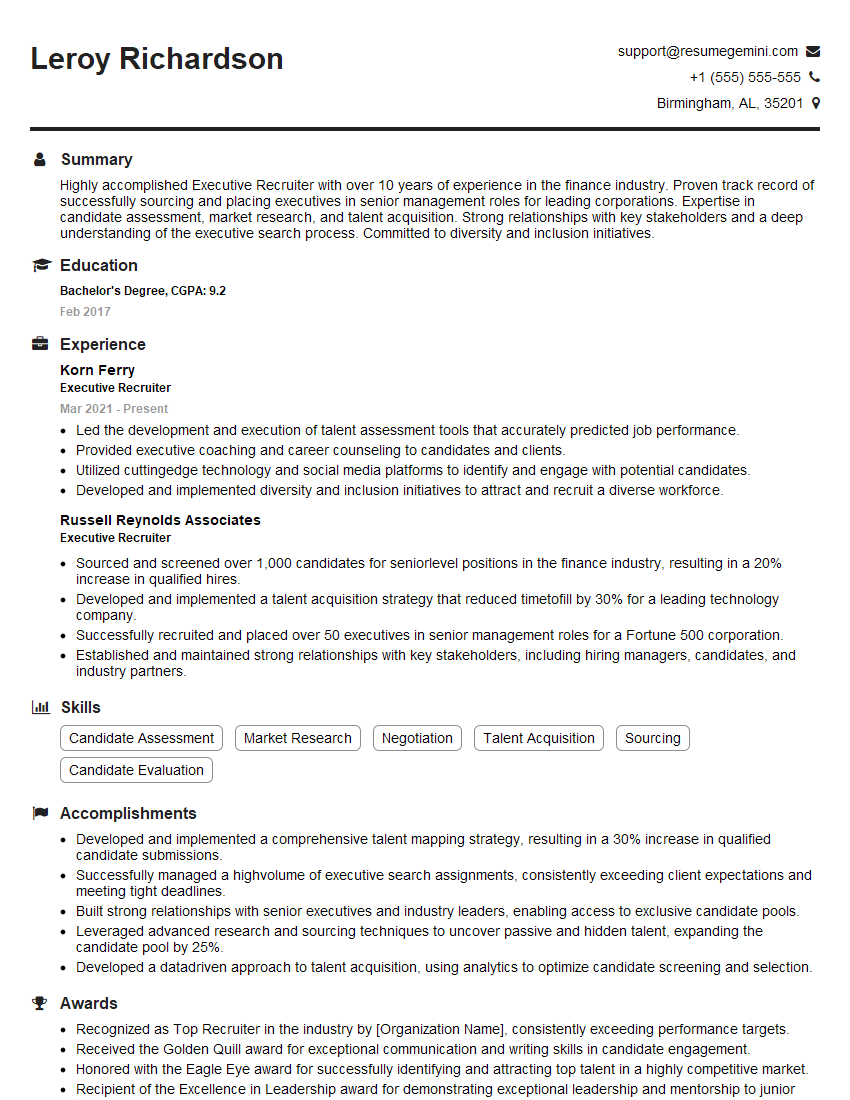
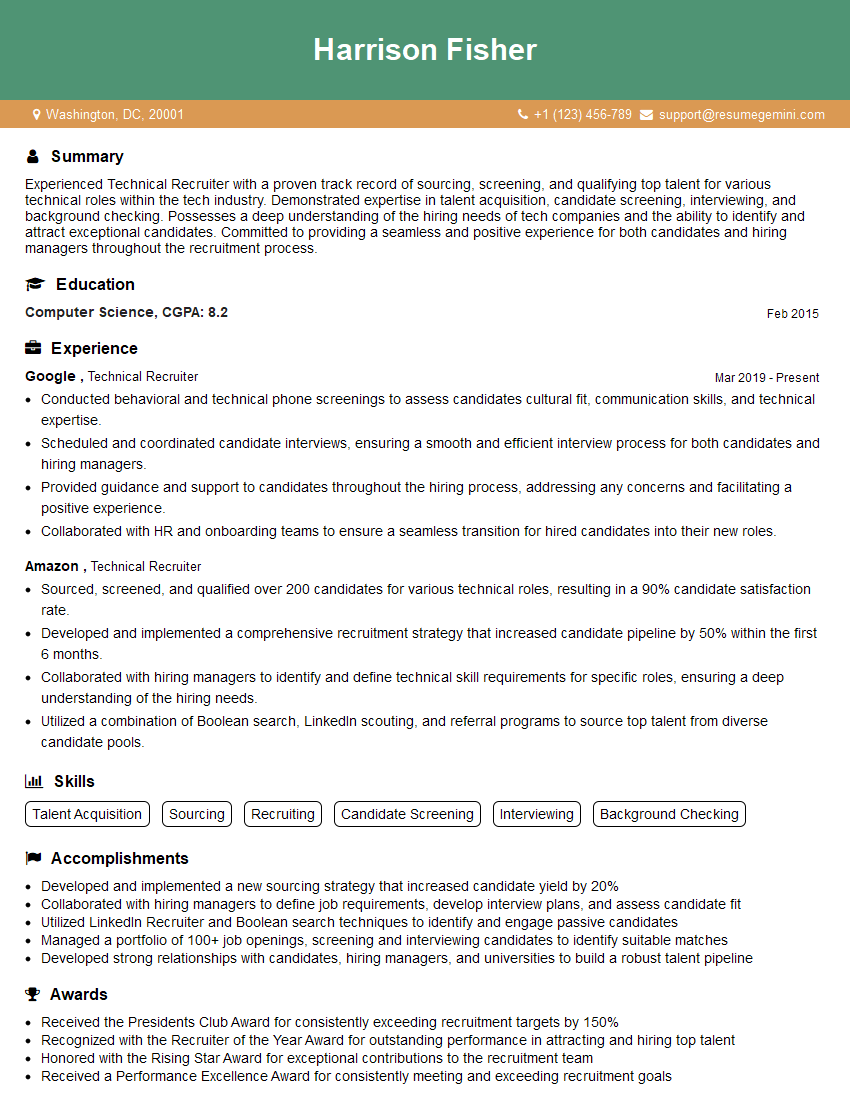
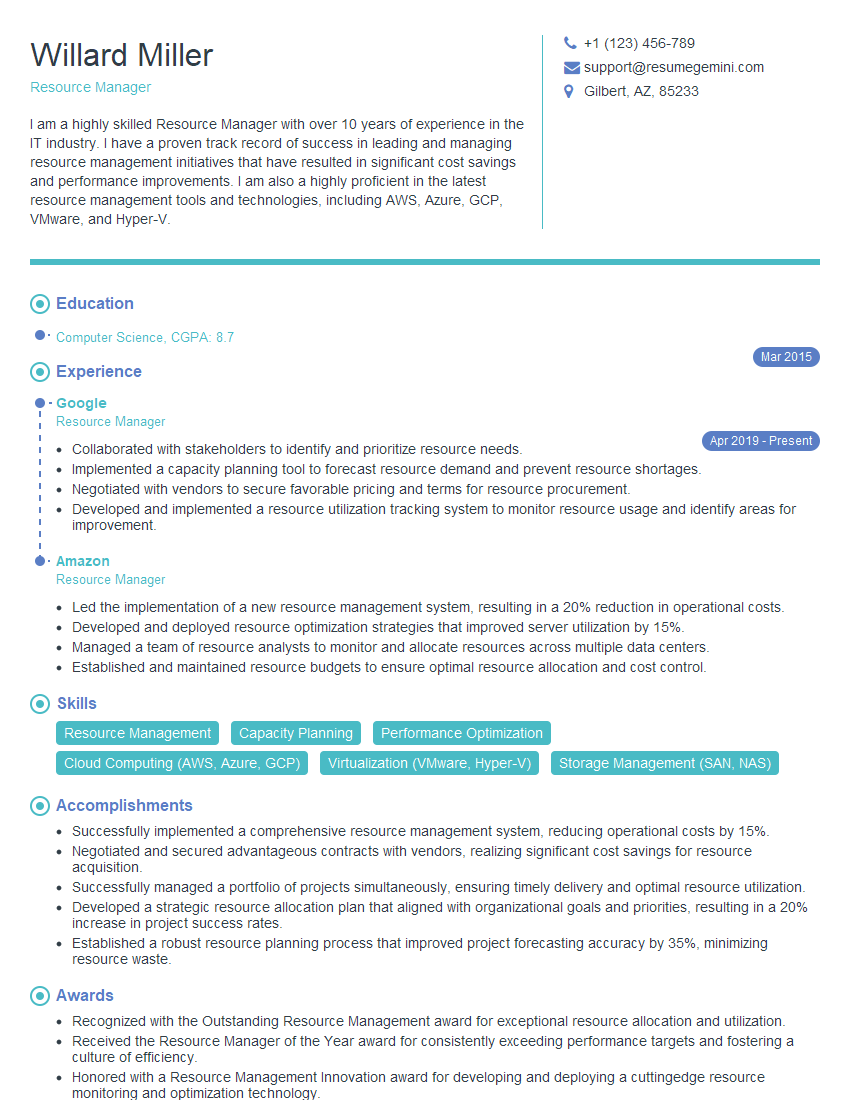
Mastering Labor Augmentation positions you for significant career growth, opening doors to leadership roles and strategic decision-making within organizations. To enhance your job prospects, crafting an ATS-friendly resume is essential. ResumeGemini is a trusted resource to help you build a professional resume that highlights your skills and experience effectively. Examples of resumes tailored to Labor Augmentation are available within ResumeGemini to guide you.
Explore more articles
Users Rating of Our Blogs
Share Your Experience
We value your feedback! Please rate our content and share your thoughts (optional).
What Readers Say About Our Blog
To the interviewgemini.com Webmaster.
Very helpful and content specific questions to help prepare me for my interview!
Thank you
To the interviewgemini.com Webmaster.
This was kind of a unique content I found around the specialized skills. Very helpful questions and good detailed answers.
Very Helpful blog, thank you Interviewgemini team.