Interviews are opportunities to demonstrate your expertise, and this guide is here to help you shine. Explore the essential Laboratory Testing and Monitoring interview questions that employers frequently ask, paired with strategies for crafting responses that set you apart from the competition.
Questions Asked in Laboratory Testing and Monitoring Interview
Q 1. Explain the principles of quality control in laboratory testing.
Quality control (QC) in laboratory testing is a system of checks and balances designed to ensure the accuracy, reliability, and validity of test results. It’s like a safety net, preventing errors from reaching patients or impacting critical decisions. This involves multiple layers, including pre-analytical, analytical, and post-analytical QC.
Pre-analytical QC: This focuses on the sample collection, handling, and storage. It includes proper patient identification, correct collection tubes, appropriate temperature maintenance, and timely processing to prevent degradation. Think of it as making sure you’re using the right ingredients before starting to bake a cake.
Analytical QC: This involves using control materials – samples with known values – alongside patient samples during the testing process. By comparing the results for the control material to its expected range, we validate the accuracy and precision of the assay. It’s like checking the oven temperature before baking to ensure it’s at the correct setting.
Post-analytical QC: This focuses on the verification of the results, reporting, and interpretation. It includes reviewing results for outliers, ensuring proper reporting formats, and ensuring that the results are clinically relevant. This is like checking the baked cake’s texture and taste to confirm it is as expected.
Regular QC monitoring, documentation, and analysis (using control charts, for example) allow us to identify and address problems promptly, ensuring reliable results.
Q 2. Describe different types of laboratory errors and how to minimize them.
Laboratory errors can occur at any stage of the testing process. They broadly categorize into pre-analytical, analytical, and post-analytical errors.
Pre-analytical errors are the most common, often stemming from incorrect patient identification, improper sample collection, inadequate preservation, or delays in transportation. For example, mislabeling a blood sample could lead to a wrong diagnosis.
Analytical errors occur during the testing phase and may be due to instrument malfunction, reagent degradation, or operator error. A poorly calibrated instrument will inevitably produce inaccurate results.
Post-analytical errors happen during result interpretation, reporting, or transcription. A simple typo in a report can have serious consequences.
Minimizing errors requires a multi-pronged approach:
Standardized procedures: Implementing and adhering to well-defined protocols for each stage of testing.
Regular training: Ensuring staff are adequately trained in the proper techniques and the use of equipment.
Preventive maintenance: Routine maintenance and calibration of equipment to prevent malfunctions.
Quality control: Regular QC checks to identify and correct inconsistencies.
Proficiency testing: Participation in external quality assessment programs to compare results with other labs.
Q 3. How do you ensure the accuracy and precision of laboratory results?
Accuracy and precision are vital for reliable laboratory results. Accuracy refers to how close the measured value is to the true value, while precision refers to how close repeated measurements are to each other. Imagine shooting an arrow at a target: accuracy means hitting the bullseye, while precision means hitting the same spot repeatedly, regardless of whether it’s the bullseye.
Ensuring accuracy and precision involves:
Calibration: Regularly calibrating instruments using certified standards to ensure they measure correctly.
Quality control: Using control materials with known values to assess the performance of the assay.
Method validation: Rigorous testing of the analytical method to verify its accuracy, precision, specificity, and linearity.
Proficiency testing: Participation in external quality assessment programs to compare results with other laboratories and identify areas for improvement.
Regular maintenance: Performing routine maintenance of equipment to ensure optimal performance.
Well-trained personnel: Employing and training skilled technicians to follow standardized procedures and troubleshoot issues.
Q 4. What are the key performance indicators (KPIs) for a laboratory?
Key performance indicators (KPIs) for a laboratory are metrics used to monitor its efficiency, effectiveness, and quality. They help identify areas for improvement and ensure the lab meets its goals. Some key KPIs include:
Turnaround time (TAT): The time taken from sample receipt to result reporting. A shorter TAT is generally preferred.
Accuracy rate: The percentage of tests with accurate results, as determined through QC and proficiency testing.
Precision: The consistency of results over repeated measurements.
Error rate: The percentage of tests with errors, categorized as pre-analytical, analytical, or post-analytical.
Sample rejection rate: The percentage of samples rejected due to inadequate quality or improper handling.
Productivity: The number of tests performed per unit of time or per staff member.
Cost per test: The cost of performing a single test, including labor, materials, and equipment.
Customer satisfaction: Measured through feedback from clinicians and other stakeholders.
Tracking these KPIs allows for continuous quality improvement and ensures the laboratory operates efficiently and reliably.
Q 5. Explain the process of method validation in a laboratory setting.
Method validation is a crucial process that verifies the suitability of an analytical method for its intended use. It’s like rigorously testing a new recipe before serving it to guests. It involves evaluating several aspects:
Specificity: The ability of the method to measure only the analyte of interest, without interference from other substances.
Linearity: The ability of the method to produce results proportional to the analyte concentration over a defined range.
Accuracy: How close the measured values are to the true values, often assessed using reference materials.
Precision: The reproducibility of results, assessed through repeated measurements.
Limit of detection (LOD): The lowest concentration of analyte that can be reliably detected.
Limit of quantitation (LOQ): The lowest concentration of analyte that can be reliably measured with acceptable accuracy and precision.
Range: The concentration interval over which the method provides accurate and precise results.
Robustness: The method’s ability to withstand minor variations in conditions (e.g., temperature, reagent concentration) without significantly affecting results.
The validation process typically involves performing experiments with known samples and documenting the results comprehensively. This documentation is essential for regulatory compliance and ensuring the reliability of the method.
Q 6. Describe your experience with laboratory equipment maintenance and troubleshooting.
My experience encompasses a wide range of laboratory equipment, from automated analyzers to microscopes and basic glassware. I am proficient in performing preventative maintenance, including cleaning, calibration, and troubleshooting.
For example, I’ve regularly performed preventative maintenance on our automated chemistry analyzer, which involves checking reagent levels, cleaning optical components, and running quality control samples. This has minimized downtime and ensured accurate results. In cases of equipment malfunction, I use a systematic approach, starting with checking power supply, reagents, and software issues, before seeking assistance from specialized engineers if needed. I maintain detailed logs of all maintenance activities and troubleshooting efforts, complying with our lab’s SOPs.
I’m also adept at using various diagnostic tools for equipment troubleshooting and have experience working with different manufacturers’ service manuals and technical support personnel.
Q 7. How do you handle discrepancies in laboratory results?
Discrepancies in laboratory results are a serious matter and require careful investigation. My approach involves a systematic review to identify the source of the discrepancy:
Review the pre-analytical phase: Verify sample collection, handling, storage, and transport procedures. Was the sample correctly identified, collected, and stored? Were there any delays or issues during transport?
Examine the analytical phase: Check for instrument malfunctions, reagent issues, or operator errors. Review QC data to see if there were any problems with the analytical process at the time the test was performed. Were the controls within acceptable ranges?
Investigate the post-analytical phase: Check for errors in data entry, calculation, or reporting. Were the results correctly transcribed and reported? Were there any unusual patterns in the data?
Repeat the test: If possible, repeat the test using a fresh sample and/or a different method or instrument.
Consult with colleagues: Discuss the findings with other experienced laboratory personnel to get a second opinion.
Implement corrective actions: Based on the findings of the investigation, implement appropriate corrective actions to prevent similar discrepancies in the future. This could involve retraining staff, modifying procedures, or replacing faulty equipment.
Document the entire process: Maintaining thorough documentation throughout the investigation is crucial.
The goal is not only to identify the error but also to prevent its recurrence, ensuring the reliability and integrity of future results.
Q 8. What are the regulatory requirements for laboratory testing in your field?
Regulatory requirements for laboratory testing are stringent and vary depending on the specific field (e.g., clinical, environmental, food safety), the type of test performed, and the geographical location. Generally, they aim to ensure accuracy, reliability, and the safety of both personnel and the public. Key aspects often include:
- Accreditation: Labs often seek accreditation from organizations like ISO 15189 (for medical labs) or similar bodies, demonstrating compliance with internationally recognized standards.
- Licensure and Permits: Many jurisdictions require labs to obtain licenses and permits to operate legally, often involving inspections and adherence to local regulations.
- Quality Management Systems (QMS): Labs must implement a robust QMS, typically based on ISO 9001 principles, documenting procedures, ensuring traceability, and continually improving processes.
- Personnel Qualifications: Staff must possess appropriate training, qualifications, and certifications relevant to their roles and the tests performed. Regular competency assessments are crucial.
- Method Validation and Verification: Testing methods must be validated to demonstrate their accuracy and reliability, and regular verification ensures continued performance. This involves rigorous statistical analysis.
- Record Keeping and Reporting: Meticulous record-keeping is essential, including sample chain-of-custody documentation, instrument calibration logs, and comprehensive test results. Reporting procedures must be clearly defined and followed meticulously.
- Safety Regulations: Strict adherence to safety regulations concerning handling hazardous materials, waste disposal, and personal protective equipment (PPE) is paramount. Regular safety training and drills are essential.
For example, a clinical laboratory performing blood tests must comply with CLIA regulations in the US, while an environmental lab analyzing water samples might be subject to EPA guidelines. Non-compliance can result in severe penalties, including fines, suspension of operations, or legal action.
Q 9. Explain your understanding of proficiency testing and its importance.
Proficiency testing (PT), also known as external quality assessment (EQA), is a crucial process where laboratories participate in blind testing exercises to assess their performance against other labs performing similar tests. It’s like a standardized exam for laboratories. The importance of PT lies in its ability to:
- Identify and correct errors: PT highlights potential inaccuracies in methods, equipment calibration, or personnel training. Discrepancies between a lab’s results and the consensus values indicate a need for investigation and corrective action.
- Ensure accuracy and reliability: Participation in PT demonstrates a lab’s commitment to producing reliable and accurate results. This builds trust with clients and regulatory bodies.
- Benchmark performance: PT allows labs to compare their performance with peers, identifying areas for improvement and highlighting best practices.
- Maintain accreditation and compliance: Many accreditation bodies require regular participation in PT as a condition of accreditation, ensuring consistent quality standards.
Imagine a group of labs testing the same blood sample for glucose levels. PT provides the ‘correct’ answer and allows each lab to compare its result, revealing any systematic biases or inaccuracies. Consistent poor performance might necessitate retraining or equipment recalibration.
Q 10. How do you ensure the safety and security of laboratory samples?
Ensuring the safety and security of laboratory samples is critical to maintain the integrity of test results and prevent contamination or tampering. Key measures include:
- Chain of Custody: A meticulously documented chain of custody ensures the sample’s integrity from collection to disposal. This involves assigning unique identification numbers, recording handling details, and securing signatures at each transfer point.
- Secure Storage: Samples should be stored in appropriate conditions (temperature, humidity, light) to prevent degradation. Secure storage facilities with access controls limit unauthorized access.
- Sample Labeling and Tracking: Clear and accurate labeling of samples is crucial, including unique identifiers, collection date, and patient/sample information. A robust sample tracking system ensures efficient management.
- Proper Handling and Transport: Samples should be handled carefully to avoid spills or damage. Appropriate packaging and transport conditions must be maintained during transit.
- Security Measures: This may include access controls to the laboratory, surveillance systems, and secure disposal of potentially hazardous materials. Regular audits and security assessments are essential.
- Biohazard Safety Protocols: Rigorous procedures to handle biohazardous materials must be followed, including PPE use, proper decontamination techniques, and adherence to safety regulations.
For example, a forensic lab handling DNA samples must employ extremely stringent security protocols to prevent contamination and maintain evidence integrity. Similarly, a clinical lab handling patient samples must ensure patient confidentiality and protect against biohazard risks.
Q 11. Describe your experience with different laboratory information systems (LIS).
I have extensive experience with various Laboratory Information Systems (LIS), including both commercially available systems (e.g., Cerner, Epic, Sunquest) and customized in-house systems. My experience encompasses the full spectrum of LIS functionalities, including:
- Specimen Accessioning: Managing patient and sample information, tracking samples throughout the testing process.
- Order Entry: Processing laboratory test requests efficiently, reducing errors and delays.
- Result Reporting: Generating accurate and timely reports, including integration with electronic health records (EHRs).
- Quality Control (QC): Managing QC data, performing statistical analysis, and generating QC reports.
- Inventory Management: Tracking reagents, supplies, and equipment, ensuring availability and minimizing waste.
- Data Analysis and Reporting: Generating reports for management, regulatory compliance, and research purposes.
My experience also covers database management, system integration, and troubleshooting technical issues. The selection of an appropriate LIS is crucial, depending on the lab’s size, workflow, and specific needs. I’ve been involved in projects ranging from implementing new LIS systems to optimizing existing ones, ensuring seamless integration with other laboratory systems and improving efficiency.
Q 12. Explain the difference between qualitative and quantitative laboratory tests.
Qualitative and quantitative laboratory tests differ fundamentally in the type of information they provide:
- Qualitative tests identify the presence or absence of a substance or analyte. They don’t provide information about the amount of the substance present. Think of it as a yes/no answer.
- Quantitative tests measure the amount or concentration of a substance. They provide numerical data, indicating the quantity of the analyte. Think of it as getting a precise numerical value.
Example: A qualitative pregnancy test will simply indicate ‘positive’ or ‘negative’ for the presence of hCG hormone. A quantitative pregnancy test will provide a numerical value representing the level of hCG in the blood, useful for tracking pregnancy progression.
In clinical settings, qualitative tests are often used for screening purposes, while quantitative tests are used for diagnosis, monitoring disease progression, and treatment adjustments.
Q 13. How do you interpret and report laboratory results?
Interpreting and reporting laboratory results is a critical step in the entire testing process, requiring careful attention to detail and a strong understanding of the test’s methodology and clinical significance. The process involves:
- Reviewing the results: Checking for any inconsistencies or outliers, comparing the results to reference ranges (normal values), and considering potential interferences.
- Considering patient information: Integrating laboratory results with the patient’s medical history, clinical symptoms, and other diagnostic information to reach a meaningful interpretation.
- Identifying critical values: Flagging critical values (results outside a critical range) that necessitate immediate attention from the physician.
- Generating a report: Producing a clear, concise, and accurate report that includes the test results, reference ranges, units of measurement, and any relevant comments or interpretations.
- Ensuring proper communication: Clearly communicating the results to the physician or other relevant healthcare providers in a timely manner.
For instance, an elevated white blood cell count might indicate infection, but the physician needs to consider the overall clinical picture to arrive at a diagnosis. The lab report should provide all the relevant information for the physician to make informed decisions.
Q 14. What are the limitations of different laboratory tests?
All laboratory tests have limitations, and understanding these limitations is crucial for accurate interpretation and clinical decision-making. These limitations can include:
- Analytical limitations: These relate to the precision and accuracy of the test method itself. Factors like instrument calibration, reagent quality, and operator skill affect the results. This can be expressed as a coefficient of variation (CV).
- Preanalytical limitations: These involve factors affecting the sample before testing, such as improper sample collection, storage, or transportation. Hemolysis of a blood sample, for example, can interfere with many tests.
- Postanalytical limitations: These relate to errors in data entry, reporting, or interpretation of the results.
- Biological variation: Individual differences in physiological factors can affect test results. This means that a result within the reference range might still indicate a problem for a particular individual.
- Specificity and sensitivity: These are important characteristics of diagnostic tests. A highly specific test has a low false positive rate, while a highly sensitive test has a low false negative rate. No test is perfectly specific or sensitive.
Understanding these limitations allows clinicians to interpret results cautiously and avoid drawing incorrect conclusions. For example, a negative test for a particular disease doesn’t necessarily rule out the disease completely, particularly if the test has low sensitivity.
Q 15. How do you manage laboratory workload and prioritize tasks?
Managing laboratory workload effectively requires a strategic approach combining planning, prioritization, and efficient resource allocation. I typically begin by reviewing incoming requests, categorizing them based on urgency (e.g., STAT, routine), and complexity. Then, I utilize a task management system, perhaps a digital Kanban board or a spreadsheet, to visually track progress. This allows me to identify potential bottlenecks and redistribute tasks as needed. Prioritization is key; STAT requests always take precedence, followed by time-sensitive projects with deadlines. Less urgent tests are scheduled accordingly, ensuring optimal use of equipment and personnel. For example, if we have a limited number of PCR machines, high-priority COVID-19 tests would be scheduled first. I also regularly review our capacity and adjust the workload distribution to prevent overload and maintain consistent turnaround times. This involves considering factors such as staff availability, equipment maintenance schedules, and reagent stock levels.
Furthermore, I proactively identify and address potential workflow inefficiencies. This could involve streamlining procedures, optimizing equipment utilization, or automating repetitive tasks. For instance, integrating laboratory information management systems (LIMS) can significantly improve sample tracking, data management, and overall workflow efficiency.
Career Expert Tips:
- Ace those interviews! Prepare effectively by reviewing the Top 50 Most Common Interview Questions on ResumeGemini.
- Navigate your job search with confidence! Explore a wide range of Career Tips on ResumeGemini. Learn about common challenges and recommendations to overcome them.
- Craft the perfect resume! Master the Art of Resume Writing with ResumeGemini’s guide. Showcase your unique qualifications and achievements effectively.
- Don’t miss out on holiday savings! Build your dream resume with ResumeGemini’s ATS optimized templates.
Q 16. Describe your experience with laboratory safety protocols and procedures.
Laboratory safety is paramount, and my experience encompasses adherence to stringent protocols and procedures. This includes thorough training on the safe handling of hazardous materials, proper use of personal protective equipment (PPE) like gloves, lab coats, eye protection, and potentially respirators, and understanding the location and usage of safety equipment such as eyewash stations, safety showers, and fire extinguishers. I’m proficient in risk assessments to identify potential hazards and implement control measures. For instance, when handling infectious samples, we strictly adhere to biosafety level protocols (BSL), employing appropriate containment measures. I’m also experienced in the safe disposal of biohazardous waste, adhering to all relevant regulations and following established protocols. We conduct regular safety training and drills, covering topics like spill response, fire safety, and emergency evacuation procedures. My experience includes maintaining detailed records of safety training, equipment calibrations, and incident reports, ensuring full compliance with all relevant regulations. We also use a robust system for reporting near misses, allowing us to learn from almost-errors and prevent future incidents.
Q 17. How do you handle unexpected issues or emergencies in the laboratory?
Handling unexpected issues or emergencies requires a calm and systematic approach. My training emphasizes swift problem-solving and efficient communication. For example, if an instrument malfunction occurs, the first step is to ensure the safety of personnel and prevent further damage. This may involve turning off the instrument and securing the area. Then, we assess the situation, determine the extent of the problem, and attempt basic troubleshooting if possible. In case of a more significant issue, we initiate our emergency response plan, which includes contacting appropriate personnel, such as engineers or supervisors, and documenting the event. If a biohazard spill occurs, the specific protocols for that type of spill are followed immediately; these involve containment, cleanup, and appropriate decontamination procedures. In any emergency, effective communication is key. We ensure all relevant personnel are promptly informed and appropriate external authorities are contacted if necessary, like in the case of a significant safety breach or a potential public health risk. After the incident, a thorough investigation is conducted to determine the root cause and prevent recurrence. This is carefully documented in our incident reports.
Q 18. Explain your understanding of statistical analysis in laboratory data.
Statistical analysis is fundamental to interpreting laboratory data accurately. I’m proficient in using various statistical methods to analyze data, ensuring results are reliable and meaningful. This includes descriptive statistics (e.g., mean, median, standard deviation) to summarize data, and inferential statistics (e.g., t-tests, ANOVA, regression analysis) to draw conclusions about populations based on sample data. For example, when evaluating the accuracy of a new assay, I might perform a t-test to compare the results obtained from this assay against those from a well-established gold-standard method. Regression analysis can be used to establish a correlation between two variables, such as the concentration of a substance and the intensity of a signal measured by a spectrophotometer. Quality control data is routinely analyzed using control charts (e.g., Levey-Jennings charts) to monitor assay performance and identify trends. Understanding statistical principles helps assess the validity of results, identify outliers, and avoid misinterpretations. I’m also familiar with software packages such as R and SPSS for advanced data analysis. We often use statistical process control (SPC) methods to continuously monitor our laboratory processes and improve efficiency and accuracy.
Q 19. How do you ensure the traceability of laboratory results?
Traceability of laboratory results is ensured through a robust system of documentation and record-keeping, adhering to good laboratory practices (GLP) and ISO/IEC 17025 standards. This involves maintaining a detailed chain of custody for each sample, including proper labeling, unique identification numbers, and a comprehensive audit trail tracking every step of the testing process. Each step is documented, from sample collection and receipt through analysis and reporting. This typically involves a LIMS (Laboratory Information Management System) that automatically records all relevant information, minimizing human error and ensuring data integrity. We also use unique barcodes or RFID tags for samples to enhance traceability and prevent mix-ups. Every individual handling a sample records their actions, ensuring full transparency and accountability. This detailed documentation enables us to verify results, identify potential errors, and maintain the integrity of the data, which is crucial for clinical, research, or regulatory purposes. The system also allows us to easily retrieve data for audits or investigations.
Q 20. Describe your experience with different types of laboratory assays.
My experience encompasses a wide range of laboratory assays across various disciplines. This includes clinical chemistry assays (e.g., blood glucose, electrolytes, liver function tests), hematology assays (e.g., complete blood count, blood smear analysis), microbiology assays (e.g., bacterial cultures, antimicrobial susceptibility testing), immunology assays (e.g., ELISA, immunofluorescence), and molecular assays (e.g., PCR, DNA sequencing). I have hands-on experience with various analytical techniques, such as spectrophotometry, chromatography (HPLC, GC), electrophoresis, and flow cytometry. Each assay has specific requirements for sample preparation, instrumentation, and data analysis. My expertise extends to understanding the principles behind each assay, ensuring proper validation and quality control measures are in place to guarantee accuracy and reliability. For example, in molecular assays, it is crucial to prevent contamination, while in clinical chemistry assays, precise pipetting and instrument calibration are critical for accurate results. I am also experienced with interpreting assay results and correlating them with clinical findings or research data.
Q 21. How do you maintain the chain of custody for laboratory samples?
Maintaining the chain of custody for laboratory samples is crucial for ensuring the integrity and admissibility of results, particularly in forensic or legal settings. This involves a meticulous process that begins with proper sample identification and labeling at the point of collection, including date, time, location, and unique identifier. A chain of custody form meticulously documents every individual who handles the sample, including the date and time of each transfer. This form accompanies the sample throughout the entire testing process, from collection to storage and disposal. Samples are typically stored in secure locations with access control to prevent tampering or unauthorized access. Each step in the process is documented on the chain of custody form, including any changes in the sample’s condition or any unusual occurrences. This thorough documentation provides an unbroken record, demonstrating the sample’s integrity and provenance. In cases requiring legal admissibility, this meticulous record-keeping is vital to ensuring the reliability and validity of the laboratory results in a court of law.
Q 22. Explain your experience with laboratory accreditation processes.
Laboratory accreditation is crucial for ensuring quality and reliability in testing. My experience encompasses navigating the intricacies of accreditation bodies like CAP (College of American Pathologists) and ISO 15189. This involves meticulous documentation of procedures, quality control measures, and staff competency. I’ve been directly involved in preparing for on-site assessments, addressing identified deficiencies, and implementing corrective actions to maintain accreditation. For example, during my time at [Previous Employer Name], we successfully transitioned to ISO 15189 accreditation by implementing a robust quality management system, including detailed Standard Operating Procedures (SOPs) for every assay and a comprehensive internal audit program. This involved training staff on the new requirements, updating our documentation, and ensuring all our equipment was properly calibrated and maintained. This rigorous process not only enhances the credibility of our lab results but also improves the overall efficiency and accuracy of our testing.
Q 23. How do you communicate effectively with other healthcare professionals regarding laboratory results?
Effective communication of lab results is paramount. I employ a multi-faceted approach. For critical results, I prioritize immediate verbal communication to the ordering physician, followed by a formal written report detailing the findings, interpretations, and recommendations. I use clear, concise language, avoiding technical jargon wherever possible, ensuring the information is easily understandable by the recipient. For example, instead of stating ‘Elevated serum creatinine levels indicative of renal impairment,’ I would communicate ‘Your kidney function tests show some abnormalities, and we recommend further investigation.’ I also utilize secure electronic health records (EHR) systems for efficient result transmission and easy access for healthcare professionals. Regular follow-up calls, particularly for complex or critical cases, are vital to ensure clarity and answer any questions. Maintaining open lines of communication builds trust and fosters collaborative patient care.
Q 24. Describe your experience with troubleshooting laboratory instruments.
Troubleshooting laboratory instruments is a common occurrence. My approach involves systematic problem-solving. I begin by carefully reviewing the instrument’s error messages and logs to identify potential issues. Then I check for simple problems like reagent depletion, incorrect sample loading, or power supply issues. If the problem persists, I consult the instrument’s maintenance manual and may perform routine maintenance tasks such as cleaning, calibration, and preventative maintenance checks. More complex issues might involve contacting the manufacturer’s technical support for assistance or coordinating with a qualified service engineer. For example, once we had a malfunctioning flow cytometer that was giving inconsistent results. Through a systematic approach, I discovered a clogged nozzle which, after cleaning, resolved the issue. In another instance, a persistent error message required a firmware update, necessitating collaboration with the vendor. Documenting troubleshooting steps and solutions is critical for future reference and continuous improvement.
Q 25. What are your strategies for continuous improvement in a laboratory setting?
Continuous improvement in a laboratory setting relies on several key strategies. Regular participation in proficiency testing programs helps assess our performance against external benchmarks. Internal quality control programs, involving rigorous monitoring of analytical processes and systematic review of test results, are vital. Data analysis, including tracking turnaround times and error rates, identifies areas for improvement. Implementing new technologies and methodologies when appropriate can also boost efficiency and accuracy. Furthermore, fostering a culture of open communication and feedback amongst lab personnel encourages the identification and reporting of potential problems. Regular staff training and competency assessments ensure skills are up-to-date and contribute to error reduction. Finally, participating in continuing education and attending professional conferences keeps the team informed about best practices and innovative approaches.
Q 26. Explain your understanding of Lean principles in laboratory operations.
Lean principles focus on eliminating waste and maximizing value in any process. In a laboratory setting, this translates to optimizing workflow, reducing turnaround times, improving efficiency, and minimizing errors. Implementing Lean methodologies might involve mapping the current workflow to identify bottlenecks, reducing unnecessary steps, and improving the flow of samples. Visual management tools, like kanban boards, can improve task visibility and organization. Standardization of procedures and training programs ensures consistency and reduces variation. 5S methodology (Sort, Set in Order, Shine, Standardize, Sustain) can optimize lab space and improve organization. For example, implementing a Lean approach reduced our average turnaround time for critical results by 20% by streamlining sample processing and optimizing instrument utilization. Lean principles, when properly applied, can significantly improve patient care and laboratory efficiency.
Q 27. How do you stay up-to-date with the latest advancements in laboratory testing?
Staying current in the dynamic field of laboratory testing requires a multifaceted strategy. I regularly subscribe to and actively read peer-reviewed journals such as Clinical Chemistry and The Journal of Clinical Microbiology. Attending professional conferences and workshops allows for networking and exposure to the latest advancements in testing methodologies and technologies. Participation in continuing education courses and webinars keeps my skills and knowledge updated. Active engagement in professional organizations, such as the American Association for Clinical Chemistry (AACC), provides access to the latest research and updates in the field. Following reputable online resources and industry news websites further enhances my understanding of emerging trends and technologies in the lab setting. Continuous learning is crucial for maintaining competence and providing high-quality patient care.
Q 28. Describe a time you had to deal with a significant technical challenge in the laboratory.
During a routine maintenance check on a high-throughput automated analyzer, a critical component malfunctioned causing significant downtime and a backlog of samples. The initial troubleshooting attempts were unsuccessful, leading to concern about potential delays in patient care. My response involved immediately contacting the manufacturer’s service team, escalating the situation due to the critical nature of the impacted tests. Simultaneously, we implemented a contingency plan, prioritizing testing of critical samples on alternative instruments and utilizing backup systems whenever possible. The manufacturer’s engineers arrived promptly and diagnosed the problem, requiring a complex repair involving specialized parts. Throughout this process, I meticulously documented all steps taken, communications with the manufacturer, and the impact on our workflow. Following the successful repair, we conducted a thorough post-incident review to identify areas for improvement, including our contingency planning and the need for regular preventative maintenance checks to minimize the risk of future disruptions. This experience emphasized the importance of proactive maintenance and robust contingency planning to minimize the impact of unforeseen technical issues.
Key Topics to Learn for Laboratory Testing and Monitoring Interview
- Quality Control and Assurance in Laboratory Settings: Understanding methodologies for ensuring accurate and reliable test results, including proficiency testing, calibration, and documentation procedures.
- Analytical Techniques and Instrumentation: Familiarity with various laboratory equipment (e.g., spectrophotometers, chromatography systems, ELISA readers) and their applications in different testing procedures. This includes understanding principles of operation and troubleshooting common issues.
- Laboratory Information Systems (LIS): Knowledge of LIS software, data entry, result interpretation, and quality control tracking within the system. Understanding data management best practices is key.
- Regulatory Compliance and Safety: Familiarity with relevant safety regulations (e.g., OSHA, CLIA) and their implications for laboratory practices. This includes proper handling of hazardous materials and waste disposal.
- Interpreting and Reporting Results: Understanding how to analyze test data, identify trends, and communicate findings accurately and effectively in both written and verbal formats. This includes understanding the clinical significance of results.
- Method Validation and Verification: Knowledge of the processes involved in validating new test methods or verifying existing methods to ensure accuracy and reliability.
- Troubleshooting and Problem-Solving: Experience with identifying and resolving issues related to testing procedures, instrumentation, and data analysis. Demonstrating a systematic approach to problem-solving is crucial.
- Specific Testing Methodologies: Depending on the role, in-depth knowledge of specific testing methodologies relevant to the position (e.g., hematology, clinical chemistry, microbiology) is highly beneficial.
Next Steps
Mastering Laboratory Testing and Monitoring opens doors to exciting career advancements, offering opportunities for specialization, leadership roles, and increased earning potential. A strong resume is crucial for showcasing your skills and experience to potential employers. To significantly improve your job prospects, create an ATS-friendly resume that highlights your accomplishments and keywords relevant to the field. ResumeGemini is a trusted resource that can help you build a professional and effective resume tailored to the Laboratory Testing and Monitoring sector. We provide examples of resumes tailored to this field to guide you in your job search.
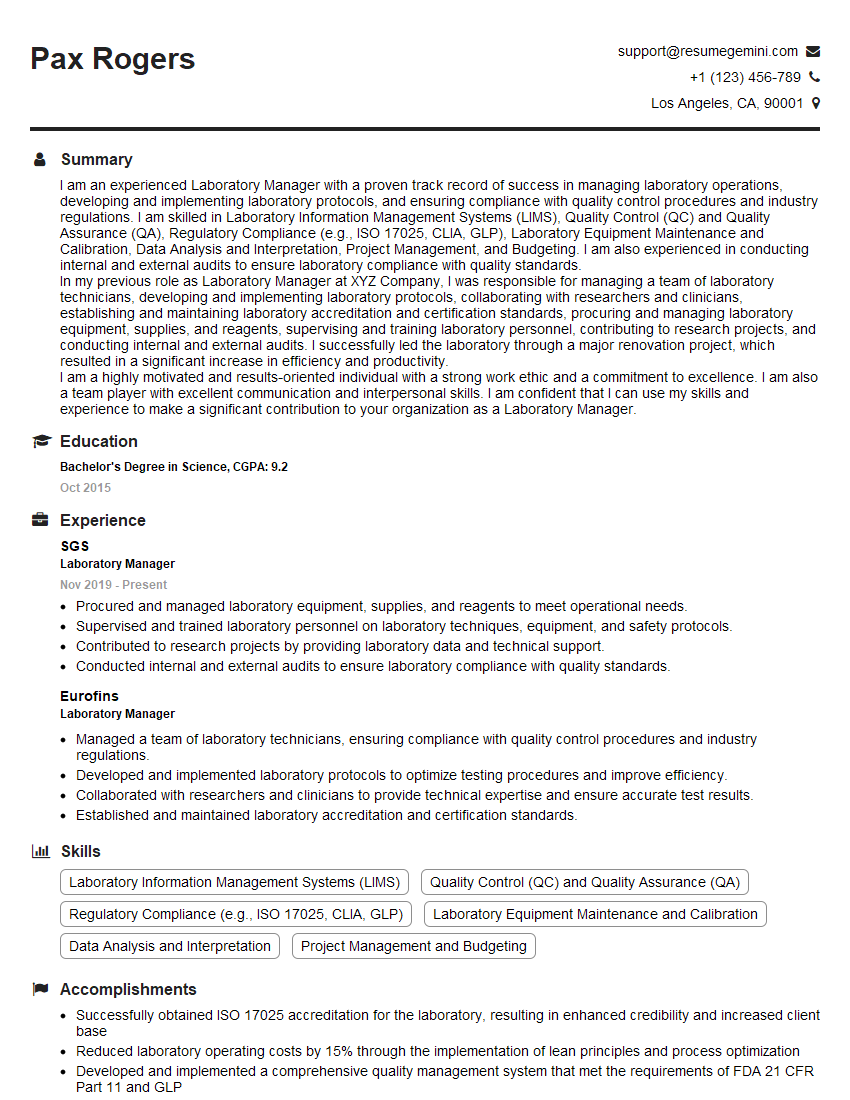
Laboratory Manager Resume Sample

Quality Assurance Manager Resume Sample
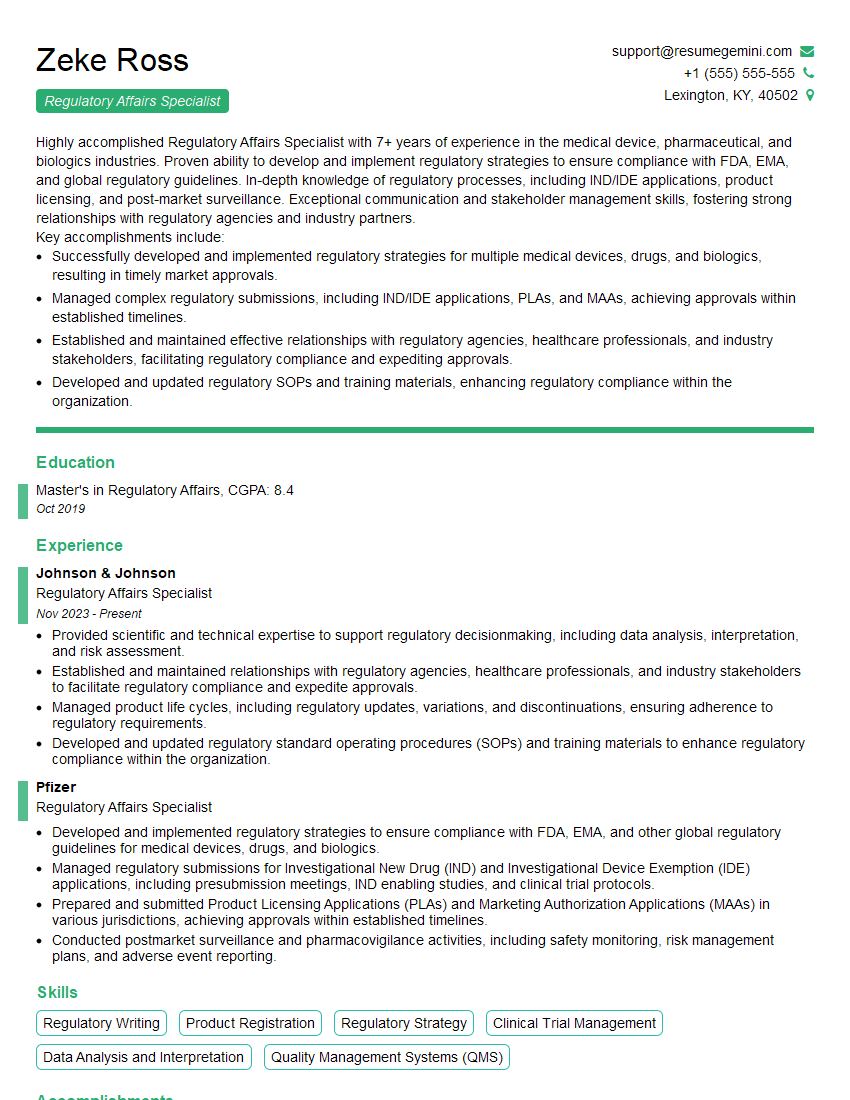
Regulatory Affairs Specialist Resume Sample
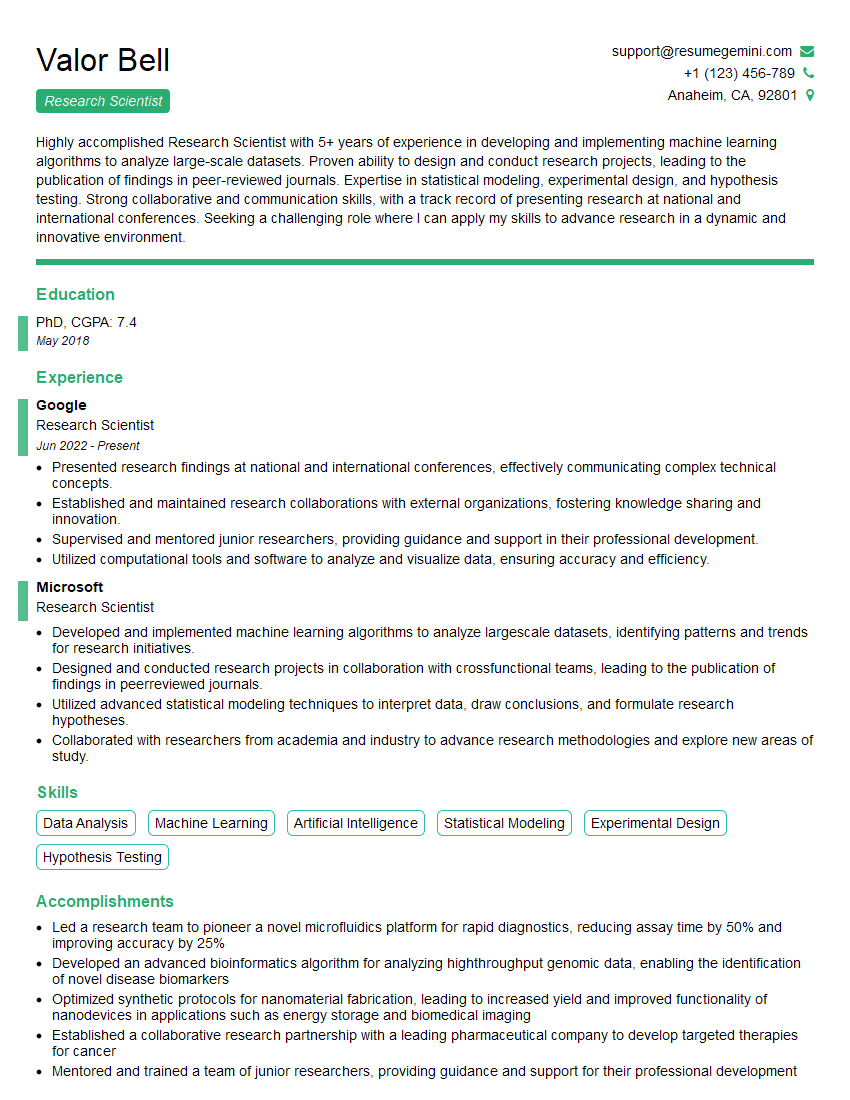
Research Scientist Resume Sample
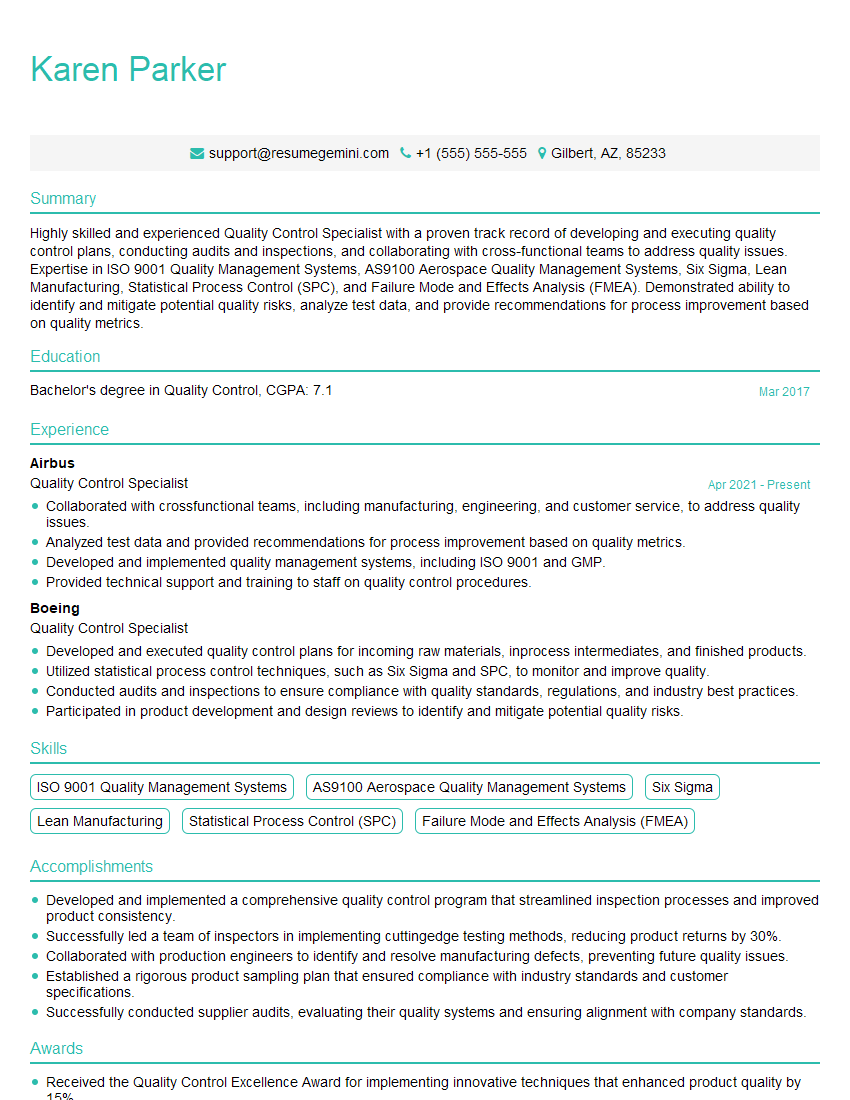
Quality Control Specialist Resume Sample
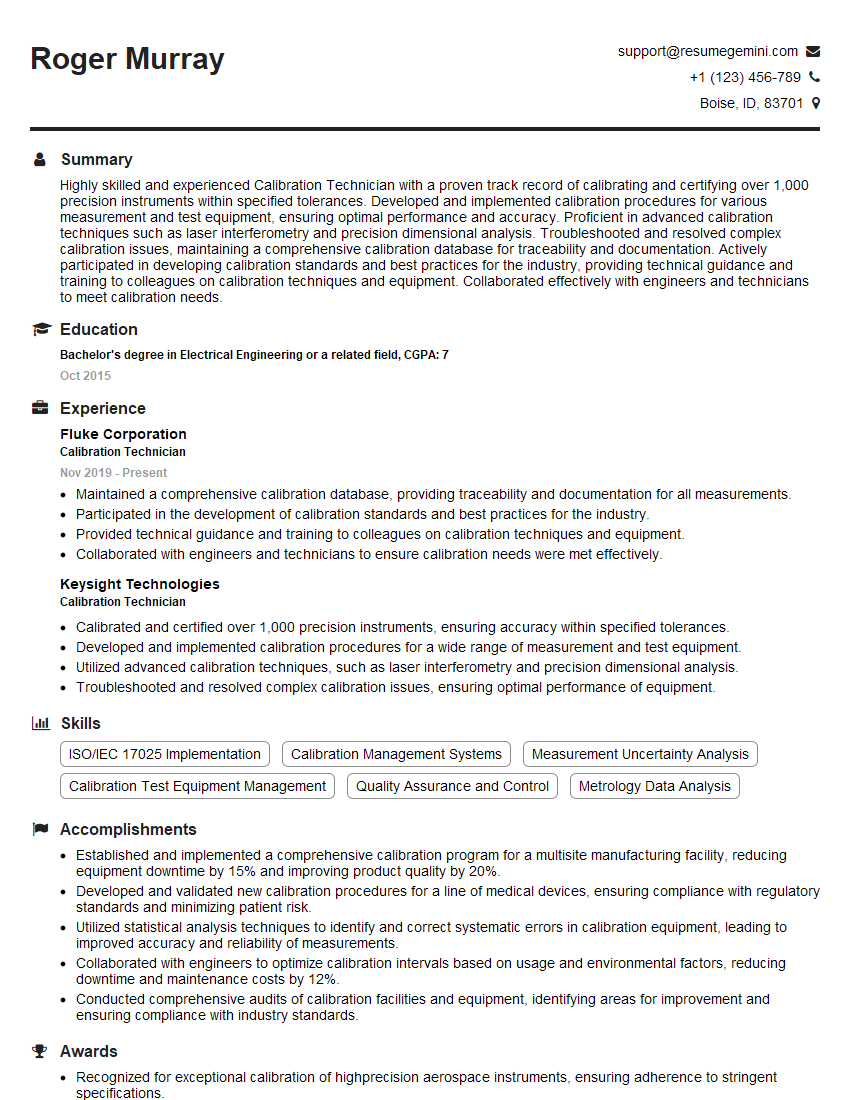
Calibration Technician Resume Sample
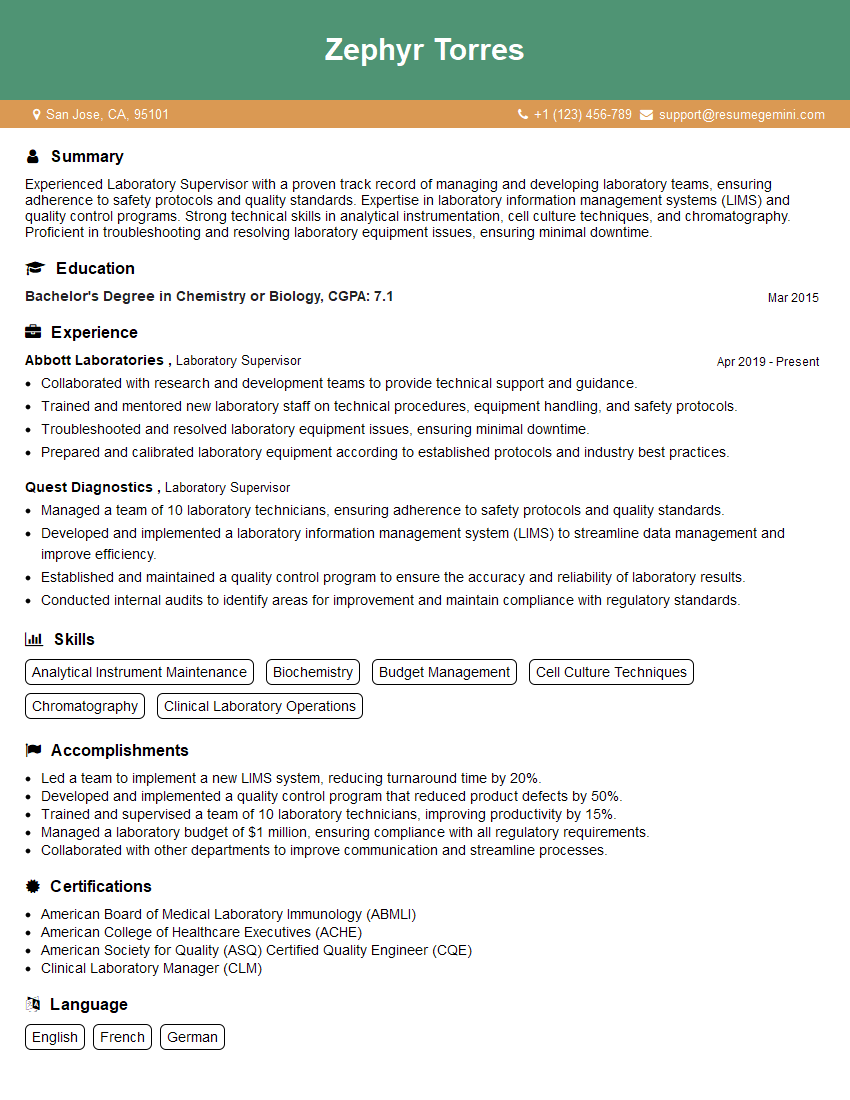
Laboratory Supervisor Resume Sample
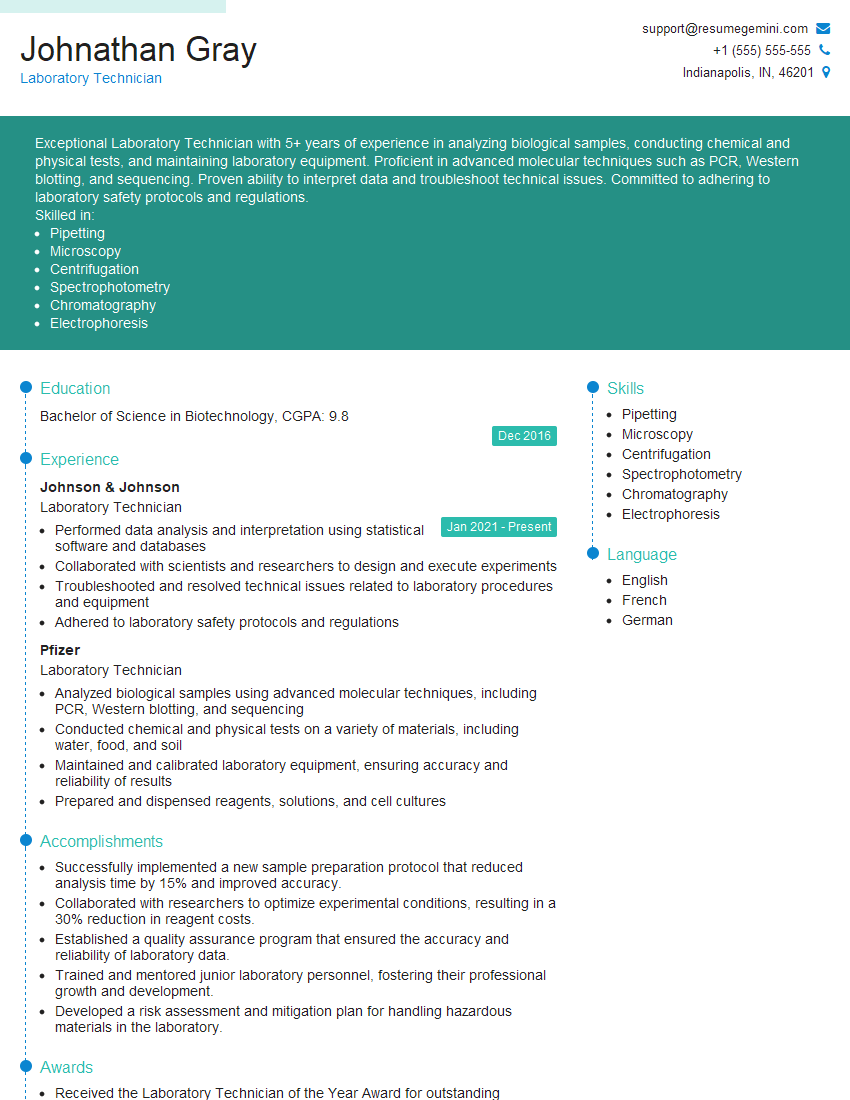
Laboratory Technician Resume Sample
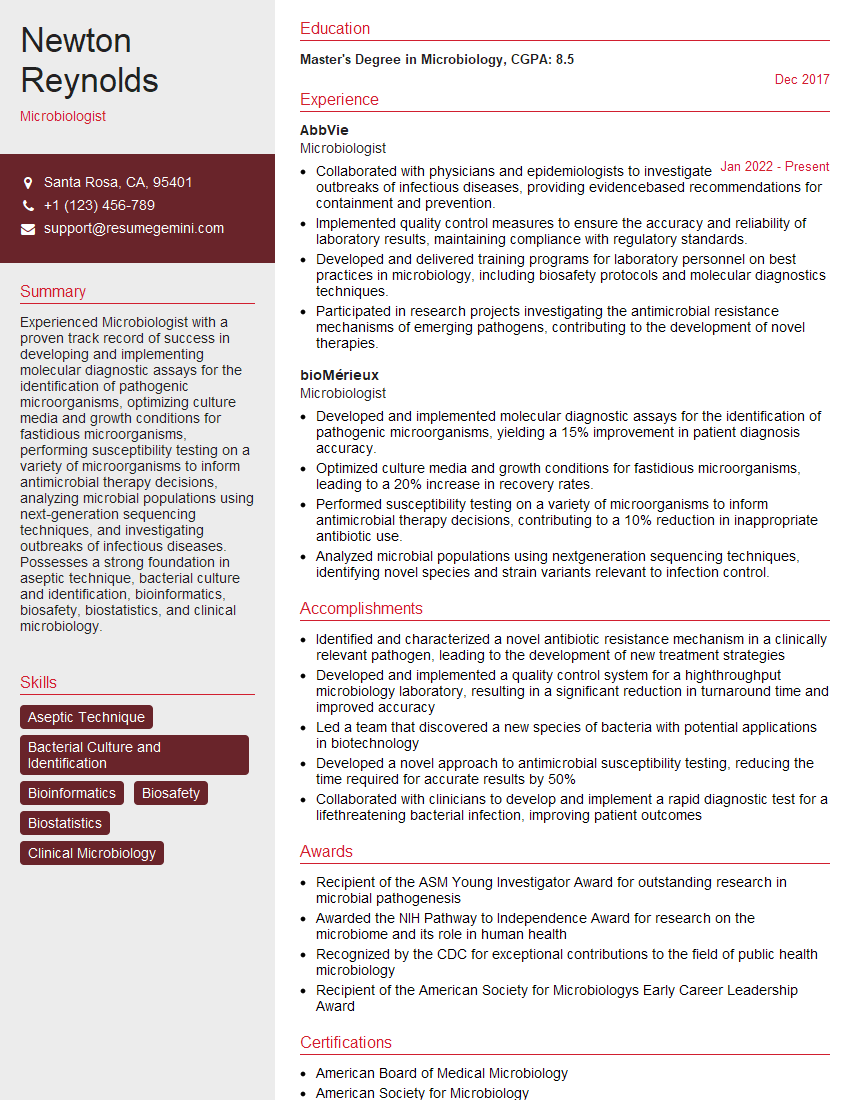
Microbiologist Resume Sample
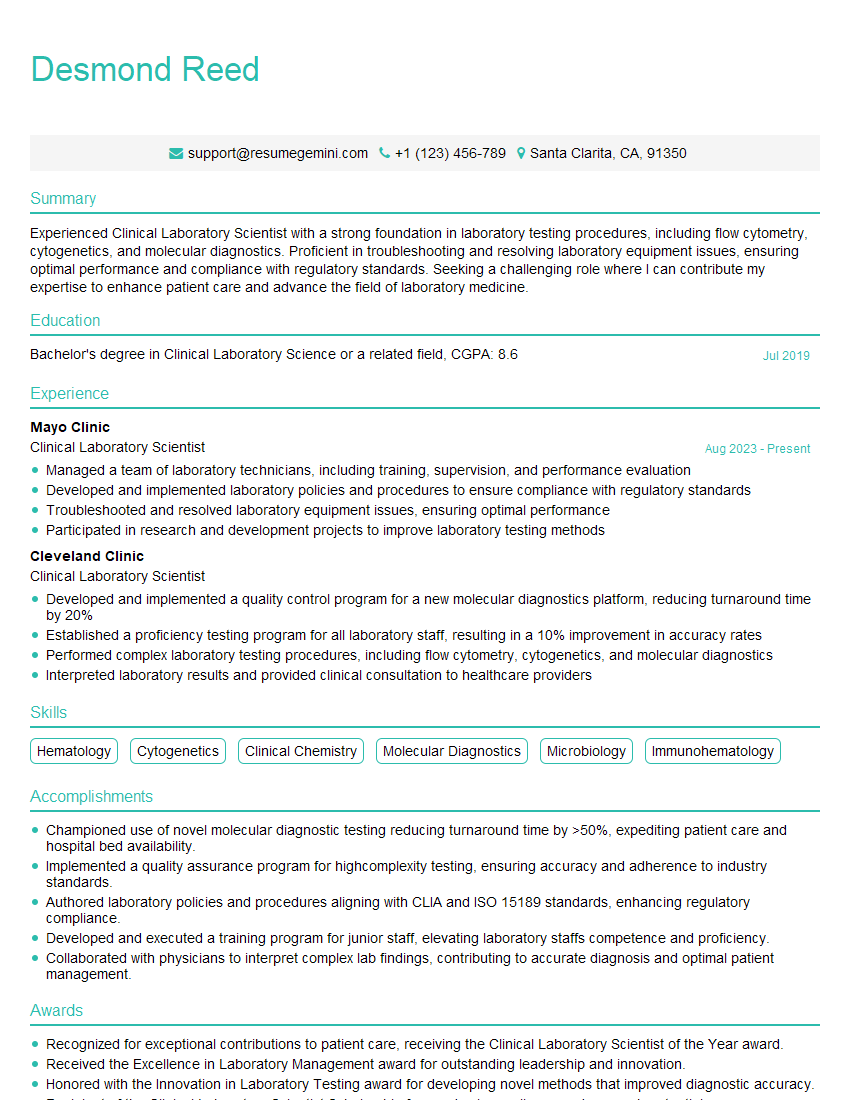
Clinical Laboratory Scientist Resume Sample

Molecular Biologist Resume Sample
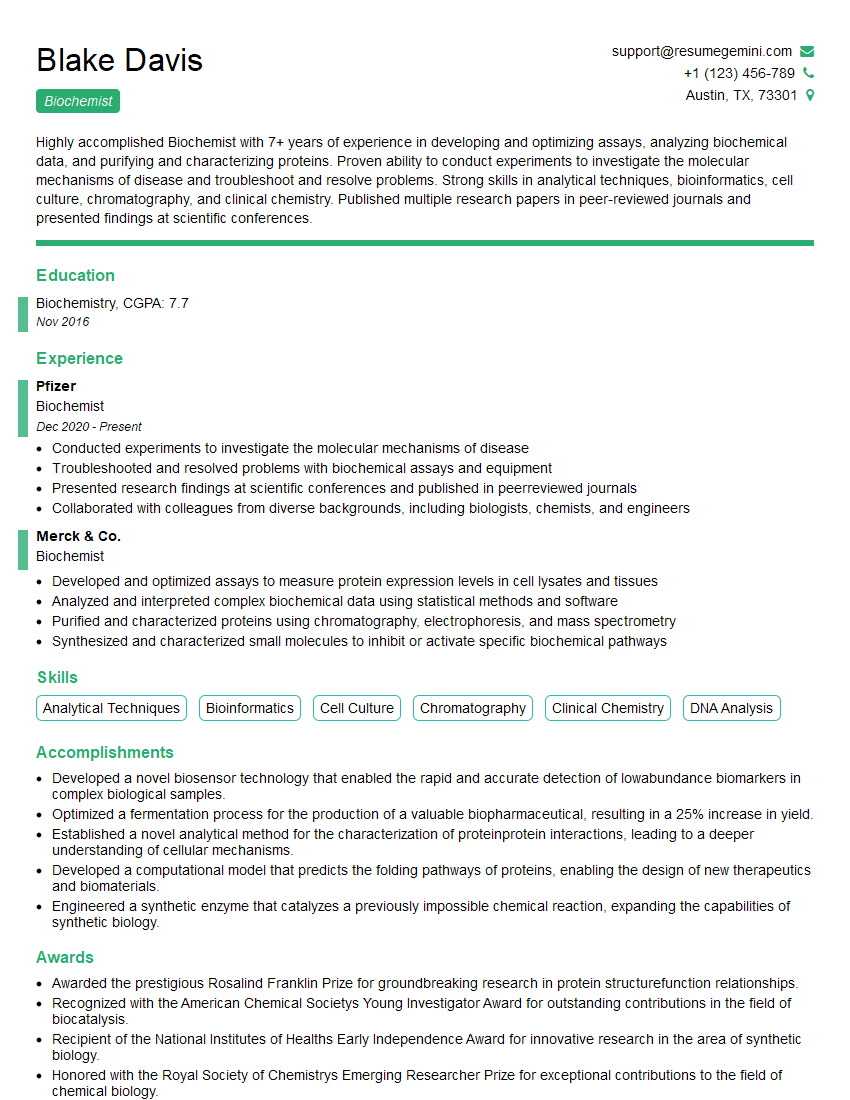
Biochemist Resume Sample
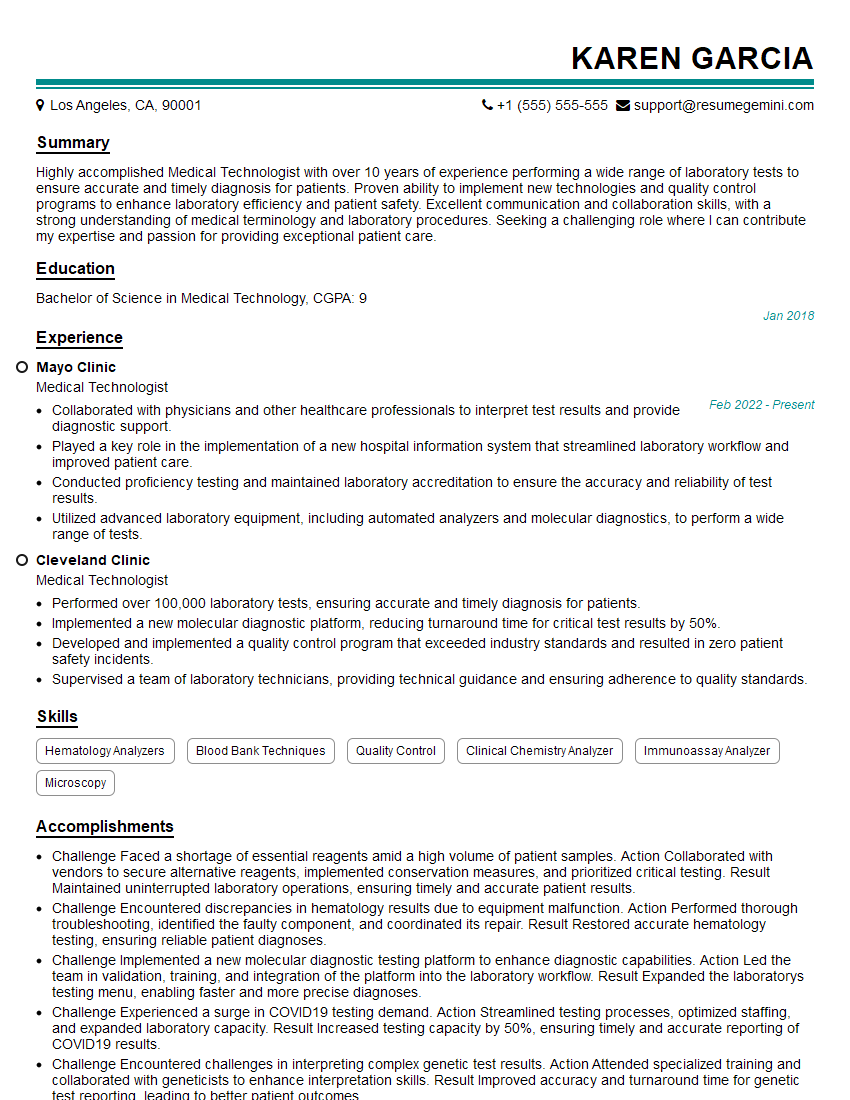
Medical Technologist Resume Sample
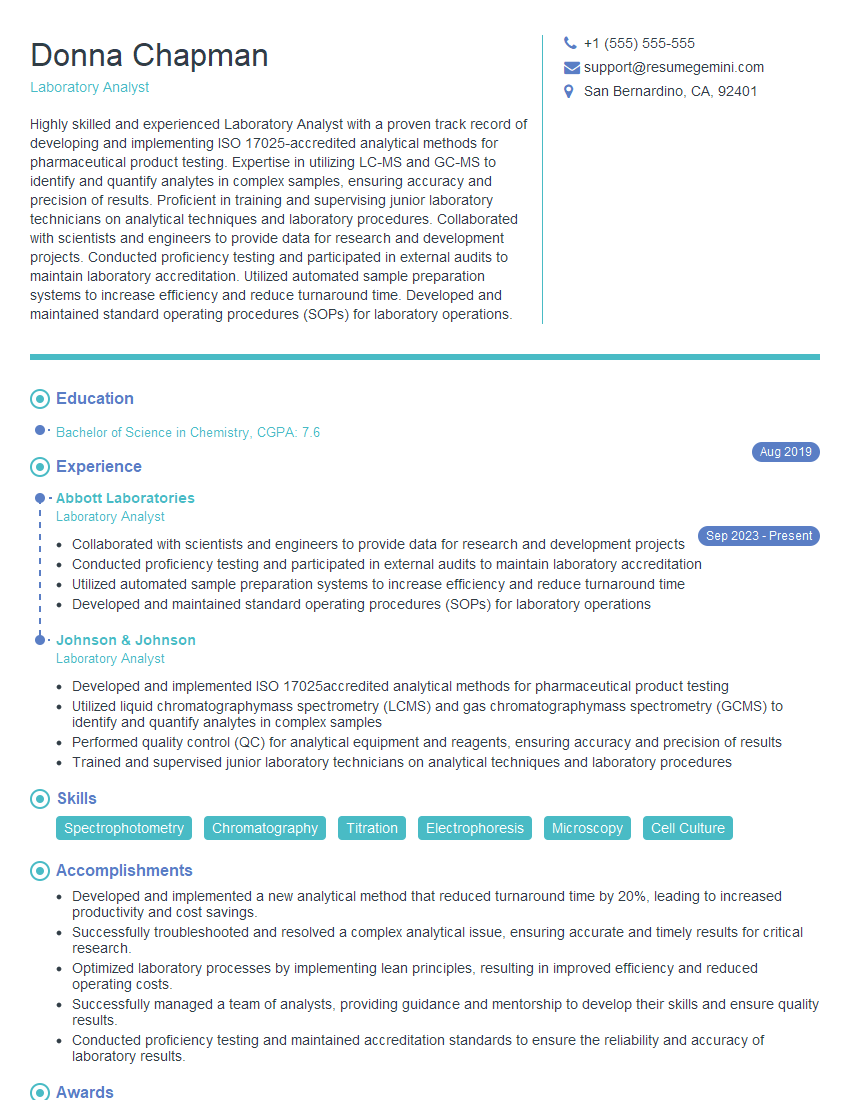
Laboratory Analyst Resume Sample
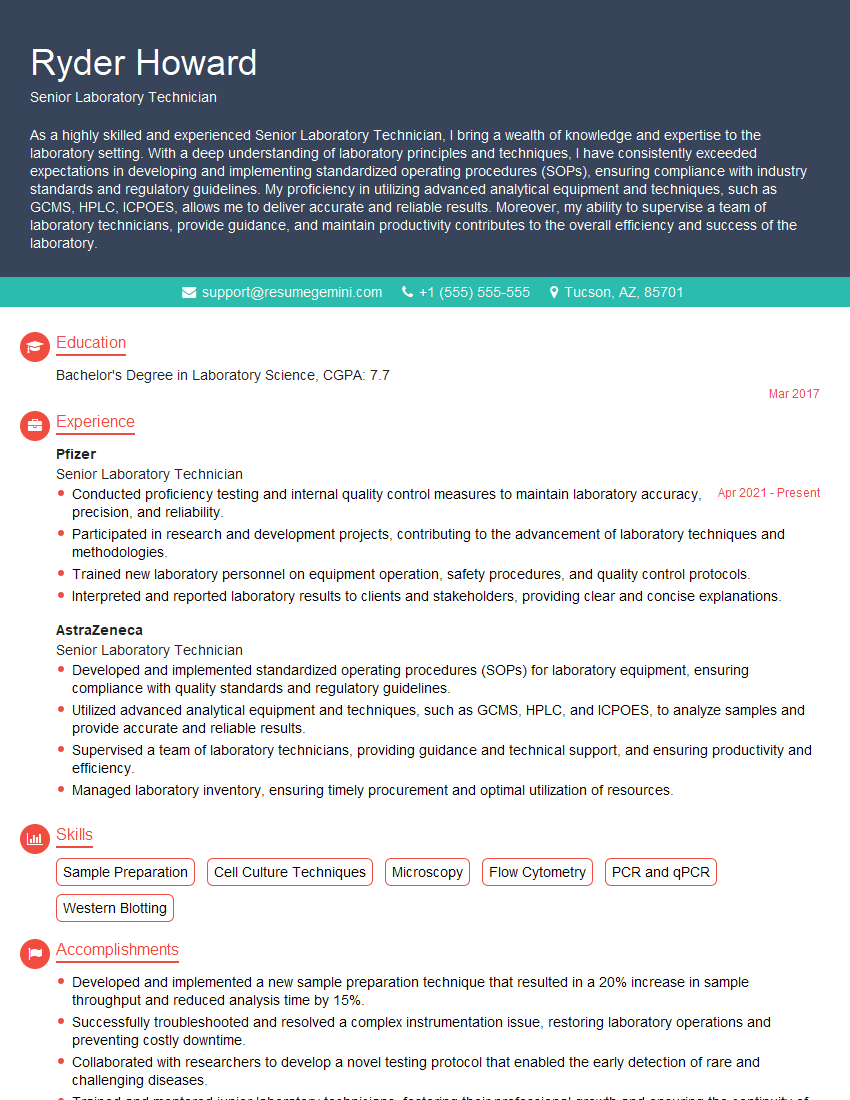
Senior Laboratory Technician Resume Sample
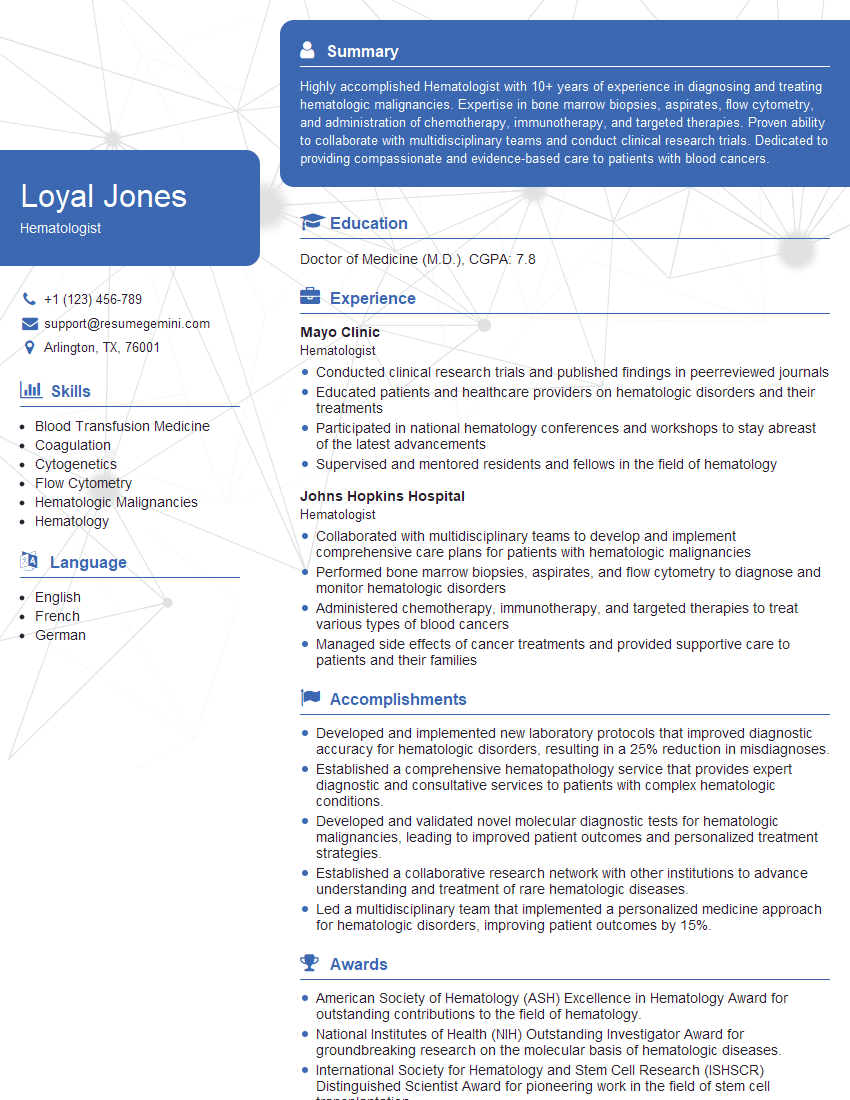
Hematologist Resume Sample
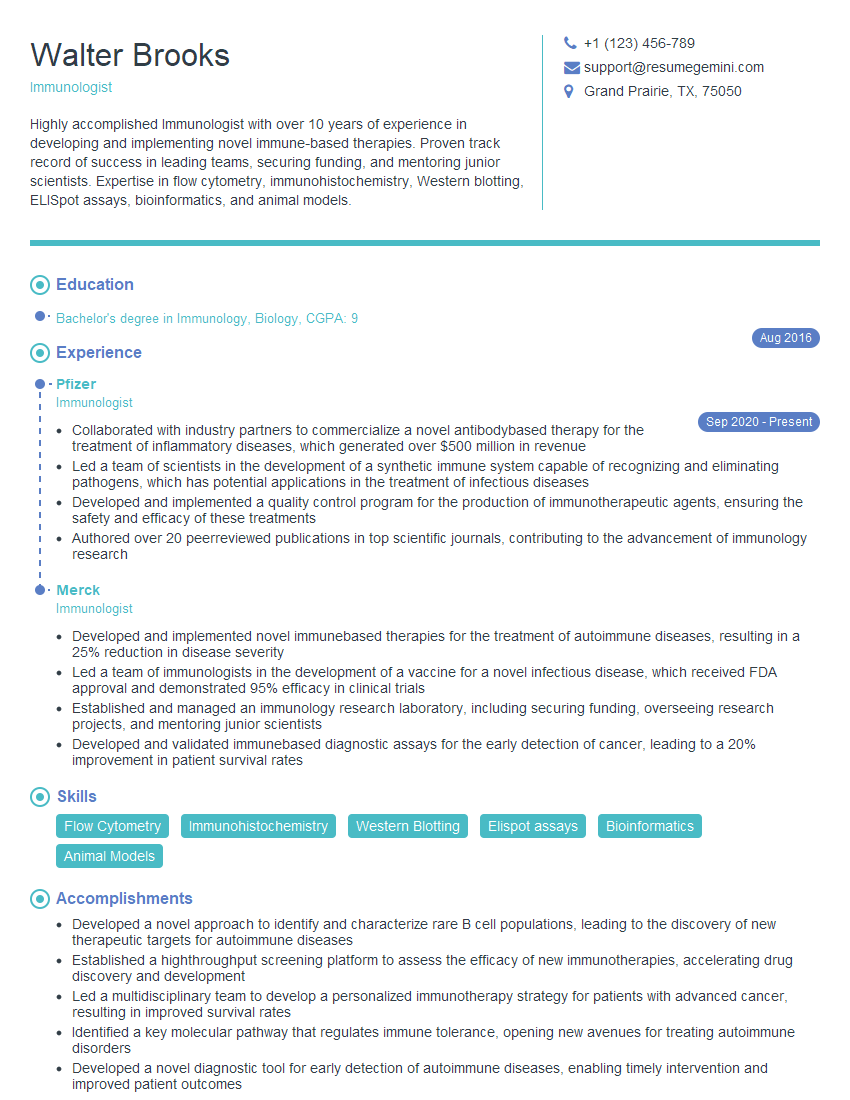
Immunologist Resume Sample
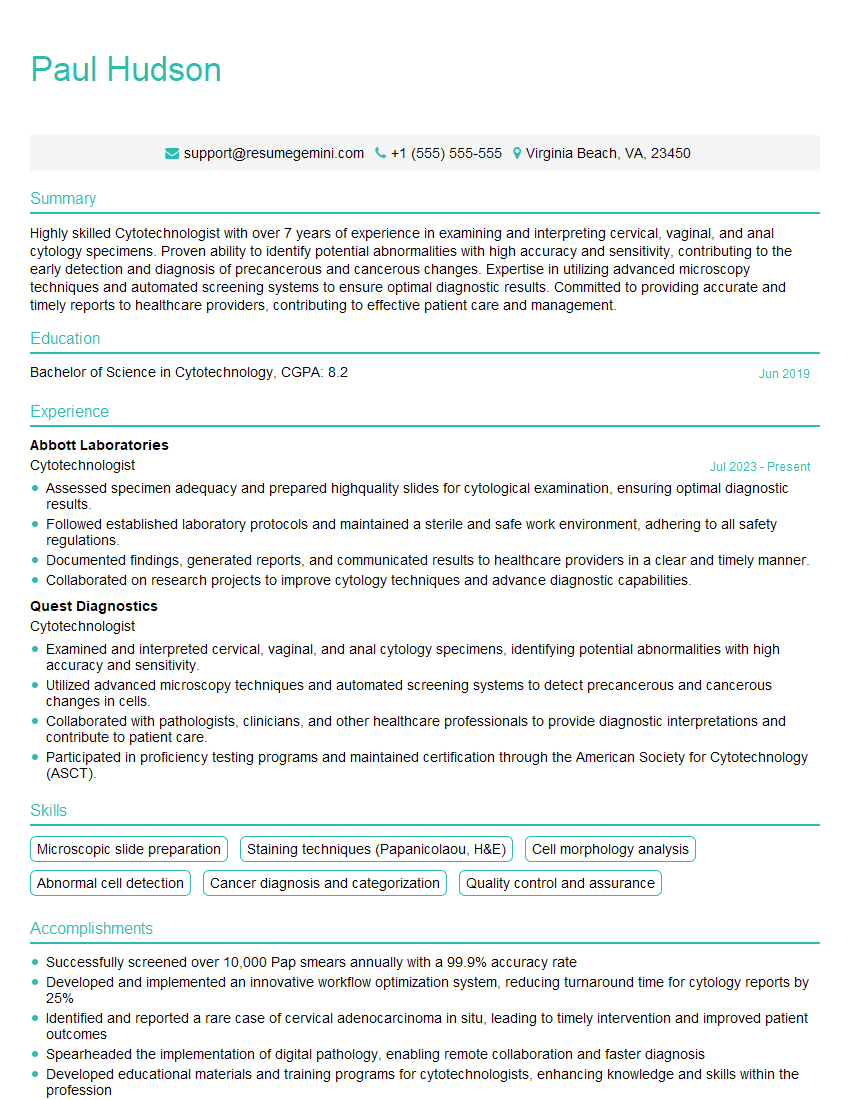
Cytotechnologist Resume Sample
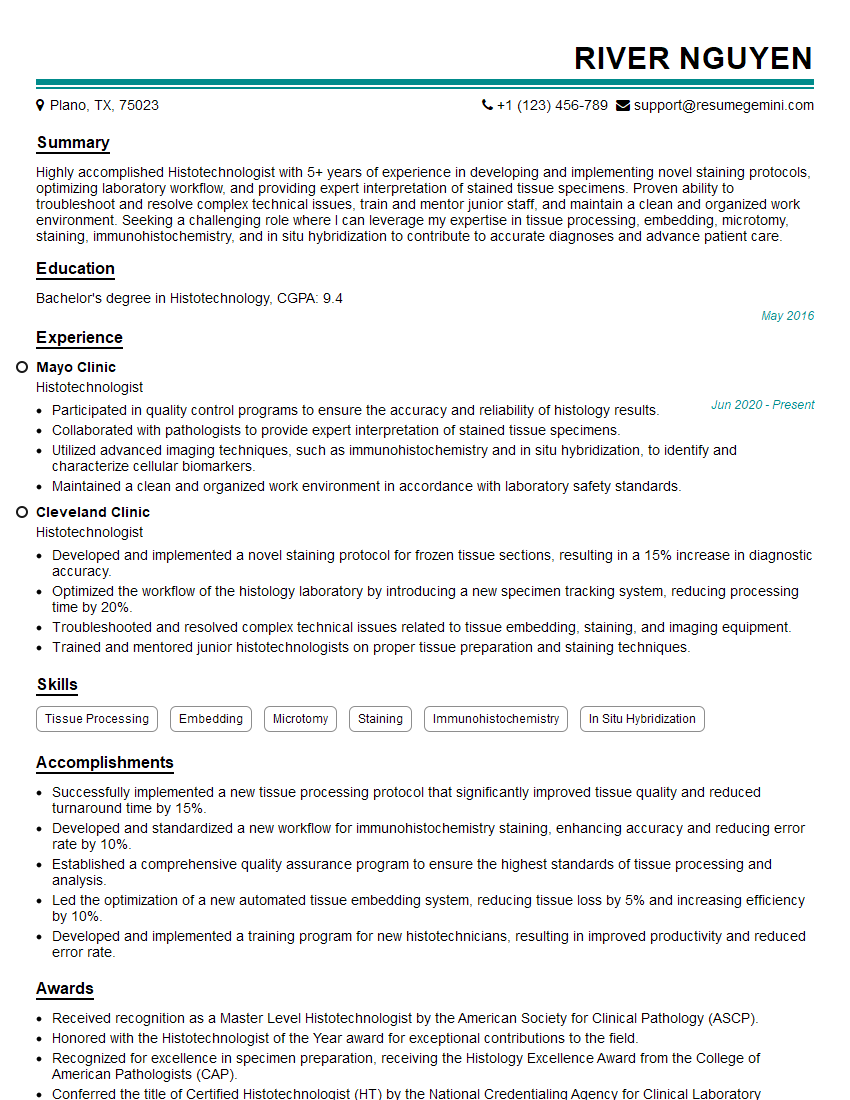
Histotechnologist Resume Sample
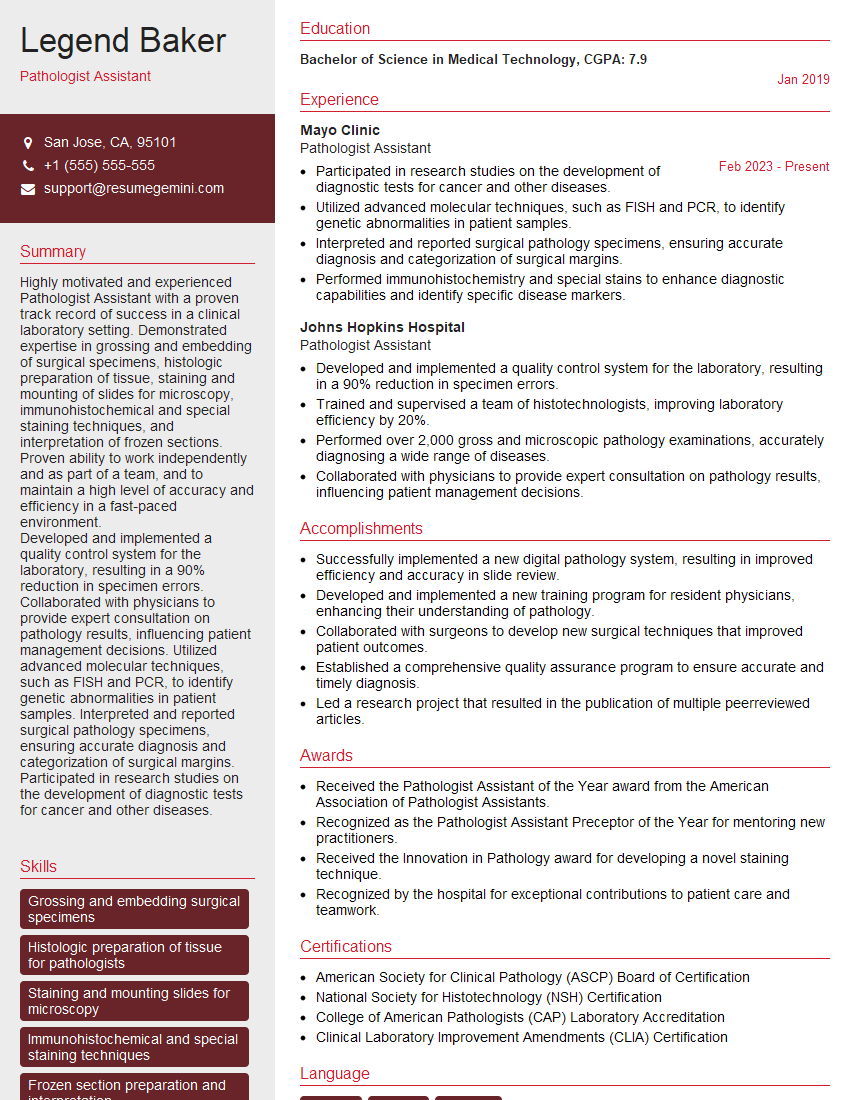
Pathologist Assistant Resume Sample

Genetic Counselor Resume Sample
- Laboratory Manager
- Quality Assurance Manager
- Regulatory Affairs Specialist
- Research Scientist
- Quality Control Specialist
- Calibration Technician
- Laboratory Supervisor
- Laboratory Technician
- Microbiologist
- Clinical Laboratory Scientist
- Molecular Biologist
- Biochemist
- Medical Technologist
- Laboratory Analyst
- Senior Laboratory Technician
- Hematologist
- Immunologist
- Cytotechnologist
- Histotechnologist
- Pathologist Assistant
- Genetic Counselor
Explore more articles
Users Rating of Our Blogs
Share Your Experience
We value your feedback! Please rate our content and share your thoughts (optional).
What Readers Say About Our Blog
To the interviewgemini.com Webmaster.
Very helpful and content specific questions to help prepare me for my interview!
Thank you
To the interviewgemini.com Webmaster.
This was kind of a unique content I found around the specialized skills. Very helpful questions and good detailed answers.
Very Helpful blog, thank you Interviewgemini team.