The right preparation can turn an interview into an opportunity to showcase your expertise. This guide to Land Preparation and Cultivation interview questions is your ultimate resource, providing key insights and tips to help you ace your responses and stand out as a top candidate.
Questions Asked in Land Preparation and Cultivation Interview
Q 1. Explain the importance of soil testing before land preparation.
Soil testing before land preparation is crucial because it provides a snapshot of the soil’s health, revealing its nutrient content, pH level, texture, and potential problems. Think of it as a health check-up for your land before starting any major work. This information is vital for making informed decisions about fertilization, amendment application, and selecting appropriate crops.
For example, a soil test might reveal a deficiency in phosphorus, indicating the need for phosphorus-rich fertilizers. Alternatively, it might show the soil is too acidic, requiring liming to raise the pH. Without this knowledge, your efforts might be wasted or even damage the land.
In a professional setting, soil testing reports guide the development of site-specific nutrient management plans, ensuring optimal crop yields while minimizing environmental impact. Farmers and agricultural consultants use this data to make precise decisions regarding fertilizer application, preventing over-fertilization and its associated costs and environmental consequences.
Q 2. Describe different land clearing methods and their suitability for various soil types.
Land clearing methods vary depending on the vegetation density, soil type, and the scale of the operation. Mechanical methods such as bulldozing, plowing, and ripping are effective for removing heavy vegetation and tilling the soil. However, they can cause significant soil compaction and erosion, especially on sandy or fragile soils.
Chemical methods involve using herbicides to kill vegetation before mechanical clearing. This approach can minimize soil disturbance but raises environmental concerns about herbicide runoff. Finally, fire clearing is a traditional method, but it can lead to severe soil erosion and loss of soil organic matter. It’s often best avoided, especially on steeper slopes or in fire-prone areas.
Suitability depends on the specific context: For example, ripping is suitable for heavy clay soils to improve drainage, while bulldozing is effective for large-scale clearing but may not be suitable for fragile soil structures. Choosing the right method requires careful consideration of environmental impact, cost, and the long-term sustainability of the land.
Q 3. What are the key factors to consider when selecting appropriate tillage equipment?
Selecting appropriate tillage equipment requires careful consideration of several factors. Soil type is paramount. Heavy clay soils require robust equipment like heavy-duty moldboard plows, while lighter soils might only need lighter implements such as disc harrows or cultivators. The scale of operation matters; small farms might use smaller, more maneuverable equipment, while large-scale operations benefit from larger, more powerful machinery.
The desired level of soil disturbance is another key aspect. No-till farming requires specialized equipment like direct seeding drills to place seeds directly into undisturbed soil, preserving soil structure and reducing erosion. Conversely, conventional tillage needs plows and harrows for complete soil inversion and weed control. Finally, budget and maintenance costs are practical considerations when selecting equipment.
For instance, a farmer with heavy clay soil and a large farm would likely need a powerful tractor, moldboard plow, and a disc harrow. A small organic farm focusing on no-till farming would prioritize a direct seeding drill and other minimal-till tools.
Q 4. How do you determine the optimal planting depth for different crops?
Optimal planting depth varies significantly depending on the crop species, seed size, soil conditions, and moisture levels. Smaller seeds generally require shallower planting depths than larger seeds. For example, lettuce seeds are sown very shallowly, while corn seeds need to be planted deeper.
Soil type plays a crucial role. Well-drained sandy soils allow for slightly deeper planting, while poorly-drained clay soils might necessitate shallower planting to ensure adequate oxygen supply to germinating seeds. Moisture content is also key; in drier conditions, seeds might need to be planted deeper to reach moisture, while in moist conditions, shallower planting is often suitable.
Seed manufacturers often provide recommended planting depths on seed packets or in their catalogues, and agricultural extension services offer further guidance based on local soil and climate conditions. Improper planting depth can lead to poor germination, reduced seedling vigor, and lower yields.
Q 5. Explain the concept of crop rotation and its benefits in land management.
Crop rotation is a land management practice that involves planting different crops in a planned sequence on the same land over several growing seasons. Think of it as giving your soil a varied diet to maintain its health and fertility. It’s like rotating different food groups in your own diet to ensure you receive all the necessary nutrients.
Benefits include improved soil health (by improving soil structure and reducing erosion), reduced pest and disease pressure (by breaking pest and disease cycles), improved nutrient cycling (by utilizing different nutrient uptake patterns of various crops), and reduced reliance on synthetic fertilizers and pesticides. For example, a legume like beans can fix atmospheric nitrogen, enriching the soil for subsequent non-legume crops.
A common crop rotation might involve a legume (e.g., soybeans), a root crop (e.g., carrots), a leafy green (e.g., spinach), and a cereal grain (e.g., wheat). The specific rotation plan depends on the target crops, local climate, and soil conditions.
Q 6. Describe different irrigation methods and their advantages and disadvantages.
Irrigation methods aim to provide water to crops as needed. Surface irrigation, such as flood or furrow irrigation, is the simplest method, involving distributing water across the field’s surface. However, it can be inefficient, leading to waterlogging and runoff. Sprinkler irrigation delivers water through sprinklers, providing more uniform coverage but potentially higher energy costs and water loss through evaporation.
Drip irrigation is highly efficient, delivering water directly to the plant roots, reducing water loss and improving water use efficiency. However, it requires more complex infrastructure and maintenance. Subsurface drip irrigation places the drip lines below the surface, further minimizing evaporation losses, but installation is more expensive. Each method has advantages and disadvantages related to water use efficiency, cost, labor requirements, and suitability to different terrains and crops. The choice depends on various factors including the specific crop, available resources, and environmental considerations.
Q 7. How do you manage soil erosion and nutrient depletion?
Managing soil erosion and nutrient depletion requires a multifaceted approach combining preventative and restorative measures. Preventing erosion begins with minimizing soil disturbance through conservation tillage practices like no-till farming, using cover crops to protect the soil surface, and implementing contour farming on slopes to slow water runoff.
To combat nutrient depletion, crop rotation, incorporating organic matter (such as compost or manure), and applying fertilizers based on soil test results are effective strategies. Cover cropping and integrating livestock grazing can significantly improve soil health, nutrient cycling, and water retention. Sustainable land management practices ensure long-term productivity while protecting the environment. Ignoring soil erosion and nutrient depletion can lead to land degradation, reduced crop yields, and increased environmental damage.
Q 8. What are the common soilborne diseases and how do you control them?
Soilborne diseases are a significant challenge in agriculture, impacting crop yields and quality. These diseases, caused by fungi, bacteria, nematodes, or viruses, thrive in the soil and infect plant roots, stems, and leaves. Common examples include Fusarium wilt (affecting tomatoes, bananas, etc.), Phytophthora root rot (affecting many plants), and Verticillium wilt (affecting a wide range of crops).
Controlling soilborne diseases requires a multi-pronged approach. This begins with preventative measures like crop rotation, which breaks the disease cycle by not planting susceptible crops consecutively. Choosing disease-resistant cultivars is another critical step; many breeders have developed varieties with inherent resistance to common soilborne pathogens. Soil solarization, a process of covering the soil with clear plastic to heat it up, can kill many pathogens. Furthermore, maintaining good soil drainage prevents waterlogged conditions that favor many disease-causing organisms. In cases of severe infection, soil fumigation with approved chemicals might be necessary, but this should be a last resort due to potential environmental impacts. Finally, proper sanitation, including cleaning equipment and removing crop residues, can significantly limit the spread of pathogens.
Q 9. Explain the principles of integrated pest management (IPM).
Integrated Pest Management (IPM) is a holistic approach to pest control that prioritizes minimizing pesticide use while effectively managing pest populations. It’s based on the principle that a healthy ecosystem is more resilient to pests. Instead of relying solely on chemical controls, IPM utilizes a combination of strategies, including monitoring pest populations, understanding pest biology, and implementing preventive and control measures.
- Monitoring: Regular scouting of fields to assess pest populations and their impact on crops. This can involve visual inspections, traps, or other monitoring tools.
- Prevention: Practices like crop rotation, choosing resistant varieties, and maintaining optimal soil health can prevent pest outbreaks.
- Cultural Control: Adjusting planting times, tillage practices, and irrigation to minimize pest-favorable conditions.
- Biological Control: Introducing natural enemies of the pests, such as beneficial insects or nematodes, to control their populations.
- Chemical Control: Using pesticides only as a last resort, when other methods have proven insufficient, and selecting the least toxic and most effective pesticide for the target pest.
Think of it like this: if you have ants in your kitchen, IPM would involve first eliminating food sources (prevention), then using traps to catch some (biological control), and only resorting to an ant spray (chemical control) if the problem persists.
Q 10. How do you determine the appropriate fertilizer type and application rate?
Determining the appropriate fertilizer type and application rate is crucial for optimal crop growth and yield while minimizing environmental damage. This requires understanding the soil’s nutrient content, the crop’s nutrient requirements, and the environment.
Soil Testing: A soil test is the cornerstone of fertilizer planning. It provides a precise assessment of the existing levels of macronutrients (nitrogen, phosphorus, potassium) and micronutrients (iron, zinc, etc.). This data informs the fertilizer choices and application rates.
Crop Needs: Different crops have varying nutritional demands at different growth stages. Research-based recommendations or guidelines for specific crops and growth stages provide a framework for understanding those needs.
Environmental Factors: Factors like soil type, climate, and rainfall significantly influence nutrient availability and leaching. For instance, sandy soils tend to have poor nutrient retention, requiring more frequent applications, but at lower rates, to minimize nutrient loss.
Fertilizer Type: The choice of fertilizer depends on the soil test results and crop requirements. Options include inorganic (synthetic) fertilizers, organic fertilizers (compost, manure), or a blend of both. The form (liquid, granular) also impacts application methods.
Application Rate: The rate is determined based on the soil test results, crop requirements, and environmental conditions. Over-fertilization can lead to nutrient runoff and environmental pollution, while under-fertilization limits crop yield. Split applications, where fertilizer is applied in multiple smaller doses throughout the growing season, can be more efficient than a single large application.
Q 11. Describe your experience with precision agriculture technologies.
My experience with precision agriculture technologies spans several years, focusing on optimizing resource utilization and improving crop yields. I have worked extensively with GPS-guided machinery for variable rate fertilizer and pesticide application. This technology allows for applying inputs precisely where they are needed, reducing waste and environmental impact. I am also proficient in using remote sensing technologies, including drone imagery and satellite data, to monitor crop health, identify stress factors (like nutrient deficiencies or disease), and guide in-field management decisions. Data analysis software plays a vital role, helping visualize the data and make informed choices. For example, we used multispectral imagery from a drone to identify areas of water stress in a corn field, allowing for targeted irrigation, saving water and increasing yields.
Furthermore, I’ve incorporated yield monitoring systems into my work, collecting data on yield variations across fields. This information, coupled with other data layers (soil type, fertilizer application rates), is used to refine management strategies for subsequent seasons. The use of variable rate technology and sensor-based data acquisition allows us to truly tailor our farming practices to the specific needs of each field, optimizing resource use and minimizing negative environmental impacts.
Q 12. How do you monitor crop health and identify potential problems?
Monitoring crop health is an ongoing process that combines visual observations with technological tools. Regular field walks allow for early detection of problems like pest infestations, nutrient deficiencies, or diseases. Visual symptoms like wilting, discoloration, or unusual growth patterns are important indicators. Technological tools significantly enhance monitoring. Remote sensing with drones or satellites provides a broader perspective, allowing for the detection of subtle variations in crop health across large areas. These technologies generate multispectral imagery, which reveals information invisible to the naked eye, such as chlorophyll content (indicating plant vigor) or plant water stress.
In addition, soil moisture sensors and weather stations can help detect early signs of drought stress. Plant tissue testing provides a quantitative measure of nutrient levels, confirming suspected deficiencies and guiding fertilization decisions. A combination of these approaches provides a comprehensive picture of crop health, enabling timely intervention to mitigate potential problems.
Q 13. What are the best practices for weed control in your region?
Weed control in my region (assuming a temperate climate, you can adapt this to your specific region) relies on a combination of methods to ensure effectiveness and sustainability. Our primary approach is integrated weed management, prioritizing preventive measures to minimize weed pressure. This begins with proper seedbed preparation, ensuring that weed seeds are buried deep and that good soil structure is maintained. Choosing weed-competitive crop varieties can significantly reduce weed establishment.
We also utilize mechanical weed control techniques like timely cultivation or mowing, particularly during early weed growth stages. Careful timing and appropriate equipment are crucial for effectiveness and to avoid damaging the crop. When herbicides are necessary (used judiciously and as a last resort), we select products that are targeted to specific weed species and minimize impact on the environment and non-target organisms. Cover cropping during fallow periods suppresses weeds, while crop rotation helps prevent the build-up of specific weed species. In some cases, we implement biological control methods where applicable, such as introducing natural enemies of troublesome weeds.
Q 14. Explain your understanding of sustainable agricultural practices.
Sustainable agricultural practices aim to produce food and fiber while minimizing environmental impact and ensuring long-term economic and social viability. It’s about meeting the needs of the present without compromising the ability of future generations to meet their own needs. Key principles include:
- Soil Health: Protecting and enhancing soil fertility through practices like no-till farming, cover cropping, and crop rotation.
- Water Management: Efficient irrigation techniques to minimize water usage and protect water resources. This includes selecting drought-tolerant varieties and using drip irrigation systems.
- Pest and Disease Management: Implementing Integrated Pest Management (IPM) strategies to minimize pesticide use and protect beneficial insects and biodiversity.
- Nutrient Management: Optimizing fertilizer application using soil testing and precision agriculture technologies to minimize nutrient runoff and pollution.
- Biodiversity: Promoting biodiversity on farms by incorporating hedgerows, wildlife corridors, and diverse crop rotations.
- Energy Efficiency: Reducing reliance on fossil fuels by using renewable energy sources and improving energy efficiency in farm operations.
Sustainable agriculture is not just about environmental stewardship; it also focuses on social and economic aspects, ensuring fair labor practices and building resilient farming systems.
Q 15. How do you manage water resources efficiently during cultivation?
Efficient water resource management in cultivation is crucial for maximizing yield and minimizing environmental impact. It involves a multi-pronged approach encompassing planning, implementation, and monitoring.
Water Audit and Planning: Before planting, a thorough assessment of water availability (rainfall, groundwater, surface water) and crop water requirements is vital. This involves understanding the soil’s water holding capacity and evapotranspiration rates (the amount of water lost to the atmosphere). We use tools like soil moisture sensors and weather data to inform irrigation scheduling.
Irrigation Techniques: Selecting the right irrigation method is key. Drip irrigation, for instance, delivers water directly to the plant roots, minimizing water waste compared to flood irrigation. Sprinkler systems can be effective but require careful calibration to avoid overwatering or runoff. In some cases, rainwater harvesting techniques (such as building reservoirs) can supplement irrigation needs.
Soil Management: Healthy soil structure improves water retention. Practices like no-till farming, cover cropping, and mulching reduce water loss through evaporation and runoff. They also help maintain soil health, making it more efficient at absorbing and holding water.
Monitoring and Adjustment: Regular monitoring of soil moisture levels is crucial. This allows for timely adjustments to irrigation schedules, preventing both water stress and overwatering. We often use soil moisture sensors and remote sensing technologies to monitor field conditions effectively.
For example, in a recent project, we implemented a drip irrigation system for a tomato farm, resulting in a 25% reduction in water consumption without impacting yield. This was achieved through careful planning, precise irrigation scheduling based on sensor data, and regular monitoring.
Career Expert Tips:
- Ace those interviews! Prepare effectively by reviewing the Top 50 Most Common Interview Questions on ResumeGemini.
- Navigate your job search with confidence! Explore a wide range of Career Tips on ResumeGemini. Learn about common challenges and recommendations to overcome them.
- Craft the perfect resume! Master the Art of Resume Writing with ResumeGemini’s guide. Showcase your unique qualifications and achievements effectively.
- Don’t miss out on holiday savings! Build your dream resume with ResumeGemini’s ATS optimized templates.
Q 16. Describe your experience with different types of farming equipment.
My experience with farming equipment spans a wide range, from traditional tools to advanced precision machinery. I’m proficient in operating and maintaining various types of equipment, ensuring their safe and efficient use.
Traditional Tools: I’m skilled in using hand tools like hoes, shovels, and rakes for tasks like land leveling and weeding, especially in smaller or less accessible areas.
Tractors and Implements: I have extensive experience operating tractors of varying horsepower, coupled with different implements such as ploughs (for primary tillage), harrows (for secondary tillage), and cultivators (for weed control). This includes understanding the appropriate settings for different soil types and crop requirements.
Planting and Harvesting Machinery: I’ve used precision planters for seed placement and harvesters for efficient crop collection. These machines greatly improve planting accuracy and harvest efficiency.
Precision Agriculture Technologies: My experience includes working with GPS-guided machinery and variable rate technology (VRT) for fertilizer and pesticide application. VRT optimizes resource use by applying inputs only where needed.
For example, in one project, we transitioned from conventional tillage to no-till farming using a specialized no-till drill. This resulted in improved soil health, reduced fuel costs, and enhanced water conservation.
Q 17. How do you ensure the safety of farm workers during land preparation and cultivation?
Farm worker safety is paramount. A comprehensive safety program is essential, encompassing training, equipment maintenance, and emergency preparedness.
Training and Education: All workers receive thorough training on safe operating procedures for all equipment and tools. This includes the proper use of personal protective equipment (PPE) like gloves, safety glasses, and hearing protection.
Equipment Maintenance: Regular maintenance of all machinery is critical to prevent accidents. This includes checking for mechanical issues, ensuring proper functioning of safety features (e.g., guards, emergency stops), and replacing worn parts promptly.
Safe Work Practices: We establish and enforce strict safety protocols, including procedures for working with hazardous materials (e.g., pesticides) and handling heavy equipment. We clearly define roles and responsibilities for each worker.
Emergency Preparedness: We develop and regularly practice emergency response plans to address potential accidents, injuries, or natural disasters. This includes having first-aid kits readily accessible and knowing where to contact emergency services.
We regularly conduct safety inspections and provide refresher training to ensure our safety program remains effective. For example, we implemented a buddy system for workers operating machinery in remote areas to ensure constant supervision and immediate assistance in case of need.
Q 18. What are the regulatory requirements for land preparation and cultivation in your area?
Regulatory requirements for land preparation and cultivation vary by region and are typically enforced at local, state, and sometimes federal levels. These regulations cover a wide spectrum of aspects.
Environmental Regulations: These regulations are designed to protect water quality, soil health, and biodiversity. They might restrict the use of certain pesticides or fertilizers, specify buffer zones around water bodies, and mandate soil conservation practices.
Labor Laws: Regulations governing worker safety, working hours, and wages are strictly enforced. This includes complying with requirements for child labor laws and providing appropriate workers’ compensation.
Land Use Planning: Zoning regulations might dictate permissible land uses and restrict cultivation in specific areas, such as wetlands or environmentally sensitive habitats.
Pesticide and Fertilizer Use: Regulations govern the application of pesticides and fertilizers, often specifying allowable amounts, application methods, and safety precautions.
It’s crucial to stay informed about all relevant regulations and ensure complete compliance. Non-compliance can result in fines, legal action, and reputational damage. We have a designated compliance officer who monitors changes in regulations and ensures our operations are always in compliance.
Q 19. How do you deal with unexpected weather events during the growing season?
Unexpected weather events, such as droughts, floods, or storms, pose significant challenges to cultivation. Mitigation strategies are crucial to minimize their impact.
Crop Diversification: Planting a variety of crops can help reduce the risk. If one crop is adversely affected, others might be less vulnerable.
Drought Management: Drought-resistant crops can be chosen, and irrigation systems can be implemented or upgraded to ensure adequate water supply during dry spells. Water conservation techniques, as mentioned earlier, become critical.
Flood Management: Proper drainage systems can help mitigate flood damage. Planting on raised beds or terraces can also protect crops from inundation. Flood insurance can provide financial protection.
Storm Protection: Windbreaks can protect crops from strong winds and hail damage. Crop insurance can provide financial compensation for losses.
Early Warning Systems: Monitoring weather forecasts and alerts allows for timely action. This might involve harvesting crops early, applying protective measures, or taking other preventative steps.
For example, during a recent severe storm, our early warning system allowed us to harvest a significant portion of our corn crop before the storm hit, minimizing yield losses.
Q 20. Describe your experience with record keeping and data management in agriculture.
Record keeping and data management are fundamental to efficient and profitable agriculture. Accurate data allows for informed decision-making, performance tracking, and compliance with regulations.
Farm Management Software: We utilize farm management software to track various aspects of our operations, including planting dates, fertilizer application rates, irrigation schedules, pest and disease management, and harvest yields. This software typically allows for data analysis and reporting.
Yield Monitoring: Yield monitoring systems provide real-time data on crop yield during harvest. This information is valuable for optimizing future planting strategies and resource allocation.
GPS and GIS Data: GPS data, integrated with GIS (Geographic Information Systems) technology, allows for precise mapping of fields, creating detailed records of soil conditions, crop performance, and input application.
Data Analysis and Reporting: Regular analysis of collected data helps identify trends, assess the effectiveness of different management practices, and make informed decisions for future seasons. This includes generating reports for regulatory compliance and financial accounting.
We have implemented a system where all data is securely stored and backed up, ensuring its accessibility and integrity. This data-driven approach allows us to continuously improve our operations and maximize efficiency.
Q 21. How do you assess the yield potential of a particular field?
Assessing the yield potential of a field involves a multifaceted approach combining historical data, soil testing, and an understanding of environmental factors.
Historical Yield Data: Examining previous yield data from the field provides a baseline. Factors influencing past yields, such as weather conditions and management practices, should be considered.
Soil Testing: A thorough soil analysis reveals essential information about soil fertility, pH levels, nutrient content, and texture. This helps determine the field’s inherent capacity to support crop growth.
Environmental Factors: Factors such as sunlight exposure, water availability, and prevailing climate play a significant role in yield potential. Topographical features and drainage patterns also need consideration.
Crop Selection: Choosing the right crop for the specific field conditions is crucial. Certain crops are better suited to certain soil types and climates.
Weed and Pest Pressure: Assessing the potential for weed and pest infestations can help predict yield losses. Integrated pest management strategies can mitigate these risks.
By carefully considering these factors, a reasonably accurate estimate of yield potential can be made. This helps determine appropriate planting densities, fertilizer requirements, and other management practices to maximize yield.
Q 22. Explain your understanding of different soil structures and their impact on cultivation.
Soil structure refers to the arrangement of soil particles into aggregates, significantly influencing water infiltration, aeration, and root growth. Different structures impact cultivation directly.
- Granular: Small, crumb-like aggregates ideal for aeration and water retention, supporting diverse crops like vegetables and legumes. Imagine a well-aerated sponge – this is what granular soil offers.
- Platy: Flat, plate-like aggregates hindering water infiltration and root penetration. This structure is common in compacted soils, making cultivation difficult and often requiring deep tillage to improve it. Think of a stack of pancakes – water runs off rather than soaking in.
- Prismatic/Columnar: Vertical columns of soil, sometimes beneficial for deep-rooted plants but can also lead to poor drainage in certain conditions. These structures resemble pillars, offering good drainage for some crops but poor for others.
- Blocky: Irregular, angular aggregates, common in many soil types and often suitable for cultivation with appropriate management. Think of irregular building blocks – a moderately good structure.
- Massive: No distinct structure, dense and impermeable, extremely challenging for plant growth. This is like a solid, unbreakable brick – very difficult to work with.
Understanding soil structure guides cultivation practices. For example, platy soils might need deep plowing and organic matter amendment before planting, while granular soils may only require minimal preparation.
Q 23. What is your experience with organic farming techniques?
My experience with organic farming spans over 10 years, encompassing various aspects from soil preparation to crop rotation. I’ve extensively worked with cover cropping (using plants like legumes to improve soil fertility), composting (creating nutrient-rich soil amendments), and integrated pest management (IPM) strategies. For example, in one project, we successfully increased soil organic matter by 30% in just two years using a combination of cover crops and composted manure. We also reduced pest infestations significantly through beneficial insect introduction and companion planting.
Organic farming requires a deep understanding of soil biology and ecology. It’s not just about avoiding chemicals; it’s about building a thriving ecosystem within the soil to support healthy plant growth.
Q 24. How do you select appropriate crop varieties for specific soil and climate conditions?
Selecting appropriate crop varieties is crucial for optimal yield and resilience. I consider several factors:
- Soil type: Sandy soils need drought-tolerant varieties, while clay soils require those that tolerate waterlogging. I also consider soil pH and nutrient levels.
- Climate: Day length, temperature range, and rainfall patterns dictate suitable crops. Heat-tolerant varieties are chosen for hotter climates, while frost-resistant varieties are selected for cooler regions.
- Pest and disease resistance: Choosing disease-resistant varieties minimizes crop losses and reduces the need for chemical interventions.
- Market demand: Local market demands influence crop selection, ensuring marketability and profitability.
For instance, when working in a semi-arid region with sandy soil, I might select drought-tolerant varieties of sorghum or millet. In contrast, a fertile, well-watered region may be suitable for high-yielding rice or maize varieties.
Q 25. How do you manage the post-harvest process to minimize losses?
Post-harvest losses can significantly impact profitability. Minimizing them involves a multi-pronged approach:
- Harvesting techniques: Careful harvesting minimizes damage to the produce. For example, using appropriate harvesting tools and training workers in proper techniques helps.
- Storage: Proper storage facilities (temperature and humidity controlled) are essential to prolong shelf life. This may involve using cold storage, drying facilities, or other appropriate storage methods for different produce.
- Transportation: Efficient and timely transportation reduces spoilage during transit. Maintaining appropriate temperature and humidity during transportation is vital.
- Processing: Effective processing minimizes waste and adds value to the product. Proper cleaning, sorting, and packaging are all key components.
For example, in a project involving tomatoes, we reduced post-harvest losses by 25% through improved harvesting techniques, better storage facilities, and efficient transportation planning. This involved training local farmers, introducing better packaging and establishing a cooperative for bulk transportation.
Q 26. Describe your experience with using GIS and remote sensing technologies in agriculture.
GIS (Geographic Information Systems) and remote sensing technologies are invaluable tools. I use them for:
- Precision agriculture: GIS helps create maps of fields showing variations in soil properties, topography, and crop health. This data guides site-specific management practices like variable rate fertilization and irrigation.
- Crop monitoring: Remote sensing (using satellites or drones) allows for monitoring crop growth, identifying stress factors (like water stress or disease), and assessing yields. This early warning system allows for timely interventions.
- Resource management: GIS assists in planning land use, optimizing irrigation systems, and managing water resources effectively.
For example, using satellite imagery, we identified areas within a farm experiencing water stress. This allowed us to focus irrigation efforts on those specific areas, saving water and improving yields.
Q 27. Explain your knowledge of various soil amendments and their impact on soil health.
Soil amendments enhance soil health by improving structure, fertility, and water retention. Some common amendments include:
- Organic matter: Compost, manure, and cover crops add nutrients, improve soil structure, and enhance water retention. Think of it as giving your soil a nutrient-rich vitamin boost.
- Lime: Raises soil pH, correcting acidity and making nutrients more available to plants. This is like balancing the soil’s acidity levels.
- Gypsum: Improves soil structure, especially in clay soils, enhancing drainage and root penetration. This is a bit like adding a softener to the soil’s texture.
- Biochar: A charcoal-like material that enhances soil structure, water retention, and nutrient availability. This acts like a soil sponge and nutrient reservoir.
The choice of amendment depends on the soil’s specific needs. Soil testing is essential to determine which amendments are needed and in what quantities.
Q 28. How do you address nutrient deficiencies in the soil?
Addressing nutrient deficiencies requires a systematic approach:
- Soil testing: A soil test identifies the specific nutrients that are deficient.
- Nutrient-specific amendments: Based on the soil test results, apply appropriate fertilizers or amendments. This could involve using organic fertilizers (like compost or manure) or inorganic fertilizers (containing specific nutrients).
- Crop rotation: Rotating crops can help balance nutrient levels in the soil. Legumes, for instance, fix nitrogen, reducing the need for nitrogen fertilizers in subsequent crops.
- Cover cropping: Cover crops can also help improve nutrient availability. They act as natural fertilizers, adding organic matter and nutrients back into the soil.
- Foliar feeding: In some cases, foliar application of nutrients can provide a quick fix for deficiencies, particularly in situations requiring immediate action.
For example, if a soil test reveals a phosphorus deficiency, phosphorus-rich fertilizers can be applied, and cover crops like clover can be grown in future rotations to improve long-term phosphorus levels.
Key Topics to Learn for Land Preparation and Cultivation Interview
- Soil Testing and Analysis: Understanding soil types, nutrient levels, pH balance, and their impact on crop selection and yield. Practical application includes interpreting soil test results and recommending appropriate amendments.
- Tillage Techniques: Mastering various tillage methods (conventional, conservation, no-till) and their suitability for different soil types and crops. Practical application involves selecting the right equipment and techniques for optimal seedbed preparation.
- Water Management: Understanding irrigation techniques (drip, sprinkler, flood), water conservation strategies, and the impact of water availability on crop growth. Practical application includes designing efficient irrigation systems and managing water resources sustainably.
- Crop Rotation and Intercropping: Understanding the benefits of crop rotation for soil health, pest and disease management, and yield optimization. Practical application includes designing effective crop rotation plans and implementing intercropping strategies.
- Weed, Pest, and Disease Management: Identifying common weeds, pests, and diseases affecting crops and implementing integrated pest management (IPM) strategies. Practical application involves selecting appropriate control methods (biological, chemical, cultural) and minimizing environmental impact.
- Sustainable Land Management Practices: Understanding principles of sustainable agriculture, including soil conservation, water management, and biodiversity. Practical application includes implementing practices that minimize environmental impact and ensure long-term land productivity.
- Farm Machinery and Equipment: Familiarity with various types of farm machinery used in land preparation and cultivation, including tractors, tillers, planters, and harvesters. Practical application involves understanding their operation, maintenance, and safety procedures.
- GPS Technology and Precision Agriculture: Understanding the application of GPS technology in precision farming for efficient land management, including variable rate fertilization and irrigation. Practical application involves utilizing GPS data for optimizing resource use and improving yields.
Next Steps
Mastering Land Preparation and Cultivation is crucial for a successful and rewarding career in agriculture. A strong understanding of these principles will set you apart from other candidates and demonstrate your commitment to sustainable and efficient farming practices. To maximize your job prospects, create an ATS-friendly resume that highlights your skills and experience effectively. ResumeGemini is a trusted resource that can help you build a professional and impactful resume, tailored to the specific requirements of Land Preparation and Cultivation roles. Examples of resumes tailored to this field are available to help guide you.
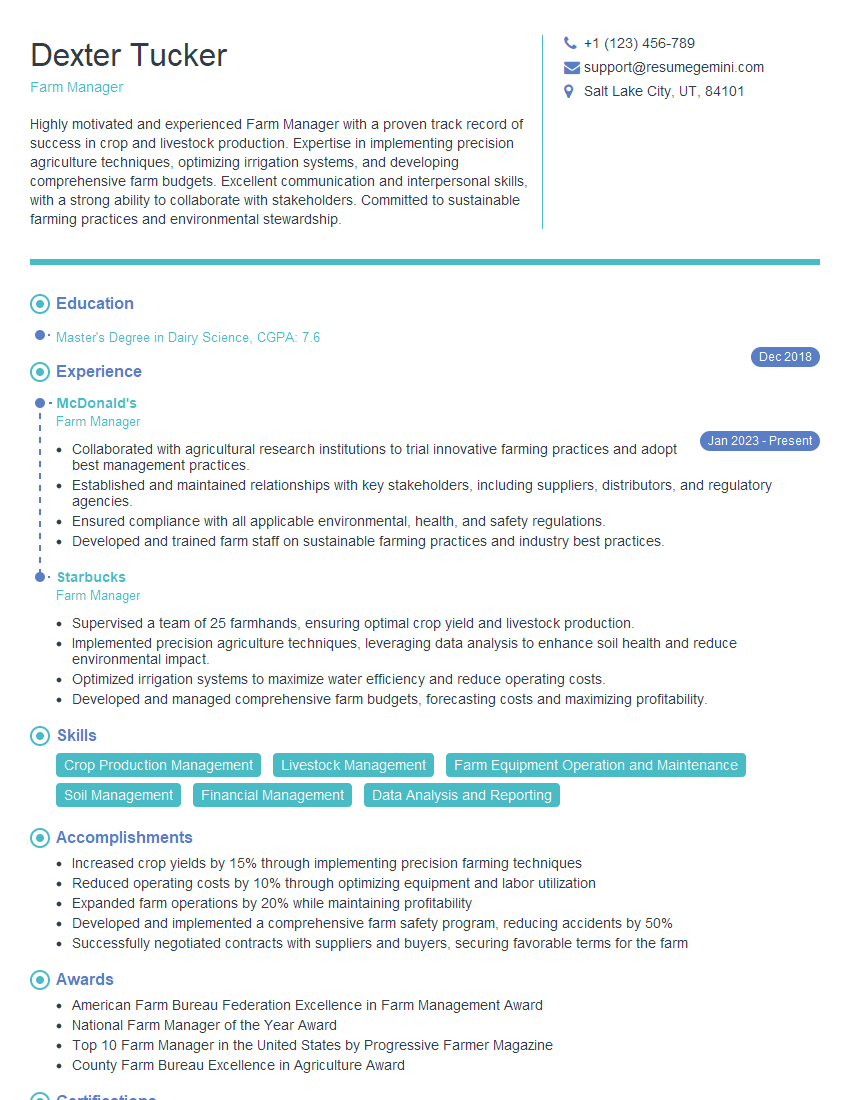
Farm Manager Resume Sample
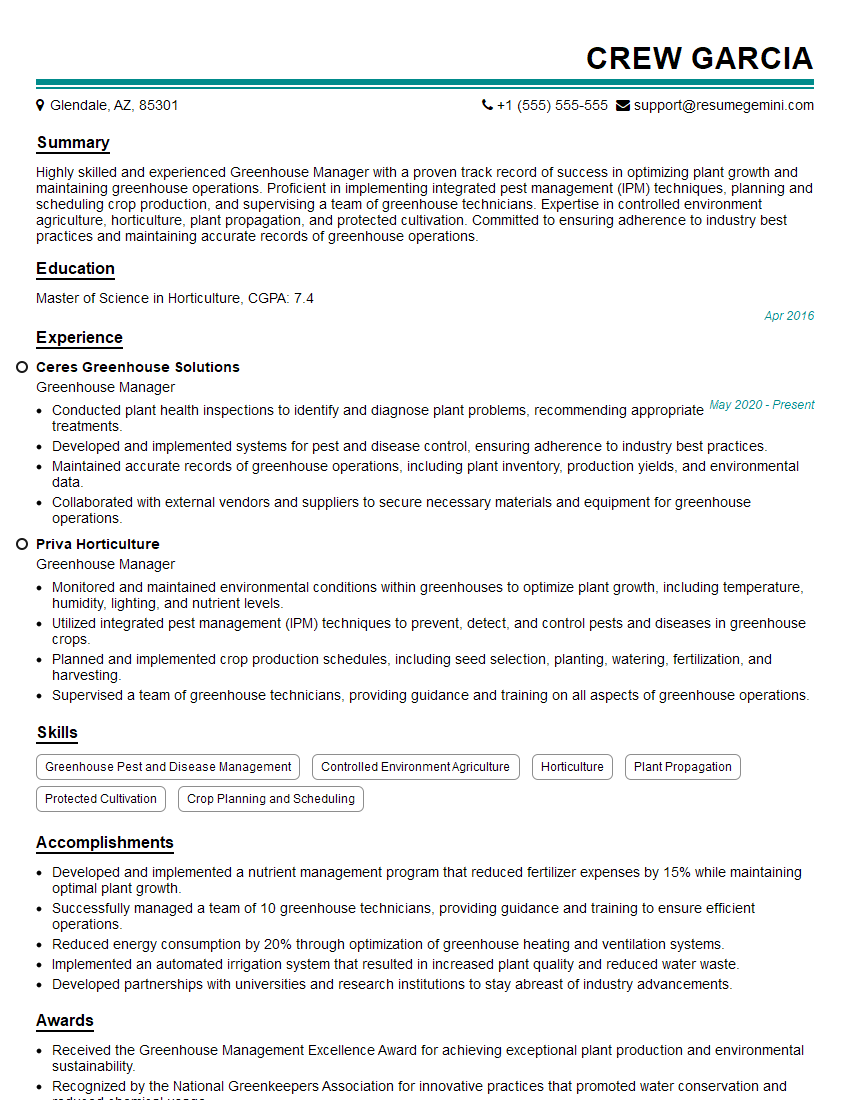
Greenhouse Manager Resume Sample

Viticulturist Resume Sample
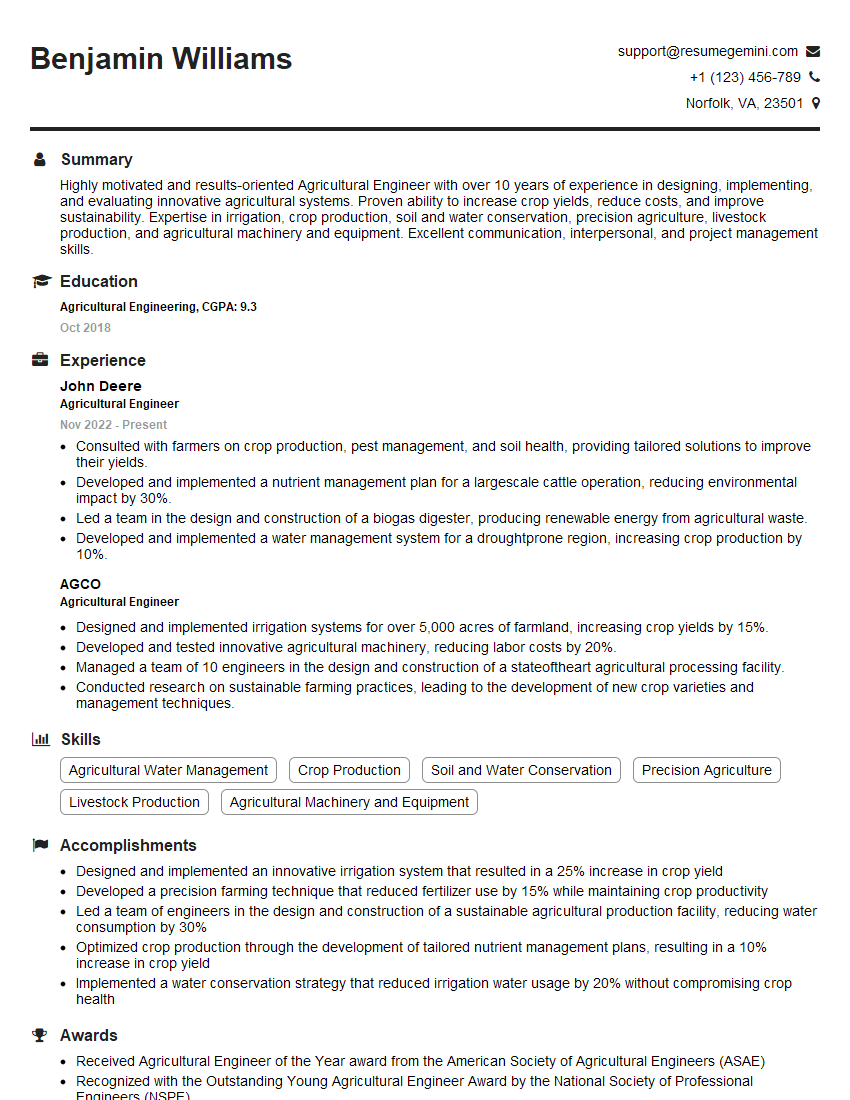
Agricultural Engineer Resume Sample

Soil Scientist Resume Sample
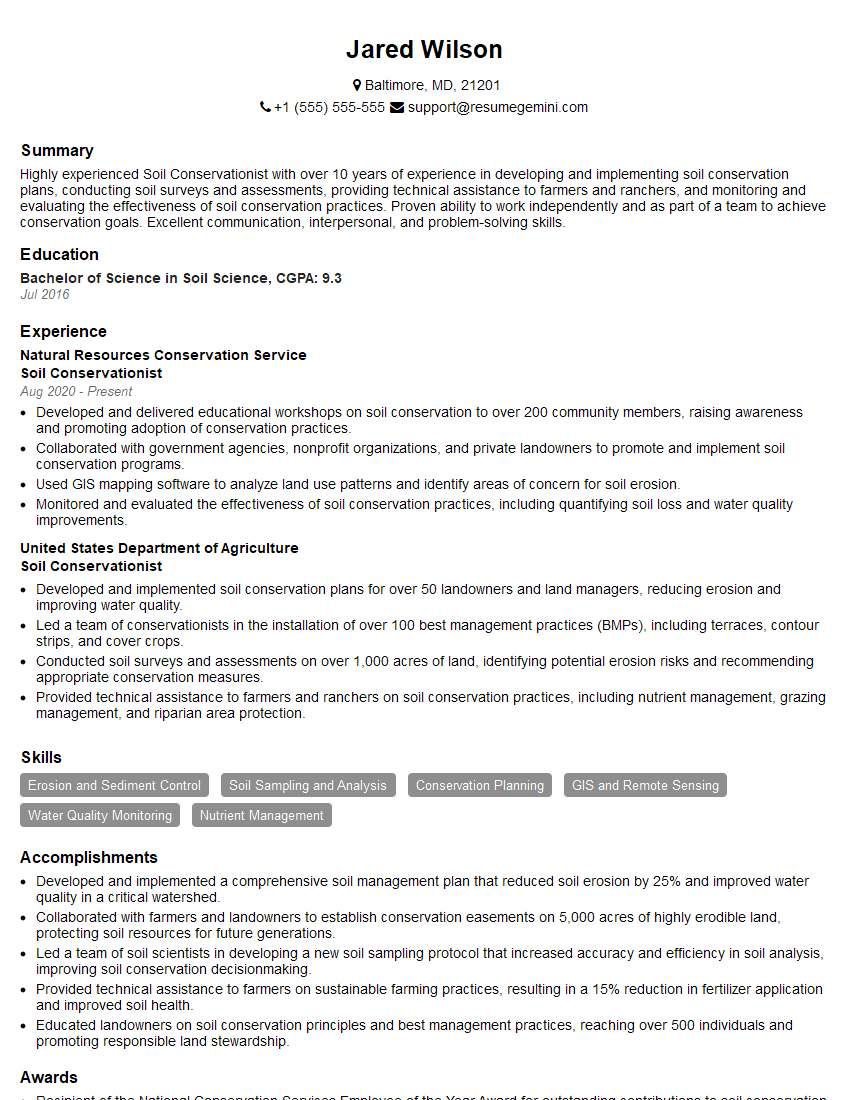
Soil Conservationist Resume Sample
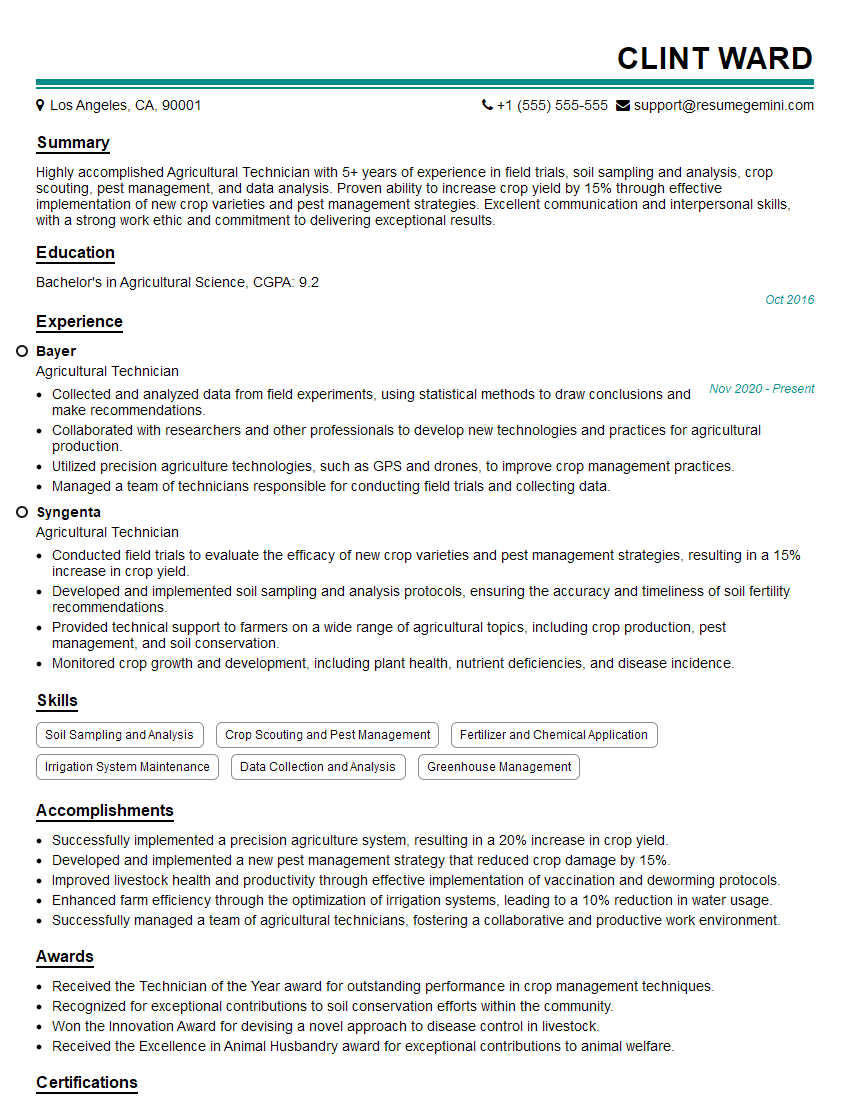
Agricultural Technician Resume Sample
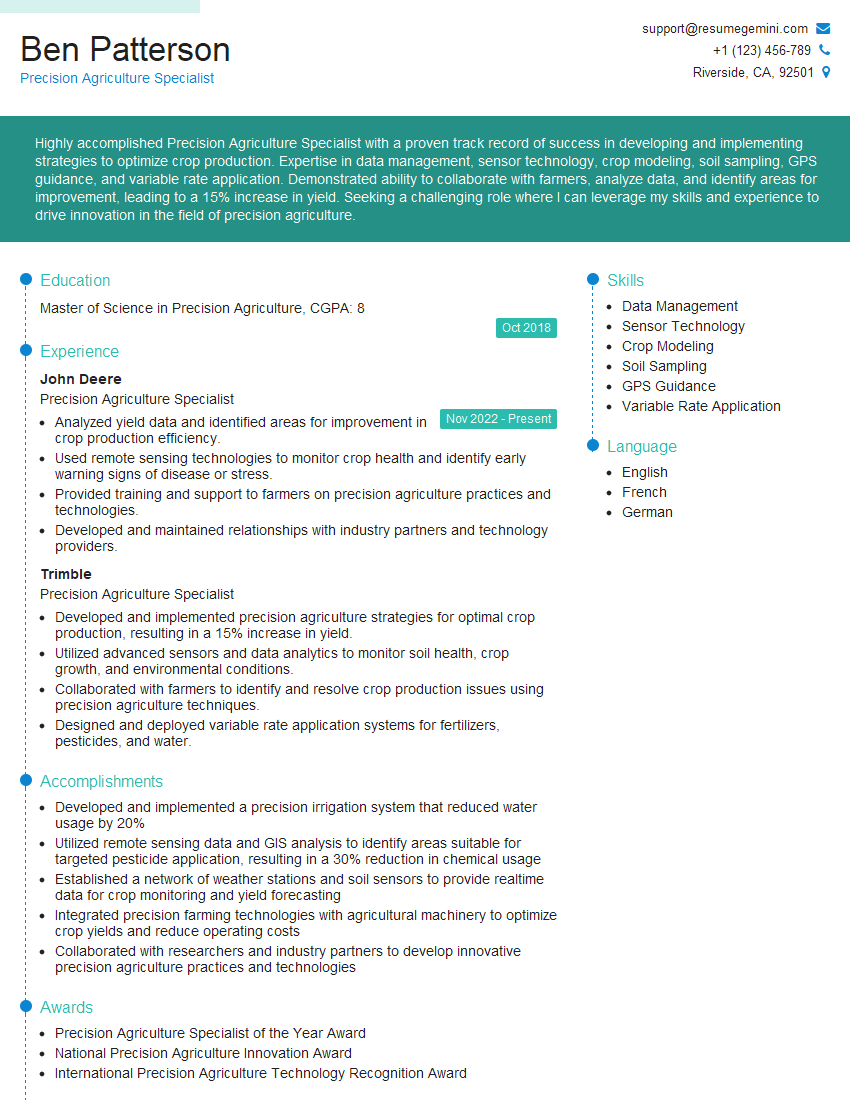
Precision Agriculture Specialist Resume Sample
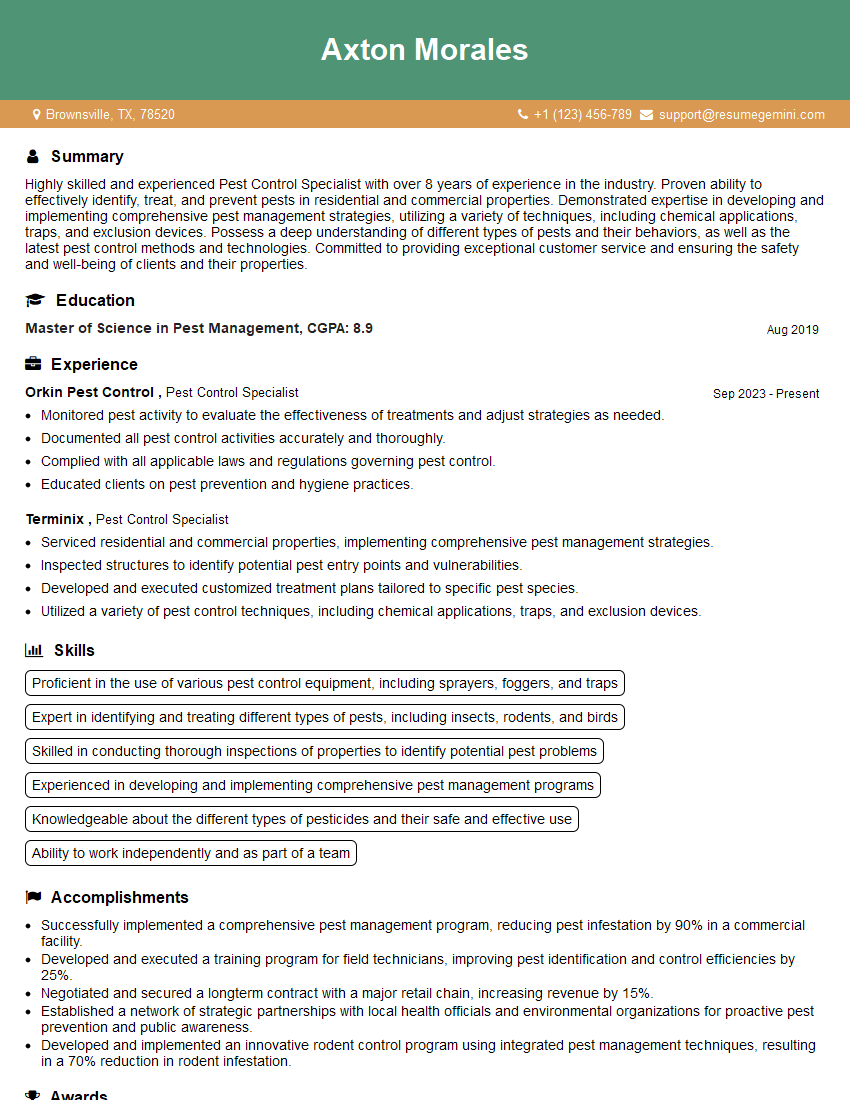
Pest Control Specialist Resume Sample
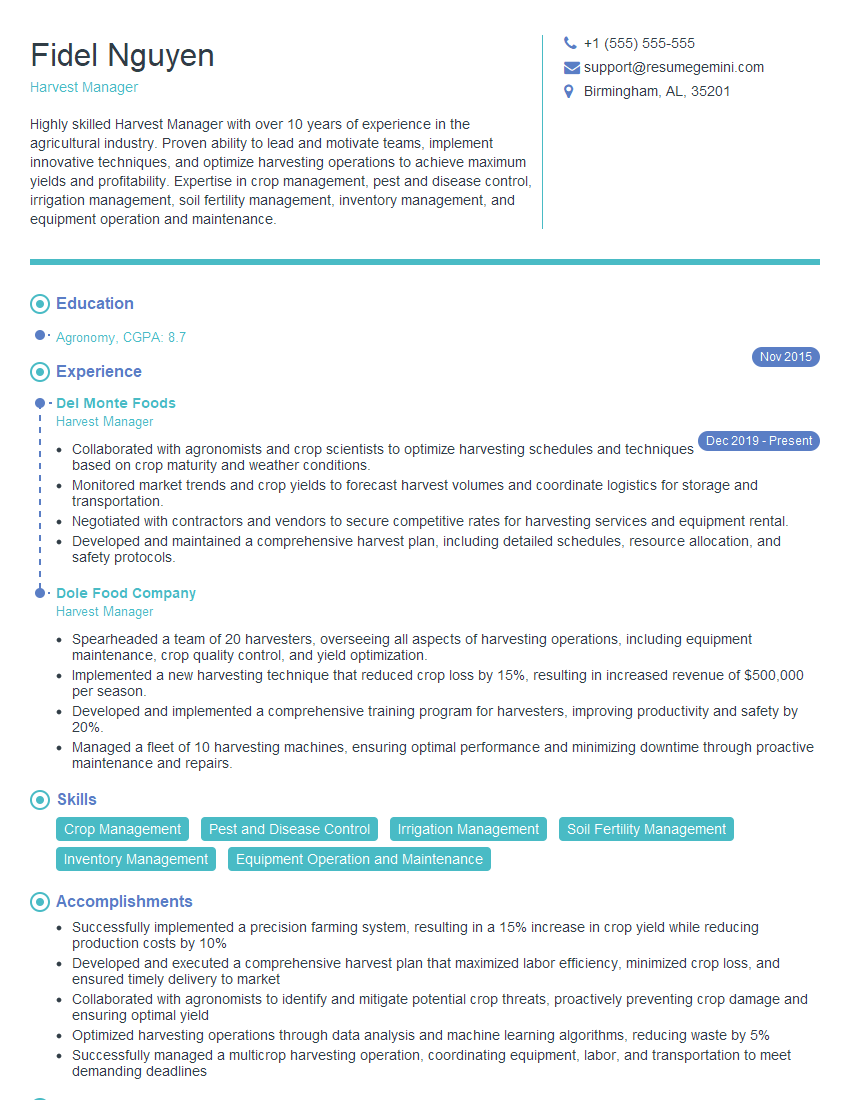
Harvest Manager Resume Sample
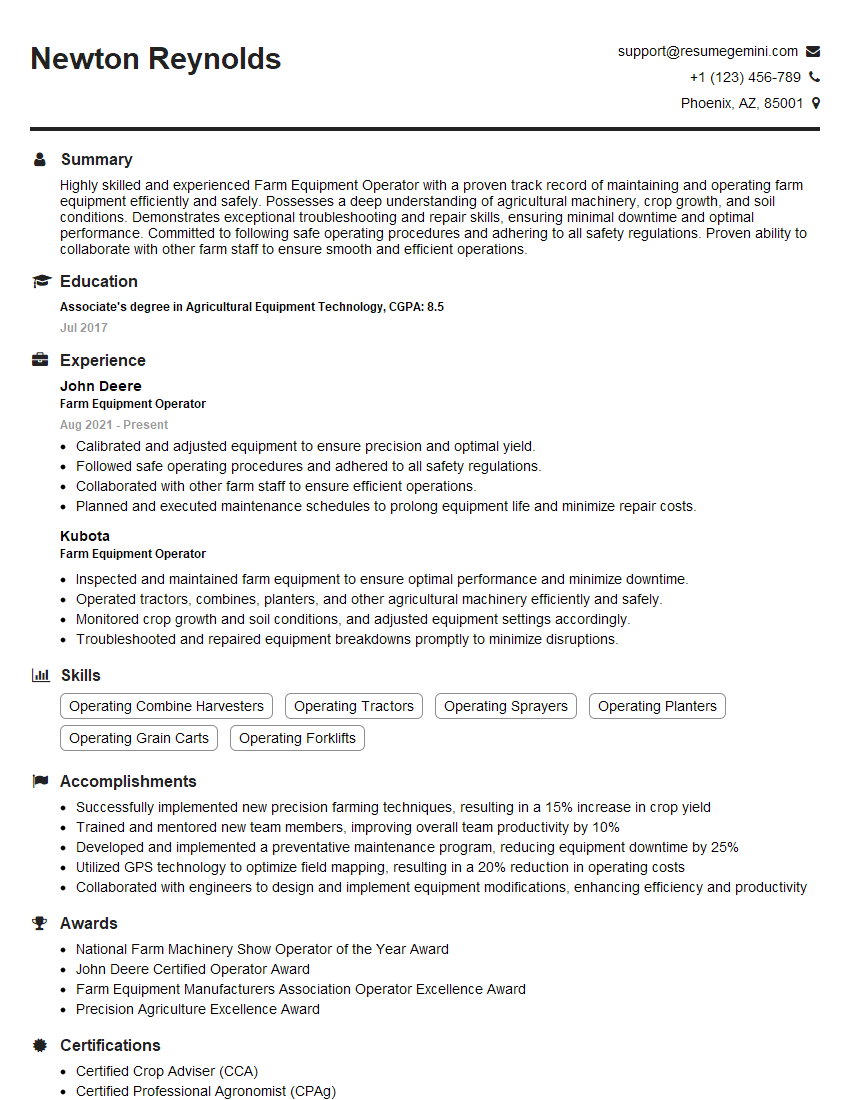
Farm Equipment Operator Resume Sample
Explore more articles
Users Rating of Our Blogs
Share Your Experience
We value your feedback! Please rate our content and share your thoughts (optional).
What Readers Say About Our Blog
To the interviewgemini.com Webmaster.
Very helpful and content specific questions to help prepare me for my interview!
Thank you
To the interviewgemini.com Webmaster.
This was kind of a unique content I found around the specialized skills. Very helpful questions and good detailed answers.
Very Helpful blog, thank you Interviewgemini team.