Are you ready to stand out in your next interview? Understanding and preparing for Laparoscopic and Open Abdominal Surgery interview questions is a game-changer. In this blog, we’ve compiled key questions and expert advice to help you showcase your skills with confidence and precision. Let’s get started on your journey to acing the interview.
Questions Asked in Laparoscopic and Open Abdominal Surgery Interview
Q 1. Describe your experience with laparoscopic cholecystectomy.
Laparoscopic cholecystectomy, or gallbladder removal via keyhole surgery, is a procedure I’ve performed extensively. It involves inserting small incisions in the abdomen, through which a laparoscope (a thin, lighted tube with a camera) and surgical instruments are introduced. The gallbladder is then dissected and removed. My experience encompasses a wide range of cases, from straightforward removals to those complicated by inflammation, adhesions, or gallstone impaction in the cystic duct. I’ve utilized various techniques, including the use of advanced energy devices like LigaSure for precise vessel sealing, minimizing bleeding and operative time. Successful outcomes are consistently monitored post-operatively through regular assessments and follow-up appointments to ensure proper healing and address any potential complications promptly. A particularly memorable case involved a patient with severe inflammation who required meticulous dissection; careful technique and patience allowed us to complete the procedure successfully and avoid complications.
Q 2. Explain the advantages and disadvantages of laparoscopic versus open appendectomy.
Choosing between laparoscopic and open appendectomy depends on several factors. Laparoscopic appendectomy offers several advantages: smaller incisions lead to less pain, scarring, and a quicker recovery time. Patients often return to normal activities sooner. However, laparoscopic appendectomy isn’t suitable for all cases. If the appendix is ruptured and has caused significant infection (peritonitis), an open approach might be necessary for thorough cleaning and drainage of the abdomen. In such cases, the open approach allows for better visualization and more effective management of the infection. Conversely, a major disadvantage of an open appendectomy is the larger incision, resulting in longer recovery times and greater potential for post-operative pain and complications such as infection. Therefore, the decision-making process involves a thorough assessment of the patient’s condition and the specific characteristics of the appendicitis.
Q 3. How do you manage complications during a laparoscopic procedure?
Managing complications during a laparoscopic procedure requires a calm, systematic approach and a thorough understanding of potential issues. Bleeding is a common concern; I manage this by using advanced techniques like electrocautery or clips to seal vessels. If significant bleeding occurs, converting to an open procedure may be necessary to gain better control. Another common challenge is bowel injury. If this happens, careful repair using absorbable sutures is crucial. Sometimes, the insertion of a drain might be required to allow for fluid evacuation and prevent infection. In cases of pneumoperitoneum issues (e.g., difficulty insufflating, excessive pressure), the source needs to be identified and addressed. This might involve repositioning the patient or adjusting the insufflation settings. Finally, early recognition of complications is key; continuous monitoring of vital signs, and prompt and decisive action is essential for successful patient outcomes.
Q 4. Describe your experience with laparoscopic hernia repair.
My experience with laparoscopic hernia repair is extensive, encompassing various hernia types, including inguinal, femoral, and incisional hernias. I utilize different mesh types and fixation techniques depending on the specific case. The minimally invasive approach offers patients reduced pain, shorter hospital stays, and faster return to work. A key aspect of my practice is pre-operative planning, carefully selecting the appropriate mesh and surgical technique based on factors like hernia size, location, and patient characteristics. I regularly utilize advanced imaging techniques like ultrasound to assess the hernia and plan the surgery accurately. Post-operatively, diligent patient education about activity restrictions is essential to minimize the recurrence risk. I find that patient education and careful follow-up are crucial components of successful laparoscopic hernia repair.
Q 5. What are the indications for open abdominal surgery versus laparoscopic surgery?
The decision to perform open versus laparoscopic surgery is highly individualized and hinges on several factors. Laparoscopic surgery is preferred for many procedures when the anatomy is suitable and there are no contraindications. It offers the advantages mentioned previously (less pain, faster recovery). However, open surgery remains the gold standard for certain situations. These include cases where extensive dissection is required, significant adhesions are present, there’s uncontrolled bleeding, or bowel perforation that can’t be managed laparoscopically. Other factors include the surgeon’s experience and expertise with minimally invasive techniques. If a surgeon lacks sufficient experience with laparoscopy, an open procedure might be safer and more effective for that specific surgeon. Therefore, a collaborative discussion between the surgeon and the patient is crucial to make the best decision for each individual.
Q 6. Explain the principles of pneumoperitoneum.
Pneumoperitoneum is the creation of artificial pneumoperitoneum, a gas-filled space in the abdominal cavity, achieved during laparoscopic procedures. This is done by insufflating CO2 gas into the abdomen via a Veress needle or open technique, creating an operating space that helps to visualize the organs. The pressure is carefully monitored to maintain an optimal level, typically between 12 and 15 mmHg. Maintaining adequate pneumoperitoneum is crucial for successful surgery as it allows for optimal visualization and creates a working space. However, excessive pressure can cause respiratory compromise, while inadequate pressure can hinder visualization. Careful monitoring of pressure during the procedure is critical, and appropriate adjustments should be made to maintain the correct intra-abdominal pressure. Understanding the physiological effects of pneumoperitoneum, such as cardiovascular changes, and managing these changes effectively is also essential.
Q 7. Describe your experience with bowel resection.
Bowel resection, the surgical removal of a portion of the bowel, can be performed both laparoscopically and openly. My experience includes both approaches. The choice depends on factors such as the location and extent of the bowel disease, the patient’s overall health, and the presence of complications. Laparoscopic bowel resection is preferred in many cases, offering advantages like less postoperative pain, shorter hospital stay, and improved cosmetic results. However, complex cases like those involving extensive inflammation, extensive adhesions, or perforation often necessitate an open approach. During bowel resection, meticulous surgical technique is crucial to ensure proper anastomosis (reconnection of the bowel ends) to prevent leakage. Post-operative care focuses on maintaining fluid and electrolyte balance and monitoring for complications like infection or anastomotic leak. I have experience in a broad range of bowel resections, and the approach selected is always tailored to the specific patient and their unique condition.
Q 8. How do you manage postoperative pain in laparoscopic surgery?
Postoperative pain management in laparoscopic surgery aims to minimize discomfort while ensuring patient comfort and a speedy recovery. It’s a multi-modal approach, meaning we utilize several strategies concurrently.
Analgesia: We typically begin with a balanced analgesic approach, combining non-opioid analgesics (like NSAIDs or acetaminophen) with opioids (such as morphine or hydromorphone) for breakthrough pain. The goal is to provide adequate pain relief while minimizing side effects like nausea and constipation. The choice of opioid and its dosage are carefully tailored to the individual patient and the type of surgery performed.
Regional Anesthesia: Techniques like paravertebral blocks or transversus abdominis plane (TAP) blocks can be incredibly effective in reducing pain by targeting the nerves supplying the abdominal wall. These are administered before or during the procedure and provide prolonged analgesia, reducing the need for systemic opioids.
Patient-Controlled Analgesia (PCA): This allows patients to self-administer small doses of analgesics as needed, giving them a sense of control over their pain management. This is frequently utilized, especially in the immediate post-operative period.
Non-Pharmacological Methods: These include early mobilization, deep breathing exercises, and ice packs. These methods complement the pharmacological approach, improving overall pain control and accelerating recovery.
For example, a patient undergoing a laparoscopic cholecystectomy (gallbladder removal) might receive a TAP block pre-operatively, followed by a PCA with morphine post-operatively, supplemented with oral analgesics as needed. We regularly monitor patients for pain levels and adjust the analgesic regimen accordingly to ensure optimal pain management and a smooth recovery.
Q 9. What are the key steps in a laparoscopic colectomy?
A laparoscopic colectomy, the removal of part or all of the colon using minimally invasive techniques, involves several key steps:
Port Placement: Typically, 3-5 small incisions are made in the abdomen to insert trocars, which allow the surgeon to insert laparoscopic instruments and a camera.
Exploration and Mobilization: The surgeon uses the laparoscope to visualize the colon and surrounding structures. The colon is then carefully mobilized from its attachments using specialized laparoscopic instruments.
Division of the Colon: The surgeon uses an endoscopic linear stapler to divide the colon at the planned resection site, creating a neat, leak-proof anastomosis (reconnection of the bowel).
Removal of Specimen: The resected portion of the colon is removed through one of the incisions, often using an endobag to minimize spillage.
Anastomosis: The remaining ends of the colon are carefully reconnected using the endoscopic stapler. This creates a functional connection that allows for the normal passage of stool.
Irrigation and Hemostasis: The abdominal cavity is thoroughly irrigated to remove any blood clots or debris. Hemostasis (stopping bleeding) is meticulously achieved.
Closure: The incisions are closed using absorbable sutures or staples.
The specifics vary based on the location of the colon being removed and the individual patient’s anatomy. Careful planning and meticulous technique are crucial to minimize complications and ensure a successful outcome.
Q 10. Describe your approach to managing intraoperative bleeding.
Managing intraoperative bleeding is paramount in abdominal surgery. My approach is based on a systematic assessment and prompt action.
Identification: The first step is precise identification of the bleeding source using the laparoscope (in laparoscopic procedures) or direct visualization (in open procedures).
Control: The method of control depends on the source and severity of bleeding. This may involve:
Direct Pressure: Applying pressure directly to the bleeding site with a sponge or instrument.
Electrocautery: Using an electrocautery device to seal bleeding vessels.
Hemoclips or Ligatures: Placing small clips or surgical ties around bleeding vessels.
Surgical Repair: In cases of significant vessel injury, surgical repair may be necessary.
Fluid Management: Intravenous fluids are often administered to replace blood loss and maintain hemodynamic stability (blood pressure and heart rate). In severe cases, blood transfusions may be needed.
Collaboration: If the bleeding is substantial or difficult to control, I will seek the assistance of other surgical team members, including a vascular surgeon if necessary.
For instance, if I encounter a bleeding vessel during a laparoscopic appendectomy, I might initially use electrocautery to stop the bleeding. If that is insufficient, I might apply a surgical clip to secure the vessel. In a more significant bleed, I might convert to an open procedure to provide better visualization and control.
Q 11. How do you prevent surgical site infections in abdominal surgery?
Surgical site infections (SSIs) are a significant concern in abdominal surgery. Prevention is key, and our approach incorporates several strategies:
Preoperative Skin Antisepsis: Thorough skin preparation with an antiseptic solution, such as chlorhexidine or povidone-iodine, is crucial to reduce the bacterial load on the skin before incision.
Surgical Technique: Maintaining a sterile field throughout the procedure, using sterile instruments and drapes, and minimizing tissue trauma all help prevent infection.
Appropriate Antibiotic Prophylaxis: Prophylactic antibiotics are often administered before the incision to reduce the risk of infection. The choice of antibiotic depends on the patient’s risk factors and the type of procedure.
Maintenance of Normothermia: Maintaining the patient’s body temperature helps prevent immunosuppression, which can increase the risk of infection.
Postoperative Wound Care: Proper wound closure, careful dressing changes, and prompt attention to any signs of infection are crucial. This frequently includes early removal of drains and attention to drainage management.
For example, patients undergoing colorectal surgery are at higher risk of SSI. For these procedures, a meticulous bowel preparation, and careful tissue handling during the surgery, along with appropriate antibiotic prophylaxis (often a combination of antibiotics), are employed to lower this risk.
Q 12. Describe your experience with the use of robotic surgery.
I have significant experience with robotic surgery, specifically the da Vinci Surgical System. It offers several advantages over conventional laparoscopic surgery, primarily enhanced dexterity, precision, and three-dimensional visualization.
Enhanced Dexterity: The robotic arms provide greater range of motion and articulation than traditional laparoscopic instruments, allowing for more precise dissection and manipulation of tissues in complex cases.
3D Visualization: The high-definition 3D visualization enhances the surgeon’s ability to identify anatomical structures and perform delicate procedures with improved accuracy.
Minimally Invasive: Like laparoscopic surgery, robotic surgery is minimally invasive, leading to smaller incisions, less pain, reduced scarring, and faster recovery times.
Applications: I’ve used robotic surgery for various complex procedures, including complex colorectal resections, advanced hernia repairs, and gynecological surgeries.
However, it’s important to note that robotic surgery is not always the best approach. It requires specialized training, and the cost can be higher than conventional laparoscopy. The decision to use robotic surgery is made on a case-by-case basis, taking into consideration the patient’s condition, the complexity of the procedure, and the surgeon’s expertise.
Q 13. How do you handle unexpected findings during a laparotomy?
Handling unexpected findings during a laparotomy requires adaptability and a systematic approach.
Assessment: Carefully assess the unexpected finding. Determine its nature, location, and significance.
Consultation: If necessary, consult with other specialists (e.g., gastroenterologist, oncologist) to determine the best course of action.
Re-evaluation of Surgical Plan: Modify the surgical plan to address the unexpected finding. This may involve additional procedures, such as biopsies or further explorations.
Documentation: Meticulously document all unexpected findings, the actions taken, and any relevant information.
Patient Discussion: Openly discuss the unexpected findings and the revised surgical plan with the patient and their family, ensuring they understand the situation and implications.
For example, during a laparotomy for suspected appendicitis, if I unexpectedly find advanced colon cancer, I would carefully document the findings, take biopsies, and discuss the need for further evaluation and potentially more extensive surgery with the patient. In some cases, it might even necessitate a postponement of the original procedure to allow for more thorough pre-operative planning.
Q 14. What are the specific challenges associated with laparoscopic surgery in obese patients?
Laparoscopic surgery in obese patients presents unique challenges:
Difficult Visualization: Excess adipose tissue (fat) can obscure the surgical field, making visualization difficult and hindering the surgeon’s ability to perform precise maneuvers.
Port Placement: Placing ports safely and effectively can be challenging due to the increased abdominal thickness. There’s a higher risk of injuring underlying organs.
Instrument Maneuverability: The increased abdominal pressure and visceral fat can impede the movement of laparoscopic instruments, making it difficult to manipulate tissues.
Pneumoperitoneum: Creating and maintaining adequate pneumoperitoneum (inflation of the abdomen with gas) can be more challenging due to the increased abdominal pressure.
Increased Risk of Complications: Obese patients are generally at a higher risk of complications, such as wound infections, bleeding, and prolonged recovery.
To overcome these challenges, we often use specialized techniques. This might include the use of longer instruments, different port placement strategies, and the potential use of a robotic system for enhanced visualization and dexterity. Preoperative optimization of the patient’s condition, such as weight loss and improved metabolic control, is also critical.
Q 15. Explain the importance of meticulous hemostasis during abdominal surgery.
Meticulous hemostasis, or the control of bleeding, is paramount in abdominal surgery for several crucial reasons. Failure to achieve adequate hemostasis can lead to significant complications, impacting patient safety and recovery.
- Reduced Blood Loss: Effective hemostasis minimizes blood loss, preventing hypovolemic shock (a life-threatening condition due to low blood volume) and the need for blood transfusions. This improves patient outcomes and reduces the risk of post-operative anemia.
- Improved Visibility: A clear surgical field, free of blood clots and bleeding, provides optimal visualization of the surgical area. This precision is essential for accurate dissection and minimizing iatrogenic injury (injury caused by medical treatment).
- Reduced Infection Risk: Hematoma (a collection of blood outside blood vessels) formation provides a breeding ground for bacteria, significantly increasing the risk of surgical site infection (SSI). Meticulous hemostasis minimizes this risk.
- Faster Recovery: Patients with less blood loss and fewer complications recover faster and experience reduced post-operative pain.
In practice, this involves a combination of techniques including careful dissection, electrocautery (using electrical current to seal blood vessels), ligatures (tying off blood vessels), clips, and the use of hemostatic agents (e.g., topical sponges) to control bleeding. For example, during a cholecystectomy (gallbladder removal), meticulous attention is paid to the cystic artery and vein to prevent bleeding.
Career Expert Tips:
- Ace those interviews! Prepare effectively by reviewing the Top 50 Most Common Interview Questions on ResumeGemini.
- Navigate your job search with confidence! Explore a wide range of Career Tips on ResumeGemini. Learn about common challenges and recommendations to overcome them.
- Craft the perfect resume! Master the Art of Resume Writing with ResumeGemini’s guide. Showcase your unique qualifications and achievements effectively.
- Don’t miss out on holiday savings! Build your dream resume with ResumeGemini’s ATS optimized templates.
Q 16. Describe your experience with advanced laparoscopic techniques.
My experience encompasses a wide range of advanced laparoscopic techniques, including single-port laparoscopy, robotic-assisted surgery, and advanced energy devices. Single-port laparoscopy, for instance, minimizes surgical incisions, leading to improved cosmesis (appearance) and reduced pain. I’ve performed numerous single-port cholecystectomies and appendectomies, consistently achieving excellent outcomes. Robotic-assisted surgery enhances dexterity and precision, particularly beneficial in complex cases such as colorectal resections. The enhanced visualization and articulation provided by robotic systems allow for intricate procedures with minimal trauma. Moreover, my proficiency extends to the use of advanced energy devices such as LigaSure and Harmonic Scalpel, which allow for precise tissue dissection and sealing of vessels, contributing to better hemostasis and reduced operative time. I am comfortable using these technologies across a variety of abdominal surgical procedures.
Q 17. What are the indications for emergency laparotomy?
Emergency laparotomy, an open abdominal surgical procedure performed urgently, is indicated when there’s a critical intra-abdominal condition requiring immediate intervention to save the patient’s life.
- Hemorrhagic Shock: Significant internal bleeding from trauma (e.g., ruptured spleen) or a ruptured abdominal aortic aneurysm requires immediate laparotomy to control the bleeding.
- Perforated Viscus: Perforation of an organ like the bowel, stomach, or appendix leads to leakage of contents into the peritoneal cavity, causing peritonitis (inflammation of the peritoneum). This life-threatening condition necessitates rapid surgical repair.
- Bowel Obstruction: Severe bowel obstruction with strangulation (compromised blood supply) demands immediate laparotomy to prevent necrosis (tissue death) and potential sepsis (infection).
- Acute Pancreatitis: Severe, necrotizing pancreatitis may require emergency laparotomy for debridement (removal of infected tissue) and drainage.
- Trauma: Penetrating abdominal trauma, such as gunshot or stab wounds, often requires laparotomy to assess and manage internal injuries.
The decision to perform an emergency laparotomy is time-sensitive and requires rapid clinical judgment, often based on physical examination findings, imaging studies (e.g., CT scans), and laboratory results. Delay can have fatal consequences.
Q 18. How do you manage postoperative ileus?
Postoperative ileus is a temporary paralysis of the bowel after surgery, resulting in abdominal distention, nausea, vomiting, and constipation. Management focuses on supportive measures and aims to restore normal bowel function.
- NPO (Nothing by Mouth): Initially, patients are kept NPO to allow the bowel to rest.
- Nasogastric (NG) Tube: Decompression of the bowel using an NG tube helps relieve abdominal distention and prevent vomiting.
- Intravenous Fluids: Patients receive intravenous fluids to maintain hydration and electrolyte balance.
- Pain Management: Adequate pain management is crucial as pain can exacerbate ileus.
- Early Mobilization: Encouraging early ambulation helps stimulate bowel motility.
- Prokinetics: In some cases, medications that stimulate bowel motility (prokinetics) may be used, such as metoclopramide. However, these are used judiciously as they can have side effects.
Close monitoring of bowel sounds and abdominal examination are key. The duration of ileus varies, but most patients recover within a few days. Persistent ileus may require further investigation and intervention.
Q 19. Describe your experience with different types of surgical suturing.
My experience with surgical suturing encompasses a wide variety of techniques, chosen based on tissue type, tension requirements, and desired outcome.
- Absorbable Sutures: These sutures, such as Vicryl or PDS, are used for deep tissue layers where they are gradually absorbed by the body. Their advantage is the avoidance of suture removal, reducing patient discomfort.
- Non-absorbable Sutures: Sutures like nylon or silk are used for skin closure, as they require removal after the wound heals. They are stronger and more suitable for superficial wound closure where tensile strength is important.
- Different Suturing Techniques: I am proficient in various techniques like simple interrupted, continuous, running, and locking sutures, each with its advantages and disadvantages in specific situations. For instance, interrupted sutures provide better security in areas under tension, while continuous sutures are faster for closing linear wounds.
- Staplers: Surgical staplers are commonly used in laparoscopic and open surgery, particularly for bowel anastomosis (connecting two ends of the bowel) and resection of diseased tissue.
Choosing the appropriate suture material and technique is critical to ensure strong, secure closure of tissues and minimize the risk of complications like wound dehiscence (separation of wound edges).
Q 20. What are the key steps in a laparoscopic nephrectomy?
Laparoscopic nephrectomy, the removal of a kidney through small incisions using a laparoscope, is a complex procedure requiring meticulous planning and execution. Key steps include:
- Port Placement: Strategic placement of laparoscopic ports (small incisions for insertion of instruments) is crucial for optimal visualization and access to the kidney.
- Kidney Mobilization: Careful dissection and mobilization of the kidney from surrounding structures, including the adrenal gland, vessels, and ureter, are critical. This often involves using advanced energy devices for precise dissection and hemostasis.
- Vascular Control: Securing the renal vessels (renal artery and vein) is a vital step, typically involving clamping and subsequent ligation or stapling to prevent bleeding.
- Ureter Transection: The ureter (tube carrying urine from the kidney to the bladder) is transected (cut) and either sutured or stapled closed.
- Kidney Removal: Once the vascular control and ureteral transection are complete, the kidney is removed through an appropriately sized incision or a retrieval bag.
- Hemostasis and Closure: Thorough hemostasis is essential to minimize the risk of bleeding. After ensuring no active bleeding, the incisions are closed in layers.
The whole procedure requires a high level of precision, experience, and a thorough understanding of renal anatomy. Careful planning and meticulous technique are essential for minimizing complications and ensuring optimal patient outcomes.
Q 21. How do you manage postoperative wound complications?
Postoperative wound complications can range from minor to life-threatening and require prompt and appropriate management.
- Infection: Surgical site infection (SSI) is a common complication, manifested by erythema (redness), swelling, purulent discharge, and pain. Management includes wound debridement (removal of infected tissue), antibiotic therapy, and sometimes drainage.
- Dehiscence: Wound dehiscence, the separation of wound edges, may require resuturing or wound vac therapy (negative pressure wound therapy) to promote healing.
- Evisceration: Evisceration, the protrusion of internal organs through the wound, is a surgical emergency requiring immediate intervention to reduce the organs and close the wound.
- Hematoma: A hematoma, or collection of blood, may require aspiration or surgical evacuation depending on size and clinical significance.
- Seromas: Seromas, collections of serous fluid (clear fluid), can be managed conservatively with observation, aspiration, or a drain.
Prevention of wound complications starts with meticulous surgical technique, proper wound closure, and adequate postoperative care, including appropriate pain management and patient education. Early recognition and prompt treatment are crucial for successful management of wound complications.
Q 22. How do you select the appropriate surgical approach for a given patient?
Selecting the optimal surgical approach—laparoscopic or open—is a crucial decision that hinges on a comprehensive evaluation of the patient’s individual circumstances. It’s not a one-size-fits-all approach. We consider several key factors:
- Patient factors: This includes the patient’s overall health, comorbidities (such as cardiac or respiratory issues), body habitus (body size and build), and prior abdominal surgeries. A patient with significant adhesions from prior surgery, for example, might be a better candidate for an open approach due to the increased risk of bowel injury during laparoscopy.
- Disease factors: The nature and extent of the pathology are paramount. A large, complex tumor might necessitate an open approach to allow for better visualization and manipulation. Conversely, a small, well-localized lesion might be ideally suited for laparoscopy.
- Surgeon’s experience: The surgeon’s level of comfort and expertise with both laparoscopic and open techniques significantly influences the decision. A less experienced laparoscopic surgeon might opt for an open approach for a complex case to ensure patient safety.
- Surgical facility resources: The availability of appropriate laparoscopic equipment and skilled support staff is crucial for a successful laparoscopic procedure. If these resources aren’t available, an open approach may be necessary.
In practice, we often involve the patient in the decision-making process, explaining the advantages and disadvantages of each approach, including potential risks and benefits, to ensure informed consent. The choice is always tailored to the individual patient’s needs.
Q 23. Describe your experience with diagnostic laparoscopy.
Diagnostic laparoscopy has been an invaluable tool throughout my career. It allows for direct visualization of the abdominal cavity with minimal invasiveness. I’ve utilized it extensively to diagnose a wide range of conditions, including:
- Pelvic pain of unknown origin: Laparoscopy can identify endometriosis, adhesions, or other pelvic pathology that might be causing chronic pain. In one case, a patient presented with persistent lower abdominal pain, and laparoscopy revealed a subtle ovarian cyst that was otherwise undetectable through imaging alone.
- Infertility investigations: Tubal patency and pelvic anatomy can be directly assessed to identify causes of infertility. I have used diagnostic laparoscopy to identify and successfully treat tubal blockages.
- Suspected malignancy: Although not a primary diagnostic tool for cancer, laparoscopy can be used to stage early cancers and assess the feasibility of minimally invasive resection.
- Abdominal pain of unclear etiology: It aids in distinguishing between various causes such as appendicitis, bowel obstruction, or inflammatory processes. Rapid diagnosis and treatment can significantly improve outcomes.
The procedure itself is relatively straightforward, involving a small incision, insufflation of the abdomen with CO2, and careful exploration using laparoscopic instruments. Biopsies can be taken if needed, providing immediate histological confirmation. Diagnostic laparoscopy offers a less invasive alternative to exploratory laparotomy, leading to faster recovery and reduced complications.
Q 24. What are the contraindications for laparoscopic surgery?
While laparoscopic surgery offers significant advantages, certain contraindications exist. These can be broadly categorized as:
- Extensive adhesions: Severe adhesions from previous surgeries can make laparoscopic dissection difficult and increase the risk of bowel injury. In these cases, an open approach offers better visualization and control.
- Hemodynamic instability: Patients with significant cardiovascular compromise may not tolerate the pneumoperitoneum (inflation of the abdomen with gas) required for laparoscopy.
- Severe respiratory compromise: The pneumoperitoneum can restrict diaphragmatic movement, potentially exacerbating respiratory problems.
- Active infection: A significant risk of spreading infection through the insertion sites exists. It’s best to resolve the infection first.
- Coagulopathy: Patients with bleeding disorders are at increased risk of significant intraoperative bleeding during the procedure.
- Morbid obesity: Extreme obesity can make access and visualization difficult during laparoscopic procedures.
- Lack of appropriate equipment or expertise: Access to the necessary technology and surgeon proficiency are essential.
A thorough preoperative evaluation is crucial to identify and manage these contraindications to ensure patient safety and optimal surgical outcomes. Often, alternative approaches can be considered or the procedure can be deferred until contraindications are resolved.
Q 25. How do you assess and manage a patient’s intraoperative fluid balance?
Careful monitoring and management of intraoperative fluid balance are critical for maintaining hemodynamic stability during abdominal surgery. This involves a multi-pronged approach:
- Accurate fluid input measurement: We meticulously record all intravenous fluids, blood products, and irrigation fluids administered.
- Estimation of fluid output: This includes urine output (via catheter), estimated blood loss (visual estimation and suction canister measurements), and drainage from wounds or drains.
- Hemodynamic monitoring: We use parameters such as heart rate, blood pressure, and central venous pressure (CVP) to assess fluid status and guide fluid resuscitation. Changes in these parameters might indicate hypovolemia (low blood volume) or hypervolemia (excess fluid volume).
- Laboratory monitoring: Blood tests (hematocrit, electrolytes) are performed to assess for imbalances in fluid and electrolyte levels.
- Goal-directed fluid management: Our approach involves maintaining adequate tissue perfusion and organ function, adjusting fluid administration based on ongoing hemodynamic and laboratory monitoring. We aim to avoid both hypovolemia (which can lead to organ dysfunction) and hypervolemia (which can lead to pulmonary edema).
Accurate fluid balance management minimizes complications such as postoperative renal failure, electrolyte disturbances, and pulmonary edema, contributing to a smoother postoperative recovery.
Q 26. Explain your understanding of surgical anatomy relevant to abdominal surgery.
A deep understanding of surgical anatomy is fundamental to safe and effective abdominal surgery. This includes a comprehensive knowledge of the:
- Layers of the abdominal wall: From skin to peritoneum, understanding the different layers helps in precise incision placement and avoidance of injury to nerves and vessels.
- Visceral anatomy: Detailed knowledge of the location, relationships, and vascular supply of abdominal organs (liver, stomach, intestines, spleen, kidneys, etc.) is crucial for safe dissection and minimal damage.
- Vascular anatomy: Understanding the major arteries and veins of the abdomen allows for safe handling of blood vessels, minimizing bleeding complications. Knowledge of collateral circulation is also important.
- Neuroanatomy: Identification and preservation of nerves during dissection are vital to avoid postoperative nerve dysfunction (e.g., abdominal wall weakness).
- Lymphatics: Understanding the lymphatic drainage pathways is crucial during cancer surgeries to ensure adequate lymph node dissection.
I regularly consult anatomical atlases and utilize imaging studies (CT, MRI) to thoroughly understand the individual anatomy of each patient before surgery. This preparation is essential for safe and efficient procedures.
Q 27. Describe your proficiency in various laparoscopic instruments and their applications.
My proficiency encompasses a wide range of laparoscopic instruments, each designed for specific tasks. Some key examples include:
- Graspers: Used to hold and manipulate tissues, including atraumatic graspers to minimize trauma.
- Scissors: For dissection and cutting tissues, including monopolar and bipolar electrosurgical scissors for precise hemostasis.
- Retractors: To hold back tissues and organs, providing better visualization of the surgical field.
- Trocars and cannulas: Used to create access ports into the abdominal cavity.
- Endoscopic suturing devices: These allow for precise suturing within the confines of laparoscopy.
- Energy devices: This includes electrocautery (monopolar and bipolar) for hemostasis and tissue dissection. Ultrasonic shears also play a significant role.
Selecting the appropriate instrument for each step of the procedure is crucial for efficiency and safety. For example, during a cholecystectomy (gallbladder removal), we might use atraumatic graspers to manipulate the gallbladder, while electrosurgical scissors are used for precise dissection around the cystic artery and duct.
Q 28. How do you ensure patient safety throughout the surgical process?
Patient safety is paramount, and it’s integrated into every aspect of the surgical process, starting with meticulous preoperative planning and extending through postoperative care. Here’s how I ensure patient safety:
- Preoperative assessment and planning: A thorough review of the patient’s medical history, physical examination, and relevant imaging studies helps identify potential risks. This includes addressing any comorbidities and optimizing the patient’s health before surgery.
- Informed consent: I ensure that the patient fully understands the procedure, potential benefits, risks, and alternatives. This is a key element in establishing trust and ensuring the patient is an active participant in their care.
- Time-out procedure: This universally accepted protocol verifies patient identity, surgical site, and planned procedure before the incision, significantly reducing the risk of wrong-site surgery.
- Sterile technique: Strict adherence to sterile techniques minimizes the risk of surgical site infections.
- Monitoring during surgery: Continuous monitoring of vital signs, oxygen saturation, and end-tidal CO2 ensures prompt detection and management of any adverse events. We have a dedicated anesthesia team for constant patient monitoring.
- Postoperative care: Postoperative monitoring and prompt management of potential complications (pain, bleeding, infection) are crucial aspects of patient safety.
Safety is a collaborative effort. I work closely with the entire surgical team (anesthesiologists, nurses, surgical technicians) to ensure a safe and successful outcome for every patient.
Key Topics to Learn for Laparoscopic and Open Abdominal Surgery Interview
- Laparoscopic Surgery Techniques: Mastering different approaches (e.g., single-port, multi-port), instrument handling, and energy sources.
- Open Abdominal Surgery Techniques: Understanding incision planning, tissue dissection, and closure techniques for various procedures.
- Surgical Anatomy: Thorough knowledge of abdominal anatomy, including vascular structures, nerves, and organ relationships.
- Surgical Principles: Applying principles of hemostasis, wound healing, infection control, and minimizing surgical trauma.
- Patient Selection and Assessment: Understanding criteria for selecting appropriate surgical approaches based on patient factors and disease severity.
- Intraoperative Complications and Management: Recognizing and effectively addressing potential complications such as bleeding, injury to adjacent organs, and bowel perforation.
- Postoperative Care and Management: Understanding pain management, nutritional support, and early detection of postoperative complications.
- Specific Procedures: Deep understanding of common laparoscopic and open abdominal surgical procedures (e.g., cholecystectomy, appendectomy, hernia repair, colorectal surgery).
- Advanced Laparoscopic Techniques: Familiarity with advanced techniques like robotic surgery and NOTES (Natural Orifice Translumenal Endoscopic Surgery).
- Ethical Considerations and Informed Consent: Understanding the ethical implications of surgical decision-making and the importance of obtaining informed consent.
- Problem-Solving Approach: Developing a structured approach to troubleshoot unexpected challenges during surgery, including decision-making under pressure.
- Surgical Simulation and Training: Understanding the role of simulation in surgical training and skill development.
Next Steps
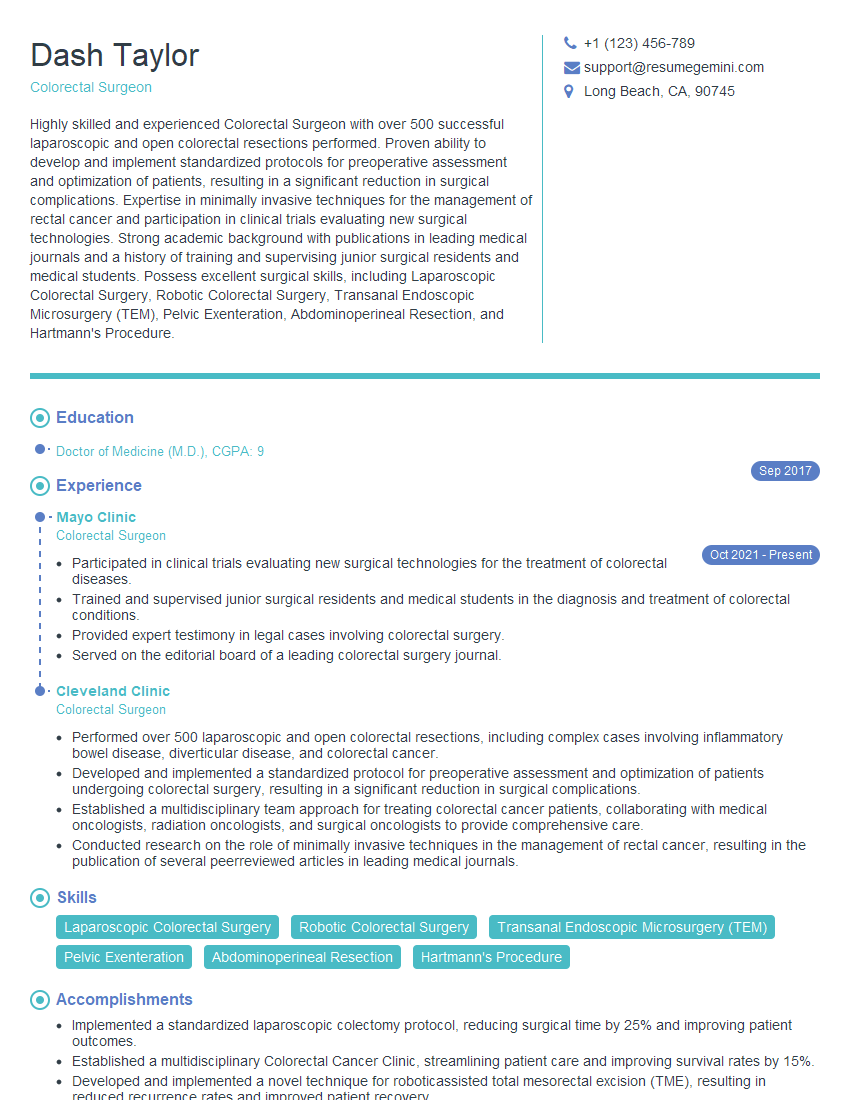
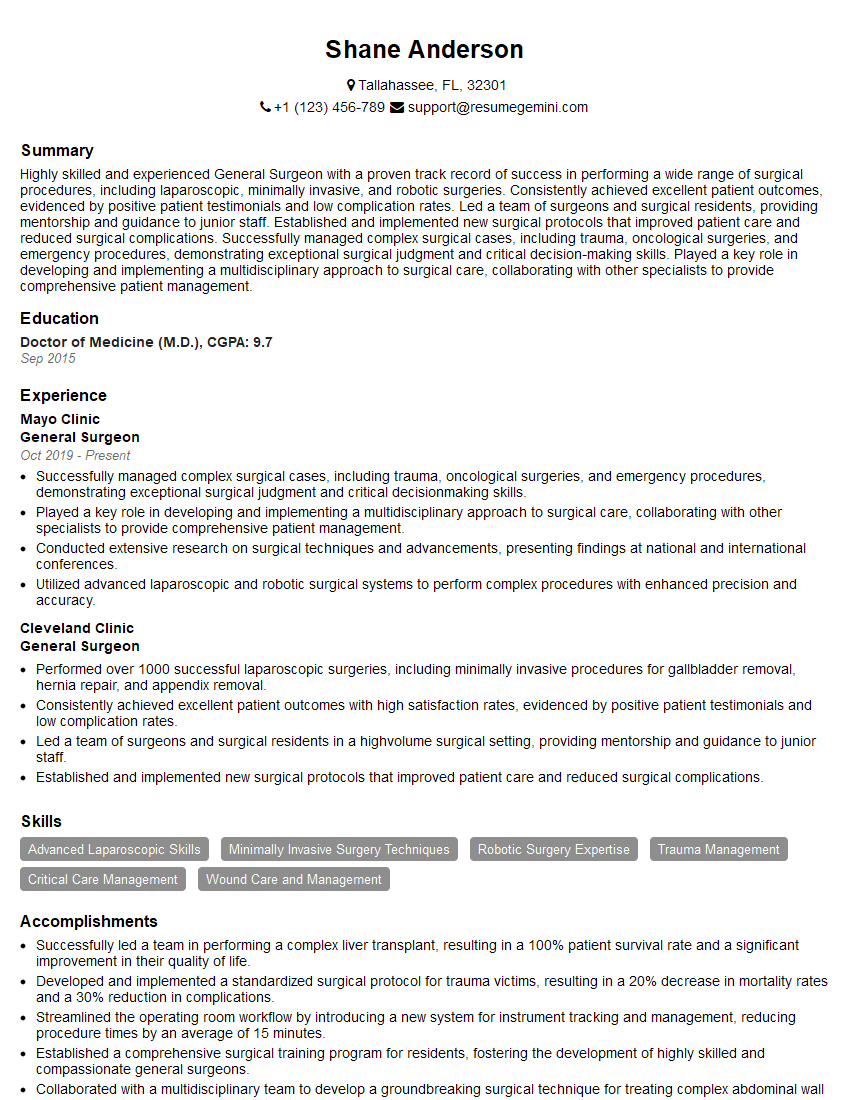
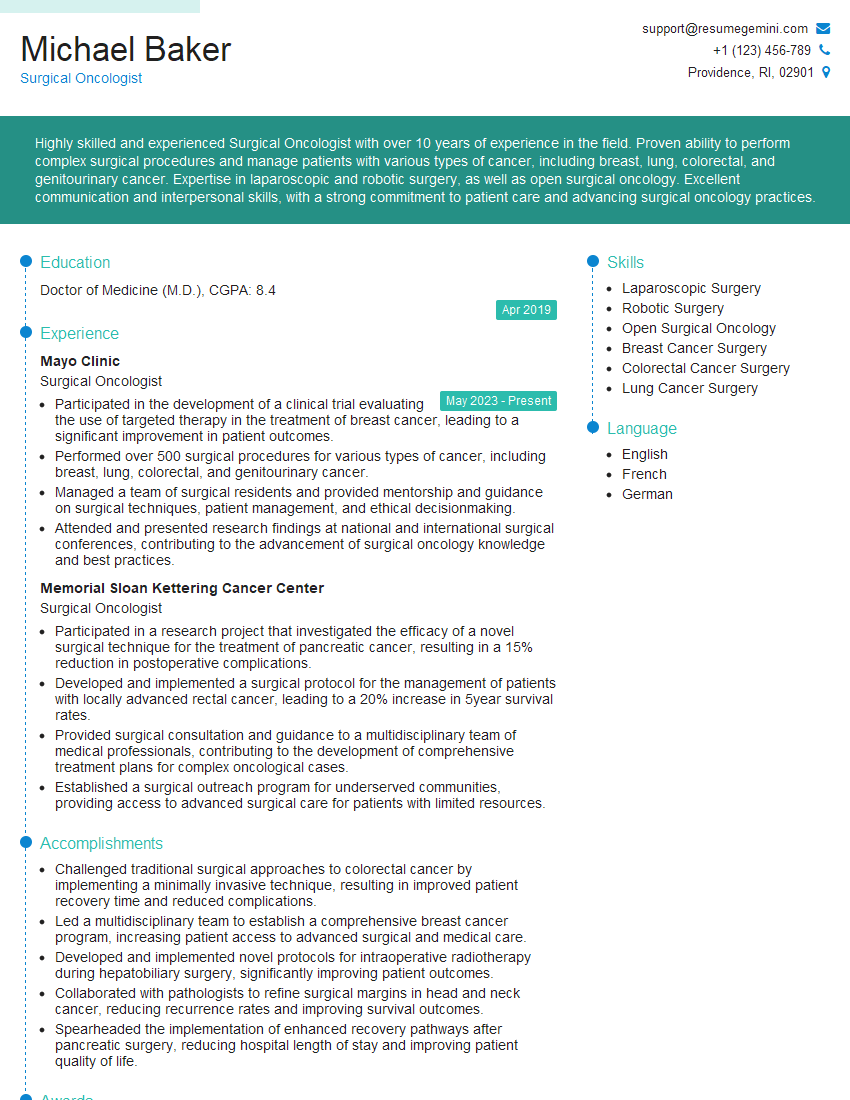
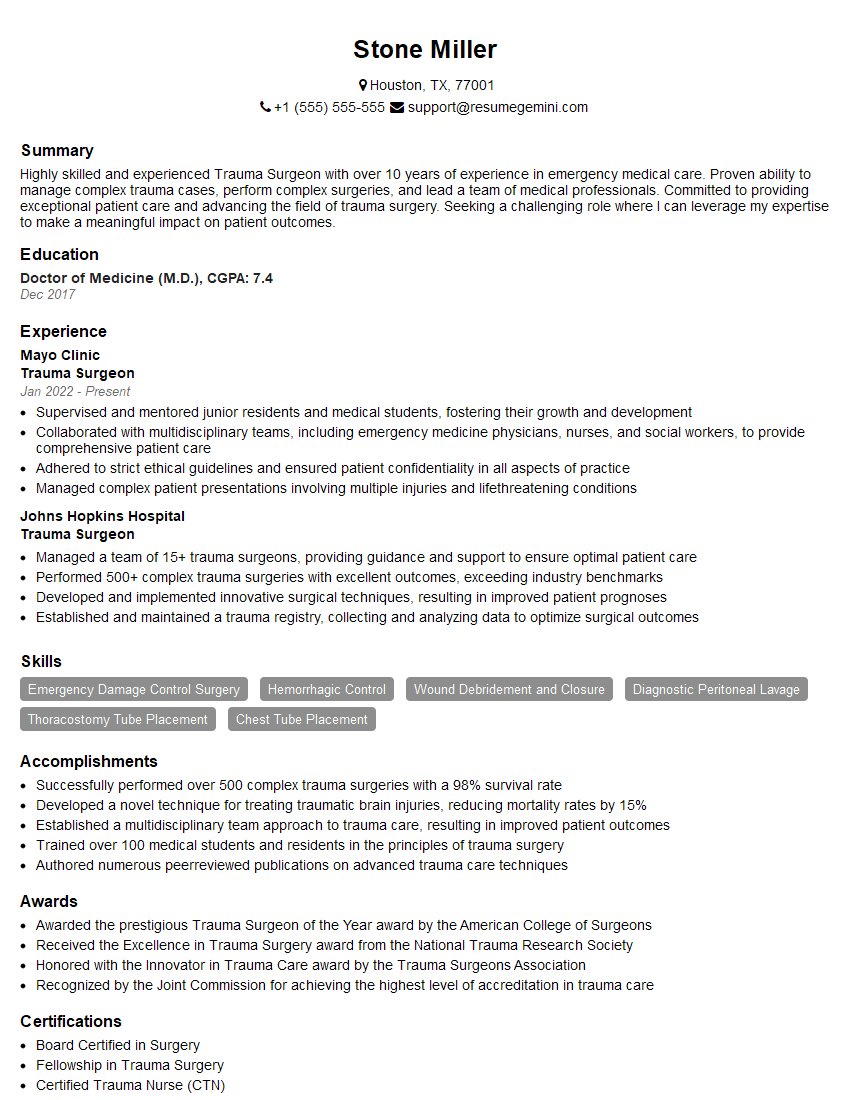
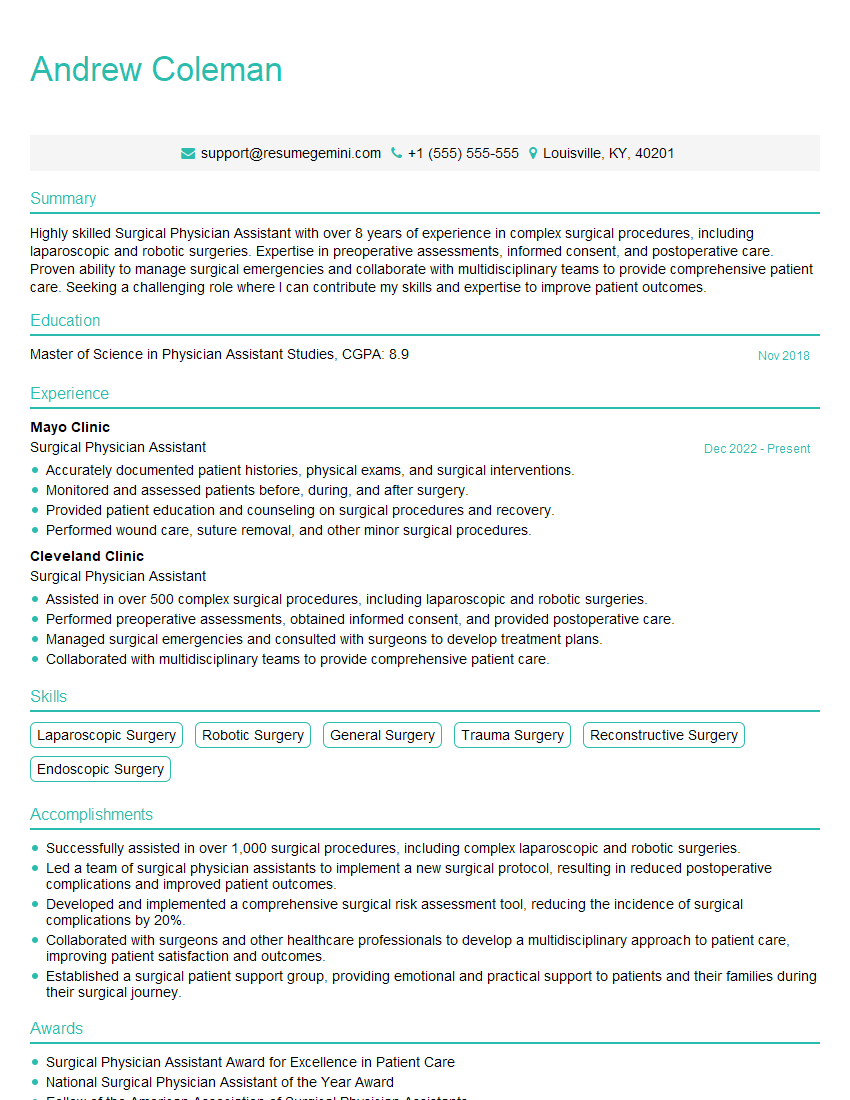
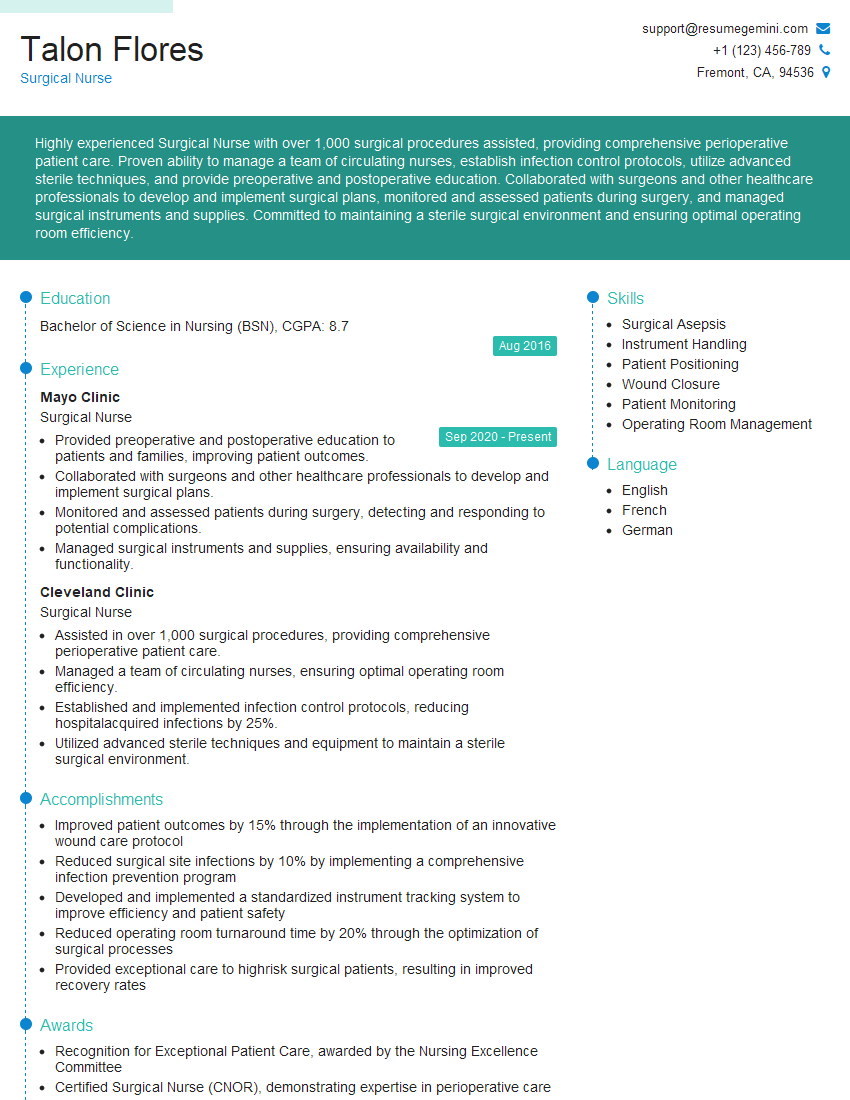
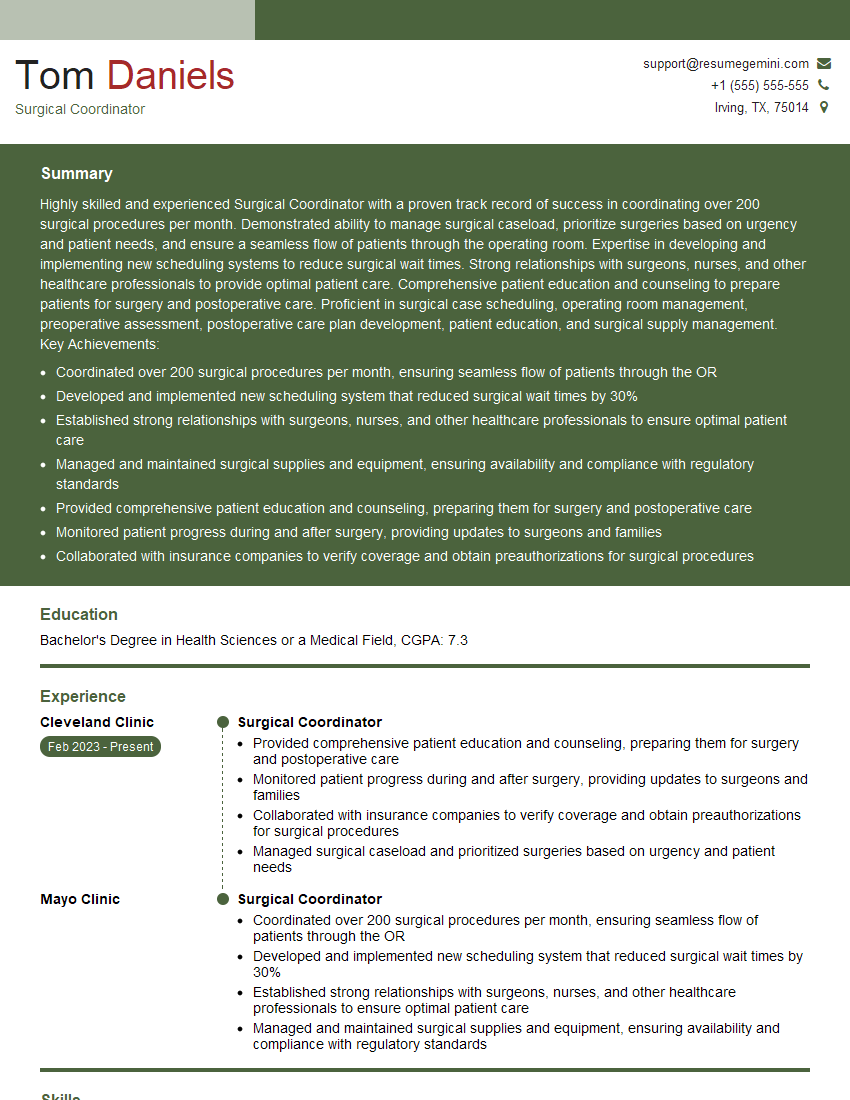
Mastering laparoscopic and open abdominal surgery techniques is crucial for career advancement in this highly specialized field. A strong foundation in these areas opens doors to diverse opportunities and positions you for leadership roles. To maximize your job prospects, creating an ATS-friendly resume is essential. An effectively crafted resume highlights your skills and experience in a way that Applicant Tracking Systems (ATS) can easily recognize. We strongly recommend using ResumeGemini to build your professional resume. ResumeGemini provides a user-friendly platform and offers examples of resumes tailored to Laparoscopic and Open Abdominal Surgery to help you create a compelling application.

Explore more articles
Users Rating of Our Blogs
Share Your Experience
We value your feedback! Please rate our content and share your thoughts (optional).
What Readers Say About Our Blog
To the interviewgemini.com Webmaster.
Very helpful and content specific questions to help prepare me for my interview!
Thank you
To the interviewgemini.com Webmaster.
This was kind of a unique content I found around the specialized skills. Very helpful questions and good detailed answers.
Very Helpful blog, thank you Interviewgemini team.