Every successful interview starts with knowing what to expect. In this blog, we’ll take you through the top Life Cycle Assessment of Emerging Technologies interview questions, breaking them down with expert tips to help you deliver impactful answers. Step into your next interview fully prepared and ready to succeed.
Questions Asked in Life Cycle Assessment of Emerging Technologies Interview
Q 1. Explain the ISO 14040/44 standards for Life Cycle Assessment.
The ISO 14040/44 series of standards provides the framework for conducting Life Cycle Assessments (LCAs). ISO 14040 defines the principles and framework, while ISO 14044 details the requirements and guidelines for performing an LCA. Think of ISO 14040 as the overarching rulebook and ISO 14044 as the detailed instruction manual. These standards ensure consistency and comparability across different LCA studies, regardless of the product or process being assessed. They cover everything from defining the scope of the study to interpreting the results, promoting transparency and credibility.
Key aspects covered by the standards include:
- Goal and scope definition: Clearly defining the purpose, product system boundaries, functional unit, and impact categories.
- Inventory analysis: Quantifying inputs and outputs of energy, materials, and emissions throughout the life cycle.
- Impact assessment: Evaluating the environmental impacts associated with the inventory data using various impact assessment methods.
- Interpretation: Analyzing the results and drawing conclusions based on the data.
Following these standards is crucial for producing robust and reliable LCA results that can inform decision-making and contribute to sustainable development.
Q 2. Describe the four stages of a Life Cycle Assessment.
The four stages of a Life Cycle Assessment are sequential and interconnected:
- Goal and Scope Definition: This initial phase establishes the objective of the LCA, defines the product system boundaries (what is included and excluded from the assessment), identifies the functional unit (a quantifiable measure of the product’s function), and selects the impact categories to be assessed (e.g., climate change, eutrophication). Imagine planning a road trip: This stage is like deciding your destination, the route you’ll take, and what you’ll pack.
- Inventory Analysis: This stage involves quantifying all inputs and outputs associated with the product system throughout its life cycle, from raw material extraction to end-of-life management. This is like meticulously recording every expense and every mile driven on your road trip.
- Impact Assessment: This phase assesses the environmental significance of the inventory data by categorizing and quantifying potential environmental impacts using various characterization factors. This is like analyzing your road trip’s overall environmental impact based on fuel consumption and mileage.
- Interpretation: This final stage involves analyzing the results from the impact assessment, identifying key findings, limitations of the study, and drawing conclusions. This is like reviewing the financial statement and the environmental impact of your road trip and deciding whether it was worth it.
Q 3. What are the key differences between attributional and consequential LCA?
Attributional and consequential LCA differ fundamentally in their approach to addressing the environmental impacts of a product or process. Imagine you are evaluating the impact of a new type of electric vehicle:
- Attributional LCA focuses on assigning environmental burdens to a specific product or process based on its average inputs and outputs. It answers the question: “What are the environmental impacts associated with the production and use of *this specific* electric vehicle?” It uses average data, like the average electricity mix for charging.
- Consequential LCA goes further by considering the potential changes in the system resulting from the introduction of the new product or process. It answers the question: “What are the overall environmental impacts, considering how the introduction of this *specific* electric vehicle might affect the entire electricity system, or the supply chains involved?” For example, it would model how the increased demand for batteries influences mining practices and electricity generation, considering potential shifts in production and consumption patterns.
In essence, attributional LCA is a snapshot, while consequential LCA attempts to model future scenarios and their impacts. Consequential LCA is more complex but provides a more holistic and potentially more accurate assessment, especially for emerging technologies where market shifts are significant.
Q 4. How do you handle data uncertainty in LCA studies?
Data uncertainty is inherent in LCA studies due to the complexity of product systems and the limitations of available data. Several methods are used to handle this uncertainty:
- Sensitivity analysis: This involves systematically varying input parameters to determine their influence on the overall results. This helps identify the most critical data gaps and uncertainties.
- Uncertainty propagation: This involves using statistical methods to quantify the uncertainty associated with the final impact scores, providing a range of potential outcomes rather than a single value.
- Monte Carlo simulation: This is a powerful technique that uses random sampling to simulate the variability in input parameters and generate a probability distribution of the LCA results. This provides a visual representation of the uncertainty.
- Data quality assessment: Carefully evaluating the reliability and relevance of data sources is critical. This includes specifying the data origin, methodology, and any assumptions.
Transparency regarding data uncertainties is crucial. Reporting methods that incorporate these uncertainties, including confidence intervals, are essential for a credible LCA study.
Q 5. What are the limitations of LCA?
Despite their value, LCAs have limitations:
- Data availability: Comprehensive data on all aspects of a product’s life cycle is often unavailable, particularly for emerging technologies. This can lead to significant uncertainties and assumptions.
- Model limitations: The simplification required to model complex systems can lead to biases and inaccuracies. For example, the intricate interactions between different environmental impacts are often not fully captured.
- Subjectivity in choices: The selection of functional units, impact categories, and characterization models involve some degree of subjectivity, influencing the results.
- Technological change: LCAs are snapshots in time. Rapid technological advancements can render the results obsolete quickly.
- Geographical variations: Environmental impacts can vary significantly across regions due to differences in energy sources, manufacturing processes, and waste management systems. An LCA conducted for one region may not be directly applicable to another.
It is crucial to acknowledge these limitations when interpreting and applying LCA results. These limitations do not invalidate the value of LCA, but rather highlight the importance of careful planning, transparent reporting, and critical interpretation of the findings.
Q 6. Explain the concept of functional unit in LCA.
The functional unit is a crucial element in LCA, representing the quantified function or service provided by the product or process being assessed. It’s the common denominator that allows for comparison between different alternatives. Imagine comparing the environmental impact of a gasoline car and an electric car. Simply comparing total emissions would be unfair since they don’t transport the same amount of people the same distance.
A functional unit could be:
- The transportation of one passenger for 1 kilometer.
- The production of 1 kilowatt-hour of electricity.
- The provision of 1 square meter of living space for one year.
Choosing a relevant and well-defined functional unit ensures that the LCA results are meaningful and comparable. It avoids making apples-to-oranges comparisons and allows for a fair evaluation of different products or services that perform similar functions, even with different technologies.
Q 7. How do you assess the environmental impacts of different materials?
Assessing the environmental impacts of different materials requires a combination of methods. The first step is gathering inventory data covering the entire life cycle of the material, from extraction to disposal, including energy consumption, emissions to air, water and soil, and waste generation. The choice of databases and inventory methodologies is crucial.
Then, you would use Life Cycle Impact Assessment (LCIA) methods. This involves:
- Selecting relevant impact categories: Climate change, acidification, eutrophication, ozone depletion, human toxicity, ecotoxicity etc. are all potential categories depending on the material and its application.
- Employing characterization factors: These translate the inventory data into quantified impacts for each category. Databases like ecoinvent provide these factors.
- Analyzing the results: Compare the environmental impacts of different materials across the selected categories, considering factors like the material’s durability, recyclability, and end-of-life management options.
Consider the example of comparing steel and aluminum for car bodies. Steel production is energy-intensive, while aluminum requires significant energy for extraction and refining. Recycling rates also play a big role. A comprehensive LCA would consider all these factors to provide a holistic environmental comparison.
Q 8. What are some common LCA software packages?
Several software packages are available for conducting Life Cycle Assessments (LCAs). The choice often depends on the complexity of the study, the data available, and the user’s experience. Some popular options include:
- SimaPro: A widely used commercial software offering a comprehensive suite of tools for LCA, including LCI databases and impact assessment methods. It’s known for its user-friendly interface and extensive functionality.
- GaBi: Another commercial software package similar to SimaPro in its capabilities. It features robust LCI databases and advanced impact assessment models, making it suitable for complex LCA studies.
- Brightway2: An open-source LCA software package providing flexibility and customization. While it has a steeper learning curve than commercial options, it’s favored by researchers and those needing highly specific analyses.
- OpenLCA: A free and open-source LCA software that’s accessible and user-friendly. It offers a good balance between functionality and ease of use, making it suitable for various applications.
The best choice often involves considering factors such as budget, required features, user experience needs, and the availability of data within the software’s database.
Q 9. Discuss the role of Life Cycle Inventory (LCI) in LCA.
The Life Cycle Inventory (LCI) is the foundational stage of an LCA. It’s essentially a detailed quantitative description of all the inputs and outputs associated with a product system throughout its entire life cycle. Think of it as creating a comprehensive recipe for your product, detailing every ingredient (material, energy) used and every byproduct (waste, emissions) generated.
This involves meticulously collecting data on materials, energy consumption, emissions to air, water and land, and waste generation at each stage, from raw material extraction to end-of-life disposal or recycling. The accuracy and comprehensiveness of the LCI directly impact the reliability of the subsequent LCA stages. For example, if we’re assessing the environmental impact of an electric vehicle, the LCI would include data on mining of lithium for the battery, manufacturing processes, electricity consumption during operation, and eventual battery recycling or disposal.
LCI data is typically gathered from various sources, including company data, literature reviews, and environmental databases like ecoinvent or ILCD. Data quality and consistency are crucial, highlighting the importance of careful data selection and validation.
Q 10. How do you interpret LCA results and communicate findings to stakeholders?
Interpreting LCA results requires a nuanced understanding of the data and the limitations of the study. It’s not simply about identifying the highest impact category; it’s about understanding the trade-offs and identifying potential improvement areas.
Results are usually presented in terms of various environmental impact categories, such as global warming potential, acidification, eutrophication, and resource depletion. Visualizations like bar charts and spider diagrams are often used to effectively communicate the relative importance of different impacts. For example, a bar chart can clearly show which life cycle stage contributes most to global warming.
Communicating findings to stakeholders involves tailoring the message to their specific needs and understanding. For technical audiences, a detailed report with all the data and methodology is appropriate. For management, a concise summary focusing on key findings and recommendations is preferred. For the general public, simple visuals and clear language are key. Sensitivity analysis showing how uncertainties in data affect results should always be included to provide a comprehensive view.
Q 11. Explain the concept of system boundaries in LCA.
System boundaries in LCA define the scope of the assessment. They specify which processes and materials are included and excluded from the analysis. Imagine drawing a circle around the system you’re studying: everything inside the circle is included, everything outside is excluded. Defining these boundaries is crucial because it directly influences the results.
For example, in an LCA of a smartphone, a narrow boundary might only consider the manufacturing and use phases, neglecting raw material extraction and end-of-life management. A broader boundary would include all stages, from resource extraction to disposal. A cradle-to-gate assessment focuses on manufacturing only, while a cradle-to-grave assessment covers the entire product life cycle. Choosing the appropriate boundaries depends on the research question and the level of detail required. A well-defined system boundary ensures the study is relevant, accurate, and comparable to other studies.
Q 12. How does LCA contribute to circular economy principles?
LCA strongly supports circular economy principles by providing a quantitative framework to assess the environmental benefits of different strategies. Circular economy aims to minimize waste and maximize resource utilization through reuse, repair, remanufacturing, and recycling. LCA can help identify the most impactful strategies by comparing the environmental performance of linear (cradle-to-grave) and circular (e.g., cradle-to-cradle) approaches.
For example, an LCA comparing a product made from virgin materials to one made from recycled materials can highlight the reduction in resource depletion and greenhouse gas emissions associated with recycling. Similarly, LCA can help evaluate the environmental benefits of designing products for disassembly and material recovery at end-of-life.
By quantifying the environmental trade-offs of different circular economy strategies, LCA provides data-driven evidence to support informed decision-making and encourage the transition towards a more sustainable economy.
Q 13. What are the environmental impacts of blockchain technology?
The environmental impacts of blockchain technology are primarily linked to the energy consumption of cryptocurrency mining and data storage. The energy-intensive nature of proof-of-work consensus mechanisms, particularly in cryptocurrencies like Bitcoin, leads to significant greenhouse gas emissions. The process of validating transactions requires substantial computational power, translating to high electricity demand. This energy is often generated from fossil fuels, further exacerbating environmental concerns.
Data storage associated with blockchain networks also contributes to energy consumption and potentially e-waste generation. As the volume of data on the blockchain grows, the associated storage and processing needs increase, leading to a larger environmental footprint. However, there are ongoing efforts to develop more energy-efficient consensus mechanisms, such as proof-of-stake, and to optimize data storage practices to mitigate these environmental impacts.
Q 14. What are the challenges in conducting LCA for emerging technologies like AI?
Conducting LCAs for emerging technologies like Artificial Intelligence (AI) presents unique challenges. Firstly, the rapid pace of technological advancement makes it difficult to capture a complete and accurate picture of the life cycle. Secondly, data scarcity regarding energy consumption, material use, and waste generation in the production and operation of AI hardware and software is common.
Another challenge lies in defining the functional unit and system boundaries. The functionality of AI systems is diverse, ranging from simple algorithms to complex deep learning models, making it difficult to establish a consistent basis for comparison. Determining the relevant energy consumption and associated emissions across the entire life cycle, from hardware manufacturing to data center operations and software updates, can also be complex. Finally, indirect impacts like those related to data center cooling and the embedded energy in data transfer are not always easy to quantify.
Addressing these challenges requires collaborative efforts between researchers, industry stakeholders, and policymakers to develop standardized methodologies, data collection protocols, and life cycle databases specifically tailored to AI systems. Further research on the environmental impacts of AI is needed to inform sustainable development and deployment strategies.
Q 15. How can LCA inform the design of more sustainable products?
Life Cycle Assessment (LCA) is a powerful tool for designing more sustainable products because it provides a comprehensive overview of a product’s environmental impacts throughout its entire life, from raw material extraction to disposal. By analyzing each stage, we can identify hotspots – areas with the most significant environmental burdens. This allows designers to make informed decisions to minimize these impacts.
For example, imagine designing a new smartphone. A traditional LCA might reveal that the manufacturing phase, specifically the extraction and processing of rare earth minerals for components, has a massive environmental footprint. This insight allows designers to explore alternative materials, optimize manufacturing processes, or even consider a modular design that extends the product’s lifespan and reduces the need for frequent replacements. This proactive approach, guided by LCA data, leads to inherently more sustainable products.
Career Expert Tips:
- Ace those interviews! Prepare effectively by reviewing the Top 50 Most Common Interview Questions on ResumeGemini.
- Navigate your job search with confidence! Explore a wide range of Career Tips on ResumeGemini. Learn about common challenges and recommendations to overcome them.
- Craft the perfect resume! Master the Art of Resume Writing with ResumeGemini’s guide. Showcase your unique qualifications and achievements effectively.
- Don’t miss out on holiday savings! Build your dream resume with ResumeGemini’s ATS optimized templates.
Q 16. What are some common impact categories assessed in LCA?
LCAs assess a wide range of impact categories, reflecting the diverse environmental consequences of product lifecycles. Some common ones include:
- Climate Change (Global Warming Potential): Measures the contribution to greenhouse gas emissions, primarily CO2, CH4, and N2O.
- Ozone Depletion Potential (ODP): Quantifies the impact on the stratospheric ozone layer, crucial for protecting us from harmful UV radiation.
- Acidification Potential: Assesses the contribution to acid rain through emissions of sulfur oxides and nitrogen oxides.
- Eutrophication Potential: Measures the contribution to excess nutrients (nitrogen and phosphorus) in water bodies, leading to algal blooms and oxygen depletion.
- Human Toxicity Potential: Evaluates potential harm to human health from exposure to toxic substances throughout the life cycle.
- Ecotoxicity Potential: Assesses the potential harm to aquatic and terrestrial ecosystems from toxic substances.
- Resource Depletion: Measures the consumption of non-renewable resources like fossil fuels and minerals.
The specific impact categories selected depend on the product and the goals of the LCA.
Q 17. Discuss the role of Life Cycle Impact Assessment (LCIA) in LCA.
Life Cycle Impact Assessment (LCIA) is the crucial phase of LCA where the environmental burdens identified in the inventory analysis are translated into meaningful indicators of environmental impact. It’s like going from a detailed shopping list (inventory) to understanding the nutritional value (impact) of your meal. The LCIA uses various characterization models and factors to quantify the magnitude and significance of each environmental burden. For instance, it might convert the amount of CO2 emissions into a global warming potential score, making it directly comparable to other greenhouse gases.
LCIA employs various methods, including midpoint and endpoint assessments. Midpoint assessments focus on specific environmental stressors (e.g., acidification), while endpoint assessments aggregate these stressors into broader impacts (e.g., human health, ecosystem quality). The choice depends on the scope and objectives of the LCA.
Q 18. How do you identify relevant life cycle stages for a specific product?
Identifying relevant life cycle stages requires a thorough understanding of the product’s entire journey. It’s not a one-size-fits-all approach; it’s tailored to the specific product and the questions the LCA aims to answer. Generally, it involves a structured process:
- Raw material acquisition: Extraction, harvesting, or sourcing of raw materials.
- Manufacturing: Processing, assembly, and production of the product.
- Packaging and transportation: Materials and energy associated with packaging and distribution.
- Use and operation: Energy consumption, maintenance, and other activities during the product’s operational lifespan.
- End-of-life management: Disposal, recycling, reuse, or other end-of-life treatments.
For a simple wooden chair, the stages might be straightforward. However, for complex electronics, you’d need to delve deeper into sub-stages, including the sourcing of specific components and their own life cycles. A boundary diagram, visually representing the system boundaries and included processes, is crucial for clarity.
Q 19. Describe the process of data collection and validation in LCA.
Data collection and validation are critical for LCA’s reliability. It’s often the most time-consuming part. The process generally involves:
- Data identification: Defining data needs based on the identified life cycle stages.
- Data sourcing: Gathering data from various sources: literature reviews, company databases, environmental databases (e.g., ecoinvent), experimental measurements, or surveys.
- Data validation: Critically evaluating the quality, consistency, and reliability of data. This includes assessing data uncertainty and potential biases. Data from multiple sources are often compared and triangulated to improve accuracy.
- Data allocation: When data is not directly available for specific processes, allocation methods distribute data from a broader source to smaller units. This introduces some uncertainty, so careful consideration and justification are necessary.
For example, for a specific type of plastic, you might need data on energy consumption during its production. This data could come from a company’s internal reports, industry-wide averages, or specialized databases. Validation would involve checking the methodology, units, and any potential discrepancies with other sources.
Q 20. How do you incorporate economic aspects into an LCA?
Integrating economic aspects into LCA enriches the analysis, offering a more holistic view of sustainability. This often involves incorporating cost analysis alongside environmental impact assessment. This provides a valuable tool for decision-making, weighing the trade-offs between environmental performance and economic viability.
Several approaches exist: One could calculate the cost per unit of environmental impact (e.g., cost per kg of CO2 emitted). This helps to prioritize cost-effective mitigation strategies. Another approach is to analyze the economic implications of different life cycle stages. For instance, recycling costs might be compared against the costs of landfilling to optimize end-of-life management. This comparative approach helps in understanding the economic feasibility of different sustainability strategies.
Q 21. What are the ethical considerations in LCA?
Ethical considerations in LCA are vital, impacting the study’s credibility and implications. Key ethical aspects include:
- Transparency and data integrity: Ensuring all data sources and methodologies are clearly documented and readily accessible, fostering transparency and reproducibility. Biases must be acknowledged and addressed.
- Data accuracy and uncertainty: Acknowledging and quantifying uncertainty in data and results is critical for honest and responsible interpretation. Overstating the certainty of results is unethical.
- Scope and boundaries: The LCA’s boundaries should be clearly defined and justified, ensuring that they are appropriate for the study objectives and do not unintentionally exclude important environmental aspects. Misrepresenting the scope can lead to skewed results.
- Social equity: LCAs traditionally focus on environmental impacts. However, a growing emphasis is placed on social impacts (e.g., worker safety, fair labor practices) that should also be considered for a truly ethical assessment.
- Interpretation and communication: Results must be interpreted responsibly, avoiding oversimplification or misleading conclusions. Communication should be clear, accurate, and avoid the misrepresentation of findings.
Ethical considerations ensure that LCA is not just a technical exercise but a responsible tool for promoting sustainable development.
Q 22. How does LCA compare to other sustainability assessment methods?
Life Cycle Assessment (LCA) is a comprehensive method for evaluating the environmental impacts of a product or service across its entire life cycle, from raw material extraction to end-of-life disposal. Unlike other sustainability assessment methods that might focus on a single aspect (e.g., carbon footprint analysis focusing solely on greenhouse gas emissions or a social impact assessment focusing on labor practices), LCA takes a holistic view, considering a broader range of environmental impacts, including energy use, water consumption, air and water pollution, resource depletion, and waste generation. For example, while a carbon footprint assessment might show a product has low emissions, an LCA could reveal that its manufacturing process consumes vast amounts of water, impacting local ecosystems. Other methods, like Material Flow Analysis (MFA) focus on material flows through a system, while LCA integrates environmental impact assessment.
Think of it like this: a carbon footprint is a single piece of the puzzle, whereas LCA is the entire picture. Other methods provide valuable perspectives, but LCA offers a more complete and integrated analysis of sustainability.
Q 23. Discuss the use of sensitivity analysis in LCA.
Sensitivity analysis in LCA is crucial for understanding the uncertainties associated with the results. Data used in LCA often involves estimates and ranges rather than precise values. Sensitivity analysis systematically varies input parameters (e.g., energy consumption, material properties) within their uncertainty ranges to determine how much the overall results change. This helps identify the most influential parameters on the environmental impacts of a product or system. For example, if a change in the assumed energy efficiency of a manufacturing process significantly alters the overall carbon footprint, we know this parameter needs further investigation.
There are various techniques, including one-at-a-time (OAT) and Monte Carlo simulations. OAT changes one parameter at a time and assesses the impact. Monte Carlo simulations randomly vary parameters within defined probability distributions to get a broader picture of uncertainty. The results of sensitivity analysis are often presented visually, such as using tornado diagrams or spider plots, to clearly highlight the key influential parameters and the degree of uncertainty in the LCA results. This helps to improve the robustness and reliability of the conclusions drawn from the LCA.
Q 24. Explain the concept of allocation in LCA and its challenges.
Allocation in LCA addresses the situation where a process produces multiple outputs (co-products). It’s the method used to proportionally assign the environmental burdens of the process to each of its products. For instance, a refinery produces gasoline, diesel, and other petrochemicals simultaneously. Allocation decides how much of the refinery’s energy consumption and emissions are attributed to each product. Several allocation methods exist, including mass allocation (based on the relative mass of each product), energy allocation (based on the energy content), economic allocation (based on market value), and others. The choice of allocation method significantly impacts the results, and there is no universally accepted ‘best’ method. This is a significant challenge because different allocation methods can lead to vastly different conclusions about the environmental performance of a single product.
The main challenge is that the choice of allocation method is often arbitrary and can bias the results. If you are comparing different products with different allocation methods, you are making an ‘apples to oranges’ comparison and results can be misleading. This is why transparency in reporting the allocation method is crucial. Advanced approaches such as system expansion, where a co-product’s fate is traced further down the supply chain, are becoming increasingly favoured as they avoid the inherent arbitrariness of allocation in many cases.
Q 25. How do you address the issue of data gaps in LCA?
Data gaps are a common challenge in LCA. This happens when reliable data on a specific process or material is unavailable. The approach to handling data gaps involves a combination of strategies:
- Literature Review: An extensive search for relevant data in scientific databases, industry reports, and other published sources.
- Expert Judgement: Consulting experts in the relevant field to estimate missing data based on their knowledge and experience.
- Analogies: Using data from similar processes or materials as proxies, with appropriate justification.
- Data Collection: If resources permit, conducting primary data collection through measurements or experiments to fill specific gaps.
- Uncertainty Analysis: Acknowledging the uncertainty introduced by data gaps and including this uncertainty in the overall results interpretation. This might involve using different data estimates with their associated uncertainties in the analysis.
For example, if data on the energy consumption of a novel manufacturing process is missing, we might use data from a similar, but not identical, process as an approximation. However, we would clearly document this assumption and its limitations in the LCA report.
Q 26. Describe your experience using LCA software (e.g., SimaPro, GaBi).
I have extensive experience using SimaPro, one of the leading commercial LCA software packages. I’m proficient in creating and managing LCA projects, defining system boundaries, selecting impact assessment methods (e.g., ReCiPe, IMPACT 2002+), importing and processing data, conducting sensitivity and uncertainty analyses, and generating comprehensive reports. My experience includes building databases for various materials and processes using both primary and secondary data sources. I have also used GaBi in the past, and I’m comfortable working with its interface and functionality. My skills in using these tools allow for efficient management of large and complex datasets. These tools provide sophisticated capabilities beyond simple calculations and enhance the objectivity and reliability of LCA analyses.
For example, I used SimaPro to assess the life-cycle impacts of a novel bioplastic, comparing it to conventional petroleum-based plastics. The software facilitated data management, impact assessment, and visualization of results that were essential to a comprehensive study.
Q 27. How would you approach conducting an LCA for a new battery technology?
Conducting an LCA for a new battery technology involves a systematic approach:
- Goal and Scope Definition: Clearly define the purpose of the LCA, the functional unit (e.g., kWh of energy storage), the system boundaries (including raw material extraction, manufacturing, use, and end-of-life management), and the impact categories of interest.
- Inventory Analysis: Gather data on all inputs and outputs associated with each stage of the battery’s life cycle. This involves collecting data on material usage, energy consumption, emissions, and waste generation. Often, for new technologies, this step requires considerable research and potentially collaboration with the battery manufacturer.
- Impact Assessment: Use characterization factors to translate the inventory data into various environmental impact categories, such as climate change, acidification, and eutrophication.
- Interpretation: Analyze the results, identify the key environmental ‘hotspots’ of the battery’s life cycle, and interpret their significance within the defined goal and scope.
- Sensitivity Analysis: Conduct a sensitivity analysis to evaluate the impact of uncertainties in the data on the overall results.
A crucial aspect for new battery technologies is incorporating data on potential future recycling and reuse scenarios. This is important because the technology is still in its development stage. The environmental profile can change substantially depending on these future scenarios.
Q 28. What are your thoughts on the future of LCA and its role in sustainable development?
The future of LCA is bright and inextricably linked to the advancement of sustainable development. I envision several key trends:
- Integration with other assessment methods: LCA will increasingly integrate with social and economic assessments to provide a more holistic view of sustainability.
- Data availability and quality: Advancements in data collection techniques and databases will improve the accuracy and reliability of LCA studies. The use of big data and AI for data gathering and prediction would increase efficiency and reduce uncertainties.
- Improved modelling techniques: The development of more sophisticated and dynamic models will enable LCA to better address complex issues such as system interactions and feedback loops.
- Increased focus on circular economy: LCA will play a crucial role in assessing the environmental performance of circular economy strategies, such as product reuse, recycling, and material recovery.
- Addressing climate change: LCA will remain a pivotal tool in mitigating climate change by providing insights into the greenhouse gas emissions across the life cycle of products and services.
Ultimately, LCA will become even more crucial in informing policy decisions, guiding product design, and promoting sustainable consumption patterns, pushing innovation toward more sustainable solutions.
Key Topics to Learn for Life Cycle Assessment of Emerging Technologies Interview
- Fundamentals of LCA: Understand the principles of goal and scope definition, inventory analysis, impact assessment, and interpretation in the context of emerging technologies.
- LCA Methodologies: Become familiar with various LCA methodologies (e.g., ISO 14040/44) and their application to different technology types.
- Data Acquisition and Uncertainty Analysis: Learn how to identify, collect, and evaluate data for LCA studies, addressing uncertainties and data gaps inherent in emerging technologies.
- Life Cycle Impact Assessment (LCIA): Master the various impact categories (e.g., climate change, resource depletion, ecotoxicity) and their relevance to assessing emerging technologies.
- Emerging Technology Case Studies: Explore LCA applications in specific areas like renewable energy (solar, wind), battery technologies, bio-based materials, and advanced manufacturing processes.
- Software and Tools: Gain familiarity with LCA software packages commonly used in industry and research.
- Critical Review and Interpretation: Develop the ability to critically analyze LCA results, identify limitations, and communicate findings effectively.
- Comparative LCA: Understand how to conduct comparative LCAs to evaluate the environmental performance of different technologies or design options.
- LCA and Circular Economy: Explore the intersection of LCA and circular economy principles, focusing on end-of-life management and resource recovery.
- Problem-Solving in LCA: Practice identifying and addressing challenges related to data scarcity, methodological choices, and interpretation of results in the context of rapidly evolving technologies.
Next Steps
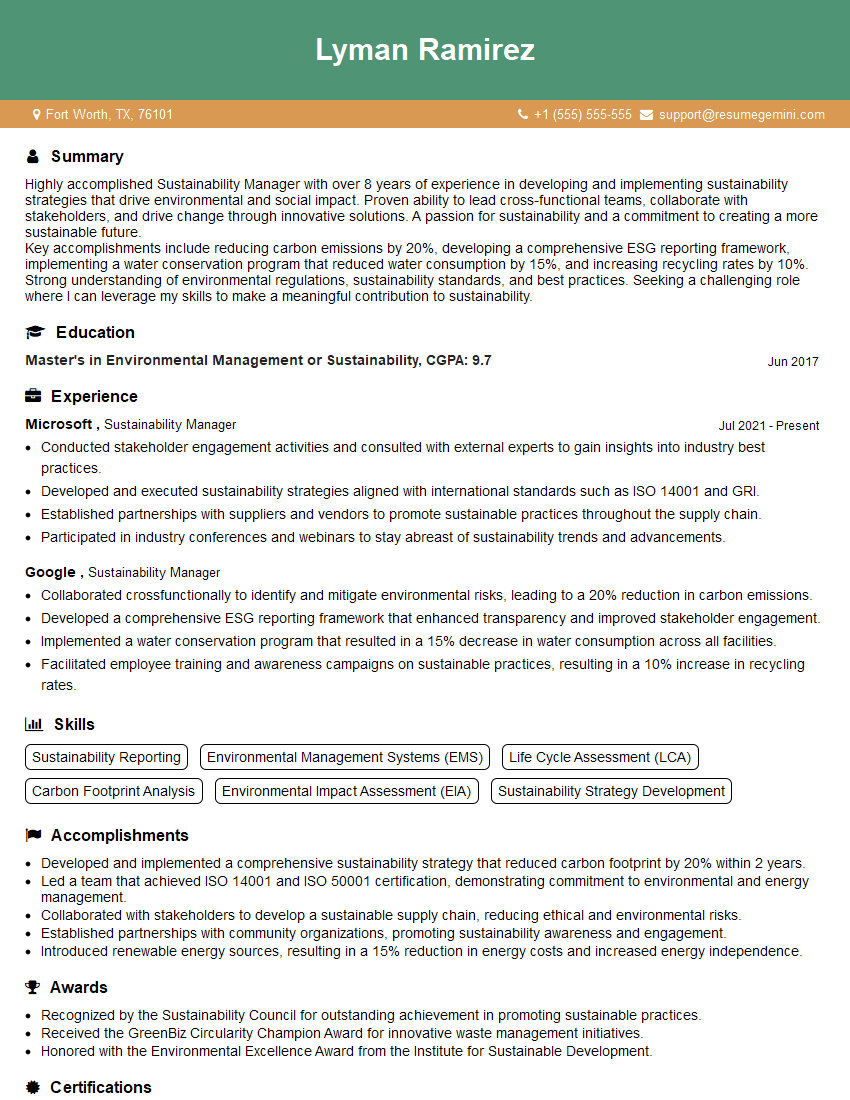
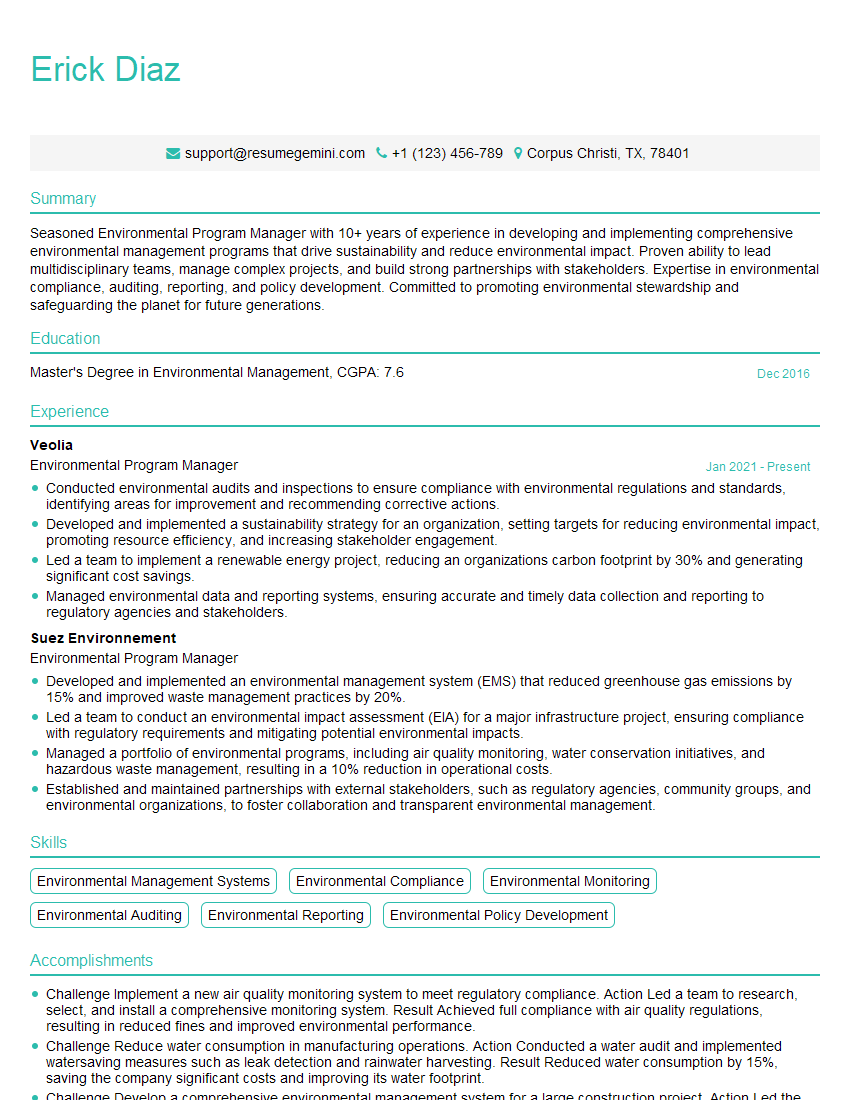
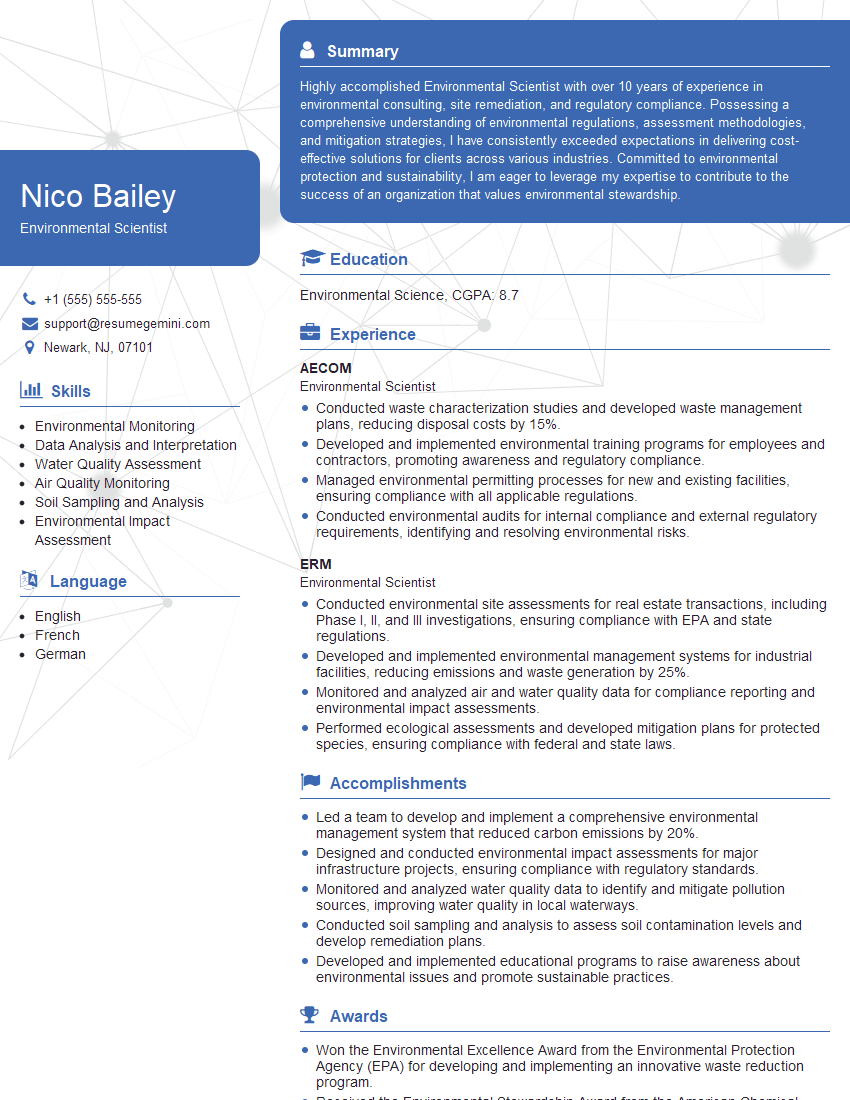
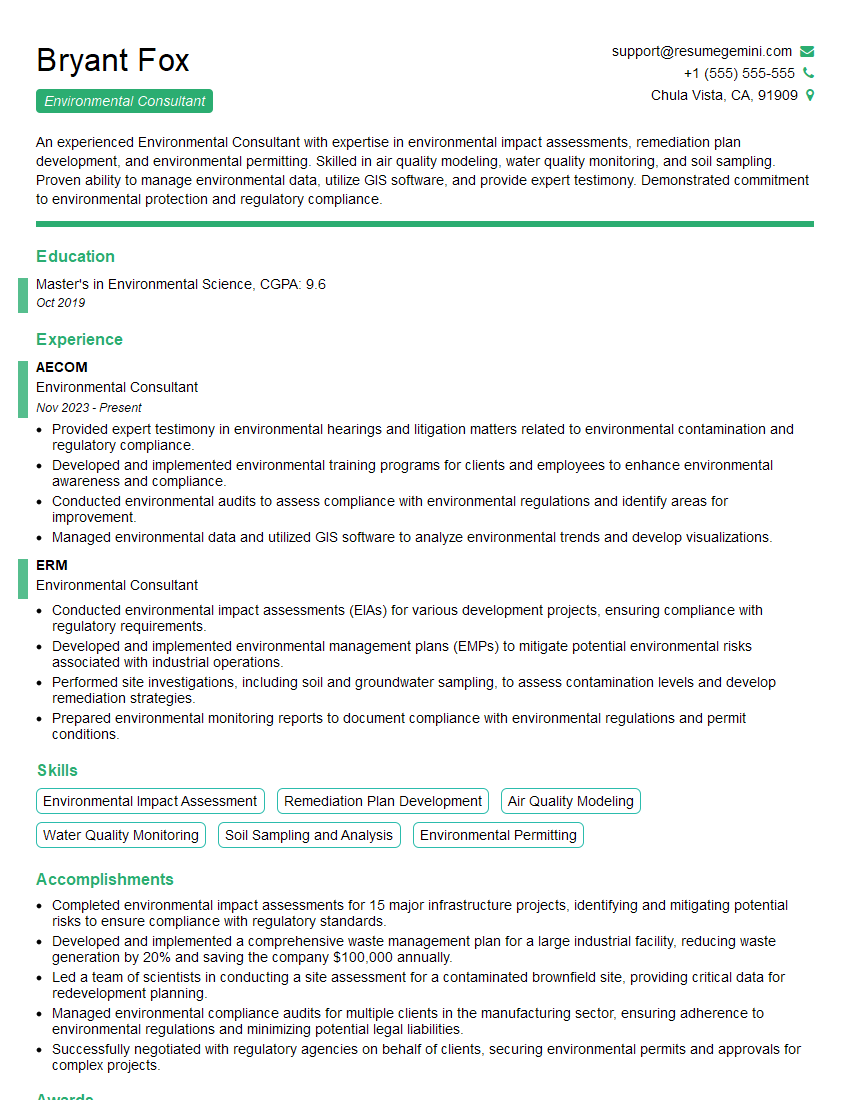
Mastering Life Cycle Assessment of Emerging Technologies significantly enhances your career prospects in sustainability, environmental engineering, and related fields. It demonstrates a crucial skillset highly sought after by forward-thinking organizations. To maximize your job search success, create a compelling and ATS-friendly resume that highlights your skills and experience. ResumeGemini is a trusted resource that can help you build a professional resume tailored to the specific requirements of Life Cycle Assessment of Emerging Technologies roles. Examples of resumes tailored to this field are provided to guide your efforts.

Explore more articles
Users Rating of Our Blogs
Share Your Experience
We value your feedback! Please rate our content and share your thoughts (optional).
What Readers Say About Our Blog
To the interviewgemini.com Webmaster.
Very helpful and content specific questions to help prepare me for my interview!
Thank you
To the interviewgemini.com Webmaster.
This was kind of a unique content I found around the specialized skills. Very helpful questions and good detailed answers.
Very Helpful blog, thank you Interviewgemini team.