Unlock your full potential by mastering the most common Lift Station Inspection and Maintenance interview questions. This blog offers a deep dive into the critical topics, ensuring you’re not only prepared to answer but to excel. With these insights, you’ll approach your interview with clarity and confidence.
Questions Asked in Lift Station Inspection and Maintenance Interview
Q 1. What are the common causes of lift station failures?
Lift station failures are rarely due to a single cause; they’re usually a result of multiple factors interacting. Think of it like a car breaking down – it could be a flat tire, a dead battery, or a failing engine, or a combination. Similarly, in lift stations, common causes of failure include:
- Pump malfunctions: This is the most frequent cause. Wear and tear, debris clogging impellers, motor burnouts due to overheating or overloading, and seal failures are all common culprits. For example, a submersible pump might fail due to sand abrasion wearing down the impeller over time.
- Electrical issues: Problems with power supply, control panels, wiring, or sensors can bring the entire system down. A simple blown fuse can halt operations, while more serious electrical faults could cause a fire hazard.
- Mechanical failures: Bearings wearing out, shaft misalignment, and damage to the pump housing can all lead to pump failure. This is often exacerbated by inadequate lubrication.
- Blockages and debris: Grease, rags, and other debris can clog the pipes and screens, preventing wastewater from reaching the pumps efficiently, causing backups and overloading the system. Think of it like a clogged drain in your kitchen sink – eventually, it overflows.
- Control system failures: Problems with the programmable logic controller (PLC) or other control system components can prevent the pumps from starting or operating correctly. These systems require regular checks and updates.
Addressing these issues proactively through regular inspection and maintenance is key to preventing costly and disruptive failures.
Q 2. Describe the process of inspecting a lift station’s pumps.
Inspecting lift station pumps is a crucial part of preventative maintenance. It’s a multi-step process that involves a thorough visual inspection followed by more detailed checks.
- Visual Inspection: Begin by visually inspecting the pumps and surrounding areas for any obvious signs of leaks, damage, or debris buildup. Check the pump’s casing, piping connections, and electrical components for any cracks, corrosion, or loose connections.
- Motor Inspection: Examine the motor for any signs of overheating, such as discoloration or unusual noises. Check the motor windings for any signs of damage using a multimeter, if proficient. Listen for unusual sounds – grinding or humming indicate potential issues.
- Impeller Inspection: Check the impeller for wear and tear. If possible, remove the impeller to inspect it for damage, wear, and debris. A worn impeller significantly reduces the pump’s efficiency.
- Bearing Inspection: Check the pump bearings for wear or damage. Look for excessive play or noise. These bearings are often easily replaced as a preventive measure, preventing catastrophic failure.
- Seal Inspection: Inspect the mechanical seals for leaks or wear. Leaks here are a significant problem and often indicate an impending pump failure requiring immediate attention.
- Fluid Level Check: Check the oil level in the pump if applicable, ensuring it’s within the manufacturer’s specified range.
- Performance Testing: Measure the pump’s flow rate and pressure to verify its performance against manufacturer specifications. A drop in these readings can indicate a problem.
Documentation is key: Record all findings, including photos and measurements, to track the pump’s condition over time.
Q 3. How do you troubleshoot a malfunctioning lift station alarm system?
Troubleshooting a malfunctioning lift station alarm system requires a systematic approach. It’s like diagnosing a car’s alarm – you need to determine if it’s the alarm itself or something triggering it incorrectly.
- Verify the Alarm Condition: First, determine if the alarm is a true malfunction or a false alarm triggered by a minor issue. Check the station’s level sensors, flow sensors, or other parameters causing the alarm to activate.
- Check Power Supply: Ensure the alarm system has power and that all connections are secure. A simple power interruption might be the culprit.
- Inspect Wiring and Connections: Carefully examine all wiring and connections within the alarm system for loose connections, corrosion, or damage. A visual inspection is often sufficient but may require specialized tools for thoroughness.
- Test Sensors and Switches: Individually test each sensor and switch related to the alarm system using a multimeter or other suitable testing equipment. This will help identify faulty sensors or switches.
- Check Control Panel: Inspect the control panel for error messages or indicator lights to help diagnose the problem. Many control panels provide specific diagnostics.
- Consult System Documentation: Refer to the lift station’s operating manual or schematics to locate the source of the problem, understand the alarm system’s logic, and locate components.
- Contact Maintenance Personnel: If you are unable to identify and fix the problem, contact experienced lift station maintenance personnel or the original equipment manufacturer (OEM).
Remember to always prioritize safety and follow lockout/tagout procedures before working on any electrical components.
Q 4. Explain the importance of regular preventive maintenance on lift station equipment.
Regular preventive maintenance (PM) on lift station equipment is paramount for several reasons. It’s like regular car servicing – much cheaper and safer in the long run than waiting for a breakdown.
- Extended Equipment Lifespan: Regular PM helps prevent premature equipment failure by detecting and addressing minor issues before they escalate into major problems. This significantly extends the lifespan of pumps, motors, and other components, reducing the need for costly replacements.
- Reduced Downtime: By proactively addressing potential issues, PM minimizes the likelihood of unexpected breakdowns and costly emergency repairs. This prevents service interruptions and keeps the system running smoothly.
- Improved Efficiency: Well-maintained equipment operates at peak efficiency, reducing energy consumption and operating costs. Regular cleaning of screens and pumps, for example, improves flow and reduces energy use.
- Enhanced Safety: Regular inspections identify potential safety hazards before they become serious risks, such as leaks or electrical faults. This helps prevent accidents and injuries.
- Compliance and Regulatory Requirements: Many jurisdictions require regular inspections and maintenance of wastewater systems. Proper documentation demonstrates compliance and avoids potential penalties.
A well-structured PM program, including routine inspections, cleaning, lubrication, and testing, is essential for the long-term reliability and efficiency of a lift station.
Q 5. What safety precautions must be observed when working in a lift station?
Safety is paramount when working in a lift station. These environments present numerous hazards, including confined spaces, dangerous equipment, and exposure to hazardous materials.
- Confined Space Entry Procedures: Always follow established confined space entry procedures, including atmospheric monitoring for oxygen levels, hazardous gases, and flammable materials. Never enter a confined space alone.
- Lockout/Tagout Procedures: Strictly adhere to lockout/tagout (LOTO) procedures before performing any maintenance or repair work on electrical or mechanical equipment. This prevents accidental energization or activation.
- Personal Protective Equipment (PPE): Always wear appropriate PPE, including safety glasses, gloves, steel-toe boots, hard hats, and respirators as needed. This protects against injuries and exposure to hazardous materials.
- Emergency Preparedness: Familiarize yourself with the location of emergency exits, emergency shut-off switches, and emergency contact information. Ensure proper communication with others during work.
- Awareness of Hazards: Be aware of potential hazards such as slippery surfaces, moving parts, and electrical hazards. Understand the risks and take appropriate precautions.
- Proper Training: Ensure all personnel working in lift stations receive adequate training on safe working practices, emergency procedures, and the use of safety equipment.
Safety is not just a guideline – it’s a non-negotiable requirement for working in a lift station.
Q 6. How do you identify and address potential safety hazards within a lift station?
Identifying and addressing safety hazards in a lift station requires a proactive and systematic approach. Think of it as a safety audit.
- Regular Inspections: Conduct regular inspections of the lift station to identify potential hazards, such as leaks, damaged equipment, or inadequate lighting. Check for trip hazards, electrical hazards, and potential confined-space entry issues.
- Hazard Assessments: Carry out regular hazard assessments to evaluate the risks associated with different tasks and equipment within the lift station. This includes assessing the risks of confined-space entry, electrical work, and working with hazardous materials.
- Proper Training: Provide comprehensive safety training to all personnel working in the lift station, covering topics such as confined-space entry, lockout/tagout procedures, and the use of personal protective equipment.
- Emergency Procedures: Develop and regularly review emergency procedures to address potential accidents or emergencies, such as equipment malfunctions, gas leaks, or electrical fires. This should include emergency contact information and evacuation plans.
- Maintenance and Repairs: Implement a preventive maintenance program to prevent equipment failures and address any necessary repairs promptly. A well-maintained station is inherently safer.
- Proper Documentation: Keep detailed records of all inspections, hazard assessments, training activities, and maintenance procedures. This provides a clear audit trail of safety practices.
By implementing these strategies, you can create a safer working environment and minimize the risk of accidents and injuries.
Q 7. Describe your experience with different types of lift station pumps (e.g., submersible, non-submersible).
I have extensive experience with various types of lift station pumps, including submersible and non-submersible designs. Each type has its strengths and weaknesses.
- Submersible Pumps: These pumps are completely submerged in the wastewater, eliminating the need for a separate dry-well pump chamber. This simplifies the station design, saving space and construction costs. However, they’re more susceptible to damage from abrasive materials in the wastewater and require more careful maintenance due to the challenging access for repair.
- Non-Submersible Pumps (Dry-well pumps): These pumps are located outside the wastewater, typically in a dry well. This allows for easier access for maintenance and repair, but they require a larger footprint and more complex design. They’re generally less prone to damage from abrasive materials. I’ve worked with both centrifugal and positive displacement types within the non-submersible category, each suited for different flow characteristics.
- Other Types: I also have experience with various pump materials (cast iron, stainless steel, etc.), each chosen based on the specific wastewater characteristics (corrosiveness, abrasiveness, etc.). Understanding material compatibility is vital for long-term reliability.
My experience extends beyond merely operating these pumps; I understand their performance curves, maintenance schedules, and troubleshooting techniques for different failure modes. Selection of the right pump type is crucial for optimizing efficiency and minimizing maintenance needs, and this requires a deep understanding of the specific application and wastewater characteristics.
Q 8. What are the common types of sensors used in lift stations and their functions?
Lift stations utilize various sensors to monitor their operational parameters and ensure efficient wastewater management. These sensors provide real-time data, allowing for proactive maintenance and preventing costly failures. Common sensor types include:
- Level Sensors: These measure the wastewater level in the wet well. Ultrasonic, float, and pressure sensors are commonly used. Ultrasonic sensors measure distance using sound waves, floats use buoyancy to indicate level, and pressure sensors measure the hydrostatic pressure at the bottom of the well. Knowing the level is crucial for pump activation and preventing overflows.
- Flow Sensors: These measure the volume of wastewater flowing into and out of the lift station. Magnetic flow meters are frequently used, measuring the flow based on the magnetic field generated by moving conductive fluid. This data helps in assessing the station’s capacity and identifying potential issues like blockages.
- Pump Sensors: These monitor the performance of the pumps themselves. Common sensors include vibration sensors (detecting bearing wear or imbalance), current sensors (measuring energy consumption and potential motor problems), and pressure sensors (monitoring discharge pressure). These are essential for predictive maintenance.
- Temperature Sensors: These monitor the temperature of the wastewater. Changes in temperature can indicate problems such as infiltration or inflow of contaminated water.
- Power Sensors: These track voltage and current in the electrical system to detect irregularities which might preempt power outages or motor failures.
The choice of sensor depends on factors such as budget, the specific needs of the lift station, and the environment (e.g., corrosive wastewater might necessitate specific sensor materials).
Q 9. How do you interpret data from lift station monitoring systems?
Interpreting data from lift station monitoring systems requires a keen understanding of normal operating parameters. I typically start by establishing baseline data for each sensor – what constitutes a ‘normal’ range for wastewater level, flow rate, pump current, etc. Deviations from this baseline are investigated. For example:
- High Wastewater Level: This could indicate a blockage in the discharge line, a pump malfunction, or even excessive inflow. I would investigate the pump’s operational status first, followed by visual inspection for obstructions.
- High Pump Current: This suggests the pump motor is working harder than usual, possibly due to wear and tear, a blockage, or impeller damage. A maintenance schedule would be expedited and a visual inspection scheduled to evaluate the pump.
- Low Flow Rate: This might signal a problem with the inflow line or a decrease in the wastewater generation in the contributing area. Further investigation would include checking the inflow pipe and potential contributing factors such as seasonal changes in water usage.
- Unusual Temperature Readings: These can point towards possible infiltration/inflow problems or process issues. Further analysis of the data might be required to pinpoint the exact cause.
Trend analysis is also crucial. Small, gradual changes over time might be more significant than a single outlier. Sophisticated software can facilitate this analysis, highlighting potential problems before they become critical.
Q 10. What are the signs of pump wear and tear, and how do you address them?
Pump wear and tear in lift stations is a common issue. Early detection is vital to avoid costly repairs or complete pump failure. Signs include:
- Increased Vibration: Excessive vibration, noticeable by touch or through vibration sensors, suggests bearing wear, impeller imbalance, or coupling misalignment. This needs immediate attention to avoid catastrophic failure.
- High Amperage Draw: A pump drawing more current than normal indicates increased resistance within the pump, possibly due to bearing wear, impeller fouling, or a blocked impeller.
- Reduced Flow Rate: If the pump is not delivering the expected flow despite adequate level, this suggests issues with the impeller, wear rings, or blockages within the pump casing.
- Unusual Noises: Grinding, squealing, or other unusual sounds coming from the pump are indicative of mechanical problems.
- Leaks: Leaks around seals or packing glands suggest seal failure and require immediate action.
Addressing these issues involves a combination of inspection, lubrication (where applicable), and eventual replacement of worn components. Preventive maintenance schedules, including regular inspections and lubrication, are critical in extending the lifespan of pumps and avoiding unexpected failures.
Q 11. How do you perform a proper level sensor calibration?
Calibrating level sensors is vital for accurate level measurement and appropriate pump control. The procedure varies slightly depending on the sensor type (ultrasonic, float, pressure). However, the general process involves:
- Safety First: Ensure the power to the system is turned off and any necessary lockout/tagout procedures are implemented.
- Access the Sensor: Safely access the sensor and its calibration points. This might involve entering a confined space.
- Establish Reference Points: Measure the precise distance to a known point (usually the bottom of the wet well), then measure the actual level at different points. This often involves using a measuring tape or other precise measurement method.
- Calibration Procedure: The specific procedure will depend on the type of sensor and the manufacturer’s instructions. It often involves adjusting potentiometers or entering values into a digital interface. The goal is to align the sensor readings with the actual level measurements.
- Verification: After calibrating, verify the accuracy of the readings at multiple levels. This ensures consistent measurement across the operational range.
- Documentation: Record all calibration steps and results carefully. This information is critical for future maintenance and troubleshooting.
Calibration frequency depends on sensor type, usage, and environmental conditions. Regular calibration ensures reliable data and prevents malfunctioning of the control system, which could result in overflows or pump failures.
Q 12. Explain the process of cleaning and maintaining a lift station wet well.
Cleaning and maintaining a lift station wet well is crucial for efficient operation and preventing blockages. The process involves:
- Safety First: Ensure proper lockout/tagout procedures are in place and all necessary personal protective equipment (PPE) including respiratory protection, gloves and appropriate clothing is utilized. The wet well is a confined space and should be treated with extreme caution.
- Pump Down: Before entry, the wet well must be pumped down to a safe level, allowing for access and minimizing risk.
- Debris Removal: Remove all accumulated debris, including rags, plastics, and other solid waste, using appropriate tools (grappling hooks, buckets, etc.).
- Sludge Removal: Depending on the accumulated sludge and the local regulations, removal of sludge may be required. This might involve using a vacuum truck or other specialized equipment.
- Wall and Floor Cleaning: Clean the walls and floor of the wet well to remove any clinging solids or grease buildup. High-pressure water jets can be very effective, but ensure the water does not damage the structure.
- Inspection: Thoroughly inspect the wet well structure for cracks, corrosion, or other damage. Report any findings for necessary repairs.
- Documentation: Document all cleaning and maintenance activities, including any observed issues and the actions taken.
The frequency of wet well cleaning depends on factors such as wastewater characteristics and the size of the wet well. Regular cleaning prevents blockages, extends the life of the equipment, and improves overall efficiency.
Q 13. Describe your experience with SCADA systems in lift station operation.
I have extensive experience with SCADA (Supervisory Control and Data Acquisition) systems in lift station operation. SCADA systems provide centralized monitoring and control of multiple lift stations, greatly improving efficiency and reducing response times to emergencies. My experience includes:
- System Configuration and Setup: I’m proficient in configuring and setting up SCADA systems, integrating various sensors and control devices.
- Data Analysis and Interpretation: I routinely analyze SCADA data to identify trends, diagnose problems, and optimize lift station operations. Real-time visualization of sensor data helps in swift identification of potential failures.
- Remote Monitoring and Control: SCADA systems enable remote monitoring and control of lift stations, reducing response times during emergencies and allowing for proactive maintenance. I’ve used this capability extensively for remote troubleshooting.
- Alarm Management: I’ve set up and managed alarm systems within SCADA, ensuring timely alerts are sent to relevant personnel during abnormal events such as pump failures or high levels. False alarms are minimized by precise alarm thresholds.
- Reporting and Data Logging: I am familiar with SCADA’s reporting capabilities to generate records of operational parameters, maintenance logs, and alarm history. These records are vital for compliance and operational improvement.
SCADA systems are essential for effective management of wastewater systems, and my experience makes me confident in troubleshooting issues, optimizing performance, and ensuring reliable operations.
Q 14. How do you handle emergency situations, such as a pump failure or power outage?
Handling emergency situations in lift stations requires a systematic and rapid response. My approach involves:
- Assessment: Quickly assess the nature and extent of the emergency (e.g., pump failure, power outage, overflow). The priority is ensuring worker safety.
- Notification: Immediately notify relevant personnel, including maintenance crews, supervisors, and potentially emergency services depending on the severity of the situation.
- Mitigation: Take immediate action to mitigate the problem. This may involve switching to backup pumps (if available), initiating emergency power, or deploying temporary solutions to prevent overflows.
- Troubleshooting: Once the immediate danger is addressed, begin troubleshooting the root cause of the emergency. This may involve checking power supplies, inspecting pumps for damage, or identifying blockages.
- Repair or Replacement: Coordinate repairs or replacements of faulty equipment. This often requires ordering parts and scheduling specialized contractors.
- Documentation: Thoroughly document the entire event, including the cause, actions taken, and any resulting damage. This documentation is vital for future planning and preventing similar incidents.
Regular maintenance, preventive measures, and sufficient backup systems greatly reduce the likelihood of emergencies. However, having a well-defined emergency response plan is critical for efficient management of unexpected events.
Q 15. What are the different types of lift station controls, and their advantages/disadvantages?
Lift station controls manage the entire operation, from pump activation to alarm triggering. There are several types, each with its own pros and cons:
- Float Switches: These are the simplest, using a float to detect liquid level. They’re inexpensive and reliable for basic systems. However, they are susceptible to clogging and have limited control precision. Imagine a toilet float – it’s simple, but only gives a high/low signal.
- Pressure Switches: These monitor pressure changes in the system, activating pumps when pressure drops below a set point. They offer more sophisticated control, but can be affected by air leaks or variations in pipe friction. Think of them as more sophisticated than the float switch, sensing more subtle changes.
- Level Sensors (Ultrasonic or Hydrostatic): These provide more accurate and continuous level monitoring, offering precise control. Ultrasonic sensors use sound waves to measure the distance to the surface, while hydrostatic sensors use pressure to measure depth. They are more expensive initially but provide better overall system control and efficiency. These are like having a very precise measuring cup instead of just estimating.
- Programmable Logic Controllers (PLCs): These are sophisticated computer-based systems that manage all aspects of the lift station, including multiple pumps, alarms, and remote monitoring capabilities. They’re highly flexible and adaptable but require specialized expertise for programming and maintenance. This is like having a central control system for your whole lift station, managing everything smoothly.
The choice of control system depends on factors like budget, system complexity, and required monitoring levels. A smaller, simpler lift station might use float switches, while a large, complex one would need a PLC.
Career Expert Tips:
- Ace those interviews! Prepare effectively by reviewing the Top 50 Most Common Interview Questions on ResumeGemini.
- Navigate your job search with confidence! Explore a wide range of Career Tips on ResumeGemini. Learn about common challenges and recommendations to overcome them.
- Craft the perfect resume! Master the Art of Resume Writing with ResumeGemini’s guide. Showcase your unique qualifications and achievements effectively.
- Don’t miss out on holiday savings! Build your dream resume with ResumeGemini’s ATS optimized templates.
Q 16. What are the regulatory requirements for lift station operation and maintenance?
Regulatory requirements for lift station operation and maintenance vary by location but generally focus on protecting public health and the environment. These regulations often involve:
- Permits and Licensing: Operation typically requires permits and adherence to discharge limits set by environmental protection agencies.
- Regular Inspections and Maintenance: Frequent inspections are mandatory to identify and address potential issues before they escalate. Detailed records of maintenance activities must be kept.
- Safety Regulations: Strict safety protocols are required to protect workers and prevent accidents. This includes lockout/tagout procedures for electrical work and proper personal protective equipment (PPE).
- Wastewater Discharge Standards: The station’s discharge must meet specific quality standards for pollutants such as suspended solids, biochemical oxygen demand (BOD), and other contaminants.
- Reporting Requirements: Operators must submit regular reports on operation, maintenance, and discharge quality to the relevant authorities.
Failure to comply with these regulations can result in significant fines and legal repercussions. It is crucial to stay updated on the specific rules and regulations governing your area.
Q 17. Describe your experience with troubleshooting electrical issues in lift stations.
My experience with troubleshooting electrical issues in lift stations is extensive. I’ve handled everything from simple circuit breaker issues to complex motor control problems. My approach is systematic:
- Safety First: Always begin by locking out and tagging out the electrical system before any work is performed.
- Visual Inspection: Carefully check for any visible damage to wiring, connections, or equipment.
- Testing and Measurement: I use multimeters and other diagnostic tools to check voltage, current, and continuity in circuits and motors. This helps pinpoint the exact location of the fault.
- Component Replacement: Once the faulty component is identified (e.g., a bad motor starter, damaged wiring), I replace it with the correct part.
- Testing and Verification: After repairs, the system is thoroughly tested to ensure proper operation and safety before the lockout/tagout is removed.
For instance, I once diagnosed a system failure caused by a corroded wire connection within a junction box. Replacing the corroded wire quickly restored the station to full operation. Another time, I found a failing motor bearing causing high current draw, which I detected through careful multimeter testing and then replaced the motor.
Q 18. How do you perform a preventative maintenance checklist on a lift station?
A preventative maintenance checklist ensures the lift station operates reliably and minimizes unexpected failures. My checklist typically includes:
- Visual Inspection: Check for leaks, corrosion, debris buildup, and signs of wear on pumps, pipes, and electrical components.
- Pump Inspection: Verify pump operation, check bearings for noise or vibration, and inspect seals for leaks. Check impeller wear and alignment.
- Motor Inspection: Inspect motor windings for signs of overheating or damage; check motor bearings for smooth operation and listen for unusual noises.
- Electrical System Check: Inspect control panels, wiring, and connections for damage or loose components. Test circuit breakers and safety devices.
- Level Sensor Calibration: Verify the accuracy of level sensors and adjust if needed.
- Alarm System Test: Test all alarms and ensure proper functioning.
- Grease and Lubrication: Lubricate bearings and other moving parts according to manufacturer recommendations.
- Cleaning: Clean the wet well of any debris or buildup to prevent clogging.
- Record Keeping: Maintain a detailed log of all inspections and maintenance tasks performed.
This checklist is adapted to each station’s specific characteristics and the manufacturer’s guidelines.
Q 19. What is your experience with different types of pump seals and their maintenance?
I have experience with various pump seals, including mechanical seals, packing seals, and lip seals. Each has strengths and weaknesses:
- Mechanical Seals: These are common in wastewater applications, offering a relatively leak-free operation. Maintenance involves checking for wear and tear and replacing worn components. They require precise alignment.
- Packing Seals: These are older technology, needing more frequent adjustment and lubrication to minimize leakage. They are generally less expensive upfront but require more ongoing maintenance.
- Lip Seals (O-rings): These are simple, inexpensive seals suitable for low-pressure applications. They are prone to wear and tear and need frequent replacement.
Maintenance typically involves regular inspection for leaks and wear, proper lubrication for packing seals, and timely replacement when needed. The choice of seal depends on the pump type, pressure, and budget considerations. For instance, high-pressure pumps often require mechanical seals, while lower-pressure sump pumps might use lip seals.
Q 20. Explain the process of replacing a lift station pump.
Replacing a lift station pump is a multi-step process that requires careful planning and execution to minimize downtime and ensure safety:
- Lockout/Tagout: Completely de-energize the pump and its associated electrical components.
- Pump Isolation: Isolate the pump from the system using valves to prevent backflow.
- De-watering: Remove any remaining wastewater from the pump sump.
- Pump Removal: Carefully remove the pump from its base, paying attention to weight and size.
- Inspection and Preparation: Inspect the pump’s base and associated components for damage or wear.
- Installation of New Pump: Install the new pump and secure it properly.
- System Reassembly: Reconnect the piping, electrical connections, and valves.
- System Testing: Thoroughly test the pump and associated systems to ensure proper functionality.
- Documentation: Document all actions taken.
This process involves heavy lifting and handling potentially hazardous materials. Proper training and safety equipment are crucial.
Q 21. How do you manage and dispose of wastewater solids from a lift station?
Wastewater solids management and disposal from a lift station is critical for environmental protection and public health. The process involves several steps:
- Solids Removal: Regularly remove solids from the wet well using methods such as manual cleaning (scooping), vacuum trucks, or automated systems.
- Solids Dewatering: Reduce the water content of the solids using techniques like belt filter presses or centrifuges to minimize volume for disposal.
- Disposal: Disposal methods depend on local regulations and can include landfilling, incineration, or transfer to a wastewater treatment plant. Certain materials can be recycled.
- Record Keeping: Detailed records of the quantity and method of disposal are essential for compliance.
It’s vital to adhere to all local and state regulations regarding wastewater disposal. Improper handling can lead to environmental contamination and penalties.
Q 22. What are the common causes of blockage in lift station piping?
Blockages in lift station piping are a common headache, often stemming from a combination of factors. Think of it like a clogged drain in your house, but on a much larger scale. The most frequent culprits include:
- Infiltration of debris: This includes things like rags, sanitary products, tree roots (if the pipes are old and damaged), and even construction debris that accidentally enters the system.
- Grease buildup: Grease from kitchens and restaurants solidifies in cooler pipes, gradually reducing flow and eventually causing complete blockages. This is particularly problematic in older systems without adequate grease traps.
- Sand and grit: Infrequent or inadequate cleaning can allow sand and grit to accumulate, forming a hard layer that restricts flow.
- Root intrusion: Tree roots seeking moisture can penetrate aging pipes, causing significant blockages and structural damage.
- Improper design or maintenance: Inadequate pipe sizing, insufficient cleaning protocols, or a lack of regular inspections can all contribute to blockages.
For example, I once worked on a lift station where a blockage was traced to improperly installed grease traps upstream. The existing traps were inadequate to handle the volume of grease entering the system, causing a major blockage just before the pumps. We resolved this by installing larger, more appropriately designed grease traps and implementing a more rigorous cleaning schedule.
Q 23. Describe your experience with lift station automation and control systems.
I have extensive experience with lift station automation and control systems, encompassing SCADA (Supervisory Control and Data Acquisition) systems and Programmable Logic Controllers (PLCs). I’m proficient in designing, implementing, and troubleshooting these systems, optimizing their performance for efficiency and reliability. My experience includes working with various brands of PLCs and SCADA software.
In one project, we migrated an aging lift station from an outdated analog system to a modern SCADA system. This involved installing new sensors, upgrading the PLC, and developing a customized HMI (Human Machine Interface) for improved monitoring and control. The outcome was a significant improvement in efficiency and reduced downtime, all while providing real-time data for proactive maintenance.
I’m familiar with various control strategies, including level control using float switches, pressure sensors, and ultrasonic level sensors, as well as pump sequencing and alarm management. I can configure alarms to alert operators to potential problems, such as high or low levels, pump failures, and power outages, enabling swift responses and preventing system failures.
Q 24. How do you ensure compliance with environmental regulations related to lift station operations?
Ensuring compliance with environmental regulations is paramount in lift station operations. This involves careful monitoring of effluent quality, adherence to discharge permits, and proper handling of any spills or leaks. We must follow all relevant local, state, and federal regulations.
My approach involves meticulous record-keeping, including regular sampling and testing of effluent, logging all maintenance activities, and promptly reporting any deviations from permit limits. I’m adept at interpreting environmental regulations and ensuring our operations align perfectly with them. This includes understanding and applying regulations concerning stormwater management, wastewater treatment, and hazardous waste handling when applicable.
For instance, I helped a client implement a robust spill prevention and control plan, including regular inspections of the station, emergency response protocols, and employee training. This proactive approach not only mitigated environmental risk but also significantly reduced the chances of costly fines and potential legal repercussions.
Q 25. Explain your experience with troubleshooting control system problems (PLC’s, etc.)
Troubleshooting control system problems is a regular part of my work. My experience with PLCs involves diagnosing faults using diagnostic tools, reviewing ladder logic programs, and identifying issues in sensor readings or communication networks. I’m well-versed in interpreting fault codes and using troubleshooting methodologies to pinpoint the root cause of a problem.
I recall one incident where a lift station experienced intermittent pump failures. By systematically analyzing the PLC program and reviewing sensor data, I discovered a faulty pressure transducer was sending erratic signals, causing the PLC to incorrectly shut down the pumps. Replacing the transducer immediately resolved the issue. This case highlights the importance of using diagnostic tools and combining systematic analysis with practical experience to quickly identify and address problems.
My skills also extend to network troubleshooting; I can diagnose communication issues between PLCs and SCADA systems, resolving connectivity problems related to hardware or software configurations.
Q 26. What is your experience with hydraulic calculations and pump curve analysis in lift stations?
Hydraulic calculations and pump curve analysis are crucial for optimizing lift station performance and ensuring efficient operation. I regularly perform these calculations to determine the appropriate pump size, flow rates, and head pressures required for specific applications.
I use specialized software to model the hydraulic system, considering factors such as pipe diameter, length, elevation changes, and friction losses. Pump curves are essential for selecting pumps that can deliver the required flow rate at the desired head pressure, ensuring optimal efficiency and minimizing energy consumption. This process also helps in preventing cavitation and other pump-related issues.
For example, I recently worked on a project that required increasing the capacity of an existing lift station. Through careful analysis of the existing pump curves and hydraulic calculations, I determined the optimal configuration of additional pumps, ensuring a smooth transition with minimal disruption to operations. This analysis ensured we selected pumps with the correct capacity and performance characteristics to meet the increased demands of the system.
Q 27. Describe your experience with different types of lift station structures (e.g., concrete, fiberglass)
I have experience with various lift station structures, including concrete, fiberglass, and precast concrete. Each material presents unique advantages and disadvantages. Concrete is durable and robust but can be more expensive and time-consuming to construct. Fiberglass structures are lighter, easier to install, and often more cost-effective, particularly for smaller stations, but might not have the same long-term durability as concrete. Precast concrete offers a balance between the two.
My experience encompasses working with different construction methods, ensuring proper sealing, and understanding the structural integrity of each material. I also consider factors like corrosion resistance, environmental factors, and seismic considerations when selecting the appropriate material for a specific project.
For instance, in one project, we opted for a fiberglass structure for a remote location because of its ease of transportation and quicker installation time. In contrast, for a larger, high-capacity lift station in an urban area, a concrete structure was preferred for its superior durability and longevity.
Key Topics to Learn for Lift Station Inspection and Maintenance Interview
- Pump System Operation and Troubleshooting: Understanding centrifugal, positive displacement, and submersible pumps; diagnosing malfunctions, and performing routine maintenance like lubrication and bearing checks.
- Electrical Systems: Knowledge of motor control circuits, variable frequency drives (VFDs), safety switches, and troubleshooting electrical issues in wet environments. Practical application includes identifying and resolving electrical faults affecting pump operation.
- SCADA Systems and Data Interpretation: Familiarity with Supervisory Control and Data Acquisition (SCADA) systems used to monitor and control lift stations; interpreting sensor data (level, flow, pressure) to identify potential problems.
- Preventive Maintenance Schedules and Procedures: Developing and implementing preventative maintenance plans; performing regular inspections, cleaning, and lubrication of equipment; understanding the importance of record-keeping.
- Safety Procedures and Regulations: Adherence to OSHA and other relevant safety regulations concerning confined space entry, lockout/tagout procedures, and personal protective equipment (PPE) use. Practical application includes describing safe work practices in a lift station environment.
- Wastewater Treatment Basics: Understanding the basics of wastewater flow and treatment processes; how lift stations contribute to the overall wastewater infrastructure.
- Troubleshooting and Problem-Solving: Diagnosing and resolving common lift station issues such as pump failures, electrical malfunctions, control system errors, and blockage in the wet well. This includes applying logical thinking and systematic troubleshooting methods.
- Hydraulics and Pneumatics: Understanding basic principles of hydraulics and pneumatics as they relate to lift station components, such as valves and controls.
Next Steps
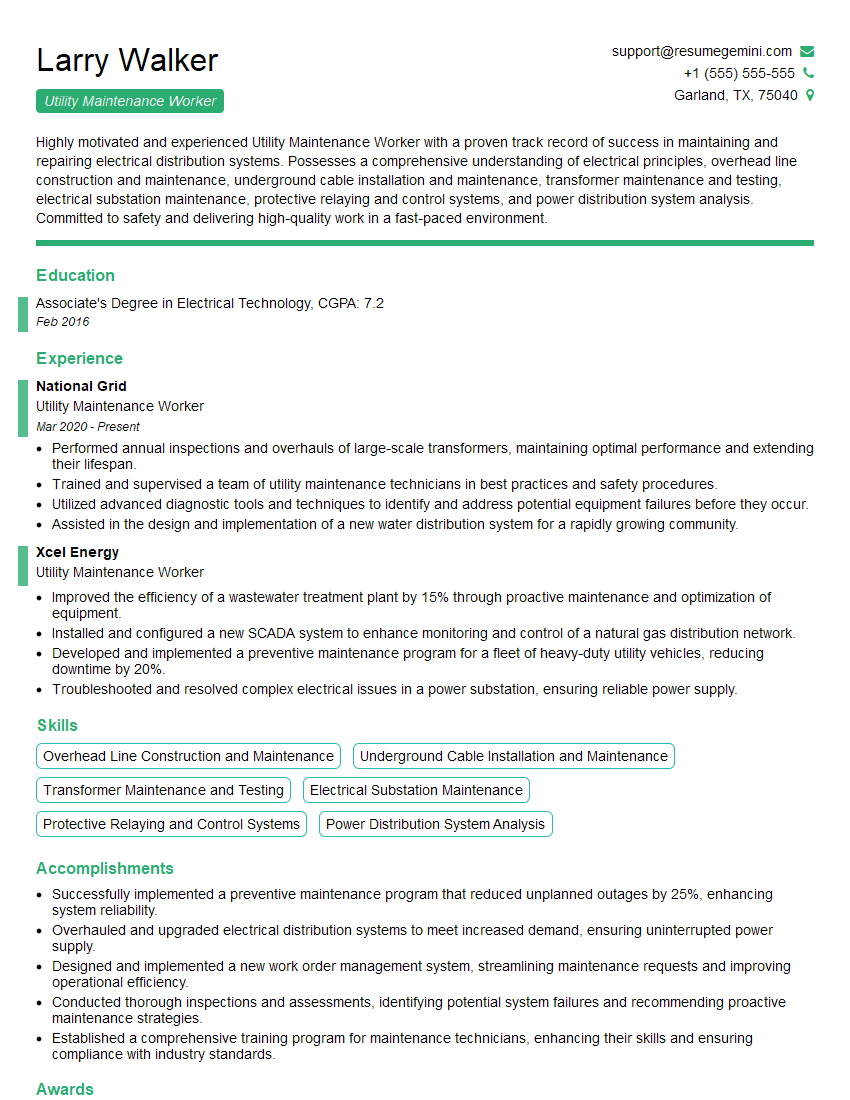
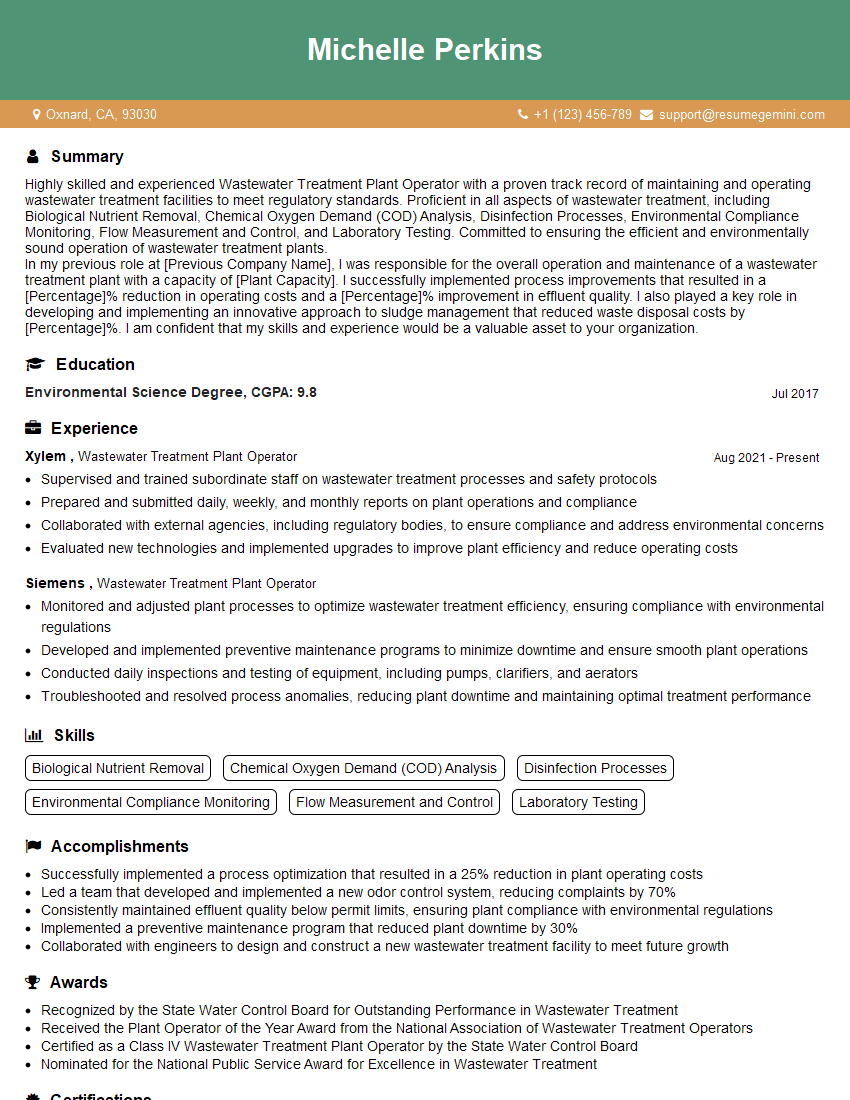
Mastering Lift Station Inspection and Maintenance opens doors to a rewarding career with excellent growth potential in a vital industry. A strong understanding of these systems and your ability to effectively communicate that knowledge are crucial for success. To stand out to potential employers, create an ATS-friendly resume that highlights your skills and experience. ResumeGemini is a trusted resource to help you build a professional resume that showcases your qualifications effectively. Examples of resumes tailored to Lift Station Inspection and Maintenance are available to further guide you in crafting your application materials. Invest the time in building a compelling resume—it’s your first impression with potential employers.
Explore more articles
Users Rating of Our Blogs
Share Your Experience
We value your feedback! Please rate our content and share your thoughts (optional).
What Readers Say About Our Blog
To the interviewgemini.com Webmaster.
Very helpful and content specific questions to help prepare me for my interview!
Thank you
To the interviewgemini.com Webmaster.
This was kind of a unique content I found around the specialized skills. Very helpful questions and good detailed answers.
Very Helpful blog, thank you Interviewgemini team.