Are you ready to stand out in your next interview? Understanding and preparing for Long-Acting Beta-Agonists interview questions is a game-changer. In this blog, we’ve compiled key questions and expert advice to help you showcase your skills with confidence and precision. Let’s get started on your journey to acing the interview.
Questions Asked in Long-Acting Beta-Agonists Interview
Q 1. Describe the mechanism of action of long-acting beta-agonists (LABAs).
Long-acting beta-agonists (LABAs) work by relaxing the muscles around the airways in your lungs. Think of your airways as small tubes; when they constrict, it’s harder to breathe. LABAs bind to beta-2 adrenergic receptors found on these airway muscles. This binding triggers a cascade of events, ultimately leading to the relaxation and widening of the airways, making it easier to breathe. This effect is prolonged due to the LABA’s long duration of action, providing sustained relief from bronchoconstriction.
More specifically, the binding activates adenylate cyclase, increasing intracellular cyclic AMP (cAMP) levels. Increased cAMP leads to relaxation of the bronchial smooth muscle, inhibiting inflammatory mediator release, and increasing mucociliary clearance (the process of clearing mucus from the airways). This combined effect improves lung function and reduces symptoms of respiratory conditions like asthma and COPD.
Q 2. What are the different classes of LABAs and how do they differ in their properties?
There are two main classes of LABAs: the formoterol and salmeterol. While both work on the same beta-2 receptors, their properties differ slightly.
- Formoterol: This LABA has a relatively faster onset of action, meaning it starts working sooner than salmeterol. It’s often described as having a shorter ‘tail’ in its duration of action compared to salmeterol. It’s also more potent, meaning you need a lower dose to achieve the same effect.
- Salmeterol: This LABA is known for its longer duration of action. Its effects last longer, providing more sustained bronchodilation. However, the onset of action is slower compared to formoterol.
These differences mean that clinicians might choose one over the other based on patient needs and the desired therapeutic profile. For example, formoterol might be preferred in situations requiring a quick-acting bronchodilator component in addition to long-term control, while salmeterol might be more suitable for patients who need prolonged bronchodilation throughout the night.
Q 3. Compare and contrast LABAs with short-acting beta-agonists (SABAs).
LABAs and short-acting beta-agonists (SABAs) both work by activating beta-2 receptors to relax airway muscles, but their duration of action is the key difference.
- SABAs (e.g., albuterol): Provide quick relief from bronchospasm, usually within minutes. They are used for ‘rescue’ treatment of acute symptoms, like sudden wheezing. Their effects last for a few hours.
- LABAs (e.g., salmeterol, formoterol): Provide long-term control of symptoms. They are not meant for immediate relief, and their effect takes longer to manifest. They are usually administered once or twice a day to prevent symptoms from occurring.
Think of it like this: SABAs are like a fire extinguisher – they put out the immediate fire (acute symptoms). LABAs are like regular maintenance – preventing the fire from starting in the first place (preventing symptoms).
It’s important to note that LABAs should *not* be used as a rescue medication. They are for maintenance, and using them in this manner is ineffective and potentially harmful.
Q 4. What are the common side effects associated with LABA use?
While generally well-tolerated, LABAs can cause several side effects. The most common include:
- Tremors: These are usually mild and often improve with continued use or dose adjustment.
- Headache: Another common side effect, often manageable with over-the-counter pain relievers.
- Muscle cramps: Less common but can occur in some individuals.
- Increased heart rate (tachycardia): Can be more pronounced in individuals with pre-existing cardiovascular conditions.
- Paradoxical bronchospasm: A rare but serious side effect where the airways constrict further instead of relaxing. This requires immediate medical attention.
The incidence and severity of side effects vary depending on the individual and the specific LABA used. It’s crucial to report any concerning side effects to a healthcare professional immediately.
Q 5. How do LABAs interact with other medications?
LABAs can interact with several other medications. For example:
- Other sympathomimetics: Concurrent use with other medications that stimulate the sympathetic nervous system (e.g., some decongestants) can increase the risk of side effects like tremors and increased heart rate.
- Beta-blockers: Beta-blockers counteract the effects of LABAs. Concurrent use should be avoided unless specifically indicated and closely monitored by a physician.
- MAO inhibitors: Potential for increased cardiovascular effects.
- Digoxin: Potential for increased digoxin levels, necessitating close monitoring.
Always inform your healthcare provider of all medications, supplements, and herbal remedies you are taking to minimize potential drug interactions.
Q 6. What are the indications for LABA therapy?
LABAs are primarily indicated for the long-term maintenance treatment of:
- Asthma: In combination with inhaled corticosteroids, LABAs provide effective control of symptoms in patients with persistent asthma.
- Chronic obstructive pulmonary disease (COPD): LABAs are used to help reduce the symptoms of COPD, such as shortness of breath and wheezing.
They are not typically used as monotherapy (alone) but rather as part of a comprehensive treatment plan for these conditions.
Q 7. Discuss the role of LABAs in the management of asthma.
LABAs play a crucial role in asthma management, particularly in patients with persistent asthma. They are most effective when used in combination with inhaled corticosteroids (ICS). This combination therapy addresses both the bronchoconstriction (LABA) and the underlying inflammation (ICS).
The rationale for this combination approach is that ICSs target the inflammation driving asthma symptoms, while LABAs relieve the bronchoconstriction, making breathing easier. Using both together provides better symptom control and reduces the risk of exacerbations (flare-ups). LABAs alone are not recommended for the long-term management of asthma, as they do not address the underlying inflammation.
However, there are situations where LABAs might be considered in combination with other medications, based on individual patient needs and disease severity. A healthcare professional will carefully assess the patient’s condition and make the appropriate treatment decision.
Q 8. Discuss the role of LABAs in the management of COPD.
Long-acting beta-agonists (LABAs) play a crucial role in COPD management by relaxing the airways and reducing shortness of breath. They work by mimicking the effects of adrenaline on the lungs, stimulating beta-2 receptors which leads to bronchodilation. This effect is longer-lasting than that of short-acting beta-agonists (SABAs). In COPD, the airways are chronically inflamed and narrowed, making breathing difficult. LABAs help alleviate this by providing sustained relief, improving airflow, and enhancing exercise capacity. However, it’s crucial to understand that LABAs are generally not used as monotherapy in COPD but rather as part of a comprehensive treatment plan.
Think of it like this: if SABAs are like taking a quick pain reliever for a headache, LABAs are like taking a longer-lasting medication that provides sustained relief throughout the day. They don’t address the underlying inflammation, however, hence the need for combination therapy.
Q 9. Explain the concept of combination therapy with LABAs and inhaled corticosteroids (ICS).
Combination therapy with LABAs and inhaled corticosteroids (ICS) is the cornerstone of COPD management in most patients with moderate to severe disease. ICSs, unlike LABAs, target the underlying inflammation in the airways that characterizes COPD. LABAs provide bronchodilation, improving airflow, while ICSs reduce inflammation, preventing further airway narrowing and exacerbations. The combination offers synergistic effects, leading to better symptom control, improved lung function, and a reduced risk of hospitalizations and exacerbations compared to using either medication alone.
This is analogous to treating a wound: ICSs are like the antibiotic that tackles the infection (inflammation), while LABAs are like the pain reliever that makes the wound less sensitive (bronchodilation). Combining both provides the most comprehensive approach to healing.
Q 10. Describe the appropriate patient selection criteria for LABA therapy.
Appropriate patient selection for LABA therapy hinges on the severity of COPD symptoms and the patient’s response to other treatments. Generally, LABAs are indicated for patients with moderate to severe COPD who experience persistent symptoms despite using short-acting bronchodilators. Patients with frequent exacerbations (COPD flare-ups requiring medical intervention) are also often prescribed LABAs, typically in combination with ICS. A thorough assessment by a healthcare professional is essential to determine the appropriate treatment strategy based on individual patient needs and disease severity.
For example, a patient experiencing daily shortness of breath despite using SABA rescue inhalers multiple times per day would be a strong candidate for LABA therapy, possibly in combination with ICS.
Q 11. What are the contraindications for LABA use?
While generally well-tolerated, LABAs have some contraindications. These include known hypersensitivity or allergy to any components of the medication. Furthermore, LABAs should be used cautiously in patients with cardiovascular conditions such as tachycardia (rapid heart rate) or uncontrolled hypertension (high blood pressure), as they can potentially exacerbate these conditions. Pregnant and breastfeeding women should also discuss the risks and benefits of LABA use with their physician.
Q 12. How do you monitor the efficacy and safety of LABA therapy?
Monitoring the efficacy and safety of LABA therapy involves regular clinical assessments and monitoring of lung function. This includes evaluating symptom control (shortness of breath, cough, sputum production), frequency of exacerbations, and the patient’s overall quality of life. Lung function tests (spirometry) are valuable tools to assess changes in FEV1 (forced expiratory volume in one second), a key indicator of airway obstruction. Regular monitoring allows for timely adjustments to the treatment plan if needed. Additionally, it is important to watch for any adverse effects, such as increased heart rate or tremor. Regular follow-up visits with the healthcare provider are essential.
Q 13. What are the potential long-term risks associated with LABA use?
While generally safe when used as prescribed, long-term use of LABAs carries some potential risks. Some studies have suggested a potential association between LABA use and an increased risk of pneumonia, particularly in patients with severe COPD. It is crucial to emphasize that this association does not automatically mean LABAs cause pneumonia. However, patients using LABAs should be aware of the potential increased risk and report any respiratory symptoms to their doctor. It’s also important to remember that the benefits of LABA therapy often outweigh these potential risks in appropriate patients.
Q 14. What are the differences in formulations of LABAs (e.g., powder inhalers, nebulizers)?
LABAs are available in various formulations, including pressurized metered-dose inhalers (pMDIs), dry powder inhalers (DPIs), and nebulizers. pMDIs deliver medication as an aerosol mist via a propellant, often requiring a spacer for optimal delivery. DPIs deliver medication as a dry powder, generally requiring less coordination than pMDIs. Nebulizers deliver medication as a fine mist via a compressor, often preferred for patients who struggle with inhaler technique. The choice of formulation depends on factors such as the patient’s ability to use different inhaler devices, the severity of their disease, and their preference.
For instance, a patient with severe COPD and difficulty coordinating their breath may benefit from a nebulizer, while a patient with milder COPD and good inhaler technique may find a DPI convenient.
Q 15. How do you educate patients about proper inhaler technique with LABAs?
Teaching proper inhaler technique is crucial for effective LABA therapy. Think of it like this: the medicine needs to reach deep into the lungs to work properly. Improper technique means less medicine reaches its target, leading to poor asthma control. We use a multi-step approach:
- Demonstration: I demonstrate the correct technique using a spacer and an actual inhaler, showing the patient exactly how to hold it, breathe in slowly and deeply, and hold their breath afterwards.
- Practice: Patients practice using a spacer device. A spacer makes it easier to coordinate breathing with the inhaler, improving delivery. We encourage practice until the technique is smooth and consistent.
- Visual Aids: Pictures and videos can visually reinforce the steps involved. Many asthma societies provide excellent resources.
- Feedback and Reassessment: After each practice session, we provide constructive feedback and address any challenges the patient faces. Regular follow-ups ensure continued proper technique.
- Troubleshooting: We address common issues, such as difficulty coordinating breathing or holding the breath, and explore solutions like using a spacer or different inhaler techniques.
For example, if a patient struggles with breath-holding, we might encourage them to count to ten slowly before exhaling. This personalized approach ensures they understand and can confidently use their inhaler.
Career Expert Tips:
- Ace those interviews! Prepare effectively by reviewing the Top 50 Most Common Interview Questions on ResumeGemini.
- Navigate your job search with confidence! Explore a wide range of Career Tips on ResumeGemini. Learn about common challenges and recommendations to overcome them.
- Craft the perfect resume! Master the Art of Resume Writing with ResumeGemini’s guide. Showcase your unique qualifications and achievements effectively.
- Don’t miss out on holiday savings! Build your dream resume with ResumeGemini’s ATS optimized templates.
Q 16. Explain the importance of adherence in LABA therapy.
Adherence to LABA therapy is paramount because these medications are preventative, not rescue. They work by reducing airway inflammation, thus preventing asthma attacks. Poor adherence leads to increased inflammation, which can trigger exacerbations and hospitalizations. Imagine it like this: taking your LABA regularly is like taking preventative measures to strengthen your house’s foundation – if you skip it, the foundation weakens, making your house more vulnerable to storms (exacerbations).
We promote adherence by:
- Open Communication: We discuss the importance of daily use and address any concerns or misconceptions the patient may have.
- Simplifying Regimens: We aim for the simplest and most convenient regimen possible, tailoring it to the patient’s lifestyle.
- Medication Reminders: We use pill organizers, smartphone reminders, or other strategies to help patients remember their doses.
- Monitoring and Support: We regularly monitor the patient’s adherence and provide ongoing support and encouragement.
For instance, I’ll often schedule regular follow-up appointments specifically to discuss adherence and address any barriers the patient is facing.
Q 17. Describe the clinical presentation of a patient experiencing an adverse reaction to a LABA.
Adverse reactions to LABAs are relatively uncommon, but they can occur. They typically manifest as:
- Tremors: This is a common side effect, often mild and usually resolves with continued use or dose adjustment.
- Headache: Can be associated with the medication.
- Increased Heart Rate (tachycardia): More concerning, requires monitoring and potential dose adjustment or change in medication.
- Muscle Cramps: Another possible side effect, typically mild.
- Paradoxical Bronchospasm: A rare but serious side effect where the LABA causes airway narrowing instead of opening. This requires immediate medical attention.
The severity varies. A patient experiencing mild tremors might just need reassurance, while a patient with paradoxical bronchospasm needs immediate treatment with a rescue inhaler and potential hospital admission. A thorough history, including a medication list, is critical to determine the cause of symptoms. For example, I would inquire about the timeline of symptom onset to correlate it with medication intake.
Q 18. How would you manage a patient experiencing an exacerbation despite using a LABA?
If a patient experiences an exacerbation despite using a LABA, it indicates that the current treatment plan is inadequate. This often warrants immediate action. We need to quickly:
- Assess the Severity: Evaluate the patient’s symptoms (cough, wheezing, shortness of breath), lung function (peak flow), and overall clinical status.
- Increase Rescue Medication: Prescribe short-acting beta-agonists (SABAs) more frequently to alleviate immediate symptoms.
- Add or Increase Corticosteroids: Oral or inhaled corticosteroids are crucial to reduce inflammation quickly. This is the cornerstone of asthma exacerbation management.
- Consider Other Treatments: Depending on severity, this could include antibiotics (if infection is suspected), magnesium sulfate (for severe exacerbations), or even hospitalization for close monitoring and more aggressive treatment.
- Review Adherence: Re-assess patient adherence to all medications, including the LABA, as lack of adherence is a common reason for exacerbations.
For example, a patient with persistent wheezing despite LABA use might require a short course of oral corticosteroids in addition to an increased frequency of SABA use.
Q 19. Discuss the role of LABAs in preventing asthma exacerbations.
LABAs play a vital role in preventing asthma exacerbations. They are not rescue medications; they work by relaxing the airway muscles and reducing airway inflammation over time, thereby preventing the onset of symptoms. This is a preventative approach, similar to taking a daily vitamin to boost your immune system. We typically prescribe LABAs along with inhaled corticosteroids (ICS) for long-term control. The ICS reduces inflammation, and the LABA further relaxes the airways, providing a combined effect that is much more effective than either drug alone.
Studies have shown a significant reduction in asthma exacerbations, hospitalizations, and emergency room visits in patients receiving LABA/ICS combination therapy compared to those receiving ICS alone. The long-acting nature allows for consistent control throughout the day and night. For instance, the combination of ICS and LABA in an inhaler provides excellent long-term control for many patients with moderate to severe asthma.
Q 20. What are the challenges in managing patients on LABA therapy?
Managing patients on LABA therapy presents several challenges:
- Adherence: Ensuring patients take their medication daily is crucial but can be difficult due to various factors, including side effects, forgetfulness, or lack of understanding of the medication’s benefits.
- Side Effects: Tremors, headaches, and tachycardia can be bothersome and lead to non-compliance.
- Monitoring: Regular monitoring of lung function and symptoms is necessary to assess the effectiveness of treatment and adjust the therapy accordingly.
- Patient Education: Thoroughly educating patients about the medication’s purpose, proper use, potential side effects, and the importance of adherence is critical.
- Cost: The cost of LABAs can be a barrier for some patients, impacting access to this important medication.
- Potential for Increased Risk of Serious Adverse Events (when used alone): It’s very important that LABAs are never used alone; they should always be used in combination with an inhaled corticosteroid for asthma management. Using LABAs alone is associated with a increased risk of serious adverse events.
Overcoming these challenges requires a multifaceted approach, including open communication, patient education, medication support programs, and collaborative care with other healthcare professionals.
Q 21. Explain the pharmacokinetics of LABAs.
The pharmacokinetics of LABAs describe how the body processes these medications – absorption, distribution, metabolism, and excretion. Generally, LABAs are delivered via inhalation, meaning they’re absorbed directly into the lungs. This targeted delivery minimizes systemic side effects. However, some degree of systemic absorption still occurs.
Key aspects include:
- Absorption: Primarily occurs in the lungs, with a portion absorbed systemically.
- Distribution: Distributes to various tissues, including the lungs, where they exert their bronchodilating effect.
- Metabolism: Primarily metabolized in the liver, though the exact pathways vary among different LABAs.
- Excretion: Excreted primarily in the urine and feces.
The long duration of action is due to their high lipid solubility and slow dissociation from the beta-2 adrenergic receptors in the lungs. This allows for once-daily or twice-daily dosing, providing sustained bronchodilation. Understanding these pharmacokinetic properties helps in appropriate dosing and managing potential side effects.
Q 22. What are the pharmacodynamics of LABAs?
The pharmacodynamics of Long-Acting Beta-Agonists (LABAs) center on their interaction with beta-2 adrenergic receptors in the lungs. These receptors, when activated, trigger a cascade of intracellular events leading to bronchodilation – widening of the airways. Specifically, LABAs bind to these receptors, stimulating them for a prolonged period (hence ‘long-acting’). This results in relaxation of the bronchial smooth muscles, reducing airway resistance and improving airflow. Think of it like this: your airways are a garden hose partially clogged. LABAs act like a powerful cleaner, removing the blockage and allowing air to flow freely. The duration of action varies depending on the specific LABA, but generally lasts 12-24 hours. This prolonged action is what differentiates them from their short-acting counterparts (SABAs).
Furthermore, LABAs also exhibit anti-inflammatory effects, although less pronounced than inhaled corticosteroids (ICS). This anti-inflammatory action is mediated through various mechanisms, including modulation of inflammatory cell recruitment and release of mediators, offering additional clinical benefit in managing respiratory conditions.
Q 23. How do you interpret pulmonary function tests (PFTs) in relation to LABA therapy?
Pulmonary Function Tests (PFTs), specifically spirometry, are crucial in assessing the effectiveness of LABA therapy. We look primarily at measures like Forced Expiratory Volume in 1 second (FEV1) and Forced Vital Capacity (FVC). Improvements in these parameters after LABA initiation suggest a positive response. For instance, a patient with significantly reduced FEV1 before treatment might show a noticeable increase following LABA administration. This increase signifies improved lung function and easier breathing. We can quantitatively assess improvement by looking at pre- and post-treatment FEV1 values. However, it’s essential to remember that PFTs alone don’t provide the complete picture. Clinical symptoms, such as shortness of breath and cough, also play a vital role in determining treatment success.
Furthermore, the interpretation of PFTs in the context of LABA therapy needs to consider the patient’s baseline lung function and the presence of other respiratory conditions. For example, a patient with severe COPD might show a smaller improvement in FEV1 than a patient with mild asthma, even with an effective response to LABA. The results should also be considered with other clinical data, such as the patient’s symptom scores and response to other medications.
Q 24. Describe the evidence supporting the use of LABAs in specific respiratory conditions.
The evidence supporting LABA use varies across respiratory conditions. In asthma, LABAs are primarily used as add-on therapy to inhaled corticosteroids (ICS), particularly in patients with persistent symptoms despite ICS alone. Studies have shown that adding a LABA to ICS improves lung function and reduces exacerbations compared to ICS monotherapy. However, LABAs should not be used as a monotherapy for asthma due to increased risk of exacerbations and death.
For Chronic Obstructive Pulmonary Disease (COPD), LABAs are a cornerstone of maintenance therapy. Numerous large clinical trials have demonstrated their effectiveness in improving lung function, reducing exacerbations, and improving quality of life. The Global Initiative for Chronic Obstructive Lung Disease (GOLD) guidelines recommend LABAs as part of the treatment strategy for most COPD patients, often combined with long-acting anticholinergics or ICS.
It’s important to highlight that while the evidence supports the use of LABAs, these medications are not without potential adverse effects. Careful consideration of the risk-benefit profile is crucial for every patient.
Q 25. Explain the cost-effectiveness of LABA therapy compared to other treatments.
The cost-effectiveness of LABA therapy compared to other treatments is complex and depends on several factors, including the specific LABA, the patient population, and the healthcare system. Generally, LABAs are relatively inexpensive compared to novel biologics used in severe asthma or COPD. However, cost comparisons need to consider the potential reduction in healthcare utilization associated with improved symptom control and fewer exacerbations. For instance, reducing hospital admissions and emergency room visits can offset the direct cost of LABA medication.
Cost-effectiveness analyses often involve economic modeling to predict the long-term costs and benefits of different treatment strategies. These analyses must be carefully interpreted, as they depend on several assumptions. Factors such as the prevalence of specific comorbidities, drug adherence, and the response to treatment significantly influence the results. Ultimately, the most cost-effective treatment strategy is determined by a balance between direct costs, indirect costs (such as lost productivity), and the overall health outcomes achieved.
Q 26. What are the latest research findings on LABAs?
Recent research on LABAs focuses on optimizing their use and understanding their long-term effects. For example, studies are investigating the optimal combination therapies with LABAs. There’s ongoing research to better define the role of LABAs in specific patient subgroups, such as those with severe asthma or COPD. Researchers are also exploring the potential for novel LABAs with improved efficacy and fewer side effects. The focus is shifting towards personalized medicine, tailoring treatment based on individual patient characteristics and biomarkers. This personalized approach might involve using biomarkers to identify patients who are more likely to benefit from LABA therapy and to predict the risk of potential side effects.
Q 27. How do you stay current with the latest developments in LABA therapy?
Staying current with the latest developments in LABA therapy involves a multifaceted approach. I regularly review major respiratory journals such as the American Journal of Respiratory and Critical Care Medicine, The Lancet Respiratory Medicine, and European Respiratory Journal. I also actively participate in professional medical conferences and societies, such as the American Thoracic Society (ATS) and the European Respiratory Society (ERS), where the latest research findings are often presented. I also utilize online resources, such as clinical guidelines from organizations like the Global Initiative for Asthma (GINA) and the Global Initiative for Chronic Obstructive Lung Disease (GOLD), which provide regularly updated recommendations on the management of respiratory conditions. Furthermore, continuing medical education (CME) programs and pharmaceutical company updates are crucial tools in my arsenal. Staying informed is essential to provide the best possible care for my patients.
Q 28. Discuss any ethical considerations related to prescribing LABAs.
Ethical considerations related to prescribing LABAs revolve mainly around informed consent, the avoidance of unnecessary or inappropriate use, and attention to potential adverse effects. Patients must be fully informed about the benefits, risks, and alternatives of LABA therapy before treatment is initiated. It’s crucial to avoid using LABAs as monotherapy for asthma due to the increased risk of severe exacerbations. The potential for cardiovascular side effects, although generally low, necessitates careful patient selection and monitoring. For instance, patients with a history of cardiovascular disease might require more careful consideration before initiating LABA therapy.
Equally important is ensuring equitable access to LABAs for patients who need them. This involves considerations such as socioeconomic factors and healthcare disparities which might impact patients’ ability to access or afford these medications. Responsible prescribing involves a balance between ensuring effective treatment and minimizing potential harm, with meticulous patient education forming a critical component.
Key Topics to Learn for Long-Acting Beta-Agonists Interview
- Pharmacokinetics and Pharmacodynamics of LABAs: Understand absorption, distribution, metabolism, and excretion. Analyze the mechanism of action and receptor binding.
- Clinical Indications and Efficacy: Explore the approved uses of LABAs, focusing on specific disease states like asthma and COPD. Review clinical trial data and understand efficacy compared to other treatment modalities.
- Adverse Effects and Drug Interactions: Be prepared to discuss potential side effects, contraindications, and interactions with other medications. Know how to manage and mitigate adverse events.
- Comparison with other Bronchodilators: Understand the differences between LABAs, SABAs, and other classes of bronchodilators. Be able to discuss their relative strengths and weaknesses in various clinical scenarios.
- Patient Selection and Monitoring: Discuss criteria for selecting appropriate patients for LABA therapy. Understand the importance of monitoring efficacy and adverse effects.
- Combination Therapies: Explore the rationale and efficacy of combining LABAs with other medications, such as inhaled corticosteroids or anticholinergics. Understand the benefits and risks of combination therapy.
- Real-world Case Studies: Prepare to discuss real-world clinical scenarios involving LABA therapy, including patient case studies and practical application of knowledge.
Next Steps
Mastering Long-Acting Beta-Agonists is crucial for career advancement in respiratory medicine and related fields. A strong understanding of this class of drugs demonstrates expertise and enhances your competitiveness in the job market. To maximize your chances of securing your dream role, it’s vital to present yourself effectively. Create an ATS-friendly resume that highlights your skills and experience relevant to Long-Acting Beta-Agonists. ResumeGemini is a trusted resource that can help you build a compelling and professional resume. Examples of resumes tailored to Long-Acting Beta-Agonists professionals are available to guide you. Invest time in crafting a standout resume – it’s your first impression and a critical step in securing your next opportunity.

Medical Director Resume Sample

Clinical Research Associate (CRA) Resume Sample

Clinical Trial Manager Resume Sample

Regulatory Affairs Specialist Resume Sample

Healthcare Consultant Resume Sample

Biostatistician Resume Sample

Clinical Data Manager Resume Sample
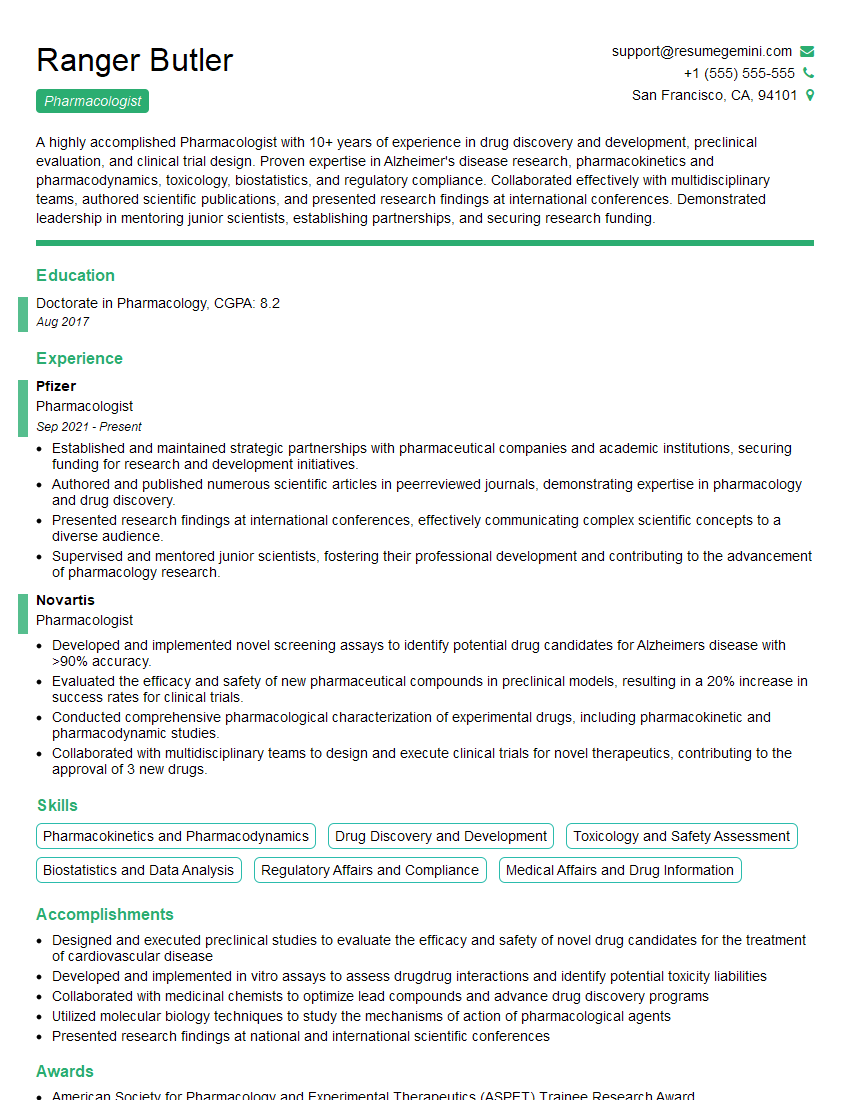
Pharmacologist Resume Sample

Medical Writer Resume Sample
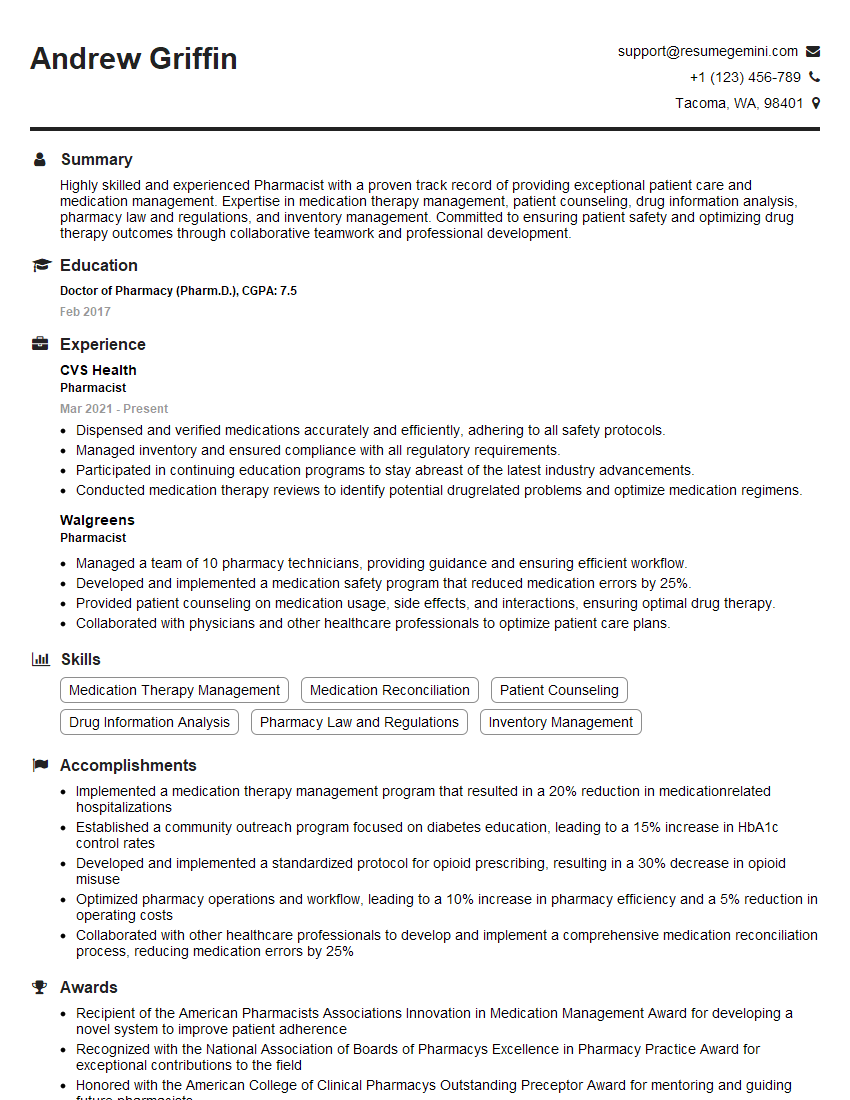
Pharmacist Resume Sample

Family Medicine Physician Resume Sample

Internal Medicine Physician Resume Sample

Pulmonologist Resume Sample

Allergist/Immunologist Resume Sample
Explore more articles
Users Rating of Our Blogs
Share Your Experience
We value your feedback! Please rate our content and share your thoughts (optional).
What Readers Say About Our Blog
To the interviewgemini.com Webmaster.
Very helpful and content specific questions to help prepare me for my interview!
Thank you
To the interviewgemini.com Webmaster.
This was kind of a unique content I found around the specialized skills. Very helpful questions and good detailed answers.
Very Helpful blog, thank you Interviewgemini team.