The thought of an interview can be nerve-wracking, but the right preparation can make all the difference. Explore this comprehensive guide to Lung Resection and Lung Volume Reduction Surgery interview questions and gain the confidence you need to showcase your abilities and secure the role.
Questions Asked in Lung Resection and Lung Volume Reduction Surgery Interview
Q 1. Describe the surgical techniques used in lobectomy.
Lobectomy, the surgical removal of a lobe of the lung, is a complex procedure typically performed through an open thoracotomy (a large incision in the chest) or, increasingly, via minimally invasive techniques like video-assisted thoracoscopic surgery (VATS).
Open Lobectomy: This traditional method involves a large incision to access the lung. The surgeon carefully dissects the lobe from surrounding structures, including the bronchus (airway), pulmonary artery (blood supply), and pulmonary veins. These vessels are meticulously divided and stapled or sutured to prevent bleeding. The lobe is then removed, and the remaining lung tissue is inspected and closed.
VATS Lobectomy: VATS uses smaller incisions and a thoracoscope (a thin, flexible tube with a camera) to visualize the lung. Specialized instruments are inserted through these small incisions to perform the dissection and resection. This approach often leads to less pain, shorter hospital stays, and faster recovery compared to open surgery. However, it requires specialized training and may not be suitable for all patients or all types of lung cancer.
Robotic-assisted Lobectomy: This is a more advanced minimally invasive technique where a robotic surgical system is used to perform the VATS procedure. The surgeon operates the robotic arms from a console, offering enhanced dexterity and precision, particularly beneficial in complex cases.
Q 2. Explain the indications and contraindications for lung volume reduction surgery.
Lung volume reduction surgery (LVRS) is indicated for patients with severe emphysema who experience significant shortness of breath despite maximal medical therapy. It’s aimed at removing the most damaged portions of the lungs, allowing the remaining, healthier lung tissue to expand and improve respiratory function.
Indications:
- Severe emphysema with significant hyperinflation (increased air trapping)
- Significant shortness of breath (dyspnea) despite optimal medical management (including bronchodilators and pulmonary rehabilitation)
- Reduced exercise capacity
- Appropriate pulmonary function test (PFT) results indicating benefit from surgery (specific criteria exist)
Contraindications:
- Significant cardiovascular disease that would increase the surgical risk
- Severe pulmonary hypertension
- Uncontrolled infections
- Inability to tolerate the physiological stress of surgery
- Severe obesity
- Significant comorbid conditions that would impair recovery
Careful patient selection is crucial for LVRS because it’s a major operation with potential complications. A multidisciplinary team, including pulmonologists, surgeons, and anesthesiologists, assesses the patient’s suitability based on a comprehensive evaluation.
Q 3. What are the different types of lung resections, and when is each appropriate?
Lung resections vary in the amount of lung tissue removed. The choice depends on the location and extent of the disease.
- Wedge Resection: Removal of a small, wedge-shaped section of lung tissue. This is often used for small peripheral lesions, like benign tumors or early-stage lung cancers.
- Segmentectomy: Removal of a lung segment, a functionally independent unit of the lung supplied by a single segmental bronchus and artery. This is more extensive than a wedge resection but preserves more lung tissue.
- Lobectomy: Removal of an entire lobe of the lung (as discussed previously). This is used for larger tumors or those involving multiple segments of a lobe.
- Pneumonectomy: Removal of an entire lung. This is usually reserved for extensive tumors involving the whole lung or when other less extensive options are not feasible.
- Sleeve Resection: Removal of a segment of the main bronchus, often along with surrounding lung tissue. This is frequently used for tumors involving the bronchus.
The appropriate type of resection is determined by several factors, including the size, location, and nature of the lesion; the extent of disease; the patient’s overall health; and the surgeon’s assessment.
Q 4. How do you assess the suitability of a patient for lung resection?
Assessing suitability for lung resection involves a thorough evaluation of the patient’s overall health and the characteristics of the lung disease. This is a multi-step process.
1. Medical History and Physical Examination: This assesses overall health, including cardiovascular and pulmonary function, and identifies any potential risks or contraindications to surgery.
2. Imaging Studies: Chest X-rays, CT scans, and potentially PET scans help to visualize the lesion(s), determine their size and location, and assess the extent of disease spread.
3. Pulmonary Function Tests (PFTs): These tests measure lung capacity and function to determine the patient’s ability to tolerate the loss of lung tissue after surgery. Specific predictive indices are used to estimate post-operative lung function.
4. Cardiac Evaluation: An electrocardiogram (ECG) and sometimes a cardiac stress test are performed to assess cardiovascular fitness and identify any risks associated with major surgery.
5. Multidisciplinary Team Discussion: The findings from all evaluations are discussed among a team of surgeons, pulmonologists, anesthesiologists, and other specialists to make an informed decision about the patient’s suitability for surgery and the best surgical approach.
It’s essential to balance the potential benefits of surgery with the risks and the patient’s overall well-being. Not every patient with a lung lesion is a candidate for resection.
Q 5. Discuss the preoperative evaluation of a patient undergoing lung resection.
Preoperative evaluation for lung resection is crucial for optimizing patient outcomes and minimizing surgical risks. It involves a comprehensive assessment of the patient’s respiratory, cardiovascular, and overall health.
1. Detailed Medical History and Physical Exam: Gathering information about the patient’s past medical history, current medications, allergies, and any smoking history is critical. A thorough physical exam helps identify any co-morbidities that could impact surgical risk.
2. Imaging Studies: Chest X-ray, CT scan, and sometimes PET or MRI are used to precisely locate and characterize the lesion and determine its relationship to surrounding structures.
3. Pulmonary Function Testing (PFTs): These tests are essential to determine the patient’s lung reserve and ability to tolerate the loss of lung tissue. Specific parameters like FEV1 (forced expiratory volume in 1 second) and DLCO (diffusing capacity of the lung for carbon monoxide) are analyzed.
4. Cardiac Evaluation: ECG and potentially other cardiac assessments are performed to rule out any significant cardiac disease that could increase surgical risk.
5. Blood Tests: These include complete blood counts, coagulation studies, and other relevant tests to assess overall health and identify any potential infections or abnormalities.
6. Nutritional Assessment: Patients with malnutrition may require nutritional support before surgery to improve their overall health and promote recovery.
7. Preoperative Education and Counseling: Educating the patient and family about the procedure, potential risks and benefits, and what to expect during and after surgery is vital for patient preparation and compliance.
Q 6. What are the potential complications of lung resection, and how are they managed?
Lung resection carries several potential complications, although advancements in surgical techniques and perioperative care have significantly reduced their incidence.
Respiratory Complications:
- Pneumonia: Infection of the lung is a common postoperative concern. Prophylactic antibiotics and meticulous respiratory care help to prevent this.
- Atelectasis: Collapse of a portion of the lung. Deep breathing exercises, incentive spirometry, and early mobilization help prevent this.
- Respiratory failure: This can be due to various factors and requires close monitoring and supportive care, including mechanical ventilation if necessary.
- Bronchopleural fistula: An abnormal connection between the bronchus and pleural space. This is a serious complication requiring prompt intervention.
Cardiac Complications:
- Arrhythmias: Irregular heartbeats can occur due to the stress of surgery. Close monitoring and appropriate treatment are crucial.
- Myocardial infarction (heart attack): Although rare, it is a serious risk, particularly in patients with underlying heart disease.
Other Complications:
- Bleeding: Careful surgical technique and meticulous hemostasis minimize this risk.
- Infection: Antibiotics, proper wound care, and sterile surgical technique help prevent infection.
- Pain: Pain management is essential for patient comfort and recovery.
- Embolic events (blood clots): Prophylactic anticoagulation helps to reduce the risk of blood clots.
Management: The management of these complications depends on the specific condition and severity. It often includes supportive care, medication, additional procedures (e.g., bronchoscopy, thoracotomy), or intensive care.
Q 7. Describe your experience with minimally invasive techniques for lung resection.
My experience with minimally invasive techniques for lung resection, primarily VATS and robotic-assisted surgery, has been extensive and rewarding. These approaches offer several advantages over open thoracotomy.
Benefits of Minimally Invasive Techniques:
- Smaller incisions: Resulting in less pain and faster recovery.
- Reduced blood loss: Leading to a lower risk of transfusion.
- Shorter hospital stays: Patients often go home sooner.
- Improved cosmetic outcomes: Smaller scars are more aesthetically pleasing.
- Enhanced visualization: VATS and robotic-assisted surgery provide excellent visualization of the surgical field.
- Improved dexterity in complex cases: Robotic surgery offers enhanced precision and control, particularly beneficial in challenging anatomical locations.
However, it’s important to acknowledge that minimally invasive techniques are not suitable for all patients or all types of lung cancer. Careful patient selection is crucial, and experienced surgeons are essential for optimal outcomes. In many suitable cases, minimally invasive approaches have become the standard of care, significantly improving the surgical experience for patients while maintaining excellent oncological outcomes.
I regularly employ VATS and robotic techniques for lobectomies, segmentectomies, and other resections, and I find that the advantages they offer contribute significantly to improved patient outcomes and quality of life.
Q 8. Explain the role of video-assisted thoracoscopic surgery (VATS) in lung resection.
Video-assisted thoracoscopic surgery (VATS) has revolutionized lung resection. Instead of a large incision, VATS uses several small incisions through which tiny cameras and surgical instruments are inserted. This minimally invasive approach offers numerous advantages.
- Smaller incisions: Resulting in less pain, less scarring, and faster recovery times.
- Reduced trauma: Less disruption to surrounding tissues leads to fewer complications.
- Shorter hospital stays: Patients often go home sooner after VATS compared to open thoracotomy.
- Improved cosmetic outcome: Smaller scars are less noticeable.
For example, a patient undergoing a lobectomy (removal of a lung lobe) via VATS might experience significantly less postoperative pain and be discharged within 3-5 days, whereas open thoracotomy might necessitate a longer hospital stay of 7-10 days. The choice of VATS versus open surgery depends on factors like tumor location, size, and patient’s overall health.
Q 9. Discuss the use of robotics in lung resection surgery.
Robotic-assisted lung resection uses a robotic surgical system with enhanced dexterity and precision compared to traditional VATS. The surgeon controls the robotic arms from a console, allowing for finer movements and a clearer three-dimensional view of the surgical field.
- Improved visualization: 3D high-definition vision provides better anatomical detail.
- Enhanced dexterity: Robotic arms offer a greater range of motion and flexibility than human hands.
- Minimally invasive: Still maintains the benefits of minimally invasive surgery with smaller incisions.
- Potential for reduced tremor: Robotic precision can help minimize surgeon tremor.
While robotic surgery adds complexity and cost, it can be particularly advantageous in complex cases, such as tumors in difficult-to-reach areas or in patients with specific anatomical challenges. For instance, robotic surgery might be preferred for tumors near major blood vessels or airways where precise dissection is crucial.
Q 10. How do you manage postoperative pain in patients after lung resection?
Postoperative pain management after lung resection is crucial for patient comfort and a successful recovery. A multimodal approach is usually employed, combining several strategies.
- Analgesics: This includes opioids (carefully managed to minimize side effects) and non-opioid pain relievers like NSAIDs. We often utilize a patient-controlled analgesia (PCA) pump to give patients control over their pain medication.
- Regional anesthesia: Techniques like intercostal nerve blocks or paravertebral blocks can provide effective pain relief by targeting nerves in the chest wall. This can significantly reduce the need for systemic opioids.
- Non-pharmacological methods: These include breathing exercises, physiotherapy, and relaxation techniques. These methods help patients manage pain and improve lung function.
- Regular assessment: Pain levels are monitored closely, and the pain management plan is adjusted as needed. Patient feedback is crucial to optimize treatment.
For example, a patient might receive a combination of PCA, intercostal nerve blocks, and regular physiotherapy sessions tailored to their individual needs. Close monitoring helps prevent complications like respiratory depression from opioid use.
Q 11. What are the key considerations in selecting the appropriate surgical approach for a lung tumor?
Selecting the appropriate surgical approach is a crucial decision. It involves a careful consideration of several factors.
- Tumor characteristics: Size, location, and proximity to vital structures greatly influence the choice of approach (VATS, robotic, or open thoracotomy). A large centrally located tumor may necessitate an open approach.
- Patient factors: Age, overall health, lung function, and comorbidities such as COPD, cardiovascular disease all affect the choice of surgery. Patients with poor lung reserve might not be candidates for extensive resections.
- Surgeon’s expertise: The surgeon’s experience and comfort level with different techniques play a significant role. Not all surgeons are equally proficient in VATS or robotic surgery.
- Tumor histology: The type of lung cancer can influence the extent of resection needed.
Imagine two patients with lung tumors. One has a small peripheral tumor in a healthy lung and is an excellent candidate for VATS lobectomy. Another has a large central tumor near major vessels in a lung with compromised function; this patient might require a more extensive open thoracotomy with potentially neoadjuvant therapy.
Q 12. Describe your experience with managing intraoperative complications during lung resection.
Intraoperative complications during lung resection are a serious concern and require prompt management. Some common complications include:
- Bleeding: Prompt control of bleeding is paramount, often involving surgical techniques like cauterization, suture ligation, or the use of fibrin sealant.
- Air leaks: These can occur from damage to the lung parenchyma or bronchus and might require surgical repair or chest tube placement to drain air.
- Injury to adjacent structures: Damage to the esophagus, major vessels, or nerves can occur and necessitate specialized surgical repair or intervention.
- Cardiac arrhythmias: Stress response to surgery can cause cardiac arrhythmias. Monitoring is crucial and treatment includes medication or other interventions.
In my experience, meticulous surgical technique, careful patient selection, and a well-equipped operating room team are essential for preventing and managing these complications. Rapid decision-making and collaboration with anesthesiologists and other specialists are critical during emergencies.
Q 13. How do you determine the extent of resection needed for a lung malignancy?
Determining the extent of resection is guided by several factors, primarily aiming for complete tumor removal while preserving as much healthy lung tissue as possible.
- Imaging studies: CT scans, PET scans, and MRI scans provide detailed information about tumor size, location, and spread to nearby structures and lymph nodes.
- Bronchoscopy: This procedure helps visualize the airways and may involve biopsies to further characterize the tumor.
- Pathology report: Analysis of tissue samples obtained from biopsies or during surgery provides crucial information on tumor type, grade, and margins (whether the tumor has been completely removed).
- Surgical staging: During the operation, the surgeon assesses the extent of the disease and determines the necessary extent of resection based on visual inspection and palpation.
For example, if imaging suggests a small localized tumor, a lobectomy (removal of a lung lobe) might suffice. However, if the tumor is larger or has spread to adjacent structures, a more extensive pneumonectomy (removal of an entire lung) or even more radical procedures might be indicated, guided by the TNM staging system.
Q 14. Discuss the importance of lymph node dissection in lung cancer surgery.
Lymph node dissection is a critical component of lung cancer surgery, playing a crucial role in staging the disease and impacting treatment decisions.
- Staging: Lymph node involvement indicates the extent of cancer spread and influences the prognosis. The number and location of involved lymph nodes are key factors in TNM staging.
- Treatment planning: The extent of lymph node involvement guides adjuvant therapy decisions (chemotherapy, radiation). More extensive lymph node involvement often leads to more aggressive treatment strategies.
- Prognostic information: The presence of cancerous lymph nodes significantly impacts survival rates.
- Complete resection: Thorough lymph node dissection aims to remove all cancer cells, even microscopic ones, which can improve the chance of a cure.
Systematic lymph node dissection, guided by anatomical locations, is performed routinely during lung cancer surgery. The results of the pathologic examination of removed lymph nodes greatly impact the patient’s overall treatment plan and provide valuable prognostic information.
Q 15. What are the criteria for evaluating the success of a lung resection?
Evaluating the success of a lung resection involves a multi-faceted approach, considering both short-term and long-term outcomes. Short-term success is primarily judged by the absence of major complications during and immediately after surgery, such as significant bleeding, infection, or air leaks. The patient’s respiratory function is closely monitored, focusing on oxygen saturation levels, the need for mechanical ventilation, and the rate of recovery of lung function.
Long-term success hinges on the patient’s quality of life and freedom from recurrence of the disease. This requires regular follow-up appointments, imaging studies (like CT scans), and potentially, tumor marker testing depending on the nature of the resected tissue. A successful resection will ideally lead to a significant improvement in the patient’s symptoms, increased exercise capacity, and an overall improved quality of life. For example, a patient with a lung cancer that is causing shortness of breath and coughing may see a significant improvement in these symptoms post-resection, allowing them to return to a more active lifestyle. We use standardized questionnaires to assess quality of life and lung function objectively.
Career Expert Tips:
- Ace those interviews! Prepare effectively by reviewing the Top 50 Most Common Interview Questions on ResumeGemini.
- Navigate your job search with confidence! Explore a wide range of Career Tips on ResumeGemini. Learn about common challenges and recommendations to overcome them.
- Craft the perfect resume! Master the Art of Resume Writing with ResumeGemini’s guide. Showcase your unique qualifications and achievements effectively.
- Don’t miss out on holiday savings! Build your dream resume with ResumeGemini’s ATS optimized templates.
Q 16. How do you manage postoperative respiratory complications?
Postoperative respiratory complications after lung resection can range from minor to life-threatening. Common complications include atelectasis (lung collapse), pneumonia, pleural effusion (fluid build-up around the lungs), and respiratory failure. Management involves a proactive approach starting before surgery. This includes prehabilitation programs to optimize the patient’s lung function and general fitness. Post-operatively, aggressive physiotherapy, including deep breathing exercises, incentive spirometry, and mobilization, are crucial. Early mobilization helps prevent atelectasis and pneumonia. We monitor oxygen saturation, blood gases, and chest X-rays closely. Treatment may involve bronchoscopy to clear airway obstructions, chest tube insertion to drain pleural effusions, or mechanical ventilation if respiratory failure occurs. Antibiotics are administered if pneumonia develops. The key is close monitoring and prompt intervention to prevent complications from escalating.
Q 17. What are the long-term risks and benefits of lung resection and volume reduction surgery?
Lung resection and volume reduction surgery, while offering significant benefits, carry both short-term and long-term risks. Benefits include improved lung function, reduced symptoms (such as shortness of breath and chronic cough), and potentially, cure of underlying diseases like lung cancer or severe emphysema. However, risks include bleeding, infection, air leaks (pneumothorax), respiratory failure, and the need for prolonged mechanical ventilation. Long-term risks might involve impaired lung function (although often less severe than pre-operatively), recurrent disease (in the case of cancer), and the potential for complications like pulmonary hypertension.
The balance between risks and benefits is carefully considered on a case-by-case basis. Patients are thoroughly informed about potential complications, and their suitability for surgery is assessed through detailed pre-operative evaluation, which includes pulmonary function testing and imaging studies.
Q 18. Explain the role of preoperative imaging in planning lung resections.
Preoperative imaging plays a vital role in planning lung resections. High-resolution CT scans are essential for accurate assessment of the size, location, and extent of the lesion (tumour or damaged lung tissue). They allow us to determine the relationship of the lesion to vital structures like the major blood vessels and airways. This detailed anatomical information is crucial for surgical planning, helping to determine the optimal surgical approach (e.g., thoracotomy or video-assisted thoracoscopic surgery – VATS), the extent of resection (e.g., lobectomy, segmentectomy), and the feasibility of the procedure. Sometimes, we may use other imaging modalities like PET scans or MRI scans to get additional information, especially regarding the extent of the disease or the presence of metastatic disease.
For instance, a CT scan might reveal a small tumor in the lower lobe of the lung that can be removed via VATS. However, if the tumor is close to major vessels, a thoracotomy might be necessary for a safer resection.
Q 19. How do you assess and manage postoperative bleeding after lung resection?
Postoperative bleeding after lung resection is a serious complication requiring immediate attention. The first step is careful monitoring of vital signs, including blood pressure, heart rate, and oxygen saturation. Chest tube drainage is closely monitored for the volume and character of blood loss. If significant bleeding is detected, the initial management might involve increasing the suction on the chest tubes. However, if bleeding continues or increases significantly, a return to the operating room may be required to identify and control the bleeding source. This could involve surgical repair of a bleeding vessel or applying other techniques to control hemorrhage. Blood transfusions may be necessary to replace blood loss. We also use various imaging techniques such as CT scans to assess the extent of bleeding.
Q 20. Discuss the differences between sleeve resection and wedge resection.
Sleeve resection and wedge resection are two different types of lung resections, differing in the amount and shape of lung tissue removed. A wedge resection involves removal of a small, wedge-shaped section of lung tissue, typically used for small, peripheral lesions. It’s less invasive than other procedures. In contrast, a sleeve resection involves removing a segment of a bronchus along with the surrounding lung tissue. It is typically used for tumors that involve a larger portion of the bronchus and requires more complex surgical technique. Sleeve resections restore the airway continuity after resection of a tumor or other lesions that might involve a portion of a bronchus.
Q 21. Explain the principles of anatomical lung resection.
Anatomical lung resection refers to the removal of lung tissue along specific anatomical boundaries, often involving entire lobes (lobectomy) or segments (segmentectomy) of the lung. This approach adheres to the natural anatomical divisions of the lung, aiming to preserve as much healthy lung tissue as possible while completely removing the diseased portion. The principles involve meticulous dissection along the interlobar fissures and along the planes defined by pulmonary arteries, veins, and bronchi. Precise identification and preservation of these structures are crucial to minimizing injury and ensuring optimal postoperative lung function. Detailed pre-operative planning using imaging is crucial for safe and complete anatomical resection. Careful attention to detail during surgery, using specialized instruments and techniques, is necessary to minimize complications and maximize the chance of a successful outcome.
Q 22. What are the indications for a pneumonectomy?
A pneumonectomy is the complete surgical removal of one lung. It’s a major procedure reserved for specific situations where less extensive surgeries are not feasible or appropriate.
- Primary Lung Cancer: This is the most common indication. When a lung cancer tumor is large, involves major blood vessels, or has spread to a significant portion of the lung, a pneumonectomy might be necessary for curative intent. For instance, a large tumor involving the main bronchus may necessitate removal of the entire lung to achieve complete resection.
- Severe Lung Trauma: In cases of extensive lung injury, such as from a penetrating wound or severe blunt force trauma, where the lung is beyond repair, pneumonectomy may be life-saving.
- Severe Lung Infections: Rarely, a pneumonectomy may be considered in cases of severe, untreatable lung infections that have destroyed a significant portion of lung tissue and pose a life-threatening risk. This is usually a last resort after other less invasive treatments have failed.
- Lung Abscesses: In cases of extensive, multi-lobar lung abscesses resistant to treatment, pneumonectomy may be considered if the patient’s condition is deteriorating rapidly.
It’s important to remember that the decision to perform a pneumonectomy is carefully considered, balancing the risks and benefits on an individual basis. The surgeon, oncologist, and other specialists work together to determine the best course of action for each patient.
Q 23. Discuss the challenges of performing lung resection in patients with comorbidities.
Performing lung resection in patients with comorbidities presents significant challenges. Comorbidities are additional medical conditions, such as heart disease, diabetes, chronic obstructive pulmonary disease (COPD), or kidney disease. These conditions increase the surgical risk and can complicate postoperative recovery.
- Increased Risk of Complications: Patients with comorbidities are at a higher risk of postoperative complications, including infections, bleeding, respiratory failure, and cardiac events. For example, a patient with COPD may have difficulty clearing secretions after surgery, increasing the risk of pneumonia.
- Reduced Pulmonary Reserve: Patients with pre-existing lung disease have reduced pulmonary reserve, making it more challenging for them to tolerate the physiological stress of lung resection. They might require more extensive respiratory support postoperatively.
- Impaired Wound Healing: Conditions like diabetes can impair wound healing, increasing the risk of infection and delayed recovery.
- Medication Interactions: Patients may be taking multiple medications for their comorbidities, which can interact with anesthetic agents and other medications used during and after surgery. This requires careful consideration and potentially adjustments to medication regimens.
- Optimization of Comorbidities: Preoperative optimization of comorbid conditions is crucial. This might involve improving diabetic control, optimizing cardiac function, or managing respiratory infections before surgery. This improves the likelihood of a successful outcome.
Careful preoperative assessment, meticulous surgical technique, and rigorous postoperative care are essential to minimize risks and maximize the chance of a successful outcome in patients with comorbidities. This often involves a multidisciplinary approach, including surgeons, anesthesiologists, cardiologists, pulmonologists, and critical care specialists.
Q 24. How do you counsel patients about the risks and benefits of lung resection?
Counseling patients about lung resection involves a thorough discussion of the risks and benefits, tailored to the individual patient’s situation and understanding. It is a critical component of informed consent.
- Explanation of the Disease: We start by clearly explaining the nature of the patient’s condition (e.g., type and stage of lung cancer). We use clear, non-medical jargon, and anatomical models or diagrams can be very helpful.
- Surgical Procedure: We explain the procedure itself, outlining what will be done, what to expect during and after surgery, including potential complications.
- Benefits: We discuss the potential benefits, such as improved quality of life, increased survival rates (if applicable), and symptom relief.
- Risks: We thoroughly discuss the potential risks, including bleeding, infection, pneumothorax (collapsed lung), respiratory failure, prolonged hospital stay, and even death. We explain the probability of these risks as accurately as possible, based on the patient’s specific situation.
- Alternative Treatment Options: We discuss other treatment options (e.g., chemotherapy, radiation therapy), comparing them to surgery regarding risks, benefits, and potential side effects.
- Postoperative Recovery: We explain the expected recovery period, including pain management, physiotherapy, and potential limitations in activity. We also address quality-of-life aspects post-surgery.
- Q&A: We encourage a robust question-and-answer session, making sure the patient fully understands the information before consenting to the procedure.
Patient education is an ongoing process. Follow-up discussions are crucial to address any lingering concerns or questions that may arise as the patient progresses through their journey.
Q 25. Describe your experience with managing pleural complications after lung resection.
Pleural complications, such as empyema (pus in the pleural space), pneumothorax (collapsed lung), or pleural effusion (fluid in the pleural space), are potential risks after lung resection. Managing these requires prompt diagnosis and treatment.
- Early Detection: Close postoperative monitoring, including regular chest x-rays and clinical assessment, is crucial for early detection. Symptoms such as increasing shortness of breath, fever, or chest pain require immediate attention.
- Chest Tube Drainage: Chest tubes are commonly used to drain fluid or air from the pleural space. We closely monitor drainage output and adjust the management plan based on the findings.
- Surgical Intervention: In cases of persistent or complicated empyema, surgical intervention, such as video-assisted thoracoscopic surgery (VATS) to debride infected tissue or place a pleural catheter for drainage, may be necessary.
- Antibiotics: Antibiotics are used to treat infections, guided by culture and sensitivity results.
- Bronchoscopy: Bronchoscopy may be used to assess airway patency and remove secretions, especially if there is a suspicion of bronchial obstruction contributing to the complication.
Managing pleural complications requires a multidisciplinary approach, often involving collaboration between surgeons, pulmonologists, and intensivists to ensure the patient’s safety and optimal recovery.
Q 26. Explain the role of adjuvant therapy after lung resection for lung cancer.
Adjuvant therapy after lung resection for lung cancer aims to eliminate any remaining cancer cells and reduce the risk of recurrence. The type and extent of adjuvant therapy depend on factors such as the stage of the cancer, histologic type, and the patient’s overall health.
- Adjuvant Chemotherapy: Systemic chemotherapy is often used after surgery, particularly for patients with higher-stage lung cancers (e.g., stage II-IIIA). This helps kill any microscopic cancer cells that may have spread beyond the resected area.
- Adjuvant Radiotherapy: Radiation therapy may be used in addition to, or instead of, chemotherapy, particularly for patients with unresectable cancer, or for local control after a resection.
- Targeted Therapy: Targeted therapies, which specifically target cancer cells, are becoming increasingly important in the adjuvant setting for certain types of lung cancer with specific genetic alterations.
- Immunotherapy: Immunotherapy drugs can help the body’s immune system fight cancer cells. These may be used as adjuvant therapy in certain situations, depending on the patient and cancer characteristics.
The decision to use adjuvant therapy, the specific type, and the duration of treatment is made on a case-by-case basis, considering the patient’s individual circumstances and the latest clinical guidelines. A multidisciplinary team, including surgeons, oncologists, and radiotherapists, work together to develop the optimal treatment plan.
Q 27. How do you monitor patients’ progress after lung resection?
Postoperative monitoring after lung resection is crucial for early detection and management of complications and to assess the patient’s progress.
- Regular Physical Examinations: We conduct frequent physical examinations to assess the patient’s respiratory status, including breath sounds, oxygen saturation, and vital signs.
- Chest X-rays and CT Scans: Imaging studies are used to monitor for complications such as pneumothorax, pleural effusion, or infection, as well as to assess the healing process.
- Blood Tests: Regular blood tests monitor for infection, inflammation, and electrolyte imbalances.
- Pulmonary Function Tests: Pulmonary function tests assess the patient’s lung capacity and function over time, tracking improvement and identifying any persistent issues.
- Pain Management: We carefully monitor pain levels and adjust pain medication as needed.
- Physiotherapy: Physiotherapy plays a key role in helping patients regain lung function and mobility after surgery. We collaborate closely with the physiotherapy team to ensure appropriate and timely intervention.
- Follow-up Appointments: Regular follow-up appointments are scheduled to monitor the patient’s recovery progress, address any concerns, and perform necessary tests.
- Oncological Surveillance: For patients with lung cancer, regular follow-up appointments including imaging are crucial for early detection of any recurrence.
The frequency and intensity of monitoring are adjusted based on the individual patient’s risk profile and clinical course. The ultimate goal is to ensure a smooth and safe recovery, along with long-term surveillance for recurrence in the case of malignancy.
Q 28. Describe your experience in applying advanced surgical techniques, such as robotic-assisted surgery, in lung resection
Robotic-assisted surgery has significantly advanced the field of lung resection. My experience with this technology has shown clear benefits in many cases.
- Minimally Invasive Approach: Robotic surgery allows for a minimally invasive approach, resulting in smaller incisions, less pain, reduced blood loss, shorter hospital stays, and faster recovery times compared to open thoracotomy. For example, a patient undergoing a lobectomy via robotic-assisted surgery often experiences significantly less post-operative pain than a patient undergoing open surgery.
- Enhanced Precision and Dexterity: The robotic system offers enhanced precision and dexterity, allowing for more intricate surgical maneuvers in challenging anatomical locations, particularly when dealing with tumors near major blood vessels or bronchi. The magnification and three-dimensional visualization are particularly helpful in these situations.
- Improved Visualization: The high-definition 3D visualization provided by the robotic system significantly improves the surgeon’s ability to identify and dissect delicate structures, minimizing the risk of injury to surrounding tissues. This leads to more precise resection, potentially preserving more healthy lung tissue.
- Patient Selection: Not all patients are suitable candidates for robotic-assisted lung resection. Factors like body habitus, tumor location and size, and comorbidities are considered when making the decision. A careful preoperative assessment is essential.
- Steeper Learning Curve: Robotic surgery does have a steeper learning curve compared to open surgery, necessitating specialized training and experience.
Robotic-assisted lung resection is a valuable addition to our surgical armamentarium, providing significant benefits for appropriately selected patients. It represents a major step forward in improving surgical outcomes and enhancing patient experience.
Key Topics to Learn for Lung Resection and Lung Volume Reduction Surgery Interview
- Pre-operative Assessment and Planning: Understanding patient selection criteria, including pulmonary function tests, imaging interpretation (CT scans, PET scans), and risk stratification.
- Surgical Techniques for Lung Resection: Mastering the nuances of different resection techniques (lobectomy, pneumonectomy, segmentectomy), including video-assisted thoracic surgery (VATS) and robotic-assisted thoracic surgery (RATS).
- Lung Volume Reduction Surgery (LVRS) Principles: Grasping the indications, contraindications, and procedural steps involved in LVRS, focusing on patient selection and expected outcomes.
- Post-operative Management: Understanding the complexities of post-operative care, including pain management, ventilator management, and the recognition and management of complications (e.g., pneumothorax, bleeding, infection).
- Anesthesia Considerations: Familiarizing yourself with the unique anesthetic challenges presented by lung resection and LVRS, including one-lung ventilation and hemodynamic stability.
- Advanced Imaging and Navigation: Exploring the role of advanced imaging techniques (e.g., 3D CT reconstruction) and navigation systems in improving surgical precision and minimizing invasiveness.
- Surgical Complications and Management: Developing a comprehensive understanding of potential complications and the strategies for their effective management.
- Long-Term Outcomes and Follow-up: Knowing the expected long-term outcomes of lung resection and LVRS, including pulmonary function improvement and quality of life, and the importance of regular follow-up care.
- Ethical and Legal Considerations: Understanding the ethical and legal implications of these complex procedures, including informed consent and risk disclosure.
Next Steps
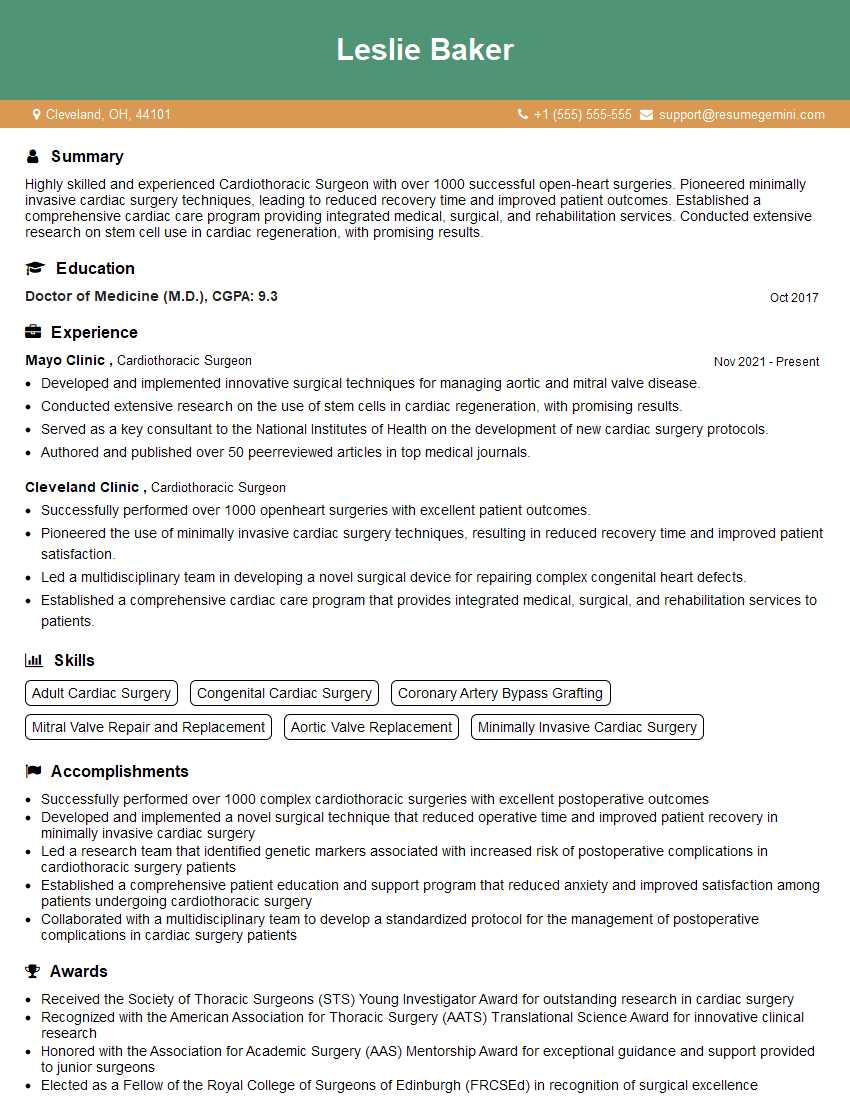
Mastering Lung Resection and Lung Volume Reduction Surgery significantly enhances your career prospects in thoracic surgery. Demonstrating a deep understanding of these procedures is crucial for securing competitive positions and advancing your career. To maximize your chances, create a strong, ATS-friendly resume that effectively highlights your skills and experience. ResumeGemini is a trusted resource that can help you build a professional and impactful resume. They offer examples of resumes tailored to Lung Resection and Lung Volume Reduction Surgery to guide your preparation. Invest in crafting a resume that showcases your expertise and sets you apart from other candidates.
Explore more articles
Users Rating of Our Blogs
Share Your Experience
We value your feedback! Please rate our content and share your thoughts (optional).
What Readers Say About Our Blog
To the interviewgemini.com Webmaster.
Very helpful and content specific questions to help prepare me for my interview!
Thank you
To the interviewgemini.com Webmaster.
This was kind of a unique content I found around the specialized skills. Very helpful questions and good detailed answers.
Very Helpful blog, thank you Interviewgemini team.