Cracking a skill-specific interview, like one for Maintenance Practices, requires understanding the nuances of the role. In this blog, we present the questions you’re most likely to encounter, along with insights into how to answer them effectively. Let’s ensure you’re ready to make a strong impression.
Questions Asked in Maintenance Practices Interview
Q 1. Explain the difference between preventive and corrective maintenance.
Preventive and corrective maintenance are two fundamental approaches to keeping equipment operational. Preventive maintenance, as the name suggests, focuses on preventing failures before they occur. This involves scheduled inspections, lubrication, cleaning, and part replacements based on manufacturers’ recommendations or historical data. Think of it like regular check-ups at the doctor – catching potential problems early avoids major issues later. Corrective maintenance, on the other hand, addresses equipment failures after they happen. It’s reactive, involving repairs and troubleshooting to restore functionality. This is like going to the doctor only when you’re already sick.
Example: Preventive maintenance for a conveyor belt system might include regularly inspecting belt tension, lubricating moving parts, and replacing worn rollers according to a pre-defined schedule. Corrective maintenance would involve repairing a broken belt after it’s snapped due to neglect or unforeseen wear.
Q 2. Describe your experience with CMMS (Computerized Maintenance Management Systems).
I have extensive experience with CMMS, primarily using [Mention Specific CMMS Software – e.g., IBM Maximo, SAP PM]. My experience encompasses the full lifecycle, from initial system setup and configuration to data entry, work order management, and reporting. I’m proficient in using CMMS to schedule preventive maintenance tasks, track corrective maintenance activities, manage inventory, and generate reports on equipment performance, maintenance costs, and overall equipment effectiveness (OEE). I’ve also utilized the system for streamlining communication between maintenance teams and other departments, and for improving the overall efficiency of the maintenance process.
In a previous role, I implemented a new CMMS system, which led to a 15% reduction in downtime and a 10% decrease in maintenance costs within six months. This was achieved through optimizing preventative maintenance schedules based on data analysis within the CMMS and improved inventory management.
Q 3. How do you prioritize maintenance tasks?
Prioritizing maintenance tasks is critical for maximizing uptime and minimizing costs. I use a multi-faceted approach that combines several criteria. Firstly, I assess the criticality of the equipment. Equipment crucial for production, impacting safety, or with significant financial consequences receives higher priority. Secondly, I consider the likelihood of failure. Equipment with a history of frequent breakdowns or exhibiting signs of imminent failure takes precedence. Thirdly, I factor in the cost of failure – a small component failure causing a significant production halt is prioritized over a minor issue with less impact. Finally, I incorporate urgency, addressing immediate safety hazards or critical production stoppages immediately.
I often employ a system like the Criticality-Urgency Matrix to visually prioritize tasks, categorizing them based on their criticality and urgency. This allows me to focus on the most important tasks first, efficiently allocating resources.
Q 4. What are your troubleshooting skills for common equipment malfunctions?
My troubleshooting skills involve a systematic approach, starting with a thorough assessment of the problem. I begin by gathering information, including error messages, operational history, and any visual clues. Then, I use a process of elimination, checking the simplest potential causes first (e.g., power supply, loose connections) before moving to more complex issues. I leverage my knowledge of equipment schematics, manuals, and diagnostic tools (e.g., multimeters, thermal imagers) to identify the root cause. I document each step of the process, and I’m skilled in identifying recurring issues and implementing preventative measures to prevent future occurrences.
Example: If a pump fails to operate, I’d first check the power supply, then the fuses, then the motor itself, progressing to the impeller and finally investigating the associated control circuitry. Through this systematic approach, I’ve successfully identified and rectified various malfunctions, ranging from simple electrical problems to complex hydraulic or pneumatic system issues.
Q 5. Explain your understanding of root cause analysis.
Root cause analysis (RCA) is a systematic approach to identifying the underlying causes of problems, rather than just addressing the symptoms. It’s crucial for preventing recurring issues and improving overall equipment reliability. I typically employ techniques such as the ‘5 Whys’ method – repeatedly asking ‘why’ to drill down to the root cause. I also use fault tree analysis, which visually maps out potential causes and their relationships to determine the most likely root cause. Furthermore, I incorporate fishbone diagrams (Ishikawa diagrams) to brainstorm and categorize potential causes, promoting collaborative problem-solving.
Example: If a machine frequently jams, the ‘5 Whys’ might reveal that the root cause isn’t just a poorly designed hopper, but rather inadequate operator training leading to incorrect material loading causing the jams.
Q 6. How do you ensure workplace safety during maintenance activities?
Workplace safety is paramount during maintenance activities. My approach involves adhering strictly to safety regulations, using appropriate personal protective equipment (PPE), performing thorough risk assessments before starting any task, and ensuring that lockout/tagout procedures are strictly followed to prevent accidental energization of equipment during maintenance. I also emphasize regular safety training for all maintenance personnel and promote a strong safety culture within the team, encouraging open communication about safety concerns and fostering a proactive approach to hazard identification and risk mitigation.
Example: Before working on electrical equipment, I always ensure that the power is completely isolated and locked out using a lockout/tagout device, and I regularly inspect and maintain the PPE, such as safety glasses, gloves and hearing protection, to ensure that they are in good condition and fit properly.
Q 7. Describe your experience with predictive maintenance techniques.
I have experience with various predictive maintenance techniques, including vibration analysis, thermal imaging, and oil analysis. Vibration analysis helps detect imbalances or bearing defects in rotating equipment by analyzing vibration patterns. Thermal imaging identifies overheating components, potentially indicating impending failures. Oil analysis examines oil samples to detect wear particles, contamination, and degradation, providing insights into the condition of machinery. These techniques allow for proactive maintenance, preventing unexpected failures and minimizing downtime. I’ve successfully used these methods to identify and address potential problems before they escalated into costly breakdowns.
Example: Using vibration analysis on a motor, we detected an increasing vibration frequency, indicating bearing wear. This allowed for a scheduled bearing replacement, avoiding a catastrophic motor failure during peak production.
Q 8. How do you manage a maintenance budget effectively?
Effective maintenance budget management requires a strategic approach combining meticulous planning, accurate forecasting, and continuous monitoring. It’s not just about allocating funds; it’s about optimizing resource allocation to maximize equipment uptime and minimize operational disruptions.
My approach begins with a thorough assessment of equipment criticality. I categorize assets based on their importance to production, assigning higher priority to critical equipment requiring more frequent and potentially costly maintenance. This informs the allocation of budget resources, ensuring that crucial systems receive the necessary attention.
Next, I develop a detailed budget using historical maintenance data, anticipated repairs, and planned preventative maintenance (PPM) schedules. This predictive approach allows for more accurate budgeting than simply relying on past spending. I also factor in potential inflation and the cost of new technologies or parts. Regularly reviewing and adjusting the budget based on actual expenditure and unforeseen circumstances is key to maintaining financial control. For instance, if a particular component consistently fails, I might investigate implementing a preventative maintenance strategy or replacing it with a more reliable alternative, even if it means a short-term budget increase to save money in the long run.
Finally, I implement robust tracking and reporting mechanisms to monitor budget performance. This allows for proactive identification of overspending or areas where cost savings can be achieved. Regular reports highlight spending against budget, enabling timely intervention and adjustment to avoid budget overruns. This includes detailed analysis of maintenance costs, identifying patterns and opportunities for optimization. For example, a spike in repair costs for a specific machine might highlight a need for improved operator training or a more comprehensive PPM schedule.
Q 9. What is your experience with inventory management for maintenance parts?
Effective inventory management for maintenance parts is crucial for minimizing downtime and ensuring efficient repairs. My experience encompasses implementing and optimizing various inventory management strategies, from simple first-in, first-out (FIFO) systems to sophisticated computerized maintenance management systems (CMMS).
A key aspect is accurate demand forecasting. I leverage historical data on part usage, equipment failure rates, and seasonality to predict future demand. This allows for optimized stock levels, minimizing storage costs while preventing stockouts. I’ve also implemented ABC analysis, categorizing parts based on their consumption value. High-value, frequently used ‘A’ items receive closer monitoring and tighter inventory control, while lower-value, less frequently used ‘C’ items can be managed with less stringent controls. For instance, critical spare parts for production lines are tracked meticulously, utilizing barcodes and scanners for accurate tracking and immediate visibility of stock. Less critical parts might be managed using simple bin labeling and periodic stock checks.
Furthermore, I’ve successfully implemented lean inventory principles such as Just-in-Time (JIT) delivery for certain parts. This minimizes storage costs and reduces the risk of obsolescence, particularly for parts with shorter shelf lives. For parts with longer lead times, safety stock levels are strategically determined to cover unexpected demand. The use of CMMS software allows for real-time tracking, automated reordering, and improved visibility across the entire inventory system. This provides an accurate overview of the inventory levels, usage patterns, and associated costs, facilitating data-driven decisions for inventory optimization.
Q 10. Explain your understanding of TPM (Total Productive Maintenance).
Total Productive Maintenance (TPM) is a philosophy that aims to maximize equipment effectiveness and overall equipment effectiveness (OEE) by involving all employees in maintenance activities. It shifts from a reactive, breakdown-maintenance approach to a proactive, preventative approach that emphasizes continuous improvement and teamwork.
My understanding of TPM extends beyond simply scheduled maintenance. It’s about fostering a culture of ownership and responsibility for equipment among all operators and maintenance personnel. This includes regular equipment inspections, lubrication, and minor adjustments performed by operators as part of their daily routine. These proactive actions help identify potential issues early on, preventing major breakdowns.
Key elements of TPM include:
- Autonomous Maintenance: Empowering operators to perform basic maintenance tasks on their own machines.
- Planned Maintenance: Establishing preventative maintenance schedules to minimize equipment downtime.
- Early Failure Detection: Implementing methods such as vibration analysis and thermal imaging to identify potential problems before they escalate.
- Quality Control: Integrating maintenance with quality control processes to ensure consistent product quality.
- Training and Education: Providing comprehensive training to operators and maintenance personnel on TPM principles and best practices.
I’ve successfully implemented TPM in previous roles, leading to significant reductions in downtime, improved equipment lifespan, and increased overall production efficiency. For example, by empowering operators to perform daily equipment inspections, we proactively identified and resolved minor issues before they developed into major problems. This resulted in a 20% reduction in unplanned downtime and a 15% increase in overall equipment effectiveness.
Q 11. How do you handle unexpected equipment failures?
Handling unexpected equipment failures requires a swift, organized, and systematic response to minimize downtime and operational disruption. My approach prioritizes immediate action followed by thorough root cause analysis to prevent future occurrences.
My first step is to activate the emergency response plan. This involves immediately securing the area, ensuring personnel safety, and initiating the necessary shutdown procedures. Then, I assemble a team to assess the situation and perform a preliminary diagnosis of the problem. We use our CMMS to quickly identify the affected equipment, check available spare parts, and assess the expertise required for repair.
Simultaneously, I initiate communication with relevant personnel, including supervisors, operators, and potentially external vendors. Transparency is crucial during this phase to keep everyone informed and manage expectations. Once the initial assessment is completed, we prioritize the repair based on its impact on production and implement a temporary solution, if possible, to mitigate the consequences until the proper repair can be implemented. This might involve rerouting production or utilizing backup equipment.
After the equipment is repaired and back online, a comprehensive root cause analysis (RCA) is performed to understand why the failure occurred. This process commonly involves using tools like the ‘5 Whys’ technique or Fishbone diagrams. The goal is not just to fix the immediate problem, but to identify underlying issues that contributed to the failure and implement corrective actions to prevent recurrence. This could include upgrades, improved maintenance procedures, operator training, or improved inventory management.
Q 12. Describe your experience with various maintenance documentation practices.
Accurate and comprehensive maintenance documentation is essential for effective maintenance management. My experience encompasses various documentation methods, including paper-based systems, spreadsheets, and sophisticated CMMS software.
Regardless of the system used, I prioritize clarity, accuracy, and consistency. All documentation should be easily accessible, understandable, and consistently formatted. This includes detailed records of preventative maintenance schedules, repair histories, parts inventory, and equipment specifications. Specific documentation practices include:
- Preventative Maintenance (PM) Schedules: Detailed schedules outlining tasks, frequencies, and responsible personnel.
- Work Orders: Standardized forms documenting repair activities, including descriptions of problems, actions taken, parts used, and labor hours.
- Equipment History Records: Comprehensive logs of maintenance activities, including dates, descriptions of problems, repairs, and preventative maintenance performed.
- Parts Inventory Management: Maintaining accurate records of parts on hand, minimum stock levels, and reorder points.
- Equipment Manuals and Drawings: Maintaining updated technical documentation for all equipment.
The use of CMMS software significantly improves efficiency and reduces errors. A CMMS allows for automated work order generation, electronic parts tracking, and automated reporting. It creates a centralized database for all maintenance-related information, enhancing access and facilitating data analysis for improving maintenance strategies. Using a well-structured documentation system has directly improved our maintenance efficiency and reduced equipment downtime in previous roles.
Q 13. How do you stay updated with the latest maintenance technologies and best practices?
Staying updated with the latest maintenance technologies and best practices is crucial for maintaining a competitive edge in today’s dynamic industrial landscape. I employ a multi-faceted approach to ensure continuous professional development.
I actively participate in professional organizations, attending conferences, workshops, and seminars related to maintenance management. This provides opportunities to network with industry peers and learn about cutting-edge technologies and innovative solutions. For example, I recently attended a conference on predictive maintenance and learned about the use of IoT sensors for real-time equipment monitoring and predictive analytics.
I regularly read industry publications, journals, and online resources such as industry-specific websites and blogs. This allows me to stay informed about the latest trends and best practices. Furthermore, I actively seek out training opportunities, both online and in-person, to enhance my skills and knowledge in areas like CMMS software, predictive maintenance techniques, and lean manufacturing principles. I also encourage continuous learning among my team members, providing them with access to online courses and workshops.
Finally, I participate in online forums and communities to engage in discussions with fellow maintenance professionals and stay abreast of emerging trends and challenges. This participatory approach helps me learn from the experiences of others, expand my network, and adapt to the evolving landscape of maintenance practices.
Q 14. How do you train junior maintenance staff?
Training junior maintenance staff is a critical responsibility that involves a structured approach combining classroom instruction, on-the-job training, and mentorship.
My training program starts with a thorough introduction to safety procedures and regulations. This is followed by classroom instruction on basic maintenance principles, including preventative maintenance, troubleshooting techniques, and the use of relevant tools and equipment. I use a combination of lectures, presentations, and hands-on demonstrations to engage learners and foster a practical understanding of the concepts. I also incorporate interactive elements, such as quizzes and group discussions, to assess understanding and encourage active participation.
On-the-job training is crucial. Junior staff work alongside experienced technicians, learning practical skills and observing best practices in a real-world setting. I emphasize a gradual progression, starting with simple tasks and gradually increasing complexity as their skills develop. Mentorship plays a significant role, with experienced technicians providing guidance, support, and feedback to junior staff. Regular performance reviews and feedback sessions provide opportunities for assessment and identify areas for improvement.
I regularly use simulated scenarios to give trainees practice in troubleshooting and repairing equipment in a safe and controlled environment. This allows them to develop their problem-solving skills and gain confidence before working on actual equipment. Continuous learning and professional development are also emphasized, with access to online training resources and opportunities for further certifications and professional development to keep skills sharp and up to date.
Q 15. Describe your experience with maintenance scheduling and planning.
Maintenance scheduling and planning is the backbone of any effective maintenance program. It involves strategically organizing and prioritizing maintenance tasks to maximize equipment uptime, minimize downtime costs, and ensure safety. This goes beyond simply creating a calendar; it requires a deep understanding of the equipment, its operational demands, and potential failure points.
My experience encompasses various scheduling methodologies, including:
- Preventive Maintenance (PM): Scheduling routine inspections, lubrication, and part replacements at predetermined intervals to prevent failures. For example, I’ve implemented PM schedules for a large manufacturing facility, reducing unplanned downtime by 30% within six months by focusing on critical equipment.
- Predictive Maintenance (PdM): Utilizing condition monitoring techniques like vibration analysis, oil analysis, and thermal imaging to predict potential failures and schedule maintenance proactively. In a previous role, I implemented PdM using vibration sensors on critical pumps, leading to a 20% reduction in repair costs by catching issues early.
- Corrective Maintenance (CM): Addressing equipment failures as they occur. While reactive, CM schedules must be efficient to minimize downtime. I’ve implemented a streamlined CM process using a computerized maintenance management system (CMMS), improving response times by 40%.
- Run-to-Failure (RTF): Allowing equipment to operate until failure, followed by repair. This is typically used for low-cost, easily replaceable components where the cost of PM outweighs the cost of repair. I’ve carefully evaluated the cost-benefit of RTF for certain components, demonstrating when it’s financially justified.
My planning process always incorporates risk assessment, resource allocation (personnel, parts, tools), and budget considerations. Using CMMS software is crucial for effective scheduling and tracking.
Career Expert Tips:
- Ace those interviews! Prepare effectively by reviewing the Top 50 Most Common Interview Questions on ResumeGemini.
- Navigate your job search with confidence! Explore a wide range of Career Tips on ResumeGemini. Learn about common challenges and recommendations to overcome them.
- Craft the perfect resume! Master the Art of Resume Writing with ResumeGemini’s guide. Showcase your unique qualifications and achievements effectively.
- Don’t miss out on holiday savings! Build your dream resume with ResumeGemini’s ATS optimized templates.
Q 16. How do you manage multiple maintenance requests simultaneously?
Managing multiple maintenance requests simultaneously requires a systematic approach. Think of it like an air traffic controller managing multiple flights – each request has its own priority, urgency, and resource requirements.
My strategy involves:
- Prioritization: Using a system that ranks requests based on urgency (e.g., critical equipment failure vs. minor cosmetic issue), impact on production, and safety implications. I often utilize a matrix combining these factors to objectively prioritize.
- Resource Allocation: Assigning technicians and resources to tasks based on their skills and availability. This involves using a CMMS to track technician schedules and skill sets, ensuring efficient workload distribution.
- Communication: Keeping all stakeholders (maintenance team, operations team, management) informed of progress, delays, and any potential issues. Regular updates, both verbal and written, are crucial.
- Workflow Management: Utilizing a CMMS to track the progress of each request from initiation to completion. This provides a clear overview of all active maintenance activities and enables timely intervention if needed.
An example: I once managed 15 simultaneous requests during a critical production period. By utilizing the above strategy, I was able to ensure that all critical tasks were completed on time and with minimal disruption to operations.
Q 17. What metrics do you use to measure maintenance effectiveness?
Measuring maintenance effectiveness is vital to demonstrate ROI and identify areas for improvement. Key metrics I use include:
- Mean Time Between Failures (MTBF): The average time between equipment failures. A higher MTBF indicates improved reliability.
- Mean Time To Repair (MTTR): The average time it takes to repair a piece of equipment. A lower MTTR indicates faster response times and efficient repair processes.
- Overall Equipment Effectiveness (OEE): A comprehensive metric that considers availability, performance, and quality. High OEE reflects efficient equipment utilization.
- Maintenance Cost per Unit Produced: Tracks the direct cost of maintenance relative to output, providing insights into cost-effectiveness.
- Downtime Percentage: The percentage of time equipment is unavailable due to maintenance or failure. A lower percentage is desired.
- Safety Incidents Related to Maintenance: Tracks the number of safety incidents during maintenance activities. A low number is essential.
I regularly analyze these metrics to identify trends, pinpoint problem areas, and justify investment in new technologies or training.
Q 18. Describe a time you had to solve a complex maintenance problem.
In a previous role, we experienced a critical failure in our main chiller system during a heatwave. This posed a significant risk to production and employee safety. The problem was multifaceted: a faulty compressor, a refrigerant leak, and a control system malfunction, all simultaneously occurring.
My problem-solving approach involved:
- Immediate Containment: First priority was to mitigate the immediate risk. We temporarily rerouted airflow to prevent temperature spikes.
- Root Cause Analysis: After containment, a thorough investigation was conducted to identify the root causes of the failure. This involved examining the maintenance logs, inspecting the equipment, and conducting refrigerant analysis.
- Repair Strategy: Once the root causes were identified, a detailed repair plan was developed. This included sourcing replacement parts, coordinating with technicians specializing in refrigeration, and developing a phased approach to minimize downtime.
- Implementation and Monitoring: The repairs were carried out meticulously, and the equipment was closely monitored to ensure stability.
- Preventive Measures: After repairs, we implemented enhanced preventative maintenance procedures, including more frequent inspections and sensor upgrades to prevent future incidents.
This incident highlighted the importance of a comprehensive maintenance strategy, including proactive inspections, robust risk assessment, and a highly skilled team. The successful resolution improved equipment reliability and reinforced the need for regular training and preventative actions.
Q 19. How do you ensure compliance with relevant safety regulations?
Ensuring compliance with safety regulations is paramount. It’s not just about avoiding fines; it’s about protecting lives and preventing workplace accidents. My approach includes:
- Regular Safety Training: Conducting regular safety training for all maintenance personnel, covering topics such as lockout/tagout procedures, hazard identification, and the safe handling of hazardous materials. This training is documented and updated to reflect current regulations.
- Compliance Audits: Performing periodic audits to ensure that all safety regulations are being followed. These audits include inspections of equipment, work areas, and safety procedures.
- Incident Reporting and Investigation: Implementing a robust incident reporting system to track and investigate all accidents or near misses. This allows for identification of systemic issues and implementation of corrective actions.
- Personal Protective Equipment (PPE): Ensuring that all maintenance personnel have access to and properly use appropriate PPE, such as safety glasses, gloves, and hearing protection.
- Permit-to-Work Systems: Utilizing permit-to-work systems for high-risk tasks, ensuring proper authorization and risk assessment before work begins.
- Staying Updated: Regularly reviewing and updating safety procedures to reflect changes in legislation and best practices. This ensures our practices remain current and compliant.
Safety isn’t just a checklist; it’s a culture. By embedding safety into every aspect of our maintenance operations, we create a safer work environment and minimize the risk of accidents.
Q 20. What is your experience with different types of maintenance contracts?
My experience spans various maintenance contracts, each with its own advantages and disadvantages. These include:
- Time and Material (T&M): The contractor charges for labor and materials used. This offers flexibility but requires careful monitoring to avoid cost overruns. I’ve used T&M contracts effectively for unexpected repairs where the scope is initially unclear.
- Fixed Price: A pre-agreed price for a defined scope of work. This provides budget certainty but can be inflexible if unforeseen issues arise. I’ve successfully negotiated fixed-price contracts for large-scale projects with clearly defined specifications.
- Performance-Based: Payment is linked to the contractor’s achievement of specific performance indicators, such as uptime or MTTR. This encourages efficiency and accountability; I’ve witnessed improved maintenance performance under performance-based contracts.
- Service Level Agreements (SLAs): Define specific service levels and response times. This guarantees a certain level of service but requires precise monitoring and measurement. I’ve utilized SLAs to ensure prompt response times for critical equipment.
Selecting the right contract type depends on project complexity, budget constraints, and the specific needs of the organization. My experience enables me to assess which contract type is best suited to the circumstances.
Q 21. Explain your understanding of lifecycle costing in maintenance.
Lifecycle costing in maintenance considers all costs associated with an asset over its entire lifespan, from acquisition to disposal. It’s not just about the initial purchase price; it’s about understanding the total cost of ownership. This includes purchase price, installation, operation, maintenance, repairs, upgrades, and eventual disposal costs.
Applying lifecycle costing involves:
- Data Collection: Gathering data on all costs associated with an asset throughout its lifecycle. This includes maintenance logs, repair records, energy consumption data, and disposal costs.
- Cost Estimation: Estimating future costs based on historical data, industry benchmarks, and predictive models. This helps in making informed decisions about maintenance strategies and potential replacements.
- Optimization: Using lifecycle cost analysis to optimize maintenance strategies, choosing the most cost-effective approach considering preventative measures, repairs, and potential replacements.
- Decision-Making: Incorporating lifecycle cost data into decision-making processes, such as selecting equipment, determining replacement schedules, and evaluating different maintenance technologies.
For example, a lifecycle cost analysis might reveal that investing in a more expensive but energy-efficient piece of equipment reduces long-term operational costs even though the upfront investment is higher. Understanding lifecycle costing leads to more informed and financially responsible decisions.
Q 22. How do you improve equipment reliability and reduce downtime?
Improving equipment reliability and reducing downtime hinges on a proactive, multi-faceted approach. It’s not just about fixing things when they break; it’s about preventing breakdowns in the first place.
- Preventive Maintenance (PM): This is the cornerstone. Regular scheduled inspections, lubrication, and part replacements based on manufacturer recommendations significantly reduce the likelihood of unexpected failures. Think of it like regular check-ups for your car – catching small issues before they become major problems. For example, regularly changing the oil in a machine prevents engine damage.
- Predictive Maintenance (PdM): This goes beyond scheduled maintenance. We use advanced technologies like vibration analysis, oil analysis, and thermal imaging to detect potential problems *before* they manifest as failures. Imagine a doctor using an X-ray to detect a problem before symptoms appear. This allows for timely repairs, minimizing downtime.
- Condition-Based Maintenance (CBM): This focuses on the actual condition of the equipment. Sensors monitor key parameters, triggering maintenance only when necessary. This is like only changing a tire when it’s actually worn out, rather than following a fixed schedule regardless of its condition.
- Root Cause Analysis (RCA): When failures do occur, a thorough RCA is crucial. We investigate *why* the equipment failed, not just *what* failed. This helps identify systemic issues and prevent recurrence. For instance, if a pump keeps failing, RCA might reveal a problem with the power supply or operating parameters.
- Proper Training and Documentation: Ensuring operators and maintenance technicians are properly trained on equipment operation and maintenance procedures is vital. Clear, up-to-date documentation facilitates efficient troubleshooting and repair.
By implementing a robust maintenance strategy that combines these elements, we significantly enhance equipment reliability and minimize costly downtime. It’s about shifting from reactive to proactive maintenance.
Q 23. Describe your experience with different types of maintenance software.
I’ve worked extensively with several Computerized Maintenance Management Systems (CMMS). My experience includes using both cloud-based and on-premise solutions. For example, I’ve used SAP PM for managing large-scale maintenance programs in a manufacturing environment. This involved scheduling PMs, tracking work orders, managing inventory, and generating reports on equipment performance and maintenance costs. I’ve also used simpler CMMS like UpKeep for smaller facilities, finding their user-friendliness and ease of implementation advantageous for streamlining tasks and improving communication within the maintenance team.
My experience extends to integrating CMMS with other enterprise systems like ERP (Enterprise Resource Planning) to ensure seamless data flow and better decision-making regarding maintenance strategies. The key is selecting a CMMS that aligns with the specific needs and scale of the operation.
Q 24. How do you collaborate with other departments (e.g., operations, production)?
Collaboration is paramount in a maintenance role. Effective communication and proactive engagement with other departments are essential to ensure smooth operations. With operations, I work closely to schedule maintenance activities during downtime to minimize disruption to production. We often participate in pre-project meetings to discuss potential maintenance needs and plan accordingly. This might involve things like installing new equipment or adjusting the production workflow to accommodate maintenance tasks.
With production, my focus is on providing timely and efficient repairs to keep their lines running. We have a regular communication channel (weekly meetings, instant messaging, and shared documentation) to promptly address issues and communicate potential delays. Open communication and understanding each other’s priorities is vital here. I’ve found that being available and responsive to production issues builds trust and efficiency.
Q 25. What are your strengths and weaknesses in a maintenance role?
My greatest strength is my problem-solving ability. I thrive on diagnosing complex equipment issues and finding effective solutions. I’m analytical, methodical, and persistent in my approach – I don’t give up until I’ve resolved a problem. For example, I recently identified a recurring issue in a critical machine by methodically investigating various components. This saved the company significant time and money. I also possess strong organizational and communication skills, enabling me to manage multiple tasks, prioritize effectively, and keep the team informed.
One area I’m continually working to improve is delegation. While I’m highly proficient in various maintenance tasks, I’m learning to effectively delegate to the team members to maximize efficiency and their professional development. I’m currently working on implementing delegation checklists and regular team feedback sessions to overcome this.
Q 26. How do you handle conflict with other maintenance team members?
Conflict is inevitable in any team environment. My approach to conflict resolution is always professional and focused on finding solutions that benefit the team as a whole. I start by actively listening to all perspectives, seeking to understand the root cause of the disagreement rather than focusing on assigning blame. I encourage open and honest communication, facilitating a calm and respectful discussion. I will sometimes use mediation techniques – encouraging each person to explain their perspective, and identify common ground and find solutions collaboratively. If it’s a persistent issue, I am not afraid to escalate to management if needed to ensure a resolution.
Q 27. Describe your experience with lean maintenance principles.
Lean maintenance principles focus on eliminating waste and maximizing efficiency within the maintenance process. My experience includes implementing several lean techniques, such as 5S (Sort, Set in Order, Shine, Standardize, Sustain) to organize the maintenance workshop, and visual management boards to track key performance indicators (KPIs) and improve transparency. I’ve also implemented Total Productive Maintenance (TPM) methodologies, involving technicians in equipment improvements and preventive maintenance activities. The results have been a significant reduction in waste, improved equipment reliability, and increased overall efficiency.
For instance, implementing 5S in the warehouse resulted in a 20% reduction in time spent searching for tools and parts. Furthermore, using kanban for inventory management improved our responsiveness to critical parts needs.
Q 28. What are your salary expectations for this role?
Based on my experience and skills, and considering the responsibilities and compensation levels for similar roles in this market, my salary expectations for this position are in the range of [Insert Salary Range]. However, I am flexible and open to discussing this further based on the complete compensation package and the specifics of the role.
Key Topics to Learn for Maintenance Practices Interview
- Preventive Maintenance Strategies: Understanding and implementing scheduled maintenance procedures to minimize equipment downtime and extend asset lifespan. This includes developing and adhering to preventative maintenance schedules, using CMMS (Computerized Maintenance Management Systems) software, and analyzing equipment performance data to predict potential failures.
- Corrective Maintenance Techniques: Troubleshooting and repairing malfunctioning equipment efficiently and effectively. This involves diagnosing problems, sourcing replacement parts, performing repairs, and documenting the entire process for future reference. Practical application includes hands-on experience with various tools and equipment, demonstrating problem-solving skills under pressure.
- Predictive Maintenance Methods: Utilizing advanced technologies like vibration analysis, thermal imaging, and oil analysis to predict potential equipment failures before they occur. This involves understanding the data collected from these methods, interpreting results, and taking proactive measures to prevent breakdowns.
- Safety Procedures and Regulations: Demonstrating a strong understanding of safety protocols, including lockout/tagout procedures, hazard identification, and the use of personal protective equipment (PPE). Practical application involves showing knowledge of relevant industry standards and regulations.
- Maintenance Management Systems (CMMS): Proficiency in using CMMS software for scheduling, tracking work orders, managing inventory, and generating reports. This includes understanding data entry, report generation, and system optimization.
- Cost Control and Budgeting in Maintenance: Understanding the financial aspects of maintenance, including budgeting, cost analysis, and identifying opportunities for cost savings through efficient maintenance practices.
- Root Cause Analysis: Applying problem-solving methodologies to identify the underlying causes of equipment failures to prevent recurrence. This includes the use of techniques like 5 Whys and Fishbone diagrams.
Next Steps
Mastering Maintenance Practices is crucial for career advancement in this ever-evolving field. A strong understanding of these principles will not only make you a valuable asset to any organization but also open doors to leadership roles and higher earning potential. To significantly boost your job prospects, crafting an ATS-friendly resume is essential. ResumeGemini is a trusted resource to help you build a professional and impactful resume that highlights your skills and experience effectively. Examples of resumes tailored to Maintenance Practices are available to help guide you through this process. Let ResumeGemini help you present your qualifications in the best possible light!
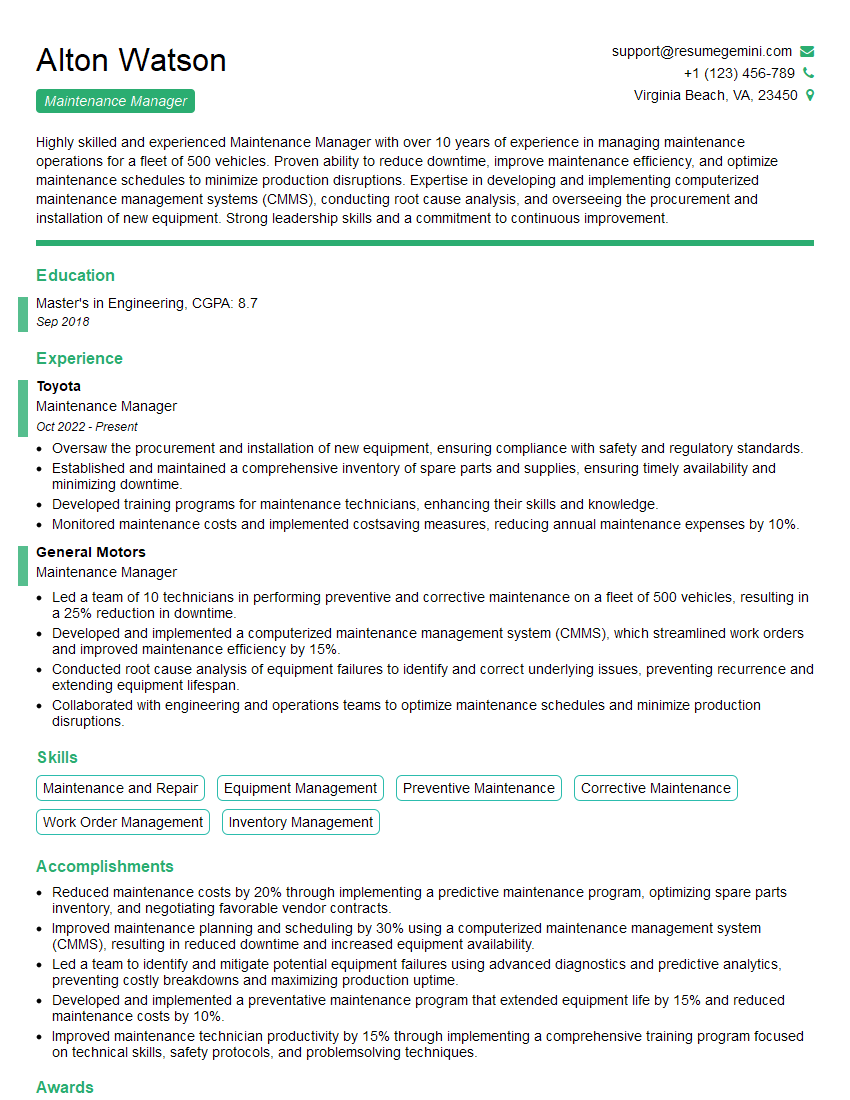
Maintenance Manager Resume Sample
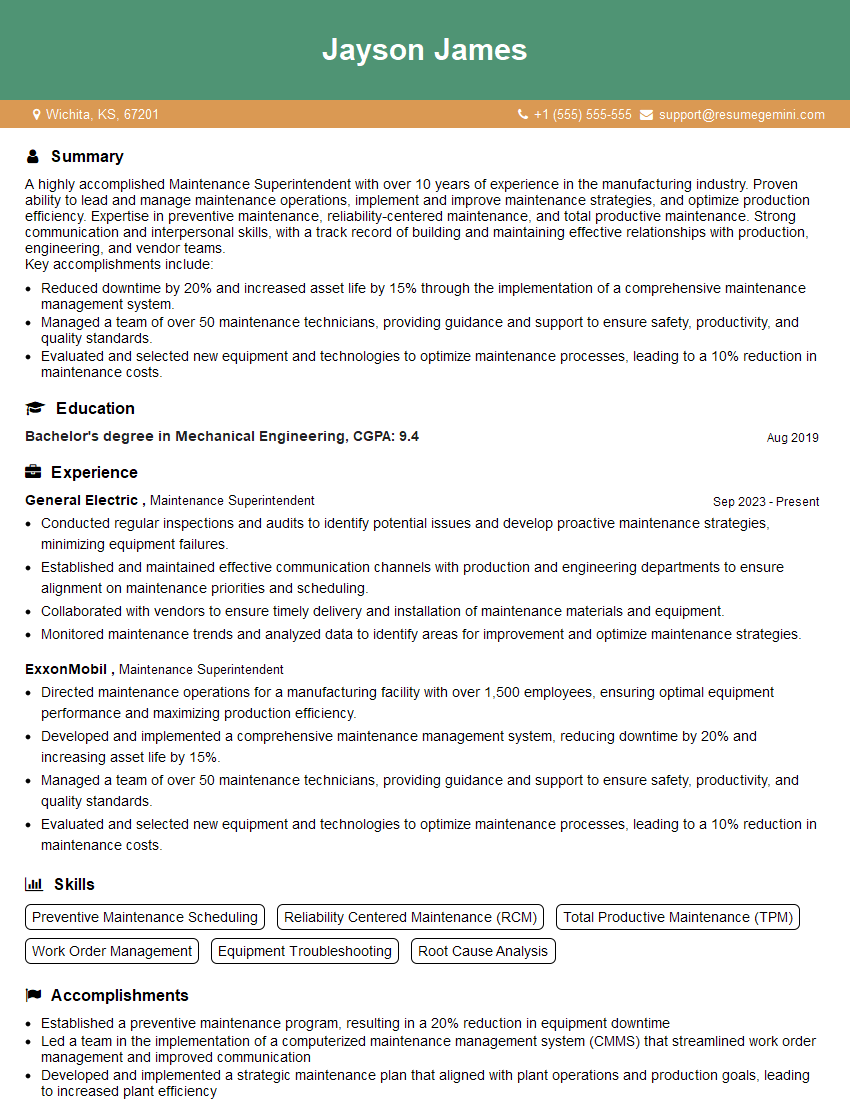
Maintenance Superintendent Resume Sample
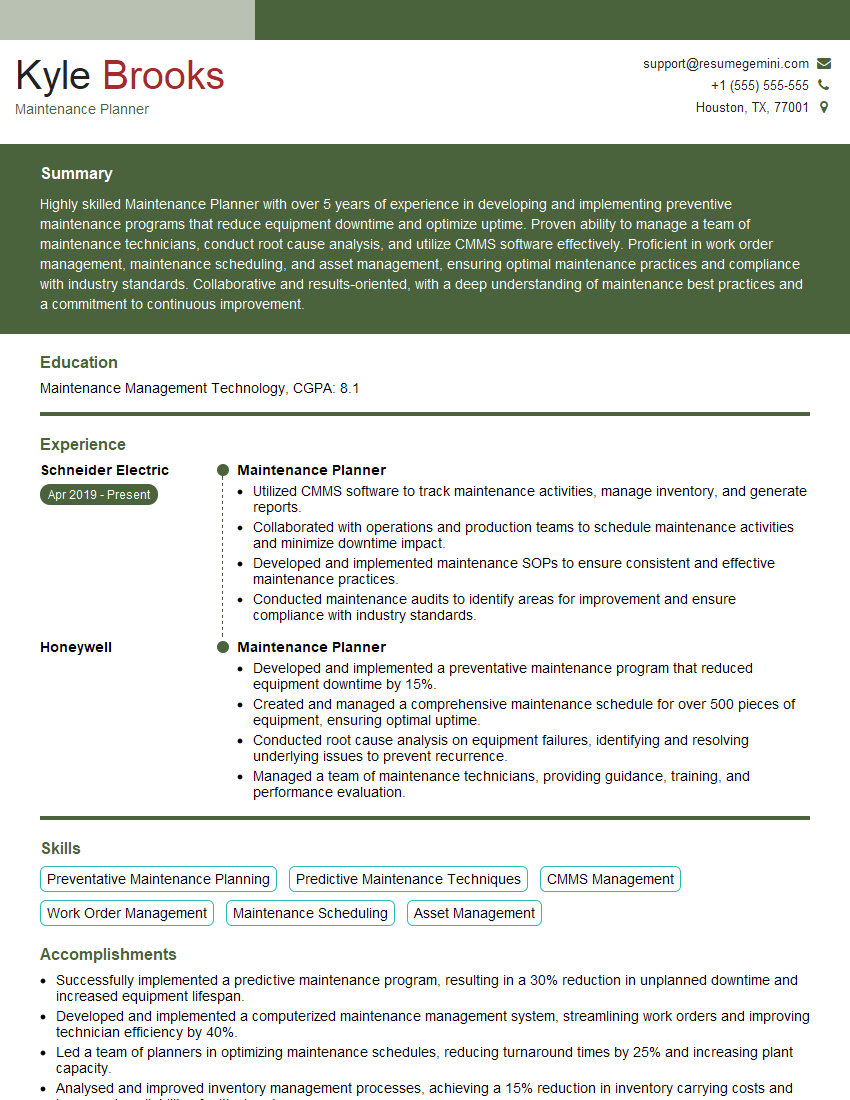
Maintenance Planner Resume Sample
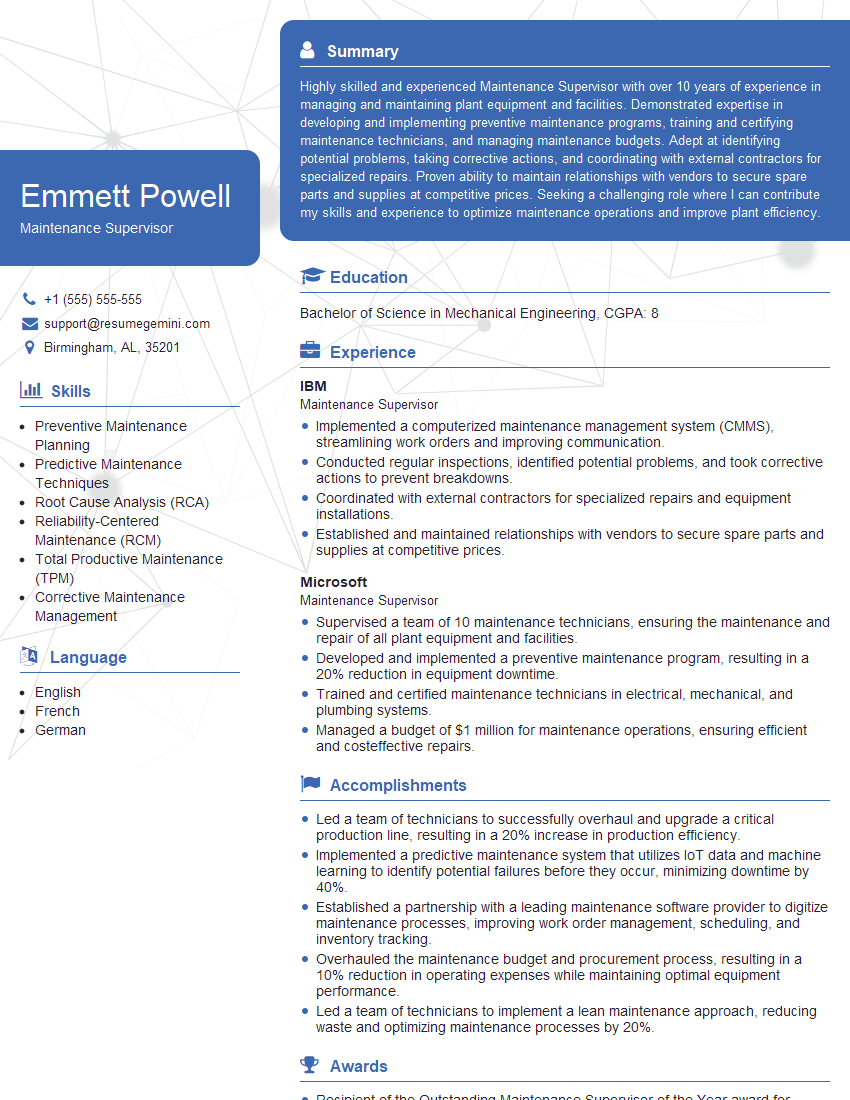
Maintenance Supervisor Resume Sample
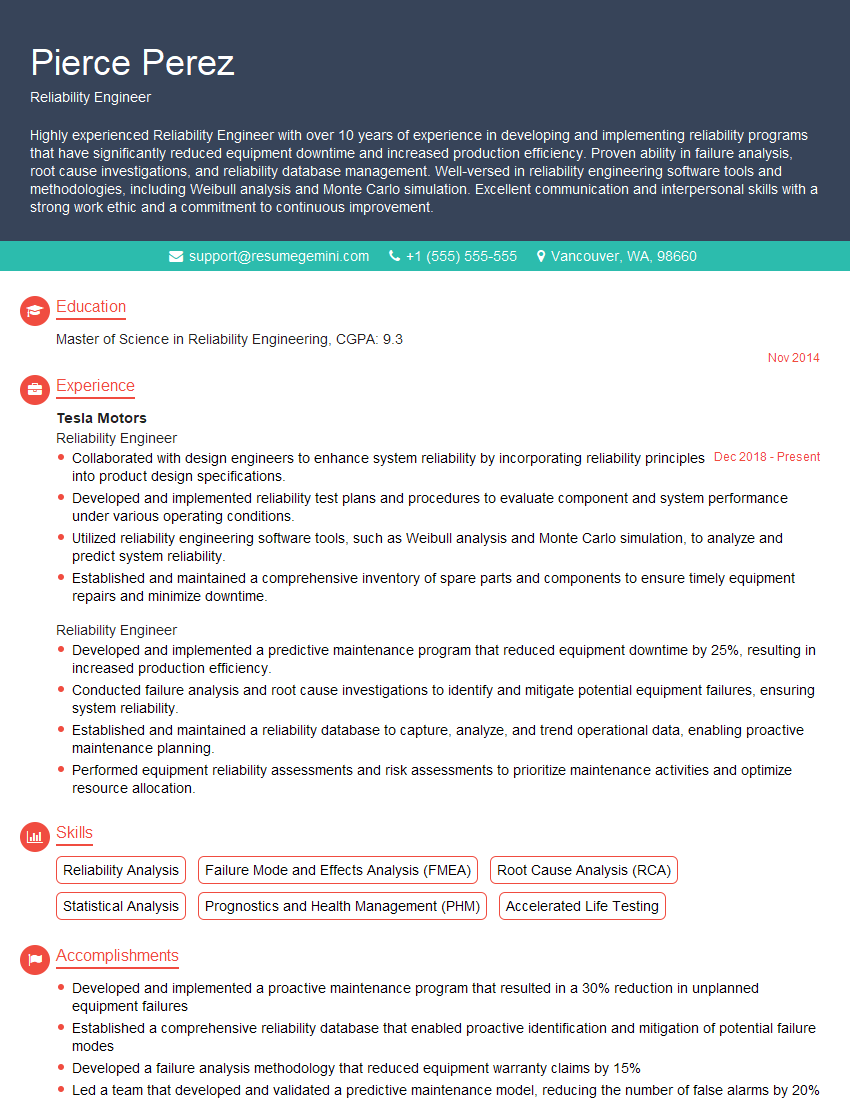
Reliability Engineer Resume Sample
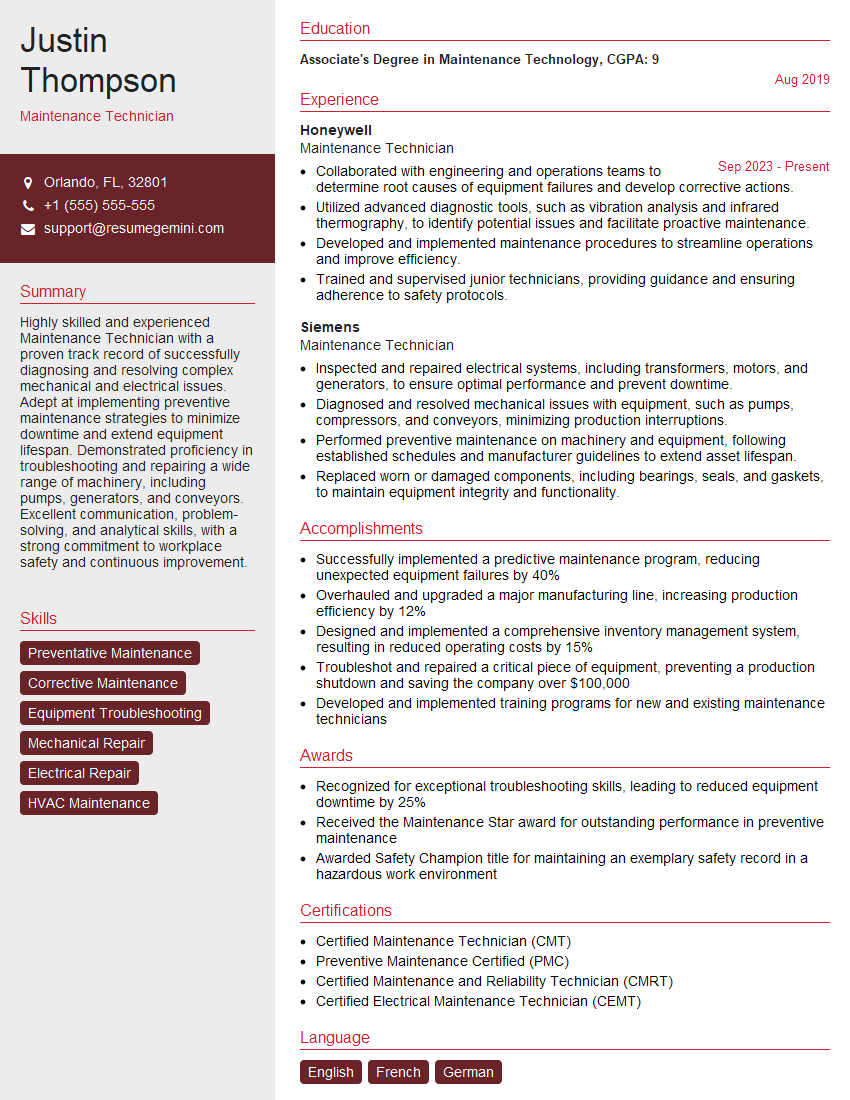
Maintenance Technician Resume Sample
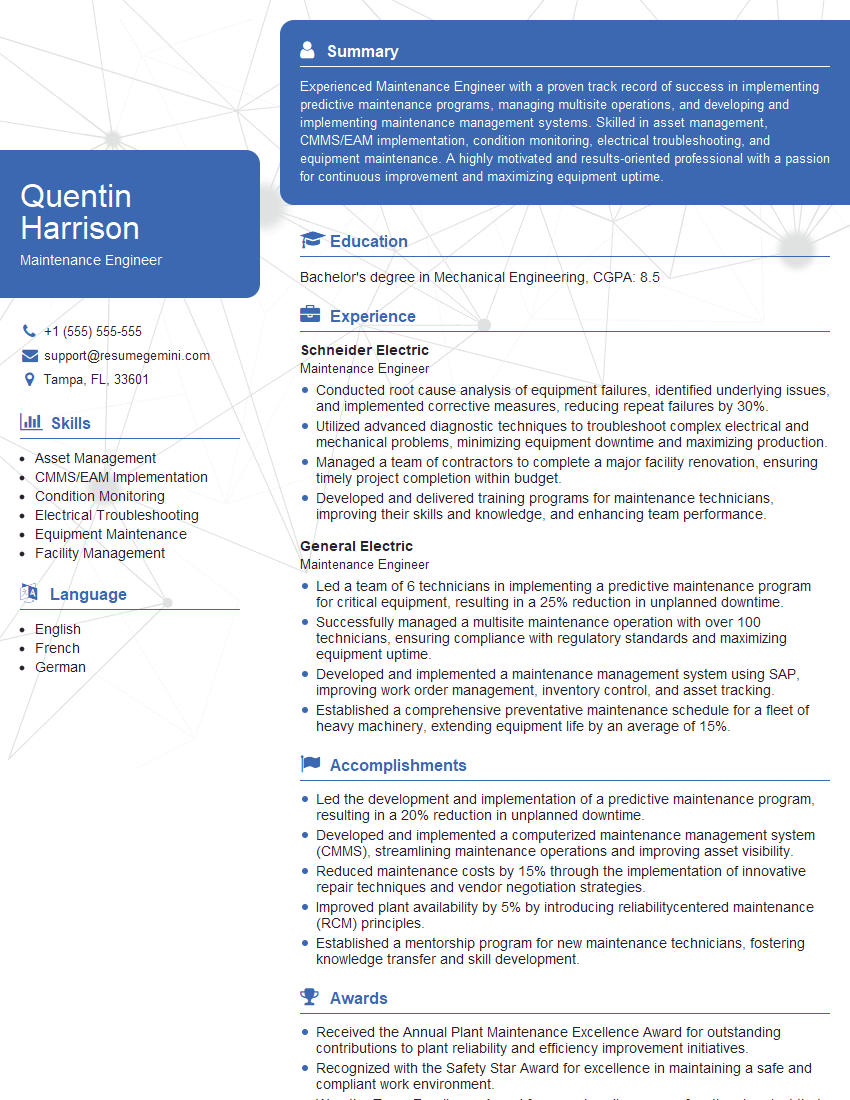
Maintenance Engineer Resume Sample
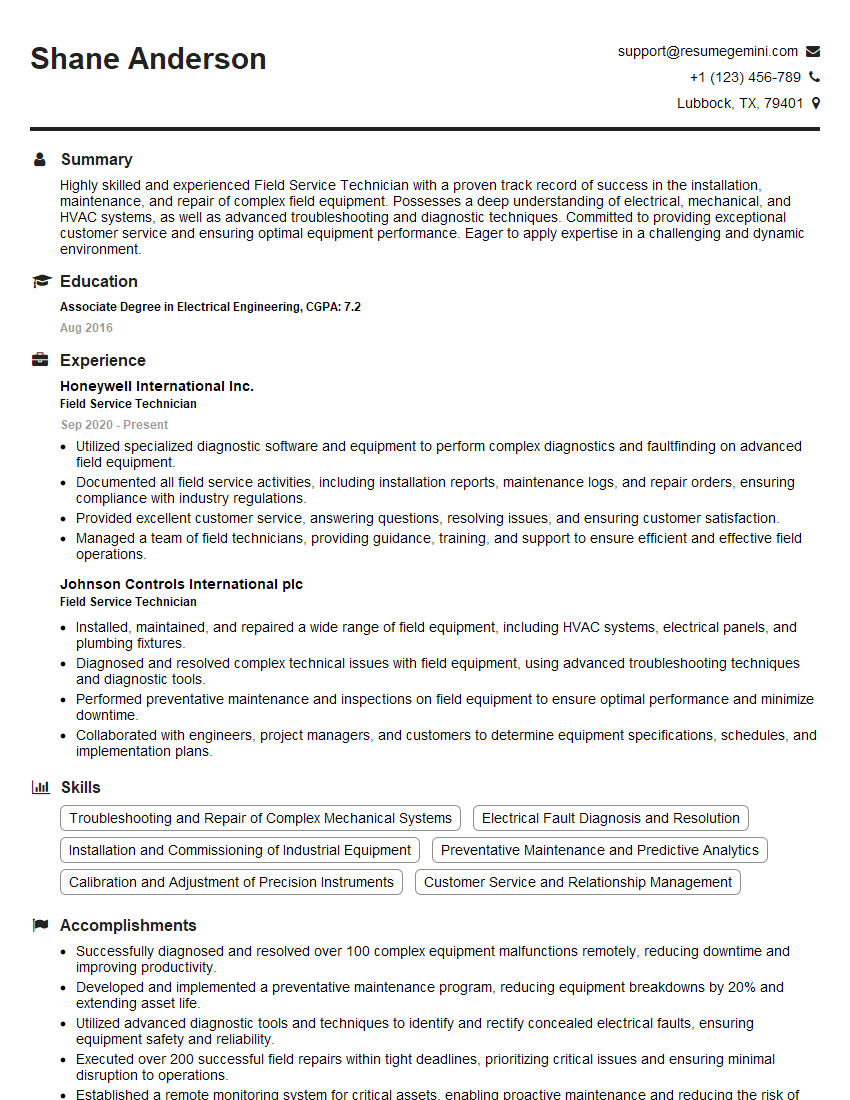
Field Service Technician Resume Sample
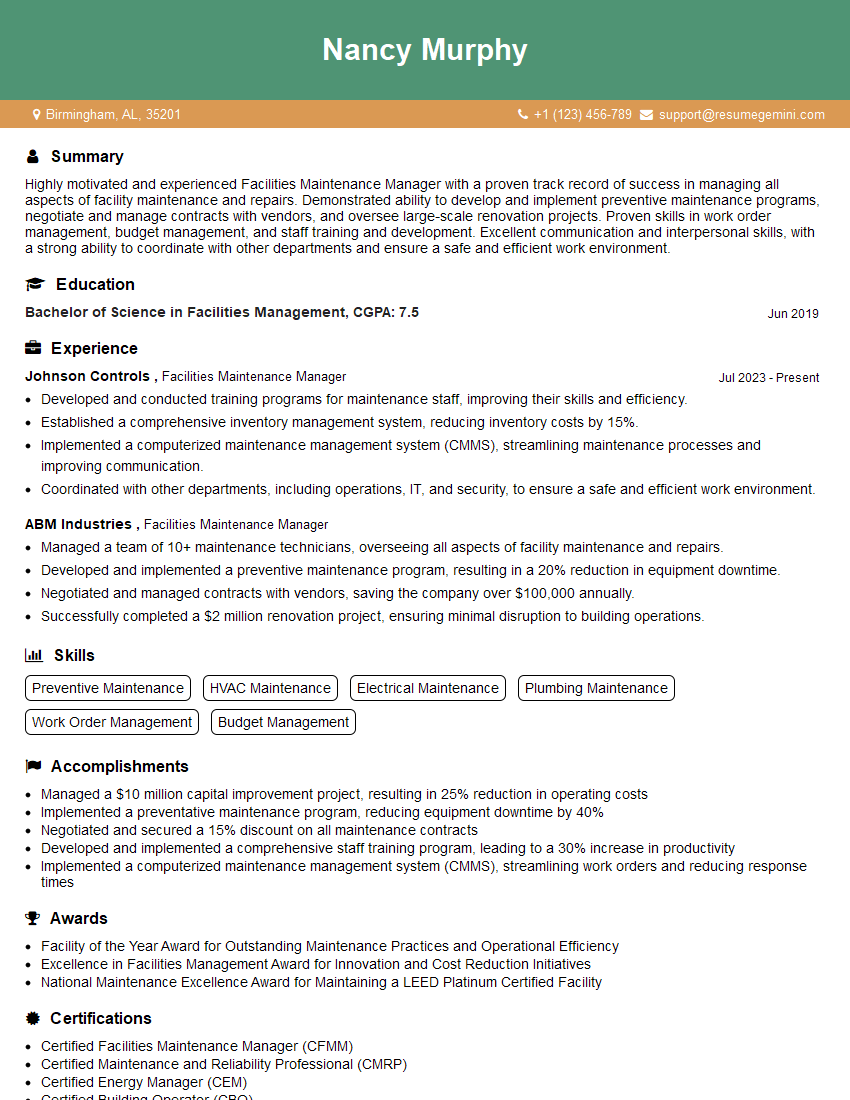
Facilities Maintenance Manager Resume Sample
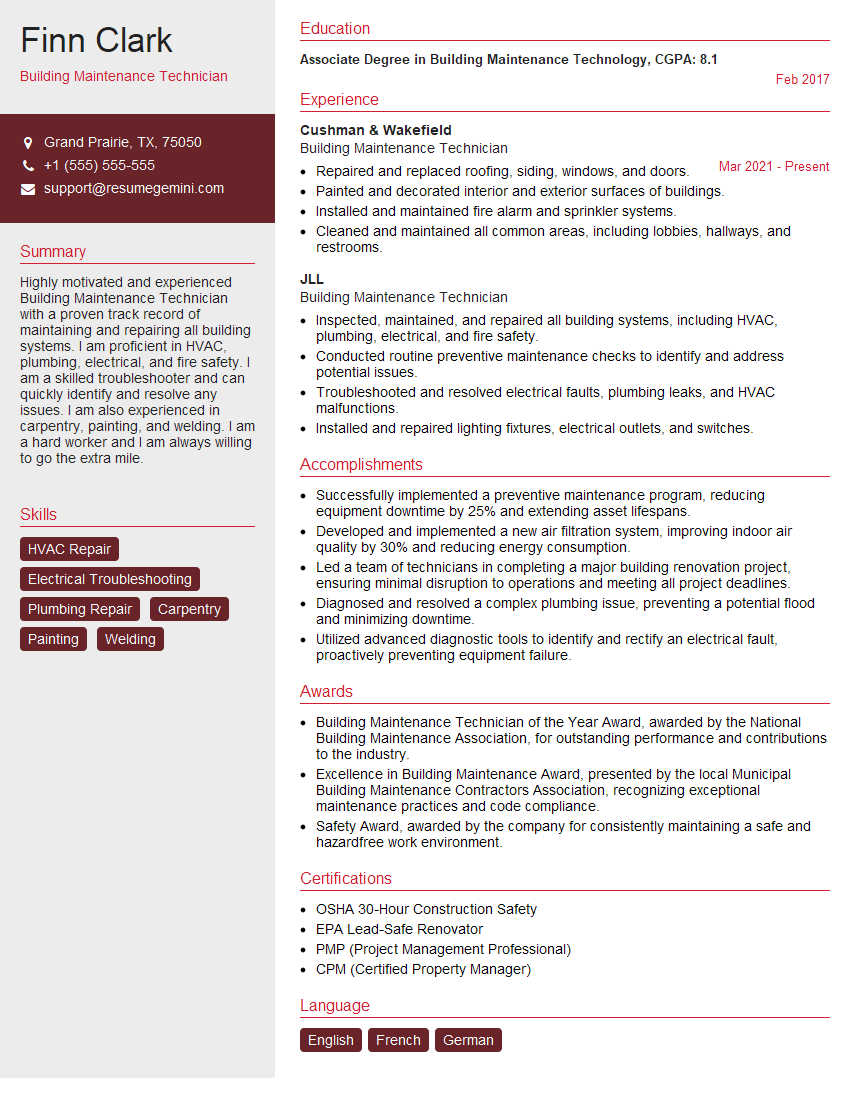
Building Maintenance Technician Resume Sample
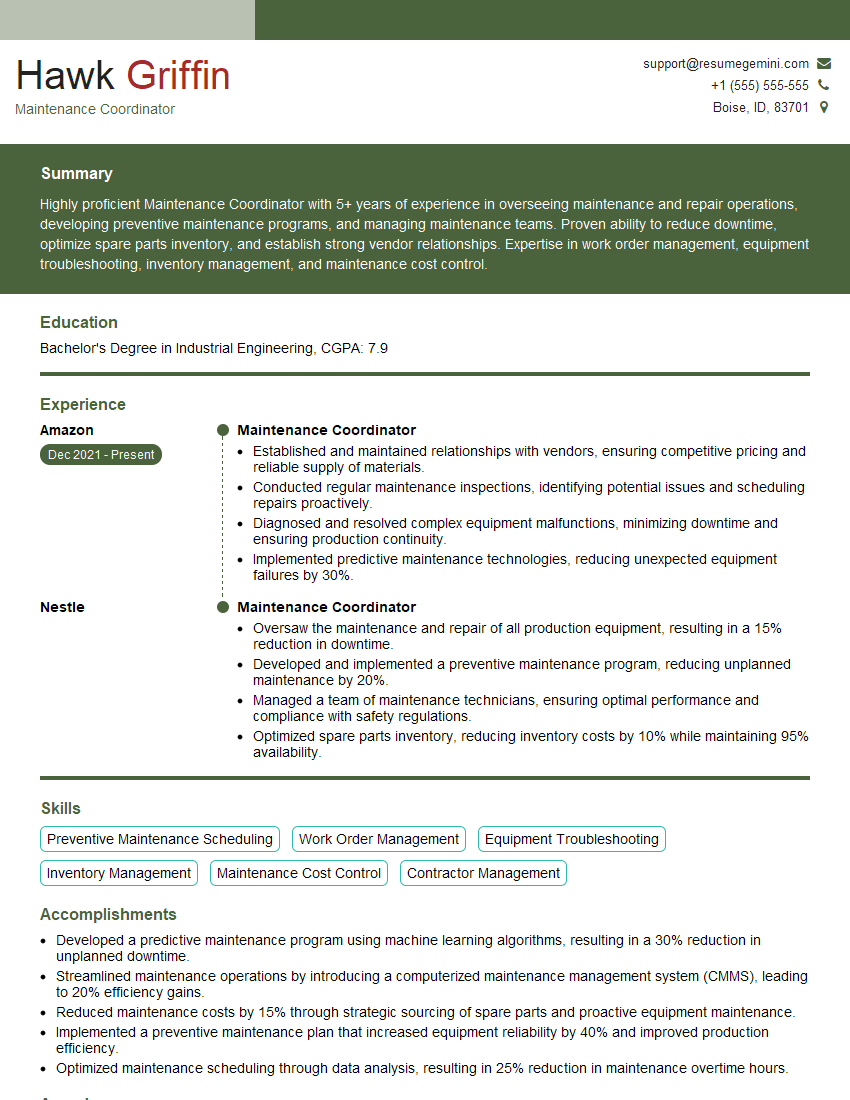
Maintenance Coordinator Resume Sample

Electrical Maintenance Technician Resume Sample
- Maintenance Manager
- Maintenance Superintendent
- Maintenance Planner
- Maintenance Supervisor
- Reliability Engineer
- Maintenance Technician
- Maintenance Engineer
- Field Service Technician
- Facilities Maintenance Manager
- Building Maintenance Technician
- Maintenance Coordinator
- Electrical Maintenance Technician
Explore more articles
Users Rating of Our Blogs
Share Your Experience
We value your feedback! Please rate our content and share your thoughts (optional).
What Readers Say About Our Blog
To the interviewgemini.com Webmaster.
Very helpful and content specific questions to help prepare me for my interview!
Thank you
To the interviewgemini.com Webmaster.
This was kind of a unique content I found around the specialized skills. Very helpful questions and good detailed answers.
Very Helpful blog, thank you Interviewgemini team.