Unlock your full potential by mastering the most common Material Handling and Equipment Operation interview questions. This blog offers a deep dive into the critical topics, ensuring you’re not only prepared to answer but to excel. With these insights, you’ll approach your interview with clarity and confidence.
Questions Asked in Material Handling and Equipment Operation Interview
Q 1. Describe your experience operating forklifts and other material handling equipment.
My experience with material handling equipment spans over eight years, encompassing extensive operation of various forklifts (sit-down counterbalance, reach trucks, order pickers), pallet jacks, and conveyor systems. I’ve worked in diverse warehouse environments, from small distribution centers to large-scale logistics facilities. For instance, in my previous role at Acme Distribution, I was responsible for the efficient movement of over 500 pallets daily using a sit-down forklift, navigating tight aisles and meeting strict delivery deadlines. My proficiency extends beyond basic operation; I’m adept at performing routine maintenance checks, identifying potential mechanical issues, and troubleshooting minor problems to ensure equipment uptime. I’ve also received specialized training on operating electric pallet jacks, which was crucial for handling sensitive materials in a temperature-controlled environment. This training involved safety protocols and the proper maintenance techniques for battery life.
Q 2. What safety procedures do you follow when operating material handling equipment?
Safety is paramount in my work. My safety procedures always begin with a pre-operational inspection of the equipment, checking for fluid leaks, tire pressure, and operational functionality. I always wear appropriate personal protective equipment (PPE), including safety glasses, gloves, and steel-toed boots. Before operating, I ensure the area is clear of obstructions and pedestrians, using appropriate signaling devices where necessary. I adhere strictly to speed limits within the warehouse, avoiding sudden stops or sharp turns. Load stability is crucial; I always ensure loads are properly secured and centered before lifting. Furthermore, I consistently follow all company safety policies and procedures, actively participating in safety training sessions to stay updated on best practices and new regulations. For instance, I recently completed a refresher course on load stability and hazard recognition, which reinforced my commitment to accident-free operations. A near miss incident in my past made me acutely aware of the importance of ‘Look, Listen and Think’ before executing any manoeuvre.
Q 3. Explain your understanding of load capacity and weight distribution.
Load capacity refers to the maximum weight a piece of equipment can safely lift and move. Weight distribution involves balancing the load to prevent tipping or instability. Understanding both is crucial for safe operation. For example, a forklift might have a maximum capacity of 5,000 lbs, but if the weight isn’t evenly distributed, it could become unbalanced and prone to tipping, even with a load well under the capacity. Imagine trying to lift a heavy box; if you hold it off-center, it’s much harder to control than when held centrally. The same principle applies to forklifts and other equipment. I always check the load capacity of the equipment before operating it and ensure that the weight is properly centered and secured using appropriate straps or other securing methods. Improper weight distribution can lead to accidents and damage to equipment or goods. I use a checklist to make sure I comply with the safe operating limits.
Q 4. How do you ensure the safe stacking and storage of materials?
Safe stacking and storage are essential for warehouse efficiency and safety. I follow specific guidelines to prevent collapses and damage. This includes using appropriate racking systems for the type and weight of the material, ensuring that pallets are properly stacked, and avoiding over-stacking. I also maintain clear aisles for safe movement of equipment and personnel. Pallets should be interlocked or secured to prevent them from shifting. Overly tall stacks should be avoided. Furthermore, I ensure proper labeling of stored items, identifying hazardous materials, and ensuring compliance with fire safety regulations (e.g., maintaining adequate clearance between stacks and sprinkler systems). Regularly inspecting the racking systems for any signs of damage or wear-and-tear are also an integral part of my duties. I also ensure appropriate weight capacity and distribution is maintained throughout the stacking process.
Q 5. What is your experience with inventory management systems?
I have experience with various inventory management systems, including Warehouse Management Systems (WMS) such as SAP and Oracle. My experience includes data entry, cycle counting, and stock reconciliation. In my previous role, I used a WMS to track inventory levels in real-time, manage picking lists, and optimize warehouse layout for efficient order fulfillment. I’m proficient in using scanners to update inventory data accurately and efficiently. This helps ensure order accuracy and facilitates smooth inventory control. Using such systems improves the speed and accuracy of order fulfillment and minimizes the possibility of stock-outs or overstocking. I have also used simpler inventory management tools like spreadsheets and barcode scanners and understand their limitations compared to a full-fledged WMS.
Q 6. Describe your experience with different types of warehouse racking systems.
My experience encompasses various racking systems, including pallet racking, cantilever racking, drive-in racking, and push-back racking. Each system has its strengths and weaknesses, making the choice dependent on the specific needs of the warehouse and the type of stored goods. For instance, pallet racking is versatile and suitable for a wide range of products, while cantilever racking is ideal for long or bulky items like lumber. Drive-in and push-back racking systems maximize space utilization but may be less accessible. I understand the load capacities, safety regulations, and maintenance requirements for each system. In my previous roles, I’ve assisted in the installation and decommissioning of racking systems, ensuring compliance with safety standards and best practices throughout the process. I know the importance of regular inspection and any needed maintenance to prevent accidents. I can identify signs of wear-and-tear to prevent collapses.
Q 7. How do you prioritize tasks in a fast-paced warehouse environment?
Prioritizing tasks in a fast-paced warehouse is crucial for efficiency. I use a combination of methods, including order urgency (e.g., prioritizing rush orders), order size (larger orders may take precedence), product location (optimizing routes to minimize travel time), and equipment availability. I often use a combination of visual cues and a task management system provided by the company’s WMS to identify and prioritize tasks. Flexibility is also key – I am prepared to adjust my priorities based on changing circumstances, such as unexpected deliveries or urgent requests. The ability to handle unexpected events and switch between tasks efficiently are valuable skills in high-pressure environments. Effective communication with supervisors and coworkers is vital to ensuring that tasks are completed promptly and efficiently while maintaining safety standards.
Q 8. How familiar are you with warehouse management systems (WMS)?
Warehouse Management Systems (WMS) are the backbone of efficient warehouse operations. They are software applications that manage and optimize all aspects of warehouse processes, from receiving and putaway to order fulfillment and shipping. My familiarity extends to various WMS platforms, including [mention specific WMS platforms you’ve used, e.g., Manhattan Associates, Blue Yonder, NetSuite]. I understand their functionalities in inventory control, order management, labor management, and reporting. I have experience configuring and customizing WMS settings to suit specific warehouse needs and integrating them with other enterprise resource planning (ERP) systems.
For example, in my previous role, we implemented a new WMS to streamline our picking process. This resulted in a 20% reduction in order fulfillment time and a 15% decrease in picking errors. The system’s reporting capabilities provided valuable data insights, enabling us to optimize our warehouse layout and staffing levels.
Q 9. Describe your experience with RF scanners and other warehouse technology.
RF scanners are essential tools in modern warehousing, providing real-time data capture for accurate inventory tracking and order fulfillment. My experience includes extensive use of RF scanners for tasks like receiving, putaway, picking, and shipping. I’m proficient in using various scanner models and understanding their functionalities, including barcode scanning, RFID tagging, and data synchronization with the WMS. Beyond RF scanners, I’m familiar with other warehouse technologies such as:
- Warehouse Control Systems (WCS): These systems manage and control automated material handling equipment like conveyors and automated guided vehicles (AGVs).
- Automated Storage and Retrieval Systems (AS/RS): I have worked with AS/RS systems, understanding their operational principles and safety protocols.
- Voice-directed picking systems: These systems guide pickers through voice prompts, increasing accuracy and efficiency.
In one instance, we implemented a new voice-picking system which reduced picking errors by 30% and increased picker productivity by 15%.
Q 10. How do you handle damaged or defective materials?
Handling damaged or defective materials requires a systematic approach to minimize losses and ensure compliance with regulations. The first step is to identify and isolate the damaged goods, documenting the nature and extent of the damage using clear photographs and detailed descriptions. We then determine the root cause of the damage (e.g., poor handling, damaged packaging, manufacturing defect). Depending on the nature of the damage and the product, we may:
- Return to Supplier: If the damage is due to a manufacturing defect, we return the goods to the supplier for a replacement or refund.
- Repair: If the damage is minor and repairable, we may undertake repairs within defined quality control procedures.
- Disposal: If the product is beyond repair or poses a safety risk, we dispose of it according to environmental regulations.
- Salvage: In some cases, damaged goods can be salvaged by selling them at a discounted price or using their components in other products.
Maintaining detailed records of damaged materials is crucial for inventory control, quality assurance, and potential insurance claims. This documentation helps to identify trends and implement corrective actions to prevent future damages.
Q 11. What is your experience with different types of conveyors?
My experience encompasses a range of conveyor types, including:
- Roller Conveyors: These are simple, gravity-fed systems suitable for lighter items.
- Belt Conveyors: These use a continuous belt to move items, ideal for heavier loads and longer distances.
- Slat Conveyors: Suitable for handling a variety of products, including fragile items.
- Spiral Conveyors: Used to transport items vertically between warehouse levels.
- Sortation Conveyors: These incorporate mechanisms to sort and divert items to different destinations.
I understand the safety procedures associated with each type, including lockout/tagout procedures during maintenance and safe operating practices for preventing jams and injuries. In a previous role, we implemented a new sortation conveyor system which significantly improved our order picking efficiency and reduced bottlenecks during peak periods.
Q 12. How do you maintain efficient workflow in a busy warehouse?
Maintaining efficient workflow in a busy warehouse requires careful planning, effective communication, and continuous improvement. Key strategies include:
- Optimized Warehouse Layout: Strategically placing inventory and equipment minimizes travel time and improves throughput.
- Cross-Training of Staff: Cross-trained employees can fill in for absent colleagues and handle a wider range of tasks, ensuring flexibility.
- Effective Communication: Clear communication channels between warehouse staff, management, and other departments minimize delays and errors.
- Lean Principles: Implementing lean methodologies helps to eliminate waste and optimize processes. This includes identifying bottlenecks and improving the flow of materials.
- Real-time Monitoring: Using WMS and other technologies to monitor key performance indicators (KPIs) enables proactive management of workflow.
For instance, in a previous role, we utilized lean techniques to analyze our picking process, identifying several bottlenecks. By optimizing the picking routes and implementing a new picking system, we were able to reduce order fulfillment time by 25%.
Q 13. How do you ensure accuracy in picking and packing orders?
Accuracy in picking and packing is paramount. Strategies to ensure accuracy include:
- Double-Checking: Implementing a system of double-checking picked items against the order ensures accuracy before packing.
- Barcode Scanning: Using barcode scanners at each stage of the picking and packing process eliminates manual data entry errors.
- Quality Control Checks: Regular quality control checks throughout the process help identify and rectify errors early.
- Proper Training: Providing thorough training to warehouse staff on proper picking and packing procedures is crucial.
- WMS Integration: Utilizing the WMS’s picking and packing functionalities helps to guide workers and minimize errors.
By consistently applying these measures, we significantly minimized errors and ensured customer satisfaction in my past roles. Implementing a system of random audits also helped identify and address any systematic errors.
Q 14. Describe your experience with shipping and receiving procedures.
Shipping and receiving procedures are critical for efficient warehouse operations and customer satisfaction. My experience includes managing both inbound and outbound shipments, ensuring timely processing and accurate documentation. This includes:
- Receiving: Verifying incoming shipments against purchase orders, inspecting goods for damage, and updating inventory records in the WMS.
- Put-away: Strategically placing received goods in designated storage locations for easy retrieval.
- Order Fulfillment: Picking, packing, and labeling orders for shipment.
- Shipping: Generating shipping labels, coordinating with carriers, and tracking shipments.
- Documentation: Maintaining accurate records of all shipping and receiving activities for auditing and compliance.
I’m familiar with various shipping methods, carriers, and documentation requirements. I’ve successfully implemented procedures to reduce shipping costs and improve on-time delivery rates in several roles. For example, by negotiating better rates with carriers and optimizing packaging, we were able to reduce shipping costs by 10%.
Q 15. How familiar are you with different types of pallet jacks?
I’m very familiar with various pallet jacks, ranging from the basic manual pump jacks to more advanced electric and powered models. Understanding their nuances is crucial for efficient material handling.
- Manual Pallet Jacks: These are the most common, relying on the operator’s hydraulic pump to lift and move pallets. They’re simple, reliable, and require minimal maintenance, but are physically demanding.
- Electric Pallet Jacks: These utilize an electric motor to lift and move pallets, reducing physical strain on the operator. They’re ideal for heavier loads and longer distances, offering increased productivity. Different models offer varying load capacities and lifting heights.
- Powered Pallet Jacks (Walkie Stackers): These combine the functionality of a pallet jack with a lifting mechanism to stack pallets vertically. This is particularly useful in warehouse environments with limited floor space.
- High-Lift Pallet Jacks: These provide an extended lift height compared to standard jacks, enabling easier loading onto higher platforms or racking systems.
My experience includes hands-on operation and maintenance of all these types, enabling me to choose the right jack for the specific task and environment.
Career Expert Tips:
- Ace those interviews! Prepare effectively by reviewing the Top 50 Most Common Interview Questions on ResumeGemini.
- Navigate your job search with confidence! Explore a wide range of Career Tips on ResumeGemini. Learn about common challenges and recommendations to overcome them.
- Craft the perfect resume! Master the Art of Resume Writing with ResumeGemini’s guide. Showcase your unique qualifications and achievements effectively.
- Don’t miss out on holiday savings! Build your dream resume with ResumeGemini’s ATS optimized templates.
Q 16. How do you handle unexpected equipment malfunctions?
Unexpected equipment malfunctions are a reality in material handling. My approach prioritizes safety and efficiency. First, I immediately shut down the malfunctioning equipment to prevent further damage or accidents.
Then, I assess the situation: What’s the problem? Is it safe to attempt a quick fix, or should I call for professional maintenance? I always prioritize safety; if I’m unsure about the cause or how to safely repair it, I’ll halt operations and contact the maintenance team.
For minor issues, I might have the knowledge to resolve the problem, such as a clogged hydraulic line (after proper safety precautions of course!). My troubleshooting steps generally follow a logical process: inspect, identify, repair, and test.
Detailed documentation of the malfunction, the troubleshooting steps taken, and the resolution (whether self-repaired or professional assistance was needed) is crucial for future reference and preventative maintenance.
Q 17. What is your experience with preventative maintenance of equipment?
Preventative maintenance is key to minimizing downtime and ensuring the safe and efficient operation of material handling equipment. My experience includes regular inspections, lubrication, and minor repairs according to manufacturers’ recommended schedules.
This involves:
- Visual Inspections: Regularly checking for wear and tear on components like tires, hydraulic lines, and electrical wiring.
- Lubrication: Applying lubricants to moving parts to reduce friction and extend their lifespan. This is critical for hydraulic systems and moving parts.
- Functional Tests: Regularly testing the lifting capacity, maneuverability, and safety mechanisms of the equipment.
- Record Keeping: Maintaining detailed records of all maintenance activities, including dates, procedures performed, and any identified issues.
Proactive maintenance is far more cost-effective in the long run than reacting to failures.
Q 18. Describe a time you had to troubleshoot a problem with material handling equipment.
During a busy shipping period, our electric pallet jack suddenly stopped working midway through a large order. The initial diagnosis was a dead battery. However, after swapping the battery, the jack remained unresponsive.
Following my systematic troubleshooting, I first checked the battery connections – all secure. Next, I inspected the electrical wiring for any damage or loose connections, finding a frayed wire near the motor. This was likely caused by continuous use and the wear and tear on that section of wire. After carefully securing the wire and re-testing, the pallet jack resumed working.
This experience highlighted the importance of regular equipment inspections and the benefits of a systematic approach to troubleshooting. I also suggested a more thorough inspection of all wiring harnesses on our pallet jacks to prevent similar issues in the future.
Q 19. How do you comply with OSHA regulations regarding material handling?
OSHA regulations are paramount in material handling. Compliance is non-negotiable and demands strict adherence to safety protocols.
My understanding and application of OSHA standards encompass:
- Proper Training: Ensuring all operators receive adequate training on safe operating procedures for all equipment.
- Safe Operating Procedures: Following established procedures for lifting, transporting, and stacking materials, avoiding unsafe practices like overloading equipment or improper lifting techniques.
- Equipment Inspections: Conducting regular safety inspections of all equipment to identify and address potential hazards before they lead to accidents.
- Personal Protective Equipment (PPE): Ensuring operators utilize appropriate PPE such as safety shoes, gloves, and high-visibility clothing.
- Workplace Organization: Maintaining a clean, organized, and clutter-free workspace to prevent accidents.
I’m committed to a proactive approach to safety and am well-versed in relevant OSHA standards and guidelines.
Q 20. Explain your understanding of proper lifting techniques.
Proper lifting techniques are critical for preventing back injuries and ensuring efficient material handling. The key principles are:
- Assess the Load: Determine the weight and size of the object to be lifted. If it’s too heavy or bulky, get assistance.
- Get a Firm Grip: Maintain a secure grip to prevent the load from slipping.
- Bend Your Knees: Bend at the knees and hips, keeping your back straight, to lift the object. Avoid twisting or jerking movements.
- Keep the Load Close: Keep the load close to your body to minimize strain on your back and shoulders.
- Lift Smoothly: Lift the object smoothly and steadily, avoiding sudden movements.
- Use Your Legs: Utilize your leg muscles to do most of the lifting, not your back.
Think of lifting as a smooth, controlled movement, like a crane lifting a heavy object. Improper lifting can lead to serious injury; preventing that is paramount.
Q 21. How do you maintain a clean and organized workspace?
A clean and organized workspace is fundamental to safety and efficiency in material handling. My approach incorporates several key strategies:
- Regular Cleaning: Scheduling regular cleaning to remove debris, spills, and obstacles. This prevents accidents and ensures clear pathways for equipment.
- Designated Storage: Establishing designated storage areas for all materials and equipment. This minimizes clutter and facilitates quick retrieval.
- Proper Stacking: Following proper stacking techniques to ensure stability and prevent collapses.
- Equipment Organization: Storing equipment in a designated area, ready for use, and in good working order.
- Waste Disposal: Following proper procedures for waste disposal, including the segregation of hazardous materials.
A well-organized workplace not only improves safety but also increases productivity and reduces the risk of damage to equipment and materials.
Q 22. What is your experience with order fulfillment processes?
My experience with order fulfillment encompasses the entire process, from receiving orders to shipping them out. I’ve worked in environments utilizing various systems, including warehouse management systems (WMS) and order management systems (OMS). This includes hands-on experience with tasks like picking, packing, and shipping, as well as managing inventory and ensuring accuracy. For example, in my previous role at Acme Distribution, I implemented a new picking strategy that reduced order fulfillment time by 15% by optimizing warehouse layout and using a wave picking system. This involved careful analysis of order patterns and efficient allocation of personnel. I’m also familiar with various fulfillment models, including same-day delivery, next-day delivery, and standard shipping, and can adapt my approach based on the specific requirements and constraints.
Another significant aspect of my experience is troubleshooting and resolving fulfillment bottlenecks. One instance involved a sudden surge in orders during a promotional period. By quickly analyzing the workflow, identifying the bottleneck in the packing station, and coordinating additional staff, we prevented significant delays and maintained customer satisfaction.
Q 23. How do you manage time effectively to meet deadlines?
Effective time management is crucial in material handling and equipment operation. I employ several strategies to meet deadlines. Firstly, I prioritize tasks based on urgency and importance using methods like the Eisenhower Matrix (urgent/important). This helps me focus on the most critical tasks first. Secondly, I break down large tasks into smaller, manageable steps, creating a detailed schedule with realistic timelines. This allows for better progress tracking and adjustments as needed. Thirdly, I utilize time-blocking techniques, allocating specific time slots for different activities to minimize interruptions. Finally, I proactively communicate any potential delays to relevant stakeholders, ensuring transparency and collaborative problem-solving.
For instance, during a project involving the installation of new conveyor systems, I used a Gantt chart to visually represent the timeline and dependencies between tasks. This allowed me to anticipate potential conflicts and allocate resources effectively, ensuring on-time completion. Regularly reviewing the schedule and adapting as needed, is key to success.
Q 24. Describe your experience working with a team in a warehouse setting.
Teamwork is fundamental in a warehouse environment. I’ve consistently worked effectively in team settings, collaborating on various projects, from inventory management to large-scale equipment maintenance. I’m comfortable taking on leadership roles when necessary, coordinating team efforts and providing guidance to colleagues, but I also recognize the value of collaboration and actively seek input from others. I believe in open communication, clear task assignments, and mutual respect. In one instance, our team faced a challenge in meeting a tight deadline for a large order. By openly communicating the challenges, we identified individual skill sets, re-assigned tasks based on strengths, and worked collaboratively to complete the order successfully, exceeding expectations despite the pressure.
I actively participate in team discussions, offer support to my colleagues, and am always willing to assist others when needed. I also prioritize safety protocols and ensure all team members understand and follow safety regulations.
Q 25. What are your strengths and weaknesses related to material handling?
My strengths in material handling include a strong understanding of warehouse operations, proficiency in operating various types of material handling equipment (forklifts, pallet jacks, conveyors), and a commitment to safety. I also possess excellent problem-solving skills, enabling me to quickly identify and resolve operational issues. My ability to adapt to changing situations and work effectively under pressure are also key strengths. For example, I’ve demonstrated expertise in optimizing warehouse layout to improve efficiency and reduce material handling time.
One area I’m continually working on is my proficiency in using advanced warehouse management systems (WMS). While I have a good working knowledge, I’m actively pursuing training and certifications to enhance my expertise in this area. This proactive approach reflects my commitment to continuous improvement.
Q 26. How do you adapt to changes in warehouse operations?
Adaptability is essential in warehouse operations. I’ve successfully adapted to various changes throughout my career, including changes in technology, processes, and staffing levels. I approach change proactively, focusing on understanding the reasons behind it and identifying the best way to adjust my workflow to meet the new requirements. I actively participate in any training or informational sessions to ensure I’m well-informed and can adapt my skills accordingly. I also embrace new technologies and processes, viewing them as opportunities to enhance efficiency and productivity.
For instance, when our warehouse implemented a new WMS system, I actively participated in the training sessions and quickly learned to use the new software effectively. I also assisted my colleagues in learning the new system, demonstrating my commitment to team success during periods of organizational change.
Q 27. Describe your experience with different types of cranes (if applicable).
My experience with cranes includes operation and maintenance of overhead cranes, specifically bridge cranes and jib cranes. I’m familiar with different types of crane mechanisms, including hoisting, traversing, and craning movements. I have a thorough understanding of load capacity limits, safety protocols, and routine maintenance procedures. I’ve worked with both manual and electric cranes, and possess a strong understanding of load balancing and safe load handling techniques. Prior to operating any crane, I always conduct a thorough pre-operational inspection to ensure the crane is in good working order and identify any potential safety hazards. I am also familiar with the relevant safety regulations and certifications.
In one project, I was responsible for overseeing the safe and efficient movement of heavy equipment using an overhead crane. My experience ensured smooth operation, minimizing downtime and preventing any accidents.
Q 28. How do you prioritize safety when working with heavy machinery?
Safety is paramount when working with heavy machinery. My approach to safety is proactive and comprehensive. Before operating any equipment, I always conduct a thorough pre-operational inspection, checking for any mechanical faults or safety hazards. I strictly adhere to all safety regulations, including wearing appropriate personal protective equipment (PPE), such as safety glasses, hard hats, and safety shoes. I also follow established lockout/tagout procedures to prevent accidental starts during maintenance. Furthermore, I actively participate in safety training programs and promote a safety-conscious work environment by encouraging my colleagues to report any safety concerns.
For example, during the operation of forklifts, I always ensure the load is properly secured, and I maintain a safe distance from other personnel and obstacles. I also regularly check the equipment for any signs of wear and tear and report any issues promptly to ensure continued safe operation. Safety is not just a checklist; it’s a continuous process and personal responsibility.
Key Topics to Learn for Material Handling and Equipment Operation Interview
- Safety Procedures and Regulations: Understanding OSHA regulations, lockout/tagout procedures, and safe operating practices for various equipment. Practical application includes describing your experience implementing these procedures in previous roles.
- Equipment Operation and Maintenance: Knowledge of operating principles for forklifts, conveyors, cranes, and other relevant equipment. This includes routine maintenance checks, troubleshooting minor issues, and understanding limitations of different machinery. Practical application might be describing efficient maintenance schedules or resolving a specific equipment malfunction.
- Warehouse Layout and Inventory Management: Understanding efficient warehouse design, inventory control systems (FIFO, LIFO), and optimizing material flow. Practical application includes discussing experiences improving warehouse efficiency or implementing new inventory management strategies.
- Material Handling Techniques: Proper techniques for lifting, loading, unloading, and transporting materials to minimize risk of injury and damage. Practical application might involve describing your experience with different types of lifting equipment or strategies for handling fragile goods.
- Supply Chain Principles: Understanding the flow of materials from origin to final destination, including order fulfillment, transportation, and storage. This can include discussing the impact of different logistical choices on overall efficiency.
- Problem-Solving and Troubleshooting: Demonstrate your ability to identify and resolve issues related to equipment malfunctions, logistical bottlenecks, or safety concerns. Prepare examples of how you’ve approached and solved problems in previous roles.
- Technology and Automation in Material Handling: Familiarity with warehouse management systems (WMS), automated guided vehicles (AGVs), and other technologies used to improve efficiency and productivity. This could include discussing your experience with specific software or automation systems.
Next Steps
Mastering Material Handling and Equipment Operation opens doors to diverse and rewarding career paths, offering opportunities for advancement and specialization. A strong understanding of these principles is highly valued by employers. To maximize your job prospects, invest time in creating an ATS-friendly resume that effectively showcases your skills and experience. ResumeGemini is a trusted resource to help you build a professional and impactful resume that stands out. We provide examples of resumes tailored to Material Handling and Equipment Operation to help you get started.
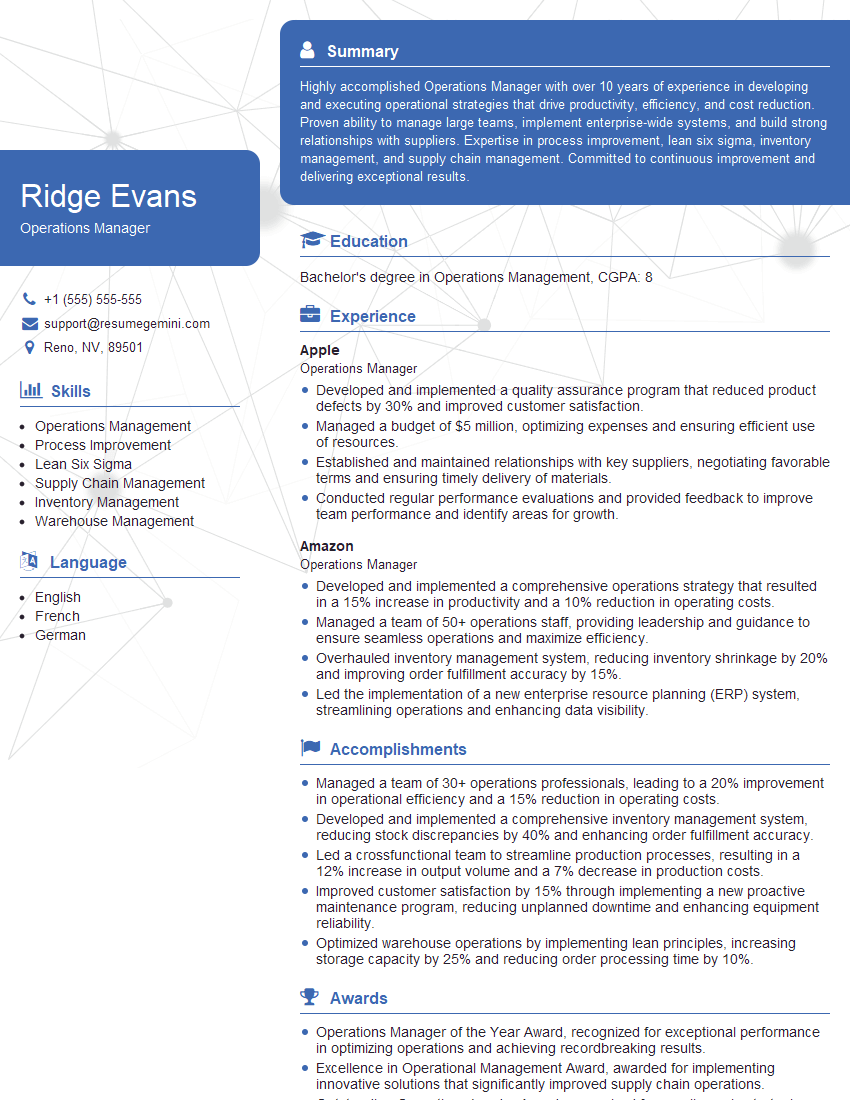
Operations Manager Resume Sample
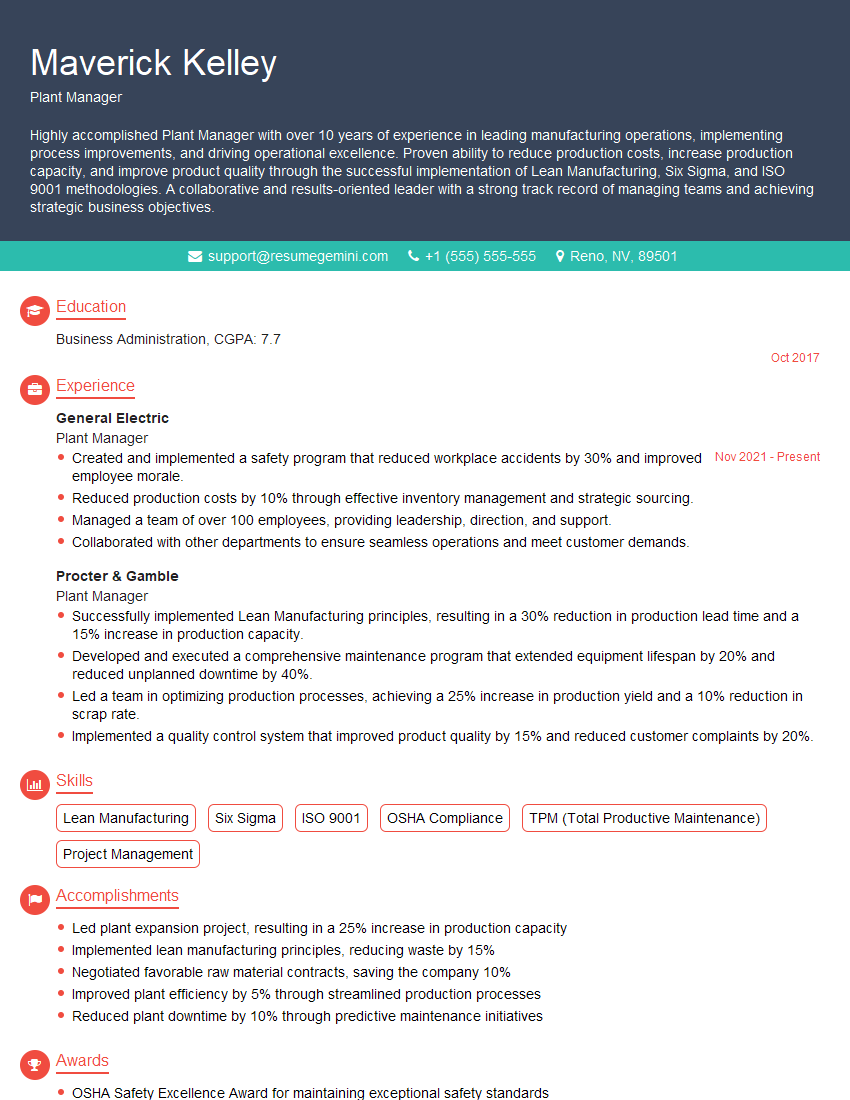
Plant Manager Resume Sample
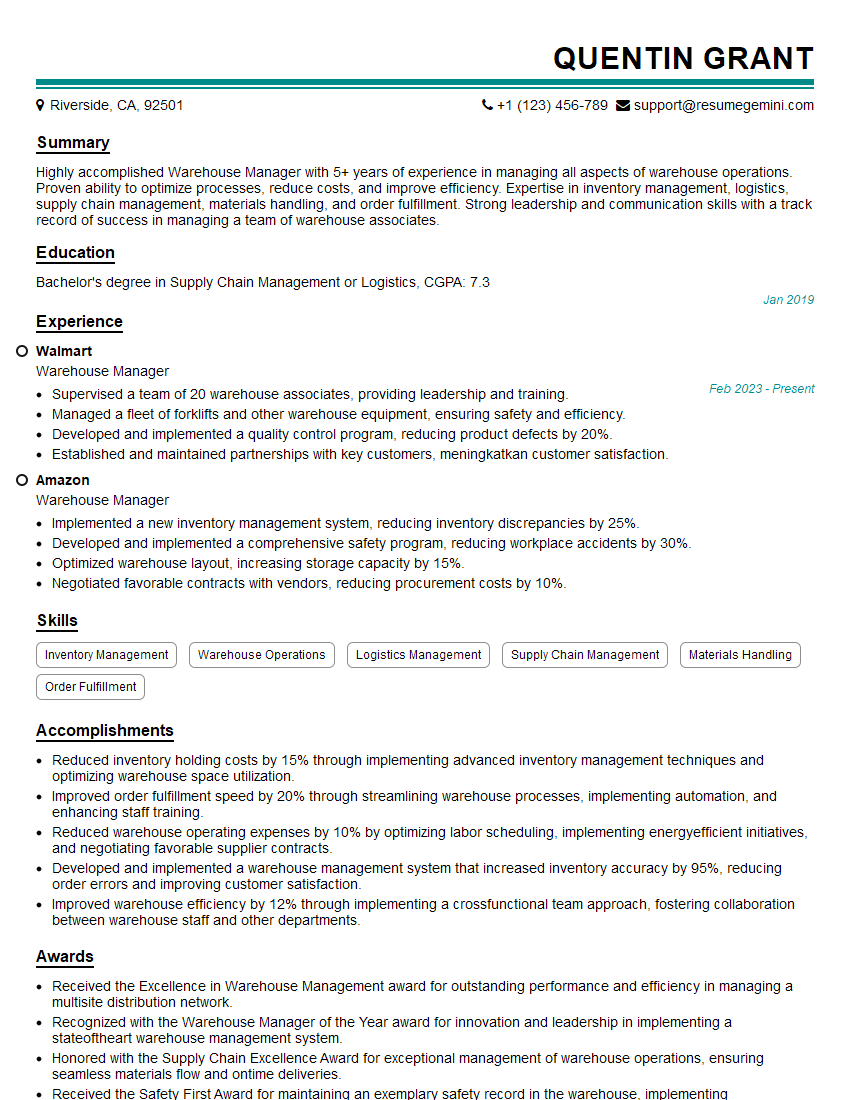
Warehouse Manager Resume Sample
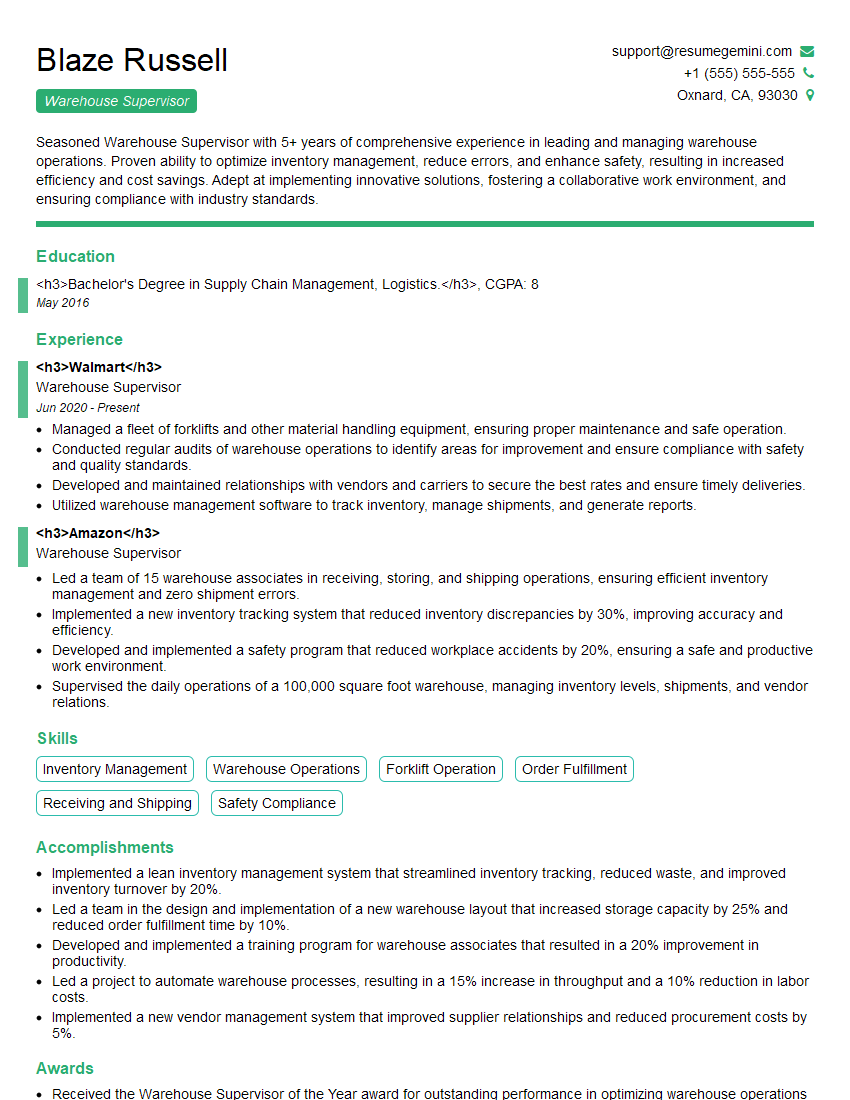
Warehouse Supervisor Resume Sample
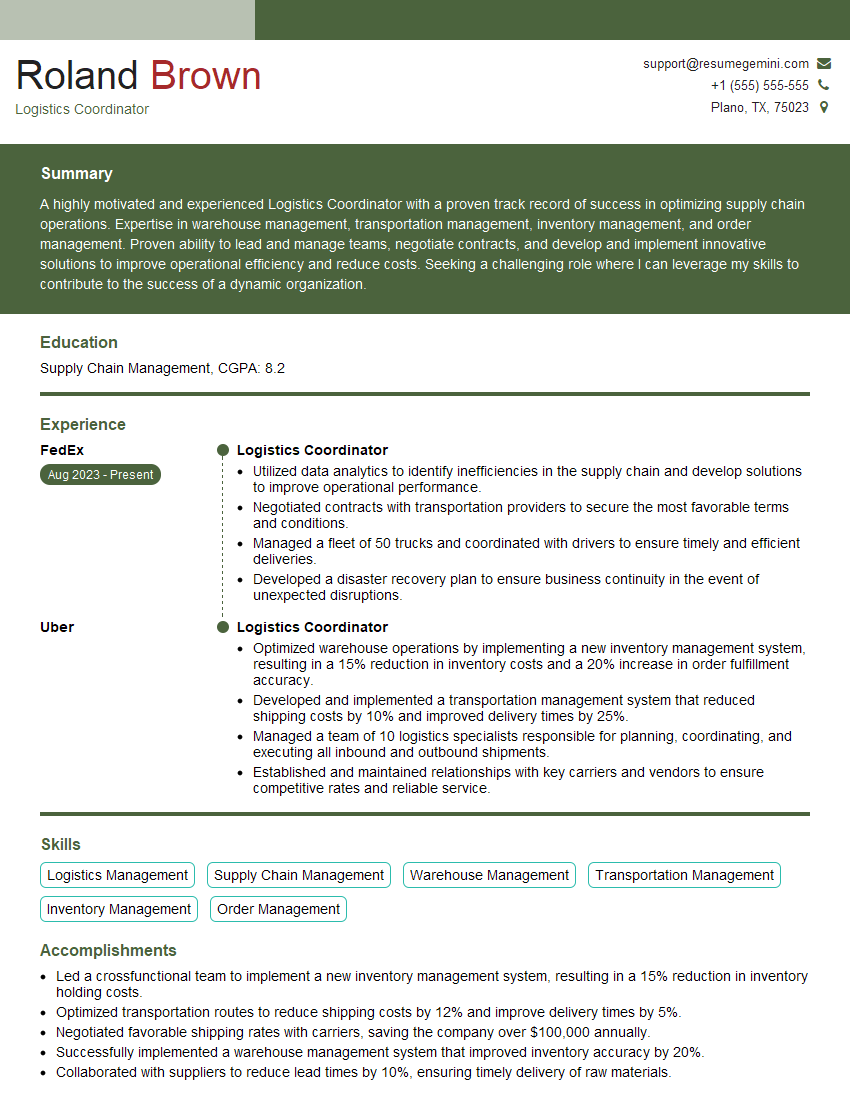
Logistics Coordinator Resume Sample
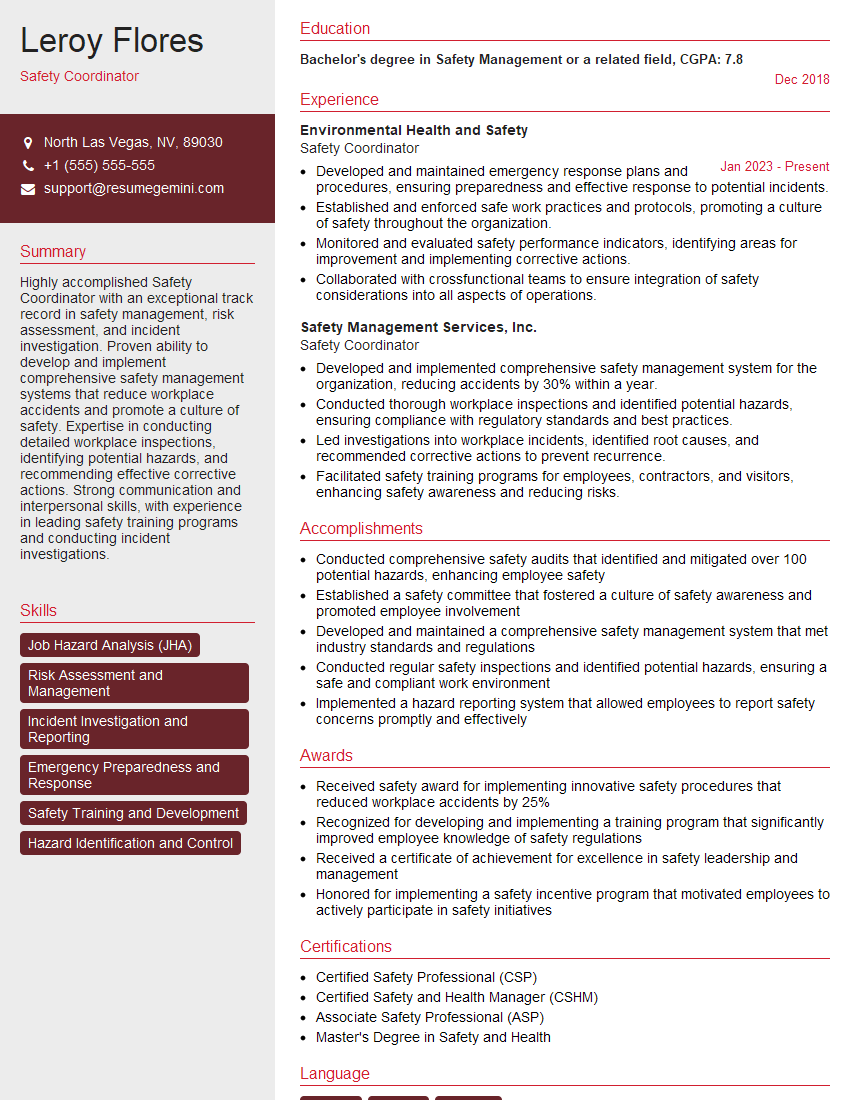
Safety Coordinator Resume Sample
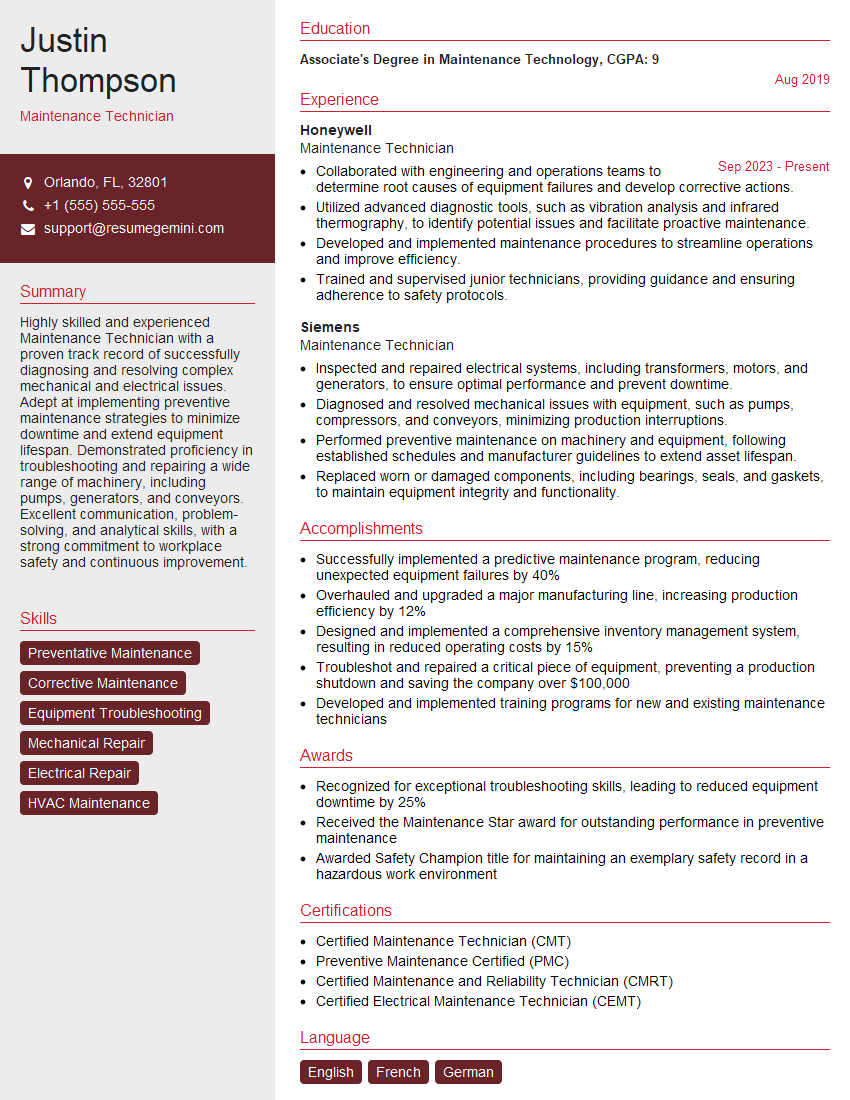
Maintenance Technician Resume Sample
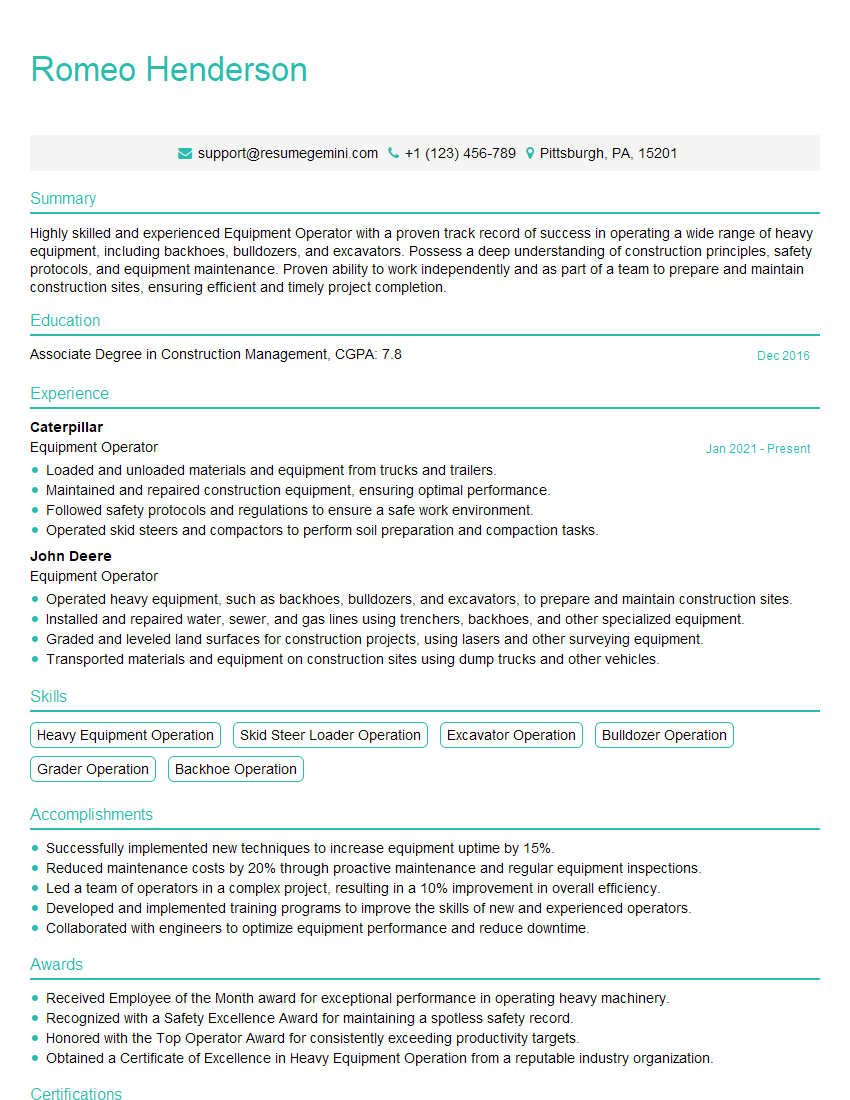
Equipment Operator Resume Sample
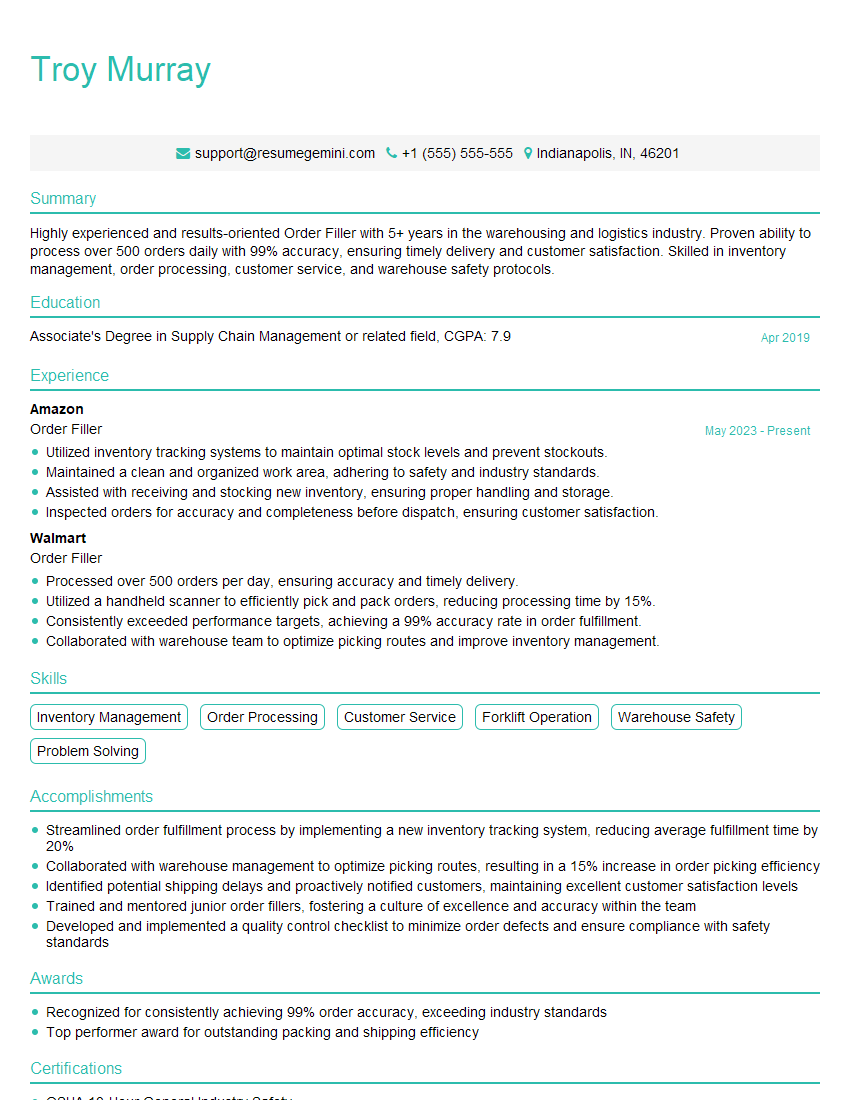
Order Filler Resume Sample

Crane Operator Resume Sample
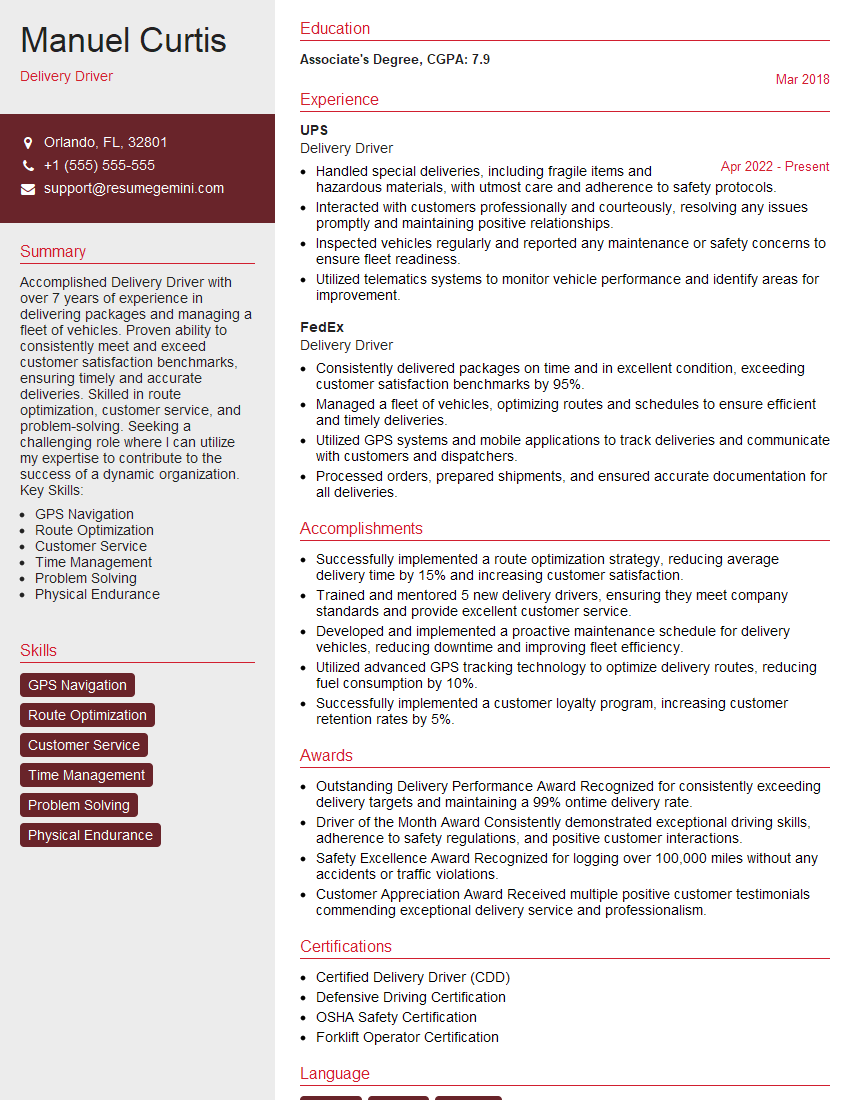
Delivery Driver Resume Sample
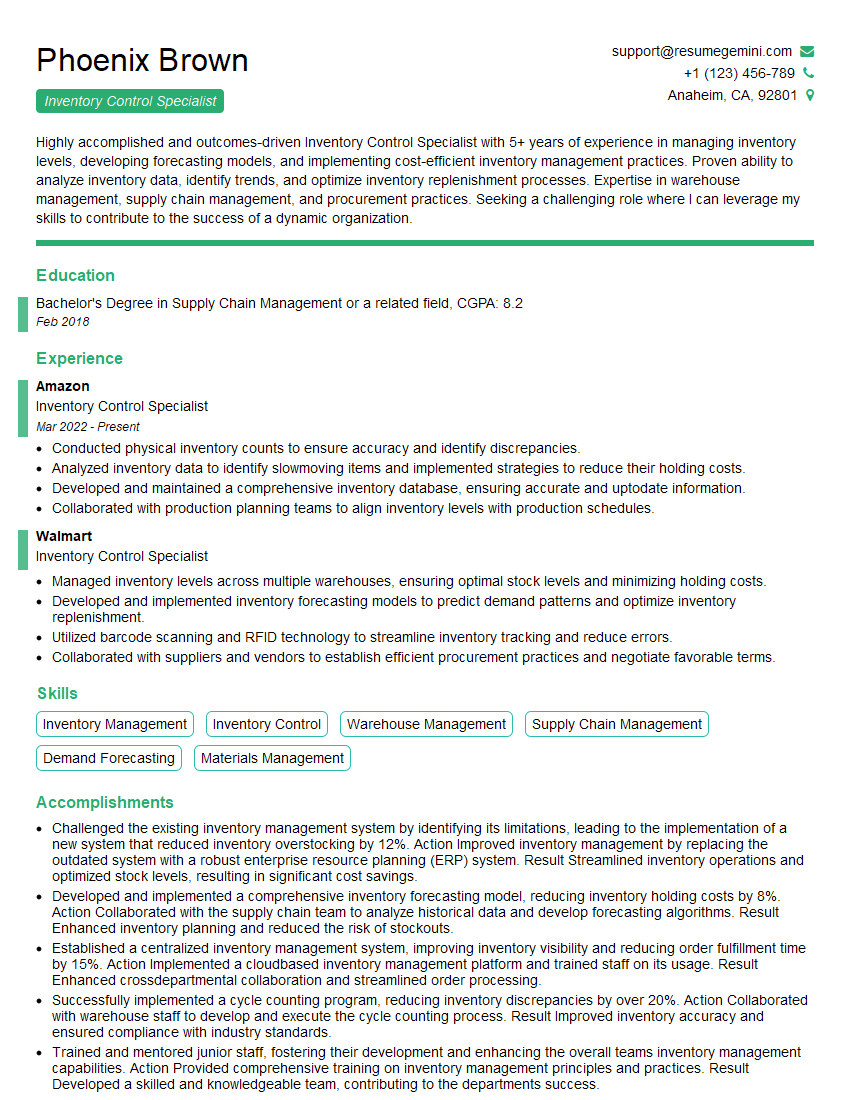
Inventory Control Specialist Resume Sample

Shipping and Receiving Clerk Resume Sample
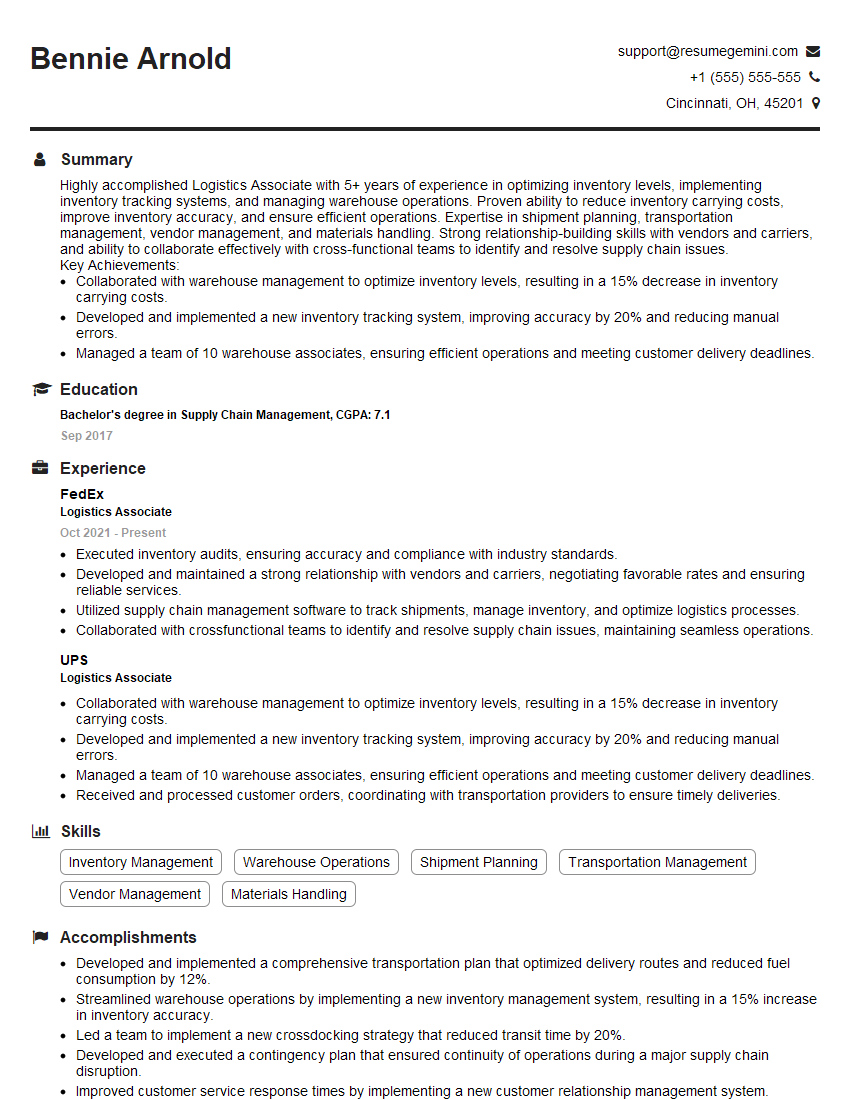
Logistics Associate Resume Sample
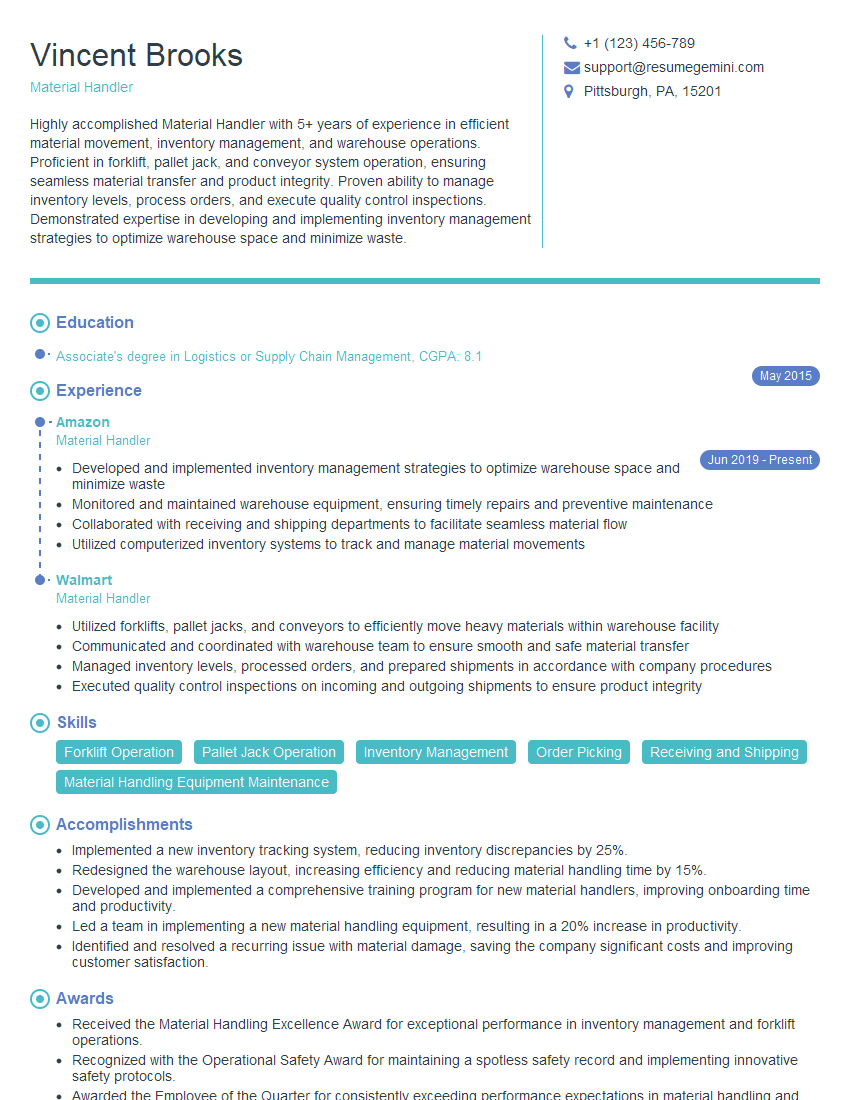
Material Handler Resume Sample
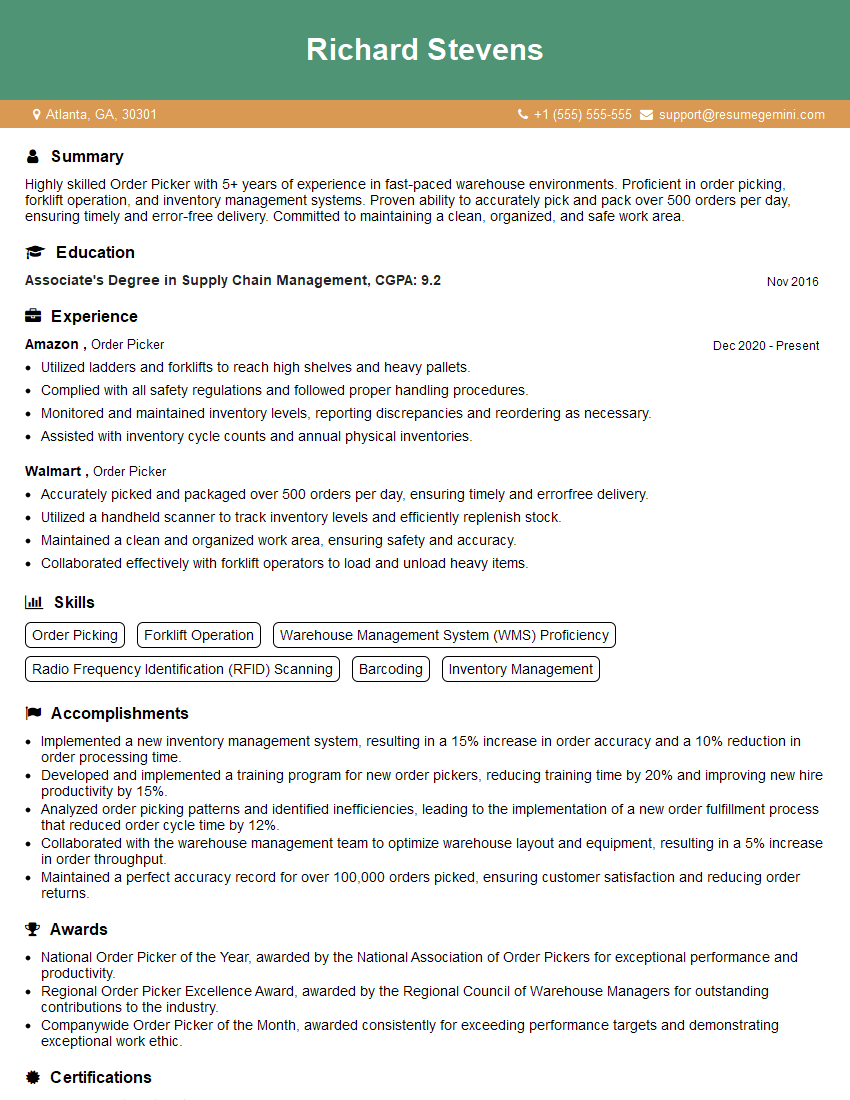
Order Picker Resume Sample
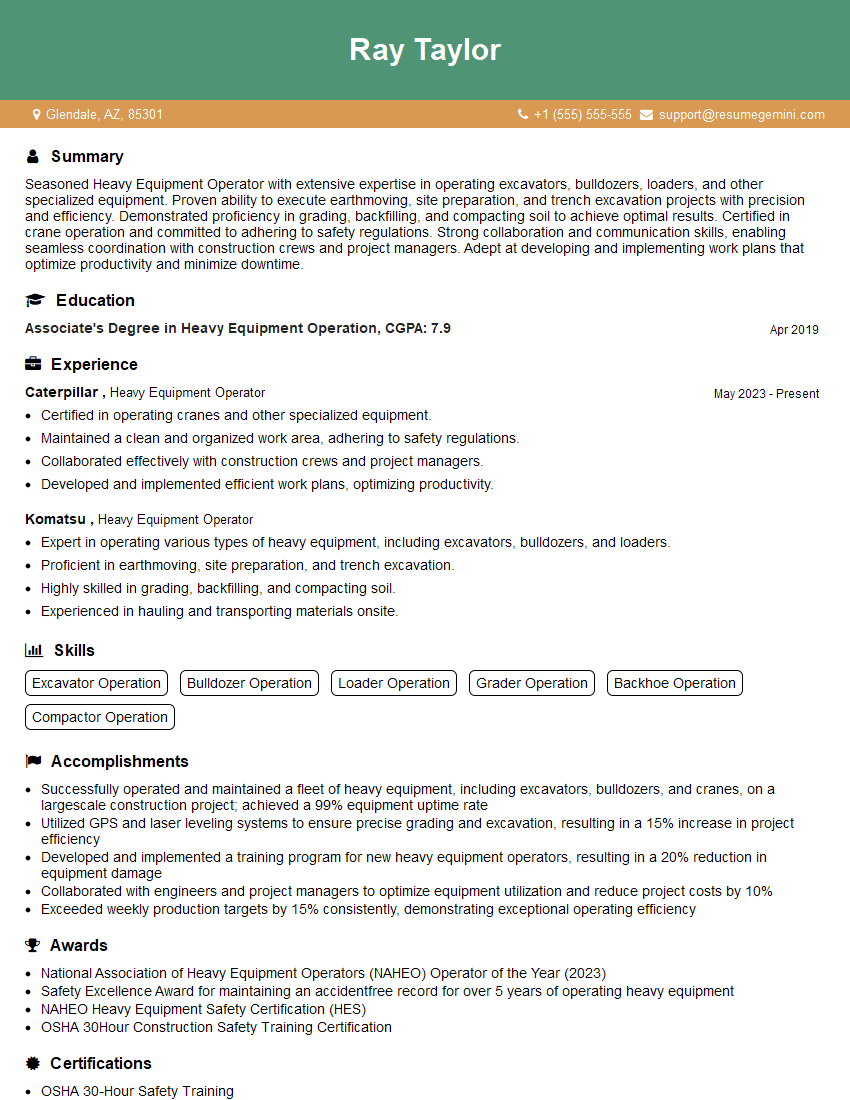
Heavy Equipment Operator Resume Sample
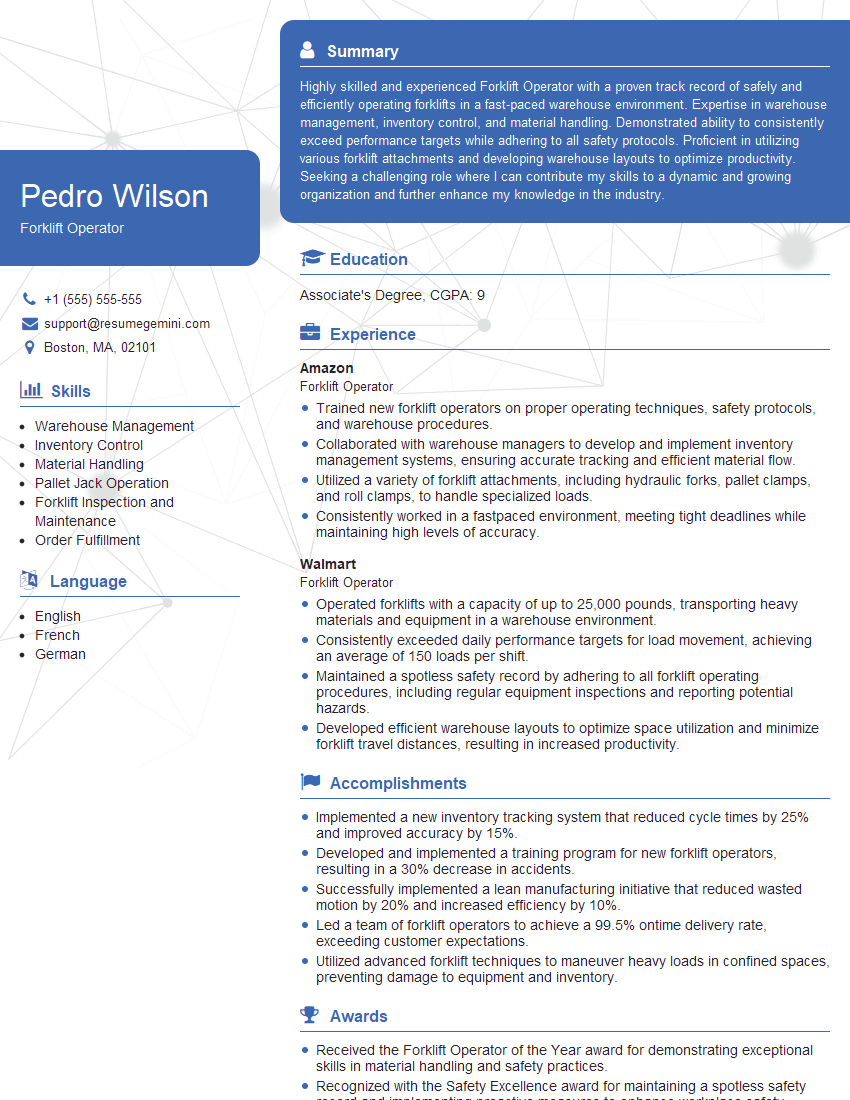
Forklift Operator Resume Sample
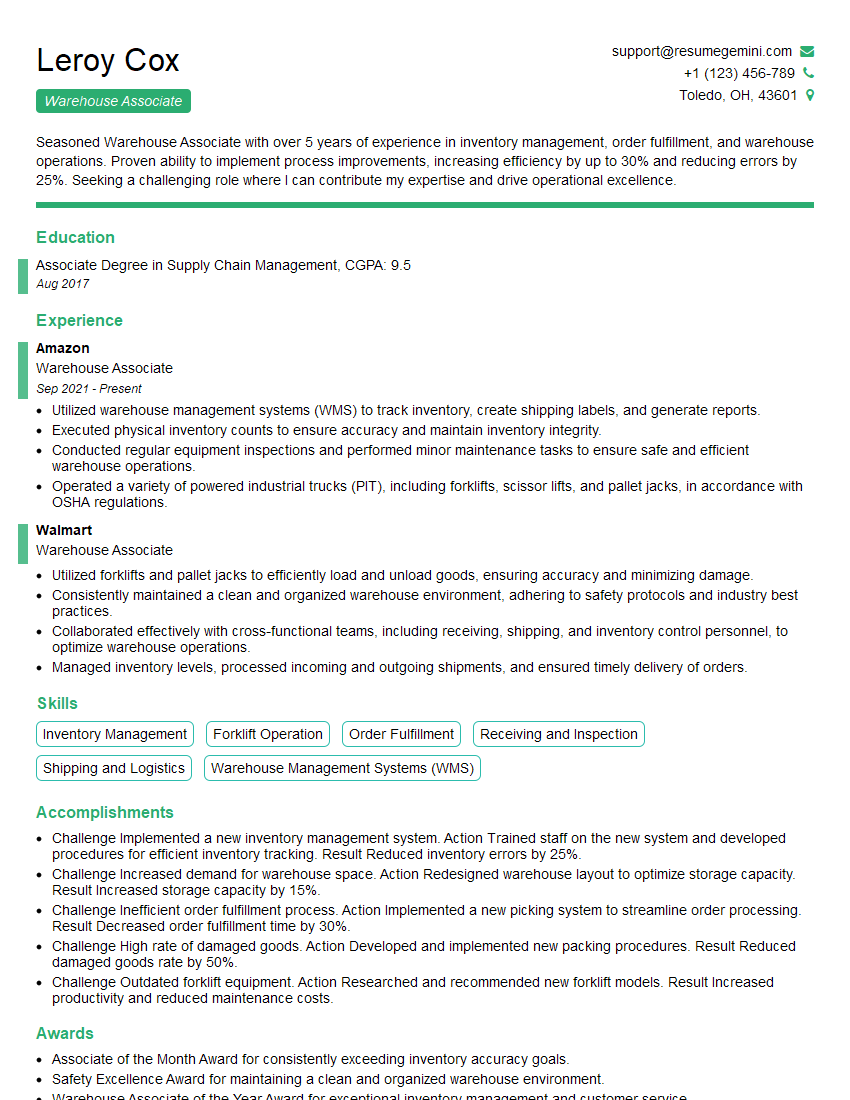
Warehouse Associate Resume Sample
- Operations Manager
- Plant Manager
- Warehouse Manager
- Warehouse Supervisor
- Logistics Coordinator
- Safety Coordinator
- Maintenance Technician
- Equipment Operator
- Order Filler
- Crane Operator
- Delivery Driver
- Inventory Control Specialist
- Shipping and Receiving Clerk
- Logistics Associate
- Material Handler
- Order Picker
- Heavy Equipment Operator
- Forklift Operator
- Warehouse Associate
Explore more articles
Users Rating of Our Blogs
Share Your Experience
We value your feedback! Please rate our content and share your thoughts (optional).
What Readers Say About Our Blog
To the interviewgemini.com Webmaster.
Very helpful and content specific questions to help prepare me for my interview!
Thank you
To the interviewgemini.com Webmaster.
This was kind of a unique content I found around the specialized skills. Very helpful questions and good detailed answers.
Very Helpful blog, thank you Interviewgemini team.