Preparation is the key to success in any interview. In this post, we’ll explore crucial Material Safety Data Sheets (MSDS) Preparation interview questions and equip you with strategies to craft impactful answers. Whether you’re a beginner or a pro, these tips will elevate your preparation.
Questions Asked in Material Safety Data Sheets (MSDS) Preparation Interview
Q 1. What are the key sections of a Safety Data Sheet (SDS)?
A Safety Data Sheet (SDS) is a standardized document that provides comprehensive information on the hazards of a chemical and how to work safely with it. Think of it as a chemical’s resume, detailing everything you need to know to handle it responsibly.
Key sections typically include:
- Identification: Product name, supplier details, emergency contact information.
- Hazard Identification: Classification of the chemical based on its hazards (e.g., flammable, toxic), signal words (Danger or Warning), hazard statements, precautionary statements.
- Composition/Information on Ingredients: Lists the chemical components and their concentrations.
- First-aid measures: Immediate actions to take in case of exposure.
- Fire-fighting measures: Suitable extinguishing media and specific hazards during a fire.
- Accidental release measures: Steps to take in case of a spill or leak.
- Handling and storage: Safe practices for handling and storing the chemical.
- Exposure controls/personal protection: Recommended personal protective equipment (PPE) and engineering controls.
- Physical and chemical properties: Information on the chemical’s physical state, appearance, boiling point, etc.
- Stability and reactivity: Information on the chemical’s stability, potential hazards from reactions, and incompatible materials.
- Toxicological information: Health effects associated with exposure to the chemical.
- Ecological information: Environmental effects of the chemical.
- Disposal considerations: Safe methods for disposing of the chemical and its containers.
- Transport information: Regulations for safe transportation of the chemical.
- Regulatory information: Relevant regulations and labeling requirements.
- Other information: Any other relevant information, such as preparation date and revision information.
Q 2. Explain the Globally Harmonized System of Classification and Labelling of Chemicals (GHS).
The Globally Harmonized System of Classification and Labelling of Chemicals (GHS) is an internationally agreed-upon system for classifying chemicals based on their hazards and communicating those hazards through labels and SDSs. It aims to create a consistent approach globally, making it easier to understand chemical safety information regardless of where the chemical is manufactured or used. Think of it as a universal language for chemical safety.
Key aspects of GHS include:
- Classification of hazards: Chemicals are classified into various hazard categories (e.g., acute toxicity, flammability, corrosivity) based on their properties.
- Hazard communication elements: This includes hazard statements (describing the nature of the hazard), precautionary statements (recommending preventive measures), pictograms (graphic symbols representing hazards), and signal words (Danger or Warning) which indicate the severity of the hazard.
- SDS format: GHS prescribes a standardized 16-section format for SDSs, ensuring consistency worldwide.
Implementing GHS reduces confusion caused by varying national regulations and improves safety by providing clear and consistent hazard information.
Q 3. What is the difference between an MSDS and an SDS?
The terms MSDS (Material Safety Data Sheet) and SDS (Safety Data Sheet) are often used interchangeably, but there’s a subtle distinction. MSDS was the older term used before the global adoption of GHS. SDS is the updated term that reflects the GHS requirements. While the content is largely the same, SDSs follow the standardized 16-section format prescribed by GHS, providing a more consistent and internationally recognized format for communicating chemical hazard information.
In essence, SDS is the modern, GHS-compliant version of the older MSDS.
Q 4. How do you ensure the accuracy of information on an SDS?
Ensuring SDS accuracy is crucial for worker safety and legal compliance. My approach involves a multi-step process:
- Reliable Sources: Using only primary sources of information like original test data, chemical supplier information, and relevant scientific literature. Never relying solely on secondary sources.
- Data Verification: Cross-referencing information from multiple sources to validate the data and identify any inconsistencies.
- Expert Review: Having a subject matter expert (SME) such as a chemist or toxicologist review the SDS to ensure the accuracy and completeness of the hazard information.
- Regular Updates: Keeping SDSs updated with any new information or changes in regulations or the chemical’s composition.
- Version Control: Implementing a system for tracking revisions and ensuring that the latest version of the SDS is always readily available.
- Record Keeping: Maintaining meticulous records of all data sources, revisions, and reviews to demonstrate compliance.
Think of it like building a house—you wouldn’t use faulty materials or skip inspections. Similarly, an accurate SDS requires a meticulous and verified process.
Q 5. Describe your experience in updating and maintaining SDSs.
I have extensive experience in updating and maintaining SDSs. In my previous role, I was responsible for managing SDSs for over 500 chemicals. This involved:
- Regular Reviews: Conducting periodic reviews of all SDSs to identify any necessary updates based on new information, regulations, or changes in our product formulations.
- Regulatory Compliance: Ensuring that all SDSs complied with the latest GHS and other relevant regulations. This often meant making changes based on updated classifications, hazard statements, or pictograms.
- Data Management: Using SDS management software (more detail below) to efficiently manage the large volume of SDSs, and to streamline the update process.
- Communication: Working closely with suppliers, regulatory bodies, and internal stakeholders to obtain necessary information and address any concerns.
- Training: Providing training to employees on proper SDS use and interpretation.
One particularly challenging project involved updating SDSs after a change in the composition of a key ingredient. This required extensive research and collaboration with our supplier to ensure we had accurate and up-to-date information before releasing the revised SDSs.
Q 6. What software or systems have you used for SDS management?
I’ve worked with several SDS management software systems, including Chemwatch, ehsCompliance, and SAP EH&S. These systems offer a variety of features such as:
- Centralized database: Storing and managing all SDSs in a single, accessible location.
- Automated updates: Receiving automatic updates from suppliers when SDSs are revised.
- Workflow management: Managing the SDS review and approval process efficiently.
- Reporting and analytics: Generating reports on SDS data and tracking compliance.
- Integration with other systems: Integrating with other enterprise systems for better data management.
The choice of software depends on the specific needs of the organization, such as the number of chemicals managed and the level of automation required.
Q 7. How do you handle conflicting information from different sources when creating an SDS?
Handling conflicting information from different sources is a common challenge in SDS preparation. My approach is methodical:
- Source Evaluation: Carefully assessing the credibility and reliability of each source. Prioritizing information from primary sources like the original chemical manufacturer.
- Data Triangulation: If possible, seeking a third independent source to corroborate or refute the conflicting information.
- Scientific Judgment: Applying scientific knowledge and judgment to interpret the conflicting data. This often involves assessing the methodology used in different studies or considering the potential biases.
- Consult Experts: If the conflict cannot be resolved easily, consulting with a subject matter expert such as a toxicologist or chemist to make an informed decision.
- Documentation: Meticulously documenting all sources, the nature of the conflict, and the rationale behind the final decision.
Transparency and clear documentation are key to resolving conflicts and ensuring the SDS reflects the best available scientific evidence.
Q 8. Explain the process of classifying a chemical according to GHS.
Classifying a chemical according to the Globally Harmonized System of Classification and Labelling of Chemicals (GHS) involves a systematic process of identifying its inherent hazards and assigning it the appropriate hazard classifications and hazard statements. This process isn’t guesswork; it’s data-driven and relies on robust testing and evaluation.
- Hazard Identification: This crucial first step involves reviewing available data, such as the chemical’s composition, properties (physical, chemical, toxicological), and intended use. We look at things like flammability, toxicity, reactivity, and corrosiveness. For example, if a chemical is known to cause skin irritation, that would be a hazard we identify.
- Hazard Classification: Based on the identified hazards, we assign specific hazard classes and categories. These are defined within the GHS and include categories like acute toxicity, skin corrosion/irritation, respiratory sensitization, and many others. Each hazard class has specific criteria which must be met for classification. For instance, a chemical might be classified as acutely toxic Category 3 if it meets certain LD50 (lethal dose) values.
- Signal Word Determination: Once hazards are classified, a signal word – either ‘Danger’ (for more severe hazards) or ‘Warning’ (for less severe hazards) – is assigned. This provides an immediate indication of the severity of the chemical’s hazards.
- Hazard Statement Assignment: Pre-defined hazard statements, specific to each hazard class, are chosen to clearly communicate the nature of the risks associated with the chemical. These statements provide detailed information about the hazards, such as ‘May cause skin irritation’ or ‘Causes serious eye damage’.
- Precautionary Statement Assignment: We then select appropriate precautionary statements that describe recommended measures to mitigate the identified hazards. These might include ‘Wear protective gloves/protective clothing/eye protection/face protection’ or ‘Store in a well-ventilated place’.
Think of it like building a house: hazard identification is the blueprint, classification is the foundation, signal words and statements are the warning signs, and precautionary statements are the instructions for safe use. The entire process is meticulously documented and justifiable, ensuring transparency and accuracy.
Q 9. How do you ensure SDSs are readily accessible to employees?
Ensuring readily accessible SDSs for employees requires a multi-pronged approach focusing on both physical and digital accessibility. Simply having them somewhere isn’t enough; employees must know where to find them and understand their importance.
- Centralized Location: A designated, easily accessible location, such as a chemical storage area or a dedicated safety office, should house physical copies of SDSs. These should be well-organized (alphabetically, by chemical family, etc.) and clearly labeled.
- Digital Access: A company intranet or a dedicated SDS management software provides instant digital access. This is highly recommended as it enables easy searching, version control and update notifications. Employees should be able to easily search for SDSs by chemical name or CAS number.
- Training and Awareness: Regular safety training is essential to educate employees on the importance of SDSs, where to find them, and how to interpret the information. This training should be documented to demonstrate compliance.
- Labeling: Every container of a hazardous chemical should be clearly labeled with the chemical’s name and a reference to where the SDS can be found. This ensures that workers know where to find relevant information at the point of contact with the chemical.
- Regular Updates: The SDS management system should have version control; ensure that the latest version is always accessible and that outdated versions are promptly removed.
Consider it like a library: you need a well-organized system, clear signage, and knowledgeable librarians (your safety team) to help employees locate the information they need quickly and easily.
Q 10. What are the legal requirements for SDS preparation and distribution in your region?
Legal requirements for SDS preparation and distribution vary by region. However, most jurisdictions adhere to the Globally Harmonized System (GHS) principles and have specific legislation in place. (Note: Since I don’t have a specific region assigned, I will offer a general overview. Consult your local Occupational Safety and Health Administration (OSHA) or equivalent for specific legal requirements in your area.)
- SDS Content: The SDS must contain specific information mandated by law, including the chemical’s identity, hazards, composition, first-aid measures, fire-fighting measures, accidental release measures, handling and storage, exposure controls, personal protection, physical and chemical properties, stability and reactivity, toxicological information, ecological information, disposal considerations, and regulatory information.
- Accessibility: SDSs must be readily accessible to all employees who may be exposed to the chemical. This often includes provision both physically and digitally, as discussed earlier.
- Language: SDSs should be provided in the language(s) understood by the employees.
- Revisions: SDSs must be updated whenever new information becomes available that could impact the safety of employees. Changes must be communicated to employees and often require re-training.
- Record Keeping: Accurate records must be maintained, documenting the preparation, distribution, and revisions of SDSs.
- Penalties for Non-Compliance: Failure to comply with SDS regulations can result in significant penalties, including fines and legal action.
Staying compliant is not just about avoiding penalties; it’s about prioritizing the health and safety of your workforce. Proactive SDS management is a fundamental part of responsible chemical handling.
Q 11. How do you determine the appropriate pictograms for a chemical hazard?
Determining the appropriate pictograms for a chemical hazard is directly tied to the hazard classification of the chemical. Each pictogram represents a specific hazard class. The GHS provides a standardized set of pictograms.
For example:
- Flame: Flammable substances
- Exclamation mark: Irritant, health hazard, etc.
- Corrosion: Corrosive substances
- Health hazard: Toxic, carcinogenic, mutagenic, etc.
- Environment: Harmful to the environment
- Gas cylinder: Gases under pressure
- Skull and crossbones: Acute toxicity
- Exploding bomb: Explosives
The process is straightforward: after classifying the chemical according to GHS criteria, you simply select the pictogram(s) that correspond to the assigned hazard class(es). For instance, if a chemical is classified as both flammable and corrosive, both the flame and corrosion pictograms would be used on the label and SDS. There is no room for ambiguity; the pictograms are unequivocal indicators of specific hazards.
Q 12. Describe your experience with SDS authoring software.
I have extensive experience with several SDS authoring software packages, including (mention specific software used, e.g., Chemwatch, ehsdb, etc.). These tools streamline the SDS creation process significantly. My expertise includes using these platforms to:
- Data Entry and Management: Efficiently inputting and managing large quantities of chemical data, ensuring accuracy and consistency across all SDSs.
- Hazard Classification: Utilizing software algorithms and built-in GHS classification tools to automatically classify chemicals based on their properties.
- Template Customization: Adapting templates to meet specific regulatory requirements for various regions and jurisdictions.
- SDS Generation: Generating compliant SDSs in multiple languages as needed.
- Revision Management: Tracking changes, managing revisions, and distributing updates efficiently.
- Data Integration: Integrating SDS data with other enterprise systems, such as inventory management or safety reporting.
These software solutions provide valuable automation and quality control, eliminating many of the manual processes involved in SDS preparation, saving both time and resources while helping prevent human error. It’s a clear upgrade from manual creation. I’m proficient in ensuring compliance with all relevant regulations using these platforms, and my experience includes generating SDSs for a wide range of chemicals across different industries.
Q 13. How do you handle revisions to SDSs?
Handling SDS revisions requires a systematic and documented approach to maintain compliance and inform all relevant stakeholders.
- Trigger for Revision: Revisions are triggered by new information becoming available—this could be updated toxicological data, changes in the chemical’s composition, new regulatory requirements, or identification of a previously unknown hazard.
- Revision Process: Once a need for revision is identified, I review and update the relevant sections of the SDS. This may involve consulting additional safety data, reviewing scientific literature, or seeking guidance from regulatory bodies. Changes are made in a controlled manner, ensuring traceability.
- Version Control: Each revision is assigned a new version number, allowing for tracking and ensuring that the most up-to-date SDS is available. Older versions should be archived, but accessible.
- Communication and Distribution: Once the revised SDS is finalized and approved, it’s crucial to promptly communicate the update to all employees and other relevant parties. This usually includes distributing the updated SDS through the company intranet, updating physical copies in designated locations, and potentially sending out email notifications to ensure widespread awareness.
- Documentation: A complete record of all SDS revisions, including the reasons for the change and the date of implementation, should be kept. This provides a clear audit trail for compliance purposes.
Think of it as maintaining a living document. The SDS is not static, and staying current is critical for safety.
Q 14. What are the key hazards associated with the chemical you are responsible for?
(Note: Since no specific chemical is mentioned, I will provide a hypothetical example. In a real interview, I would provide details on the specific chemicals I have handled, including their specific hazards.)
Let’s assume I’m responsible for handling sulfuric acid. The key hazards associated with sulfuric acid are numerous and significant:
- Corrosive: Sulfuric acid is highly corrosive to skin, eyes, and mucous membranes, causing severe burns and potential permanent damage.
- Toxic: Inhalation of sulfuric acid mist or fumes can cause respiratory irritation and damage, and ingestion can be extremely dangerous.
- Reactivity: It reacts violently with water, producing significant heat and potentially causing splashes and burns. It can also react violently with various other substances.
- Flammable (in some concentrations): Concentrated solutions can generate flammable gases under certain conditions.
Understanding these hazards is fundamental to implementing proper safety precautions, including the use of appropriate personal protective equipment (PPE), proper handling procedures, adequate ventilation, emergency response planning, and appropriate storage conditions. The SDS will clearly outline all these hazards and the necessary safety precautions.
Q 15. How do you communicate SDS information to non-technical personnel?
Communicating SDS information to non-technical personnel requires simplifying complex technical jargon into easily understandable language. I use a combination of techniques to achieve this. Firstly, I avoid technical terms whenever possible, opting for clear, concise language. Instead of saying ‘flammable,’ I might say ‘easily catches fire.’ Secondly, I use visuals like pictograms (the globally harmonized system of classification and labelling of chemicals, or GHS, pictograms are especially helpful here) and simple charts to represent complex data, such as the health hazards or protective measures. For example, I might create a simple chart summarizing the personal protective equipment (PPE) needed, using icons representing gloves, goggles, and respirators. Thirdly, I tailor my communication to the audience’s specific needs and level of understanding. A factory worker will require a different level of detail compared to a manager. Finally, I always encourage questions and ensure that the information is readily available in a variety of formats, such as short summaries, frequently asked questions (FAQs) sheets, or even short training videos.
For instance, when explaining the hazards of a specific chemical, I would avoid terms like ‘acute toxicity’ and instead describe the potential health effects in plain terms, such as ‘can cause skin irritation and breathing difficulties if inhaled.’ I’d then clarify what measures to take to avoid these issues. This approach ensures that the information is not only understood but also remembered and acted upon.
Career Expert Tips:
- Ace those interviews! Prepare effectively by reviewing the Top 50 Most Common Interview Questions on ResumeGemini.
- Navigate your job search with confidence! Explore a wide range of Career Tips on ResumeGemini. Learn about common challenges and recommendations to overcome them.
- Craft the perfect resume! Master the Art of Resume Writing with ResumeGemini’s guide. Showcase your unique qualifications and achievements effectively.
- Don’t miss out on holiday savings! Build your dream resume with ResumeGemini’s ATS optimized templates.
Q 16. Explain your understanding of the different hazard classes.
My understanding of hazard classes is rooted in the Globally Harmonized System of Classification and Labelling of Chemicals (GHS). The GHS provides a standardized system for classifying chemicals based on their inherent hazards. These hazards are broadly categorized into physical hazards, health hazards, and environmental hazards. Within each category exist numerous specific hazard classes.
- Physical Hazards: These relate to the chemical’s physical properties and their potential for causing harm. Examples include explosives, flammables, oxidizers, corrosives, and gases under pressure. A flammable liquid, like gasoline, falls under this category due to its low flashpoint and potential to easily ignite.
- Health Hazards: These refer to the potential for a chemical to cause harm through various routes of exposure – inhalation, ingestion, or skin contact. Examples include carcinogens (cancer-causing agents), mutagens (agents causing genetic mutations), reproductive toxins, respiratory sensitizers, skin irritants, and acute toxins. A chemical listed as a carcinogen might require stricter handling procedures and PPE.
- Environmental Hazards: These assess the potential for a chemical to harm the environment. Examples include chemicals that are acutely hazardous to the aquatic environment, such as certain pesticides, or chemicals that have long-term effects on the environment through bioaccumulation.
Understanding these classes is critical for proper hazard communication, risk assessment, and the development of appropriate safety precautions. Each hazard class dictates specific requirements for labelling, handling, storage, and disposal, as detailed in the SDS.
Q 17. How do you ensure the SDS complies with relevant regulations?
Ensuring SDS compliance involves a multi-step process. Firstly, I identify all applicable regulations. This often includes OSHA (Occupational Safety and Health Administration) standards in the US, WHMIS (Workplace Hazardous Materials Information System) in Canada, and the Globally Harmonized System of Classification and Labelling of Chemicals (GHS) globally. Secondly, I utilize up-to-date databases and software to classify chemicals according to these regulations. These tools often cross-reference chemical properties with regulations. Thirdly, I meticulously review and update the SDS to ensure that all sections align with these regulations, including the classification, hazard statements, precautionary statements, and other required information. Finally, I maintain meticulous records of all the updates and changes made to demonstrate ongoing compliance with auditing purposes. Regular internal reviews of the SDS and keeping abreast of regulatory changes are also crucial parts of maintaining compliance. Ignoring changes to regulations can lead to significant non-compliance penalties and safety risks.
Q 18. Describe your experience with SDS audits and inspections.
I have extensive experience with SDS audits and inspections, both internal and external. During internal audits, I lead the process of reviewing SDSs for completeness, accuracy, and compliance with regulations, focusing on areas such as proper hazard classification, clear communication of hazards, and correct handling procedures. External audits are similar, but they involve a third-party auditor evaluating the SDSs and associated safety processes. In both scenarios, I collaborate with the relevant personnel to address any identified discrepancies.
For instance, during a recent external audit, a minor inconsistency was discovered between the SDS’s recommended PPE and the actual PPE utilized on the production line. By quickly identifying and documenting this discrepancy, I facilitated a prompt resolution involving updating the SDS and providing additional safety training to the workers. My experience allows me to anticipate potential audit findings and proactively address them, minimizing disruptions and demonstrating a strong commitment to safety.
Q 19. What is your process for managing SDSs for multiple products?
Managing SDSs for multiple products requires a robust system for organization and tracking. I typically utilize a specialized SDS management software to store and organize all the SDSs. This software allows for efficient searching and retrieval of specific SDSs based on chemical name, CAS number, or other identifiers. The software also helps track the revision history for each SDS and alerts us to any updates or regulatory changes affecting the documents. Furthermore, I implement a system of regular reviews and updates for all SDSs, considering the frequency of use, potential for changes in the chemical composition, or changes in regulations. Clear labelling systems are also paramount, including a centralized storage location for both physical and digital copies of the SDSs. A strong training program that educates employees on how to access and interpret SDS information is also critical. This system ensures that all relevant personnel have easy access to the most up-to-date safety information for every product.
Q 20. How do you identify and address potential hazards associated with chemicals?
Identifying and addressing potential hazards associated with chemicals involves a risk assessment process. This process involves identifying the hazards of a chemical through its SDS and other relevant data, assessing the level of risk associated with those hazards based on exposure potential, and implementing control measures to mitigate the risk. The SDS is the cornerstone of this process, providing critical information about the chemical’s hazards, physical and chemical properties, and recommended handling procedures. This information is essential to determine the type and extent of necessary protective measures and emergency response protocols.
For example, if a chemical is identified as corrosive, the risk assessment would involve evaluating the potential for skin contact or eye exposure. Control measures might then include providing appropriate PPE (gloves, eye protection), engineering controls (local exhaust ventilation), administrative controls (training, work procedures), and emergency procedures. Regularly reviewing and updating this risk assessment as new information becomes available or conditions change is a key part of maintaining worker safety.
Q 21. How do you ensure SDS information remains current and compliant?
Ensuring SDS information remains current and compliant requires a proactive approach. I establish a system of regular reviews of all SDSs. This includes tracking regulatory changes (such as updates to GHS or OSHA standards), checking for updates from the chemical manufacturer, and conducting periodic internal audits to verify the accuracy and completeness of the information. Software designed for SDS management often includes features like automatic alerts for regulatory changes, significantly simplifying this process. Manufacturers are required to update SDSs when changes to chemical composition or classification occur, and staying abreast of these changes requires effective communication channels with suppliers.
Additionally, I maintain meticulous records of all updates and revisions made to the SDSs. This documentation is not only critical for demonstrating compliance but also provides a clear audit trail for tracking any changes over time. Failure to keep SDS information current can lead to accidents, injuries, non-compliance penalties, and legal liabilities. Regular updates are a crucial aspect of proactive safety management.
Q 22. Explain your experience with SDS translation and localization.
SDS translation and localization go beyond simply converting text from one language to another. It requires a deep understanding of both the chemical product and the regulatory requirements of the target country. My experience involves ensuring accuracy, consistency, and compliance across multiple languages. This includes not only translating the text but also adapting it to cultural nuances and local regulatory standards. For example, hazard pictograms and signal words may vary between regions, necessitating careful review and adjustment. I’ve worked with translation software, but always prioritize manual review by native speakers familiar with the relevant safety regulations to ensure the translated SDS is both accurate and legally compliant. I’ve managed projects involving multiple languages such as Spanish, French, German, and Mandarin, handling everything from initial translation requests to final quality control.
For example, I once managed the translation of an SDS for a cleaning solution. The original SDS used a term for ‘flammable’ that had a slightly different connotation in the target language (Portuguese). A direct translation could have caused misunderstanding and safety risks. I worked closely with our Portuguese-speaking reviewer to ensure the correct terminology and hazard classification were used, reflecting the precise flammability risk, to avoid any misinterpretation.
Q 23. How do you handle emergency situations related to chemical exposure?
Handling chemical exposure emergencies requires immediate and decisive action. My approach is based on the principles of OSHA and other relevant safety regulations. First, I ensure the immediate safety of everyone in the vicinity by following established emergency procedures, which might include evacuating the area or containing the spill. Second, I immediately contact emergency services (911, or local equivalent) and follow their instructions. Third, I consult the SDS for the specific chemical involved to identify the hazards, first-aid measures, and recommended cleanup procedures. This includes understanding specific personal protective equipment (PPE) requirements. Fourth, I participate in the post-incident investigation, documenting the event and contributing to improving safety protocols to prevent future occurrences. This might include reviewing training procedures or updating emergency response plans.
For instance, during a small chemical spill at a previous workplace, my immediate actions were to secure the area, contact emergency services, and quickly locate the SDS for the spilled chemical. The SDS indicated that the chemical required specific neutralization agents and protective clothing for cleanup. By following the SDS instructions and collaborating with emergency responders, we successfully contained the spill and minimized potential harm.
Q 24. Describe a time you had to troubleshoot an SDS-related issue.
A particularly challenging SDS issue arose when we identified inconsistencies between the physical properties listed in the SDS and the actual properties of the product as tested in our lab. The discrepancies were minor, but they were enough to raise concerns about the accuracy of the entire document. My troubleshooting involved a methodical approach. I first reviewed the original data used to create the SDS, comparing it to the new laboratory results. I then contacted the manufacturer to clarify the discrepancies, eventually discovering an error in the original data entry. The resolution required creating a revised SDS with the corrected data. To prevent future issues, I implemented a more rigorous data validation process, incorporating a cross-check against laboratory results during SDS preparation.
This experience taught me the importance of cross-referencing information and having a robust validation process. It also emphasized the need for clear communication and collaboration between different departments (in this case, lab, production, and safety).
Q 25. How do you manage SDSs for obsolete or discontinued products?
Managing SDSs for obsolete or discontinued products requires a structured archiving system to ensure continued compliance and access to crucial safety information. We typically maintain a comprehensive archive of all SDSs, even after product discontinuation. These archived documents are kept secure, easily retrievable, and accessible for the necessary duration based on local regulations and any potential liability issues. The archive may be physical or digital, but either way, it must meet our internal and regulatory requirements on data security and accessibility. A detailed record-keeping system ensures we can quickly locate any past SDS if needed, even if the product was discontinued decades ago. We also ensure all relevant employees are aware of the archiving system and procedures.
In my previous role, we used a dedicated software program to manage SDS archiving, and we implemented a robust document retention policy in accordance with our local regulations. The software allowed us to securely store, retrieve, and easily search through the large volume of archived SDS documents.
Q 26. What are some common mistakes made in SDS preparation?
Common mistakes in SDS preparation often stem from a lack of attention to detail or a misunderstanding of regulatory requirements. These include:
- Inaccurate or incomplete hazard information: This could be due to using outdated data or not properly classifying hazards.
- Missing or unclear sections: Crucial sections like first-aid measures or handling and storage may be incomplete or poorly written.
- Non-compliance with regulatory standards: SDSs must comply with local and international regulations, like GHS (Globally Harmonized System), and failure to do so can lead to legal repercussions.
- Poor formatting and readability: A poorly formatted SDS is hard to understand and use, defeating its purpose.
- Lack of regular updates: SDSs must be updated regularly to reflect any changes in the product’s composition or new safety information.
These errors can lead to misinterpretation of safety information, which in turn can increase workplace risks and potentially lead to accidents or injuries. Therefore, accuracy and thoroughness are crucial aspects of SDS preparation.
Q 27. How do you contribute to a safe working environment through SDS management?
SDS management plays a vital role in contributing to a safe working environment. By ensuring that accurate and accessible SDSs are readily available for all hazardous materials used, we empower employees to work safely. Properly prepared SDSs provide critical information about potential hazards, handling precautions, and emergency response procedures. This reduces the risk of accidents and illnesses caused by chemical exposure. My contributions involve not just creating and maintaining SDSs, but also ensuring employee training on SDS interpretation and usage. We encourage active engagement with SDSs – making them easy to find and understand, and emphasizing the importance of consulting them before handling any hazardous materials.
For example, we’ve implemented a system that makes SDSs readily accessible through a company intranet, integrating it directly into our inventory management system. This ensures that employees always have access to the correct and up-to-date safety information for any specific material they are working with.
Q 28. What are your strategies for keeping up-to-date with changes in SDS regulations?
Staying up-to-date with changes in SDS regulations is critical. My strategies involve a multi-pronged approach. Firstly, I actively monitor relevant regulatory bodies like OSHA (in the US) or equivalent agencies in other regions for updates and changes in standards. This includes subscribing to newsletters, attending webinars, and regularly reviewing their websites. Secondly, I actively participate in professional organizations and conferences related to chemical safety and SDS management. These events offer valuable updates and networking opportunities. Thirdly, I utilize specialized software and databases that track regulatory changes and alert us to relevant updates. Finally, I incorporate continuous learning into my routine, regularly reviewing educational materials and attending relevant training sessions to maintain my expertise in SDS management.
Keeping abreast of changes ensures that our company’s SDSs are always compliant and up-to-date, protecting both our employees and our organization from potential risks and legal issues.
Key Topics to Learn for Material Safety Data Sheets (MSDS) Preparation Interview
- Understanding the Structure of an MSDS: Learn to navigate the 16 sections of a typical MSDS and understand the information contained within each.
- Identifying Hazardous Materials: Practice identifying potential hazards based on information presented in MSDSs, including chemical properties, health effects, and physical hazards.
- Interpreting Safety Precautions: Develop the ability to understand and apply the recommended safety precautions, including personal protective equipment (PPE) requirements and handling procedures.
- Emergency Response Procedures: Familiarize yourself with the emergency response information provided in MSDSs and understand how to react in various scenarios.
- Regulatory Compliance: Understand the legal and regulatory aspects of MSDSs and their importance in workplace safety and compliance.
- Practical Application: Develop scenarios where you can apply your knowledge to real-world situations, such as determining the appropriate PPE for a specific task based on the MSDS information.
- Problem-Solving: Practice identifying potential safety issues based on incomplete or ambiguous MSDS information and propose solutions.
- Data Analysis and Interpretation: Learn to critically analyze the data provided in MSDSs and draw accurate conclusions regarding risks and safety measures.
- Communication and Training: Understand how to effectively communicate MSDS information to others, including colleagues and supervisors, and the importance of employee training.
Next Steps
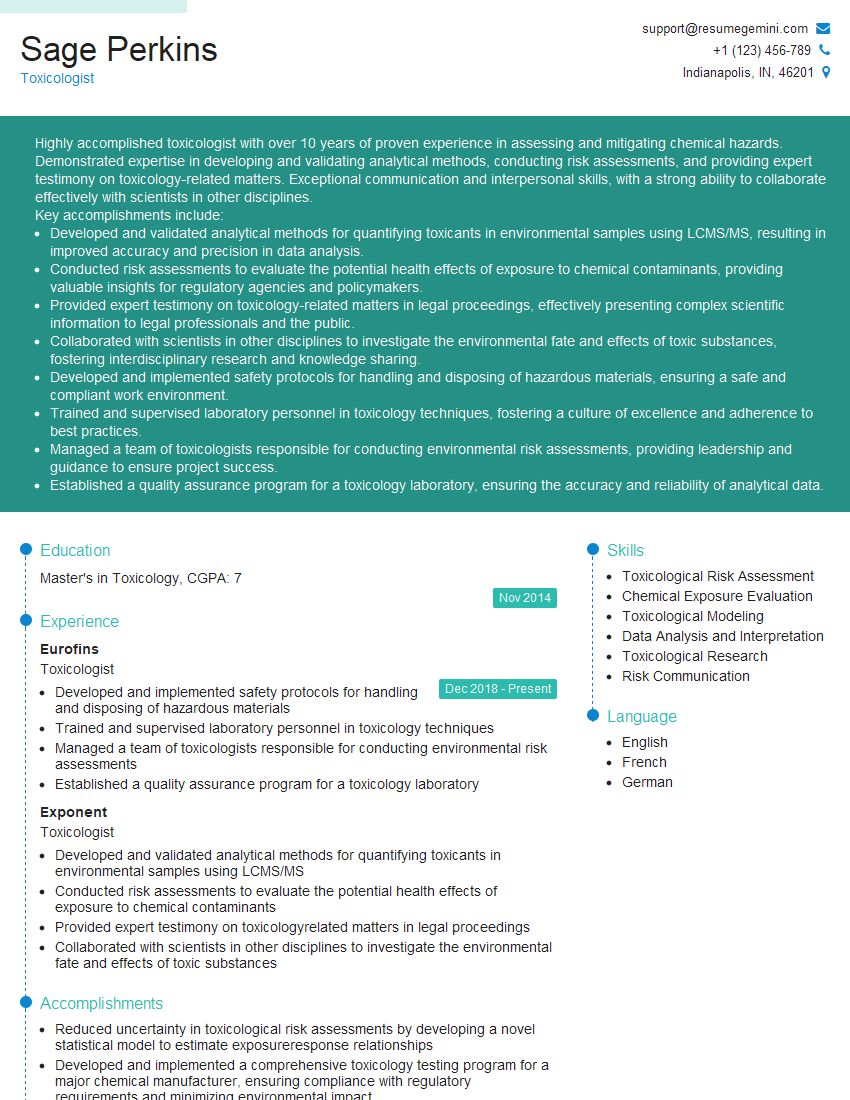
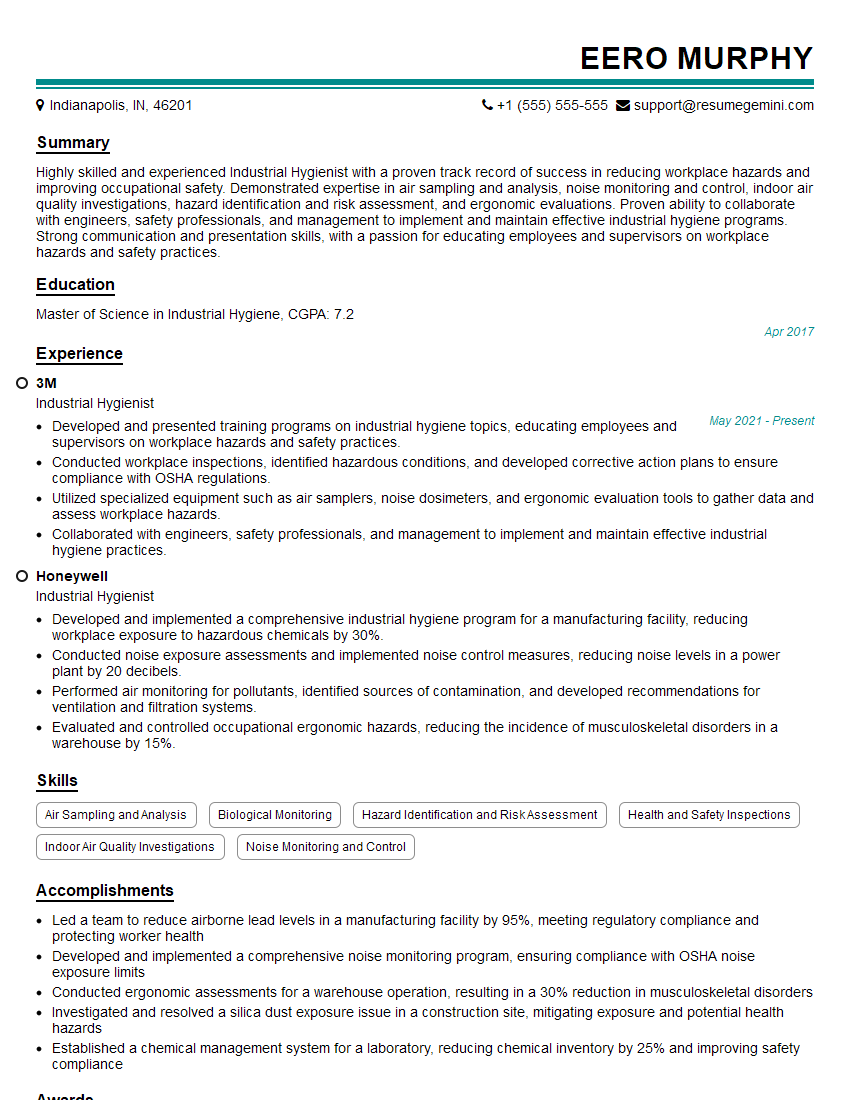
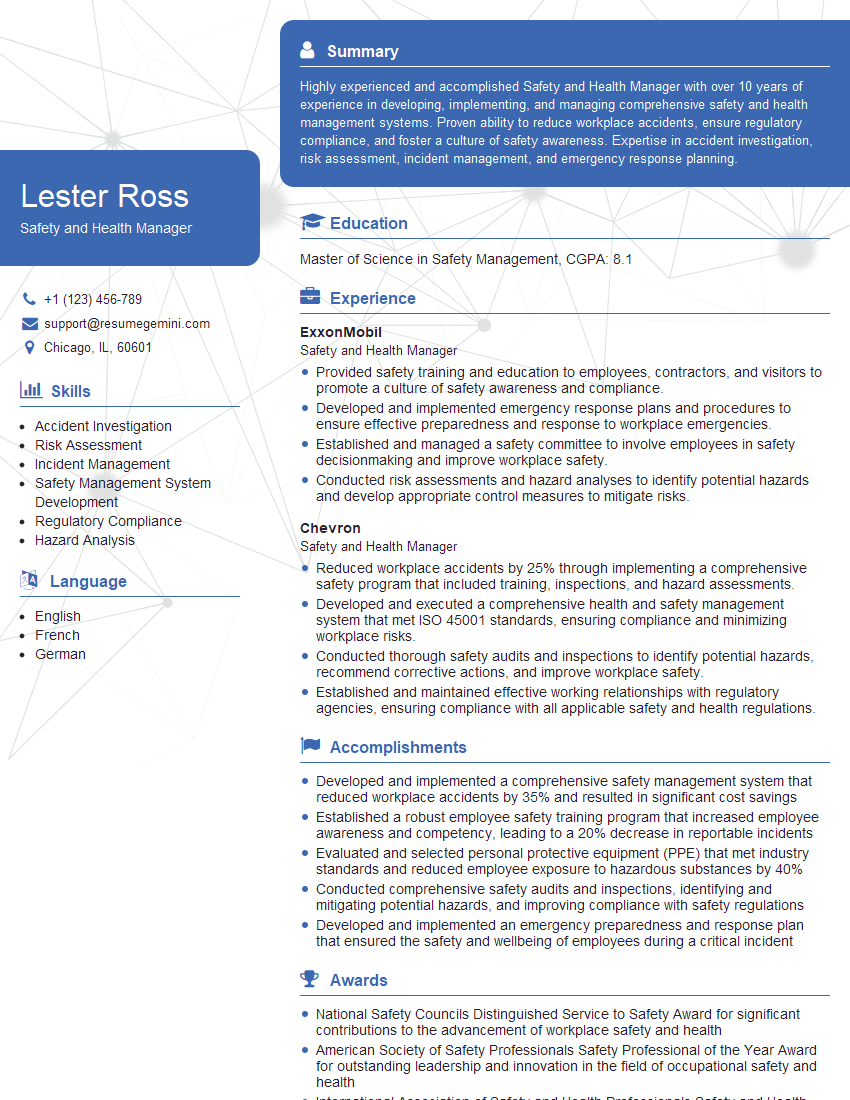
Mastering Material Safety Data Sheets is crucial for career advancement in many safety-conscious industries. A strong understanding of MSDSs demonstrates your commitment to safety and your ability to handle hazardous materials responsibly. This skill is highly valued by employers. To increase your chances of landing your dream role, create an ATS-friendly resume that highlights your expertise. ResumeGemini is a trusted resource to help you build a professional and impactful resume. Examples of resumes tailored to Material Safety Data Sheets (MSDS) Preparation are available to help you create a winning application.
Explore more articles
Users Rating of Our Blogs
Share Your Experience
We value your feedback! Please rate our content and share your thoughts (optional).
What Readers Say About Our Blog
To the interviewgemini.com Webmaster.
Very helpful and content specific questions to help prepare me for my interview!
Thank you
To the interviewgemini.com Webmaster.
This was kind of a unique content I found around the specialized skills. Very helpful questions and good detailed answers.
Very Helpful blog, thank you Interviewgemini team.